When Dinner Out Didn't Break The Bank
Remember when $20 could buy dinner for two at Applebee's, or when a family could head to a restaurant without worrying about a massive bill? In the 2000s, chains like Chili's, Olive Garden, and TGI Fridays competed to offer Americans enormous portions at surprisingly low prices. But behind those bottomless breadsticks and bargain meals, the restaurant business was changing in ways customers couldn't see. Some of those beloved deals eventually became financial disasters, and the fallout helps explain why eating out today feels so expensive.
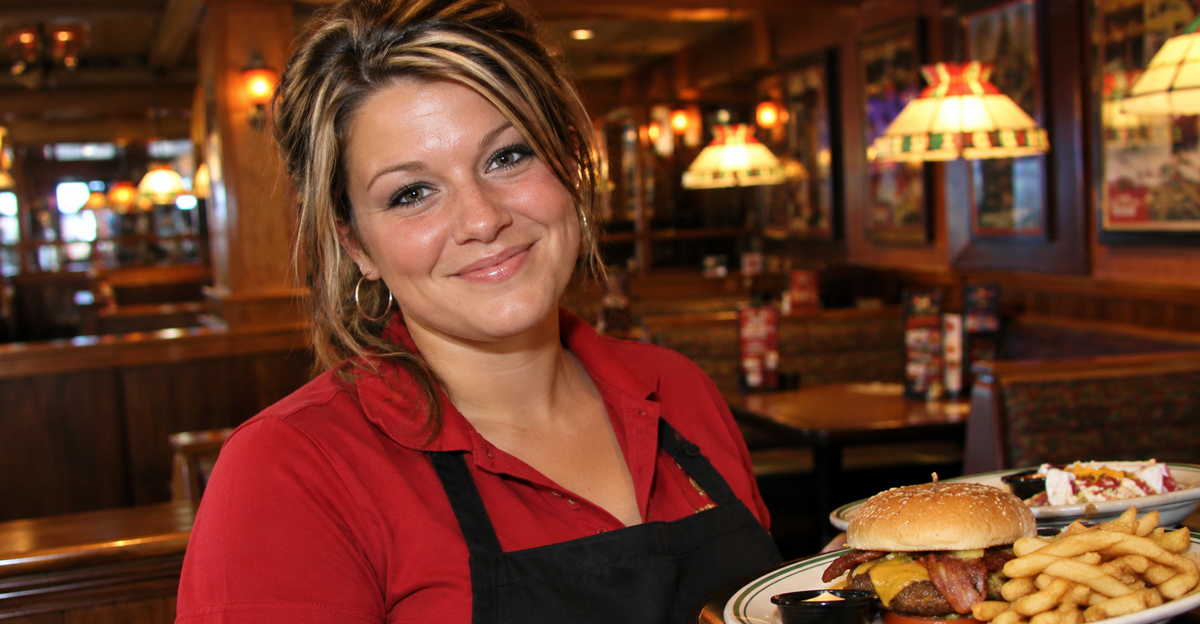
 Factinate LTD.heavily 00's-coded wait-staff lady
Applebee's Was The Neighborhood Favorite
In the early 2000s, Applebee's seemed to be everywhere, serving burgers, ribs, pasta, and oversized appetizers in dining rooms decorated with local memorabilia. The chain had built its reputation around approachable prices and a relaxed atmosphere, making it a popular choice for family dinners and casual celebrations. But when the economy began struggling in 2008, even loyal customers started thinking twice about spending money at restaurants. Applebee's responded with a promotion that would become one of the decade's most memorable bargains.
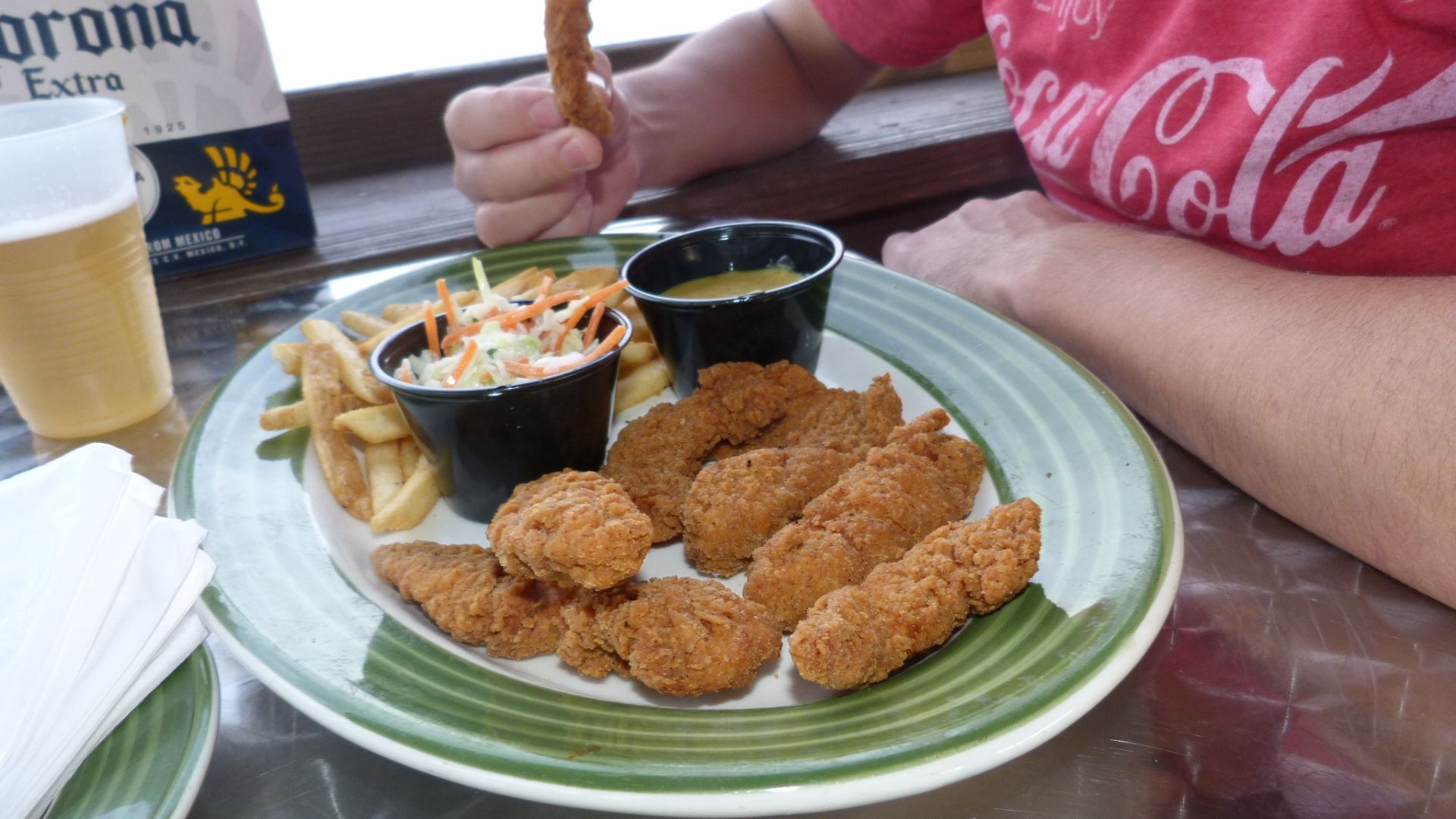
Two People Could Eat For Just $20
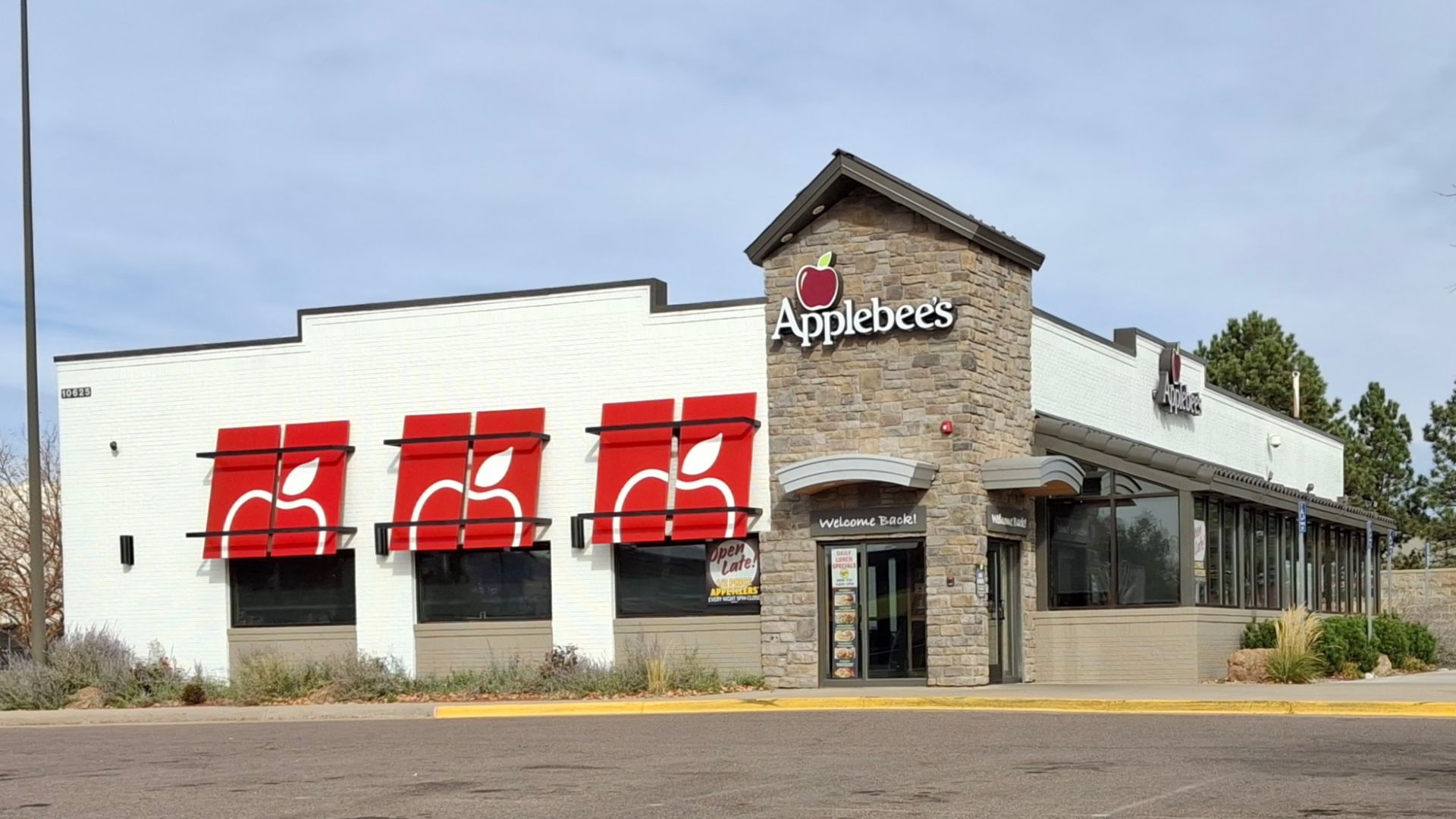
In November 2008, Applebee's introduced its famous "2 for $20" promotion, offering two full-sized entrées and a shared appetizer for just $20. The deal was designed specifically to attract customers who were cutting back during difficult economic times. For couples and families, it made a sit-down dinner feel affordable again, although drinks, taxes, and tips could still increase the bill. The promotion became such a recognizable part of Applebee's identity that it helped define the chain's approach to value for years afterward.
 Rusty Clark ~ 100K Photos, Wikimedia Commons
Chili's Made A Meal Feel Like A Celebration
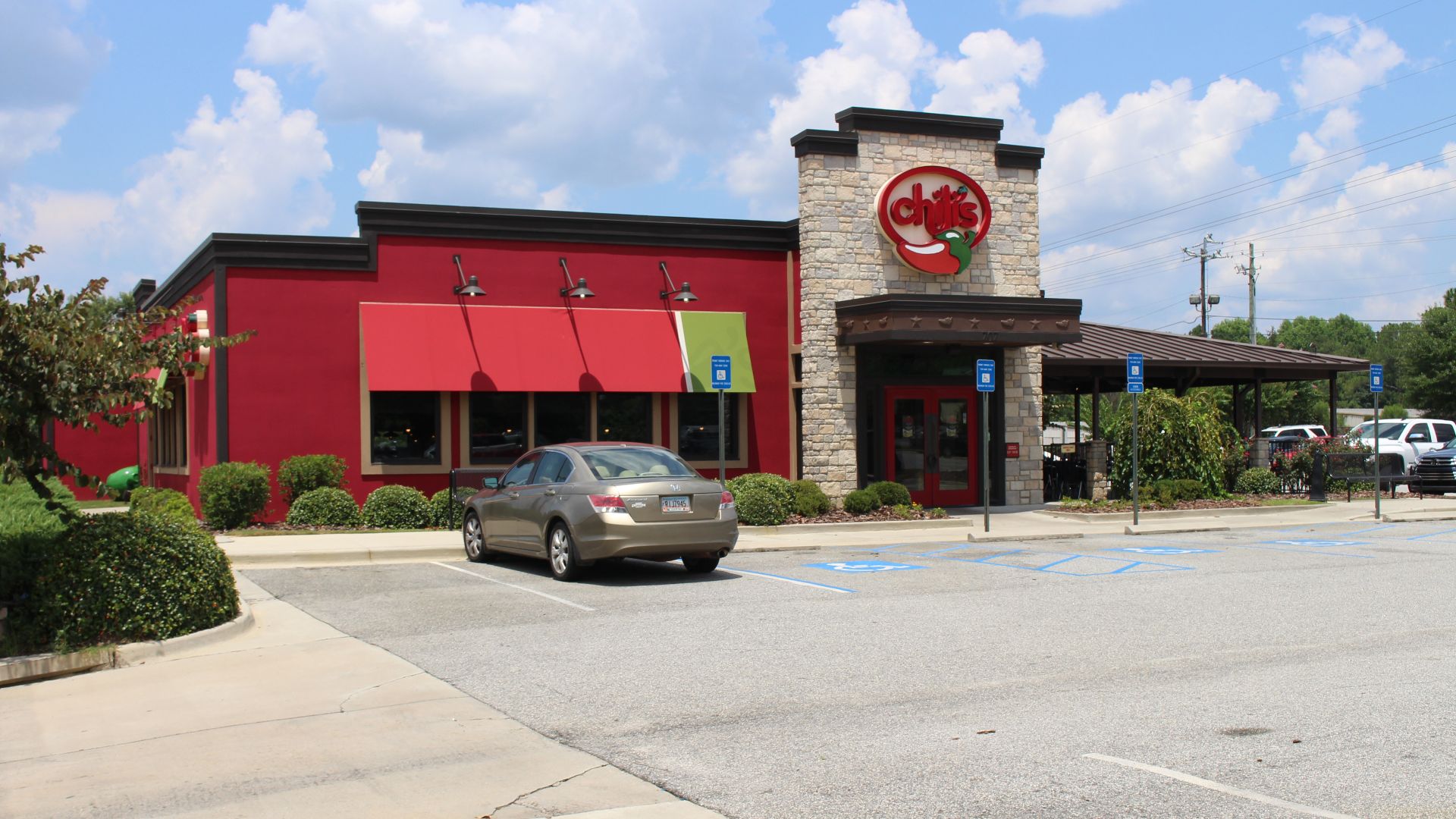
Chili's had its own recipe for attracting budget-conscious diners, with sizzling fajitas, burgers, ribs, and generous baskets of chips and salsa. The chain offered the kind of lively atmosphere that made an ordinary family dinner feel like an occasion without requiring an upscale restaurant budget. As the recession squeezed customers, Chili's joined competitors in promoting lower-priced menu options. But offering more food for less money was becoming an increasingly difficult balancing act for the entire industry.
 Michael Rivera, Wikimedia Commons
TGI Fridays Was Where Everyone Wanted To Hang Out
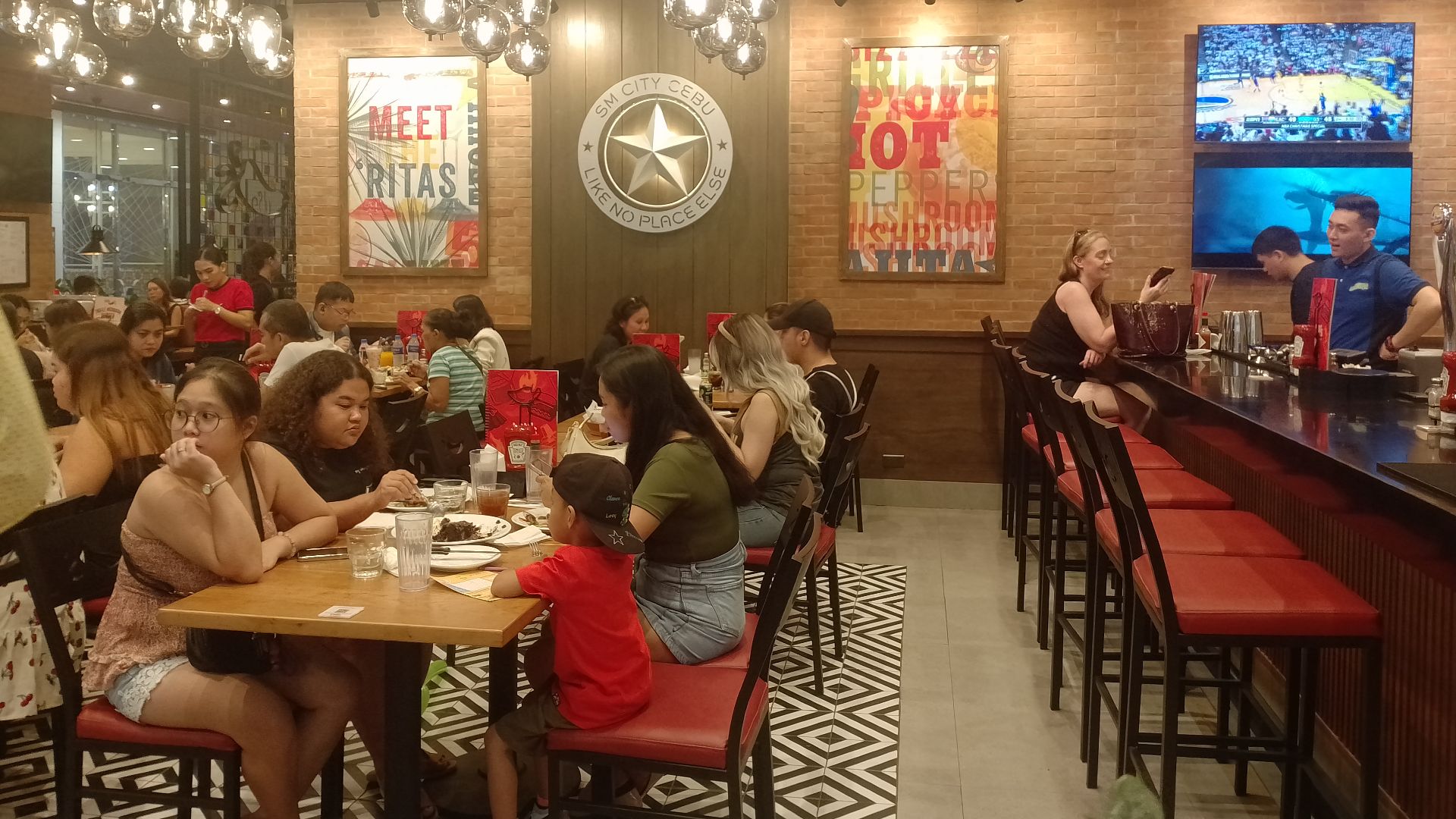
Before its financial troubles, TGI Fridays was practically synonymous with a lively, affordable night out. Its loaded appetizers, burgers, and casual atmosphere made it especially appealing to groups who wanted something more exciting than fast food. As customers became increasingly price-conscious, Fridays leaned into promotions and discounted meals to keep people coming through the doors. Unfortunately, the chain's struggles would eventually reveal just how difficult it had become to make money in the crowded casual dining business.
 Wide Awake!, Wikimedia Commons
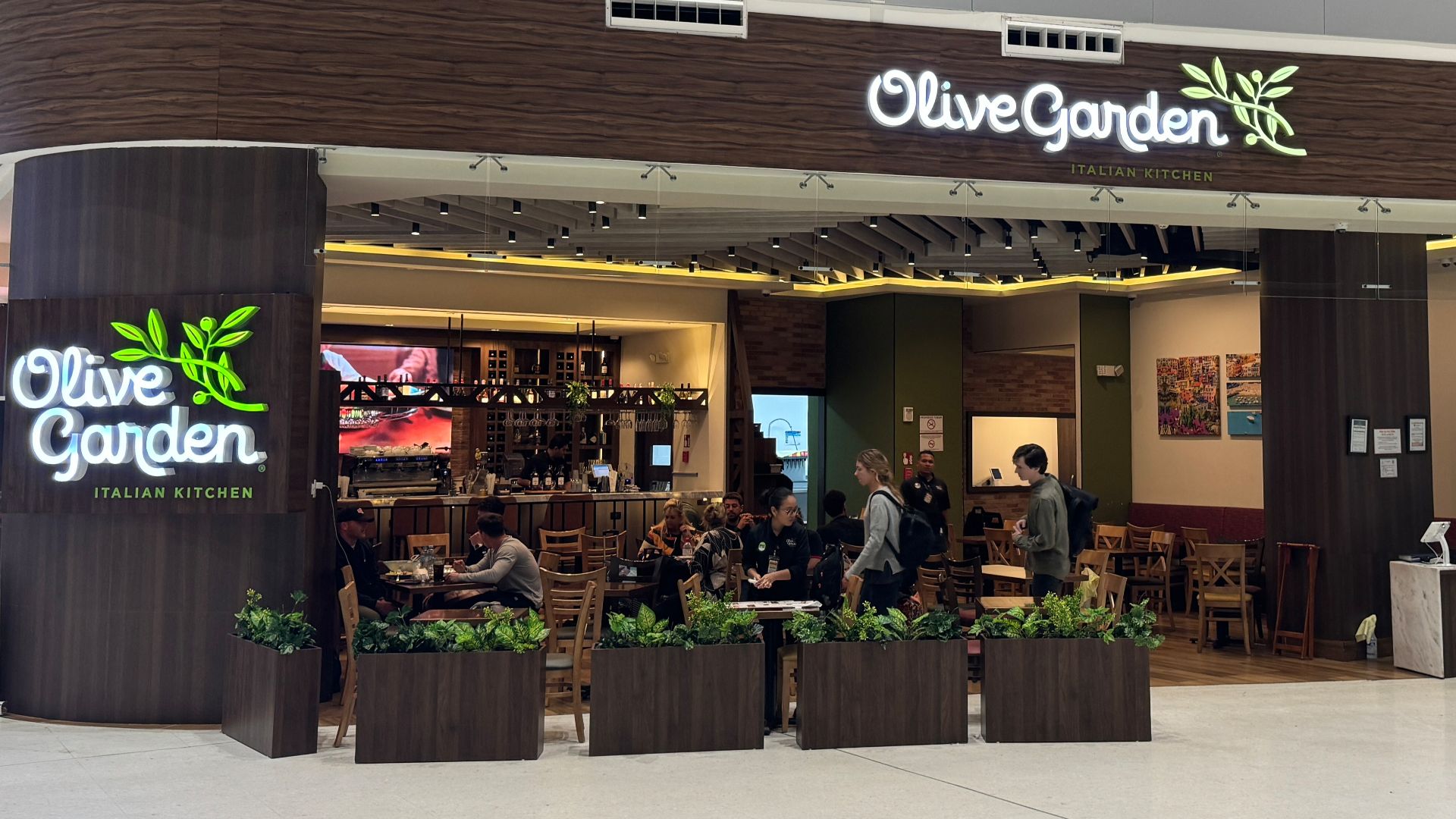
Olive Garden Made Unlimited Food A Selling Point
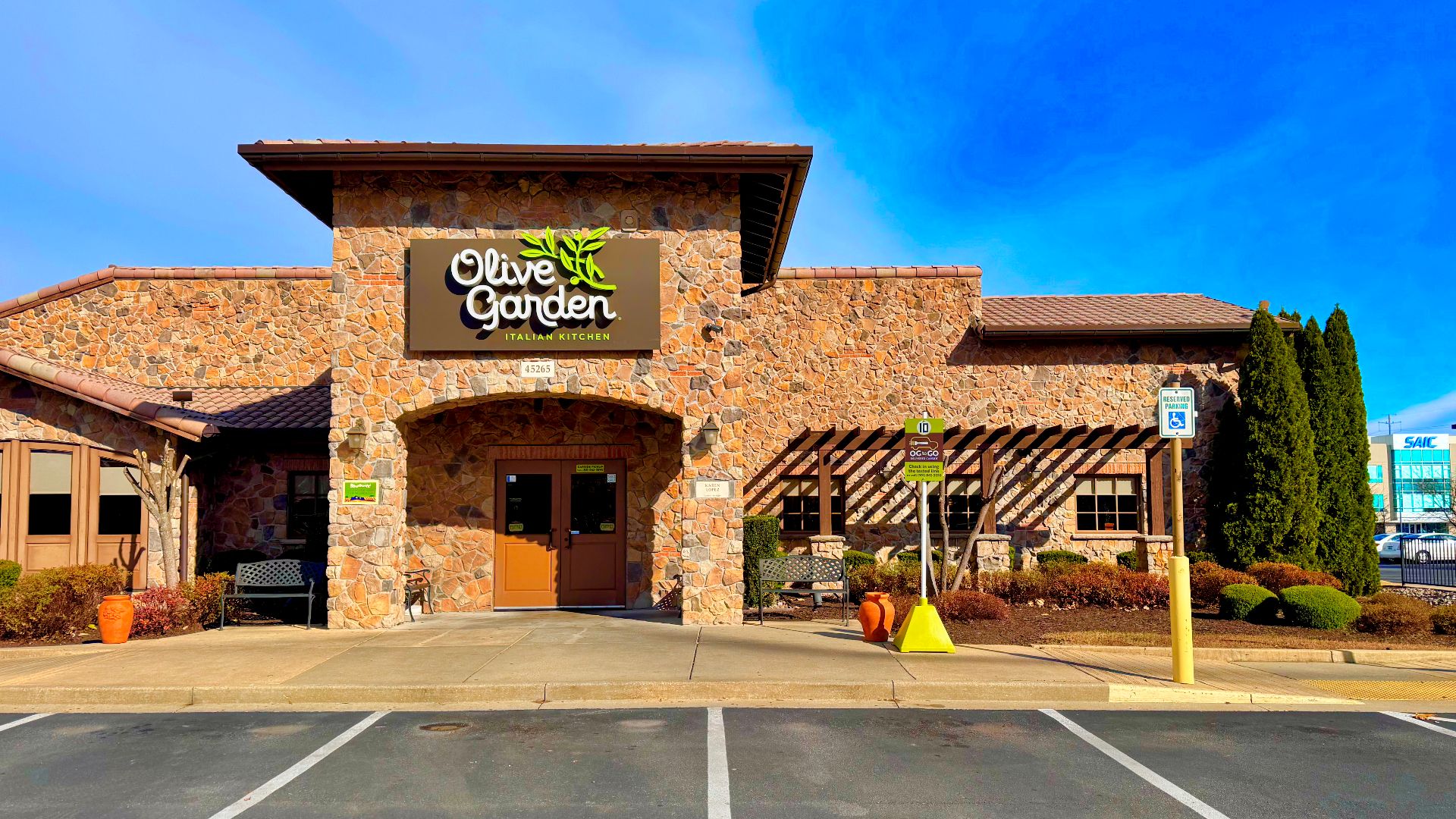
Olive Garden understood something important about American diners: Few things feel like a better bargain than getting seconds without paying extra. Its famous unlimited soup, salad, and breadsticks became a defining part of the experience, giving customers plenty to enjoy alongside their entrées. For families watching their budgets, that sense of abundance made a restaurant visit feel especially worthwhile. But unlimited food wasn't the only way restaurants convinced customers they were getting their money's worth.
 Harrison Keely, Wikimedia Commons
Ruby Tuesday Had A Salad Bar Worth Visiting
Ruby Tuesday was another familiar stop for families who wanted burgers, steaks, and something a little fresher on the side. Its garden bar helped distinguish it from competing chains, allowing customers to build their own salads instead of ordering another standard side dish. During the late 2000s, the company also tried repositioning itself as a more upscale casual dining destination. Unfortunately, that effort came at a difficult moment, just as many Americans were becoming increasingly reluctant to spend extra money eating out.
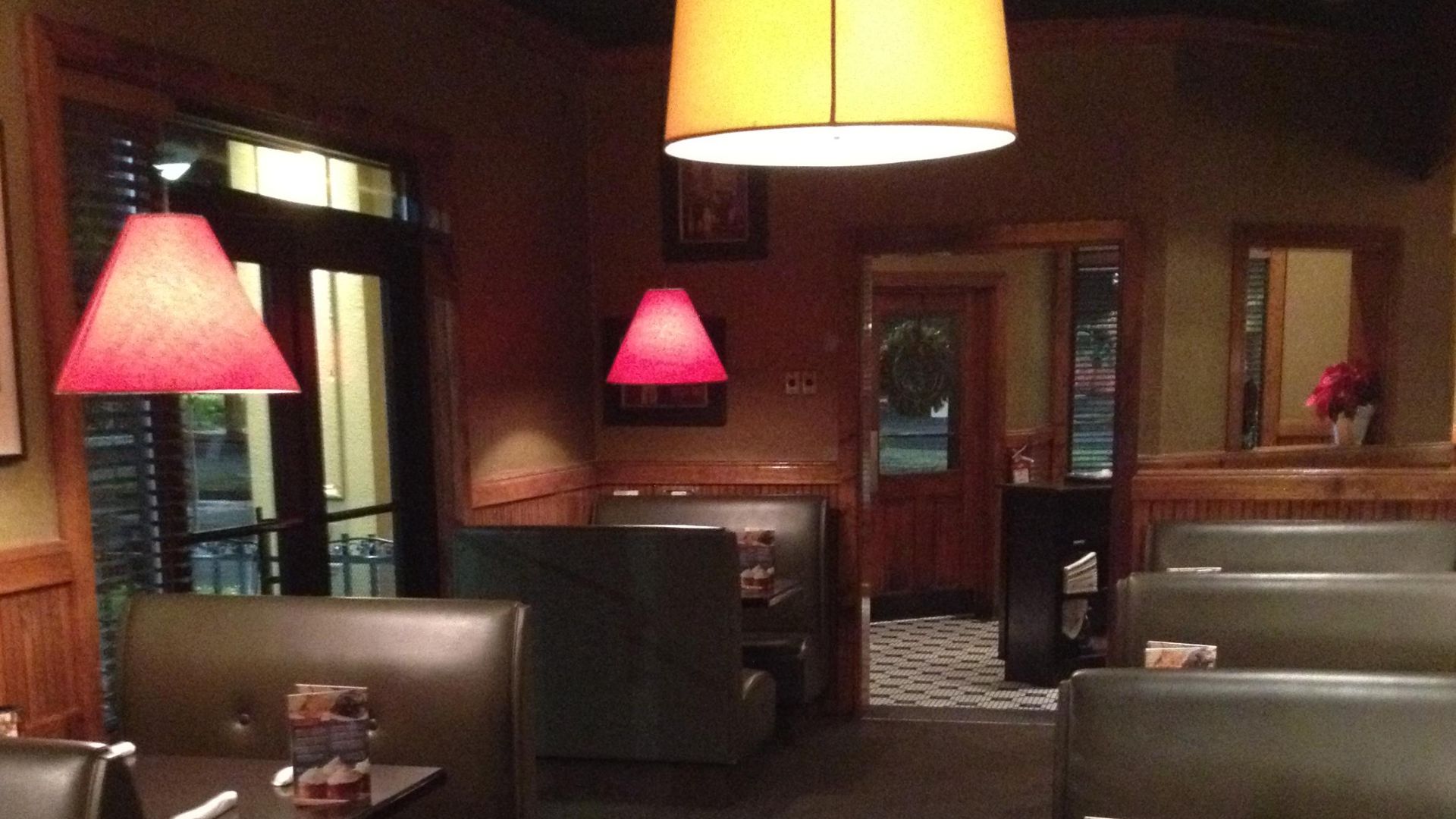
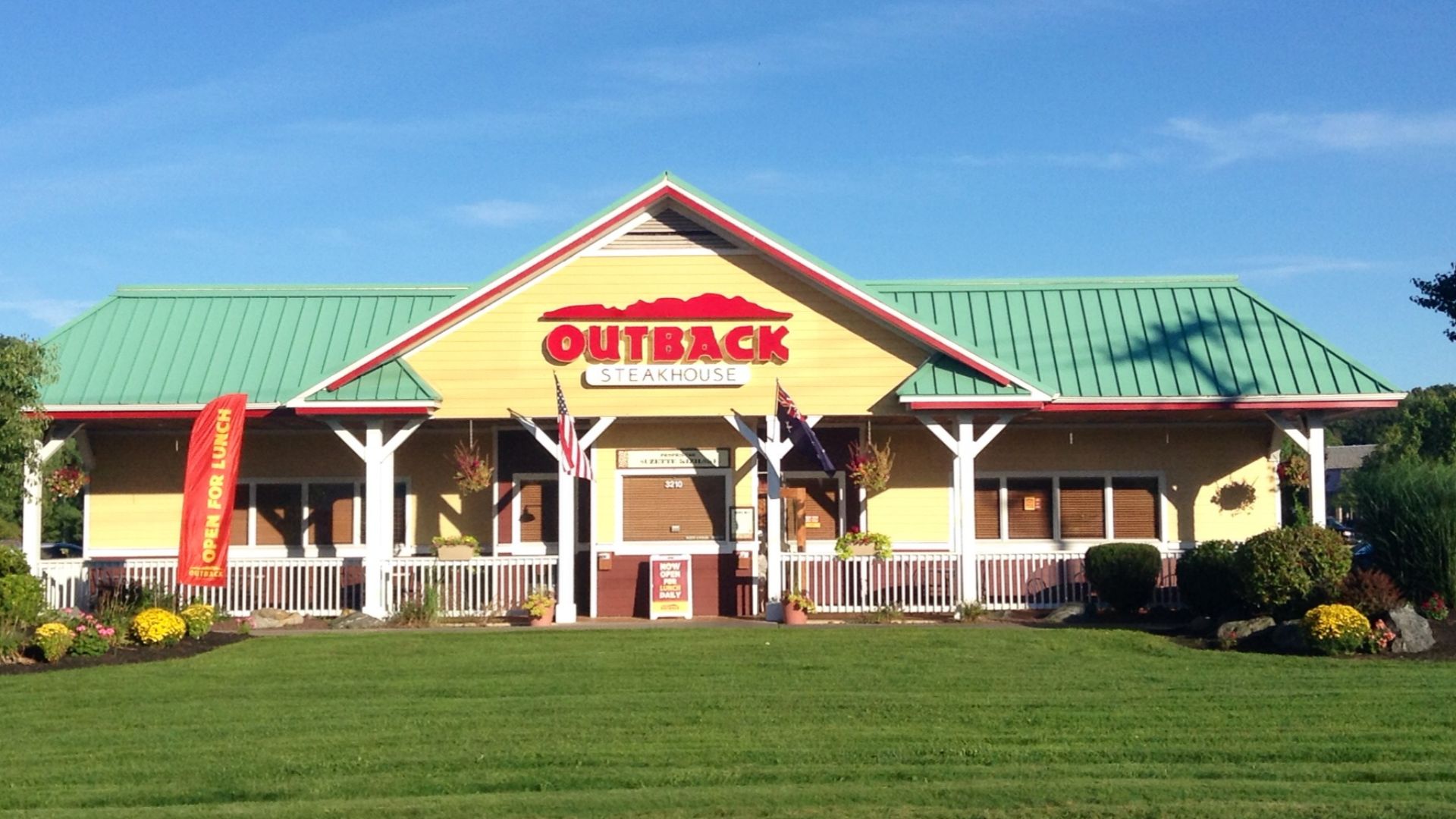
Outback Steakhouse Made Steak Night Accessible
Outback Steakhouse made ordering a steak feel like an occasion without requiring an expensive steakhouse reservation. Founded in Tampa in 1988, the Australian-themed chain built its identity around generous portions, approachable prices, and a relaxed atmosphere. Its menu also included chicken, ribs, seafood, and pasta, giving families plenty of choices beyond steak. But there was one enormous appetizer that became almost as famous as the restaurant itself.
 Mike Mozart from Funny YouTube, USA, Wikimedia Commons
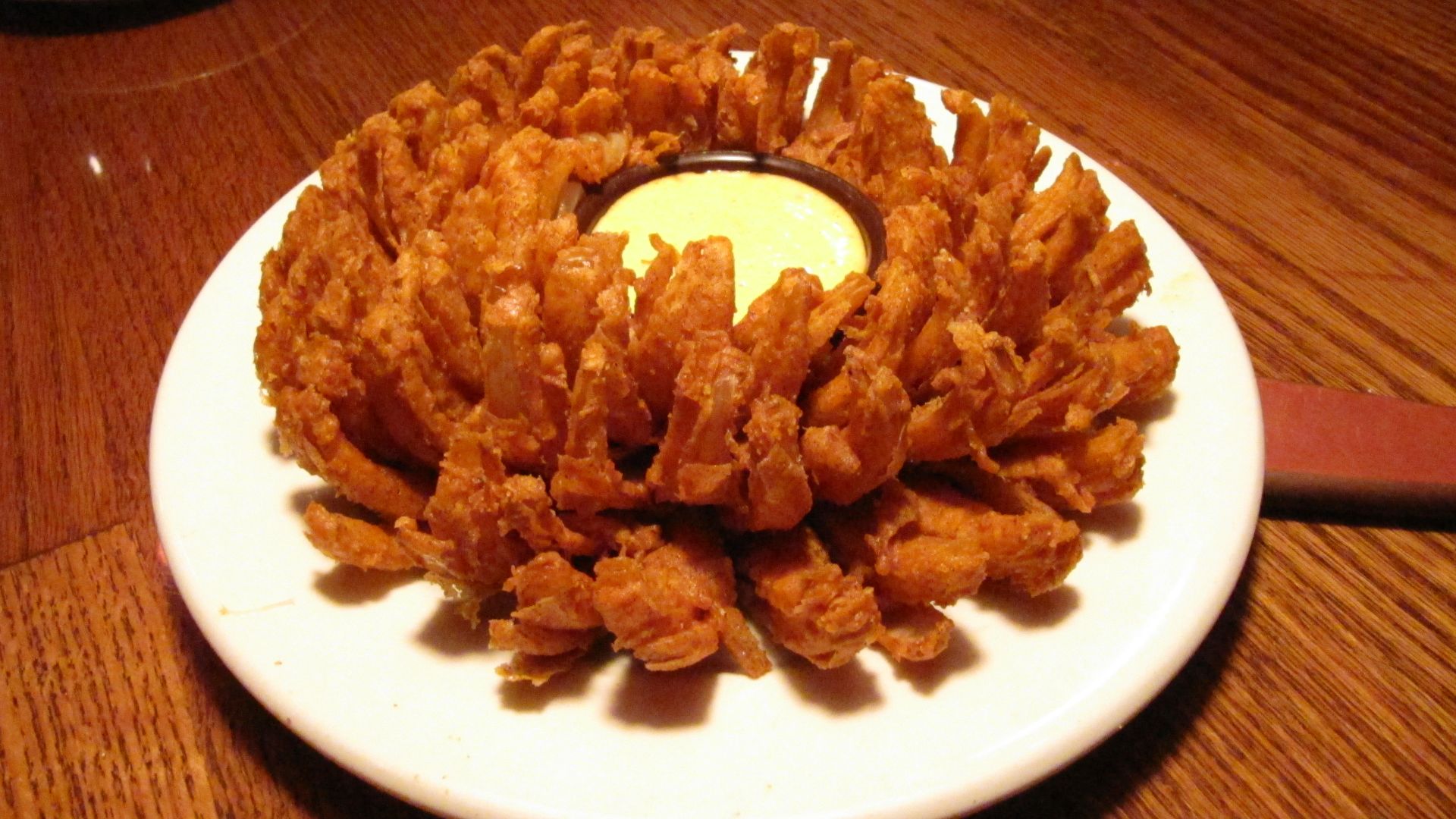
Everyone Wanted The Bloomin' Onion
Outback's Bloomin' Onion was the kind of appetizer that could make an entire table stop talking when it arrived. Created by co-founder Tim Gannon, the enormous battered and fried onion became one of casual dining's most recognizable dishes. Because it was designed for sharing, families and groups could enjoy something memorable without everyone ordering a separate starter. It was also a clever way to make a restaurant visit feel special, which was becoming increasingly important as chains competed for customers.
 karendotcom127, Wikimedia Commons
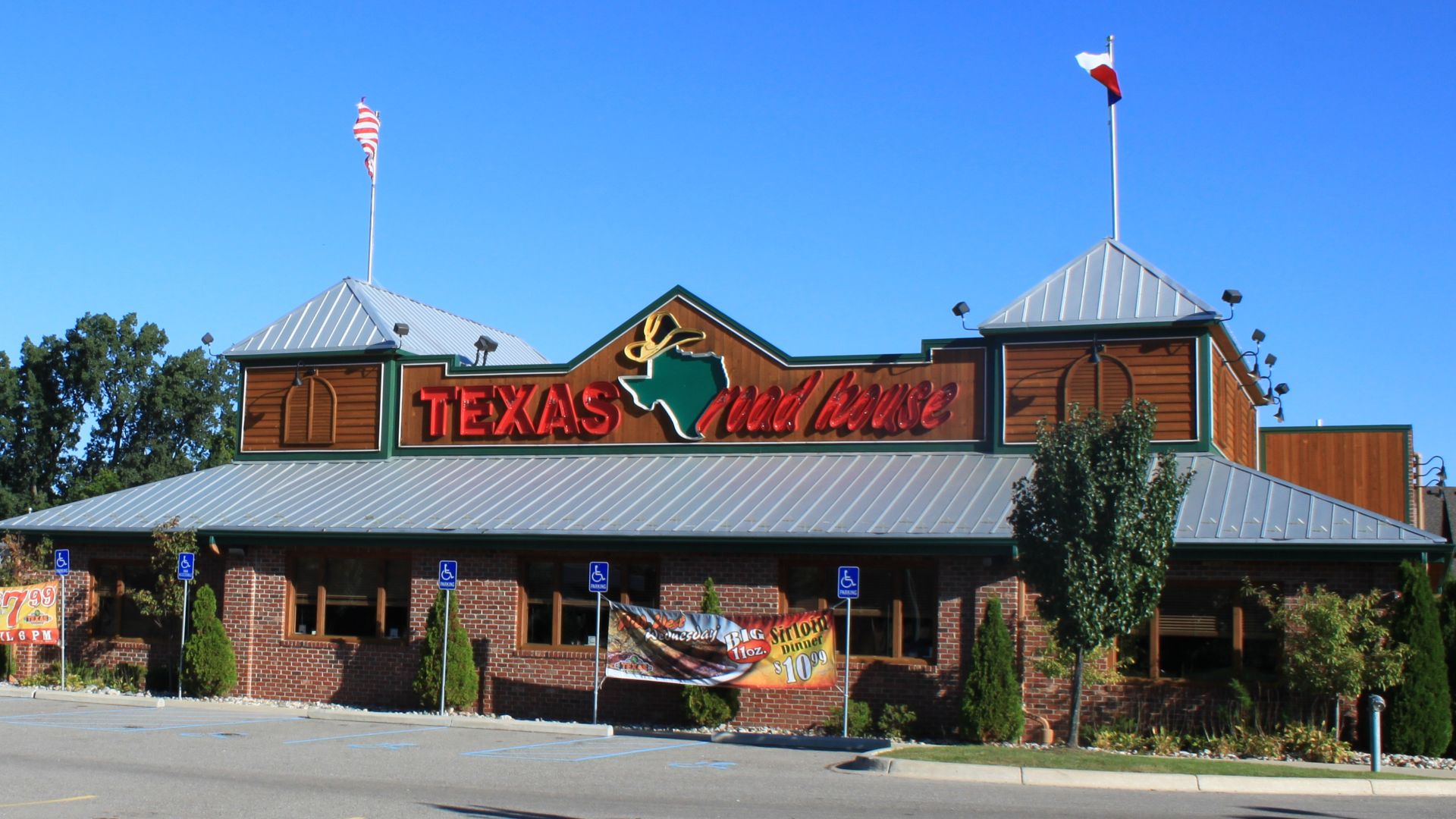
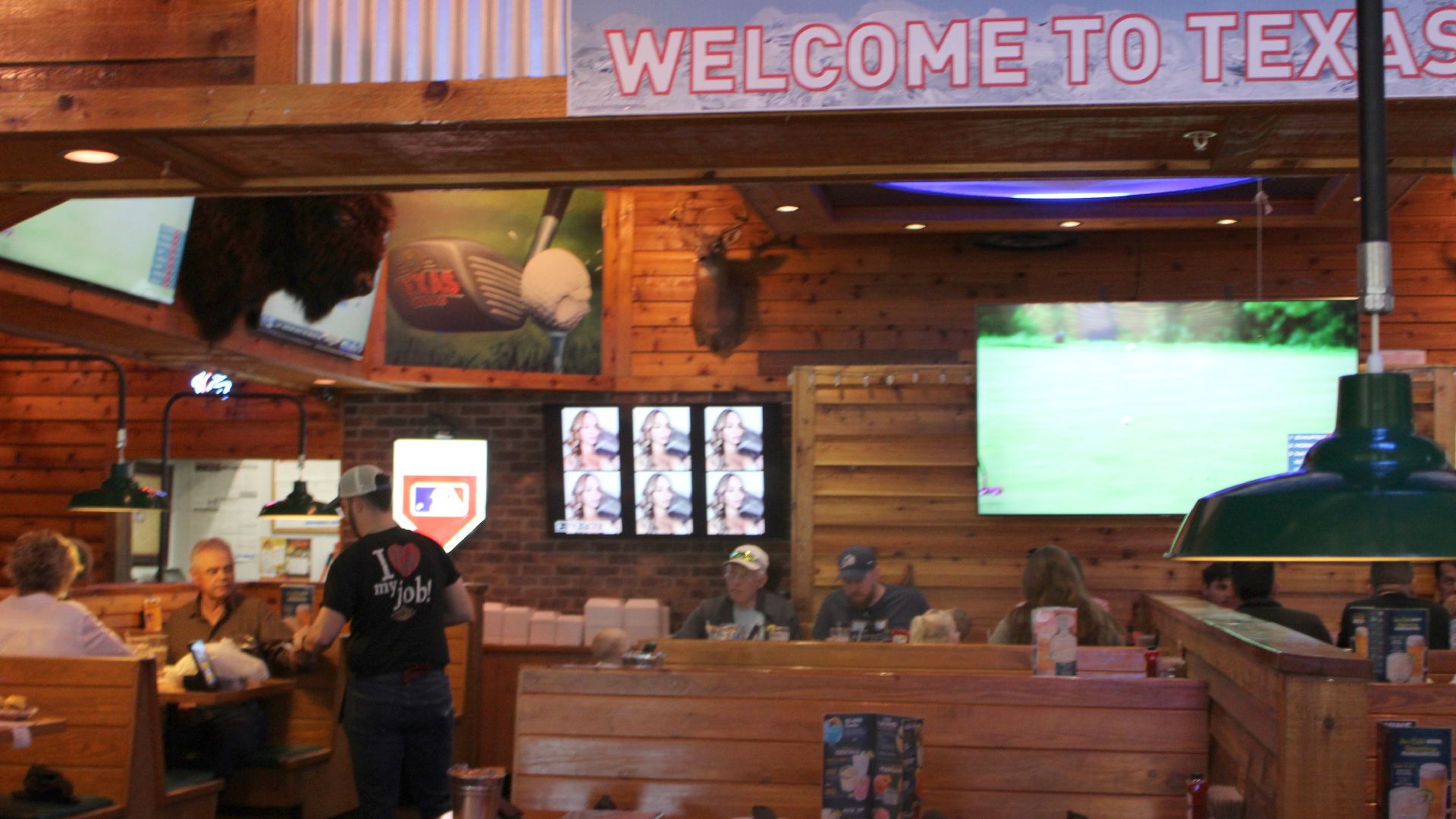
Texas Roadhouse Knew How To Deliver Value
Texas Roadhouse opened its first restaurant in Clarksville, Indiana, in 1993, promising hearty food at reasonable prices. Its hand-cut steaks, ribs, fresh-baked bread, and made-from-scratch sides helped it stand out from the crowded casual dining market. The formula proved especially appealing during the 2000s, when diners wanted a substantial meal without paying traditional steakhouse prices. While other chains struggled to distinguish themselves, Texas Roadhouse built its reputation around giving customers plenty for their money.
 Dwight Burdette, Wikimedia Commons
The Free Bread Was Part Of The Attraction
At Texas Roadhouse, the basket of fresh-baked rolls with cinnamon butter wasn't just something to nibble on while waiting for dinner. Along with hearty sides and generous portions, it contributed to the feeling that customers were getting more than they paid for. That perception matters because diners don't judge a restaurant solely by the price printed on the menu. But another major chain would eventually discover that giving customers seemingly unlimited food could become an expensive problem.
 Chris Light, Wikimedia Commons
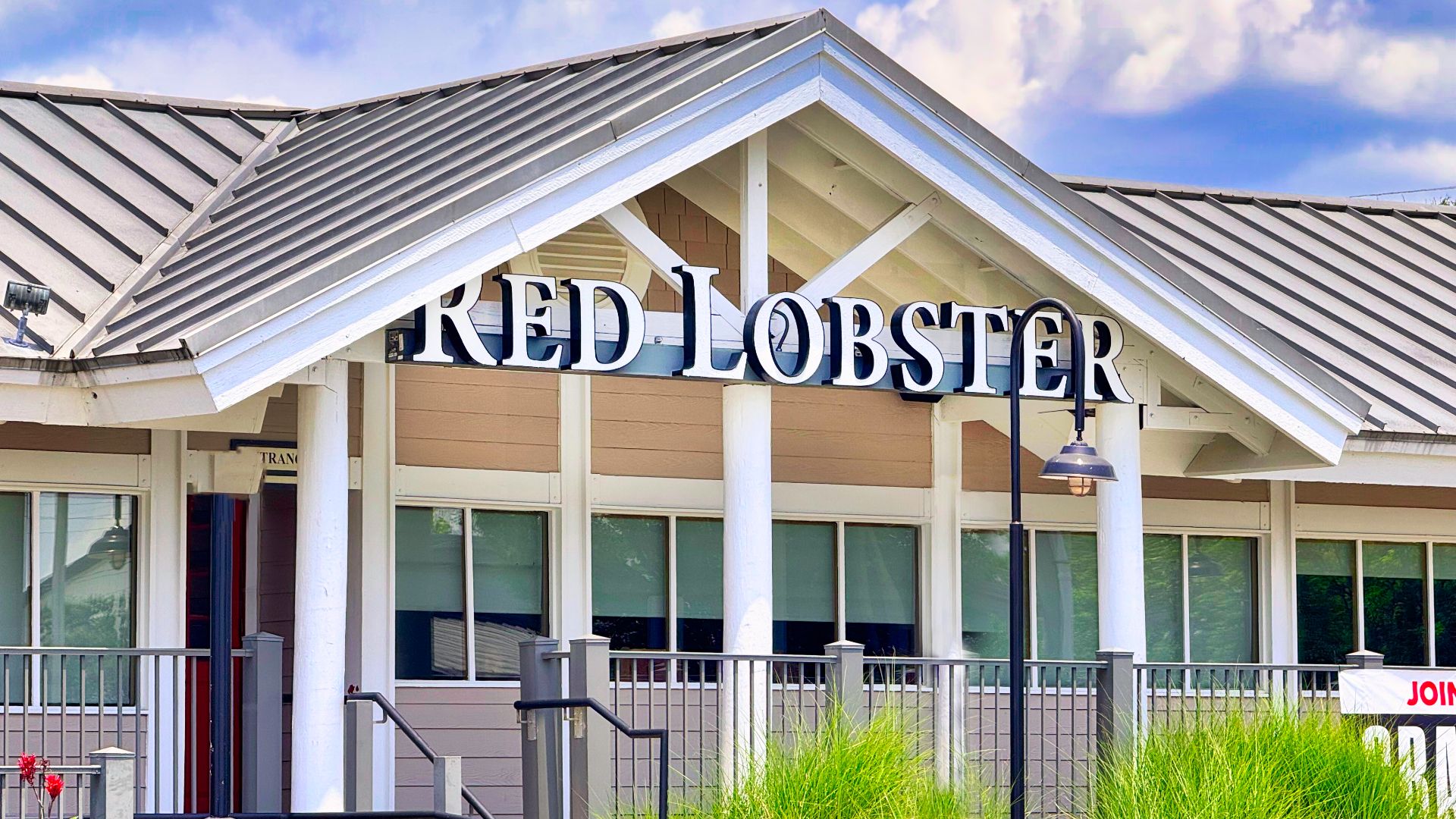
Red Lobster Made Seafood Feel Affordable
For many American families, Red Lobster was the place to celebrate something special without paying fine-dining prices. Its seafood platters, shrimp dishes, and famous Cheddar Bay Biscuits gave customers a restaurant experience that felt a little more luxurious than the neighborhood burger joint. Promotions built around generous servings made the chain especially attractive to diners looking for value. Unfortunately, one of those promotions would eventually become a cautionary tale about the hidden costs of restaurant bargains.
 Harrison Keely, Wikimedia Commons
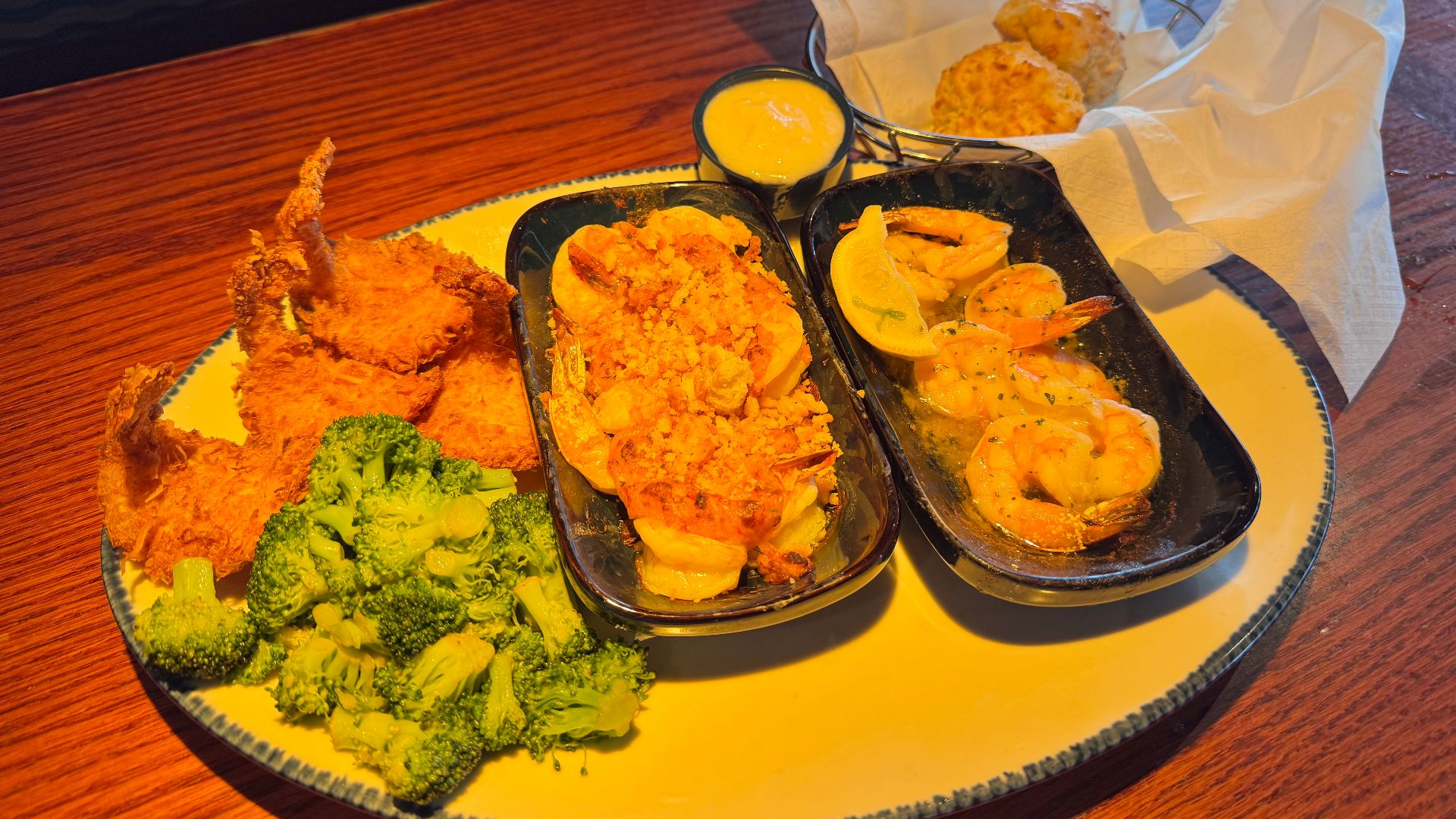
Endless Shrimp Became A Financial Disaster
Red Lobster's Endless Shrimp promotion became one of its most recognizable attractions, encouraging customers to enjoy additional servings for a fixed price. In 2023, the company made its Ultimate Endless Shrimp offer a permanent $20 menu option, hoping to bring more diners into its restaurants. Instead, the promotion contributed to millions of dollars in losses, adding to the chain's existing financial troubles before its 2024 bankruptcy filing. It wasn't the sole reason Red Lobster struggled, but it demonstrated how a bargain that delights customers can become a serious problem for the business offering it.
 Harrison Keely, Wikimedia Commons
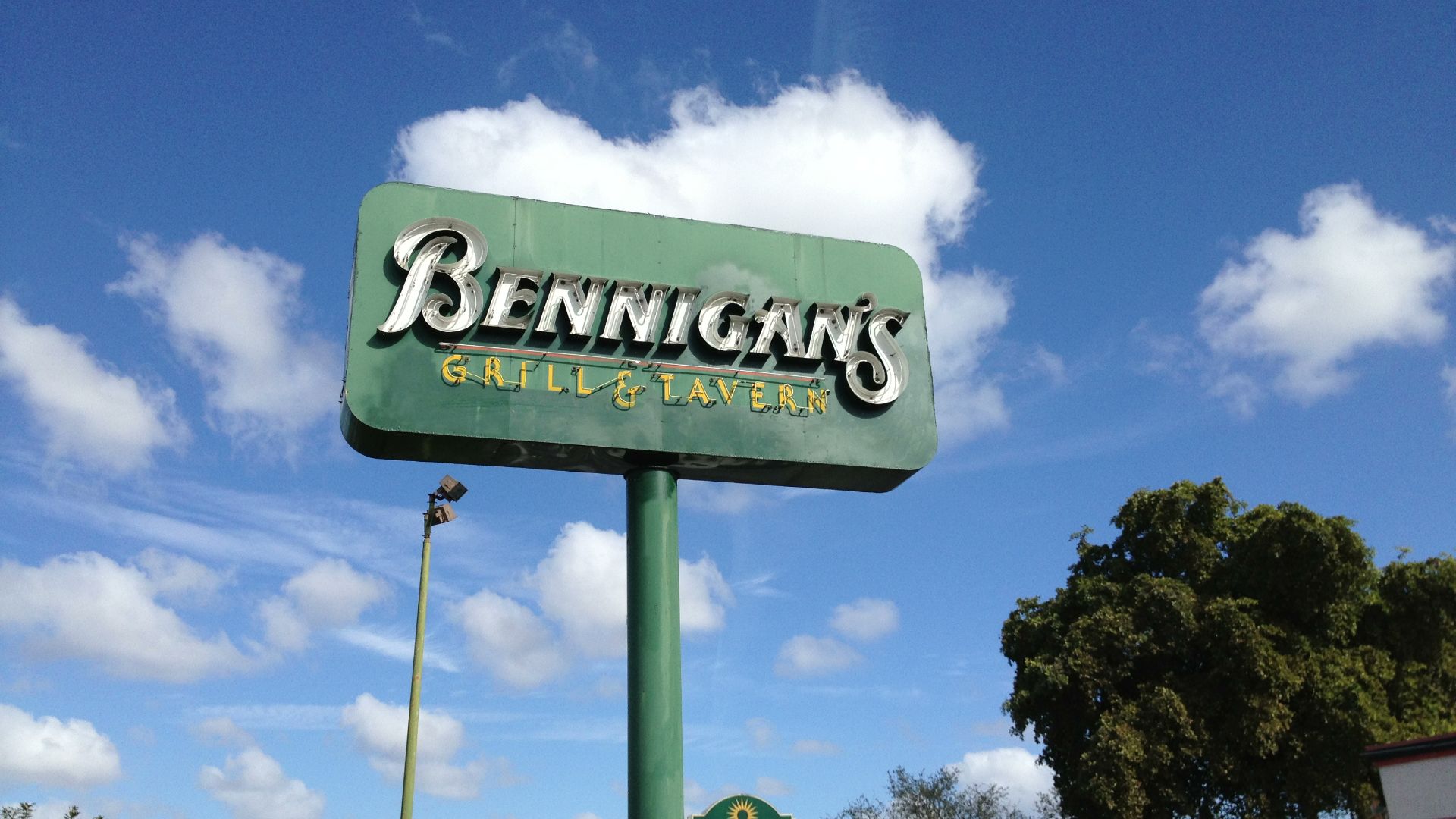
Bennigan's Was The Place For A Big Sandwich
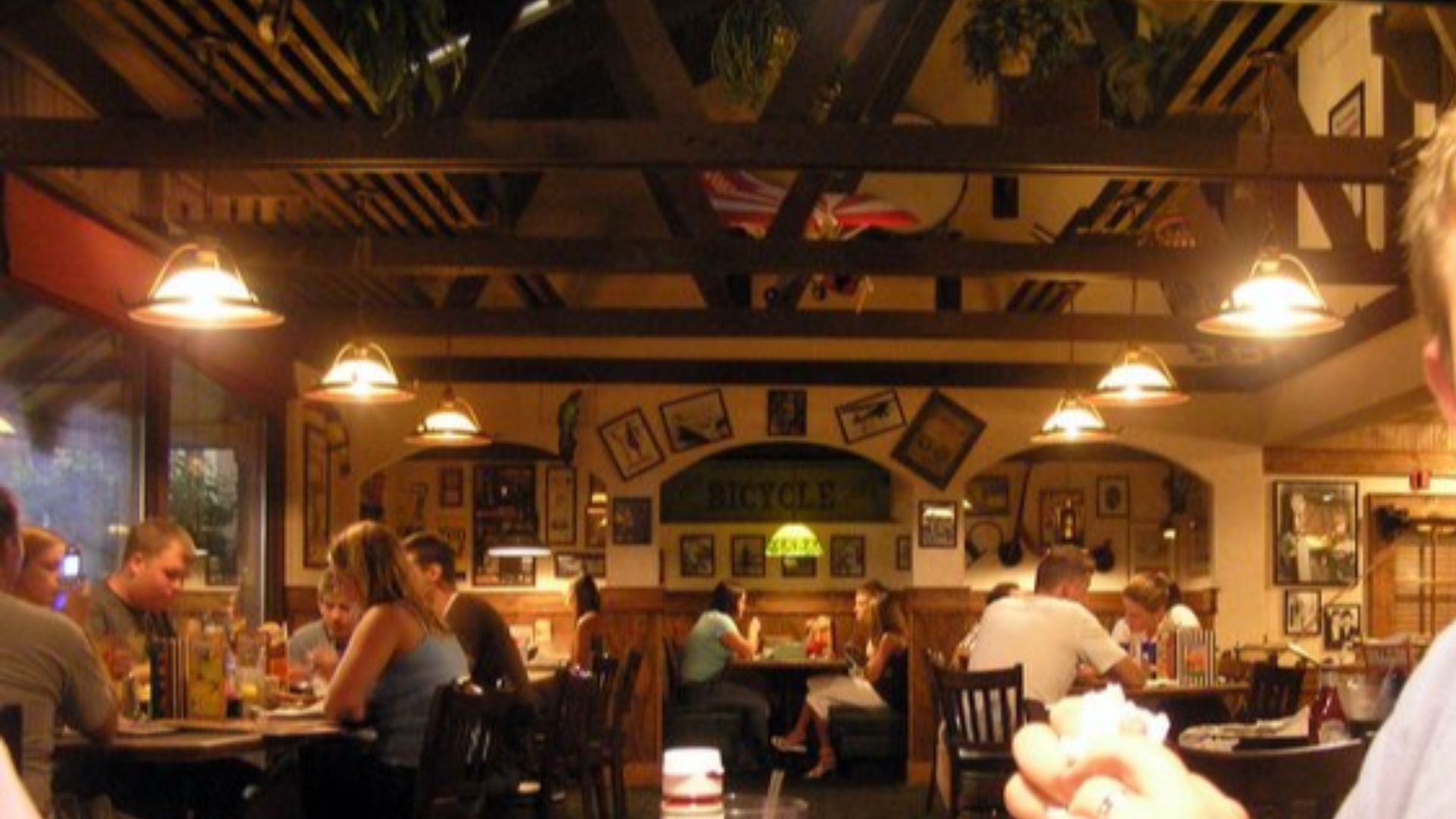
Bennigan's brought an Irish-pub-inspired atmosphere to American casual dining, complete with burgers, appetizers, and one particularly memorable sandwich. Its Monte Cristo combined ham, turkey, and cheese in battered, fried bread, finished with powdered sugar and raspberry preserves. The indulgent meal captured the oversized spirit of 2000s chain restaurants, when customers expected plenty of food for their money. But Bennigan's was about to become one of the earliest major casualties of the industry's financial troubles.
 Phillip Pessar, Wikimedia Commons
Bennigan's Suddenly Disappeared From Neighborhoods
In July 2008, Bennigan's corporate parent filed for Chapter 7 bankruptcy protection, triggering the closure of company-operated restaurants across the country. Franchised locations were not all forced to close, but the disappearance of so many familiar dining rooms marked a dramatic change. Rising operating costs, fierce competition, and weakening consumer spending had created a difficult environment for restaurants that depended on affordable meals. And Bennigan's wasn't the only beloved chain caught in the collapse.
 Stevan Sheets, Wikimedia Commons
Steak And Ale Offered An Affordable Taste Of Luxury
Steak and Ale had been around since 1966, but its influence on affordable sit-down dining continued into the 2000s. The chain offered steaks in an English-inn-inspired atmosphere and became known for its unlimited salad bar, which helped make steakhouse dining feel accessible to ordinary families. Although its popularity had declined from its earlier peak, it remained a familiar name for Americans who remembered celebrating birthdays and anniversaries there. Unfortunately, its connection to Bennigan's would prove disastrous when the financial crisis arrived.

Steak And Ale Vanished, Then Returned
Steak and Ale was caught in the same 2008 bankruptcy that devastated Bennigan's, and its remaining restaurants closed. For years, the familiar name survived largely through memories of its steaks, salad bar, and old-fashioned atmosphere. Then, in July 2024, a revived Steak and Ale opened in Burnsville, Minnesota, bringing back a version of the restaurant many customers remembered. Its return demonstrated that Americans still had an appetite for the old casual dining experience, even if the economics of running those restaurants had changed.

IHOP Made Breakfast An All-Day Bargain
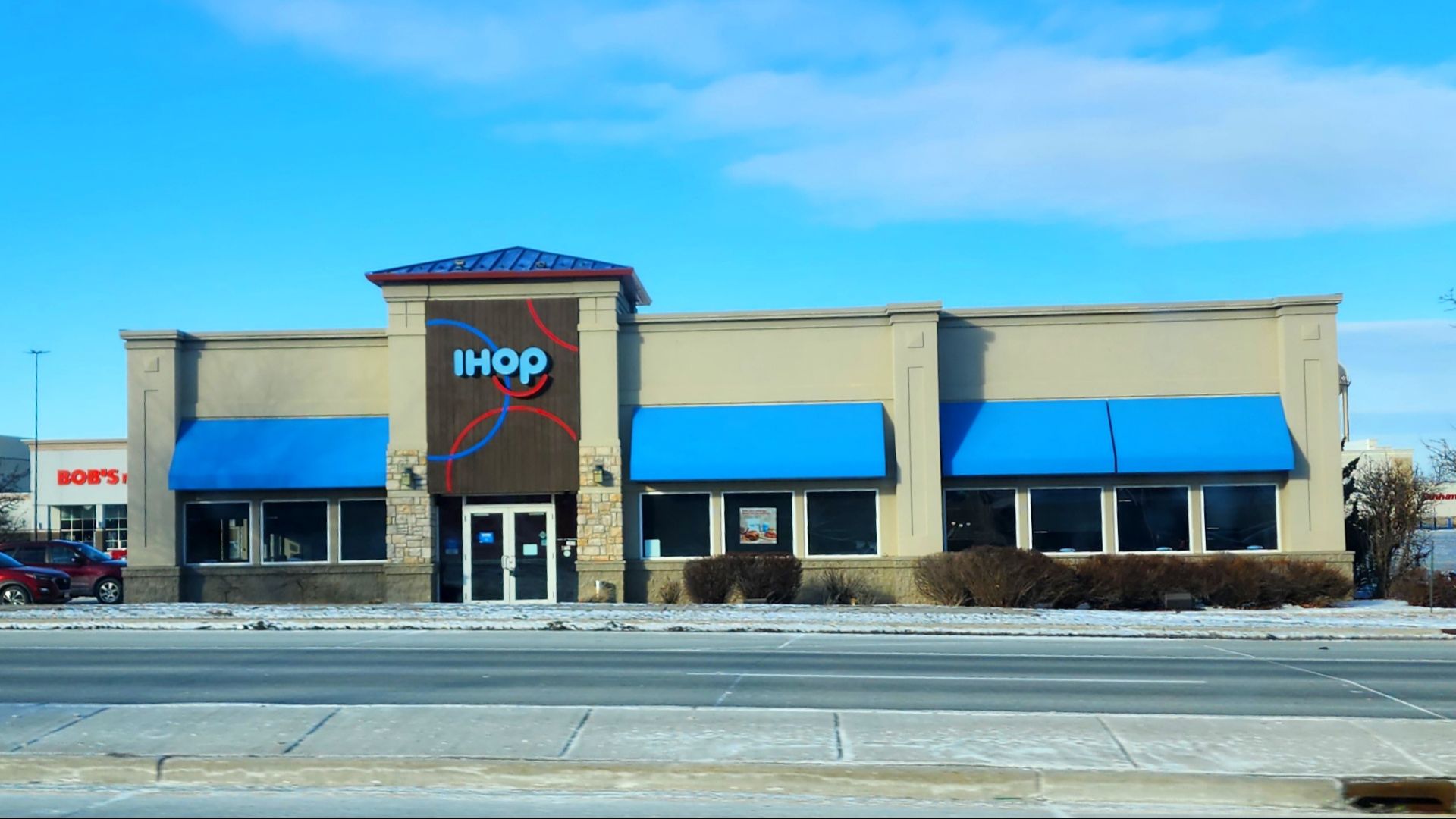
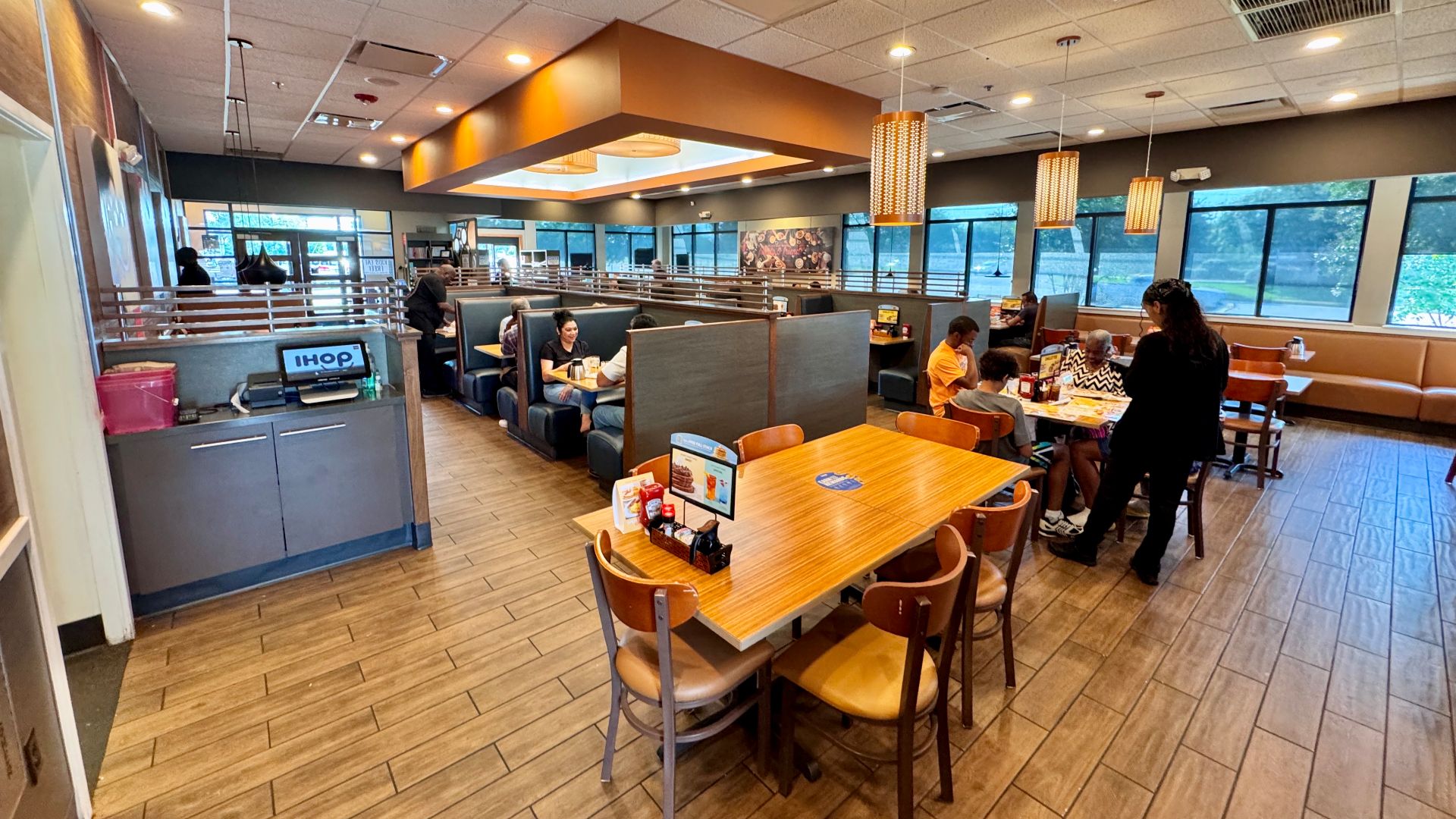
IHOP offered another way for Americans to enjoy a sit-down meal without spending a fortune. Pancakes, eggs, bacon, and other familiar breakfast favorites made it especially attractive to families, while the ability to order breakfast throughout the day added flexibility. The chain became famous for promotions that encouraged customers to eat their fill without paying much. And one deal introduced at the beginning of 2010 perfectly captured the bargain-hunting spirit of the recession years.
All-You-Can-Eat Pancakes Started At $4.99
In January 2010, IHOP brought back its popular All You Can Eat Pancakes promotion, with participating locations advertising meals starting at just $4.99. The offer included pancakes alongside a breakfast combination, with additional pancakes available for customers who wanted more. IHOP specifically promoted the deal as a way for guests to save money while enjoying a restaurant meal. Looking back at that advertised starting price, it's easy to understand why Americans remember this era of dining so fondly.
 Harrison Keely, Wikimedia Commons
Denny's Was Always There When You Needed It
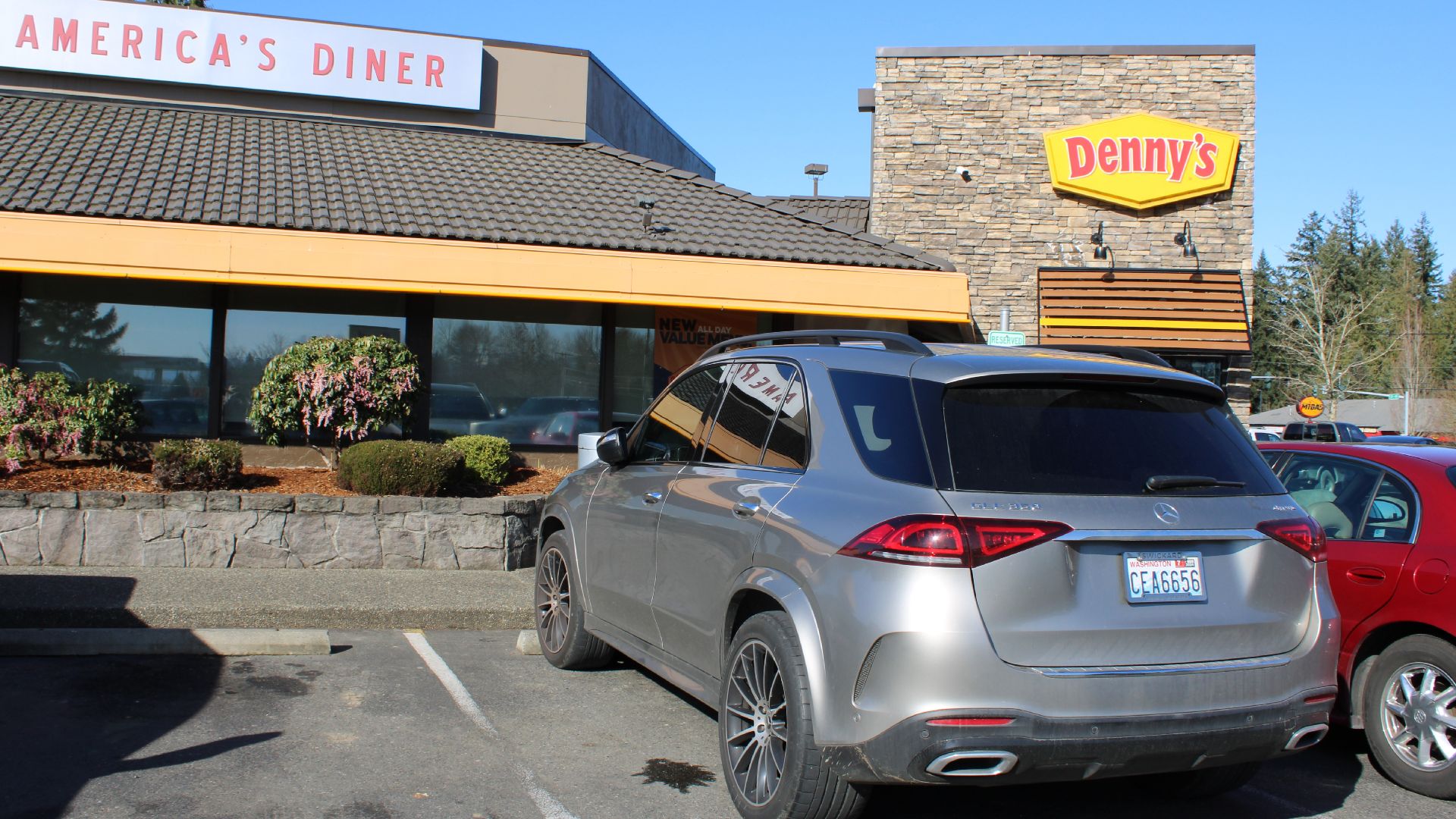
Denny's occupied a slightly different corner of the dining world, offering familiar diner food without requiring a special occasion. Its famous Grand Slam breakfast, introduced in 1977, combined eggs, pancakes, bacon, and sausage into one satisfying order. During the 2000s, the chain's appeal came from dependable meals, broad menus, and the convenience of locations that often operated around the clock. But the financial pressures building across the restaurant industry were about to make even familiar, inexpensive meals harder to offer.
 Chris Light, Wikimedia Commons
The Great Recession Changed Everything
The casual dining boom ran into serious trouble when the American economy weakened in 2007 and 2008. Families facing financial uncertainty began cutting back on restaurant visits, while high gasoline and food prices squeezed their budgets even further. Sit-down chains were particularly vulnerable because a family dinner could easily cost more than a fast-food meal once drinks, desserts, and tips were included. Suddenly, restaurants that had once seemed like affordable everyday destinations were fighting to convince customers they were still worth the expense.
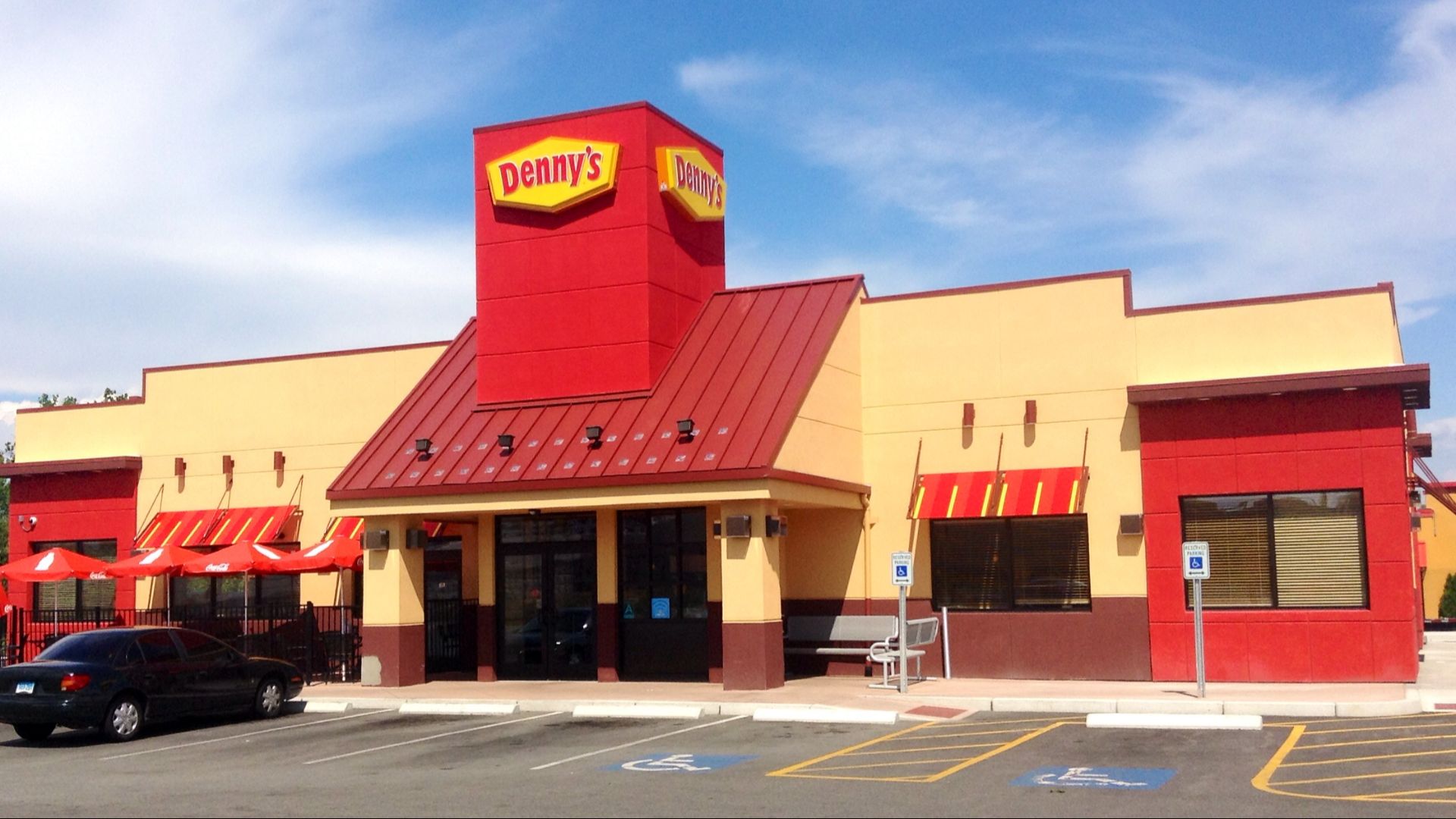 Mike Mozart from Funny YouTube, USA, Wikimedia Commons
Restaurants Started Fighting Over Every Dollar
By 2009, the competition between America's casual dining chains had become a battle over value. Applebee's was promoting two meals and an appetizer for $20, while competitors advertised cheaper entrées and special meal combinations. These promotions weren't simply generous gestures, but attempts to persuade customers to keep eating out during difficult economic times. The problem was that discounting meals could attract more people without necessarily producing enough profit to cover the cost of serving them.
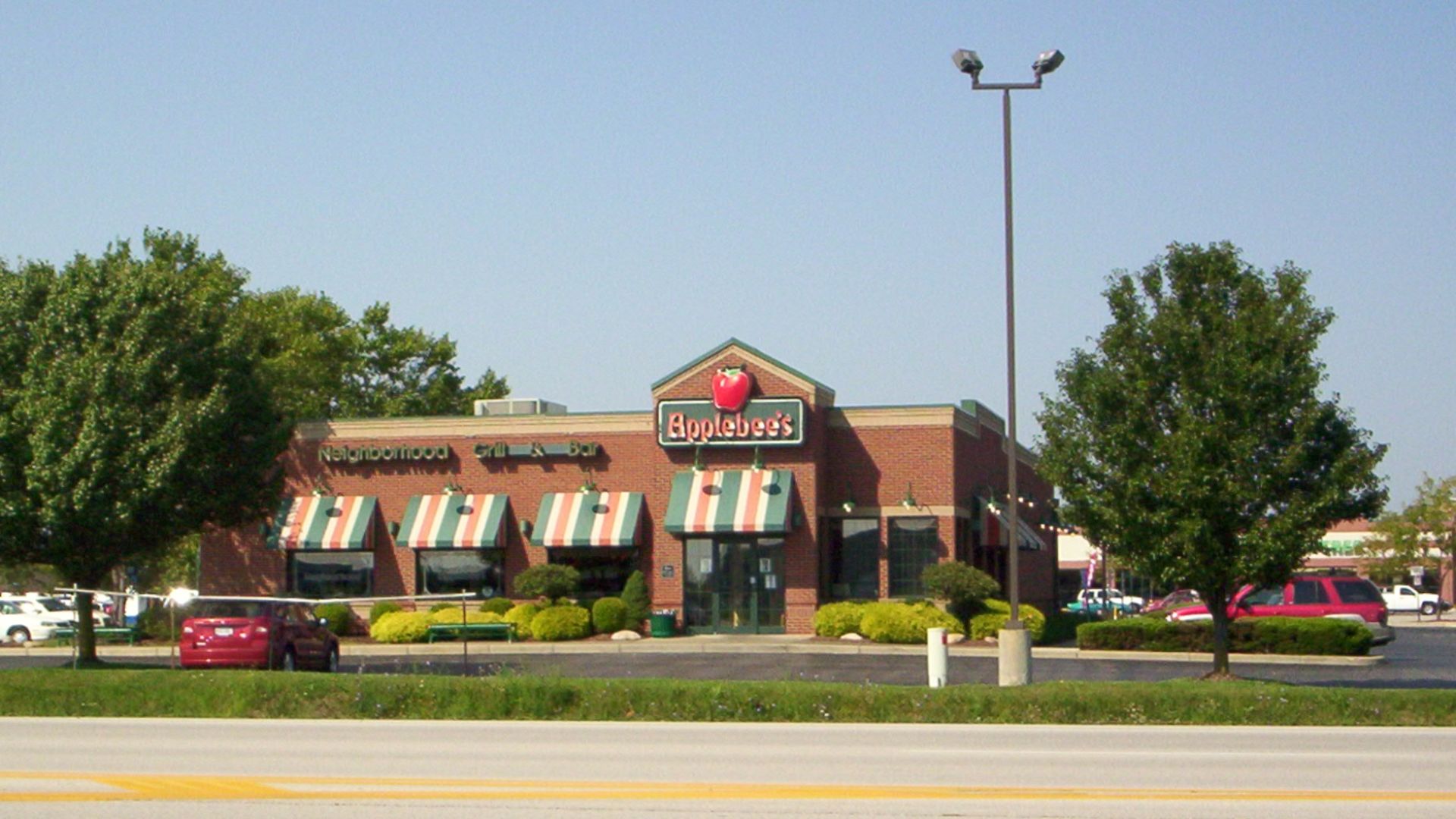
There Were Almost Too Many Choices
Another problem facing casual dining chains was that so many offered practically the same experience. Applebee's, Chili's, Ruby Tuesday, and TGI Fridays all competed with menus featuring burgers, chicken, steaks, appetizers, and familiar American favorites. When customers had several similar restaurants nearby, price became an obvious way for those businesses to compete. But that created a difficult situation for chains already struggling with rising expenses, because cutting prices wasn't always enough to keep them profitable.
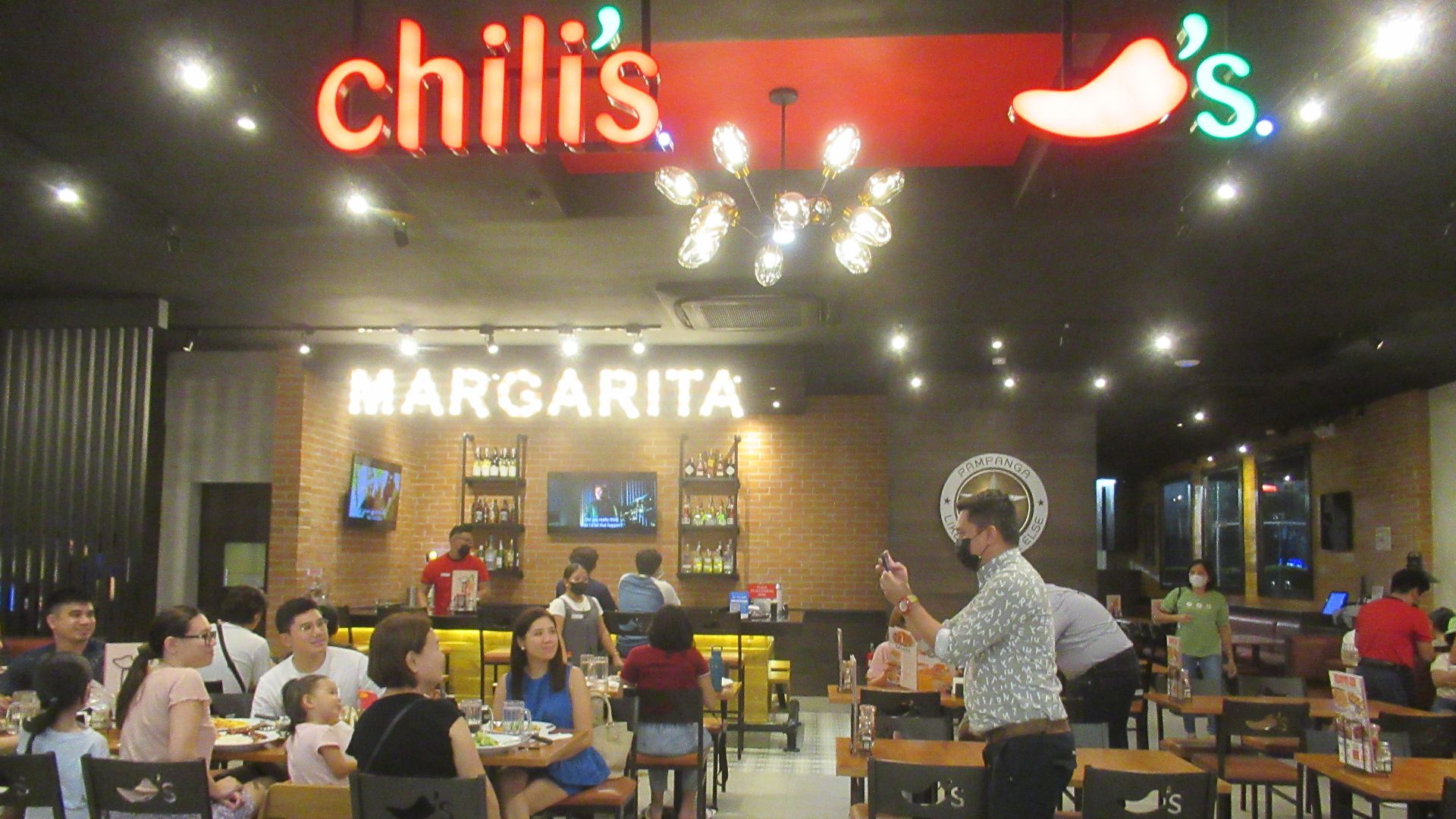
Why Restaurants Couldn't Keep Prices Low Forever
Every restaurant meal has expenses that customers rarely think about, from ingredients and employee wages to rent, electricity, equipment, and insurance. Even a busy dining room doesn't guarantee a healthy profit if those costs consume most of the money coming in. The National Restaurant Association has reported that food and labor are among the largest expenses facing restaurant operators, with higher costs putting significant pressure on profitability. That helps explain why the old combination of generous portions and low menu prices has become increasingly difficult to maintain.
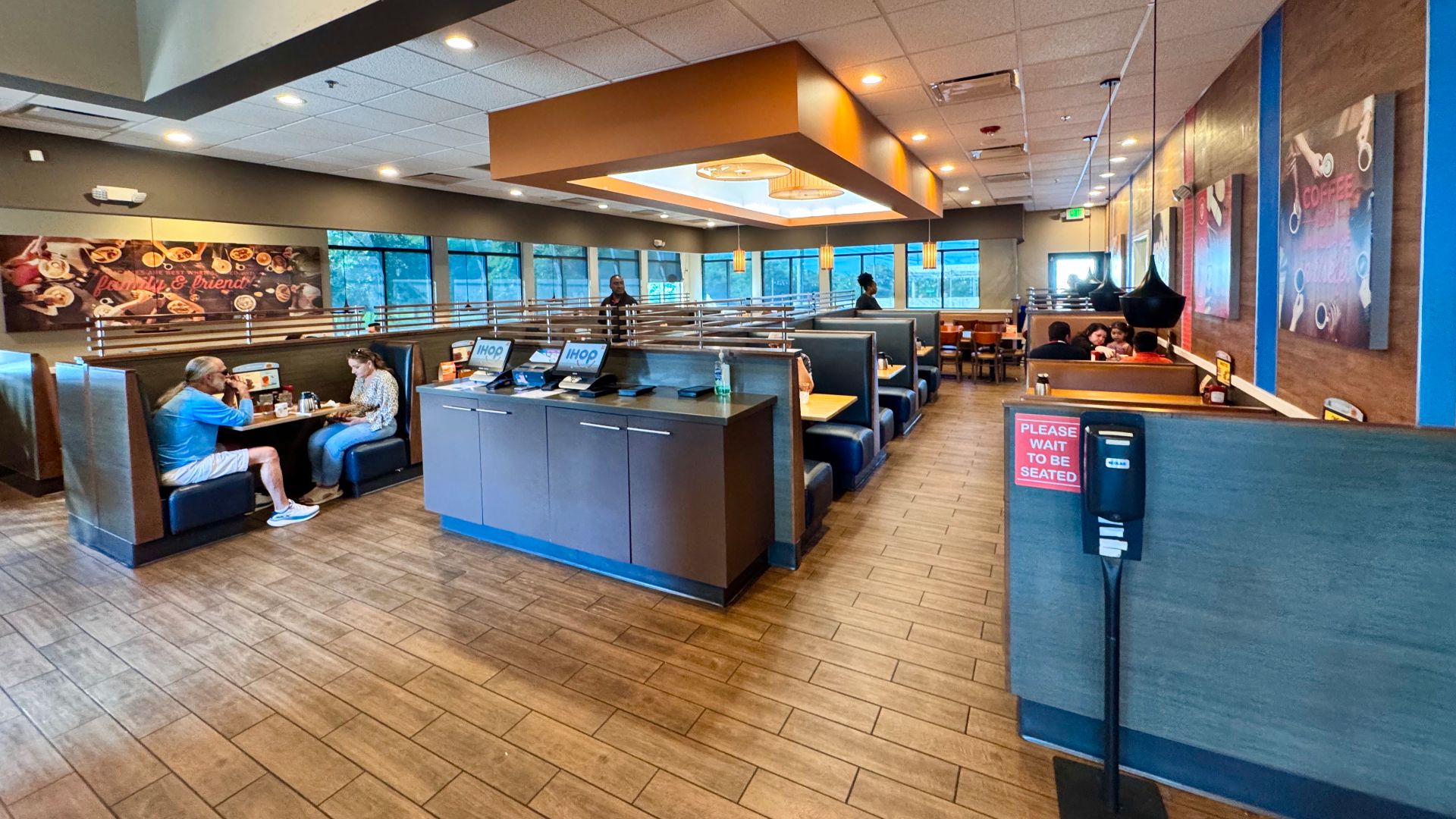 Harrison Keely, Wikimedia Commons
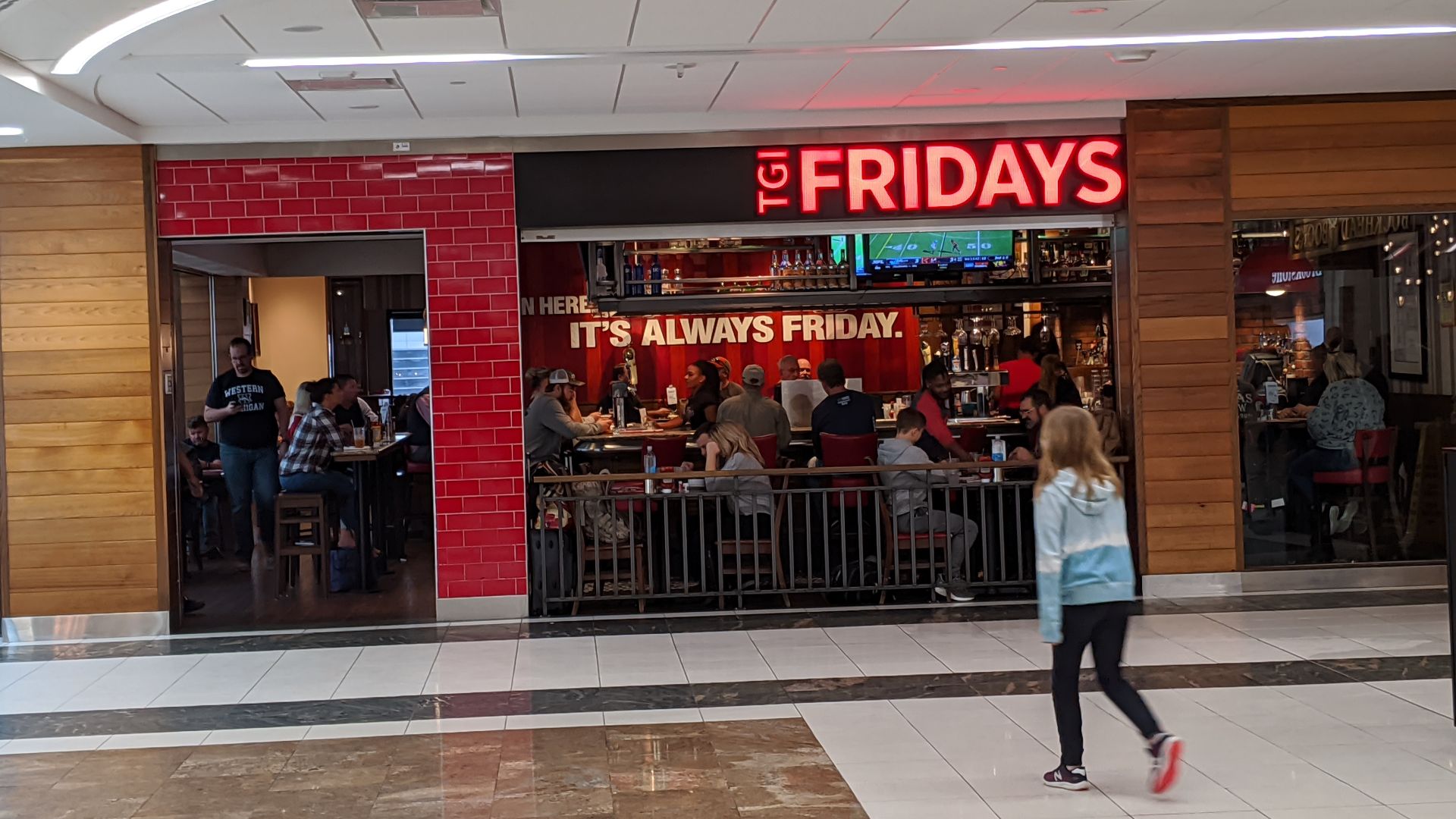
TGI Fridays Became A Cautionary Tale
TGI Fridays survived the Great Recession, but its difficulties continued as customer habits changed and competition intensified. The chain struggled with declining customer traffic, financial pressures, and questions about how to make its restaurants appealing again. In November 2024, its U.S. corporate operator filed for Chapter 11 bankruptcy protection, marking another dramatic chapter in the decline of a once-dominant casual dining name. It was a reminder that even a famous restaurant brand could struggle when customers stopped believing the experience justified the price.
 Eden, Janine and Jim from New York City, Wikimedia Commons
The Old Prices Weren't Going To Last Forever
Part of the nostalgia surrounding 2000s restaurant prices comes from how much the cost of dining out has increased since then. According to the Bureau of Labor Statistics, prices for food away from home rose another 4.1% during 2025, adding to increases from previous years. Restaurant operators have faced higher expenses for food, labor, and other essentials, while customers have had to adjust their own budgets. Although wages and the general cost of living have also changed since the 2000s, those old menu deals can still look remarkable today.
The Hidden Cost Of A Family Dinner
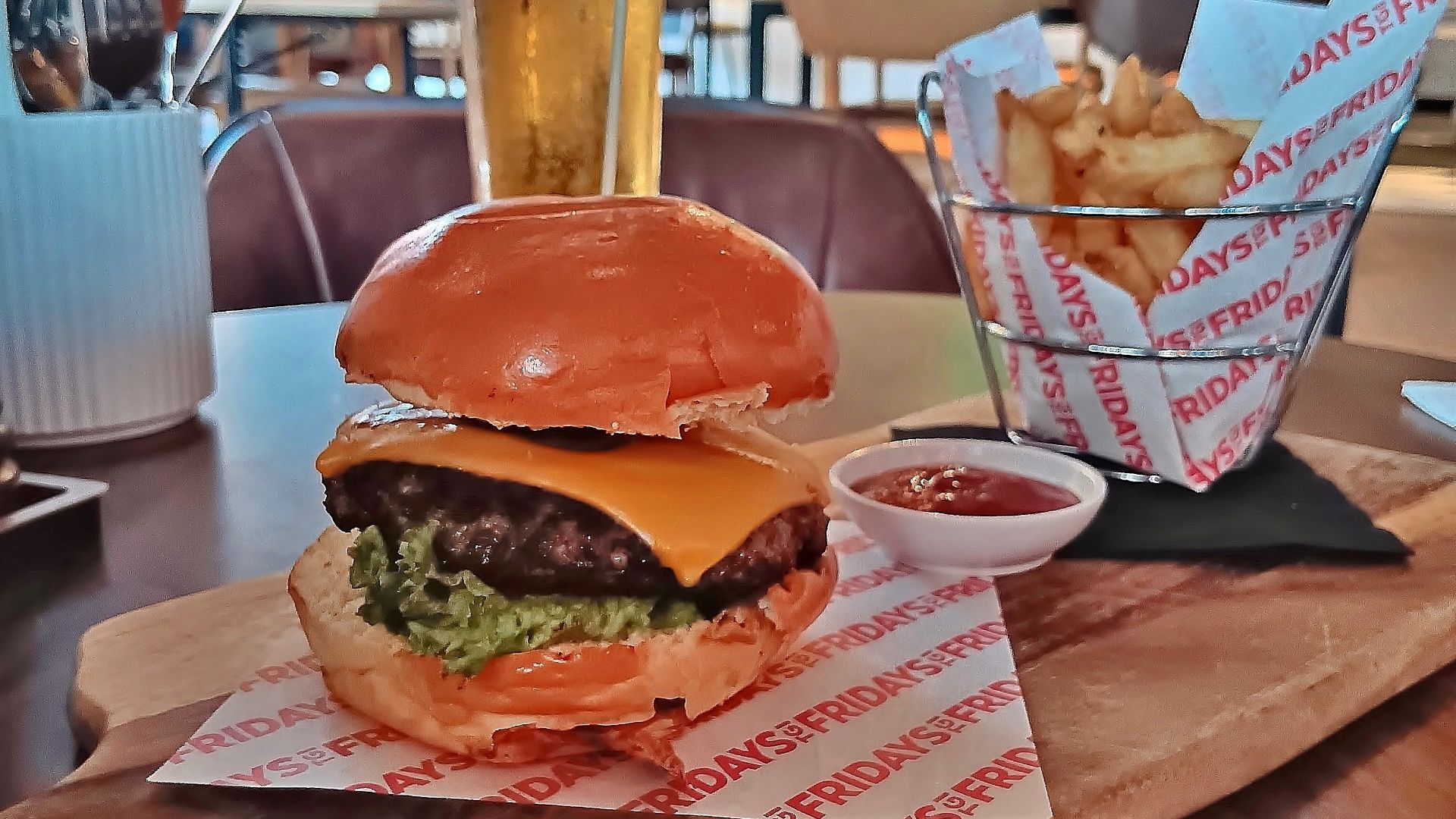
One reason restaurant meals can feel more expensive than expected is that the advertised entrée price rarely tells the whole story. Drinks, appetizers, desserts, sales taxes, and tips can add considerably to the final bill, especially when several people are eating together. A meal that initially looks affordable can become a much bigger expense once everyone has ordered what they want. For families trying to keep dining costs under control, checking the full estimated bill matters much more than focusing on a single menu price.
Some Chains Are Still Trying To Bring Back Bargains
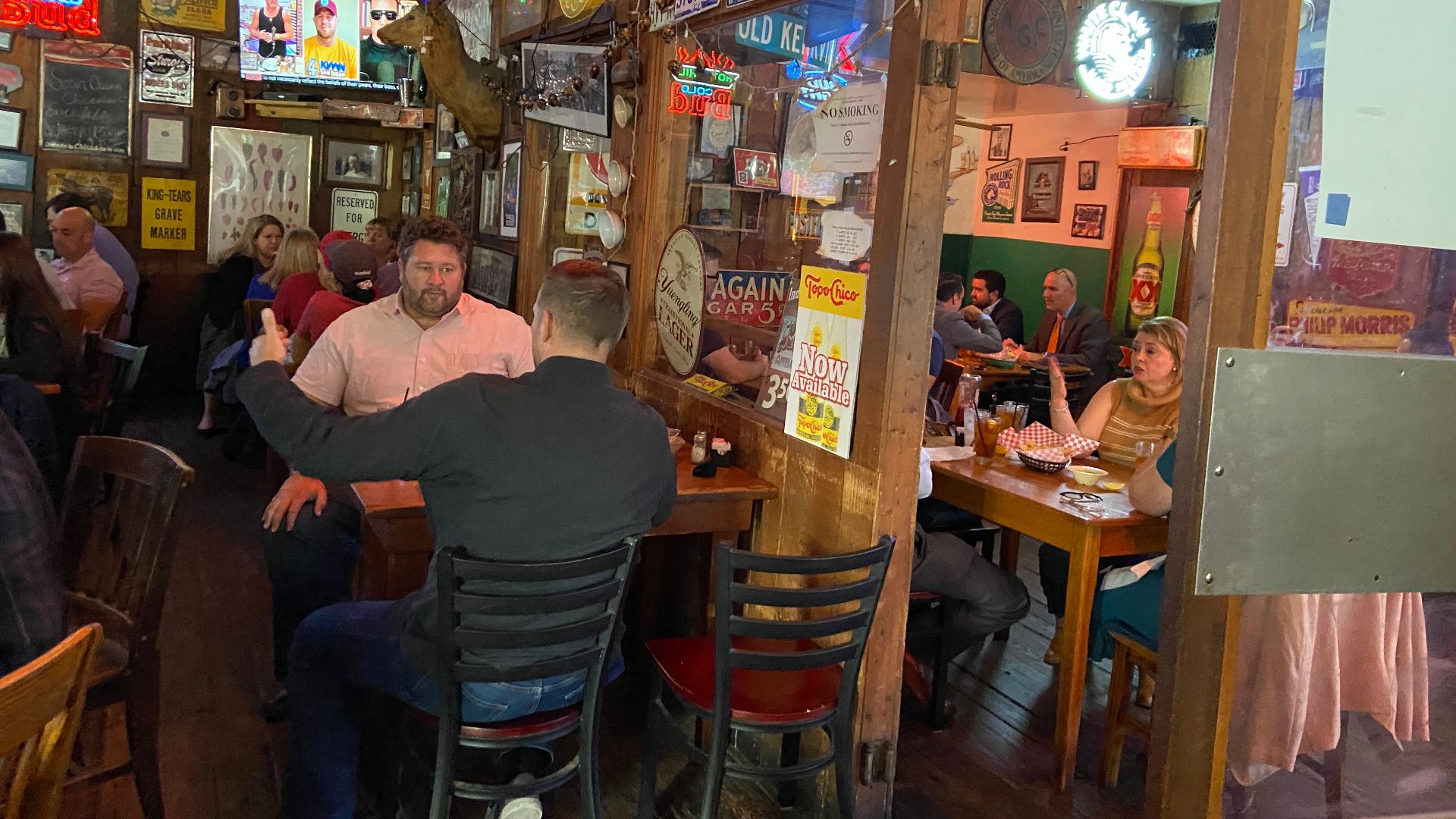
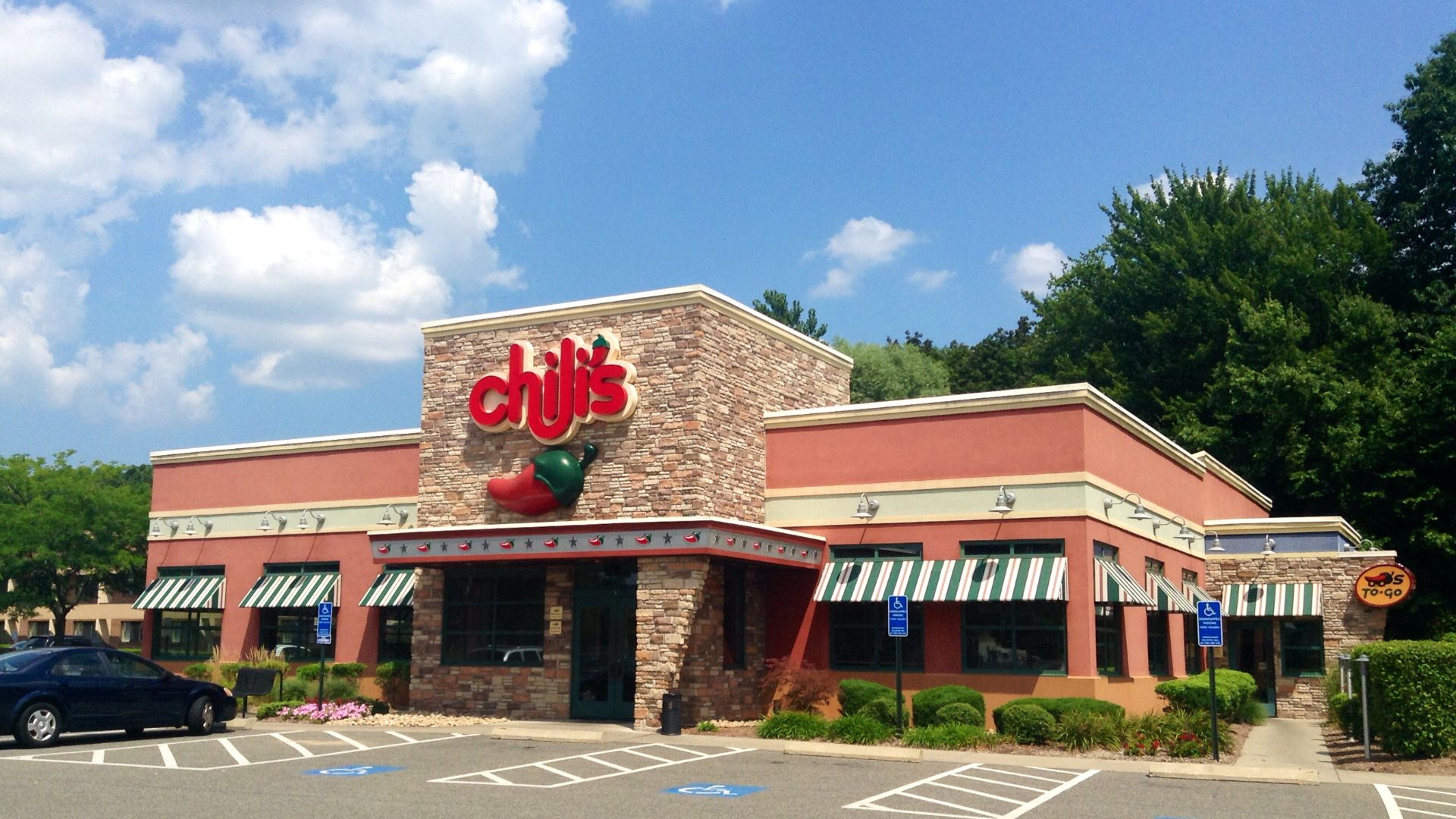
Not every casual dining chain has abandoned the idea of affordable meals. In 2022, Chili's introduced its "3 for Me" menu, offering an appetizer, entrée, and nonalcoholic drink starting at $10.99, while Denny's announced a new value menu in January 2026 with selected meals starting at $5.99. These promotions show that restaurants still recognize the appeal of a predictable, reasonably priced meal. But today's customers have to pay close attention to what's actually included, because not every advertised bargain offers the same value.
 Mike Mozart from Funny YouTube, USA, Wikimedia Commons
America Still Misses The Affordable Dinner Out
For many Americans, the appeal of 2000s casual dining wasn't really about the food alone. It was about taking the family somewhere comfortable, ordering a satisfying meal, and enjoying the evening without worrying too much about the bill. Some of those familiar chains are still around, while others have disappeared after struggling to make their old business models work. And although the prices of twenty years ago aren't coming back, the popularity of restaurant value deals suggests Americans haven't stopped wanting what those chains once promised: a good meal at a price that feels fair.
You May Also Like:
Restaurants From The 1980s That Baby Boomers Loved—But Millennials Have Never Heard Of (Or Eaten At)
Restaurants From The 1980s That American Families Couldn't Get Enough Of—Then They Vanished
Sources: 1, 2, 3, 4, 5, 6, 7, 8, 9, 10, 11, 12, 13, 14, 15, 16