When Repairs Spark Legal Trouble
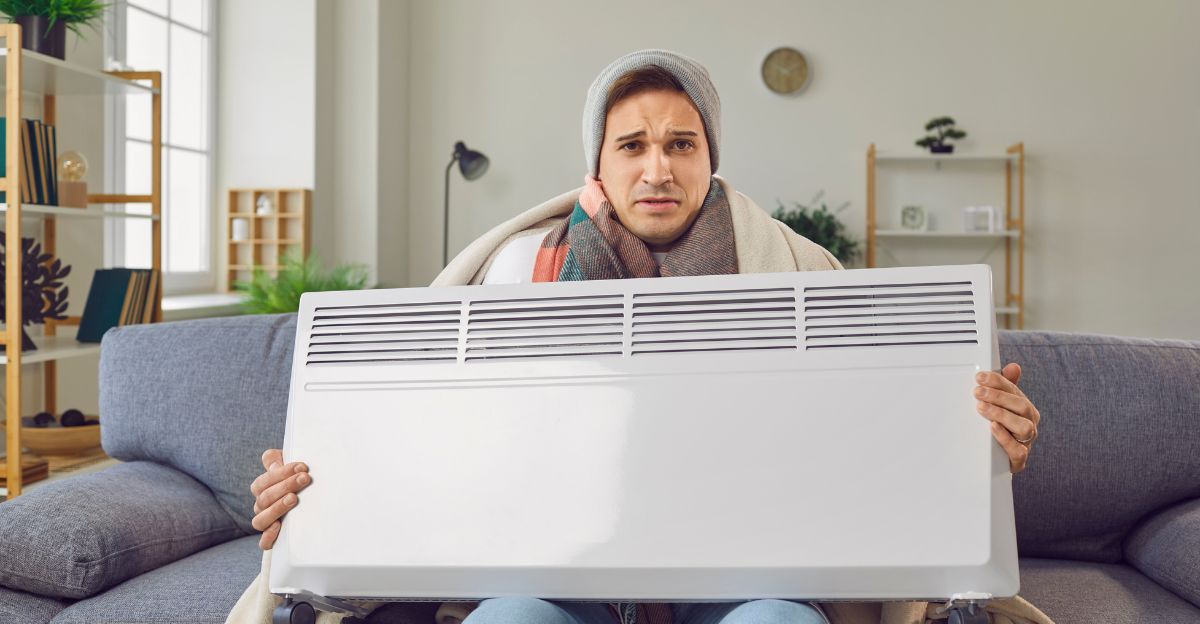
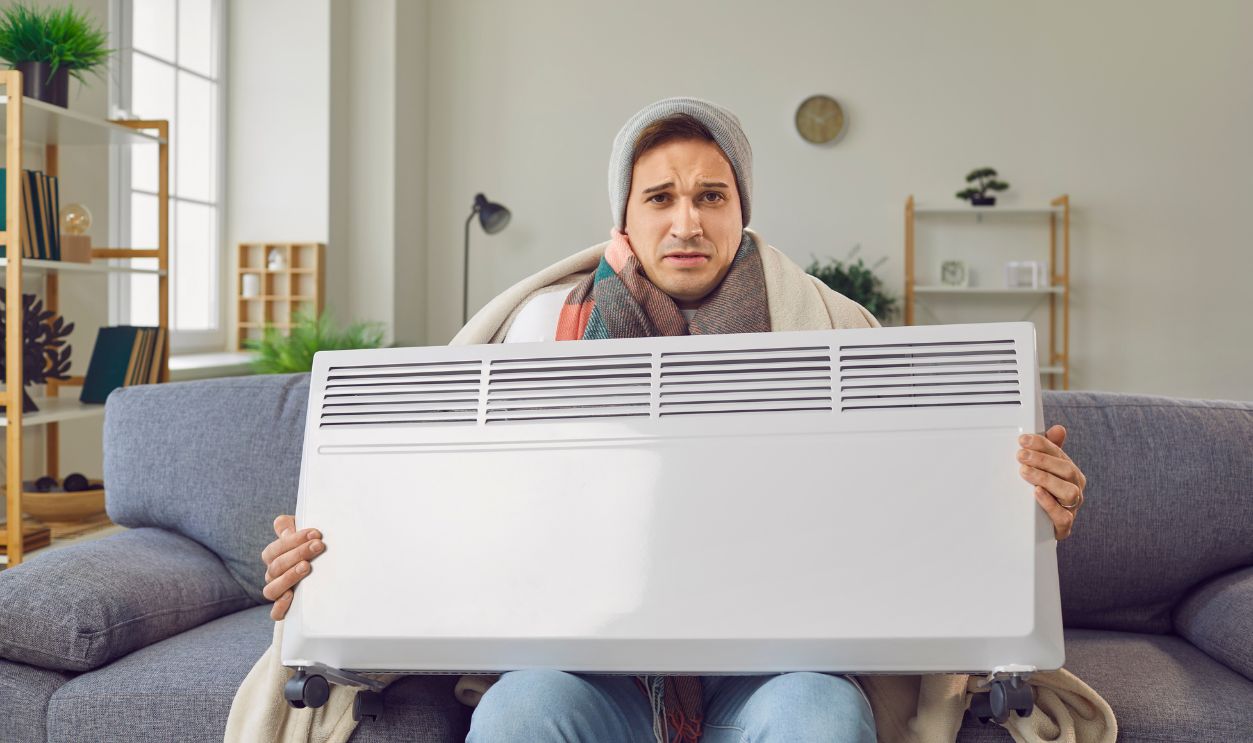
A broken heater in the dead of winter can turn any rental into a stressful situation, especially if the landlord refuses to fix it. When that same landlord suddenly threatens to sue, the confusion grows, and knowing what actually matters becomes essential.
Start With The Big Picture
If a landlord refuses to provide heat in winter, they may be violating core habitability rules. Tenants usually have strong protections, so panic isn’t helpful. Begin by grounding yourself in the regulations that apply where you live, because those laws often decide how these disputes unfold.

Know Your Right To A Livable Home
Most states require landlords to maintain essential services such as heat and hot water, among other things. As these basics fail, the rental may be legally considered uninhabitable. Understanding those rights matters because it frames your response and gives you confidence when dealing with legal threats.

Document Everything Immediately
Start gathering photos, repair invoices, thermostat readings, texts, emails, and any written notices you gave your landlord. Detailed documentation becomes your strongest defense if they follow through on suing you. The more complete the paper trail, the easier it becomes to explain your actions clearly.
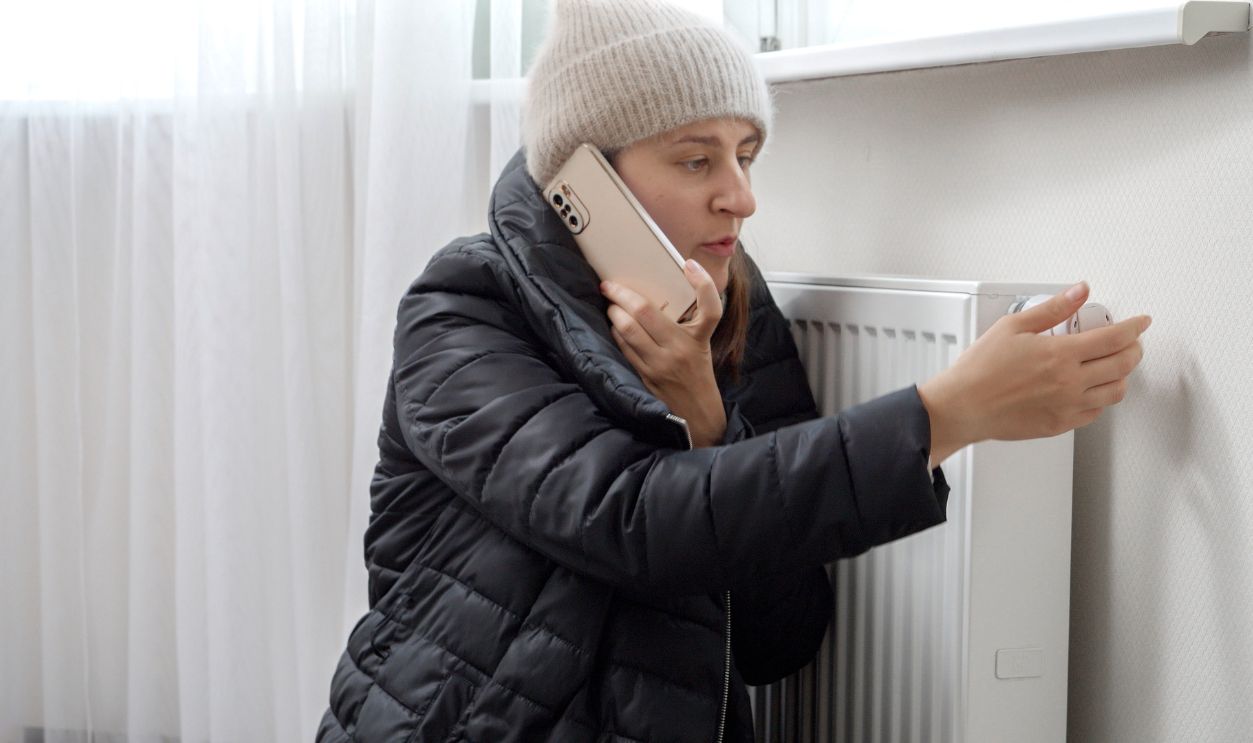
Check Your State’s Repair-and-Deduct Rules
Many states let tenants pay for essential repairs and subtract the cost from rent, but the rules vary. Some require written notice or waiting periods. If you followed these steps correctly, your landlord’s lawsuit may have little weight because the law supports responsible tenant action.

Confirm You Gave Proper Notice
Courts typically look for proof that you notified your landlord about the broken heat and gave them a chance to respond. Written communication helps tremendously. If you have dated messages showing attempts to get the issue resolved, you’re already on stronger ground in any dispute.

Understand Why He Might Be Suing
Landlords sometimes file lawsuits to recover repair costs, claim unpaid rent, or argue a tenant made unauthorized fixes. That doesn’t automatically mean they’re correct. Many of these cases fall apart when the landlord fails to meet basic safety requirements, especially those involving essential heating systems.

Pull Out Your Lease
Review the sections covering repairs and essential utilities. Many leases clearly state that the landlord must maintain vital systems like heat. If the written agreement supports your position, bring it to any consultation because judges usually prefer straightforward evidence over emotional arguments.
Collect Statements From Anyone Who Saw The Problem
Neighbors, friends, or visiting family can confirm the heat wasn’t working. Their observations help establish a clear record of events. Witness statements aren’t required, but they strengthen your credibility and help counter any claim that you misrepresented the seriousness of the heating issue.

Keep Receipts For Every Dollar You Spent
Courts rely on clear numbers. Save invoices and contractor information showing what you paid and why the repair mattered. When you present organized documentation, judges tend to view your actions as reasonable, especially when dealing with essential winter heating repairs.

Don’t Ignore The Lawsuit Threat
Even if the message sounds dramatic, treat the threat seriously. Should actual court papers arrive, deadlines matter a lot. Missing one can hand the landlord a default judgment. Responding promptly shows responsibility, which judges appreciate in cases involving home safety issues like heat.

Check For Retaliation Protections
Many states prohibit landlords from retaliating when tenants request repairs or report unsafe conditions. If the lawsuit came soon after you demanded heat repairs, it may be legally considered retaliatory. Courts typically dislike landlords who weaponize the legal system after ignoring essential maintenance responsibilities.
Contact A Local Tenant-Rights Organization
Tenant-rights groups can explain state laws, review your documents, and suggest next steps. They often know how local courts treat heat-related disputes. Their guidance is especially helpful when you’re unsure whether your landlord is bluffing or genuinely planning to follow through.

Request An Inspection From Code Enforcement
If your heat was truly broken, a city or county inspector can document the issue. Their report becomes powerful evidence. Code inspectors regularly confirm habitability violations, and their findings help demonstrate that the landlord failed to meet legal expectations regarding winter heating requirements.
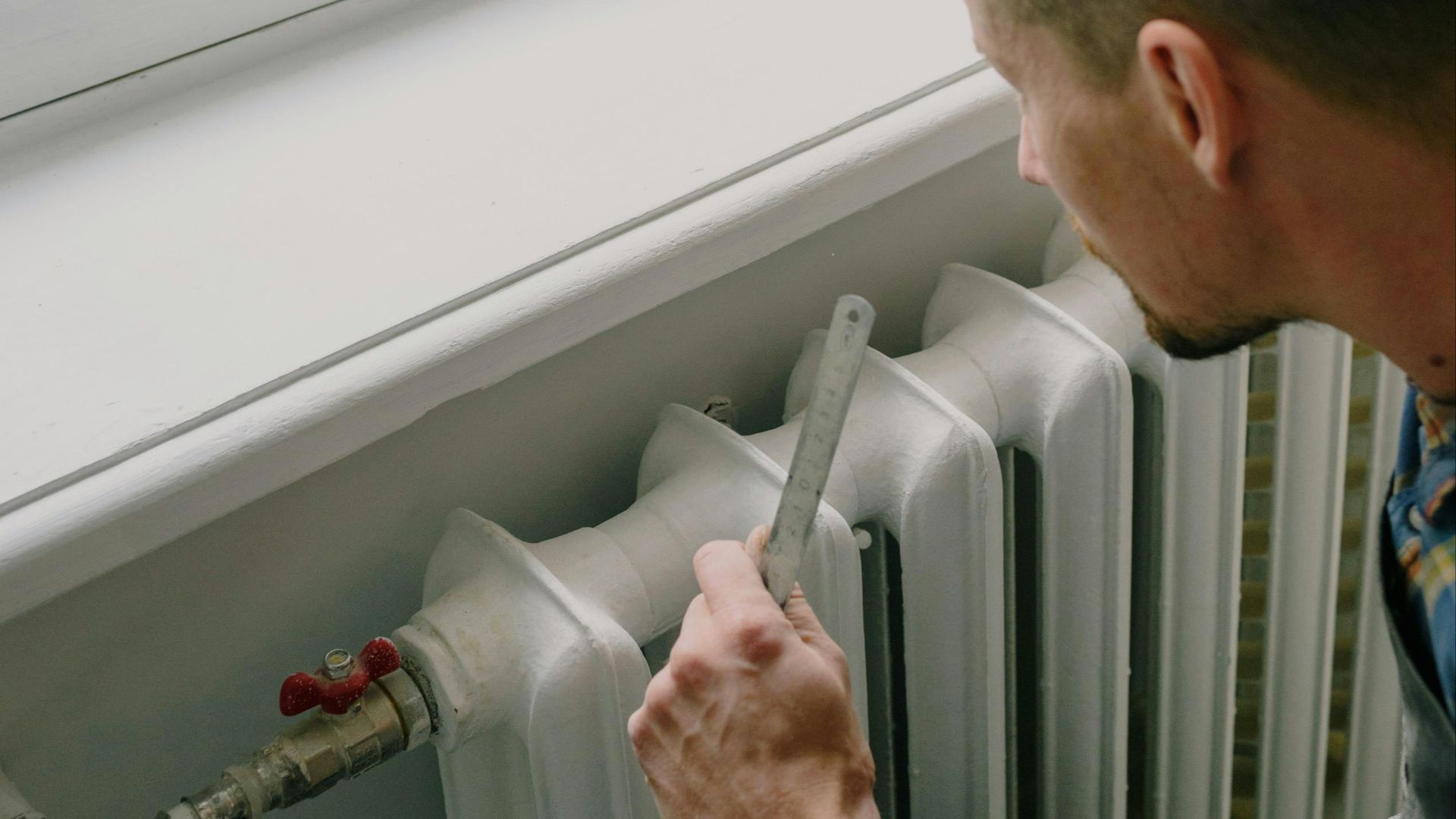
Look Into Legal Aid
Additionally, if money is tight, legal aid organizations can help you draft responses or understand your options. Many specialize in tenant-landlord disputes and know which arguments succeed. Their involvement brings clarity, especially when you’re navigating essential-service conflicts like lack of heat.
Prepare A Simple Timeline
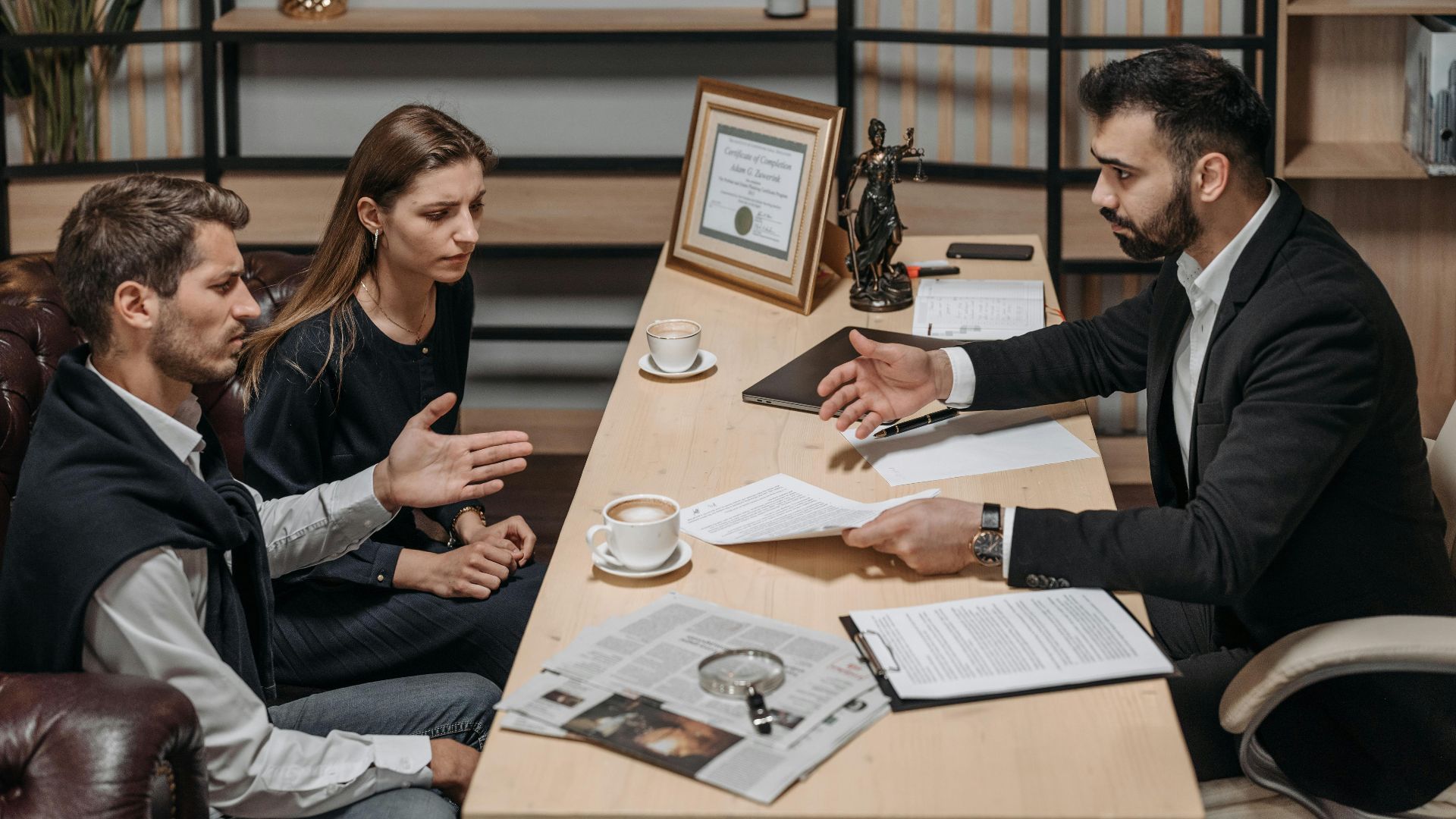
Create a written list of dates showing when the heat failed, when you contacted your landlord, when repairs occurred, and when you paid out of pocket. Judges appreciate clear, chronological explanations, and it helps them understand who acted responsibly during uncomfortable cold conditions.

Consider Filing A Counterclaim
If your landlord sues, you may be able to countersue for reimbursement, temporary lodging costs, or damages from living without heat. A lawyer or legal aid attorney can help decide if this route makes sense. Counterclaims sometimes flip the pressure back onto negligent landlords.

Don’t Let Yourself Be Intimidated
A lawsuit threat is unnerving, but judges see these disputes constantly. They usually side with the party that acted reasonably and documented their steps. Paying to restore heat, especially during winter, often looks like responsible behavior compared to ignoring an essential home safety issue.

Review Local Emergency Heat Laws
Some cities set specific indoor temperature minimums and timelines for fixing heating problems. If your landlord ignored those rules, it strengthens your defense. These local standards exist because governments recognize winter heat as a critical service, not an optional comfort feature.

Check If You Qualify For Rent Withholding
Certain states allow tenants to withhold rent when the home becomes uninhabitable. Severe loss of heat can meet that threshold. You may not have used this option, but knowing it existed helps show you acted conservatively and reasonably rather than exploiting the situation.

Keep Interactions Polite And Written
Stay calm and factual. Written communication creates a reliable record that courts trust far more than emotional conversations. Politeness also shows you weren’t escalating the conflict. Judges often compare tones, and the party that appears steady tends to gain credibility.

Ask For Mediation Before Court
Many cities offer free or low-cost mediation services for rental conflicts. Mediation can help both parties settle quickly without court stress. It’s useful if emotions run high, but the dispute centers on practical issues like repairs, reimbursement, and responsibility for essential services.

Prepare For Small-Claims Court
If the amount is modest, the case may end up in small-claims court. Bring photos, receipts, texts, a timeline, and any applicable heat-code information. Small-claims judges value organization and straightforward storytelling, especially when essential utilities like heat were involved in the dispute.
Evaluate Whether You Want To Stay Long-Term
A landlord threatening to sue over basic heating repairs may signal deeper issues. Even while resolving the current problem, start thinking about future housing stability. Long-term comfort matters, and living under constant stress with an unresponsive landlord rarely leads to a healthy housing situation.
 LinkedIn Sales Navigator, Pexels
Learn How To Protect Yourself Next Time
Always document repair requests and keep copies. As soon as essential systems break, act promptly and understand your rights before paying for repairs. Clear habits reduce confusion later and help prevent being blamed for issues completely outside your control.
You Probably Have More Power Than You Think
Lack of heat is a major legal issue. If you acted responsibly and kept records, your landlord may have a weak case. With solid documentation, state-specific guidance, and calm communication, you can respond confidently and possibly recover your out-of-pocket costs.