Who's Doing That Job?
Artificial intelligence isn’t just something that “might” change the workforce someday—it already has. Behind the scenes, robots and algorithms are quietly taking over tasks most people assume still rely on human hands.
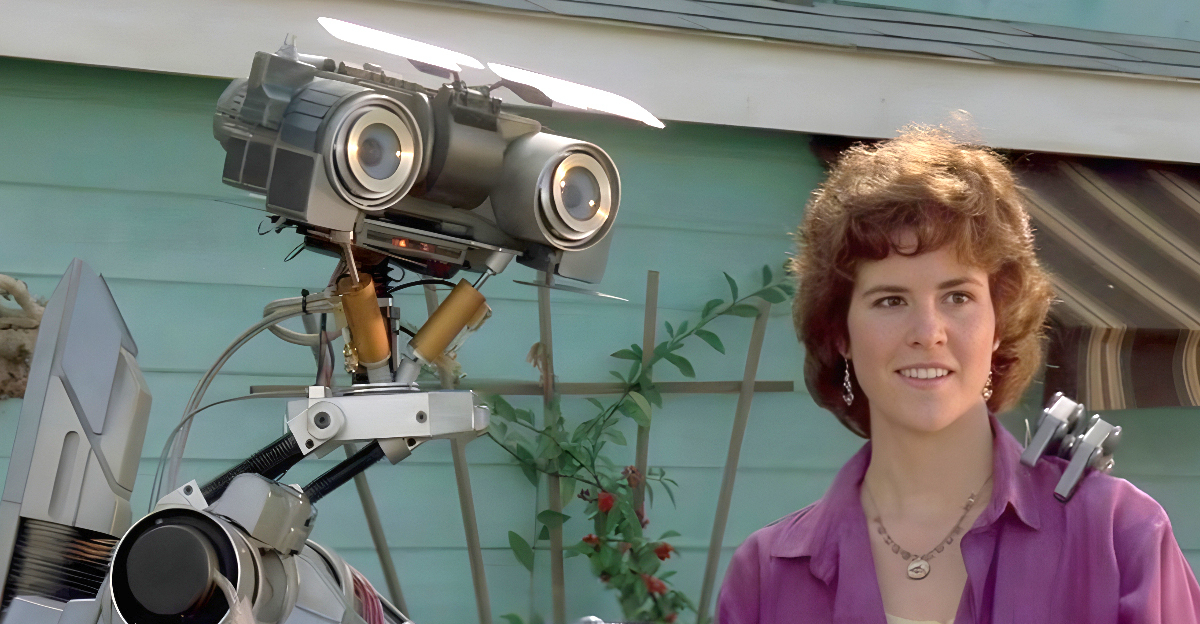
Warehouse Picker Robots
In massive fulfillment centers, AI-powered robots now zip through aisles, grab items, sort them, and deliver them for packing—faster and more consistently than humans. Many people don’t realize their overnight delivery was orchestrated by machines working nonstop with near-perfect accuracy and zero breaks.
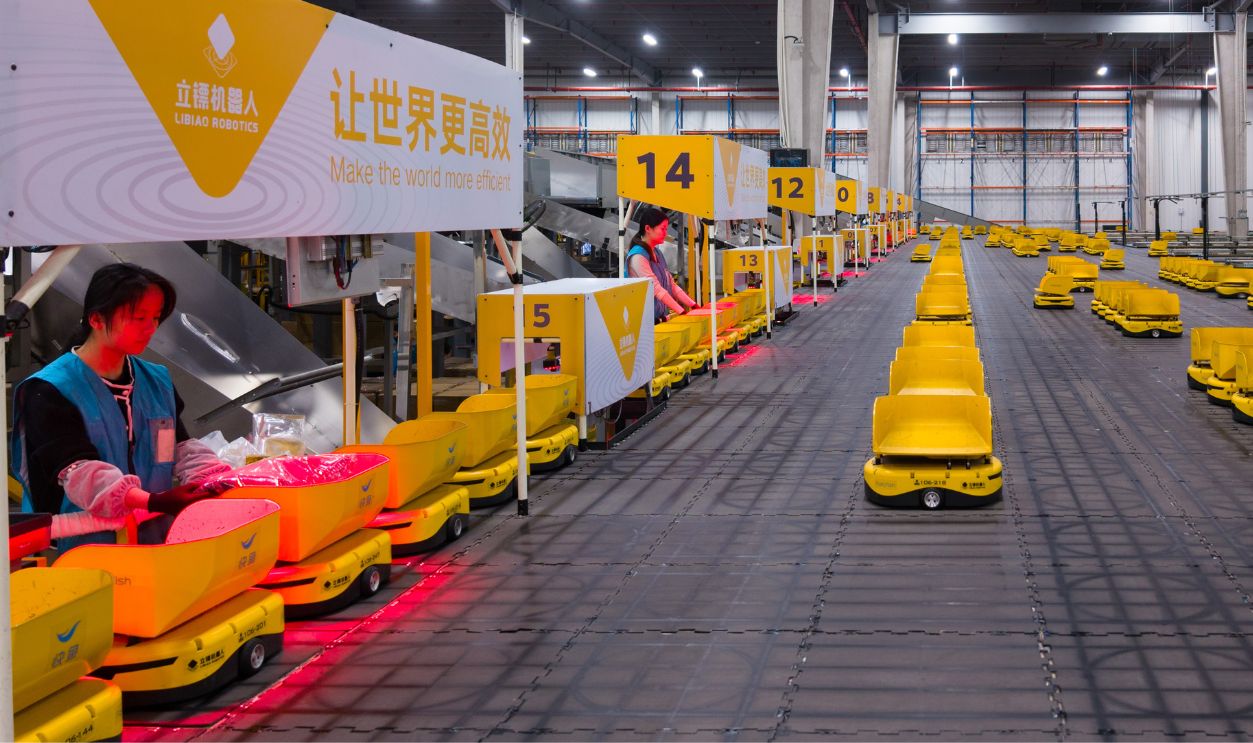
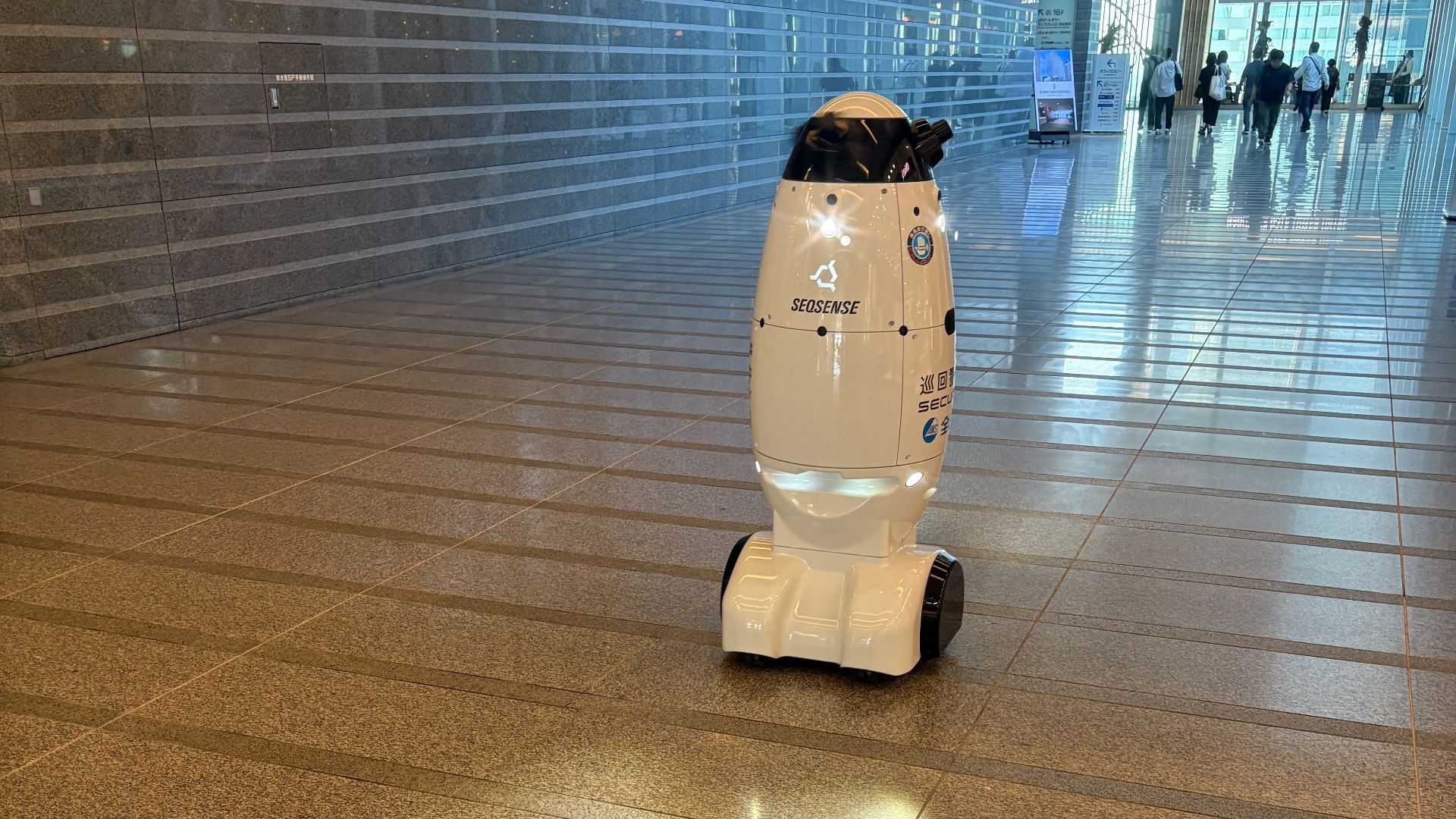
Security Patrol “Officers”
Some malls, parking garages, and office buildings now use autonomous security robots that roam hallways, scan for suspicious behavior, and send real-time alerts. They don’t sleep, they don’t blink, and they record everything. Most visitors assume they’re gadgets, not actual security staff already replacing overnight patrols.
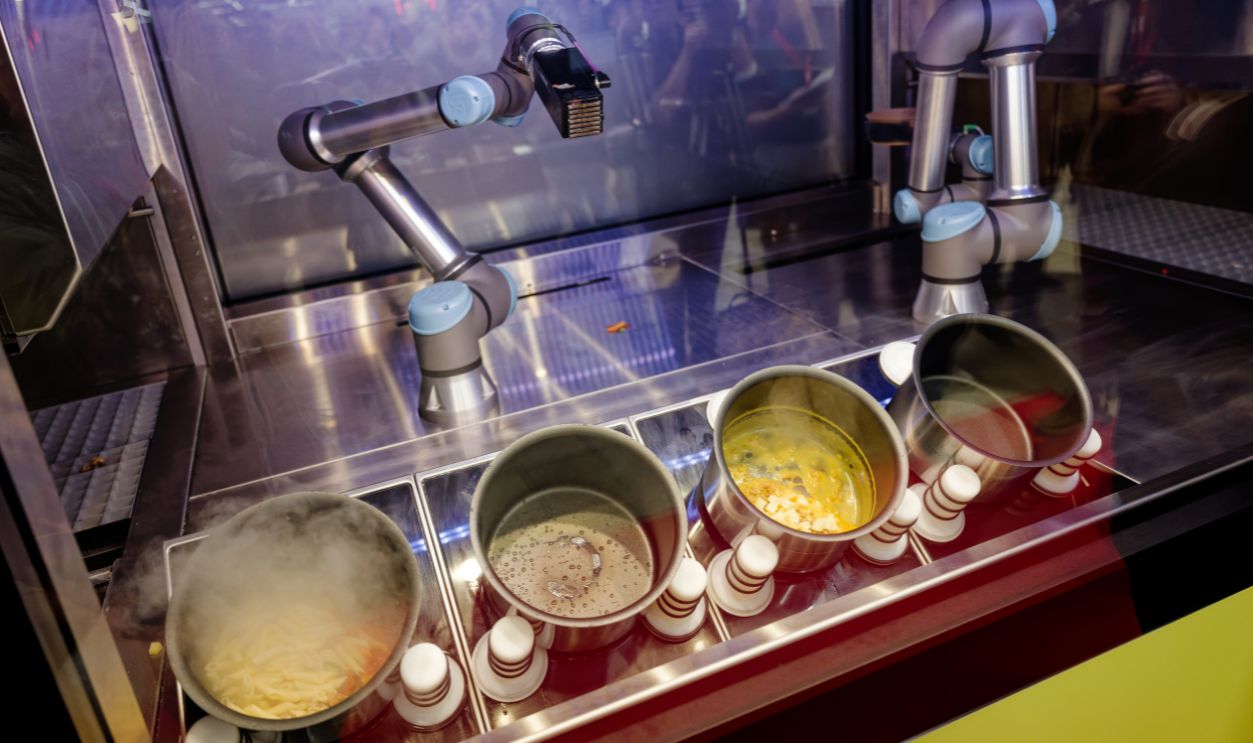
Fast-Food Line Cooks
Major chains are testing robotic fryers, automated grills, and AI-driven timing systems that cook with exact precision every single shift. They track temperature, monitor freshness, and drop baskets perfectly on schedule. Your last late-night fries may have been prepared by a robot rather than a teenager.
 picture alliance, Getty Images
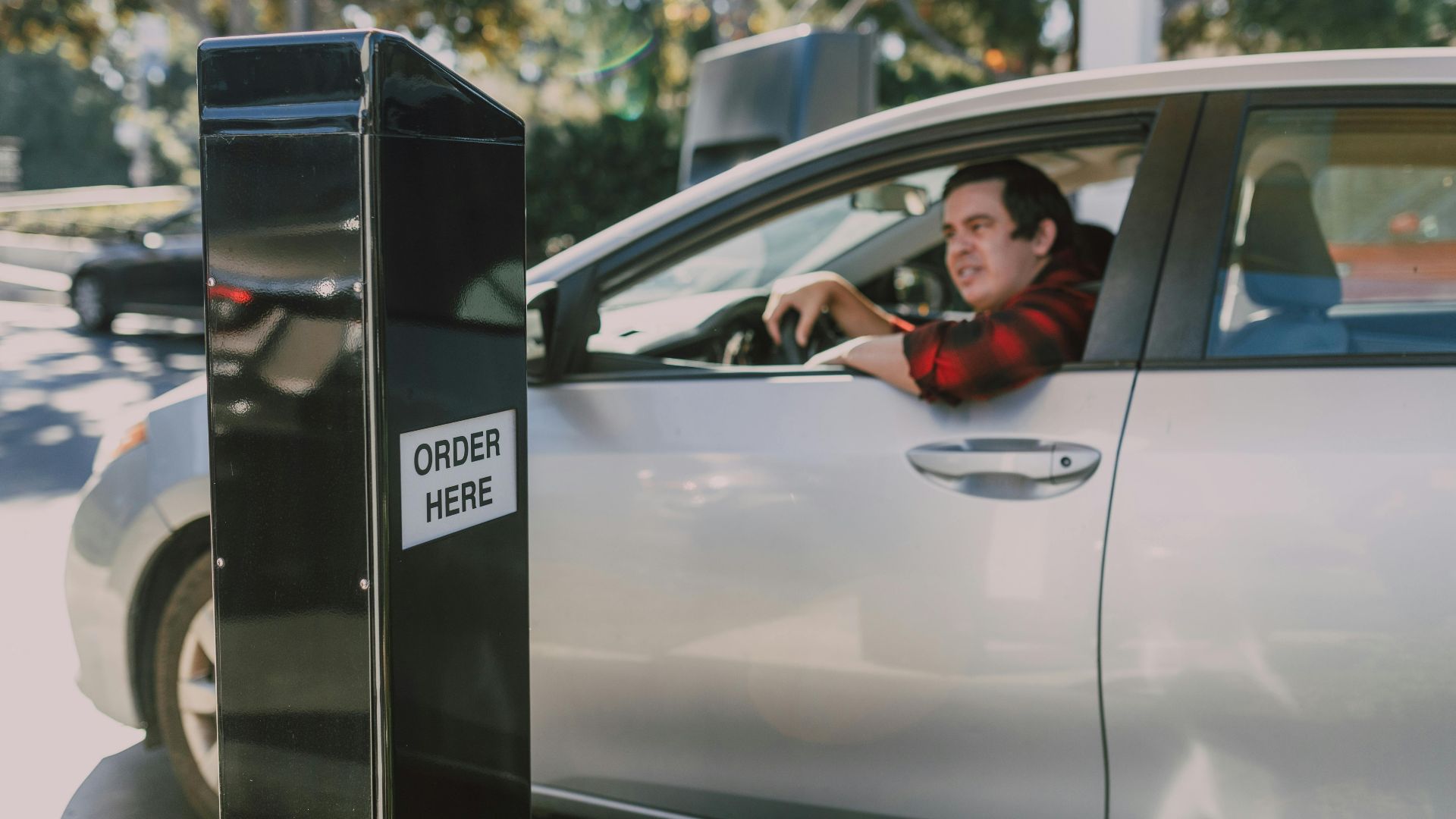
Drive-Thru Order Takers
AI voice systems at drive-thrus are now handling entire conversations, upselling meals, managing complicated modifications, and sending orders to the kitchen instantly. Many customers don’t even realize the friendly voice they were chatting with wasn’t a person at all—it was an algorithm trained on thousands of orders.
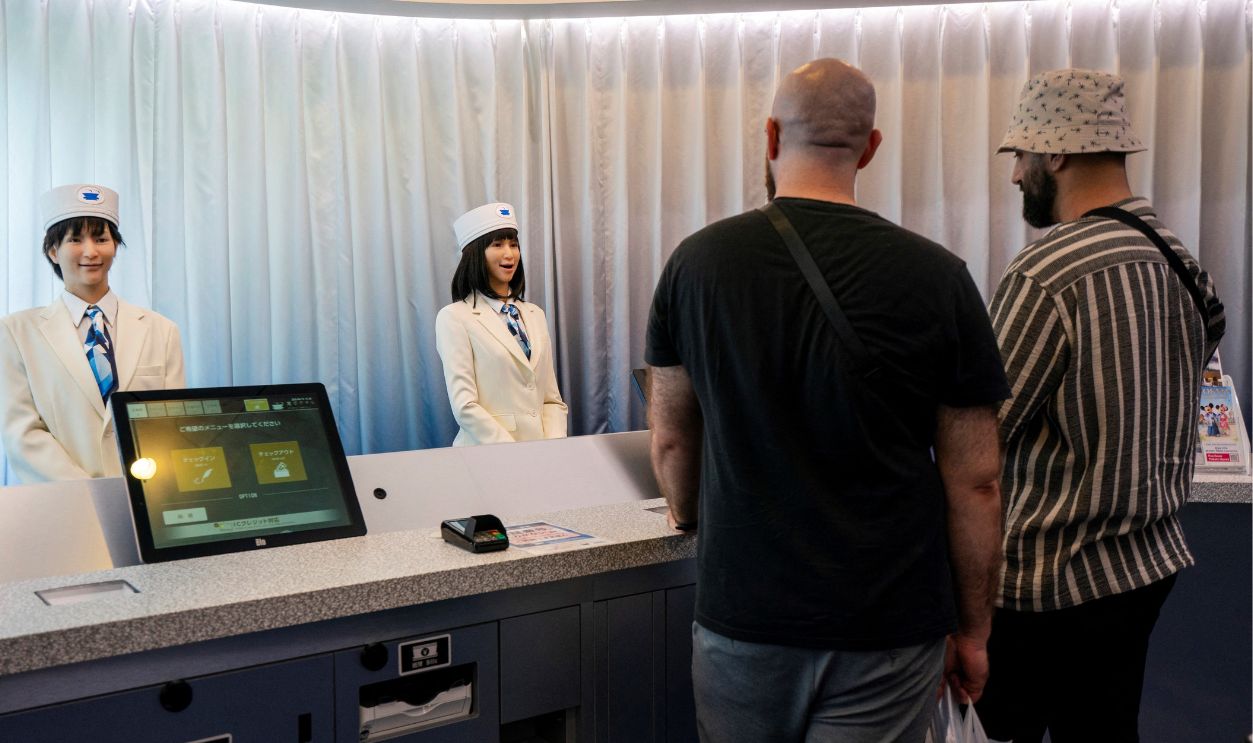
Hotel Check-In Clerks
Some hotels have almost fully automated lobbies where AI kiosks handle ID verification, room selection, upgrades, and payment processing. Guests can arrive, check in, grab a key, and head upstairs without speaking to a single employee.
Pharmacist Assistants
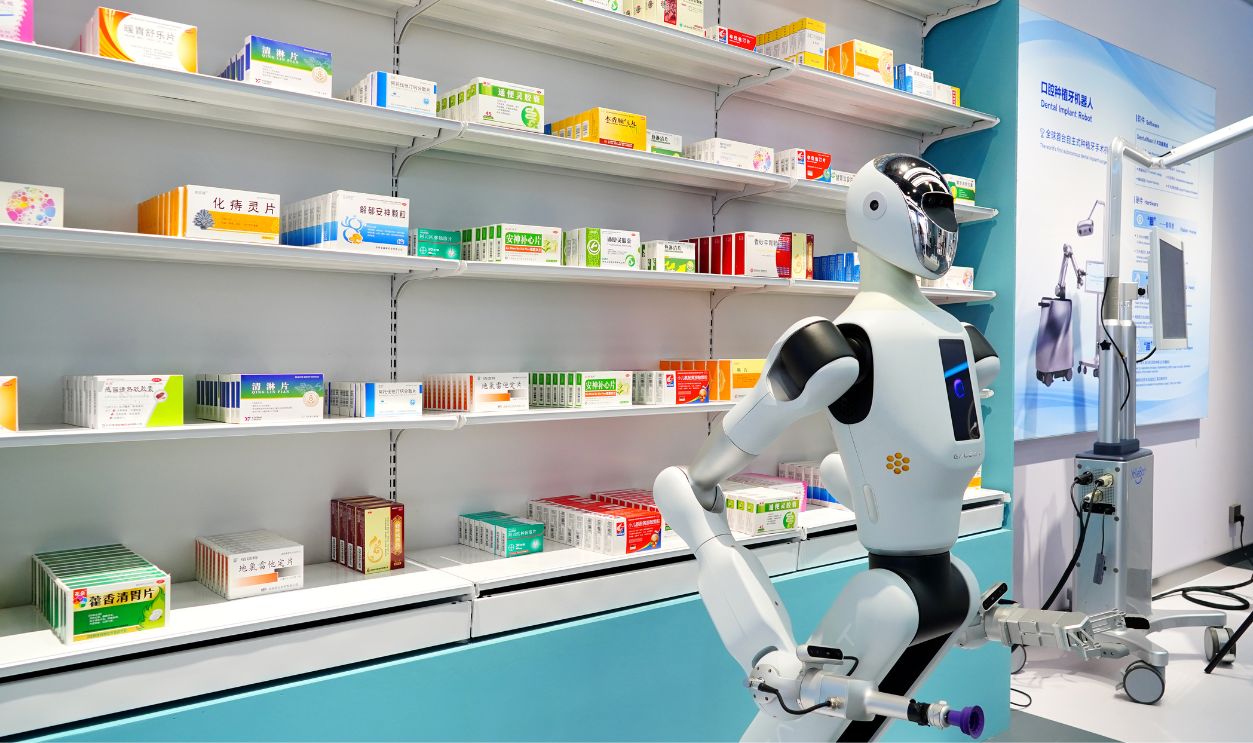
In many hospital pharmacies, robotic systems now count pills, sort prescriptions, label bottles, and double-check dosages with remarkable precision. AI software also flags interactions and errors before humans see them. Patients picking up medications rarely realize a robot handled most of the workflow from start to finish.
Restaurant Hosts
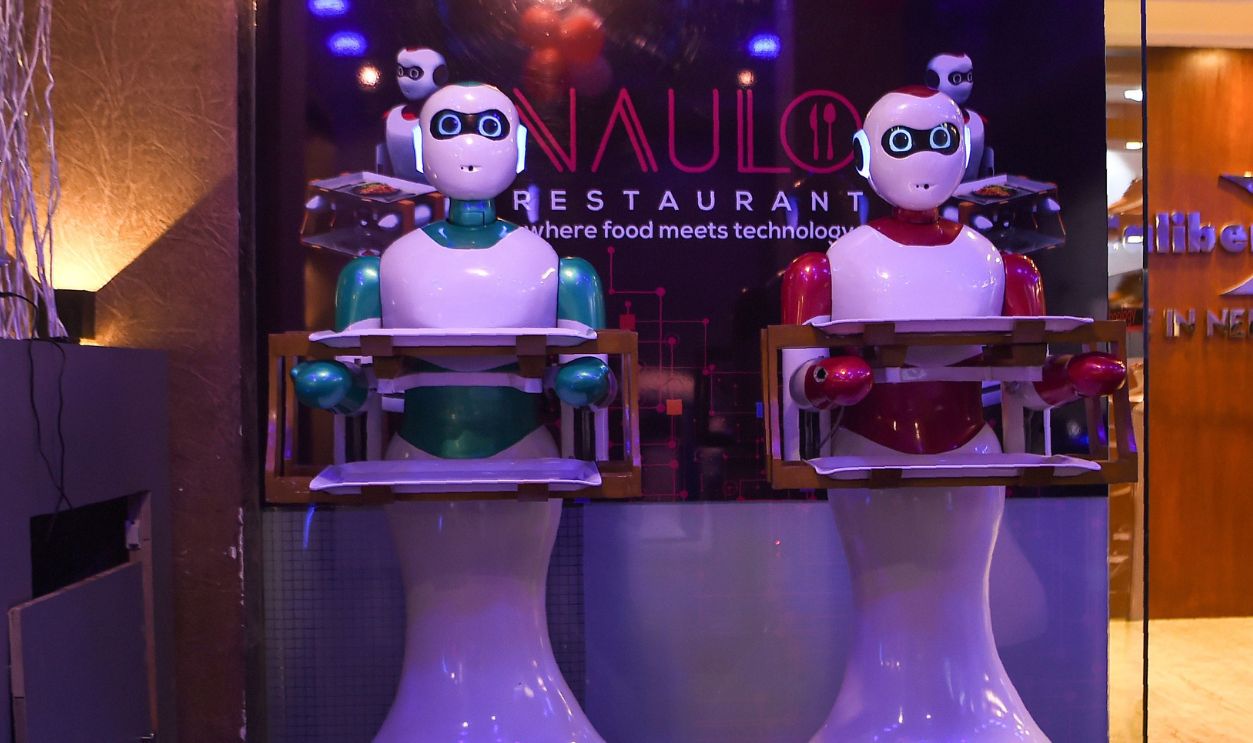
Several restaurants use AI-powered systems to greet guests, check reservations, manage waitlists, and even guide customers to tables using small rolling robots. It feels like a novelty, but it’s actually replacing an entire front-of-house role that once required a full-time employee orchestrating guest flow manually.
News Writers
AI already drafts sports recaps, earnings summaries, weather briefs, and breaking-news updates for major outlets. Editors polish them, but the core writing is algorithm-driven. There’s a good chance you’ve read a fully AI-assembled news story and had absolutely no idea a machine generated the first draft.

Medical Imaging Analysts
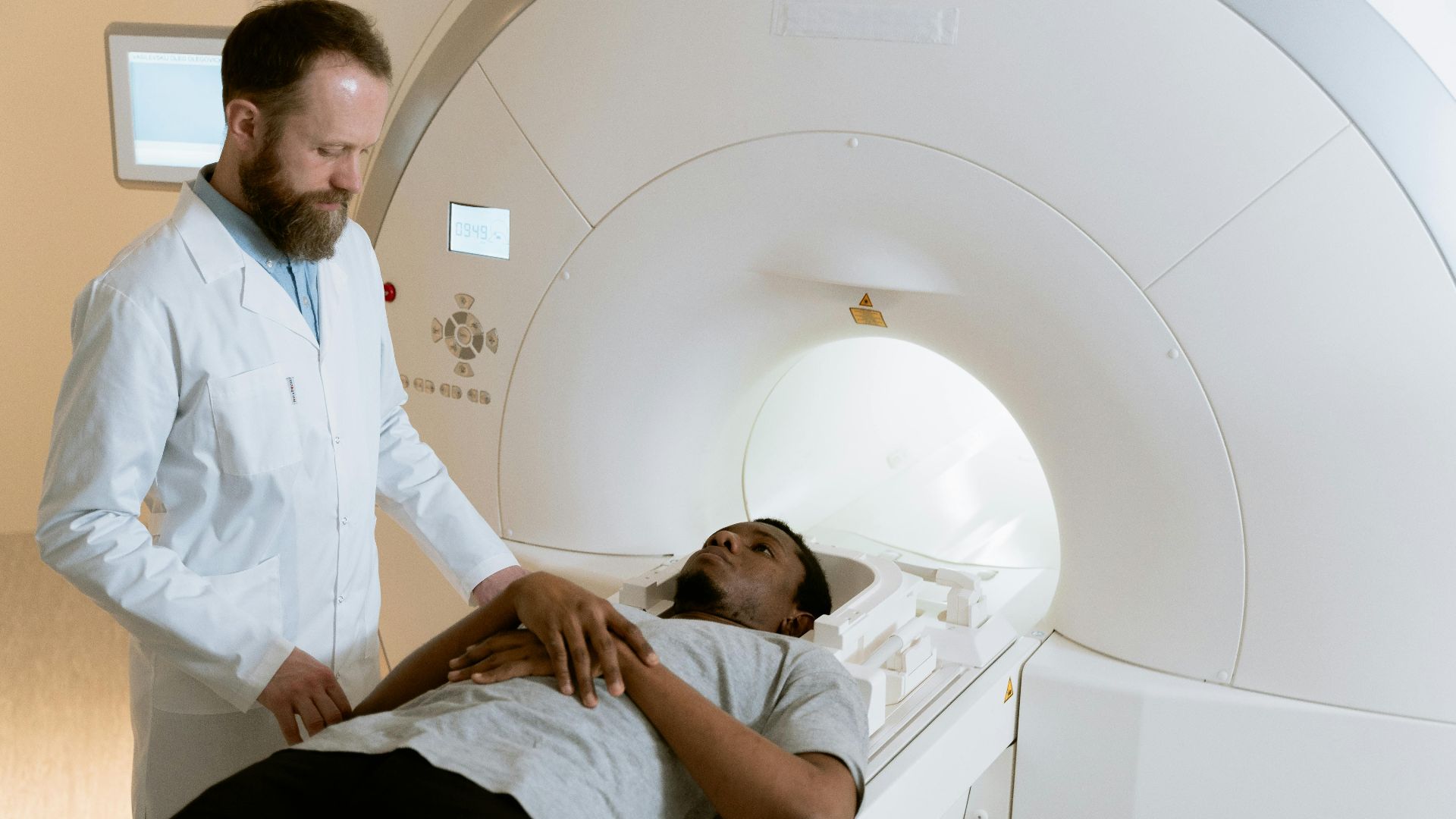
AI tools now examine X-rays, CT scans, and MRIs to detect abnormalities with impressive accuracy. They highlight suspect areas, compare them to massive datasets, and flag issues for radiologists to review. Patients rarely know an algorithm provided the first, incredibly fast, interpretation of their medical images.
Manufacturing Quality Control
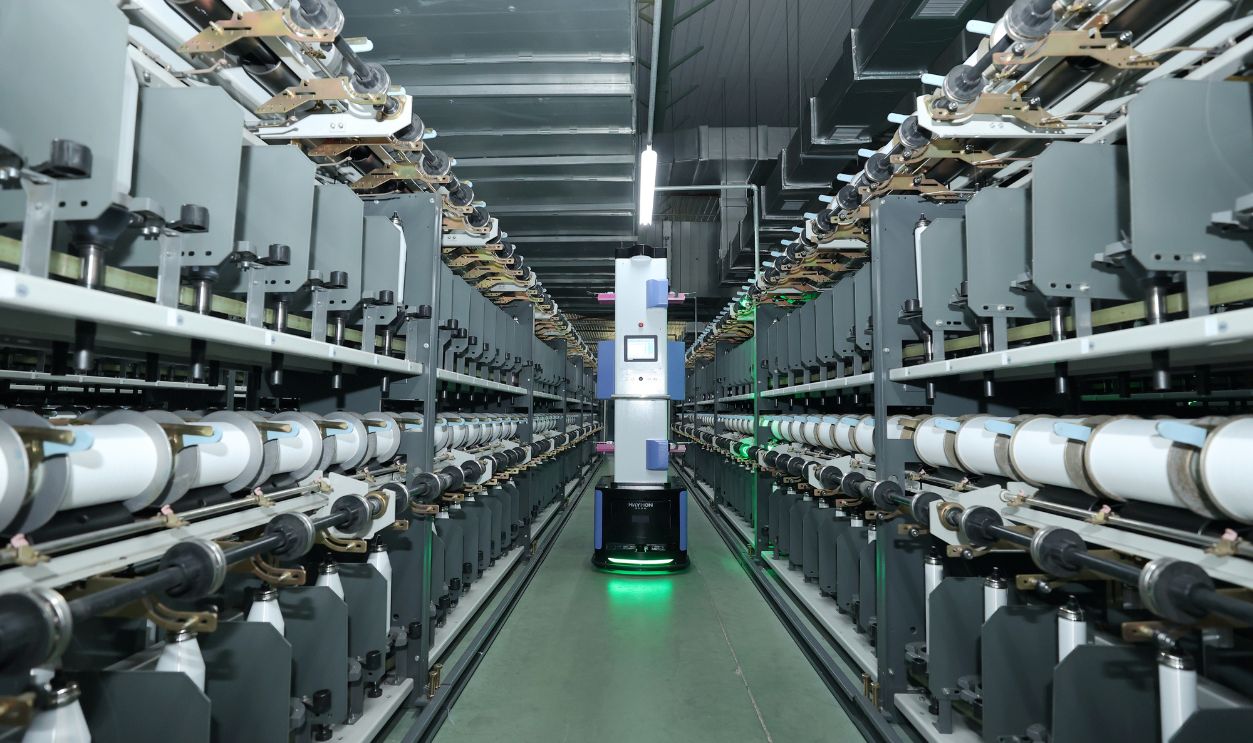
Factories increasingly rely on AI-powered inspection systems that analyze thousands of products per hour, spotting defects humans routinely miss. Cameras, sensors, and machine learning models assess alignment, color, shape, and structure instantly.
Customer Support Agents
Modern customer support often begins and ends with AI chatbots capable of troubleshooting problems, processing refunds, updating accounts, and answering complex questions. Some companies barely use human agents anymore. Many customers don’t realize an algorithm handled their entire conversation because the responses now feel natural and human-like.

Delivery Drivers (In Test Markets)
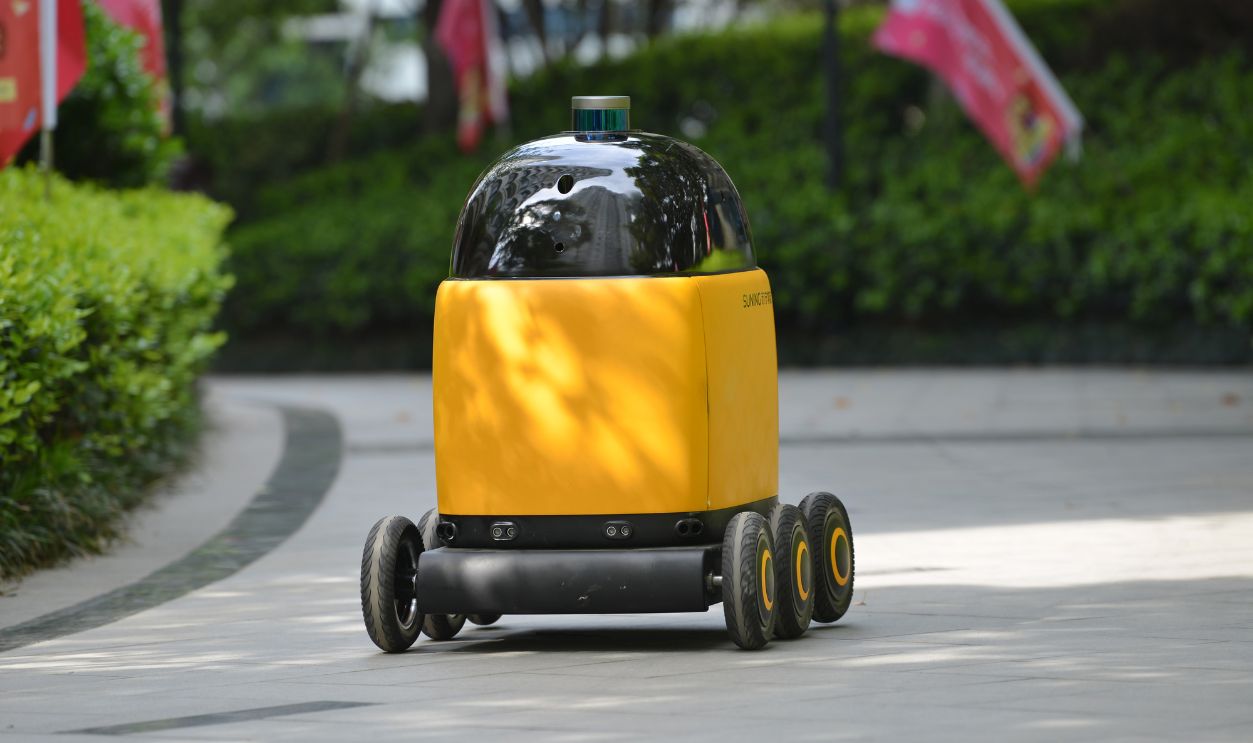
Autonomous delivery robots already transport groceries, takeout, and small packages in several cities. They navigate sidewalks, avoid pedestrians, and follow routes with surprising independence. Many customers happily grab their order without realizing no human ever touched the delivery process once it left the store.
Grocery Shelf-Scanning Bots
Supermarkets now use robots to roam aisles, scan shelves, check inventory, find missing products, and identify price errors. They quietly work while shoppers walk right past them. Most people think they’re cleaning machines or prototypes—not active store employees ensuring every item is stocked correctly.

Crop Monitoring Drones
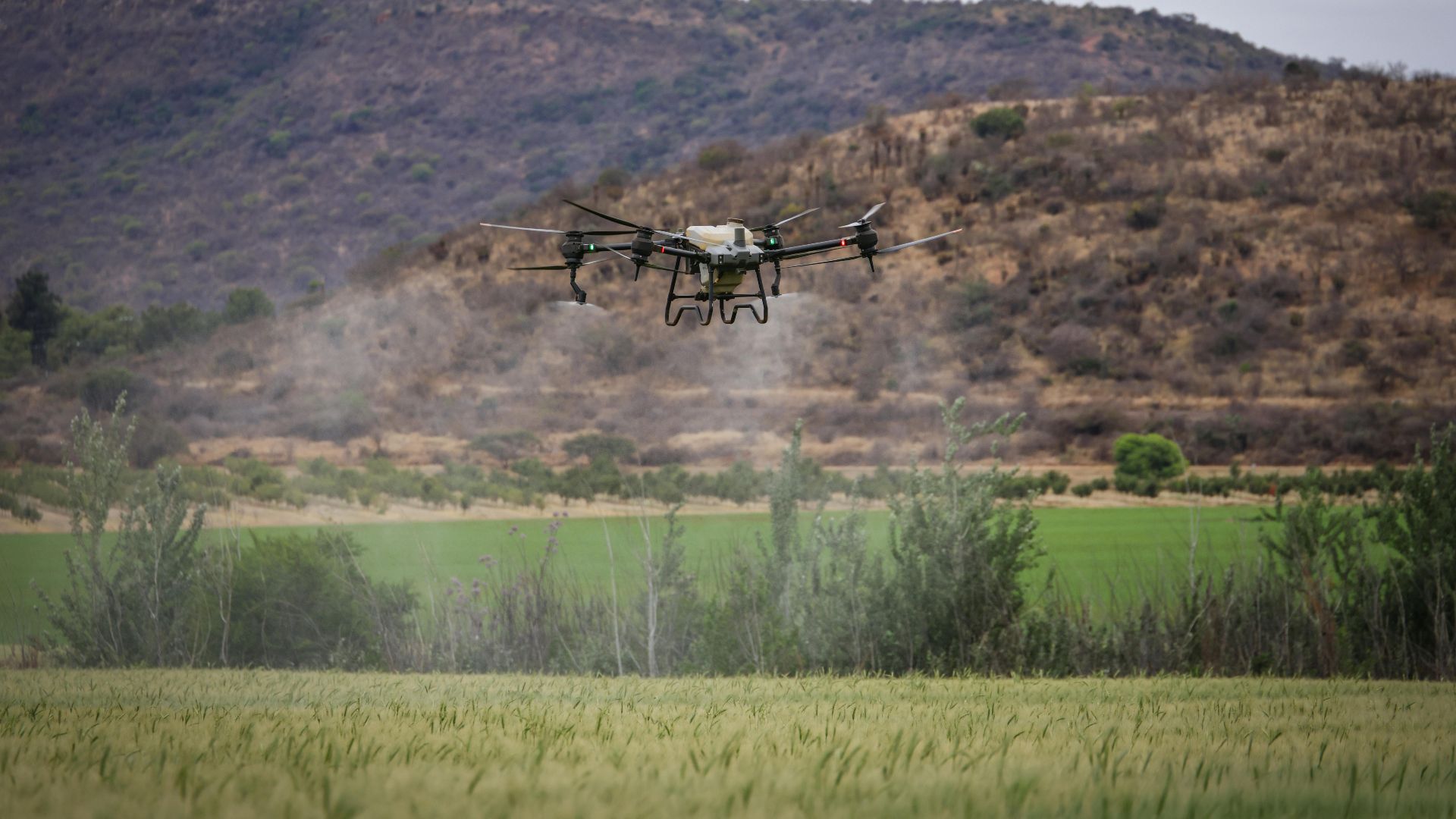
Farmers use AI-powered drones to scan fields for pests, track crop growth, detect nutrient problems, and improve watering efficiency. These drones generate detailed maps and insights that used to require days of manual inspection. Much of modern farming now happens from the sky—and few people realize it.
Construction Layout Robots
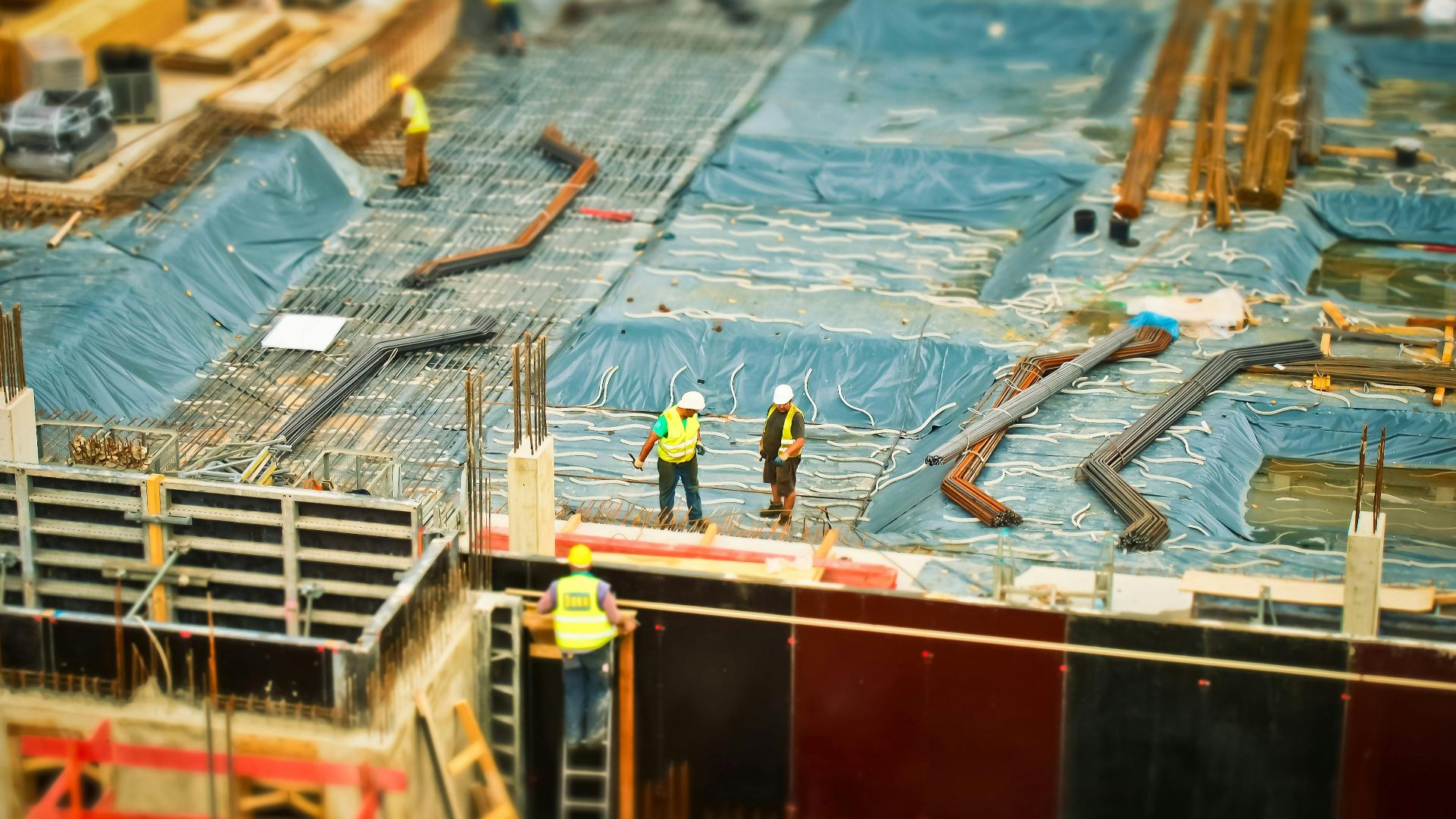
On job sites, robot systems map layouts, measure distances, mark lines, and ensure accuracy long before workers arrive with tools. They replace slow manual surveying work and dramatically reduce human error. Buildings you visit today may have been laid out with robotic precision rather than tape measures.
Janitorial Floor Cleaners
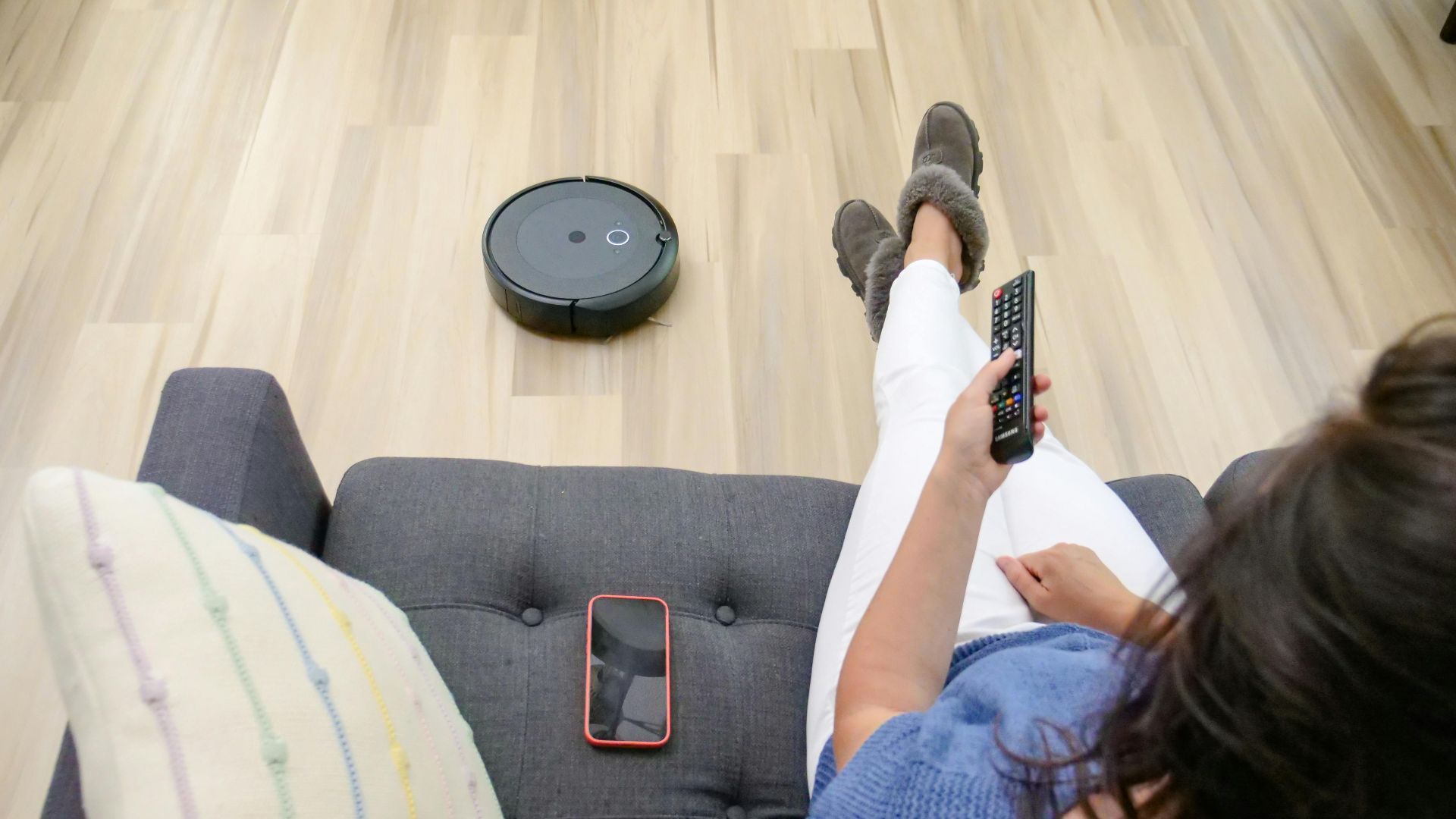
Airports, malls, and hospitals increasingly rely on autonomous floor-scrubbing robots that map spaces, avoid obstacles, and clean for hours without supervision. They quietly handle the most repetitive cleaning tasks at night. Many visitors assume they’re “just cool devices” rather than replacements for entire janitorial shifts.
Radiology Transcription
AI systems now turn spoken dictation from doctors into detailed medical reports within seconds. They understand terminology, formatting, measurements, and context almost flawlessly. What once took human transcriptionists hours is now automated—saving hospitals time and money while quietly replacing a once-common administrative job.

Financial Analysts (Entry-Level Tasks)
Banks and investment firms use AI to analyze statements, detect risk patterns, generate forecast models, and build reports junior analysts used to assemble manually. These systems sift massive datasets far faster than humans. Much of the “grunt work” that defined entry-level finance is now algorithm-driven.

Teachers’ Assistants
AI platforms help teachers grade quizzes, track performance, create lesson materials, and tailor assignments to each student’s needs. The behind-the-scenes workload that once demanded extra classroom aides is increasingly handled by software. Students rarely know how much of their learning is quietly automated.

Social Media Moderators
AI removes harmful posts, blocks bots, filters comments, and flags violations long before humans ever see them. Most content moderation online is automated—machines are the first to read, sort, and judge millions of posts daily. People assume humans are reviewing everything, but most never are.

You Might Also Like: