When Your Boss Turns You Into A Bot
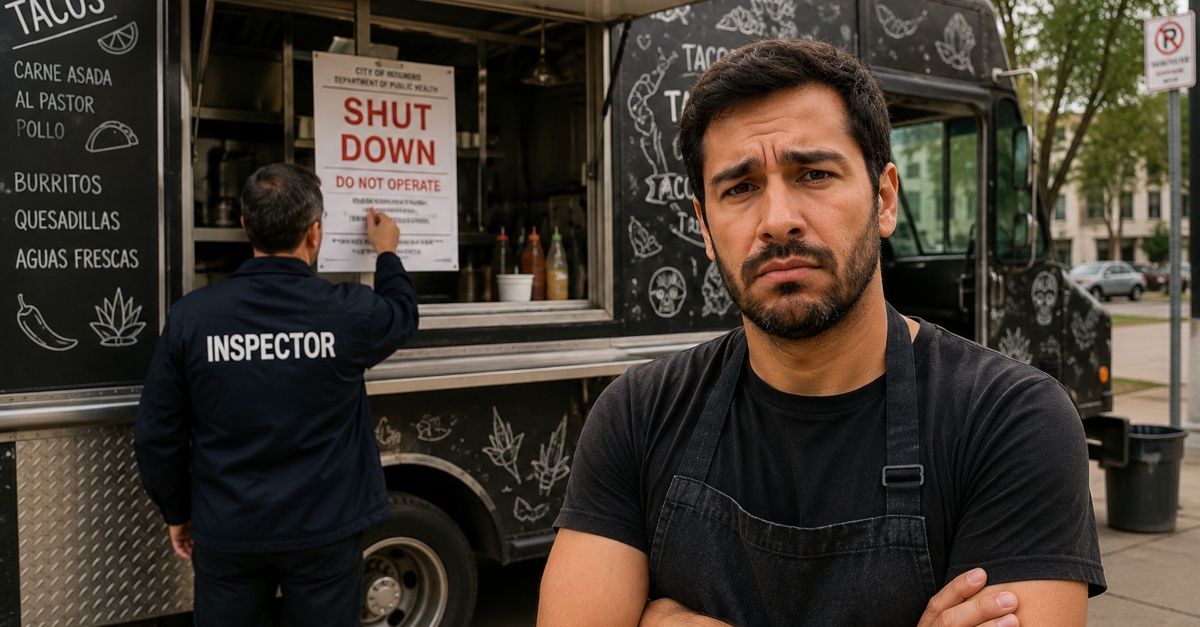
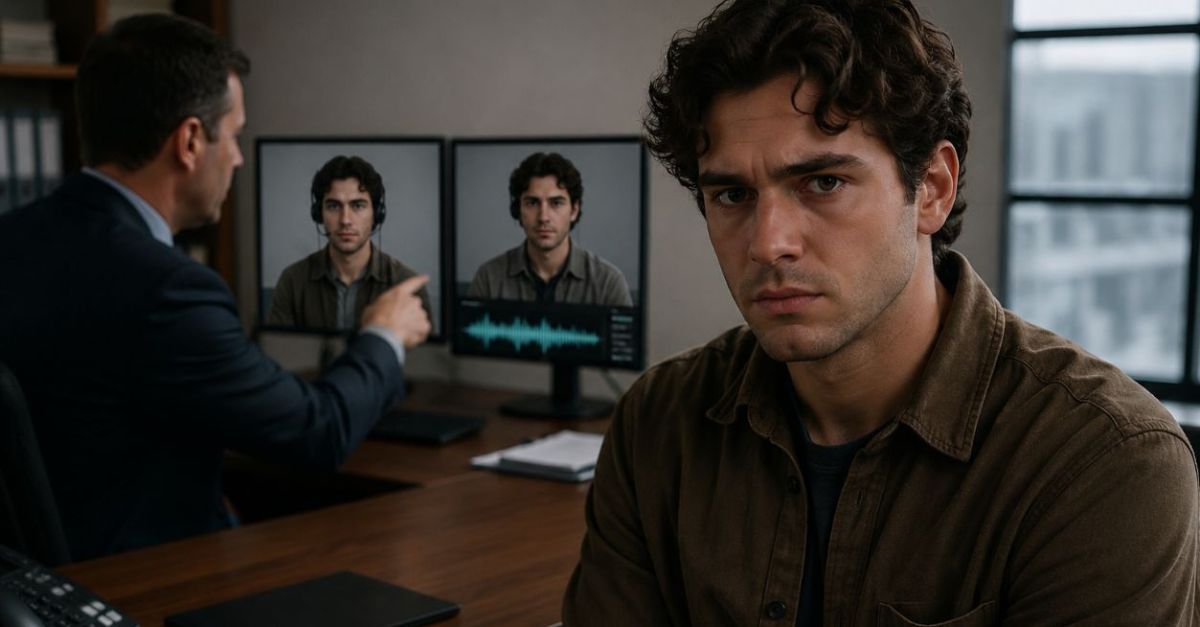
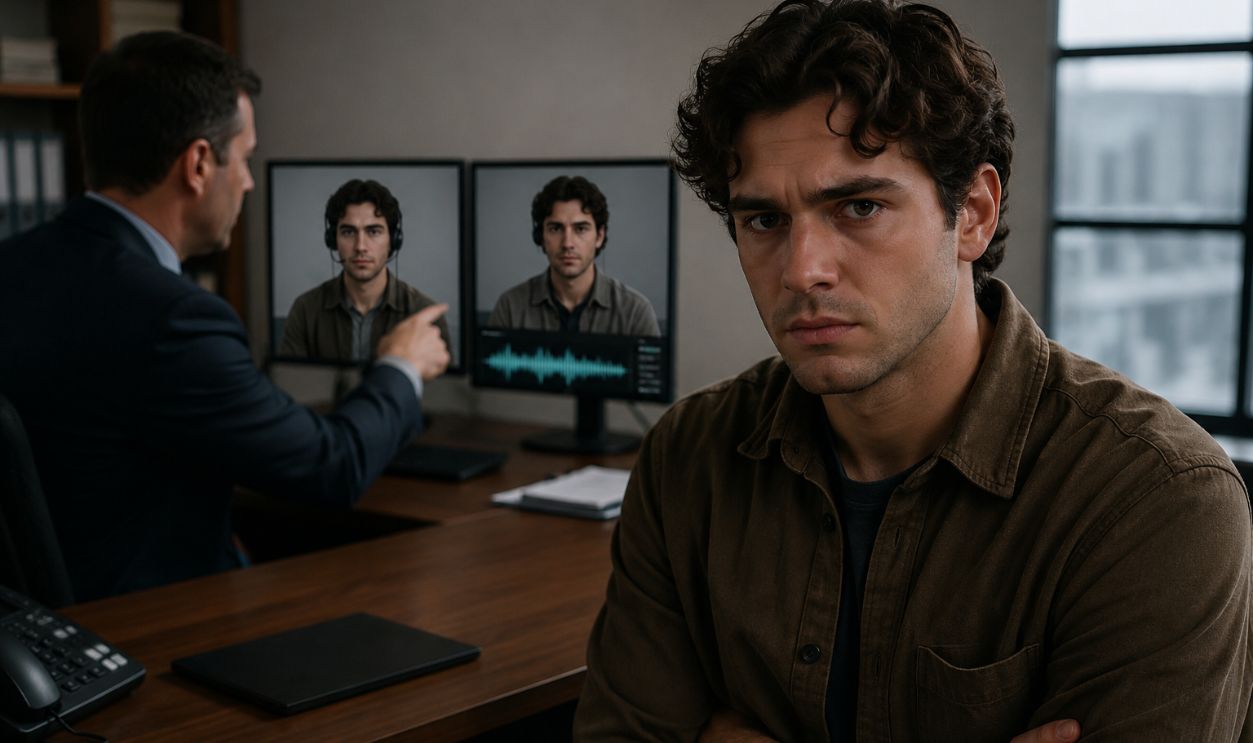
It is a very modern workplace nightmare. Your employer builds an AI version of your voice or likeness to handle calls, then cuts your hours like you are no longer needed. That feels personal because it is personal. But if you want to sue, the legal question is usually not identity theft in the everyday criminal sense. It is more often about likeness rights, privacy, labor rules, and what you agreed to in writing.
Why “Identity Theft” Is Usually The Wrong Label
In U.S. law, identity theft usually means using someone’s personal data, like a Social Security number or bank details, to commit fraud. A cloned voice used for work calls is disturbing, but it does not automatically fit that classic legal category. Courts and lawyers usually sort these disputes into other buckets. That matters because the name of the claim affects whether you have a case at all. Calling it identity theft may feel right, but it often is not the legal path that gets results.

The Real Legal Issue Is Often Your Likeness
Many states recognize some version of a right of publicity or misappropriation claim. That body of law protects a person from unauthorized commercial use of their name, image, voice, or likeness. If a company uses an AI clone of you to keep business running, it may be exploiting something that belongs to you in a legal sense. The details vary a lot by state, but the basic idea is simple. A boss usually cannot just turn your identity into a company asset without permission.

Your Voice Can Be Legally Protected
A voice is not just background noise in these disputes. Some state laws and court rulings treat a distinctive voice as part of a person’s protected identity. That becomes especially important when the voice is copied for commercial use, like customer service calls or sales calls. If callers believe they are hearing you when they are really hearing a clone, the company may be using your persona to make money. That gives a lawsuit a much clearer shape than a vague claim of identity theft.

New York Already Has A Major AI Voice Case
In a recent New York federal case involving AI voice cloning, the court drew an important line. It held that copyright does not protect the abstract qualities of a voice by itself. At the same time, the court allowed claims under New York privacy and publicity law to move forward. That is a big clue for workers in similar situations. Your best claim may be that your voice was used without consent, not that someone copied a copyrighted work.

Copyright Will Not Usually Save You
People often assume that if their voice was copied, that means copyright law was violated. Usually, it is not that simple. Copyright protects specific recordings and other fixed works, not the general sound of your voice as a personal trait. If your employer copied a recording you own, that can matter. But if the fight is about an AI sounding like you, other areas of law are often more useful.
Right Of Publicity Can Be A Stronger Claim
The right of publicity is about commercial value. If your boss is using an AI version of you to answer calls, reassure customers, or close business, that sounds a lot like commercial use. In states with strong publicity laws, that can create a real claim. Some states handle this through statute, while others rely on court-made common law. Either way, the key question is whether your identity was used to benefit the business without proper consent.

Privacy Law Can Also Come Into Play
Even if your state does not have a strong publicity statute, privacy claims may still matter. One classic privacy tort is appropriation of name or likeness, which covers using someone’s identity for another person’s gain. That can fit an AI clone situation pretty well. If the company took your persona and deployed it in customer-facing calls, it may have crossed that line. Privacy law is patchy across the country, but it is still an important angle.
How The Recording Was Made Matters Too
To build a voice clone, a company usually needs audio samples. That raises another question about how those recordings were created and collected. Federal and state recording laws differ, especially when it comes to consent. Some states allow one-party consent, while others require everyone on the call to agree. If your voice was secretly recorded in a stricter state, the company may have created another legal problem before the AI system was even built.

Biometric Laws Could Make Things More Serious
Some states regulate biometric data, which can include voice-related identifiers in certain contexts. Illinois is especially well known for its Biometric Information Privacy Act, often called BIPA. That law requires informed written consent and specific handling rules for biometric data. If a company captured or processed a voiceprint without following those rules, the exposure can get expensive fast. Other privacy laws, including California’s data privacy rules, can also matter depending on how the information was used.
Tennessee’s ELVIS Act Changed The Conversation
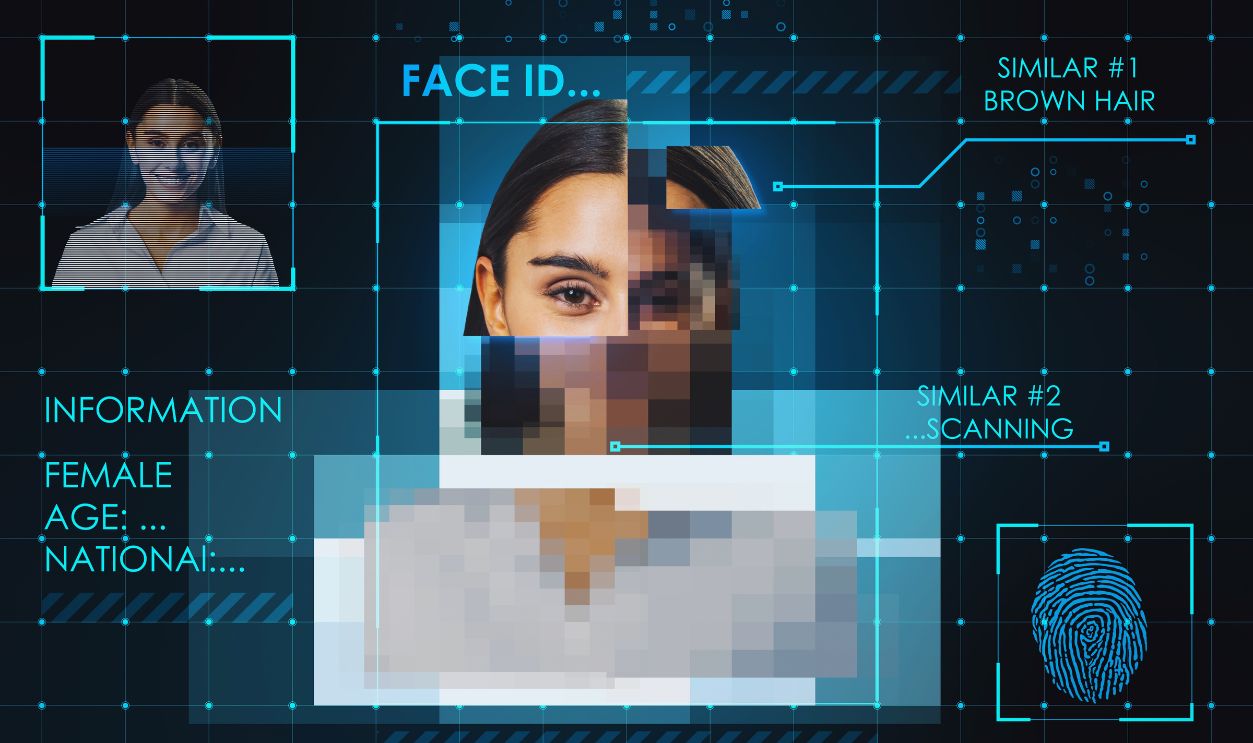
Tennessee passed the ELVIS Act, short for Ensuring Likeness Voice and Image Security. The law specifically addresses voice and likeness protections in the age of AI. That matters because it shows state lawmakers are no longer treating voice cloning as some legal side issue. They are writing rules aimed right at it. If you work in a state with newer digital replica protections, your case may be stronger than you think.
 Quintin Soloviev, Wikimedia Commons
California And Illinois Are Also Tightening Rules
California has adopted rules dealing with digital replicas and contracts involving voice and likeness. Illinois has also enacted protections focused on digital voice and likeness rights. These laws are important because employers often rely on broad contract language to claim they can use a worker’s image or voice however they want. New statutes can limit that strategy. A release that looked powerful a few years ago may not be the last word now.
 Sharon Hahn Darlin, Wikimedia Commons
What You Signed Could Make Or Break The Case
Your contract, onboarding paperwork, handbook acknowledgments, and media releases all matter here. Employers often bury very broad consent language in forms people sign without much thought. If you agreed that the company could use your voice or likeness in any media now known or later developed, the employer will definitely point to that. But broad language is not always bulletproof, especially if AI cloning was not clearly disclosed. A vague release is not the same as informed consent.
 Andrii Iemelianenko, Shutterstock
Clear Consent Is Better For Employers Than Sneaky Consent
Courts and lawmakers are paying more attention to whether a person actually understood what they were agreeing to. There is a big difference between consenting to be recorded for quality assurance and consenting to become a permanent AI stand-in for the company. If your employer never clearly explained that your recordings would train a clone, that can help your side. The same is true if consent was hidden in dense paperwork. AI use that is obvious and specifically approved is much easier for an employer to defend.
 TommyStockProject, Shutterstock
Cutting Your Hours Is Not Automatically Illegal
This is the hard part. In most jobs, an employer can reduce hours for many business reasons unless a contract, union agreement, or law says otherwise. So the fact that AI replaced some of your work does not automatically create a lawsuit. Still, a legal problem can arise if the hours were cut for an unlawful reason. That includes retaliation, discrimination, or violations of wage and hour law.

Retaliation Could Change Everything
If you complained about the AI clone, objected to recording practices, raised wage concerns, or spoke up about working conditions, and then your hours dropped, retaliation becomes a live issue. Many employment laws protect workers who report legal concerns or assert rights. You do not have to win the underlying dispute for retaliation to matter. The timing and company messages can be very important evidence. A sudden cut after a complaint often gets a lawyer’s attention.

The NLRA Protects Group Complaints About Work Conditions
The National Labor Relations Act protects most private-sector workers when they act together over workplace issues. That includes union workers and many non-union workers. If you and co-workers raised concerns about AI replacing labor, changing schedules, or affecting pay, that may count as protected concerted activity. If management punished people for speaking up, the National Labor Relations Board may care. That route is different from a regular lawsuit, but it can still be powerful.

Discrimination Laws Still Apply In An AI Workplace
AI does not give employers a free pass on discrimination rules. If the company uses cloned voices or schedule cuts in a way that disproportionately harms workers in protected groups, that can raise Equal Employment Opportunity Commission issues. Think age, race, sex, disability, religion, or national origin. The legal theory may be intentional discrimination or a neutral policy with a discriminatory impact. If only certain workers get replaced by AI doubles while others are protected, that pattern matters.

You May Still Have Wage Claims
Sometimes the AI takes over calls, but the worker is still expected to monitor them, fix mistakes, answer escalations, or stay available. If that time is controlled by the employer, it may still count as paid work under wage and hour rules. This is especially true for non-exempt employees. A company cannot dodge labor law just by pretending the AI is doing everything. If your responsibilities continued while your paid hours dropped, you may have another claim to explore.

Customers Being Misled Can Matter Too
If the company presents the AI clone as if it is really you, that can raise consumer deception concerns. The Federal Trade Commission has warned about harms linked to AI-enabled voice cloning, including fraud and misuse of personal characteristics. While you usually cannot sue directly under the FTC Act, those principles still matter. State consumer protection laws may also come into play. A business pretending a real employee is on the line when it is actually a clone is taking a risk.

State Law Will Decide A Lot Of This
There is no single nationwide answer because these rights vary sharply by state. New York, California, Illinois, and Tennessee are especially important right now because they have notable statutes, cases, or AI-related developments. Other states may rely more on older privacy and publicity doctrines. That means the exact same facts can produce different outcomes depending on where you work. Location is not a side detail here. It is often the whole ballgame.
Evidence Is Everything In A Case Like This
If you think your employer crossed a line, start preserving evidence right away. Save schedules, emails, texts, recordings, policy documents, onboarding forms, and anything showing how the AI was introduced. If customers or co-workers mention that the system sounds like you or uses your name, document that too. Keep a timeline showing when the clone appeared and when your hours changed. Small details can become very important later.

Talk To The Right Kind Of Lawyer
This kind of dispute can touch employment law, privacy law, publicity rights, and even consumer law. That is why a local employment attorney is often the best first stop, with referral help if likeness or biometric issues are strong. Ask specifically about retaliation, right of publicity, recording consent, biometric laws, and any releases you signed. A lawyer will want to know your state, job status, industry, and whether customers were led to believe the clone was really you. The better your documents, the clearer that answer will be.

So Can You Sue For “Identity Theft”
Probably not in the classic legal sense of identity theft, unless your information was used for financial fraud or similar crimes. But you may still have real claims if your boss created an AI version of you, used it commercially, and then cut your hours. The strongest possibilities are usually right of publicity, privacy or biometric violations, retaliation, discrimination, or wage claims. Whether those claims are worth pursuing depends on your state and what you signed. The short answer is no, not usually for identity theft, but maybe for several other things that could matter just as much.