
Your Coworker Is Half Right And Half Dangerous
Putting every purchase on a credit card can be a smart money move, but only under strict conditions. The “wealth-building” part comes from rewards, purchase protections, and keeping your cash in interest-bearing accounts longer. The risky part is that credit card interest is so high that one bad month can wipe out a year of points.

The Wealth Pitch Sounds Great Because It Sometimes Works
Used perfectly, credit cards can act like a rebate tool on things you already buy. You can earn cash back or travel points, and many cards include consumer protections. But this strategy depends on paying in full and on time, every time.

Credit Cards Did Not Start As A Wealth Tool
The first widely recognized “general purpose” credit card program began in 1950 with Diners Club. It was built for convenience and travel spending, not long-term investing. Rewards programs and today’s points obsession came later, after the card networks expanded.

How We Got The Modern Card Networks
Bank of America launched BankAmericard in 1958, which later became Visa. MasterCard traces back to a group of banks that formed an association in 1966, originally tied to the “Master Charge” brand. These networks helped cards become a default payment method for everyday life.
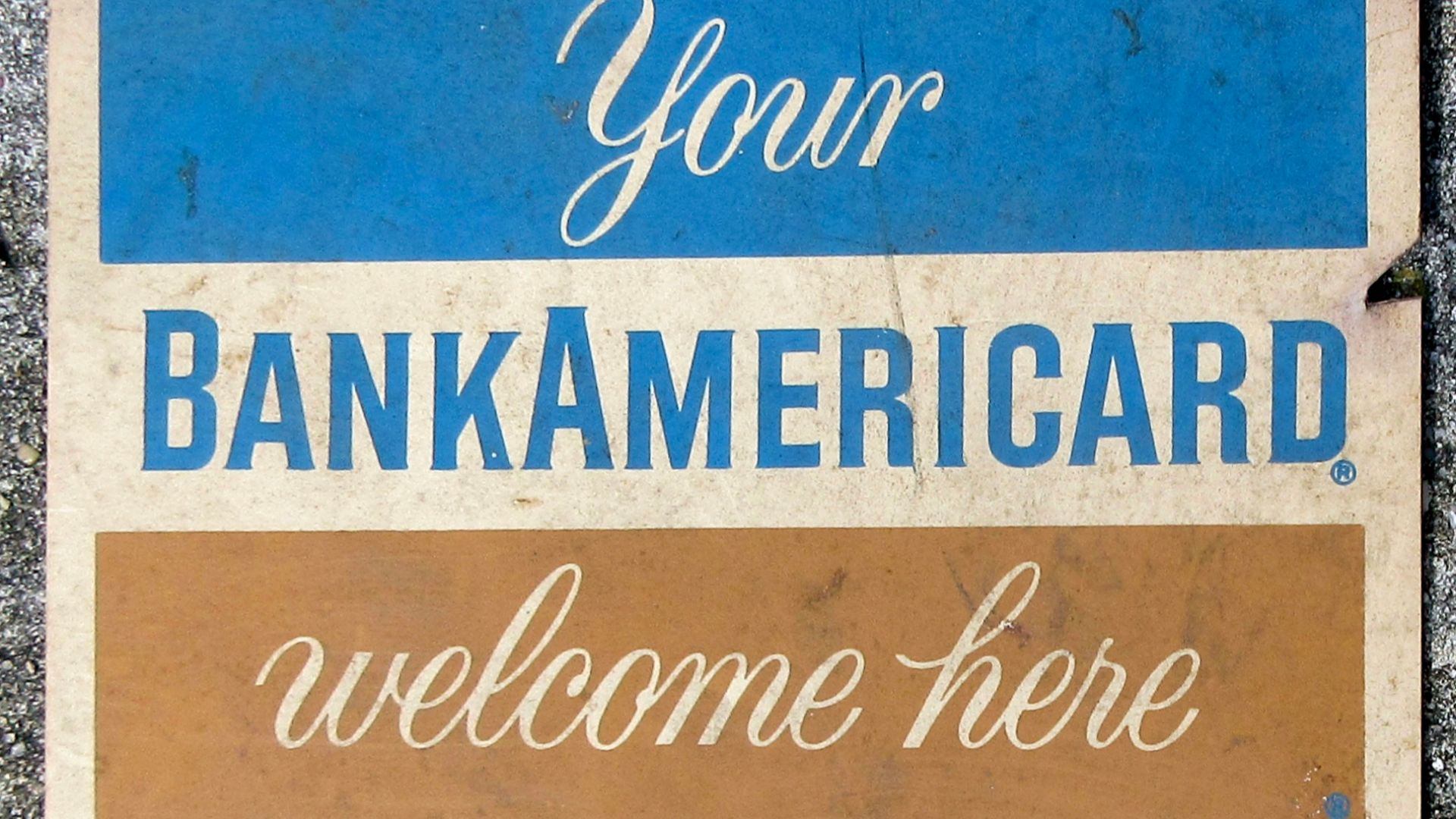 Infrogmation of New Orleans, Wikimedia Commons
The Real Money Is In The Rewards And Protections
If you pay in full, rewards can function like a discount funded by merchant fees. Some cards also offer benefits like fraud protection and dispute rights on billing errors. The Federal Trade Commission explains these protections in plain terms, and they are part of why cards can be safer than debit in some situations.

The Catch Is Written In The Interest Rate
Credit card APRs are famously high, and the gap between “pays in full” and “carries a balance” is brutal. The Federal Reserve tracks average credit card interest rates, and they have been elevated in recent years. If you revolve a balance, the math quickly flips from rewards to wealth drain.

Why Carrying A Balance Destroys The Strategy
A 2% cash back card cannot compete with a double-digit APR if you pay interest. Even one month of interest on a large balance can exceed months of rewards. That is why “every purchase on a card” only makes sense if the balance is always paid off.

The Psychology Is A Bigger Risk Than People Admit
Researchers have long studied how people spend differently when they use cards instead of cash. A frequently cited paper by MIT’s Drazen Prelec and Carnegie Mellon’s Duncan Simester found that credit cards can increase willingness to pay in certain settings, based on field experiments. If cards make you spend more, rewards become a trap.

Building Credit Is Real But It Is Not The Same As Building Wealth
Using a credit card can help you build a credit history, which can lower borrowing costs later. That can matter when you apply for a mortgage or a car loan. But a high score alone does not create net worth unless it helps you reduce costs and avoid debt.

What “Responsible Use” Usually Means In Practice
Most scoring models reward on-time payments and low credit utilization. FICO explains that amounts owed and payment history are major factors. A common rule of thumb is to keep utilization low, but the key is that missed payments hurt far more than any points help.

Autopay Is The Boring Secret Weapon
If you want to run everything through a card, automation is what keeps it from going off the rails. Setting autopay to pay the statement balance can prevent expensive mistakes. It also reduces the odds that you forget a due date and take a credit score hit.

The Grace Period Is Your Profit Window
Most cards offer a grace period on purchases if you pay the statement balance in full. That means you can buy something today and keep your cash in your bank account for several weeks. This is not “free money,” but it can help cash flow if you are disciplined.

Rewards Are Real But They Are Not Free
Rewards are financed largely through merchant fees, which are baked into prices. So you are not beating the system as much as reclaiming a small slice of the cost of modern commerce. The best you can do is optimize within the rules without paying interest.

Travel Points Can Be Great Or A Total Distraction
Airline miles and transferable points can deliver outsized value, but only if you redeem them well. Many programs have dynamic pricing, blackout dates, or devaluations over time. If you chase points and buy things you did not need, you lose.

Annual Fees Can Eat Your Gains Quietly
A card with a $95 or $550 annual fee can still be worth it, but only if you actually use the benefits. This is where people fool themselves with “lounge access math” and unused credits. If you are not certain, a no-fee cash back card is a safer default.

There Is A Clean Math Test Your Coworker Should Pass
Estimate your yearly card spending on categories that earn bonuses, then multiply by the reward rate. Subtract annual fees and any expected interest, which should be zero. If the result is not clearly positive, the strategy is not “smart,” it is just effort.

Cash Back Is Usually The Most Honest Reward
Cash back is easy to value because a dollar is a dollar. It also avoids the temptation to overspend to hit a travel bonus. For most households, a simple cash back setup beats a complicated points strategy.

The Biggest Wealth Lever Is Not Points
The biggest drivers of wealth are saving rate, investing, and keeping high-interest debt out of your life. Rewards can be a nice extra, but they are not a substitute for fundamentals. If someone is calling points the “smartest way to build wealth,” they are likely overselling it.

Where This Strategy Can Actually Help Investing
If you put expenses on a card and keep the cash in a high-yield savings account until the bill is due, you may earn a little extra interest. The gain is modest, but it is real when rates are meaningful. The key is that the card bill must be fully funded the whole time.

The Emergency Fund Rule That Keeps This Safe
The moment an unexpected expense forces you to carry a balance, the game changes. A cash emergency fund helps you avoid turning a surprise into credit card debt. Without that buffer, running every purchase through a card is fragile.

Watch For The Most Common Failure Mode
The most common failure is treating the credit limit like extra money. That is how people drift into revolving balances. If you do this strategy, you need a budget that treats the card like a payment method, not a loan.

Debt Snowballs Faster Than Most People Expect
Interest compounds, and minimum payments stretch balances for years. The Consumer Financial Protection Bureau explains how revolving debt works and why it can be hard to escape. If you are paying interest, the priority should be paying it off, not earning points.

Fraud Protection Is A Legit Reason To Use Credit
Credit cards typically limit your liability for unauthorized charges, and they often make disputes smoother than debit. Federal rules and card network policies shape these protections. This is one of the strongest arguments for using credit for day-to-day purchases.
 Suradech Prapairat, Shutterstock
The Best Version Of Your Coworker’s Plan
Use one or two cards, keep it simple, and automate full payments. Track spending weekly and keep utilization low relative to your limits. Treat rewards as a bonus, not a goal.

When You Should Not Put Everything On A Card
If you have ever carried a balance, missed a payment, or struggled with impulse spending, this is not the strategy for you. If you are working on paying down debt, simplify your financial life. In that phase, avoiding interest matters more than optimizing rewards.

A Pragmatic Bottom Line
Your coworker is right that credit cards can be useful and even profitable for disciplined spenders. They are wrong if they imply it is automatically safe or the “smartest” path to wealth. The real win is paying zero interest while collecting modest rewards and protecting your credit score.