When Your “Paid In Full” Somehow Didn’t Get The Memo
You paid the debt. You closed the loop. Maybe you even felt that rare, glorious moment of financial relief. And then—bam—it’s still sitting on your credit report like nothing ever happened.
Credit reports aren’t always perfectly up to date, and sometimes things fall through the cracks. The trick is knowing what’s normal, what’s wrong, and what to do next.

Why Your Paid Debt Is Still Hanging Around
Paying off a debt doesn’t instantly erase it from your credit report. Credit bureaus rely on lenders to update the info, and sometimes that update is slow…or just doesn’t happen.
So the debt might still appear—but ideally, it should show as paid.
“Paid” Doesn’t Mean “Gone”
This is where a lot of people get tripped up. Even after you pay a debt, it can stay on your credit report for years. The key difference is how it’s labeled.
A paid debt is way less damaging than one that still looks unpaid.

How Long It Can Stick Around
In many cases, negative marks like collections can stay on your report for several years. Paying it off doesn’t wipe it away—it just changes its status.
Think of it as moving from “problem” to “resolved problem”.

When It’s Actually Wrong
Now, if your report still says you owe money when you don’t, that’s a different story. That’s not just annoying—it’s incorrect.
And yes, this happens more often than you’d expect.

Step One: Pull Your Credit Report
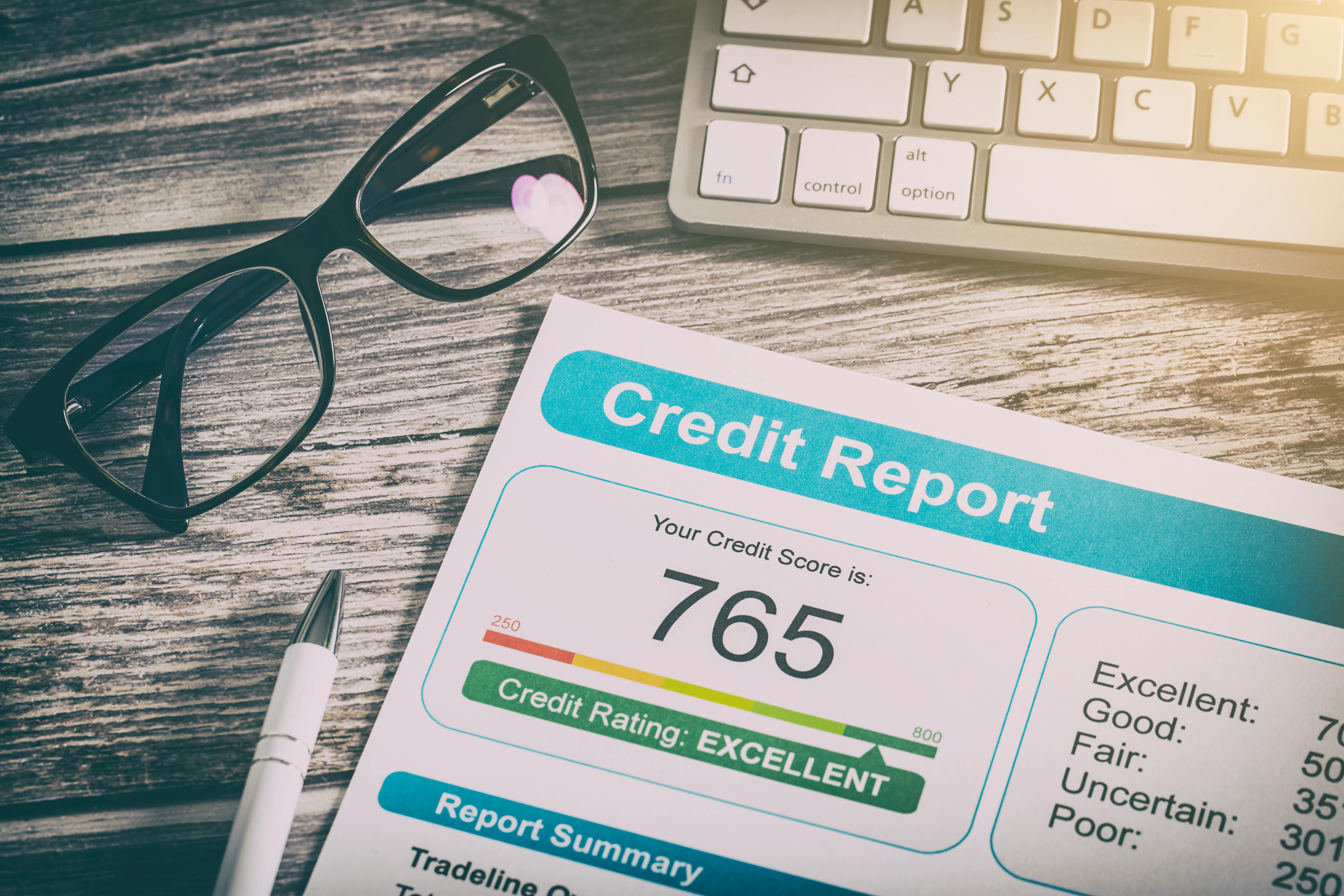
Before you do anything else, get your credit report and actually look at it. You want to see exactly how that debt is being listed.
Is it marked as unpaid? Does the balance look wrong? That’s your starting point.

Don’t Just Glance—Really Check It
It’s worth slowing down here. Compare everything to your records—dates, amounts, account details.
Even small mistakes can point to a bigger issue.
Gather Your Proof
This is where your receipts come in clutch. Bank statements, payment confirmations, settlement letters—anything that shows you paid the debt.
The more proof you have, the easier this gets.
 LIGHTFIELD STUDIOS, Adobe Stock
Try The Creditor First
Before going full dispute mode, reach out to the creditor or collection agency. Sometimes they just haven’t updated things yet.
A quick call or message can fix the whole issue faster than you’d expect.

Get It In Writing
If they agree it’s been paid, ask for written confirmation. This is your safety net if things don’t get updated properly.
Trust—having this makes everything smoother.

File A Dispute If Needed
If nothing changes, it’s time to go through the credit bureau. You can file a dispute online or by mail.
Just be clear, stick to the facts, and include your proof.

What Happens Next
Once you file, the credit bureau looks into it. They’ll check with the creditor and review your documents.
While this is happening, the account might show as “under review”.

The Waiting Game
Most disputes get sorted out within about a month. Not instant, but not forever either.
You’ll get a response telling you what they decided.

If It Gets Fixed
Best case? The report gets updated to show the debt as paid—or removed entirely if it shouldn’t be there.
That’s exactly what you’re aiming for.

If They Push Back
Sometimes the bureau says everything is “accurate,” even when it doesn’t feel that way. Frustrating, but not the end of the road.
You still have a few moves left.
 G. Edward Johnson, Wikimedia Commons
Add Your Side Of The Story
You can attach a short statement to your credit report explaining what happened. It won’t change the listing, but lenders can see it.
Not perfect—but better than nothing.

Take It Up A Notch
If you’re still stuck, you can escalate things by filing a formal complaint or going through a regulatory channel.
It takes effort, but it can pay off.

Try A Goodwill Request
Here’s a lesser-known option: ask the creditor for a goodwill adjustment. Basically, you’re asking them to update or remove the mark as a favor.
No guarantees—but it works sometimes.

Don’t Forget Collection Agencies
If a collection agency was involved, they might be the ones responsible for updating the account. Sometimes they’re the bottleneck.
Make sure you’re talking to the right party.

Why You Shouldn’t Wait On This
The longer an incorrect listing sits there, the more it can mess with your financial life—loans, rentals, even job checks.
Fixing it sooner is always better.

How This Impacts Your Score
An unpaid debt can drag your score down pretty hard. Once it’s marked as paid—or removed—the impact usually softens.
So yeah, this matters more than it seems.

How To Avoid This Next Time
Anytime you pay off a debt, keep records and follow up. Don’t assume it’ll be updated automatically.
A quick check later can save you a lot of frustration.

When To Get Backup
If you’re going in circles, it might be worth talking to a credit professional. They deal with this stuff all the time and can help move things along.
Sometimes it’s just easier with help.

The Bottom Line
A paid debt showing up like it’s still unpaid is incredibly frustrating—but it’s not permanent. Whether it’s a delay or a straight-up mistake, you’ve got options to fix it.
Stay organized, stay persistent, and don’t let your credit report tell the wrong story.

You May Also Like: