When The Bill Arrives And The Vibes Change
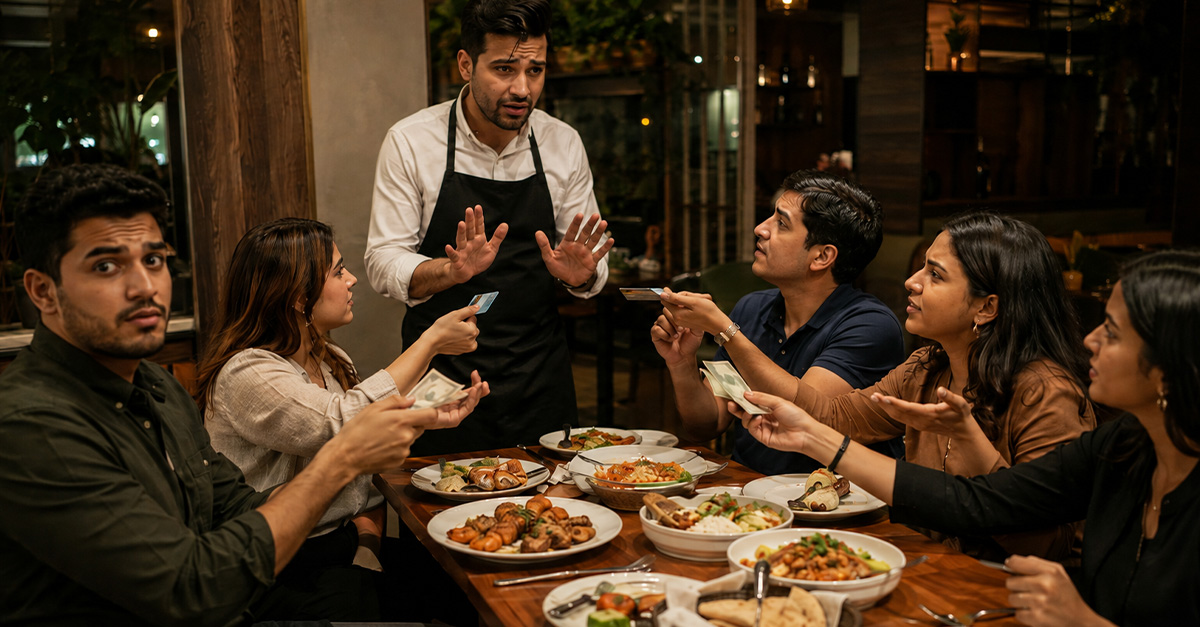
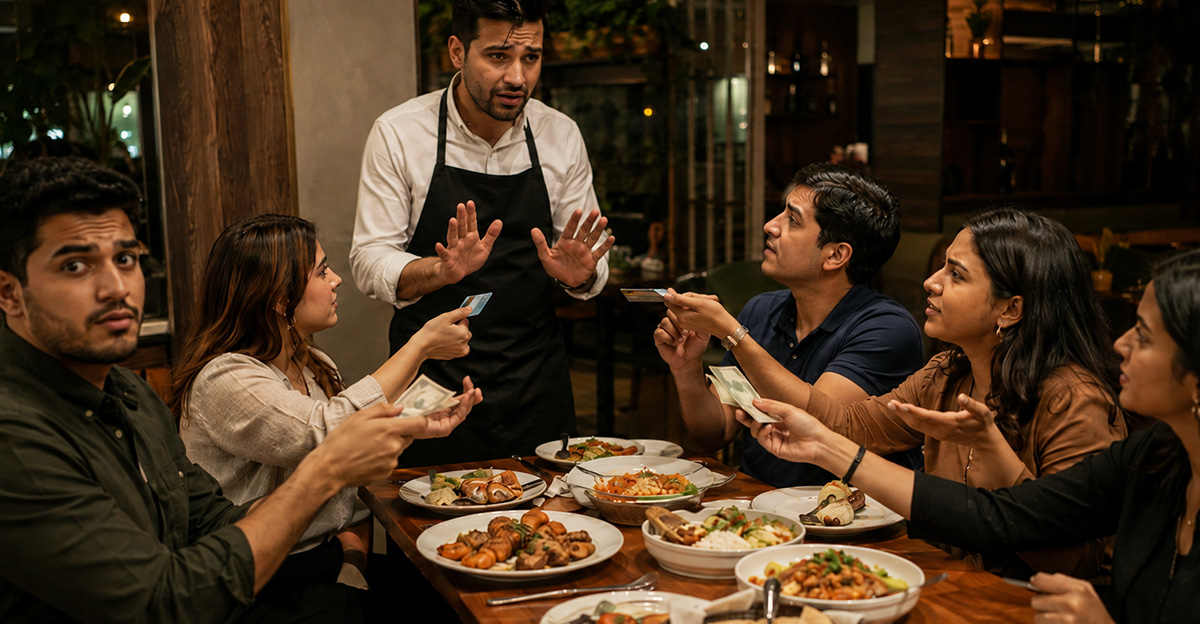
You had the pasta, your friend had the steak, someone “just shared fries,” and now the check lands like a tiny financial grenade. You politely ask the waiter to split it. Then comes the line: “Sorry, our system wouldn’t allow it.” Wait—really? In 2026? Let’s unpack.
Yes, It Can Actually Be A Thing
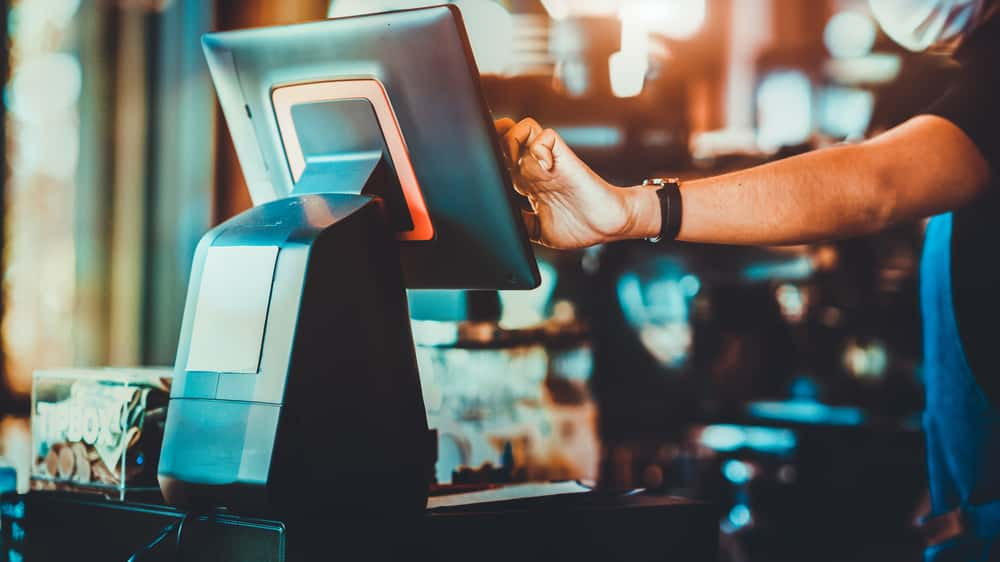
As annoying as it sounds, yes, some restaurant systems really do make bill-splitting difficult. Not impossible, necessarily, but messy enough that staff may avoid it. Older point-of-sale systems can be clunky, especially when orders are entered under one table instead of individual guests.

But “Wouldn’t Allow It” Can Mean Many Things
That phrase is doing a lot of work. It might mean the software literally can’t split the check the way you want. It might mean the restaurant has a policy against it. Or it might mean the server is slammed and splitting seven custom payments is a nightmare.
Restaurant Software Is Not Always Magical
Customers often assume restaurants have sleek, modern payment systems that can divide anything instantly. Some do. Others are running software that looks like it survived three recessions and a spilled margarita. Splitting by item, card, seat, tax, and tip can become surprisingly complicated.

Splitting Evenly Is Usually Easier
If four people want to divide a $120 bill into four $30 charges, most systems can handle that. The trouble starts when one person had two cocktails, another had no appetizer, and someone insists they only owe “a few bites of the nachos.” That’s where chaos enters.
Splitting By Item Can Get Weird
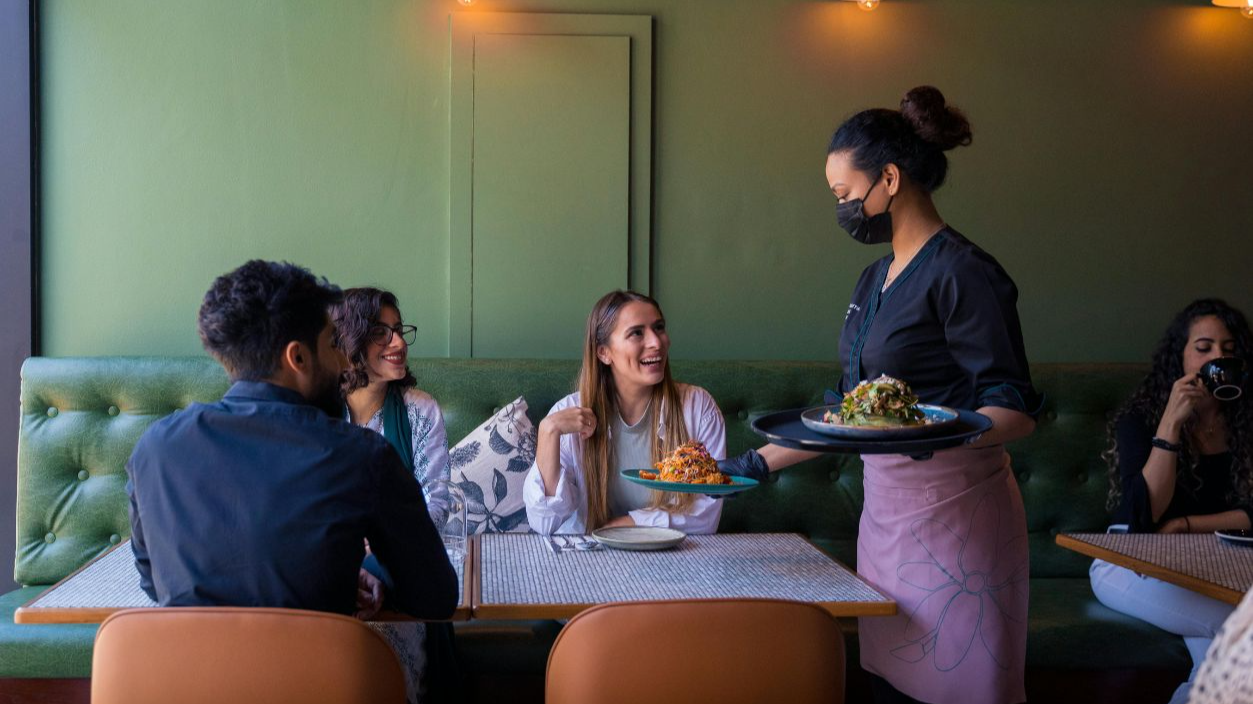
Itemized splitting requires the server to assign each dish, drink, modifier, discount, tax, and sometimes service charge to a different person. If the order was not entered by seat from the beginning, the server may have to reconstruct the entire meal like a detective at a crime scene.

Taxes And Fees Make It Messier
It is not just food prices. Sales tax, service charges, credit card fees, automatic gratuity, and discounts may need to be divided correctly. Some systems handle this smoothly. Others cough, blink, and basically say, “Good luck, Kyle.”

Tips Can Complicate The Final Step
A server may be able to split the subtotal, but tipping can create another layer. Each person might tip differently, or one card might need a custom amount. That can slow down checkout, especially during a busy dinner rush when five other tables also want attention.

The Restaurant May Have A Policy
Some restaurants simply refuse complicated split checks, especially for large groups. They may allow only one or two cards per table. This is usually less about being mean and more about speed, accuracy, and avoiding arguments at the register.

Large Groups Are The Usual Trouble Zone
The bigger the table, the more likely bill splitting becomes a headache. Ten people, shared appetizers, two birthdays, three non-drinkers, and one person who left early? That is not a check anymore. That is a group accounting project with mozzarella sticks.

Sometimes The Server Is Protecting Their Time
Servers are often juggling multiple tables, food timing, allergies, refills, payment devices, and side work. Splitting a complicated bill can take several extra minutes. During a rush, that can hurt service for everyone—including you.

Sometimes It Is Just A Brush-Off
Here is the less charming truth: sometimes “the system won’t allow it” means “I really do not want to do that.” Maybe the restaurant discourages it. Maybe the server is overwhelmed. Maybe they assume the table will figure it out with Venmo, Cash App, or one heroic credit card.
You Are Not Wrong To Ask
Asking to split a bill is normal. People budget differently, travel with friends, date, celebrate, and dine with coworkers. It is completely fair to want to pay only your share. The key is asking early and making the split as simple as possible.

Ask Before You Order
The best move is to ask at the beginning: “Can we do separate checks?” This gives the server a chance to enter orders by seat from the start. It also lets you know the restaurant’s policy before you accidentally create a financial escape room.

Separate Checks Are Different From Split Checks
Separate checks usually mean each guest has their own bill from the start. Split checks often mean one bill is divided at the end. Separate checks are usually cleaner. Splitting after everyone has eaten is where things can get tangled.

Make The Server’s Life Easier
If you know you will split, say so upfront. Keep track of who ordered what. Avoid ten people handing over cards while debating who had the extra ranch. A little organization can turn a dreaded payment moment into something painless.

Apps Have Changed Expectations
Payment apps have made diners more relaxed about group bills. One person can pay, then everyone reimburses them. That can be easier than asking the restaurant to split everything. Of course, it only works if your friends actually pay you back before the next presidential election.
One Person Paying Can Be Risky
Covering the full bill sounds simple, but it can create awkwardness. Someone forgets to send money. Someone underestimates tax and tip. Someone rounds down with suspicious confidence. Suddenly, you paid $84 for your salad and a lesson in friendship.

Use A Bill-Splitting App
There are plenty of apps that calculate who owes what, including tax and tip. They are especially helpful for trips, group dinners, and shared appetizers. The restaurant may not split the bill perfectly, but your group can still settle up fairly afterward.
Cash Is Still Useful Sometimes
Cash may feel old-fashioned, but it can save the day. If a restaurant only allows one or two cards, people can contribute cash to the person paying. Just remember to include tax and tip, not only the menu price of your entrée.
 Photo By: Kaboompics.com, Pexels
Be Polite, But Ask Questions
If a waiter says the system cannot split the bill, you can politely ask what options are available. Maybe they can split evenly. Maybe they can take two cards. Maybe they can separate drinks from food. A calm question works better than a dramatic courtroom objection.

Do Not Punish The Server Automatically
It is tempting to blame the waiter, but the issue may be software, management policy, or payment setup. Unless the server was rude or dishonest, do not take it out on the tip. They probably did not personally design the restaurant’s ancient checkout system.
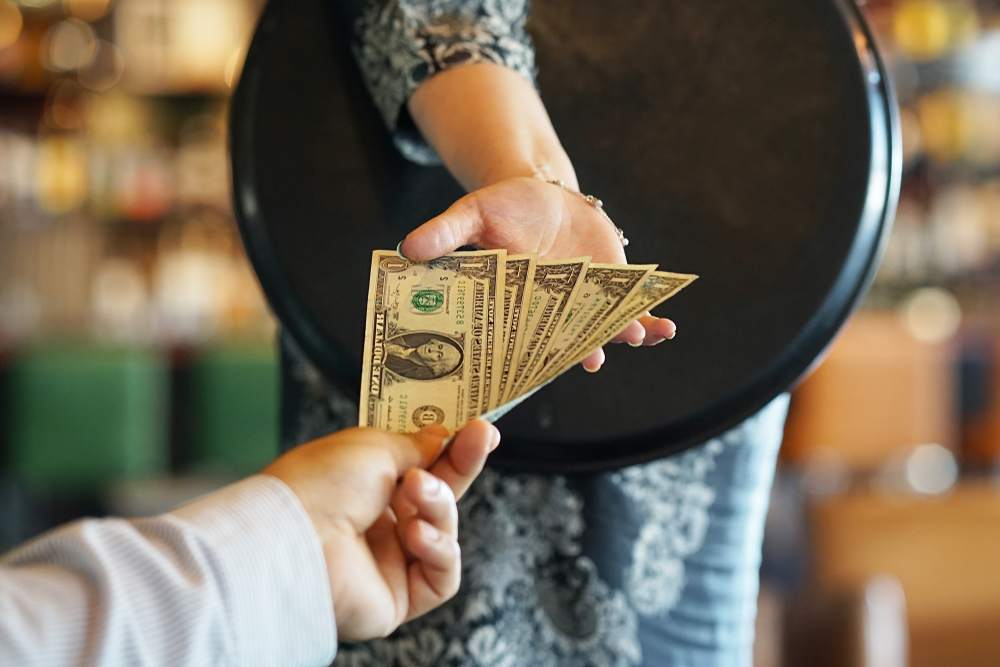
Watch For Signs On The Menu
Some restaurants print payment rules on the menu: “No separate checks,” “Maximum two cards,” or “Automatic gratuity for parties of six or more.” These notes are easy to miss, especially when you are focused on truffle fries, but they matter.
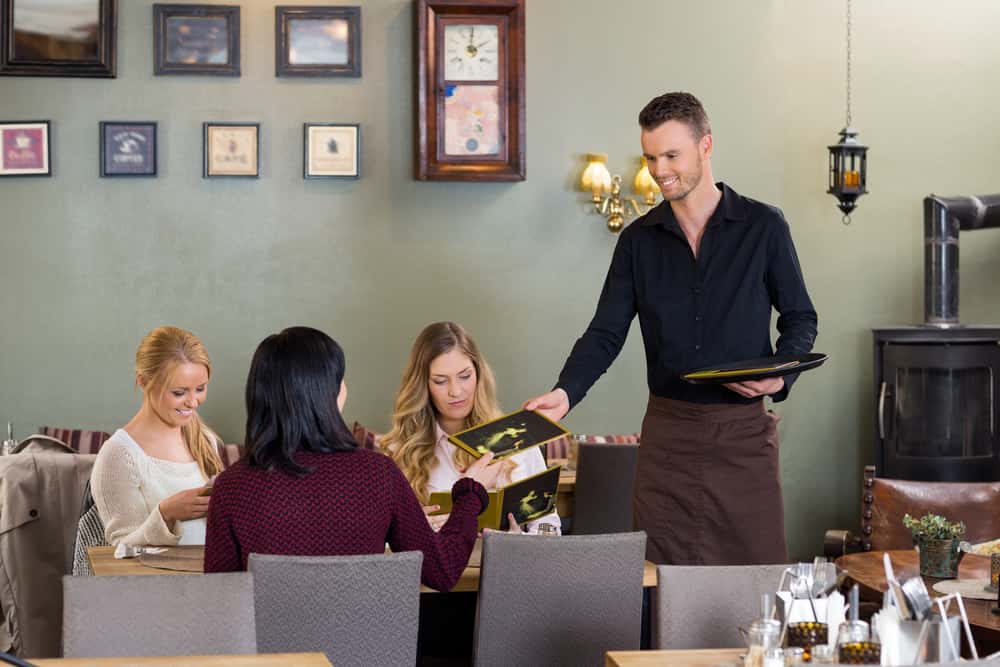
Business Dinners Need A Plan
For work meals, decide payment expectations before ordering. Will one person expense it? Is everyone paying individually? Are alcohol and extras included? A quick conversation can prevent that awful moment when the check arrives and everyone suddenly becomes fascinated by the ceiling.

Dates Can Be Awkward Too
Splitting on a date is common, but restaurant limitations can make it uncomfortable. If separate checks are not available, one person can pay and the other can send money right away. The important part is agreeing kindly, not turning dessert into a debate.

The Best Rule Is To Decide Early
The easiest bill is the one everyone understands before the food arrives. Ask about separate checks, agree on shared items, and know how you will handle tax and tip. It is not glamorous, but neither is arguing over calamari in public.
The Bottom Line
So, is “the system wouldn’t allow it” really a thing? Sometimes, yes. Sometimes, it is policy. Sometimes, it is server shorthand for “this will be messy.” The smartest move is to ask early, keep things simple, and have a backup plan. Your dinner should end with good conversation, not spreadsheet trauma.
 Gabriella Clare Marino, Unsplash
You May Also Like: