
That “Cleared” Deposit Might Not Be Final
Seeing money that was in your account yesterday suddenly disappear is the last thing that anyone wants to see. You deposited a check, your bank shows the money as available, and then weeks later the bank takes the funds back. But thanks both to the bank’s deposit agreement and federal banking rules, it's both very legal and very common.

Why This Feels Like A Trap
The problem is that “funds available” does not always mean “the check fully cleared.” Federal rules often require banks to make at least part of a deposit available quickly, sometimes before the other bank has made a final call. That gap between availability and final settlement is where people get blindsided.
The Key Rule Most People Never Hear About
The main federal rule here is Regulation CC, which carries out the Expedited Funds Availability Act. The Consumer Financial Protection Bureau says banks usually have to make certain deposits available within set timeframes, but that does not mean the check is good. In plain terms, your bank may let you use the money before the check has made it through the full collection process.

Available Funds And Collected Funds Are Not The Same
This is the heart of the issue. Available funds are money your bank lets you use based on its availability policy. Collected funds are money actually received from the check writer’s bank and not later sent back.

What Usually Happens Behind The Scenes
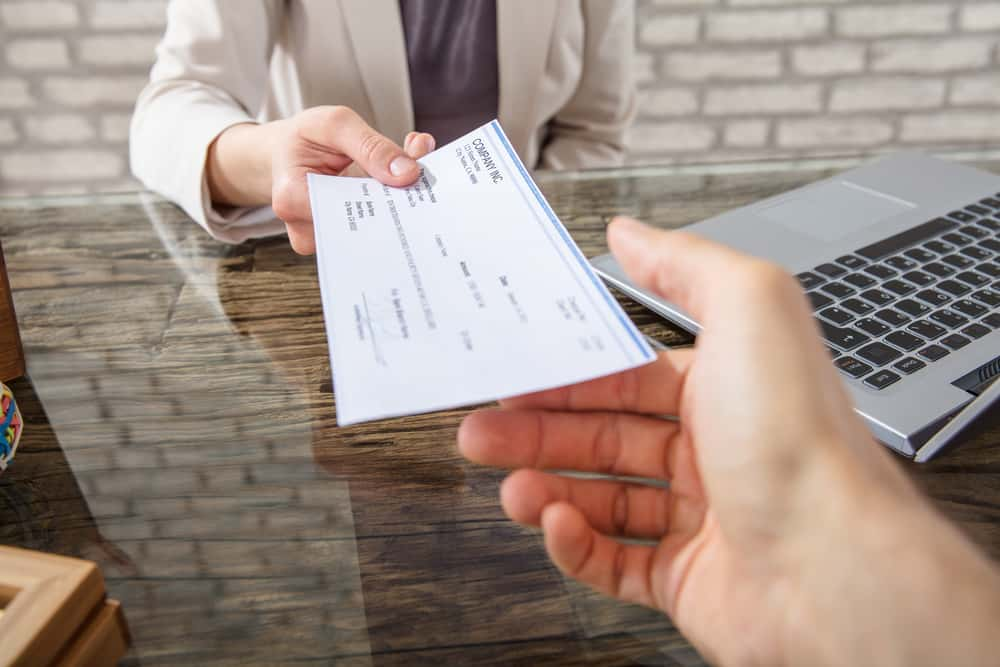
When you deposit a check, your bank may credit your account quickly and then send the check through the banking system for collection. The other bank can still reject it if the account does not have enough money, is closed, has a stop payment order, or the check looks fraudulent. If that happens, your bank can take back the provisional credit.
The UCC Makes Those Credits Provisional
The Uniform Commercial Code gives banks broad power to treat check deposits as provisional until final settlement happens. UCC Article 4 says a collecting bank that made a provisional settlement can revoke it if it does not receive final settlement. That is one of the main legal reasons money can vanish after it looked safe in your account.
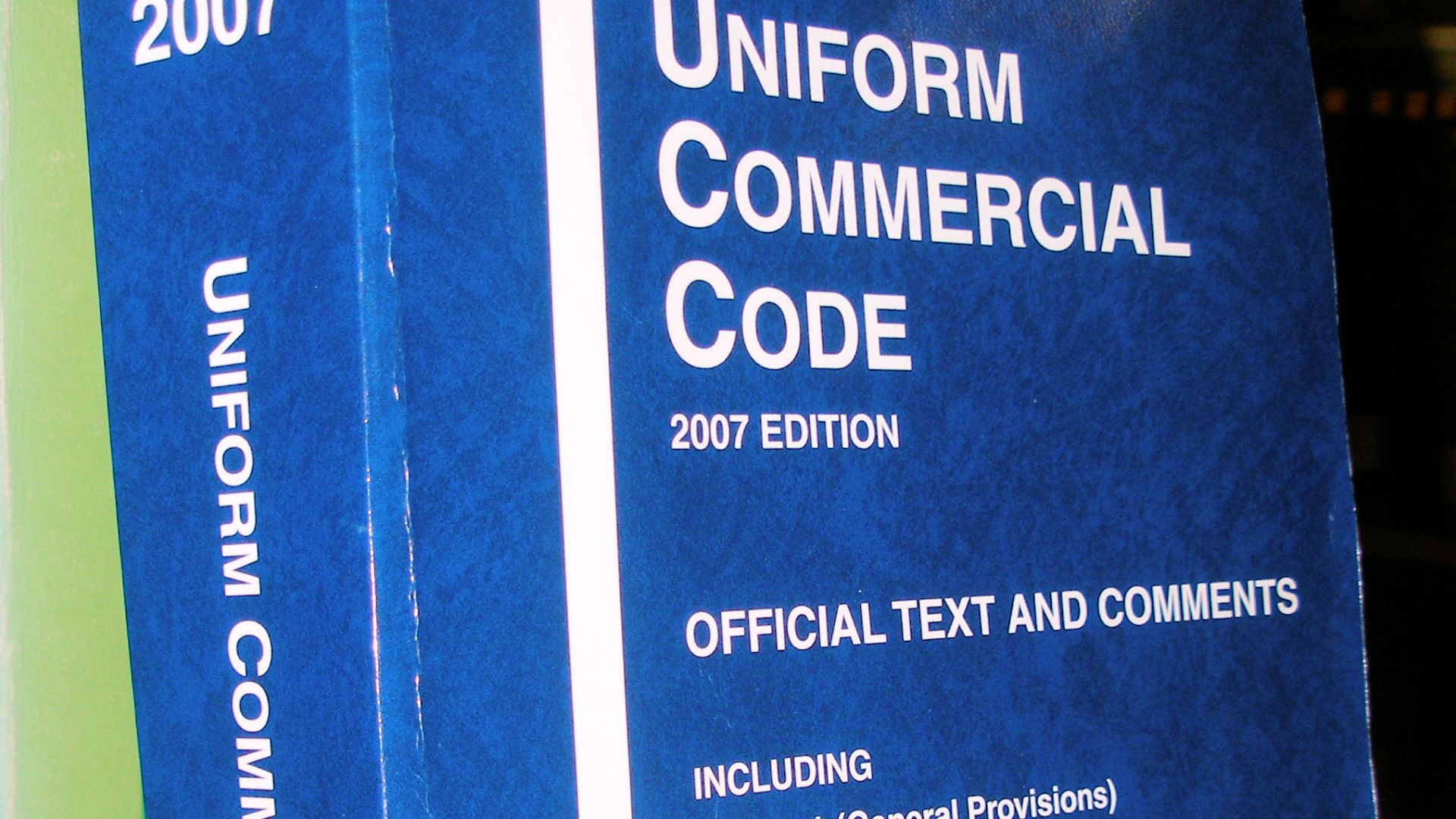 Coolcaesar at English Wikipedia, Wikimedia Commons
Three Weeks Later Still Happens
Three weeks later sounds wild, but it does happen. The Federal Deposit Insurance Corporation says a bank can reverse a deposit if a check is returned unpaid, even after the money was made available earlier. Timing depends on when fraud is spotted, when the paying bank returns the item, and what your account agreement says.
 ajay_suresh, Wikimedia Commons
Fraud Detection Can Move Slower Than Your Balance
Modern check fraud can look real at first glance. The Office of the Comptroller of the Currency has warned that check fraud is rising and that altered or counterfeit checks may not be caught right away. So a deposit can look normal long enough for you to think you are in the clear, right up until the reversal lands.
One Big Red Flag Is A Too-Good-To-Be-True Check
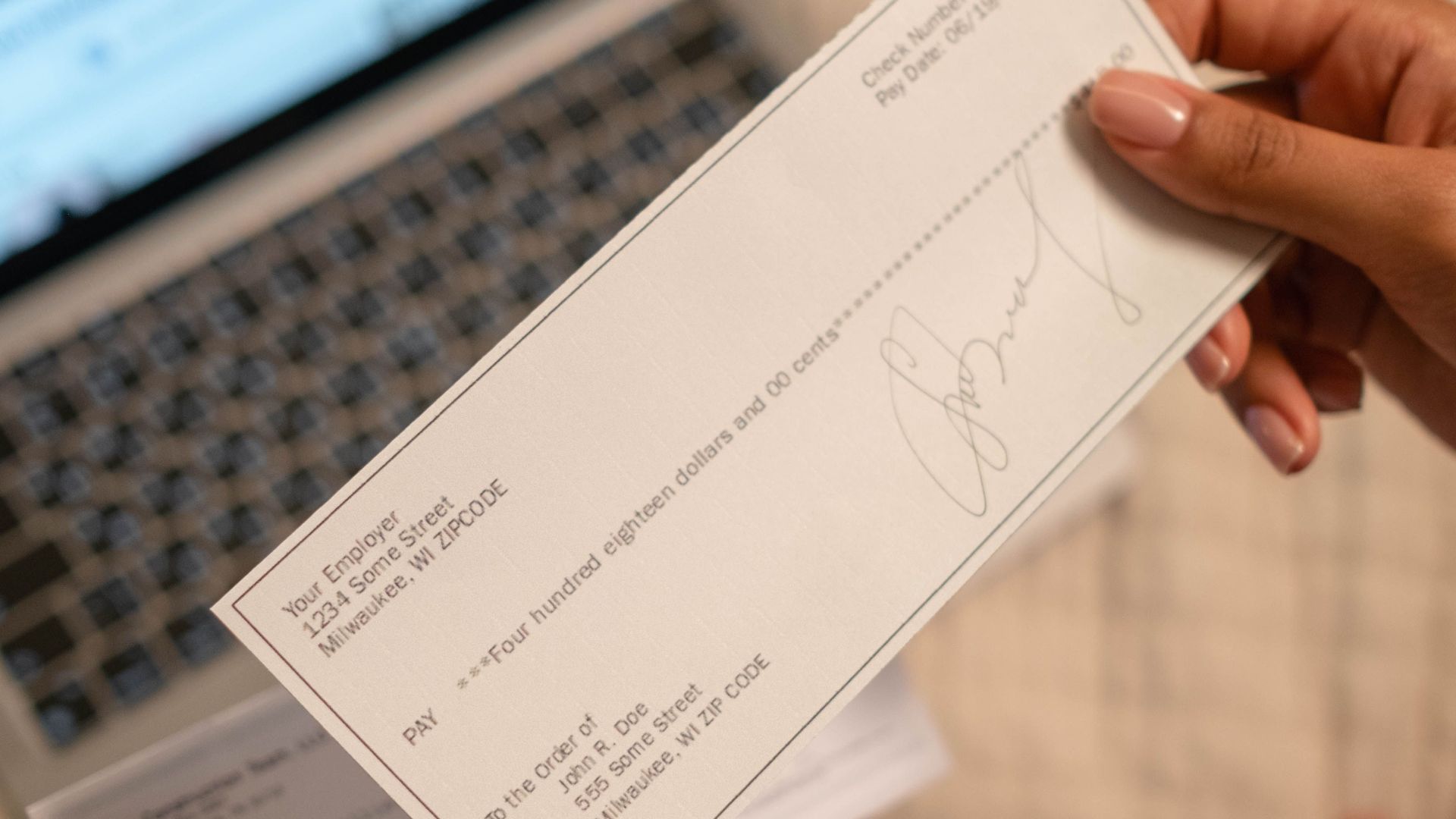
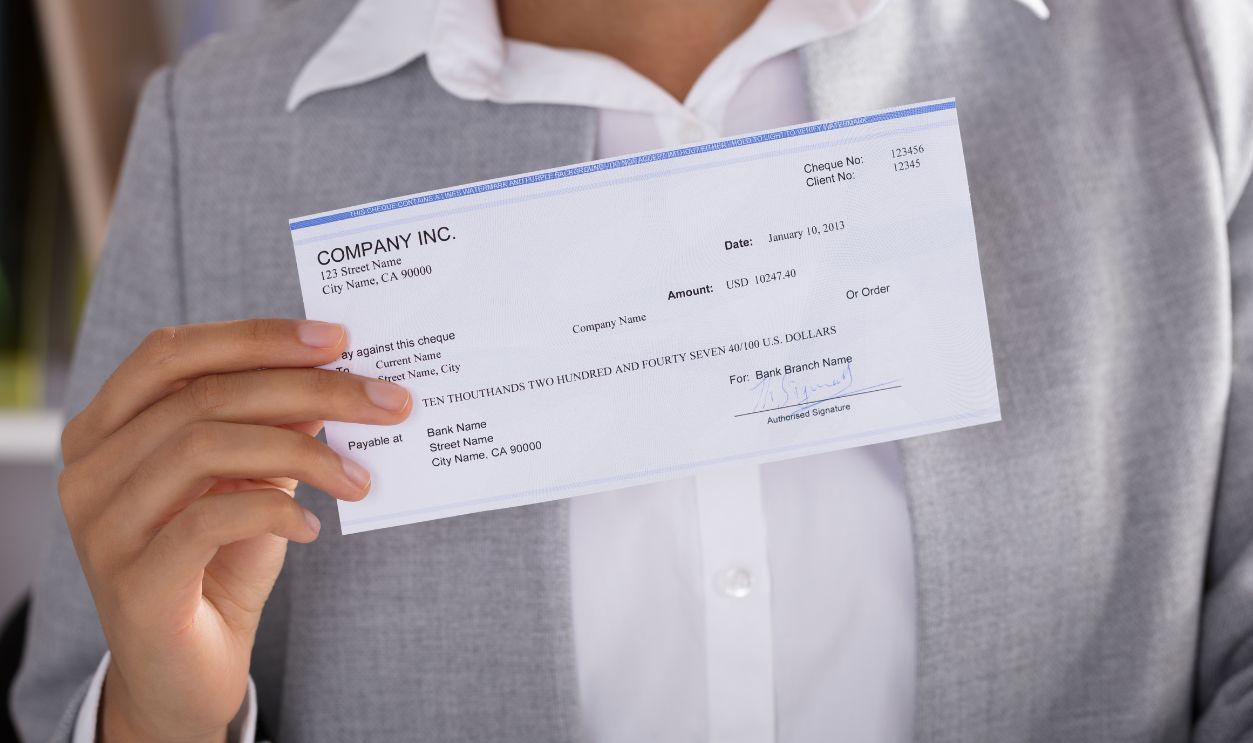
The Federal Trade Commission has repeatedly warned about fake check scams. In these scams, someone deposits a check, sees the money become available, sends some of it somewhere else, and only later finds out the original check was fake. The hard lesson is that banks often have to make funds available fast, but the customer is still on the hook if the check bounces.
Why Banks Do Not Always Catch Fake Checks Right Away
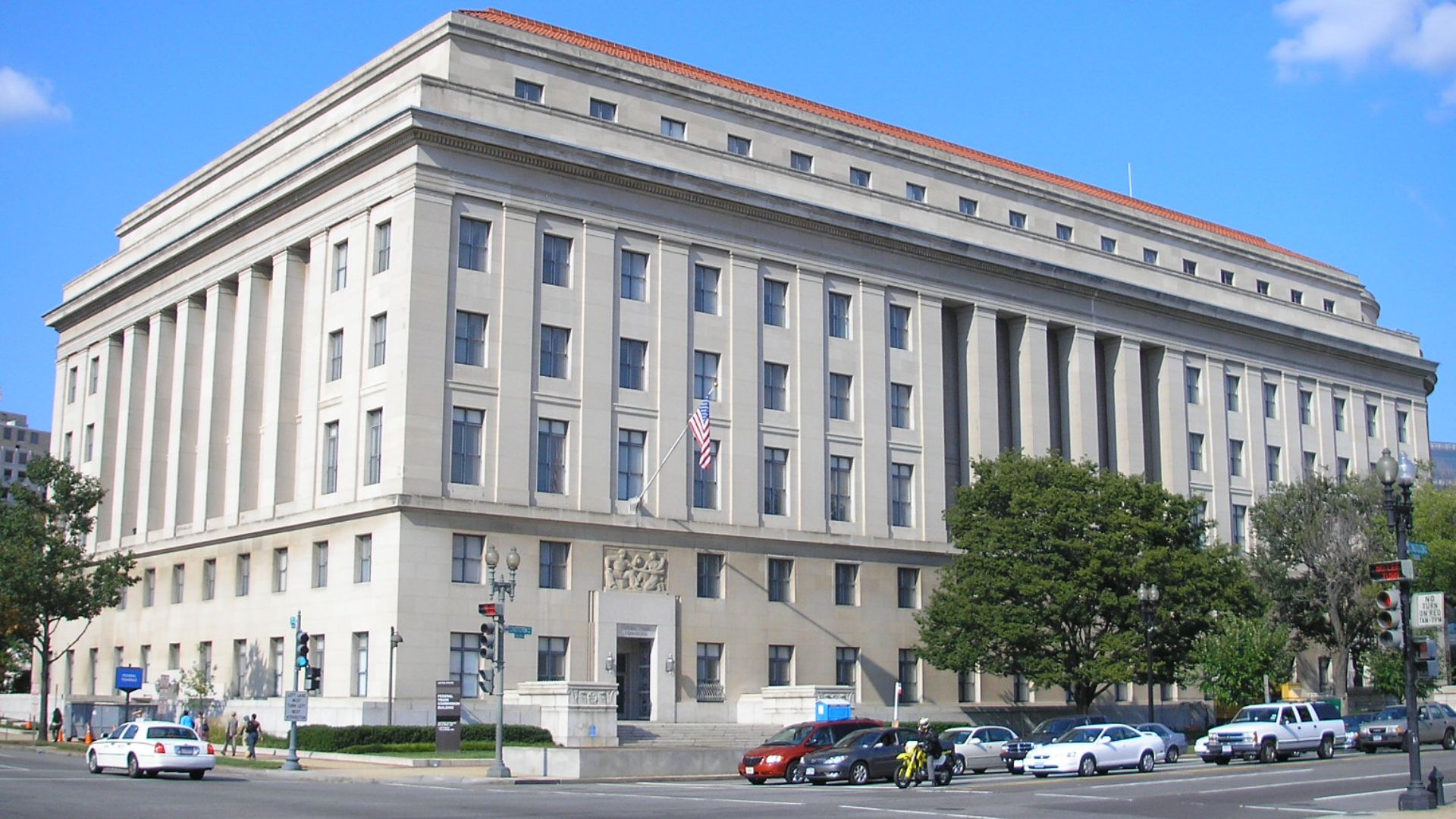
A check can have real routing numbers, realistic paper, and a convincing company name. Some are altered versions of real checks, while others are counterfeit from scratch. Problems can show up after deposit, not necessarily at the teller window or the moment a mobile deposit is accepted.
Mobile Deposits Can Create Extra Headaches
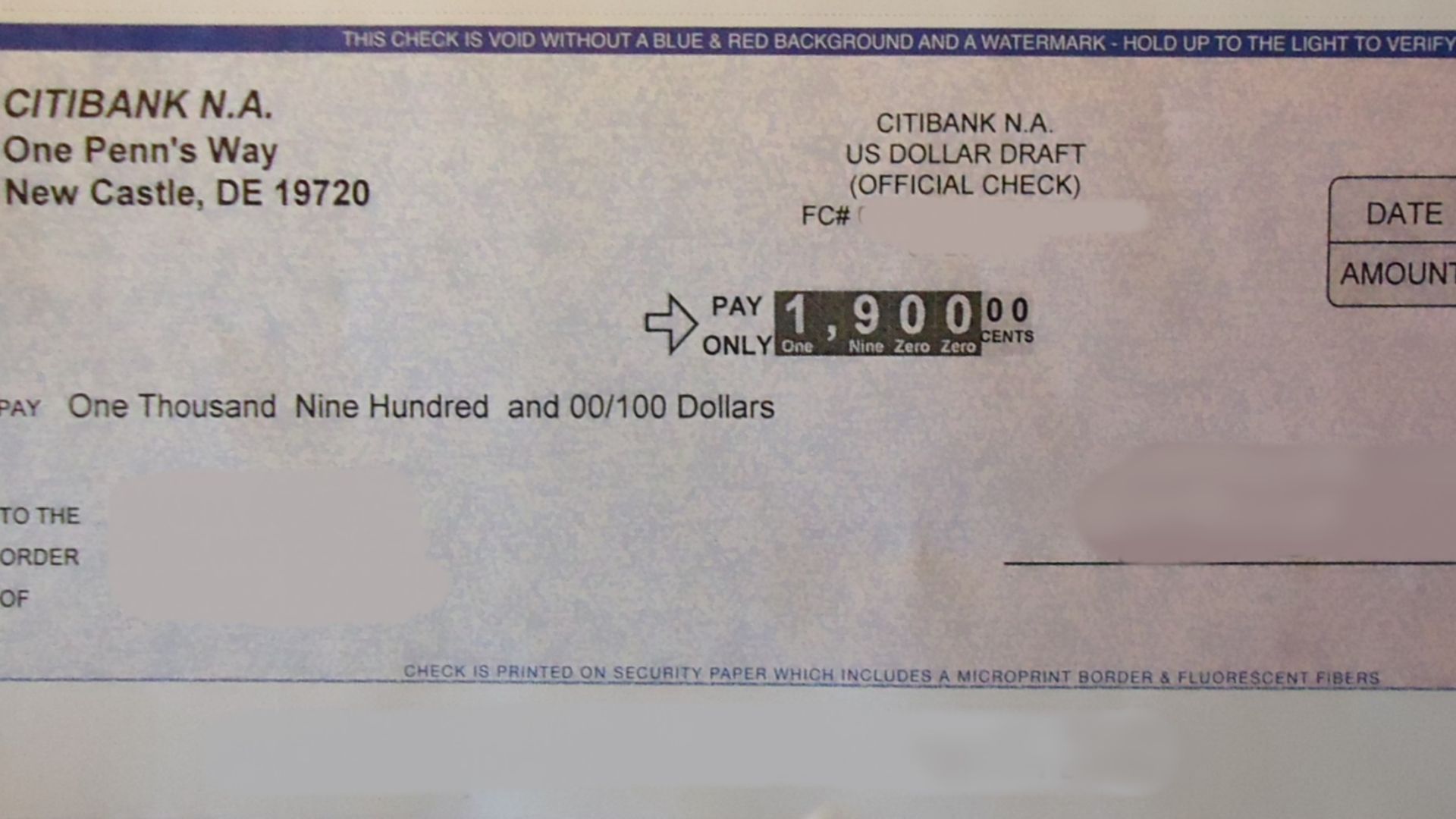
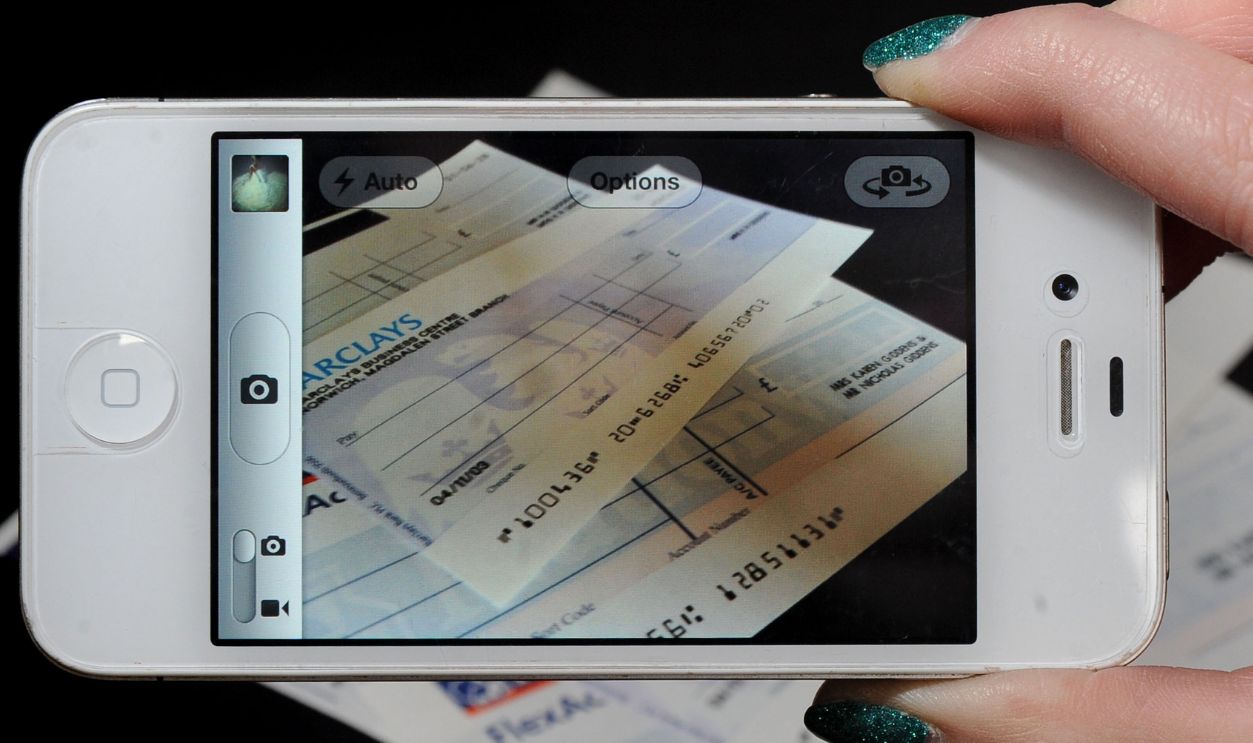
Remote deposit capture is convenient, but it can make disputes messier. If a check image is unclear, deposited twice, or flagged later for alteration, your bank may place a hold or reverse the deposit. Many banks spell this out in their mobile deposit terms and in the broader deposit account agreement.
 Joe Giddens - PA Images, Getty Images
Returned Check Reasons Matter
Not every reversal is about fraud. A check can come back for insufficient funds, a closed account, a stop payment request, a stale date, a missing endorsement, or suspected alteration. Your bank should usually provide a notice or account entry showing that the deposited item was returned.

What Final Payment Actually Means
Under the Uniform Commercial Code, final payment has a specific legal meaning. It generally happens when the paying bank has paid the item in cash, settled without the right to revoke, or failed to revoke within the legal deadline. Before that point, your deposit credit can still be provisional even if your banking app looks reassuring.

Bank Apps Can Give A False Sense Of Security
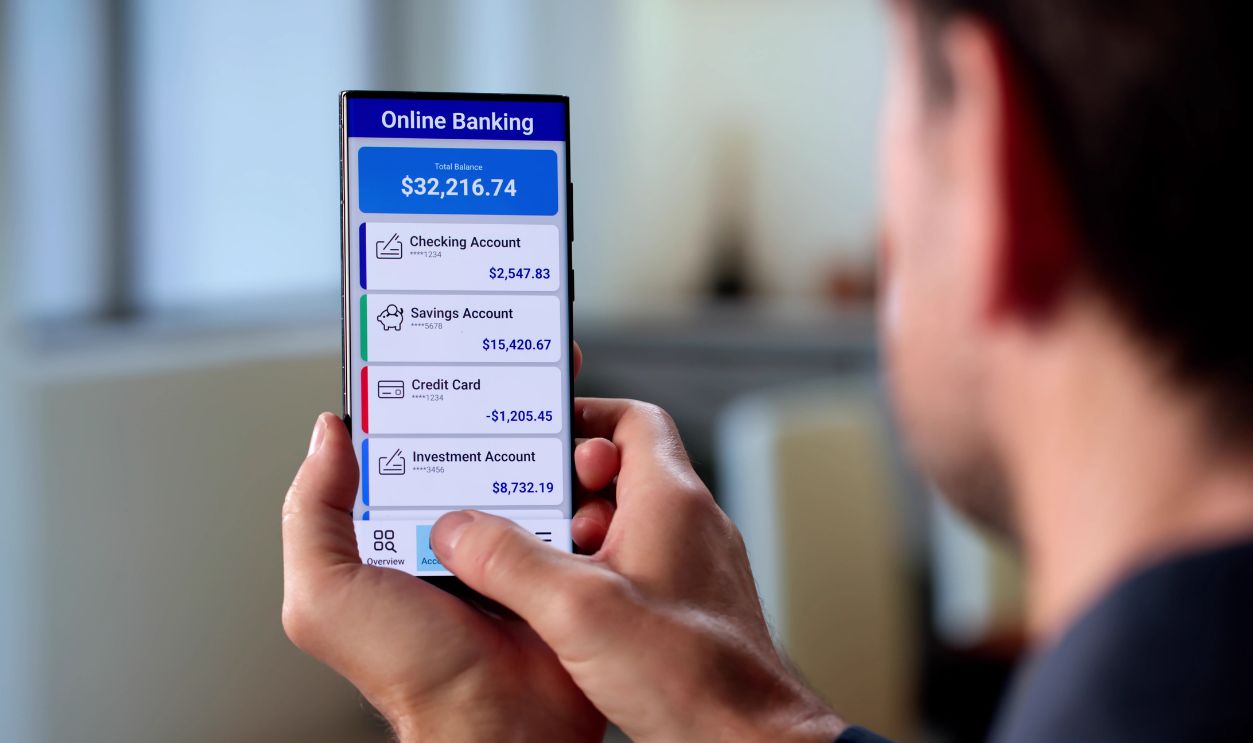
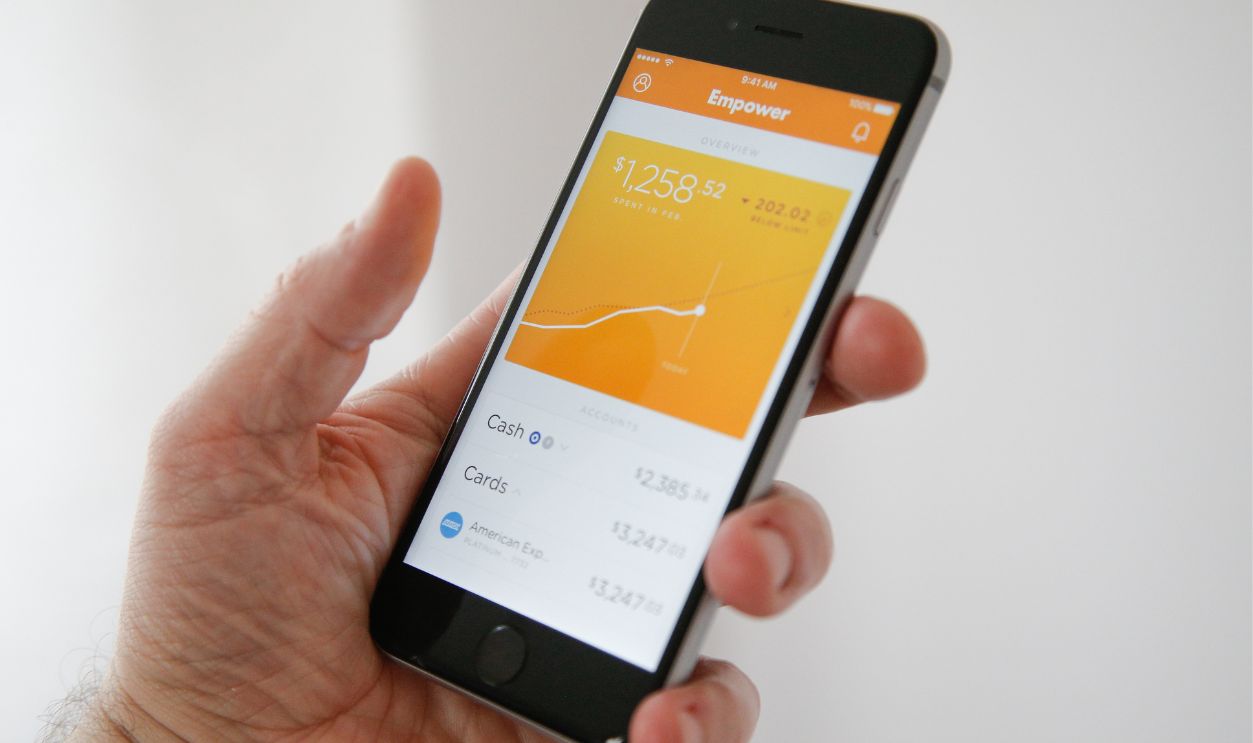
A green balance and the word “available” can feel final because banking apps are built to look simple. But those simple screens often hide legal differences that matter a lot. If you want the real rule for your account, the deposit agreement usually decides it.
Your Deposit Agreement Is More Important Than You Think
Banks usually disclose that deposited checks may be returned and that credits can be reversed. Those terms are often buried in the account agreement and funds availability policy you got when you opened the account. It is dry stuff, but it is often where the answer is when money suddenly disappears.
There Are Also Exceptions To Normal Availability Rules
Regulation CC lets banks extend holds in certain situations. That can include large deposits, repeatedly overdrawn accounts, reasonable cause to doubt collection, emergency conditions, and some new accounts. But even if a bank gives you early access or a shorter hold, it can still charge back a returned item later.

If This Happened To You, Start With The Return Reason
Your first move is to find out exactly why the deposit was reversed. Ask the bank for the return reason code or a written explanation. You need to know whether this was a bounced check, suspected fraud, duplicate presentment, an endorsement problem, or something else.

Then Ask For The Timeline In Writing
Get the key dates. Ask when you deposited the check, when the funds were made available, when the item was sent to the paying bank, when it was returned, and when your bank posted the reversal. A clear timeline can show whether this was ordinary bad-check risk or something your bank may have handled badly.

Check Whether You Were Charged Extra Fees
A returned deposit can cause more damage than just the missing money. You may also get hit with a returned deposit fee, overdraft charges, or missed payment penalties if autopay transactions bounced after the reversal. Ask the bank to waive fees if you acted in good faith and had no real way to prevent the problem.

If It Looks Like A Scam, Move Fast
If the check came from a stranger, a new employer, an online buyer, or anyone who asked you to send part of the money elsewhere, treat it like a possible fake check scam. The FTC says consumers should stop sending money right away and report the incident. Save texts, emails, screenshots, the check image, and any payment receipts.

Contact The Person Or Business That Issued The Check
If the check was supposed to be real, contact the issuer directly using contact information you verified on your own. Do not rely only on the phone number or email printed on the suspicious check. Sometimes the problem is just an account issue. Other times, you learn the check was counterfeit and the named company never sent it.

When To Push Back Harder
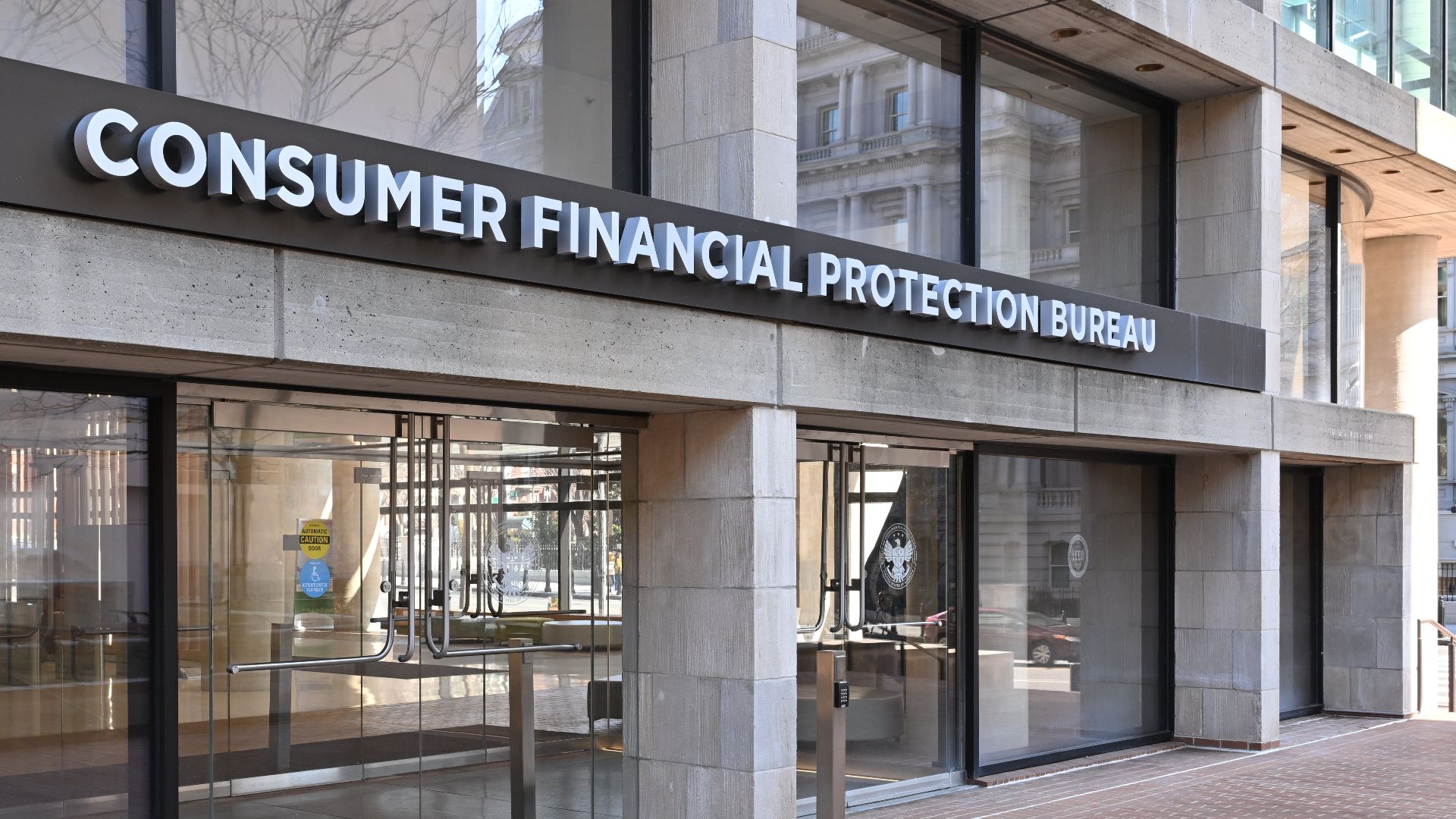
If the bank cannot clearly explain the reversal, ask for a supervisor and request copies of any notices tied to the returned item. If you still think the bank made a mistake, submit a written complaint so there is a paper trail. You can also file a complaint with the CFPB, which accepts complaints about checking accounts and bank practices.

What The CFPB Can And Cannot Do
The CFPB is not your personal lawyer, but it can send complaints to financial institutions and require a response. That can help when normal customer service goes nowhere. It also gives you a documented record of the dispute and the bank’s explanation.
 G. Edward Johnson, Wikimedia Commons
What To Do If The Reversal Caused Other Bills To Bounce
Call your landlord, utility company, lender, or card issuer as soon as possible if the reversal caused missed payments. Explain that a deposited check was returned and ask for a one-time courtesy fee waiver or due-date adjustment. Acting quickly can keep a banking problem from turning into a credit problem.

How To Reduce The Odds Of This Happening Again
Be especially careful with checks from people or businesses you do not know, especially if someone wants you to move fast. Wait longer before spending check money when the source is uncertain, even if your bank shows the funds as available. If payment can be made by wire, ACH, or another verified electronic method, that may cut down some check-related risk.
A Practical Rule Of Thumb
If losing the deposit later would wreck your budget, do not treat the money as fully yours just because your banking app says it is available. That is frustrating, but it is realistic. With check deposits, quick access and final certainty are not the same thing.

The Bottom Line
Money can disappear from your account because a check deposit is often credited before the banking system reaches final settlement. If the check is returned unpaid or flagged as fraudulent, your bank can reverse that credit, sometimes long after the funds first appeared available. The smartest move is to get the reason and timeline in writing, dispute any mistakes quickly, and be very careful with unfamiliar checks.