
The Bonus That Can Come Back to Bite You
A signing bonus is the best part about starting a new job. But things can change fast if the company fires you and then asks for that money back. It might not feel fair, but the short answer is yes, sometimes an employer can fire a worker and still try to claw back a signing bonus. But whether that works usually depends on the contract, state wage laws, and why the job ended.

Why This Gets Complicated Fast
Signing bonuses are usually covered by an offer letter, bonus agreement, or employment contract. Those papers often say the money has to be repaid if the employee leaves within a set period, like six months or a year. The catch is that being fired is not always treated the same as quitting, and some agreements give employers more power than workers expect.

The Contract Is Usually Where It Starts
Employment lawyers and government guidance tend to begin with the same question: what does the written agreement actually say. If the repayment clause clearly covers termination, or says repayment is due if the job ends for any reason before a certain date, the employer may have a stronger case than if the clause only talks about quitting.
 THICHA SATAPITANON, Shutterstock
The Exact Words Can Make All the Difference
Small wording changes can matter a lot. A clause that says repayment is required if the worker "resigns" may not automatically apply to someone who was fired. A clause that says repayment is required if employment "ends for any reason" gives the employer much more room to demand the money back.

At-Will Employment Does Not End the Debate
Many workers in the United States are employed at will, which usually means either side can end the job at any time, within legal limits. But at-will status does not wipe out a written repayment agreement. If you signed a valid clawback clause, the fight usually turns on that clause and on state law, not just on the fact that the job was at will.

Federal Wage Law Adds Another Layer
The U.S. Department of Labor has said some bonus repayment arrangements can be legal under the Fair Labor Standards Act, depending on how they are set up. In a 2020 opinion letter, the agency discussed sign-on bonuses and said an employer may be able to recover an advanced bonus even if that recovery cuts into pay above minimum wage or overtime due, as long as the arrangement is treated as a loan or advance under federal rules. That does not make every clawback valid, but it does give employers a federal-law argument in some cases.

Why the 2020 Labor Department Letter Matters
On October 8, 2020, the Wage and Hour Division issued Opinion Letter FLSA2020-14. It looked at sign-on bonuses paid in advance to employees who agreed to stay for a certain period. The department said that if the employee leaves early and has to repay the bonus, the amount can be treated like a debt or wage advance in some situations.

State Law Can Change Everything
This is where many workers get caught off guard. Even if federal law gives an employer one path to recover a bonus, state wage deduction laws can sharply limit how the company collects it. In some states, the employer may need written permission to make deductions. In others, taking the money straight out of a paycheck can be heavily limited or flat-out illegal.

California Takes a Hard Line on Final Pay
California is one of the states that gets a lot of attention in this area. The California Labor Commissioner says employers generally cannot deduct from final wages for cash shortages, broken equipment, or other business losses unless a narrow exception applies. That matters because a company that wants a bonus back may have to sue separately instead of just taking it from your last paycheck.

California Also Pushes Back on Self-Help Deductions
The California Department of Industrial Relations says wage deductions are limited and often need legal support or a lawful written authorization. Even then, not every deduction is valid just because an employee signed something. A repayment clause might still be enforceable in court while a paycheck deduction used to collect it might still break wage laws.

New York Has Its Own Rules
New York also keeps a close watch on wage deductions. The New York State Department of Labor says employers can make only certain kinds of deductions, and many require the employee's express written authorization and must fit specific categories. So a signing bonus clawback may be easier for an employer to chase through a lawsuit than through payroll deductions.

Texas Shows Why State Guidance Matters
The Texas Workforce Commission has put out guidance on wage deductions and written agreements. In Texas, an employer often needs written authorization to deduct wages for debts owed to the employer. That means a company may point to a signed repayment agreement, but whether it can actually take money from your paycheck is still a separate question.
 Michael Barera, Wikimedia Commons
Getting Fired for Cause Can Shift the Whole Case
Many bonus agreements draw a line between termination for cause and other kinds of job endings. If an employee is fired for misconduct, breaking company policy, or poor performance that counts as cause under the contract, employers often have a stronger argument for repayment. If the worker is laid off for budget reasons, the case for clawback can look much weaker unless the contract clearly says otherwise.

Layoffs and No-Fault Firings Raise Tougher Questions
This is the situation that frustrates workers most. You did not quit, and you may not have done anything wrong, but the company still wants its money back. Whether that demand holds up depends a lot on whether the agreement covers involuntary terminations, layoffs, reductions in force, or termination without cause.

The Most Important Line May Be Buried in the Offer Letter
Workers often focus on salary, stock, and vacation and skim past the repayment language. That can be a costly mistake. One sentence may say the bonus is earned only after a full year on the job. Another may say the money has to be repaid on a prorated basis if employment ends sooner.
 https://kaboompics.com/, Pexels
Repayment Clauses Are Not Always All or Nothing
Some employers demand the entire bonus back if the employee leaves even one day before the deadline. Others use a prorated schedule that lowers the amount owed month by month. That difference can matter a lot if you worked through most of the required period before getting fired.
Employers Still Have to Collect the Right Way
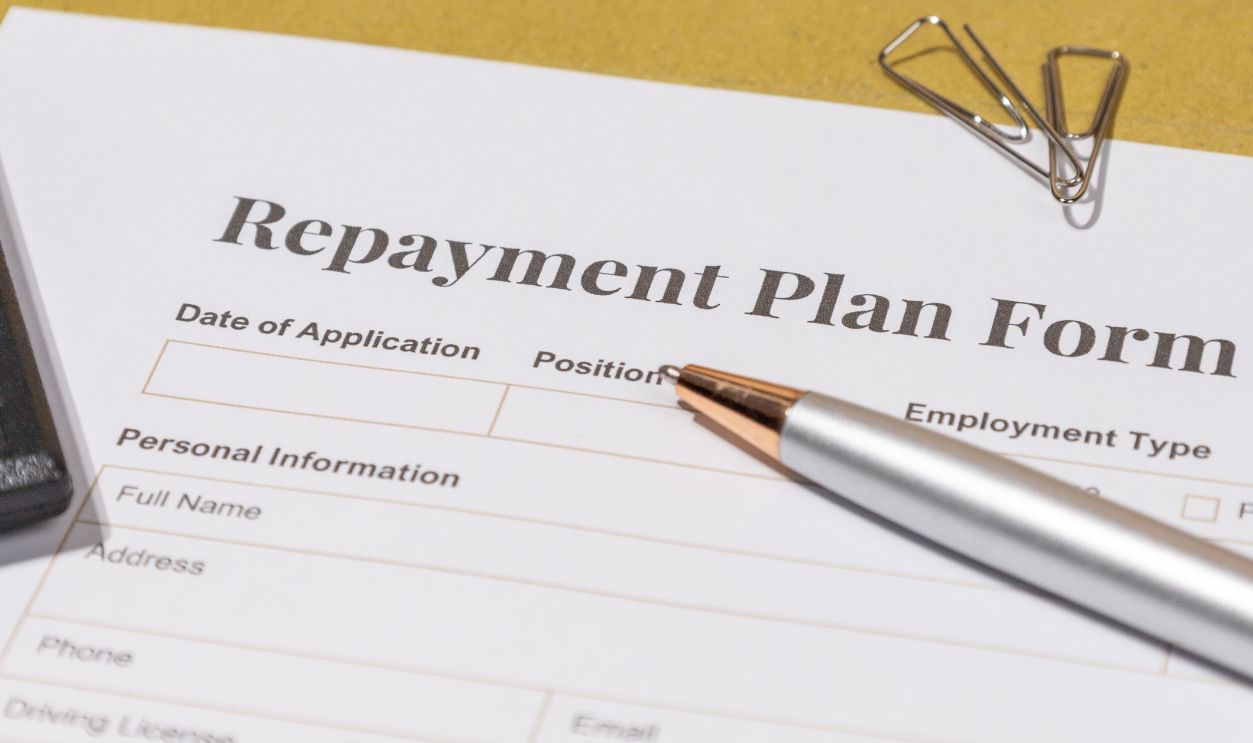
Even if a company has a strong legal claim, it does not get unlimited power to recover the money. It may need to send a demand letter, work out a payment plan, or sue in civil court. In many states, simply docking a final paycheck without proper authority can lead to a wage claim against the employer.

What If the Bonus Was Framed as a Loan
Some companies set up a sign-on payment as a forgivable loan instead of a bonus. That wording can strengthen the employer's position because the money is treated as an advance that is forgiven only after the worker stays long enough. Federal guidance has viewed some of these setups more favorably than ordinary wage deductions.

Courts Have Looked at This in Bankruptcy Cases Too
Courts have sometimes had to decide whether a sign-on payment was really earned wages or a debt that had to be repaid. Those cases usually turn on the contract language and on how the payment was described from the start. If the documents keep calling it a loan or advance, employers may have a clearer path than if the money was described as fully earned on day one.
 Amnaj Khetsamtip, Shutterstock
Workers Often Overlook a Strong Defense
A company demanding repayment is not the same thing as a company winning. If the agreement is vague, if it only mentions voluntary resignation, if the employer broke the contract first, or if state wage laws were violated during collection, the employee may have real defenses. That is one reason employment lawyers often tell workers not to rush to pay right away.

The Consumer Financial Protection Bureau Is Watching This Too
The Consumer Financial Protection Bureau has warned more broadly that employer-driven debt arrangements can trap workers and make it harder for them to leave a job. In 2024, the agency highlighted concerns about employee repayment agreements that can work as leverage over workers. Not every signing bonus clause is abusive, but regulators are paying more attention to deals that look one-sided or punishing.
 G. Edward Johnson, Wikimedia Commons
Owing Money Is Not the Same as Losing Wages
This is one of the biggest things employees need to understand. You might owe repayment under a contract and still be protected from an illegal paycheck deduction under state law. In simple terms, the company may have a claim, but it still has to collect in a lawful way.

What to Check in Your Paperwork First
Start with the offer letter, bonus agreement, employee handbook acknowledgment, and any later changes. Look for phrases like "voluntary termination," "for cause," "for any reason," "without cause," and "reduction in force." Also check whether the agreement says disputes must go to arbitration, because that can change where and how the fight plays out.

What to Do If a Demand Letter Shows Up
Do not ignore it, but do not panic. Ask for the exact contract language the company is relying on, the amount it says you owe, and whether it plans to deduct from wages or try to collect another way. If the wording is unclear or the reason for your firing is disputed, it may be smart to talk with an employment lawyer in your state before you answer.

Many of These Cases End in Negotiation
Employers do not always push every clawback as far as they can. Some waive repayment after a layoff, accept a smaller amount, or allow installment payments, especially if the contract language is weak. A calm, documented response can sometimes get a better result than paying right away.

Taxes Can Make the Problem Worse
Paying back a signing bonus can create tax problems because withholding may already have been taken out when you first got the money. The Internal Revenue Service has guidance for repayments made in a later year, and the fix is not always simple. If the amount is large, it may be worth asking a tax professional how to handle it correctly.

So Can a Company Fire You and Still Demand the Bonus Back
Yes, it can try, and sometimes it can win. The big questions are what your agreement says, whether your firing falls within the repayment clause, and whether state law limits wage deductions or collection methods. If your employer fired you and now wants the bonus back, the smart move is to read the contract closely, save every document, and get state-specific legal advice before paying anything.