
The Convenience Pitch Sounds So Reasonable
As you get older and life gets more complicated, “It’s just easier” is a stronger and stronger argument, especially when wedding planning is already eating up your time and money. A shared account can make bill paying, rent, and day-to-day spending simpler. But before you give someone full access to your cash, it’s worth asking whether “easier” now could get a lot messier later.

There Is No One Right Way To Combine Money
A lot of couples assume marriage means tossing everything into one big financial pot, but that is not a legal requirement, and it is not the only solid option. Some spouses keep separate accounts. Some use a hybrid setup. Some fully merge everything. The best system is the one that fits your trust level, spending habits, and legal situation.

Before Marriage Changes The Risk Equation
Merging accounts before the wedding can create legal and practical problems that do not come up when finances stay separate. If the relationship ends before the ceremony, both people may still have equal access to the money in a joint account. What should have been a clean breakup can quickly turn into a fight over who put in what.

A Joint Account Usually Means Equal Access
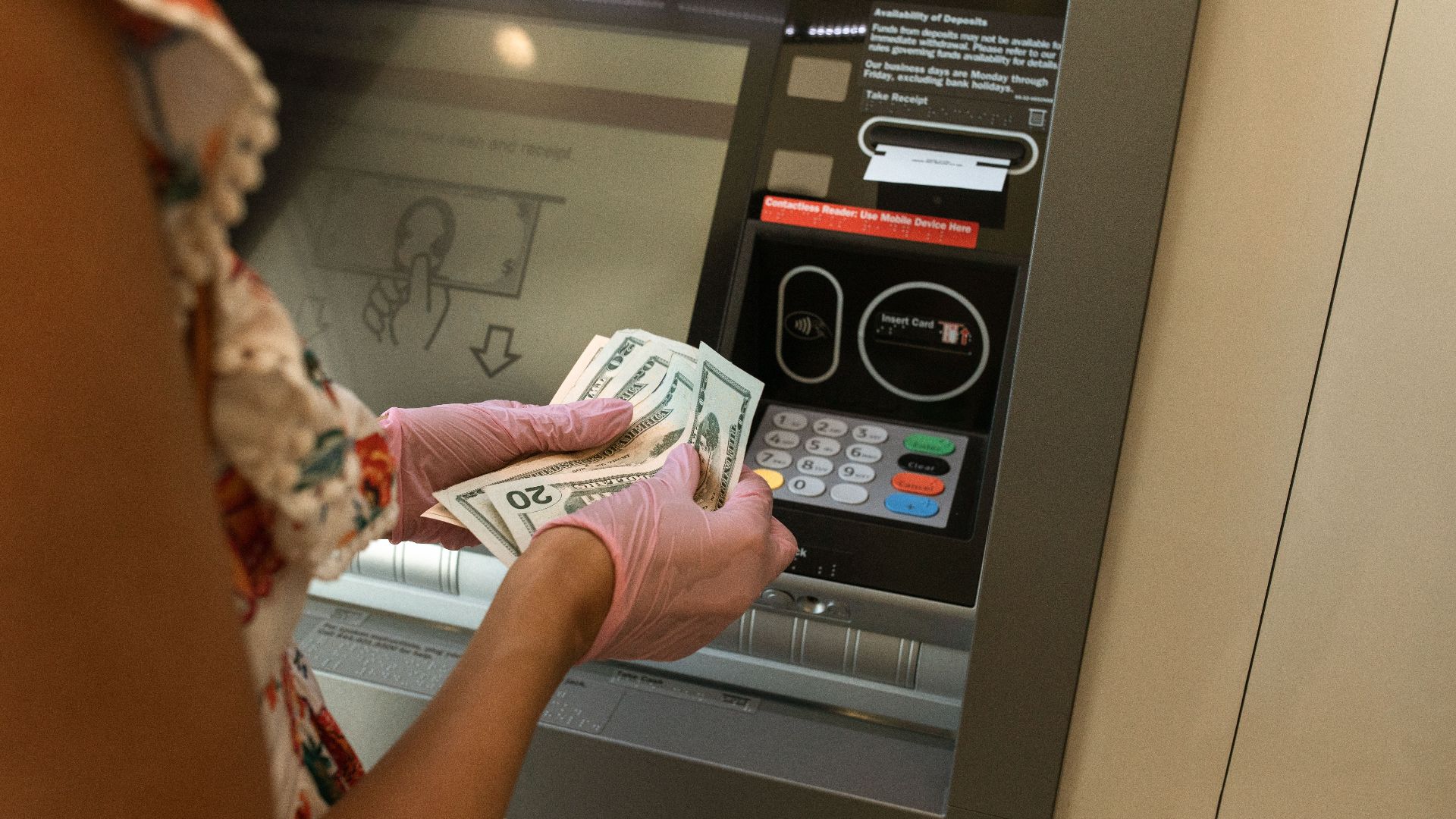
The Consumer Financial Protection Bureau says joint account holders share ownership of the money in the account. In plain terms, that means either person may be able to withdraw funds, depending on the account terms. If one partner drains the account, the other may have little immediate protection from the bank because both names were authorized.
Banks Usually Treat Both Owners As Fully Authorized
This is the part many couples skip over when they are deep in wedding mode. From the bank’s point of view, a joint owner is not just someone tagging along. A joint owner is usually an actual owner with the power to deposit, withdraw, transfer, and sometimes even close the account, depending on the bank’s rules.

Convenience Can Hide A Control Problem
If your fiancé is pushing hard for full account merging before marriage, that does not automatically mean something is wrong, but it is a reason to slow down. Financial experts often warn that pressure, secrecy, and demands for quick access can be signs of financial control. “Easier” should not mean losing sight of your own money.

Money Fights Are Very Real
Finances are one of the biggest sources of stress in relationships, and that is not just common wisdom. The American Psychological Association has repeatedly found that money is a major source of stress for many adults. If money is already a tense subject, combining everything early can make conflict worse instead of fixing it.

The FDIC Fine Print Matters More Than People Think
The Federal Deposit Insurance Corporation says joint accounts are insured separately from single-owner accounts, but only if the account meets certain requirements. That can help some couples because it may raise total deposit insurance coverage. Still, insurance protection is not the same as relationship protection, and it does nothing to settle a dispute over who contributed the money.

Debt Does Not Magically Become Romantic
Merging bank accounts does not automatically merge every debt, but it can put shared cash at the mercy of a partner’s spending habits, overdrafts, or account problems. If one person is always running short, the other person’s paycheck can turn into the backup plan. That can build resentment fast, especially before any legal commitment is in place.

Separate Money Can Still Support A Strong Partnership
Keeping individual accounts before marriage does not mean you are less committed or less trusting. It can simply mean you are being careful and organized. Plenty of couples build strong relationships while keeping financial independence and clear boundaries.

A Hybrid Setup Is Often The Sweet Spot
For many couples, the most practical middle ground is a joint account for shared expenses and separate accounts for personal spending and savings. That setup can reduce stress over rent, groceries, utilities, and wedding bills while still protecting each person’s independence. You get convenience without making it all or nothing.

Wedding Costs Make Timing Especially Tricky
Engagements are expensive, and that can make a shared account seem useful. But wedding spending is also when misunderstandings can flare up because bills hit fast and priorities may not match. A dedicated joint account for wedding expenses can work well, but that is very different from merging every dollar you have.

Transparency Matters More Than Account Style
The real issue is not whether you merge accounts. It is whether both people are honest about income, debt, credit history, spending habits, and savings goals before doing it. A joint account without transparency is like building on shaky ground.

Credit Reports Should Be Part Of The Conversation
Before combining any finances, both partners should review their credit reports and talk about debts, missed payments, and other financial obligations. AnnualCreditReport.com is the official site authorized by federal law for free credit reports from the three nationwide credit bureaus. If one person pushes back on basic disclosure, that tells you something too.

Talk About The Boring Stuff Before It Becomes The Explosive Stuff
Couples should talk about who pays which bills, how much each person will contribute, what happens if one loses a job, and what counts as personal versus shared spending. These are not mood-killing questions. They are the kind of practical details that can stop ugly fights before they start.

Set Rules In Writing
If you do open a joint account before marriage, put the ground rules in writing. Decide how much each person contributes, what the account is for, whether there is a minimum balance, and whether either person can make large withdrawals without talking first. A written plan can prevent a lot of “that’s not what we agreed to” moments.

Emergency Savings Deserve Special Protection
Many financial planners recommend keeping some emergency savings easy to access and clearly set aside. If all your liquid cash goes into one shared account before marriage, one partner can lose immediate control over their safety net. Keeping at least part of your emergency fund separate can protect your flexibility if life goes off track.

Legal Ownership Can Get Murky In A Breakup
When unmarried couples split, sorting out jointly held money can be harder than people expect. The bank may not care who deposited more. Without marriage laws or clear written records to lean on, proving ownership of disputed funds can become frustrating and expensive.

State Law Can Shape The Bigger Picture
Property rules for married couples vary by state, especially in community property states versus equitable distribution states. That is another reason not to treat pre-marriage account merging casually. Your legal rights before the wedding and after the wedding are not always the same.

Watch For Signs Of Financial Abuse
The National Domestic Violence Hotline describes financial abuse as a way one partner can gain power and control over the other through money. That can include restricting access to funds, closely tracking spending, or pressuring someone to hand over financial control. Not every request for a joint account is abusive, but pressure and coercion should never be brushed aside as convenience.

There Is A Big Difference Between Access And Teamwork
Healthy couples build systems that make both people feel informed and secure. That might include shared budgeting apps, regular money check-ins, or a household account for common bills. Teamwork does not require one person to give up all financial independence before the marriage even begins.

If You Do Merge, Start Small
Instead of combining your main checking and savings accounts right away, consider opening one joint account with a limited job. Use it for rent, utilities, groceries, or wedding costs, and keep contributions equal or proportional based on your agreement. That lets you test how you handle money together without putting every dollar on the line.

Keep Your Own Account Open
Even if you add a joint account, there is a strong case for keeping an individual account in your own name. It gives you direct access to your paycheck, your emergency money, and your personal spending cash. It also makes recordkeeping cleaner if plans change.

Ask Why This Needs To Happen Now
The timing question matters a lot. If the wedding is still months away, there may be no real reason to fully merge finances before the legal commitment is in place. If the only argument is that it feels simpler, a limited joint account may solve the practical problem without creating a bigger one.

A Prenuptial Agreement Is Not Just For The Rich
If either of you has major savings, business assets, family money, or complicated financial obligations, it may be smart to talk with a lawyer before merging much of anything. A prenup can spell out expectations and protect both people. It is less about distrust and more about making the rules clear while everyone is still calm.

What A Healthy Answer Sounds Like
A reasonable fiancé should be open to talking through options, boundaries, and timing. They should not mock your caution or treat basic financial questions like a sign you do not love them. If your concerns are met with patience and clear answers, that is a good sign. If they are met with anger or pressure, pay attention.

So, Is It A Mistake?
It can be, especially if full merging happens before marriage without transparency, written rules, and a clear reason beyond convenience. For many engaged couples, the safer move is a hybrid approach that keeps personal accounts intact while using a joint account for shared costs. Love may be blind, but your banking setup should not be.