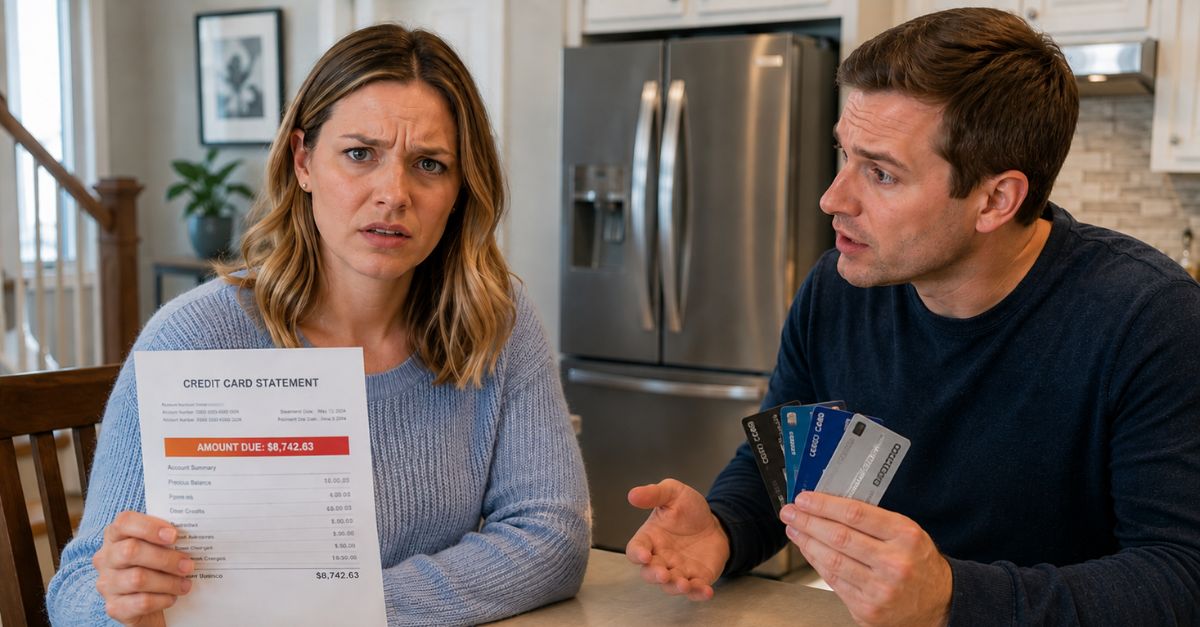
A Wedding Ask With Serious Financial Baggage
Your soon-to-be groom asking you to pay off his credit cards so you can “start fresh” could make sense, but it could also be a major warning sign. Money experts say the real issue is not just the debt. It's what the request says about boundaries, responsibility, and how this marriage may handle money from day one.

Why This Feels Bigger Than A Balance Transfer
Credit card debt is not just a number on a statement. It often comes with high interest, stress, and a history of spending choices that matter in a marriage. When one partner asks the other to wipe it away before the wedding, the conversation quickly shifts to trust, expectations, and whether this is a one-time help or the start of a pattern.

What “Starting Fresh” Actually Means
“Starting fresh” sounds clean and hopeful, which is why it works so well as a pitch. But a fresh start only means something if both people are changing habits, not just changing who pays the bill. If one person clears the debt and the other keeps doing the same thing, the reset will not last long.

The Debt Is Real And It Is Expensive
Credit card debt is still one of the most expensive kinds of everyday consumer debt. The Federal Reserve reports that credit card interest rates have remained very high in recent years, which makes balances hard to escape if someone is only making minimum payments. Paying off someone else’s cards is not just a sweet gesture. It is a major money move.

Americans Are Carrying A Lot Of Card Debt
The scale of the issue is huge. The Federal Reserve Bank of New York reported that total U.S. credit card balances topped $1 trillion in 2023 and kept climbing after that. So if your fiance has card debt, he is far from alone. But that does not mean it automatically becomes your job to erase it.

Marriage Does Not Automatically Make Old Debt Yours
A lot of people worry that saying “I do” means taking on everything their spouse owes. In general, debt one partner built up before marriage usually stays that partner’s legal responsibility, though state law and how accounts are used later can complicate things. The Consumer Financial Protection Bureau says there is no one-size-fits-all rule that makes newlyweds instantly responsible for a spouse’s premarital credit card debt.

State Law Can Change The Details
Where you live matters. In community property states, income and debts taken on during marriage may be treated differently than they are in common law states. That is one reason financial planners and legal experts often tell couples with uneven debt to talk through state-specific rules before mixing finances.

Love Is Not A Financial Strategy
It is easy to mistake generosity for problem-solving. Paying off a partner’s debt can feel like a powerful act of love, but love is not a plan. If the request comes without a budget, a payoff strategy, or any sign of changed behavior, you may be paying for a temporary fix instead of a real solution.

A Terrible Precedent Or A One-Time Rescue
This is the real question. If you pay off his cards now, what happens the next time money gets tight or spending gets out of control. Precedents matter in relationships because they shape what each person expects when life gets stressful.
 https://kaboompics.com/, Pexels
Experts Often Focus On Patterns, Not Just Balances
Financial therapists and planners often say the biggest clue is not the balance itself but how a person talks about it. Is your fiance owning the problem, showing statements, and offering a realistic payoff plan. Or is he just asking you to make the whole thing disappear before the wedding arrives.

Transparency Is The Bare Minimum
Before anyone writes a check, every card balance, interest rate, minimum payment, and recent spending pattern should be out in the open. Hidden debt is one of the biggest financial threats to a marriage because it drains money and wrecks trust. Full disclosure is not overstepping here. It is the minimum.

Ask How The Debt Happened
Not all credit card debt tells the same story. Debt from medical bills or a job loss is different from debt built through chronic overspending, gambling, or trying to keep up a lifestyle. You need real details, not vague promises, because the cause of the debt often tells you whether it is likely to come back.

The Federal Data Shows Why Habits Matter
The Federal Reserve’s consumer credit data tracks revolving credit, which largely includes credit cards, and it shows how stubborn these balances can be across the country. High balances mixed with high interest rates create a cycle that is hard to break without disciplined repayment. That is why paying off debt without changing the habit behind it can be a costly detour, not a cure.
 https://kaboompics.com/, Pexels
Do Not Ignore The Power Imbalance
If you pay off a large debt before marriage, the relationship may begin with a lopsided financial dynamic. You may end up feeling resentful later, even if you agreed in good faith. He may feel dependent, defensive, or even entitled. None of that is a great foundation for a marriage.

There Is A Difference Between Helping And Absorbing
You can support a partner without taking over his obligations. Helping might mean going over his budget together, encouraging him to see a nonprofit credit counselor, or cutting wedding costs so he can throw more money at the debt. Absorbing the debt means your money solves the problem while his habits stay a mystery.

A Safer First Move Might Be A Full Money Meeting
Before deciding anything, sit down for a full financial conversation with the paperwork in front of you. The CFPB advises couples to talk about debts, assets, credit history, and shared goals before marriage because surprises can get expensive fast. Think of it as premarital counseling for your finances.
 Mladen Mitrinovic, Shutterstock
Credit Counseling Is Not A Red Flag
Sometimes the smartest move is outside help. The National Foundation for Credit Counseling and other nonprofit agencies can review debt, budgets, and repayment options in a structured way. If your fiance truly wants a fresh start, he should be willing to sit down with a counselor and do the work.

A Prenup Is Not Just For The Rich
Prenuptial agreements are often linked with mansions and family fortunes, but they can also be useful for regular couples trying to sort out debt. If one partner is bringing major liabilities into the marriage, a prenup can spell out who is responsible for what. That may not feel romantic, but confusion is worse.

Consider What Happens If You Break Up
This is the part nobody likes to say out loud, but it matters. If you pay off his cards before the wedding and the relationship ends, you usually do not get that money back unless there is a clear written loan agreement, and even then collecting can be hard. A gift made in hope can turn into a financial dead end.
 AI25.Studio AI GENERATIVE, Pexels
If You Still Want To Help, Set Terms
Some people decide they do want to help, and that does not automatically make them naive. But structure matters. A written agreement, proof that accounts are closed, a shared budget, and documented monthly check-ins can lower the odds that “start fresh” turns into “please do it again.”

Watch For These Warning Signs
Be careful if he resists sharing statements, downplays the total, blames everyone else, or tries to guilt you into helping. Be even more careful if he wants your money but not your questions. Those are not just debt issues. They are relationship issues.

It Is Fair To Postpone The Wedding
Delaying a wedding can feel dramatic, but marrying into unresolved financial conflict is often far more expensive than losing a deposit or moving the date. If the debt situation is messy, unclear, or manipulative, slowing things down is the smart move. A strong marriage needs more than a nice ceremony and a zeroed-out card balance.

What A Real Fresh Start Would Look Like
A real fresh start usually includes a full list of debts, a close look at spending, a realistic budget, savings goals, and a clear agreement on how future debt will be handled. It also requires accountability from the person who created the debt. The reset has to be about behavior, not just math.

How To Answer Without Starting A Fight
You can be caring and firm at the same time. You might say that you are open to a larger conversation about money and a shared financial plan, but you are not comfortable paying off premarital debt without total transparency and a serious discussion about spending habits. That kind of answer protects both your money and your self-respect.

When Paying It Off Might Make Sense
There are cases where helping could be reasonable. Maybe the debt came from a short-term crisis, both partners already have fully shared plans, and the person in debt has shown real repayment discipline. Even then, experts would still push for documentation, honesty, and a clear system to keep it from happening again.

When It Is Probably A Terrible Precedent
If the debt came from repeated overspending, if he is hiding details, or if he seems to see marriage as a way to outsource his financial cleanup, the precedent is bad. You would be teaching the relationship to solve one person’s money problems with the other person’s sacrifice. That pattern usually gets more expensive, not less.

The Bottom Line Before You Say “I Do”
No, this is not automatically a terrible precedent. But it can quickly become one if it is handled carelessly. The key question is whether your fiance is building a responsible financial future with you or asking you to erase his past for him. Before any debt gets paid, make sure the real commitment on the table is accountability, not just marriage.