

The Dream And The Danger
For someone who once thought home ownership was out of reach, a paid-off house can feel like the family stronghold. That's exactly why using it as collateral for a new business is such a high-stakes move. It could increase your family's wealth tenfold, but statistically, it's more likely to cost you everything.

Paying Off A House Is No Small Accomplishment
Many families spend years, even decades, paying off a mortgage. So putting that equity back on the line can feel like a gut punch. This is not just a debate about starting a business. It is about whether one risky bet should put the household’s most important asset in danger.

What Collateral Really Means
Collateral is property you pledge to secure a loan. The Consumer Financial Protection Bureau says a lender can take that collateral if the borrower does not repay as agreed. If your home is the collateral, then your house is part of the lender’s backup plan from the start.

The Core Risk In Plain English
When a business loan is tied to a home, business trouble can quickly become housing trouble. Cash flow problems, missed payments, or a failed launch can spill right into the family finances. A paid-off house stops being a safety net and starts acting like a business asset.

Why Lenders Ask For Personal Assets
New businesses are risky, and lenders know it. The U.S. Small Business Administration says many startup borrowers are asked for collateral, and lenders often want enough to cover the loan amount. That is one reason owners end up offering homes, savings, or other personal property.

What The SBA Says About Home Collateral
The SBA says lenders must collateralize loans to the maximum extent possible, up to the loan amount. It also says an SBA loan will not be denied just because there is not enough collateral if repayment ability is strong, but available personal real estate may still be required. So yes, a paid-off house can absolutely become part of the discussion, even if the business idea looks solid.

Personal Guarantees Raise The Stakes
Even if the house is not directly pledged, many small business loans require a personal guarantee. The Federal Trade Commission warns that personal guarantees can make borrowers personally responsible for business debt. In real life, that can mean lawsuits, liens, and pressure on family assets if the business cannot pay.

How Families Lose More Than They Expected
The danger is not always one huge collapse. More often, it is a string of ordinary problems: delays, weak sales, higher costs, and rising interest expenses. Once personal assets are tied in, a rough first year can turn into a family emergency.

Failure Rates Matter Here
The U.S. Bureau of Labor Statistics tracks how long businesses survive. Its data show that many new businesses do not make it through the first few years, which helps explain why lenders want so much protection. That does not mean every startup is doomed. It does mean hope needs to be backed by hard numbers.

A Paid-Off House Has A Special Role
A debt-free home is often a family’s biggest source of wealth. It can also provide stability during layoffs, illness, and retirement. Using that stability as collateral changes the role of the house. It stops being shelter first and becomes a financing tool.

Marriage Does Not Cancel Math
Spouses often see risk differently, especially when one person is building the business and the other is trying to protect the household. That does not make either one unreasonable. It means the decision should be treated like a major investment review, not a leap of faith.

Start With The Worst-Case Scenario
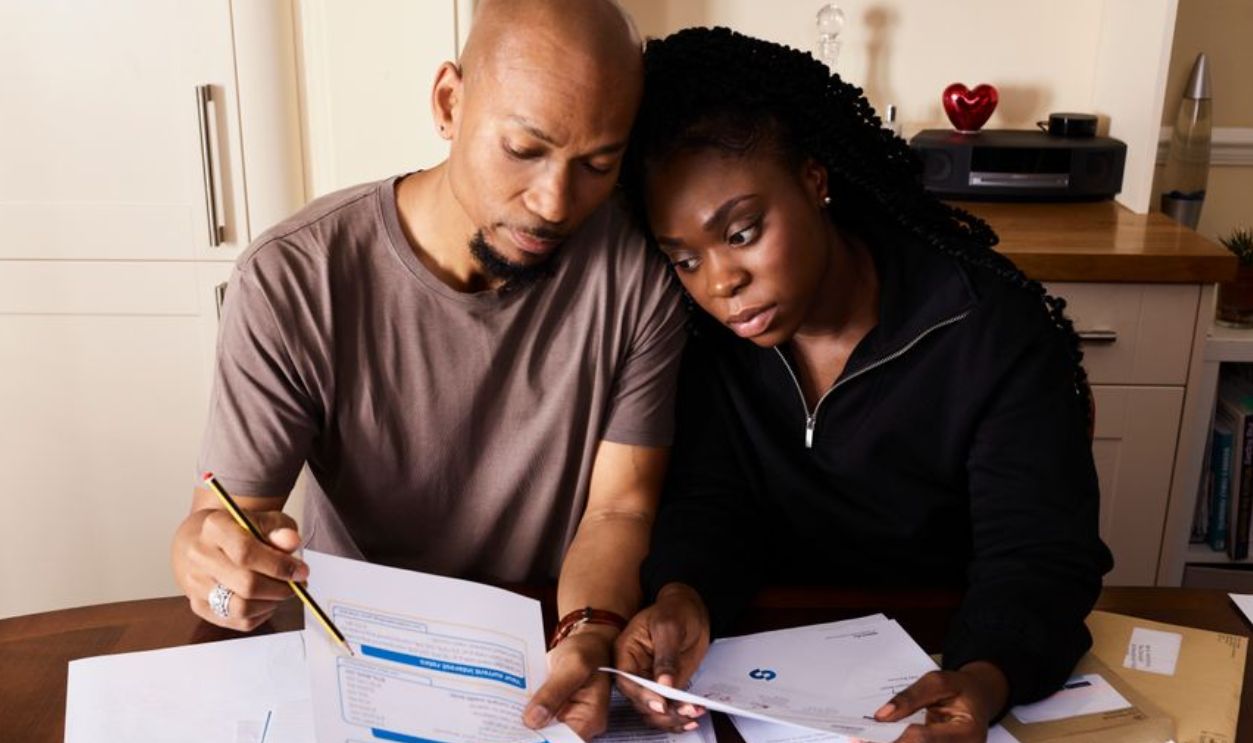
Before anyone signs, ask the blunt question people often dodge. If the business brings in little or no money for 12 to 24 months, how will the loan be paid, and from what account? If the answer is fuzzy, the risk is already too high.
 Vodafone x Rankin everyone.connected, Pexels
Run The Numbers Without Romance
A serious business plan should spell out startup costs, monthly burn rate, break-even timing, and realistic revenue assumptions. The SBA and SCORE both stress the value of written plans and cash-flow forecasts before borrowing. If the plan only works in a best-case scenario, the house should be nowhere near the deal.

Ask Whether The Loan Is Truly Necessary
Many founders assume more capital solves every problem, but borrowed money can make mistakes more expensive. Sometimes the safer move is a smaller launch, a phased rollout, or waiting until the business has purchase orders or repeat customers. A delayed start may cost less than putting the home at foreclosure risk.

Consider The Interest Rate Environment
The Federal Reserve’s higher-rate period has made borrowing more expensive than it was a few years ago. That means debt payments can hit harder, especially for young businesses with uneven income. Risking a paid-off house when financing costs are high calls for even more caution.

There Is A Difference Between Confidence And Concentration Risk
Believing in a business is one thing. Putting too much of the family’s wealth into that one business is another. If your income, your time, your savings, and your house all depend on the same startup, the family may be carrying too much risk in one place.
 StockPhotoDirectors, Shutterstock
What To Review Before Signing
Read the promissory note, security agreement, and any personal guarantee line by line. Check whether the loan is secured by the home, whether a lien will be recorded, and what counts as a default. A local attorney can explain exactly what the lender can do if the business misses payments.

Do Not Skip The Title And Lien Questions
If the house is jointly owned, one spouse may not be able to pledge it without the other’s involvement, depending on state law and lender rules. That is not a small technical detail. The way title is held can shape what can be pledged and who has to agree.

Alternatives That May Protect The House
Safer options may include smaller unsecured loans, equipment financing, a business line of credit, outside investors, or starting with retained earnings. Some founders build slowly with a home office and sweat equity instead of tapping home equity. None of these choices are risk-free, but they may keep the family home out of the lender’s safety net.

Friends And Family Money Has Its Own Risks
Some couples decide borrowing from relatives is better than risking the house. That may lower the chance of foreclosure, but it can create relationship strain and legal confusion if the terms are not in writing. If this route is on the table, treat it like a real business loan with clear documents and deadlines.

Emergency Savings Should Not Be An Afterthought
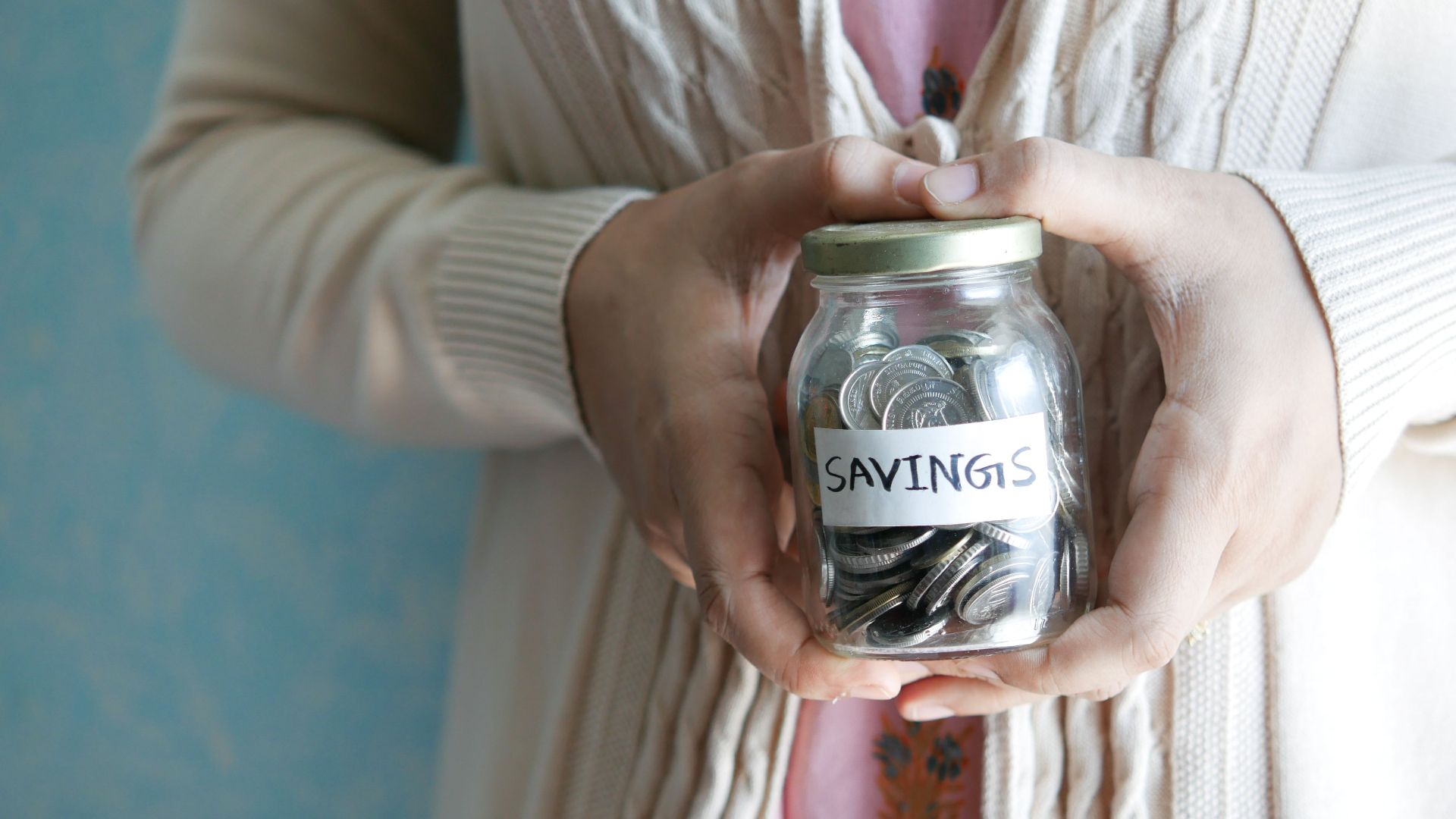
A family thinking about this move should know exactly how many months of living expenses they can cover if the business struggles. Financial planners often treat emergency savings as the buffer that keeps a business problem from becoming a housing problem. If the home is being pledged, that cash cushion should usually be bigger, not smaller.
Retirement Money Is Not A Clean Escape Hatch
Couples sometimes say they can always tap retirement savings if the business runs into trouble. That can trigger taxes, penalties in some cases, and lasting damage to long-term security. Putting both a paid-off house and retirement stability at risk for one startup idea is a very costly way to chase upside.

What A Fair Spousal Conversation Looks Like
The spouse who is not running the business should not be pushed to prove loyalty by signing. A fair process includes independent advice, full financial disclosure, and time to think. If one partner says no, that is not sabotage. It may be a sound call to protect the family’s basic security.

Questions That Need Real Answers
Ask how much cash the founders are putting in, whether any investors are sharing the risk, and what happens if revenue comes in at half of projections. Ask when the business is supposed to break even and what collateral is required beyond the house. Ask what asset would be lost first if things go badly, because that answer shows the real danger.

When The Answer Should Probably Be No
If the business is untested, the projections are rosy, the loan terms are expensive, or the couple has limited savings, using a paid-off house as collateral is usually a very tough sell. The same is true for households nearing retirement or families with volatile income. In those cases, the downside can change everything.

When People Sometimes Still Say Yes
Some families still take the risk when the owners have deep experience in the industry, signed contracts, strong cash reserves, and a carefully limited need to borrow. Even then, the choice is serious and should be documented with professional guidance. A confident founder is not the same thing as a strong balance sheet.

The Bottom Line
Yes, this is one way families can lose everything. A paid-off house may be the easiest asset to pledge and the hardest one to replace. If the business cannot work on a conservative plan without putting the roof over your head at risk, that warning should be taken seriously.