What Personalized Really Means
Yes, supermarkets can often give loyalty members different discounts and tailor offers using shopping data. But secret individualized pricing based on personal information is different. Federal regulators say undisclosed personalized pricing may go against consumer-protection law.
First, Separate Deals From Prices
A store can keep one shelf price while sending different shoppers different coupons. That is not the same as changing the underlying price for each person. Still, the final amount you pay can differ if one customer gets a targeted discount and another does not.
Your Loyalty Card Is Also A Data Tool
Every time you scan a loyalty card, the store can connect purchases to your account. Depending on the program, that history may be combined with other information to build a profile of your shopping habits.
Profiles Can Go Far Beyond Your Grocery List
A 2025 Consumer Reports investigation found that Kroger customer profiles could include inferences about income, education, household composition, brand preferences, and other characteristics. Some estimates were inaccurate, showing how personalization can make decisions based on faulty assumptions.

Kroger Says It Personalizes Offers, Not Base Prices
Kroger told Consumer Reports that it does not personalize product prices. It said prior purchases and interactions are the main factors used to decide which offers customers receive, while demographic or online behavioral data may also help filter promotions.
 Harrison Keely, Wikimedia Commons
Discounts Can Still Produce Different Checkout Totals
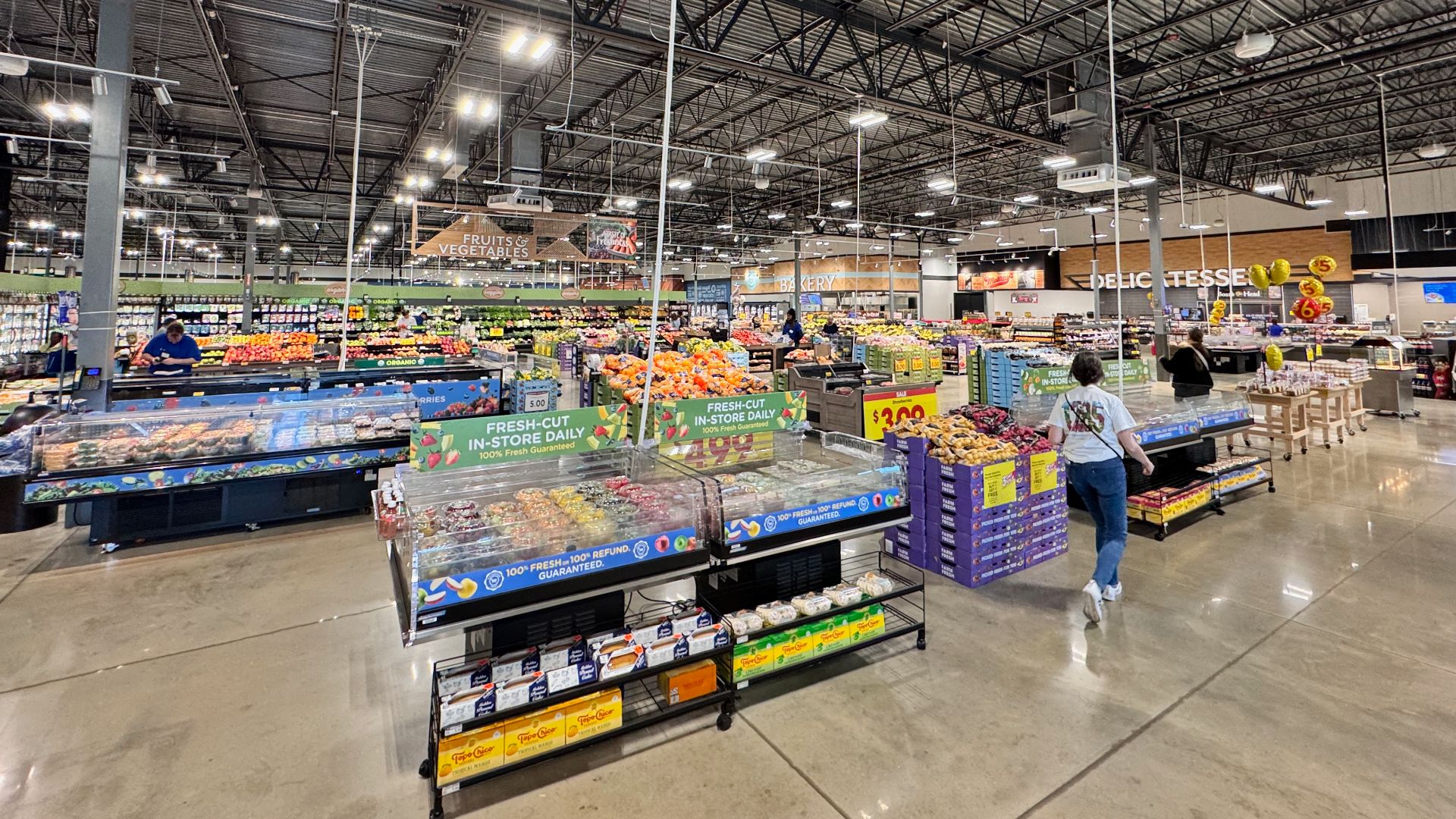
Even when the shelf price is identical for everyone, selective coupons can make two customers pay different effective prices. That distinction matters legally, but for your budget, it can still feel like the store is deciding who deserves the better deal.
Regulators Have Seen Much More Sophisticated Pricing Tools
The FTC’s 2025 surveillance-pricing study found that pricing intermediaries could use information such as location, demographics, browsing history, shopping history, mouse movements, and abandoned carts. Those systems can help retailers target prices, promotions, or product displays.
 safaritravelplus, Wikimedia Commons
Grocery Stores Are Part Of The FTC’s Concern
The FTC said the pricing intermediaries it studied worked with at least 250 clients across industries, including grocery retailers. The agency did not say every grocery chain uses individualized prices, but it found that the technology is already available.
The FTC Just Raised The Stakes
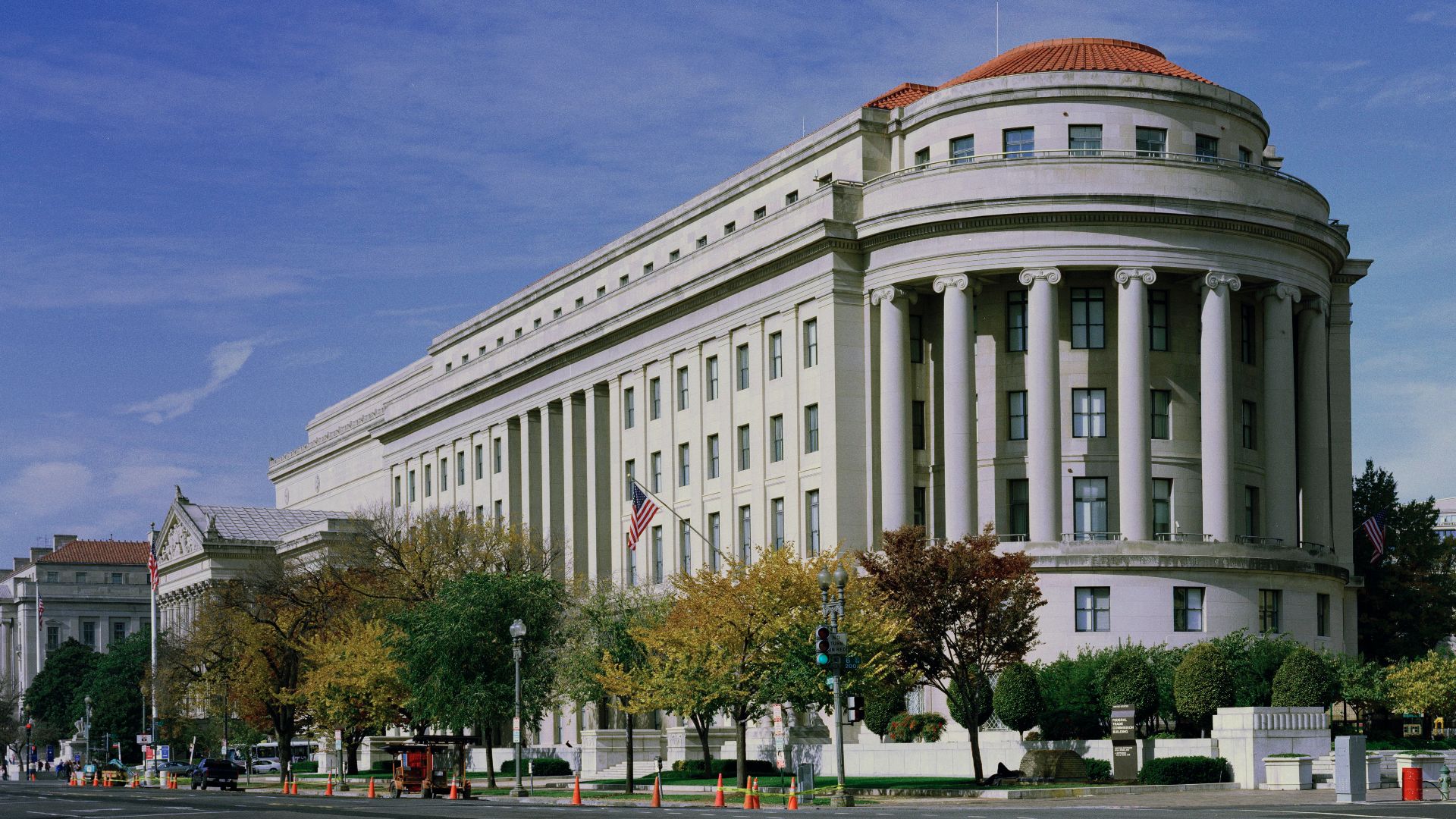
On August 19, 2026, the FTC proposed an enforcement policy stating that businesses using personal data to set individualized prices should clearly disclose that fact, the basis for the personalization, and the types of data involved when consumers would reasonably expect uniform pricing.
 Carol M. Highsmith (born 1946), Wikimedia Commons
But There Is No Nationwide Blanket Ban
The FTC says Congress has not given it authority to prohibit personalized pricing in every circumstance. Its current position instead focuses on unfairness and deception: hiding a data-driven pricing practice can create risk even when personalized pricing itself is not automatically forbidden.
Dynamic Pricing Is A Different Thing
Dynamic pricing changes prices because conditions change, such as demand, timing, inventory, or other market factors. Personalized pricing changes what a particular shopper sees because of information about that shopper. The techniques can overlap, but regulators treat them as distinct concepts.

Price Testing Is Different Again
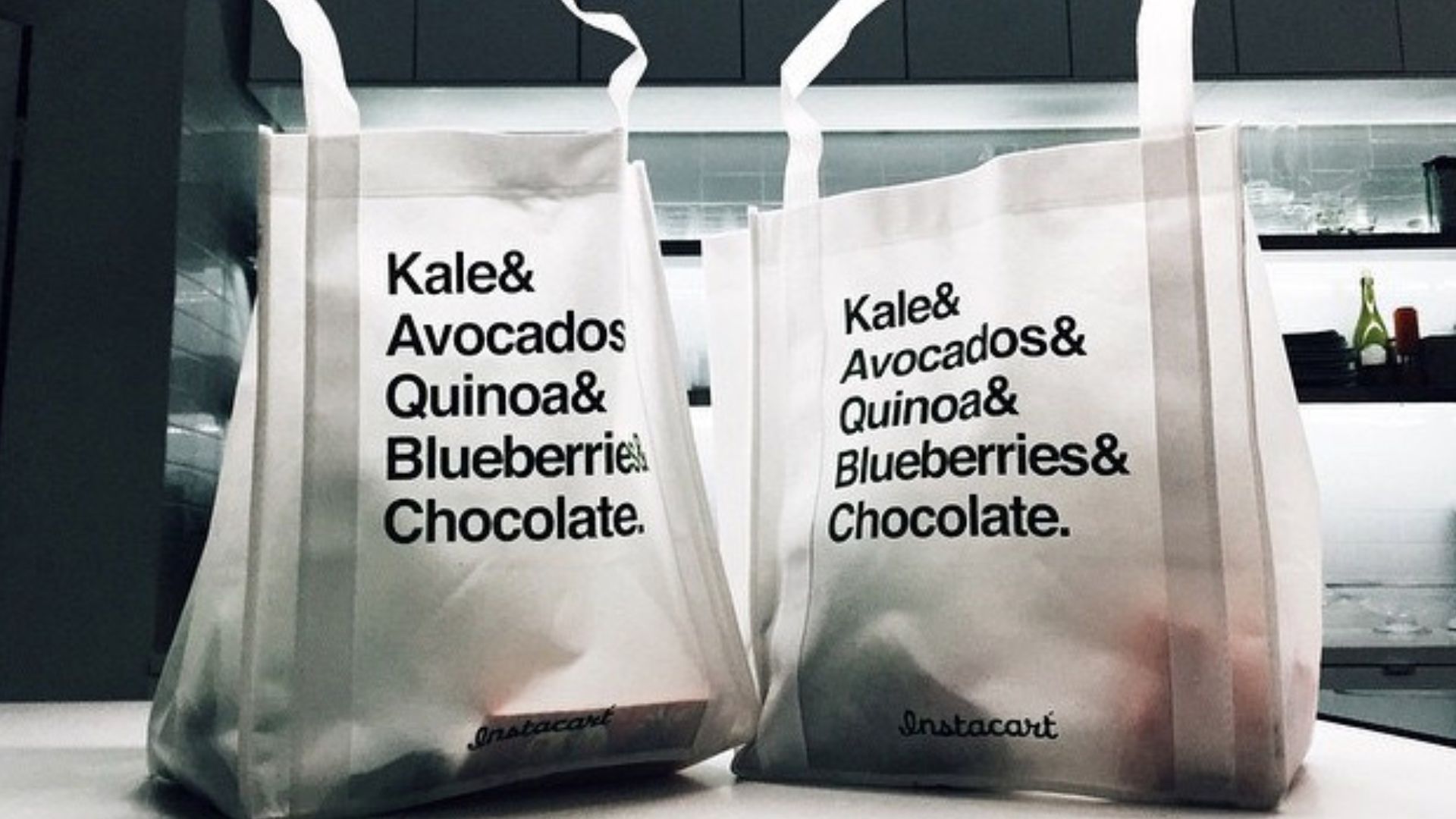
In 2025, Consumer Reports found that shoppers using Instacart sometimes saw different prices for the same items at the same stores and times. Instacart said those tests were randomized rather than based on personal or demographic data, distinguishing them from surveillance pricing.

Instacart Eventually Ended Those Tests
After criticism and regulatory attention, Instacart announced in December 2025 that it was ending item-level price experiments that could show different grocery prices to different shoppers. Consumer Reports found average basket differences of about 7 percent during its study.
 kristin sloan from New York, Wikimedia Commons
Different Prices Do Not Prove Surveillance Pricing
The Instacart controversy illustrates why the distinctions matter. Different customers can see different prices because of randomized tests or changing market conditions without personal data determining the result. Surveillance pricing specifically involves using personal data to tailor what a consumer pays.

New York Requires A Warning
New York’s algorithmic-pricing disclosure law took effect in November 2025. Businesses using personal data to set personalized algorithmic prices generally must display a clear notice stating that the price was set by an algorithm using the consumer’s personal data.

Maryland Is Going Further For Groceries
Maryland enacted a 2026 law that will prohibit food retailers and third-party food-delivery services from using consumer personal data to set prices and from engaging in covered dynamic-pricing practices. The law is scheduled to take effect October 1, 2026.
 Quintin Soloviev, Wikimedia Commons
California Allows Loyalty Incentives With Conditions
California privacy law allows businesses to offer promotions, discounts, and other benefits in exchange for personal information, but covered businesses must follow specific rules. The state has required loyalty programs to provide notices explaining financial incentives and obtain appropriate opt-in consent.

Colorado Also Recognizes Bona Fide Loyalty Programs
Colorado’s privacy rules define a bona fide loyalty benefit as an offer of a superior price, rate, quality, level, or selection. But using loyalty-program data for a secondary purpose such as targeted advertising can require separate consent under the Colorado Privacy Act.

So A Member-Only Price Can Be Legitimate
A clearly advertised loyalty price available to anyone who joins is different from a secret price calculated specifically for you. Privacy and disclosure requirements vary by state, but merely offering members a lower price than nonmembers is not, by itself, evidence of manipulation.
 Boxed Water Is Better, Unsplash
Compare What You See Before Assuming
New York’s attorney general recommends comparing your price with what other shoppers see and comparing personalized discounts across accounts. You can compare the same item or offer across accounts to see whether shoppers are being shown different deals.

Private Browsing Can Be A Useful Test
The FTC’s 2026 proposal notes that informed consumers may use private browsing or a virtual private network to avoid some forms of personalized pricing. That will not defeat every system, but it can help reveal whether location, cookies, or account history affect an online price.

Ask What The Store Knows About You
Privacy laws in states including California and Colorado give covered consumers rights to access certain personal information businesses hold about them. California also provides rights to correct inaccurate information, delete data in many circumstances, and opt out of certain sales or sharing.
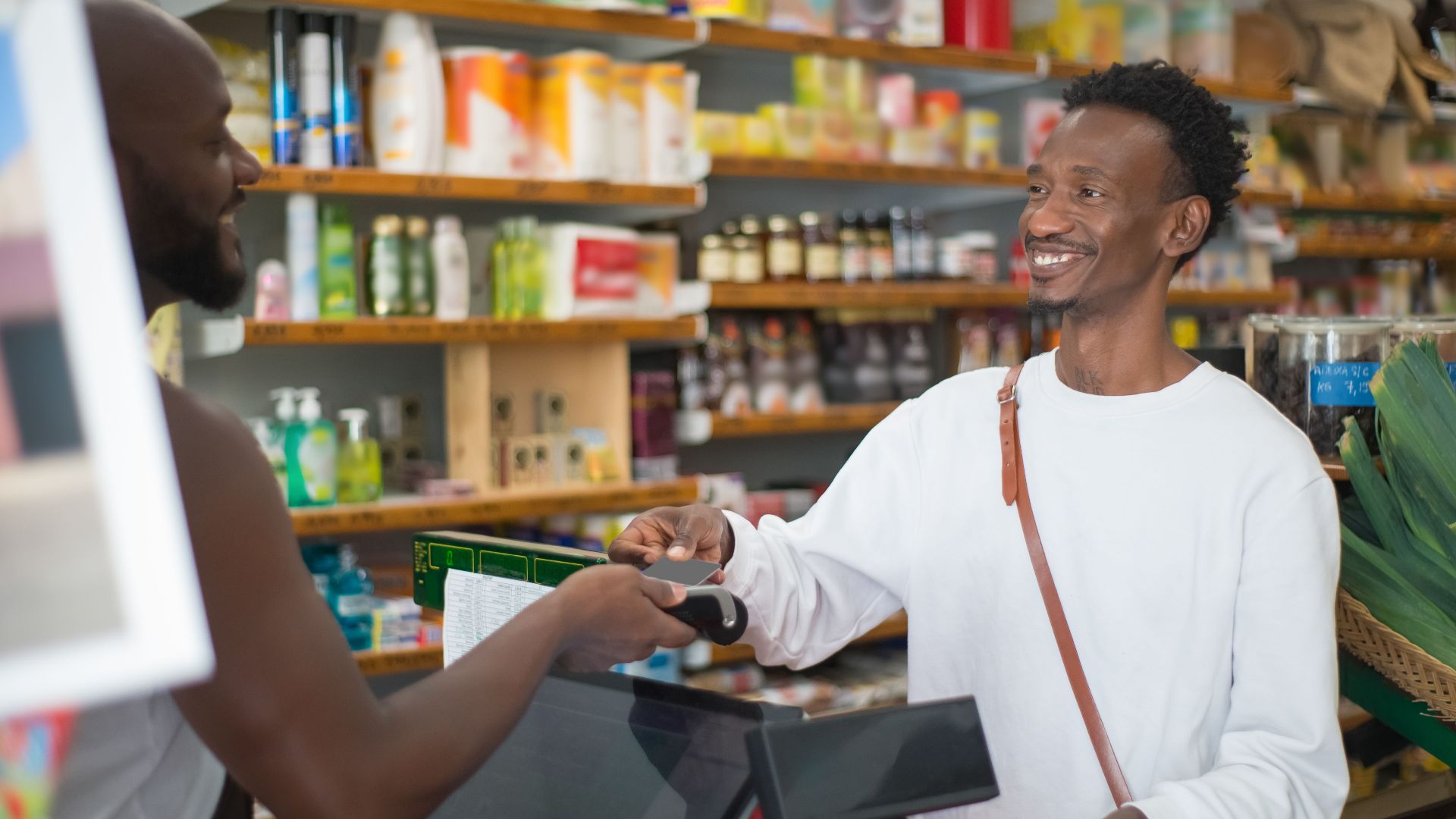
Read The Loyalty Program’s Privacy Notice
The privacy policy should explain what information the retailer collects, why it collects it, and whether it shares or sells data. In California and Colorado, covered businesses face specific disclosure duties, so the notice can reveal more than the loyalty-program signup screen.

Save Evidence If A Price Looks Suspicious
If the same product appears at meaningfully different prices for different logged-in shoppers, take screenshots showing the item, time, store, and account status. New York’s attorney general encourages consumers to report undisclosed personalized algorithmic pricing when they encounter it.
 https://kaboompics.com/, Pexels
The Bottom Line
Your supermarket can often personalize coupons and loyalty offers, but that does not give it unlimited freedom to secretly calculate whatever price it thinks you will pay. The legality depends on how the price is set, what data is used, what is disclosed, and which state’s rules apply.

You May Also Like: