
The Deed Is Done: Now What?
Your parents wanted to make inheriting the family home easier, so they signed something called a “lady bird deed.” Now one sibling claims the house belongs entirely to them, while everyone else feels cheated. Can a simple deed really change who inherits the property? And what happens if your parents never explained their intentions?
 Minerva Studio, Shutterstock; Factinate Ltd
It's Not An Ordinary Deed
A lady bird deed, also called an enhanced life estate deed, allows a homeowner to designate who receives a property when the owner dies. Unlike an ordinary life estate deed, it generally lets the owner retain unusually broad control during life. That difference is the key to understanding the arrangement.

The House Bypasses Probate
One major attraction is avoiding probate, the court-supervised process of administering an estate. When the owner dies, the property generally passes directly to the beneficiary named in the deed, assuming the deed remains valid and effective. That can save time and legal expenses, but it also surprises relatives expecting the house to pass through a will.

Your Parents Remain In Control
With a properly drafted lady bird deed, your parents generally retain the right to live in the house, sell it, mortgage it, or change the future beneficiary without obtaining that beneficiary's permission. They're not simply handing over control immediately. The intended recipient's interest remains subject to those retained powers while the owners are alive.

A Will Doesn't Control Everything
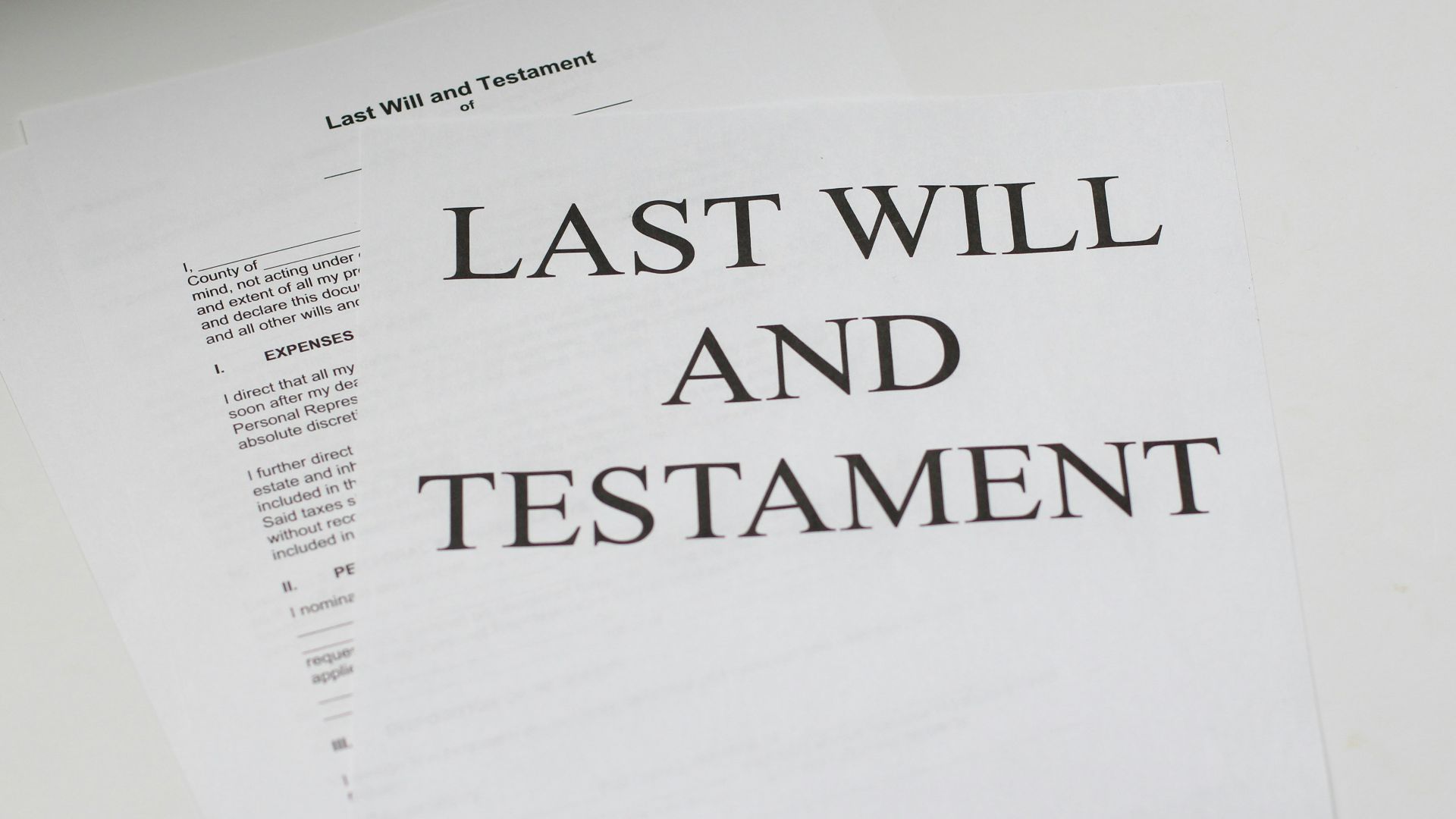
Here's where inheritance disputes begin. A will might say that all children should share the estate equally. But a valid lady bird deed generally transfers the house outside the will. If the deed names only one child, that child may receive the property even though the will divides the remaining estate among all the siblings.
The Name Has A Story
Despite the nickname, this deed wasn't created for Lady Bird Johnson, President Lyndon Johnson's wife. The name is commonly traced to a fictional character used in an attorney's estate-planning materials. The legal arrangement itself is much older. Its unusual nickname simply stuck.
 https://kaboompics.com/, Pexels
Not Every State Recognizes Them
Lady bird deeds are associated with states including Florida, Michigan, and Texas. They're not a universally available estate-planning device, and the rules can be very different from one state to the next. Other jurisdictions may offer transfer-on-death deeds instead. The law governing the property's location matters more than where your parents or siblings currently live.

They're Not Part Of Wills
People often say their parents “put a lady bird deed in the will,” but that's not technically how it works. A lady bird deed is a separate real estate document, ordinarily signed and recorded in the county land records. Your parents may have arranged it alongside their wills, but the two documents perform different legal functions.

One Child Could Get Everything
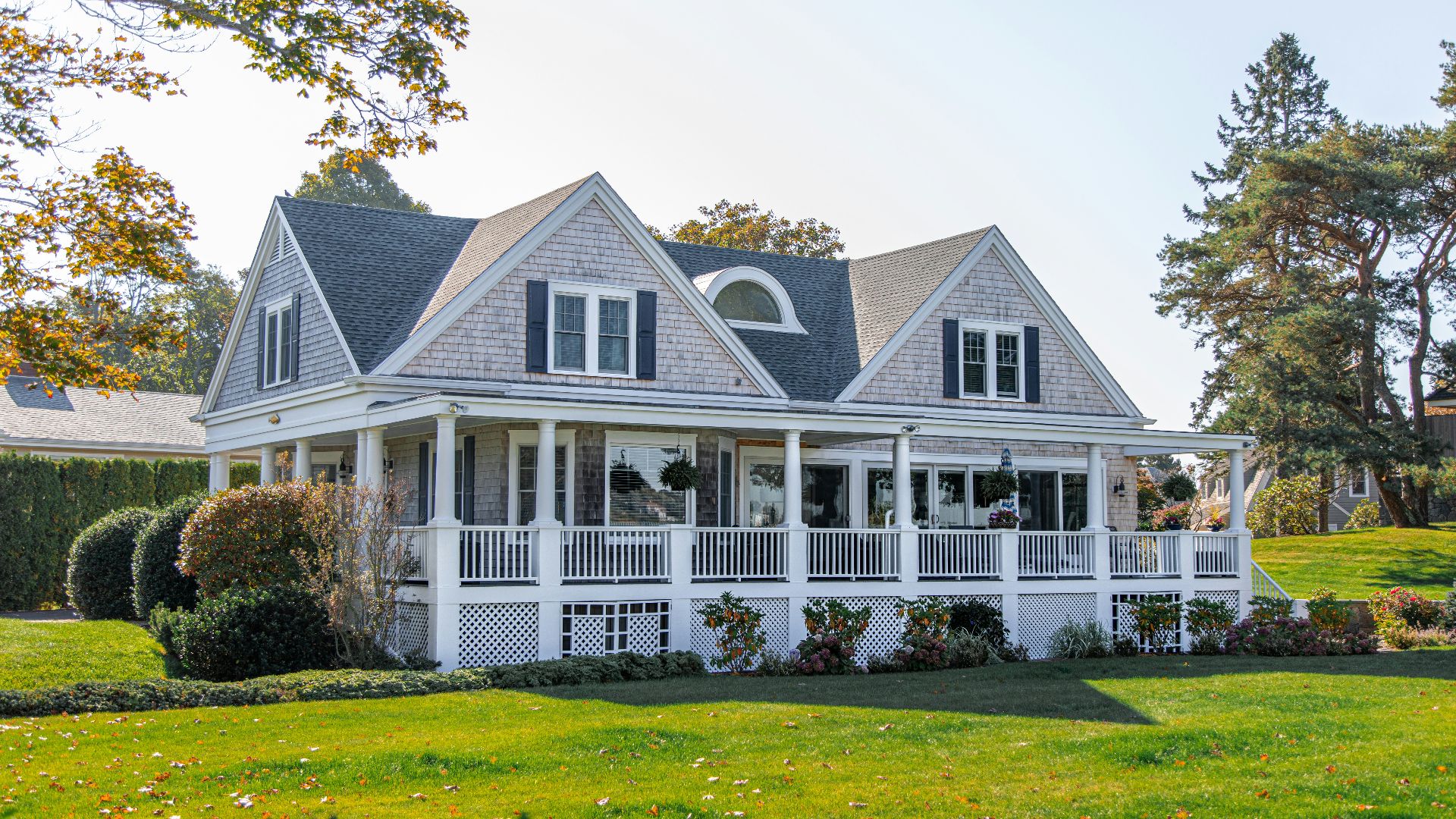
Suppose your parents owned a $400,000 home and named your sister as its sole beneficiary. If the deed remained effective when the last owner died, your sister might receive the entire house. The other children wouldn't automatically receive compensation merely because they were also named in the will.
But That Doesn't Prove Favoritism
An unequal result doesn't necessarily mean your parents intended to disinherit anyone. They might have named one child because that child provided care, contributed toward the mortgage, or promised to distribute proceeds. Unfortunately, an informal family understanding may be difficult to enforce when the deed itself names only one beneficiary.

Multiple Beneficiaries Create Complications
Depending on state law and deed wording, parents may be able to designate multiple beneficiaries. That can preserve equal ownership, but it doesn't guarantee harmony. Siblings inheriting together must decide whether to sell, rent, or maintain the property. One may want immediate cash while another wants to keep the family home.

What If A Beneficiary Dies?
Suppose your parents named your brother, but he died before them. Does his share pass to his children, your surviving siblings, or someone else? The answer depends on the deed's language and applicable law. Some arrangements lack convenient backup-beneficiary provisions, potentially creating an unexpected inheritance problem.

Parents Can Change Their Minds
While they're alive and legally capable, owners generally can revoke or modify a properly drafted lady bird deed. They might replace one beneficiary with another or abandon the arrangement altogether. That flexibility is useful, but it also means siblings shouldn't assume an earlier deed necessarily reflects their parents' final intentions.

Selling The House Changes Everything
Imagine your mother signed a lady bird deed naming you, then sold the house five years later to pay for assisted living. The retained powers generally permit that sale without your approval. You wouldn't automatically inherit the sale proceeds merely because you were listed as the future recipient of the property.

A Mortgage Doesn't Disappear
Inheriting through a lady bird deed doesn't magically eliminate a mortgage, tax lien, or other valid encumbrance. The beneficiary receives the property subject to existing obligations. Mortgage terms and federal borrower protections may affect what happens next, so heirs should contact the loan servicer before making decisions.

Medicaid Is A Major Reason
Some families use lady bird deeds to reduce exposure to Medicaid estate recovery, through which states may seek reimbursement for certain long-term-care costs after a recipient dies. In some jurisdictions, keeping the home outside probate can help. But protections depend on state law, the owner's circumstances, and how the deed is drafted.

It's Not A Medicaid Loophole
A lady bird deed doesn't guarantee Medicaid eligibility or protect every property against every recovery claim. States have different rules about countable assets, estate recovery, and transfers. If your parents anticipated nursing-home expenses, an elder-law attorney should examine the entire financial picture rather than relying on the deed alone.

Taxes Can Surprise Heirs
Inherited property generally receives a federal income-tax basis determined by its fair market value at death, subject to applicable rules. A properly structured lady bird deed may preserve that treatment. But property taxes, reassessments, state rules, and later capital gains can still affect what beneficiaries ultimately keep.

Property Taxes May Change
The property-tax treatment your parents enjoyed might not continue unchanged after their deaths. Homestead exemptions, assessment caps, and ownership-change rules vary considerably. Inheriting a house with low annual taxes doesn't guarantee you'll keep paying the same amount. That can make retaining the property unexpectedly expensive.

Creditors Can Still Matter
Avoiding probate isn't the same as making a property immune from creditors. Existing mortgages and liens generally remain relevant, while creditor rights against inherited property depend on state law and the circumstances. A beneficiary's own debts or financial troubles can also create problems once ownership passes.

Spousal Rights Can Complicate Things
Your parents might not have been free to designate the house however they pleased. State homestead laws, marital-property rules, and surviving-spouse protections can restrict transfers. Florida, for example, has constitutional homestead inheritance protections involving spouses and minor children. A deed conflicting with those rules may not produce the intended result.

What If Someone Applied Pressure?
A sibling who arranged the paperwork may be accused of manipulating an elderly parent. But simply helping with estate planning doesn't prove wrongdoing. A legal challenge generally needs evidence of something more substantial, such as undue influence, fraud, lack of mental capacity, or improper execution. Family suspicion alone isn't enough.

A Badly Written Deed Hurts
Enhanced life estate deeds require careful wording. Missing retained powers, an incorrect property description, or unclear beneficiary provisions can create serious title problems. Unlike some standardized transfer-on-death deeds, lady bird deeds may rely heavily on established legal drafting practices. Trying to save money with an unsuitable online form can become expensive later.

Find The Recorded Document
If your parents have died, start by obtaining a copy of the recorded deed from the county recorder, register of deeds, or clerk's office where the house is located. Check the named owners, beneficiaries, recording date, and any subsequent deeds. Don't rely solely on a sibling's description of what the paperwork supposedly says.

Compare The Entire Estate Plan
Next, review the will, any trusts, later deeds, and relevant estate documents. Determine who owned the property when the deed was signed and whether both parents' interests were properly addressed. An estate attorney can assess whether the deed is valid, whether it controls the house, and whether a challenge has a realistic basis.

Fairness And Legality Differ
Your siblings may feel excluded, and perhaps your parents never anticipated the disagreement. But an unequal inheritance isn't automatically an unlawful one. The decisive questions are what your parents legally arranged, whether they understood it, and whether the documents were properly executed. Before anyone threatens litigation, establish what the deed actually does.

You May Also Like: