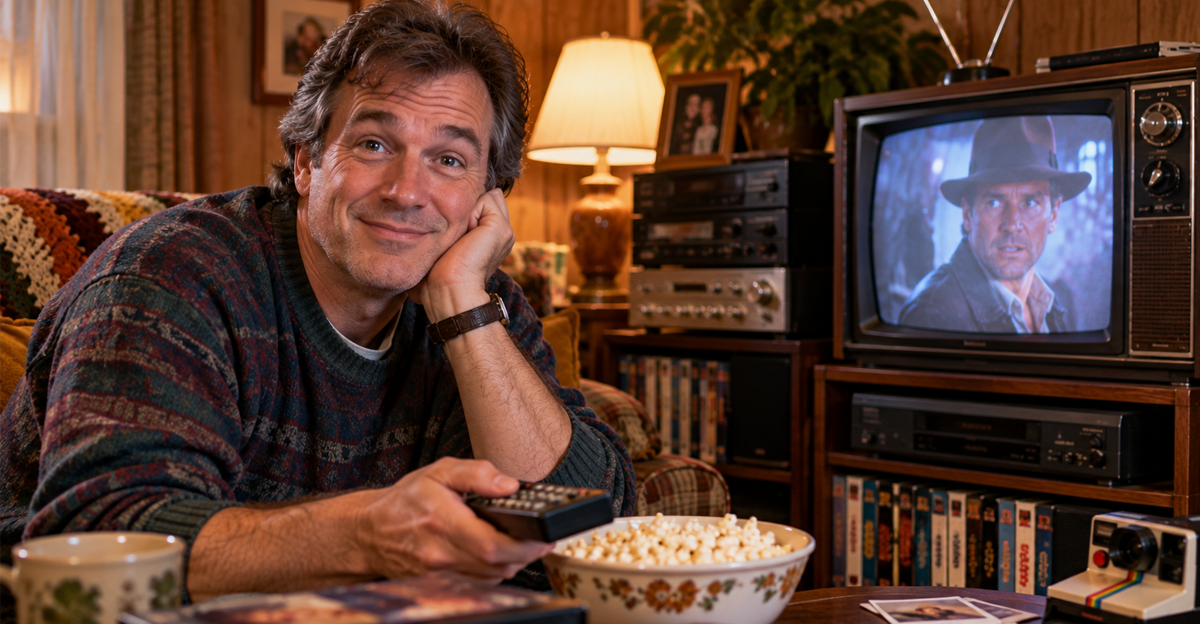
The Brands That Once Seemed Unkillable
There was a time when certain company names were practically part of the furniture. Their televisions, cameras, computers, movie rentals, records, and gadgets helped decide how American families spent an evening at home. Then technology changed, and some of the most familiar names in the country discovered just how quickly a dominant business could become yesterday's habit.
 Factinate LTD.man happy about 80s tech companies in his living room lol
RCA Was Practically Synonymous With Television
For generations of Americans, the RCA name appeared right in the middle of the living room. The company was deeply tied to the development and commercialization of television, and RCA sets became a familiar sight as TV transformed American entertainment. Even in the 1980s, RCA and GE together still held the largest share of the U.S. color television market.
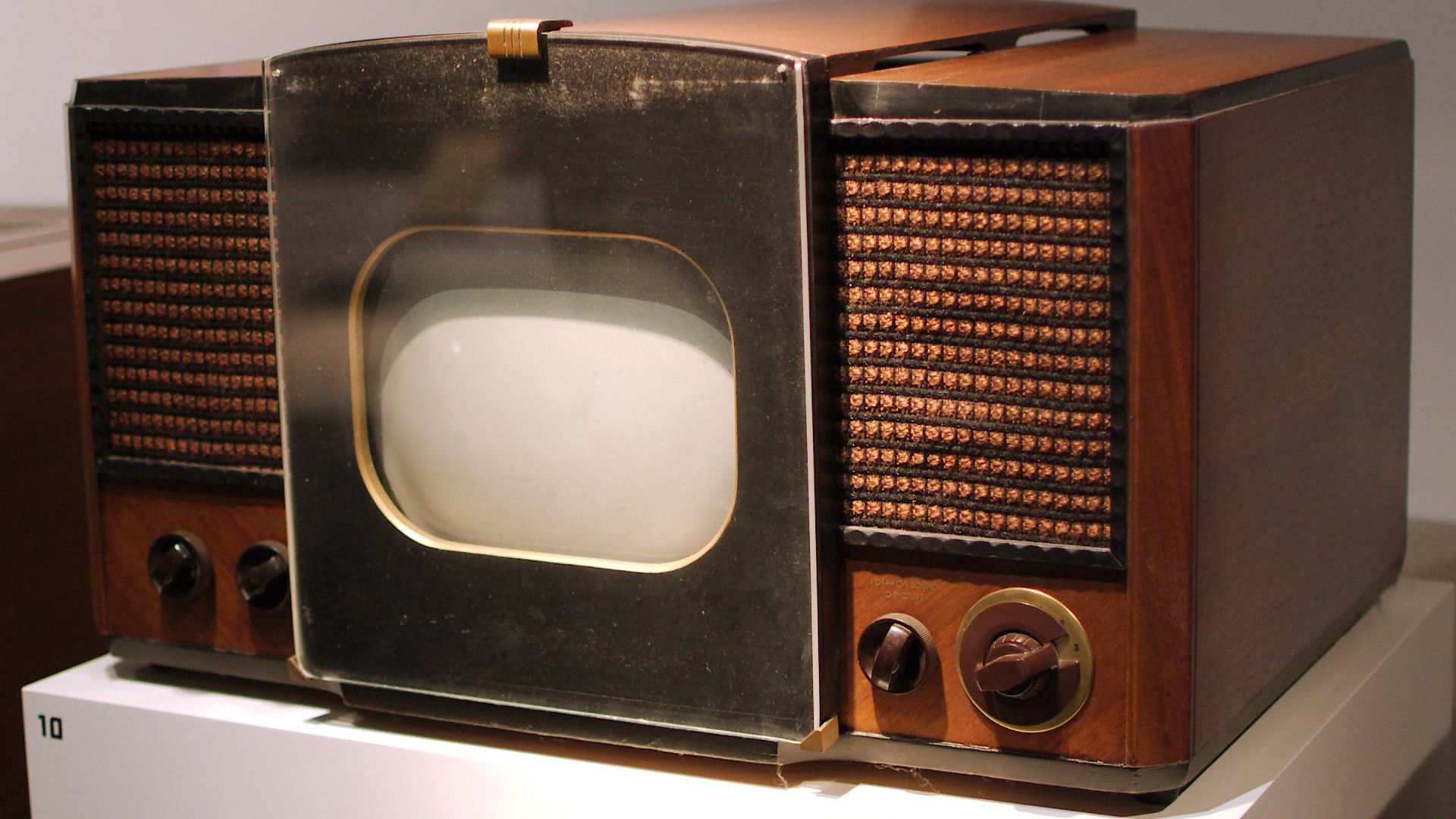
Then The Economics Of Television Changed
General Electric bought RCA in the mid-1980s, but consumer electronics no longer looked like such an attractive business. Intense competition from lower-cost foreign manufacturers had squeezed profits even while Americans kept buying TVs. GE sold its RCA and GE consumer-electronics operations to France's Thomson in 1987, and the familiar names remained on store shelves even as the American business behind them fundamentally changed.
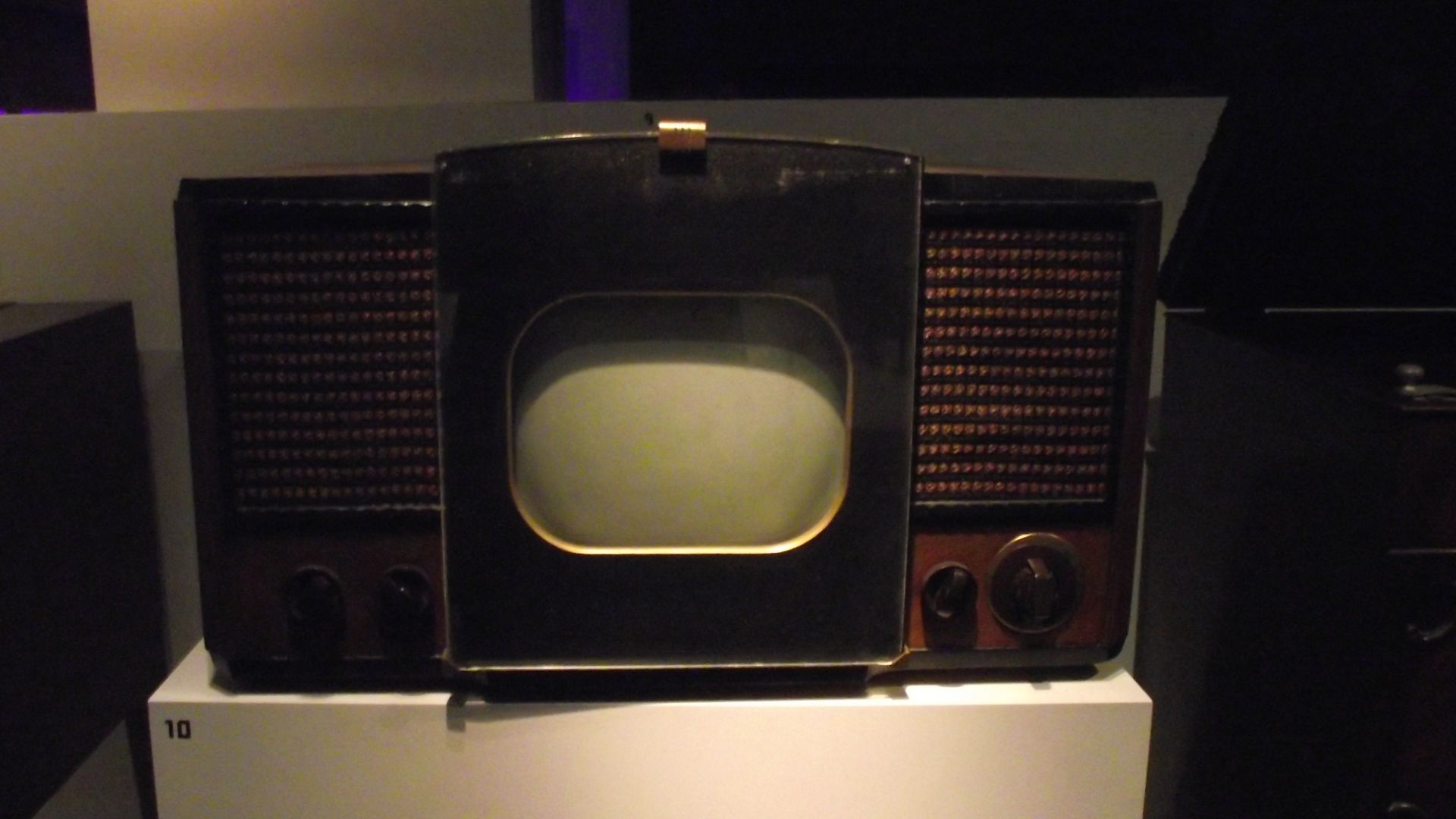
Zenith Was The Last Big American Holdout
As other U.S. television manufacturers retreated, Zenith became a symbol of the domestic industry's fight to survive. By 1987, it was being described as the last surviving major American color-TV manufacturer from a field that had once included names such as Admiral, Motorola, Magnavox, and Philco. That made Zenith's eventual fate feel less like one company's problem and more like the end of an era.
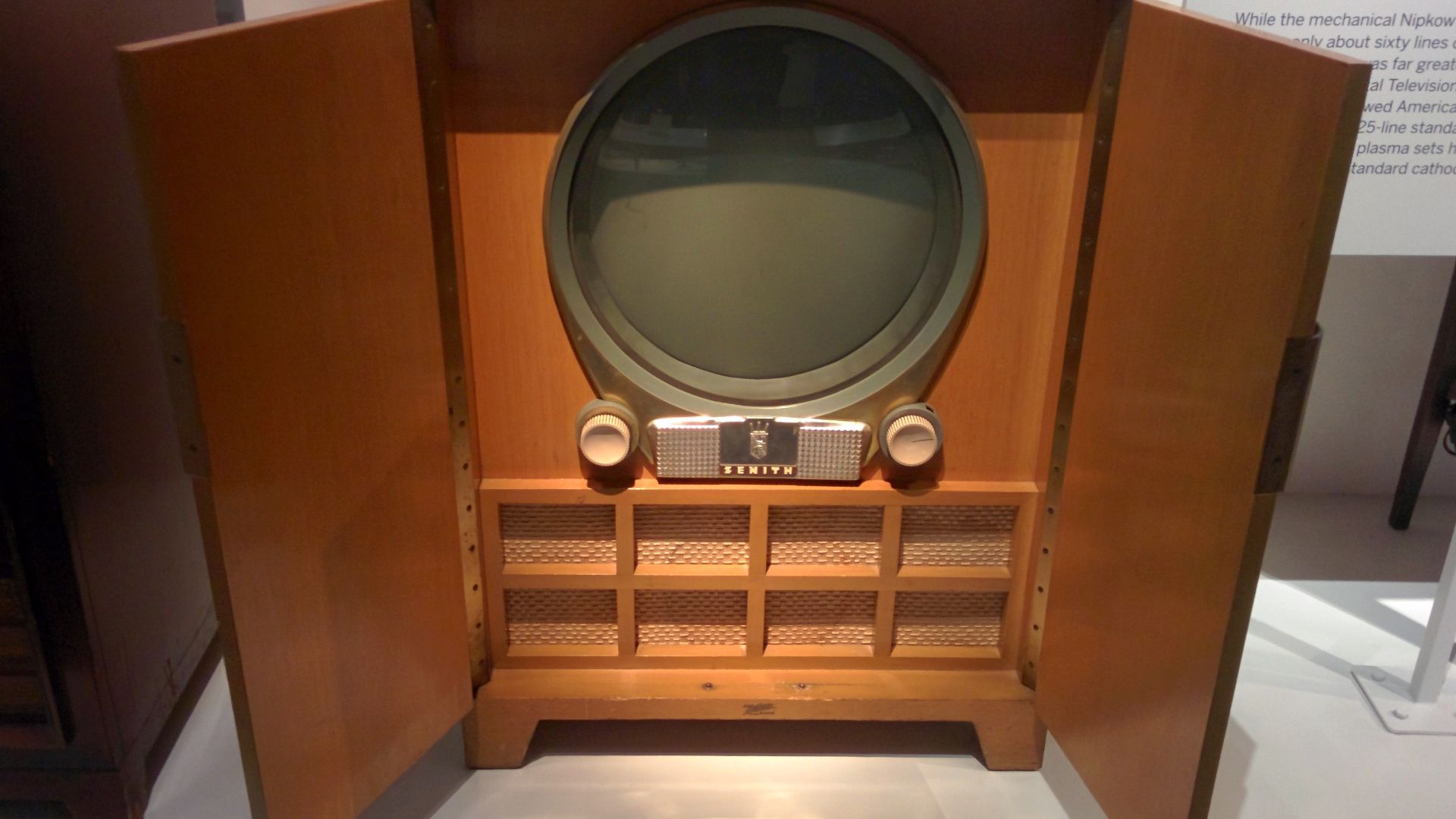 MusikAnimal, Wikimedia Commons
Even Zenith Could Not Hold Out Forever
By the end of the 1990s, Zenith's long fight was effectively over. After years of losses, Zenith filed for Chapter 11 in 1999 as part of a restructuring that left South Korea's LG in full control, and the company had already moved away from making its own television sets. The Zenith logo survived, but the independent American television powerhouse did not.
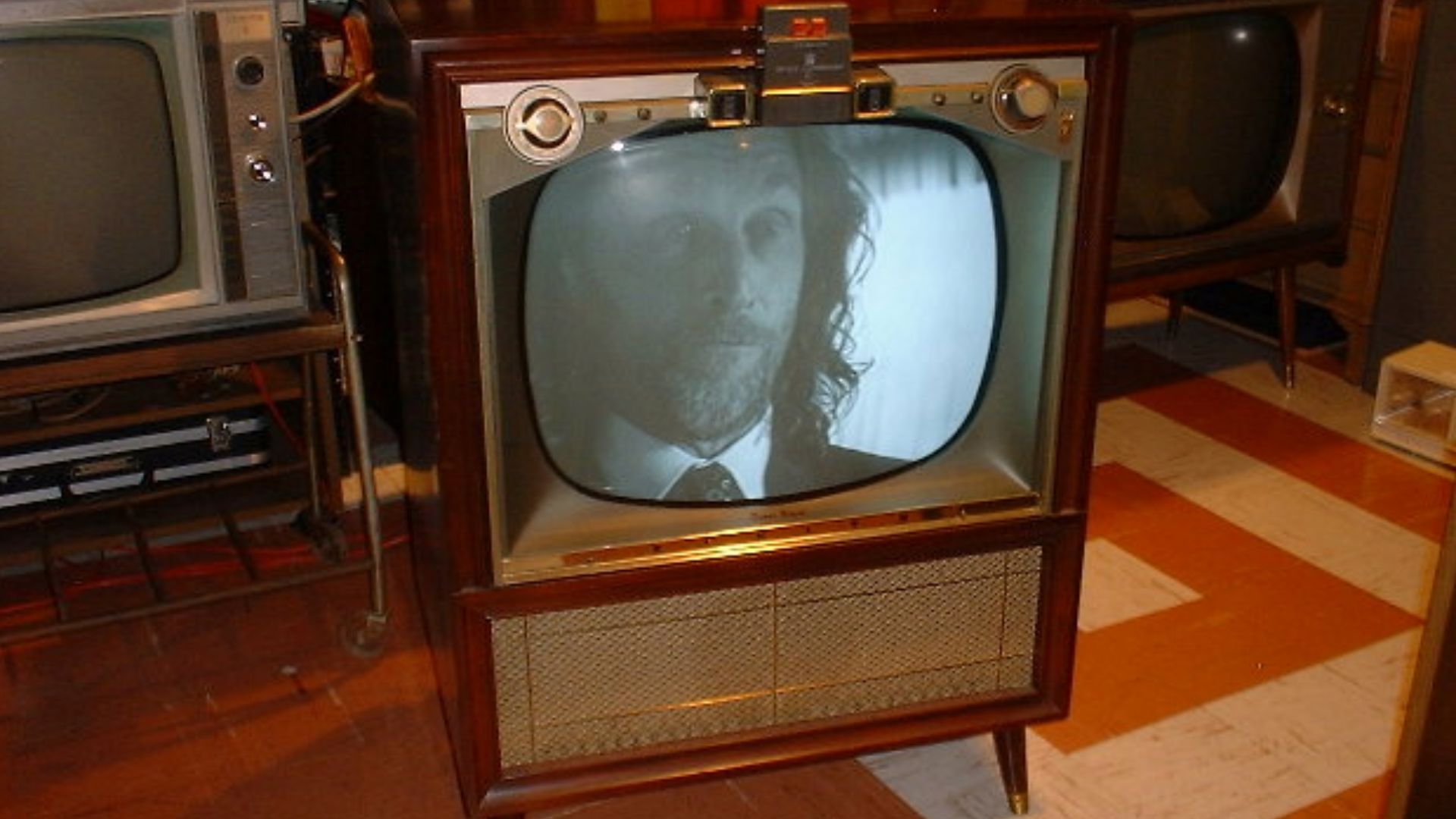
Magnavox Helped Turn The TV Into Furniture
Magnavox was once the kind of brand that could occupy a huge chunk of the family room, with televisions and elaborate stereo consoles designed almost like pieces of furniture. By the early 1960s, the company operated an enormous television manufacturing plant in Tennessee as Americans rushed to put TV sets in their homes. But Magnavox was also about to stumble into another technology that would change the living room completely.
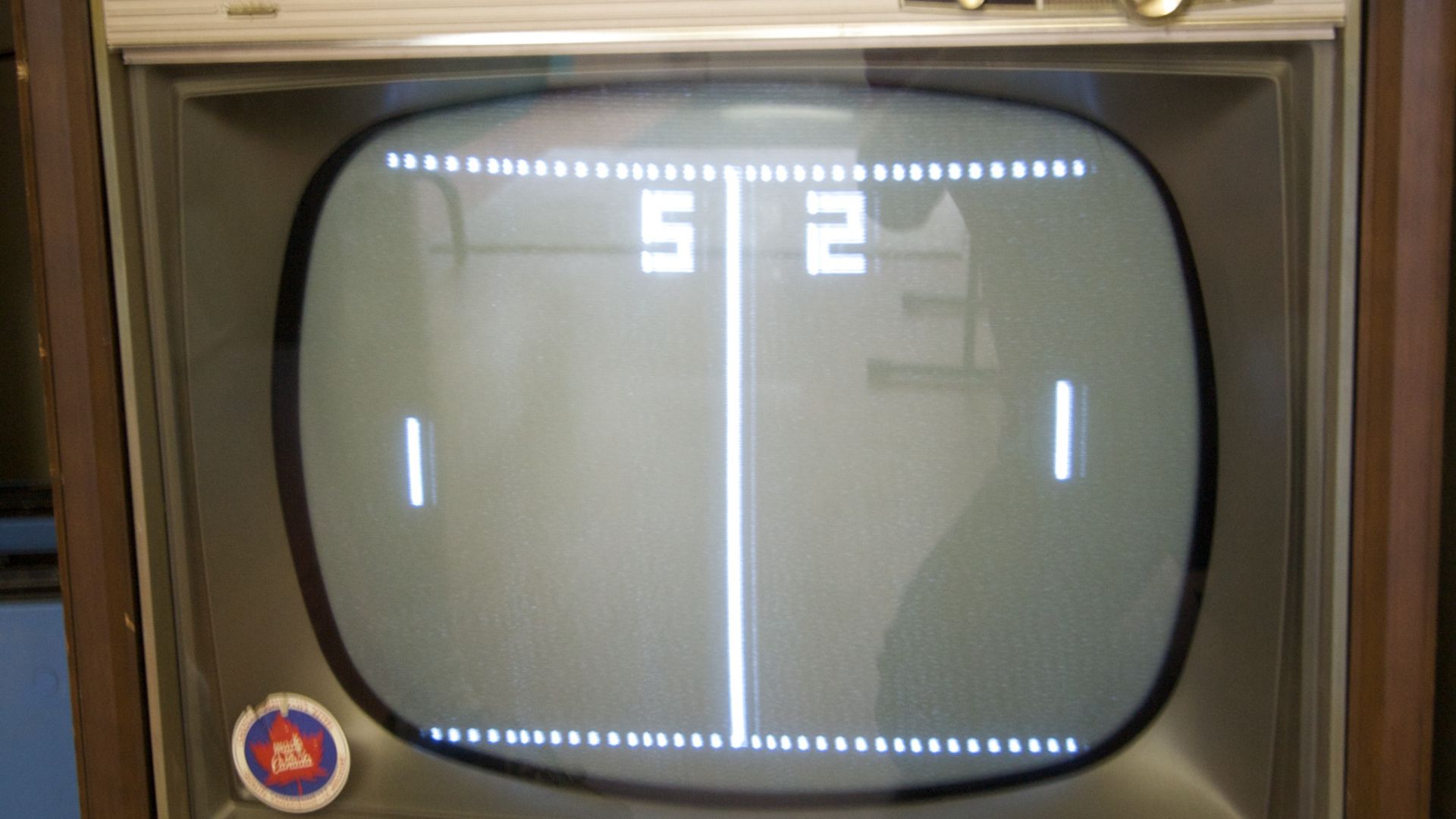 Marcin Wichary from San Francisco, U.S.A., Wikimedia Commons
Magnavox Also Put Video Games In The Living Room
In 1972, Magnavox released the Odyssey, based on Ralph Baer's pioneering work and widely recognized as the first commercial home video-game console. Magnavox was acquired by North American Philips later in the decade, and the brand gradually became part of a much larger electronics empire rather than the independent household force it once had been. Meanwhile, newer console makers would turn home gaming into a far bigger business than Magnavox itself ever captured.
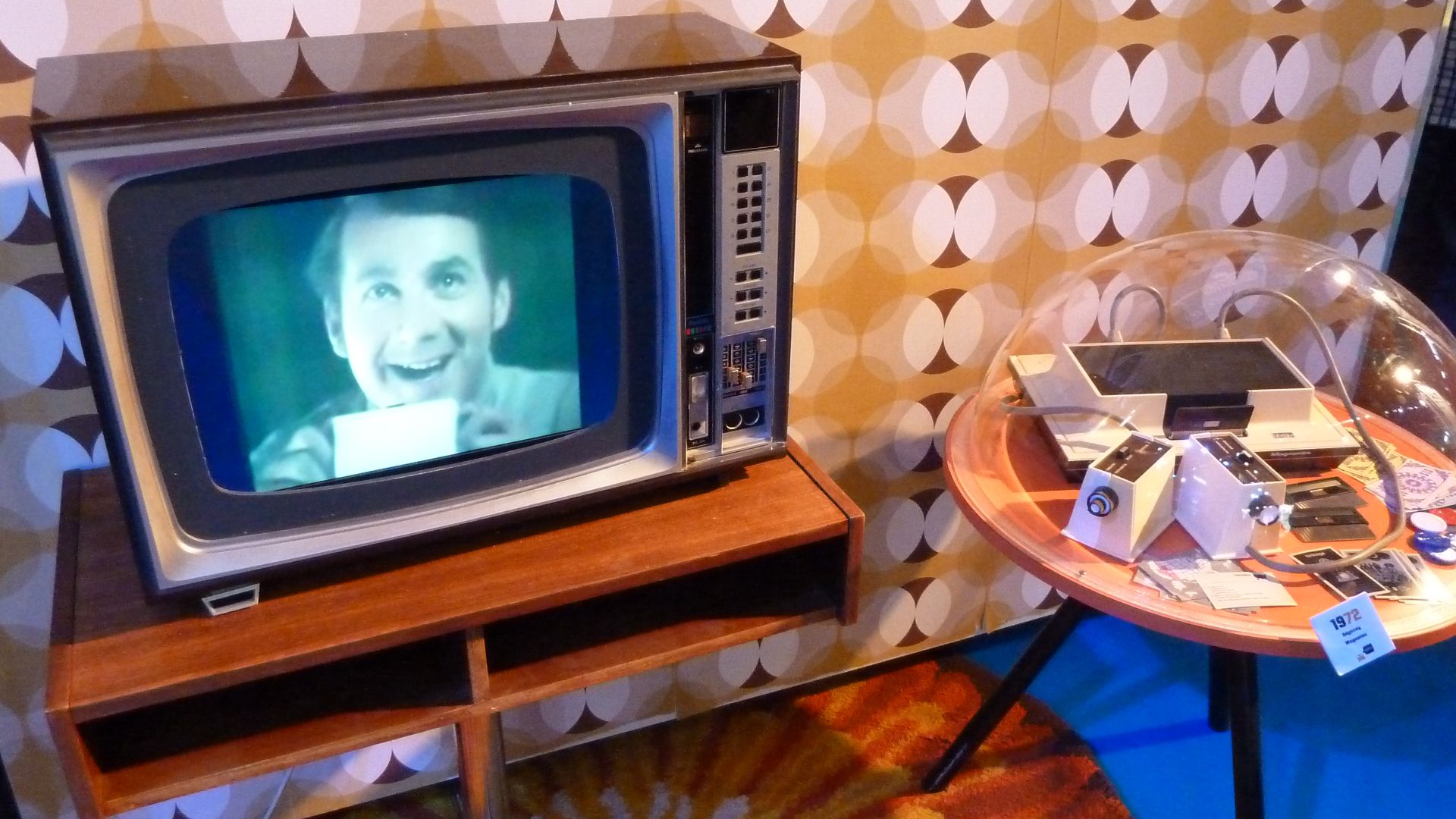
Atari Once Looked Like The Future Of Fun
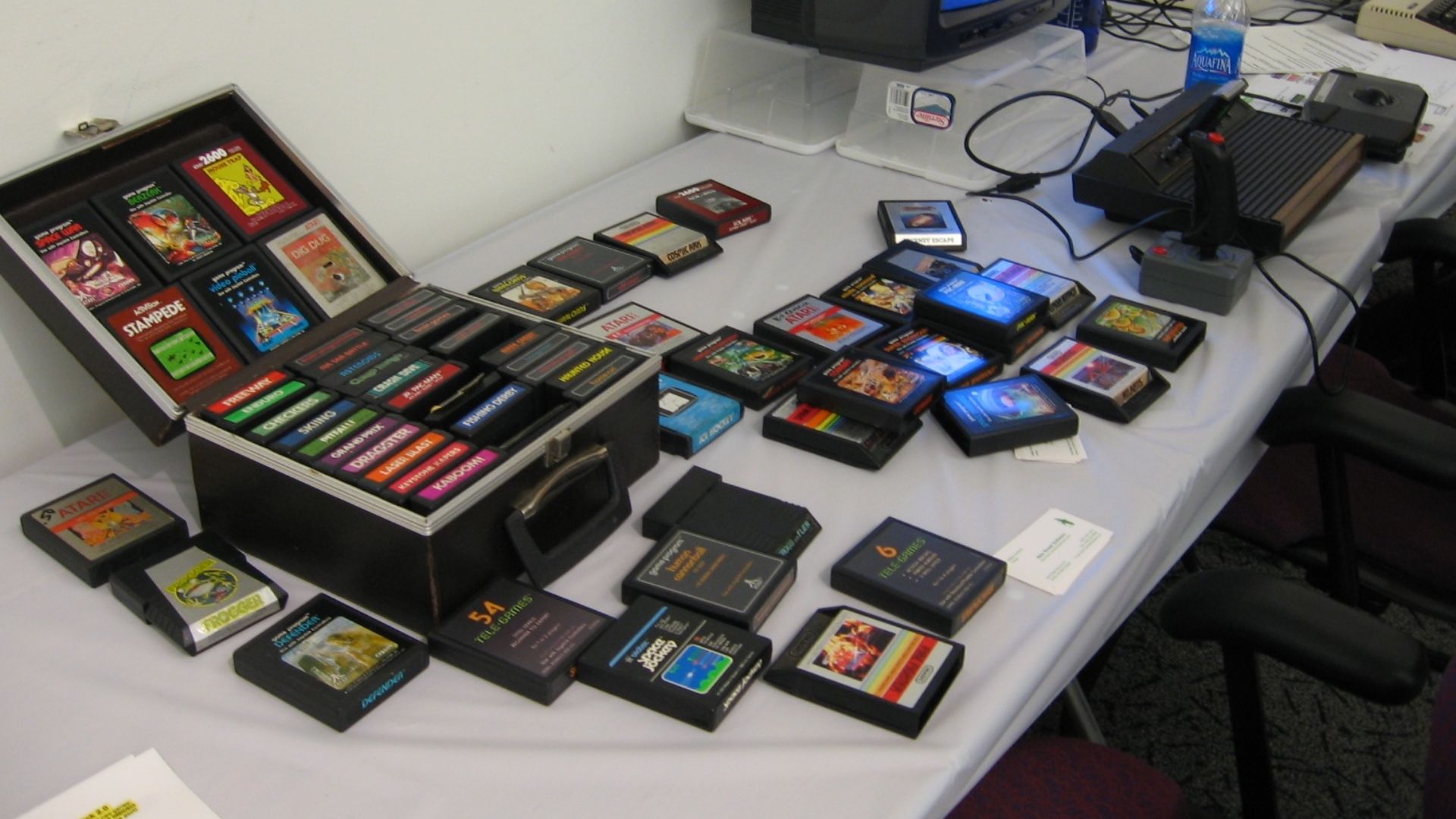
Long before PlayStation or Xbox, an Atari console could make a television feel like an entirely new machine. The Atari 2600 helped turn cartridge-based video games into a mainstream home pastime, while Atari became one of the defining names of the early console boom. For a few years, it was hard to imagine home gaming without it.
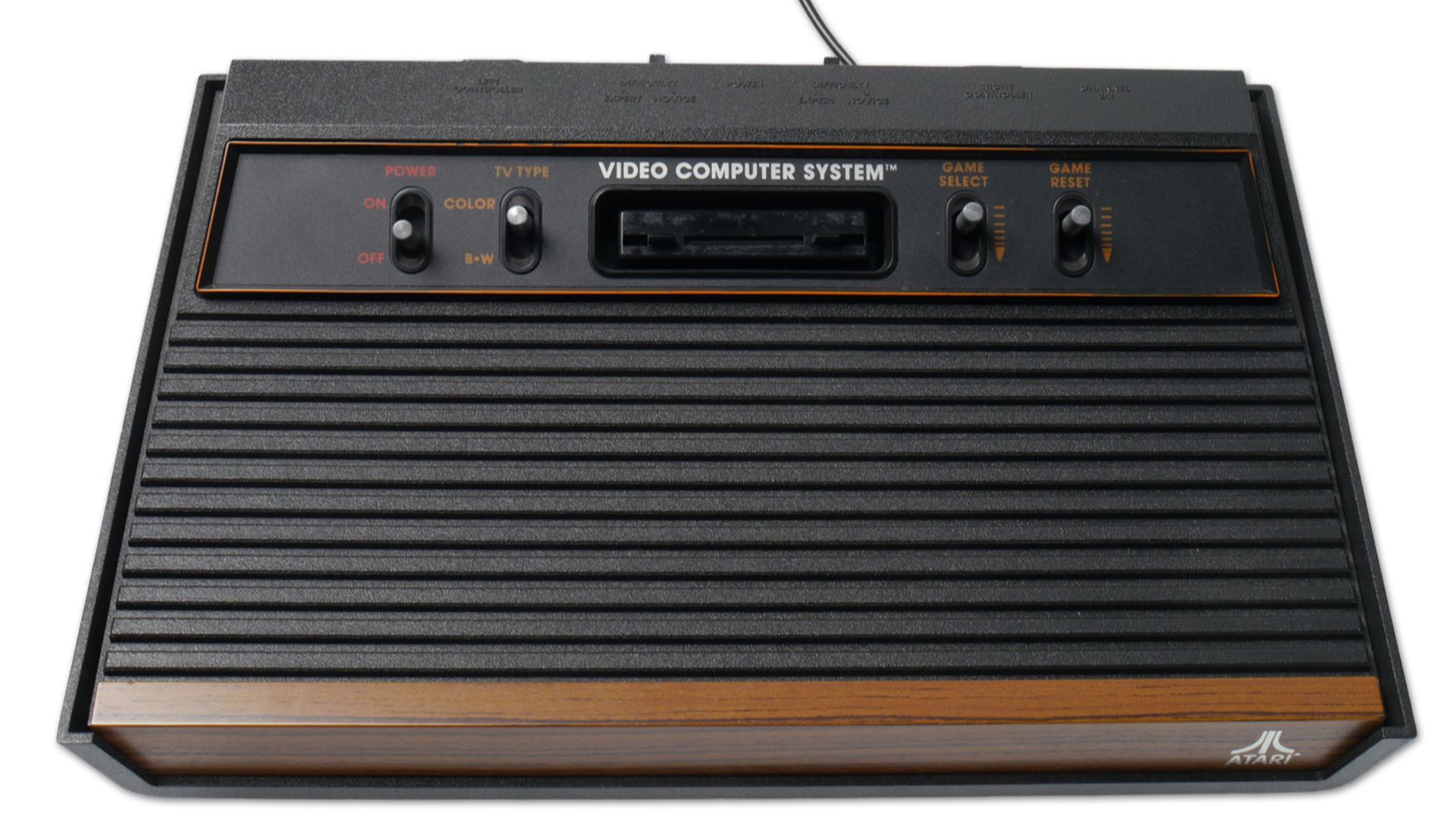 Studio Alijn, Wikimedia Commons
Then The Video-Game Market Imploded
The North American video-game market crashed in the early 1980s after explosive growth gave way to a flood of consoles and games, swollen inventories, falling consumer confidence, and brutal competition. Atari suffered enormous losses, and Warner Communications sold its home-computer and home-console operations in 1984. Gaming eventually came roaring back under companies such as Nintendo, but Atari would never again command the American living room the way it once had.
 Marcin Wichary from San Francisco, Calif., Wikimedia Commons
Commodore Put Computers In Ordinary Homes
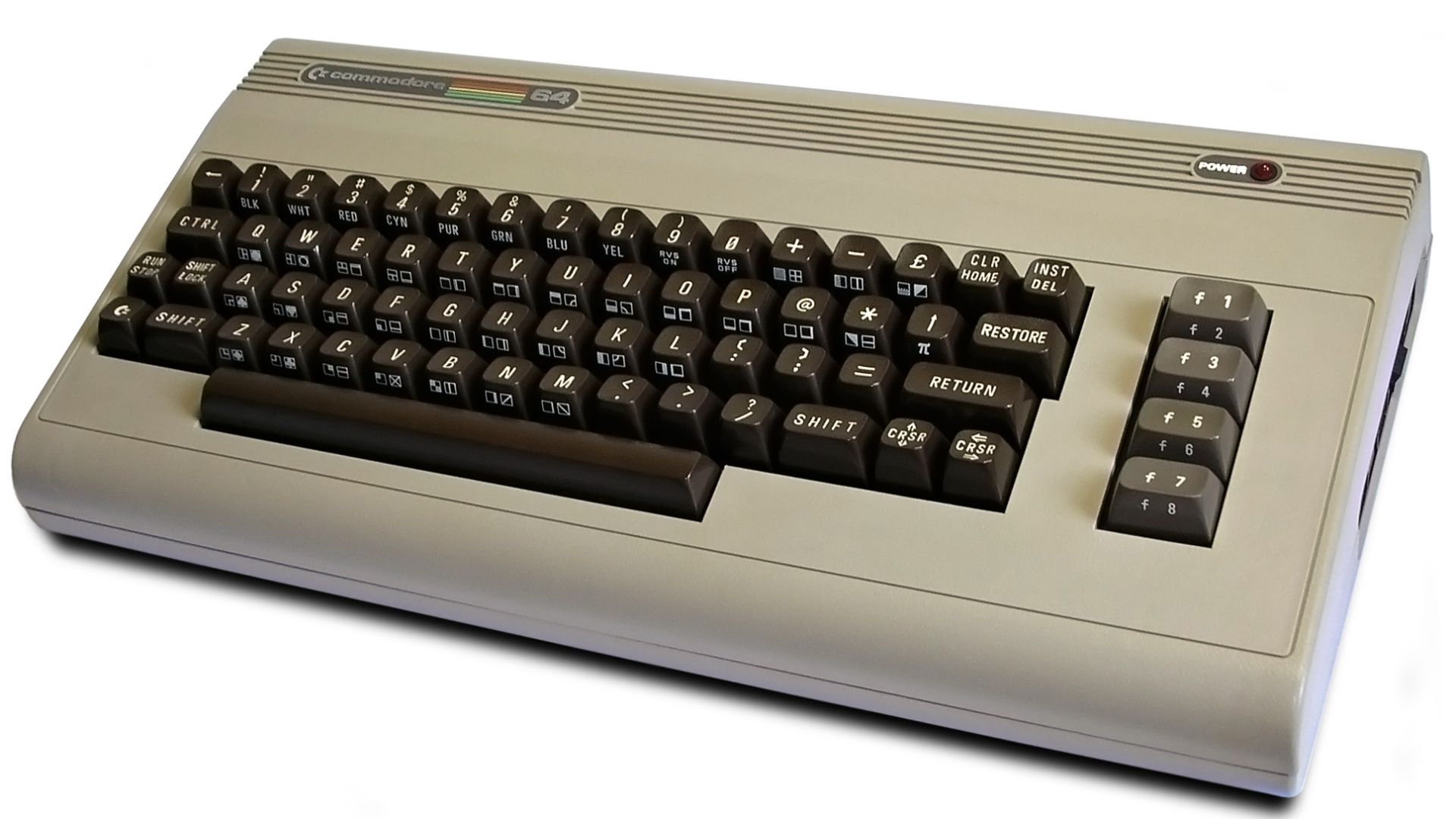
Before home PCs became office-like beige boxes, Commodore helped convince families that a computer could be affordable, entertaining, and useful. Its machines became major players in early home computing, and the Commodore 64 in particular became one of the era's defining computers. For many households, the first computer did not say IBM or Apple on the front.
 Bill Bertram, Wikimedia Commons
The Computer World Moved Past Commodore
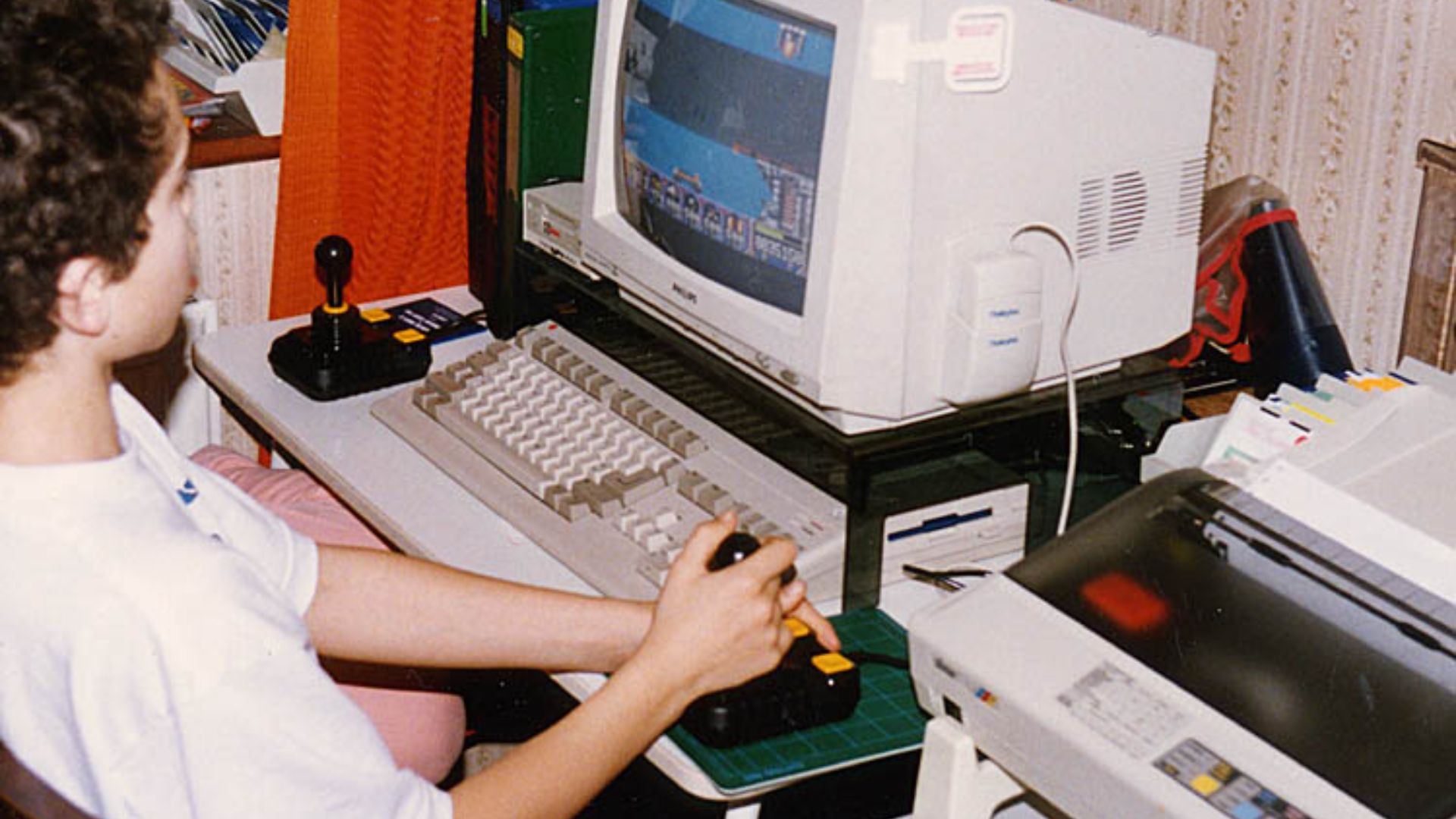
The computer market gradually shifted toward IBM-compatible PCs and Apple's Macintosh, while Commodore struggled to keep its own machines competitive and visible. The Amiga still attracted devoted fans and offered impressive multimedia abilities, but clever technology was not enough to overcome shrinking market share and serious financial problems. In 1994, Commodore announced that it was liquidating, ending one of home computing's most recognizable names.
 Adrian Pingstone, Wikimedia Commons
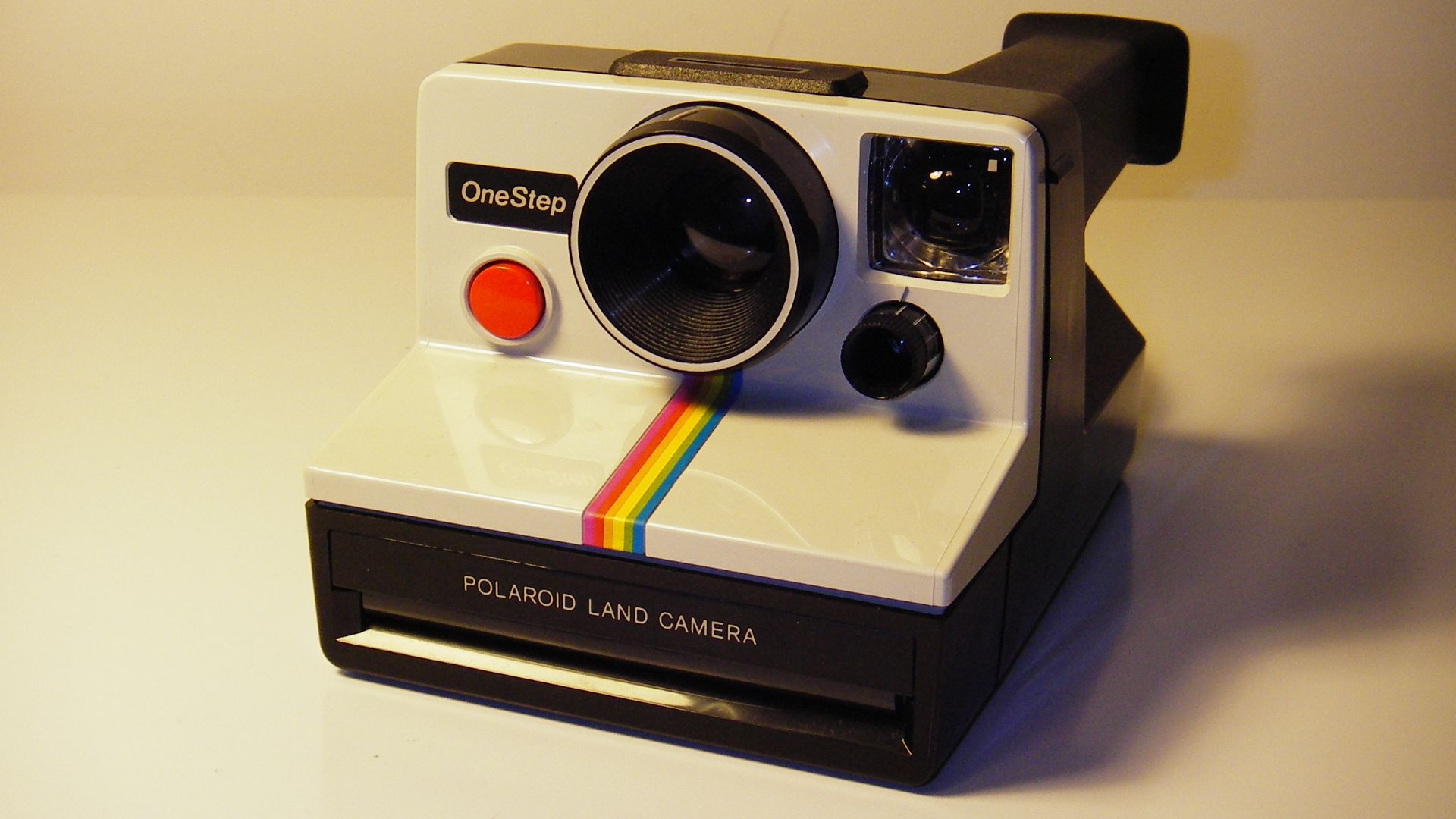
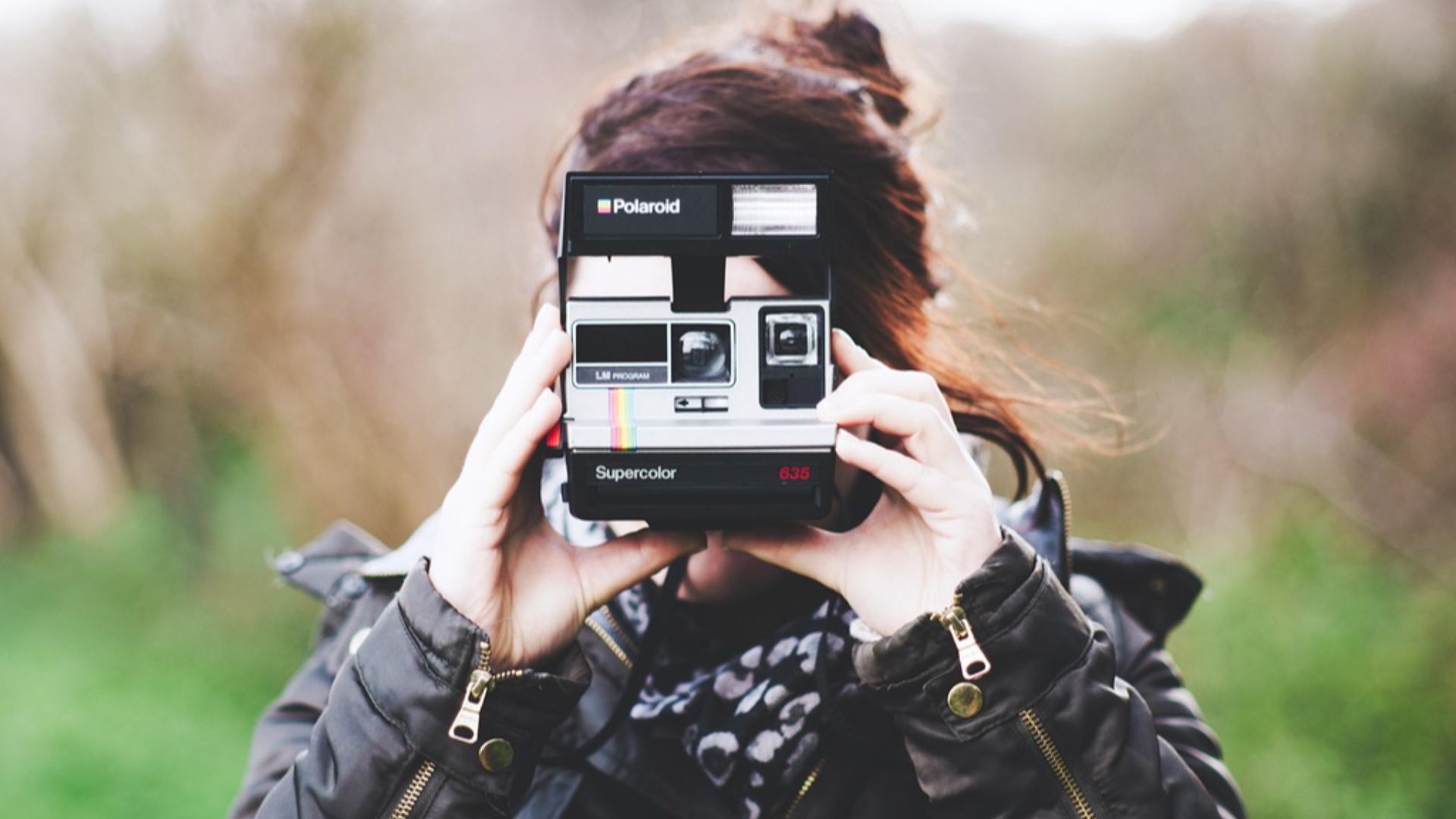
Polaroid Made Waiting For Photos Feel Ancient
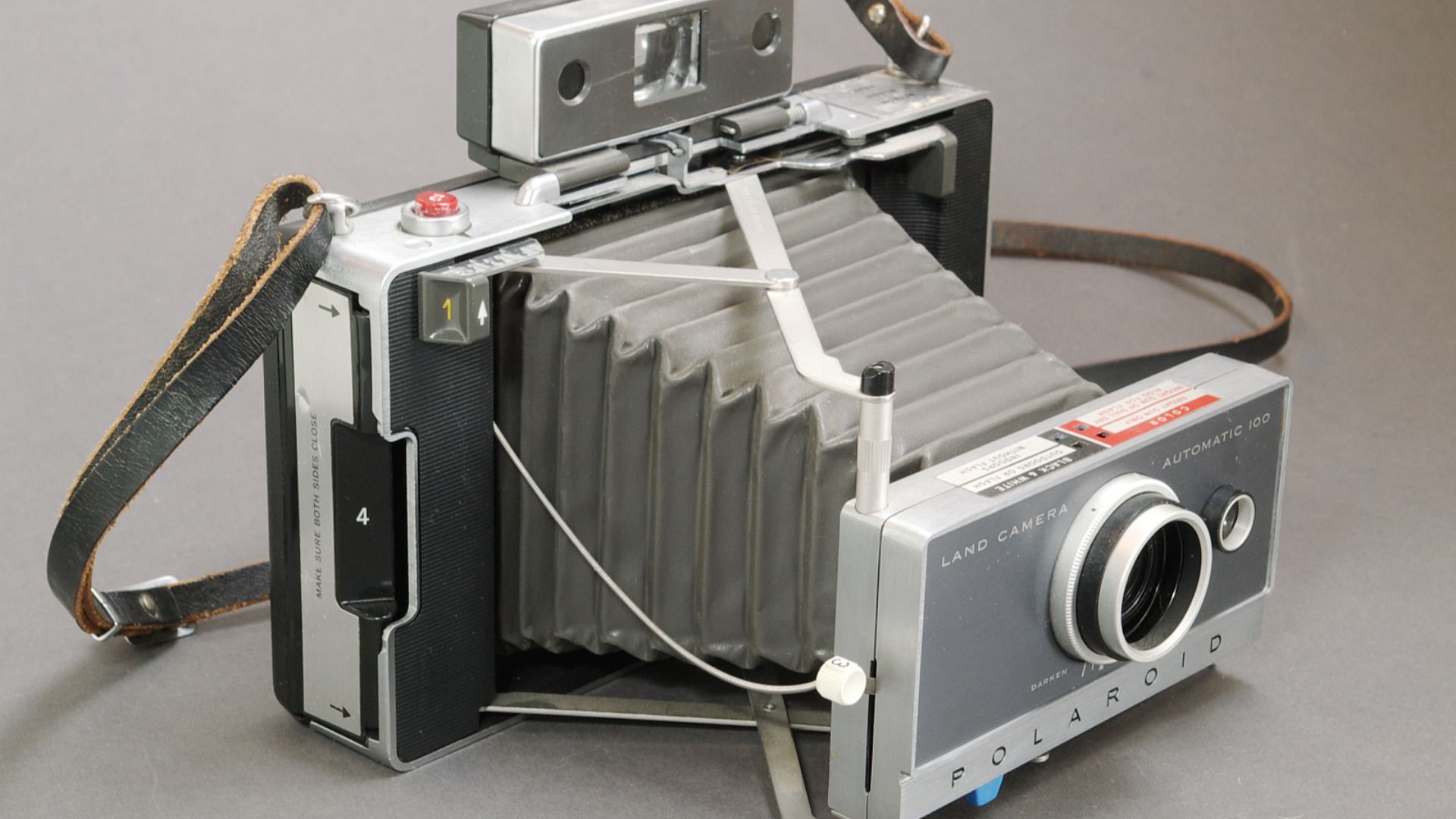
Polaroid's instant cameras performed something that once felt almost magical. Instead of finishing a roll of film and waiting for a lab, families could watch a photograph appear in their hands within minutes. The company's cameras became popular with ordinary consumers as well as professional photographers and artists.
Digital Photography Stole Polaroid's Big Advantage
The problem was that digital cameras eventually made Polaroid's biggest trick much less special. People could see a photo immediately without buying another pack of film, while Polaroid struggled to adapt and carried a heavy debt load. The original Polaroid Corporation filed for Chapter 11 bankruptcy protection in 2001, although both the brand and instant photography eventually found new lives.
 Mike from Vancouver, Canada, Wikimedia Commons
Kodak Owned The Family-Memory Business
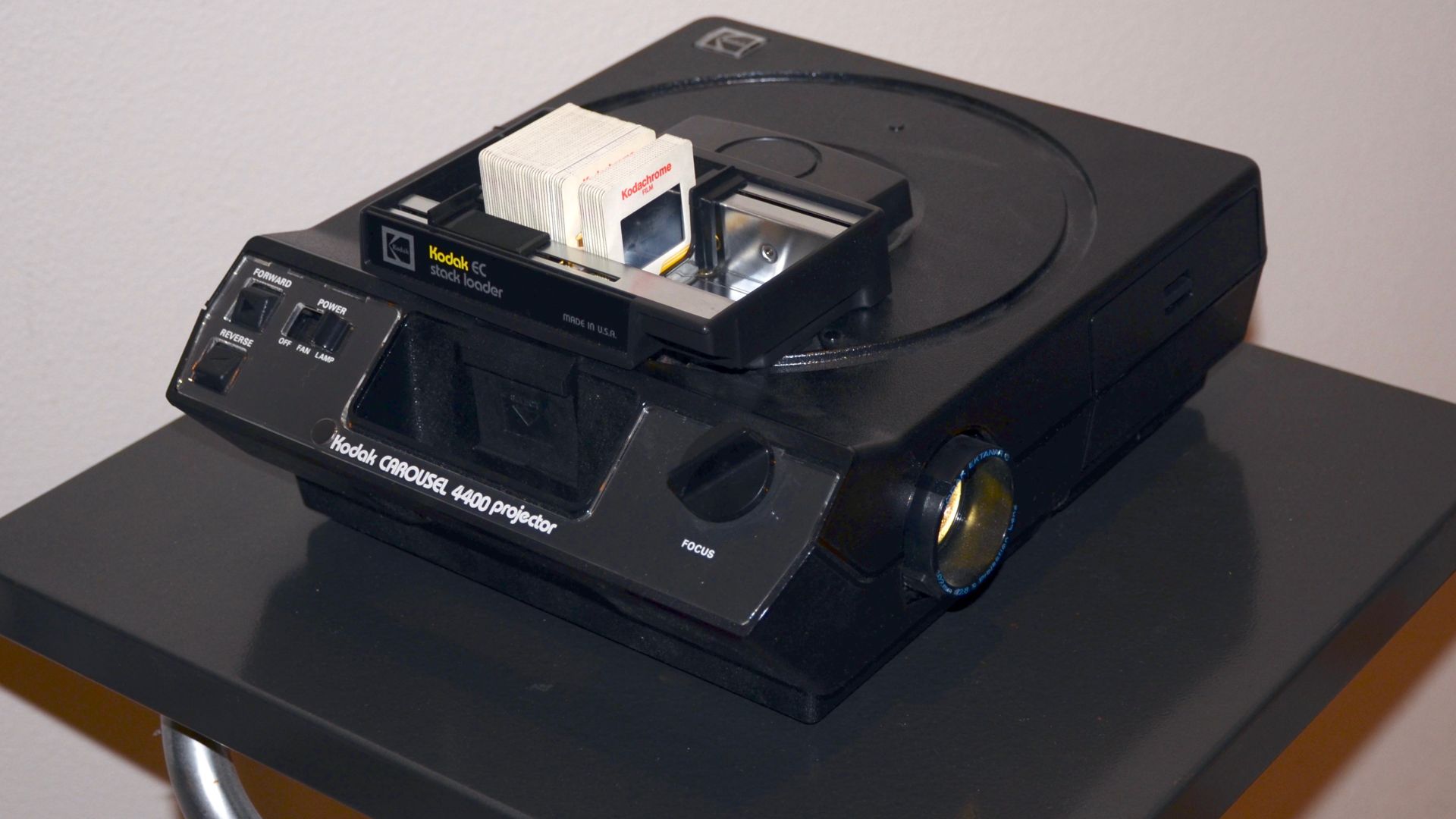
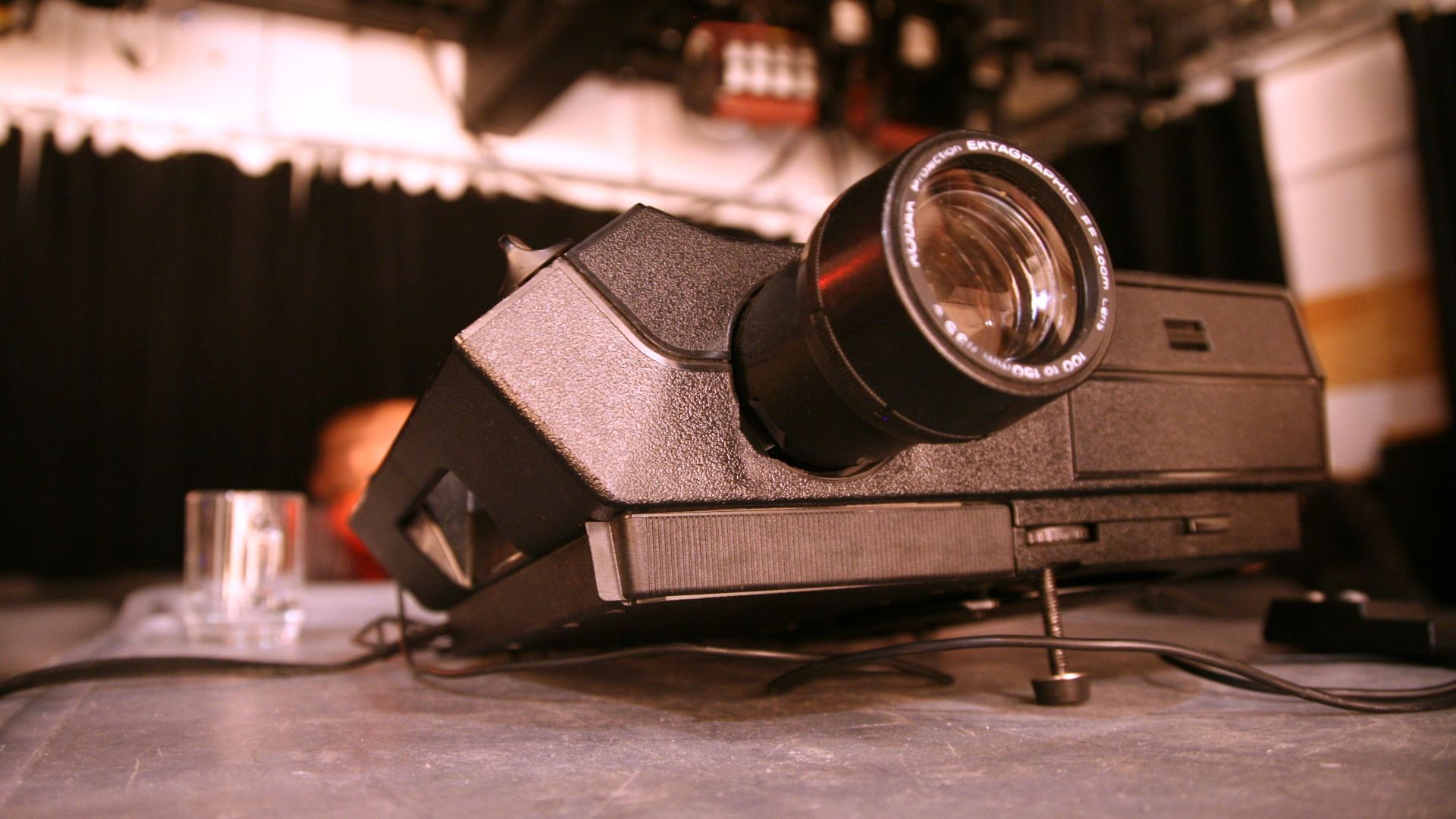
Kodak did more than sell cameras. It sold the film, processing, slides, and projectors that turned vacations, birthdays, and holidays into family viewing nights. Its Carousel projector, introduced in the early 1960s, became one of many Kodak products built around an ecosystem in which taking a picture usually meant buying more Kodak supplies afterward.
 Steve Morgan, Wikimedia Commons
Kodak Helped Invent Its Own Disruption
In one of business history's great ironies, Kodak engineer Steven Sasson built a pioneering self-contained digital camera in 1975. Digital photography eventually destroyed much of the consumer-film economy that Kodak had spent generations perfecting, and the company entered Chapter 11 bankruptcy protection in 2012. Kodak survived after restructuring, but the old consumer empire built around rolls of film and photo processing never returned.
 Simon Law from Montréal, QC, Canada, Wikimedia Commons
Blockbuster Turned Movie Night Into A Ritual
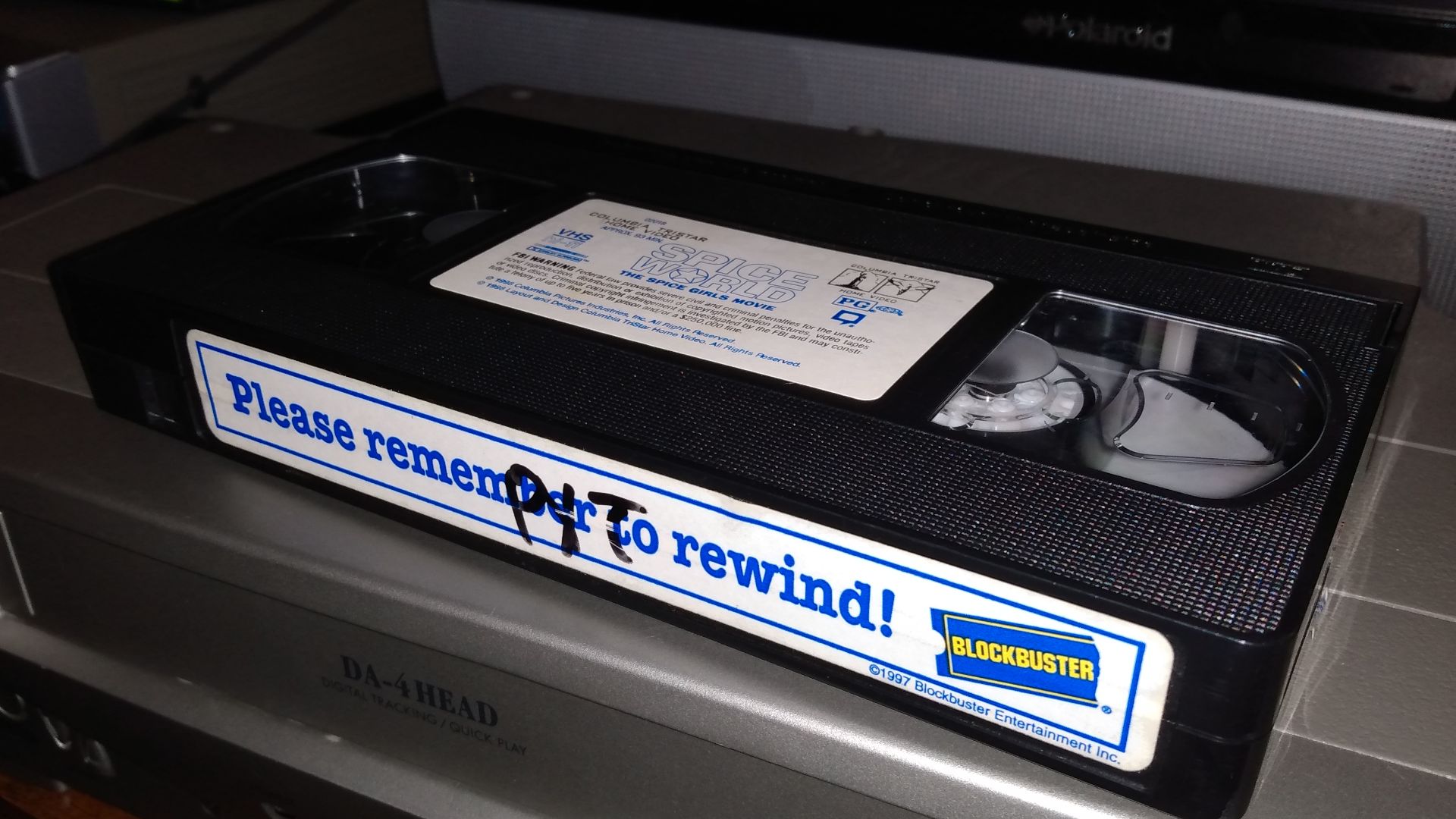
For millions of households, Friday night once included a trip to Blockbuster. The chain grew rapidly after its first store opened in Dallas in 1985 and became America's leading video-rental chain within only a few years. Picking a VHS tape or DVD from the shelves was almost as much a part of movie night as watching it.
 Amtrak Guy 124, Wikimedia Commons
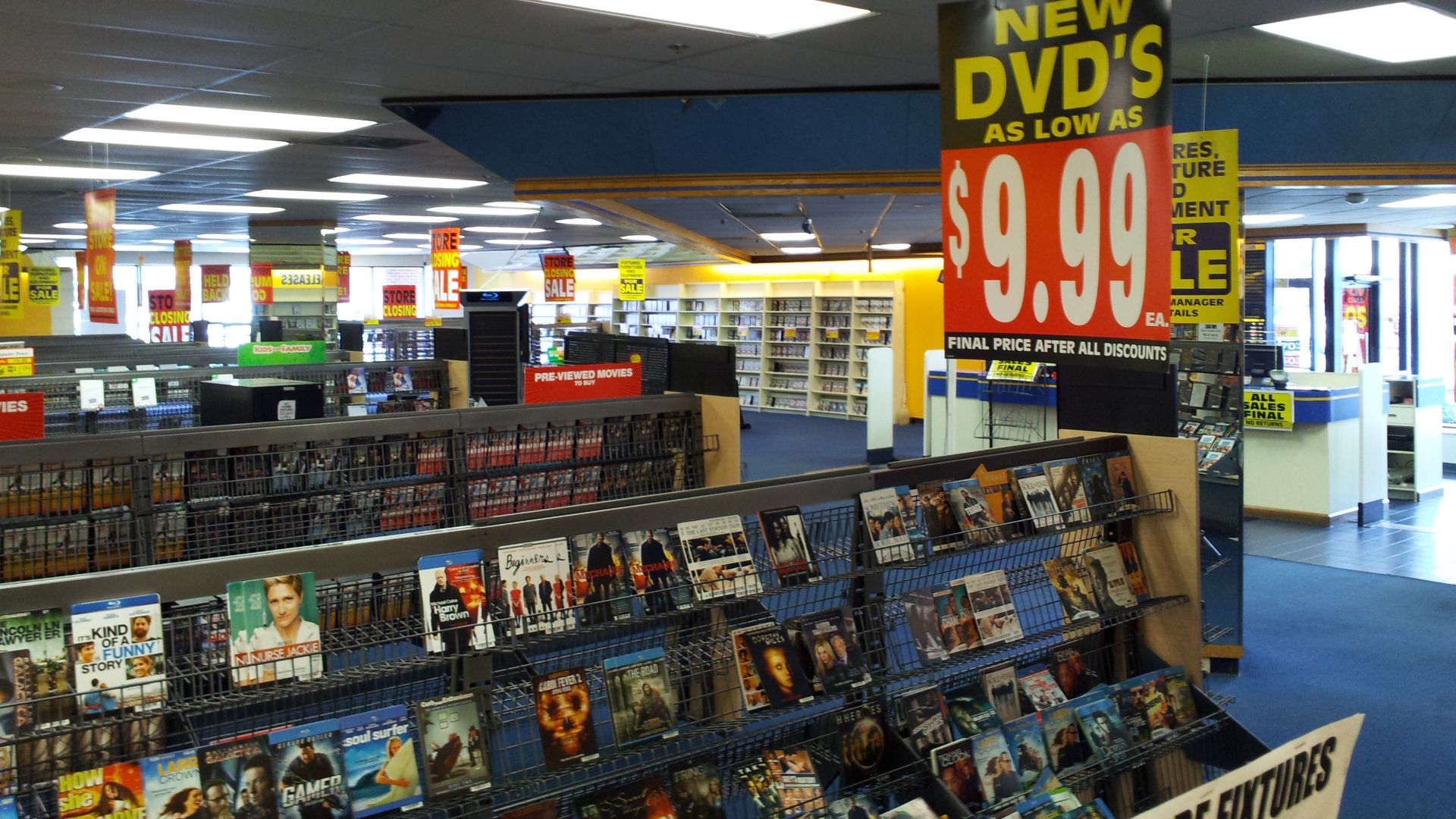
Streaming Removed The Trip Entirely
Blockbuster eventually faced DVD-by-mail competition, video on demand, and then streaming, all of which attacked the basic reason people needed a rental store. Netflix began streaming titles directly in 2007, while Blockbuster's own digital and mail efforts failed to restore its old advantage. Blockbuster filed for Chapter 11 bankruptcy protection in 2010, and soon another beloved entertainment ritual would face the same problem.
 Ben Schumin from Montgomery Village, Maryland, USA, Wikimedia Commons
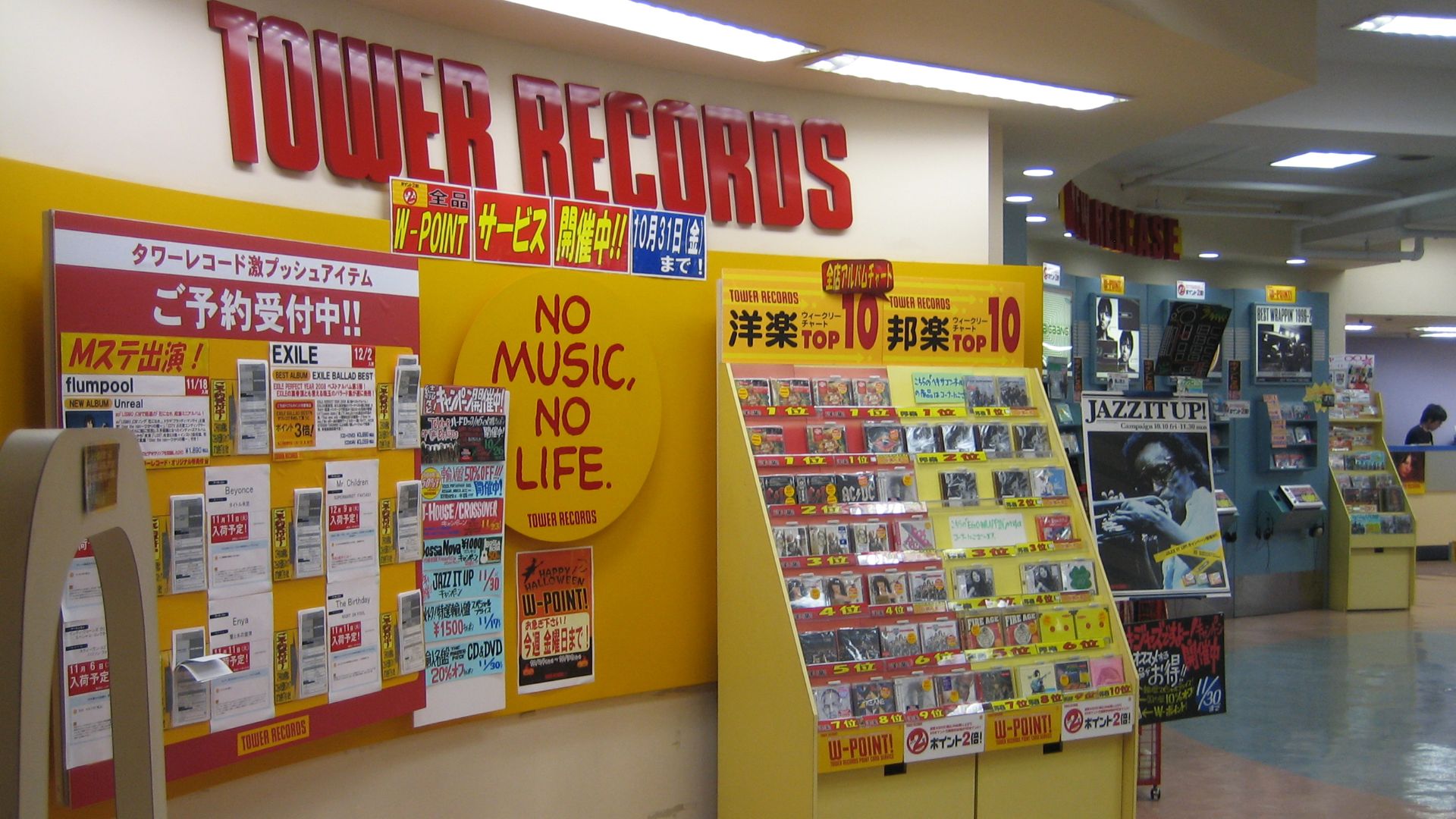
Tower Records Supplied The Living-Room Soundtrack
Tower Records was never sitting beside the television, but plenty of what Americans played at home came through its stores. The chain became an institution for people who wanted to browse huge selections of albums and CDs rather than simply pick up the latest hit at a department store. That experience worked beautifully while music was something customers needed to carry home physically.
 Corpse Reviver, Wikimedia Commons
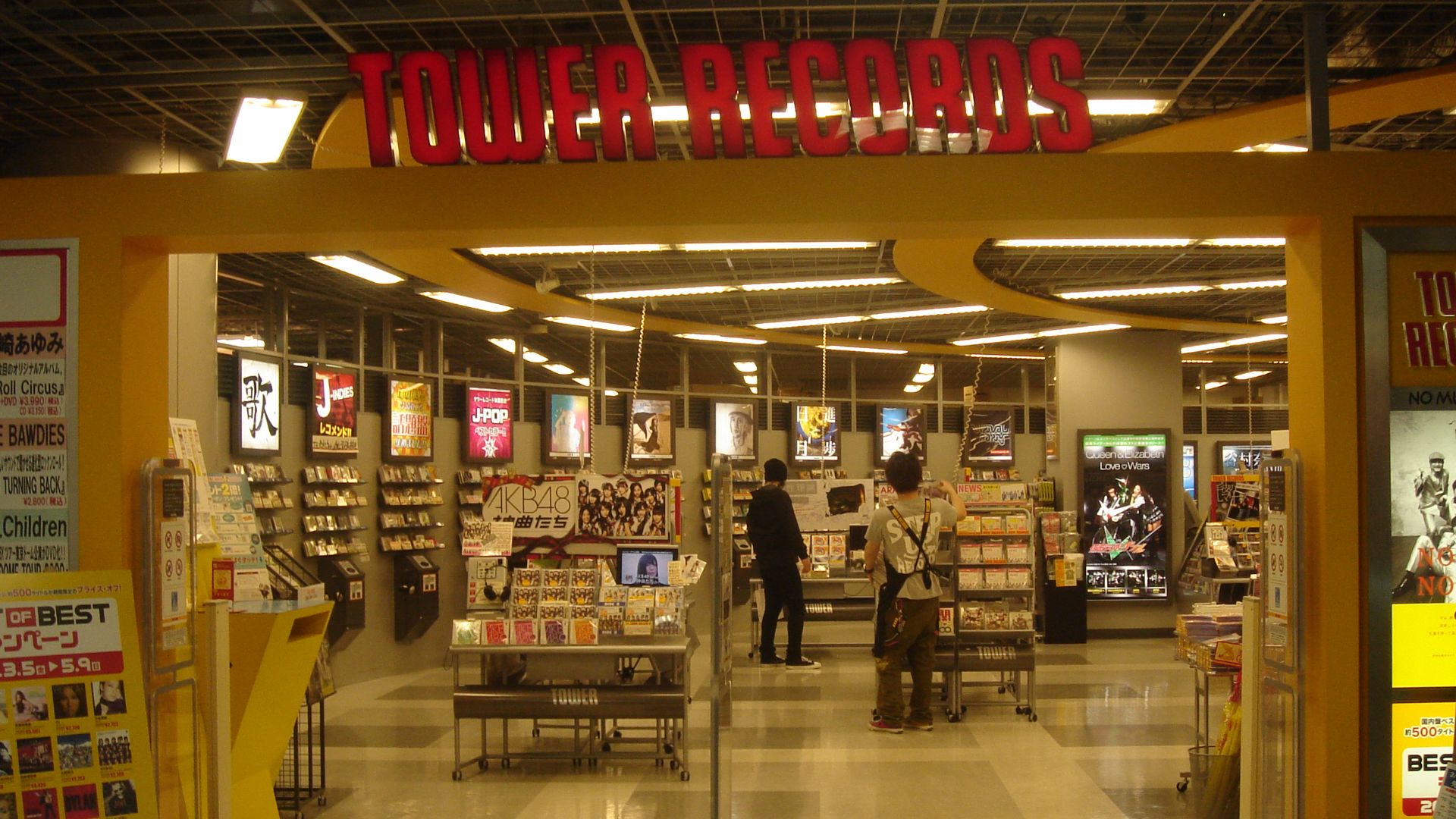
Digital Music Changed What A Record Store Was Worth
By the 2000s, music buyers increasingly had options that required no trip to a record store at all. Downloads, online shopping, discount retailers, and Tower's own financial problems put enormous pressure on its physical-store model, and the company went through bankruptcy before filing again in 2006. Tower's giant American store network vanished, and the same internet that emptied record stores was already coming for another weekend ritual: wandering through a bookstore.
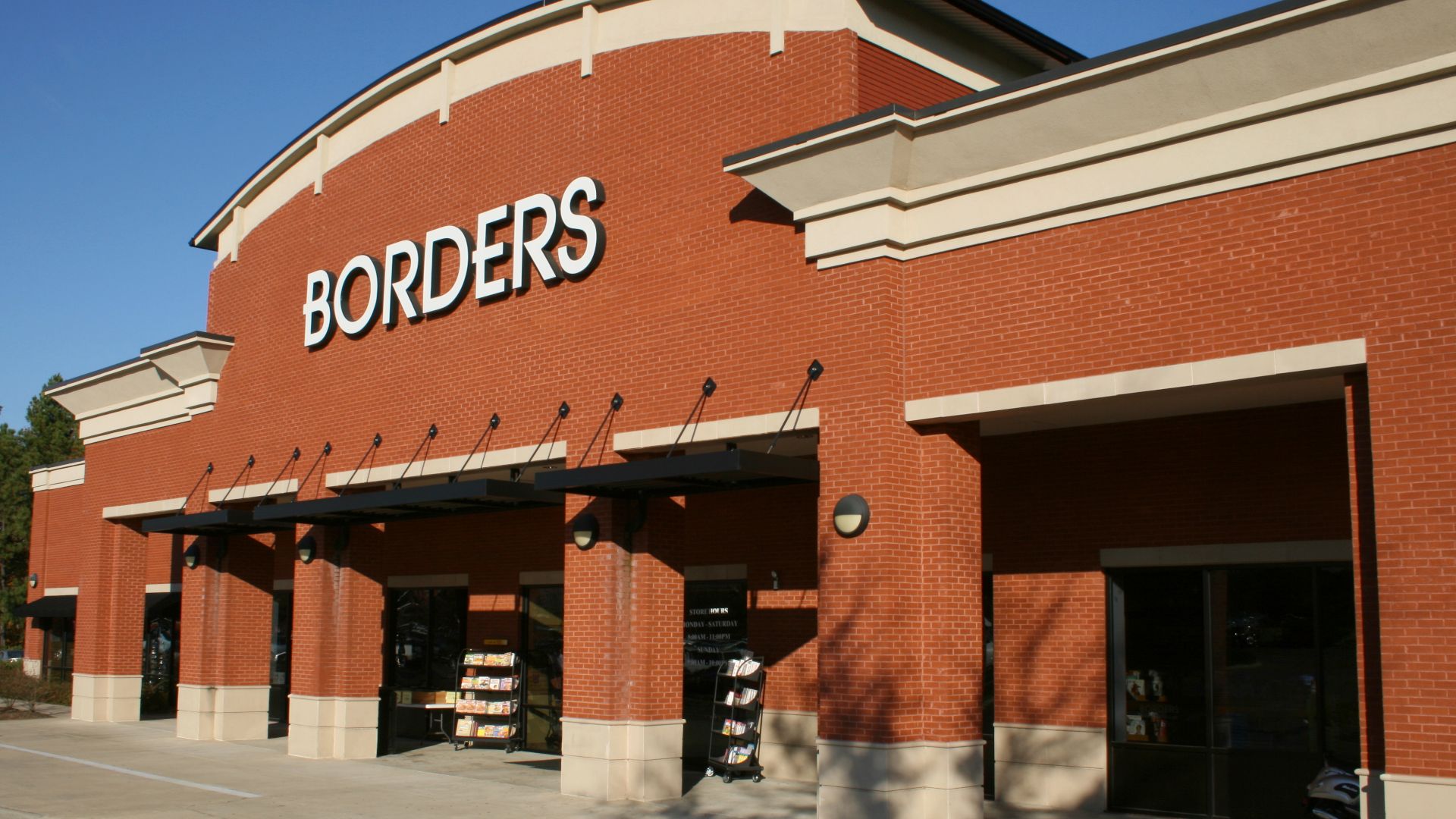
Borders Helped Fill America's Bookshelves
Borders represented another kind of entertainment ritual. Its giant stores encouraged customers to wander, read, drink coffee, and leave with stacks of books that might eventually cover a living-room shelf or nightstand. During the 1980s and 1990s, that superstore formula helped Borders grow into a major national bookseller.
 Bindydad123, Wikimedia Commons
The Book Business Moved Online
Borders struggled as customers shifted toward online purchasing and electronic books. In a decision that looks especially painful in hindsight, the company handed its online sales operation to Amazon in 2001 and did not take control of its own e-commerce business again until years later. Borders filed for bankruptcy in 2011 and ultimately liquidated its remaining U.S. stores, but books were hardly the only things Americans stopped needing a giant store to find.
 Ildar Sagdejev (Specious), Wikimedia Commons
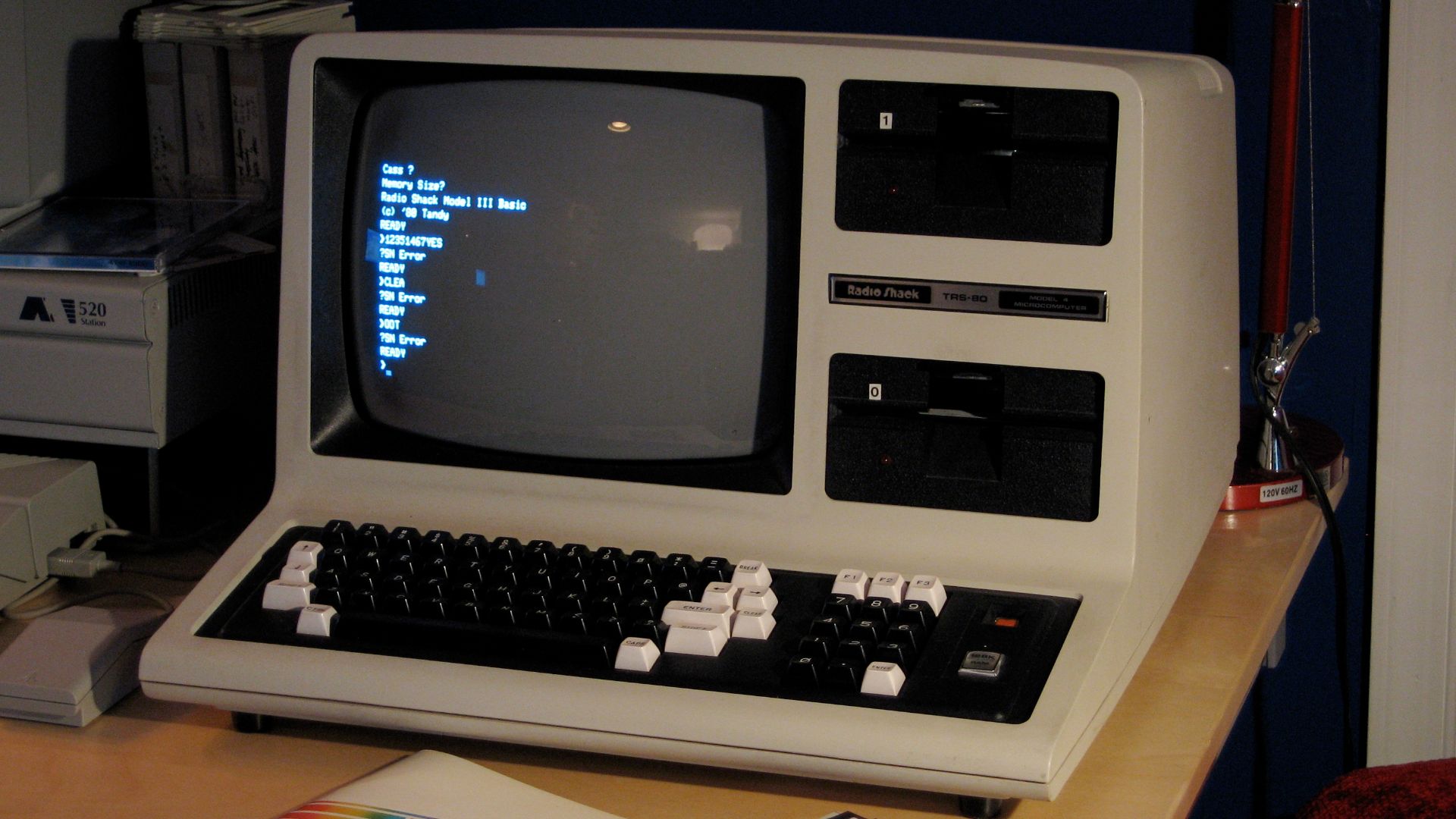
RadioShack Once Sold America The Future
For decades, RadioShack was where Americans went for everything from batteries and cables to stereos, radios, computers, and strange little electronic parts. The company's TRS-80 became one of the early mass-market home computers after launching in 1977, helped enormously by RadioShack's huge retail footprint. It was difficult to imagine a more perfectly positioned company for an increasingly electronic world.
 Blake Patterson, Wikimedia Commons
Electronics Became Easier To Buy Somewhere Else
As consumer electronics became easier to replace and increasingly sold through big-box stores and online retailers, RadioShack's sprawling network of small stores became harder to justify. The company tried to reinvent itself around the increasingly crowded cellphone business, but years of losses followed. RadioShack filed for bankruptcy protection in 2015, and it wasn't the only electronics institution discovering that selling gadgets had become a very different business.
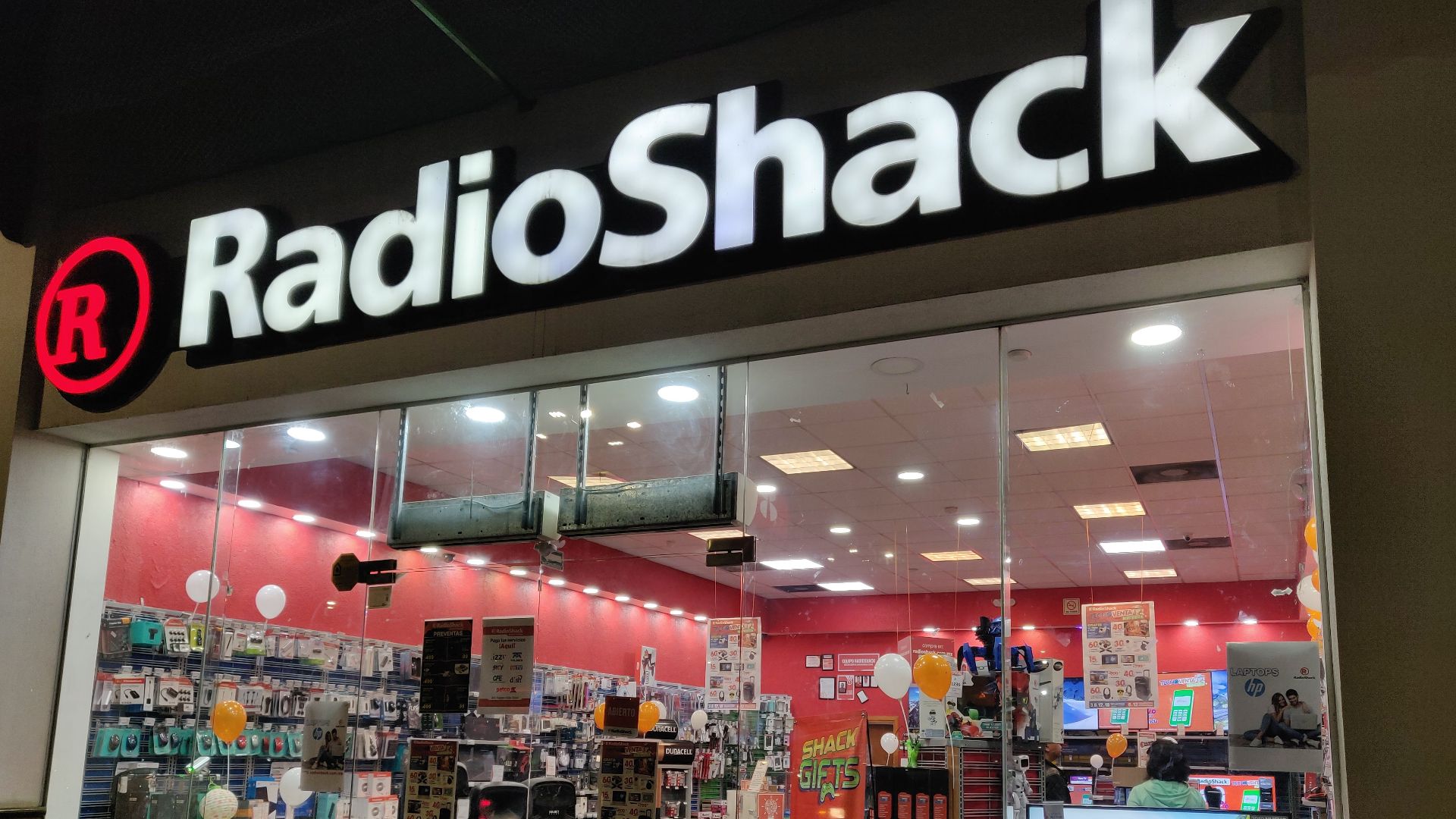
Circuit City Was Once An Electronics Giant
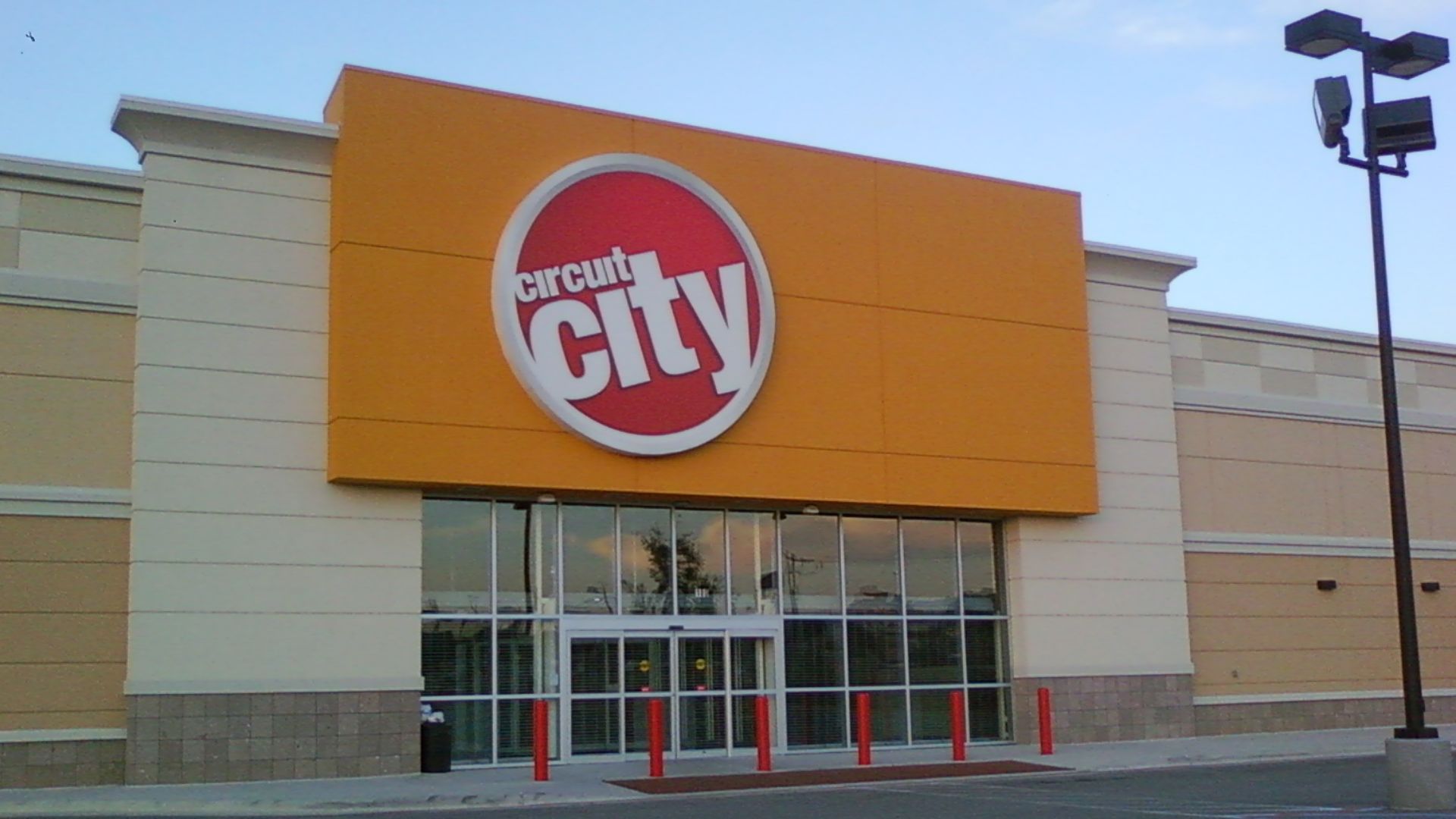
Buying a television, stereo, DVD player, or home computer once often meant visiting a huge electronics store. Circuit City grew into one of America's biggest specialty electronics retailers and eventually ranked second in the country. The chain benefited from the same explosion in home electronics that had filled American living rooms with new screens and gadgets.
 Jonesdr77 (talk), Wikimedia Commons
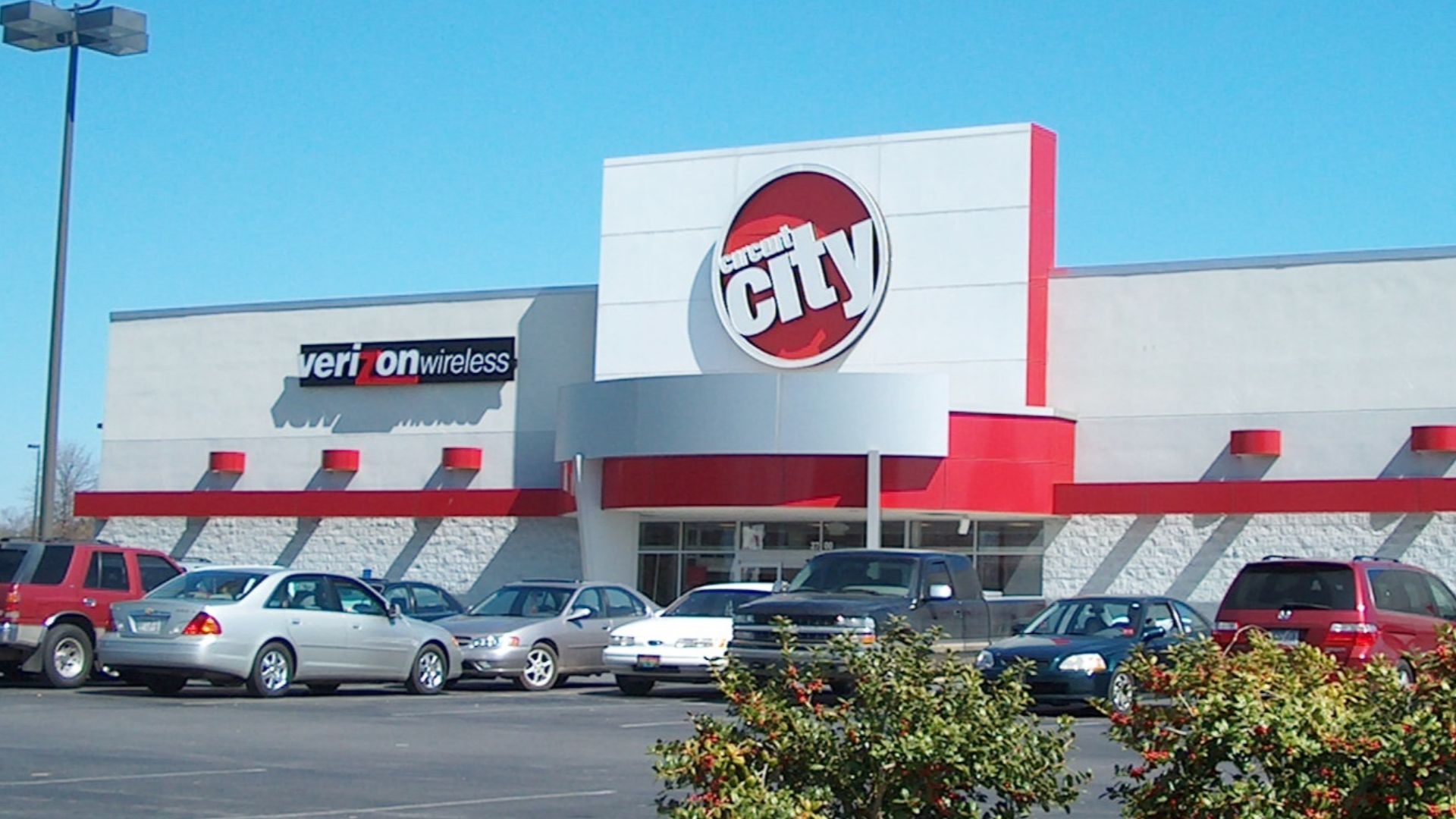
The Big-Box Advantage Stopped Being Enough
Circuit City was squeezed by brutal competition, a weakening economy, and changing ways of shopping for electronics. After entering bankruptcy protection, the company failed to find a buyer or enough financing to continue operating. In 2009, Circuit City liquidated its remaining U.S. stores, but the internet wasn't only destroying physical retailers. One of its earliest giants was about to discover that the internet itself could leave a company behind.
 Cculber007 at English Wikipedia, Wikimedia Commons
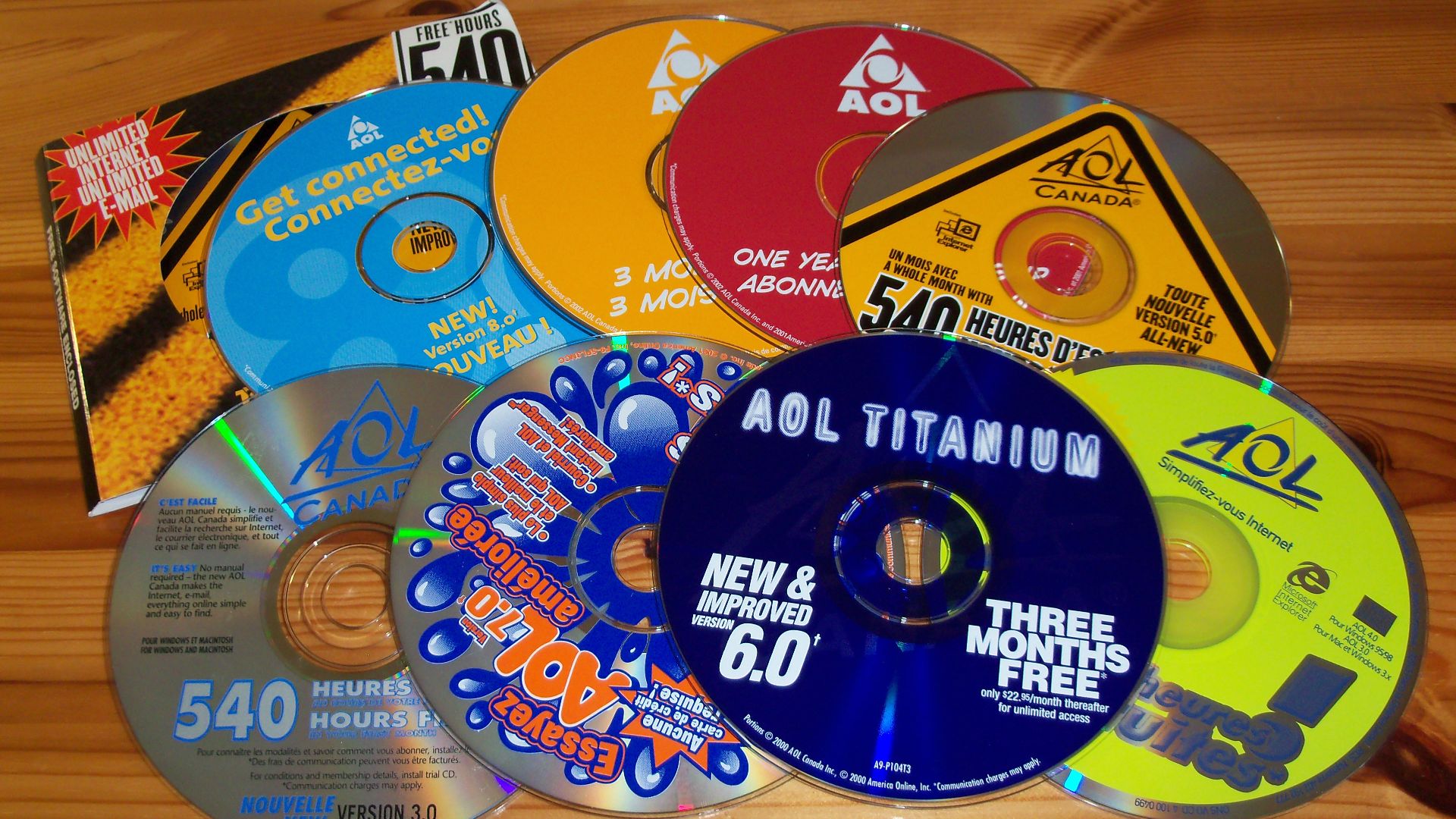
AOL Once Was The Internet For Millions
AOL did not merely connect people to the internet. For a generation of Americans, its software, chat rooms, email alerts, and unmistakable dial-up connection sounds practically defined what going online meant. Its enormous popularity helped AOL pull off its stunning merger with Time Warner at the peak of the dot-com boom.
 Jeran Renz (talk), Wikimedia Commons
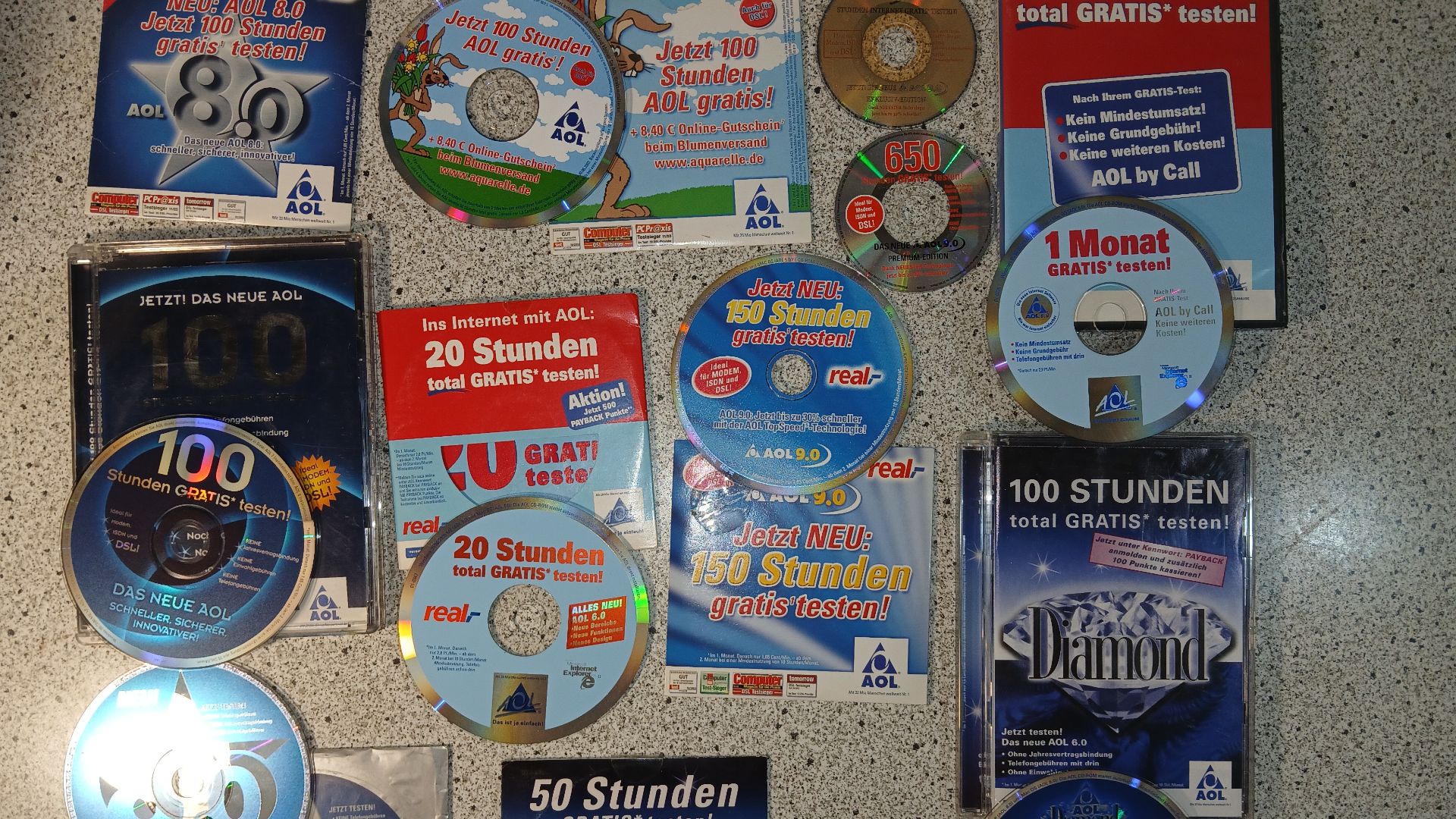
Broadband Made Dial-Up Look Ancient
The transition from dial-up to faster broadband connections attacked AOL's subscription business at its foundation. As paying dial-up customers disappeared, AOL tried to reinvent itself around free online content and advertising, but the economics were never the same. Time Warner eventually spun AOL back out as a separate company, bringing one of the dot-com era's grandest corporate marriages to an unhappy end.
 Rotkaeppchen68, Wikimedia Commons
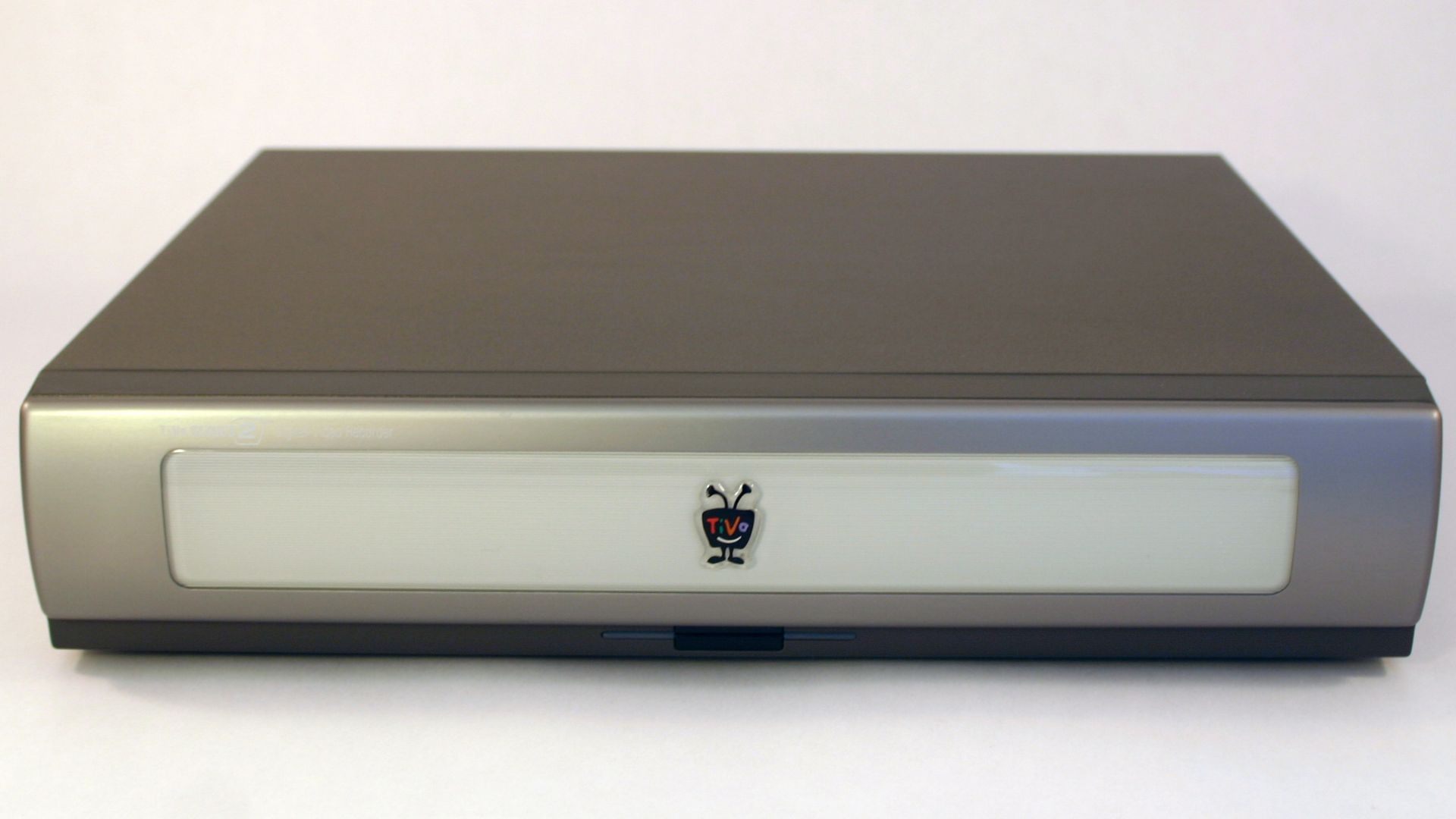
TiVo Made The VCR Feel Obsolete Overnight
TiVo arrived with a simple promise that felt revolutionary. Viewers could record television digitally, pause live programming, and stop worrying about programming a VCR or keeping stacks of tapes beside the television. The company's name became so closely associated with digital video recorders that “TiVo” itself entered everyday conversation as a verb.
Then Streaming Made Recording Less Important
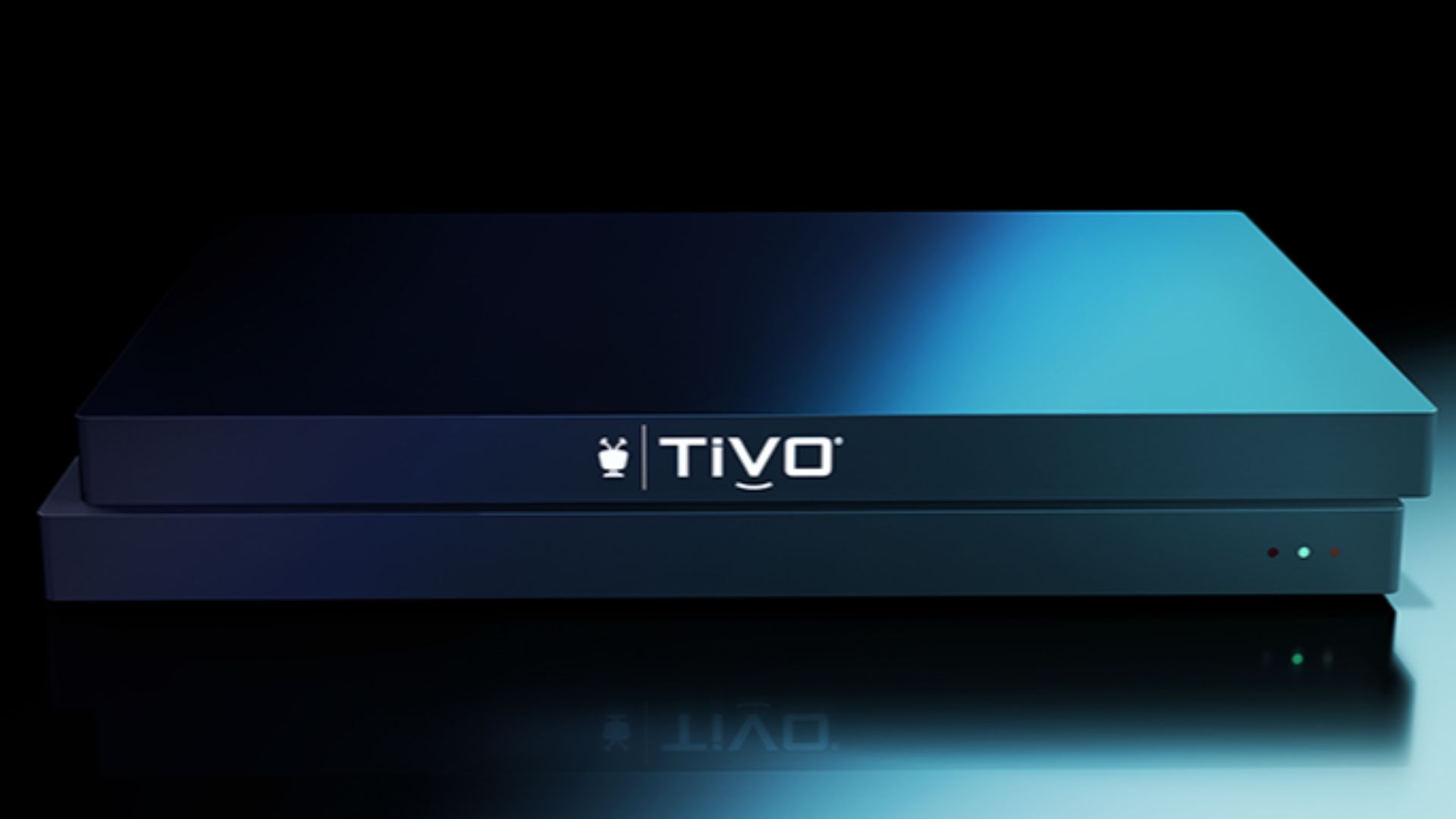
TiVo's technology was brilliant, but television kept evolving. Netflix, smart TVs, streaming devices, and on-demand services increasingly allowed viewers to simply choose a show whenever they wanted it, reducing the need to record a scheduled broadcast in the first place. Rovi acquired TiVo in 2016 and adopted the better-known TiVo name for the combined company, but the standalone DVR was no longer the center of the living room it once threatened to become.
 Jared C. Benedict, Wikimedia Commons
The Real Lesson Is Bigger Than Nostalgia
None of these stories means an old company was foolish simply because a new technology appeared. The deeper danger came when a profitable business depended on something technology was quietly making unnecessary, whether that was film, physical stores, videotapes, dial-up subscriptions, or scheduled television. The names may trigger nostalgia today, but for investors and businesses, their stories are reminders that a beloved brand and a durable business model are not always the same thing.
You May Also Like:
Products You Should Never Buy Generic
The Weirdest Shark Tank Products
Sources: 1, 2, 3, 4, 5, 6, 7, 8, 9, 10, 11, 12, 13, 14, 15, 16, 17, 18, 19, 20, 21, 22, 23, 24, 25, 26, 27, 28, 29, 30