
The Claim Sounds Great, But It Is Not Quite Right
If a friend says medical bills cannot hurt your credit anymore, that's way too broad. The rules did change in a big way, and millions of people got relief. But unpaid medical bills can still show up on credit reports in some cases—and they can still cause serious financial problems.

What Actually Changed
The biggest shift came from the three nationwide credit bureaus: Equifax, Experian, and TransUnion. In March 2022, they announced major changes to how medical debt would appear on consumer credit reports. Those changes rolled out in stages through 2022 and 2023.

The First Big Break Arrived In 2022
Starting July 1, 2022, paid medical collection debt was removed from consumer credit reports. The bureaus also extended the waiting period before unpaid medical collection debt could be reported. It went from six months to one full year, giving people more time to deal with insurance disputes and billing mistakes.

The Second Big Break Came In 2023
On April 11, 2023, the credit bureaus stopped reporting medical collection debt under $500 on consumer credit reports. That was another major change, because many smaller bills had been pulling down credit scores. The Consumer Financial Protection Bureau has said medical billing is often confusing and filled with errors, which helped fuel the push for reform.
So Can Medical Bills Still Affect Your Credit
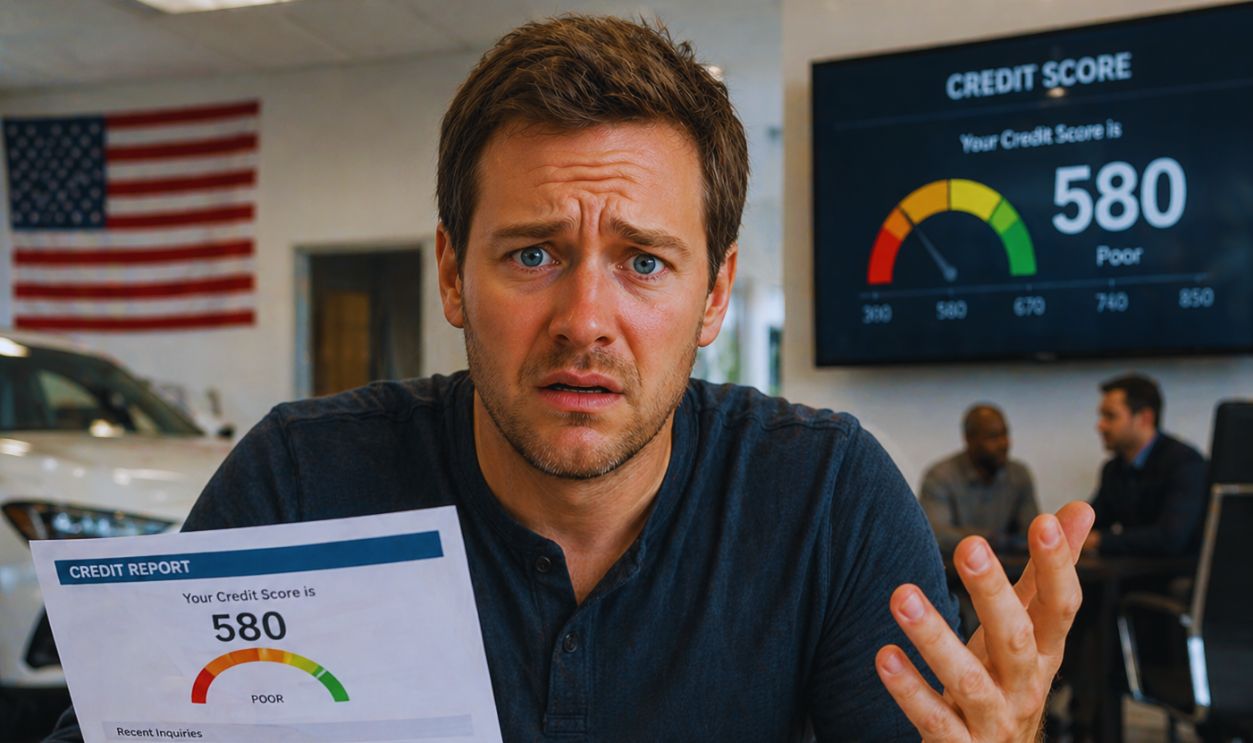
Yes. If a medical bill is unpaid, sent to collections, older than one year, and at least $500, it can still appear on your credit reports under current bureau policies. So your friend is not completely wrong, but the full claim does not hold up.

A Bill From The Doctor Is Not The Same As A Collection Account
This is where a lot of people get tripped up. A hospital or doctor can send bills and reminders for months without that debt showing up on your credit reports. The credit risk usually starts only after the account goes to collections and the one-year waiting period has passed.

Why The One-Year Delay Matters
Medical billing is messy. Insurance claims can take time, paperwork gets tangled, and mistakes are common. The bureaus said the longer delay was meant to give patients time to sort things out before their credit took a hit. That matters, because people often get a scary bill first and learn later that the amount was wrong.
The CFPB Has Been Blunt About Medical Debt Problems
The Consumer Financial Protection Bureau has repeatedly warned that medical bills are a poor predictor of whether someone will repay other debts. In a 2022 report, the agency said medical billing and collection practices can leave consumers with inaccurate and inflated bills. That report added more pressure for broader changes.

There Is Another Twist In 2025
In January 2025, the CFPB finalized a rule aimed at removing medical bills from credit reports used by lenders and barring lenders from using medical information in lending decisions. The bureau said the move would eliminate an estimated $49 billion in medical bills from the credit reports of about 15 million Americans. It was a major step, but it did not settle the issue for good.

The New Federal Rule Is Facing A Court Fight
In February 2025, two trade groups sued the CFPB to block that rule. The case was filed in federal court in Texas. So consumers should not assume the matter is settled, because court fights can delay or change how a rule is enforced.

Why Your Friend May Think Medical Debt Is Gone
There is a reason people get confused. Paid medical collections are removed, small medical collections under $500 are excluded, and larger unpaid medical collections get a one-year grace period before they can appear. Add in headlines about the CFPB's 2025 rule, and it is easy to see why some people think medical debt has vanished from credit reports altogether.

Credit Reports Are Only Part Of The Problem
Even if a medical bill never lands on your credit report, ignoring it can still backfire. Providers or collection agencies may keep trying to collect. Depending on state law and the amount involved, you could also be sued.

Lenders Do Not Always Need A Credit Report To Notice Trouble
Some lenders ask for bank statements, proof of income, and details about debts you still owe. An unpaid medical bill may not show up the same way as a credit card collection, but financial stress can still show through in other places. Hidden is not the same as harmless.

State Laws Can Add Another Layer
Medical debt rules are not exactly the same everywhere. States have different laws on collection practices, interest, charity care, and lawsuits over unpaid hospital bills. So the fallout from ignoring a bill can depend on where you live and who is trying to collect.

Hospitals Have Financial Assistance Rules Too
Nonprofit hospitals are generally required to have financial assistance policies if they want to keep their federal tax-exempt status. The Internal Revenue Service says these hospitals must make reasonable efforts to find out whether a patient qualifies for aid before taking certain extraordinary collection actions. If you qualify, what you owe could drop sharply or even disappear.

Billing Errors Are More Common Than Many People Think
One reason experts say not to ignore medical bills is simple: many of them contain mistakes. Insurance may not have been applied correctly, a claim may still be pending, or you may have been charged for something that should have been covered. If you toss the bill aside, you could miss the chance to fix the problem before it turns into a bigger mess.

What To Do Before Paying Anything
Ask for an itemized bill and compare it with your explanation of benefits from your insurer. Check that the dates of service, providers, and charges match up. If something looks off, call both the provider and your insurance company, and keep notes of every conversation.

Do Not Panic Over The First Notice
The first bill is not always the final one. Insurance adjustments, coding changes, and appeals can all change what you owe. That is one reason the one-year waiting period for medical collections mattered so much.

If You Really Owe The Bill, Try Negotiating
Many providers will talk about a discount, especially if you can pay a lump sum or show financial hardship. Others offer no-interest payment plans. Those options are usually far better than ignoring the debt and hoping it goes away.

Check Whether You Qualify For Charity Care
This is one of the most overlooked ways to lower a medical bill. Hospitals may offer free or reduced-cost care based on income and family size. Ask specifically for the hospital's financial assistance policy and application.

Get Any Payment Agreement In Writing
If a provider or collector offers a settlement or payment plan, ask for the terms in writing before you send money. You want proof of the amount, due dates, and whether the payment fully clears the debt. Good paperwork can save you from ugly surprises later.

Watch Your Credit Reports, Not Just Your Mailbox
You can get free weekly credit reports from AnnualCreditReport.com, the official site authorized by federal law. Check whether a medical collection has appeared and whether the amount is correct. If you spot a mistake, file a dispute with the credit bureau and the company that supplied the information.
Disputes Matter More Than Ever
The Fair Credit Reporting Act gives consumers the right to dispute inaccurate information on their credit reports. If a medical collection is reported the wrong way, such as the wrong amount or a debt that should have been removed after payment, you do not have to just accept it. The sooner you dispute it, the better.

Collection Calls Are Not A Sign To Give Up
If a debt collector contacts you, ask for validation of the debt. Under federal law, collectors generally must provide information about the debt and your rights. That gives you a chance to confirm that the bill is really yours and that the amount is accurate.

The Safest Version Of The Truth
Here is the version you can actually rely on. Many medical bills no longer affect credit the way they used to, especially paid bills and collections under $500. But larger unpaid medical collections can still matter under current bureau policies, and ignored bills can still lead to collections or lawsuits.

What To Tell Your Friend
You can tell your friend he is repeating a half-truth. The system became more forgiving in 2022 and 2023, and the CFPB tried to go further in 2025, but that broader federal change is being challenged in court. For now, acting like medical bills do not matter at all is still a risky move.

The Bottom Line
If you get a medical bill, do not assume it is fake, final, or harmless. Check it, challenge errors, apply for assistance, and negotiate if needed. That is a much smarter move than trusting a one-line claim about credit reports.