The Weakest Currencies In 2020
The Weakest Currencies In 2020
Let's face it: 2020 hasn't been the best year for the world economy. But however bad things are going... they could always be worse. Much worse, as it turns out. To demonstrate this, let's take a look at the weakest currencies in 2020. We'll see how they stack up compared to the good old USD.
 Image by HeatherPaque from Pixabay
5. Uzbek Sum
1 USD = 10,134 UZS
Image by LoggaWiggler from Pixabay
Uzbekistan is a former Soviet Republic, so it's only had its own currency since 1994. Unfortunately, the country's economy has struggled in recent years, leading the Sum to have a very low exchange rate.
4. Indonesian Rupiah
1 USD = 14,786 IDR
Photo by Jeremy Bishop on Unsplash
Indonesia is a large, populous, and lush country. However, slow GDP growth in recent years has led to a currency crash that lands the Rupiah on this list. The same could be said for other Asian currencies, which leads us to...
3. Vietnamese Dong
1 USD = 23,260 VND
Photo by Ammie Ngo on Unsplash
The Vietnamese Dong is famously one of the most anemic currencies on earth. The main reason is that Vietnam has a balance of trade deficit, and there's low demand for the Dong.
2. Iranian Rial
1 USD = 42,043 IRR
Photo by Foroozan Faraji on Unsplash
Years of sanctions have taken their toll on Iran's currency. Recently, the Iranian government announced they will be taking steps to address this. Soon, they will replace the rial with a new currency called the toman. One toman will be worth 10,000 rial under this new system.
1. Venezuelan Bolívar
1 USD = 201,300 VES
Pixabay
It's no surprise that Venezuela finds itself on this list. Despite its oil wealth, the country has been in a state of anarchy for years. Political instability has caused the economy to spiral out of control, resulting in a currency that is effectively worthless.
We hope you enjoyed reading about the world's weakest currencies!
READ MORE
Whether you're struggling to budget or are needing to start budgeting and are looking for a new approach, zero-based budgeting could be a different approach that will have you looking more honestly at your finances.
Any inheritance, although coming with a (sometimes) painful loss, is a great opportunity to invest your money into yourself in some way. Whether that's a vacation, a new home, or in your future. What if you inherited over a million dollars? Here are our suggestions for the unexpected multi-millionaire.
Groceries aren't getting any cheaper. But the way you shop could be quietly costing you more than it should. Ready to keep your cart full and your budget intact?
Whether you're clearing your grandma's house after she's passed on or simply decluttering, there are so many vintage items worth big bucks that most people just throw away. Do some research before discarding anything that may have some value. You could be throwing out thousands of dollars worth of vintage valuables.
If you've finally hit 65 or 70 and think this will be the year you'll retire, congratulations! But before you take that monumental step of giving up work for good, here's your must-do retirement checklist.
Discover the surprising value of retro telephones in today’s collector market. From rotary classics to rare designer models, find out why Granny’s vintage handset might now be worth thousands—and which old phones are fetching the biggest bids.
Disclaimer
The information on MoneyMade.com is intended to support financial literacy and should not be considered tax or legal advice. It is not meant to serve as a forecast, research report, or investment recommendation, nor should it be taken as an offer or solicitation to buy or sell any securities or adopt any particular investment strategy. All financial, tax, and legal decisions should be made with the help of a qualified professional. We do not guarantee the accuracy, timeliness, or outcomes associated with the use of this content.
Dear reader,
It’s true what they say: money makes the world go round. In order to succeed in this life, you need to have a good grasp of key financial concepts. That’s where Moneymade comes in. Our mission is to provide you with the best financial advice and information to help you navigate this ever-changing world. Sometimes, generating wealth just requires common sense. Don’t max out your credit card if you can’t afford the interest payments. Don’t overspend on Christmas shopping. When ordering gifts on Amazon, make sure you factor in taxes and shipping costs. If you need a new car, consider a model that’s easy to repair instead of an expensive BMW or Mercedes. Sometimes you dream vacation to Hawaii or the Bahamas just isn’t in the budget, but there may be more affordable all-inclusive hotels if you know where to look.
Looking for a new home? Make sure you get a mortgage rate that works for you. That means understanding the difference between fixed and variable interest rates. Whether you’re looking to learn how to make money, save money, or invest your money, our well-researched and insightful content will set you on the path to financial success. Passionate about mortgage rates, real estate, investing, saving, or anything money-related? Looking to learn how to generate wealth? Improve your life today with Moneymade. If you have any feedback for the MoneyMade team, please reach out to [email protected]. Thanks for your help!
Warmest regards,
The Moneymade team

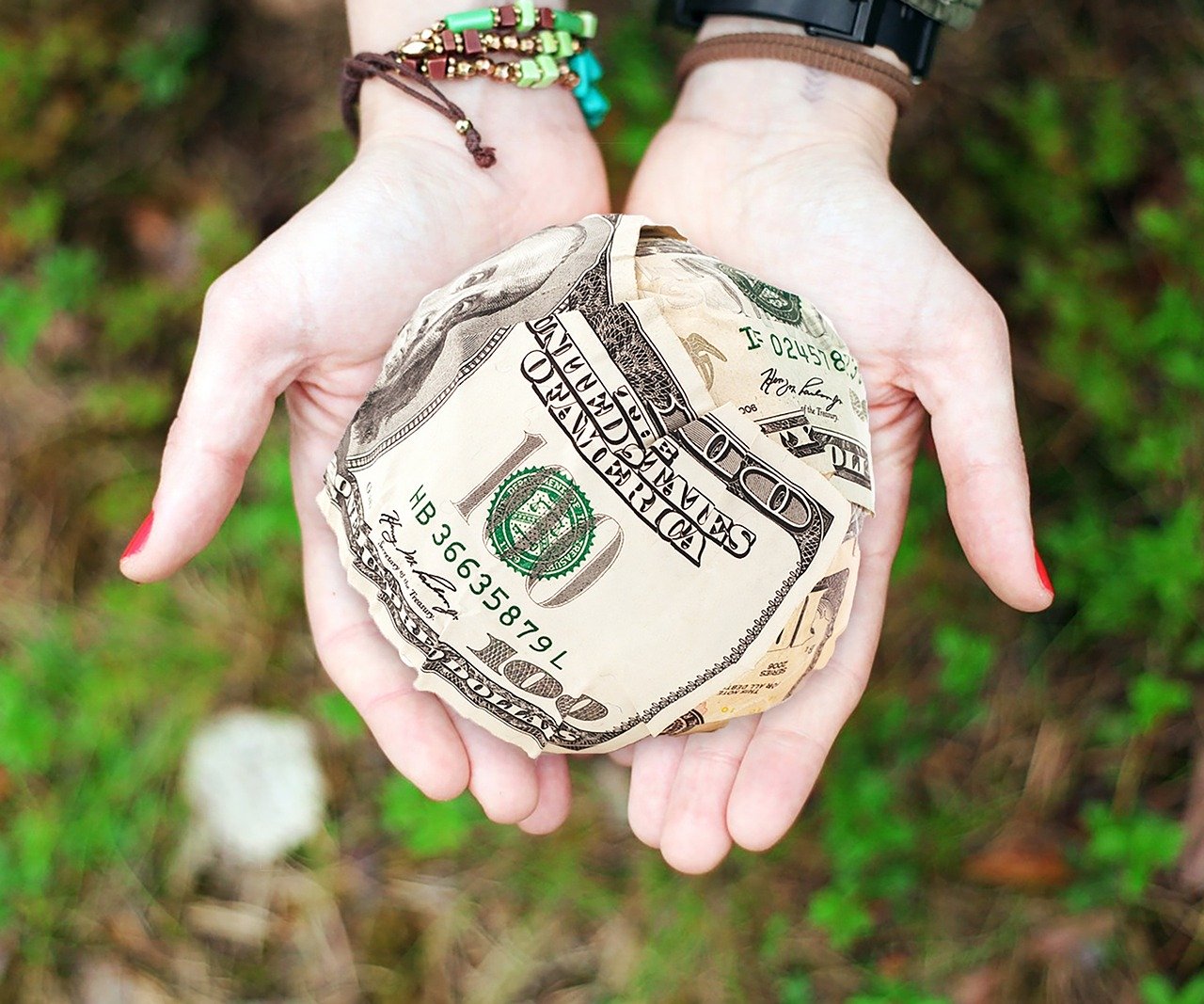 Image by HeatherPaque from Pixabay
 Image by LoggaWiggler from Pixabay
 Photo by Jeremy Bishop on Unsplash
 Photo by Ammie Ngo on Unsplash
 Photo by Foroozan Faraji on Unsplash