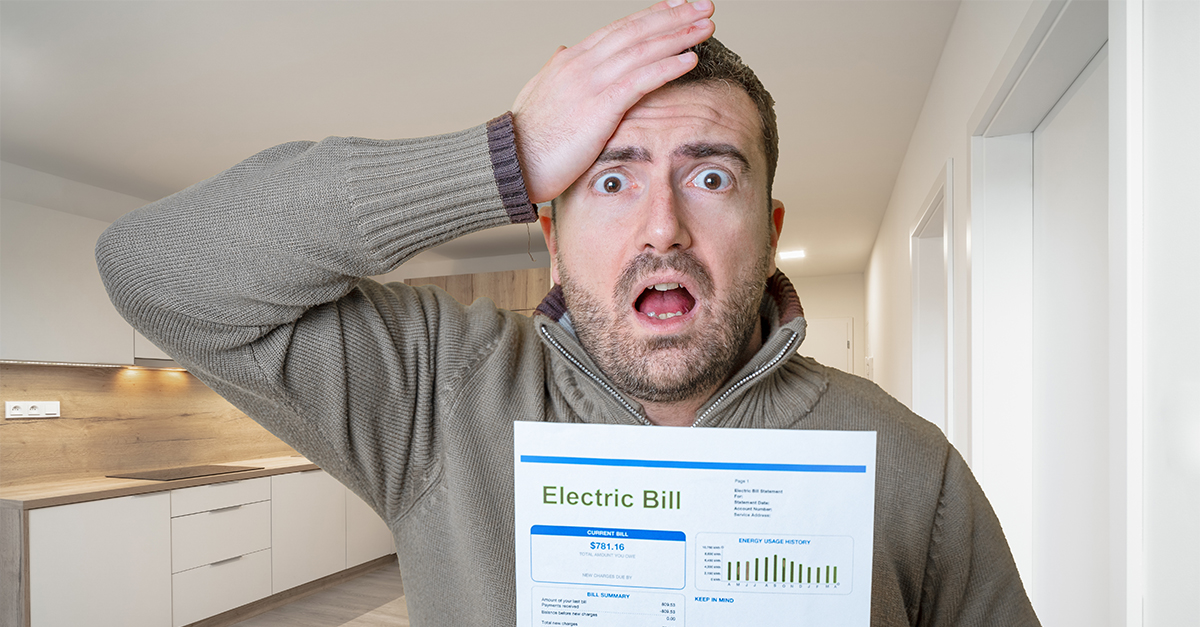
This is how you can save money
Most budgets fail for reasons that seem harmless at first. Tiny expenses slip through routines, and money disappears between paychecks. The truth is that saving rarely comes from one dramatic change, as it shows up through small choices repeated often.

Set A Weekly No-Spend Day
Choosing one day each week to avoid spending helps break the habit of daily purchases. It resets awareness around needs versus wants and cuts small expenses that often slip by unnoticed. Many people find that no-spend days feel calmer and more relaxing than expected.

Run Appliances Only When Full
Dishwashers and washing machines work most efficiently with full loads. Running half-empty cycles wastes both water and electricity without improving results. In fact, a properly loaded dishwasher often cleans more thoroughly than washing dishes by hand.
Pay Bills Early
Don’t wait until the last minute and pay bills ahead of their due dates to avoid late fees and missed payments. This provides a clearer picture of how much money remains for the rest of the month. Clearing bills early can feel like finishing a chore before it even begins.

Switch To Ugly Produce
Forget the looks. Misshapen fruits and vegetables usually cost less simply because they look imperfect, not because they taste different. Stores discount these items to cut food waste. They cook, blend, and roast exactly the same.

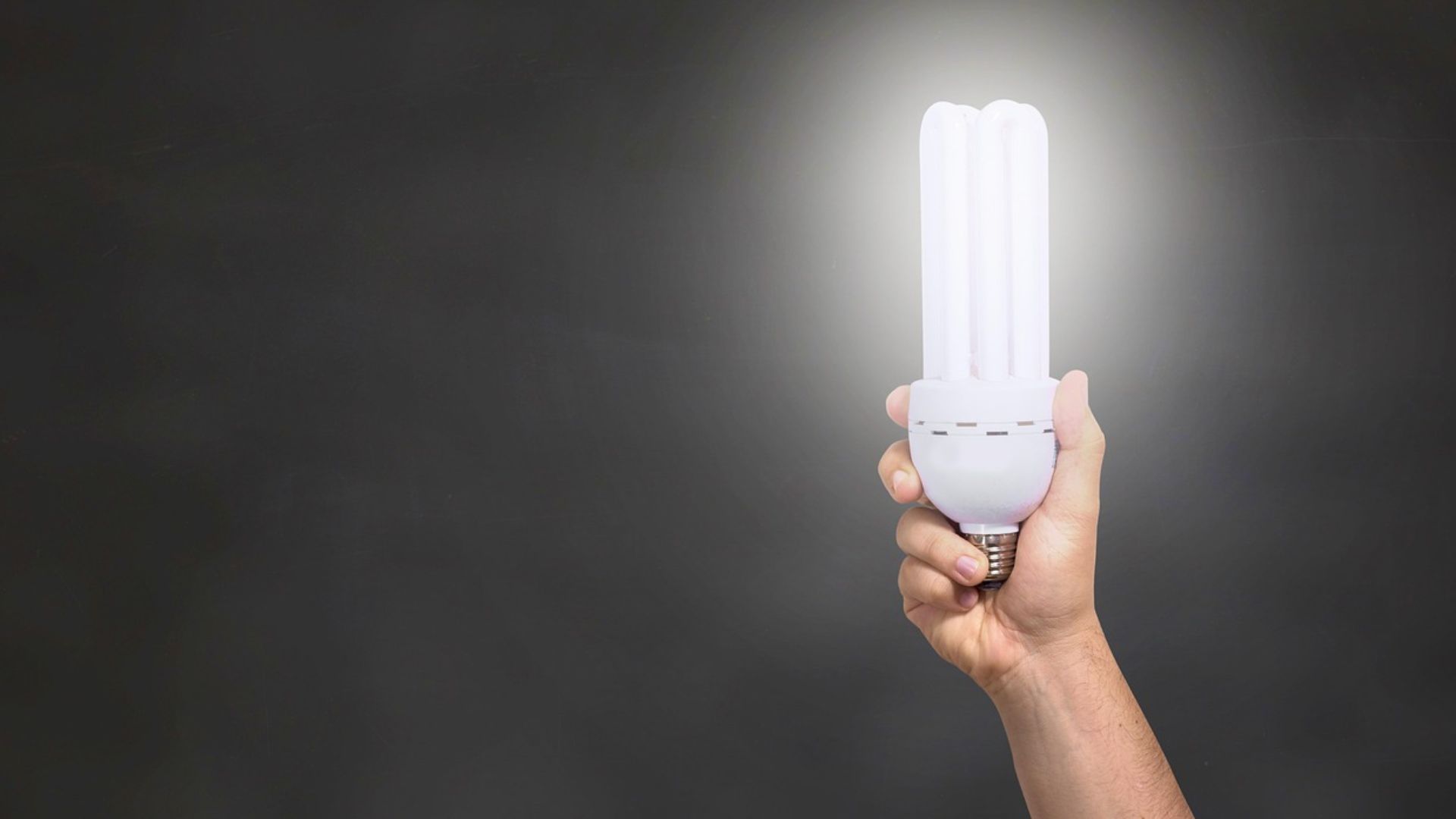
Use LED Bulbs
LED bulbs use less energy than traditional options while lasting significantly longer. They fit standard light fixtures, which makes upgrades simple. Some LED bulbs can even mimic natural daylight, giving rooms a brighter, more comfortable feel.
Seal Drafts With Weatherstripping
Weatherstripping blocks warm or cool air from leaking through doors and windows. This puts less strain on heating and cooling systems, helping energy bills stay lower. It’s inexpensive and easy to install, and one roll can quickly make a room feel noticeably cozier and more comfortable.

Use Cashback Apps
On the days you go shopping, use cashback apps to return a small portion of what you spend on everyday purchases. They work across groceries, gas, department stores, and online shopping. Some people treat the accumulated rewards as a small bonus added to savings.

Cook Double And Freeze Half
Preparing larger batches saves both time and cooking energy over the week. Freezing extra portions creates ready meals that stop last-minute takeout spending. Soups, stews, bakeries, and casseroles freeze well without losing quality.

Buy Generic Staples In Bulk
Store-brand staples like rice, pasta, flour, and oats often cost less than name brands while offering similar quality. Buying in bulk lowers the price per serving, especially for shelf-stable foods. When stored properly, these items last a long time.
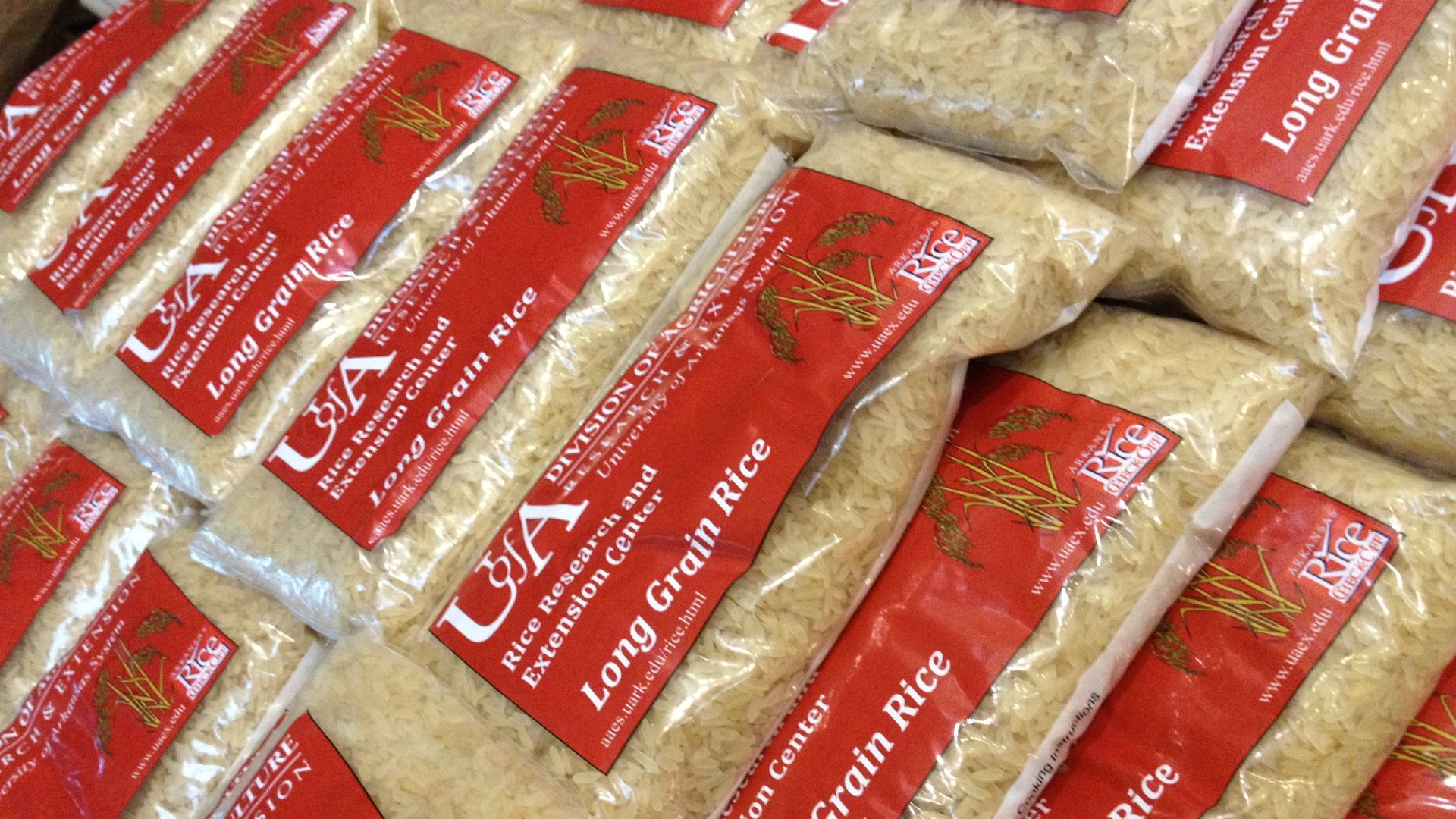 University of Arkansas Community Extension Service, Wikimedia Commons
Use The Library
At libraries, you can enjoy free access to books, movies, and even audiobooks without ongoing costs. Many also offer free Wi-Fi and digital resources. Borrowing instead of buying saves significant money over time.

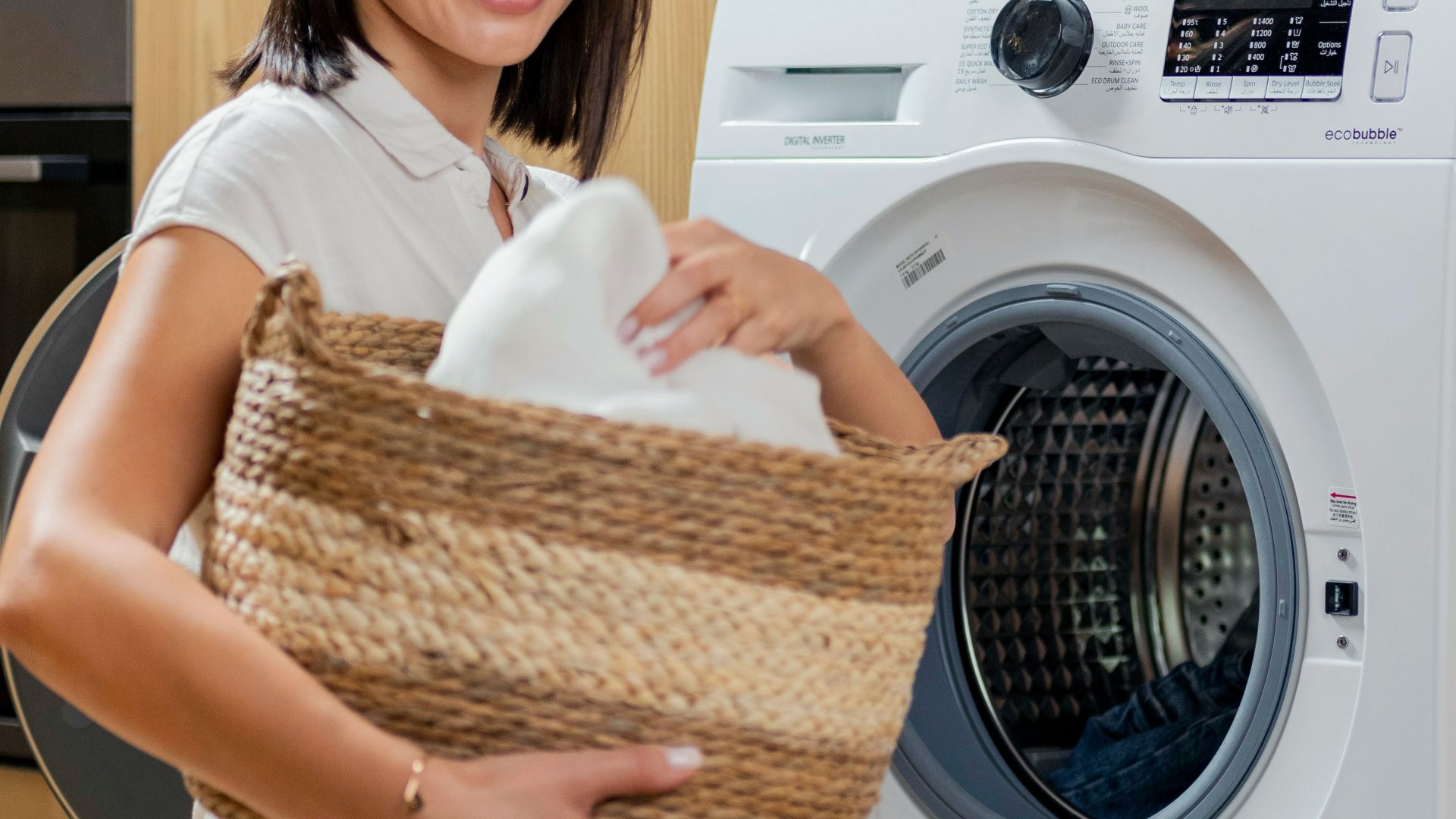
Wash Clothes In Cold Water
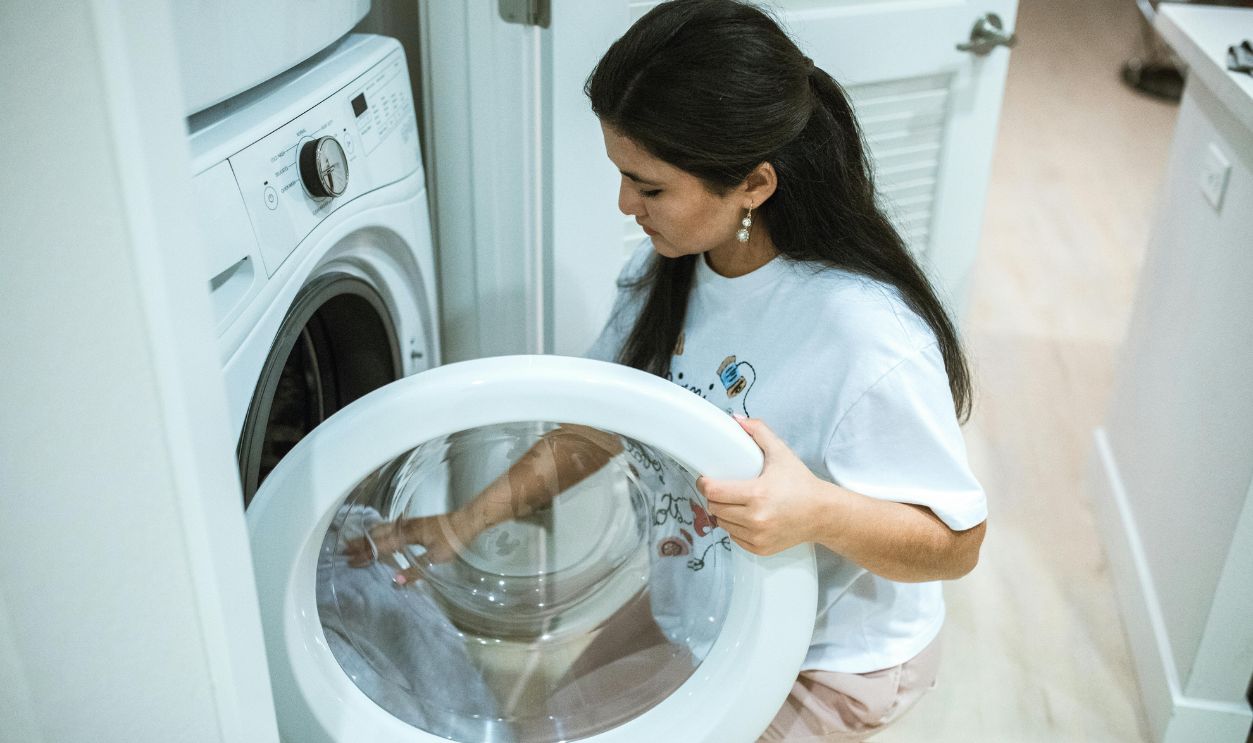
Most modern detergents clean just as effectively in cold water as they do in hot cycles. As a matter of fact, cold washing protects fabric colors and fibers from breaking down too quickly. It also cuts the energy needed to heat water.
Follow A 48-Hour Rule For Purchases
Before a big purchase, wait for two days, as it creates space between desire and action. That pause helps determine if the item is actually needed. Many people lose interest entirely once the moment passes.
Have One Meatless Day Per Week
Skipping meat one day a week can noticeably lower grocery costs since plant-based meals usually cost less. Affordable proteins like beans, lentils, corn, and eggs still keep meals filling. Meatless dishes help stretch budgets further, and many families end up finding unexpected favorites on those nights.

Buy Off-Season Clothing
As classic styles stay relevant year after year, clothing prices drop sharply after each season ends as stores clear inventory. Shopping off-season avoids peak pricing while still delivering quality pieces. Moreover, picking up a winter coat in summer can feel like uncovering a secret sale.

Walk Short Distances
Instead of driving, walk short distances and eliminate fuel use for short trips. It also reduces wear on your car, and it doubles as free exercise that keeps you healthy. Many notice a short walk lifts their mood just as much as it saves money.

Create A “Use-Me-First” Fridge Bin
A clearly labeled fridge bin keeps foods that need attention front and center. Older items stay visible instead of getting buried and forgotten. That visibility encourages quick meals using what’s already there.
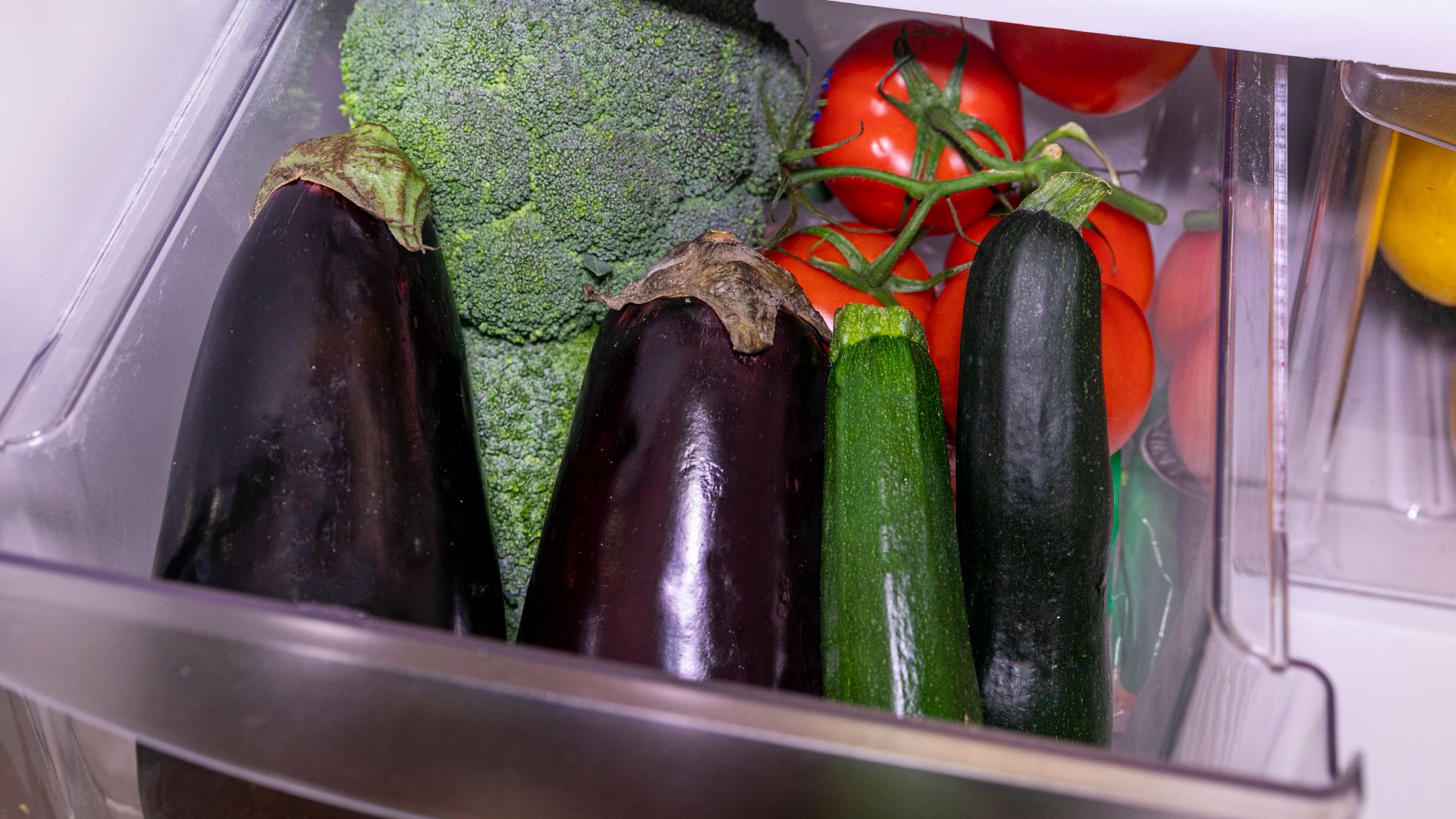 Alabama Extension, Wikimedia Commons
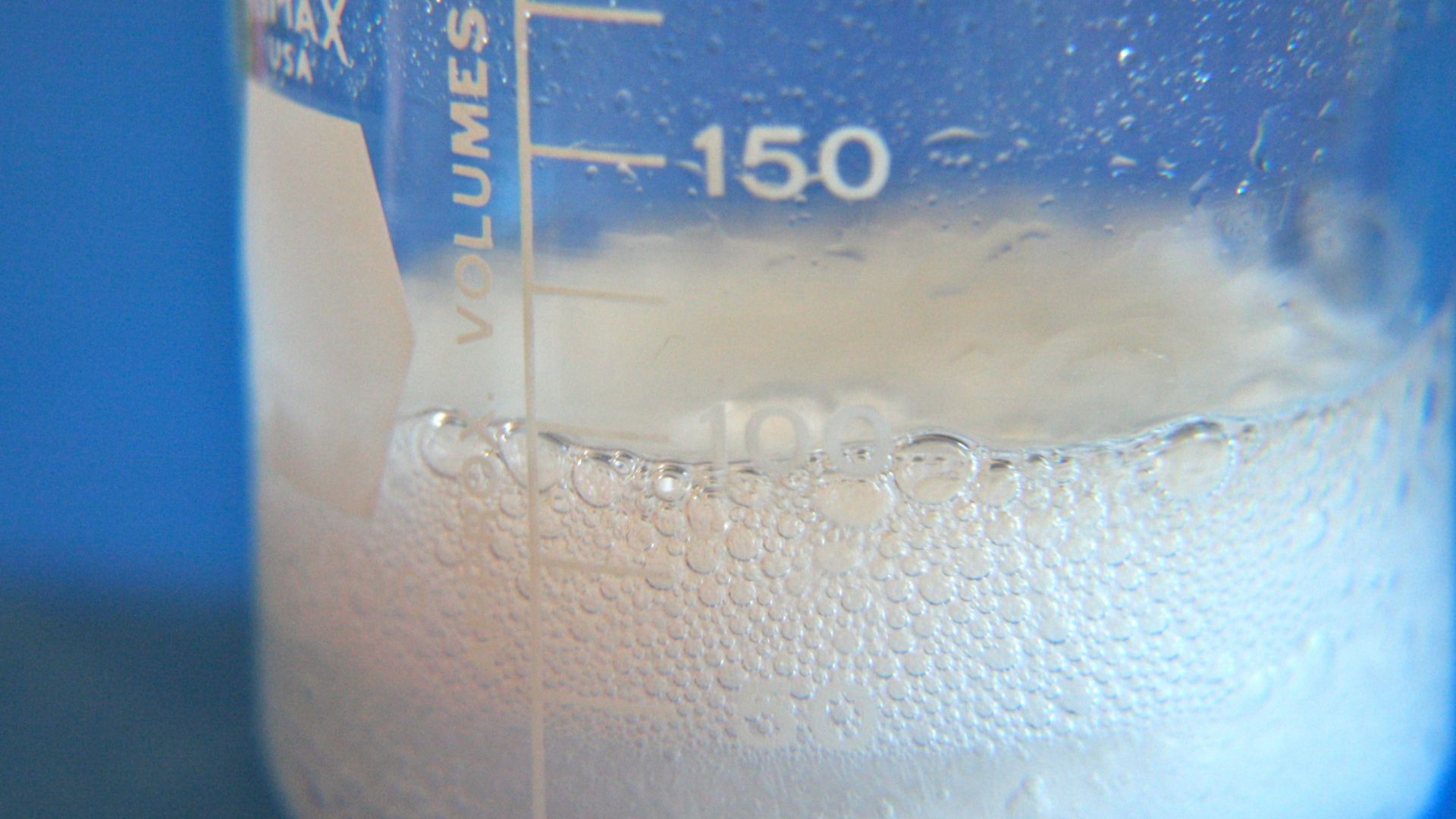
Use DIY Cleaners
Homemade cleaners rely on low-cost staples such as vinegar and baking soda. Making them reduces the need for multiple store-bought products cluttering cabinets, and they handle everyday cleaning tasks effectively. Additionally, they’re healthy, toxic-free alternatives.
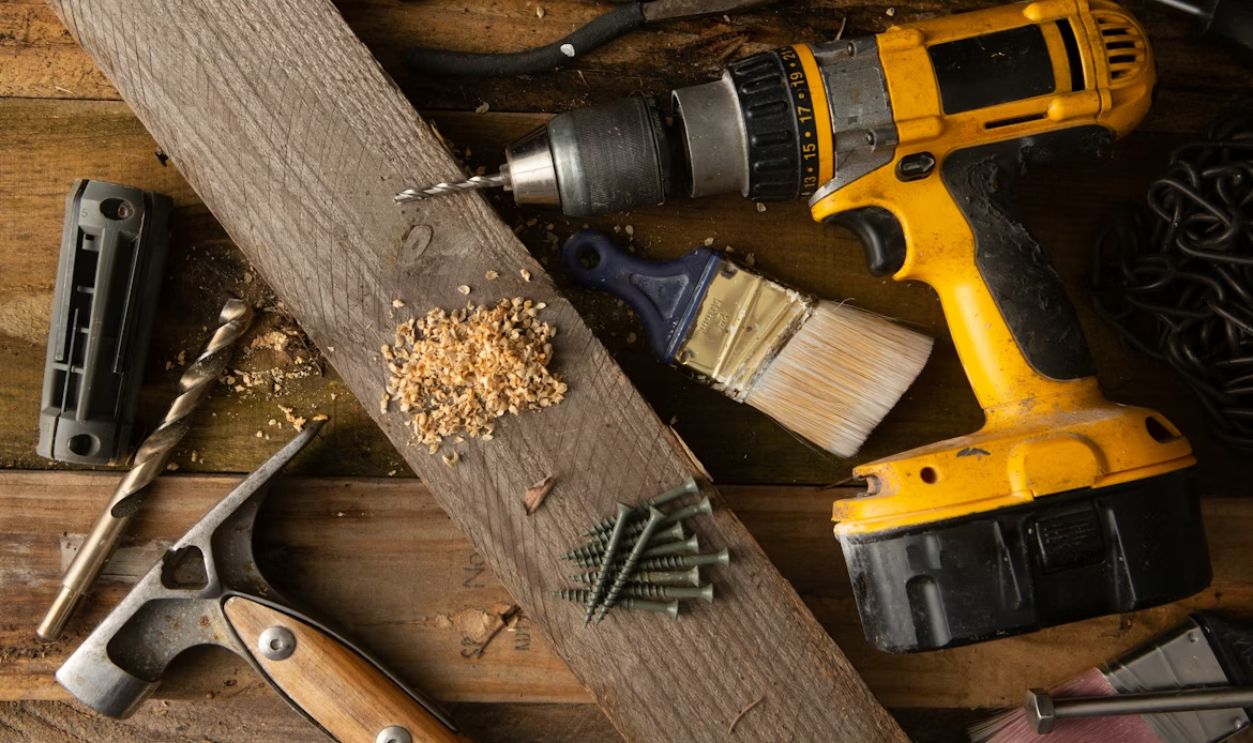
Borrow Rarely Used Items
Who said you have to buy everything? Borrowing items needed only occasionally saves money and limits clutter at home. Libraries, neighbors, friends, and tool-sharing groups offer access to things that don’t need permanent ownership. Beyond savings, borrowing often creates helpful community connections.
Switch To A Fee-Free Bank Account
If you don’t want to watch your money get depleted, switch to fee-free bank accounts and remove monthly maintenance charges that quietly drain balances. Keeping those fees means keeping more of your own money. Many banks now offer online or mobile-only options with no minimums.

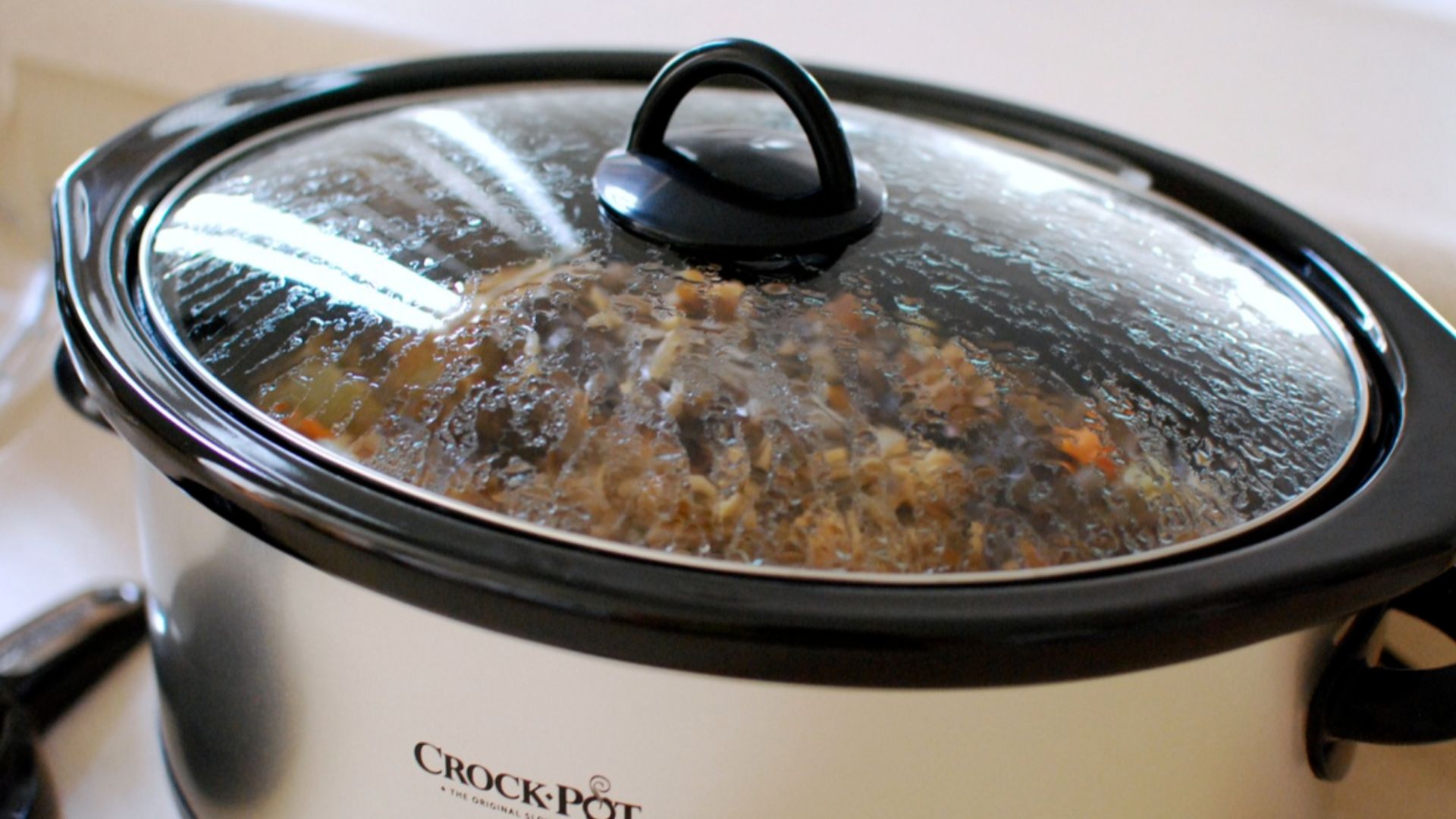
Use A Slow Cooker
Slow cookers use less energy than a full-size oven while transforming inexpensive ingredients into tender, flavorful meals. Because cooking is hands-off, there’s less temptation to order takeout after a long day. Some people even set theirs overnight and wake up to breakfast already finished.
 Janine from Mililani, Hawaii, United States, Wikimedia Commons
Shorten Showers
Cutting just a few minutes off each shower lowers water use immediately. Less hot water also means less energy spent heating it, which reduces utility costs over time. Many individuals find that quick showers feel refreshing and surprisingly energizing once they adjust.

Have A Budget-Buddy Check-In
If you need some encouragement, team up with a budget buddy to add accountability that’s hard to create alone. Regular check-ins make financial goals easier to stick to and less overwhelming. Sharing progress turns money planning into a shared experience.

Combine Errands Into One Trip
Planning errands together reduces fuel use by limiting unnecessary driving. Fewer trips also save time and reduce wear on your vehicle. The habit adds efficiency without much effort. Mapping a smart errand loop can even make routine chores feel a bit more enjoyable.

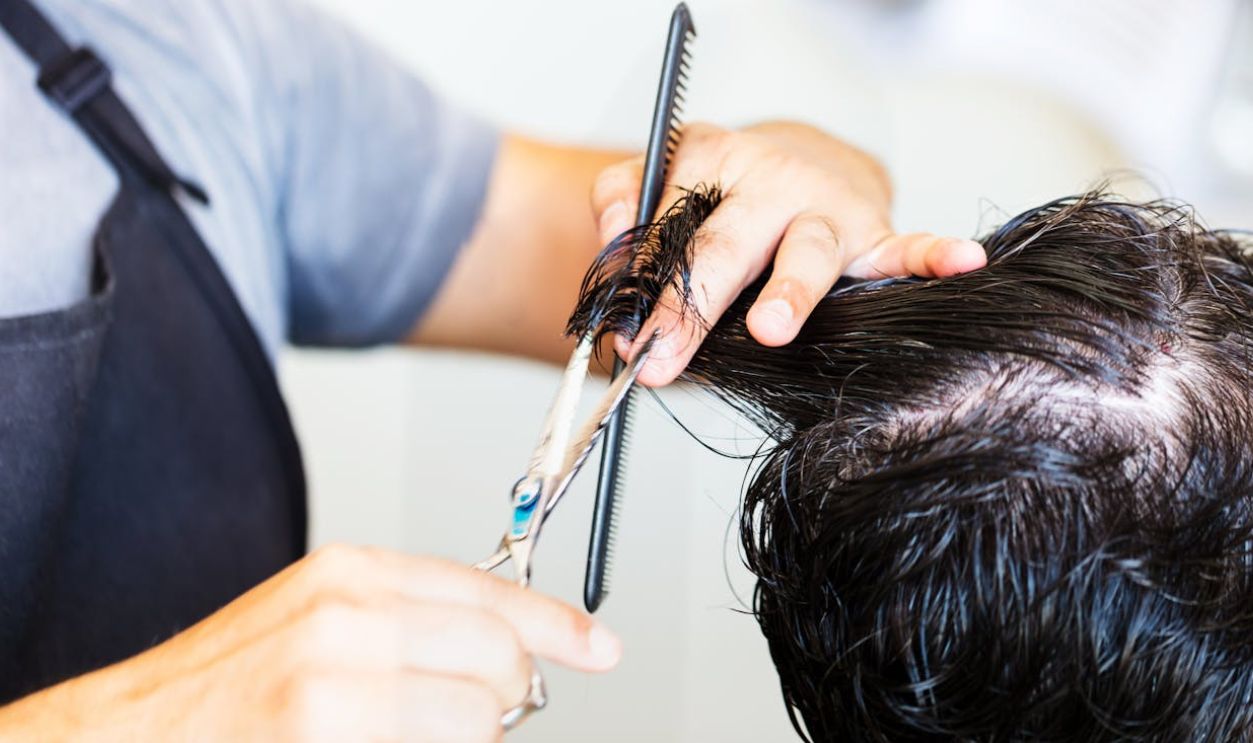
Trim Your Own Hair Between Salon Visits
In addition to having more control, light trims at home help stretch the time between professional haircuts. Basic tools like scissors and clips cost very little and last for years. It’s not difficult to learn how to maintain bangs or tidy ends at home.
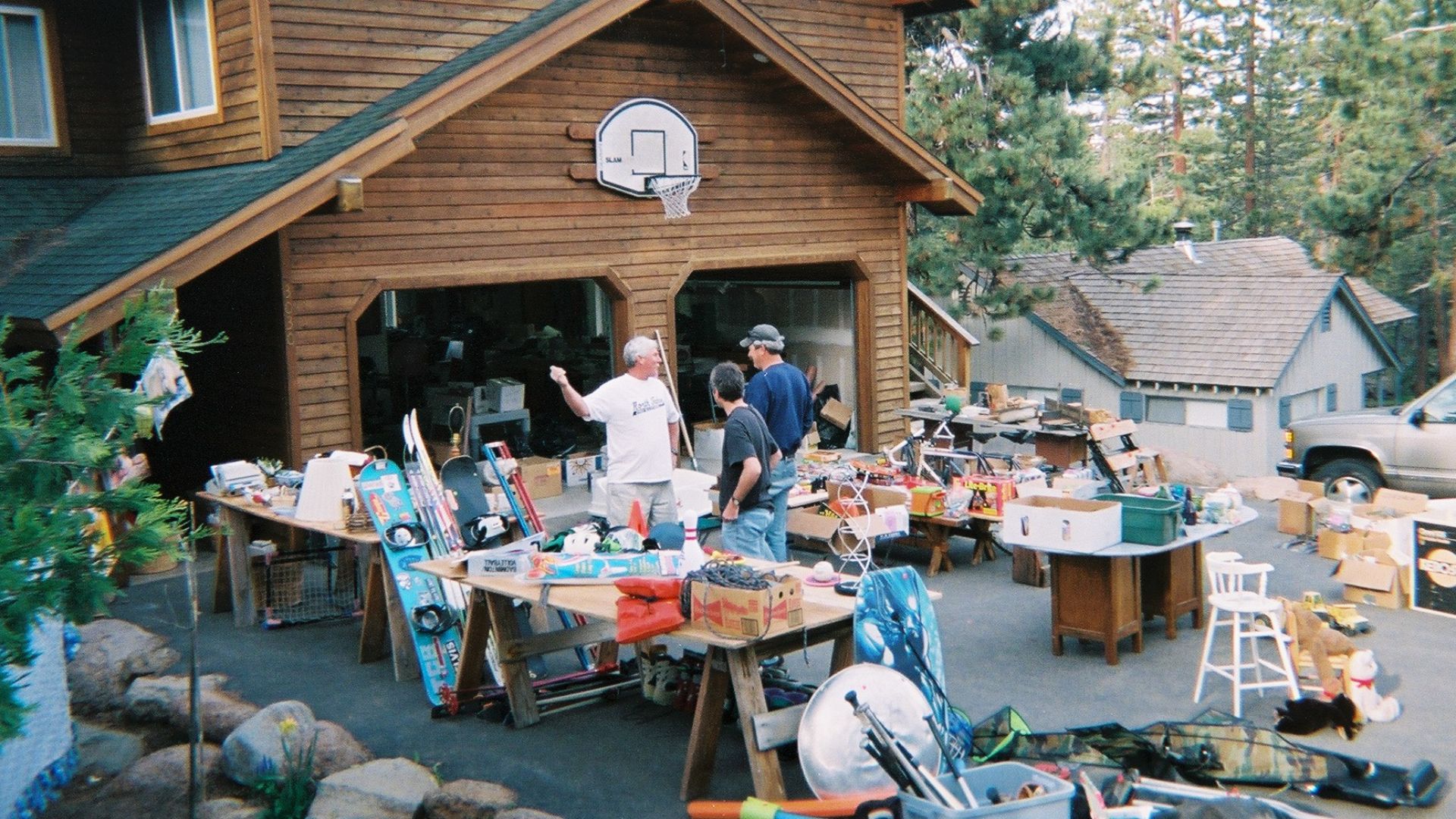
Sell Unused Items Monthly
Regularly selling items you no longer use creates extra income while reducing clutter. Clearing space makes homes feel lighter and more organized. Moreover, many items move quickly through local marketplaces.
 The original uploader was Jimmyjazz at English Wikipedia., Wikimedia Commons
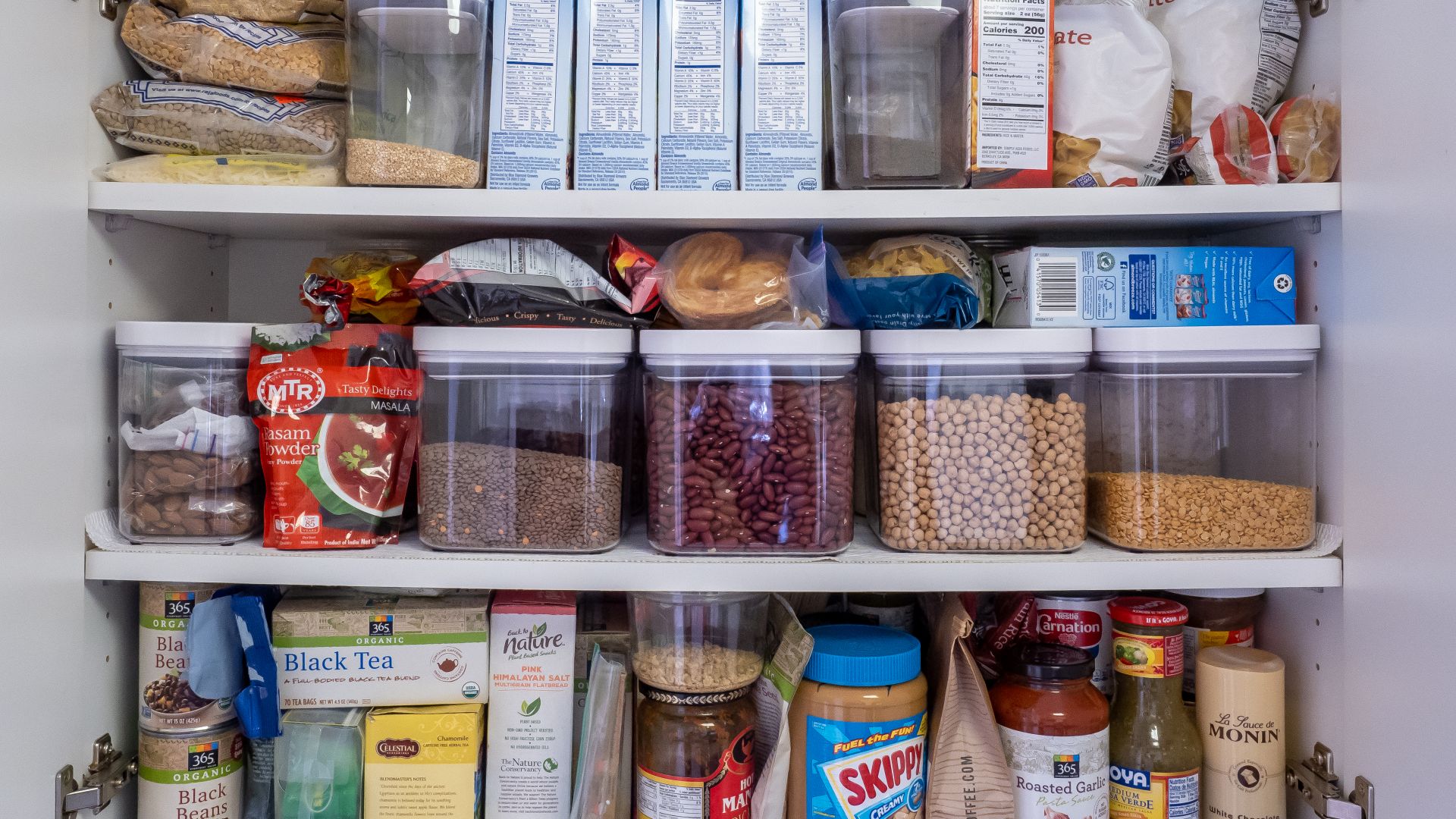
Use A Pantry-First Meal Plan
Those who want to stretch their dollars should consider building meals around what’s already in the pantry, as this helps prevent buying duplicates you don’t need. This approach pushes forgotten items to the front before expiration dates pass. Fewer grocery trips also mean fewer impulse buys.
 Ajay Suresh from New York, NY, USA, Wikimedia Commons
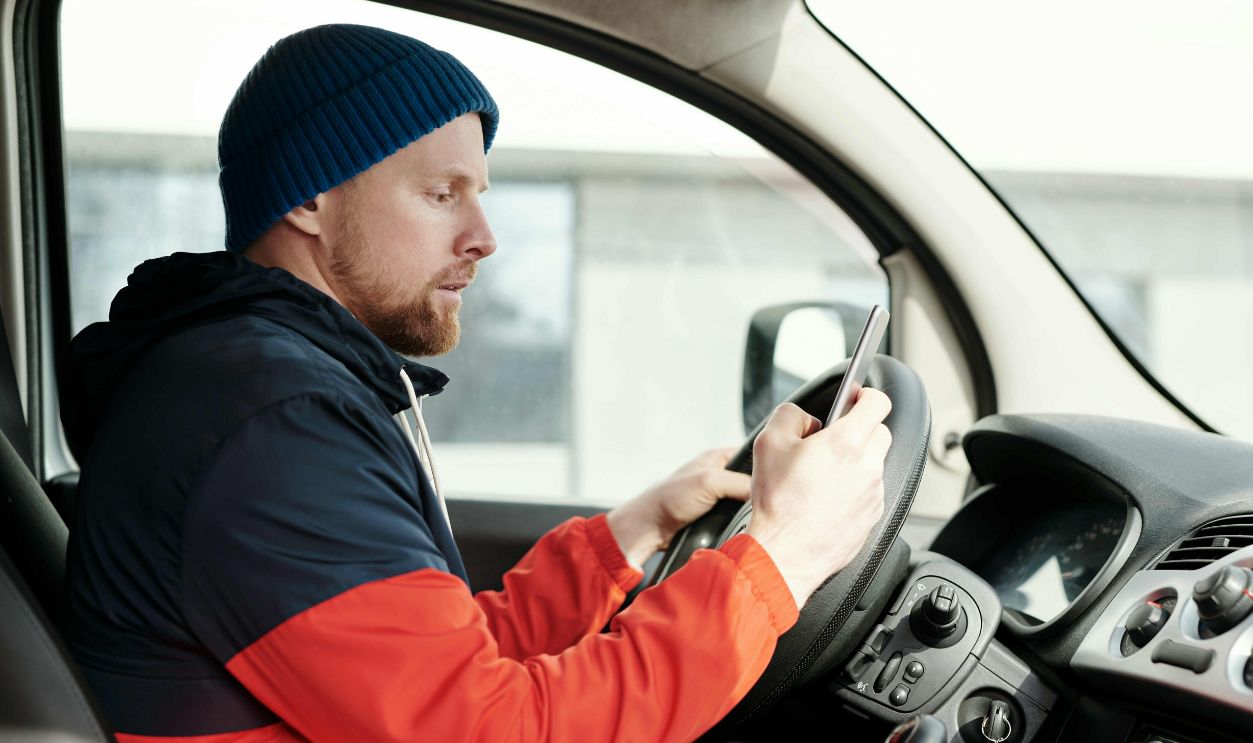
Use A Fuel-Price App
Fuel-price apps show nearby gas stations and highlight the cheapest options in real time. This helps drivers avoid overpaying at high-priced locations. These savings can cover small treats like coffee.
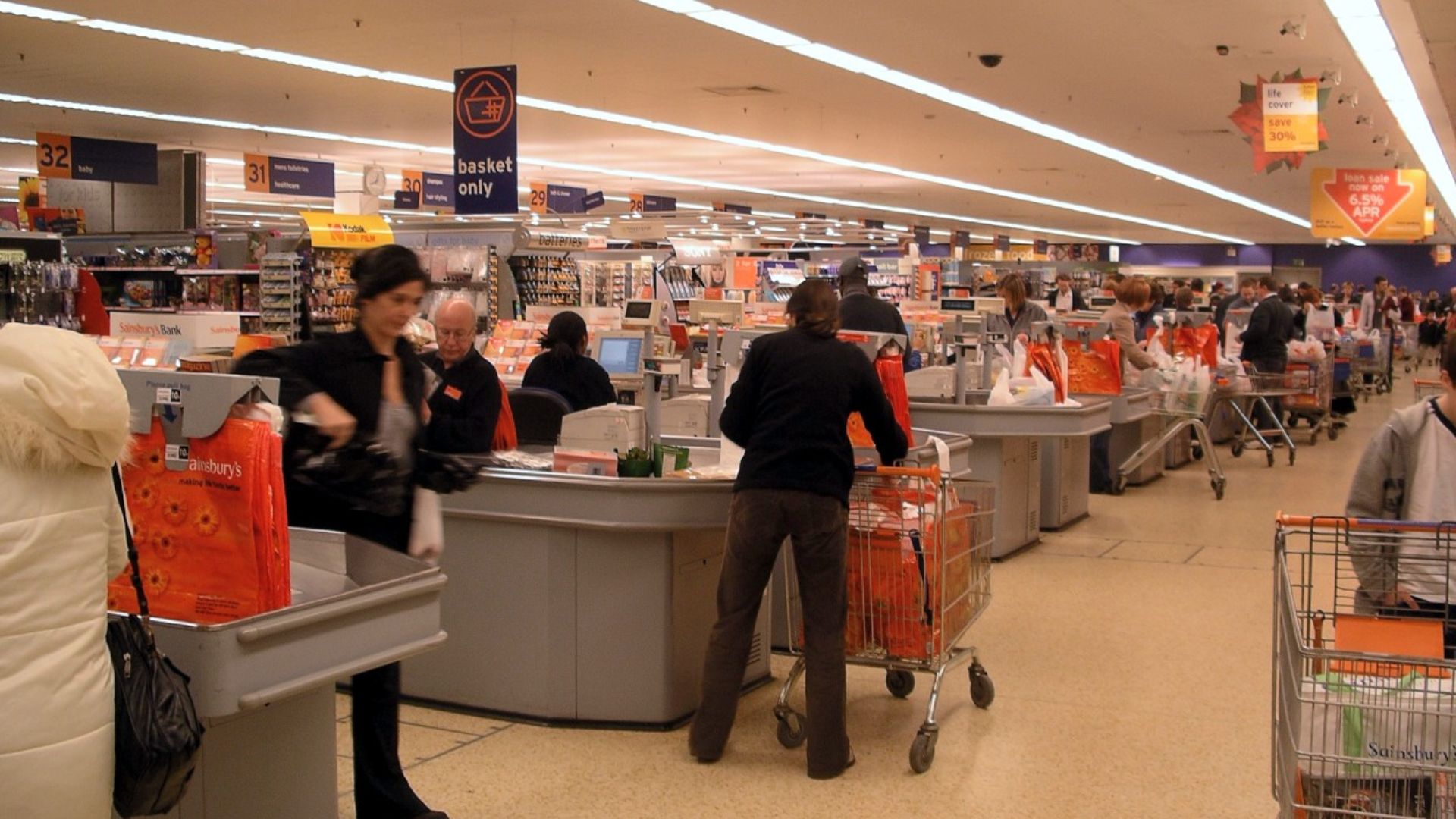
Shop Right Before Closing
By the end of the day, grocery stores often discount bakery, deli, and produce items to avoid waste. Perishable foods get marked down, creating chances to save, and most of these items freeze well for later use.
 Velela at English Wikipedia, Wikimedia Commons
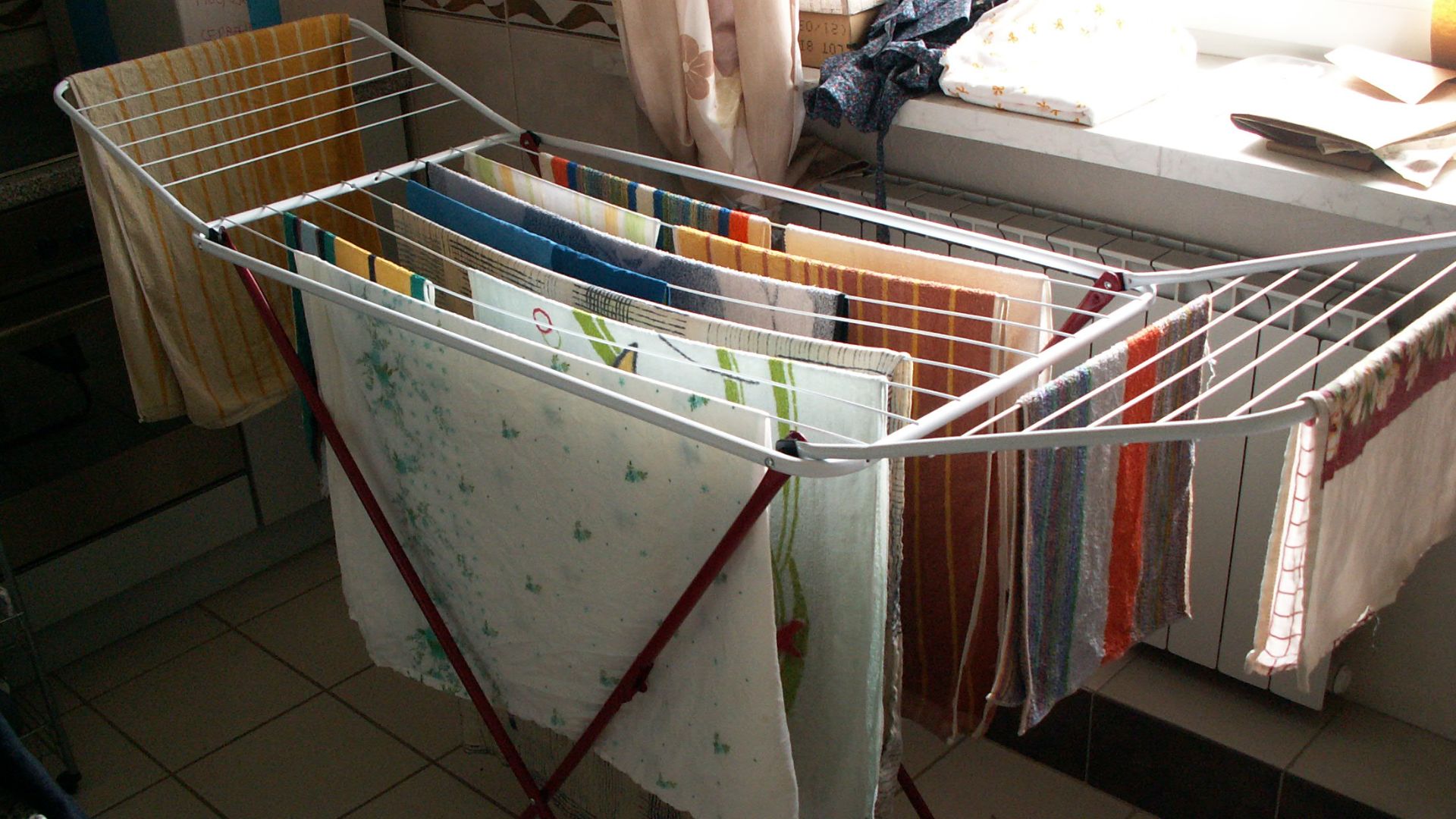
Air-Dry Laundry
To remove one of the biggest energy drains, skip the dryer and let your laundry air-dry. It also reduces heat damage and keeps your clothes in good shape. Having access to direct sunlight adds more freshness without scented products.
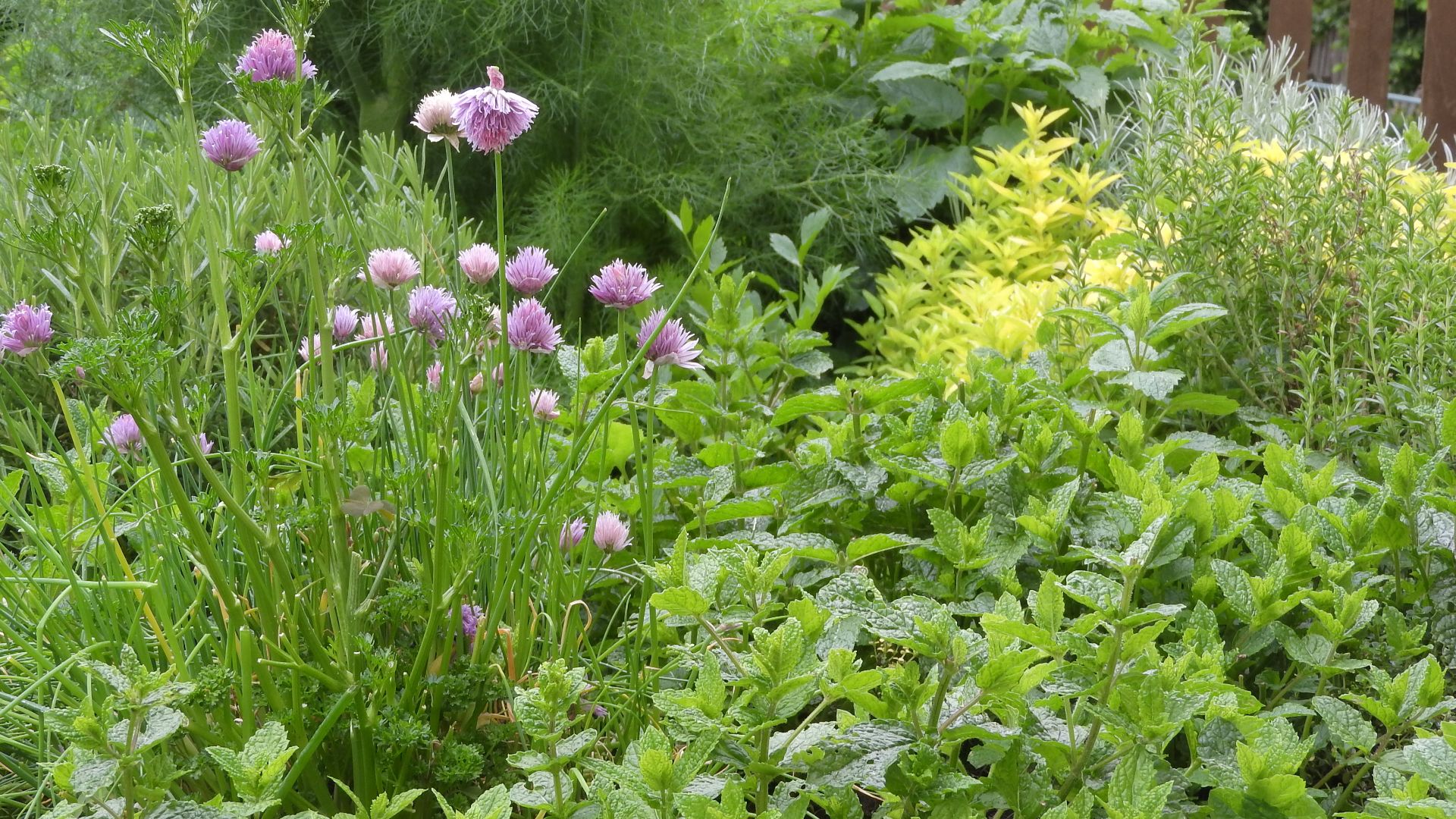
Grow Fast Herbs At Home
Herbs such as basil, mint, parsley, and chives thrive in small pots and simple setups. Growing them yourself costs far less than buying store bundles. Fresh herbs boost flavor without extra spending, and snipping herbs from a windowsill adds an unexpected touch of everyday luxury.
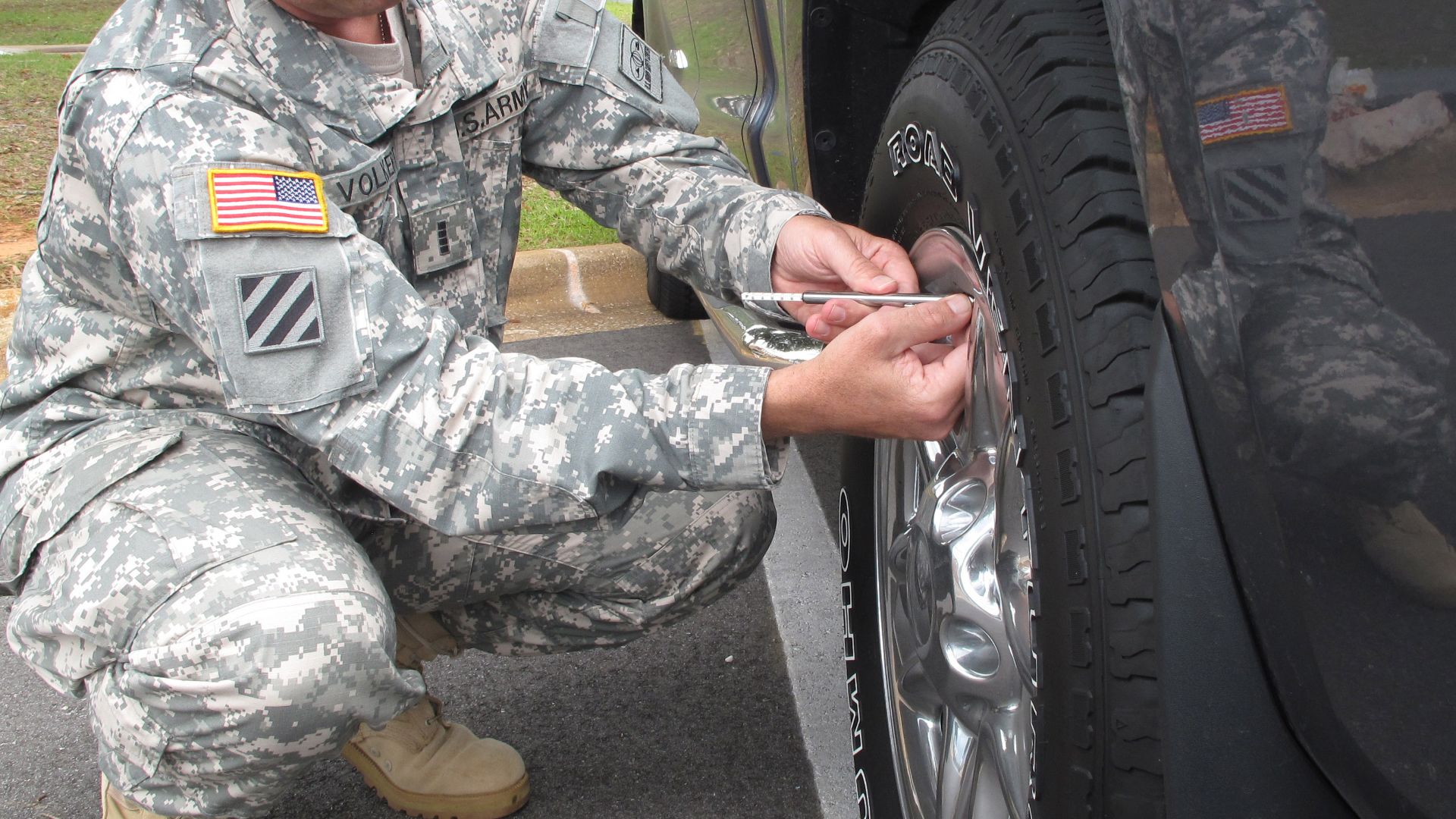
Check Tire Pressure Regularly
Keeping tires properly inflated helps your car run more efficiently and smoothly. Low pressure increases wear and reduces fuel economy over time. Luckily, gas stations offer air pumps for easy checks.
 Fort Rucker, Wikimedia Commons
Unplug Energy Vampires
Chargers and electronics still draw power even when turned off. Unplugging them cuts unnecessary electricity use without changing habits. Power strips make disconnecting multiple devices simple.
Carpool Routine Trips
Sharing rides for work, school, or regular errands lowers fuel costs for everyone involved. Fewer miles also mean less wear on each vehicle over time. Plus, traffic and parking become less stressful when cars are shared. As a bonus, carpooling often turns routine trips into easy social time.

Switch To Cash-Only Envelopes
Physical cash limits spending to what’s actually available. Relying on cash envelopes makes budgets feel concrete instead of abstract numbers on a screen. They’re especially effective for categories like groceries or dining out.

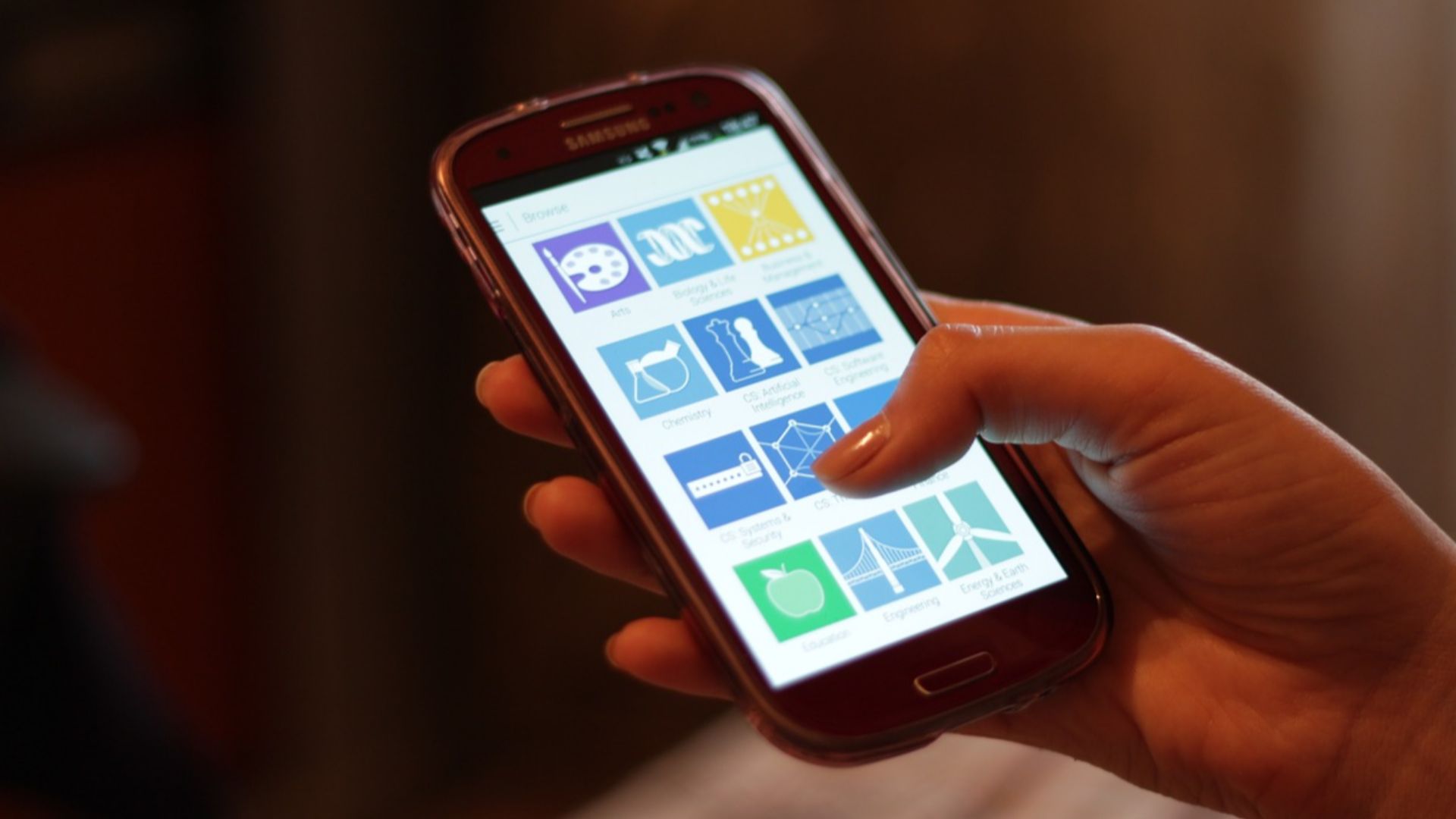
Buy Refurbished Electronics
Before buying new, consider refurbished electronics, as they usually cost less while offering similar performance. These items are inspected and repaired before resale, and many include warranties for peace of mind.
 Océanos y dados, Wikimedia Commons
Unsubscribe From Marketing Emails
Promotional emails are designed to trigger impulse spending through constant sales messaging. Unsubscribing reduces exposure to that pressure, and also keeps inboxes cleaner and easier to manage.

Follow A Replacement-Only Rule
This rule limits purchases by requiring items to wear out before being replaced. It curbs impulse buying and encourages better care of what’s already owned. Over time, many people realize they actually need far fewer things than they once assumed.

Try A No-Heat Cooking Week
Meals that require no stove or oven save energy by eliminating cooking altogether. Options like salads, wraps, and overnight oats make this easy. It’s especially useful during hot weather when keeping the house cool matters.
 Katrin Gilger, Wikimedia Commons
Repurpose Old Towels As Rags
Instead of throwing them away, worn towels can be cut into sturdy cleaning cloths that outperform paper towels. Reusing them reduces household waste and avoids repeat purchases. One towel can quickly turn into a surprisingly large stack of reusable rags.
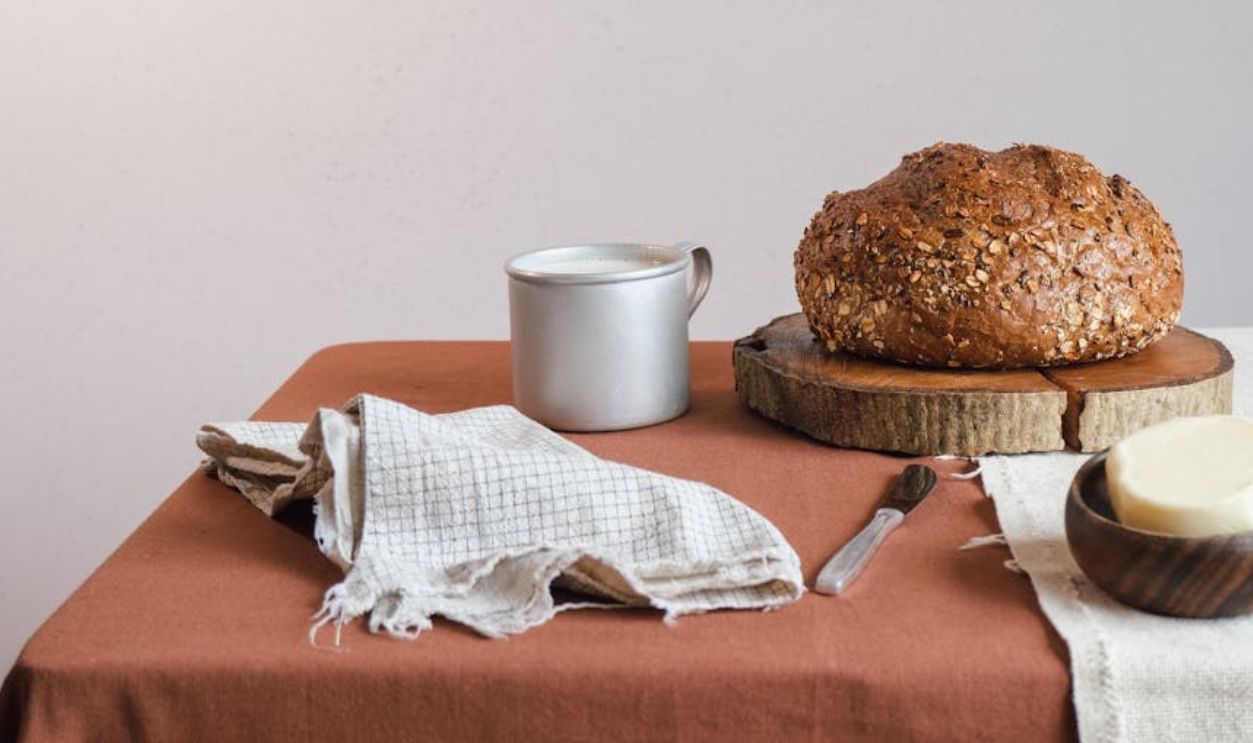
Automate A Tiny Weekly Savings Transfer
Small automatic transfers quietly build savings without ongoing effort. Automation removes the temptation to skip saving when money feels tight. Even tiny amounts add up over time. Watching savings grow steadily can feel almost magical when it happens in the background.

Use Coupon-Finding Browser Extensions
Coupon browser extensions automatically search for discount codes while you shop online. They apply savings at checkout with little effort required. This helps catch deals that are easy to miss.

Negotiate Bills Annually
A lot of service providers offer lower rates when customers simply ask. Checking in once a year helps prevent slow price increases from slipping by unnoticed. Companies often agree to match competitor pricing to keep their business.

Use Sinking Funds
Sinking funds spread predictable expenses over time instead of facing one large bill. As a result, they reduce stress by preventing routine costs from becoming emergencies. This approach works for everything from holidays to car repairs.
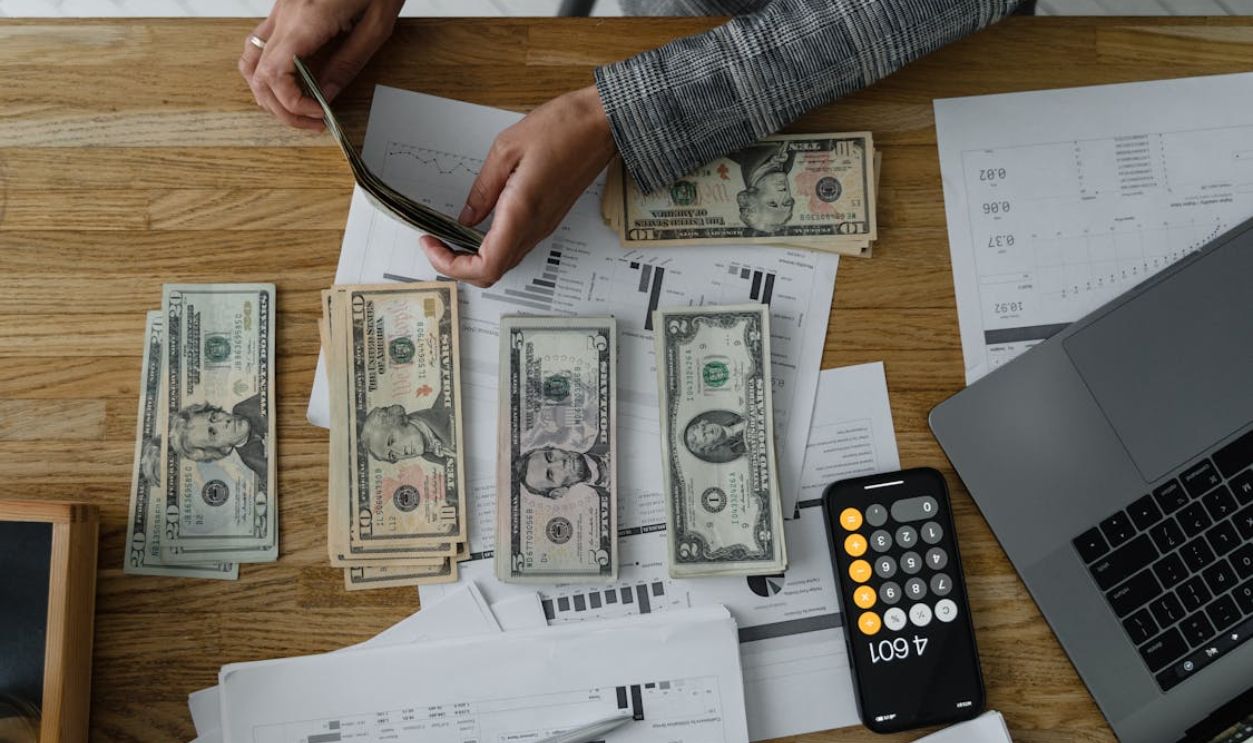
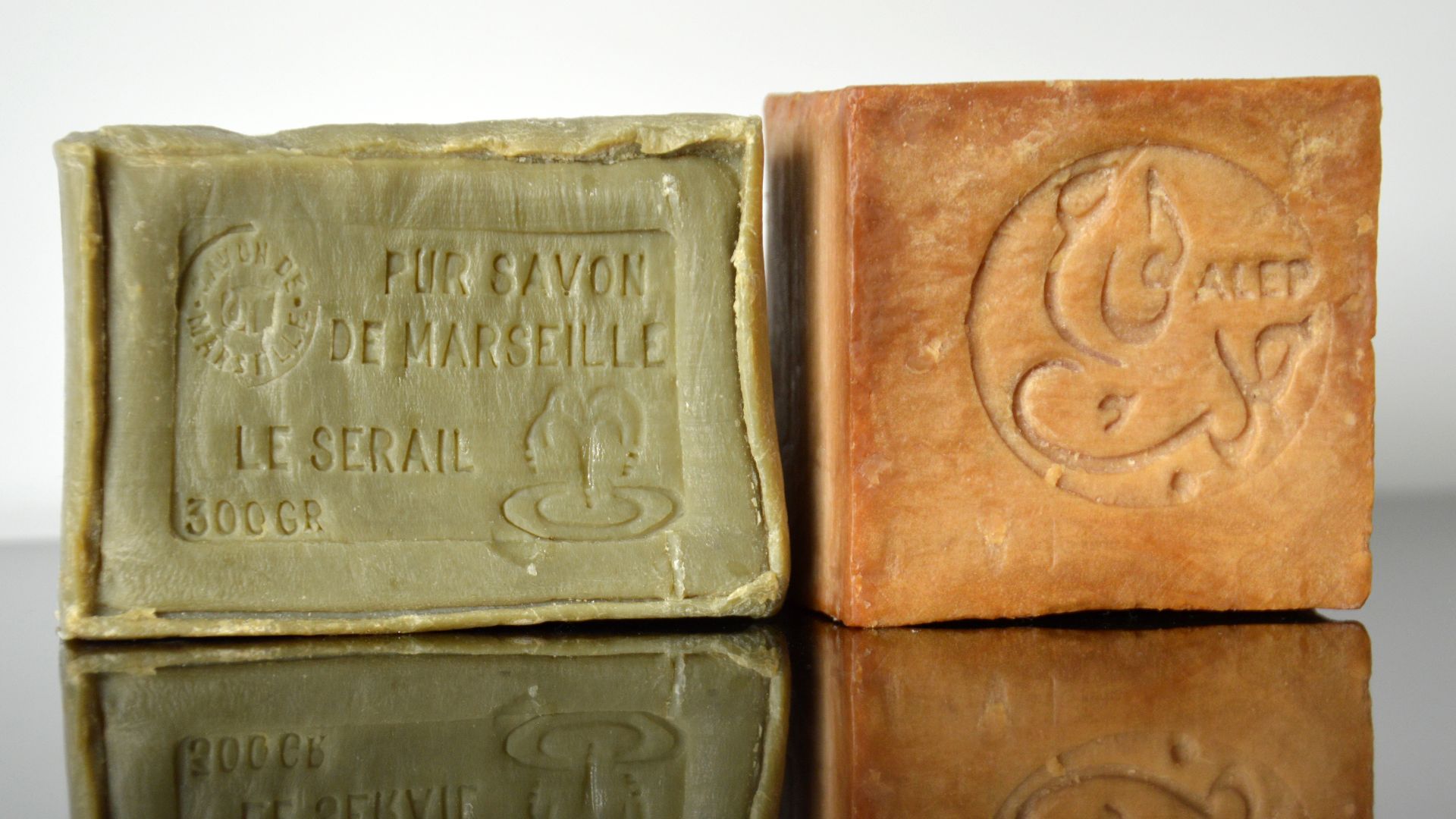
Switch To Bar Soap And Shampoo Bars
Bar soap and shampoo bars typically last longer than bottled versions. Bonus? They cut down on plastic waste and are often cheaper per use. The compact format also saves space and makes them convenient for travel since they never spill.