
Why This Question Freaks People Out
When someone says the money in your bank account is “not really yours,” it sounds like the start of a conspiracy thread. But this idea usually comes from a real legal and banking concept, not just paranoia. When you deposit money in a bank, you're entering into a specific agreement with the institution, they aren't just "watching it for you."

What A Bank Deposit Actually Is
In legal terms, a normal bank deposit creates a debtor-creditor relationship between you and the bank. That means the bank owes you the amount shown in your account instead of holding the same cash you handed over. Banks use deposits to make loans, buy assets, and run payment systems. That is how regular banking works.

So Is The Money “Yours” Or Not?
In everyday life, yes, the money is yours because you can withdraw it, spend it, transfer it, or keep it in an insured account within the rules. In a stricter legal sense, your account is a claim against the bank, not ownership of specific pieces of cash. That difference matters most when people talk about bank failures or account freezes. It does not mean the bank can randomly decide your money belongs to them.

Why Banks Do Not Keep Every Dollar On Hand
Banks do not keep all deposited money sitting around in cash. They keep reserves and other liquid assets, but they also use deposits to make longer-term loans and support other banking activity. If everyone tried to pull out their money at the same time, even a healthy bank could be under stress. That is one reason deposit insurance and central bank support exist.

What Deposit Insurance Is Supposed To Do
In the United States, the FDIC insures deposits at member banks up to the insurance limit per depositor, per insured bank, per ownership category. Credit unions have similar protection through the NCUA. This insurance is meant to protect regular depositors if an insured institution fails. It is one of the main reasons bank accounts are usually much safer than keeping piles of cash at home.
 ajay_suresh, Wikimedia Commons
The Coverage Limit Matters
FDIC deposit insurance usually covers up to $250,000 per depositor, per insured bank, per ownership category. If you have more than that in one category at one bank, the amount above the limit could be at risk if the bank fails. That does not mean you should panic. It means you should know how the limits work and spread money around if needed.

What Happens If A Bank Fails
When an insured bank fails, regulators usually step in and try to move deposits to another institution or pay insured depositors quickly. In many cases, customers get access to insured funds in a short time. It can still be stressful, especially for people or businesses with uninsured balances. But a bank failure does not usually mean everyone loses everything overnight.

Uninsured Deposits Are A Different Story
Money above insurance limits is not automatically protected in a normal bank failure. Sometimes uninsured depositors get back much or even all of their money through the resolution process, but that is not guaranteed. This is one reason people say your bank balance is only as strong as the institution holding it. There is some truth there, even if people often make it sound worse than it is.

Can A Bank Freeze Your Account?
Yes, a bank can freeze an account in some situations. That can happen because of suspected fraud, court orders, identity checks, sanctions screening, unpaid debts with legal process, or anti-money-laundering reviews. A freeze does not mean the bank now owns your money. It means your access can be blocked while a legal or compliance issue gets sorted out.

Government Seizure Fears Need Context
Some people worry that governments can just take bank deposits whenever they want. In real life, seizure or garnishment usually requires legal authority, a process, and a reason such as unpaid taxes, a criminal case, or a court judgment. Some countries have used emergency measures during crises, but those are unusual events, not normal banking. So the fear is not made up, but it often leaves out a lot of context.

Bank Runs Are Real, But Rare For Most People
Recent history shows that bank runs are still possible. A bank can fail when confidence drops and depositors rush to withdraw funds. What usually protects regular customers is deposit insurance, regulation, supervision, and central bank lending tools. The average insured depositor is in a very different position from a large business with a huge uninsured balance.

What The 2023 Bank Failures Taught Everyone
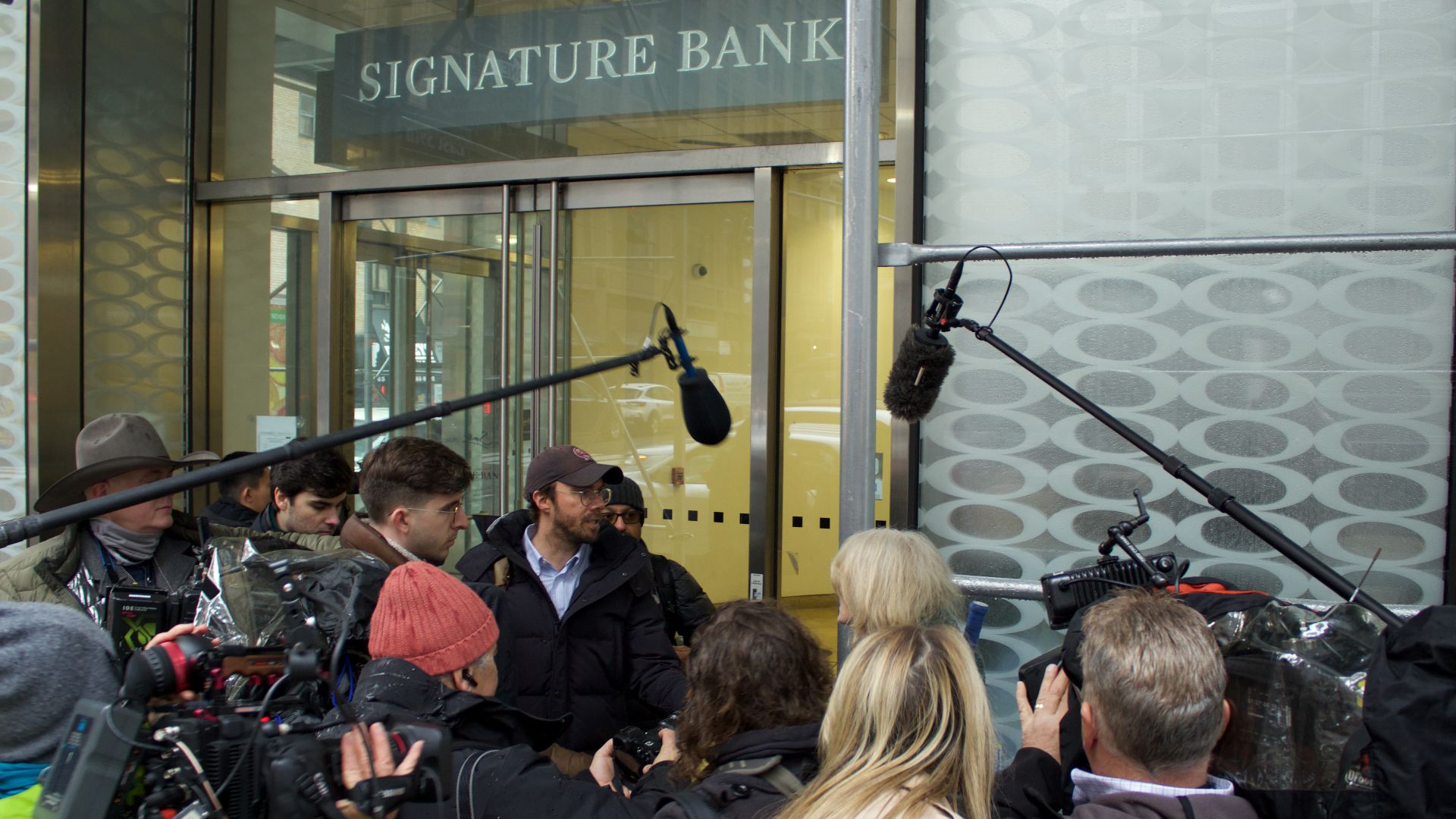
The collapses of Silicon Valley Bank and Signature Bank reminded people that banks can fail very quickly in the digital age. Those cases also showed how a large share of uninsured deposits can make a bank more vulnerable to a run. Regulators took unusual steps to protect depositors in those situations. That helped calm fears, but it also showed that risk gets more serious when balances go over normal insurance limits.
Keeping Cash At Home Has Its Own Problems
If someone thinks the answer is to avoid banks completely, that creates a different set of risks. Cash at home can be stolen, destroyed in a fire or flood, or just lost. It also does not earn interest and can be harder to use for paying bills, shopping online, or keeping records for taxes and disputes. Staying outside the banking system can sound appealing until something goes wrong.

Inflation Quietly Eats Idle Cash
Whether money sits in a checking account or in a box at home, inflation chips away at what that money can buy over time. So avoiding banks does not protect you from one of the biggest risks to cash. In fact, keeping a lot of physical currency can make that problem worse if it earns nothing. Safety is not only about control. It is also about keeping value.

Not All Bank Accounts Are The Same
Checking accounts, savings accounts, money market deposit accounts, and certificates of deposit can all work a little differently. They can have different access rules, features, and interest rates. From an insurance standpoint, many deposit products are covered if they are held at an insured institution and meet the rules. But investment products sold at banks are different. Just because something is offered inside a bank does not mean it is an insured deposit.

Stocks And Crypto Are Not Bank Deposits
This is where a lot of people get confused. Brokerage accounts may have SIPC protection in some cases, but that is not the same thing as FDIC insurance. Crypto holdings usually are not protected by FDIC insurance just because a platform mentions a banking partner somewhere in the fine print. If you want to know how safe your money is, you need to know exactly what kind of account you have.

How To Stay Within Insurance Limits
If you have a large cash balance, there are smart ways to lower risk without giving up on banks. You can spread money across more than one insured institution, use different ownership categories when it makes sense, or look into services that place funds across a network of banks. Some cash management products also use deposit sweeps, but you should read the details carefully. The basic idea is simple: do not keep too much uninsured money in one place.

Credit Unions Deserve A Mention Too
Credit unions are not insured by the FDIC, but federally insured credit unions are backed by the NCUA through the National Credit Union Share Insurance Fund. Coverage is generally similar in amount to FDIC insurance for banks. For many people, a credit union can be just as safe for insured deposits as a bank. The key thing is to make sure the institution is federally insured.

What “Bail-In” Fears Usually Get Wrong
The term “bail-in” often shows up online when people want to argue that depositors are doomed. In some places, bank resolution rules can impose losses on certain creditors and investors, but insured deposits are usually treated very differently. In the United States, insured deposits have strong legal protections when a bank is resolved. Throwing around the term without explaining the order of who takes losses first usually creates more fear than clarity.

Why Records And Access Still Matter
Even when insured deposits are generally safe, short-term access problems can still happen during outages, fraud reviews, or institutional stress. That is why it helps to keep some emergency cash, backup payment options, and copies of key account information. Being prepared is not the same as being paranoid. A little backup planning can make a tough situation much easier.

The Smart Middle Ground
You do not need to choose between trusting banks blindly and hiding cash in the backyard. A reasonable approach is to keep everyday money in insured accounts, hold an emergency cushion, understand insurance limits, and avoid leaving very large uninsured balances in one place unless you have a clear reason. If you have more cash than the insurance limits, spread it around in a thoughtful way. Financial safety usually comes from planning, not extreme moves.

So Is Your Friend Right?
Your friend is pointing to a real part of modern banking, but probably pushing it into a scarier conclusion than the facts support. It is true that a deposit is legally a claim on a bank rather than ownership of specific bills. It is also true that access can be interrupted and uninsured balances can face risk if a bank fails. But for most people using insured accounts and staying within coverage limits, keeping money in the bank is practical and generally safe.