Digits Determine Value
Dollar bills aren't all created equal. The eight-digit code on each note determines whether it's worth a buck or a fortune. Collectors pay hundreds for the right combinations. Time to check that wallet.

Hidden Treasures
Collectors recently paid $26,400 for a 1874 $1 note, while matched pairs from a 2013 printing error fetch up to $150,000. Between 2014 and 2016, the Bureau of Engraving and Printing accidentally released 6.4 million bills with duplicate serial numbers, most of which are still circulating today.
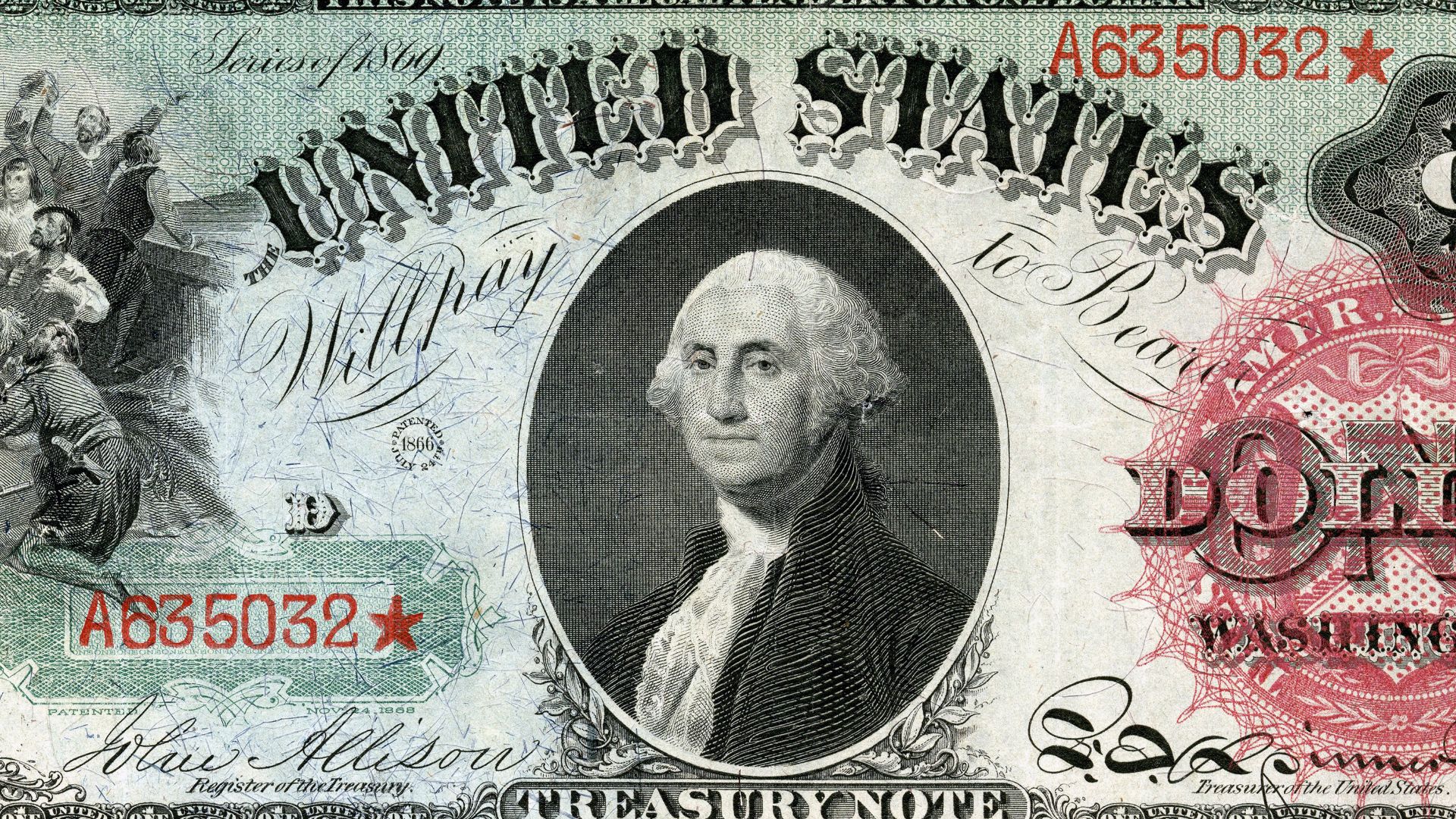 National Museum of American History , Wikimedia Commons
Serial Numbers
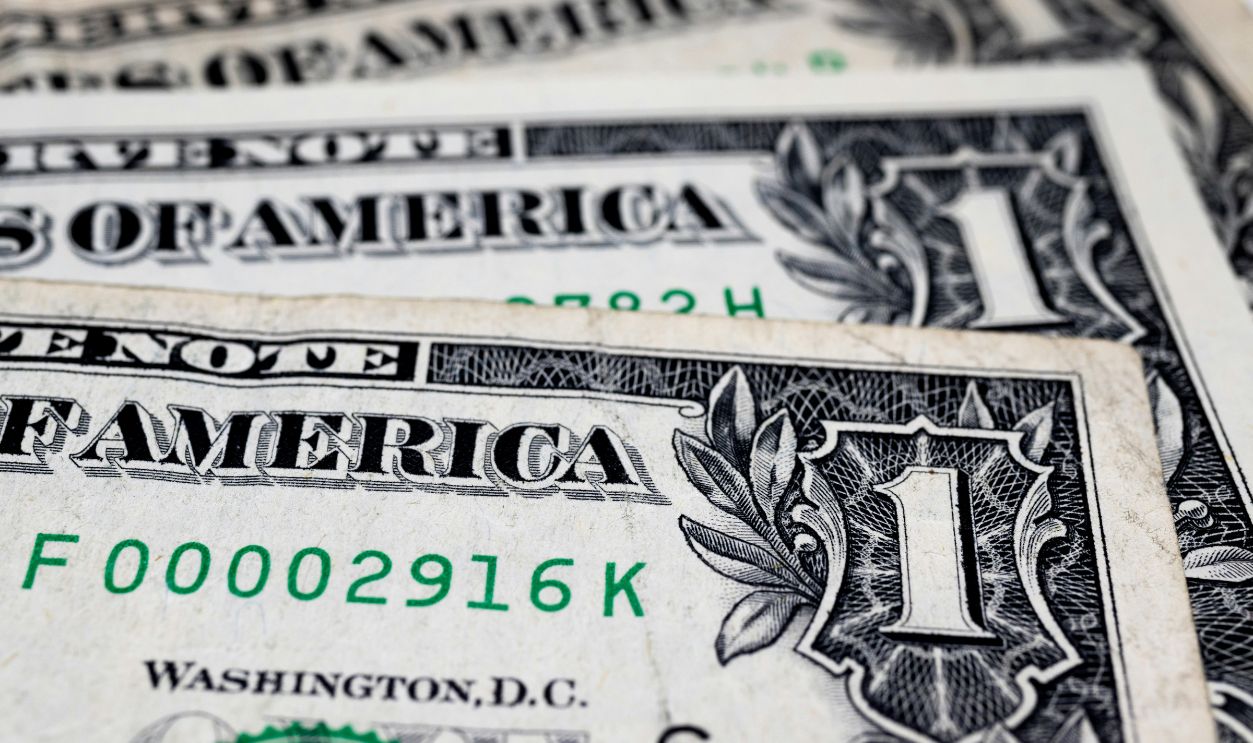
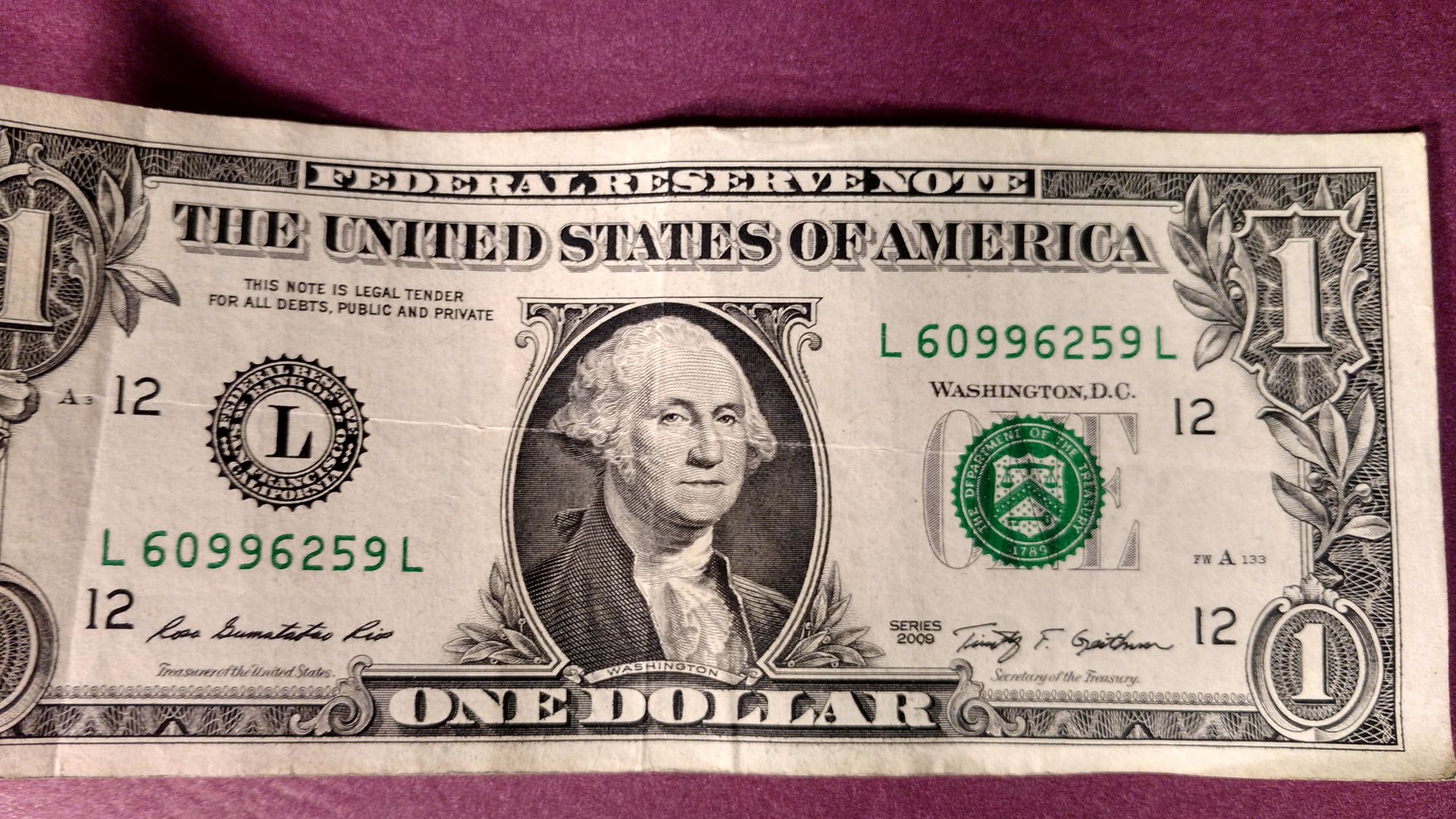
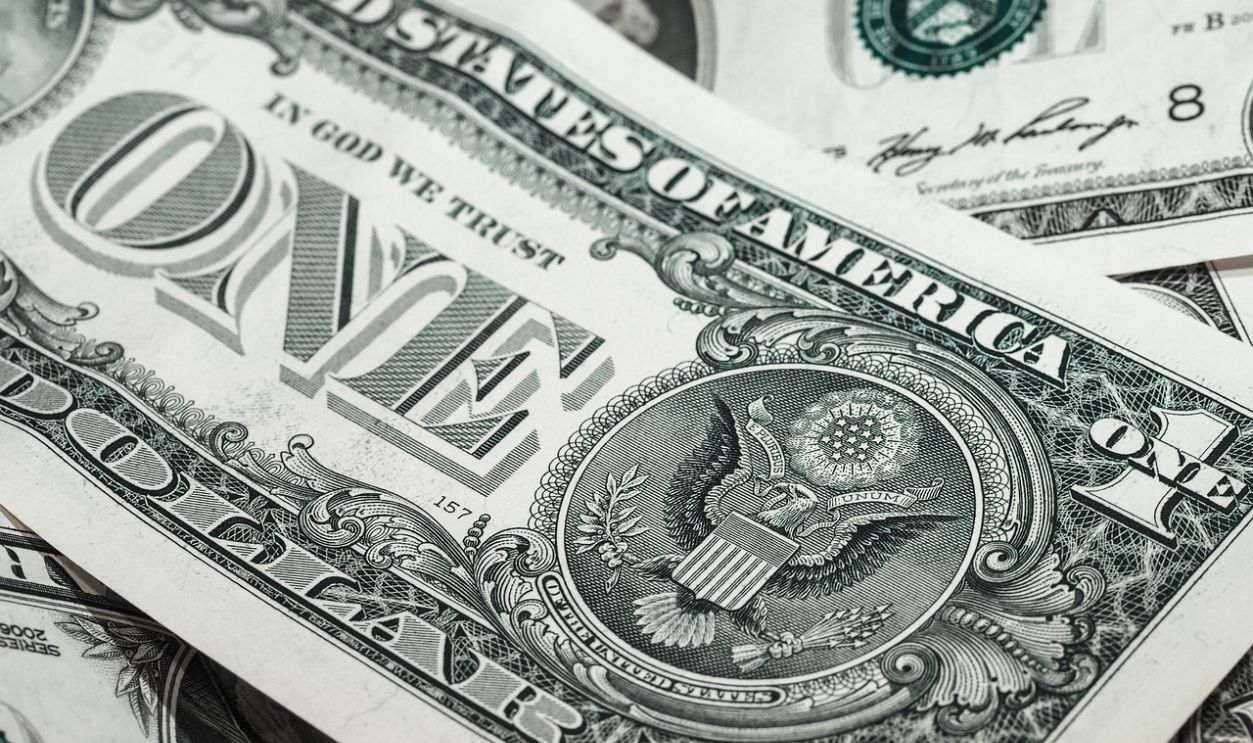
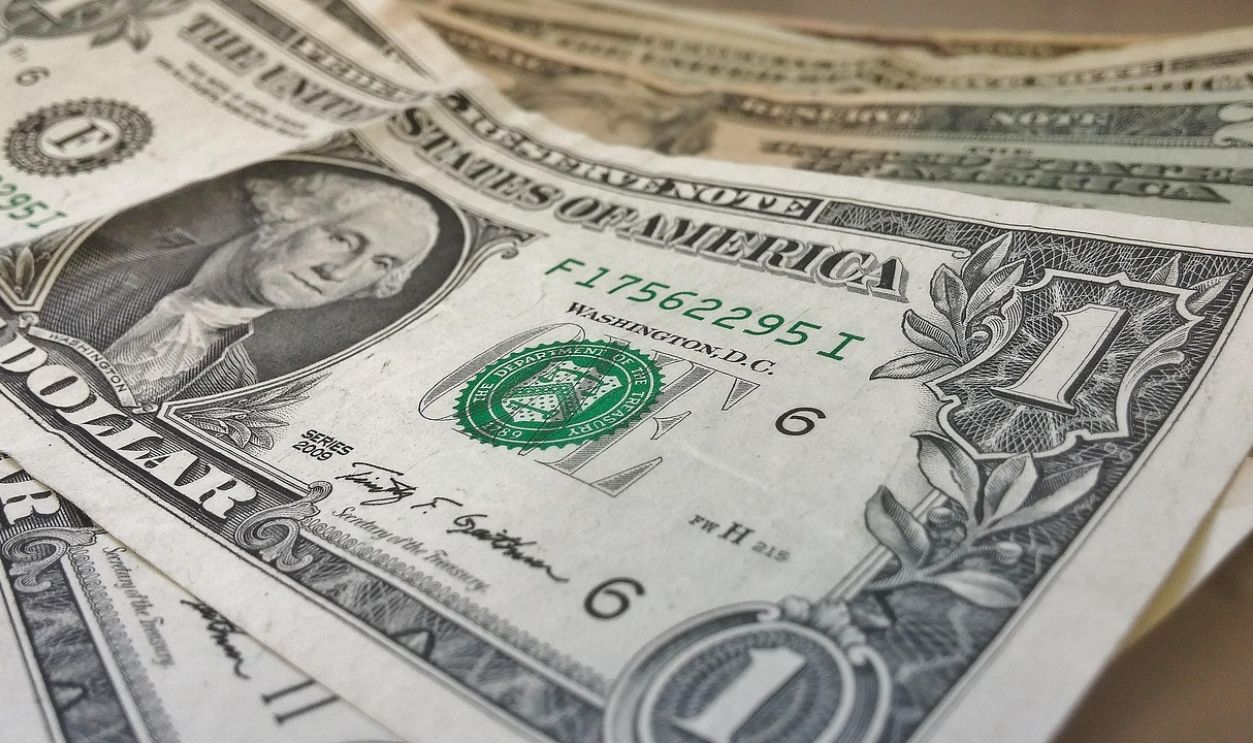
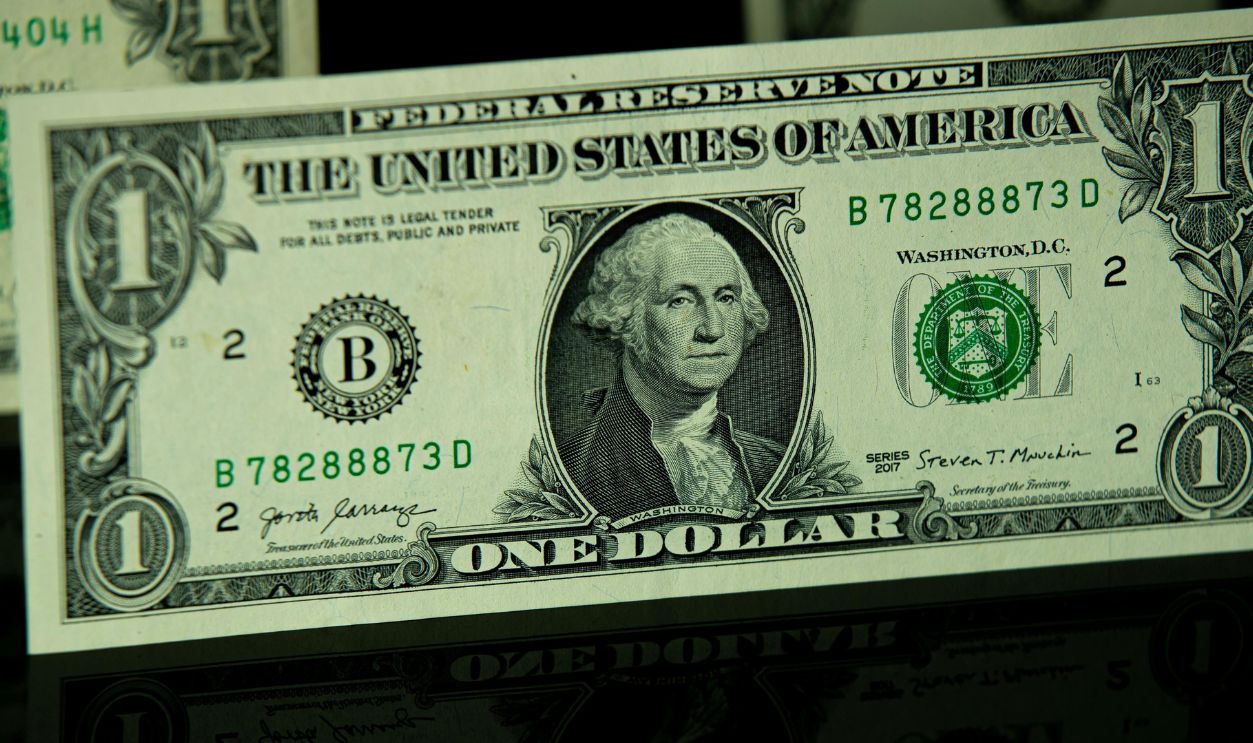
Each bill carries an eight-digit identifier printed twice—lower left and upper right. The Bureau assigns these unique identifiers to prevent counterfeiting and maintain accurate production records across all printed currency. Approximately 14 billion $1 bills currently circulate, but certain numerical arrangements turn face value into collector gold.
Pattern Recognition
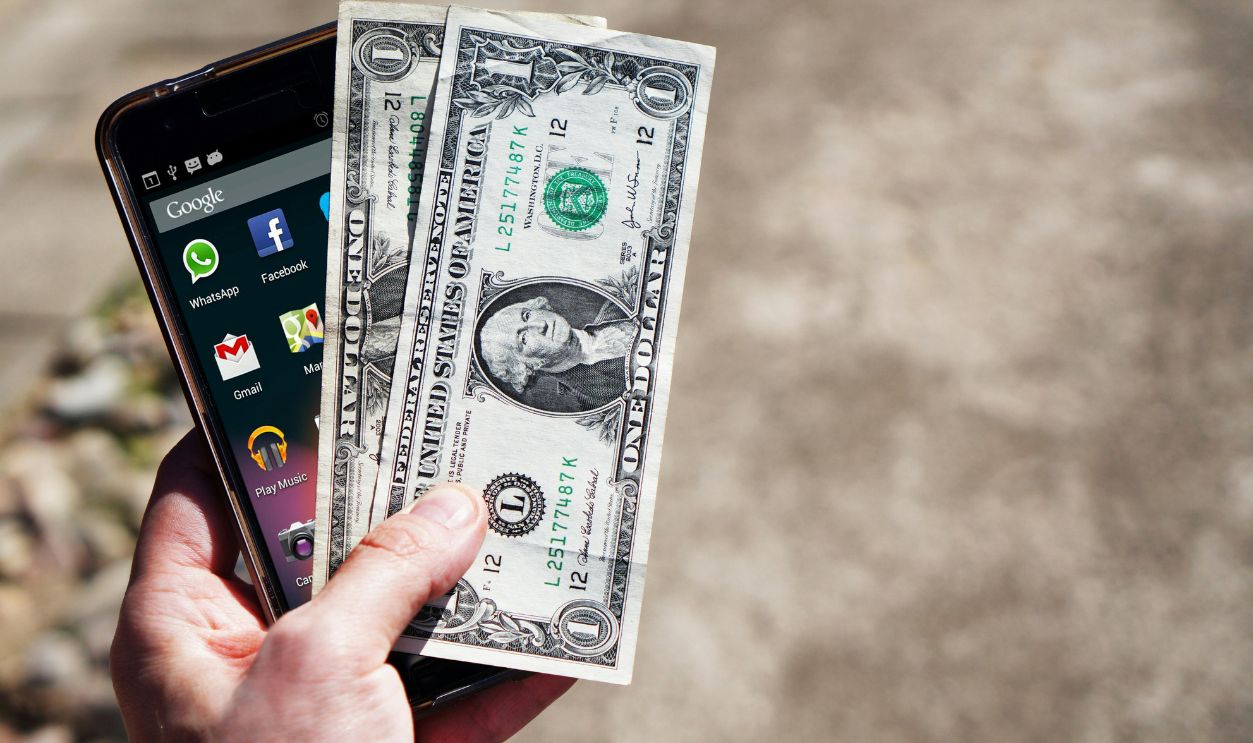
Numismatists classify "fancy" serial numbers into distinct categories based on mathematical arrangements. Online checkers like banknoteserialchecker.com instantly identify valuable patterns, though experienced collectors spot them at a glance. The rarest combinations, such as solids, ladders, and radars, appear roughly once per million bills.
Low Numbers
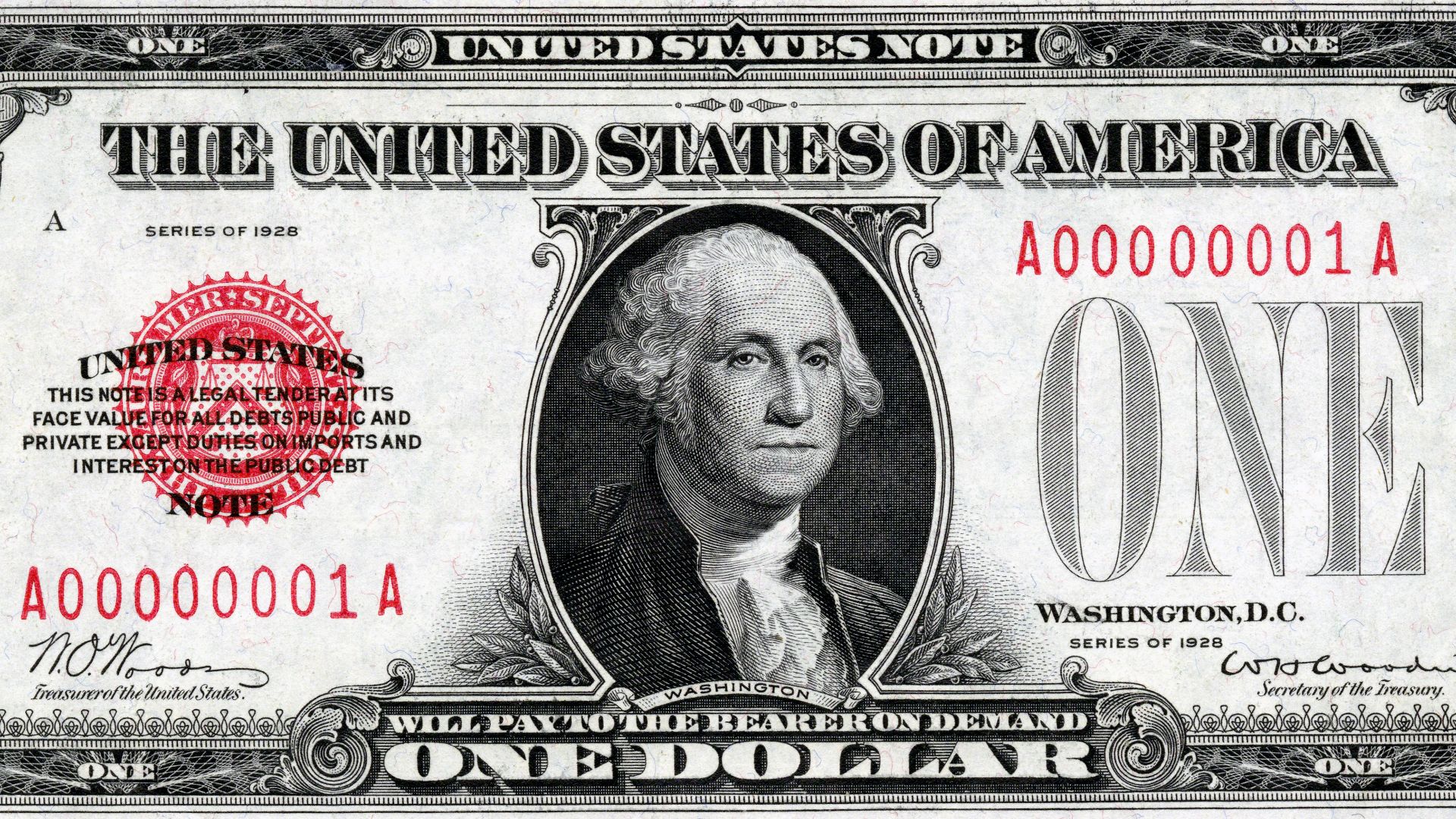
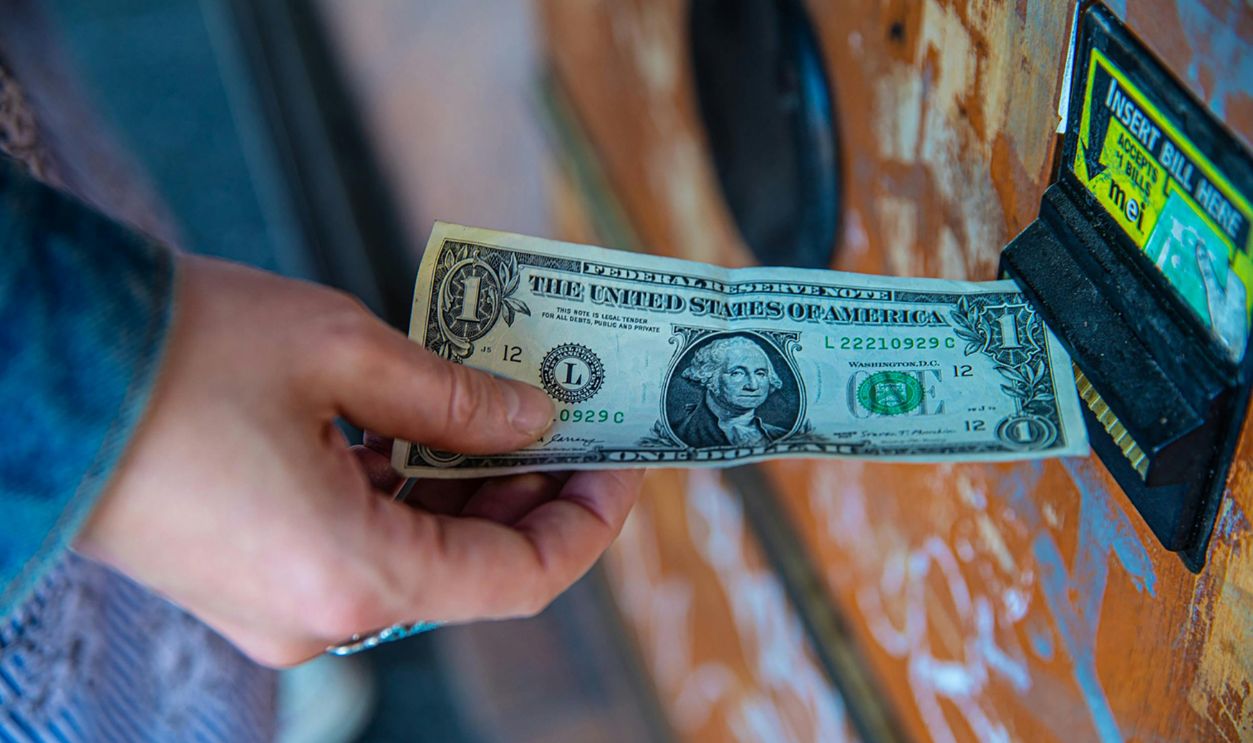
Serial numbers below 00001000 command premiums starting at $300, with 00000001 reaching $15,000 for recent series. The first bills printed in any run receive these coveted designations, making them inherently scarce. Calvin Westfall found G00000001I in his Georgia vending machine, valued at $10,000+ despite circulation wear.
 National Museum of American History , Wikimedia Commons
Solid Digits
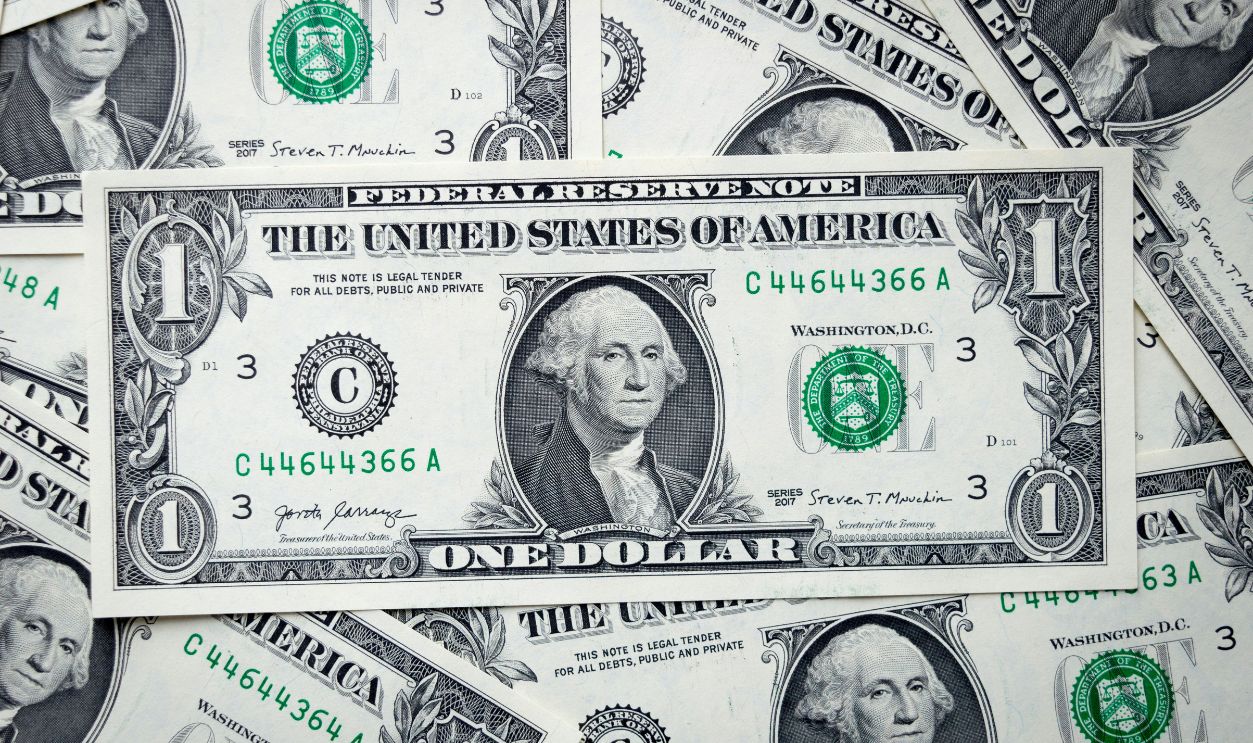
When all eight numbers match, collectors encounter the holy grail of serial patterns. These occur approximately once in every 10 million bills, with only specific digits possible since production caps at 96000000. Bills featuring 9s, 8s, or 7s bring the highest prices.
Ladder Sequences
True ladders display consecutive ascending (12345678) or descending (87654321) digits, making them extraordinarily rare finds. Collectors pay $600 to $2,100, depending on condition and completeness. The descending variety is actually scarcer than ascending because most series never reach the highest sequential numbers before production ends.
Radar Palindromes
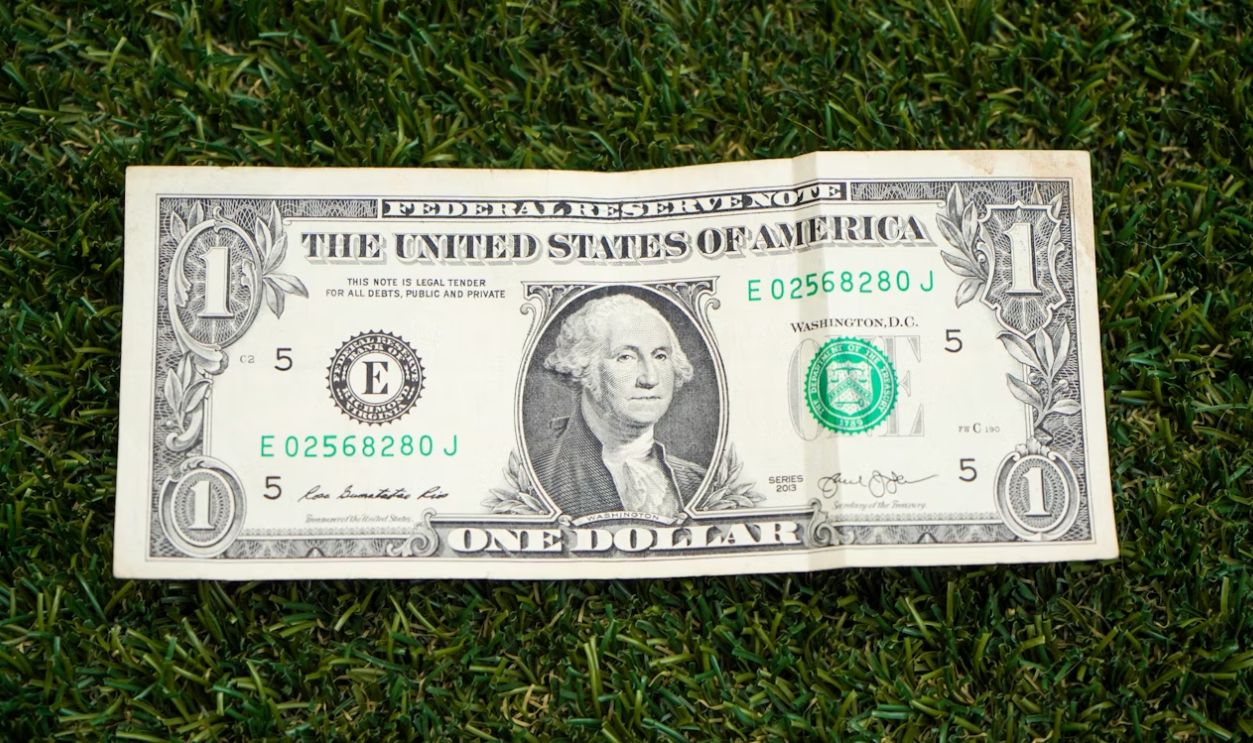
These serial numbers read identically forward and backward, earning their name from the palindromic word “RADAR”. A basic radar in uncirculated condition sells for $25–50, but super radars elevate the concept. When only the end digits differ (27777772), values jump to $100 to $200, even on $1 bills.
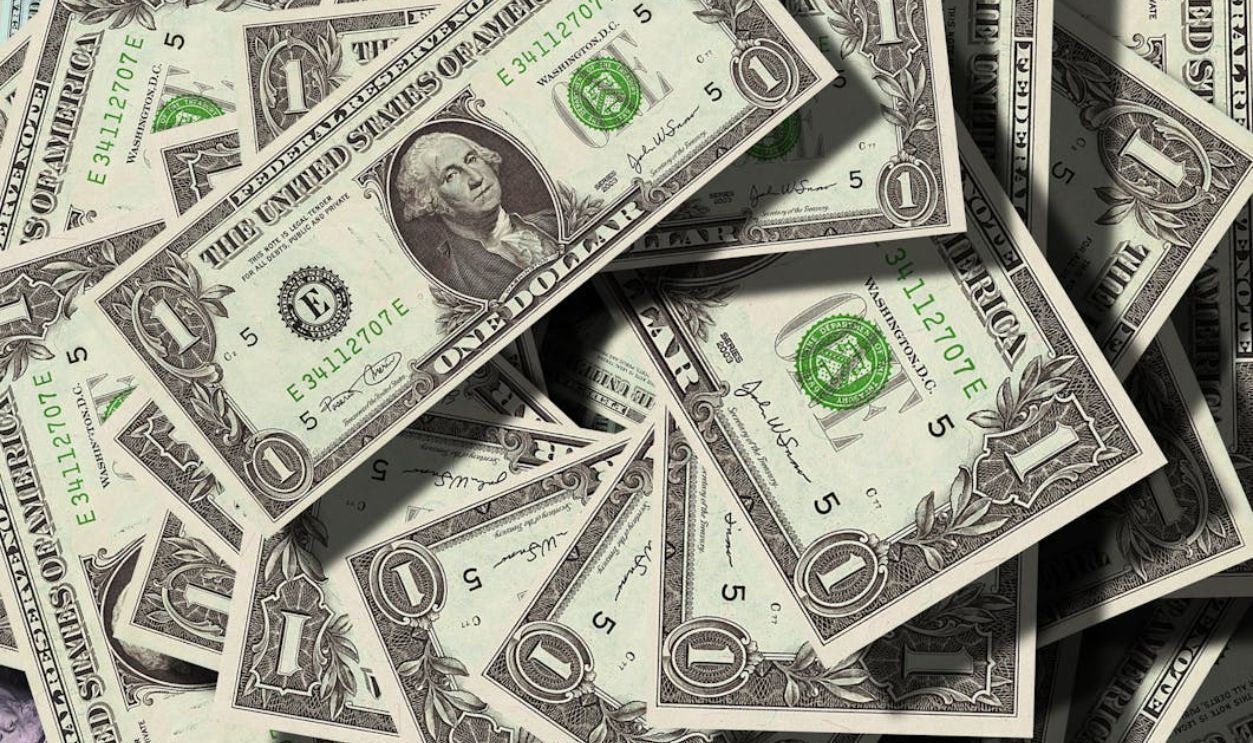
Repeater Patterns
The first four and last four digits mirror each other in repeaters: 83428342, 67546754, or 31123112. These patterns occur more frequently than ladders or solids but still command $25–50 premiums. Collectors specifically seek repeaters in which the repeated block forms another fancy pattern.
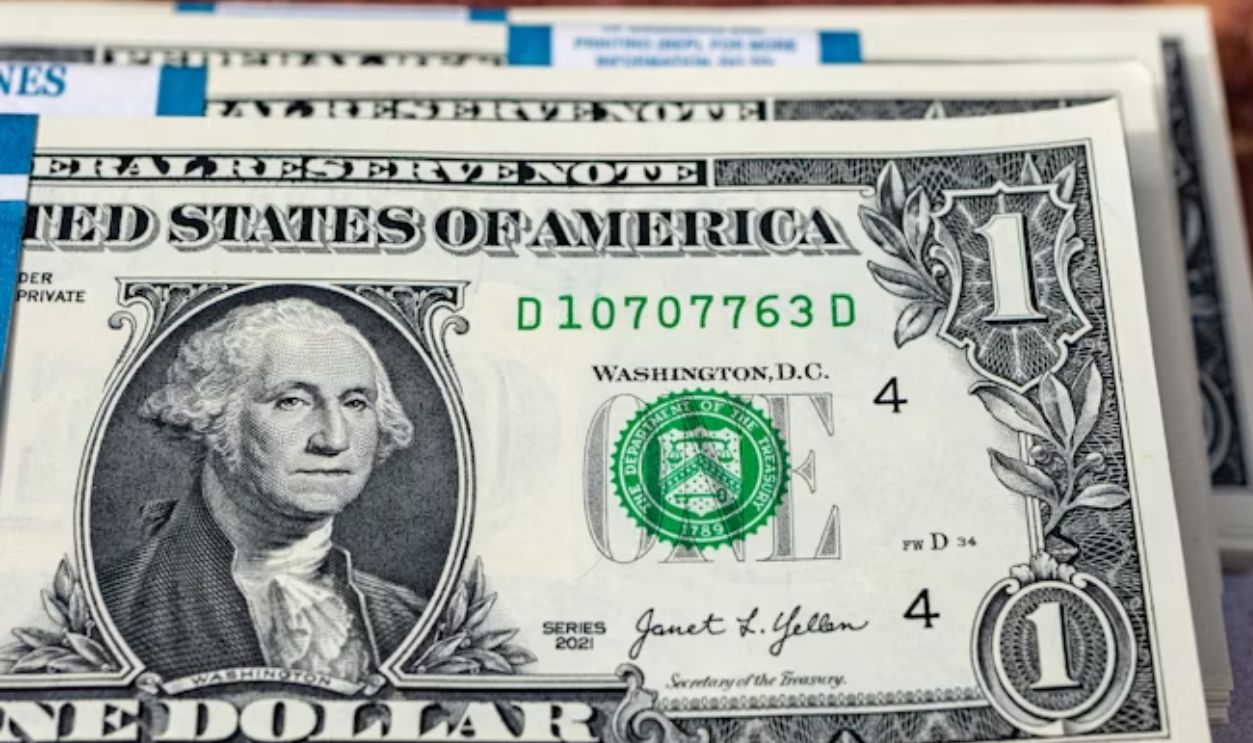
Super Repeaters
When just two digits alternate four times like 98989898, 71717171, 25252525, the value jumps to $80–120 above face. These are significantly rarer than standard repeaters, occurring roughly once per 100,000 bills. The combinations 10101010 and 01010101 are particularly prized, sometimes fetching $200+.
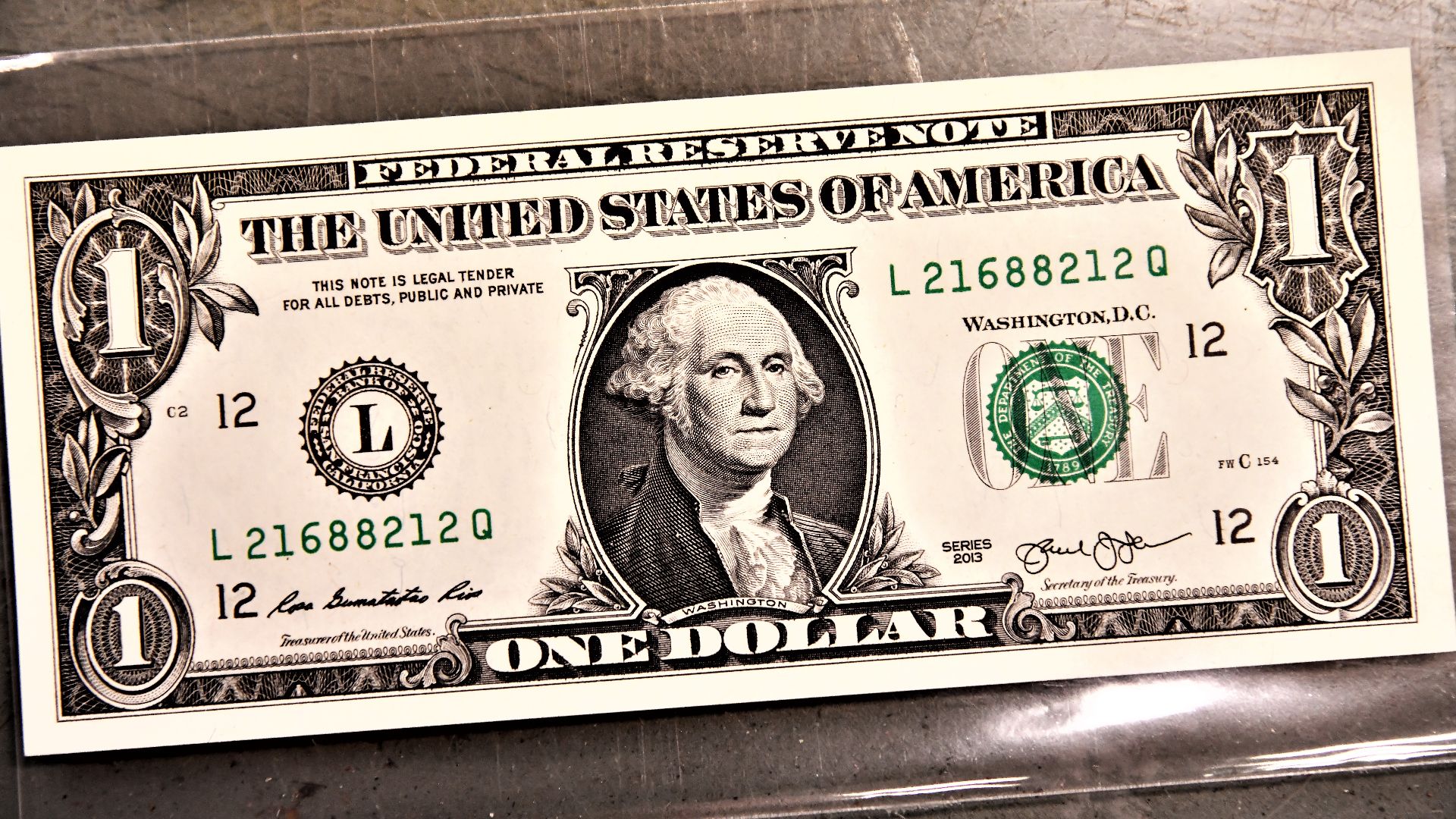
Binary Bills
Any serial number containing only two different digits qualifies: 77373773, 29299299, or 84488444. True binaries using exclusively 1s and 0s bring $40–150 because they evoke computer code aesthetics. Regular binaries add another $20–75 to the face value. Some collectors expand this category to include trinary notes.
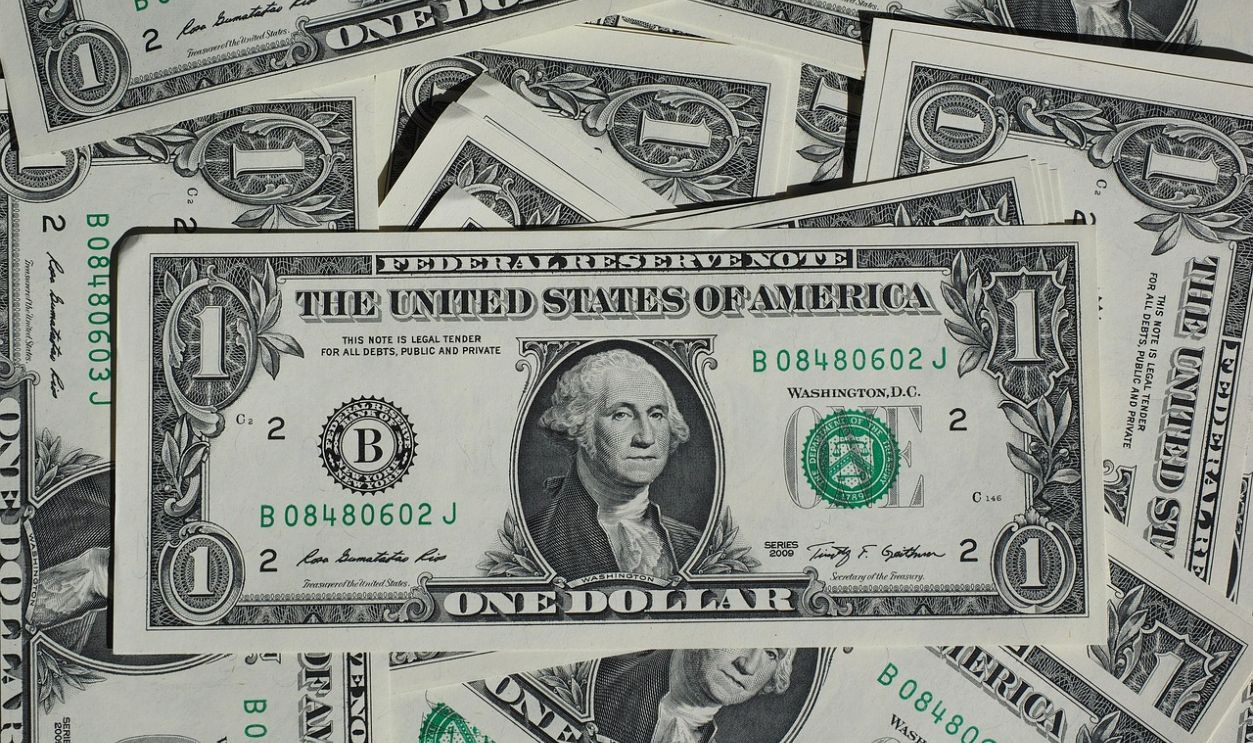
Flipper Notes
Turn these bills upside down, and the serial number reads identically—0069000, 1998661, or 8000008. This optical trick requires digits that mirror themselves when inverted: primarily 0s, 6s (become 9s), 8s, and occasionally 1s. Flippers sell for a few dollars up to several hundred, depending on pattern complexity and condition.
Birthday Dates
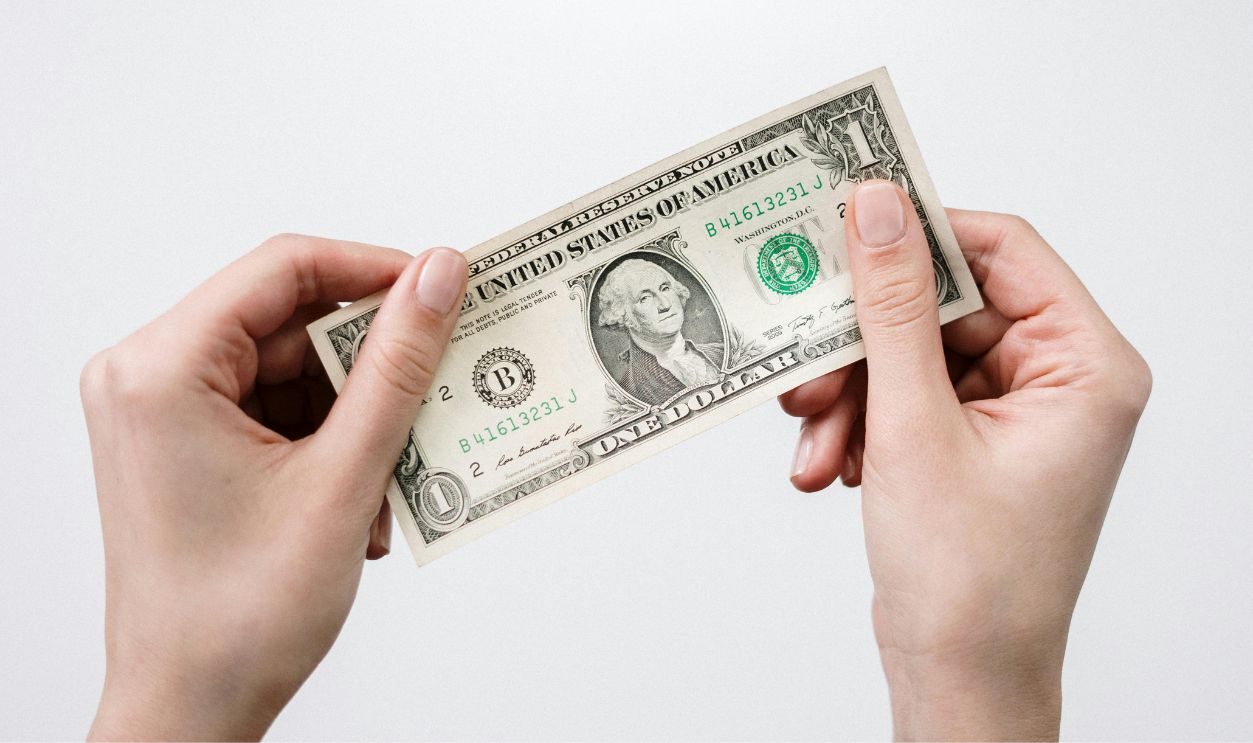
Serial numbers containing meaningful dates hold personalized value. A parent might pay hundreds for their child's birthdate, while historical dates like 12251776 (Washington crossing Delaware) attract Americana enthusiasts. The format varies: some prefer MM/DD/YYYY, others seek just the year like 10901985.
 Xchangerjunior, Wikimedia Commons
Star Replacements
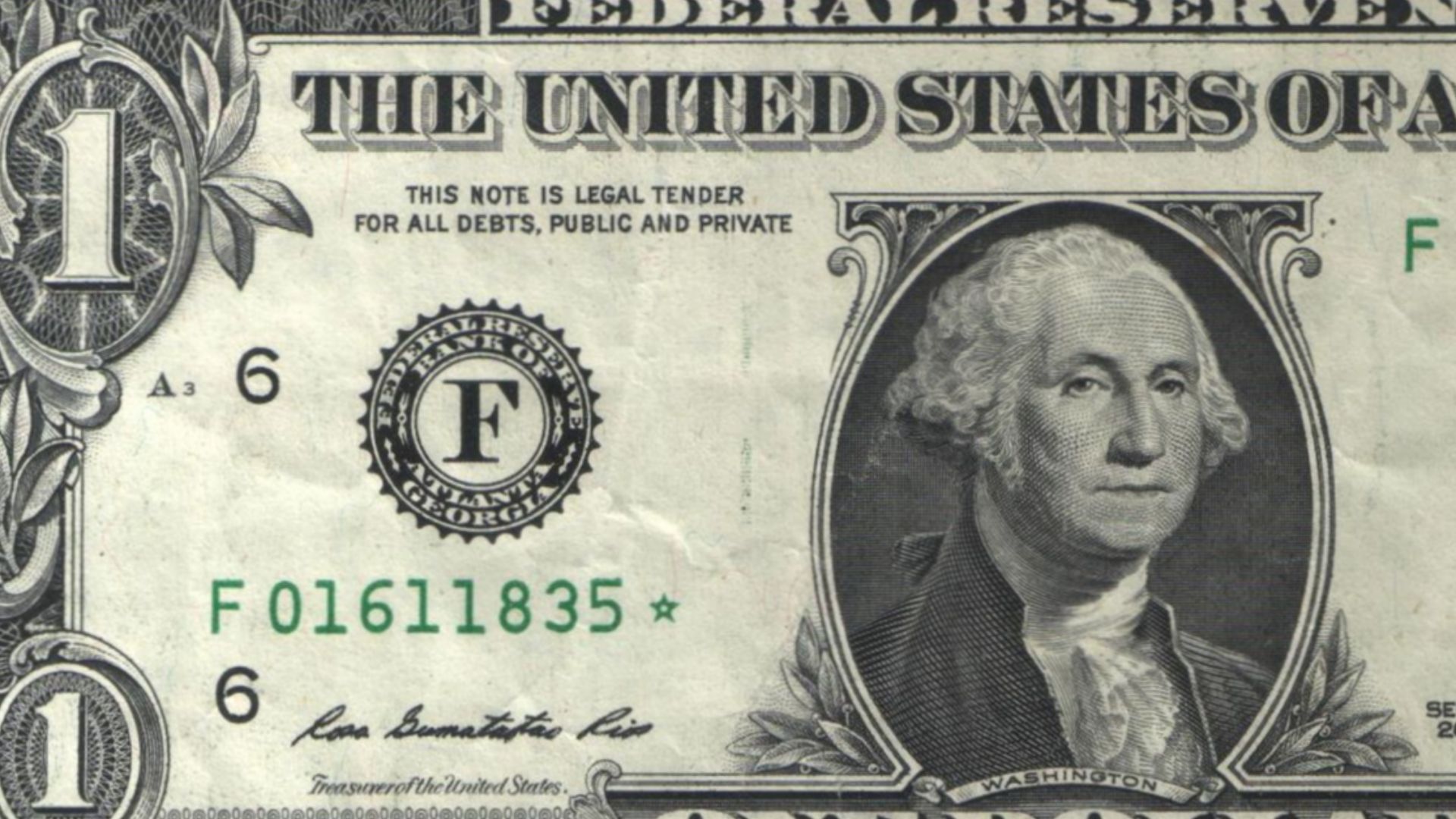
When printing errors occur after serial numbers are applied, the Bureau uses "star notes" as replacements identified by a star symbol replacing the suffix letter. These maintain accurate production counts without costly re-numbering. Star notes from small print runs are substantially rarer than regular issues.
 Federal Reserve System, Wikimedia Commons
Printing Errors
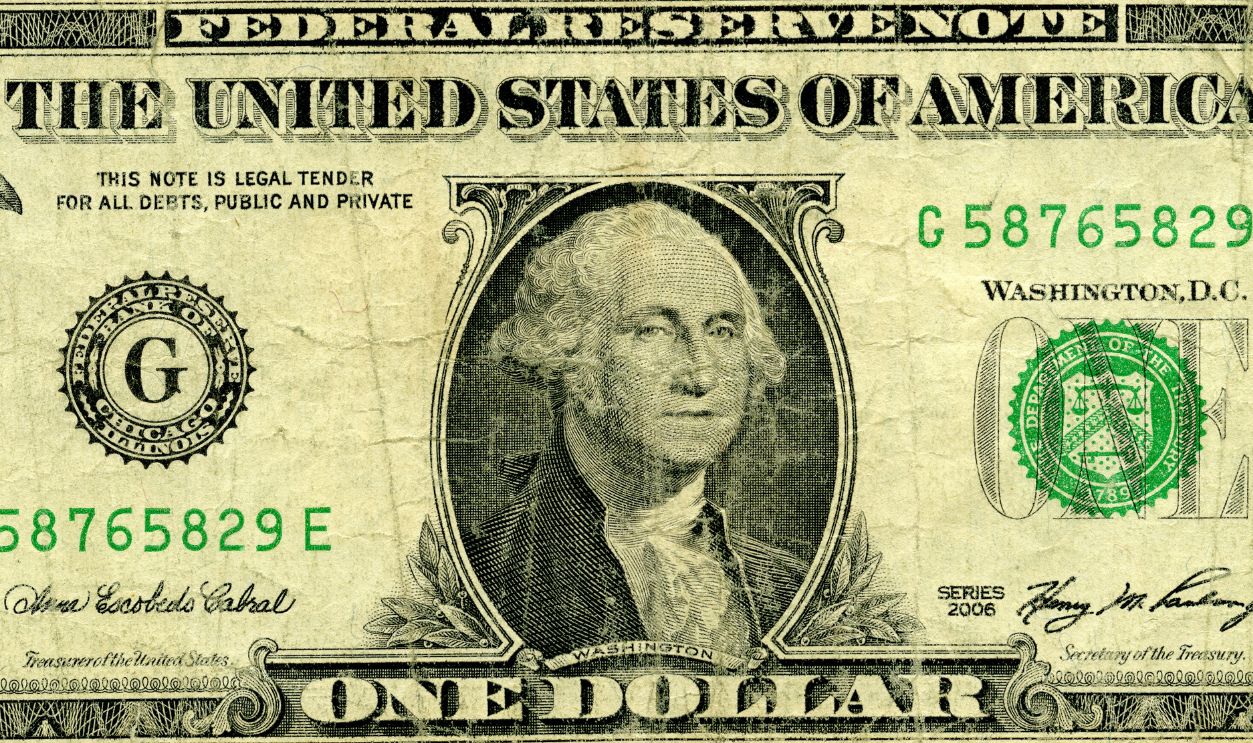
Misaligned cuts, ink smears, double prints, and missing elements turn ordinary currency into valuable errors. The more dramatic and visible the mistake, the higher the value, sometimes reaching thousands for severe anomalies. A bill with upside-down printing or completely missing serial numbers becomes a conversation piece worth substantial premiums.
Duplicate Mishap
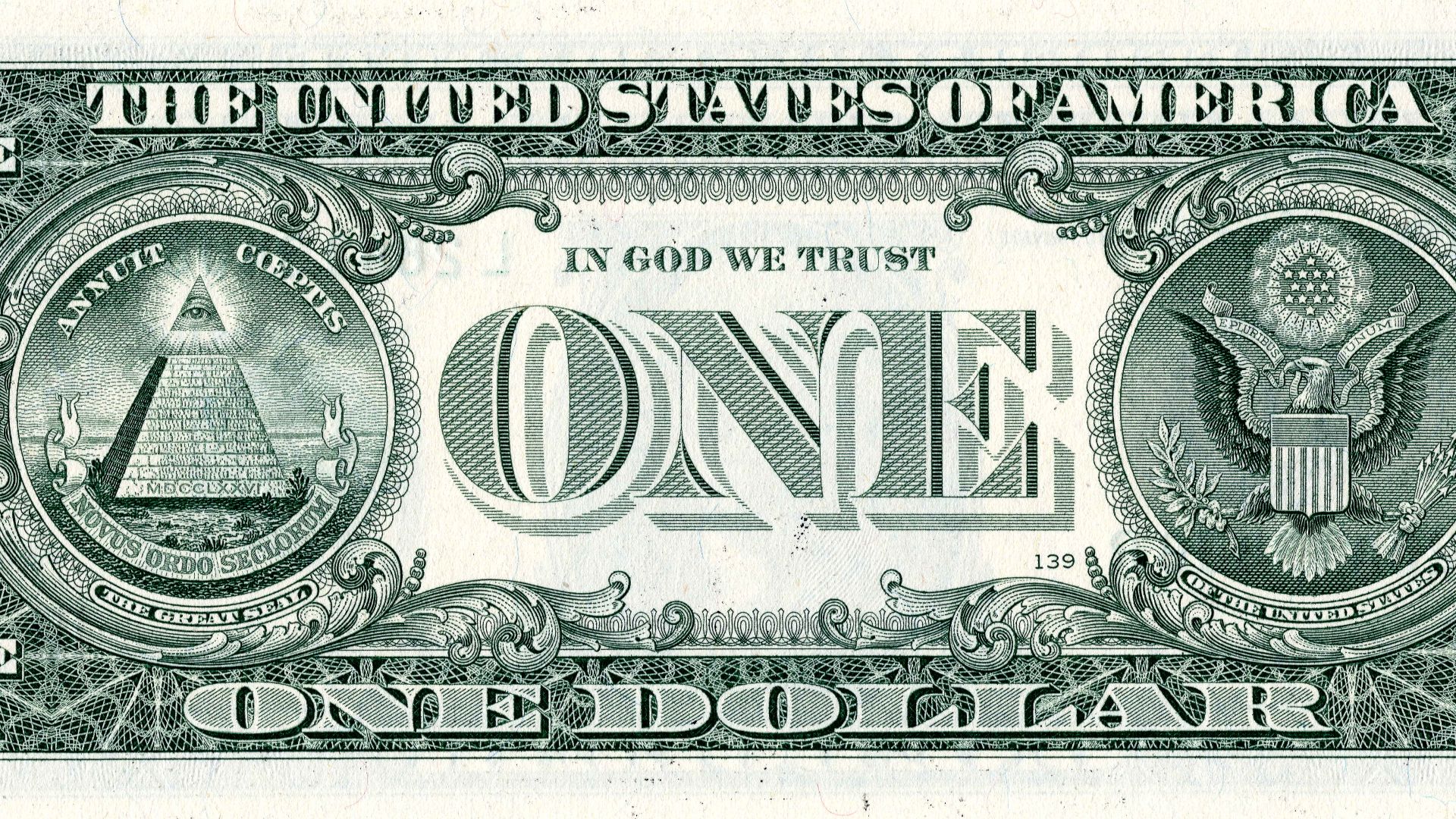
Between 2014 and 2016, both Washington DC and Fort Worth facilities received identical serial number orders for 2013 Series New York bills, which was an unprecedented Bureau mistake. This created 6.4 million pairs with matching numbers in ranges B00000001 through B00250000 and B03200001 through B09600000.
 Bureau of Engraving and Printing, Wikimedia Commons
Silver Certificates
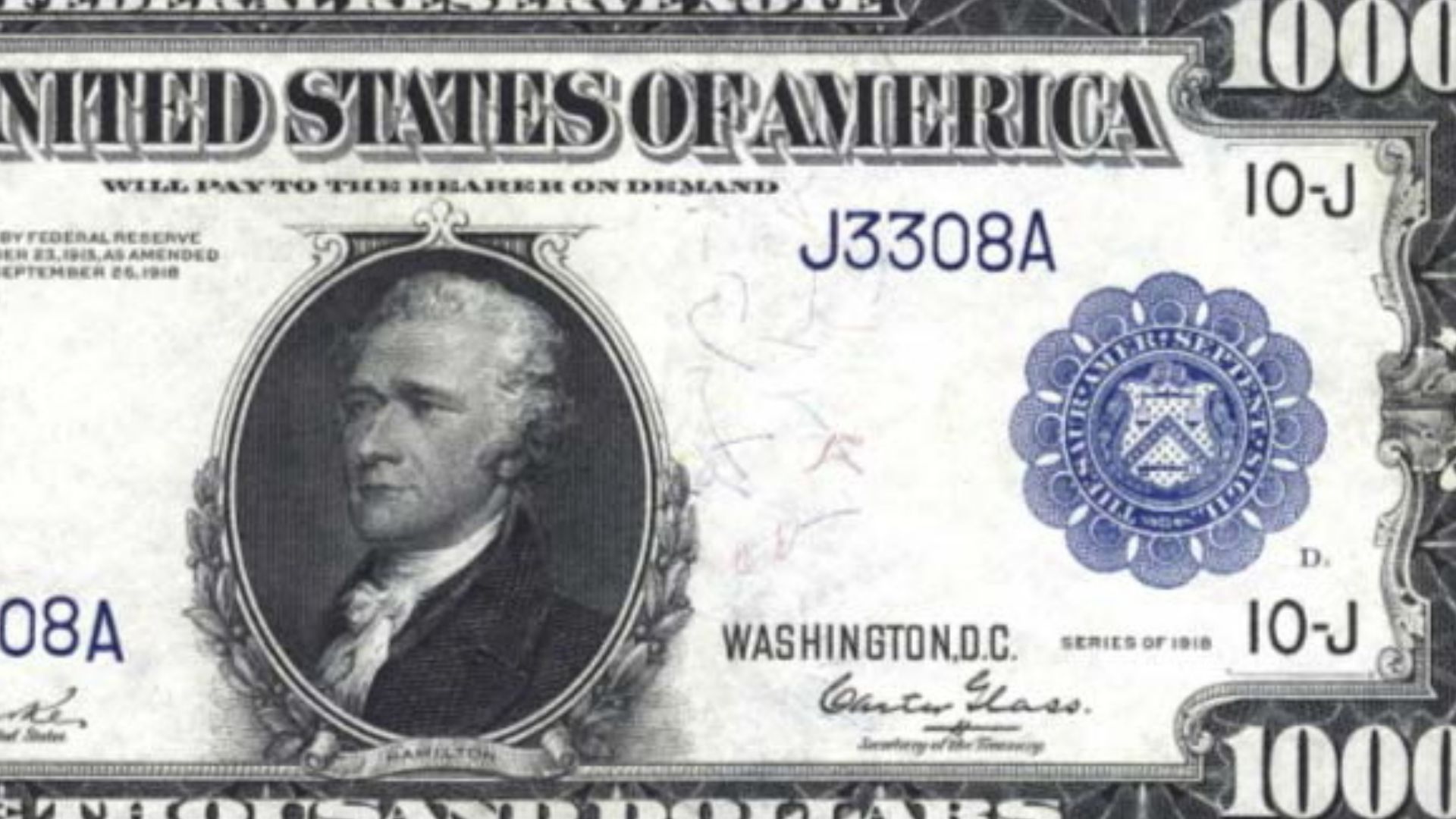
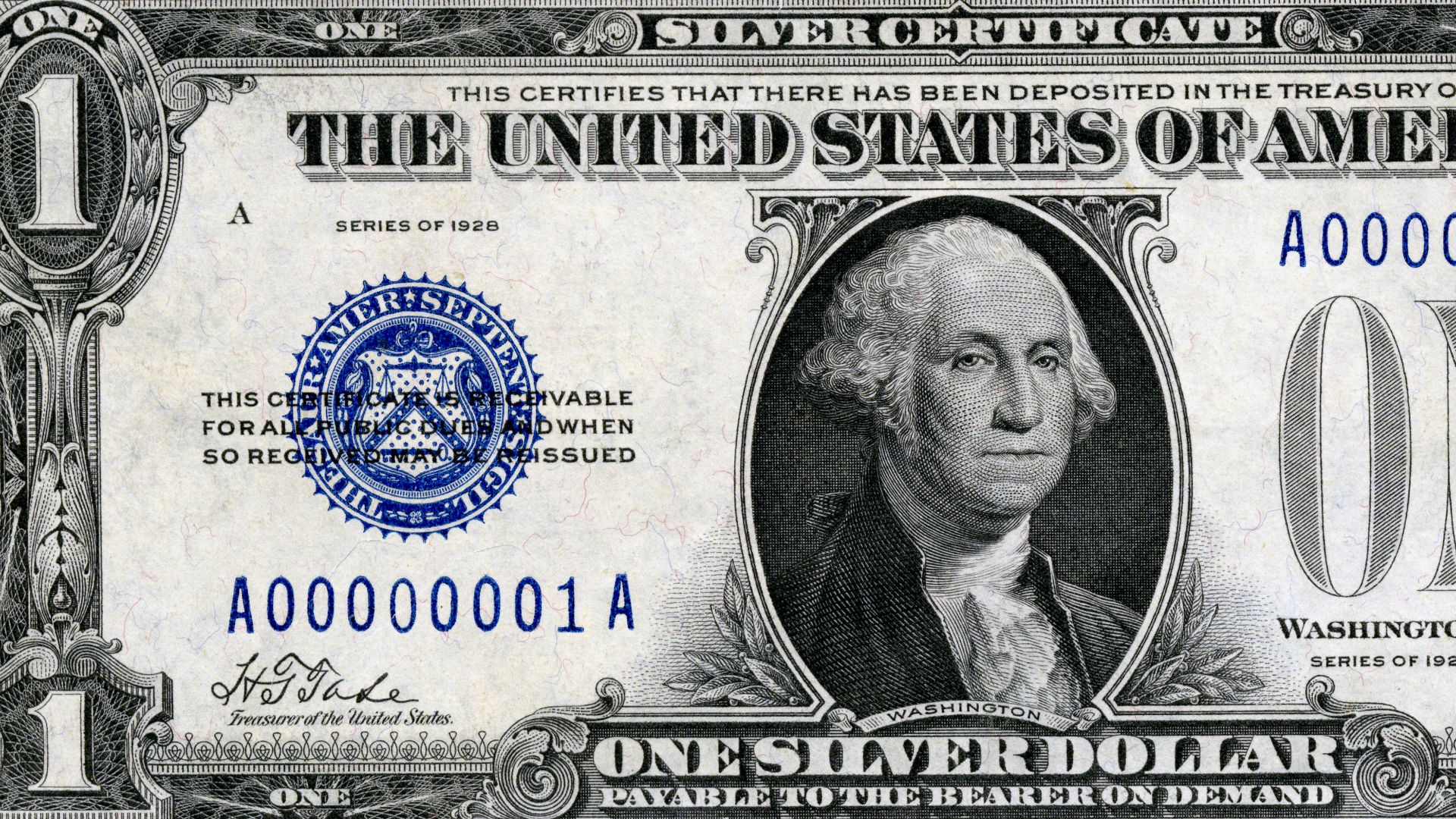
From 1878 to 1964, these blue-sealed notes could be exchanged for actual silver dollars at the Treasury. The distinctive blue ink and "Silver Certificate" designation separate them from modern green-sealed Federal Reserve Notes. Common 1935 and 1957 series trade slightly above face value.
 United States Government, Wikimedia Commons
Educational Series
The 1896 Silver Certificates stand as the artistic pinnacle of American currency. The $1 note featured a neoclassical engraving of a woman instructing a youth, gesturing toward Washington DC and an open book. The reverse displayed portraits of George and Martha Washington.
 National Museum of American History , Wikimedia Commons
Bureau Production
Production involves three stages: offset printing, intaglio (creating raised texture), and letterpress for serial numbers and seals. Sheets dry three days between face and back printing. In 2014, production shifted from 32-subject to 50-subject sheets on 144-foot LEPE machines.
Condition Grading
Professional grading services, PMG and PCGS Banknote, use a 70-point Sheldon scale to assess bills. A grade of 70 PPQ (Premium Paper Quality) or EPQ (Exceptional Paper Quality) indicates perfection: no handling marks, centered margins, and original paper without restoration.
Authentication Process
Counterfeiters target rare patterns, making verification important before major purchases. PMG and PCGS employ famous experts who examine paper composition, ink characteristics, printing anomalies, and serial number authenticity. Modern PCGS holders include NFC (Near-Field Communication) technology for instant smartphone verification.
Value Determination
Multiple factors converge to establish a bill's worth: rarity of the serial pattern, condition grade, historical significance, and current collector demand. A solid 88888888 in circulated condition might bring $500, while uncirculated it jumps to $1,000 or more. Combining categories multiplies value as well.
Market Prices
Common fancy serials like basic repeaters start at $25–50, while rare ladders command $600–2,100. Star notes range from $5 for plain examples to $300+ for desirable series. Low serial numbers below 100 consistently fetch $300–500, with 00000001 reaching $15,000.
Selling Options
eBay attracts the largest collector audience, with completed listings providing transparent price history. Heritage Auctions and Stack's Bowers handle high-value pieces ($1,000+), charging 10–20% seller premiums but reaching serious bidders worldwide. Local coin shops offer immediate cash but typically pay 50–70% of retail value.
Preservation Methods
Store bills in acid-free Mylar or polypropylene sleeves—never PVC, which degrades currency over time. Handle notes by edges only, preferably with cotton gloves to prevent skin oils from causing discoloration. Maintain stable environments: 65–70°F with 40–50% humidity prevents brittleness and mold.