
Smart Grocery Shopping: Maximize Savings, Minimize Stress

Smart Grocery Shopping: Maximize Savings, Minimize Stress


August 23, 2023 | Miles Brucker

Smart Grocery Shopping: Maximize Savings, Minimize Stress


Groceries: we all need them, and for many, it's one of the most significant recurring expenses in our monthly budget. 

The aisles of a supermarket can either be a minefield of unplanned splurges or a calculated pathway to substantial savings.

Dive into our guide on saving money on groceries and discover how you can feast well without the fiscal fuss.

How Stressful Grocery Shopping Can Lead To Overspending

grocery shopping split image

Advertisement

Grocery shopping, seemingly a mundane task, can surprisingly become a source of stress for many. Navigating crowded aisles, trying to stick to a tight budget, and being bombarded with endless product choices can feel overwhelming.

Additionally, balancing the desire for healthy options with often more affordable, less nutritious alternatives presents another challenge. This stress can lead to rushed decisions, impulse purchases, and even overspending.

Why Groceries Should Be The First Expense To Cut Down On

Couple calculating their billsMikhail Nilov, Pexels

Advertisement

When it comes to monthly expenses, groceries stand out as a prime area for savings potential. Unlike fixed costs such as mortgage payments or utility bills, which remain consistent month to month, your grocery bill is a variable expense.

This means it offers flexibility and can be adjusted based on your choices and habits. By becoming more strategic about grocery shopping and reducing this particular expenditure, you're directly freeing up funds that can bolster your savings.

In essence, while you can't easily change what you pay for electricity or rent, you can significantly influence your grocery expenses, giving you more control over your financial health.

Who Can Benefit From Reducing Grocery Costs

Most Ridiculous House RulesShutterstock

Advertisement

Families on a Budget: Larger households with children often have substantial grocery bills. 

Single Parents: Juggling work, childcare, and financial responsibilities, single parents can greatly benefit from every penny saved.

College Students: Often on tight budgets and sometimes buying groceries for the first time, students can use these savings for tuition, books, or other expenses.

Seniors on Fixed Incomes: With possibly limited pensions or retirement funds, seniors can allocate the savings from groceries to medical expenses or leisure activities.

Young Professionals: Those just starting out, possibly with student loans, can use the extra funds to pay down debt or invest in their futures.

People with Dietary Restrictions: Specialty foods can be more expensive. Learning to save on other grocery items can offset these costs.

Here are 14 specific ways to cut those grocery costs and boost your savings.

Create A Weekly Meal Plan

Writing a meal planYaroslav Shuraev, Pexels

Advertisement

By knowing what meals you'll prepare, you can avoid buying unnecessary items and reduce food waste. Planning also helps streamline the cooking process and saves time during busy days.

Stick To A Shopping List

Cringe momentsShutterstock

Advertisement

Once your meal plan is set, make a shopping list and stick to it. This helps to resist the allure of impulse purchases. Being disciplined with your list also ensures that you're only purchasing essentials.

Shop With Cash

Bank Teller Taking Moneyhedgehog94, Adobe Stock

Advertisement

Using cash can make you more conscious of your spending and help you stick to your budget. Seeing physical cash leave your hands can discourage overspending.

Buy In Bulk

Lacked Any Self-Awareness factsShutterstock

Advertisement

Often, purchasing items in larger quantities can lead to significant savings per unit. But ensure you'll use all of it to avoid wastage. Storing bulk items properly can prevent them from going bad.

Embrace Seasonal Produce

A young family grocery shoppingGreta Hoffman, Pexels

Advertisement

Not only is seasonal produce fresher and tastier, but it's usually cheaper because of its abundance. It's also a great way to introduce variety into your meals.

Compare Store Brands

A woman checking her phone while shoppingJackF, Adobe Stock

Advertisement

Sometimes, the generic or store brand is just as good as the name brand but at a fraction of the cost. Reading ingredients can confirm similarities between products.

Use Coupons And Discounts
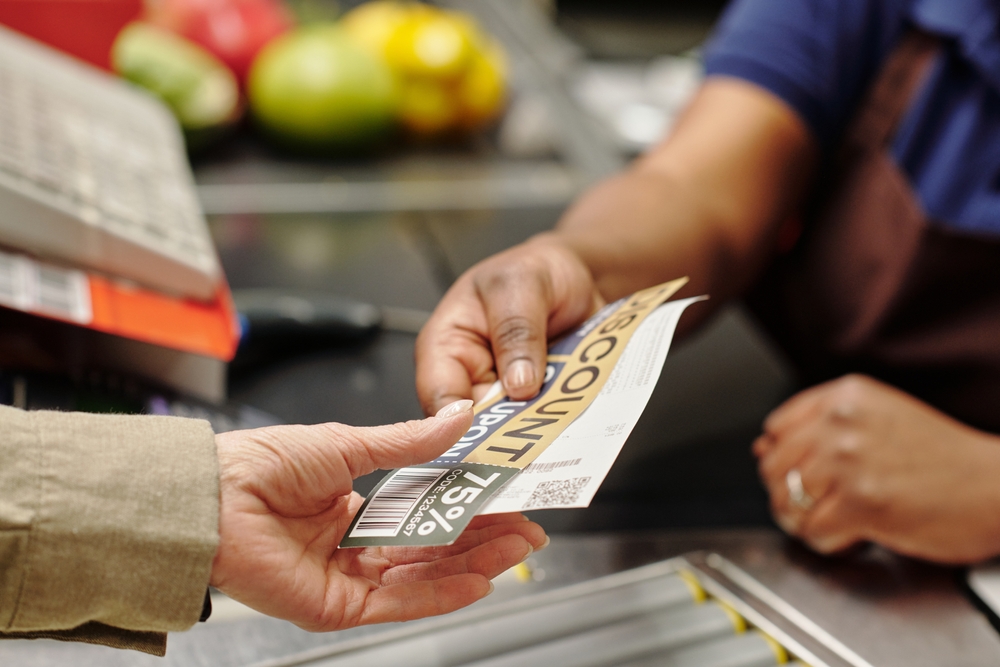
female cashier passing discount coupon and receipt to customerPressmaster, Shutterstock

Advertisement

Make use of any available coupons, but ensure they're for items you actually need. Keeping an organized coupon book can help you remember to use them before they expire.

Join Loyalty Programs

Hotel HorrorsShutterstock

Advertisement

Many supermarkets offer loyalty programs that give members access to exclusive discounts. Regularly check the perks and offers of your loyalty program to maximize benefits.

Reduce Meat Consumption

The Science Behind TasteShutterstock

Advertisement

Meat is typically more expensive than vegetables, grains, or legumes. Even cutting back a little can save a lot. Exploring plant-based recipes can also lead to discovering new favorite dishes.

Check Unit Prices

Elderly woman with young woman at the grocery storegoodluz, Shutterstock

Advertisement

The price tag will show the total price and the unit price. Comparing unit prices can help you get the best value. This is especially useful when comparing different brand products or package sizes.

Visit Farmers' Markets

Kristen BellShutterstock

Advertisement

Near the end of the day, many vendors at farmers' markets will drop their prices to make sales. You'll also be supporting local farmers and enjoying fresher produce.

Limit Pre-packaged Snacks

Adorable crushShutterstock

Advertisement

These are often more expensive and less healthy. Consider making your own snacks at home. Homemade snacks often taste better and you control the ingredients.

Optimize Leftovers

A woman meal preppingMoney Business, Adobe Stock

Advertisement

Get creative with leftovers, turning them into a new meal, thus saving on the next day’s food expenses. This reduces waste and offers a challenge to your culinary creativity.

Avoid Shopping On An Empty Stomach

Obnoxious Employees FactsShutterstock

Advertisement

Hungry shoppers tend to buy more, including items they don't need. Having a small snack before shopping can lead to clearer decision-making in the aisles.

By incorporating these methods into your grocery shopping routine, you'll not only save money but also cultivate better buying habits for the long term.



READ MORE

I bought a car with a 22% interest loan. Am I as screwed as everyone says I am?

Bought a car with a 22% interest loan and regretting it? This engaging, honest guide breaks down whether it was really your worst financial move—and shows how to recover, refinance, and take control of your car finances.
January 15, 2026 Jack Hawkins

I bought a house in a "hot" neighborhood. Now crime is up—and values are down. What do I do?

Bought a home in a once-hot neighborhood and now facing rising crime and falling home values? Learn smart, practical strategies to protect your finances, decide whether to stay, rent, or sell, and regain control of your housing future.
January 15, 2026 Jack Hawkins
Washington sets the pace while 19 states move to boost minimum pay.

Washington leads the nation as 19 states suddenly boosted minimum wage.

Remember when asking for fifteen bucks an hour seemed impossible? That battle changed everything. Now we're watching the biggest coordinated wage boost in modern history play out in real time across the nation.
January 15, 2026 Marlon Wright
Trapped by cosigning

My cousin convinced me to cosign a car loan. He immediately stopped paying. Now the lender’s suing me. What are my options?

One phone call usually lands without warning, and a sharp voice on the other end mentions missed payments, a lawsuit, and a car loan that you don’t remember applying for. Cosigning often starts as a favor wrapped in trust and a promise that “it’ll be fine”. Then the payments stop. Lenders don't chase excuses or family dynamics, but they follow signatures. For many adults, this moment hits hard because it threatens long-term savings, credit built over decades, retirement plans, and reputations. Understanding what the signature actually did and what can still be done changes panic into strategy.
January 15, 2026 Marlon Wright

I tried to fix my car after watching YouTube tutorials. Now it won’t start. Tell me I didn't void my warranty?

It always starts with confidence—just enough to believe a YouTube tutorial can turn an average driver into a temporary mechanic. After all, the creators make every procedure look effortless, and the comment sections are filled with people claiming success. But real engines don’t pause for retakes, and real bolts don’t loosen just because someone online said they should. Under the hood, every component is part of a fragile ecosystem. Disturb one piece, and you may disrupt the harmony that allows the vehicle to run smoothly. It can turn a small repair into a bigger question of warranty coverage.
January 15, 2026 Alex Summers

My aunt said she was leaving everything to her nieces and nephews. She died a month ago. When should I expect to hear about getting my inheritance?

If you are eagerly anticipating an inheritance from a loved one's will, it's best to be aware of the methodical timeline of the probate process.
January 15, 2026 Sammy Tran


Disclaimer

The information on MoneyMade.com is intended to support financial literacy and should not be considered tax or legal advice. It is not meant to serve as a forecast, research report, or investment recommendation, nor should it be taken as an offer or solicitation to buy or sell any securities or adopt any particular investment strategy. All financial, tax, and legal decisions should be made with the help of a qualified professional. We do not guarantee the accuracy, timeliness, or outcomes associated with the use of this content.


Dear reader,


It’s true what they say: money makes the world go round. In order to succeed in this life, you need to have a good grasp of key financial concepts. That’s where Moneymade comes in. Our mission is to provide you with the best financial advice and information to help you navigate this ever-changing world. Sometimes, generating wealth just requires common sense. Don’t max out your credit card if you can’t afford the interest payments. Don’t overspend on Christmas shopping. When ordering gifts on Amazon, make sure you factor in taxes and shipping costs. If you need a new car, consider a model that’s easy to repair instead of an expensive BMW or Mercedes. Sometimes you dream vacation to Hawaii or the Bahamas just isn’t in the budget, but there may be more affordable all-inclusive hotels if you know where to look.


Looking for a new home? Make sure you get a mortgage rate that works for you. That means understanding the difference between fixed and variable interest rates. Whether you’re looking to learn how to make money, save money, or invest your money, our well-researched and insightful content will set you on the path to financial success. Passionate about mortgage rates, real estate, investing, saving, or anything money-related? Looking to learn how to generate wealth? Improve your life today with Moneymade. If you have any feedback for the MoneyMade team, please reach out to [email protected]. Thanks for your help!


Warmest regards,

The Moneymade team