The 5 Best Credit Cards For 2020
The 5 Best Credit Cards For 2020
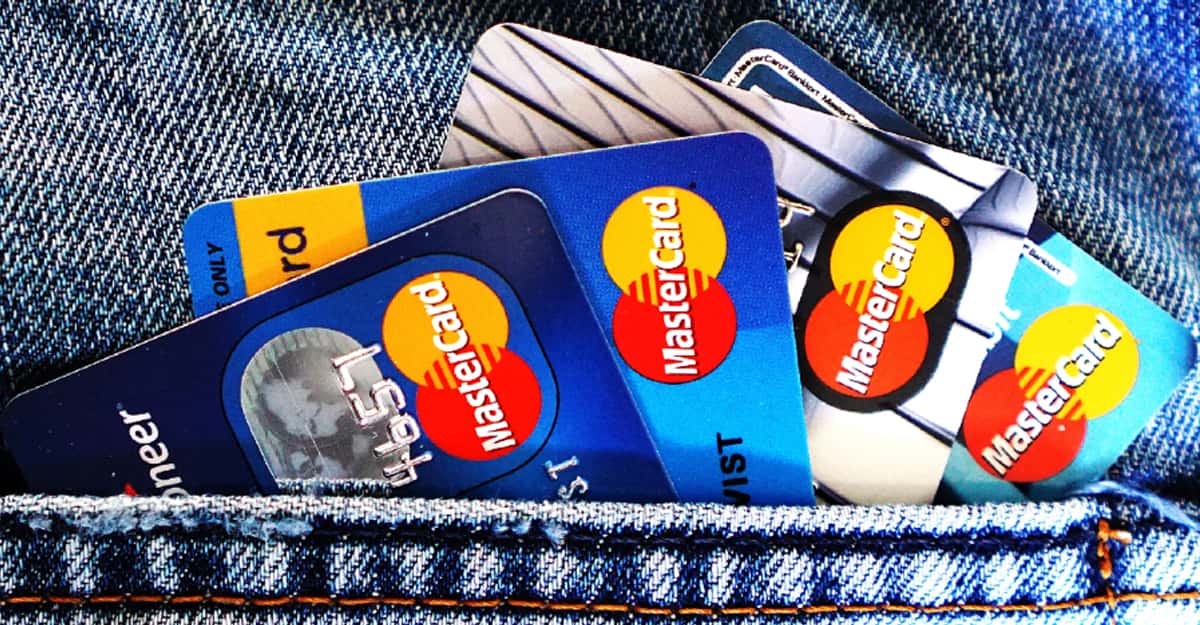
If you’re looking for a new credit card, you should consider these bad boys. They offer good financing, reasonable fees, and excellent reward points. Let’s expand our buying power by taking a look at the 5 best U.S. credit cards for 2020.
Chase Sapphire Preferred
With a $95 annual fee and an APR of 15.99-22.99%, the Sapphire Preferred card is the best you can get in 2020. You’ll get 60,000 reward points if you spend $4,000 in the first three months -- the equivalent of $750 toward your next vacation.
Wells Fargo Propel American Express
The Propel is probably the most accessible card on the list, with a $0 annual fee and an APR from 13.99%-25.99%. There’s also no fee for converting to a foreign currency. You will earn triple the points for: travel expenses (airfare, hotels, car rentals), dining out or ordering in, and transportation costs.
Chase Sapphire Reserve
This one is less accessible, but still excellent. For an annual fee of $550, the Sapphire Reserve gives you access to thousands of airport lounges around the world. You’ll get triple the points on travel expenses, and you can transfer those points to hotel and airline loyalty programs.
United Explorer Card
The first year is free, but it’s $95 a year thereafter. You’ll get priority boarding on United flights, and even access to special airport lounges. You’ll also get to check your first bag for free, and enjoy a 25% rebate on any in-flight purchases.
Marriott Bonvoy Boundless
If you stay in hotels a lot, this is a card for you. The Bonvoy Boundless card costs $95 annually. For that price, you’ll get 6 times the points for staying at any hotel participating in the program (over 7,000), one free night a year, no foreign transaction fees, and 15 Elite Night credits every year.
Thanks for reading about the best credit cards of 2020!
READ MORE

Remember America's forgotten buffet chains, from Old Country Buffet to Ryan's. Discover why families loved these all-you-can-eat restaurants, whether they were really bargains, and why so many disappeared.
Remember S&H Green Stamps? Discover the surprising grocery store trading stamp rewards Baby Boomers collected in the 1970s, from toasters to televisions.
Discover 25 old-school budgeting methods from the 1970s that helped Baby Boomers save money, avoid debt, and stretch every paycheck. Which ones do you remember?
Remember Woolworth's, Kresge, and TG&Y? Explore the beloved five-and-dime stores of the 1960s that Baby Boomers loved and younger shoppers missed.
You weren’t trying to start anything. You were trying to end an annoying phone call—and figured paying something had to be better than paying nothing. Now the collector sounds even more confident than before. Unfortunately, old debts can come with a catch that makes an innocent little payment surprisingly expensive.
Disclaimer
The information on MoneyMade.com is intended to support financial literacy and should not be considered tax or legal advice. It is not meant to serve as a forecast, research report, or investment recommendation, nor should it be taken as an offer or solicitation to buy or sell any securities or adopt any particular investment strategy. All financial, tax, and legal decisions should be made with the help of a qualified professional. We do not guarantee the accuracy, timeliness, or outcomes associated with the use of this content.
Dear reader,
It’s true what they say: money makes the world go round. In order to succeed in this life, you need to have a good grasp of key financial concepts. That’s where Moneymade comes in. Our mission is to provide you with the best financial advice and information to help you navigate this ever-changing world. Sometimes, generating wealth just requires common sense. Don’t max out your credit card if you can’t afford the interest payments. Don’t overspend on Christmas shopping. When ordering gifts on Amazon, make sure you factor in taxes and shipping costs. If you need a new car, consider a model that’s easy to repair instead of an expensive BMW or Mercedes. Sometimes you dream vacation to Hawaii or the Bahamas just isn’t in the budget, but there may be more affordable all-inclusive hotels if you know where to look.
Looking for a new home? Make sure you get a mortgage rate that works for you. That means understanding the difference between fixed and variable interest rates. Whether you’re looking to learn how to make money, save money, or invest your money, our well-researched and insightful content will set you on the path to financial success. Passionate about mortgage rates, real estate, investing, saving, or anything money-related? Looking to learn how to generate wealth? Improve your life today with Moneymade. If you have any feedback for the MoneyMade team, please reach out to [email protected]. Thanks for your help!
Warmest regards,
The Moneymade team