The True Cost of Cheap: Why Opting for Lower Prices Now Might Cost You Later

The True Cost of Cheap: Why Opting for Lower Prices Now Might Cost You Later


October 15, 2023 | Miles Brucker

The True Cost of Cheap: Why Opting for Lower Prices Now Might Cost You Later


The True Cost of Cheap: Why Opting for Lower Prices Now Might Cost You Later

Cash and skeptical woman split image

Advertisement

It's quite tempting to reach for the less expensive option when standing in the aisles of a store, especially when budgets are tight. The allure of saving money right now is undeniable. 

However, the adage, “You get what you pay for,” often rings true in many scenarios, showing us that the initial savings can become eclipsed by later costs. This article will delve into why opting for lower prices might cost you more down the road and provide examples and alternatives to navigate this financial conundrum.

Sacrificing Quality for Price

Creepy peopleShutterstock

Advertisement

Often, inexpensive items come with a hidden cost – reduced quality. Cheaply made products tend to have shorter lifespans and can break or wear down more quickly than their quality counterparts. 

For example, a $30 pair of shoes might wear out in six months, while a $100 pair could last for several years, providing better value over time.

Alternative: Prioritize purchasing items with a solid reputation for quality and longevity, even if they come with a higher price tag. It's an investment in longevity and durability.

Frequent Replacements Add Up
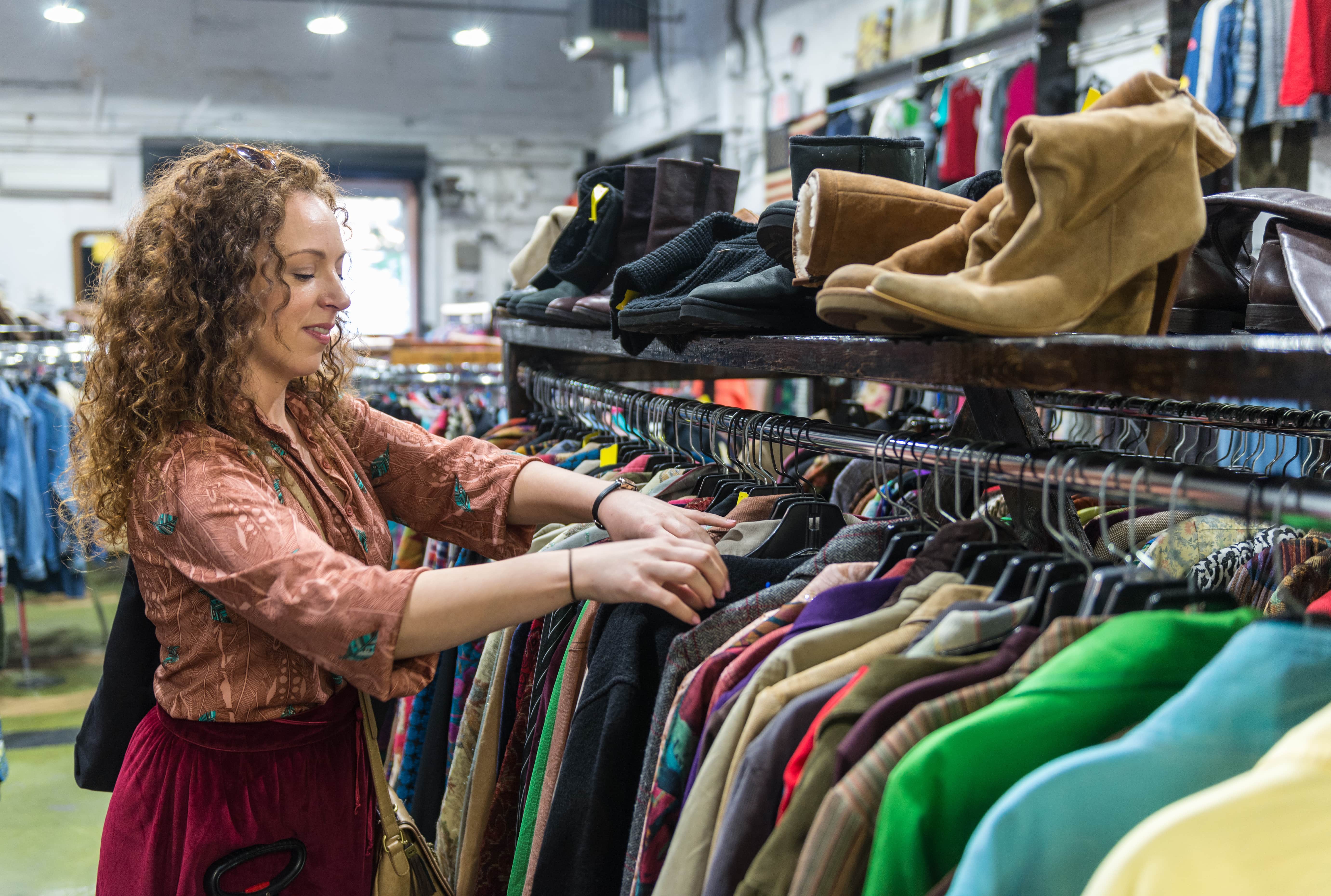
ThriftAdobe

Advertisement

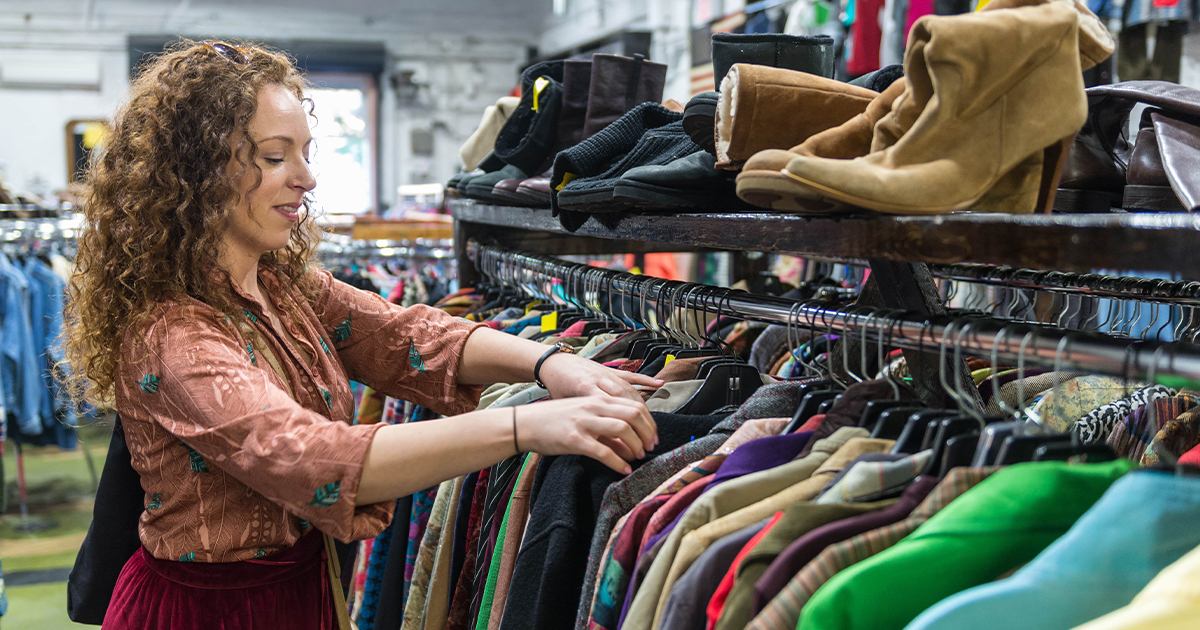
The need to replace cheap items frequently not only accumulates financial costs but also consumes time and energy. Repeatedly replacing items like kitchenware, clothing, or electronics due to their inability to stand the test of time could have you spending more than if you’d opted for a higher-quality alternative in the first place.

Alternative: Seek out brands and items that come with robust warranties or guarantees, ensuring that the company stands firmly behind the longevity of their product.

Hidden Costs and Future Expenses

A couple looking to buy a carrh2010, Adobe Stock

Advertisement

Inferior products can sometimes lead to additional costs. For instance, a cheap car might be plagued with mechanical issues, causing you to shell out more for repairs than you might have spent on a slightly pricier but more reliable vehicle.

Alternative: Conduct thorough research and read reviews before making a purchase to anticipate potential future costs tied to a cheaper option.

The Environmental and Ethical Impact

Quit on the spotShutterstock

Advertisement

Lower-priced items often involve low-cost production methods, which can sometimes be less sustainable and ethical. Fast fashion, for example, not only tends to wear out quickly but also often involves exploitative labor practices and environmentally harmful production methods.

Alternative: Look for companies that emphasize ethical production and sustainability, even if their products come at a slightly higher price.

Impacts on Health and Wellness

Dodged A BulletShutterstock

Advertisement

In some instances, cheaper items, especially in the food and furniture sectors, might have negative impacts on health. Cheaply produced food might be less nutritious and more processed, while inexpensive furniture might lack the ergonomic design vital for maintaining posture and preventing pain.

Alternative: Prioritize items that directly impact your health and well-being and consider spending a bit more to ensure they contribute positively to your life.

Cheaper Can Mean Less Efficient

washing_machine_dryer_appliances_laundry_housework_laundry_room-670071Pxhere

Advertisement

When it comes to appliances and electronics, less expensive models might be less energy-efficient than their pricier counterparts, leading to higher utility bills over time.

Alternative: Opt for energy-efficient appliances and gadgets, which, while potentially more expensive upfront, save money in the long run by reducing energy consumption.

Final Thoughts: The Worth of Wise Spending

When Karens AttackFreepik,pch.vector

Advertisement

While our wallets might sigh in relief at choosing the cheaper option today, it's crucial to pause and consider the true cost of cheap in the long run. Investing in quality, sustainability, and durability not only saves in future expenses but also supports ethical practices and personal well-being. 

Making mindful, informed choices about where and how we spend our money can pave the way for a future of financial stability and conscious consumption.

It’s imperative to navigate the aisles of spending with an acute awareness of the hidden costs that may lurk behind a smaller price tag. Balancing immediate financial relief with long-term financial strategy ensures that our purchasing habits fuel a stable and sustainable financial future.


READ MORE

We listed our house but our next-door neighbors keep talking to potential buyers and scaring them off. Now what?

Selling your house is stressful enough without your neighbors scaring away potential buyers.
April 14, 2026 Penelope Singh

I spent my whole weekend working on a project as part of a job interview and didn’t get the job. Is this common practice? What can I do?

Spending an entire weekend on a project for a job interview sounds excessive; it's even worse if you don't end up getting hired.
April 14, 2026 Peter Kinney

I reported my manager for illegal behavior. She got demoted, but is still senior to me. She's making my work life a living nightmare. What can I do?

I reported my manager for illegal behavior, and now she’s making my job miserable. Here’s how to spot retaliation, protect yourself, document everything, and decide whether to stay, escalate, or leave.
April 14, 2026 Jack Hawkins
AI-generated image of a couple wanting to retire on cruise ships.

My wife and I want to sell our home and live full-time on back-to-back cruises, but our kids say it’s financially reckless. Who’s right?

You’ve spent decades working, saving, and building a comfortable life. Now, heading into retirement, you’re considering something different: selling your home and living full-time on cruise ships. No upkeep, no yard work, just constant travel. It sounds freeing, but your family sees it as risky and expensive. The truth is, both sides have a point. This lifestyle can work, as long as you don't underestimate some of the trade-offs.
April 14, 2026 Peter Kinney
AI-generated image of a young business owner.

I signed a non-compete years ago at my first job, and now my old boss is threatening to sue me for opening my own business. Can he really do that?

You were young and signed whatever paperwork was put in front of you to get the job. Fast forward a few years, and now you’ve moved on and started your own business. Suddenly, your old boss is threatening legal action, pointing to that non-compete agreement you barely remember signing. But after so much time has passed, does that old agreement still hold any real power, or is it just being used to scare you?
April 14, 2026 Quinn Mercer

I've been working with the same company for 20 years. Yesterday, they fired me without cause and hired a 20-year-old intern instead. What can I do?

After 20 years of loyalty, one worker gets fired without cause and replaced by a 20-year-old intern. Here’s a fun, sharp, and practical 27-slide guide to what to do next, from gathering proof to protecting your confidence and exploring legal options.
April 14, 2026 Jack Hawkins


Disclaimer

The information on MoneyMade.com is intended to support financial literacy and should not be considered tax or legal advice. It is not meant to serve as a forecast, research report, or investment recommendation, nor should it be taken as an offer or solicitation to buy or sell any securities or adopt any particular investment strategy. All financial, tax, and legal decisions should be made with the help of a qualified professional. We do not guarantee the accuracy, timeliness, or outcomes associated with the use of this content.


Dear reader,


It’s true what they say: money makes the world go round. In order to succeed in this life, you need to have a good grasp of key financial concepts. That’s where Moneymade comes in. Our mission is to provide you with the best financial advice and information to help you navigate this ever-changing world. Sometimes, generating wealth just requires common sense. Don’t max out your credit card if you can’t afford the interest payments. Don’t overspend on Christmas shopping. When ordering gifts on Amazon, make sure you factor in taxes and shipping costs. If you need a new car, consider a model that’s easy to repair instead of an expensive BMW or Mercedes. Sometimes you dream vacation to Hawaii or the Bahamas just isn’t in the budget, but there may be more affordable all-inclusive hotels if you know where to look.


Looking for a new home? Make sure you get a mortgage rate that works for you. That means understanding the difference between fixed and variable interest rates. Whether you’re looking to learn how to make money, save money, or invest your money, our well-researched and insightful content will set you on the path to financial success. Passionate about mortgage rates, real estate, investing, saving, or anything money-related? Looking to learn how to generate wealth? Improve your life today with Moneymade. If you have any feedback for the MoneyMade team, please reach out to [email protected]. Thanks for your help!


Warmest regards,

The Moneymade team