

Well, That’s An Unexpected Turn
Bill Gates helped make computers part of everyday life. So, why is the co-founder of Microsoft now talking about living like the Amish? It may not be as crazy as it sounds…

This Came From Gates Himself
During an October 2026 appearance on The Verge’s Decoder podcast, Gates discussed how AI could change everyday life. The conversation eventually reached a question that goes well beyond better computers: What happens when people can hand over much of their work to machines?
 European Commission - Photographer: Lukasz Kobus, Wikimedia Commons
The Future He’s Talking About
Gates described a possible future in which AI and robots handle much of the labor behind goods and services. He suggested roughly 20 years as a possible timeframe, while acknowledging uncertainty and major safety challenges. That’s his forecast, of course. But it raises some uncomfortable questions.

Getting There Could Be Rough
In his own writing, Gates warns that disruption could spread across office jobs and physical work. His concern is that people could lose their livelihoods faster than society develops a workable response. A promising future doesn’t pay someone’s bills during the transition.

Just Find Another Job?
That familiar advice gets harder when someone has spent decades building a career. Gates specifically questions expecting an experienced construction worker to simply move into elder care and find it fulfilling. Having another job available and having a realistic path into it are different things.

Then Came The Amish
While discussing how people might respond, Gates offered an unexpected comparison: “Let’s be like the Amish, and let’s only use AI for certain things.” The important part is the choice. People might decide that some uses of a powerful technology simply aren’t worth accepting.
 Ivan McClellan, Wikimedia Commons
The Comparison Makes More Sense Than It Sounds
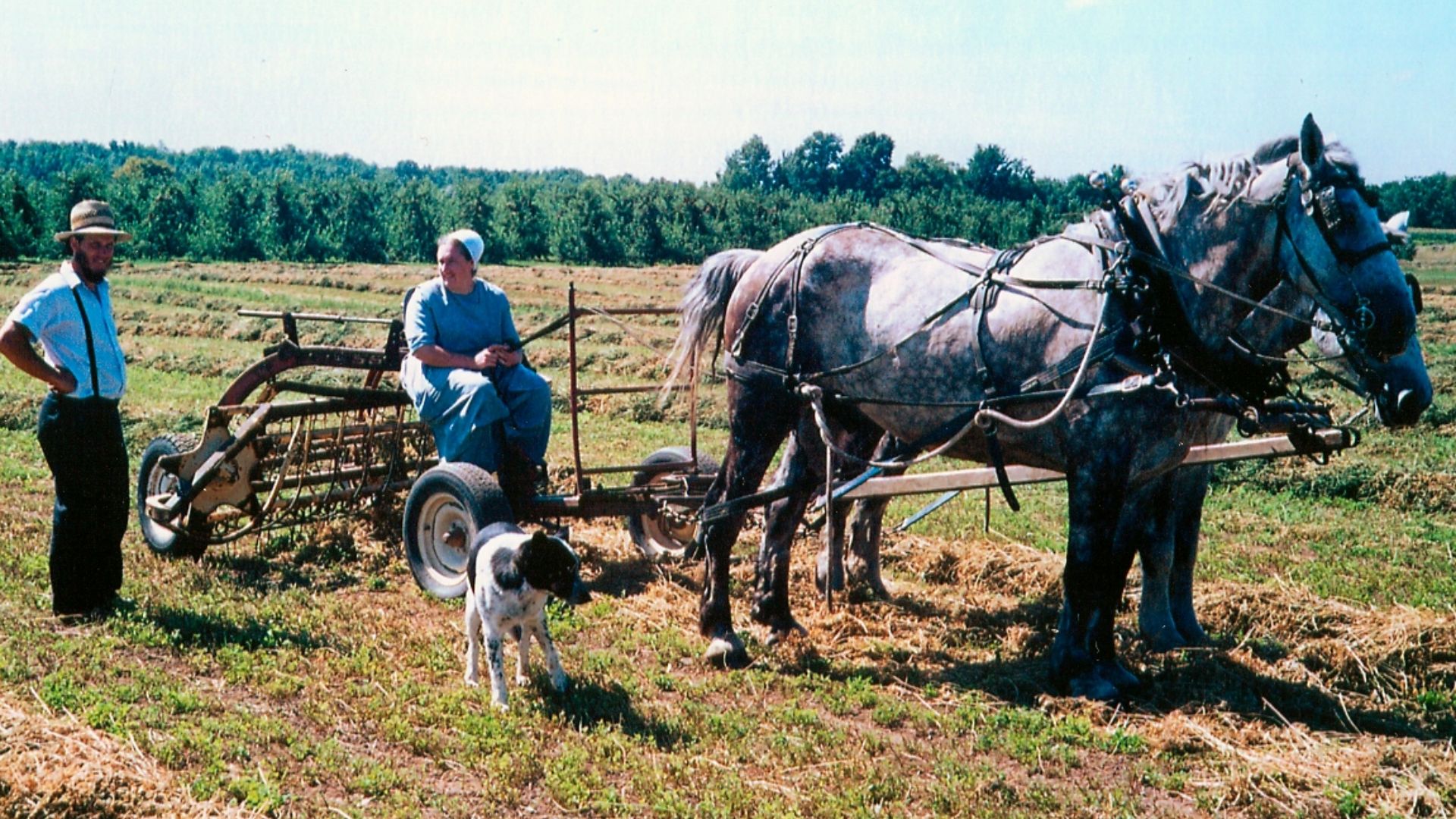
The Amish have already spent generations making decisions about which technologies belong in their communities. Their approach can look confusing from the outside. But understanding it helps explain how an Amish comparison fits into a conversation about some of the most advanced machines ever imagined.
 Ernest Mettendorf, Wikimedia Commons
They Don’t Reject Every Invention
The idea that Amish people refuse all modern technology misses quite a bit. Depending on the community, they may use batteries, power tools, solar equipment, and other devices. Rules vary, but the underlying question is whether a technology fits the life they want to preserve.

A Car Means More Than Transportation
For many Amish communities, restricting car ownership helps keep daily life rooted close to home. A faster way to travel also changes where people work, shop, and socialize. From that perspective, the decision involves much more than whether driving would be convenient.

Even A Phone Can Be Redesigned
Researcher Lindsay Ems described some Amish construction crews using a bulky phone connected to a cellular network. It provided calls while leaving out texting and internet access. The awkward design served a purpose: Workers could communicate without carrying an ordinary smartphone around all day.

Useful Doesn’t Have To Mean Unlimited
That example helps make the comparison clearer. A community can accept something useful while putting boundaries around it. Applied to AI, that might mean accepting help with certain tasks while deciding that other parts of life should stay in human hands.
 Alan Kotok on Flickr, Wikimedia Commons
Some Work Could Be Set Aside
Gates has proposed reserving certain roles for people, calling the idea “Human Reserved.” In his essay, he compares it to protecting land from development. People could build there, but society decides that something valuable would be lost if they did.

Being Capable Isn’t The Whole Question
Imagine receiving devastating news from a machine because it can deliver the information accurately. Gates uses that kind of situation to explain why technical ability shouldn’t settle every decision. Sometimes, having another person in the room is part of what makes the service matter.

Would You Watch Robots Play?
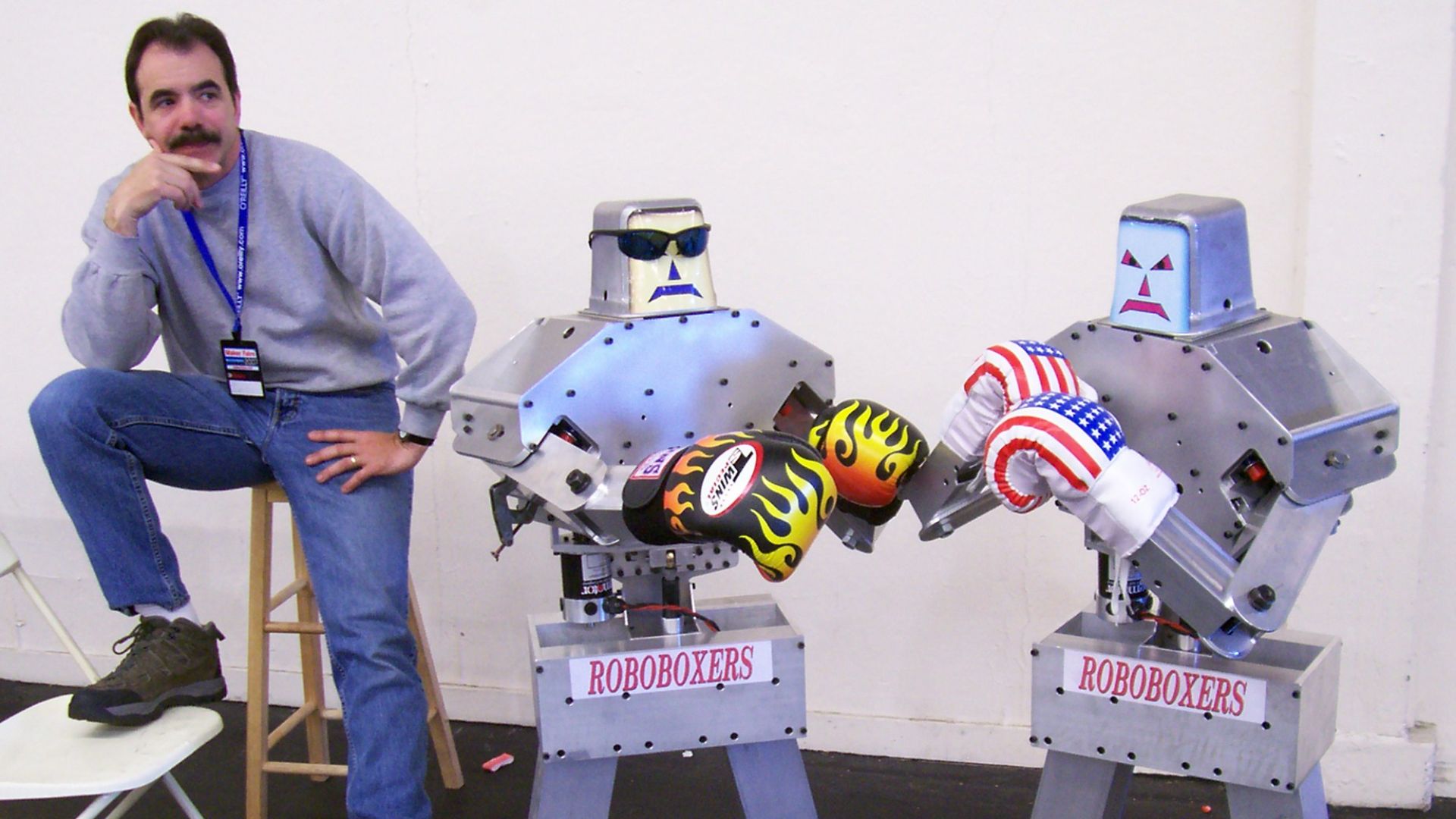
In the interview, Gates included sports among activities people might reserve for humans. It’s an easy example to understand. A machine performing an impressive physical feat could be entertaining. But watching a person struggle, improve, and finally win offers something different.
 Bill Ward from El Cerrito, CA, USA, Wikimedia Commons
The Effort Can Be The Point
The same question applies to ordinary pleasures. Someone who enjoys cooking might welcome help with the dishes while wanting to prepare dinner themselves. A person learning guitar might care more about finally playing a song than having a machine produce a flawless version.

Gates Was Asking This Years Ago
Back in 2023, Gates wrote about AI assistants potentially giving people a high quality of life with much less work. Even then, he asked what people would do with their time. More free hours sound wonderful. Filling them with something satisfying is another matter.

Even A Birthday Gets Complicated
In that earlier essay, Gates considered what happens when an AI assistant remembers someone’s birthday and arranges flowers. The gesture gets easier. But if the recipient knows software handled the remembering and organizing, would it carry the same meaning? Convenience can change more than the workload.

Having The Answer Isn’t Everything
Gates also wondered whether people would still want an education if an assistant already had the answers. It’s a provocative question. Passing a task to software might save time, but learning something yourself offers an accomplishment that a completed task doesn’t automatically provide.

Who Gets To Draw The Line?
Gates acknowledges that reserving work for humans raises difficult questions. Who chooses the protected roles? How would the rules be enforced? What happens when countries make different decisions? An appealing idea becomes much more complicated once employers, workers, and governments have to apply it.

A Different Kind Of Upgrade
The Amish comparison leaves people with an unusually personal question about the future. Think about something you enjoy doing, even when it takes effort or you aren’t especially good at it. If a machine could do it better tomorrow, would you actually want to hand it over?
 A.Classical-Futurist, Wikimedia Commons
You Might Also Like:
My job offers unlimited PTO, but I never get to use it. Did they put that in my contract as bait?