

The Safe Job Was Never Supposed To Disappear
For many baby boomers, a “safe” career meant a large employer, a recognizable occupation, and work that seemed hard to eliminate. Technology, consolidation, changing consumer habits, and globalization rewrote that bargain. Manufacturing fell from 19.6 million jobs in June 1979 to 12.8 million in June 2019.
 Finnish Heritage Agency, Wikimedia Commons
Engine And Machine Assembler
Factory work once offered a path from entry-level production to skilled positions and supervision. Manufacturing never returned to its 1979 employment peak after later downturns. Engine and other machine assemblers are projected to lose 17 percent of their jobs from 2025 to 2035.
 Roger Wollstadt, Wikimedia Commons
Machinist And Tool-And-Die Maker
Skilled machining looked safer than basic assembly because it demanded precision and experience. Computer-controlled equipment changed the labor equation. Overall employment for these workers is projected to decline 1 percent through 2035.
 Provincial Archives of Alberta, Wikimedia Commons
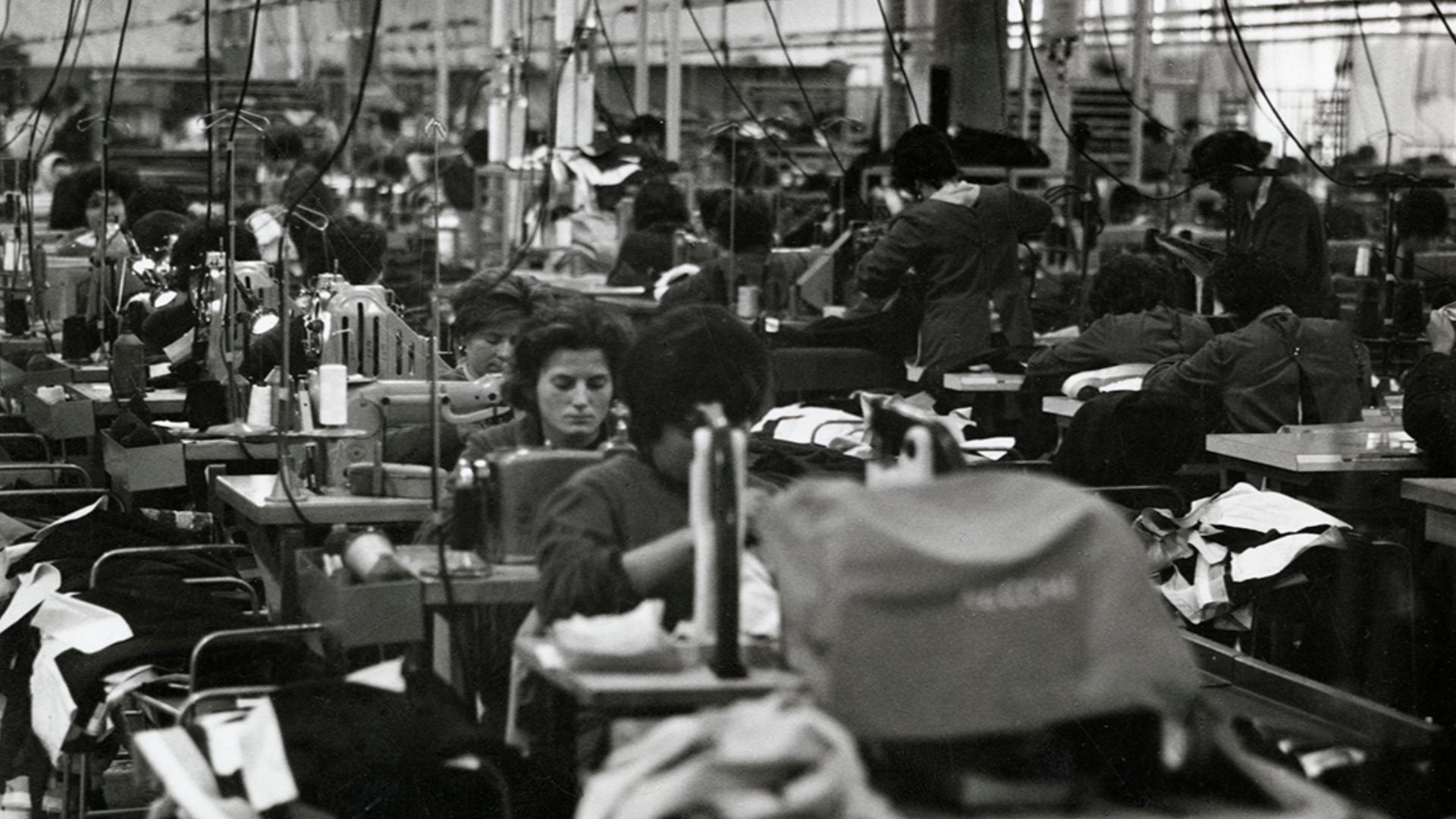
Sewing Machine Operator
Garment production once supported large domestic workforces in factory towns and cities. Apparel and textile manufacturing became one of the hardest-hit parts of U.S. manufacturing after 1979. Sewing machine operator employment is projected to decline 15 percent between 2025 and 2035.
 Unknown authorUnknown author, Wikimedia Commons
Prepress And Print-Finishing Worker
Printing once required crews to prepare pages, plates, bindings, and finished products. Digital publishing and automation reduced those needs. Prepress technicians are projected to decline 15 percent through 2035, while print binding and finishing workers are projected to fall about 18 percent.
 Van Der Poll, Wikimedia Commons
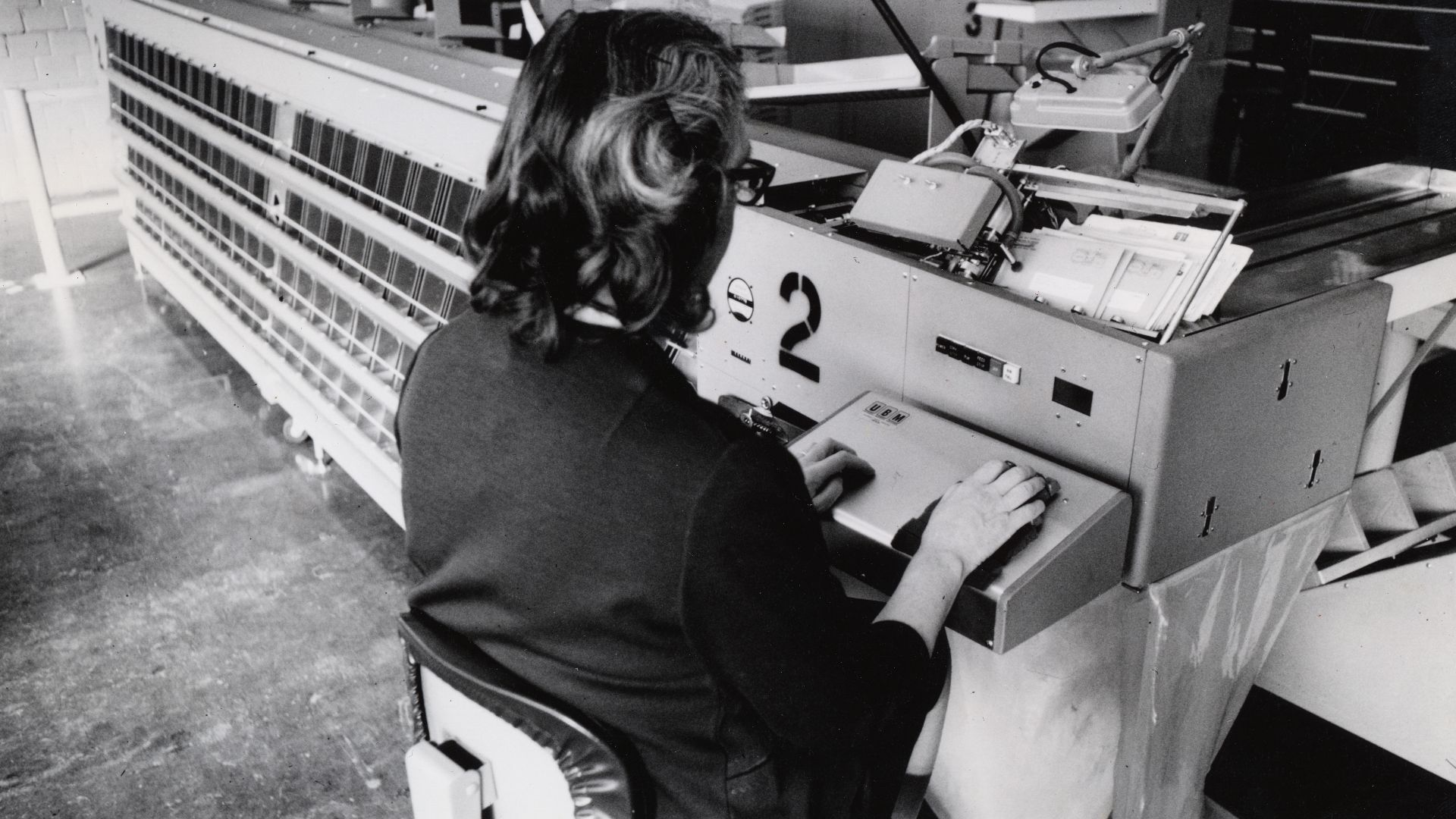
Postal Service Worker
A postal job carried the appeal of a public employer and steady demand for physical mail. First-Class Mail volume exceeded 103 billion pieces in 2001 but fell to about 42 billion in 2025. Postal-service employment is projected to decline 1 percent through 2035.
 Smithsonian Institution from United States, Wikimedia Commons
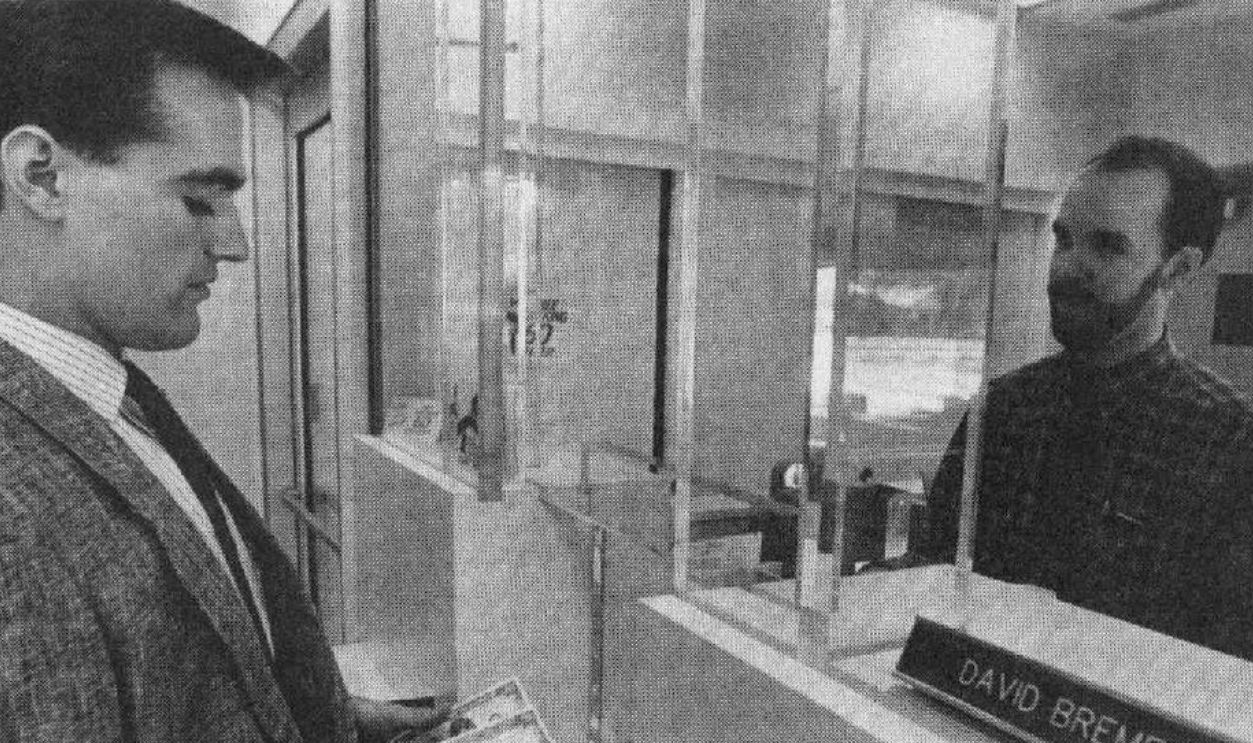
Bank Teller
Tellers were once essential to nearly every routine banking transaction. Mobile deposits, online banking, enhanced ATMs, and fewer branches reduced foot traffic and staffing needs. Teller employment is projected to fall 13 percent from 2025 to 2035.
 Bureau of Labor Statistics, Wikimedia Commons
Secretary And Administrative Assistant
Secretaries once handled typing, scheduling, correspondence, and document preparation that managers could not easily do themselves. Digital tools and AI now let employees complete more of that work directly. Overall secretary and administrative-assistant employment is projected to decline 2 percent through 2035.

Word Processor And Typist
Typing was once a specialized office skill that supported a full-time occupation. Modern office software put the same capability on nearly every employee’s desk. Word processors and typists now top the federal list of fastest-declining occupations, with employment projected to fall 34 percent by 2035.

Data Entry Keyer
Organizations once needed workers whose main job was moving information from paper into databases. Digital forms, scanning, integrated software, and automated data capture reduced that need. Data entry keyer employment is projected to decline roughly 26 percent from 2025 to 2035.
 Seattle Municipal Archives from Seattle, WA, Wikimedia Commons
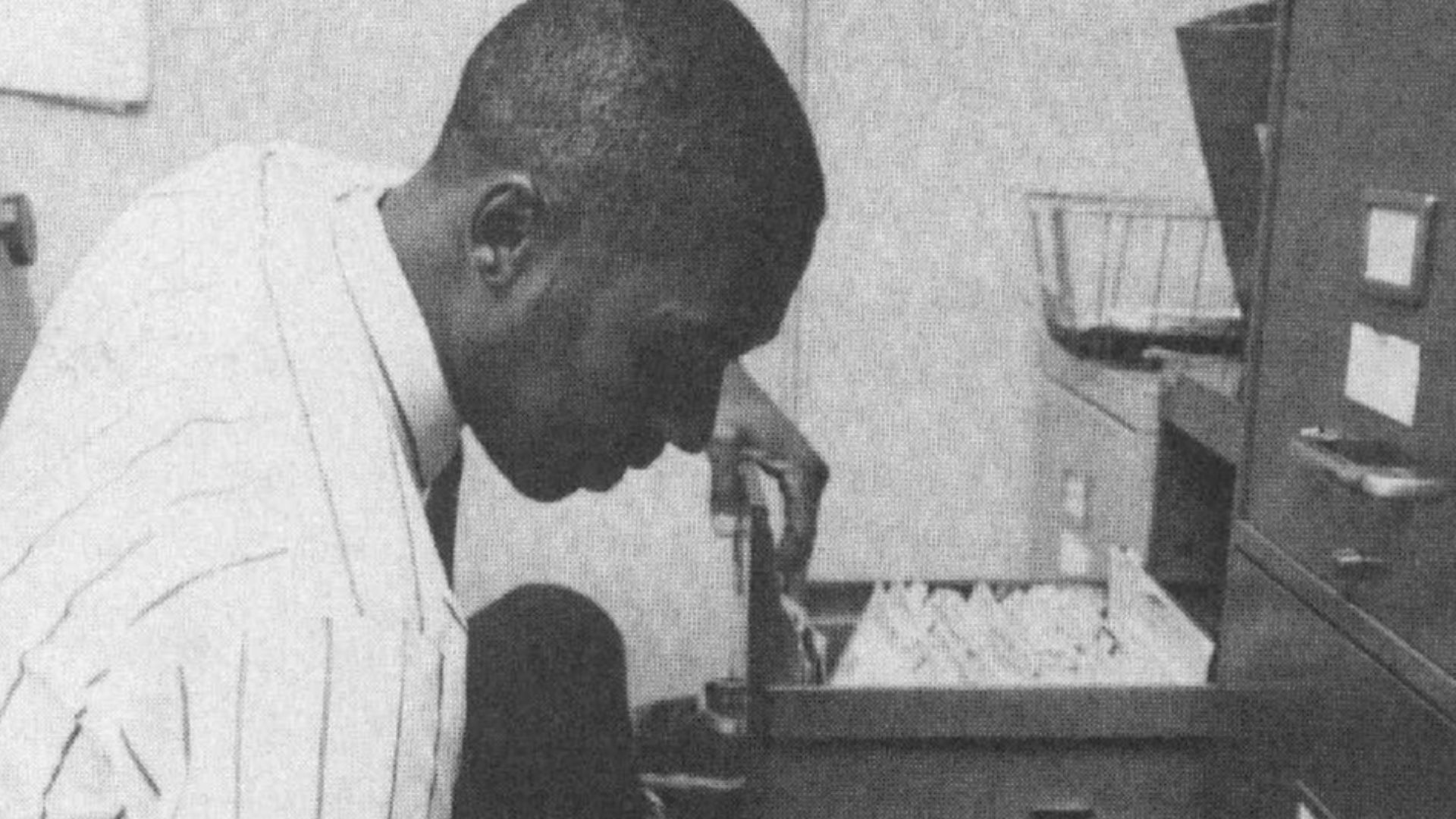
File Clerk
Paper records created jobs around sorting, storing, retrieving, and maintaining documents. Electronic filing and shared digital systems shifted many of those duties to software and other staff. File clerk employment is projected to decline 16 percent over the 2025–2035 period.
 Bureau of Labor Statistics, Wikimedia Commons
Payroll And Timekeeping Clerk
Payroll departments once depended on clerks to track hours, pay rates, deductions, and leave. More payroll and timekeeping work is now automated, reducing staffing needs. Employment for payroll and timekeeping clerks is projected to drop 16 percent from 2025 to 2035.
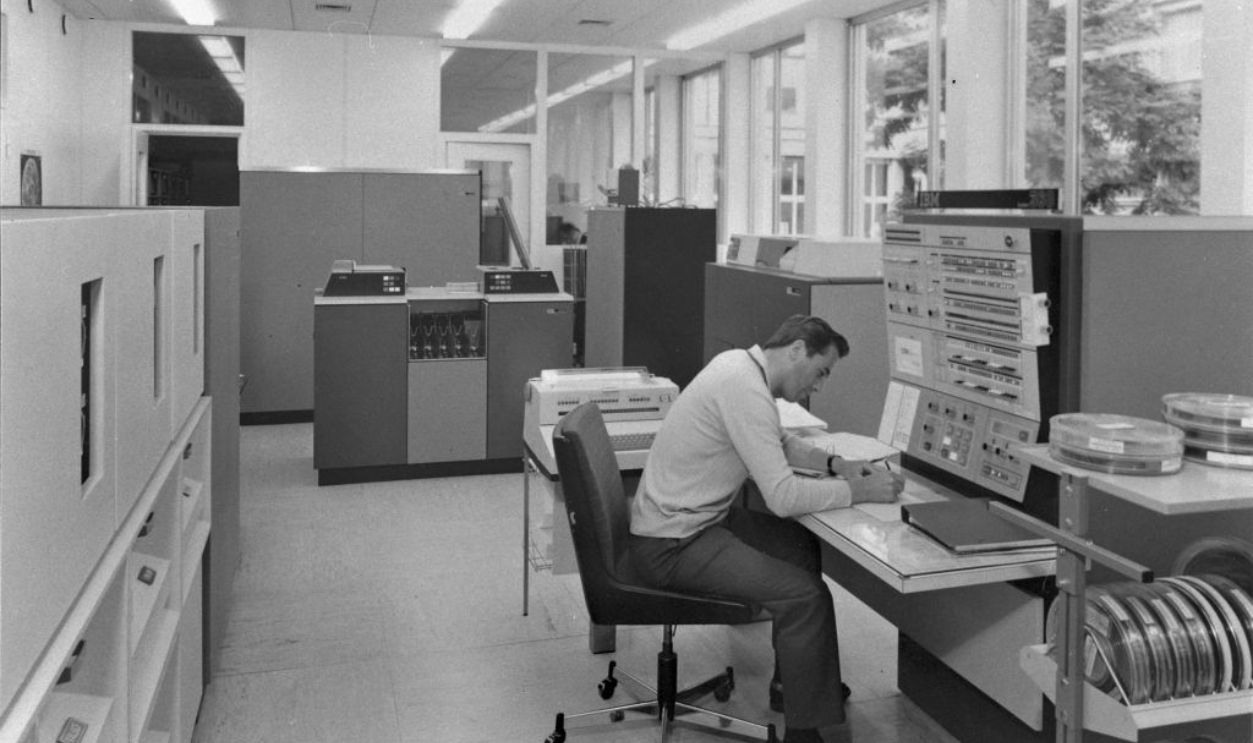
Bookkeeper
Bookkeeping remains important, but its routine clerical side is shrinking. Accounting software automates posting, reconciliation, and recordkeeping that once required more staff. Employment of bookkeeping, accounting, and auditing clerks is projected to decline 6 percent through 2035.
 BiblioArchives / LibraryArchives, Wikimedia Commons
Switchboard Operator
Businesses and answering services once needed workers specifically to route incoming and outgoing calls. Automated phone systems have taken over more of that function. Switchboard operator employment is projected to shrink 26 percent between 2025 and 2035.
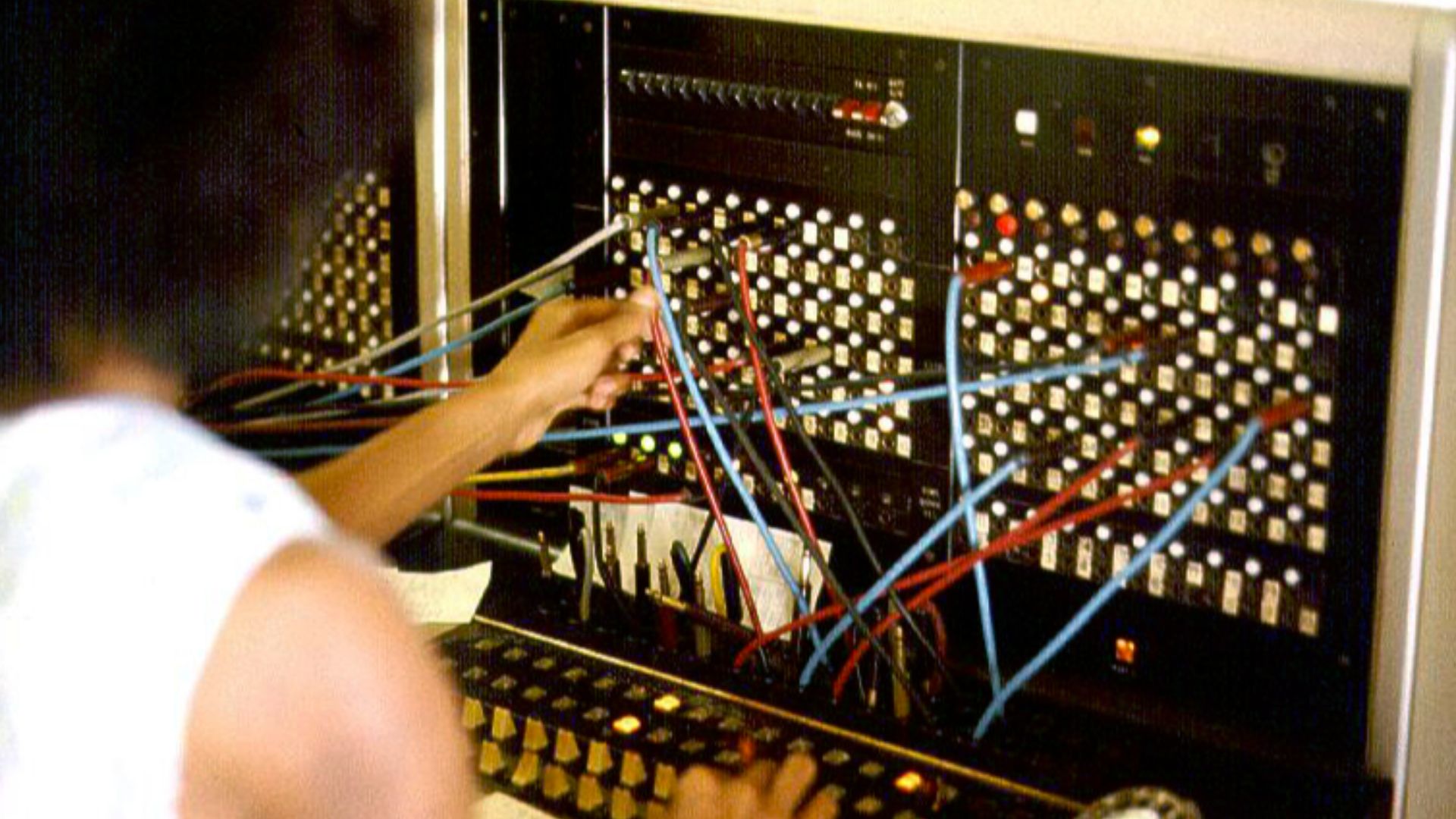 Joseph A. Carr, Wikimedia Commons
Telephone Operator
Telephone operators still handle certain specialized requests, but automated phone systems increasingly perform their traditional work. Employment is projected to decline nearly 28 percent through 2035, putting telephone operators among the fastest-shrinking occupations in the country.
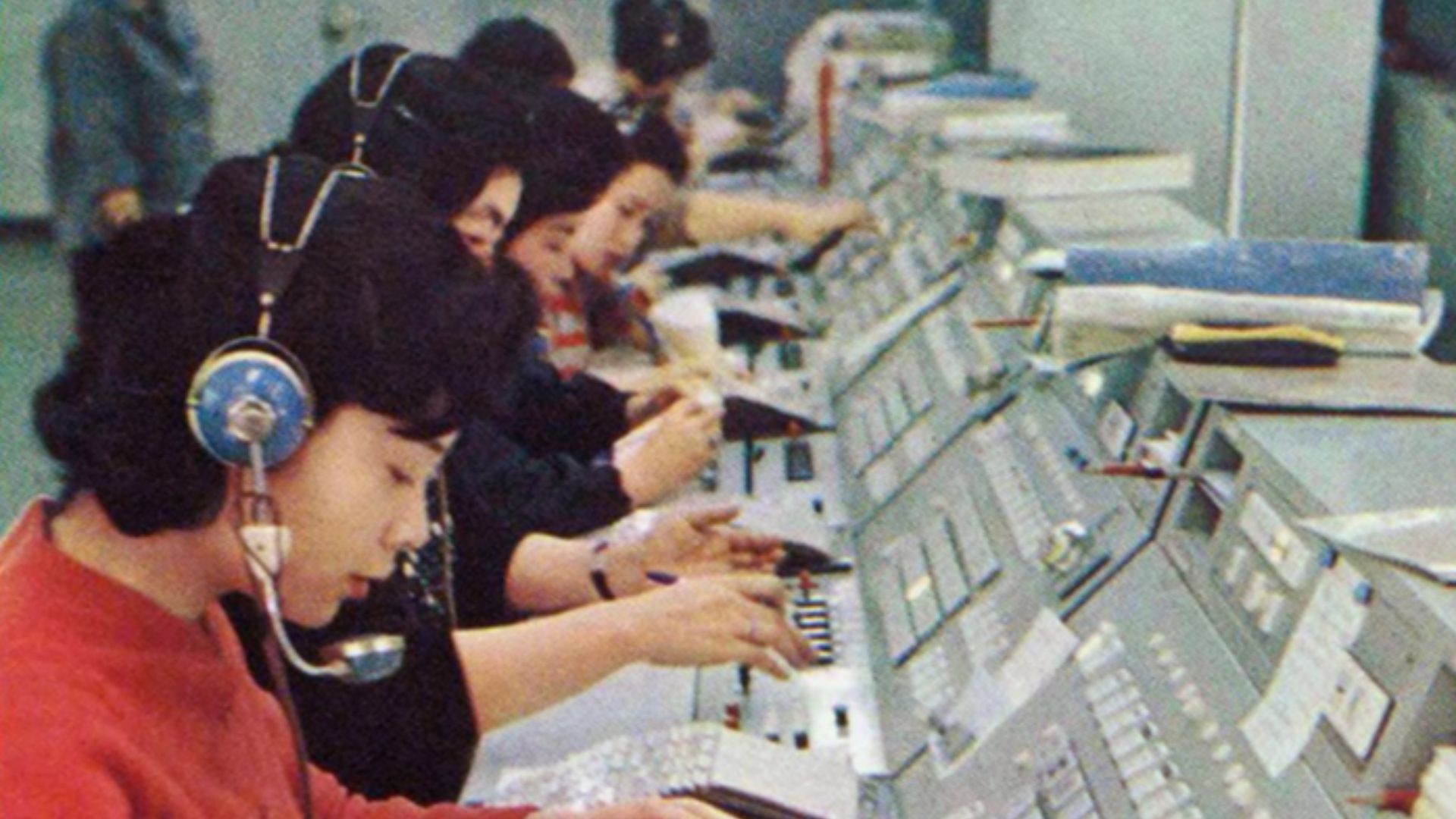 Asahi Shimbun, Wikimedia Commons
Order Clerk
Mail-order and phone purchasing once generated substantial clerical work processing customer orders. Automated order-taking systems increasingly let customers complete the process themselves. Order clerk employment is projected to fall about 17 percent from 2025 to 2035.
 Seattle Municipal Archives, Wikimedia Commons
Customer Service Representative
Call-center and service jobs expanded as companies centralized support, but automation is moving into the same territory. Advances in AI and language processing allow computers to handle more customer interactions. Customer service representative employment is projected to decline 5 percent through 2035.
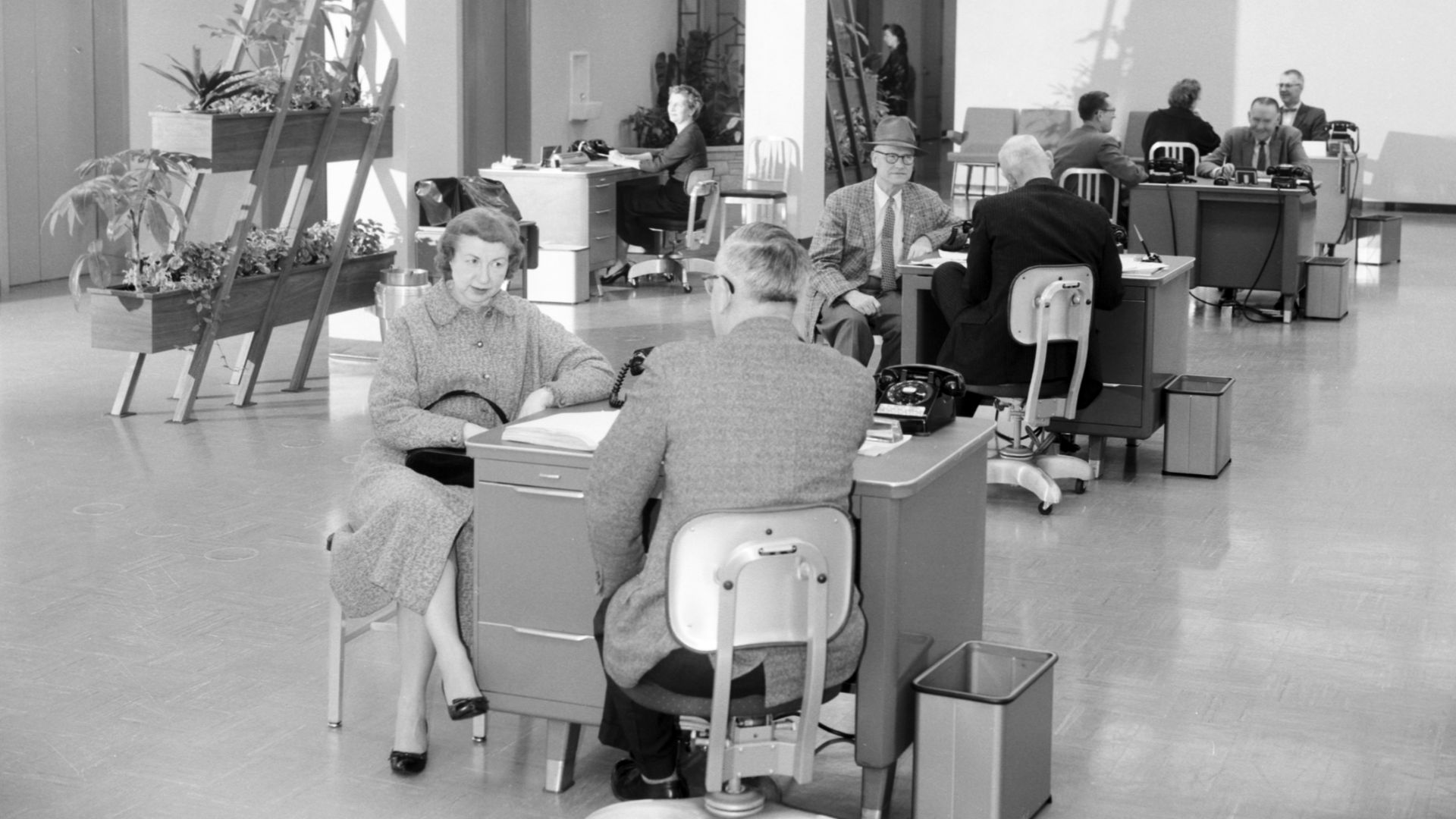 Seattle Municipal Archives from Seattle, WA, Wikimedia Commons
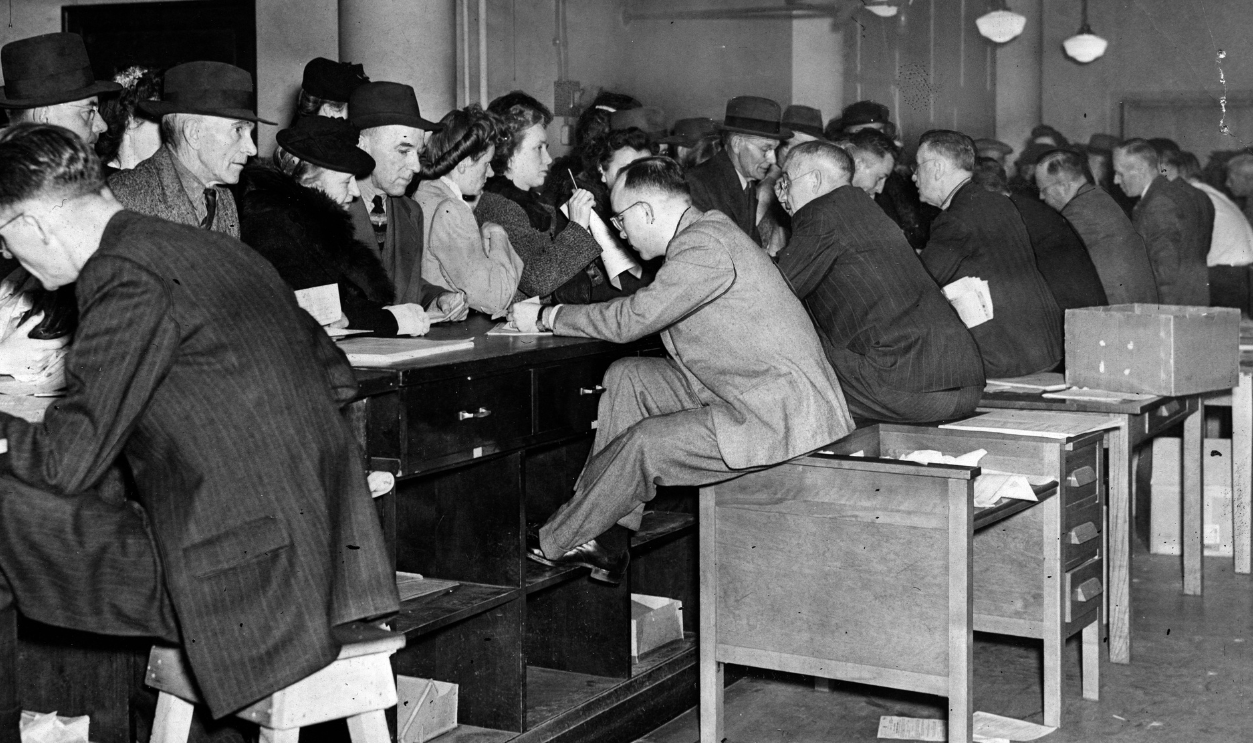
Bill And Account Collector
Collections traditionally required workers to call customers and negotiate overdue payments. Automated calling and collections software now allow employees to handle more accounts. Bill and account collector employment is projected to decline about 10 percent from 2025 to 2035.
 Toronto Telegram staff, Wikimedia Commons
Cashier
Cashiers remain highly visible, but self-checkout and online shopping are reducing demand. Stores can process more transactions with fewer staffed lanes. Cashier employment is projected to decline 6 percent through 2035, representing roughly 200,000 fewer positions.
 Unknown author, Wikimedia Commons
Retail Salesperson
A long career in a department store or specialty chain looked more dependable when shopping happened mainly in person. E-commerce now limits growth in physical-store employment. Retail salesperson employment is projected to show essentially no growth through 2035, with about 14,000 fewer jobs.
 Unknown author, Wikimedia Commons
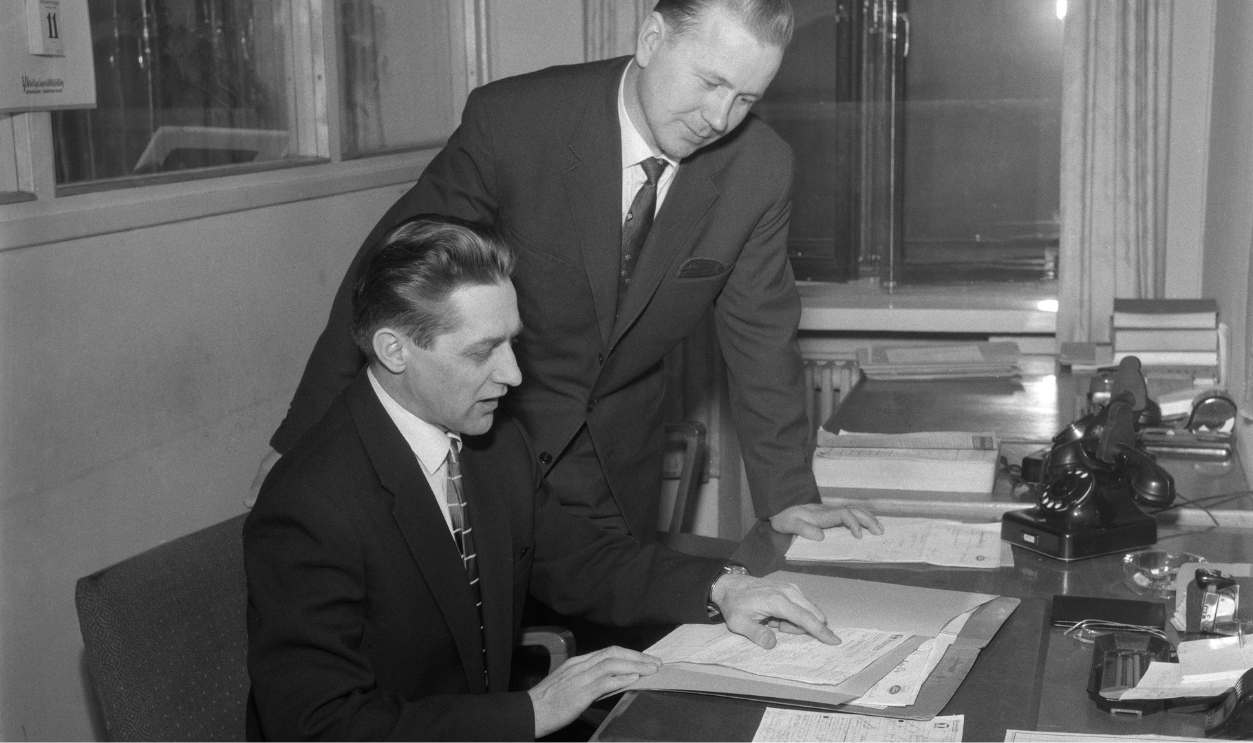
Insurance Claims Adjuster
Insurance seemed relatively insulated from disruption because claims still require evaluation. But software can evaluate damage photos and estimate claim amounts, while AI speeds data processing. Employment for claims adjusters, appraisers, examiners, and investigators is projected to decline 6 percent through 2035.
 Unknown author, Wikimedia Commons
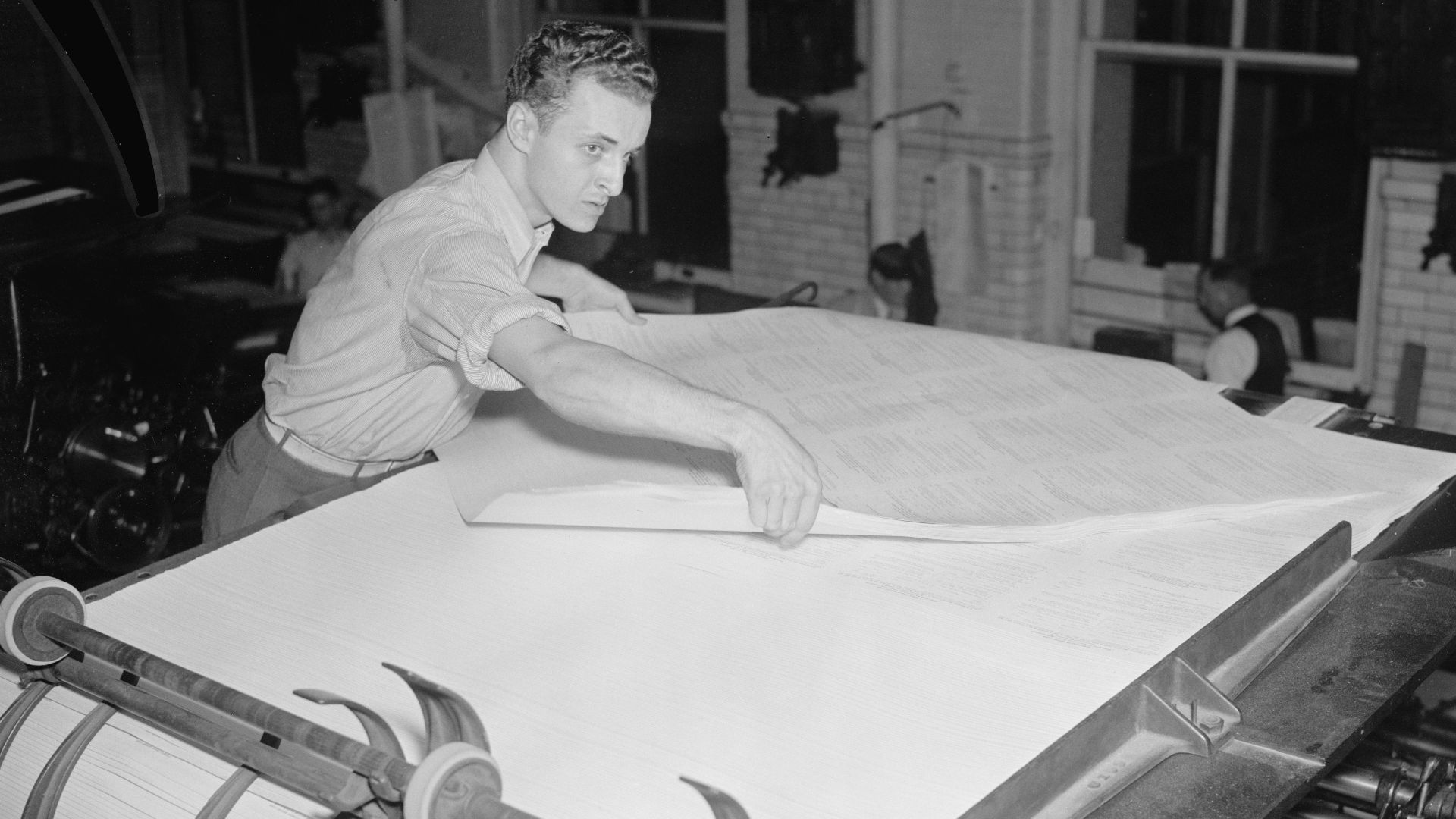
Newspaper Reporter
Newspapers once supported far larger reporting staffs than they do today. Newspaper newsroom employment fell 57 percent between 2008 and 2020 as the industry underwent severe economic disruption. Reporters and journalists are projected to lose another 6 percent of employment from 2025 to 2035.
 Harris & Ewing, photographer, Wikimedia Commons
Editor
Editors have not vanished, but traditional print outlets employ fewer of them as newspapers and magazines lose ground to other formats. Newsroom contraction has hit editors alongside reporters and photographers. Overall editor employment is projected to decline 1 percent through 2035.
 Lauri Pietarinen, Wikimedia Commons
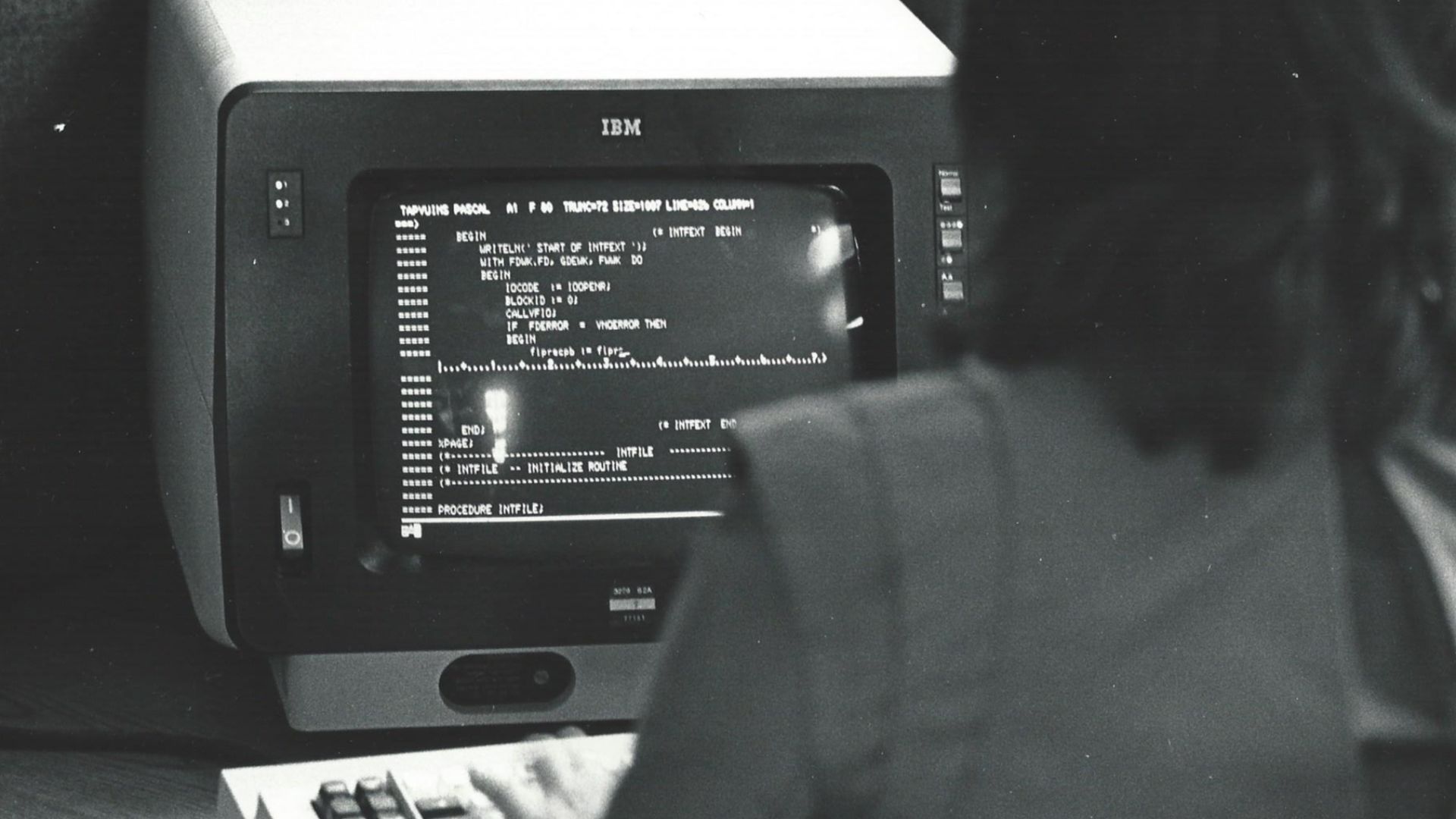
Computer Programmer
Even a technology career can face technological disruption. Automation and AI are making programmers more efficient at repetitive tasks, while some higher-skilled work is shifting to other technology occupations. Computer programmer employment is projected to decline 7 percent between 2025 and 2035.
 Jonathan Schilling, Wikimedia Commons
Network And Systems Administrator
Some system-administration duties are shifting to DevOps teams, automated tools, and outside network-service providers. That changes the outlook even as organizations continue to depend on computer networks. Network and computer systems administrator employment is projected to decline 4 percent through 2035.
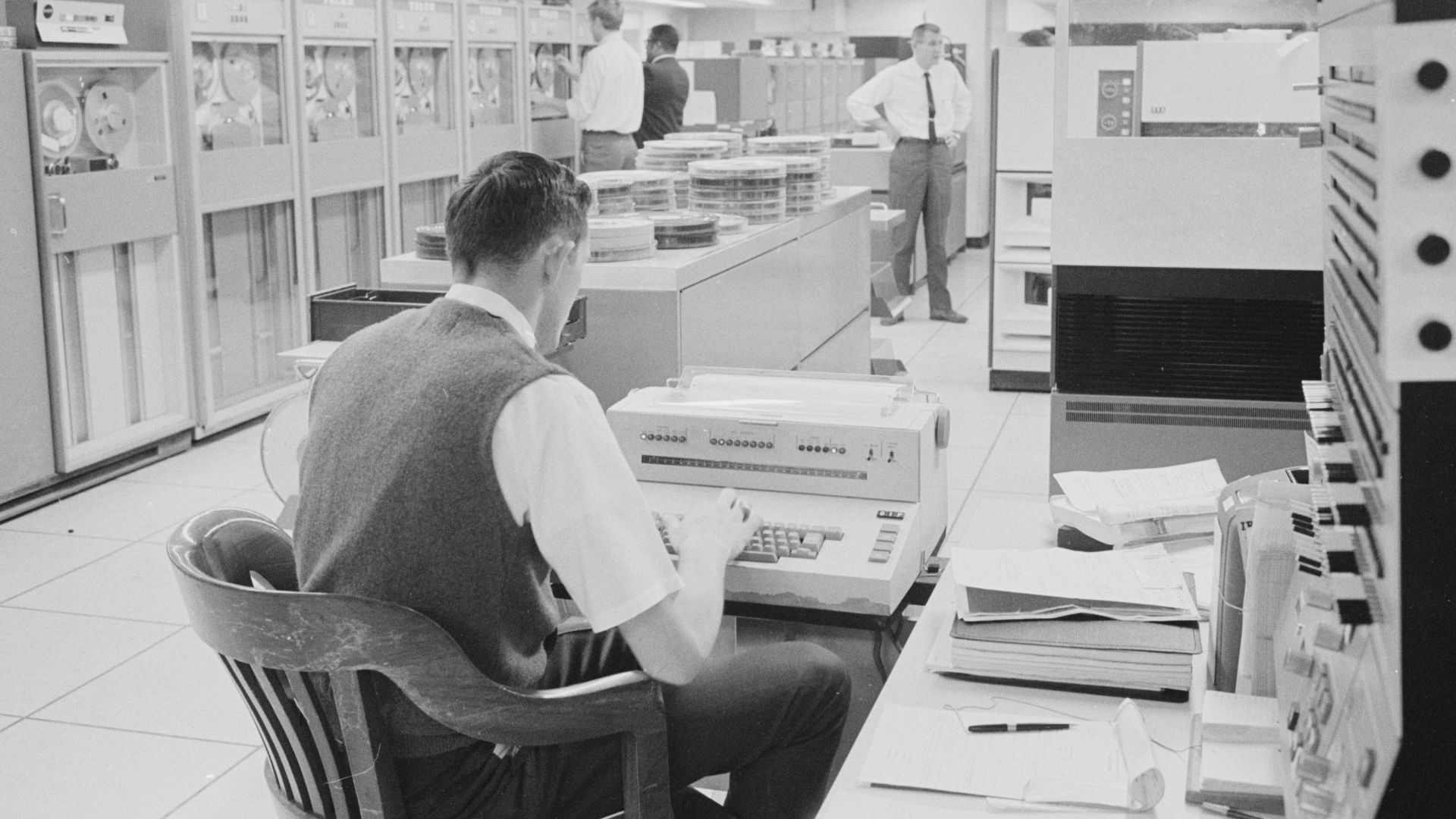 Warren K. Leffler, Wikimedia Commons
Computer User Support Specialist
Corporate help desks remain necessary for complicated technical problems, but automated troubleshooting tools and chatbots increasingly handle routine requests. Fewer workers are therefore expected to be needed overall. Computer support specialist employment is projected to decline 3 percent through 2035.
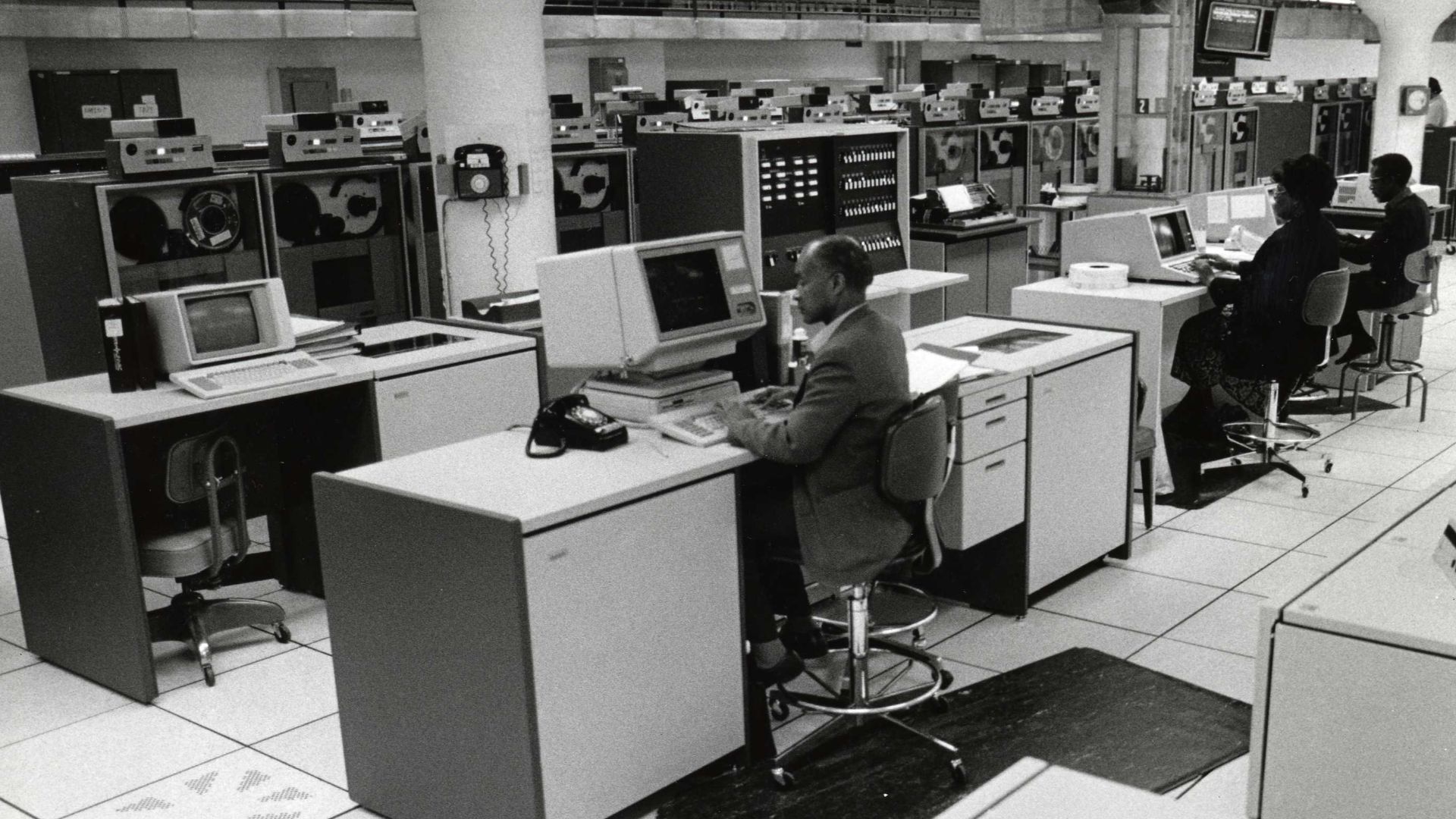 U.S. Census Bureau employees, Wikimedia Commons
Power Plant Operator
Growing electricity use does not necessarily translate into growing operator employment. Modern control rooms, smarter technology, and more efficient plants allow more generation with fewer workers. Power-plant operator employment is projected to decline 5 percent from 2025 to 2035.
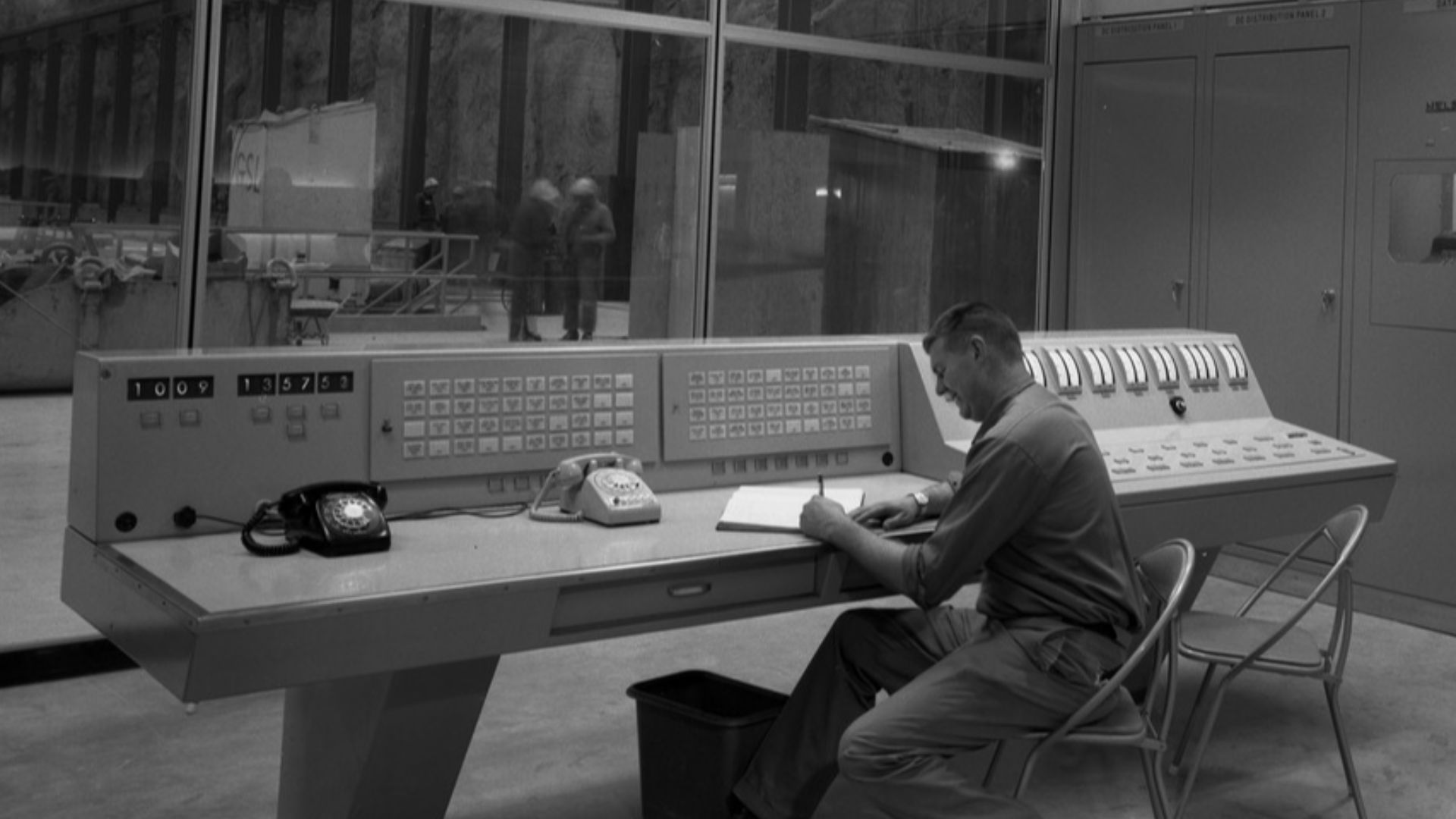 Seattle Municipal Archives from Seattle, WA, Wikimedia Commons
You May Also Like:
Is Remote Work More Or Less Productive?
How This 25-Year-Old Makes $7,000 A Month From Her Side Hustle
How An MBA Can Take Your Career To The Next Level
Source: 1, 2






.gif)