How Boomers Made Extra Cash On The Weekends
Before online marketplaces and side-hustle apps, extra money often came from knowing how to make or repair something. Baby Boomers turned basements, garages and kitchen tables into weekend businesses.
Which useful skill helped put a little extra money in your pocket?
Side Hustles Were Still Helpful In The 80s
The earnings in this article are estimated gross receipts in roughly 1980 dollars, before supplies, transportation and taxes. For context, the federal minimum wage reached $3.10 an hour in 1980 and $3.35 in 1981. Even a modest $30 weekend could therefore provide meaningful breathing room in a household budget.
Let’s see which weekend skills could bring in the most.
 Stephen Holmes, Wikimedia Commons
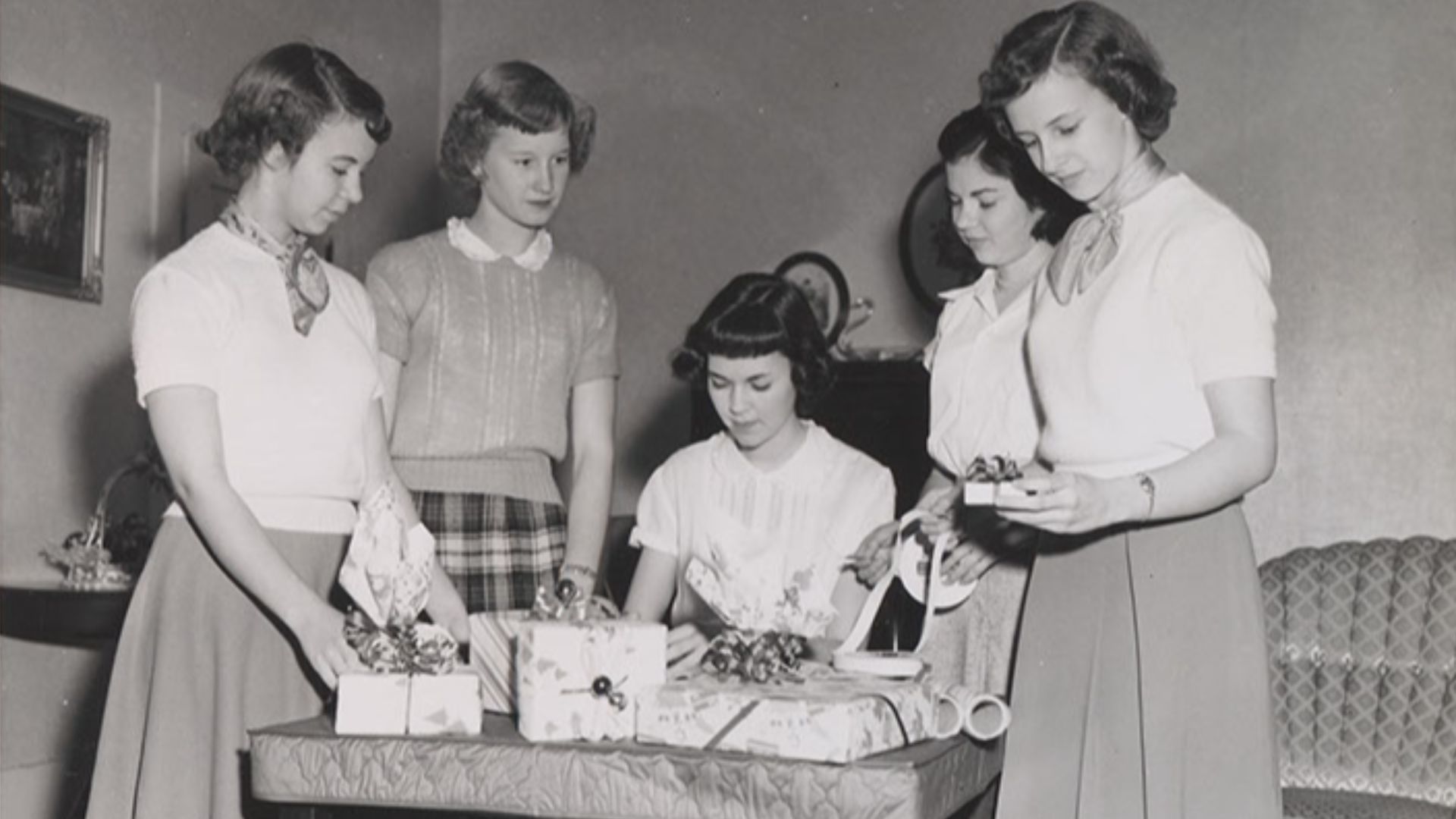
Gift Wrapping
Careful folders and ribbon curlers could earn money wrapping Christmas presents for neighbors, local merchants or holiday shoppers. Department stores also needed extra hands during December. Someone working several busy hours might bring in approximately $10 to $25 over a weekend, sometimes supplemented with tips.
Macramé
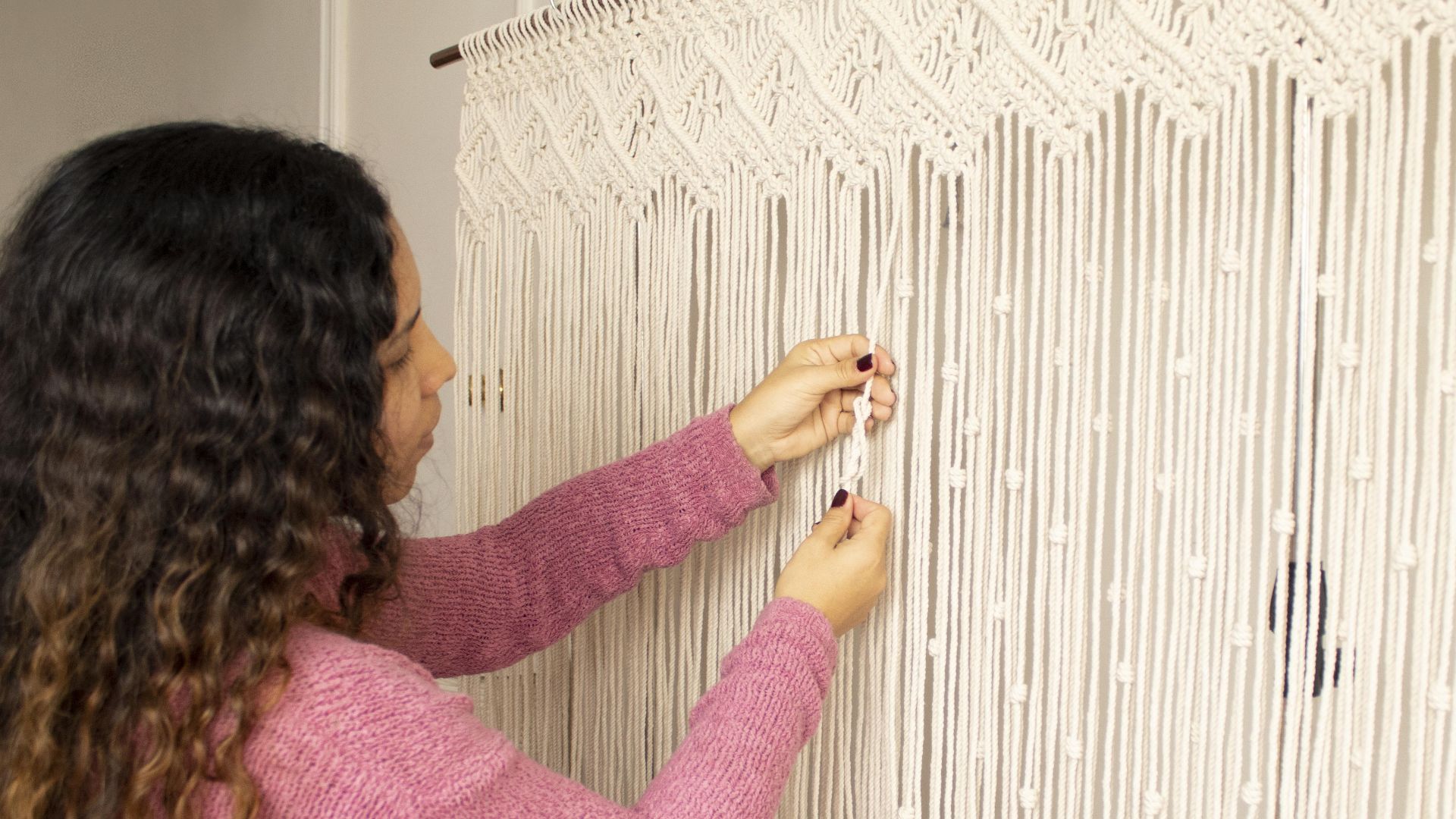
A surprising number of kitchens and living rooms once displayed handmade plant hangers, wall decorations and owl-shaped creations. Skilled knotters sold them at church bazaars, flea markets and craft fairs. Depending on materials and sales, a productive weekend might generate approximately $15 to $40 before expenses.
 Davidperezc77, Wikimedia Commons
Crochet
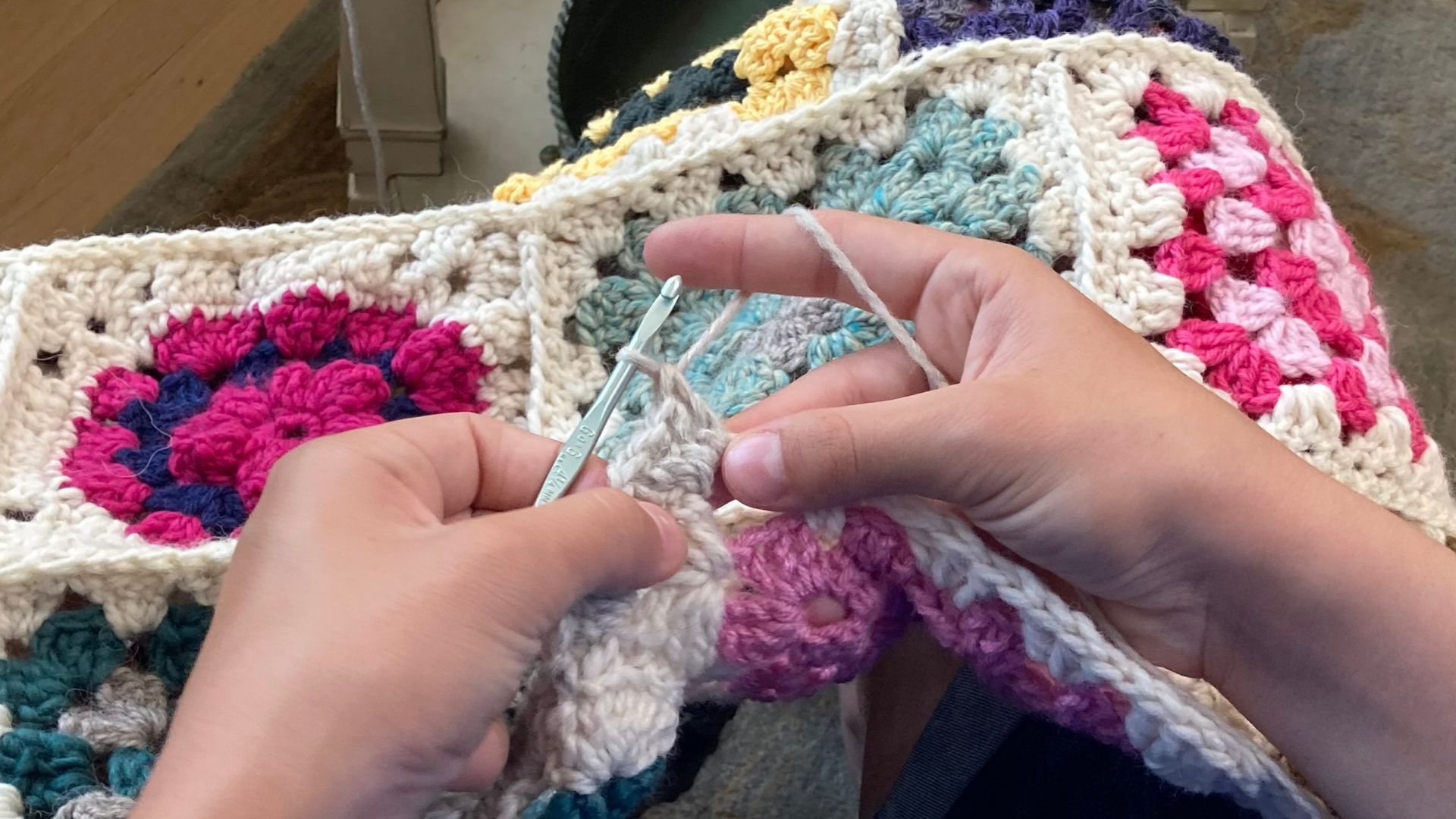
Crochet hooks frequently came out after dinner, producing baby blankets, slippers, scarves, potholders and those unmistakable toilet-paper covers. Finished pieces could be sold to coworkers or at community events. Several small orders might produce approximately $15 to $50 during a weekend, although yarn reduced the final profit.
Canning and Preserving
Garden vegetables and seasonal fruit could become jars of jam, relish, pickles or preserves. Families sold extras through roadside stands, church events and personal connections, subject to local food rules. A good weekend might bring in approximately $20 to $50 while preventing homegrown produce from going to waste.

Cake Decorating
Someone who could pipe roses, create smooth frosting and write a name legibly was always in demand. Birthday cakes, anniversary cakes and graduation orders came through friends and coworkers. A home decorator handling one or two orders might collect approximately $25 to $75 over a weekend before ingredient costs.
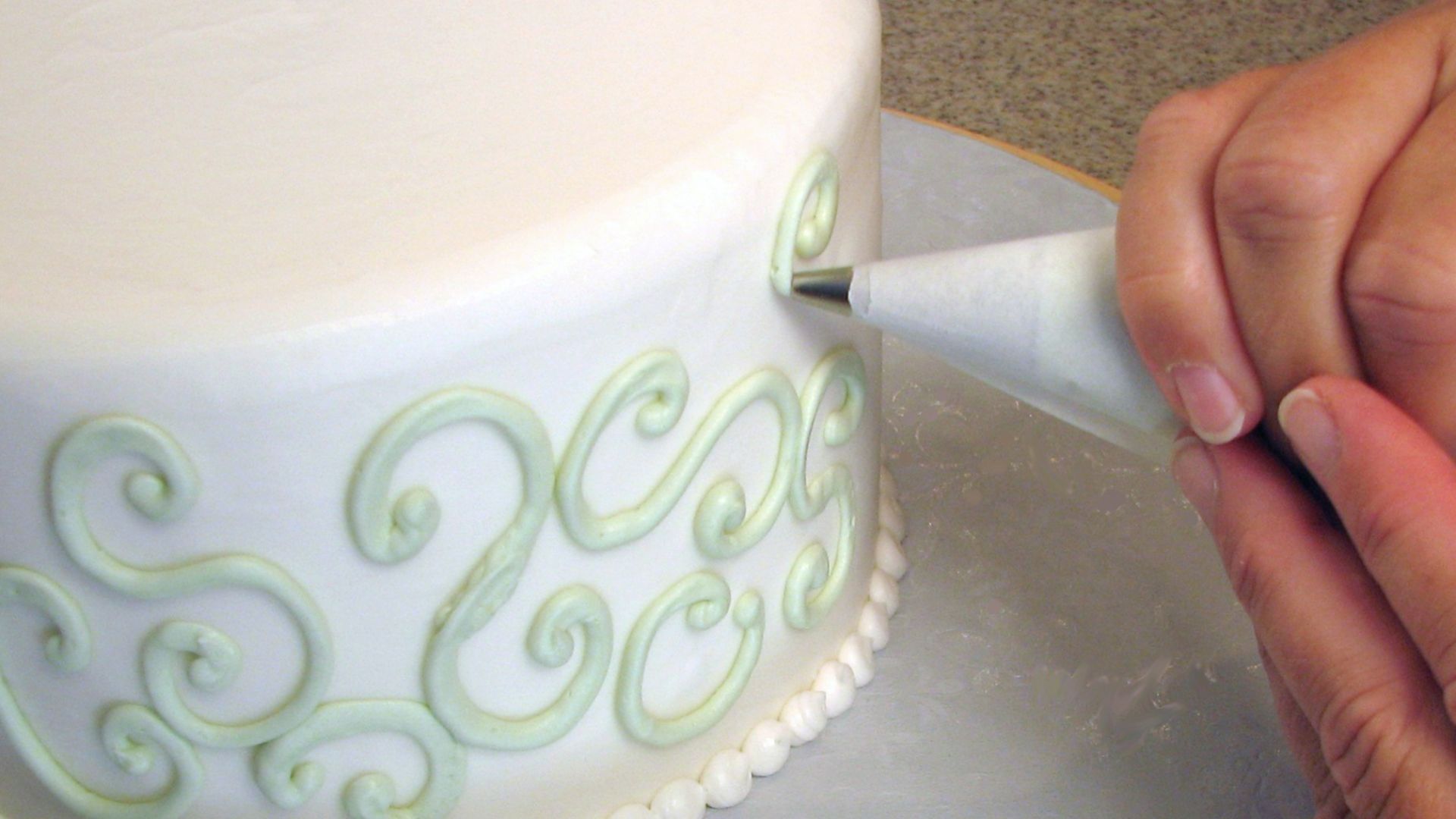 Michael Prudhomme, CakesMadeEasy.com, Wikimedia Commons
Photography
A reliable camera and a good eye could lead to paid weddings, family portraits, team photographs or community events. Film and developing costs mattered, but customers valued having someone capture the occasion. One small assignment could generate approximately $25 to $100 during a weekend in roughly 1980 dollars.

Typing
Fast, accurate typists used home typewriters to prepare résumés, college papers, business letters and club newsletters. Correcting mistakes was far more involved than pressing the backspace key, so accuracy commanded a premium. Several short assignments could produce approximately $20 to $60 over a weekend.
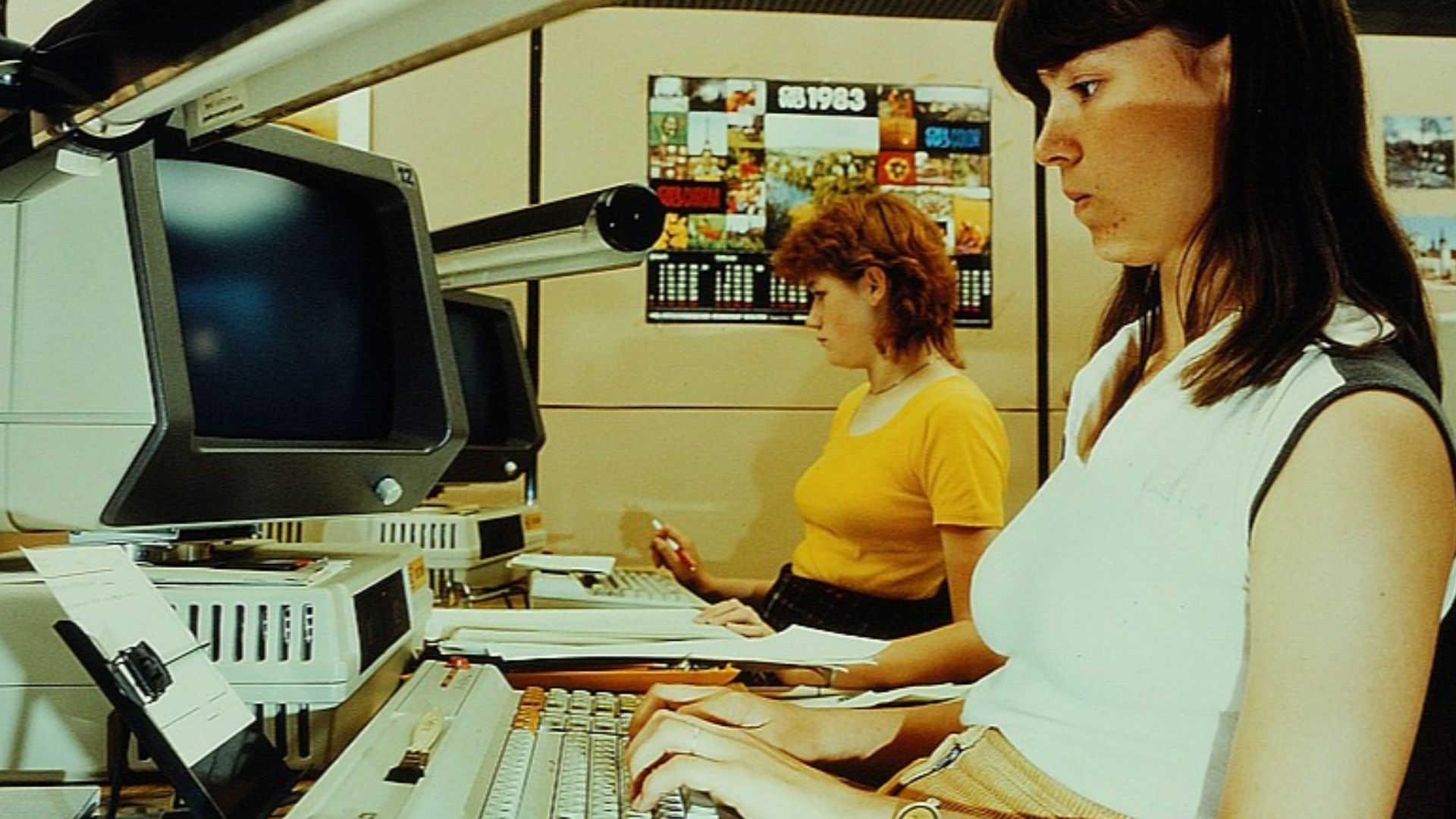 Eugen Nosko, Wikimedia Commons
Bookkeeping
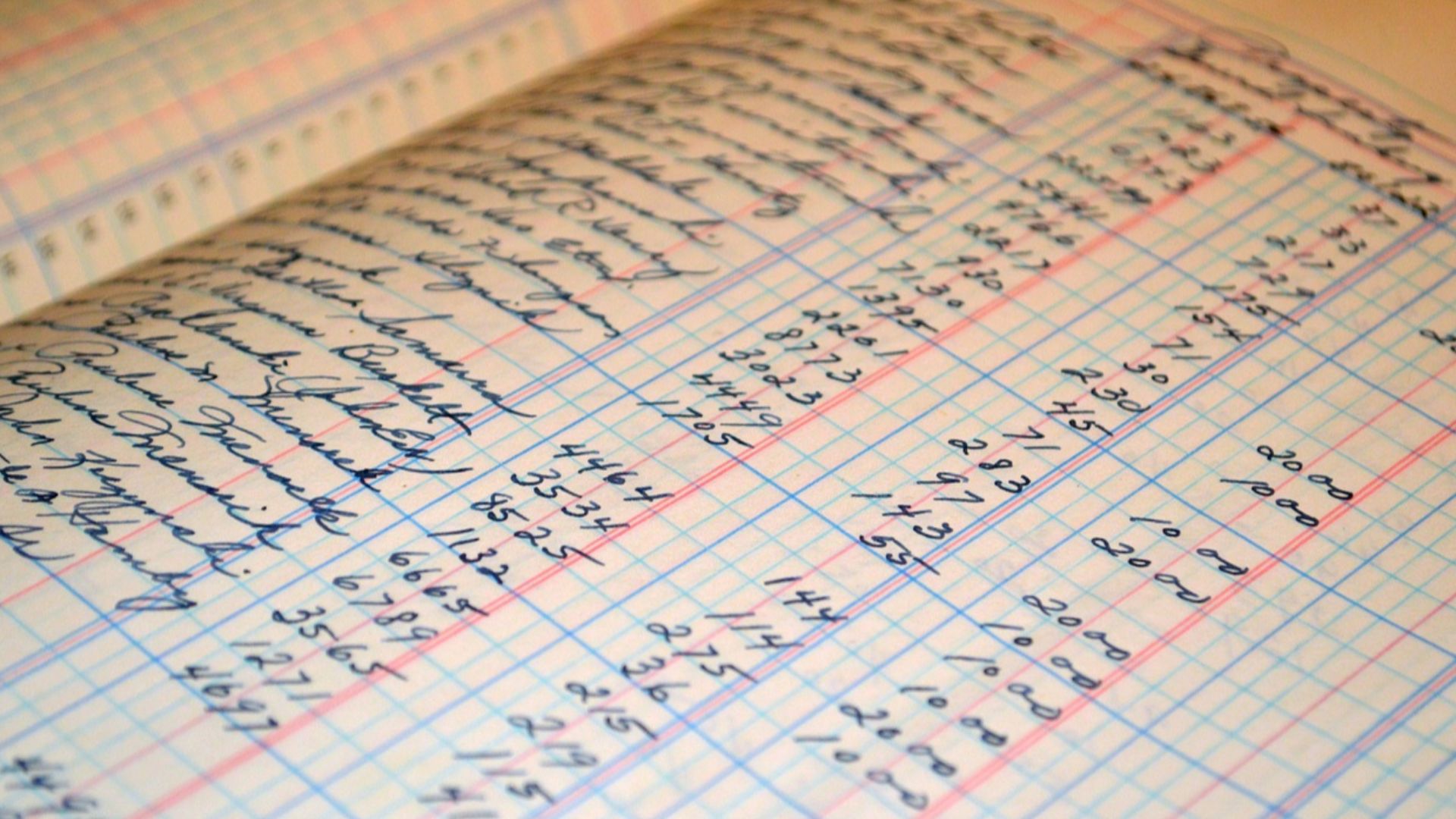
Small retailers, contractors and neighborhood businesses needed someone who could organize receipts and balance a ledger. A person comfortable with arithmetic, invoices and payroll could maintain accounts from home. Weekend bookkeeping might bring in approximately $30 to $80 while providing recurring work every month.
Bookkeeping was a widely used clerical skill, with more than 1.8 million Americans working in related positions in 1978.
Tax Preparation
People who understood deductions, forms and careful recordkeeping often helped neighbors prepare returns before electronic filing existed. Most work arrived during tax season, but repeat customers made it valuable. A knowledgeable preparer might earn approximately $40 to $100 over a busy weekend, depending on the number and complexity of returns.

Hair Cutting
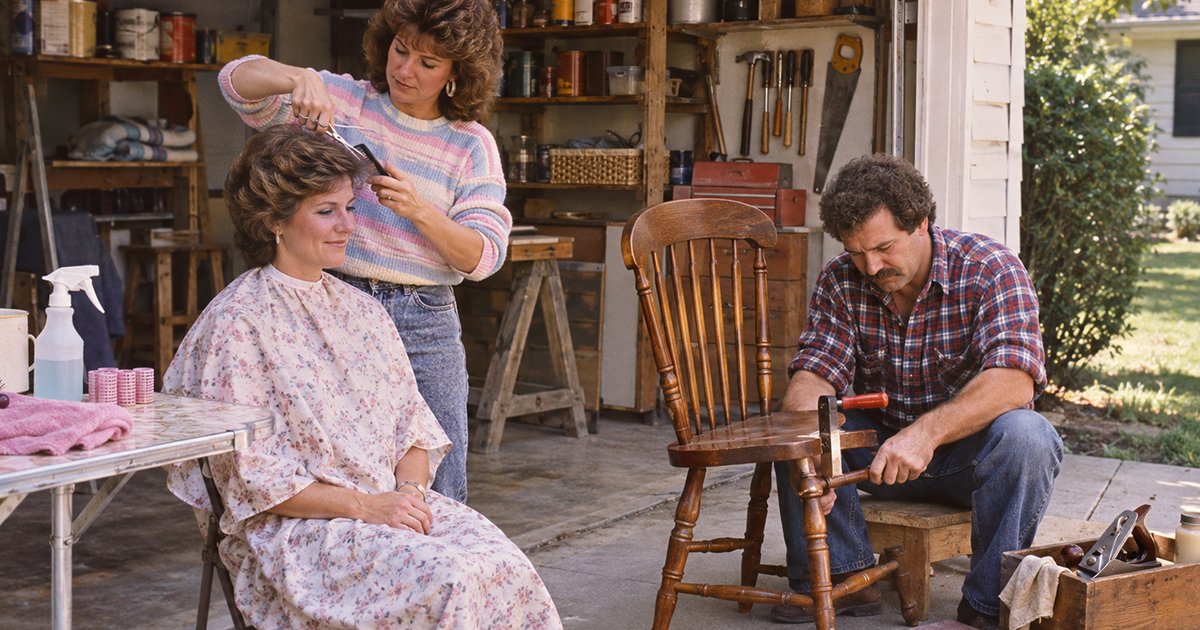
Kitchen haircuts were not always fashion triumphs, but they were inexpensive and convenient. Someone with barbering or styling experience could cut children’s hair, trim neighbors or provide simple sets and perms. Several appointments might produce approximately $30 to $75 in weekend income, often paid entirely in cash.

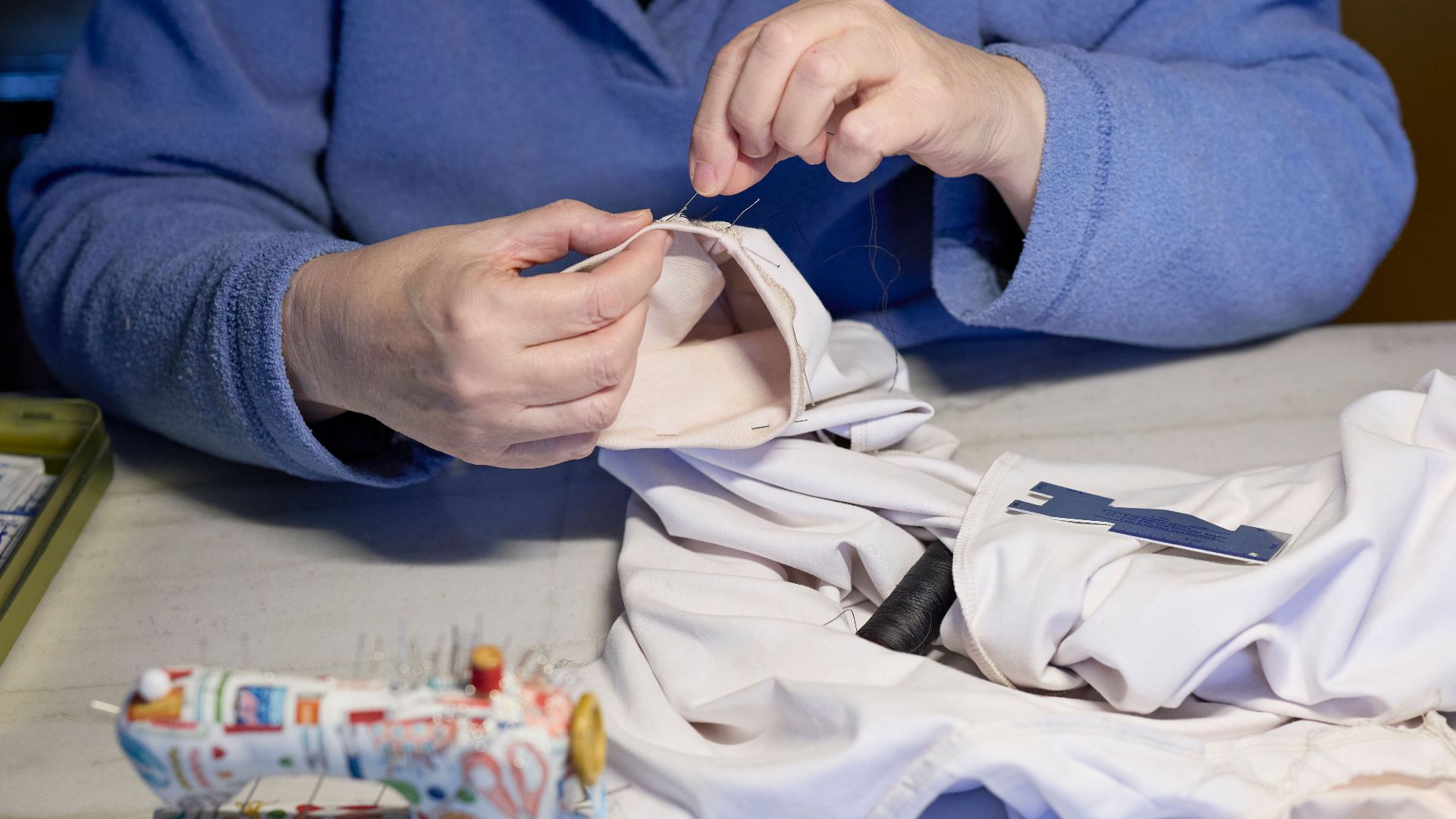
Sewing and Alterations
Hemming pants, shortening dresses, replacing zippers and adjusting school uniforms created steady demand. A sewing machine and a reputation for neat work could turn a spare room into a tiny alterations shop. Several uncomplicated jobs might generate approximately $30 to $100 during a weekend before thread and notions.
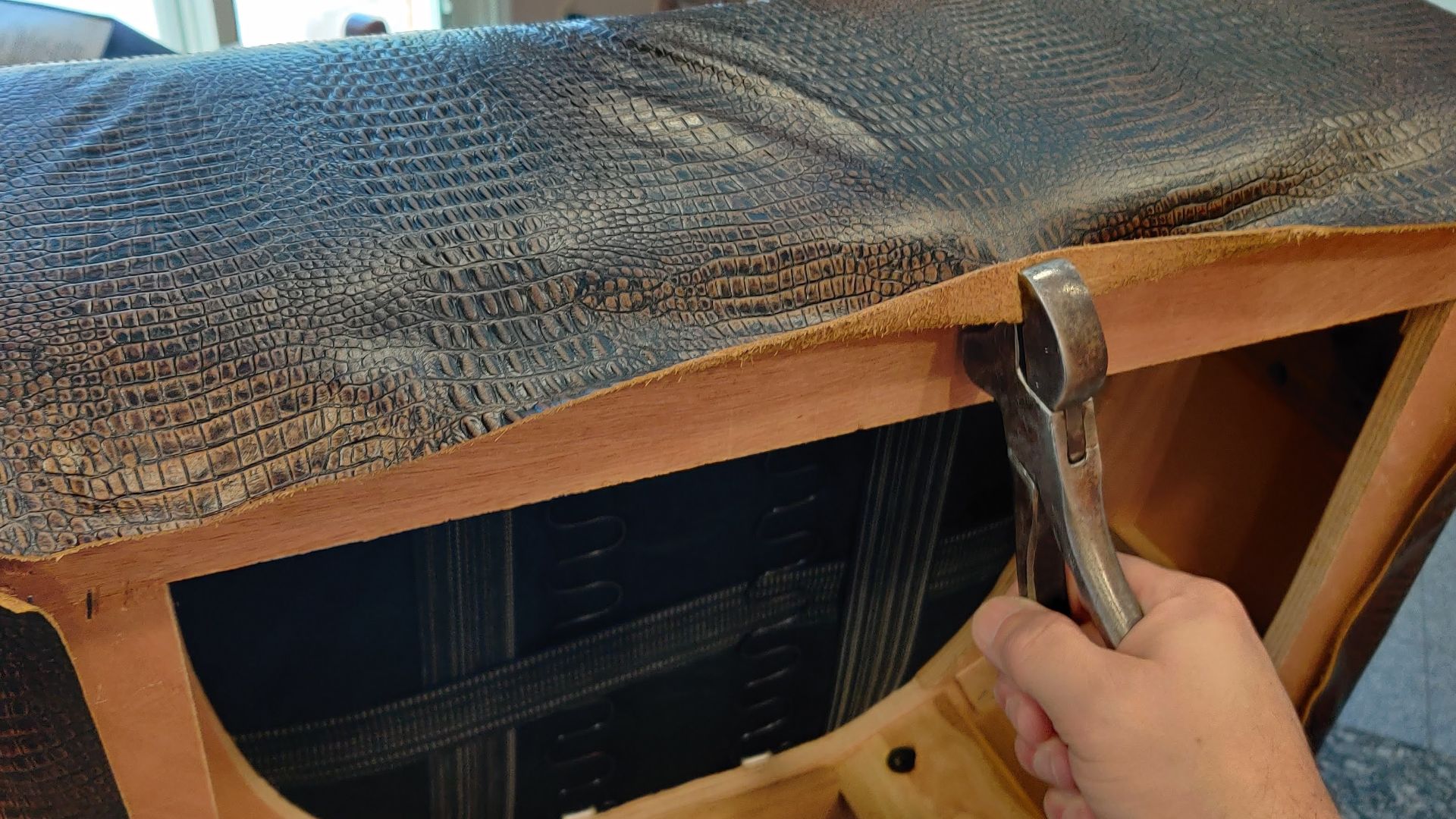
Upholstery
Upholstery required more than attaching attractive fabric. Workers needed to understand springs, padding, stitching and furniture construction. Dining chairs and small benches were manageable weekend projects, potentially generating approximately $40 to $125. Larger pieces paid more but consumed additional weekends and considerably more material.
The Bureau of Labor Statistics reported that nearly one-third of upholsterers were self-employed around this period, an unusually high proportion among trades.
Furniture Refinishing
Boomers who could strip old varnish, repair joints and apply an even finish found plenty of tired furniture awaiting rescue. Refinishing a dresser, table or set of chairs could produce approximately $50 to $150 in gross weekend income, especially when an inexpensive piece was restored and resold.
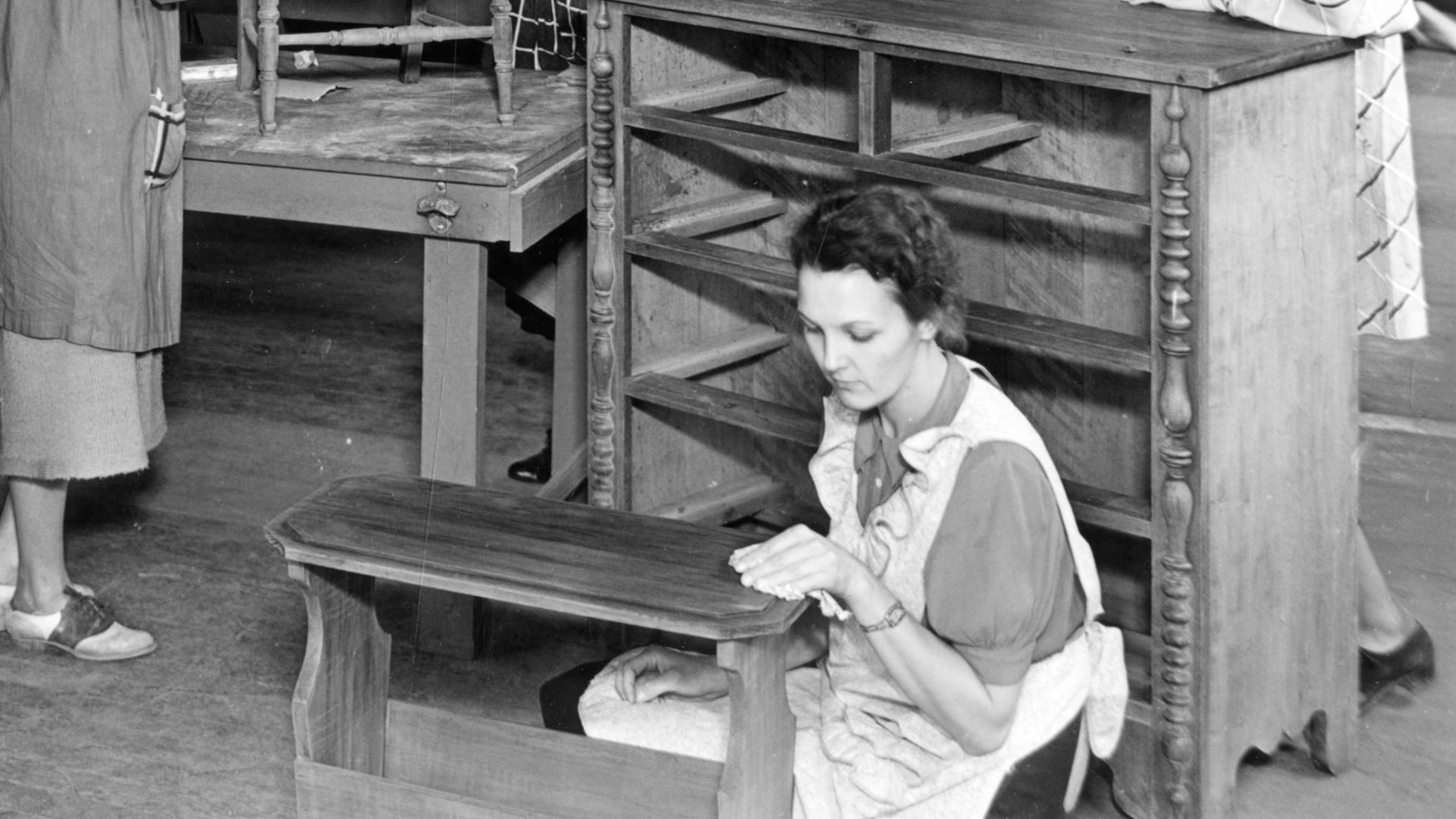 OSU Special Collections & Archives : Commons, Wikimedia Commons
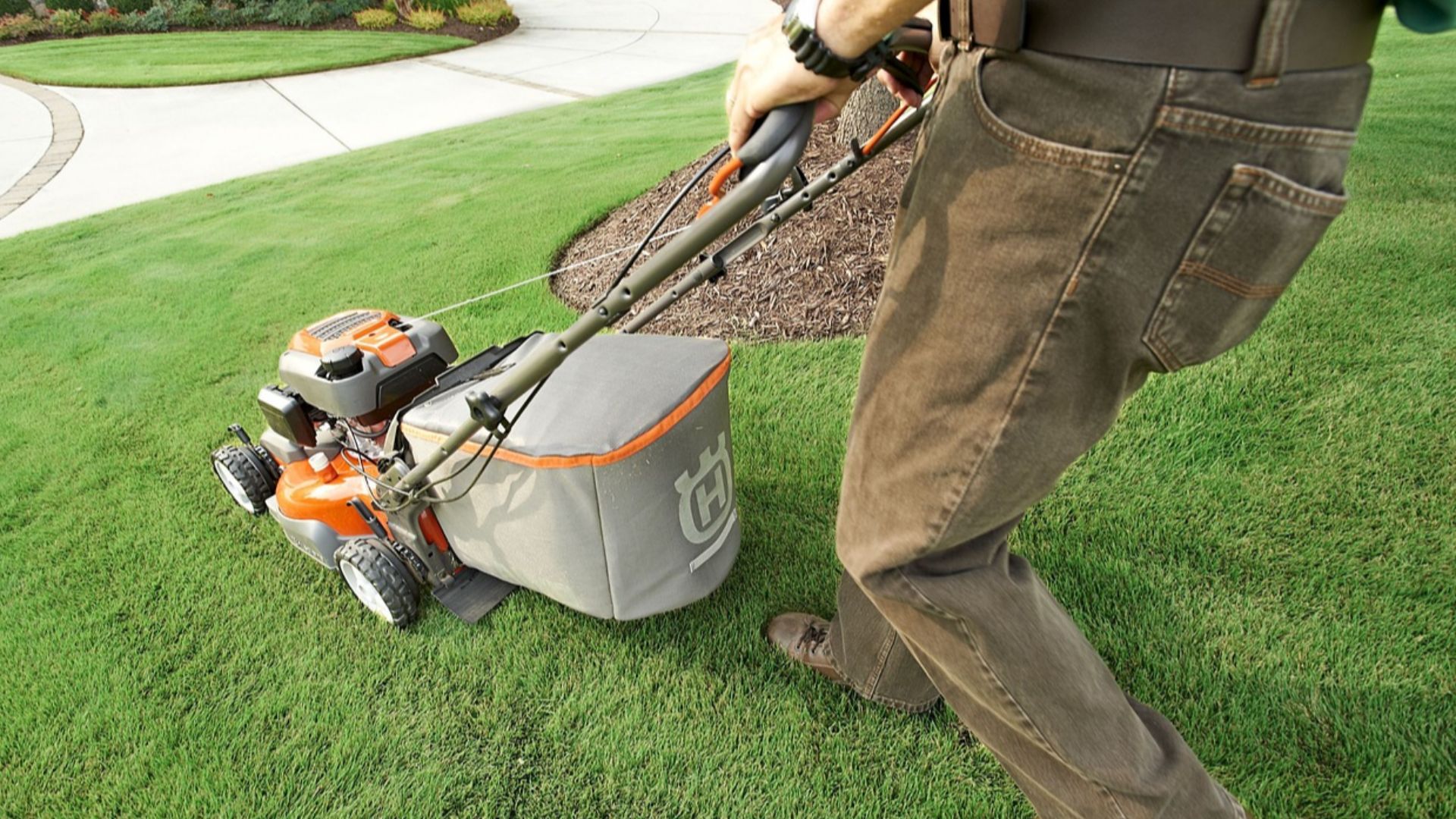
Small-Engine Repair
Lawnmowers, snowblowers, chainsaws and garden tillers all eventually refused to start. Someone who understood carburetors, spark plugs and fuel systems could become extremely popular in the neighborhood. A handful of repairs might generate approximately $40 to $120 during a weekend, with spring being particularly busy.
Television and Radio Repair
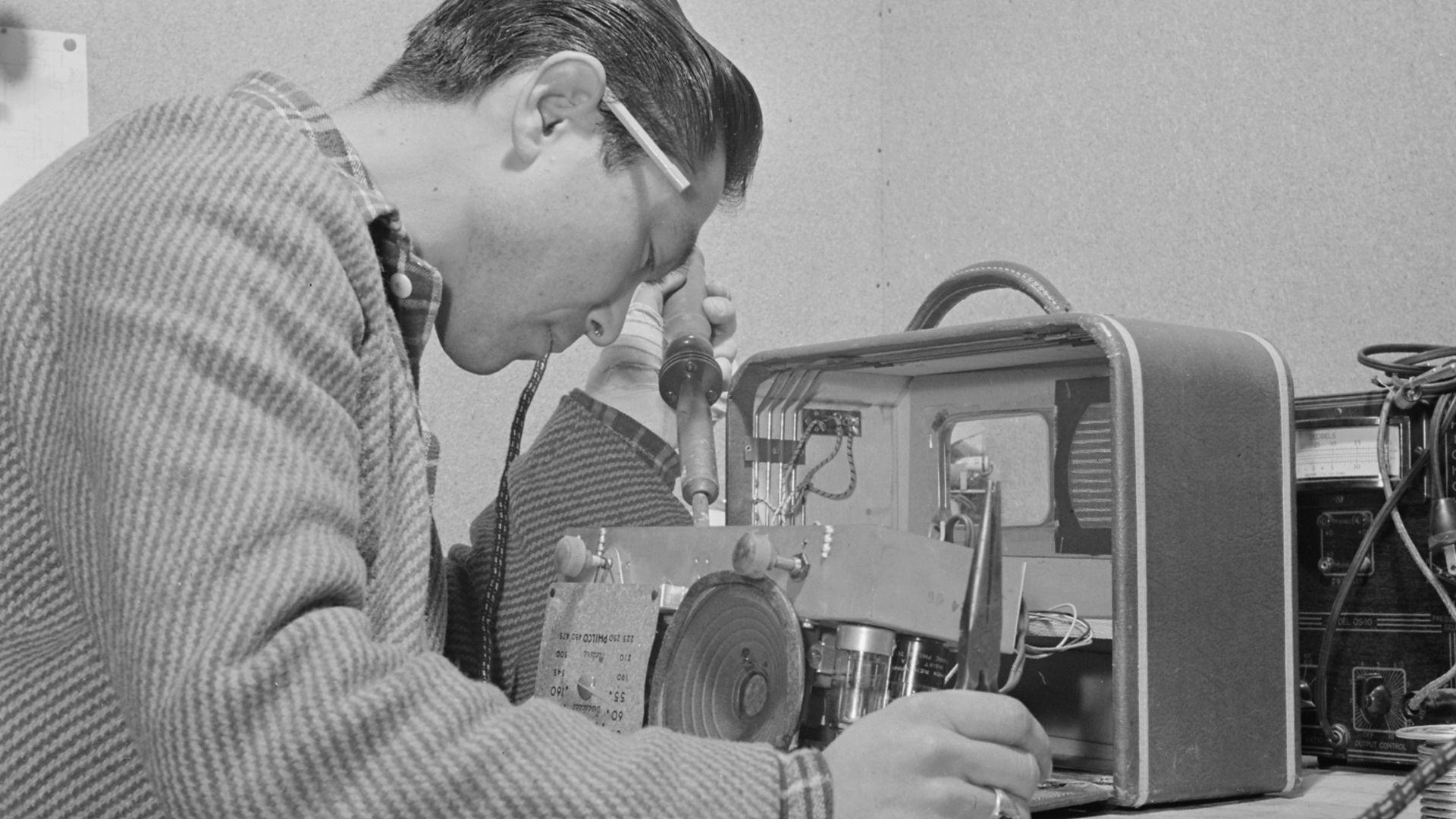
Before electronics were routinely replaced, owners paid to have televisions and radios repaired. Technically minded Boomers diagnosed faulty tubes, capacitors and wiring from a basement workbench. A few service calls or completed repairs could potentially bring in approximately $40 to $150 during a productive weekend.
Contemporary training materials specifically promoted television and radio servicing as a way to earn extra money during evenings and weekends.
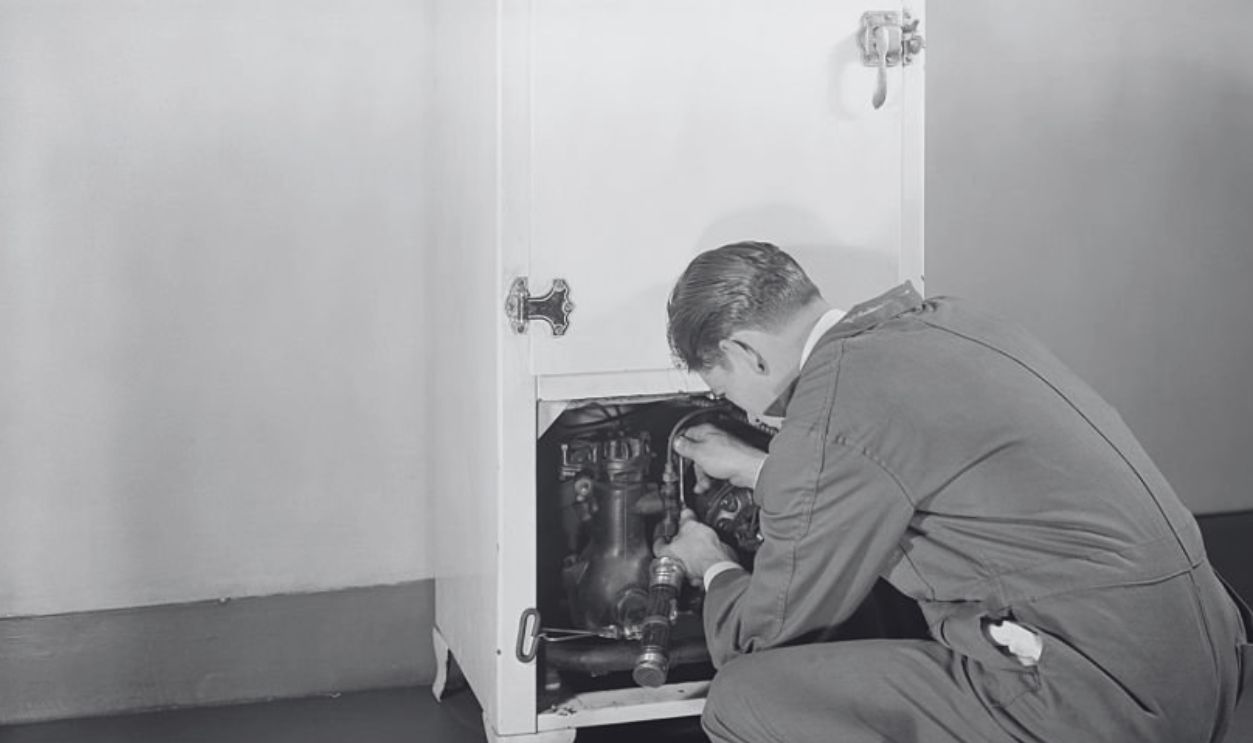
Appliance Repair
Washing machines, dryers, refrigerators and stoves were major purchases, so owners usually attempted repairs before replacing them. A person who could diagnose motors, belts or switches had a marketable skill. Two or three weekend calls might produce approximately $50 to $150 before parts and transportation.
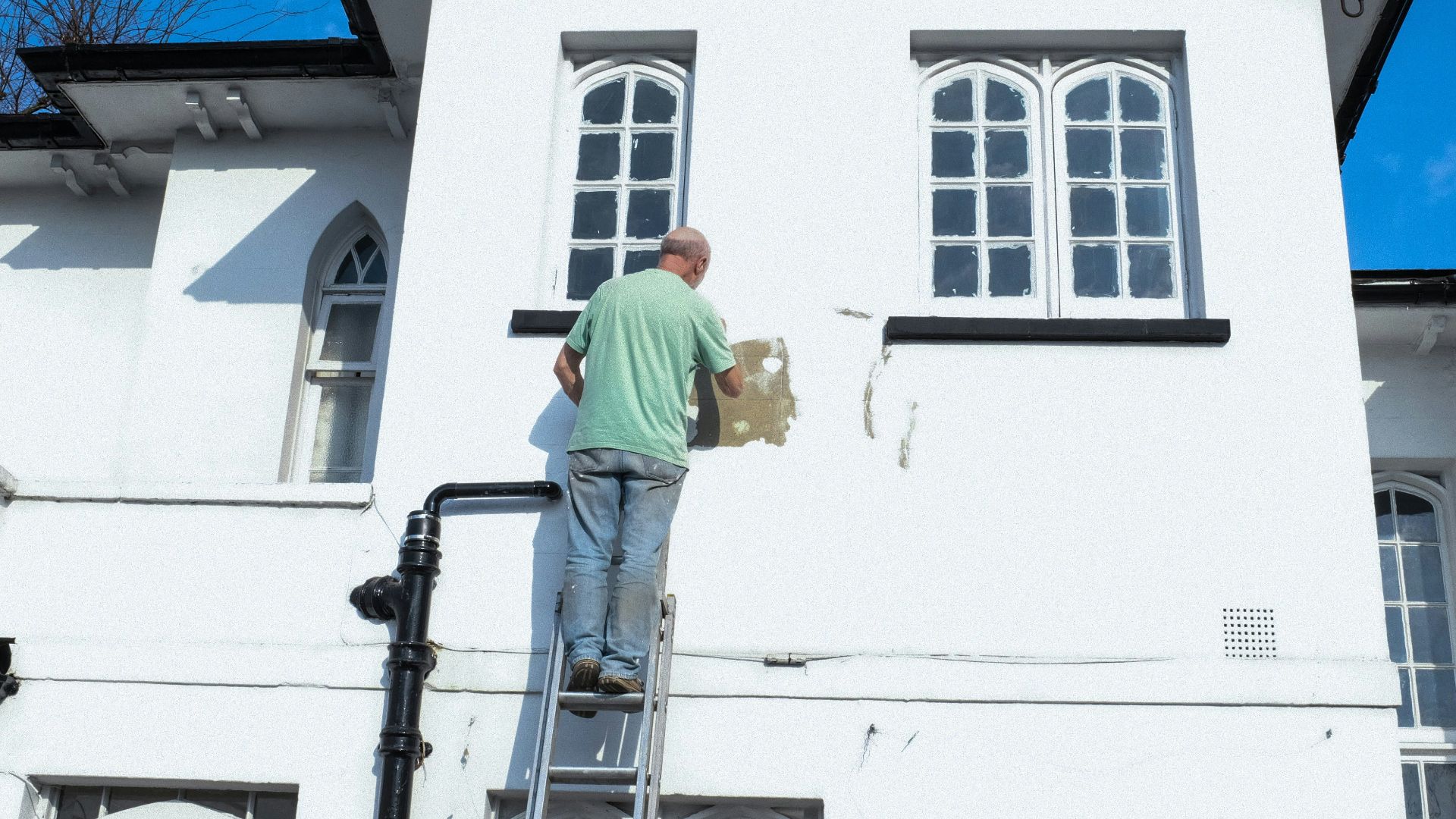
House Painting
Painting was one of those jobs homeowners often started enthusiastically and quickly regretted. Neat painters earned money handling bedrooms, kitchens, porches and exterior trim. A small weekend project might generate approximately $60 to $175, while larger houses could provide several weekends of dependable extra income.
Wallpaper Hanging
Wallpaper was everywhere during the 1970s, but getting the patterns straight required patience and a surprisingly good eye. Skilled hangers could charge for preparing walls and covering a room. A successful weekend assignment might bring in approximately $75 to $200 before paste, tools and travel expenses.

Sign Painting
Long before inexpensive digital printing, businesses relied on people who could paint clean letters by hand. Store windows, trucks, menu boards and yard signs all needed attention. One or two custom projects could generate approximately $75 to $250 over a weekend, particularly for an experienced letterer.
 Adam Jones from Kelowna, BC, Canada, Wikimedia Commons
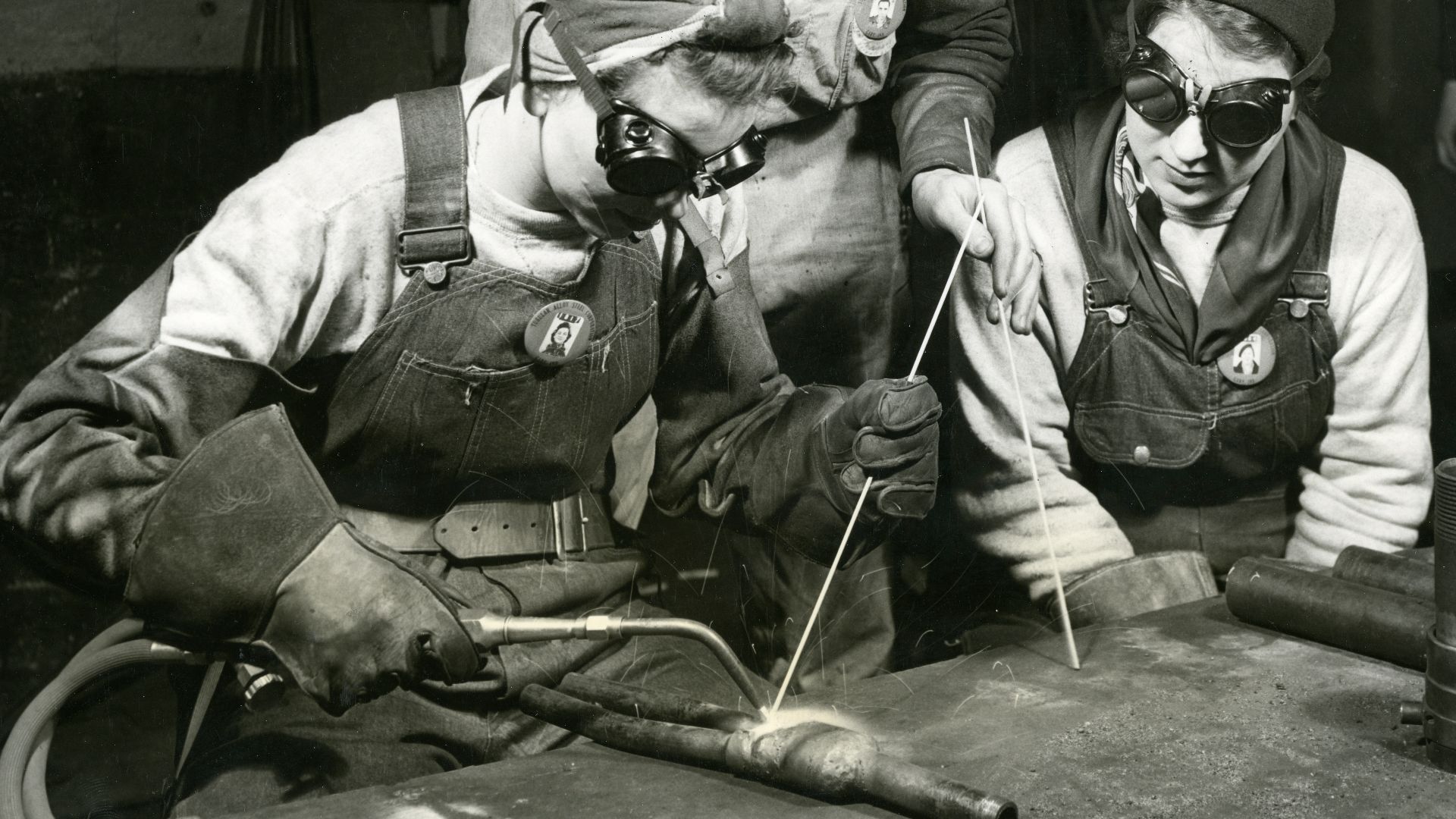
Welding
A skilled welder could repair farm equipment, trailers, gates, exhaust components and metal furniture. Because the work required specialized equipment and knowledge, customers were generally willing to pay more. Several small repairs or one substantial project might generate approximately $75 to $250 during a weekend.
 M. Marshall, Wikimedia Commons
Masonry
Laying bricks evenly and producing durable concrete work took practice. Skilled neighbors built steps, repaired chimneys, poured small patios and installed walkways. A weekend of masonry work could potentially generate approximately $100 to $250 in gross income, although materials, helpers and equipment could reduce the final take-home amount.

Electrical Work
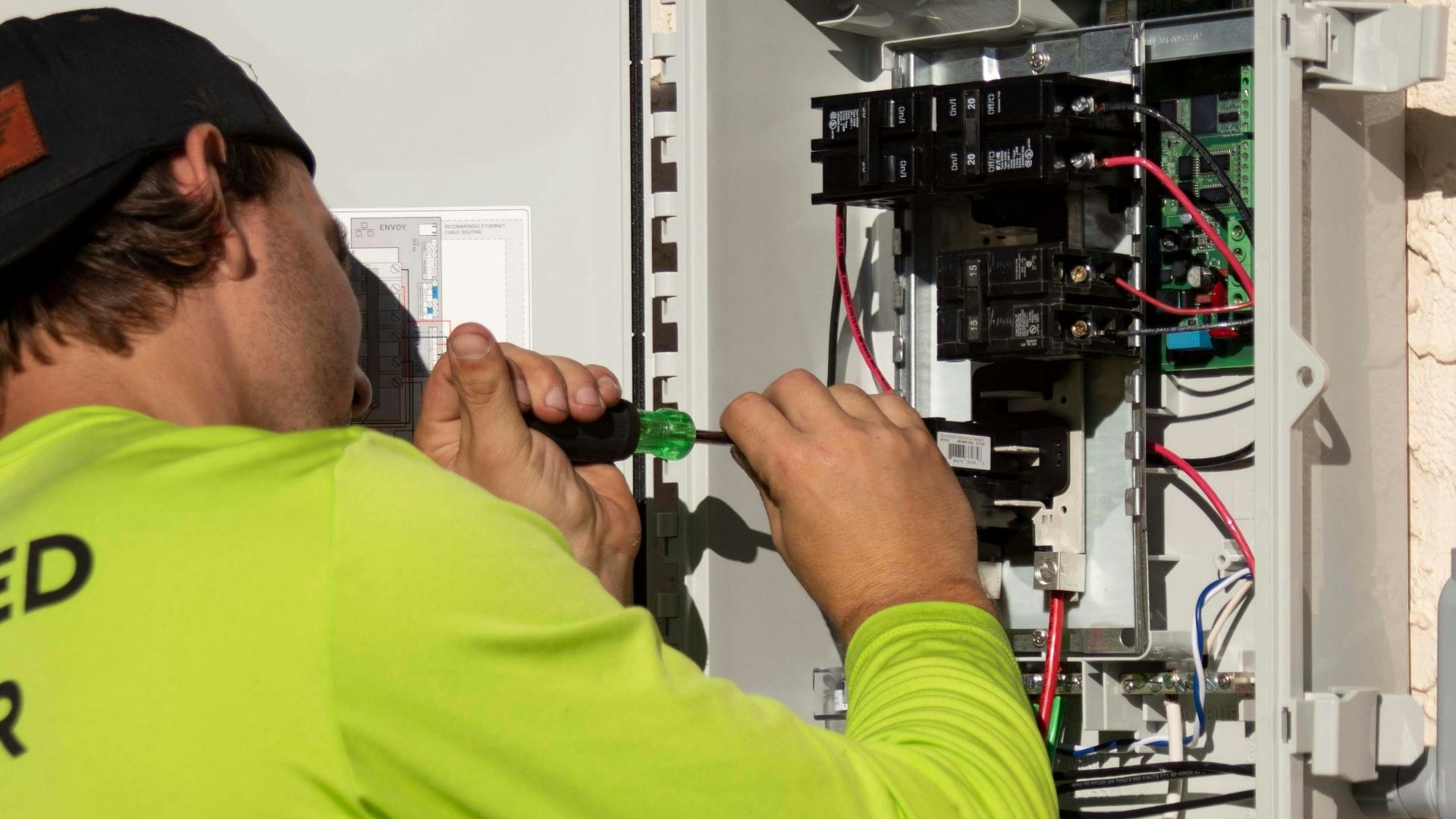
Boomers who understood wiring could install outlets, replace fixtures and troubleshoot household electrical problems. The work potentially generated approximately $100 to $300 over a weekend. However, permits, licensing requirements and safety rules varied, so legitimate paid work needed to comply with local regulations even then.
The federal Occupational Outlook Handbook specifically noted that electricians and carpenters sometimes supplemented their regular wages with evening and weekend jobs.
Plumbing
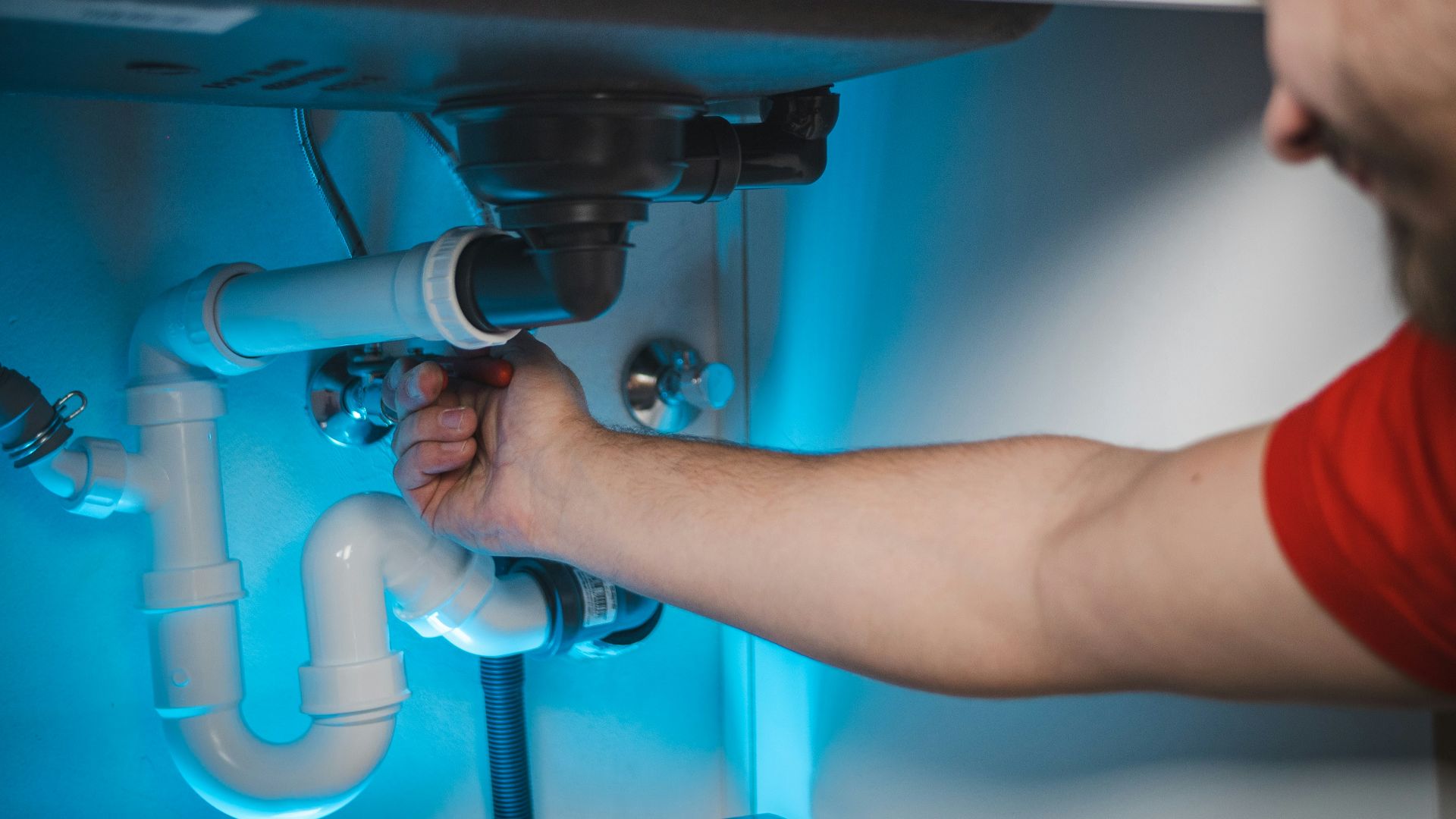
A person who could repair a leaking faucet, replace a toilet or clear a stubborn drain rarely struggled to find customers. Weekend emergencies also justified higher charges. Depending on qualifications and local rules, a skilled plumber could potentially collect approximately $100 to $300 during a weekend before parts.
Auto Repair
Driveways and garages became informal repair shops when someone knew how to change brakes, replace starters or perform a tune-up. Friends frequently paid less than a commercial garage charged while the mechanic still earned worthwhile money. A busy weekend might generate approximately $100 to $350 before parts and tool expenses.

Carpentry and Woodworking
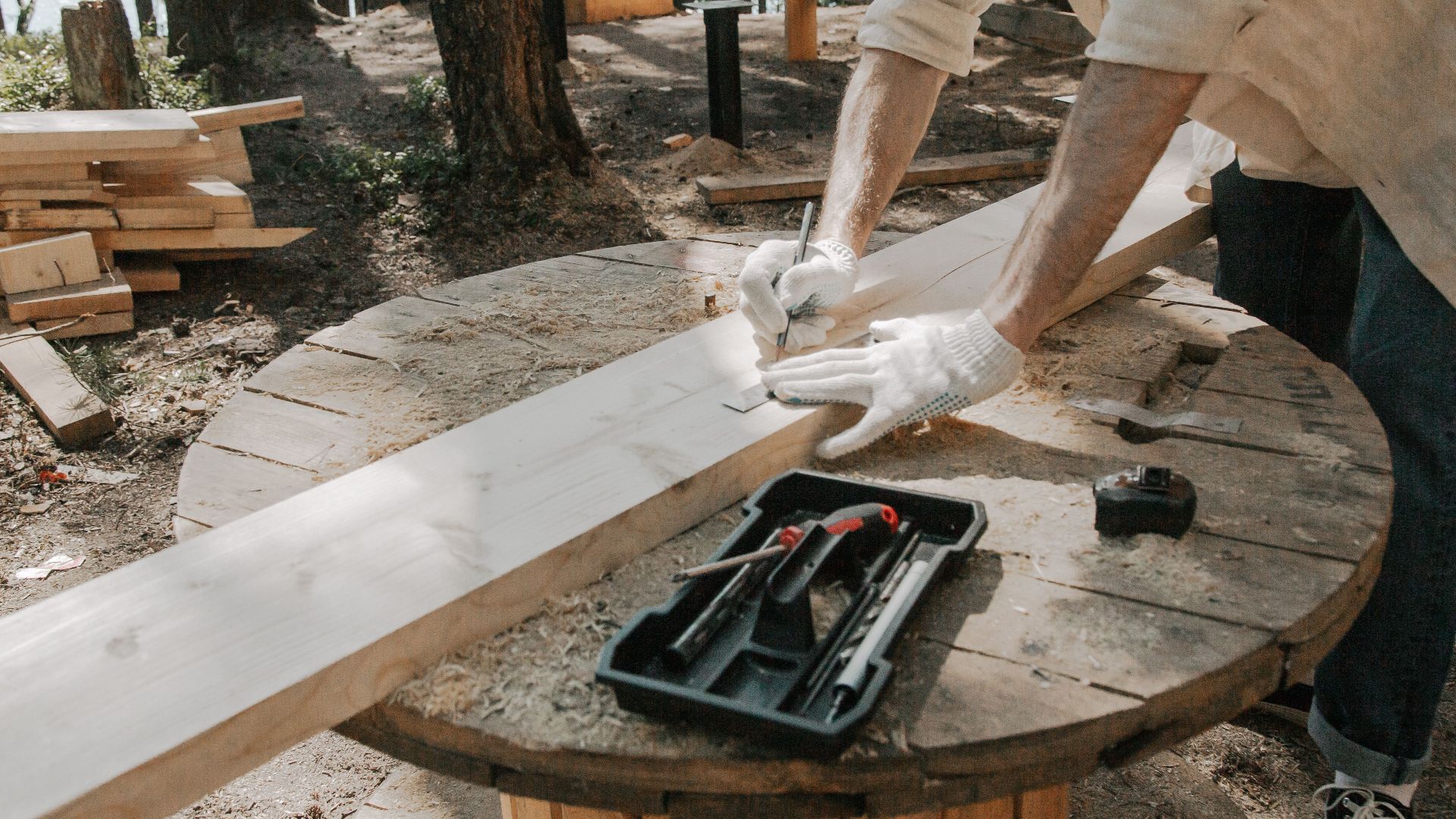
Carpentry offered an unusually wide range of income opportunities. Skilled Boomers built cabinets, bookshelves, stereo consoles, decks and basement rooms while also completing household repairs. One good commission or several smaller jobs could generate approximately $125 to $400 over a weekend, making it one of the era’s most flexible skills.
Woodworkers commonly turned home workshops into small businesses, while craft fairs provided makers with places to reach paying customers. At one major early-1970s fair, an organizer recalled that roughly 90% of participating craftspeople also held other jobs.
You May Also Like: Forgotten Services That Were Big Business In The 1980s—Until The Internet Took Over