When Having The Money Isn’t Enough
A wallet full of cash used to settle one fairly important question: whether someone could afford the purchase. Now, a customer can have every dollar needed and still leave empty-handed. For someone who has paid this way for decades, that raises an uncomfortable question.
How much longer before an ordinary shopping trip becomes a problem?

It Only Takes One Refusal
The concern starts with a cashless sign at a counter. But then comes the bigger question: What happens if the same policy turns up somewhere essential? A favorite lunch spot is one inconvenience. Having to rethink groceries, household bills, or travel would make the problem considerably harder to shrug off.

A Business May Have The Right To Refuse
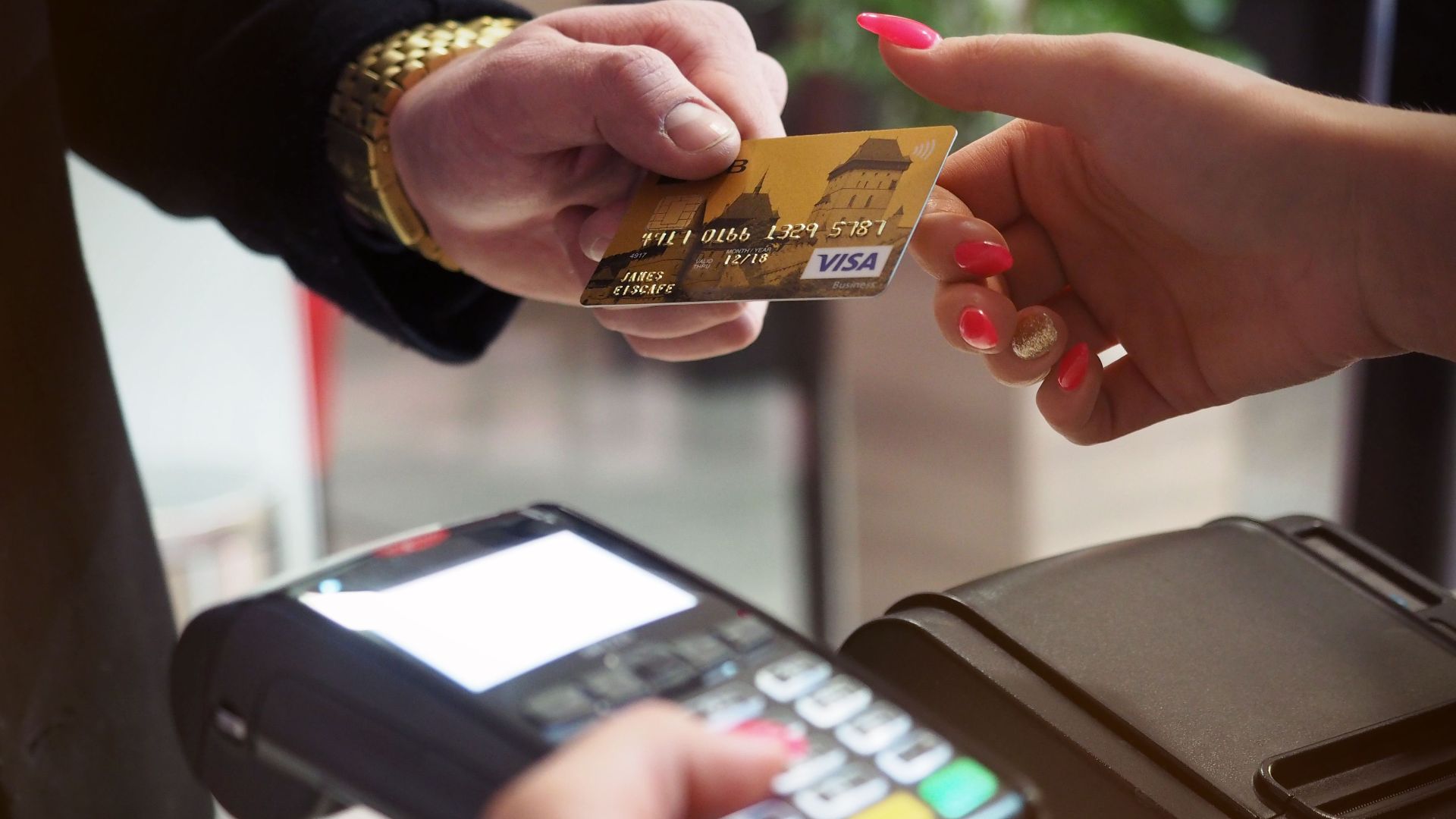
Here is the first unpleasant surprise. There is no general federal law requiring private businesses to accept cash for purchases. Unless an applicable state or local rule says otherwise, a business can set a cashless payment policy. The customer can have perfectly legitimate money and still be unable to complete the purchase.
“Legal Tender” Doesn’t End The Argument
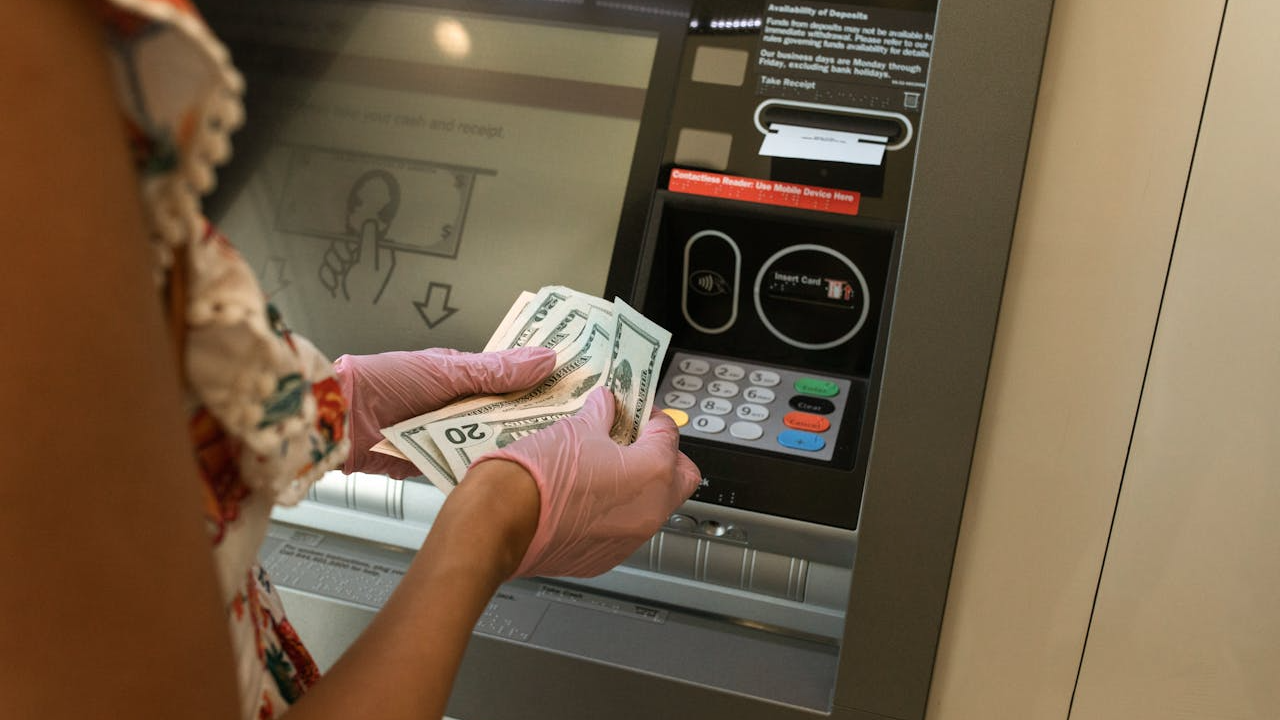
Those words printed on a bill sound like they should settle this. However, federal recognition of cash as legal tender for debts does not create a universal requirement that stores accept it for new purchases. Pointing to the wording on a twenty-dollar bill might feel convincing. Unfortunately, the cashier may still have an answer ready.

Why Would A Business Turn Down Money?
Cash brings work along with it. Someone has to count the bills, manage change, reconcile the drawer, and arrange deposits. There can also be transportation costs and theft concerns. Going cashless can reduce some of those burdens, although card processing has costs too. The owner’s easier afternoon can become the customer’s unnecessary headache.

So, Is There An Actual Deadline?
There is no announced U.S. deadline when cash stops being usable. That distinction matters: individual businesses can refuse it while the country continues supplying it. Current Federal Reserve plans support cash’s continued availability, although they cannot promise that every shop, restaurant, or service will accept it indefinitely.
They’re Still Ordering Billions Of Bills
The Federal Reserve’s printing order for 2027 calls for approximately 4.8 billion to 5.7 billion banknotes. The order reflects expected demand and the replacement of worn-out currency, among other factors. Those are substantial preparations to keep physical money circulating. Apparently, someone still expects Americans to need a few twenties.
 Alex Proimos from Sydney, Australia, Wikimedia Commons
Cash Users Have Plenty Of Company
The Federal Reserve’s 2026 payment study found that cash accounted for 14% of consumer payments in 2025. Four out of five consumers had used it within the previous month. Older adults, lower-income households, and rural residents relied on it more heavily. The person counting out bills at the register is hardly the last one left.

The Penny News Adds To The Confusion
The end of new circulating penny production can make the future of cash feel shakier. However, existing pennies retain their value and legal tender status. Stopping production of one denomination does not establish an expiration date for the rest. The bills in someone’s wallet have not suddenly become souvenirs.

Some States Have Pushed Back
Cash buyers also have legal protection in some places. Massachusetts requires retail establishments covered by its law to accept legal tender. New York’s statewide cash acceptance law took effect in March 2026. A cashless policy that is permitted in one location may therefore violate the rules somewhere else. Geography makes a real difference here.
Even Those Protections Have Exceptions
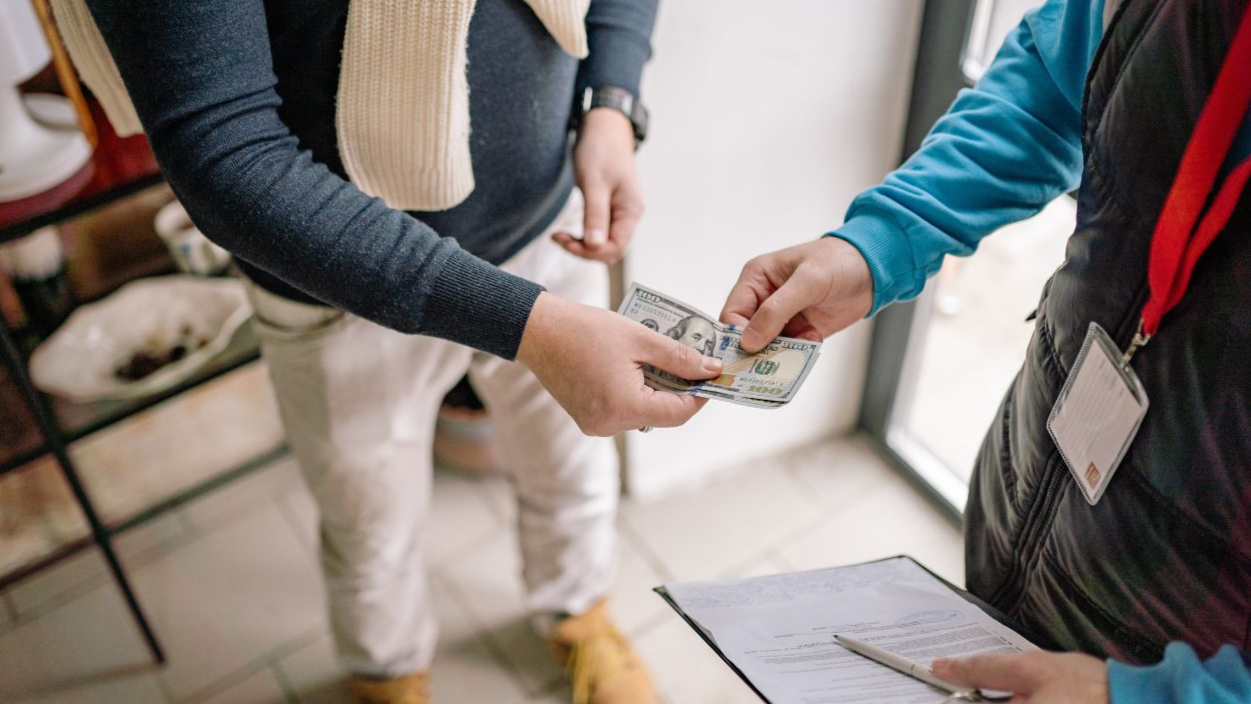
New York allows covered stores to refuse bills above $20 and generally exempts remote transactions unless payment happens on the premises. A qualifying cash-to-prepaid-card machine provides another exception, with no conversion fee and no required minimum load above $1. The protection matters, but it does not guarantee that every payment works exactly as expected.
A Refusal May Be Worth Reporting
Where cash acceptance is legally required, a refusal may justify a consumer complaint. Keep the purchase details, note the location and date, and photograph any posted policy when practical. Check the applicable rules before assuming there is a violation. New York directs consumers with these complaints to its attorney general’s office.
 Carlos Javier Yuste Jiménez, Unsplash
The Bills Can Be Harder Than The Shopping
Buying groceries is only part of living on cash. Household bills can require different arrangements. Depending on the company, an authorized payment location or a money order may provide a workaround. Confirm accepted methods, processing times, and fees before the due date. Having the money ready does little good if the payment arrives late.

Paying With Cash Can Still Cost Money
Cash avoids credit card interest, but some payment arrangements bring their own expenses. Money orders can carry fees, while paying bills in person takes time and transportation. Add those costs across several monthly bills, and a familiar routine may be more expensive than it first appears. That deserves a place in the household budget.
Online Purchases Create Another Hurdle
A cash buyer also needs a way to bridge the gap when a purchase requires an electronic payment. A debit or prepaid card can provide that option using money already available. Before choosing one, check whether it supports the intended purchase and what fees apply. Having a card helps only if it actually works for the transaction.

Travel Deserves A Phone Call First
Travel is an especially poor time to discover a payment restriction. A hotel’s requirements for booking, checking in, and settling the final bill may differ. IHG advises guests to contact the property before arrival if they need to use cash or another nonstandard payment method. Confirm any deposit requirements before committing to the reservation.

There’s A Reason The Habit Stuck
For someone who budgets with cash, the shrinking pile of bills provides a useful spending limit. Setting aside a fixed weekly amount can help keep small purchases under control. A reader whose system works has a good reason to keep it. Every purchase does not need to become another tap that barely registers.

A Backup Doesn’t Have To Mean Borrowing
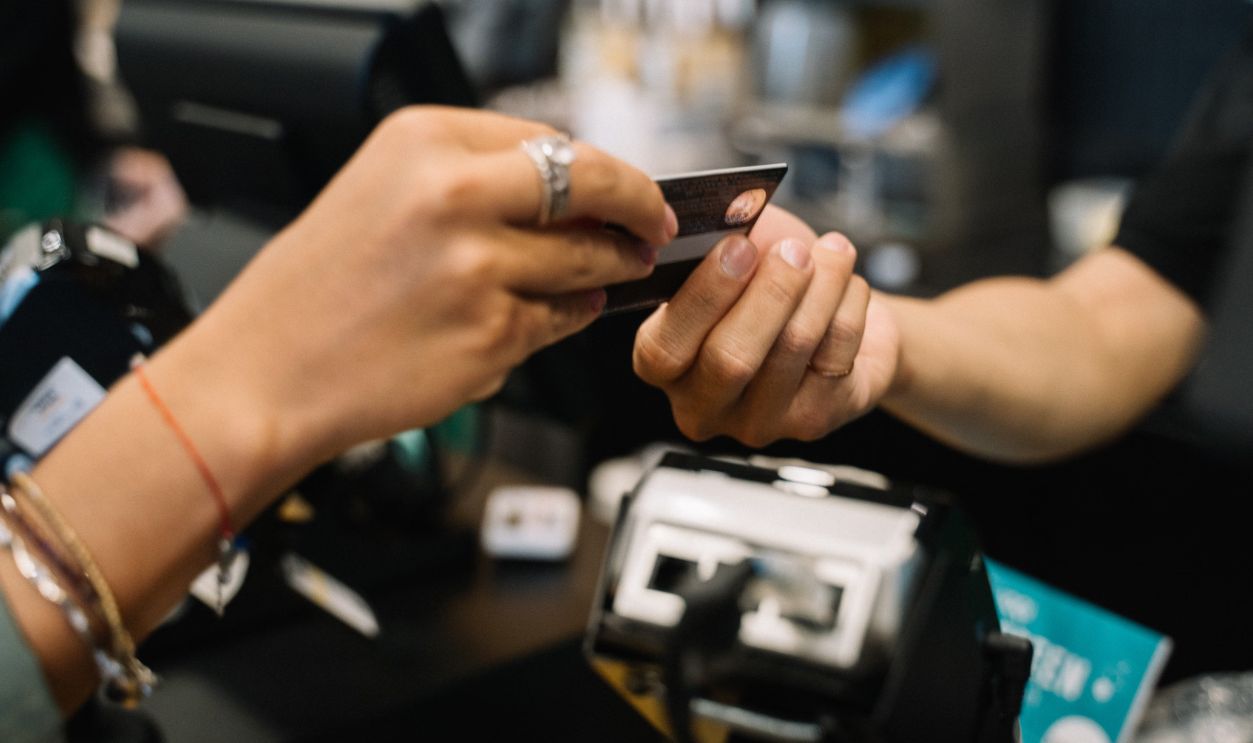
A debit card generally spends money already held in a bank or credit union account. A prepaid card generally spends money loaded in advance. Neither automatically means taking on credit card debt. Check overdraft settings and account terms carefully, though. The goal is to cover occasional payment problems without creating a new financial headache.
Watch What That Backup Costs
A prepaid card can look like an easy compromise until the fees arrive. Depending on the product, there may be charges for activation, monthly use, purchases, cash reloads, or inactivity. Compare the full fee schedule and register the card for applicable protections. An occasional backup should not quietly become another monthly expense.

Keep Proof Of The Important Payments
Cash buyers should keep receipts and written agreements, especially for bills and substantial purchases. Proving payment becomes harder without a record. Cash also does not provide a card issuer’s dispute process. Certain credit card purchases may qualify for billing protections or a chargeback when something goes wrong, subject to requirements and deadlines.

Cash Still Belongs In An Emergency Plan
Cash has a practical advantage when payment systems fail. Federal emergency guidance recommends keeping a small amount securely at home, including small bills, because ATMs and credit cards may not work during a disaster. That cannot guarantee an open store, but it provides another way to pay when the available options are limited.
 https://kaboompics.com/, Pexels
Prepare For The Purchases That Matter Most
The useful next step is to check the payment options for essential bills, regular shopping, and upcoming travel. Identify any gaps before a deadline or reservation makes them urgent. Keep using cash where it suits the household, and compare affordable alternatives for the exceptions. A little preparation can prevent a surprisingly expensive inconvenience.

So, How Much Longer?
No reliable forecast puts a final year on paying with cash in America. Its continued availability looks more secure than universal acceptance. The money still works. The practical question is whether the next business will take it.
You Might Also Like:
Double Coupons Used To Cut Grocery Bills. Why Did Most Stores Stop Offering Them?