
When Birthday Cash Becomes A Family Fight
A child’s birthday money can seem like a small thing until the bills stack up and someone suggests using it for groceries, rent, or the power bill. That will usually start a very real argument about trust, fairness, and what is expected of you as parents.
If your wife wants to use your child’s birthday money to cover household bills and you're uncomfortable, this is an important issue for you to work through together.

Who Birthday Money Usually Belongs To
In simple terms, money given to a child as a birthday gift is the child’s property, even if an adult holds it or deposits it. That point matters. Parents often manage a child’s assets, but managing them is not the same as spending them personally. The basic idea is simple: if the gift was meant for the child, it belongs to the child.

What The Law Actually Says About Gifts
A valid gift usually has three parts. The giver must mean to make the gift, the gift must be delivered, and the person receiving it must accept it. Cornell Law School’s Legal Information Institute lays out these basic rules clearly in its gift law overview. Once that happens, ownership usually passes to the recipient. That is why birthday money usually is not a parent’s to spend on personal or household costs.

Why This Still Gets Confusing
The confusion starts because minors usually cannot fully manage their own money without adult help. Parents open bank accounts, hold cash, and make everyday decisions for their children. That practical control can make the money feel like family money, especially when finances are tight. But control for safekeeping is not the same as free rein to use it for household needs.

Custody Is Not The Same As Ownership
This is the key split: custody and ownership are not the same thing. A parent may have custody of a child’s money because the child is too young to protect it. That does not turn the money into the parent’s asset. In plain terms, holding the envelope does not mean owning what is inside it.
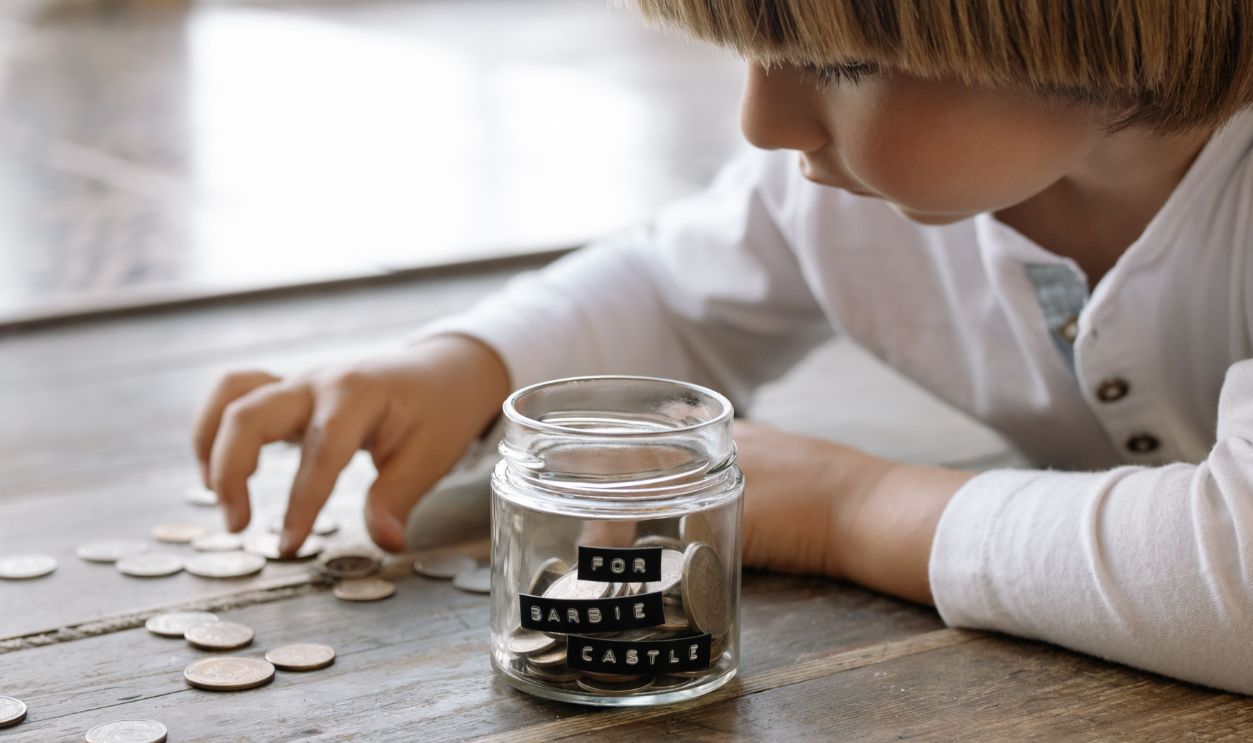
 https://kaboompics.com/, Pexels
Why The Uniform Transfers To Minors Act Matters
Many states use some version of the Uniform Transfers to Minors Act, or UTMA, to handle property held for minors. Under UTMA-style rules, a custodian holds and manages property for the child’s benefit until the child reaches the age set by state law. The Uniform Law Commission explains that custodial property is indefeasibly vested in the minor, meaning the child is the actual owner. That gives a strong clue about how birthday money is usually viewed.
 U.S. Air Force photo by Airman William Tracy, Wikimedia Commons
What A Custodian Can And Cannot Do
Under UTMA rules, a custodian can spend money for the child’s use and benefit. The money is not supposed to be redirected for the custodian’s own purposes. That does not mean every dollar has to sit untouched until adulthood. It does mean the spending should be tied to the child’s interests. Buying school supplies, shoes, or saving for future education fits more cleanly than paying a light bill for the whole house.

The Big Catch For Parents
Real life is messier than legal rules. If the choice is between using a child’s birthday money or missing rent, some parents will see it as survival, not a legal debate. Even so, using money clearly gifted to the child can cause lasting resentment and, in some cases, legal trouble later, especially if the funds were placed in a formal custodial account. A short-term fix can leave a long trail behind it.
 Vodafone x Rankin everyone.connected, Pexels
Formal Accounts Get Stronger Protection
If the birthday money was placed in a UTMA or UGMA custodial account, the rules are stricter than they are for cash sitting in a drawer. Fidelity explains that money in these accounts belongs to the child, and the adult managing the account must use it for the child’s benefit. That is not just good manners. It is built into how the account works.

Why The Giver’s Intent Matters
If Grandma handed over $100 and said, “This is for her birthday,” that shows clear intent. If she gave you money and said, “Use this however the family needs,” that is a different case. Courts and basic legal rules often look closely at donor intent when deciding who owns property. The purpose of the gift is a big part of the answer.

Cash In A Card Still Counts As A Gift
Some parents think birthday cash is less protected because it is informal. That is not really the right way to look at it. Cash in a card can still belong to the child if the giver meant it for the child and handed it over that way. The lack of paperwork can make an argument harder to sort out, but it does not change the main ownership question.

Can Parents Ever Spend A Child’s Money
Sometimes, yes. Parents may be able to use a child’s money for expenses that directly help the child, like medical needs, tutoring, clothing, or camp fees. State law can vary, and formal custodial accounts may have their own rules, but the common theme is benefit to the child. Using the money for general household bills is much harder to defend unless you can clearly connect the expense to the child’s needs.

Why Household Bills Are The Trouble Spot
This is where a lot of family arguments blow up. Food, housing, electricity, and water obviously help the child because the child lives in the home. But parents usually have a legal duty to support their children. That means basic household costs are generally the parents’ job, not something that should automatically come out of the child’s gift money. That is why many advisers see using birthday money for routine bills as both risky and unfair.

Parents Are Expected To Provide Support
Parents are generally expected to provide necessities for their children from their own resources. The Legal Information Institute notes the broad rule that parents have a legal duty to support their minor children. That matters here because it weakens the claim that a child’s birthday money should regularly be used to cover normal family living costs. A birthday gift is not meant to quietly fund the parents’ bills.

Even If No One Goes To Court, It Still Matters
Most fights over birthday money never reach a courtroom, but that does not mean there is no harm done. Children often remember when money meant for them vanished, especially if they were told it would be saved. Trust inside a family matters, and it is surprisingly easy to damage it over what seems like a small amount of cash. In cases like this, the legal answer and the smart answer often point the same way.

If You Truly Cannot Pay The Bills
If your household is in a real emergency, the issue shifts from rights to survival. Even then, it makes sense to treat the child’s money as a last resort, not the first place to turn. Look into local emergency rental aid, utility help, food banks, 211 referral services, or hardship plans from creditors before touching money meant for your child. There may be other ways through the crisis that do not blur this line.

If There Is No Other Choice, Treat It Like A Loan
If you absolutely must use the money, one practical step is to treat it like a documented loan from the parents’ side, even if your child is too young to understand that now. Write down the amount, the date, the reason, and when you plan to repay it. Then pay it back as soon as you can. That does not solve the ethical problem, but it creates accountability and shows you do not see the gift as your own.

How To Handle The Argument With Your Spouse
This issue gets emotional fast because it mixes parenting values with financial stress. Start by separating the legal question from the emergency question. First ask whether the money belongs to the child. Then ask whether there is any real alternative before using it. Framing the conversation that way can lower the heat and shift the focus toward solving the problem.

A Smart Rule For Future Gifts
If birthday cash tends to disappear into day-to-day spending, set up a simple system now. Keep gifts in a separate envelope, savings account, or custodial account so everyone knows the money is set aside for the child. Clear labels cut down on temptation and confusion. They also make it easier to explain your decision if relatives ever ask what happened to the money they gave.

When A Savings Account Helps
Putting the money in a child savings account can add structure, but ownership matters. A joint account with a parent may not give the same legal clarity as a formal custodial account. Guidance from the Consumer Financial Protection Bureau on opening accounts can help families sort through the options. The more formal the setup, the easier it is to keep the money lined up with the child’s benefit.

Relatives May Care More Than You Expect
Gift givers often assume their money will go toward toys, experiences, savings, or future needs for the child. They may feel misled if they later find out the cash went to cable, rent, or other household bills. That does not mean you owe relatives a detailed budget report. But respecting the purpose of the gift can help preserve trust across the family.

What Financial Experts Often Suggest
Many personal finance experts suggest setting rules before the next birthday arrives. Decide whether gifts will be split among spending, saving, and giving, and agree that household expenses come from the family budget, not the child’s presents. That kind of plan can keep you from making rushed decisions later. It can also teach children useful lessons about money and boundaries.

When The Child Is Old Enough To Notice
The older the child, the more sensitive this gets. A 4-year-old may not really understand where the money went, but a 10-year-old or 15-year-old probably will. If the money was promised for a bike, a game, or savings, using it for something else can feel like a broken promise. Even when the choice feels necessary, it still calls for honesty and, ideally, repayment.

The Safest Practical Answer
If you want the least risky path, do not use birthday money for household bills unless it clearly and directly benefits the child and you truly have no better option. As a general rule, gift money meant for a child should stay with the child. Parents may manage it, but they should not casually fold it into the family checking account. That is the cleanest legal and ethical approach.
 U.S. Air Force photo by Airman William Tracy, Wikimedia Commons
The Bottom Line On Birthday Money
So is gift money meant for the child alone? In most cases, yes. Once money is given to a child as a gift, it is generally treated as the child’s property, and parents are supposed to manage it for the child’s benefit rather than use it for ordinary household bills. If your family is under real financial pressure, pause before spending it, look for other options, and if you must use it, document the amount and pay it back.