The Grocery Savings Trick That Disappeared
Remember when a 50-cent coupon could knock a full dollar off your grocery bill? For decades, supermarkets doubled coupons, helping families score incredible bargains and sometimes walk away with bags of groceries for next to nothing. Then the extra savings started disappearing, leaving loyal shoppers frustrated.
So why did supermarkets abandon a promotion customers loved so much?
A Small Coupon Could Save You Twice As Much
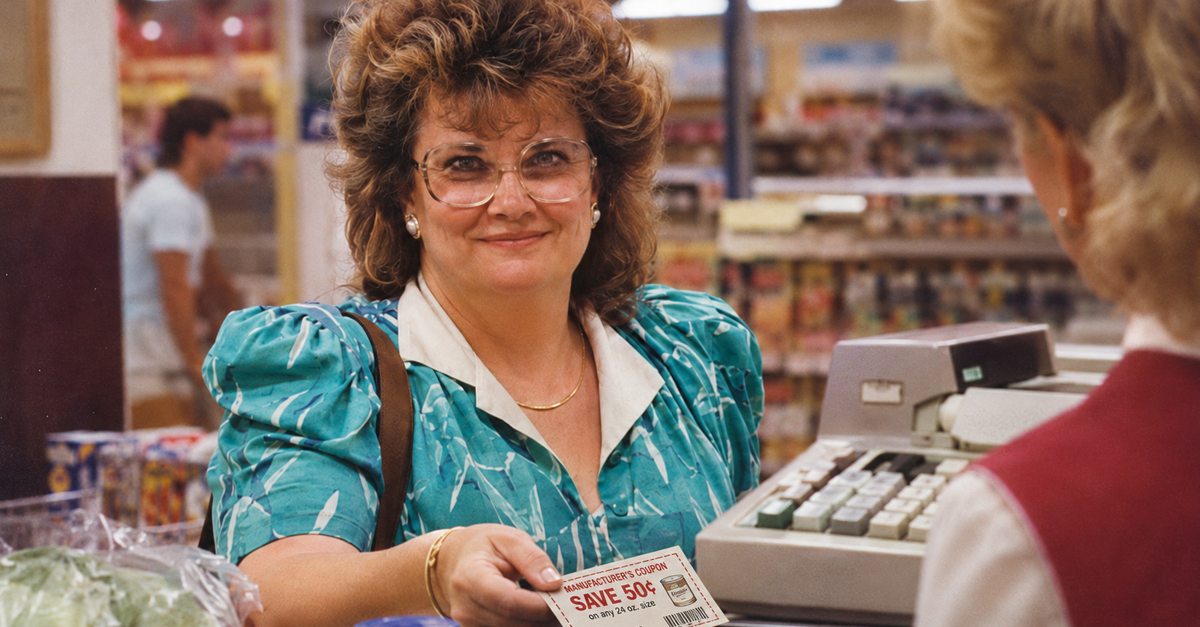
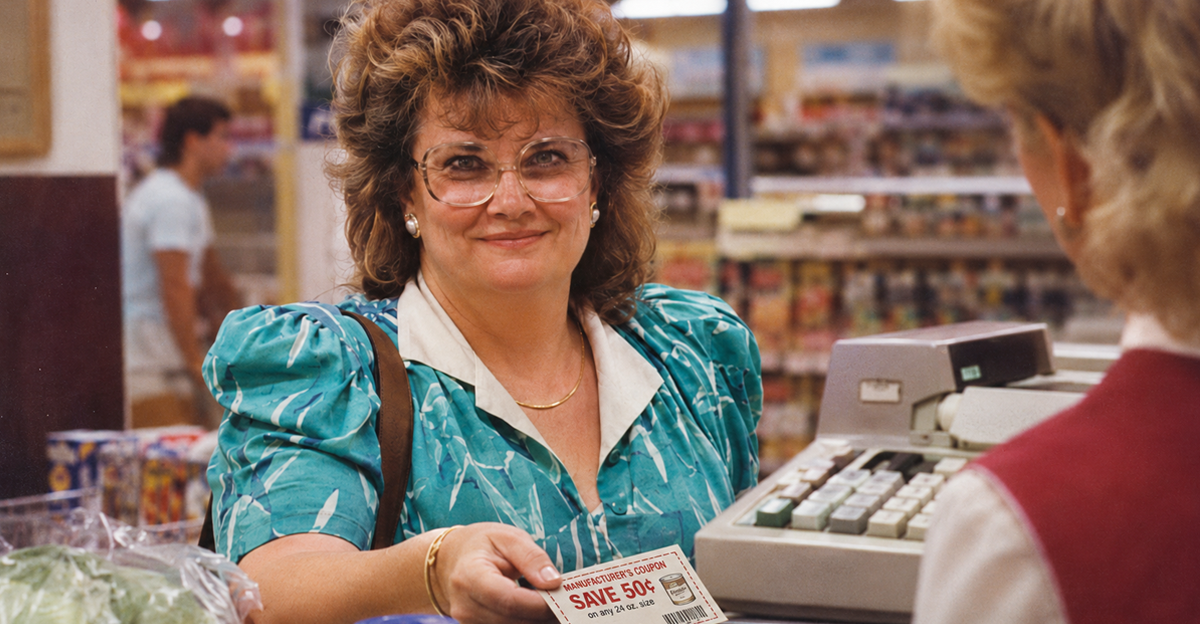
Double coupons worked exactly as their name suggested. Bring a manufacturer's coupon worth 50 cents to a participating supermarket, and the store would increase your discount to $1. A 25-cent coupon became worth 50 cents, making even small savings more attractive. For families trying to stretch their grocery budgets, those extra discounts could quickly add up.
 Carol Pyles from Winter Haven, FL, US, Wikimedia Commons
The Supermarket Paid The Difference
The extra money usually wasn't coming from the company that made the product. Manufacturers reimbursed retailers for the original coupon value, while supermarkets covered the additional discount themselves. Doubling a 50-cent coupon therefore cost the store an extra 50 cents. Retailers accepted that expense because they hoped it would attract more customers.
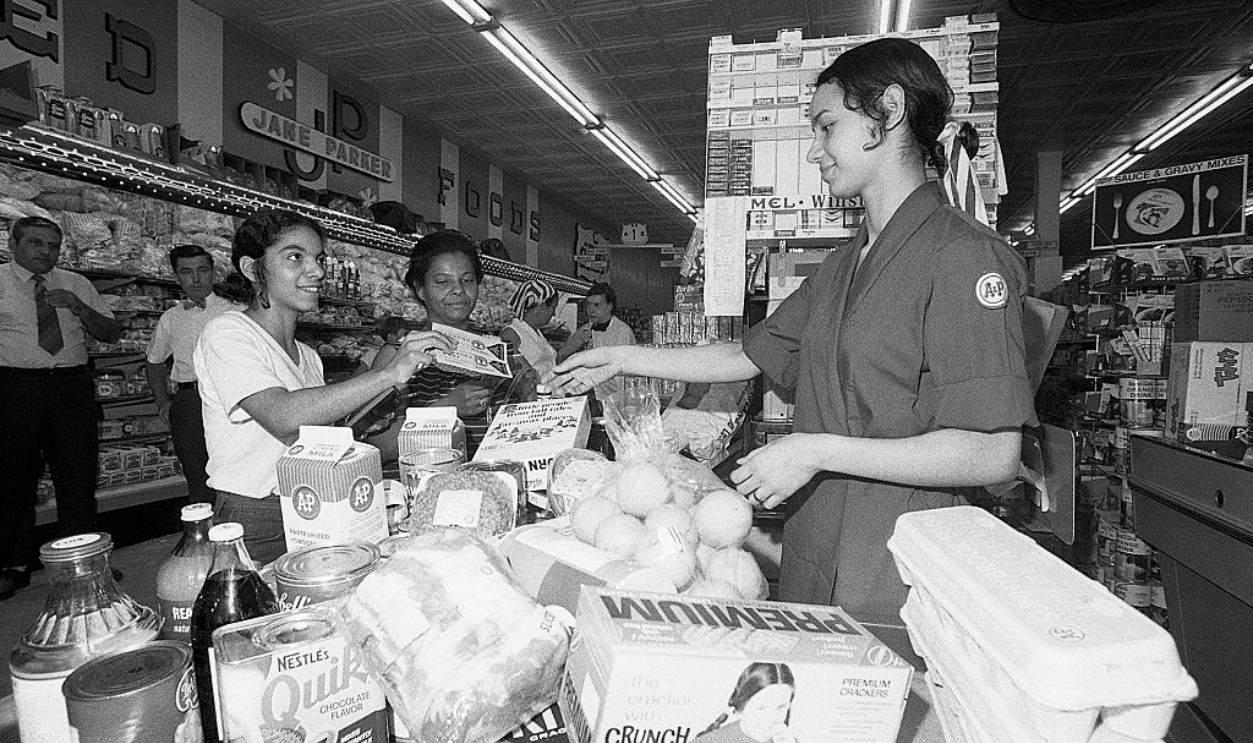
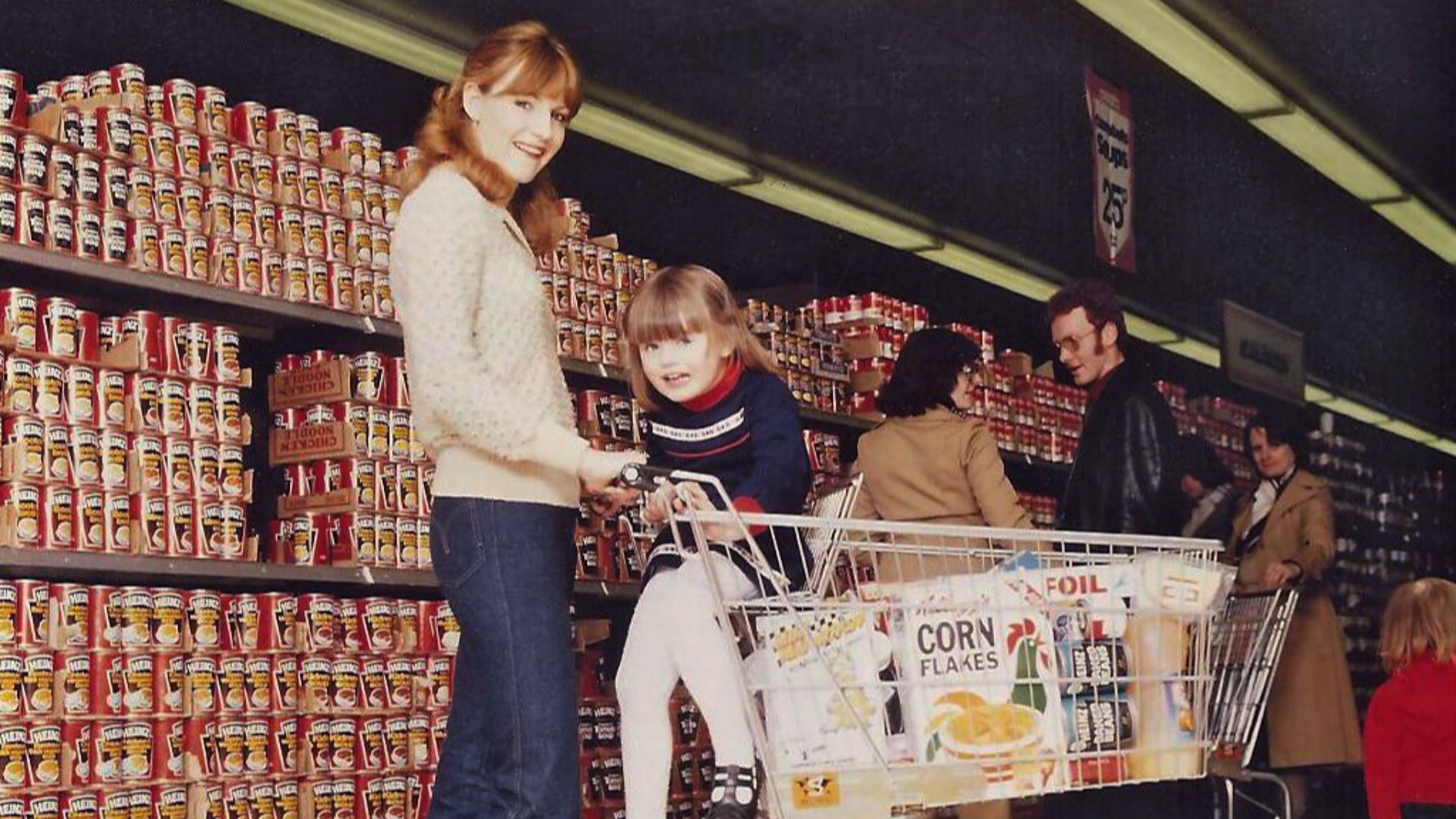
Double Coupons Took Off In The 1970s
The promotion was already spreading through American supermarkets by the mid-1970s. A 1976 Washington Post report described double and even triple coupon promotions in Chicago, Detroit, Los Angeles, and other markets. Some stores became so crowded that keeping shelves stocked was difficult. What started as a promotional experiment was becoming a grocery-shopping phenomenon.
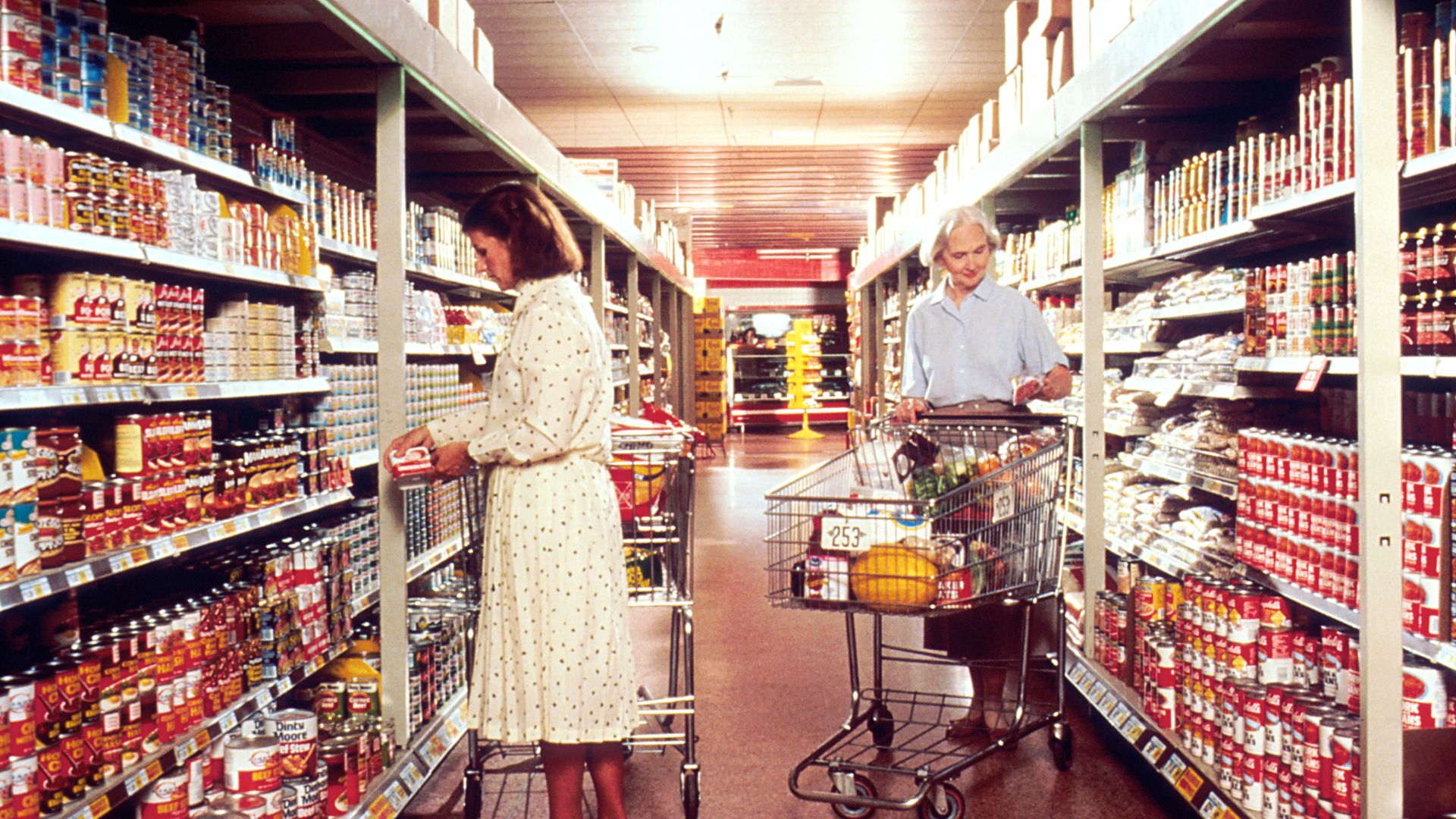 Bill Branson (Photographer), Wikimedia Commons
Some Stores Even Tripled Coupons
Doubling wasn't always the limit. Certain supermarkets experimented with tripling manufacturer coupons, turning a 25-cent discount into 75 cents. Others tried adding 50% to a coupon's face value instead. But the complicated promotions could become expensive, and many chains eventually settled on the simpler double-coupon approach.
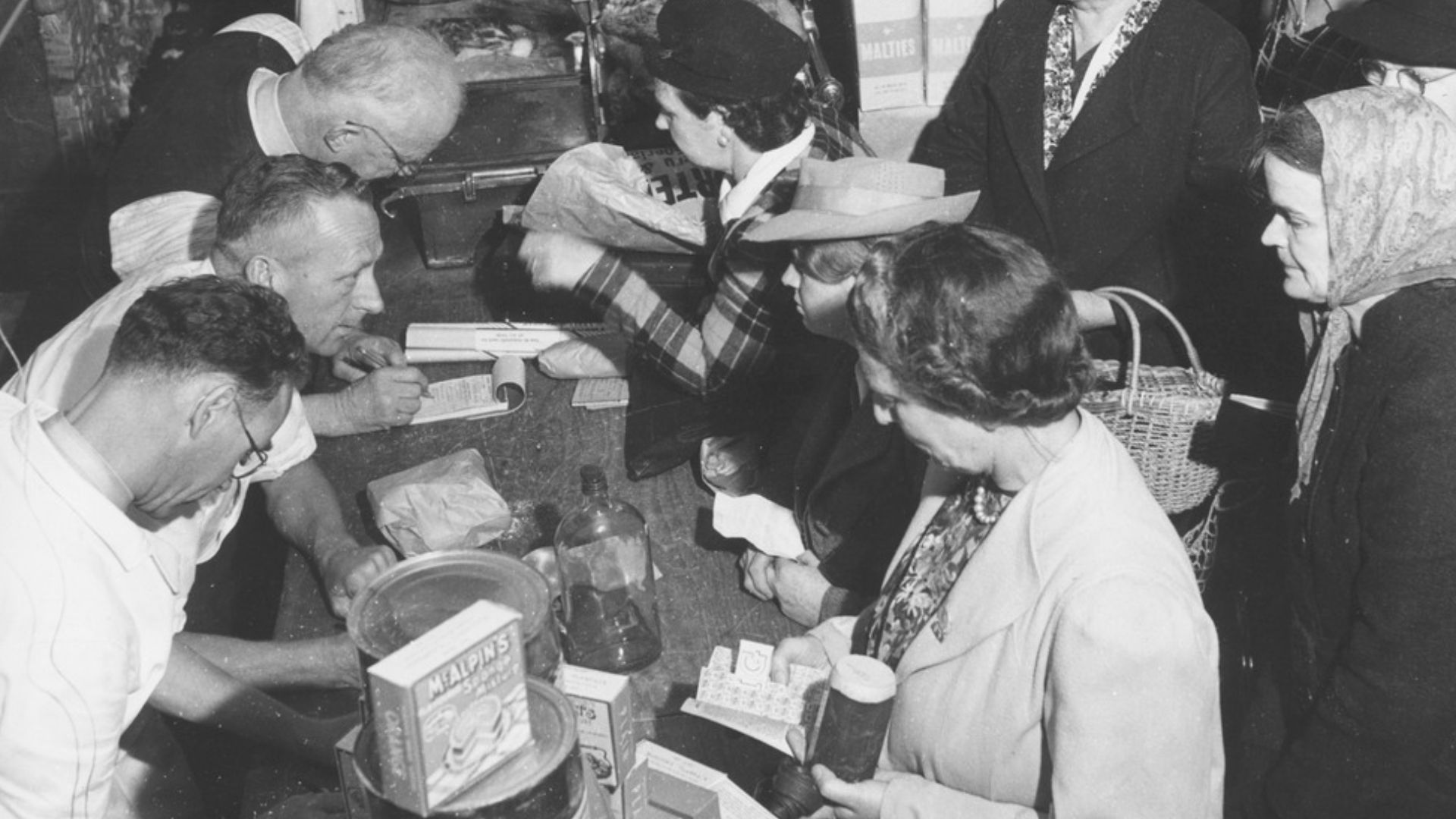 National Library of Australia from Canberra, Australia, Wikimedia Commons
The Timing Could Hardly Have Been Better
As inflation squeezed American households during the 1970s and early 1980s, every grocery discount became more valuable. Supermarkets were competing for shoppers who increasingly cared about prices. Offering twice the advertised coupon savings gave customers a compelling reason to visit one store instead of another. It also encouraged them to return for future shopping trips.
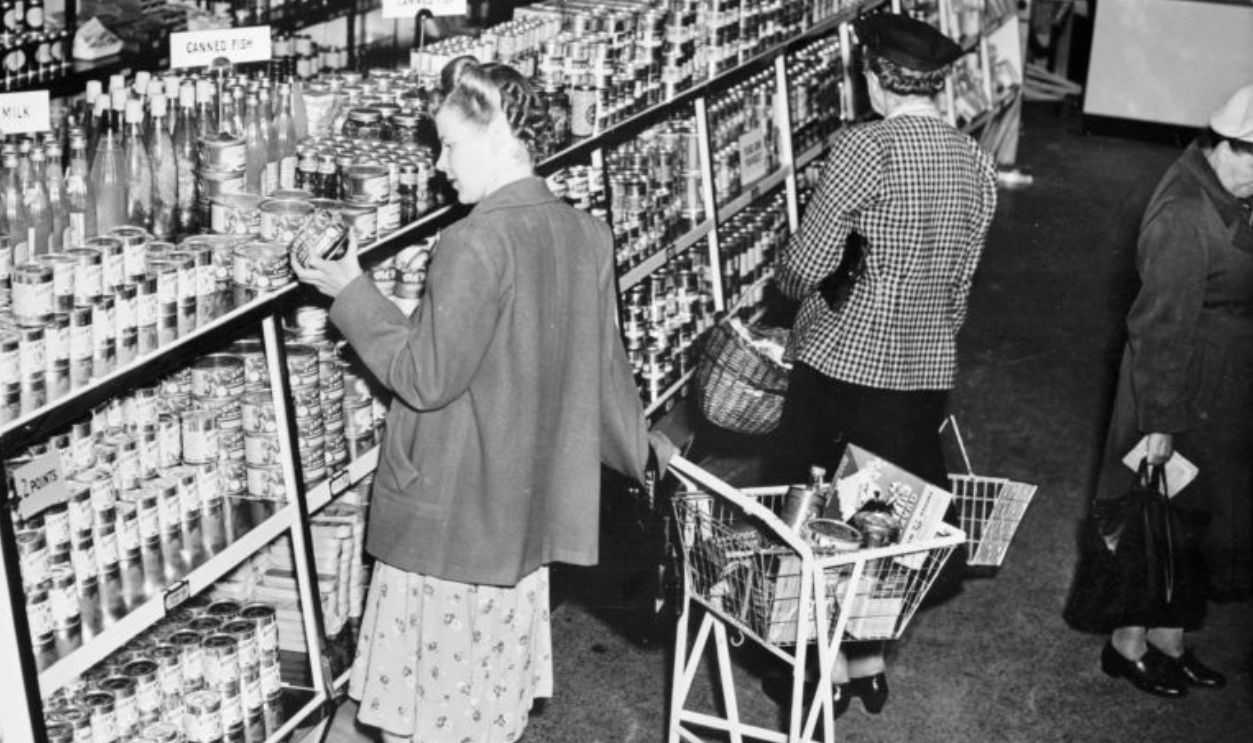
By The 1980s, Coupon Clipping Was Everywhere
By 1986, an estimated 80% of American households clipped coupons. Manufacturers were distributing twice as many as they had in 1980, while supermarkets competed with doubling and tripling promotions. Couponing had become more than an occasional money-saving trick. For many families, it was part of their regular shopping routine.
Sunday Newspapers Were Coupon Gold
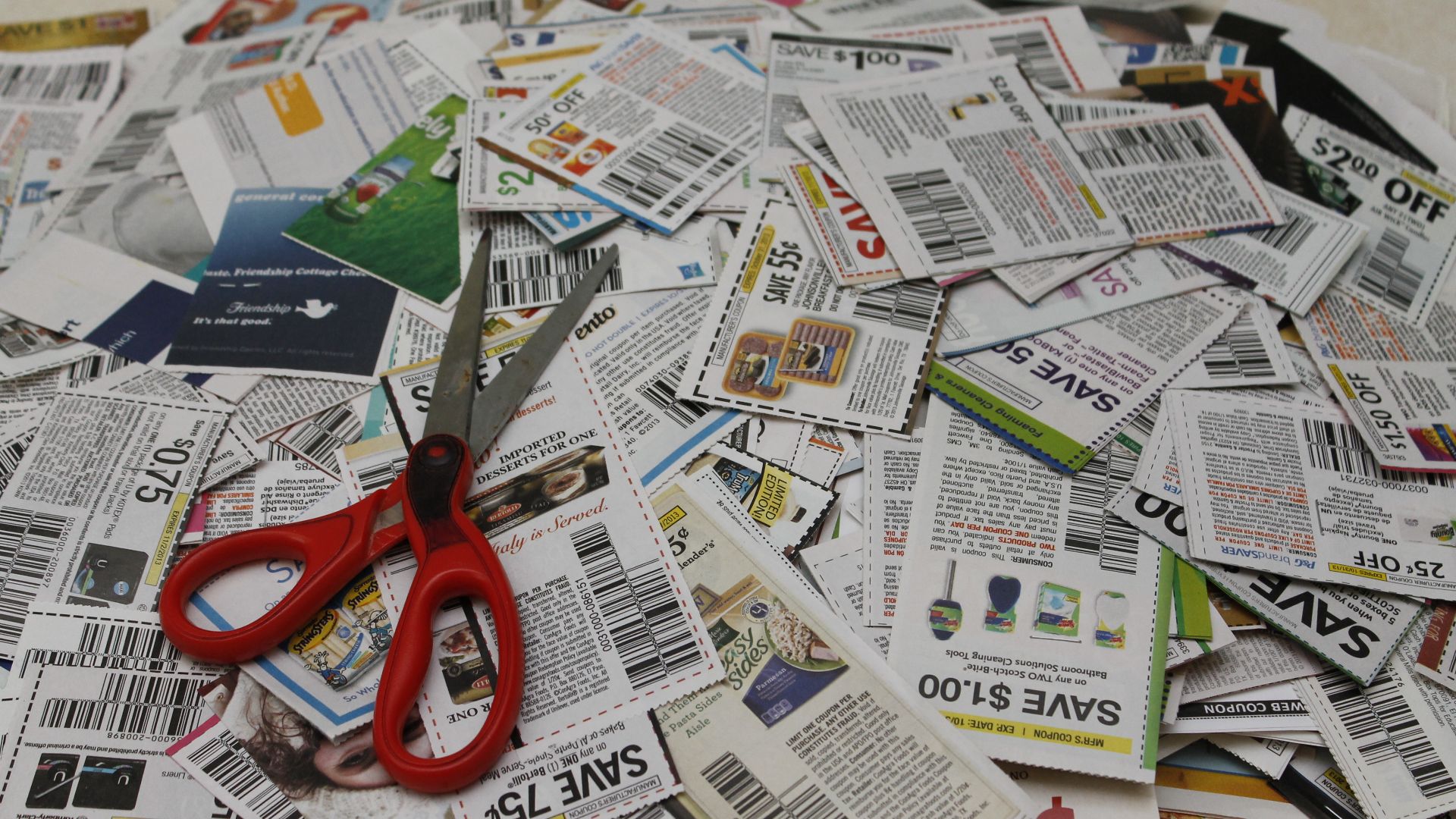
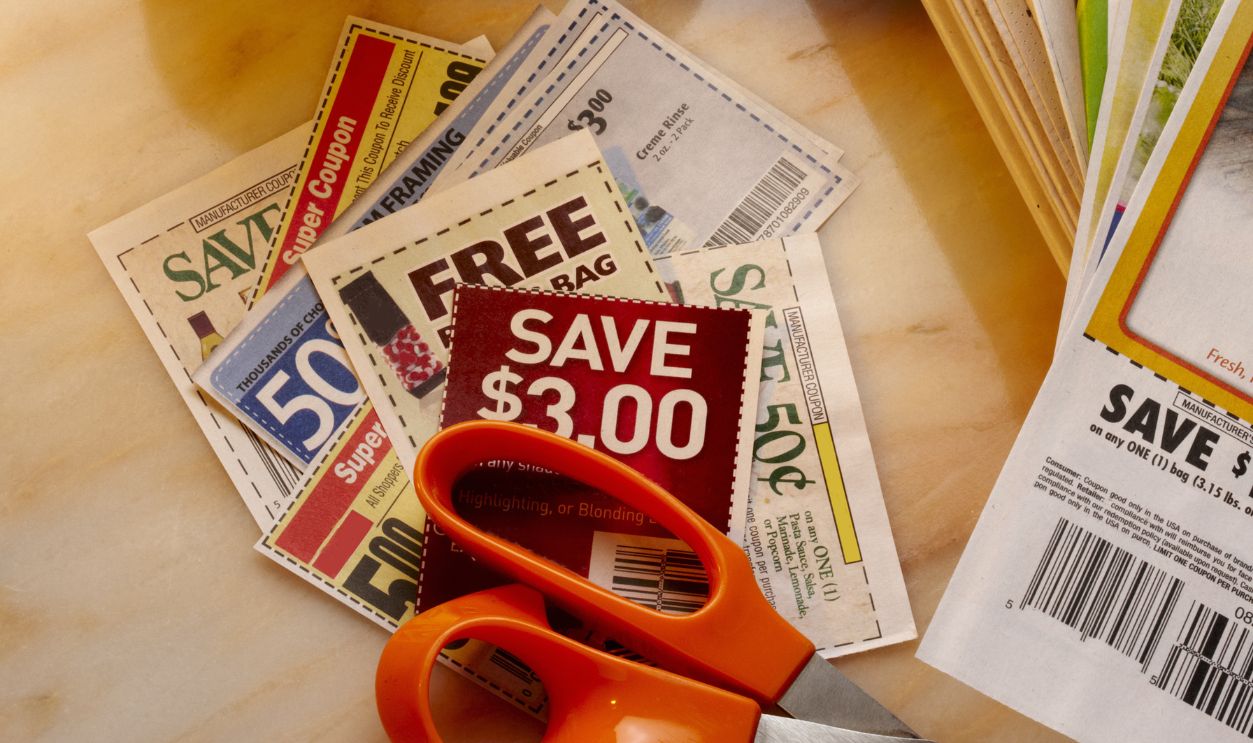
Before grocery apps existed, newspaper inserts were a major source of coupons. Shoppers searched for discounts on everything from cereal and canned goods to detergent and toiletries. Serious coupon users organized their collections and planned shopping trips around available offers. Finding a store that doubled those coupons made the effort even more rewarding.
One Shopper Got $533 In Groceries For Almost Nothing
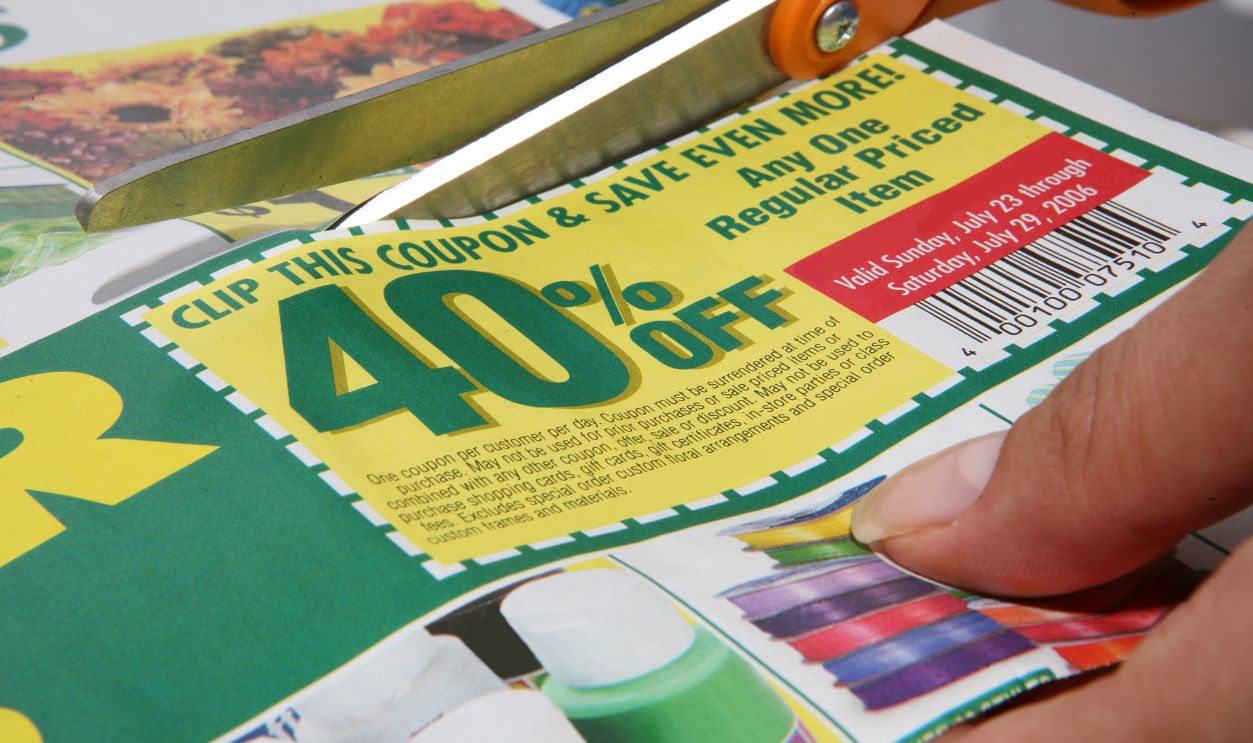
In October 1986, the Los Angeles Times documented an extraordinary shopping trip by coupon enthusiast Joy Mosse. She collected $533.25 worth of groceries and household products at a Safeway, paying just $24.12 in taxes. Most of her savings came from coupons for free products, although some were doubled through a store promotion. It was an extreme example of how valuable couponing could become.
 Unknown author, Wikimedia Commons
Even Ordinary Shoppers Could Save Serious Money
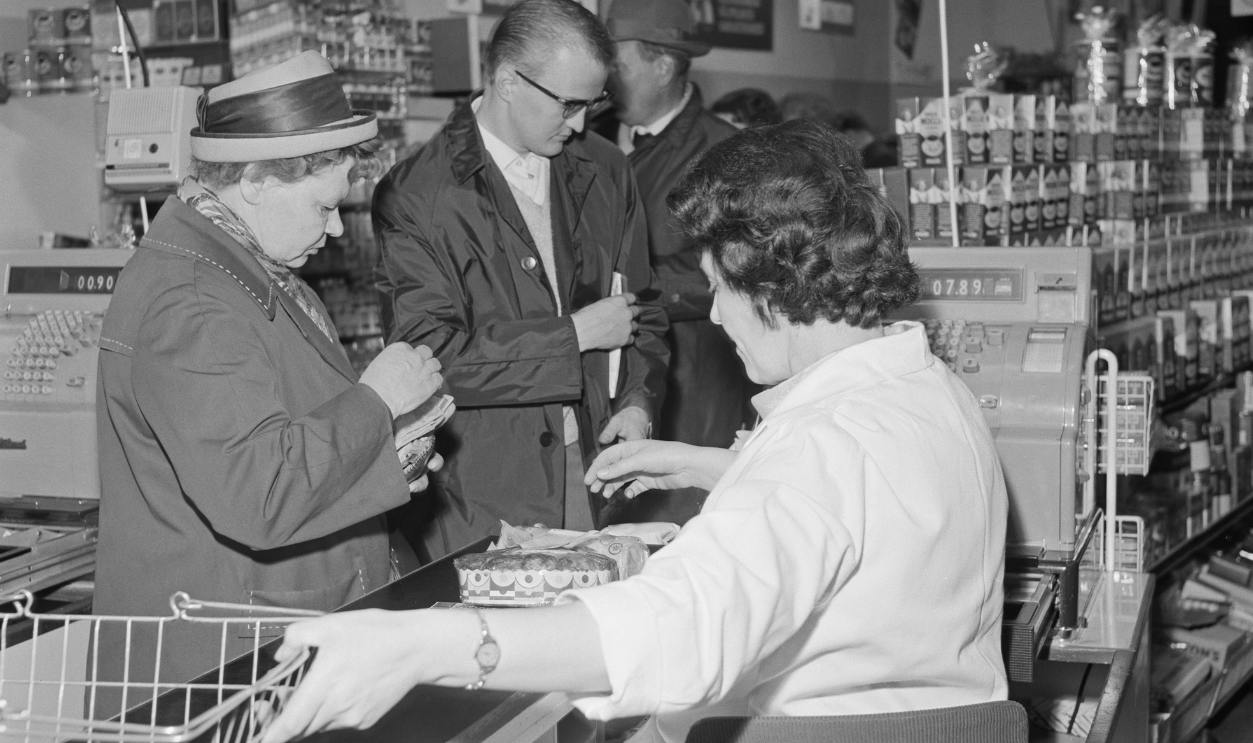
Not every coupon user needed an enormous collection to benefit. In July 1987, the Los Angeles Times reported that housekeeper Lucia Mendez saved her employers approximately $10 while shopping at a Ralphs supermarket in Culver City, California. The store had recently introduced unlimited double coupons. For regular grocery shoppers, an extra $10 off a single trip was worth noticing.
 Underwood Archives, Getty Images
Supermarkets Turned Coupons Into A Price War
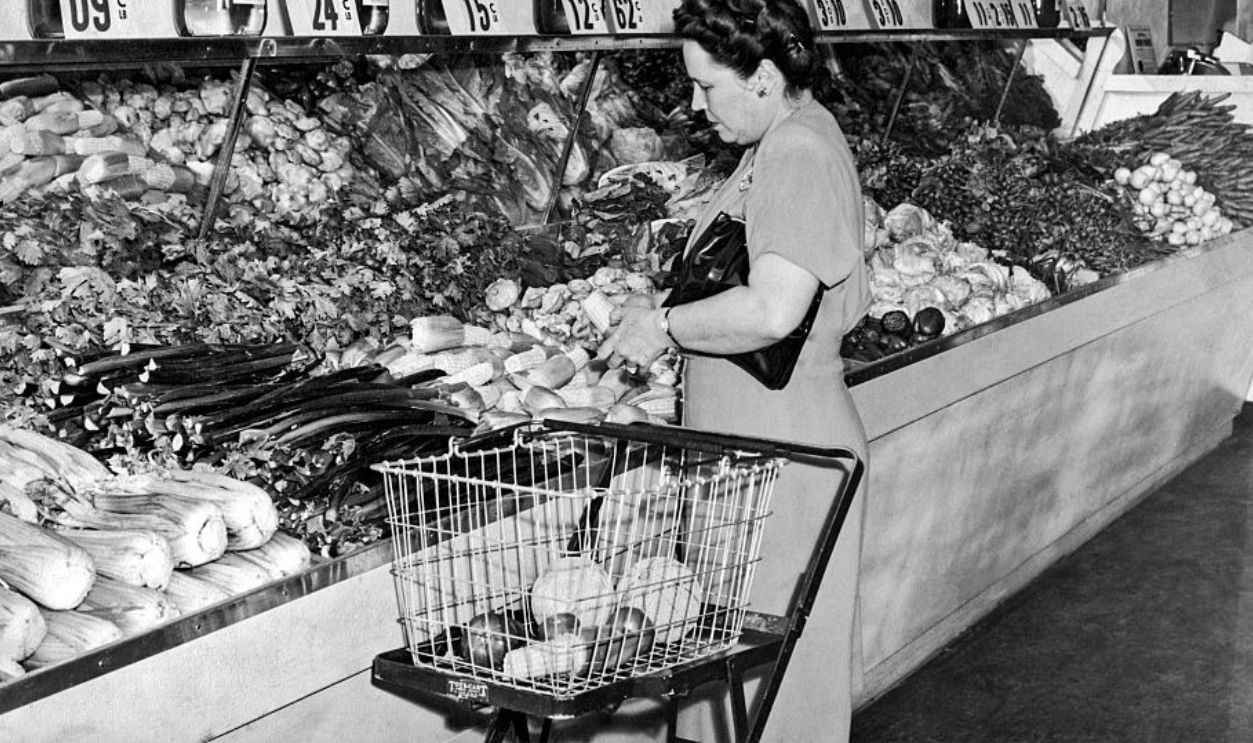
Double coupons weren't simply an act of generosity. Grocery chains used them to lure customers away from competitors, hoping shoppers would also buy plenty of full-priced products. Once one supermarket offered generous discounts, nearby stores risked losing business unless they responded. That competition gradually made doubling harder for retailers to avoid.
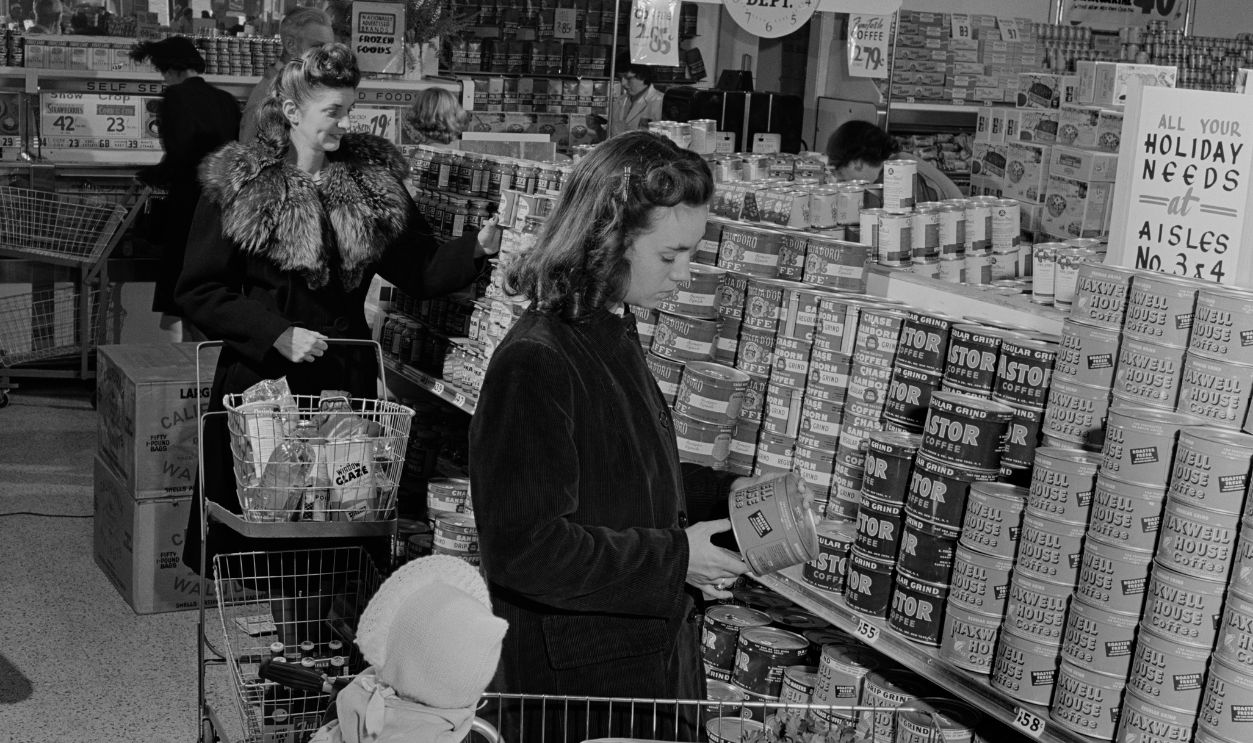
One Chain Was Practically Forced To Join In
Ralphs initially criticized unlimited double coupons, arguing that stores offering them often charged higher shelf prices. But by 1987, the chain was losing customers to competitors with more generous promotions. Ralphs reluctantly introduced unlimited doubling to win shoppers back. Its executives acknowledged that the strategy would need to generate enough additional sales to justify the expense.
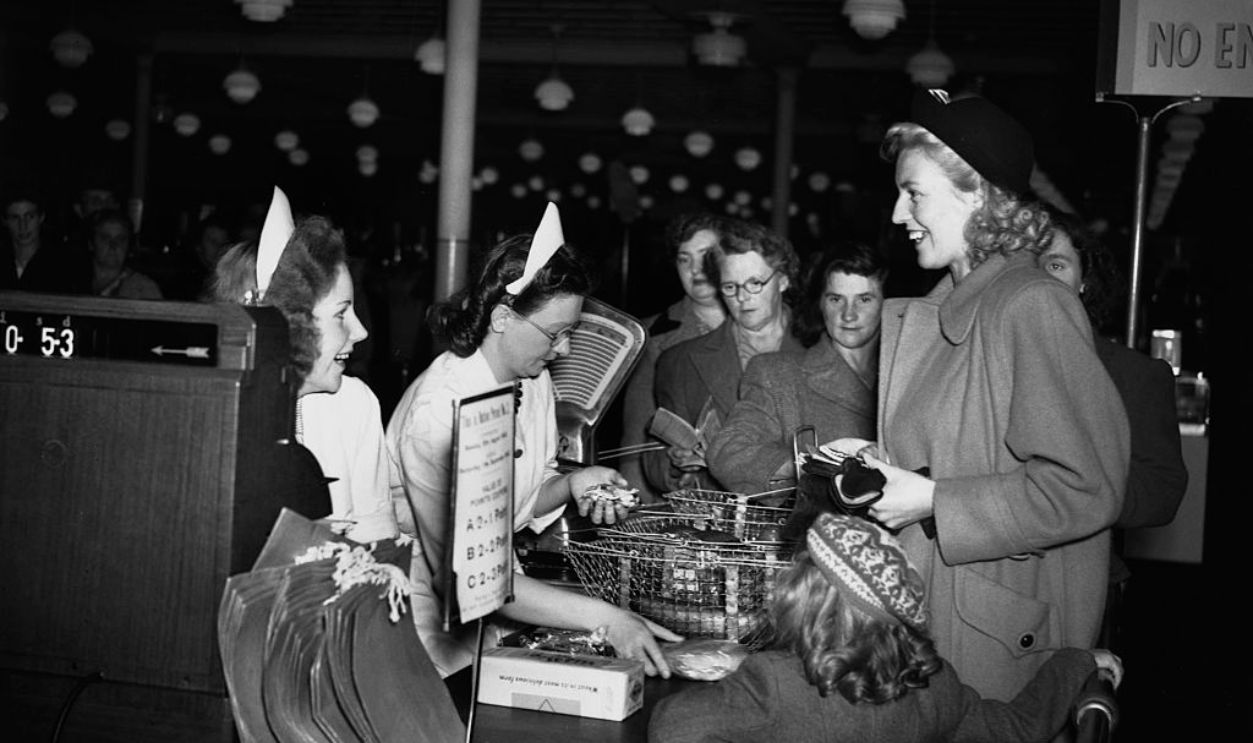
The Hidden Cost Was Starting To Show
Double coupons could reduce a supermarket's profits unless they attracted enough extra business. Ralphs executives acknowledged that unlimited doubling was expensive, while competitors debated whether lower everyday prices were a better strategy. Stores also faced pressure to match promotions they might otherwise have avoided. The very competition that made double coupons popular was becoming a financial headache.
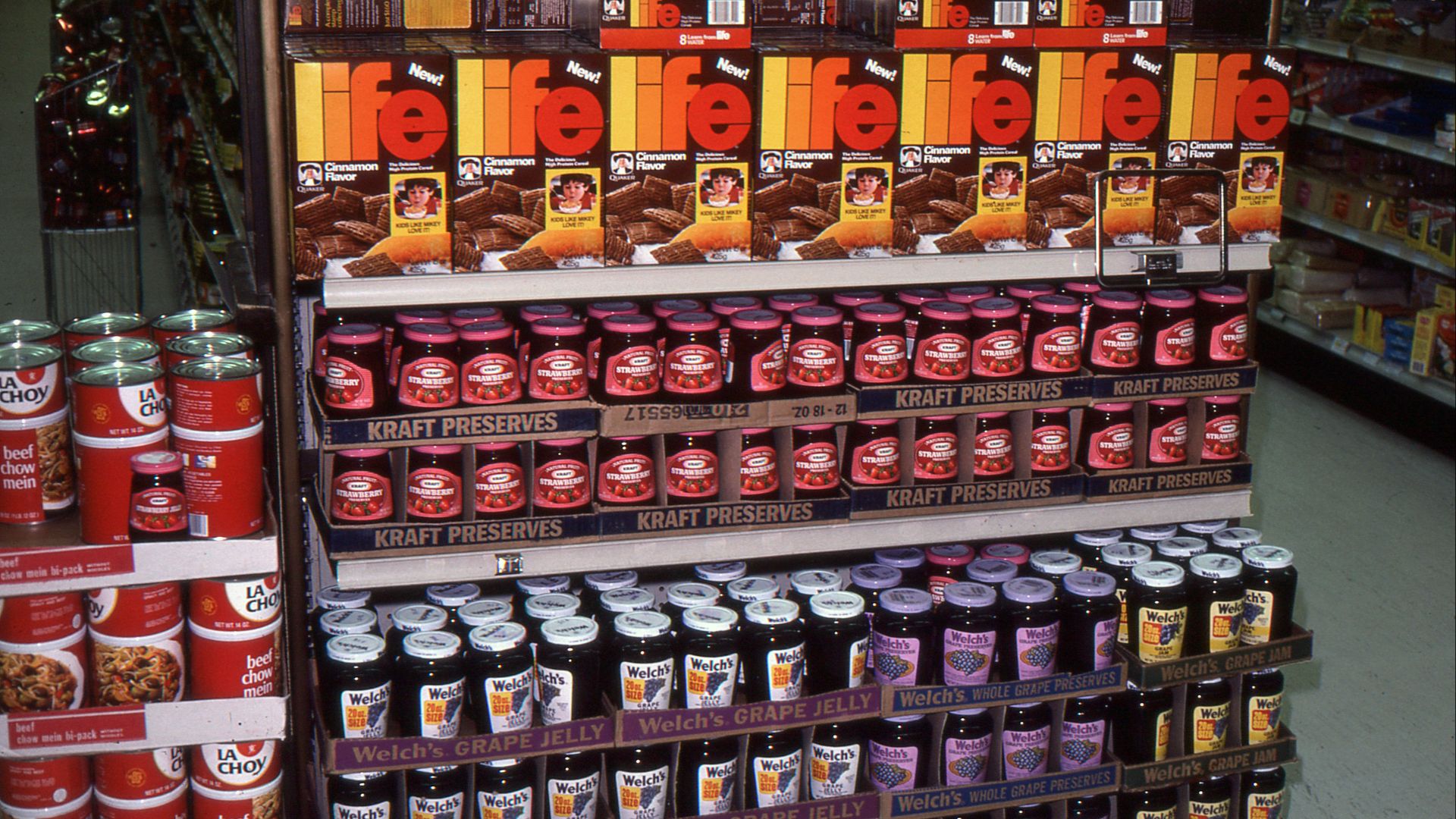 Gary Hoover, Wikimedia Commons
The Biggest Discount Wasn't Always The Best Deal
There was another catch that shoppers sometimes overlooked. A supermarket offering double coupons could still charge more than a competitor with lower regular prices. Retailers themselves debated whether the extra discounts ultimately benefited customers who didn't use coupons. The important number was the final checkout price, not how impressive the coupon appeared.
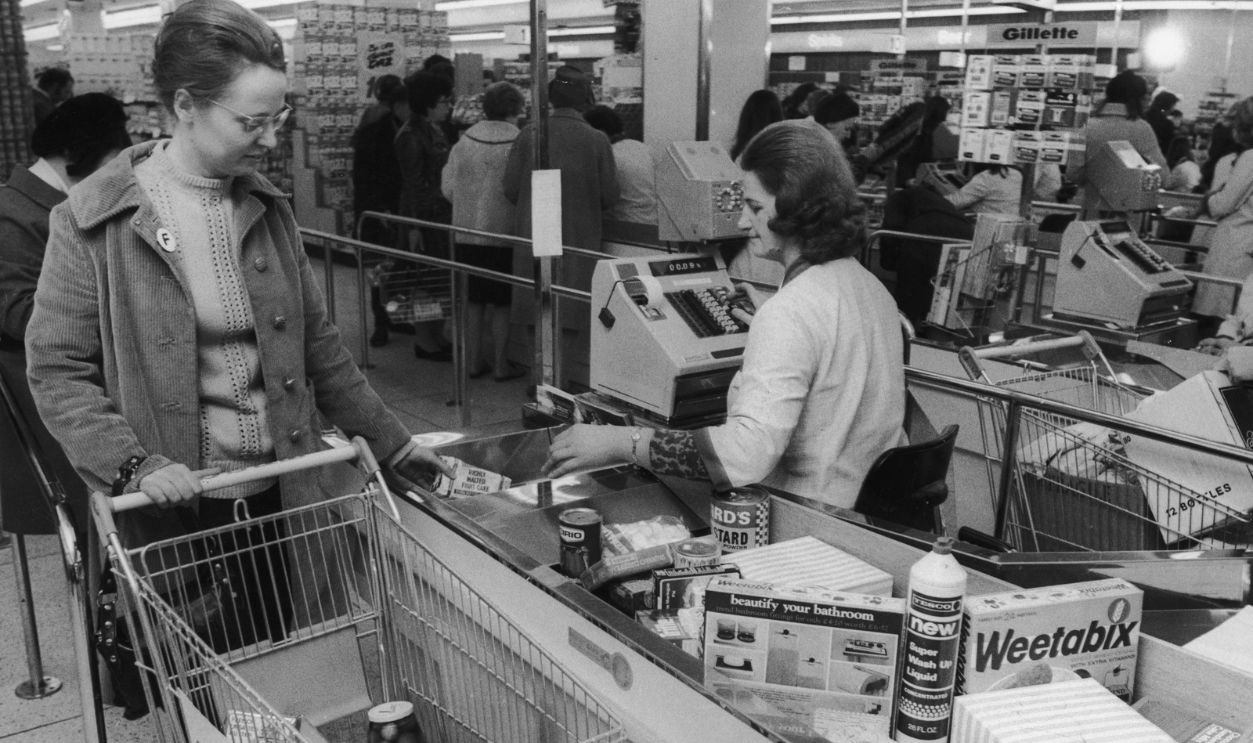
Shoppers Learned To Combine Coupons With Sales
The biggest bargains often came from matching coupons with advertised discounts. Imagine a $3 box of cereal going on sale for $2, then using a doubled 50-cent coupon to bring the price down to $1. This illustrative calculation shows why careful shoppers planned purchases around weekly specials. The strategy could be especially effective when buying products they regularly used.
But The Rules Could Be Frustrating
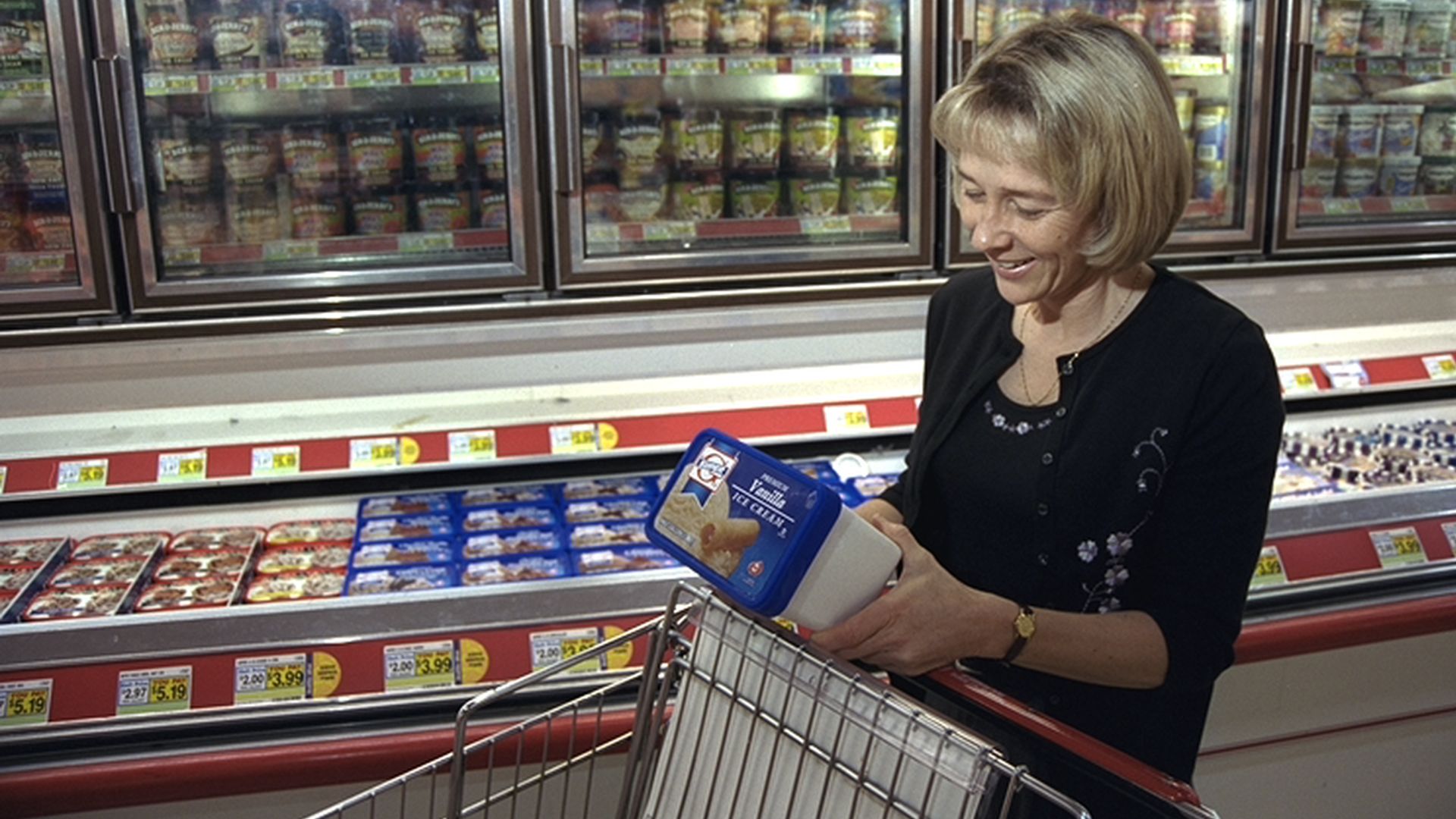
Not every supermarket doubled every coupon. Some imposed limits on coupon values, restricted the number accepted, or excluded certain offers. Shoppers had to understand each store's policies before arriving at checkout. A coupon that qualified for doubling at one supermarket might receive only its original value elsewhere.
 Marjory Collins, Wikimedia Commons
Double Coupons Became An Expensive Tradition
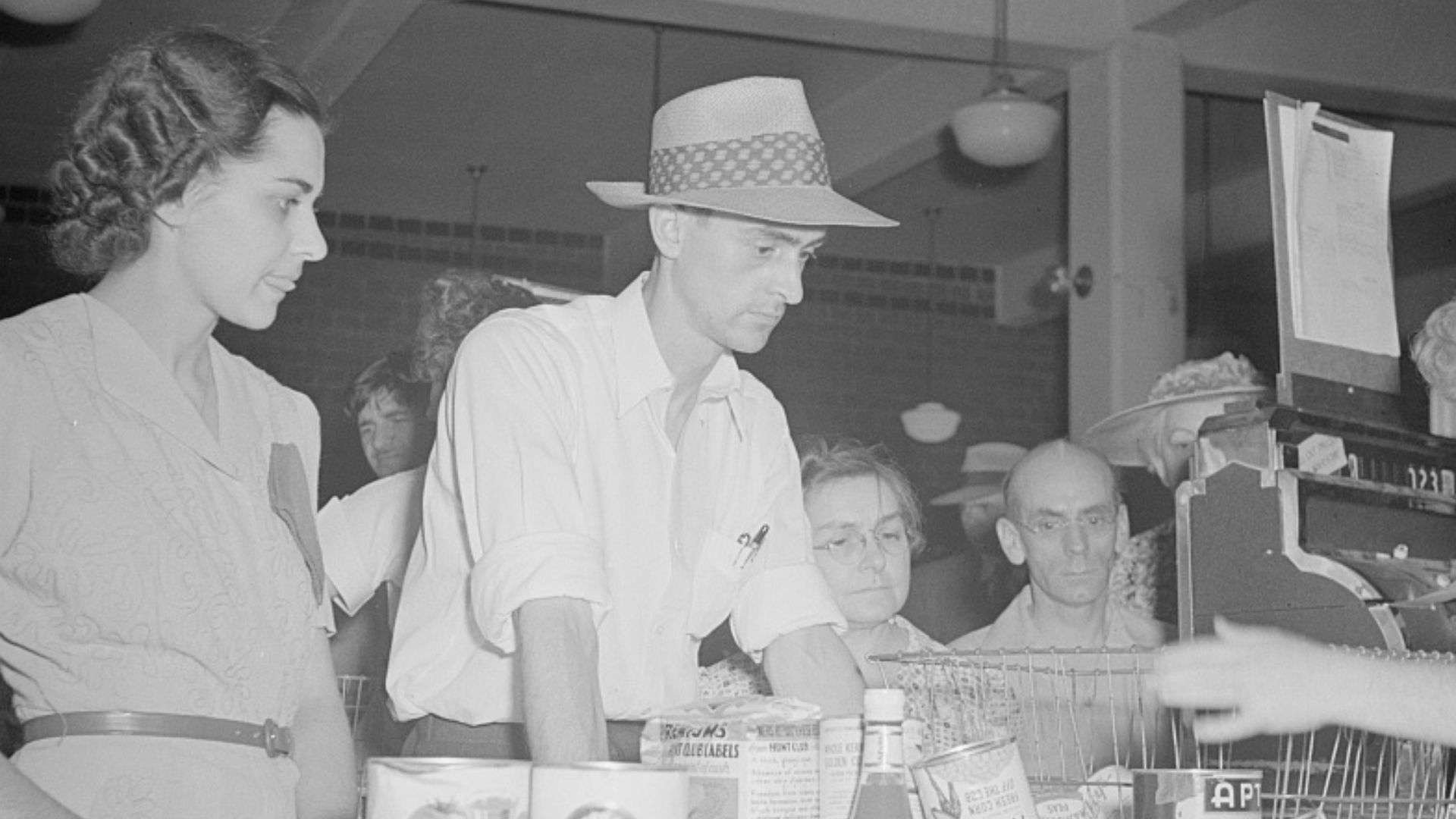
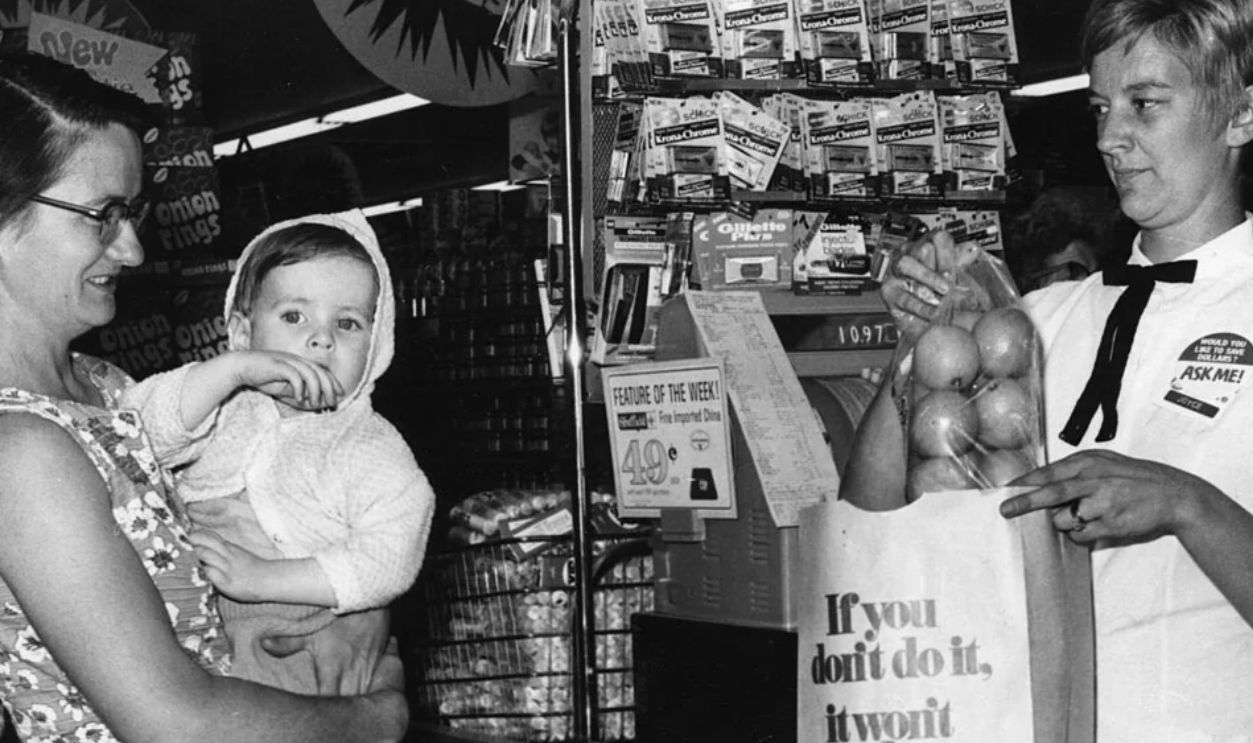
Over time, what began as a temporary promotion became something customers expected. Supermarkets faced pressure to keep doubling coupons, even when the extra discounts cut into their profits. Ending the promotion risked driving loyal shoppers straight to competitors. For retailers, double coupons had become a costly tradition that was difficult to escape.
 Community Archives, Wikimedia Commons
The Internet Started Changing Everything
By the early 2010s, shoppers had more ways to find grocery discounts. Printable internet coupons and electronic offers were becoming alternatives to traditional newspaper inserts. Supermarkets could now distribute promotions through loyalty accounts and digital platforms. The changes made it easier for retailers to rethink their old coupon programs.

Kroger Started Pulling The Plug
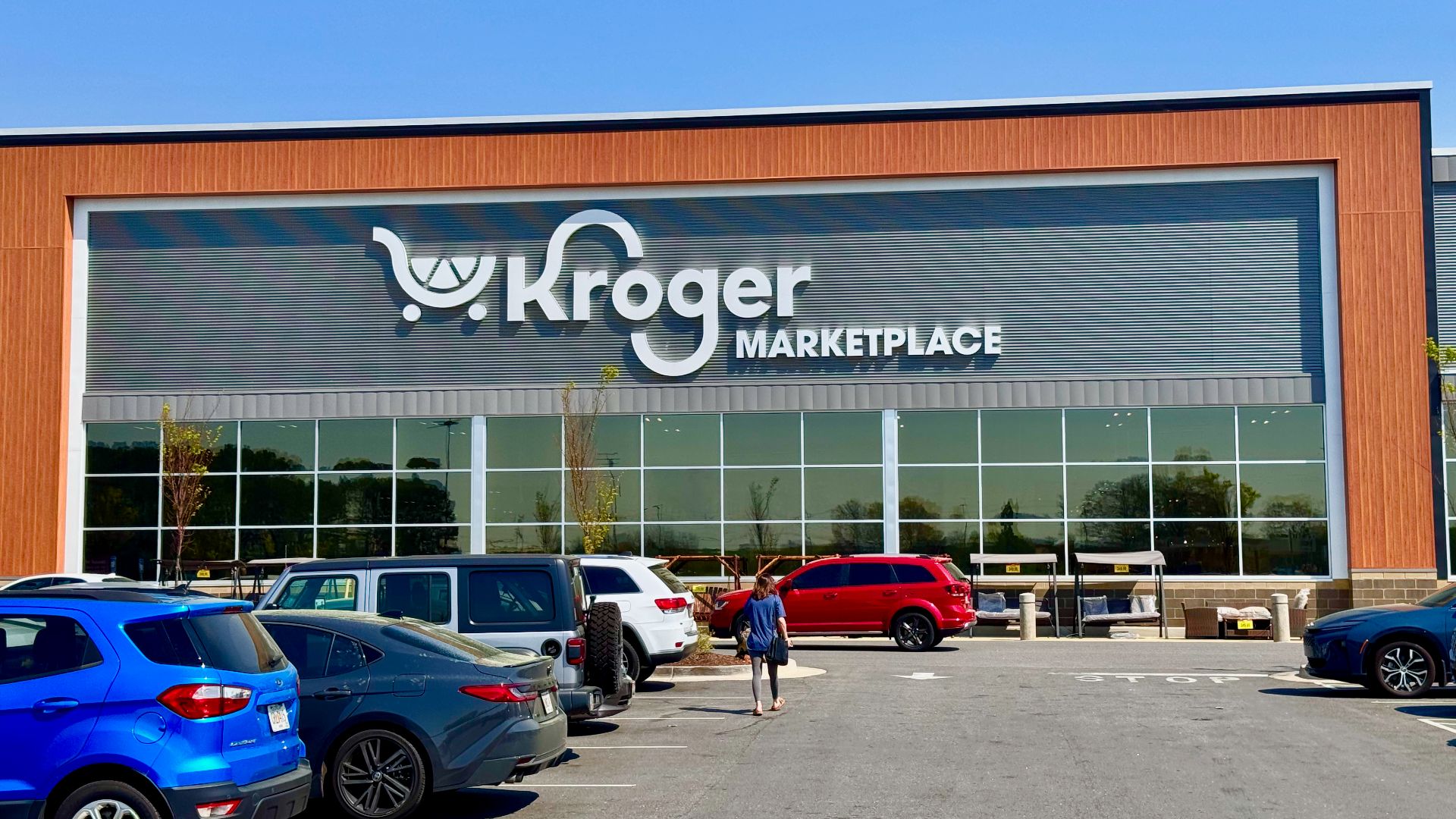
One of the biggest turning points came in 2011, when Kroger began eliminating double coupons at its Texas stores. Its Ralphs chain in California followed in 2012, with additional divisions ending the promotion throughout 2013. The company increasingly favored lower everyday prices over doubling discounts. For loyal coupon users, the changes marked the beginning of the end.
 Harrison Keely, Wikimedia Commons
Cincinnati Shoppers Got Some Bad News
In February 2013, Kroger announced that it would lower prices on more than 3,500 products in its Cincinnati and Dayton division while eliminating double coupons. A 24-pack of store-brand water dropped by 71 cents, while a three-pound bag of onions fell by $1. Soy milk also received a $1.40 reduction. The savings required no coupons, but their value depended on what customers purchased.

Most Customers Weren't Doubling Coupons
Kroger executives argued that relatively few shoppers actually used double coupons, despite complaints from dedicated bargain hunters. In 2013, the company's chief financial officer said lower prices for everyone were a better use of its money. Rather than subsidizing extra discounts for a smaller group, Kroger wanted to spread savings across its customer base. Frequent coupon users weren't necessarily better off under the new approach.

By 2017, Kroger Was Finished
Kroger continued eliminating double coupons, with its Nashville division becoming the last to stop on March 15, 2017. Kroger-branded supermarkets no longer doubled coupons, although some other chains owned by the company continued offering them. After decades as a popular promotion, double coupons had largely disappeared from one of America's biggest supermarket chains.
 Virginia Retail from Virginia, USA, Wikimedia Commons
Double Coupons Haven't Completely Disappeared
Surprisingly, some supermarkets still offer the old-fashioned promotion. Harris Teeter's published policy allows VIC loyalty cardholders to double up to 20 qualifying manufacturer coupons per day. Coupons worth up to 99 cents can be doubled, subject to restrictions and the item's selling price. Digital coupons aren't eligible, so shoppers must still pay attention to the rules.
 Virginia Retail from Virginia, USA, Wikimedia Commons
Today's Coupons Look Very Different
The shift away from traditional coupons is now unmistakable. According to Inmar Intelligence, coupon distribution dropped from 53.1 billion in 2024 to 34 billion in 2025. Digital offers loaded onto loyalty accounts continue gaining importance, while traditional newspaper-style coupon inserts have declined. Americans can still find discounts, but the familiar ritual of clipping Sunday coupons is far less central to grocery shopping.

You Can Still Beat The Grocery Bill
Fortunately, you don't need double coupons to find worthwhile bargains. Compare unit prices, check weekly specials, and see whether store brands cost less than national brands after discounts. When permitted, combining a coupon with a sale can still produce substantial savings. Just remember that buying something unnecessary because it's discounted doesn't actually help your budget.
 Hryshchyshen Serhii, Shutterstock
The Savings Were Great While They Lasted
Double coupons helped generations of Americans stretch their grocery budgets, but supermarkets eventually decided the extra discounts were too costly to maintain. Lower everyday prices, digital promotions, and loyalty programs gradually took their place. Whether those replacements save you more depends on what you buy and how carefully you compare prices.
The old double-coupon days may be mostly gone, but knowing how to spot a genuine bargain is still worth every penny.
You May Also Like:
1970s Shopping Habits That Would Feel Totally Foreign Today—Which Would You Actually Bring Back?