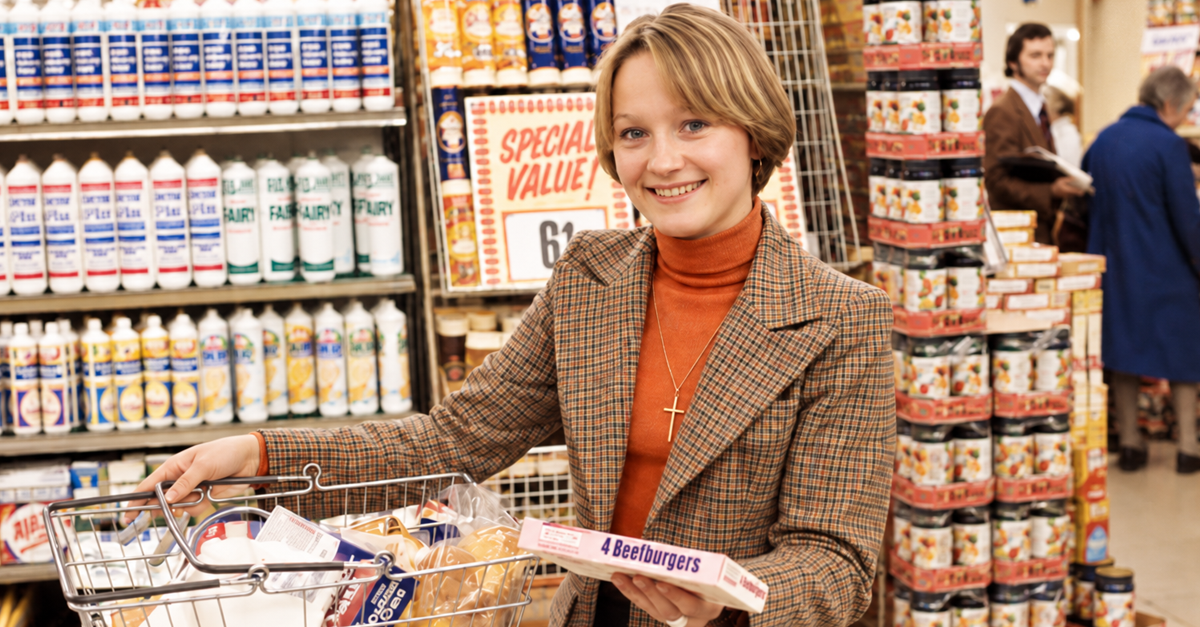
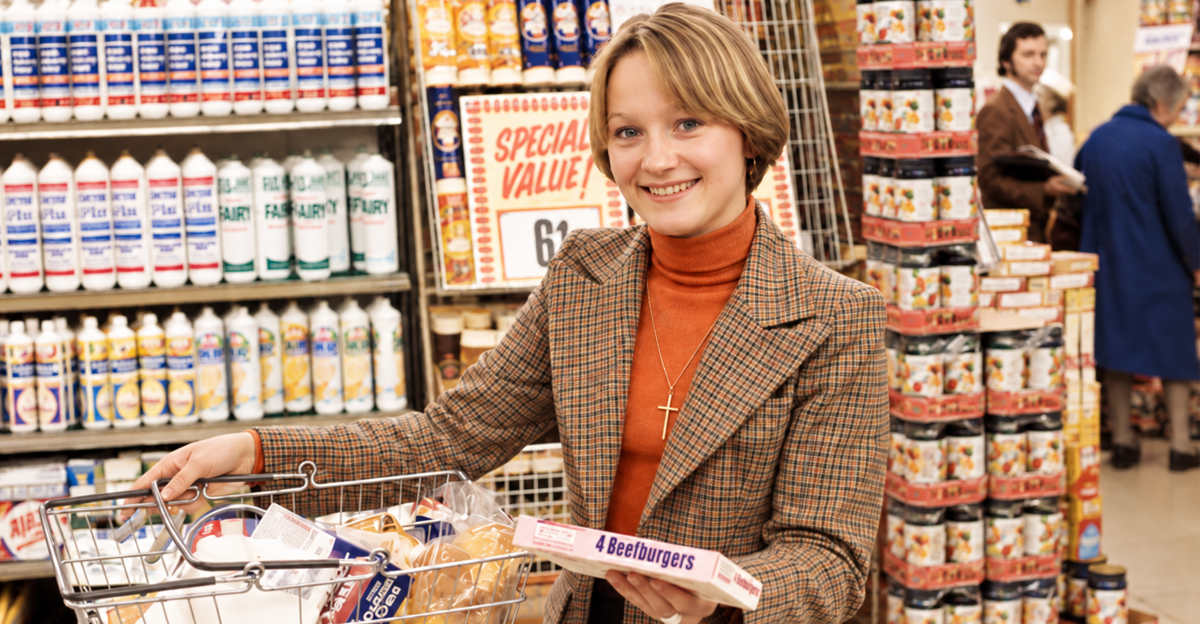
Shopping Was Practically A Different World
Imagine buying groceries without barcode scanners, writing a check at the register, and taking home stamps you had to paste into a booklet. Then picture ordering from a giant paper catalog and waiting days or weeks for your purchase. In the 1970s, shopping, saving money, and managing everyday spending looked very different from the way they do today.
Sunday Shopping Wasn't A Given
A Sunday afternoon trip to the store was not always possible. Sunday-closing laws still restricted shopping in parts of the United States during the 1970s, with some states and communities limiting which businesses could operate or what they could sell. For households trying to stretch a budget, shopping often had to be planned around both store hours and payday.
Cash Still Ruled The Checkout
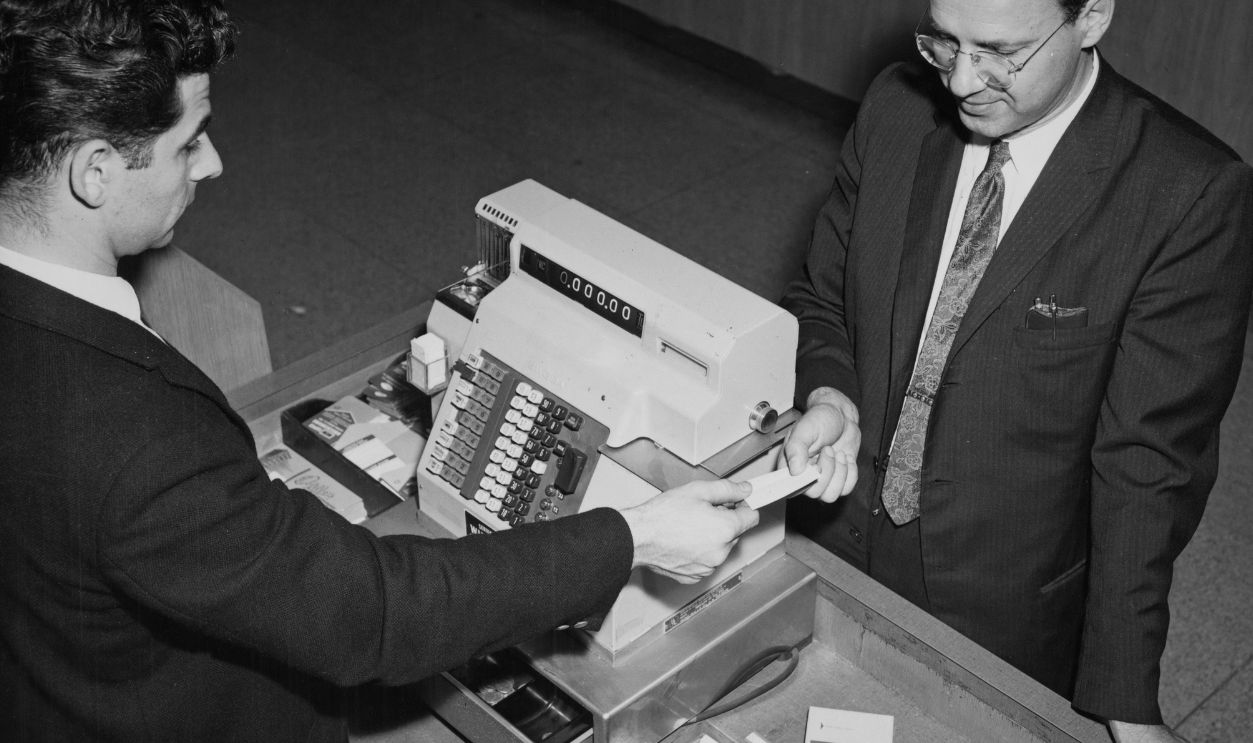
Pulling out cash was a routine part of everyday shopping. Cash and checks remained the principal methods Americans used for retail payments as electronic alternatives were still developing. Without instant banking apps or digital wallets, shoppers had to keep a much closer mental tally of what they could afford.

Writing A Check For Groceries Was Normal
Holding up the supermarket line while writing a check was completely ordinary. Paper checks were used so heavily that Federal Reserve check-processing operations reached a staffing peak of roughly 7,500 employees in 1974. Balancing a checkbook was also an important part of keeping household spending under control.

Your Store Might Have Its Own Card
Today's shoppers can use the same major credit card almost anywhere, but consumer credit was once considerably more fragmented. Department stores, gas stations, airlines, and other businesses commonly issued cards intended primarily for purchases from their own companies. Managing credit could therefore mean keeping track of several separate accounts rather than one or two general-purpose cards.
Paying By Card Could Involve A Phone Call
Even using a credit card could take considerably more effort. Early card authorization sometimes required a merchant to telephone an authorization center before approving the purchase. Consumer credit was becoming more convenient, but it was still far removed from today's instant approvals, contactless payments, and online account management.

Layaway Was A Familiar Alternative
Shoppers who could not or did not want to pay for something immediately had another option. With layaway, a store held the merchandise while the customer gradually paid the balance, allowing families to spread out the cost without taking the item home on credit. As revolving consumer credit became increasingly convenient, the old system eventually lost some of its appeal.
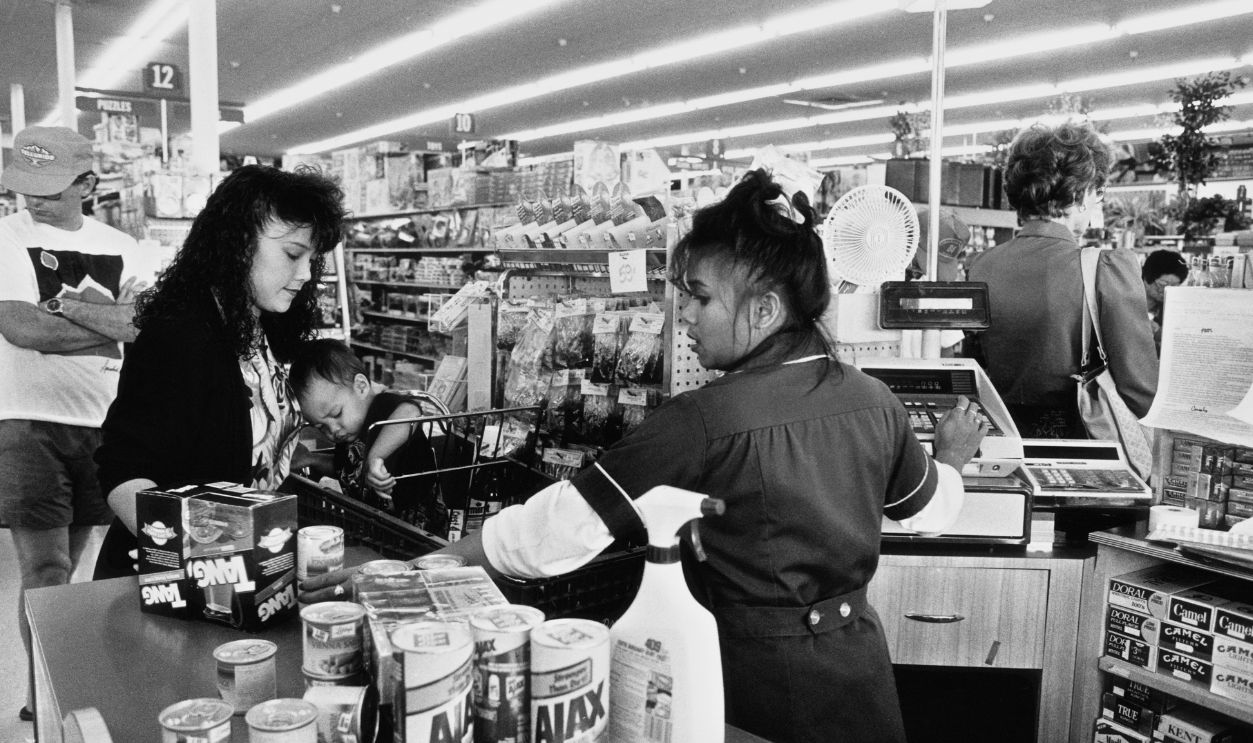
Every Price Had To Be Entered By Hand
Before barcode scanning spread through supermarkets, merchandise commonly carried small price labels that employees attached to the products. Cashiers read those labels and manually entered prices into the register. Shoppers comparing costs also had far fewer tools than today's unit-price displays, apps, and instant online searches.
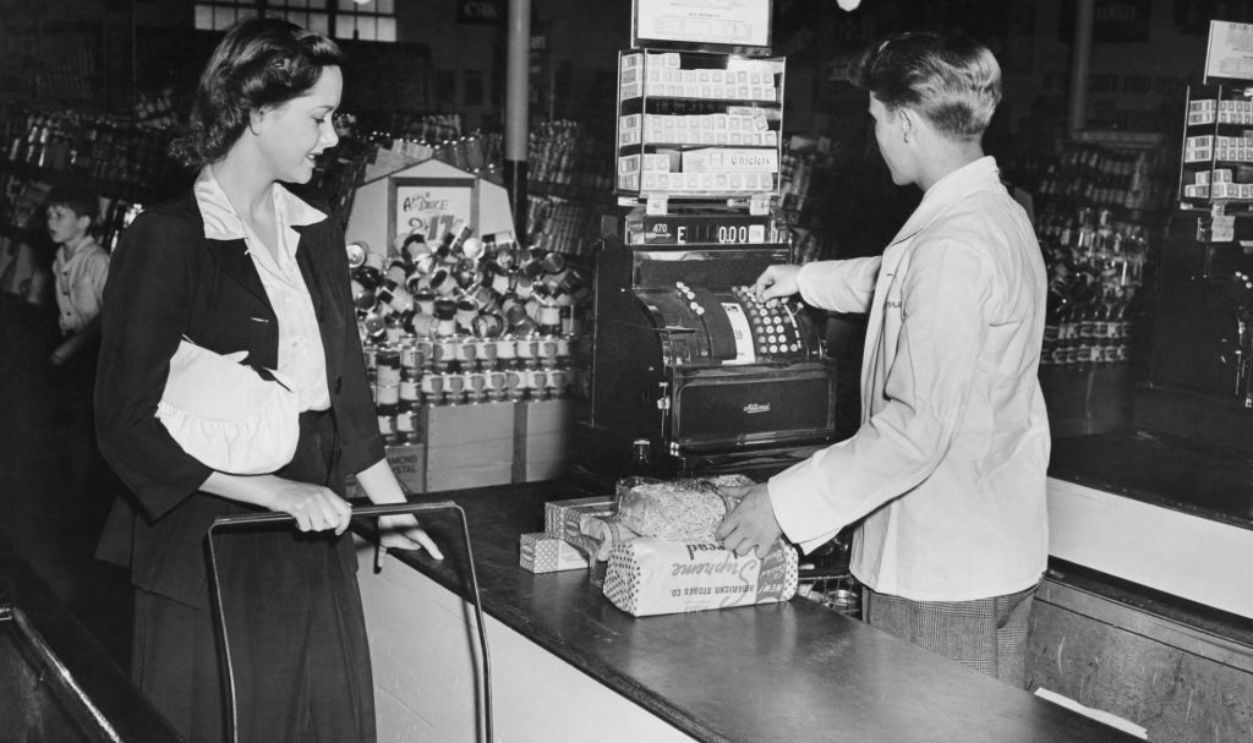 Harold M. Lambert, Getty Images
Barcodes Looked Like Futuristic Technology
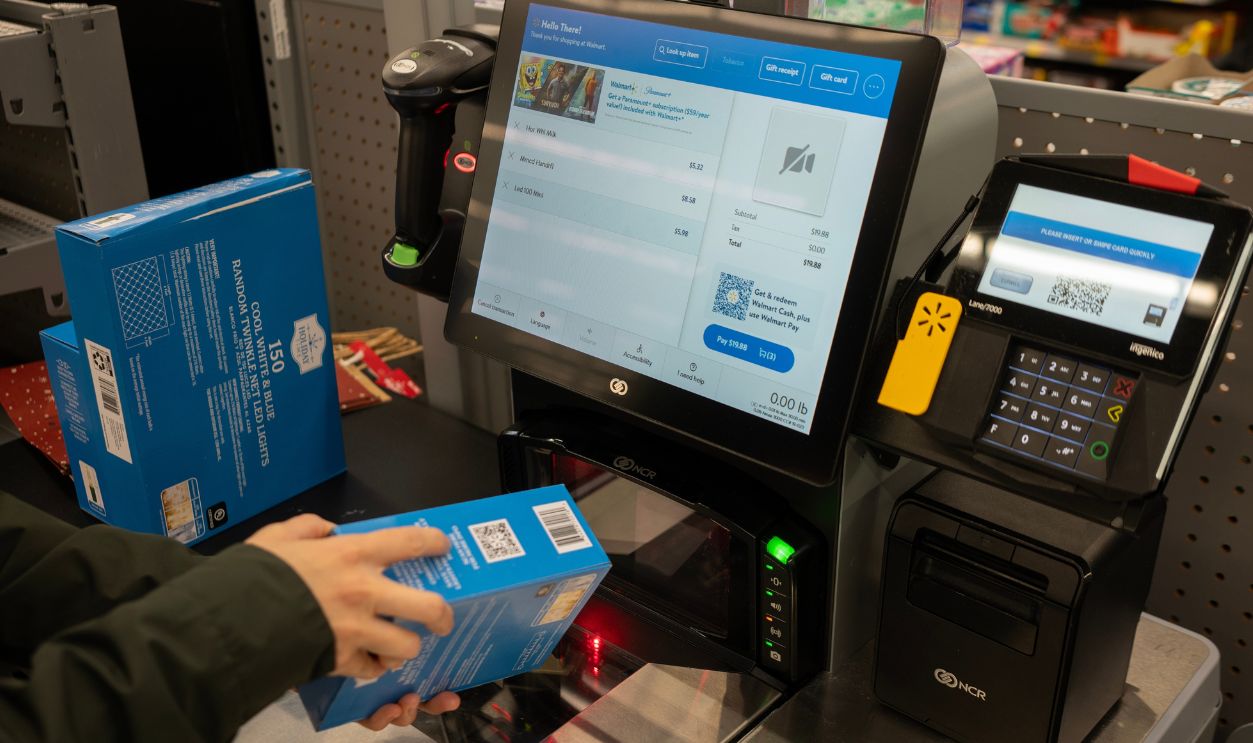
The first supermarket purchase scanned using the Universal Product Code took place on June 26, 1974, at a Marsh supermarket in Troy, Ohio. The history-making purchase was a package of Wrigley's Juicy Fruit gum. Scanners eventually made pricing, inventory, and retail operations more efficient, but they were still remarkable new technology during the decade.
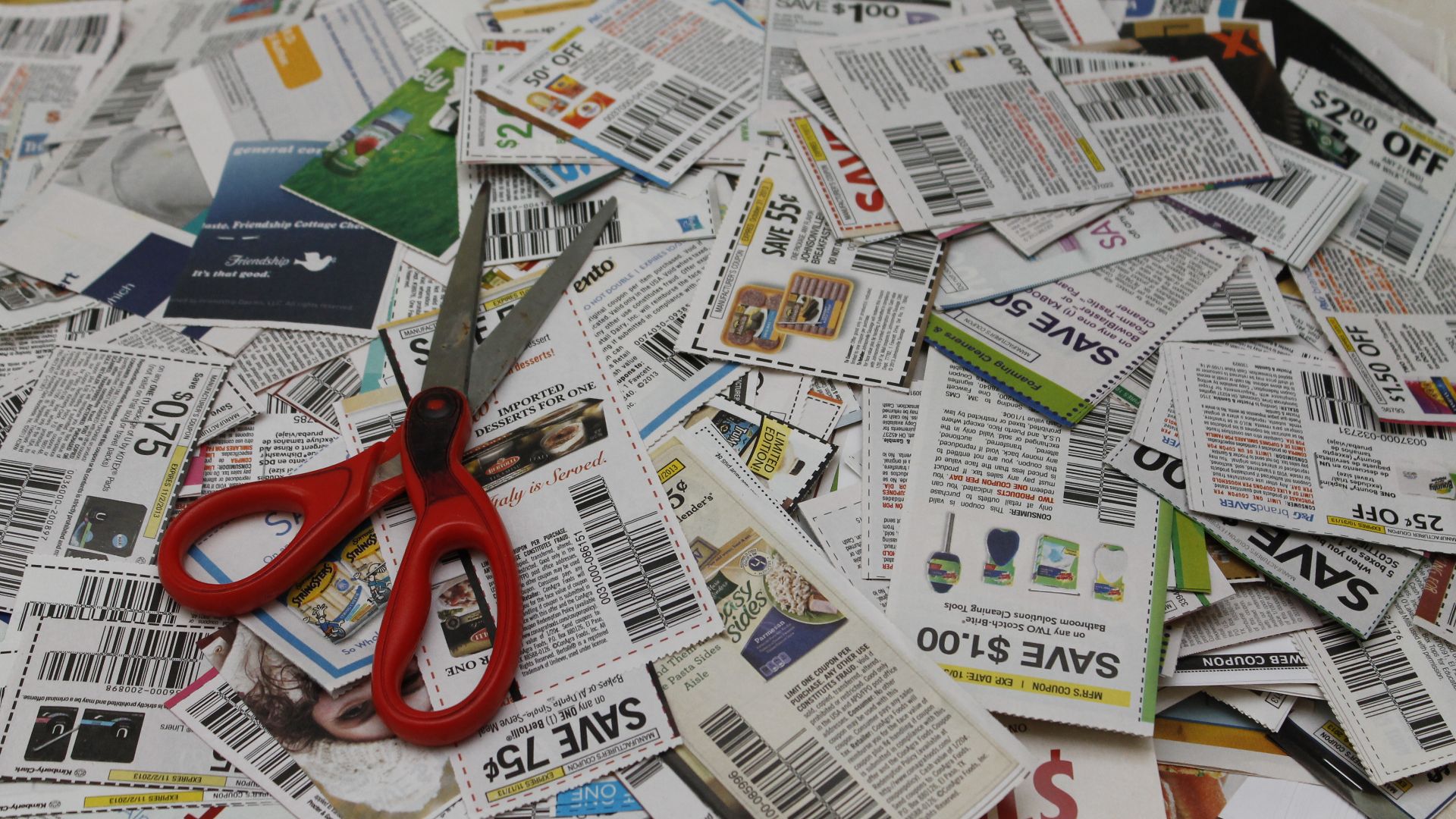
Couponing Required Actual Scissors
There were no digital coupons quietly loading onto a loyalty account. Shoppers clipped paper coupons from newspapers, magazines, packages, and advertisements, then remembered to bring them to the store. By the mid-1970s, about 65% of American households were clipping coupons as families looked for ways to trim grocery bills.
 Carol Pyles from Winter Haven, FL, US, Wikimedia Commons
Serious Coupon Shoppers Kept Files
Some bargain hunters turned couponing into an elaborate organizational project. A 1978 Washington Post profile described a shopper whose home contained box tops, package panels, coupon offers, and an extensive filing system. Saving money at the supermarket could require time, organization, and an impressive amount of paperwork.

Refunds Meant Saving Pieces Of Packaging
Coupons were only part of the bargain-hunting culture. Manufacturers also offered promotional refunds that could require shoppers to save labels, box tops, cash-register tapes, package seals, or other proofs of purchase and mail them in. Dedicated "refunders" treated the process almost like a savings strategy, keeping packaging in case it qualified for a future offer.

Groceries Could Earn You Trading Stamps
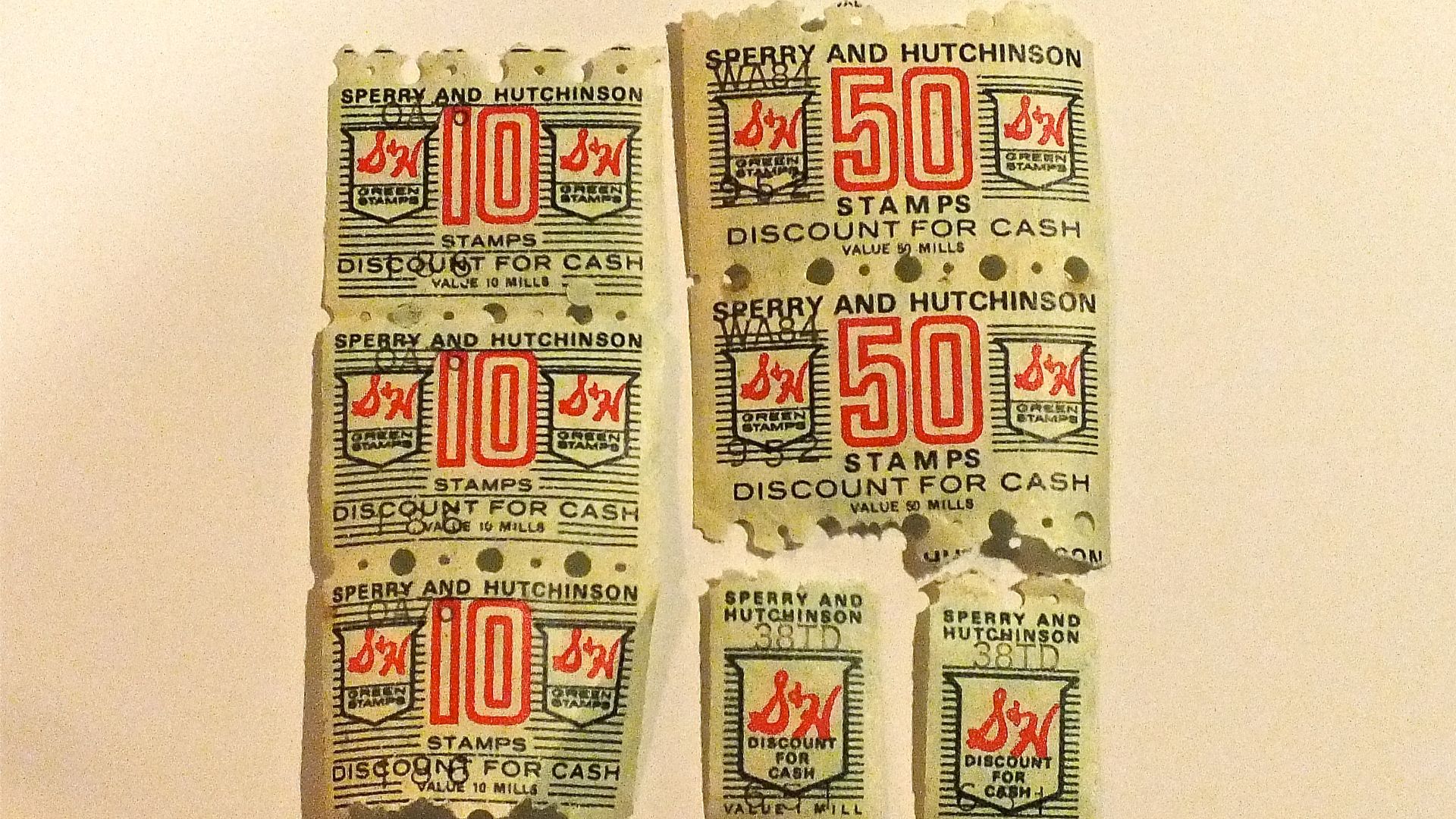
A trip to the supermarket could produce something besides groceries and a receipt. Participating retailers handed out trading stamps, including the famous S&H Green Stamps, according to how much customers spent. For budget-conscious families, the stamps effectively turned routine spending into a chance to earn household goods later.
Reward Points Had To Be Pasted Into Books
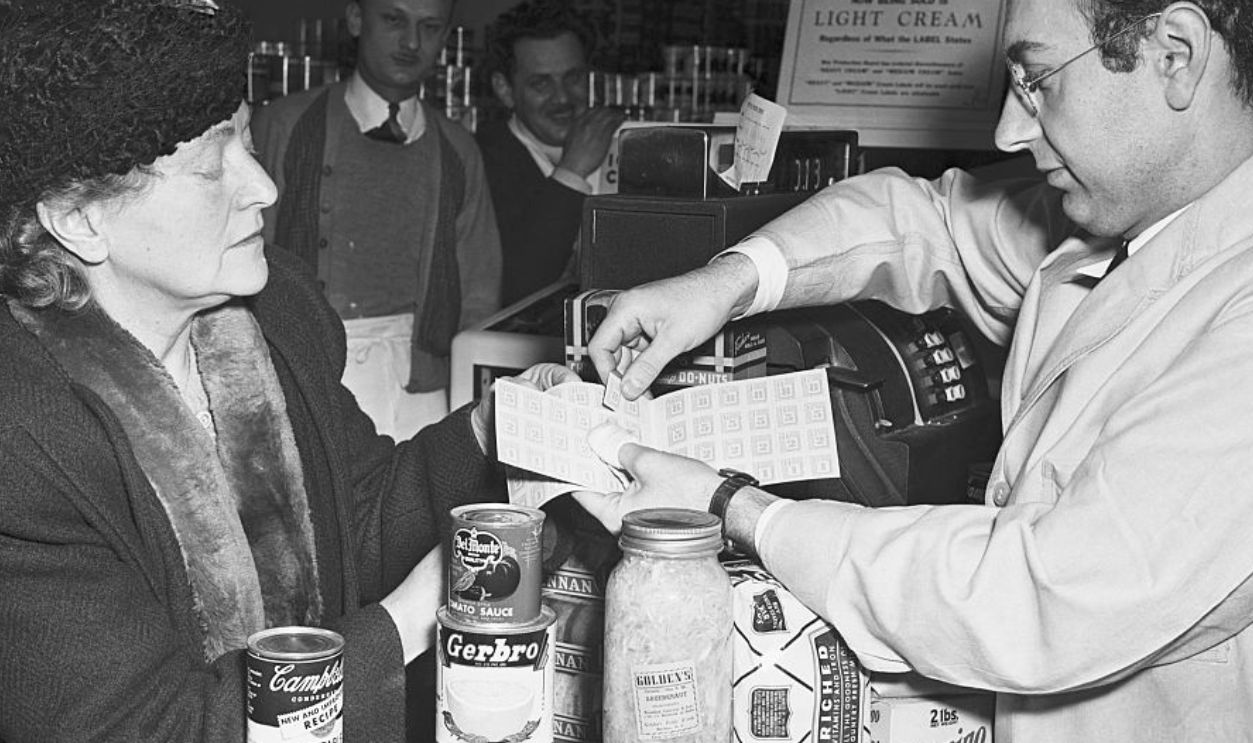
Today's loyalty points accumulate automatically in an account. Trading-stamp customers had to save physical stamps, lick or moisten them, and paste them into booklets. Completed books could then be exchanged for merchandise such as household goods, toys, and bicycles, giving families another way to get items without paying the full cash price.
 Cayobo from Key West, The Conch Republic, Wikimedia Commons
Trading Stamps Started Losing Their Shine
By the early and mid-1970s, many supermarkets were moving away from trading stamps. Retailers increasingly emphasized lower prices, unit pricing, and other promotions instead of giving shoppers stamps with every purchase. For consumers watching their budgets, an immediate price cut could be easier to value than a reward that took months to collect.
Paper Bags Were Still The Familiar Choice
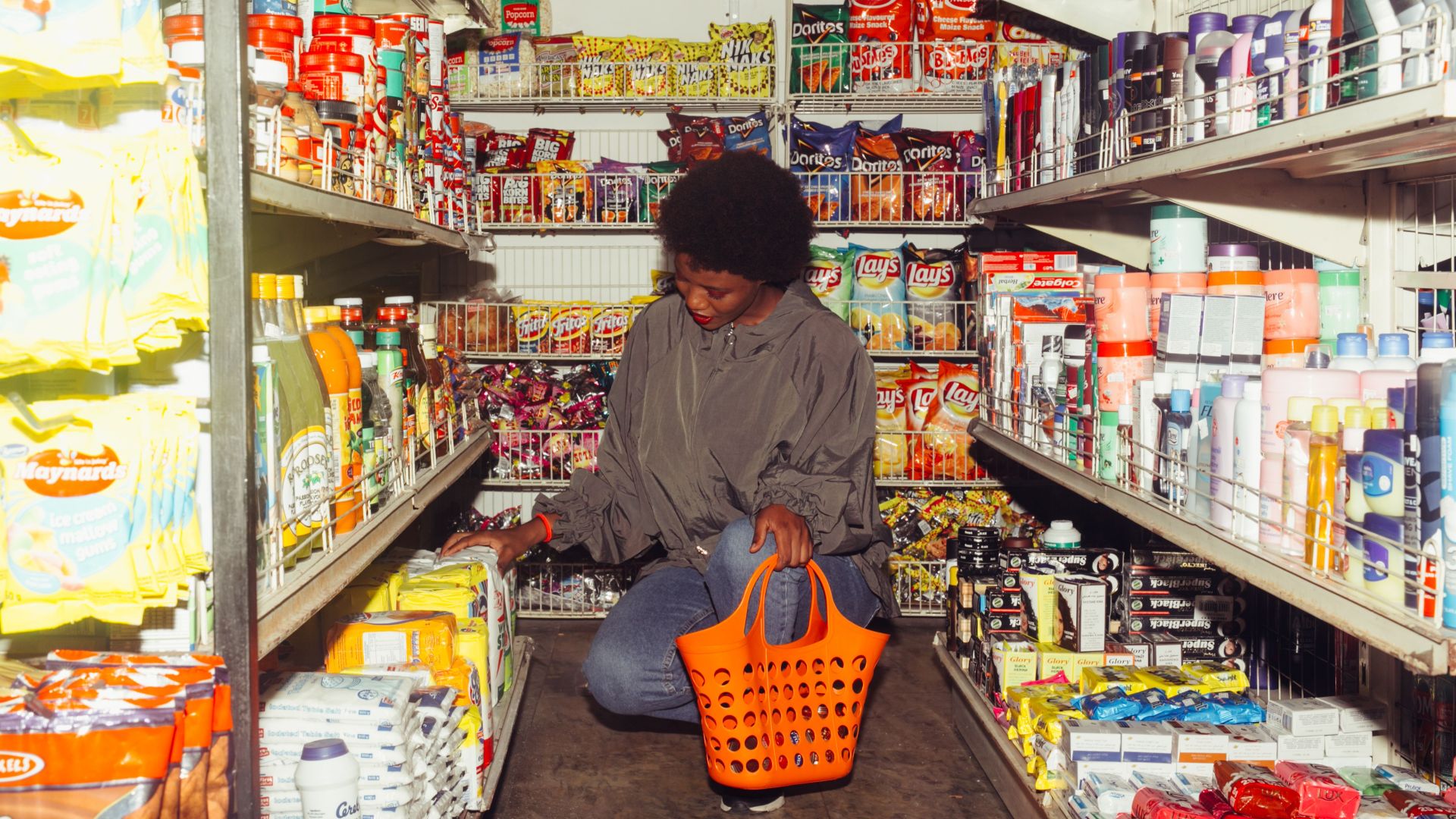
The thin plastic grocery bag had not yet conquered American supermarkets. Plastic shopping bags began spreading more aggressively into the U.S. market around 1979, and major chains including Safeway and Kroger switched to plastic in 1982. Throughout most of the 1970s, bringing groceries home in paper sacks remained far more familiar.

The Catalog Was Your Search Engine
Finding something unusual did not mean typing a few words into a search bar. Retail catalogs let shoppers browse pages of clothing, appliances, furniture, tools, toys, and gifts from home. They also gave families a way to compare prices and plan larger purchases before spending the money.

Ordering From Home Required Patience
Catalog shopping saved a trip to a large store, but it did not provide instant gratification. An order had to travel through a huge processing and distribution system before the merchandise reached the customer or a pickup location. That delay made major purchases considerably less impulsive than today's one-click ordering.

Some Stores Made You Shop From A Catalog
One major retail format barely exists today. Catalog-showroom chains such as Service Merchandise let shoppers examine displays or browse a catalog while much of the actual inventory remained in an attached warehouse. The model helped retailers compete heavily on price while carrying fewer products on the showroom floor.
Then You Filled Out An Order Slip
Choosing something at a catalog showroom was only the first step. Customers could write down an item number, submit an order, pay, and wait while employees retrieved the product from storage. Catalog showrooms became important discounters partly because price-conscious consumers were willing to trade some convenience for savings.
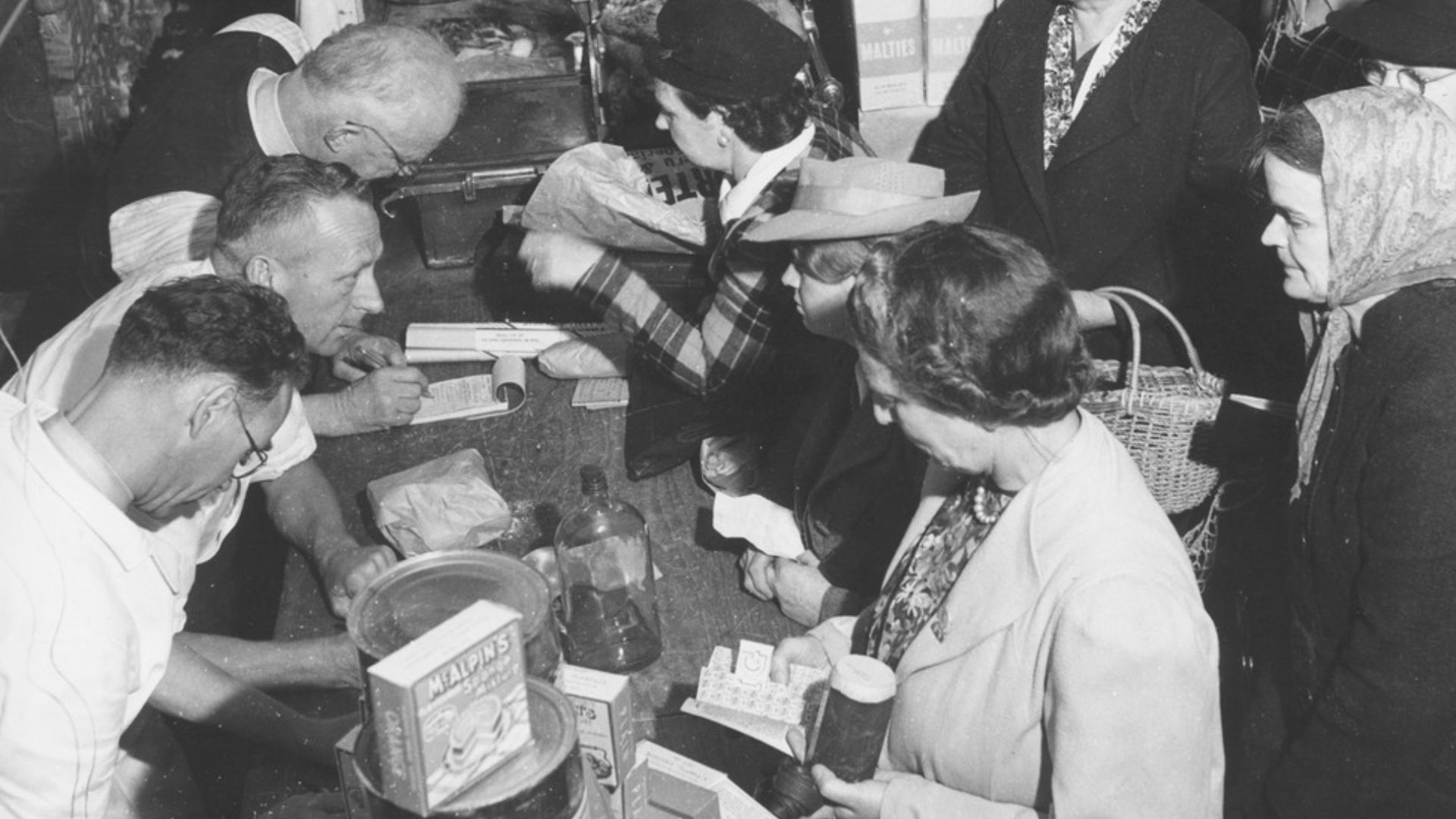 National Library of Australia from Canberra, Australia, Wikimedia Commons
Department Stores Tried To Be Everything
Large department stores had spent decades turning themselves into destinations rather than simple shops, and many continued offering an extraordinary range of services. Depending on the store, shoppers could find restaurants, pharmacies, delivery services, specialty departments, and other amenities under one roof. The goal was not only to attract shoppers, but to keep them spending once they arrived.
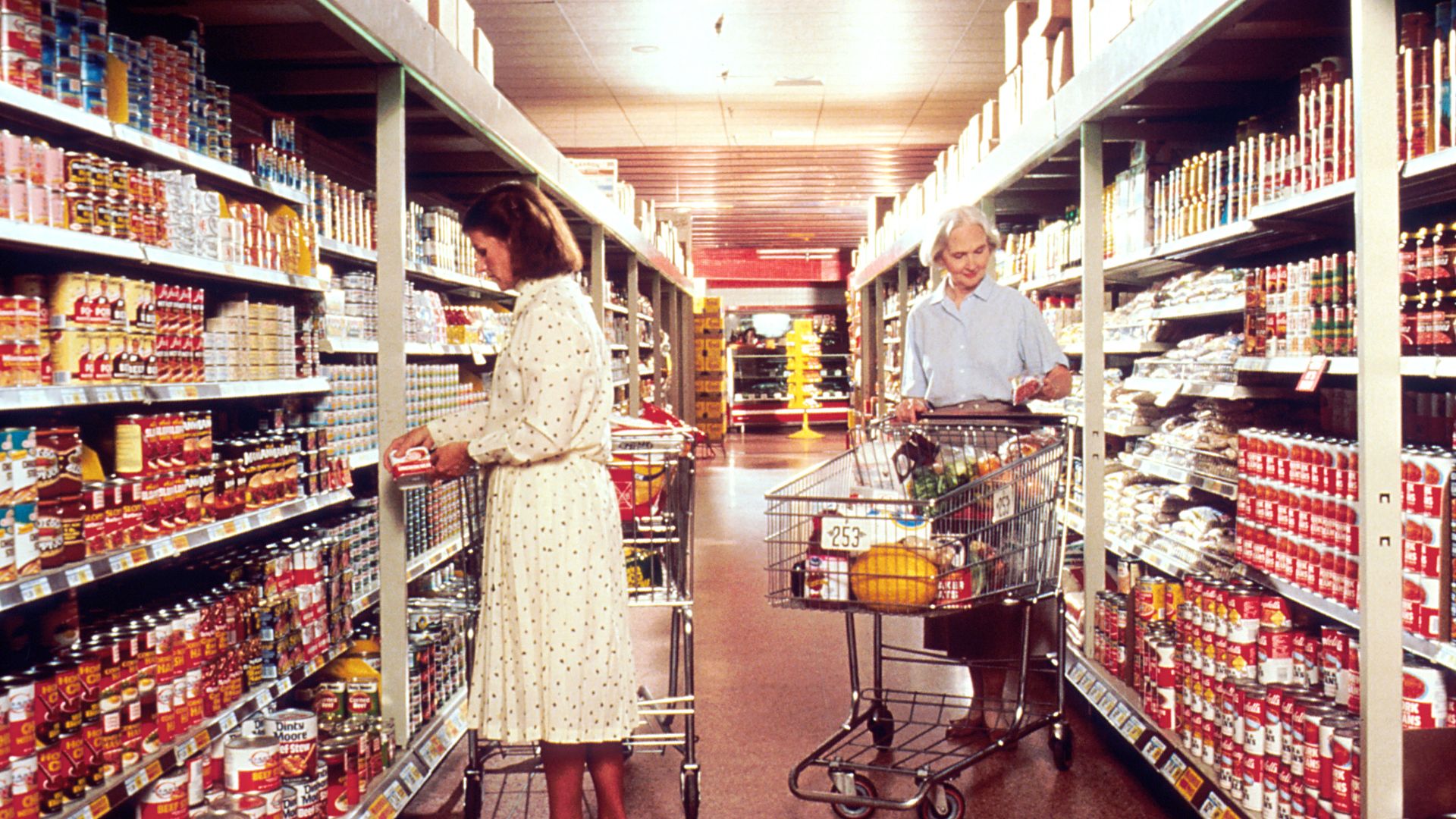 Bill Branson (Photographer), Wikimedia Commons
Lunch Could Be Part Of The Shopping Trip
Going shopping could also be a social outing. Department stores had long operated restaurants and dining rooms, while some hosted exhibitions, demonstrations, lectures, and other events. The longer shoppers stayed, the more opportunities retailers had to turn an afternoon out into additional purchases.
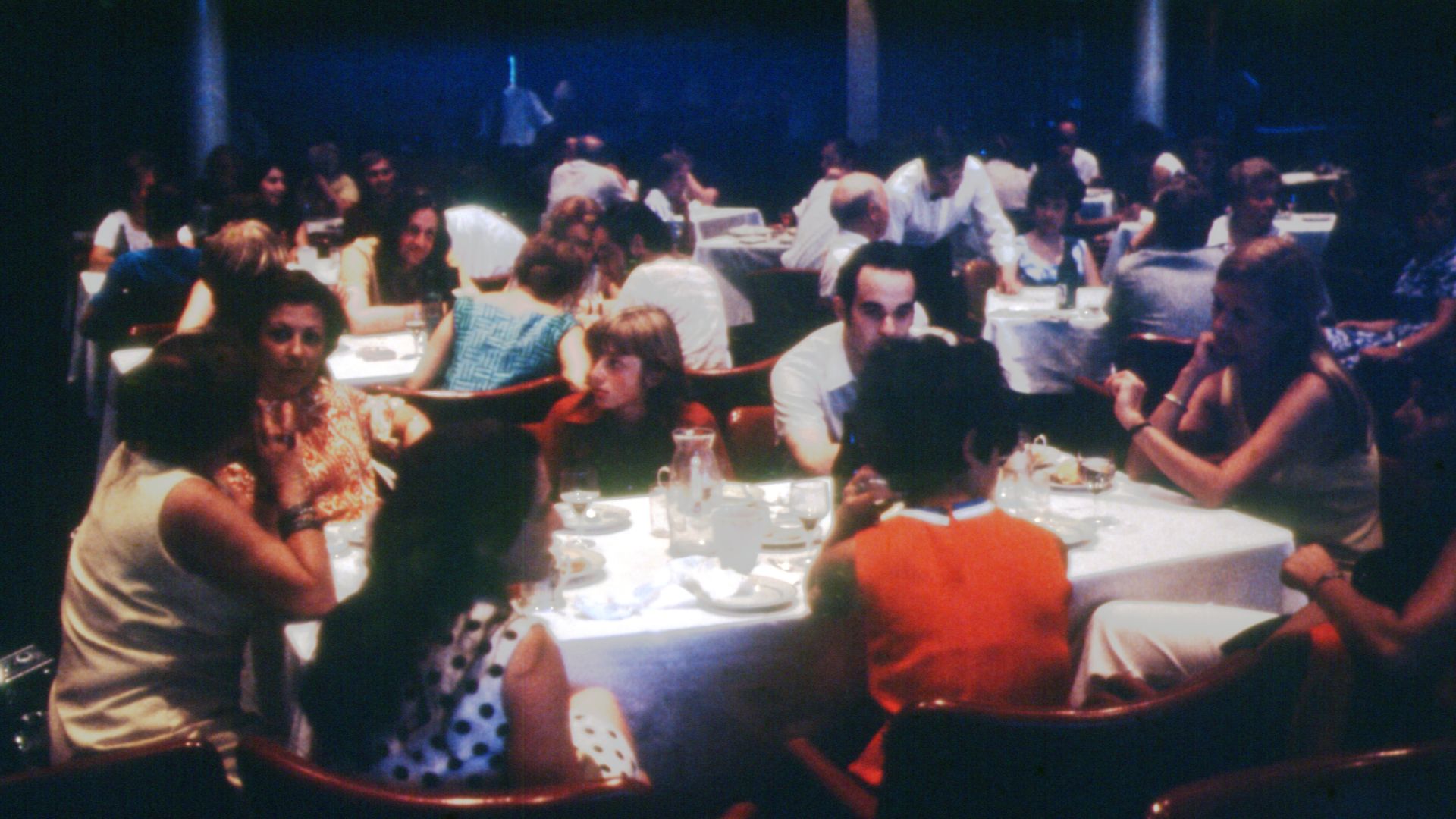 Thomas Taylor Hammond (1920-1993), Wikimedia Commons
Downtown Shopping Was Losing Its Grip
Major downtown department stores had dominated shopping in many American cities for generations. After World War II, suburban expansion and increasing automobile ownership steadily pulled consumers toward shopping centers outside traditional downtown districts. The shift redirected billions of dollars in household spending toward an entirely different retail landscape.
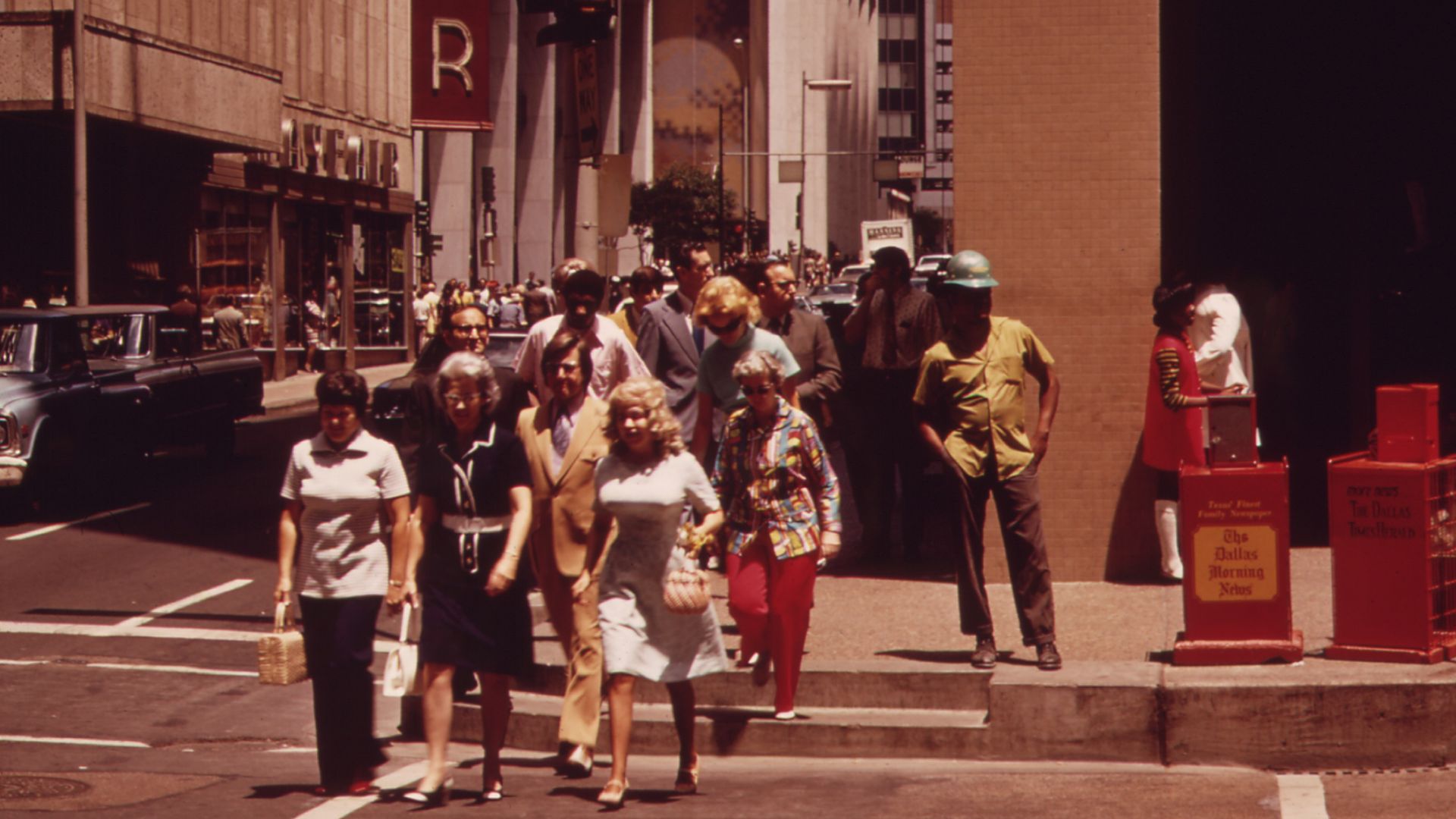 Smith, Bob, Photographer (NARA record: 8464481), Wikimedia Commons
The Mall Was Becoming The New Main Street
Enclosed malls gave suburban shoppers dozens of stores in one climate-controlled building surrounded by parking. Mall development accelerated across the United States during the 1970s as retailers followed families and their spending power into the suburbs. Increasingly, the mall became a place to shop, eat, meet friends, and spend an afternoon.
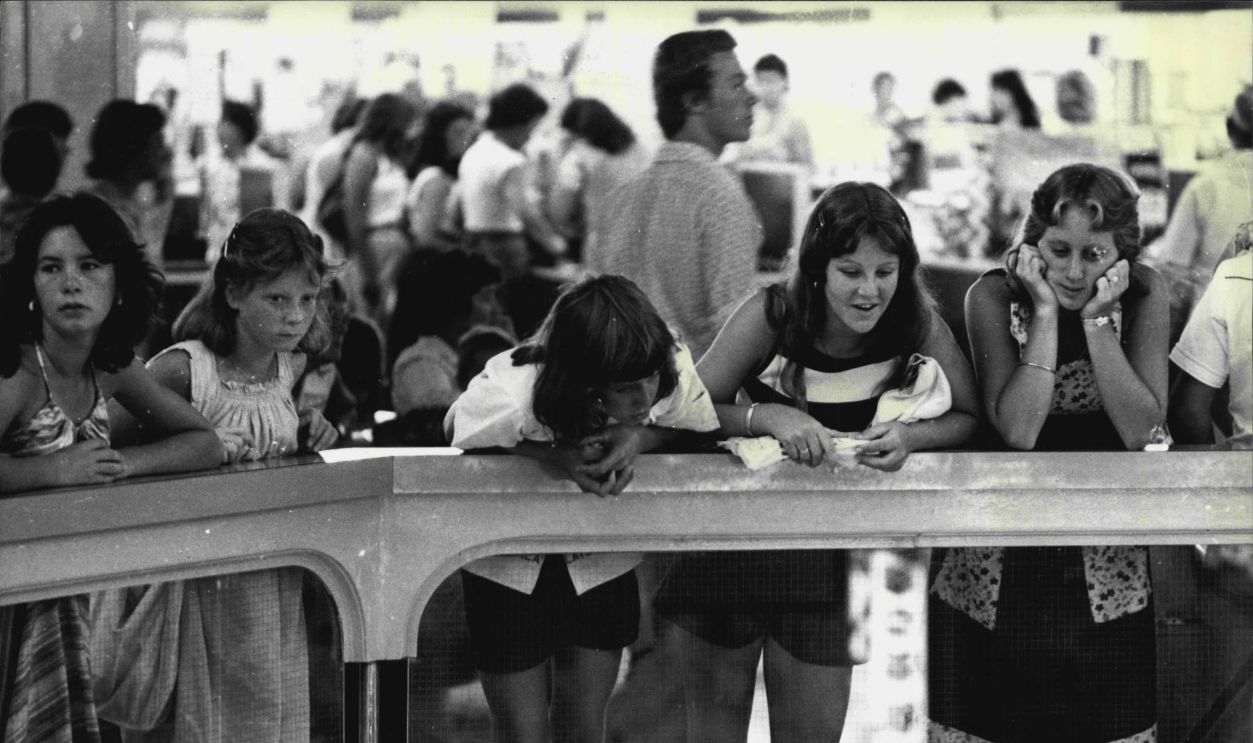 Fairfax Media Archives, Getty Images
Huge Department Stores Anchored The Mall
The typical mall was built around enormous anchor stores designed to draw shoppers through the entire complex. Sears and JCPenney became familiar fixtures at suburban malls, alongside other major chains. Sears, JCPenney, and Montgomery Ward together accounted for 43% of U.S. department-store sales in 1975, showing how concentrated retail spending had become.
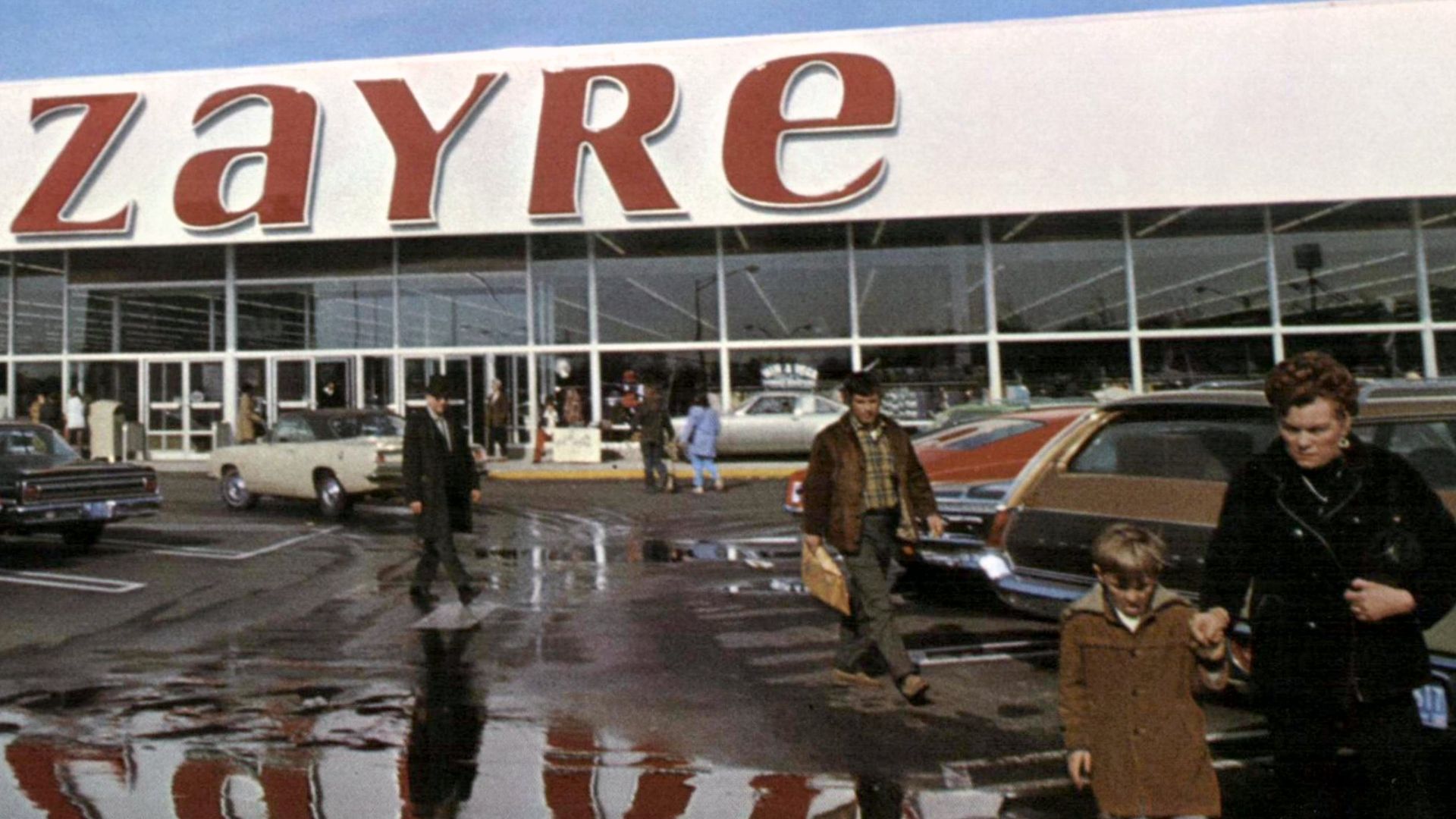 Click Americana, Wikimedia Commons
Discount Stores Were Shaking Things Up
Traditional department stores were already facing another challenge. Discount retailers expanded rapidly as inflation and tighter household budgets made lower prices increasingly attractive. Kmart, Zayre, Ames, Bradlees, and the still-growing Walmart were among the chains competing for shoppers who wanted their money to go further.
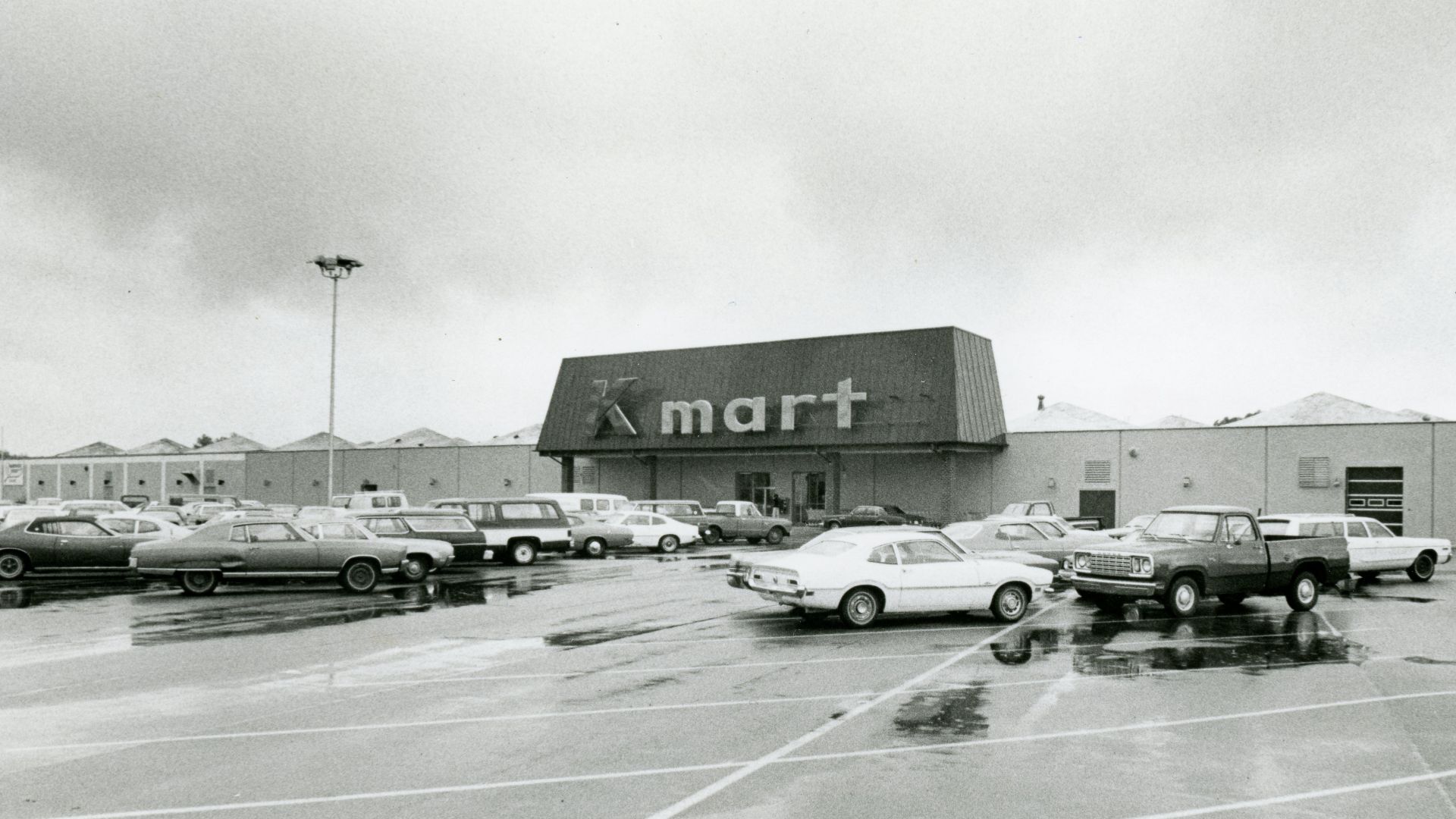 Phillip Pessar, Wikimedia Commons
Plain White Packages Became A Bargain Trend
Inflation-conscious shoppers encountered a striking new supermarket trend late in the decade: products deliberately sold without familiar national branding. Chains introduced generic or "no-frills" goods in stark, simple packaging, often emphasizing the product name rather than colorful advertising. By 1978, dozens of supermarket chains were experimenting with generic merchandise as consumers searched for cheaper options.
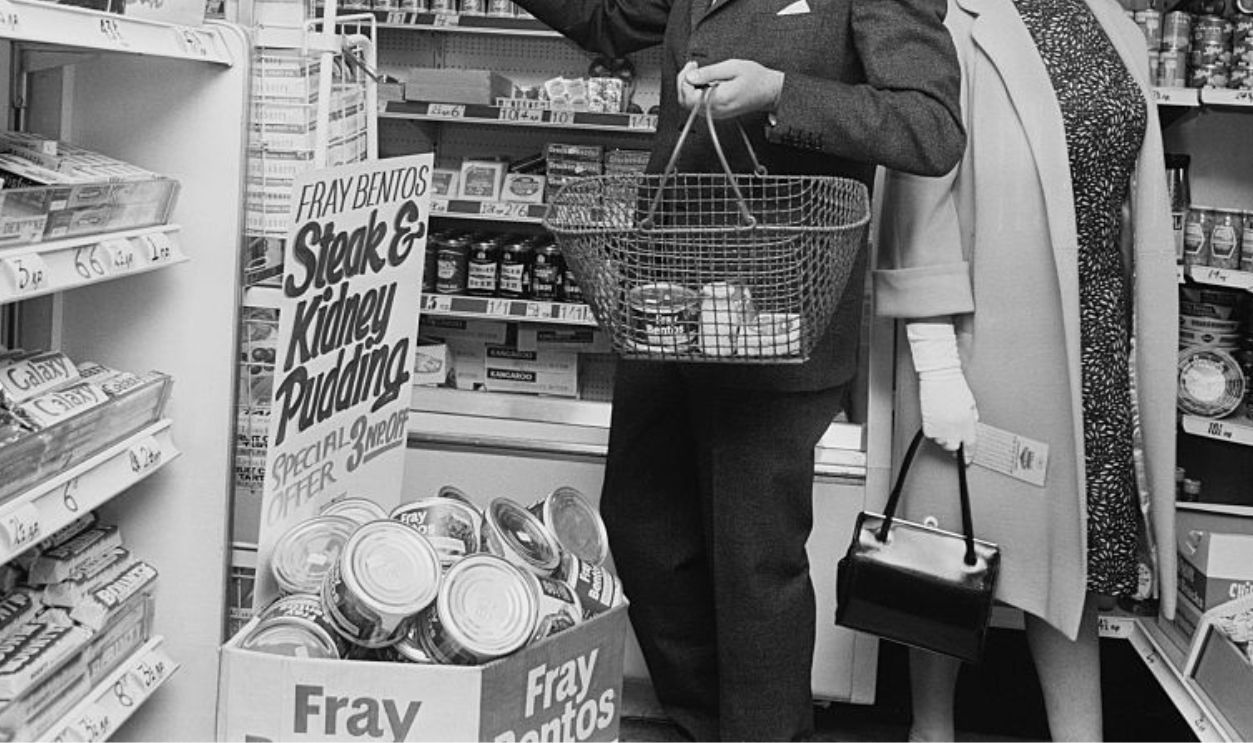
Shopping Was Changing Right In Front Of People
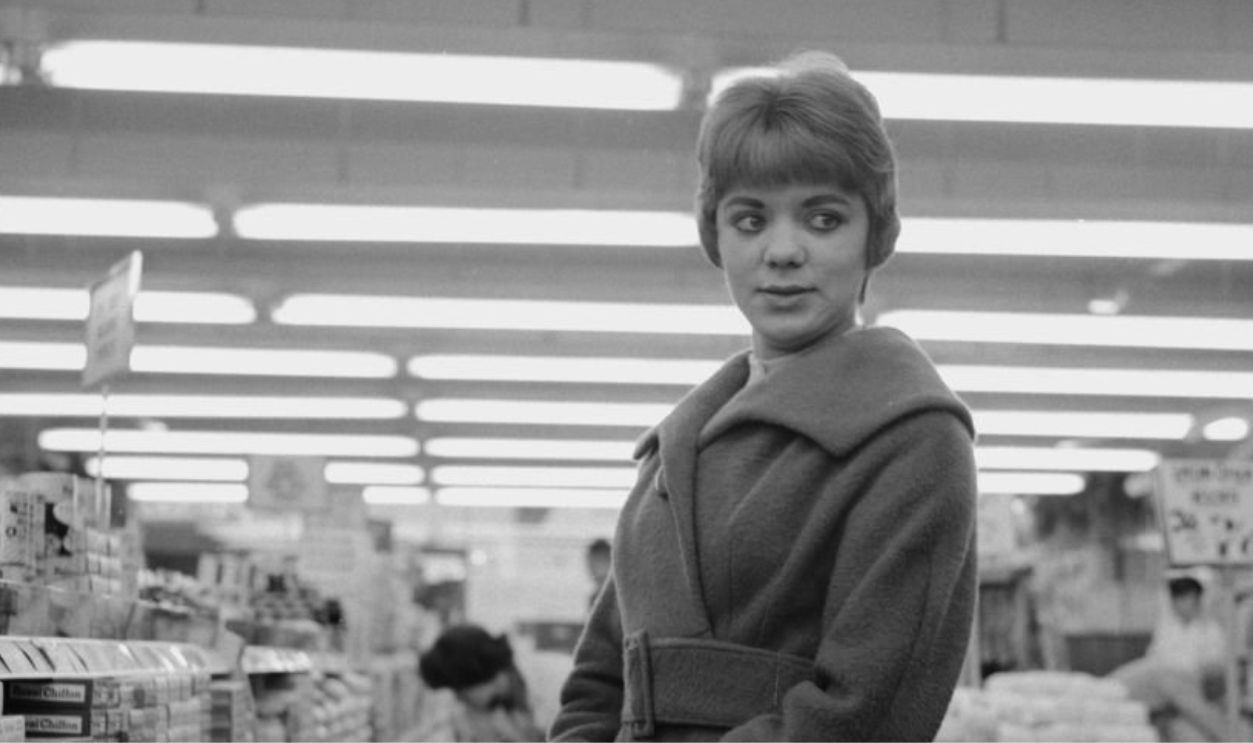
The 1970s sat between two very different retail worlds. Shoppers were writing checks, clipping coupons, collecting stamps, using layaway, and searching for bargains while credit cards, discount chains, electronic payments, and suburban malls were reshaping how Americans spent money. Many of today's financial habits grew out of changes that were only beginning to take hold then.
 Evening Standard, Getty Images
You May Also Like:
Store-Brand Swaps That Actually Save Money On Groceries—And Ones That Don’t
Grocery Store Freebies From The 1970s And 80s That Shoppers Would Love To Get Back