So That’s Where The Money Went
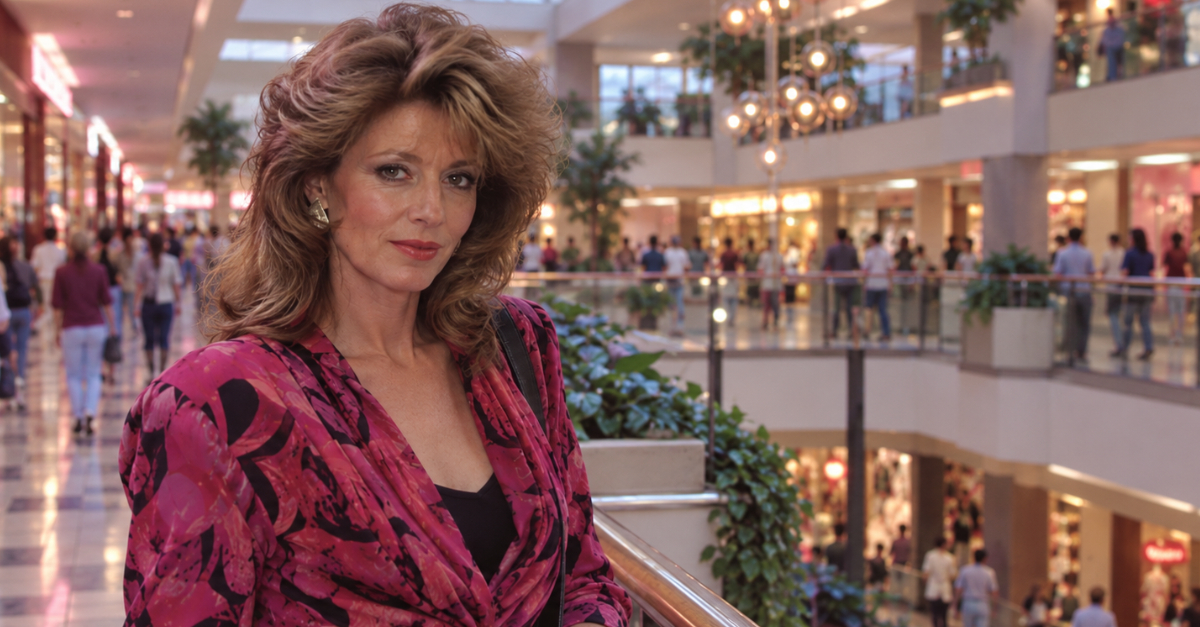
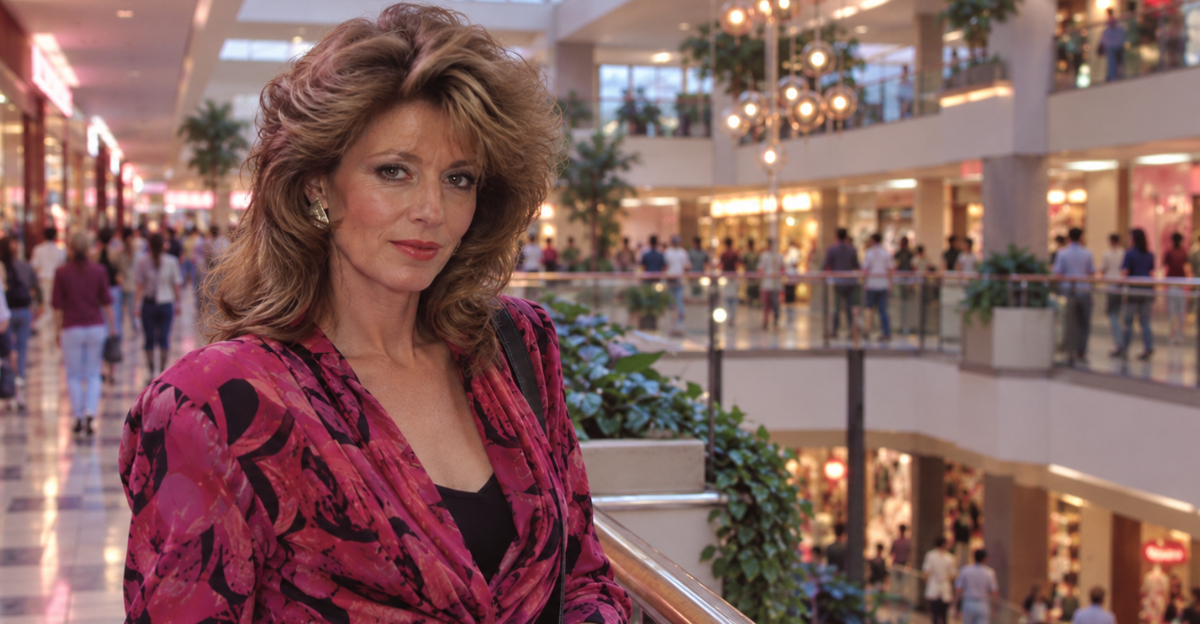
You walked into the mall with money in your pocket and no plans to spend all of it. A few hours later, the money was gone, and somehow you needed to go back next weekend. These stores had a lot to do with that. How many do you remember?
Musicland
Musicland was another place where “just looking” could turn into buying a cassette you hadn’t planned on getting. It shared a corporate family with Sam Goody, although shoppers often knew them as separate mall fixtures. The company began phasing out the Musicland store name in favor of Sam Goody in 1997.
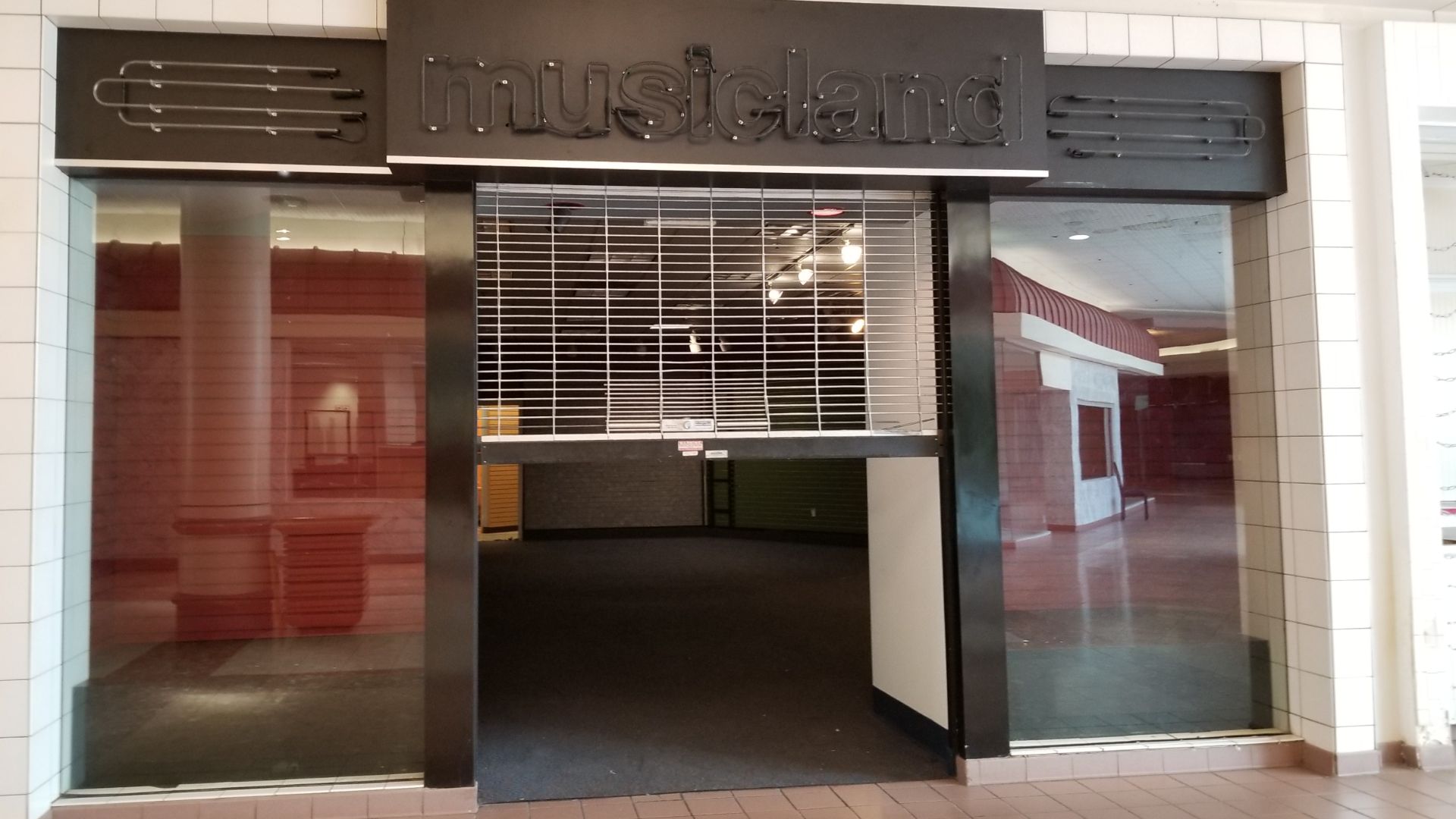 MikeKalasnik, Wikimedia Commons
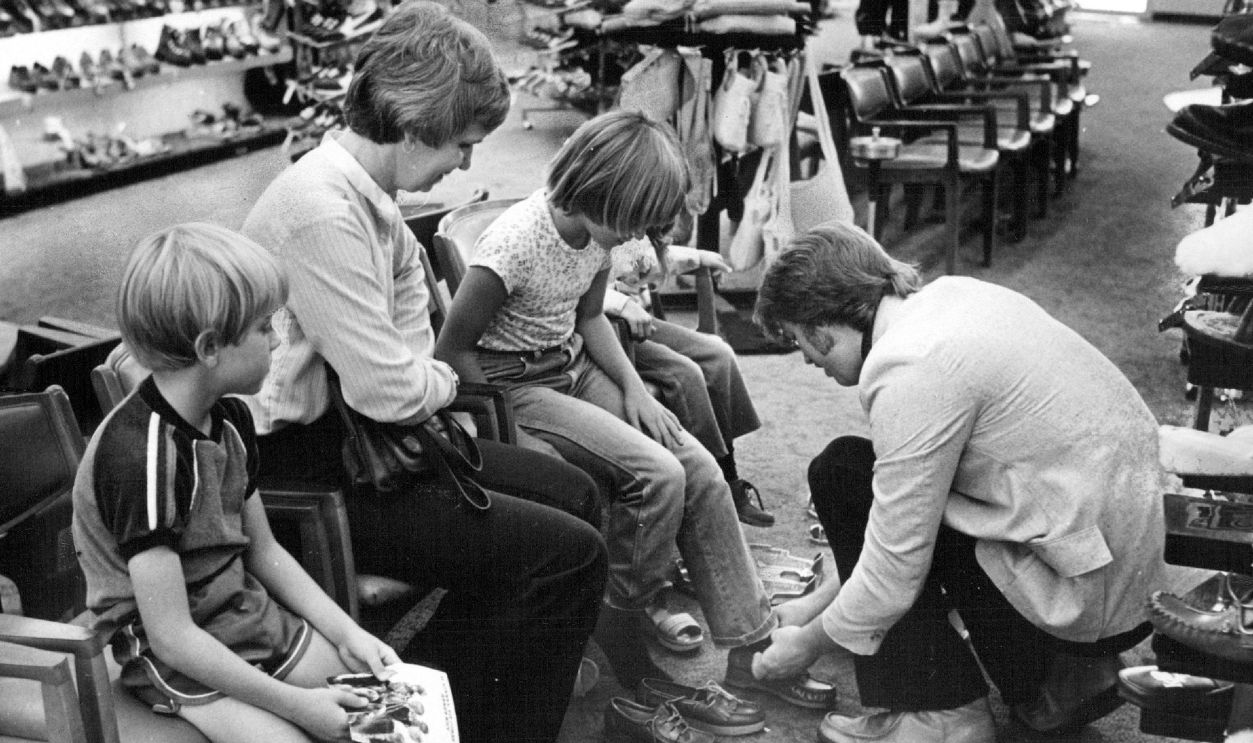
Kinney Shoes
Kinney Shoes was a familiar stop for families looking for reasonably priced footwear. You sat down, had your feet measured and hoped the pair you liked would fit—and meet the budget. In 1998, its parent company announced plans to close the remaining 467 Kinney stores.
The Nature Company
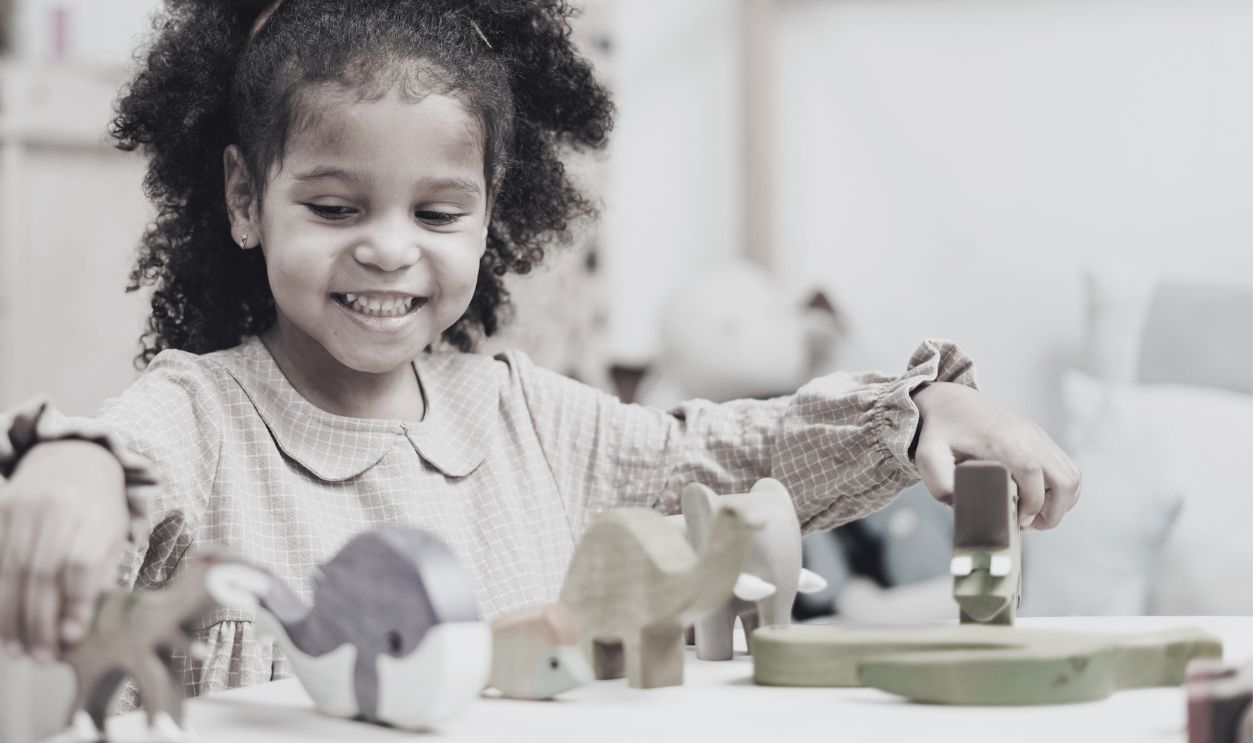
The Nature Company made fossils, minerals and scientific toys look like perfectly reasonable things to spend your money on. Founded in 1972, it expanded beyond its California roots during the 80s. You might not have needed anything when you walked in, but those shelves could quickly change your mind.
Kay-Bee Toys
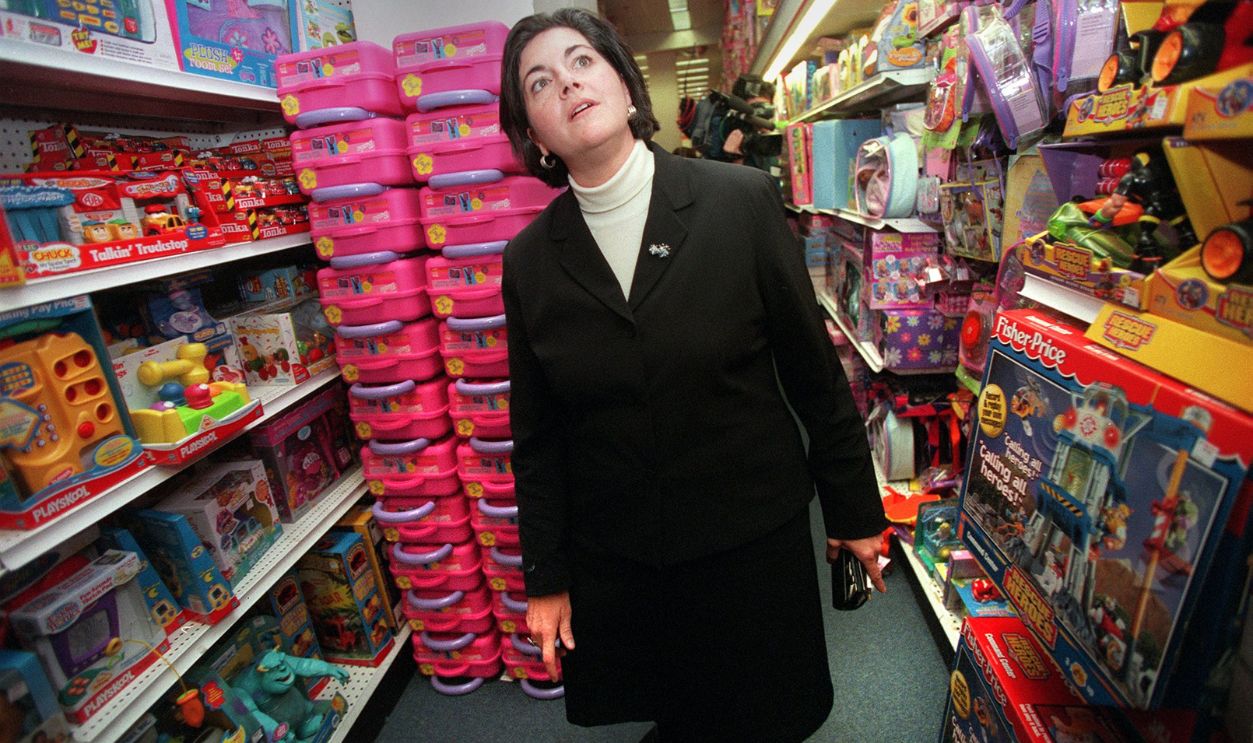
Kay-Bee packed an impressive amount of temptation into a relatively small mall store. Action figures, dolls, toy cars and board games competed for whatever money you had left. The original chain finished closing its stores in 2009, but plenty of former customers can still picture those crowded aisles.
Chess King
Despite the name, Chess King was not where you went for a new chessboard. It sold young men the clothes they hoped would get them noticed. By 1984, the chain had more than 500 stores. Apparently, a lot of teenage boys were willing to pay for that possibility.
Merry-Go-Round
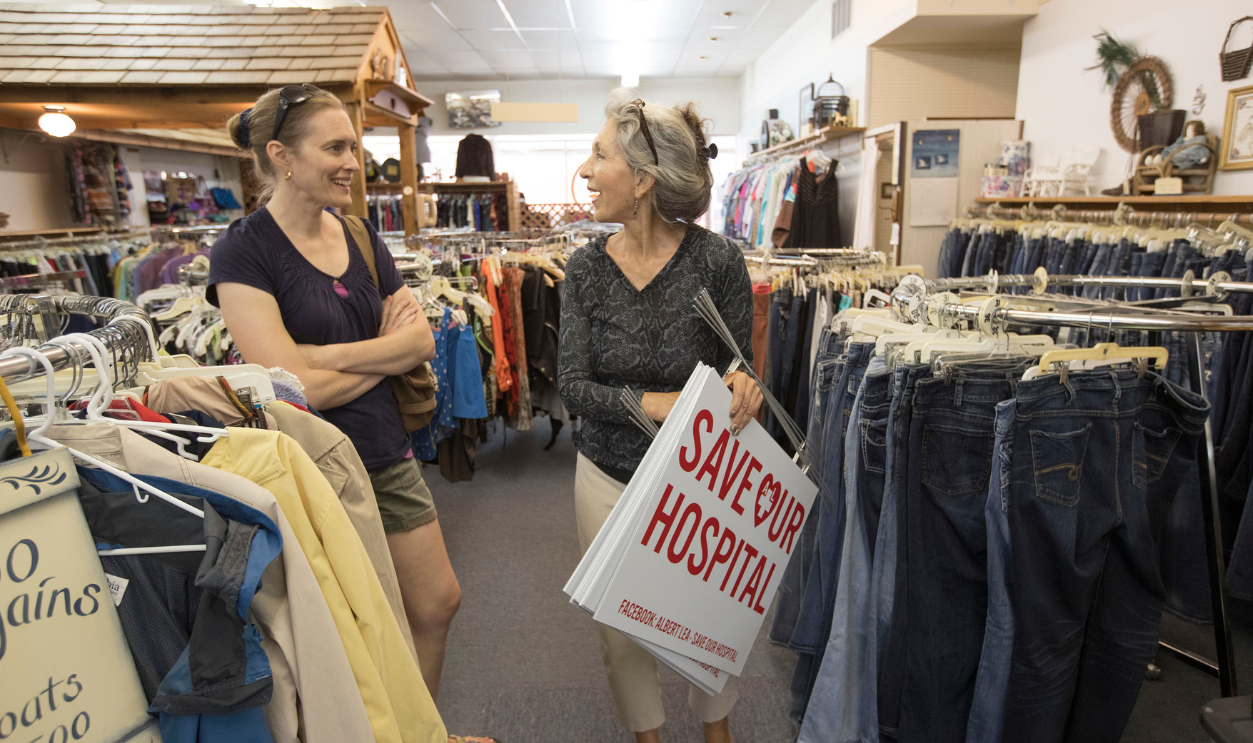
Merry-Go-Round understood that teenagers wanted whatever was fashionable right now, even if their parents thought it looked ridiculous. Its trend-driven clothes helped make it a mall favorite during the 80s. The company filed for bankruptcy in 1994 and began liquidating in 1996.
 Star Tribune via Getty Images, Getty Images
Camelot Music
Depending on where you grew up, Camelot might have been your mall’s essential music stop. The chain had a particularly strong presence in the Midwest and Southeast, selling records, tapes and later CDs. Choosing what to buy could take an entire visit. Nobody wanted to waste their money on the wrong album.
Afterthoughts
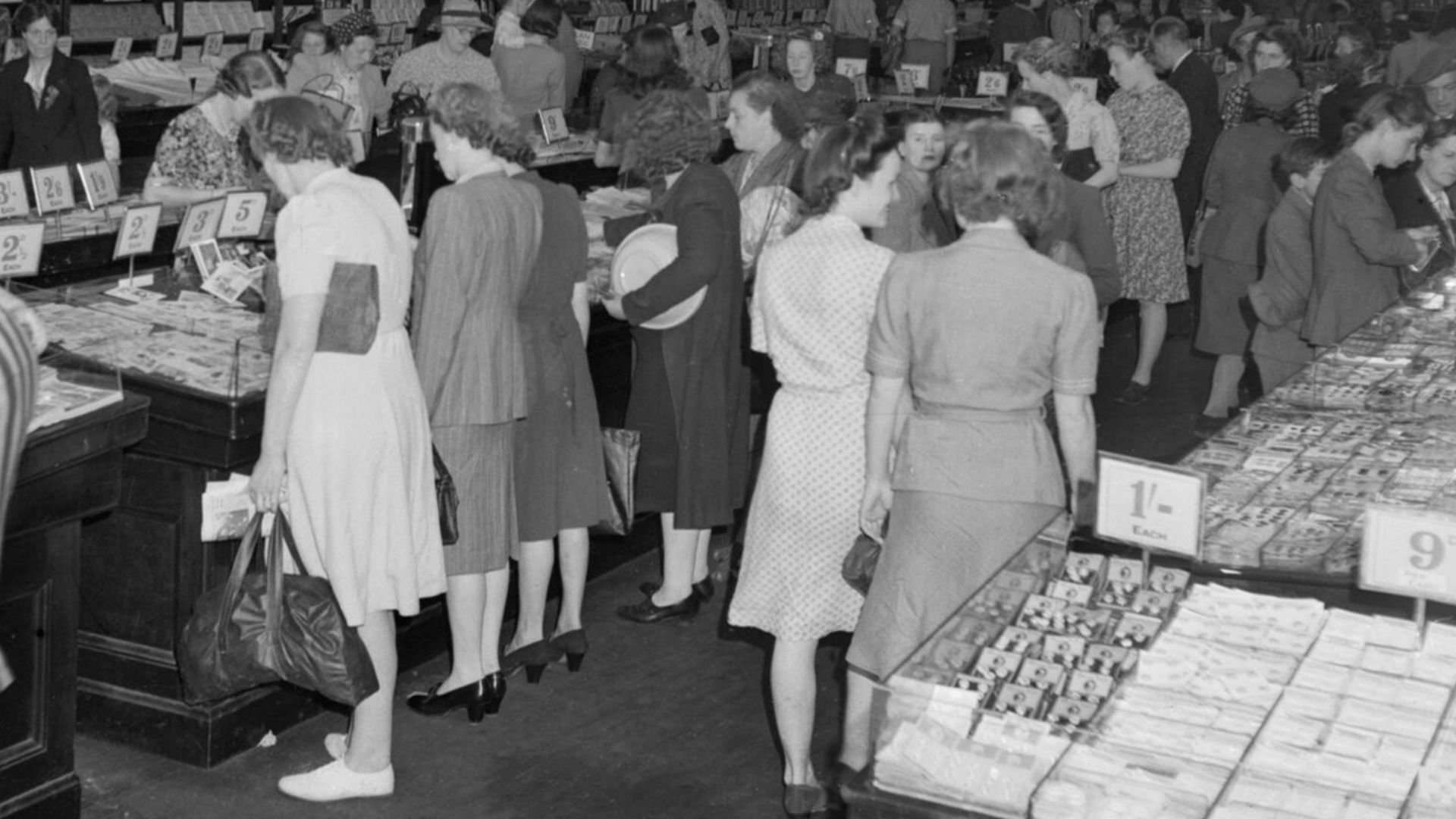
Afterthoughts sold the little extras that somehow became the whole reason for going shopping: earrings, necklaces and hair accessories. Individual purchases seemed affordable enough. Several purchases were another story. Claire’s acquired the chain in 1999, and the Afterthoughts name was dropped in 2002.
 Ministry of Information Photo Division Photographer, Wikimedia Commons
Circus World
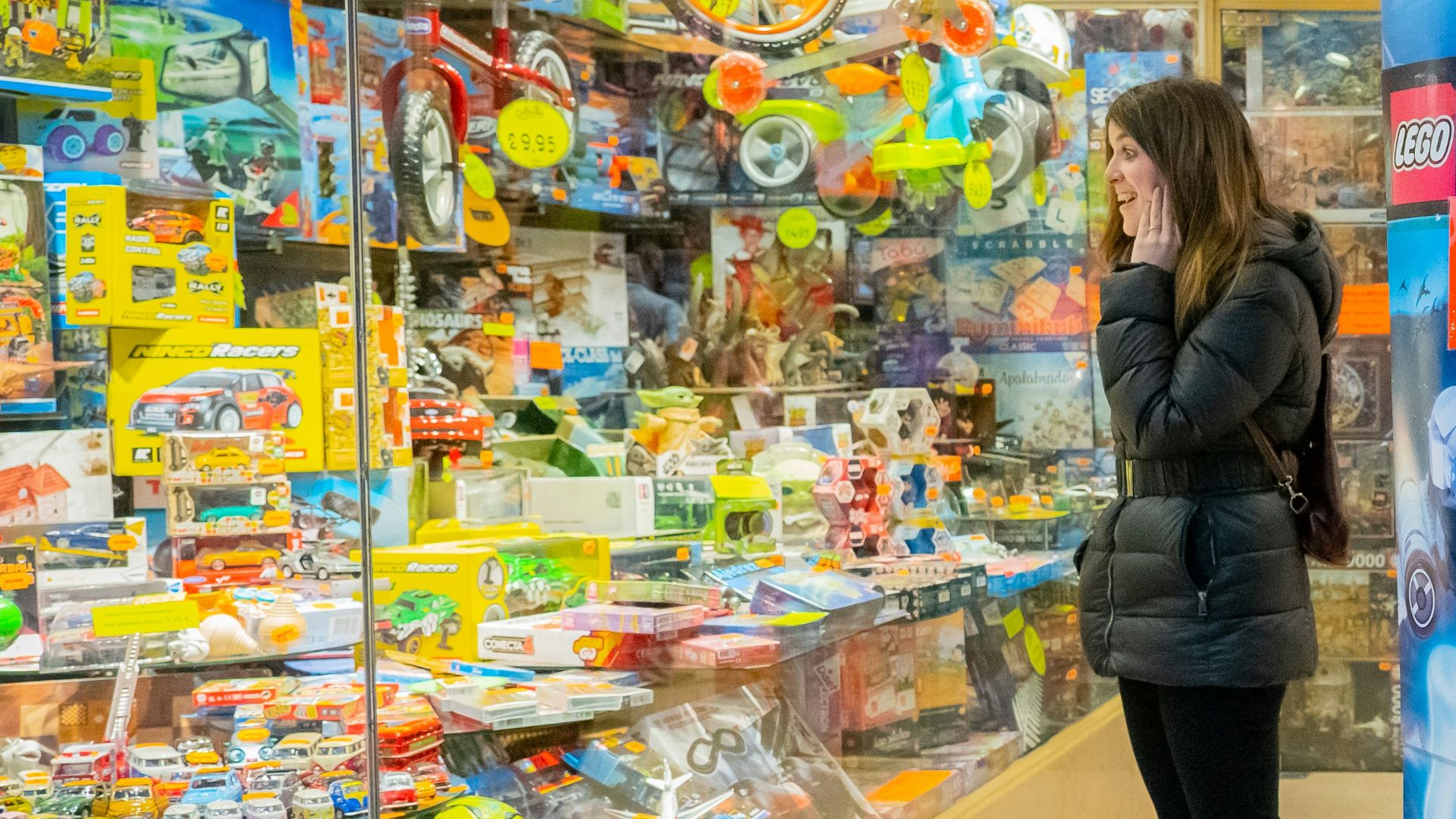
Some malls had Kay-Bee. Others had Circus World, another toy store perfectly positioned to interrupt any shopping trip that was supposedly about buying school clothes. In 1990, its 330 stores were purchased by Kay-Bee’s parent company. Two familiar destinations for your allowance were becoming part of the same business.
 Victoriano Izquierdo, Unsplash
County Seat
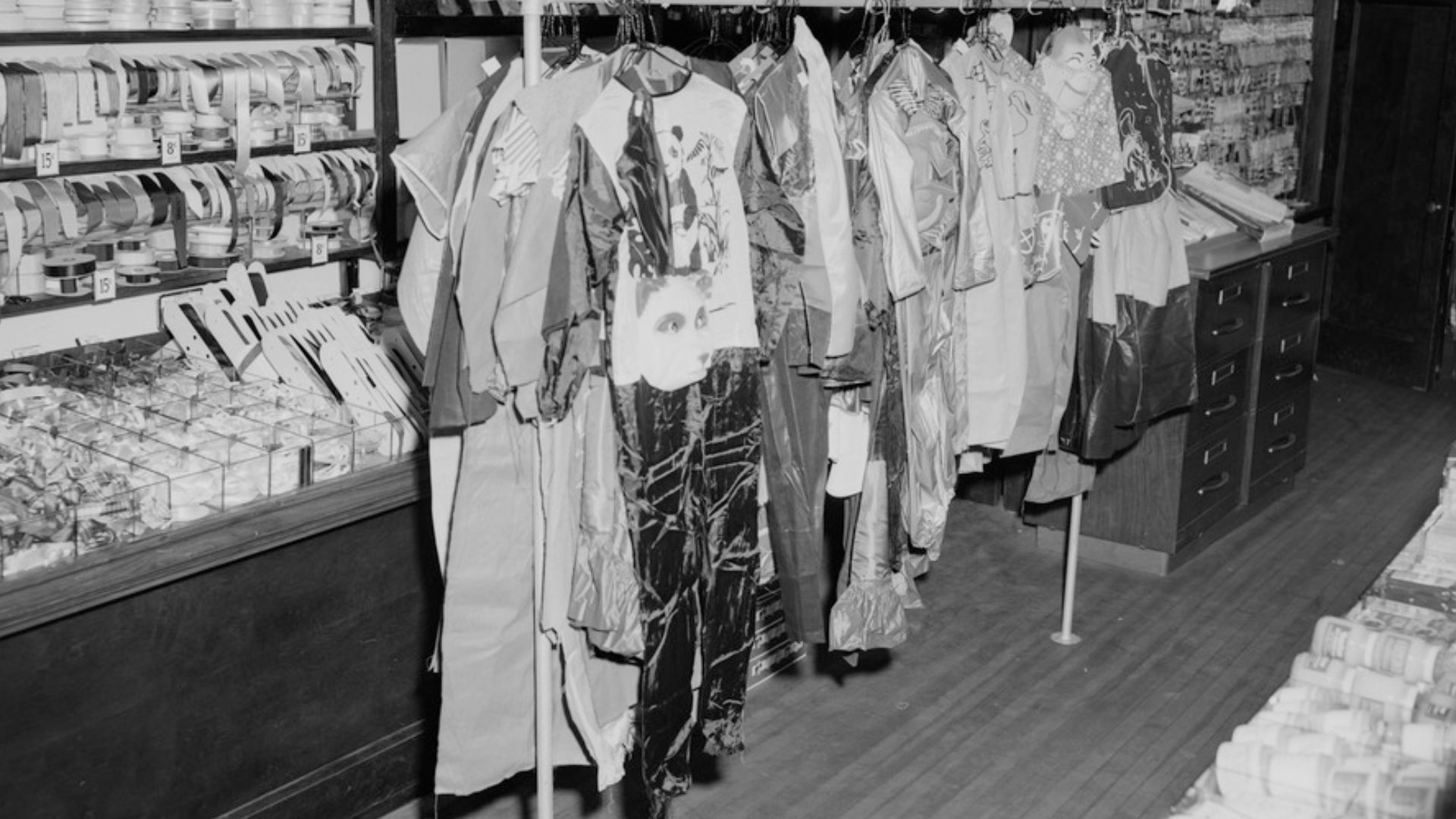
County Seat made jeans and casual clothes its specialty, which was a pretty sensible business plan when teenagers practically lived in denim. During the 80s, the chain sharpened its focus on high school shoppers. These were the clothes you wanted to choose yourself, preferably without too much parental commentary.
 Abdalian, Leon H., 1884-1967, Wikimedia Commons
Babbage’s
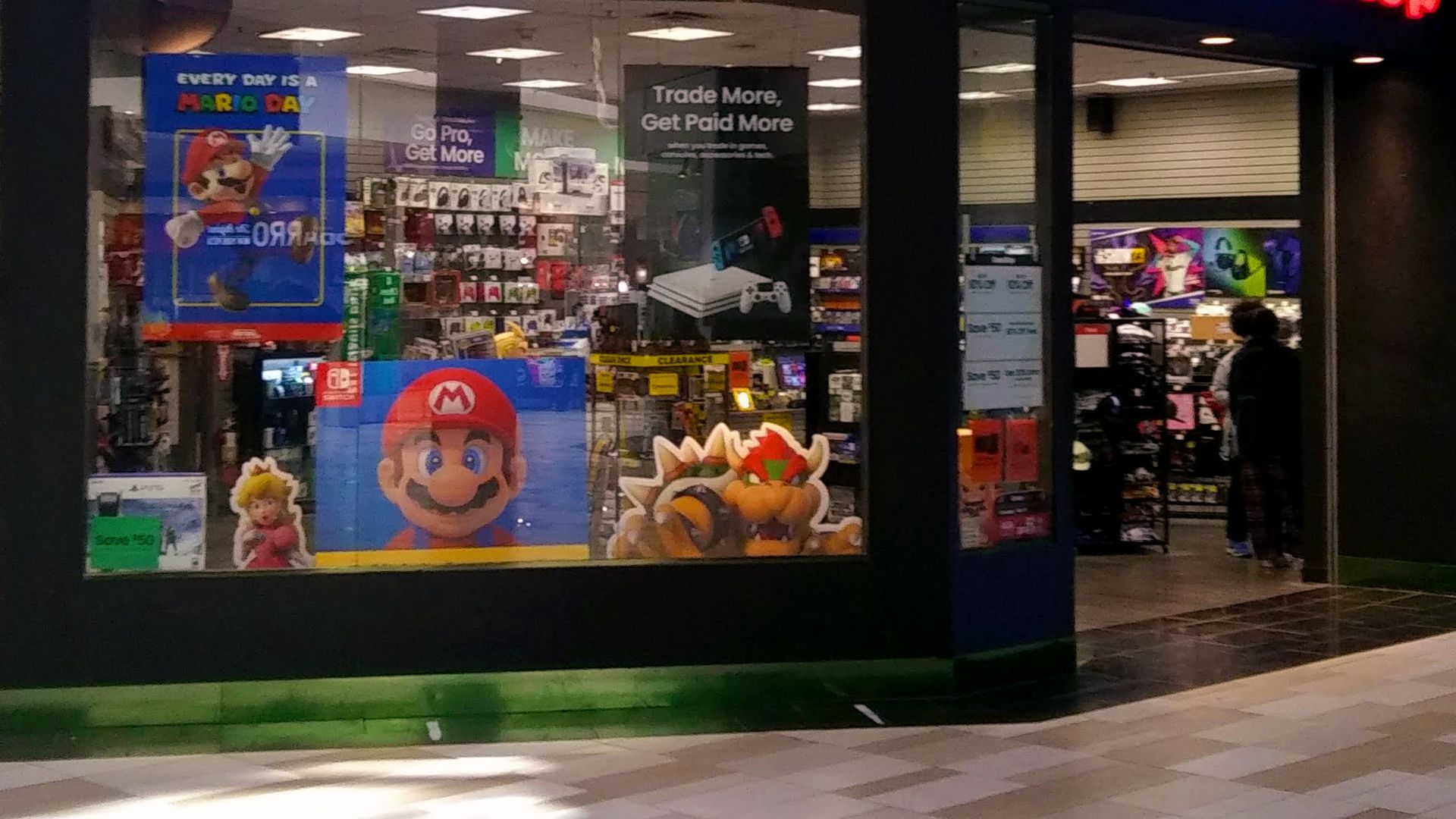
Babbage’s opened in Dallas in 1984 and became a familiar stop for computer software and video games. Long before downloading games became the usual routine, you stood in a store studying the box. Those screenshots had a lot of influence over what happened to your savings.
 Daniel Case, Wikimedia Commons
Foxmoor Casuals
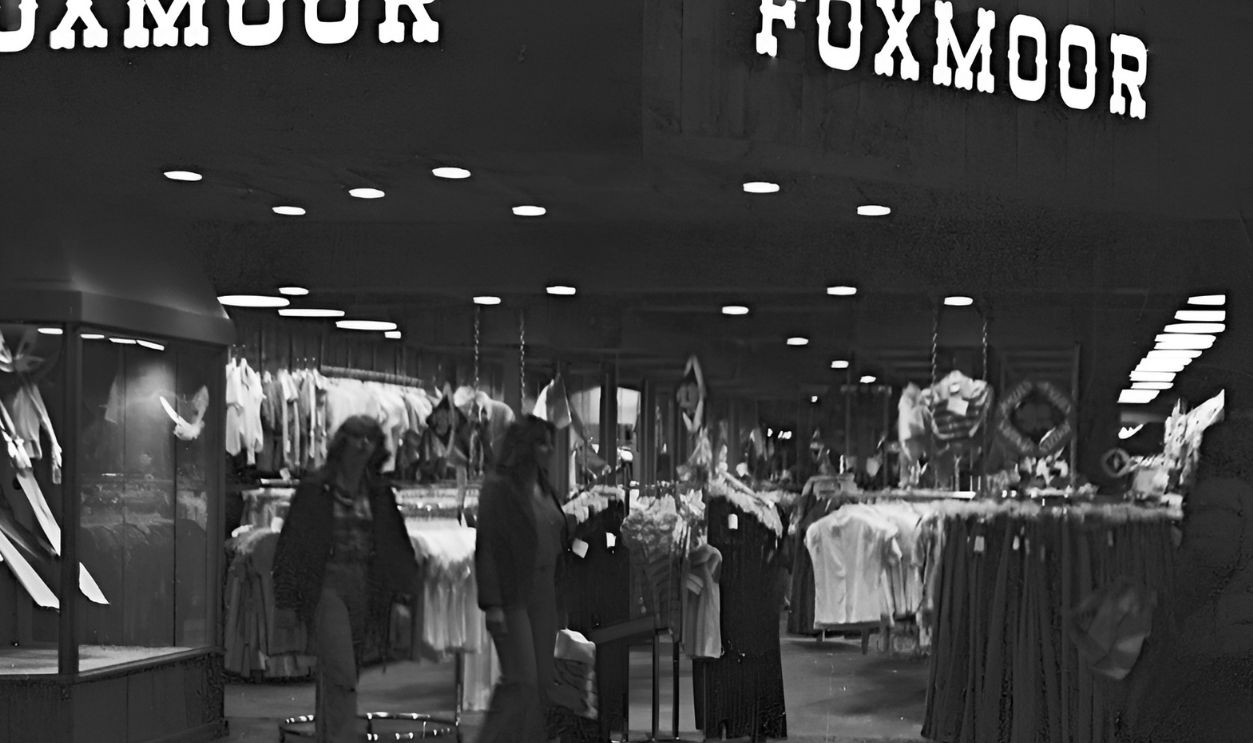
Foxmoor Casuals sold women’s clothing in hundreds of mall locations during the 80s. It was another place to browse for a new outfit when the clothes already in your closet apparently weren’t going to do. The name has faded, but plenty of shoppers once knew exactly where to find it.
 Downtowngal, CC BY-SA 4.0, Wikimedia Commons, Enhanced
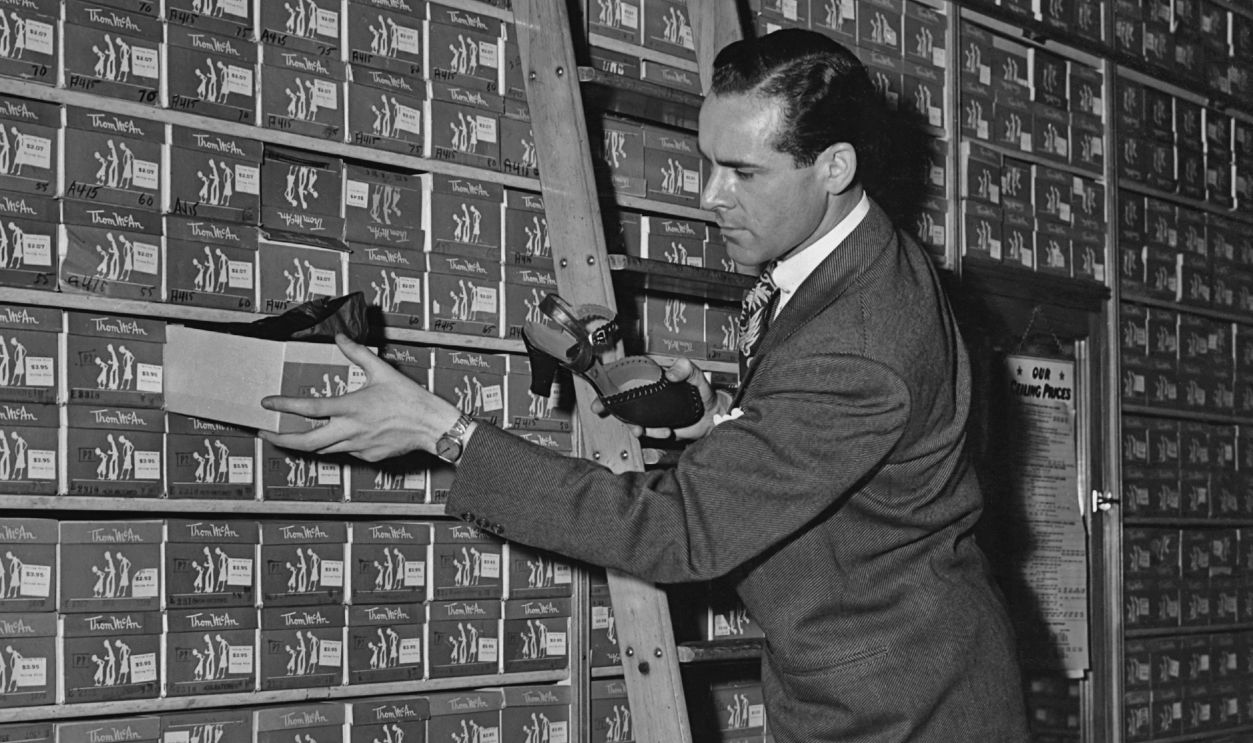
Thom McAn
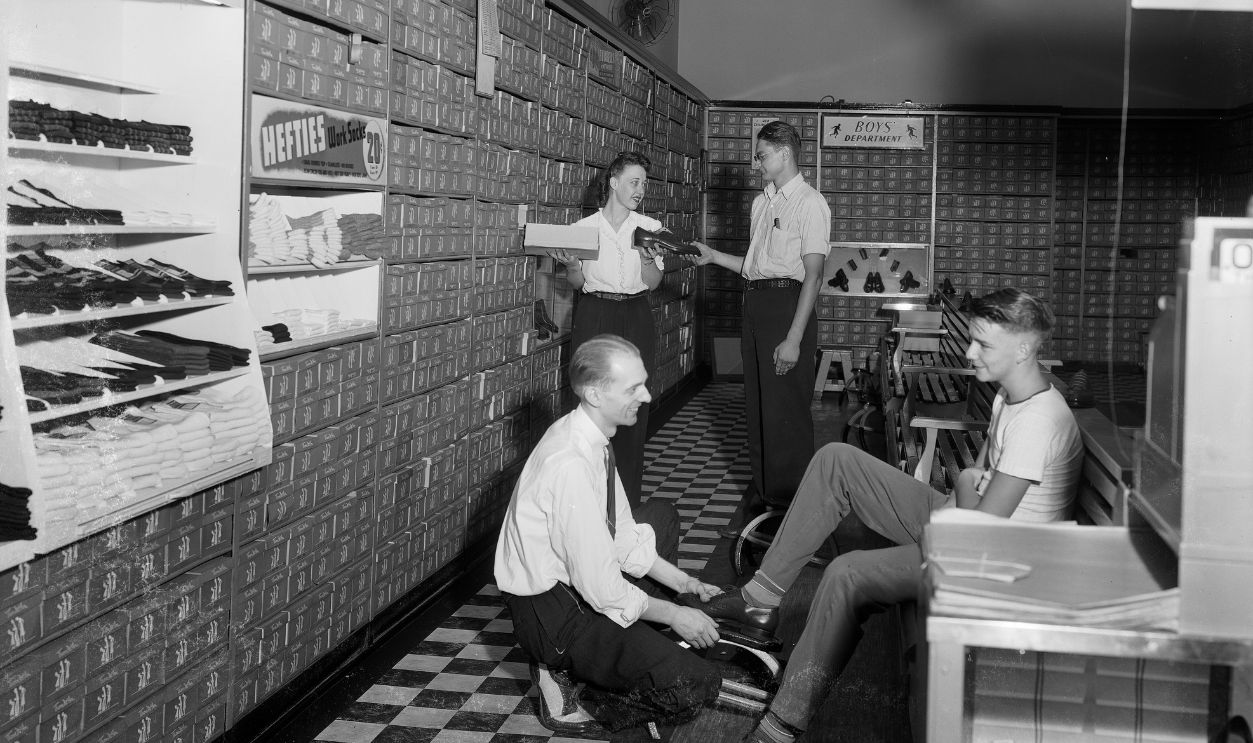
Thom McAn sold moderately priced shoes in malls across the country, giving families another place to spend money on feet that refused to stop growing. In 1996, its parent announced that the remaining stores would close or become Footaction by mid-1997. The shoes continued elsewhere, but the familiar stores disappeared.
 Wisconsin Historical Society, Getty Images
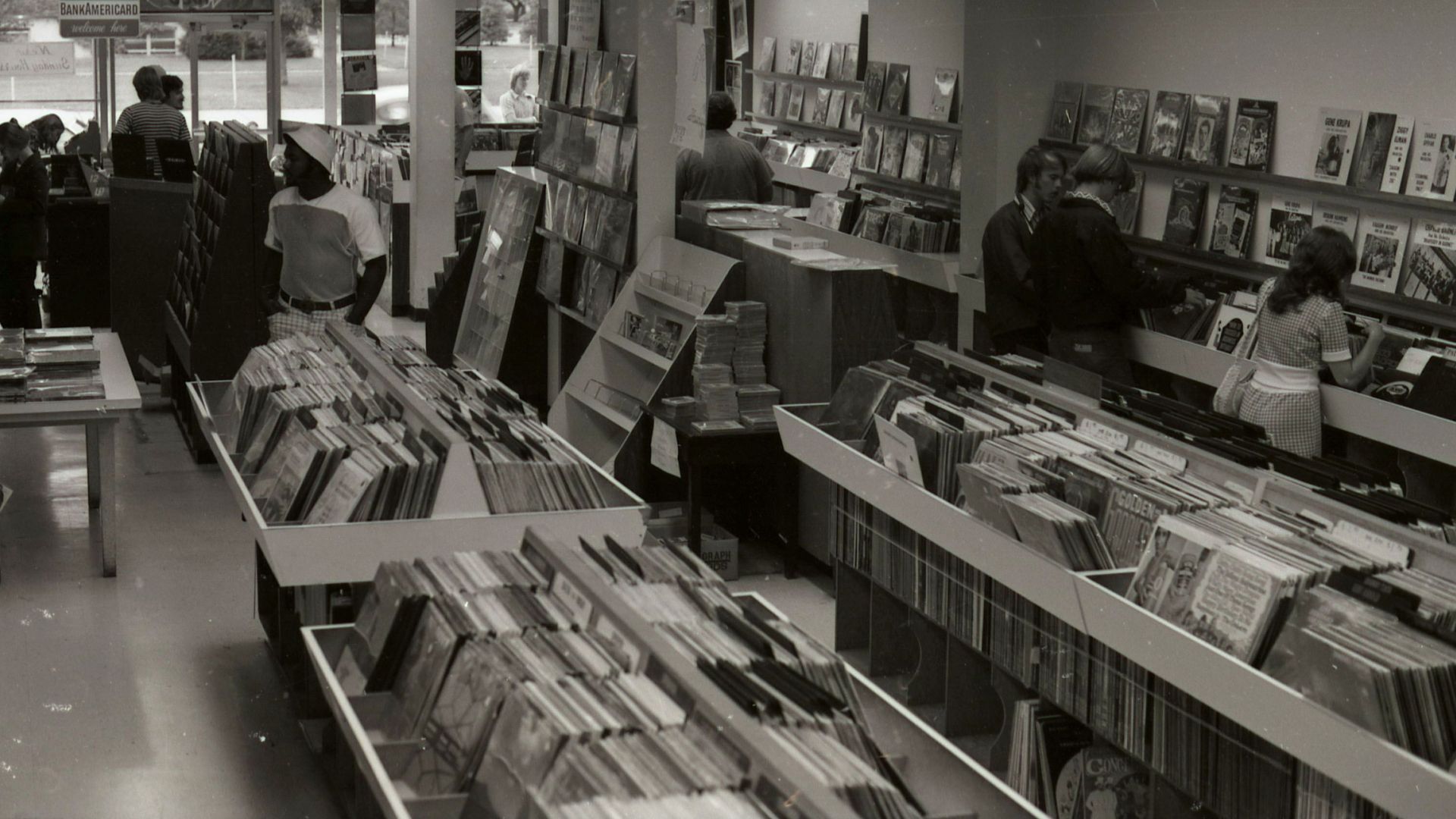
Record Bar
Record Bar was especially familiar to shoppers in the Southeast, where it grew from a Durham, North Carolina, business into a substantial music chain. By its 1989 sale, it operated 167 stores. For its regular customers, finding a new favorite album meant finding a reason to come back next Saturday.
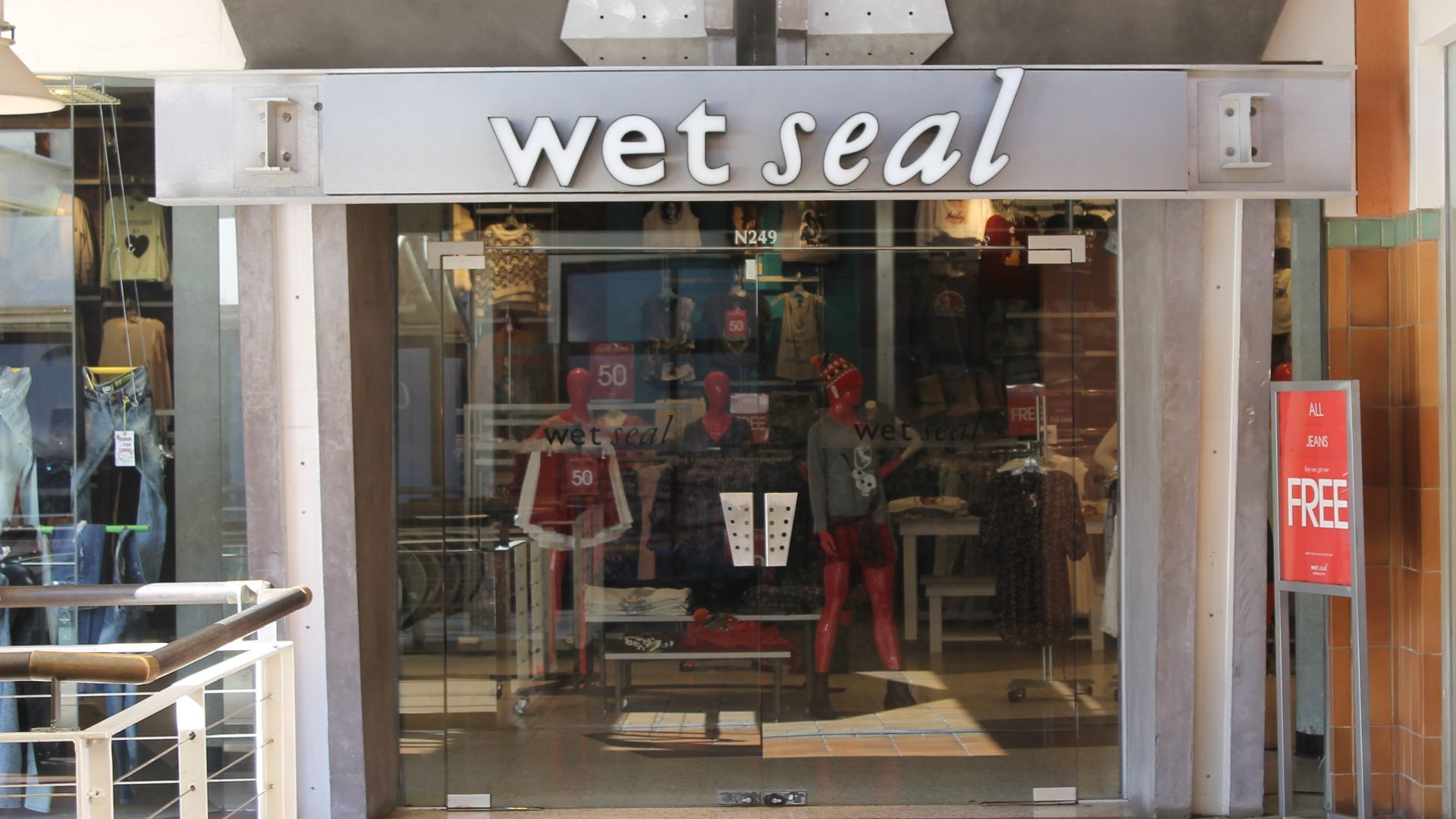
Contempo Casuals
Contempo Casuals catered to young women who wanted their clothes to look current without paying department-store designer prices. That did not necessarily mean one week’s allowance covered an outfit. Wet Seal bought the chain in 1995, and the Contempo name was eventually phased out.
 Phillip Pessar from Miami, USA, Wikimedia Commons
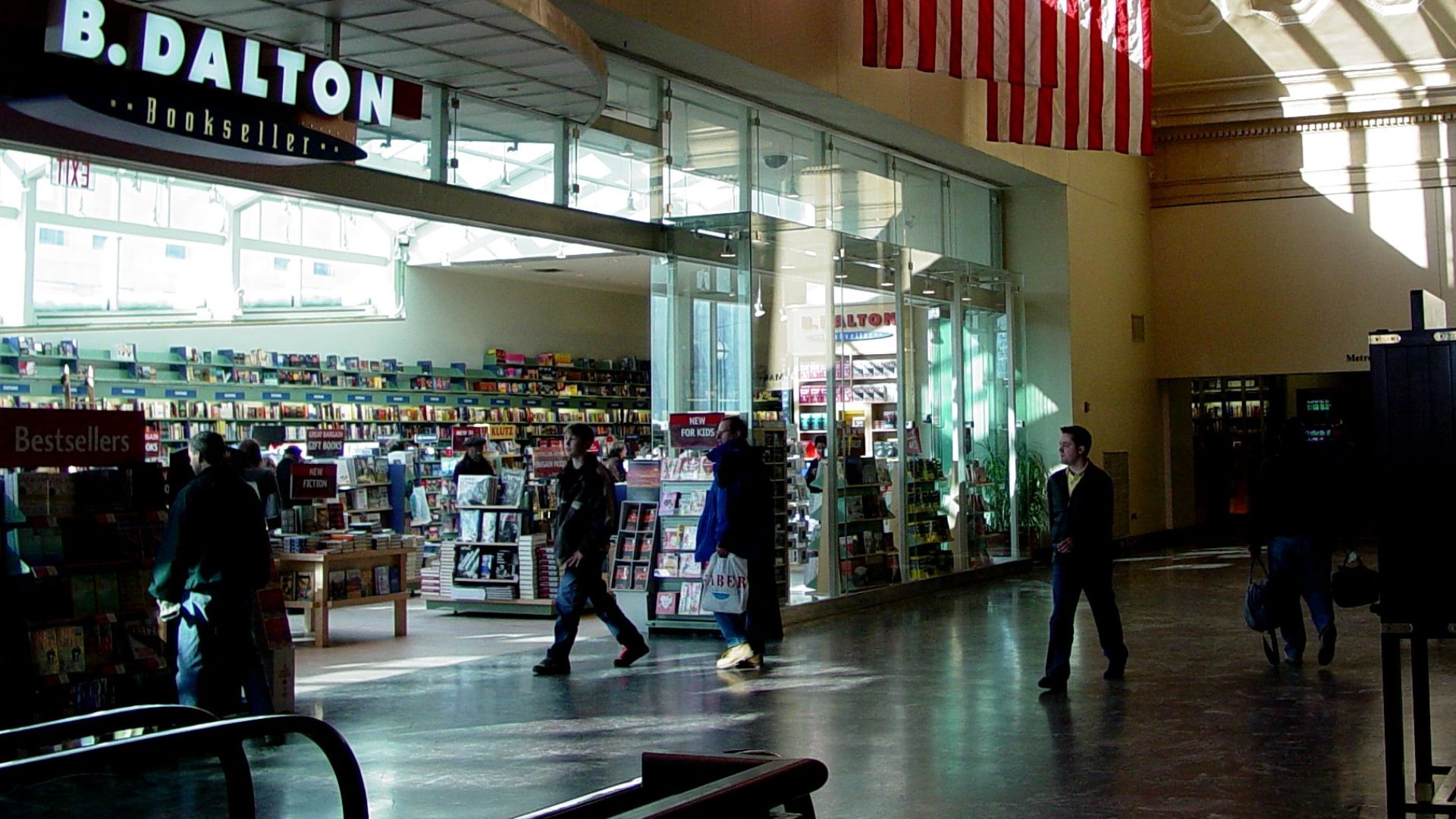
Software Etc.
Software Etc. began in 1985 inside B. Dalton bookstores before developing into a separate chain. Computer software and games gave kids a whole new reason to save their money. Of course, buying something also meant checking whether it would actually work on the computer sitting at home.
 Ben Schumin, Wikimedia Commons
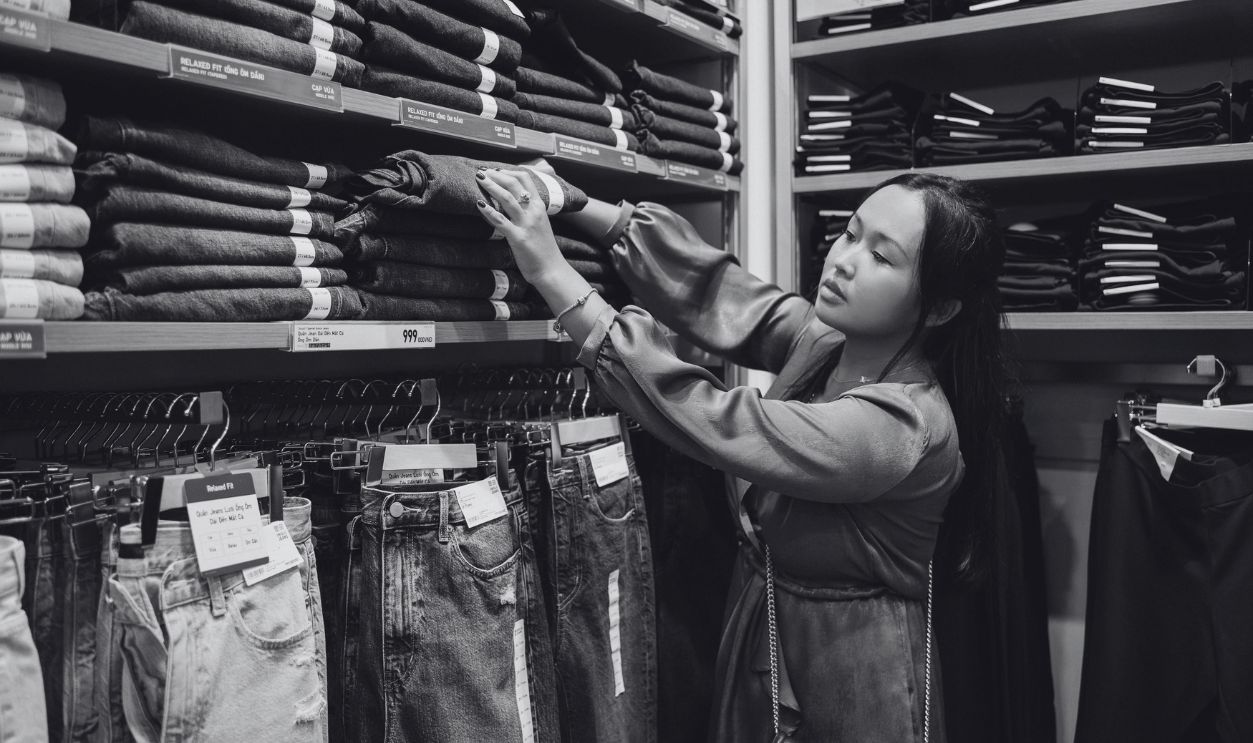
Miller’s Outpost
Miller’s Outpost was a familiar name to young shoppers in the West, selling jeans and casual clothes. Founded in 1972, it expanded to more than 300 stores by the end of the 80s. Finding the right jeans could take some effort. Finding something else to buy usually didn’t.
K&K Toys
K&K Toys gave kids another reason to tolerate a trip to the mall with their parents. The regional chain sold toys and games before its toy-store business was acquired by Kay-Bee in 1991. Your favorite shopping stop could become a different store without moving down the hallway.
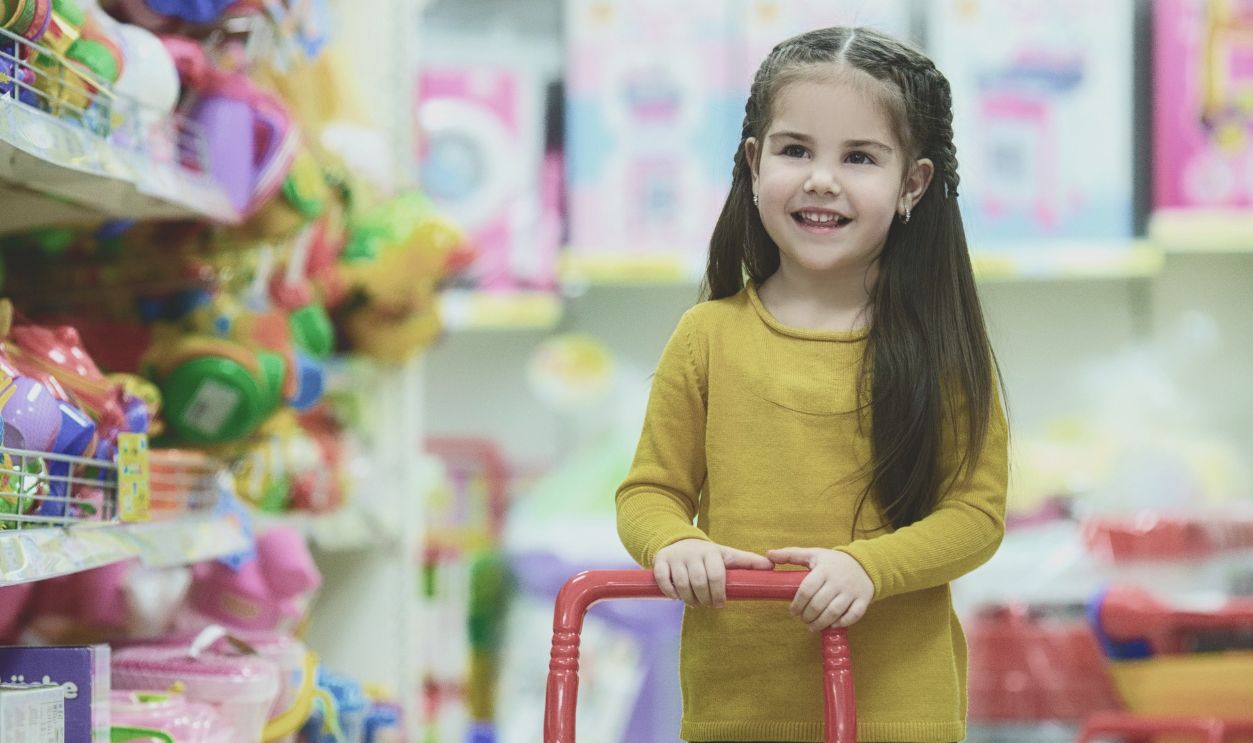
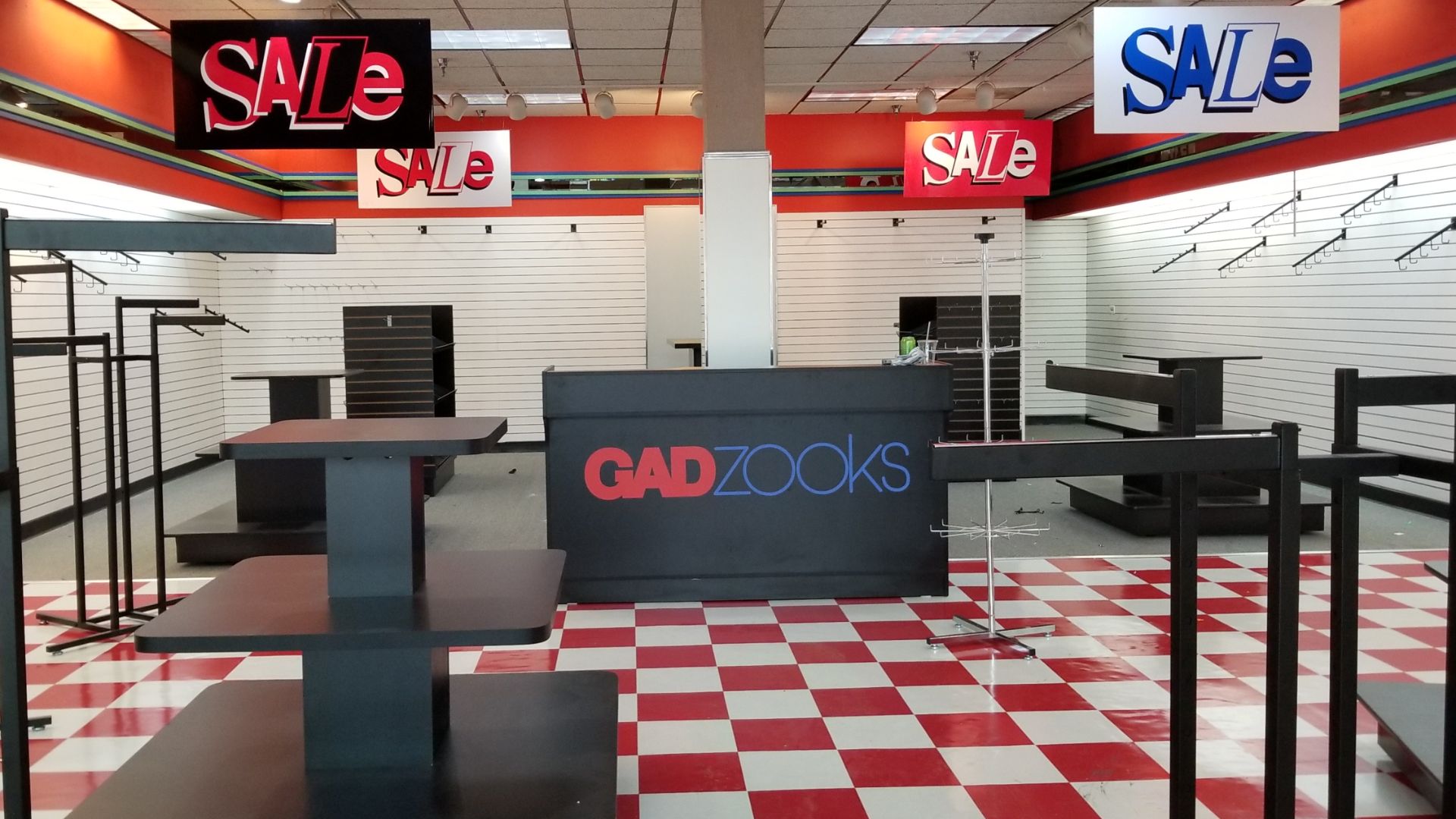
Gadzooks
Gadzooks opened its first store in a Mesquite, Texas, mall in 1983, selling casual clothes and accessories to teenagers. Its much bigger national expansion came later, but Southwestern shoppers got an early introduction. Trendy merchandise such as Jams shorts helped give young customers something else they suddenly needed.
 MikeKalasnik, Wikimedia Commons
Natural Wonders
Natural Wonders arrived in 1986, and its stores were still confined to California at the end of the decade. Rocks, shells, small toys and nature-themed gifts made browsing part of the attraction. You could walk in with no shopping list and leave suddenly very interested in owning a particular rock.
And You Were Supposed To Save Some
So...which store got most of your hard-earned cash, or your allowance (depending on how old you were at the time)? How many of these classic mall stops from the 80s did you actually remember?
You Might Also Like:
Forgotten Department Stores Where Americans Spent Their Saturdays In The 60s And 70s
Everyday Fees That Make A “Cheap” Purchase Much More Expensive
Grocery Store Freebies From The 1970s And 80s That Shoppers Would Love To Get Back