When Shopping Was An Event
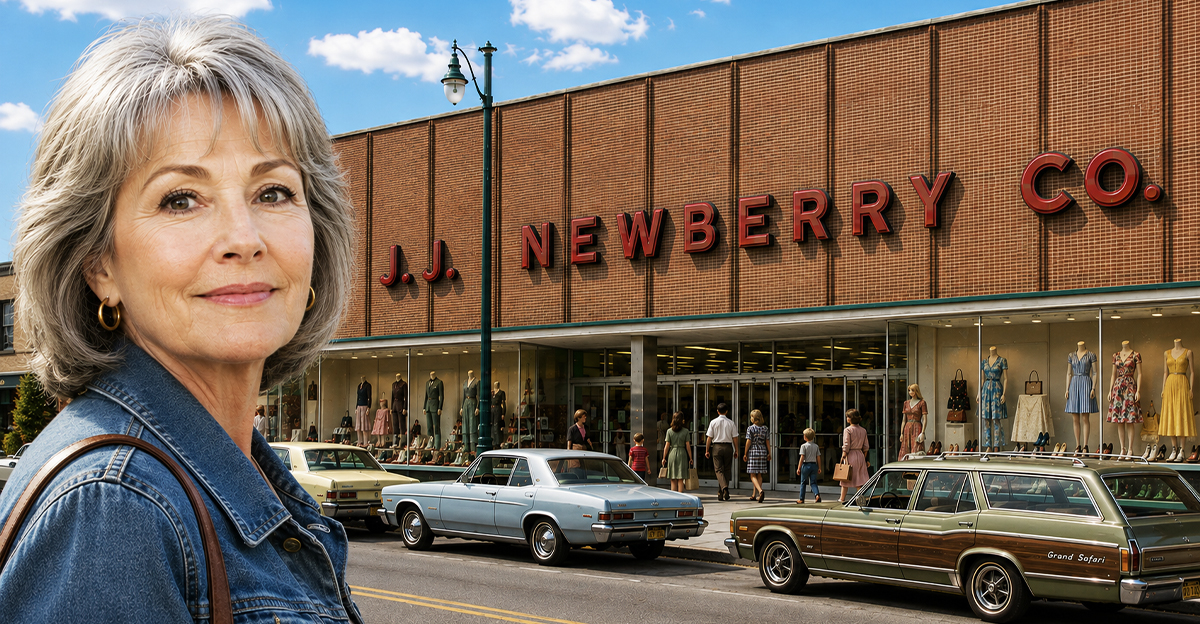
Before online shopping and big-box retail transformed America, Saturday often meant piling into the family car and heading to a favorite department store. Some were downtown institutions, others anchored brand-new suburban malls, and discount chains were rapidly changing how Americans shopped. These once-familiar names have since disappeared, but plenty of shoppers still remember them.
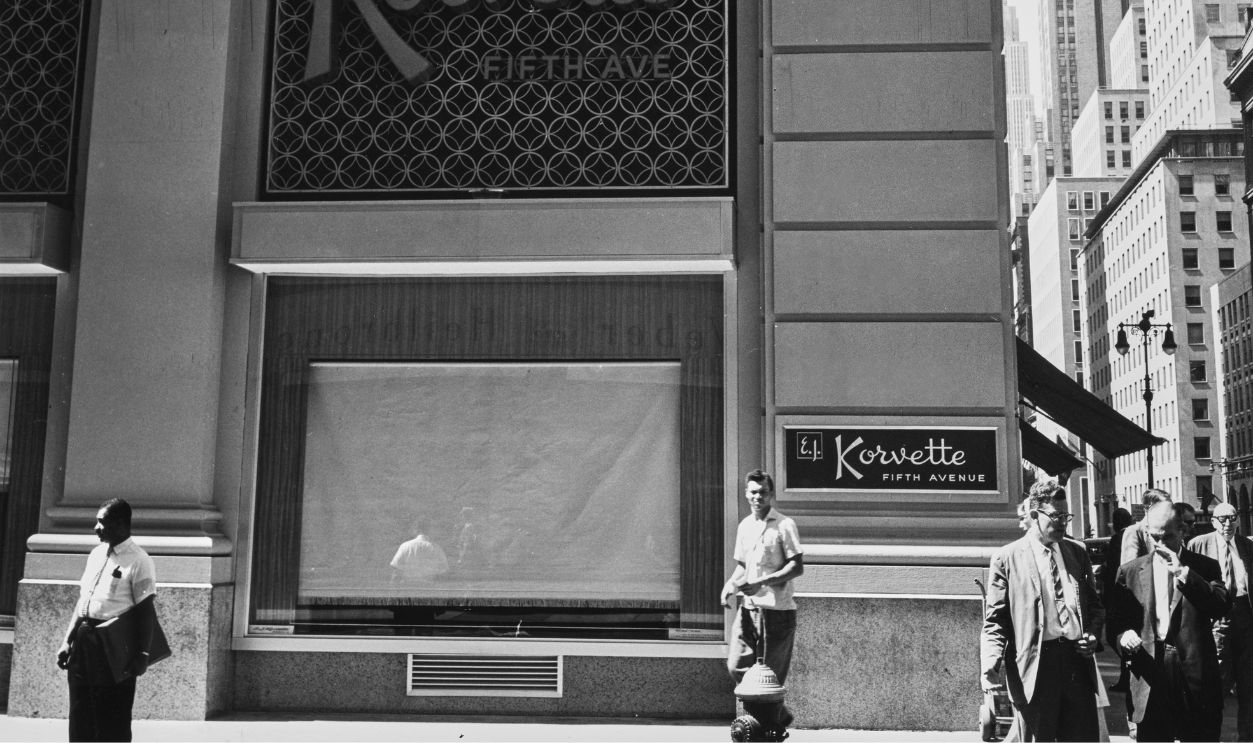
E.J. Korvette
E.J. Korvette helped pioneer the postwar discount-store revolution. Founded in 1948, the company challenged traditional department stores with aggressive prices and large suburban locations. At its height, Korvette expanded beyond its Northeastern base into markets including Chicago, St. Louis, and Detroit. The once-formidable chain disappeared for good in 1980.
Gimbels
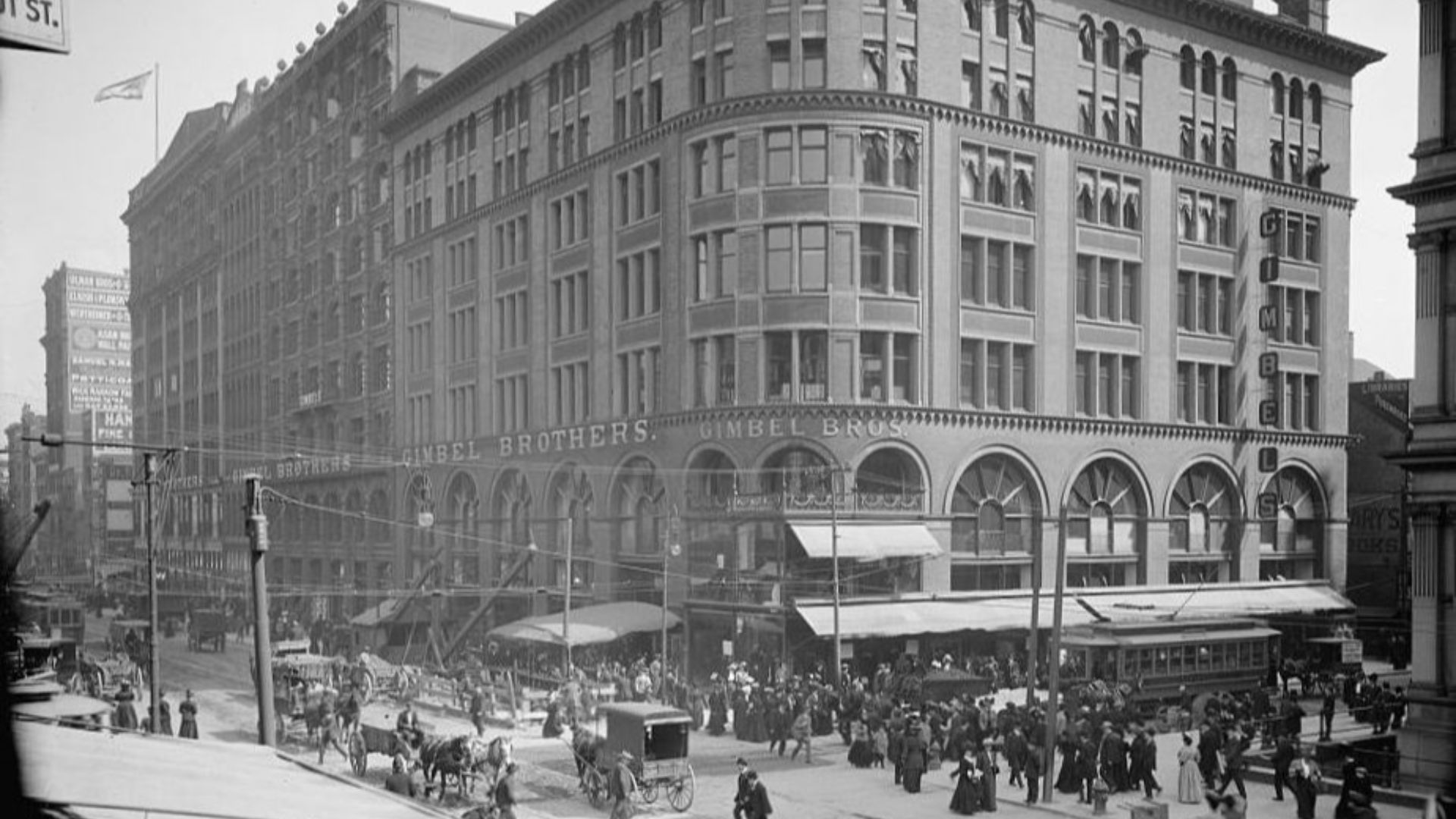
For shoppers in cities such as New York, Philadelphia, and Milwaukee, Gimbels was a department-store institution. It was also one of Macy's great rivals and became nationally famous through the Christmas movie Miracle on 34th Street (1947). Gimbels remained among America's largest department-store organizations during the 1960s before eventually disappearing in the 1980s.
 Unknown authorUnknown author, Wikimedia Commons
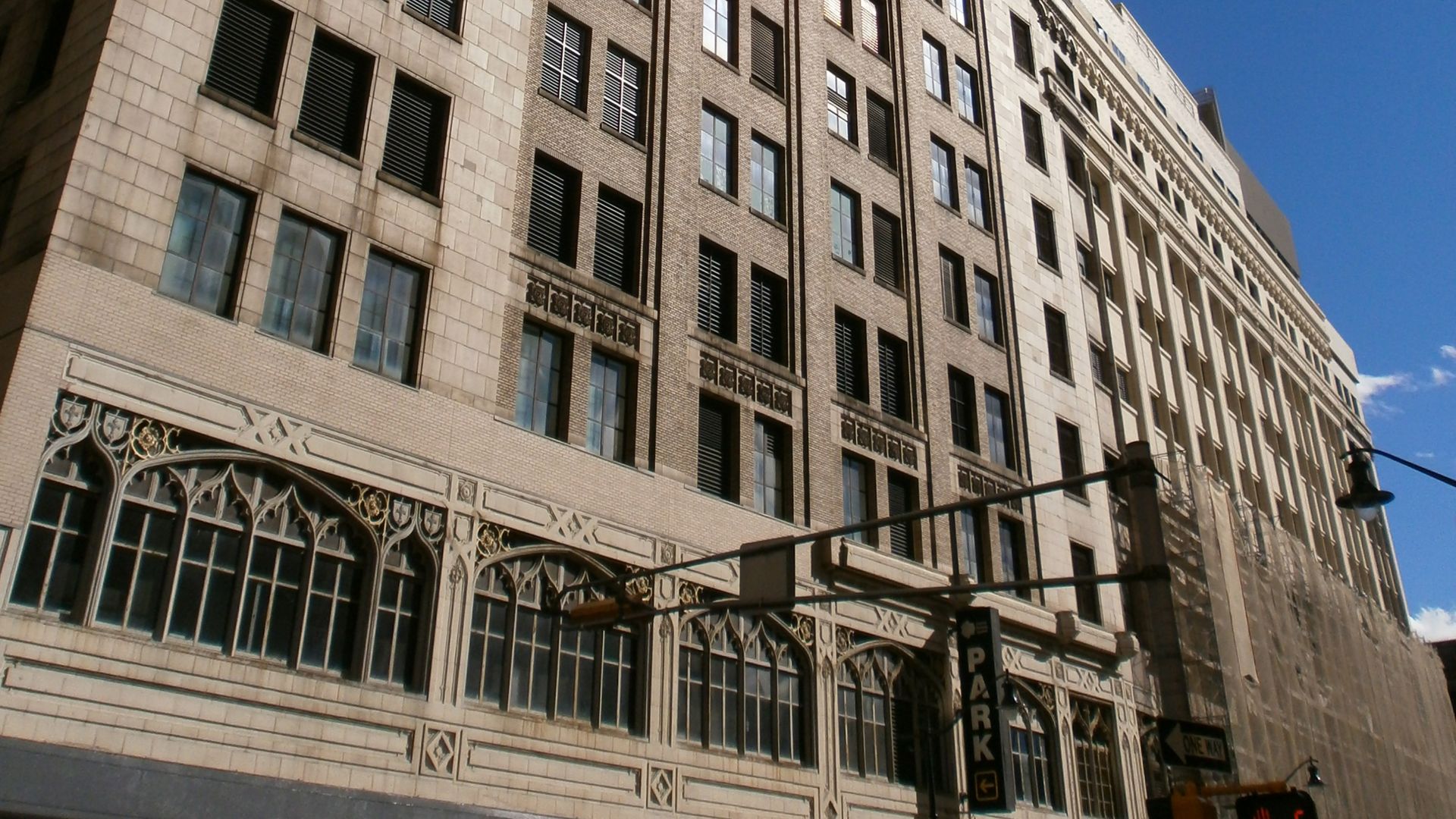
Bamberger's
New Jersey shoppers knew Bamberger's particularly well. Its enormous Newark flagship became a local landmark, while suburban branches followed customers into the malls. Bamberger's ranked among America's largest department-store businesses in the early 1960s. Owned by Macy's, the regional name finally disappeared in 1986 when its remaining locations were converted to Macy's.
Zayre
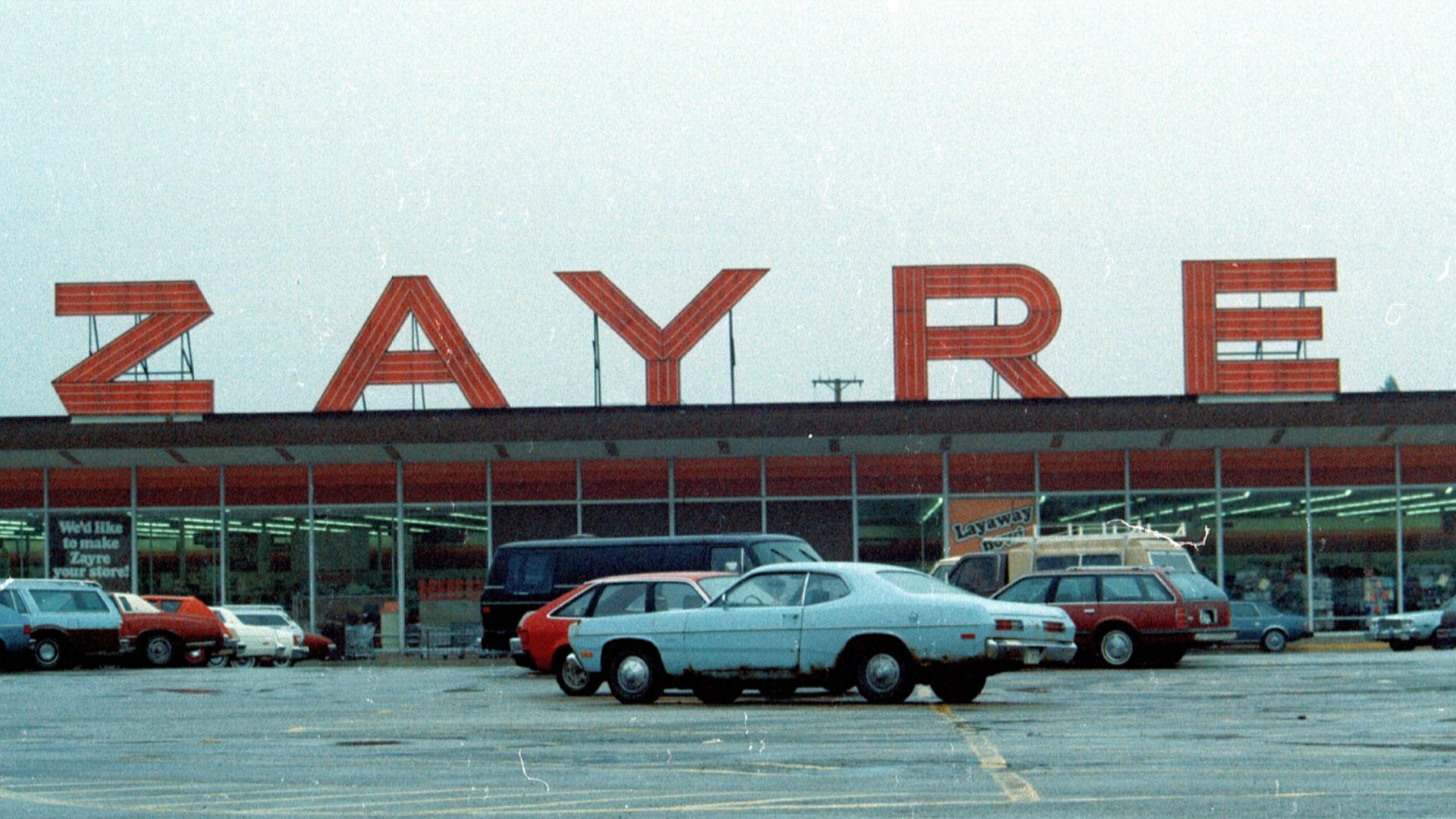
If you grew up in the East or Midwest, a Saturday trip to Zayre may bring back memories. Founded in Massachusetts in 1956, the discount chain expanded rapidly during the 1960s, reaching 92 stores by the end of 1966. Zayre eventually struggled, and its stores were sold to Ames before the name vanished in 1990.
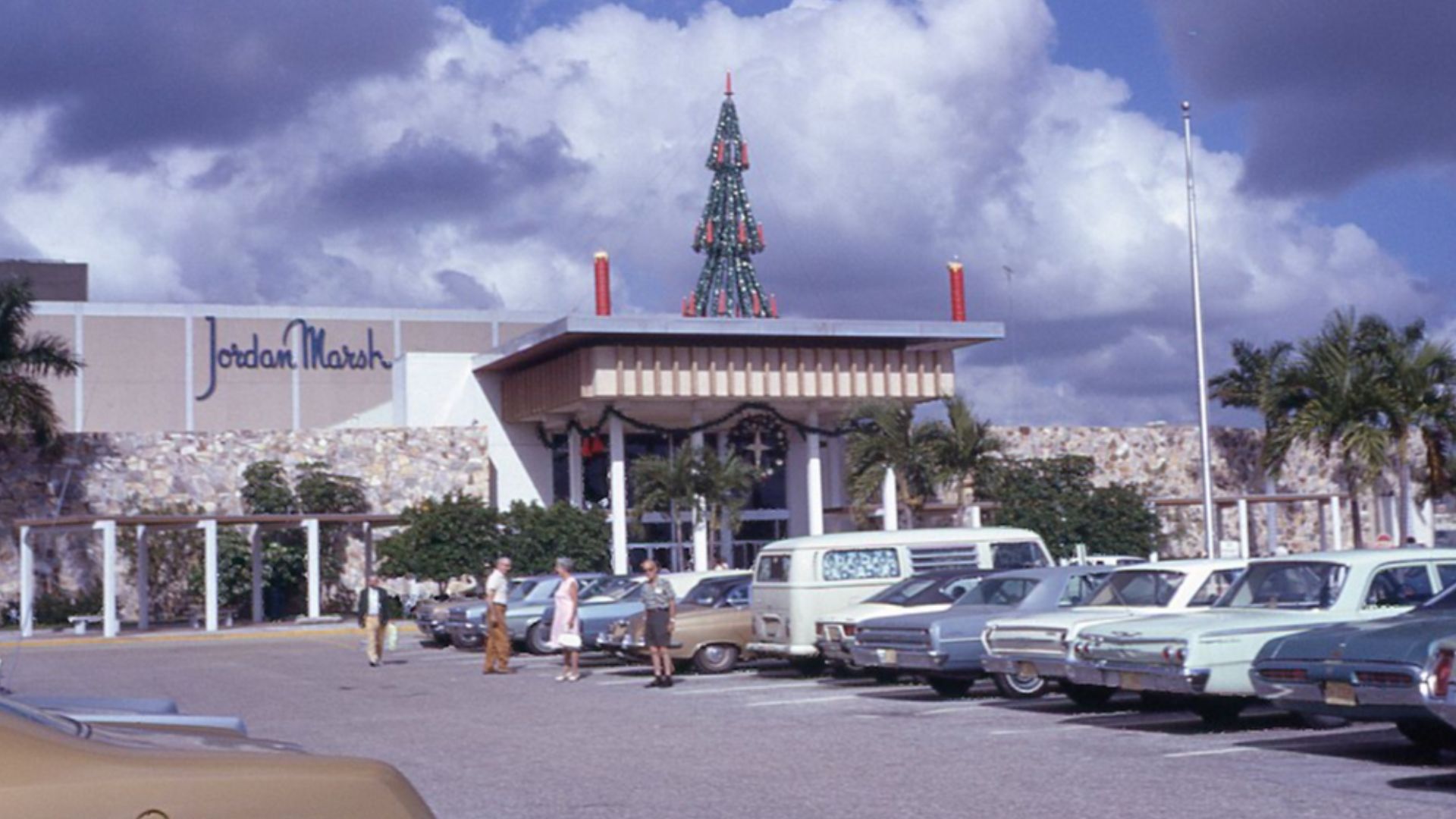
Jordan Marsh
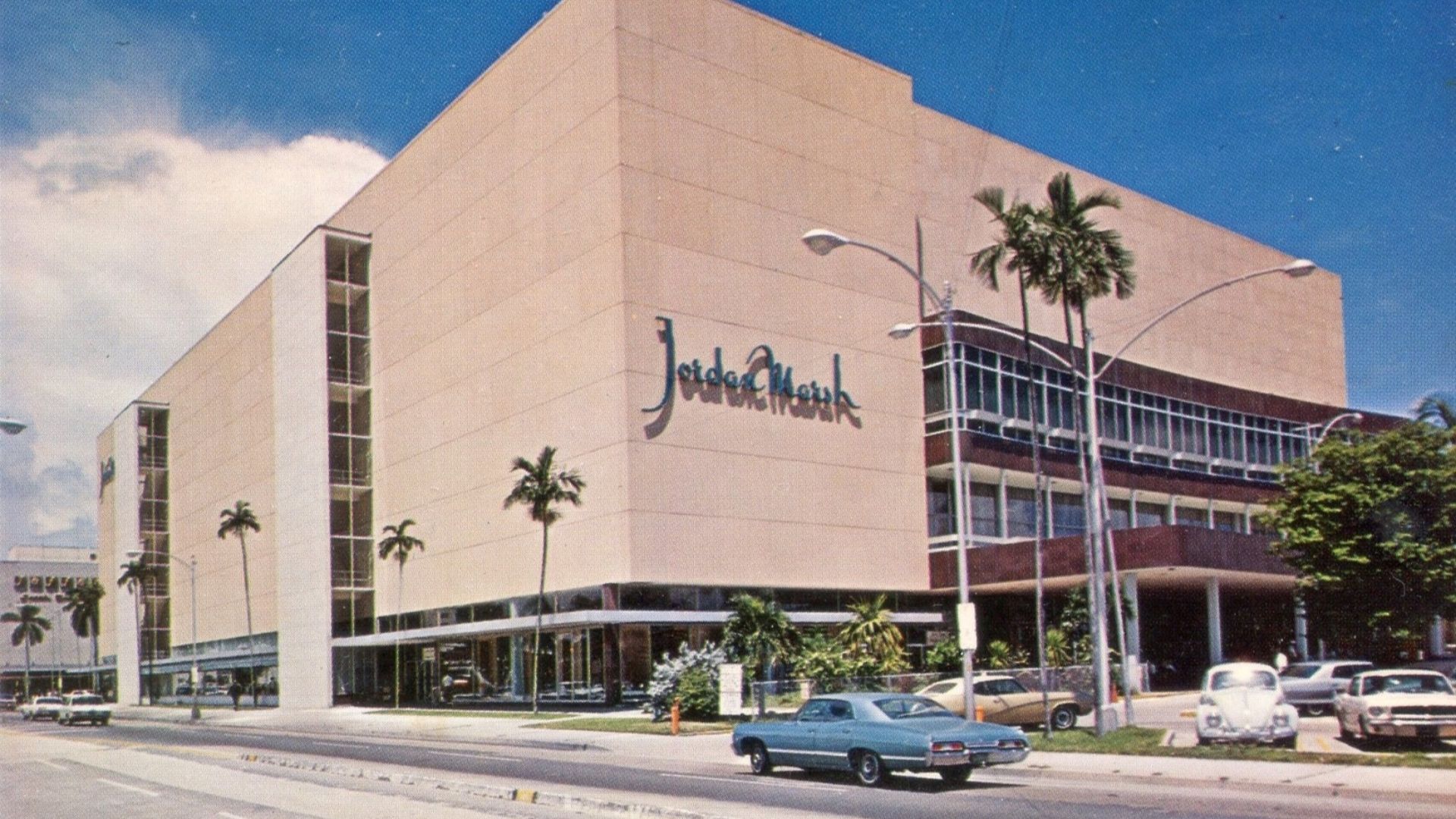
Jordan Marsh was a New England institution whose history stretched back to 1841. Its Boston flagship became a destination, while suburban expansion followed the postwar migration to shopping centers. The company also established a significant presence in Florida. After decades of mergers and acquisitions, the Jordan Marsh name disappeared, with many locations eventually becoming Macy's.
 Phillip Pessar, Wikimedia Commons
Abraham & Straus
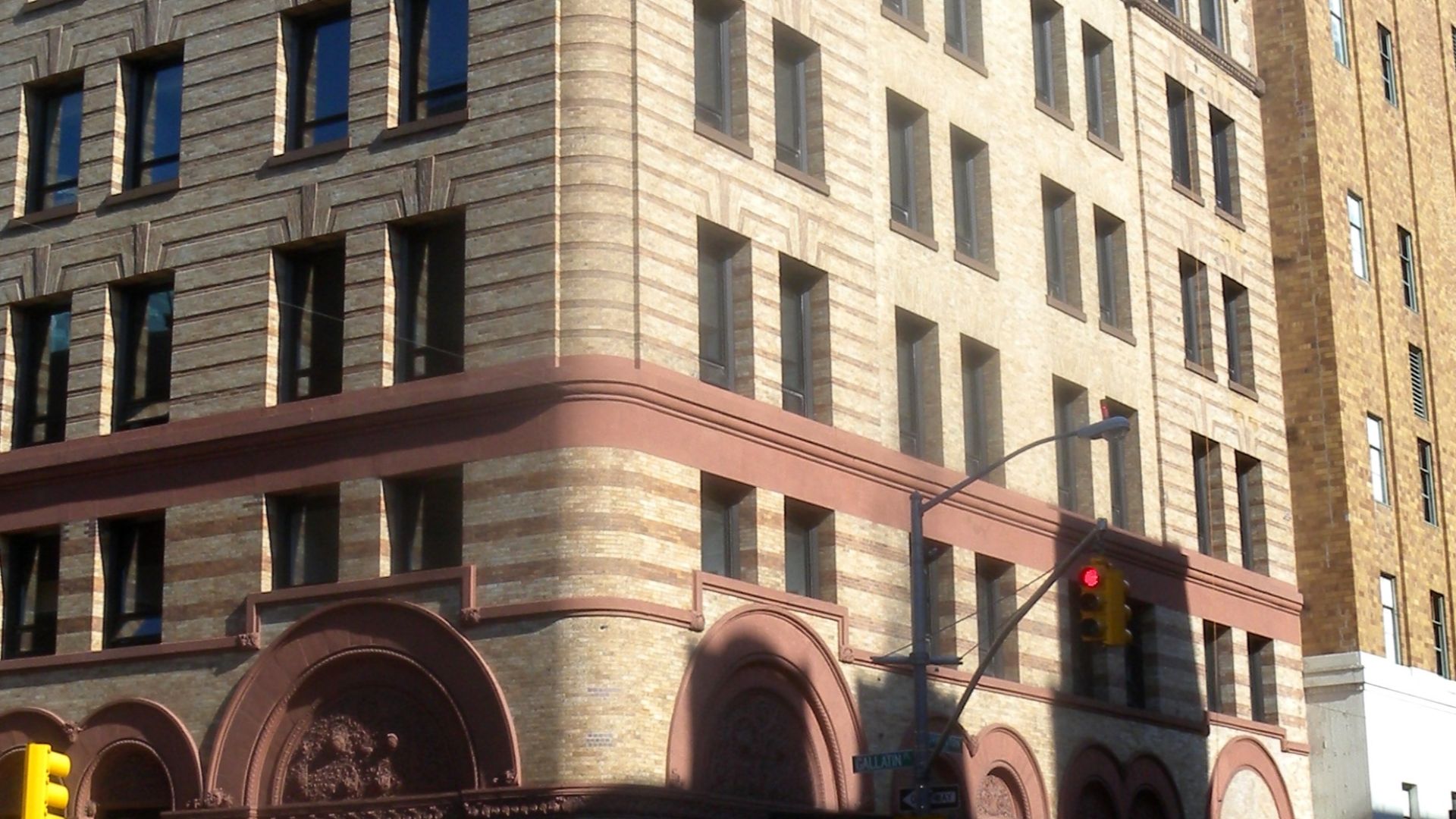
For generations of Brooklyn families, Abraham & Straus was simply part of life. Known commonly as A&S, it grew into one of America's highest-volume department stores, ranking fourth nationally in a 1963-64 sales listing. Its grand downtown Brooklyn store and later suburban branches made A&S a familiar destination before the name eventually disappeared into Macy's.
 Jim.henderson, Wikimedia Commons
Bonwit Teller
Bonwit Teller occupied the elegant end of American department-store shopping. Best known for fashionable women's clothing and its prestigious New York presence, it appealed to customers looking for something more sophisticated than the average suburban discount store. The venerable retailer survived the 1960s and 70s but ultimately disappeared amid ownership changes and financial trouble.
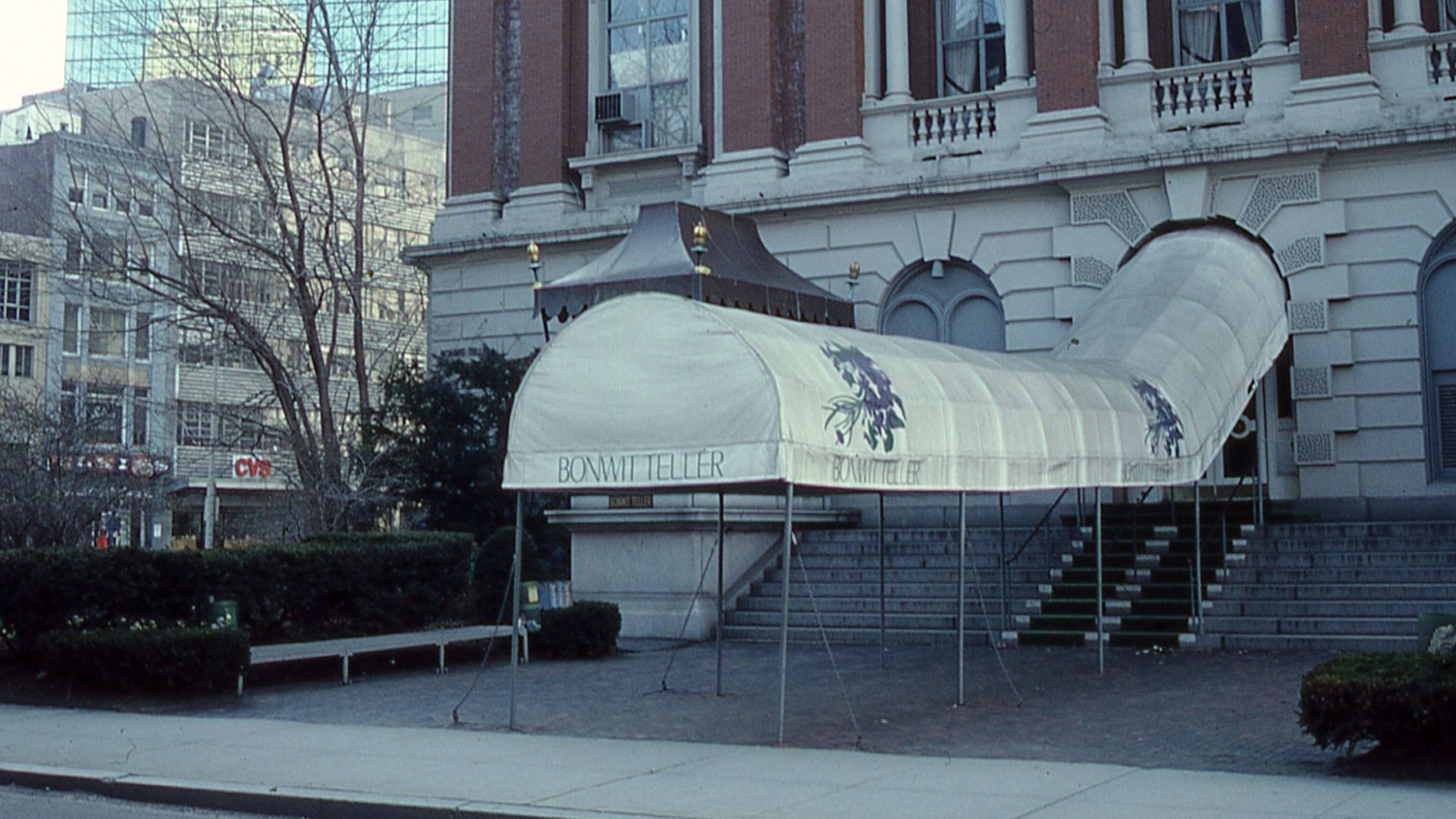 Bill Golladay, Wikimedia Commons
The Broadway
Southern Californians didn't need Broadway in New York because they had The Broadway at home. The Los Angeles-based department-store chain became a major regional retailer and expanded alongside Southern California's booming suburbs and malls. Generations knew its distinctive name before the chain eventually disappeared in the 1990s following years of retail consolidation.
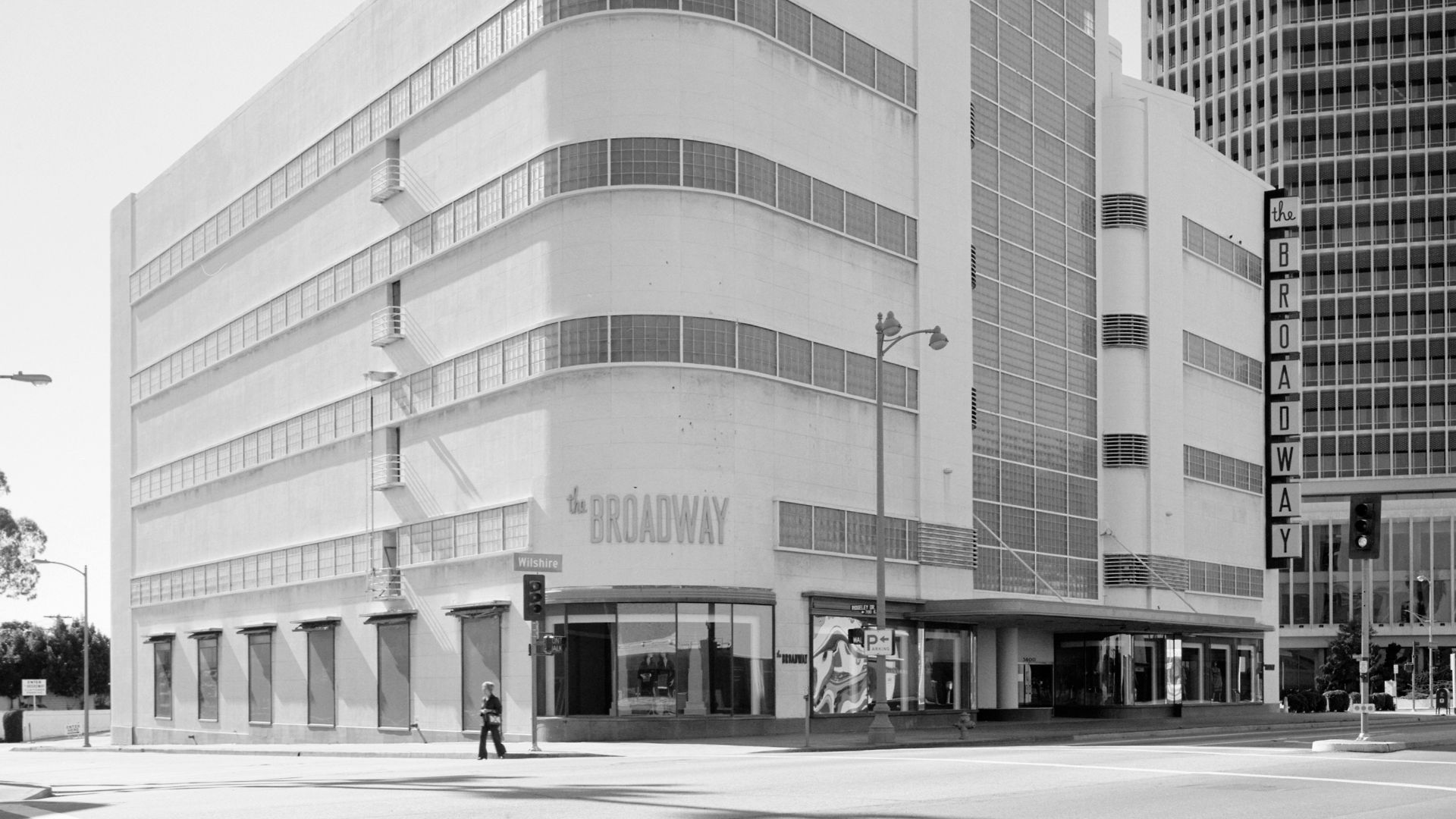 Adam from Champaign, Illinois, USA, Wikimedia Commons
G.C. Murphy
G.C. Murphy stores were a familiar sight in small cities and towns, particularly across the eastern United States. Founded in 1906, Murphy's combined the approachable atmosphere of the traditional variety store with inexpensive everyday merchandise. The company survived well beyond the 1970s before Ames acquired it in 1985, eventually bringing the Murphy era to an end.
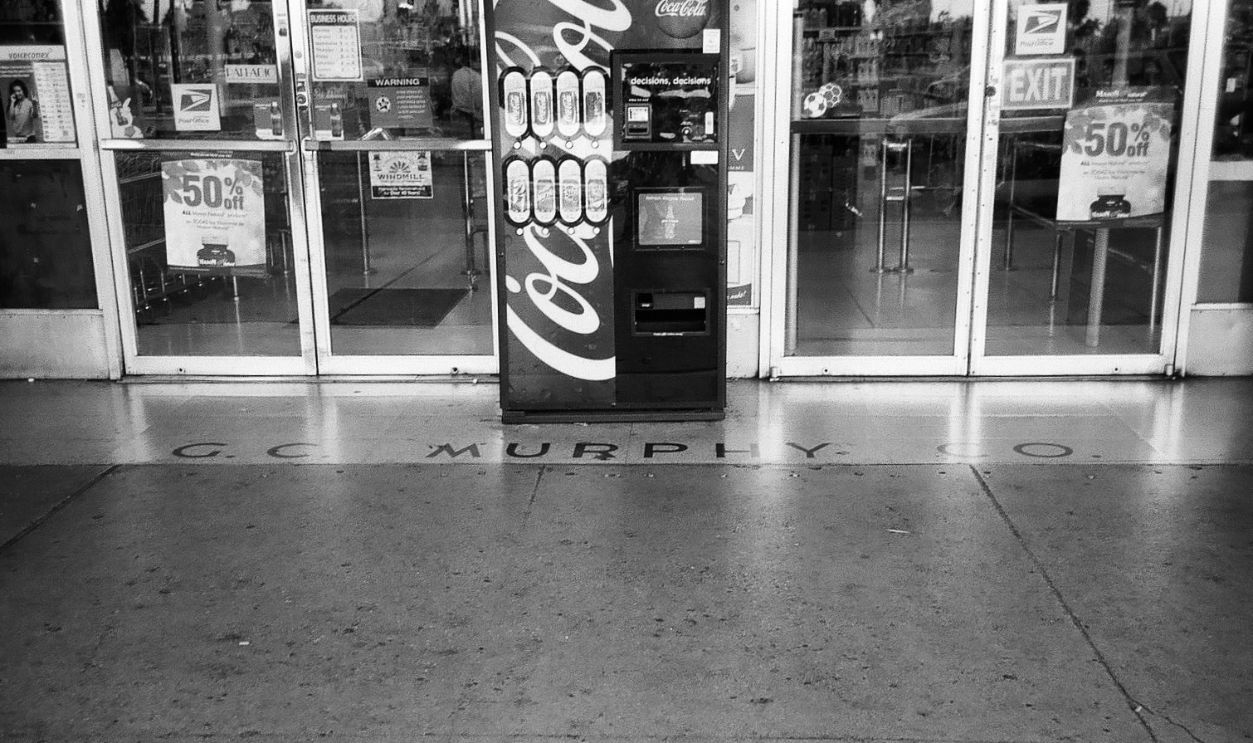
S.S. Kresge
Before there was Kmart, there was S.S. Kresge. Founded by Sebastian S. Kresge in 1899, the variety-store chain became an American retail powerhouse. Its success ultimately spawned Kmart, which opened its first location in 1962. The corporation formally adopted the Kmart name in 1977, while the older Kresge stores gradually disappeared.
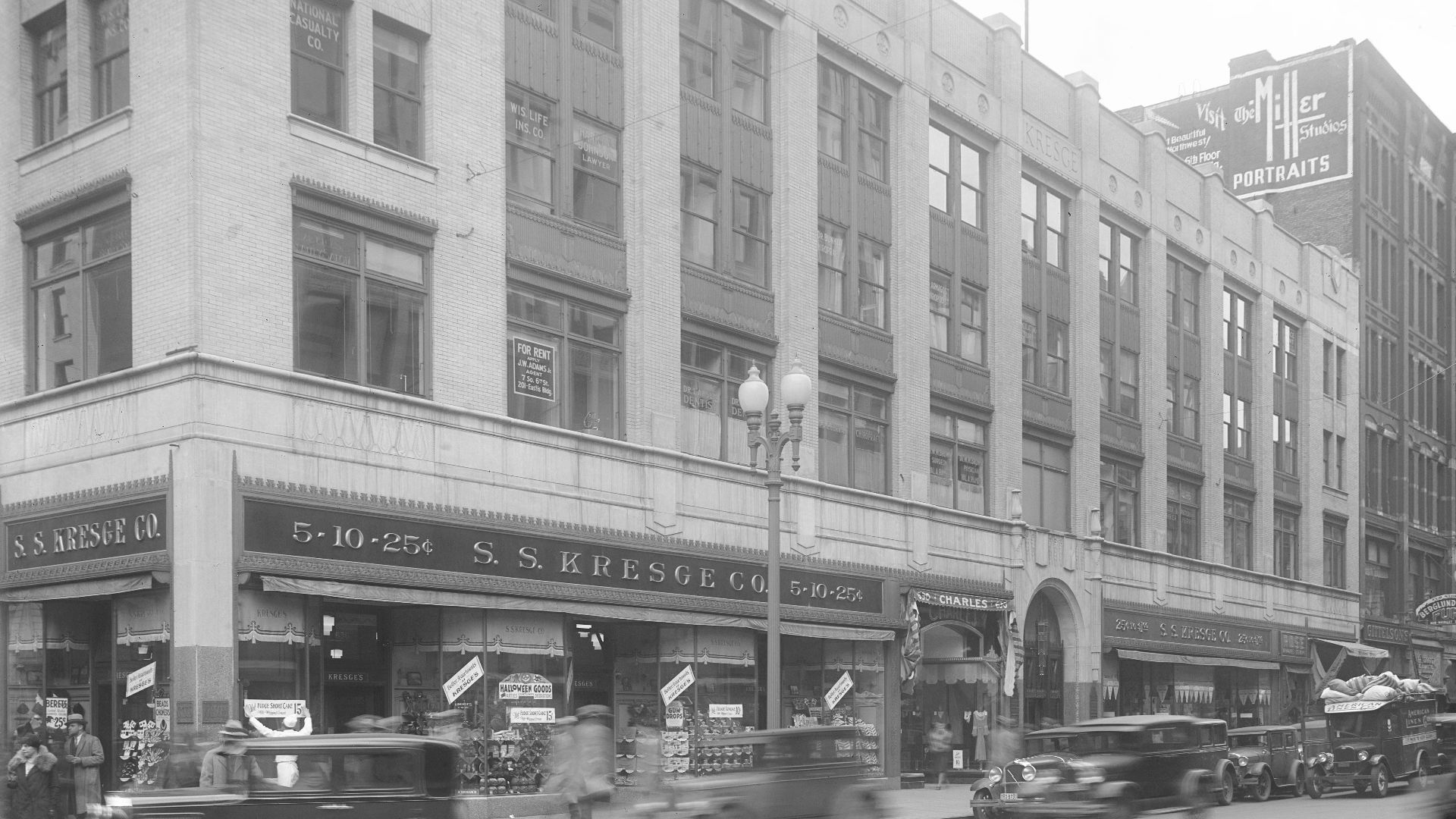 Roth, Arnold D, Wikimedia Commons
McCrory
McCrory was a classic five-and-dime where shoppers could browse everything from penny candy and toys to clothing, cosmetics, fabrics, and housewares, often with a lunch counter nearby. The chain continued growing throughout the 1960s and 70s, becoming one of America's major variety-store operators before changing shopping habits eventually pushed the once-familiar McCrory name into history.
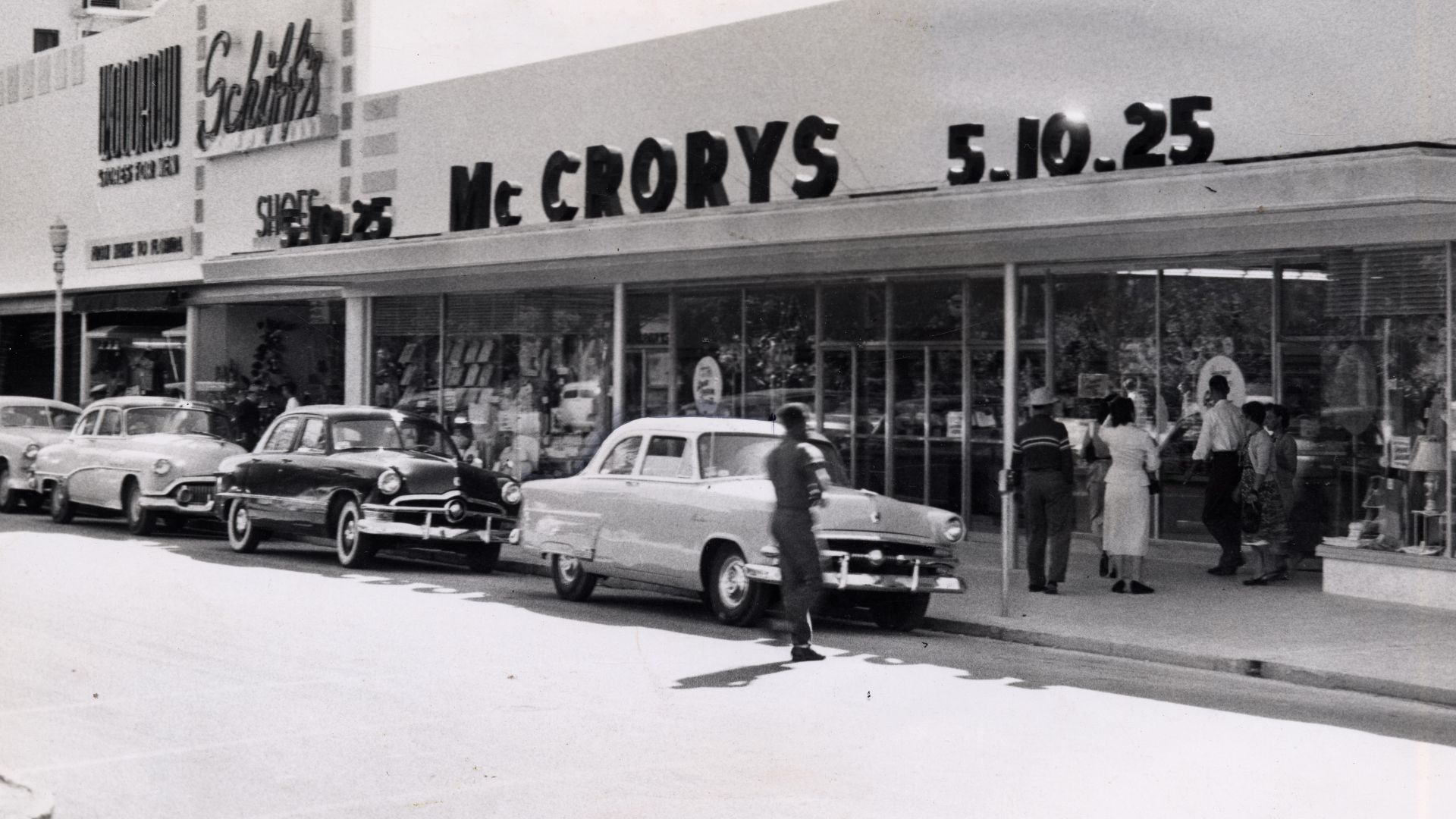 Florida Keys--Public Libraries, Wikimedia Commons
J.J. Newberry
J.J. Newberry was once a Main Street fixture, operating 565 stores by 1961 and selling the inexpensive everyday merchandise that made five-and-dimes so popular. McCrory purchased the 439-store chain in 1972 but kept the Newberry name alive, even opening additional locations. For many Americans, Newberry's remained a familiar Saturday shopping destination well beyond the 1970s.
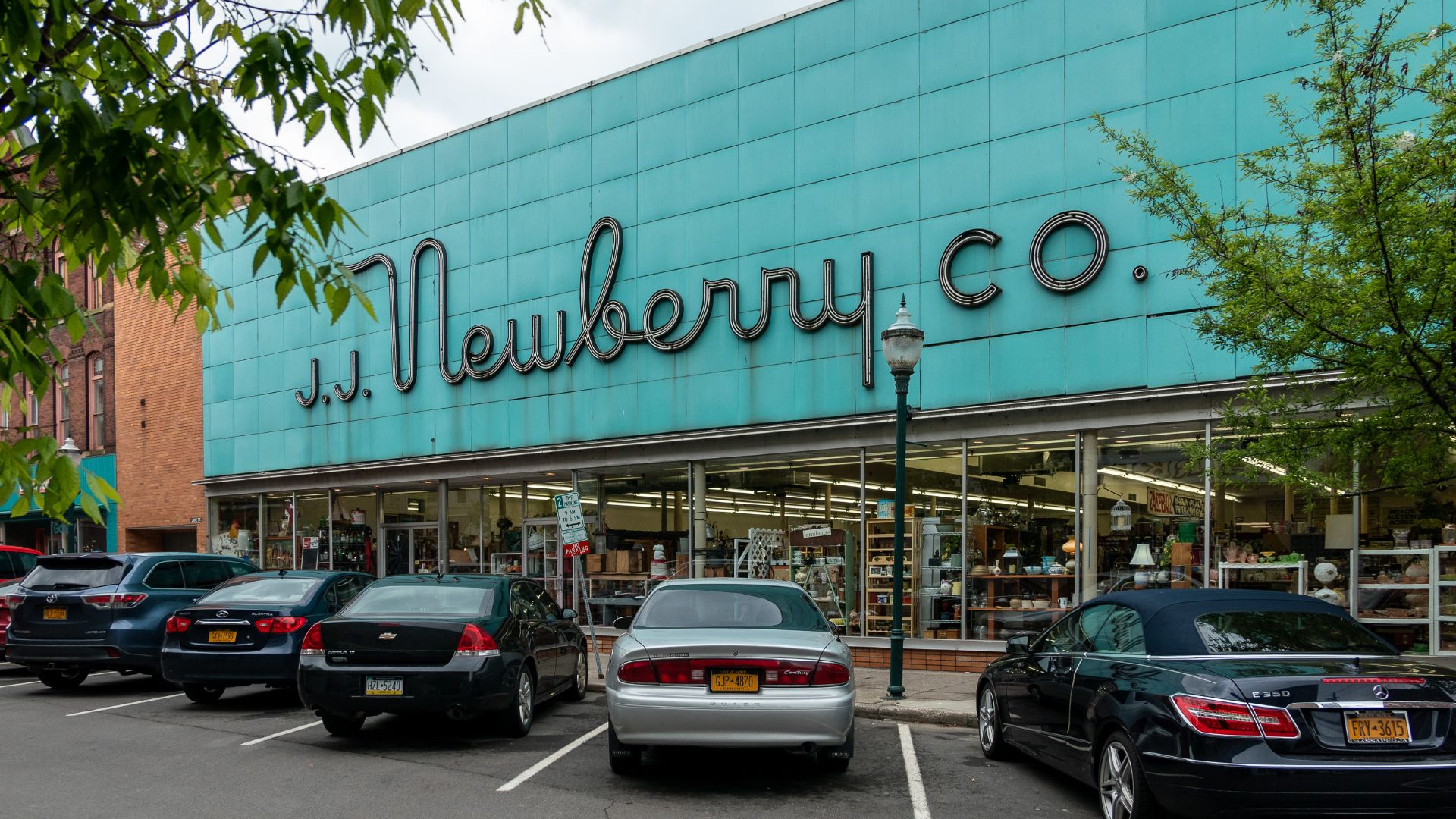 Kenneth C. Zirkel, Wikimedia Commons
Woolco
Woolworth recognized that the old five-and-dime format faced a new threat from large discount stores, so it created Woolco. The first Woolco opened in Columbus, Ohio, in 1962, just months after the first Kmart. Woolco grew into a major discount chain, but its American stores ultimately closed in 1983 as its parent company retrenched.
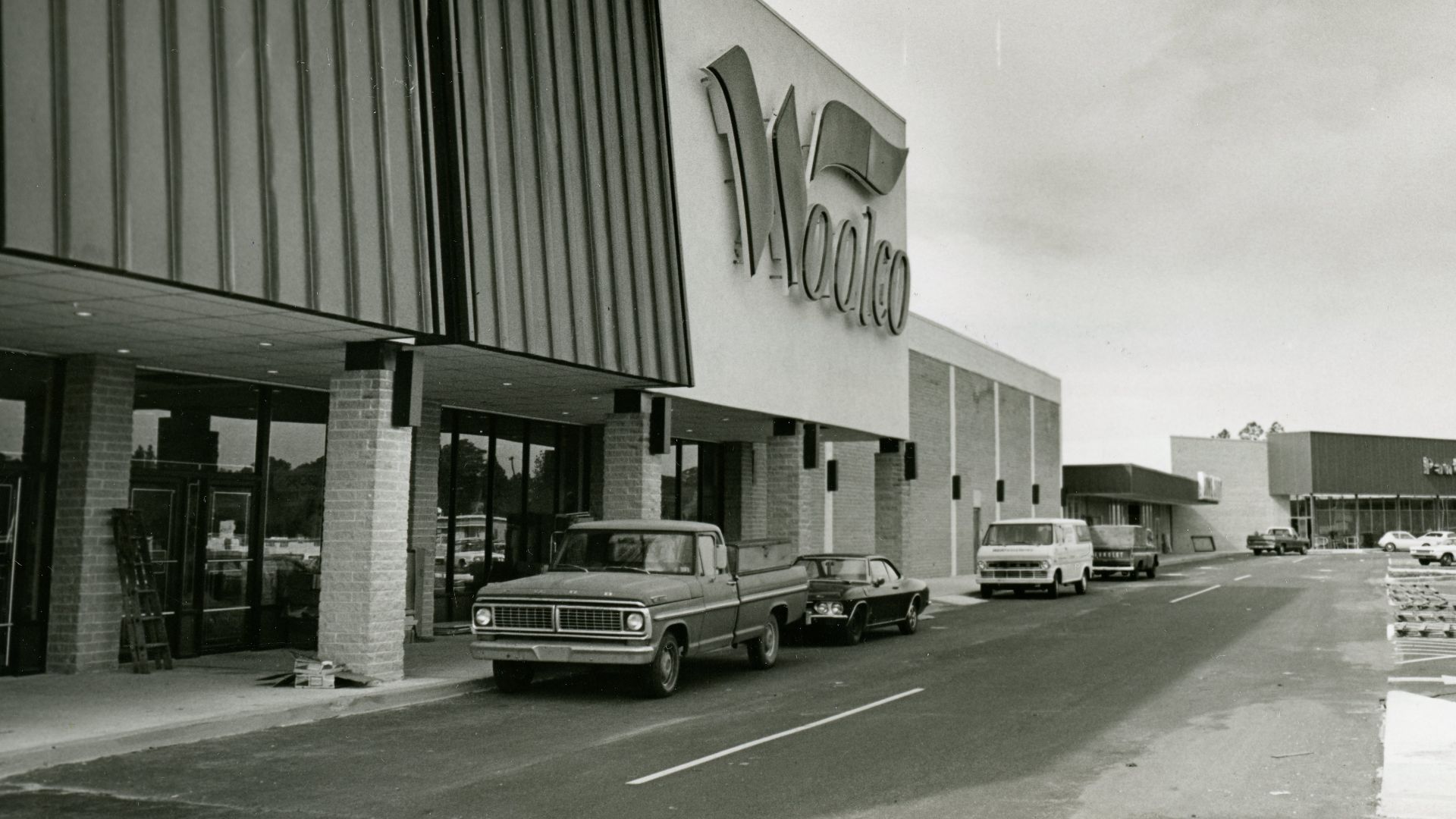 Phillip Pessar, Wikimedia Commons
Montgomery Ward
For generations, Montgomery Ward was one of America's great retail names. Originally a mail-order company founded in 1872, "Wards" eventually operated department stores selling everything from clothing and furniture to appliances and tools. Its stores remained familiar fixtures through the 1960s and 70s, but the original company ultimately liquidated in 2001.
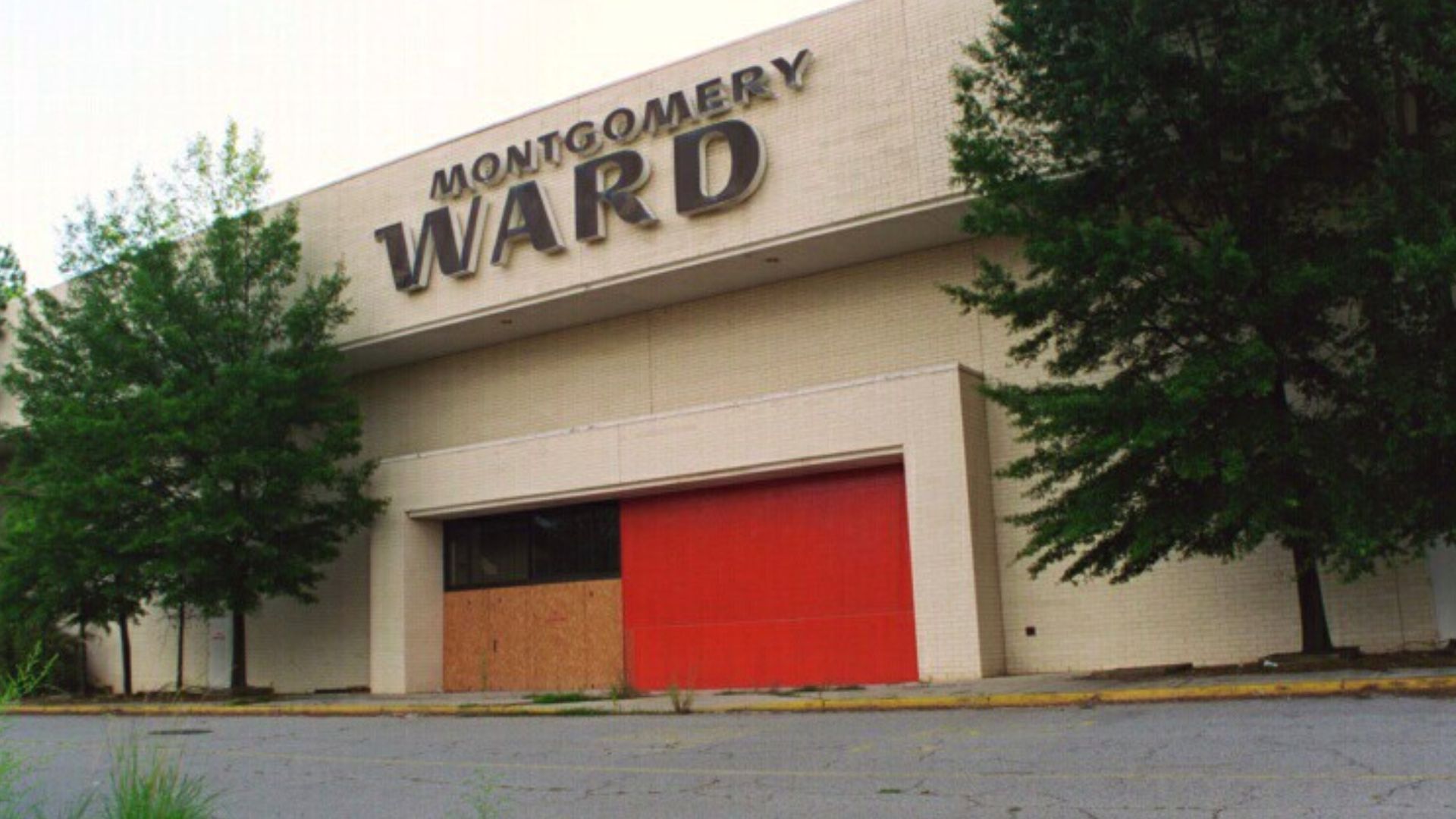 The original uploader was Caldorwards4 at English Wikipedia., Wikimedia Commons
Sears
Few stores define Saturday shopping in the 1960s and 70s better than Sears. Its enormous suburban locations anchored malls across America, selling everything from clothing and Kenmore appliances to Craftsman tools and automotive services. Sears was the world's largest retailer by 1969, making its eventual decline almost unimaginable to families who once considered a trip there routine.
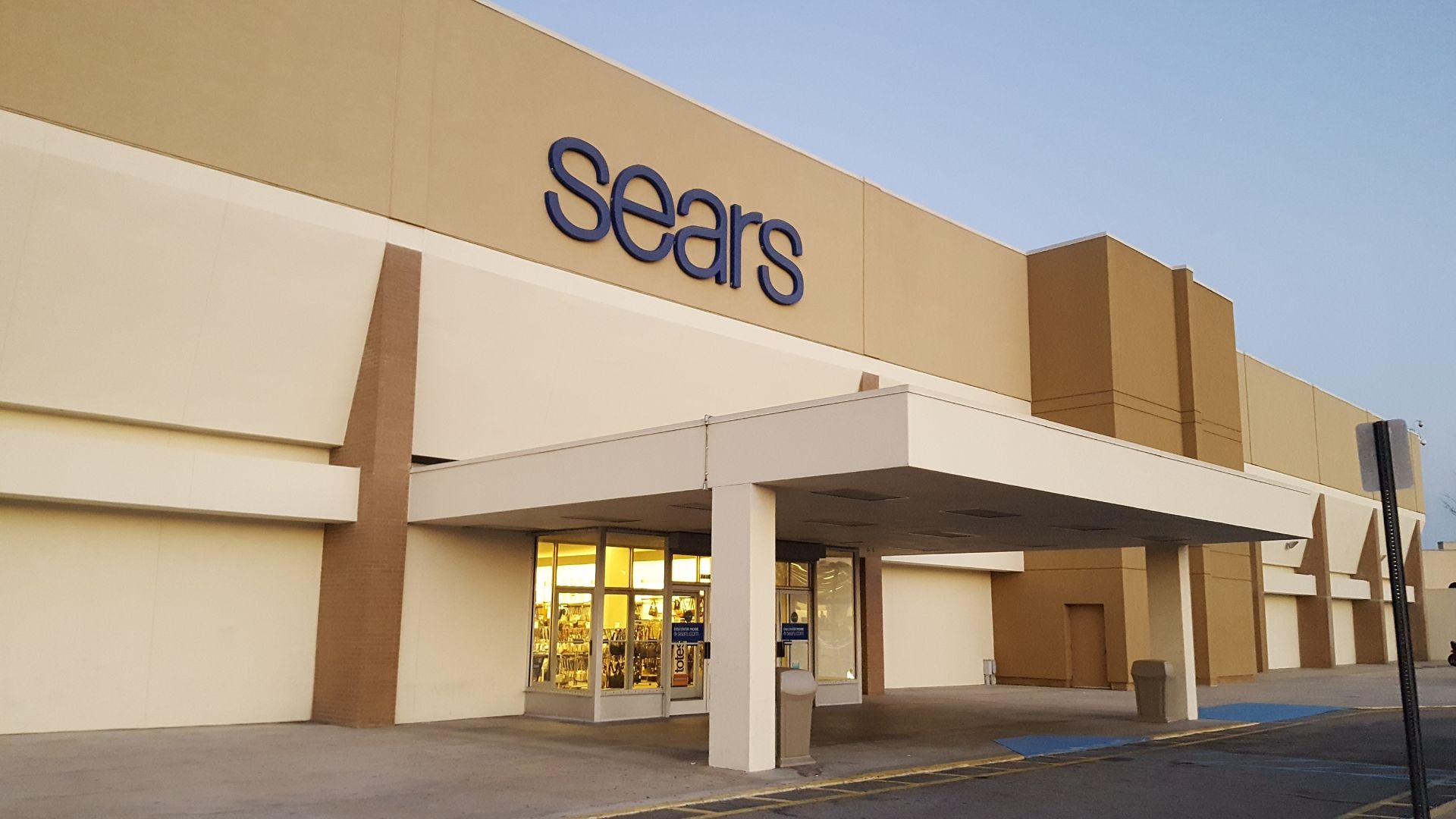 Mike Kalasnik from Jersey City, USA, Wikimedia Commons
Woolworth's
Few names evoke old-fashioned American shopping quite like Woolworth's. The five-and-dime giant began in 1879 and eventually operated more than 2,000 locations worldwide. Generations browsed its inexpensive household goods, toys, clothing, and countless small necessities. Woolworth ultimately closed its remaining US general-merchandise stores in 1997.
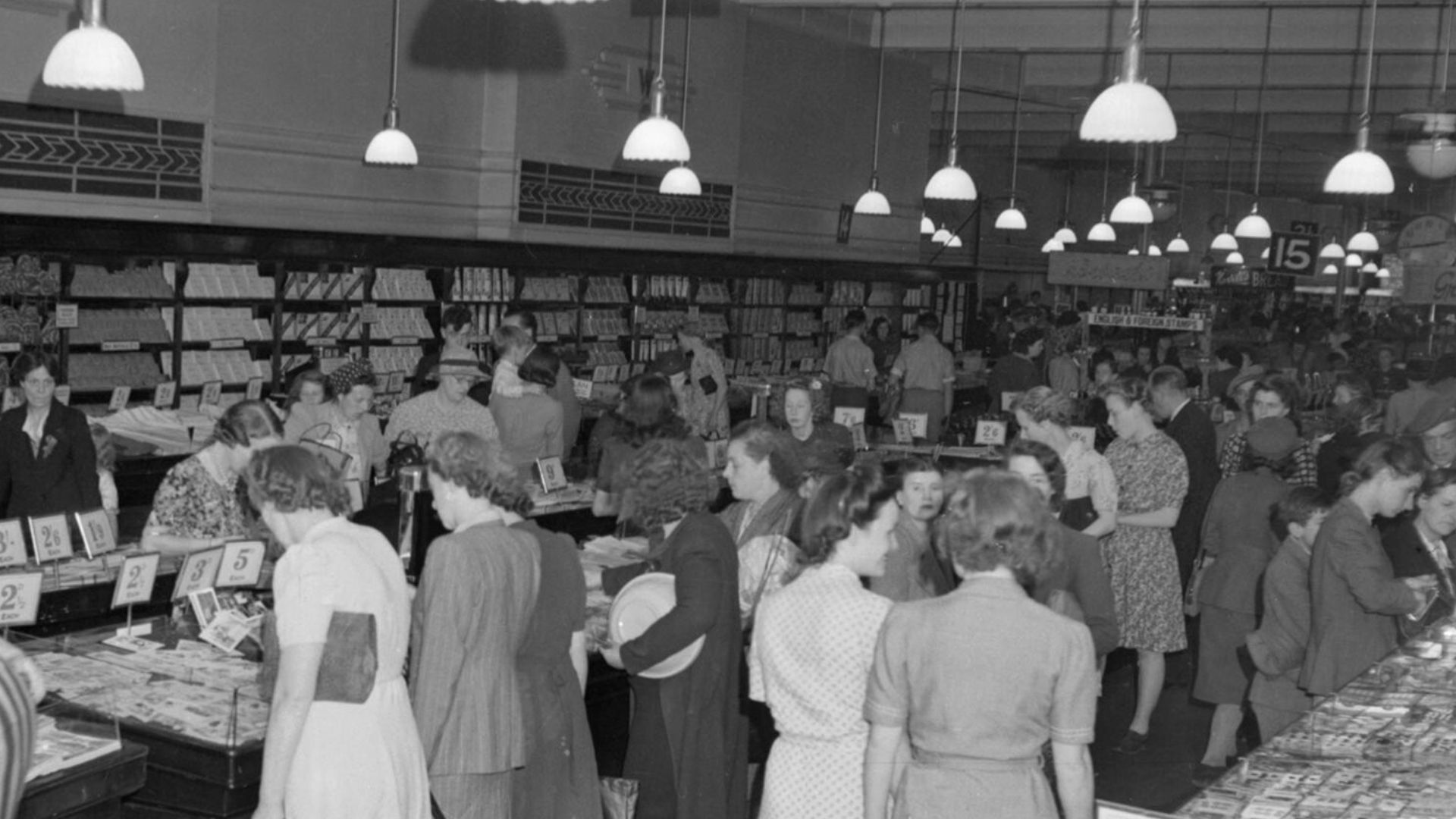 Ministry of Information Photo Division Photographer, Wikimedia Commons
W.T. Grant
W.T. Grant once seemed almost as permanent as Woolworth. Founded in 1906, the variety-store company expanded into larger Grant City discount stores as shopping habits changed. But rapid expansion and financial difficulties overwhelmed the retailer. W.T. Grant entered bankruptcy in 1975 and disappeared in 1976, ending a familiar American shopping name.
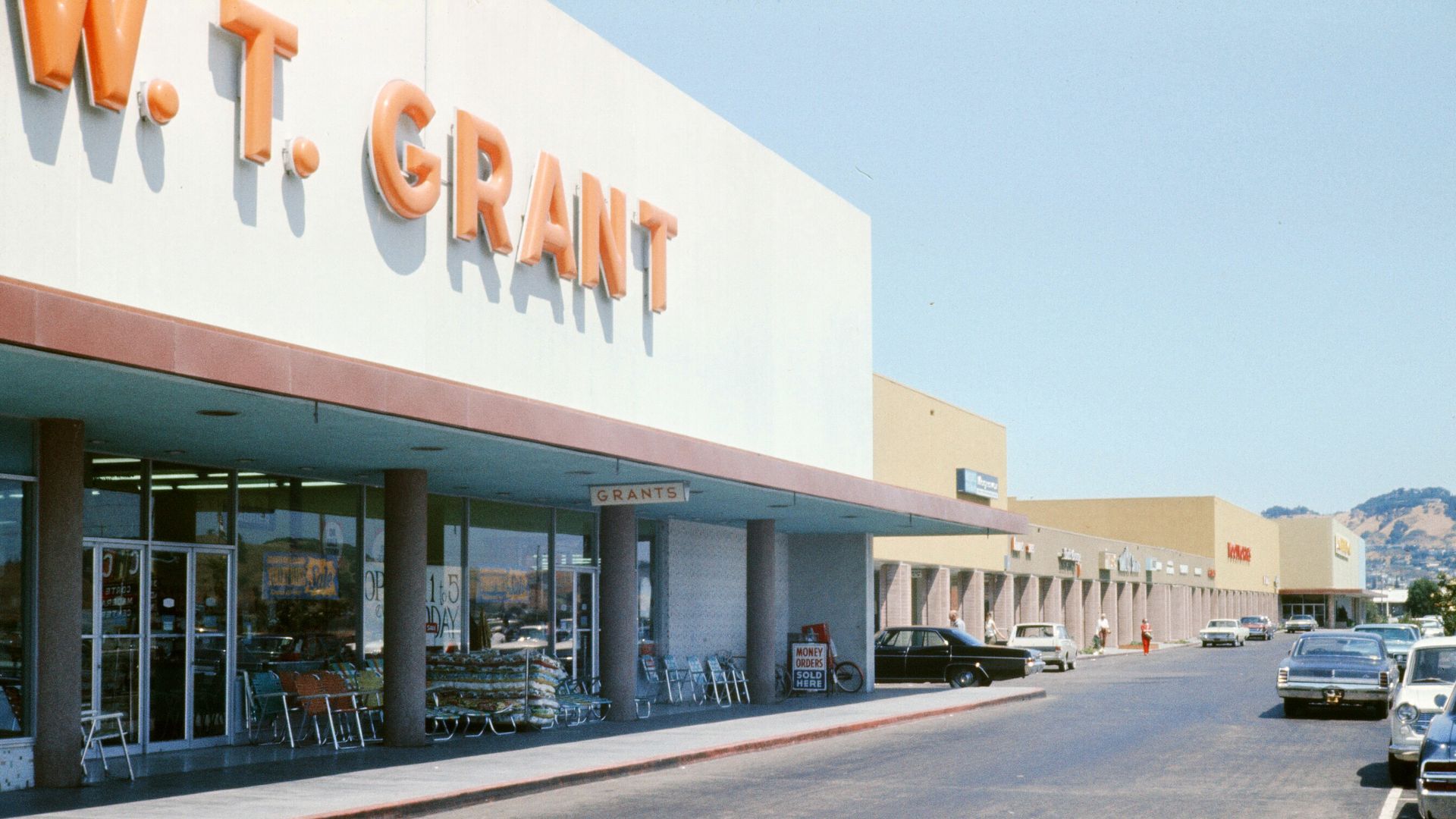 Menlo Park Planning, Wikimedia Commons
J.M. Fields
J.M. Fields was another name that once looked perfectly at home on a sprawling suburban shopping-center sign. The discount chain competed during an era when regional retailers battled for customers with broad selections and low prices. Its parent company, Food Fair, entered Chapter 11, and going-out-of-business sales began at 79 J.M. Fields locations in 1979.
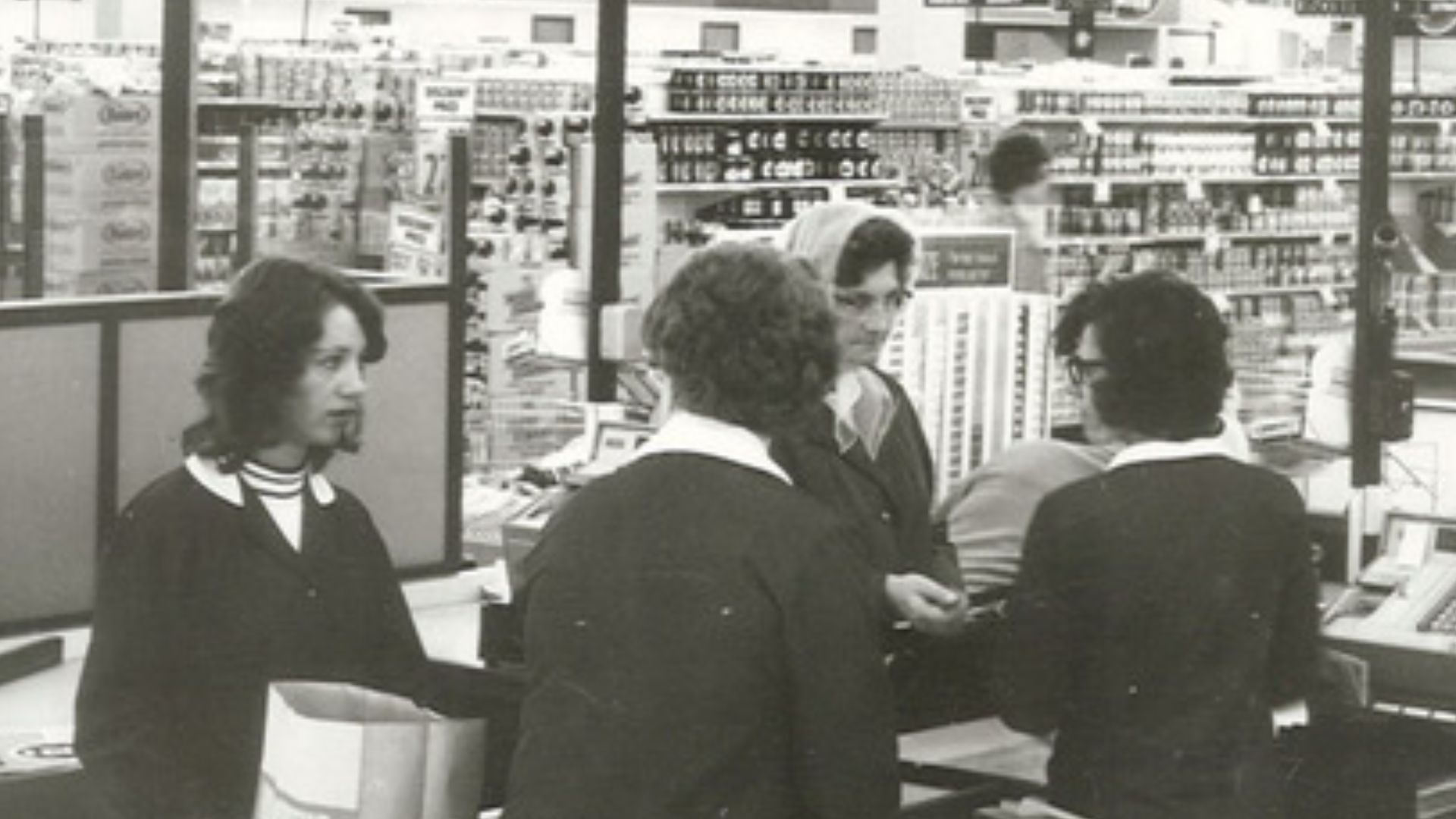 Archives New Zealand from New Zealand, Wikimedia Commons
Two Guys
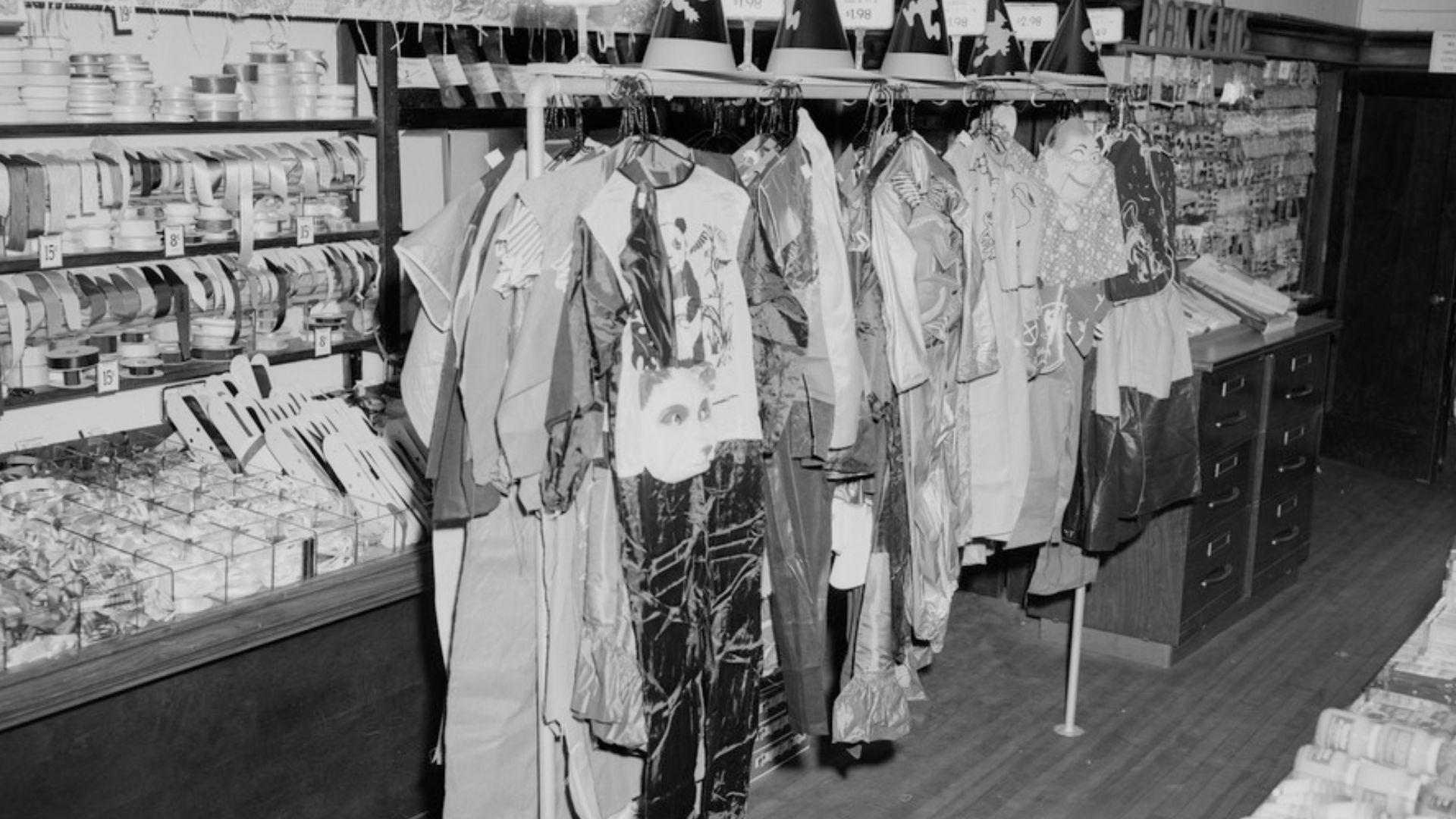
The name alone made Two Guys difficult to forget. Originating in New Jersey, the discount chain became familiar to shoppers across parts of the Northeast and Mid-Atlantic. Like Korvette and other early discounters, Two Guys represented the new generation of large stores that promised almost everything a suburban family needed under one roof.
 Abdalian, Leon H., 1884-1967, Wikimedia Commons
Alexander's
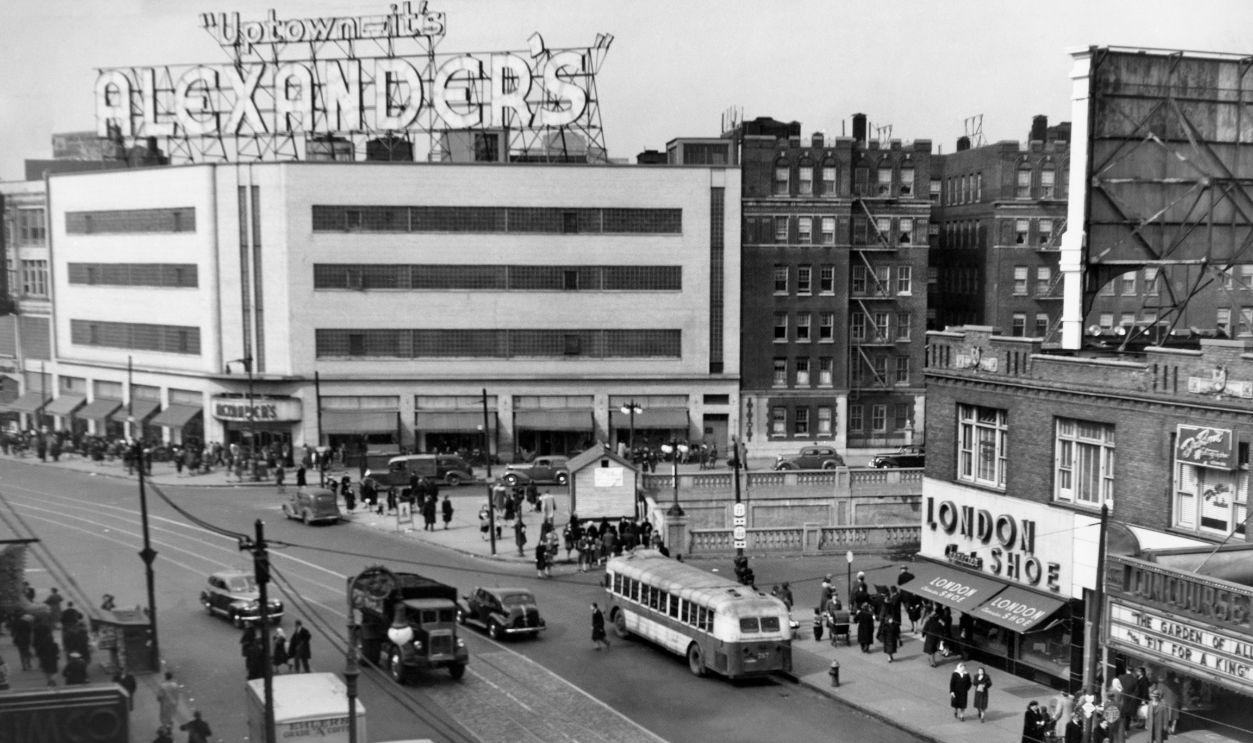
New Yorkers once had another major department-store name competing for their attention: Alexander's. The regional chain became known for value-oriented shopping and large stores throughout the metropolitan area. By the 1960s, Alexander's ranked among America's largest department stores by sales, but changing retail economics eventually caught up with it, and the chain filed for bankruptcy in 1992.
Rich's
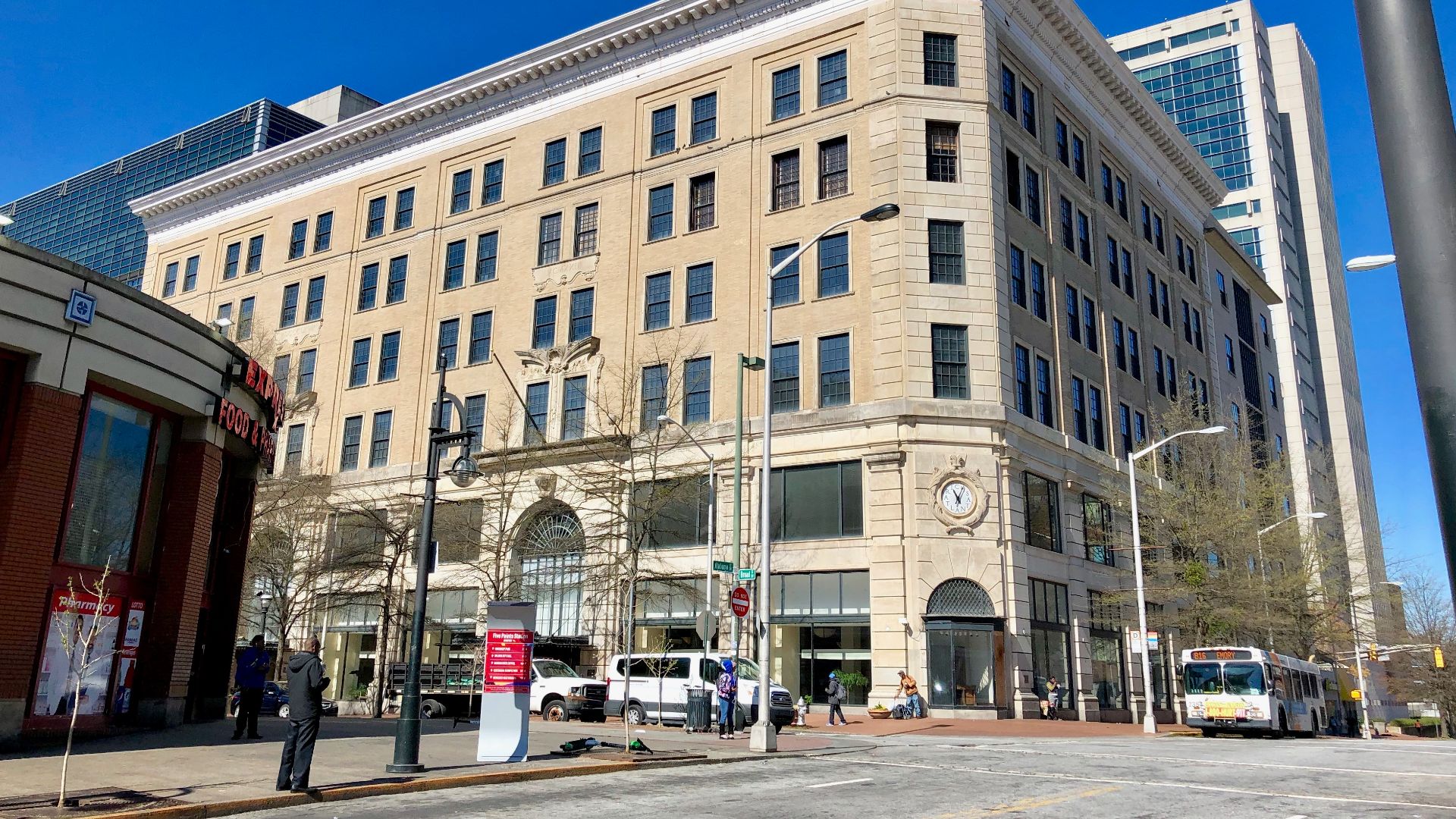
For Atlanta shoppers, Rich's wasn't merely another department store. It was a civic institution. The company ranked among America's biggest department stores in the early 1960s and became deeply associated with Atlanta traditions. Rich's later expanded into discount retail with Richway, but decades of consolidation ultimately erased the historic Rich's name from American storefronts.
 Warren LeMay from Cincinnati, OH, United States, Wikimedia Commons
Famous-Barr
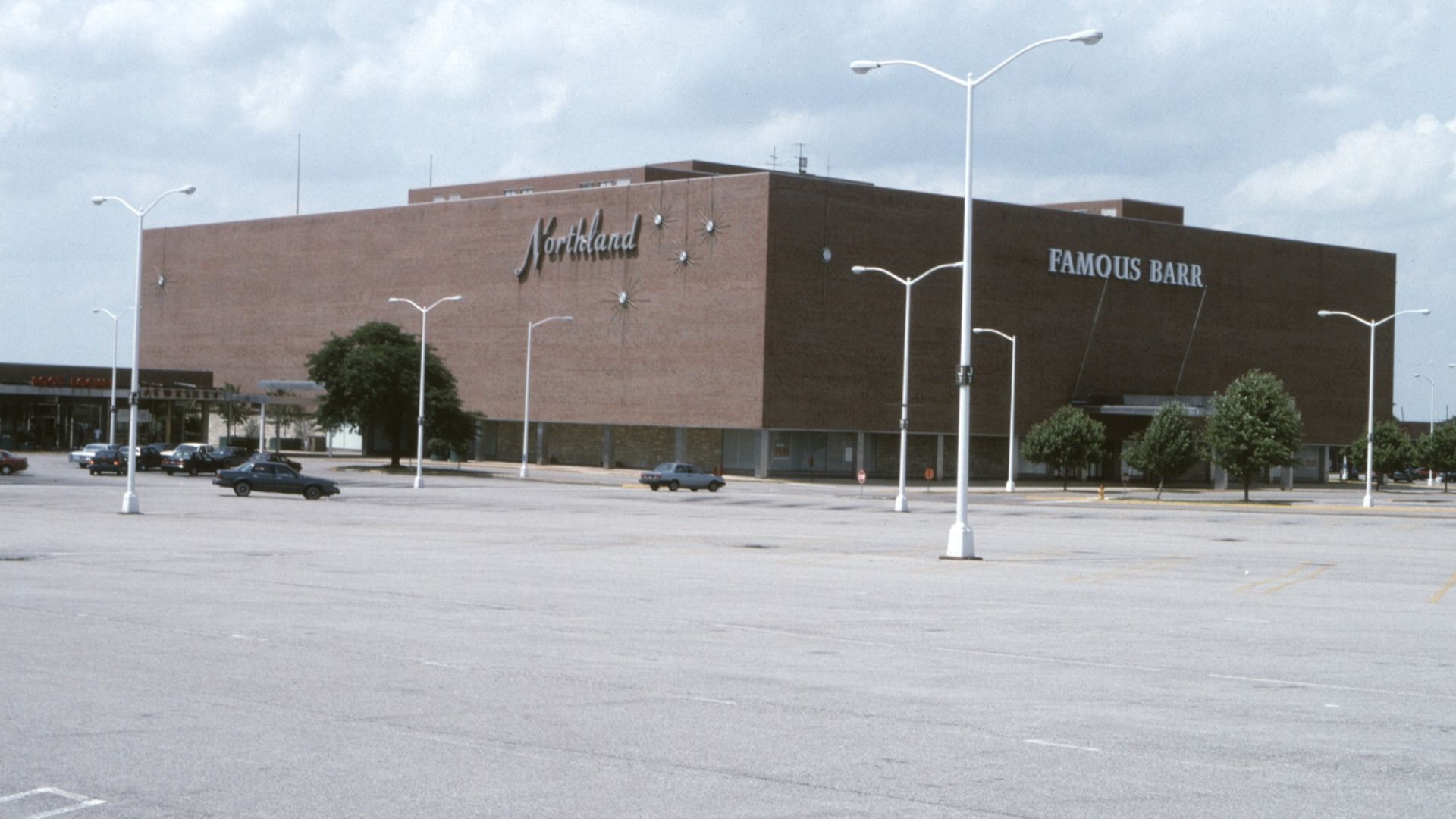
St. Louis families once headed to Famous-Barr for clothing, household goods, holiday shopping, and much more. The retailer ranked tenth among America's department stores by sales volume in 1963-64. Like many powerful regional names, Famous-Barr survived long after the 1970s, but consolidation eventually stripped away its local identity as stores were converted to Macy's.
 Dwaynep2020, Wikimedia Commons
Woodward & Lothrop
Washington-area shoppers affectionately called it "Woodies." Woodward & Lothrop was one of the capital region's great department-store institutions, ranking among America's biggest retailers in the early 1960s. Its downtown Washington flagship and suburban locations served generations before the company succumbed to financial difficulties and vanished during the great consolidation of regional department stores.
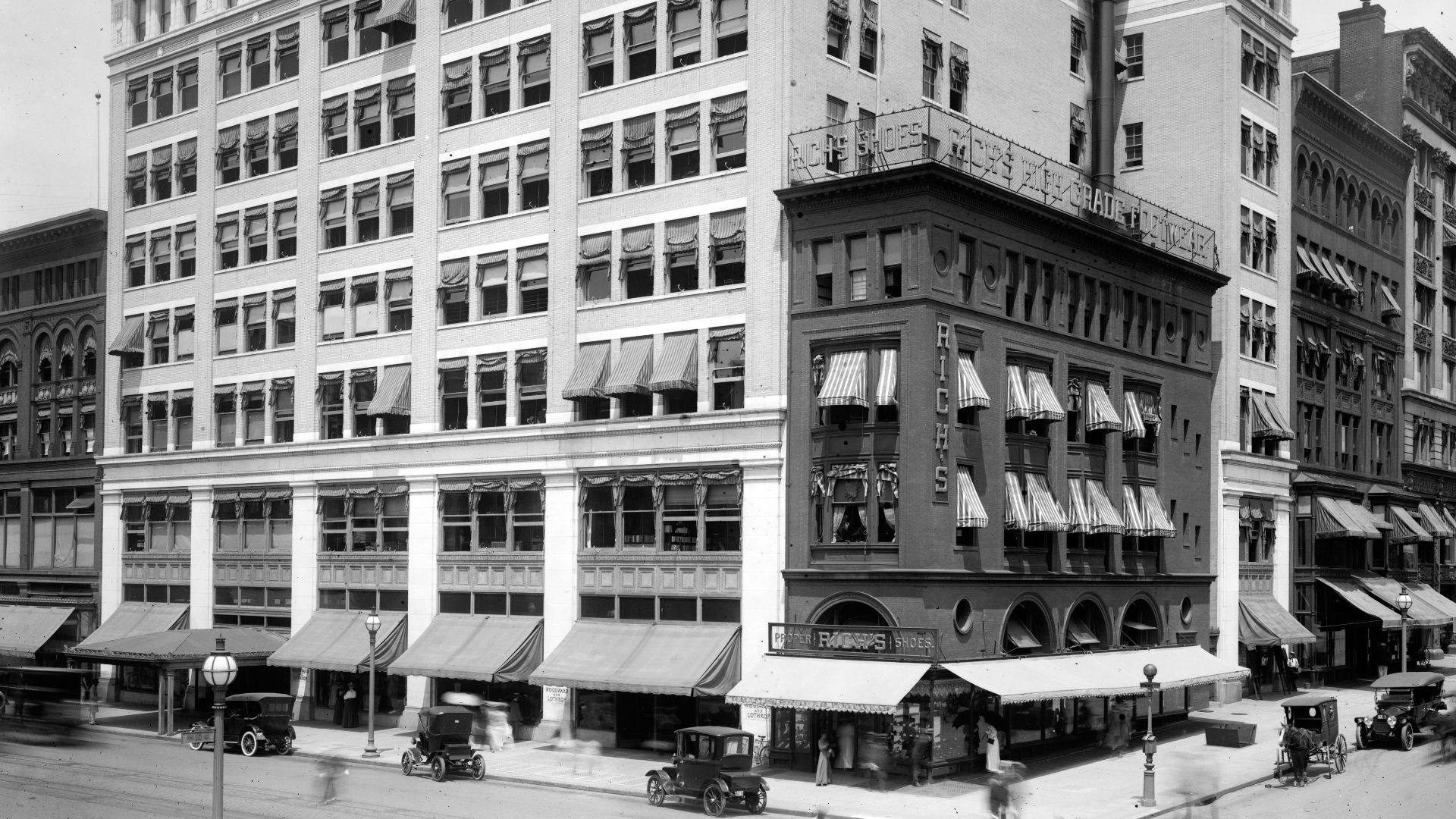 National Photo Company, Wikimedia Commons
L.S. Ayres
Indianapolis had L.S. Ayres, an elegant hometown department store that expanded across Indiana and surrounding areas. It was substantial enough to rank among America's 30 largest department stores in the early 1960s. For many Midwestern families, Ayres was synonymous with downtown shopping before malls, mergers, and national chains gradually erased the regional name.
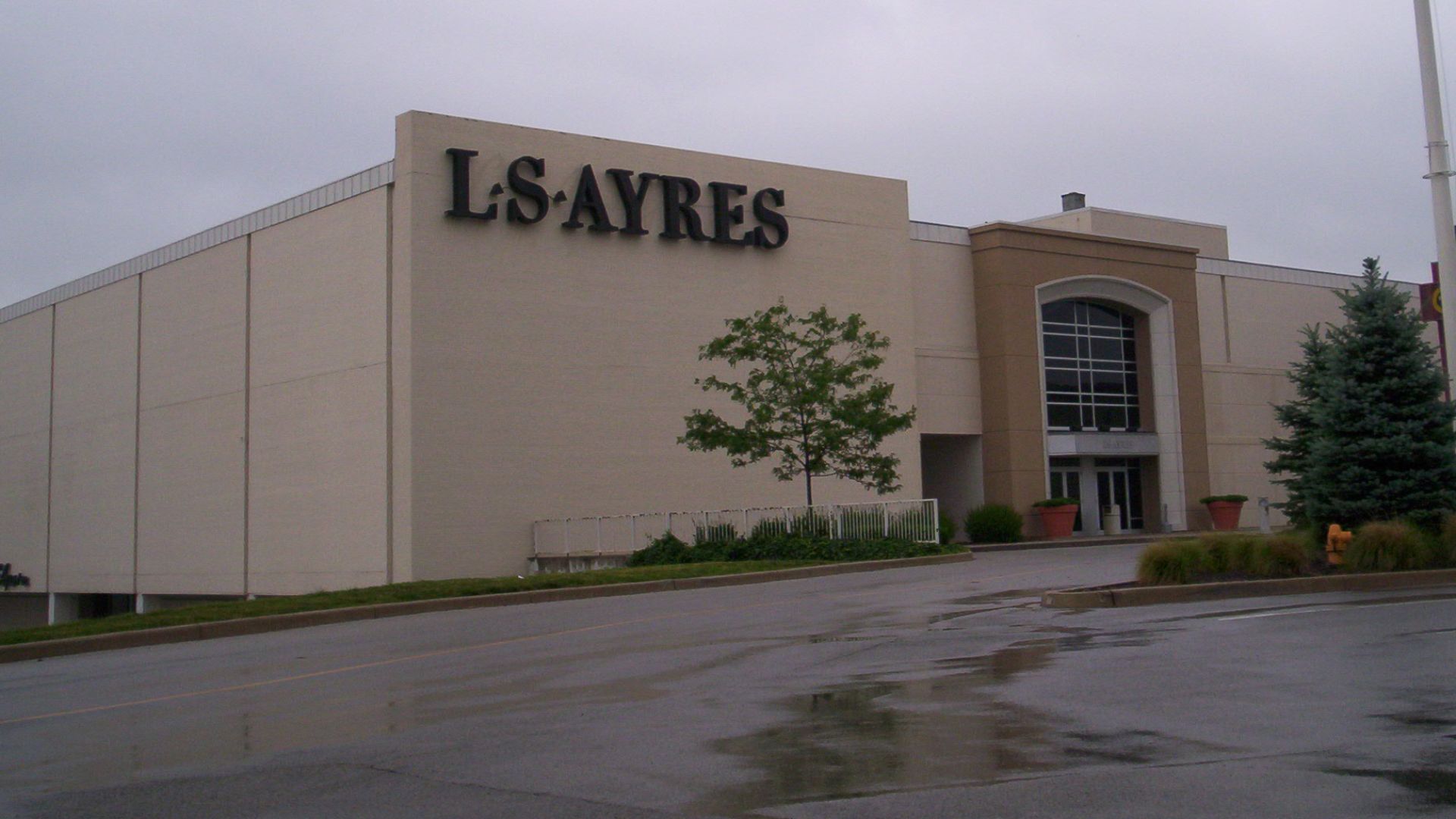 Darrell~commonswiki, Wikimedia Commons
Wanamaker's
Philadelphia's Wanamaker's helped define what an American department store could be. Its enormous flagship became famous well beyond Pennsylvania, while suburban branches opened as shoppers migrated away from downtown. Wanamaker's opened at Moorestown Mall in 1963 and continued expanding, but the remaining stores were eventually converted to Hecht's in 1995.
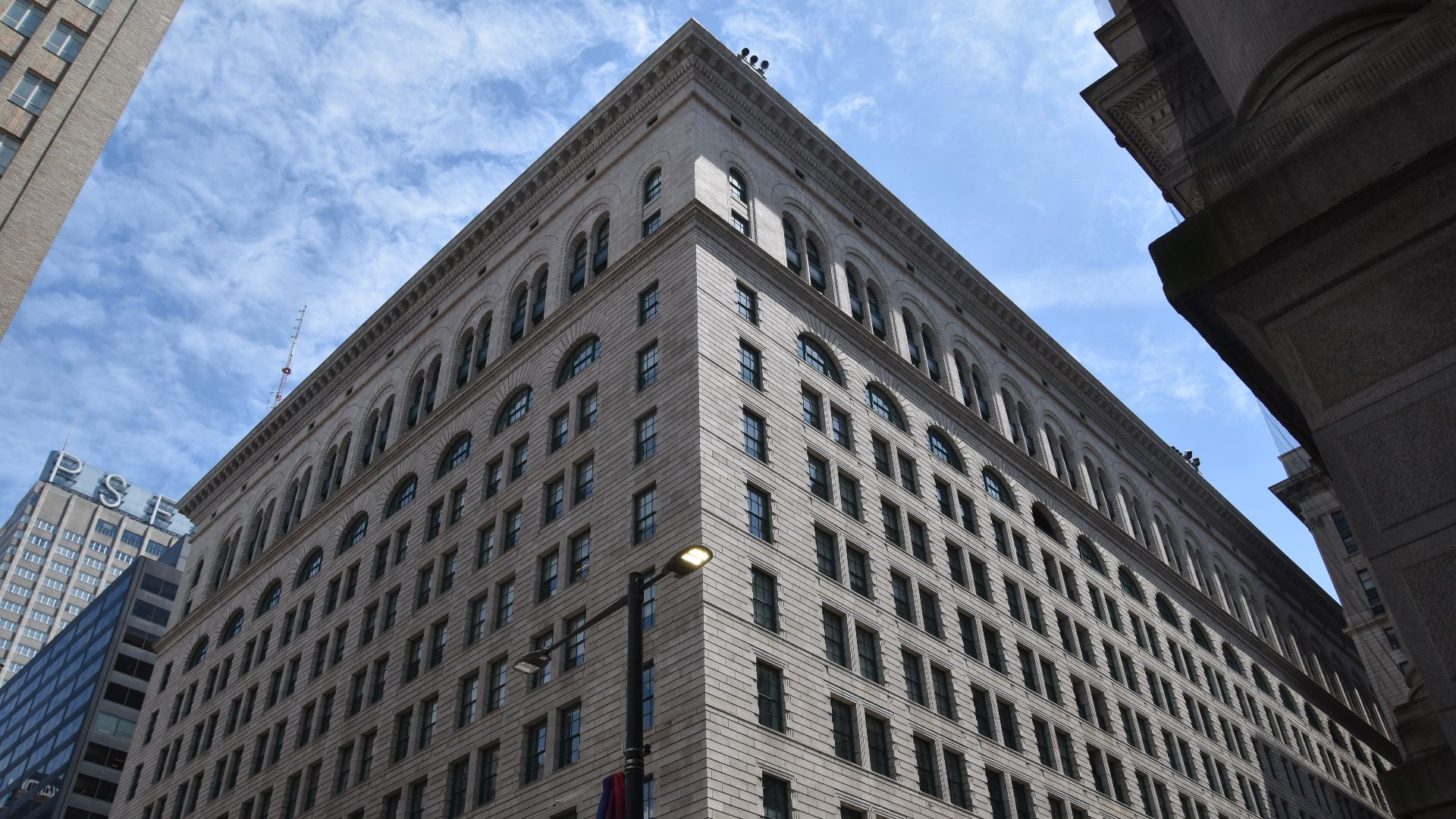 Fred Cherrygarden, Wikimedia Commons
Bradlees
Bradlees arrived in 1958 and became a fixture of suburban shopping across New England and the Mid-Atlantic. For families who remember the 1960s and 70s, it represented the increasingly dominant discount-store experience: clothing, household goods, seasonal merchandise, and bargains under one roof. Bradlees survived until financial problems finally forced liquidation in 2001.
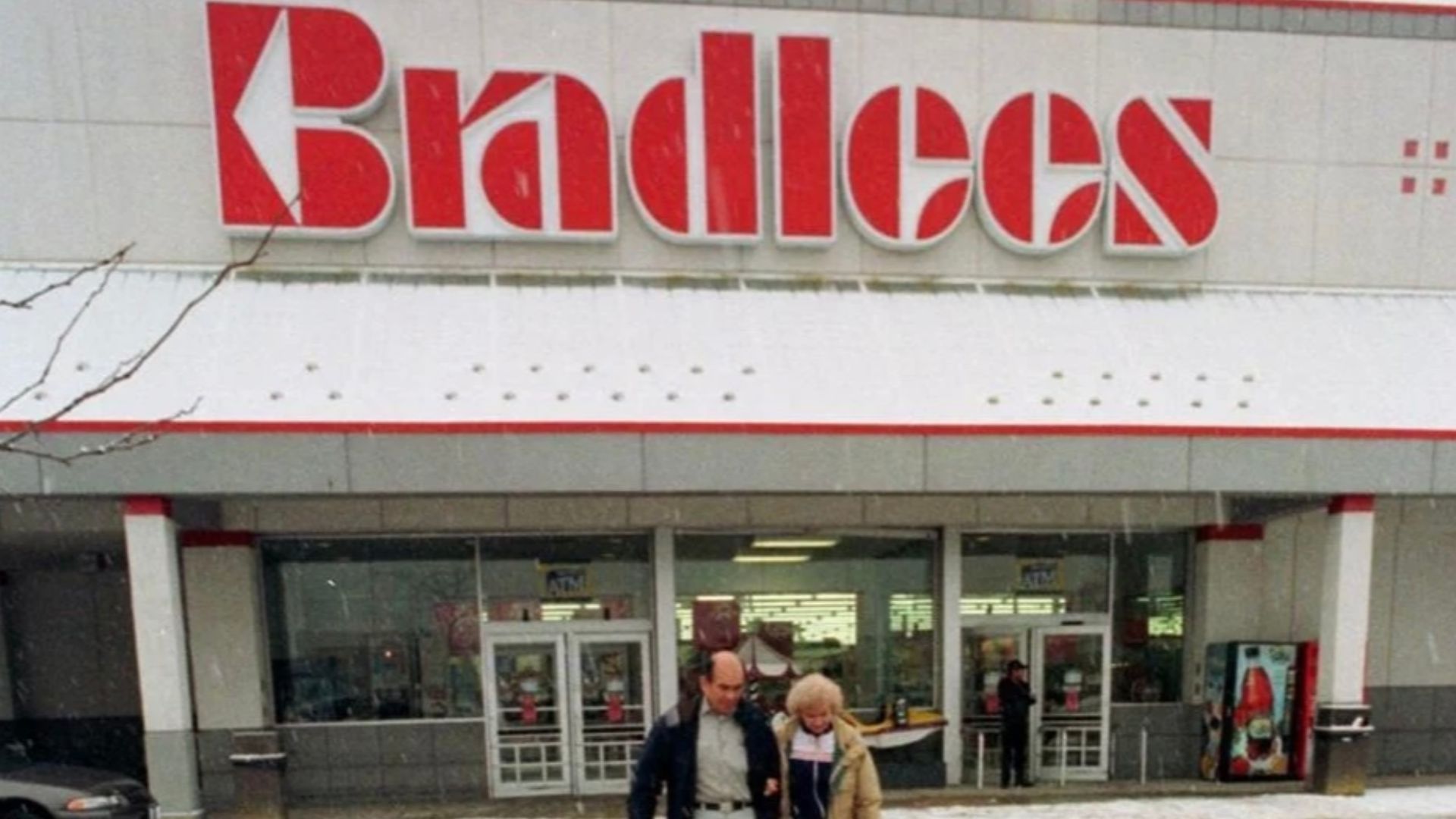 Byron A. Nash from USA, Wikimedia Commons
Saturday Shopping Changed Forever
These stores disappeared for different reasons, but together they represent a vanished retail landscape. By the 1970s, malls, shopping centers, and discount department stores already accounted for 35% of US retail. Eventually national giants and big-box specialists squeezed many regional names out, leaving memories of Saturday shopping trips behind.
 Phillip Pessar, Wikimedia Commons
You May Also Like:
Forgotten Grocery Store Items You Used To See Everywhere
Sources: 1, 2, 3, 4, 5, 6, 7, 8, 9, 10, 11, 12, 13, 14, 15, 16, 17