Ten Bucks Used To Mean Something
There was a time when leaving the house with a ten-dollar bill felt like having real spending money. Today, what does ten bucks get you? Not much. How many of these do you remember costing less than $10?
 Hryshchyshen Serhii, Shutterstock
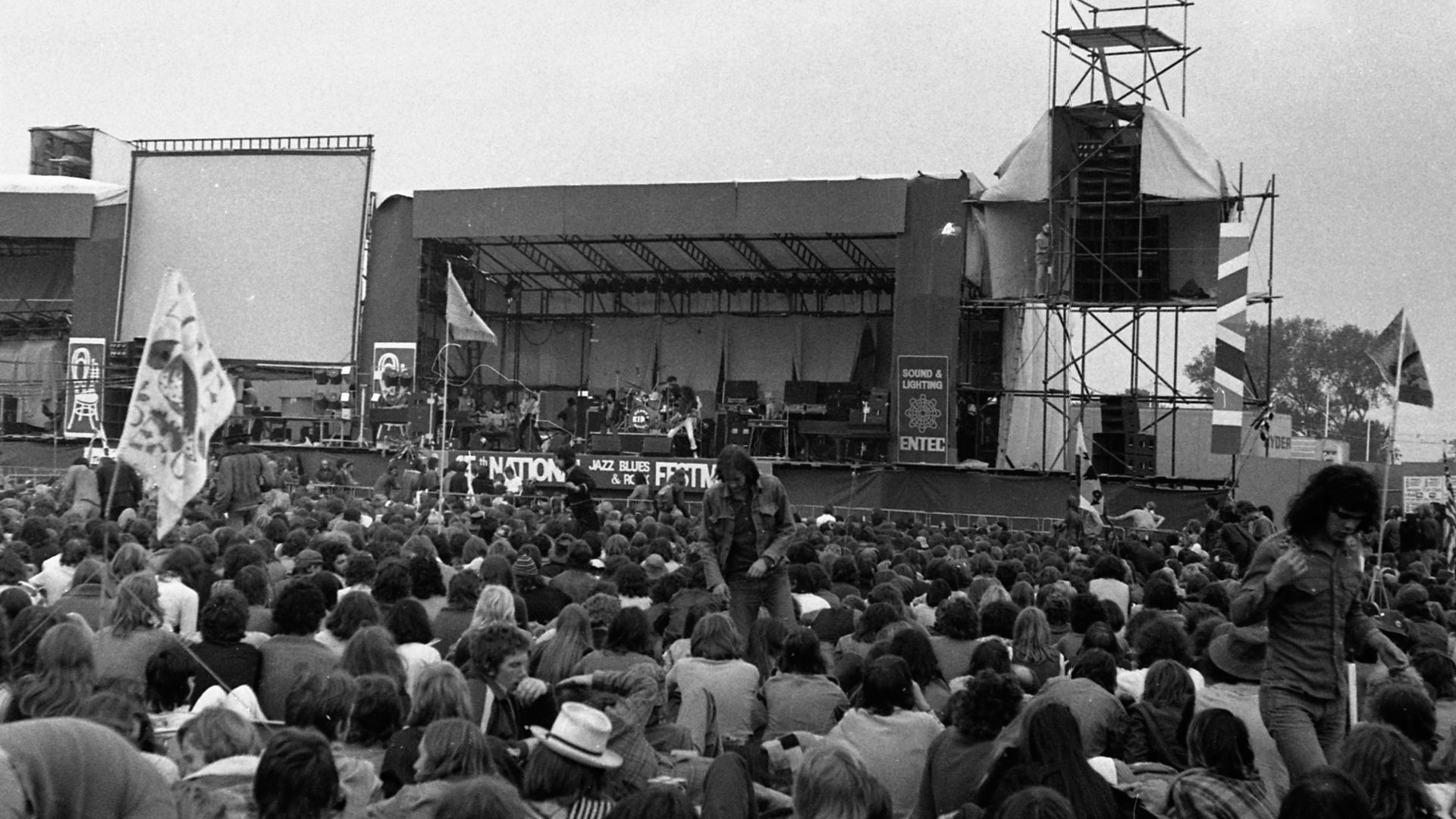
Concert Tickets
In the 70s, seeing some of the biggest names in music often cost between $6 and $10. Imagine watching legends like Fleetwood Mac, Queen, or Elton John for less than the price of a fast-food combo today. Now, seeing a major artist can easily cost well over $100 before fees—and that's if you can even find a ticket.
 David Major, Wikimedia Commons
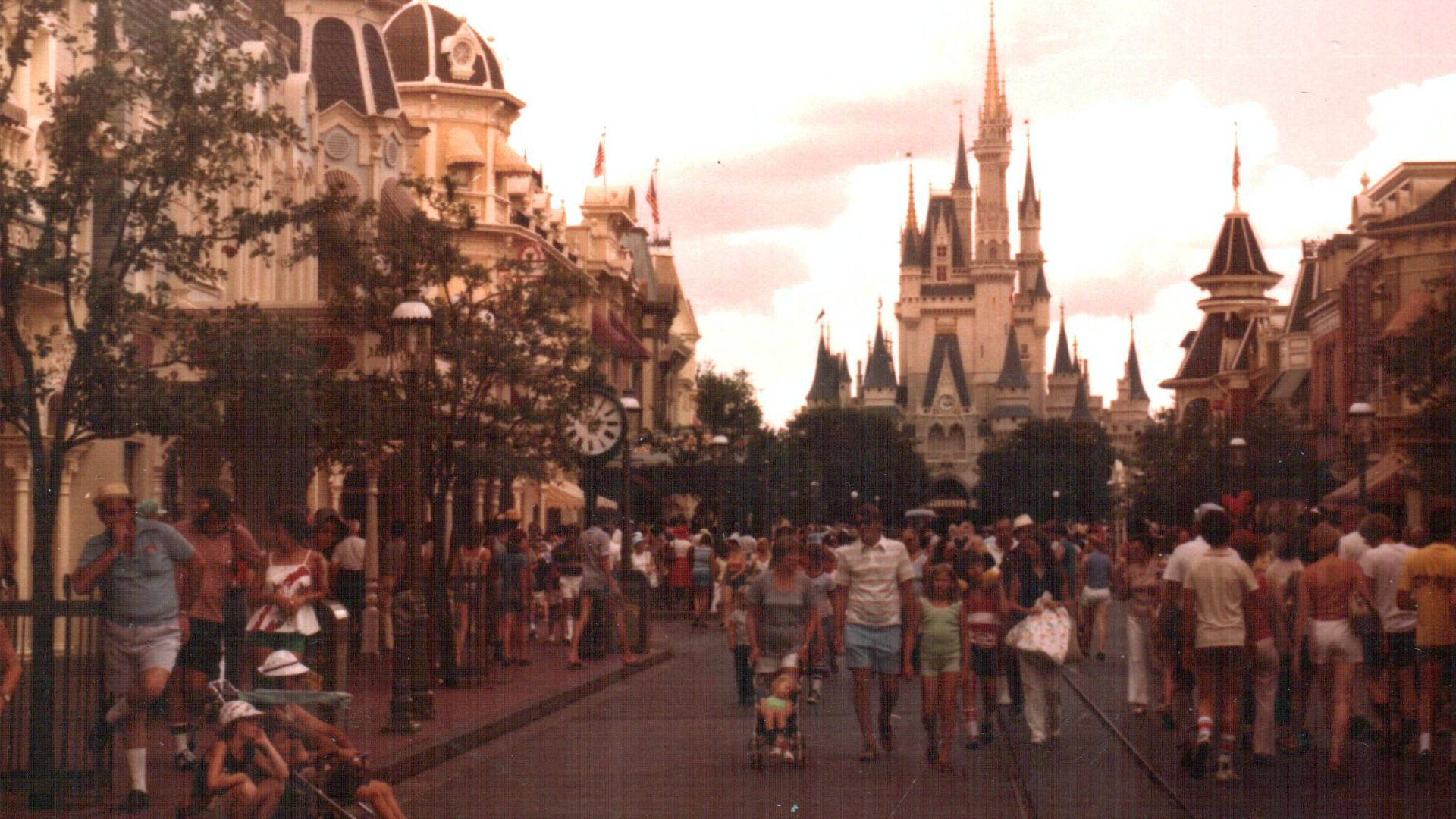
Disneyland Admission
A Disneyland ticket got you through the front gate for less than $10 throughout much of the 70s. You still needed ride tickets, but even with those added, a Disney day cost a fraction of what many families spend today. Admission alone now regularly tops $100 before you buy a single snack.
 Derzsi Elekes Andor, Wikimedia Commons
Babysitting For The Evening
Hiring a neighborhood teenager to babysit didn't require a second mortgage. Paying around $5 for the evening wasn't unusual, though rates varied by location and how long the parents were out. Today, many parents spend that much in the first half hour before the babysitter has even found the TV remote.

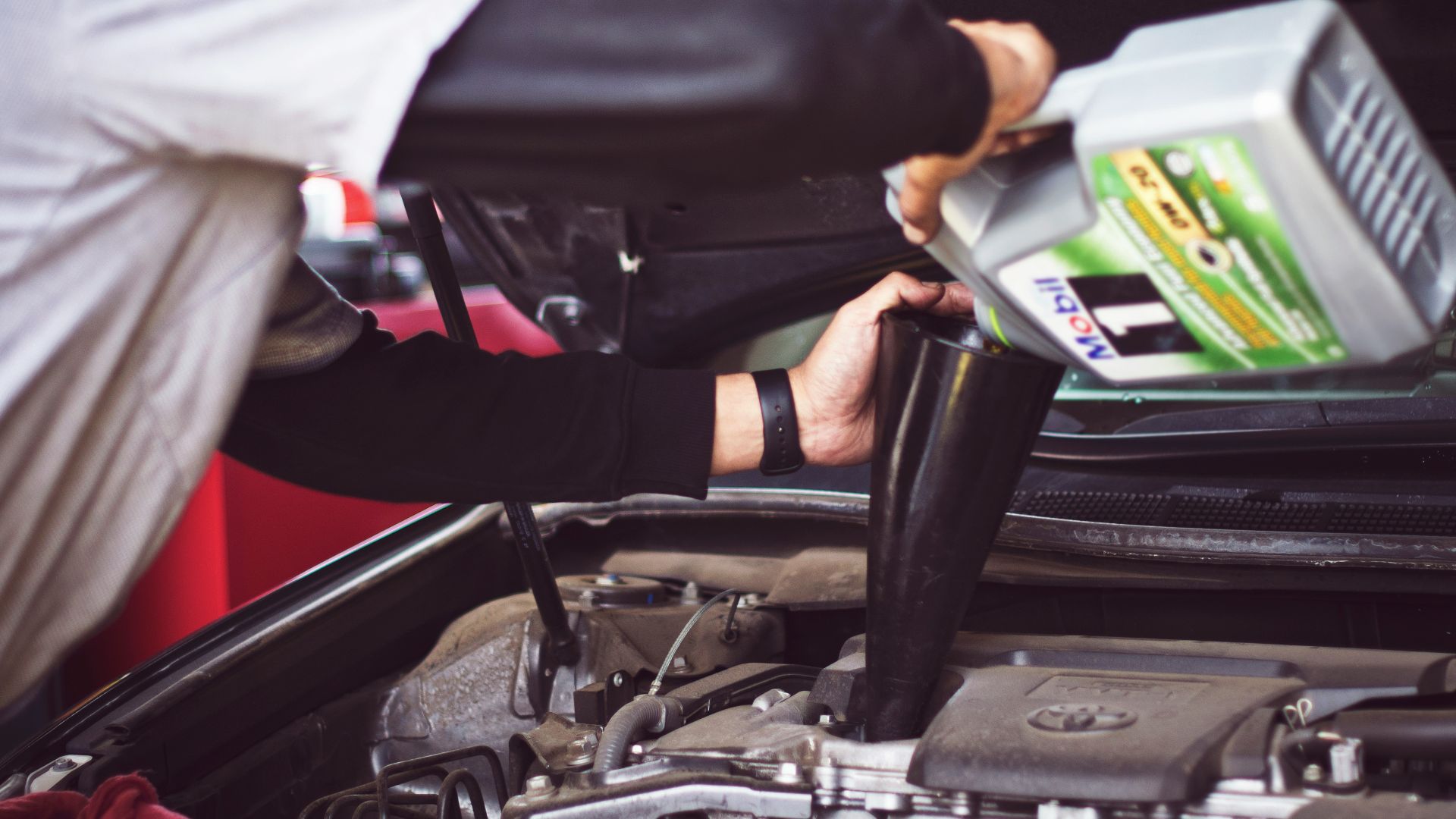
Oil Changes
Routine maintenance didn't hit nearly as hard. An oil change commonly cost around $8 in the 70s, making it easy to keep up with regular service. Today, many drivers pay $70 or more depending on the oil and vehicle.
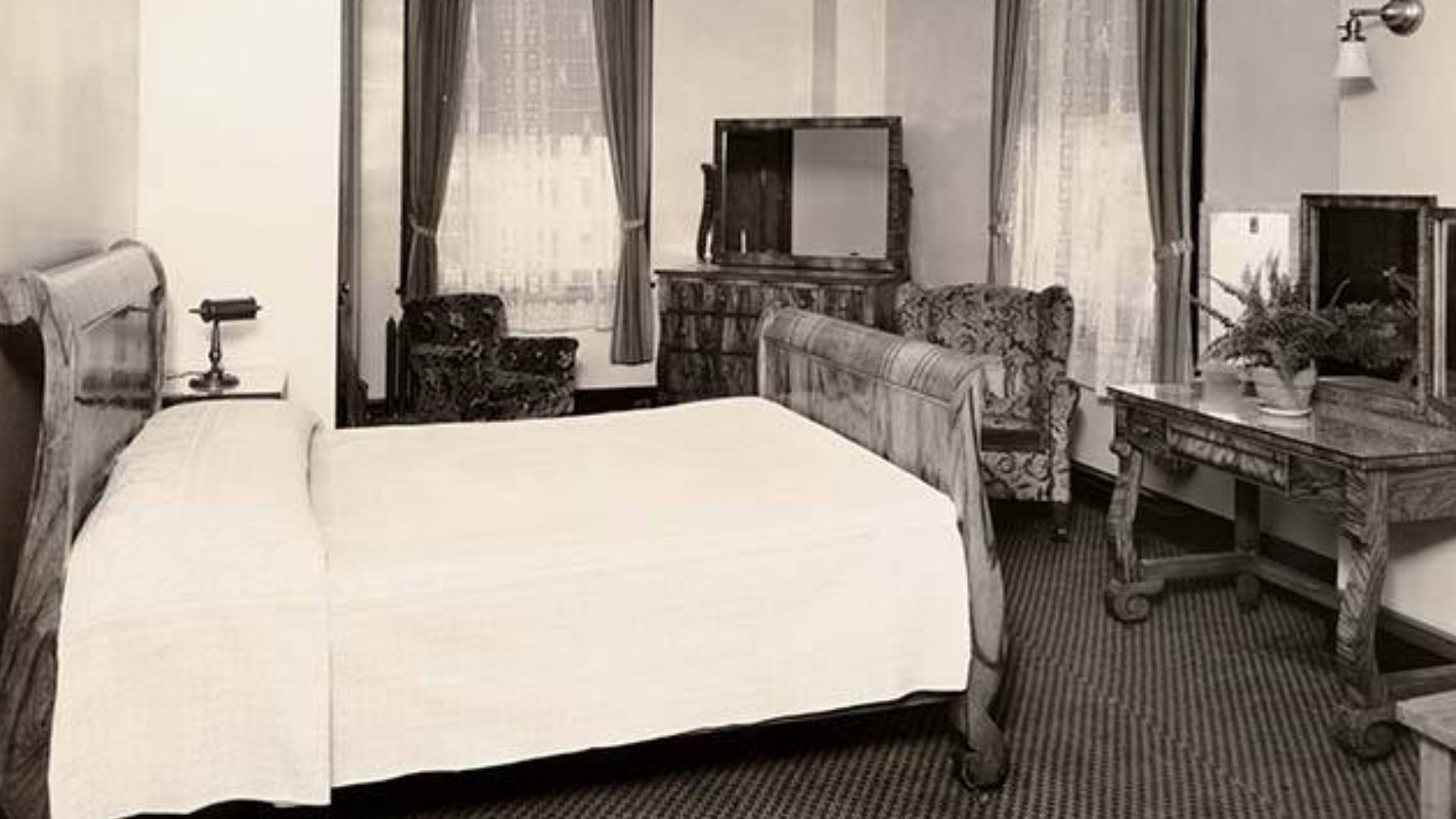
Hotel Rooms
In the early 70s, plenty of roadside motels advertised rooms for under $10 a night. By the end of the decade those prices had climbed, but compared to today's $100-plus budget hotels, they still seem unbelievable. Finding a clean room for under $100 now feels almost as rare as finding one with a vibrating bed.
Professional Baseball Tickets
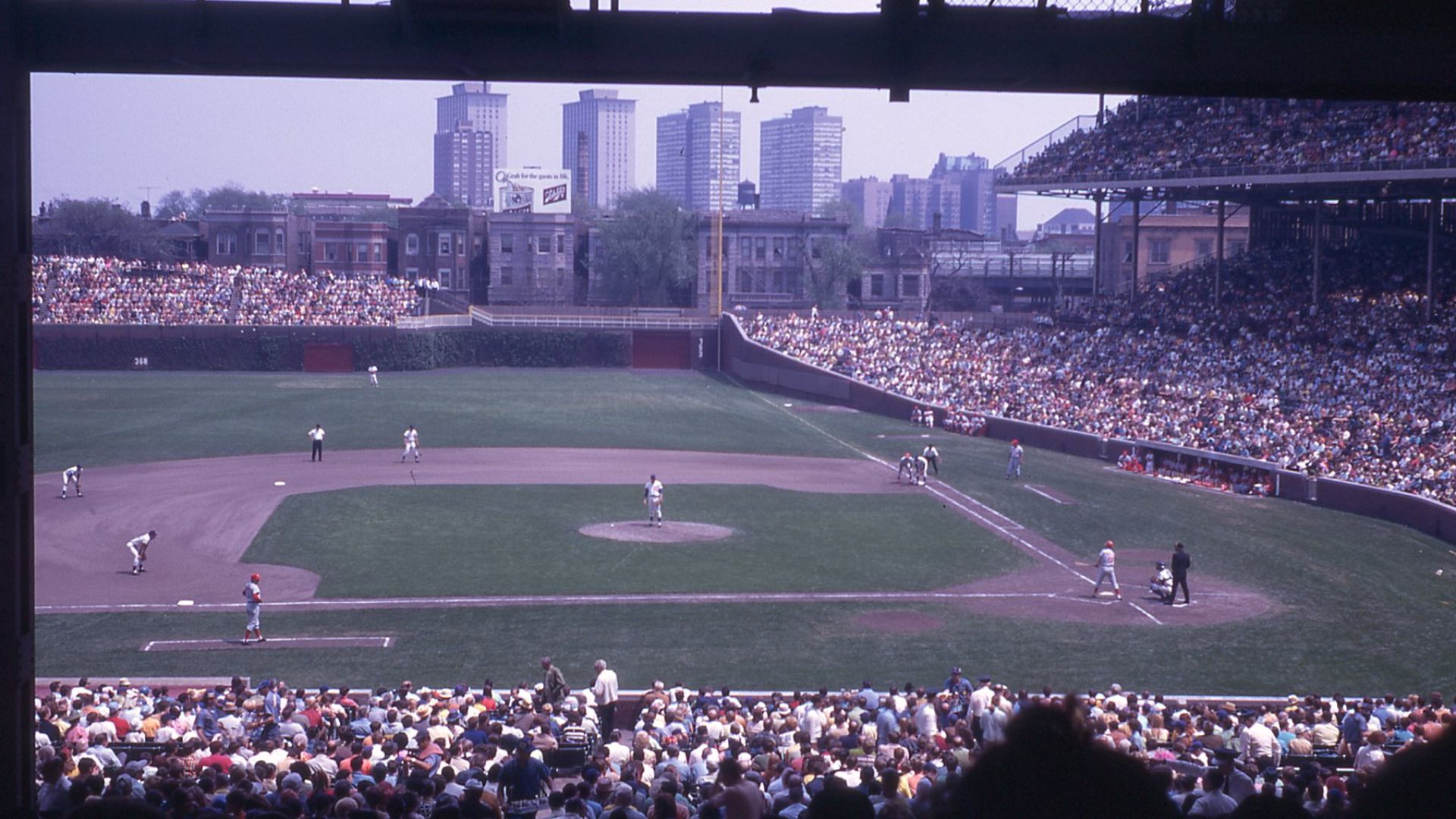
A good seat at a Major League Baseball game often cost just a few dollars in the 70s. Even premium seats were commonly under $10. Today, many fans spend more on parking than Boomers once spent to watch the entire game.
 Blake Bolinger from Central NJ, United States, Wikimedia Commons
Movie Tickets
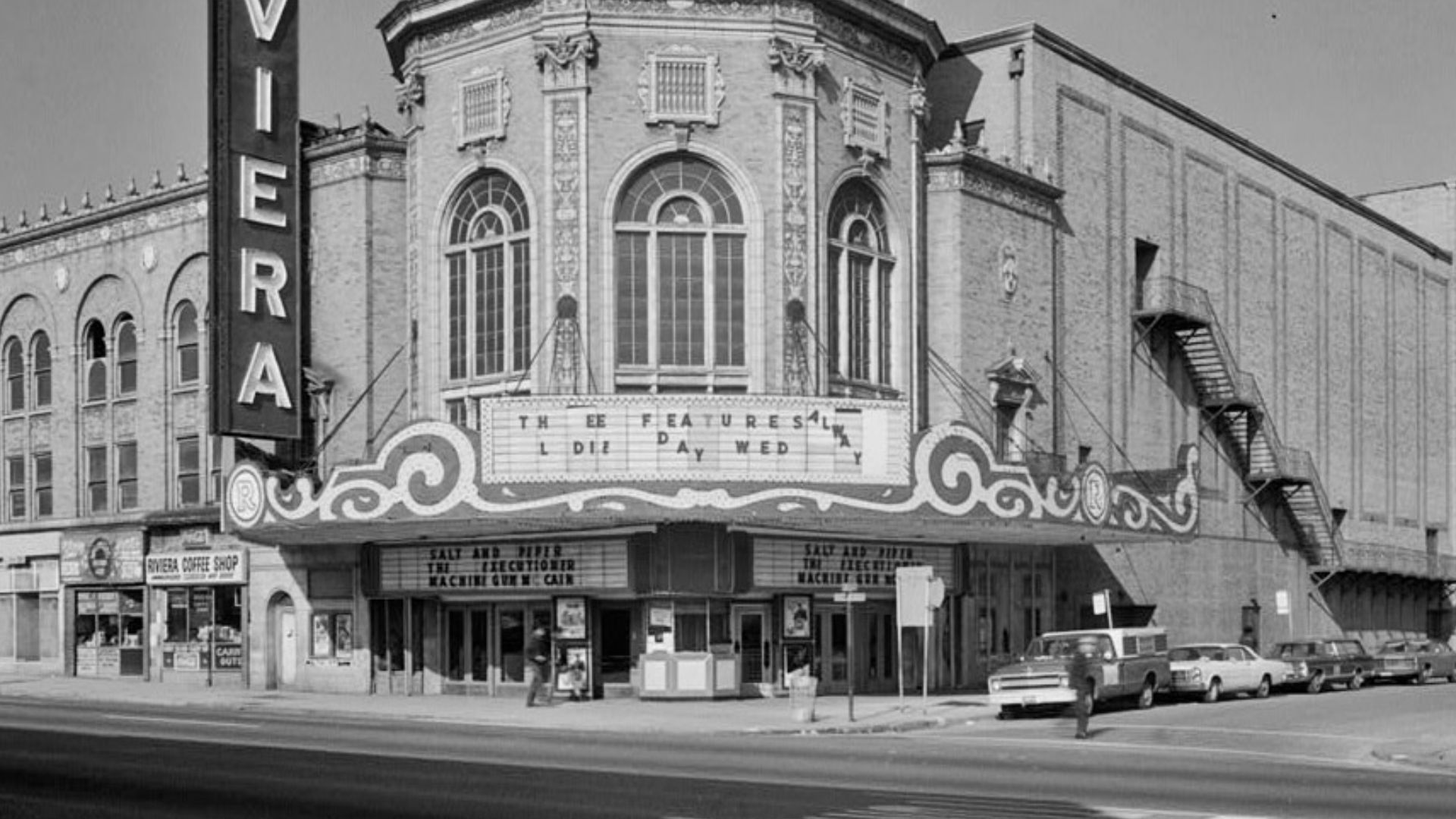
Going to the movies was one of the cheapest nights out around. Tickets averaged about $2 in the 70s, meaning ten dollars could cover several admissions. Today, one ticket alone can easily run $15 or more at many theaters—and that's before popcorn enters the conversation.
 Allen Stross, Wikimedia Commons
A Full Tank Of Gas
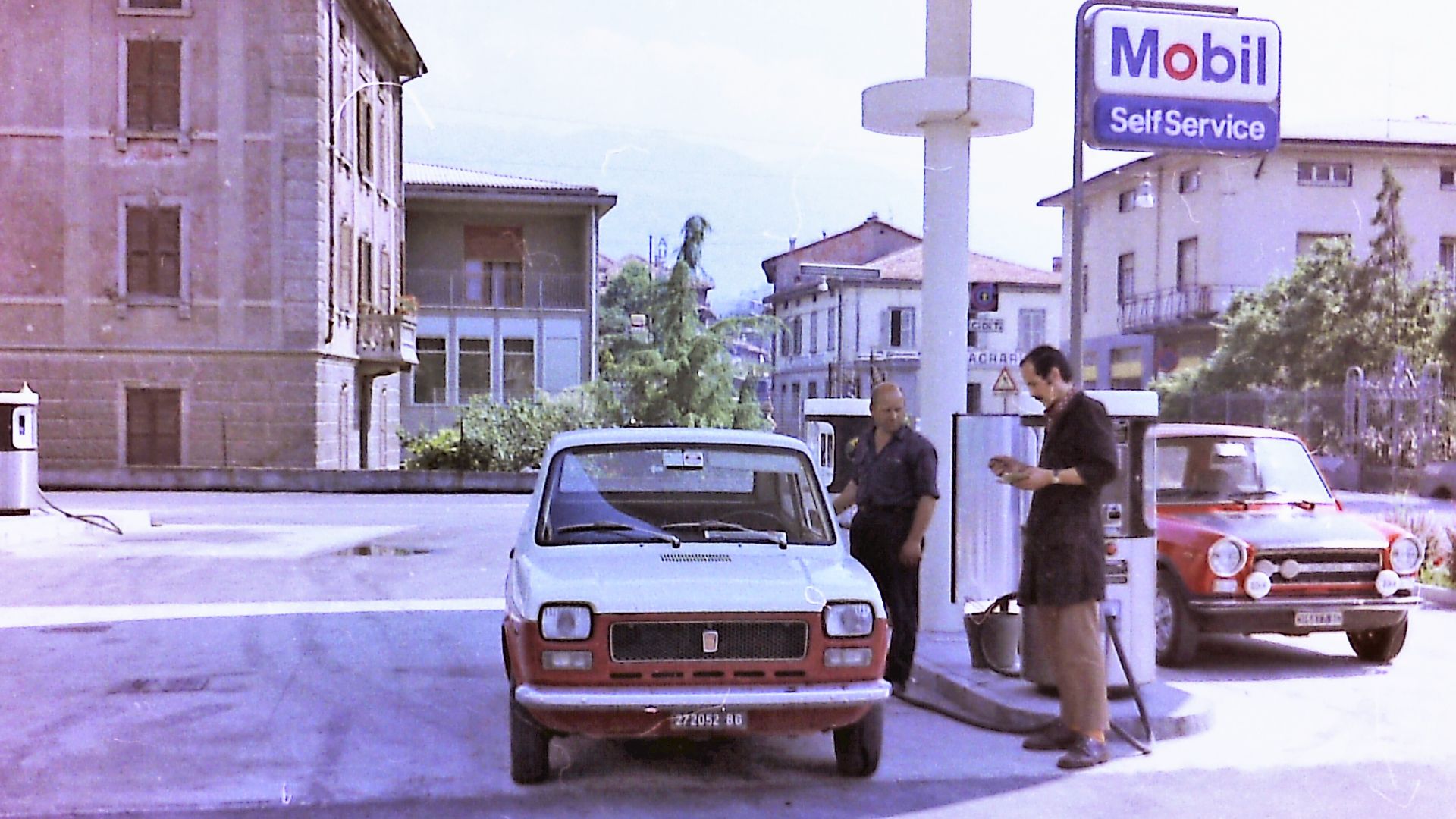
There was a time when filling your car's gas tank could actually cost less than ten dollars. Even after the energy crisis pushed prices higher during the decade, many drivers still walked away from the pump without emptying their wallets. Today, a fill-up often costs six or seven times that amount.
A Steak Dinner
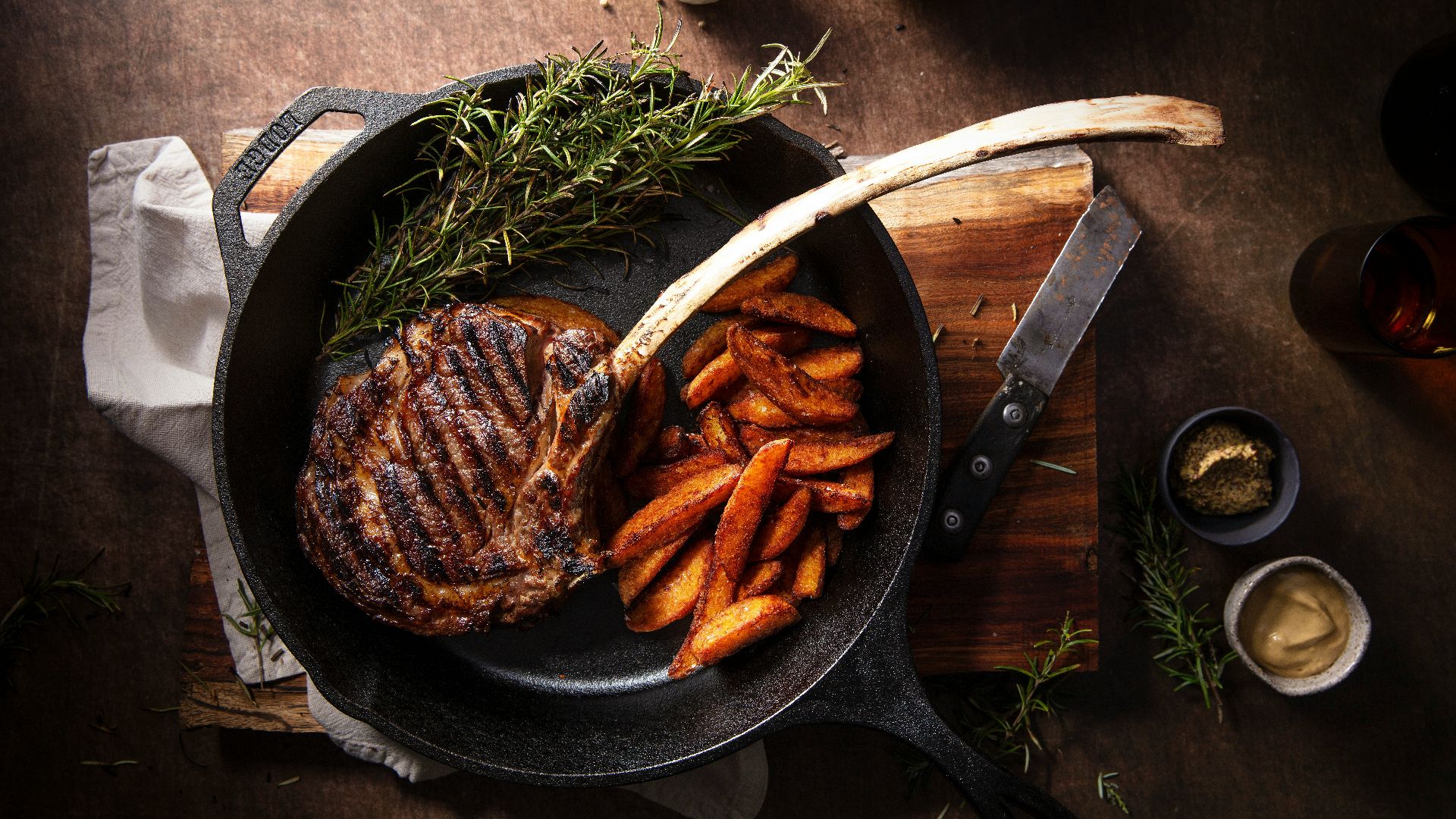
Ordering a steak dinner at a nice restaurant didn't require a special occasion. In many places, you could enjoy one for under $10. Today, that same meal can easily cost $40, $50, or much more before you even leave a tip.
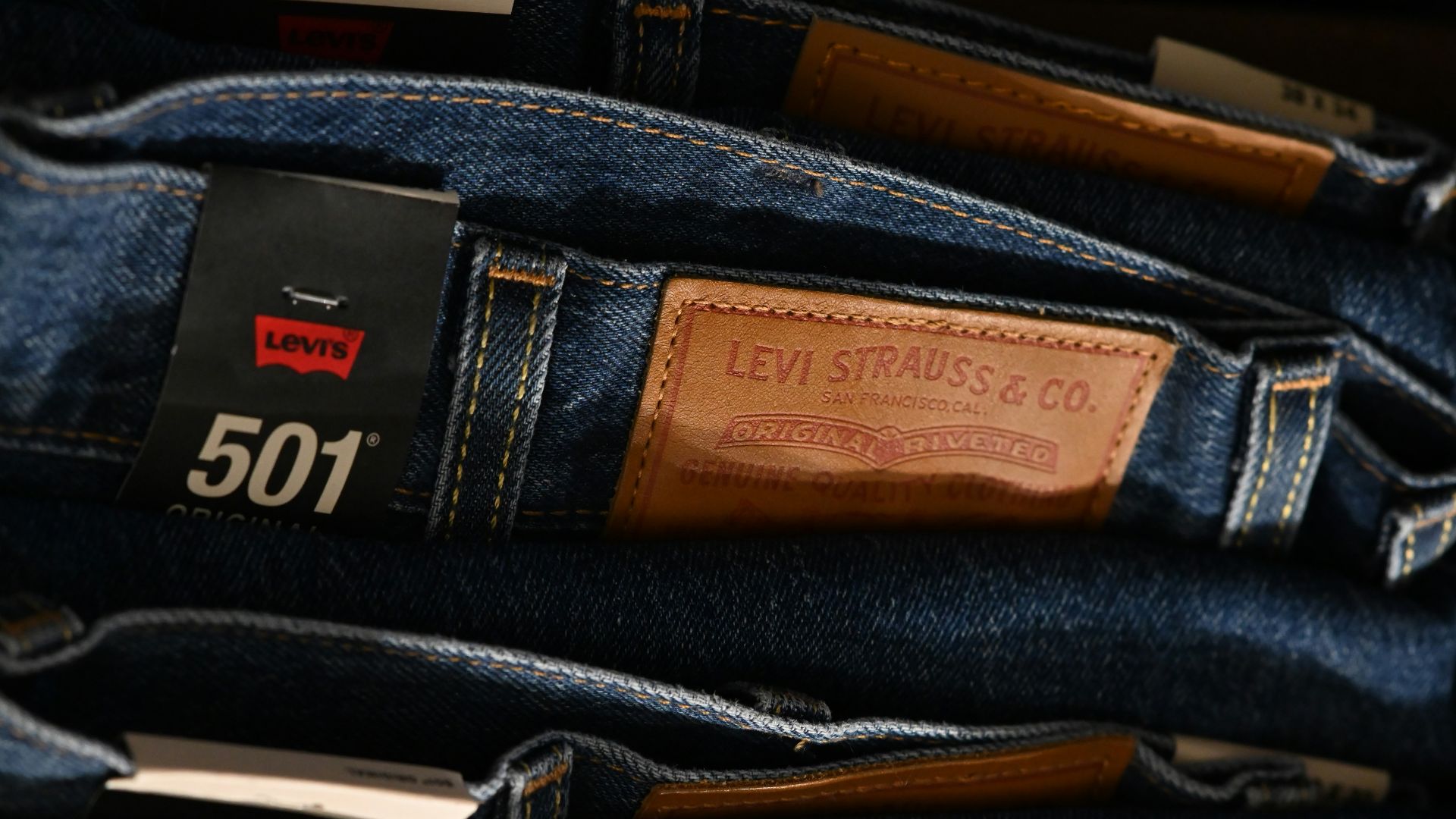
Levi's Jeans
Levi's weren't bargain-bin clothes, but they were still affordable. A new pair often sold for around $8 or $9 in the 70s. Today, buying the same brand usually means spending somewhere between $60 and $100 depending on the style.
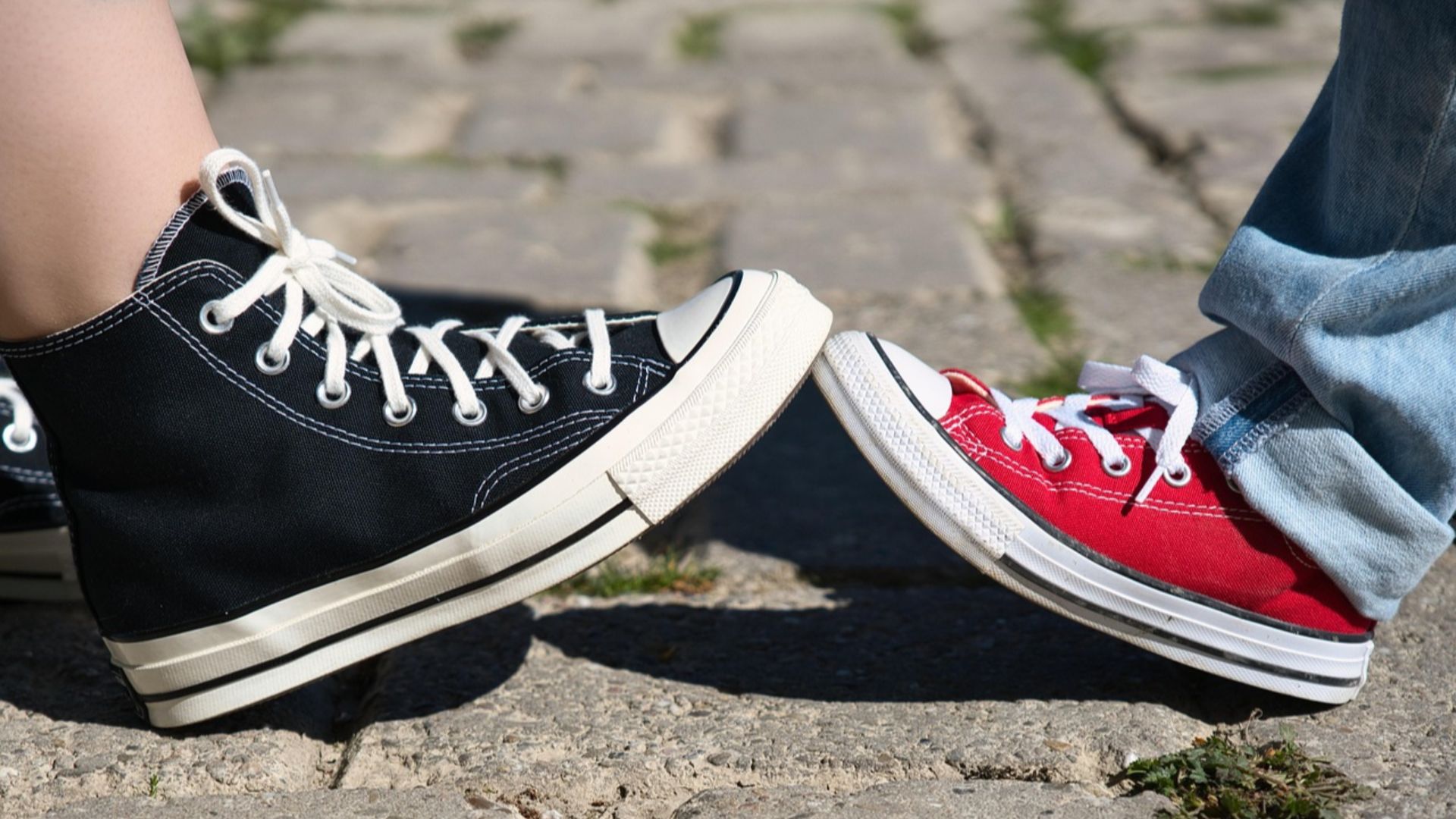
Brand-Name Sneakers
Whether you preferred Converse, Adidas, or Puma, many popular canvas sneakers—including Converse Chuck Taylors—still sold for under $10 early in the decade. Today, even basic versions often cost ten times that amount, and limited editions can climb into the hundreds without breaking a sweat.
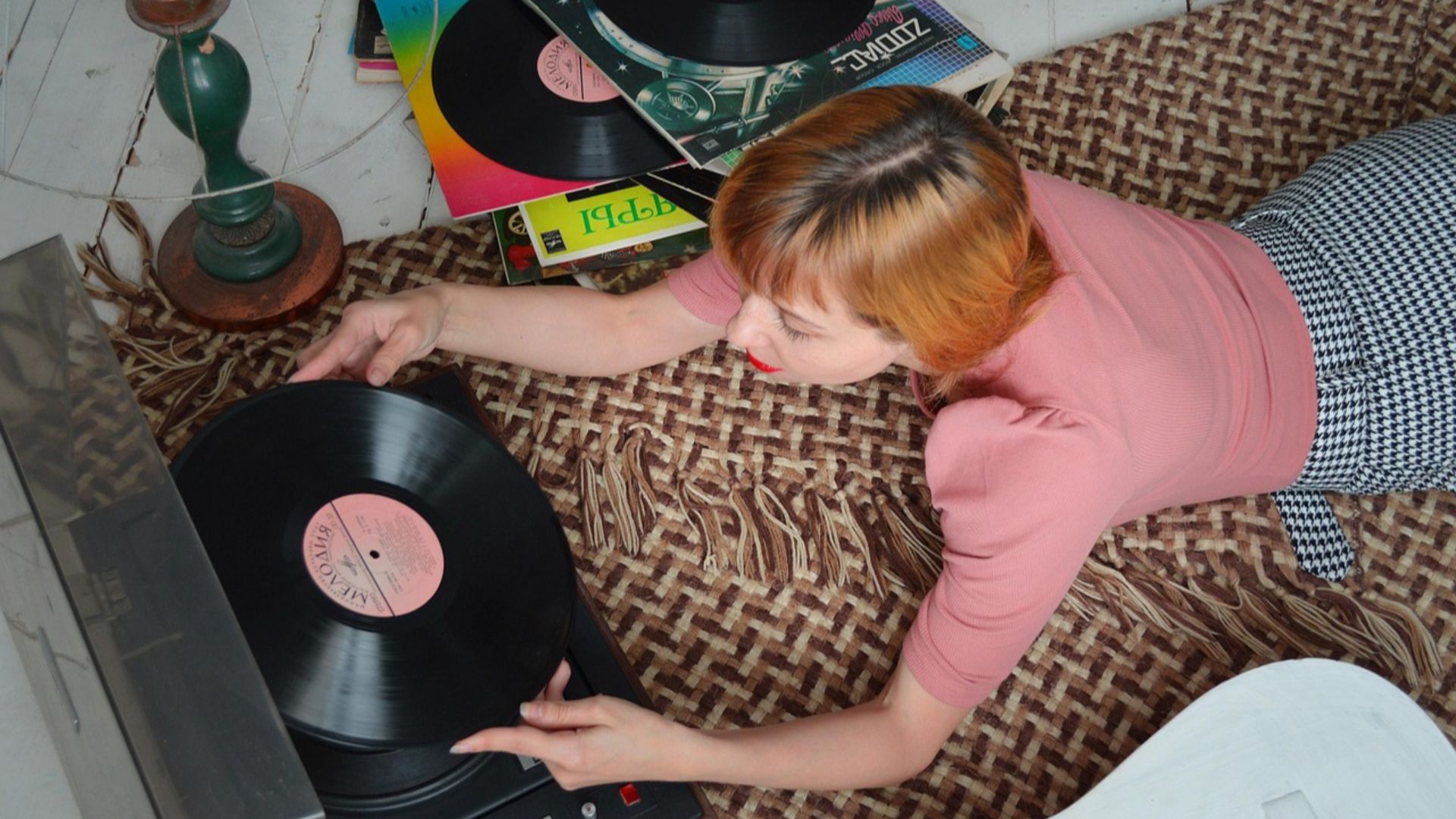
Vinyl Records
Buying a new album didn't require much planning. Most records sold for roughly $5 to $8, making it easy to build a music collection one payday at a time. Today, many new vinyl releases sell for $30 to $50 each—and collectors often pay much more.
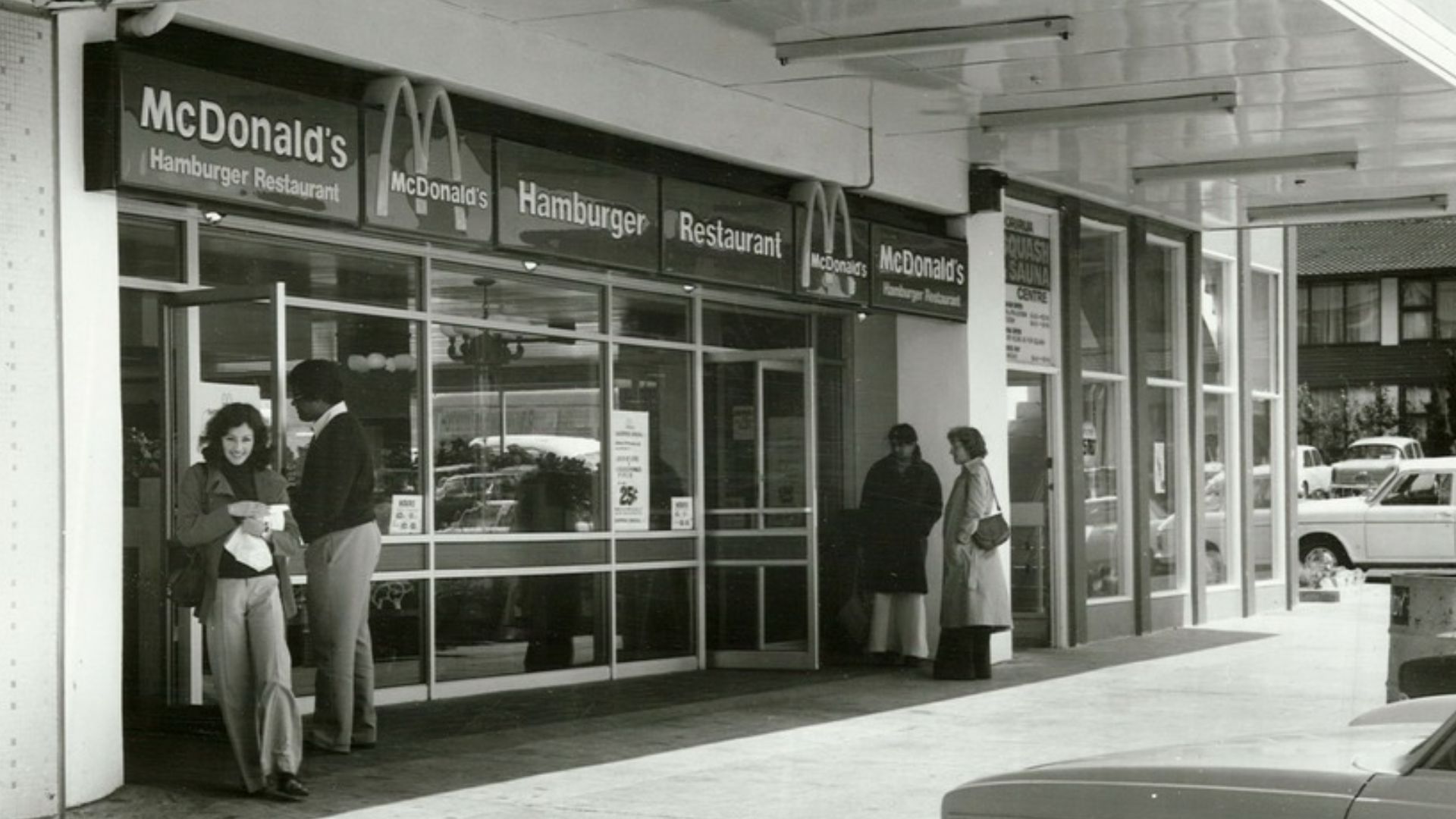
Fast-Food Meals
There was a time when you could walk into a burger restaurant with just a few dollars and leave completely full. Even after prices rose during the decade, ten dollars comfortably covered a meal. Today, many combo meals flirt with the $15 mark all by themselves.
 Archives New Zealand from New Zealand, Wikimedia Commons
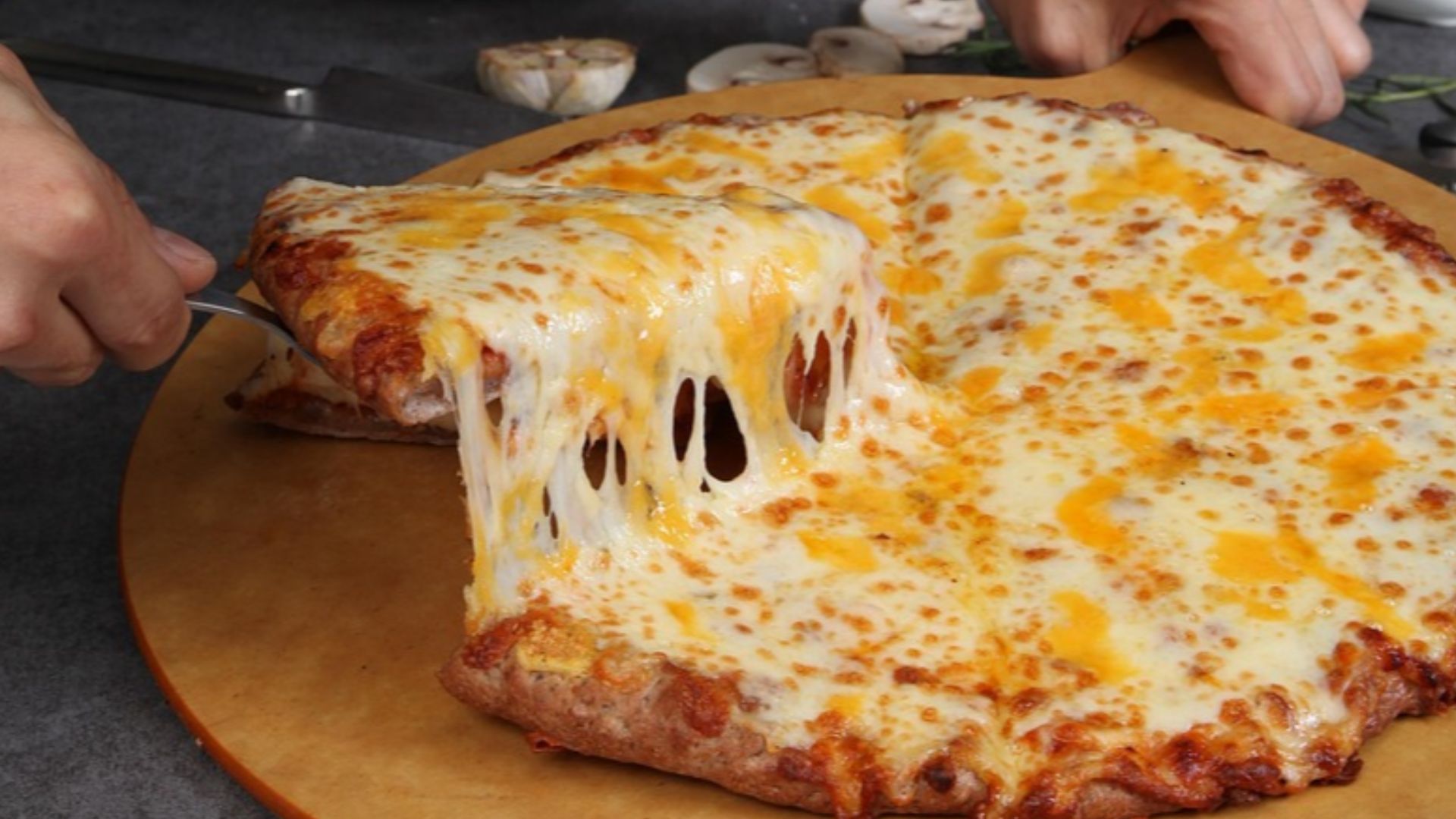
Pizza
Pizza used to be one of the cheapest family dinners around. A large pizza from many local shops often cost less than $10 in the 70s. Today, depending on where you order, that same pizza can easily run $25 to $40 before delivery fees and tip.
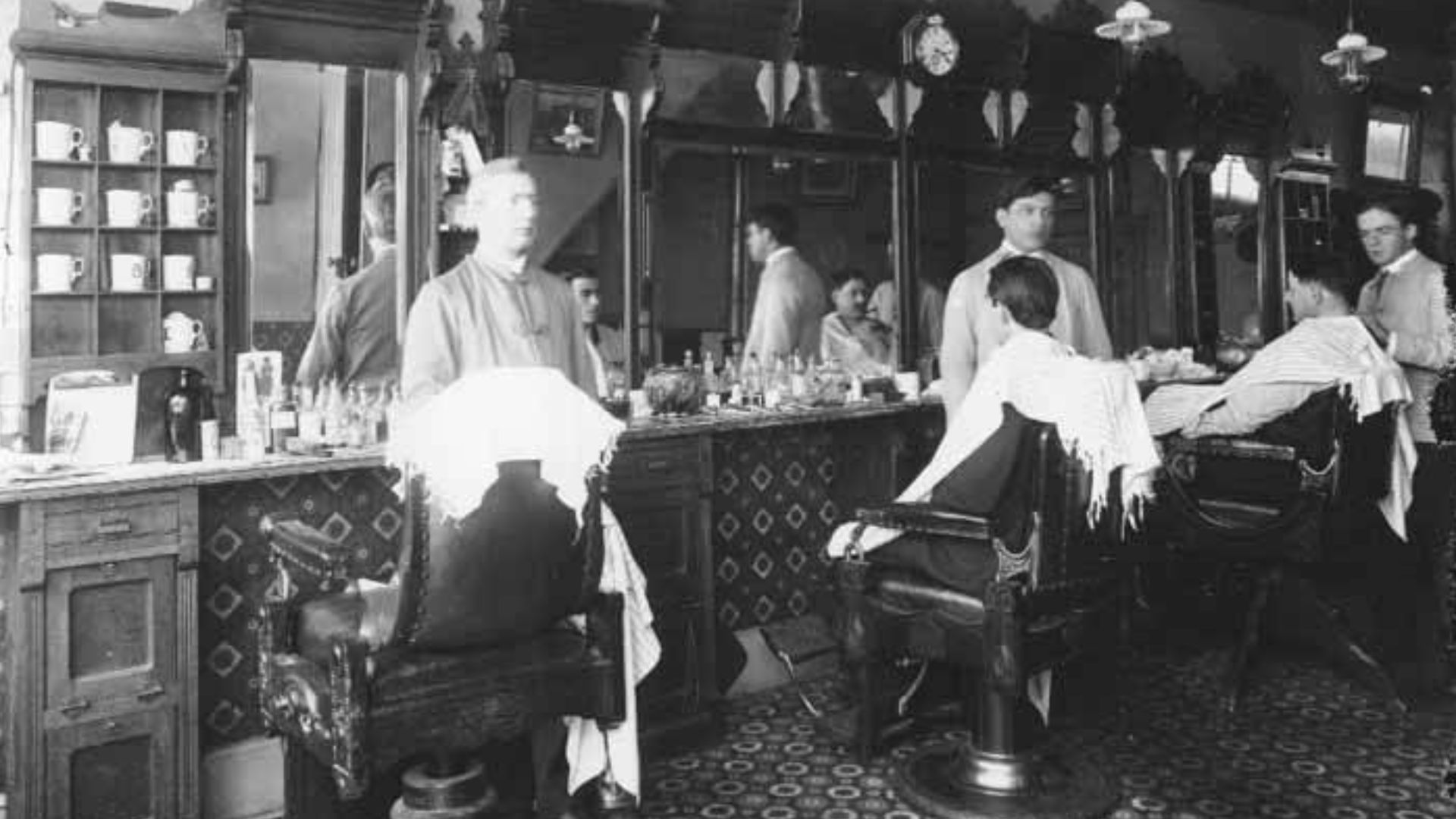
Haircuts
Getting a haircut didn't feel like a luxury expense. Plenty of neighborhood barbers charged around $3 to $6, and even nicer salons often stayed under ten bucks. Today, a basic haircut can easily cost $30 or more, especially after gratuity.
 Edward C. Adams, Wikimedia Commons
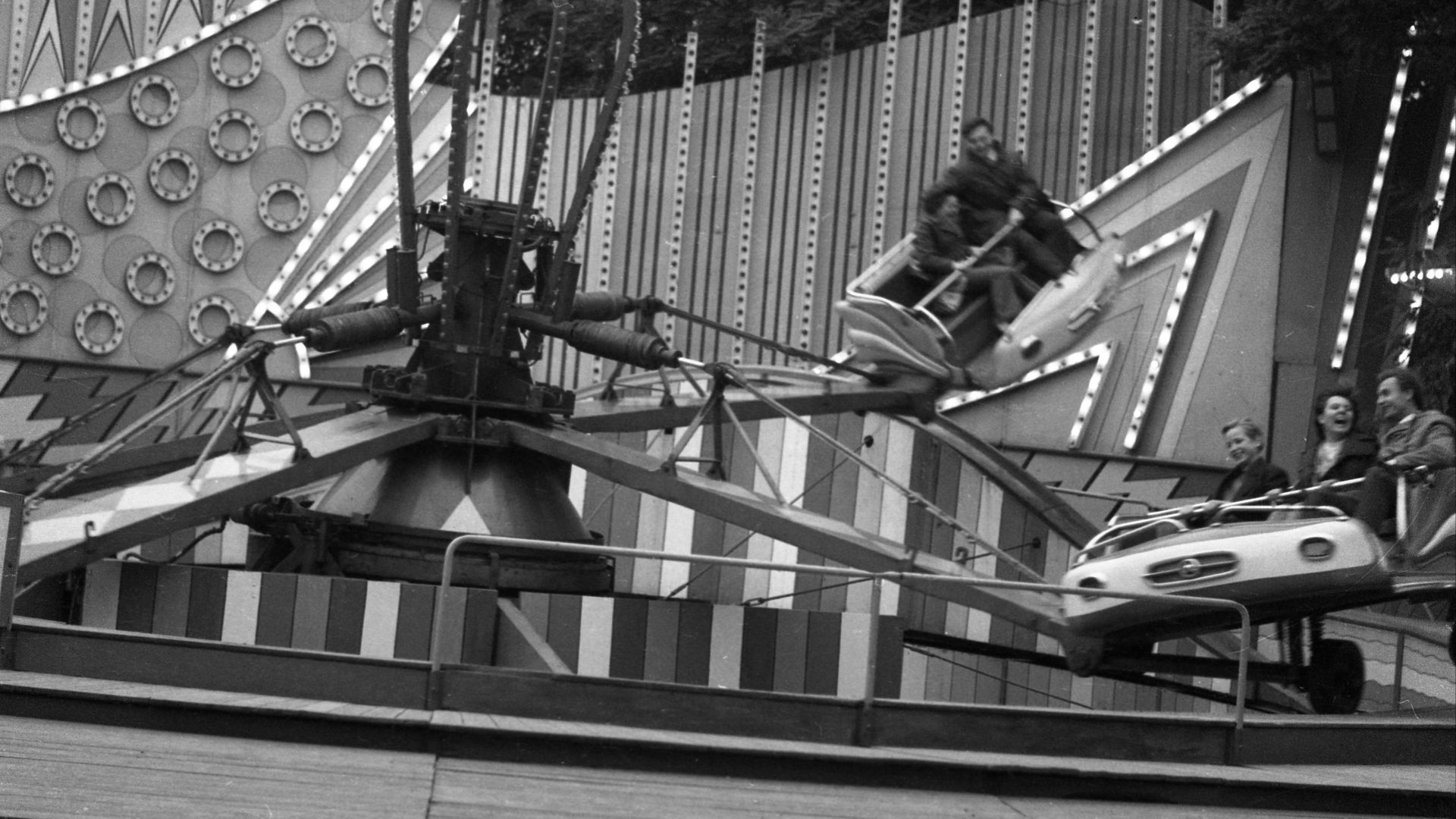
Amusement Park Admission
Regional amusement parks were an affordable family outing. Many charged under $10 for admission during the 70s. Today, spending $60 to $100 for a single ticket isn't unusual, and that's before buying food, drinks, or one of those giant stuffed animals you'll regret carrying around.
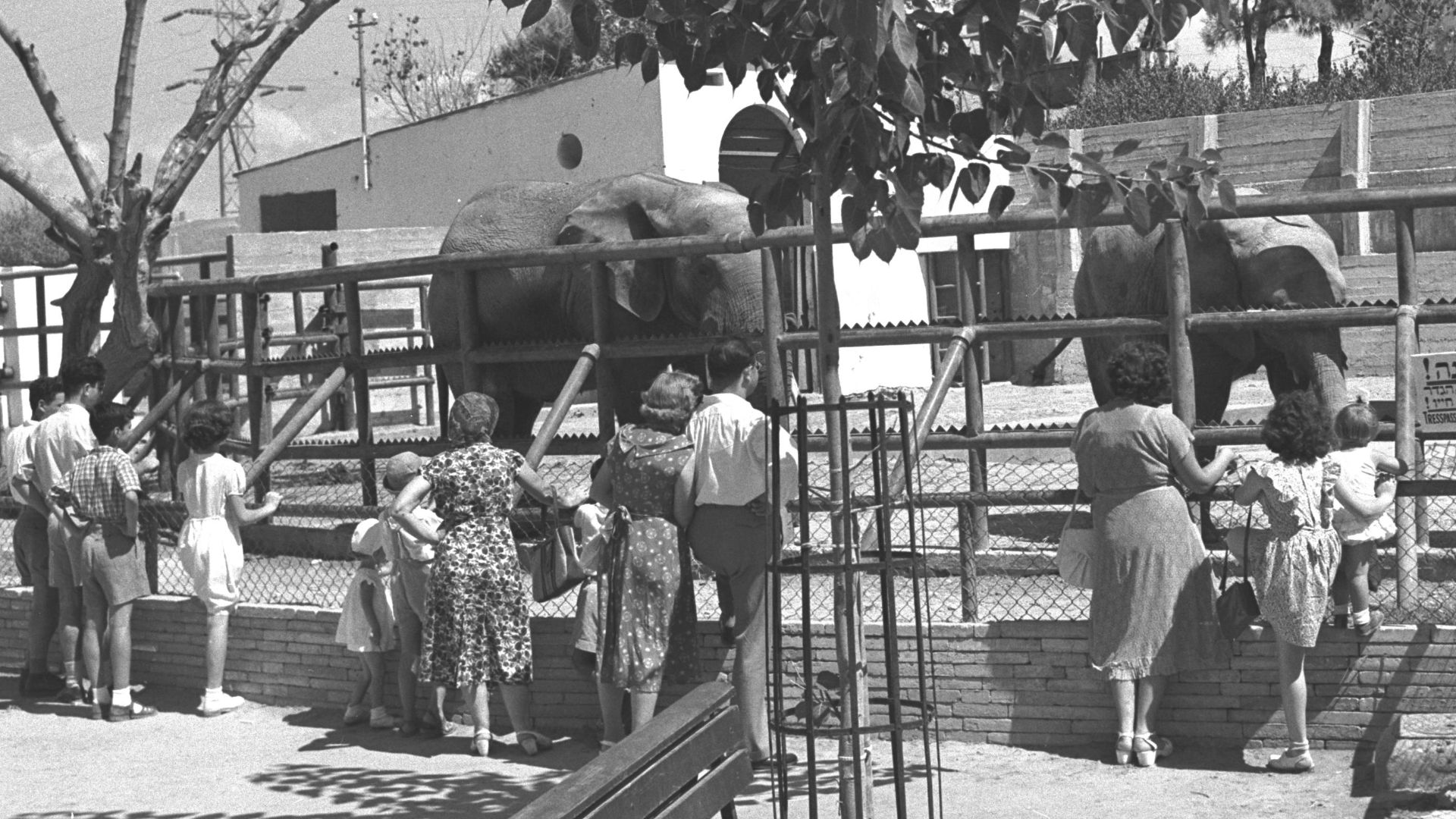
Zoo Admission
A trip to the zoo used to be one of the cheapest family activities available. Admission at many major zoos cost just a few dollars. Today, adult tickets commonly land somewhere between $20 and $40, depending on the city.
 Fritz Cohen, Wikimedia Commons
Car Washes
Even a full-service car wash usually cost well under $10 in the 70s. Today, many basic washes start around $15, while premium packages can climb much higher. Your car may sparkle afterward, but your wallet definitely won't.
 Eythar-gubara, Wikimedia Commons
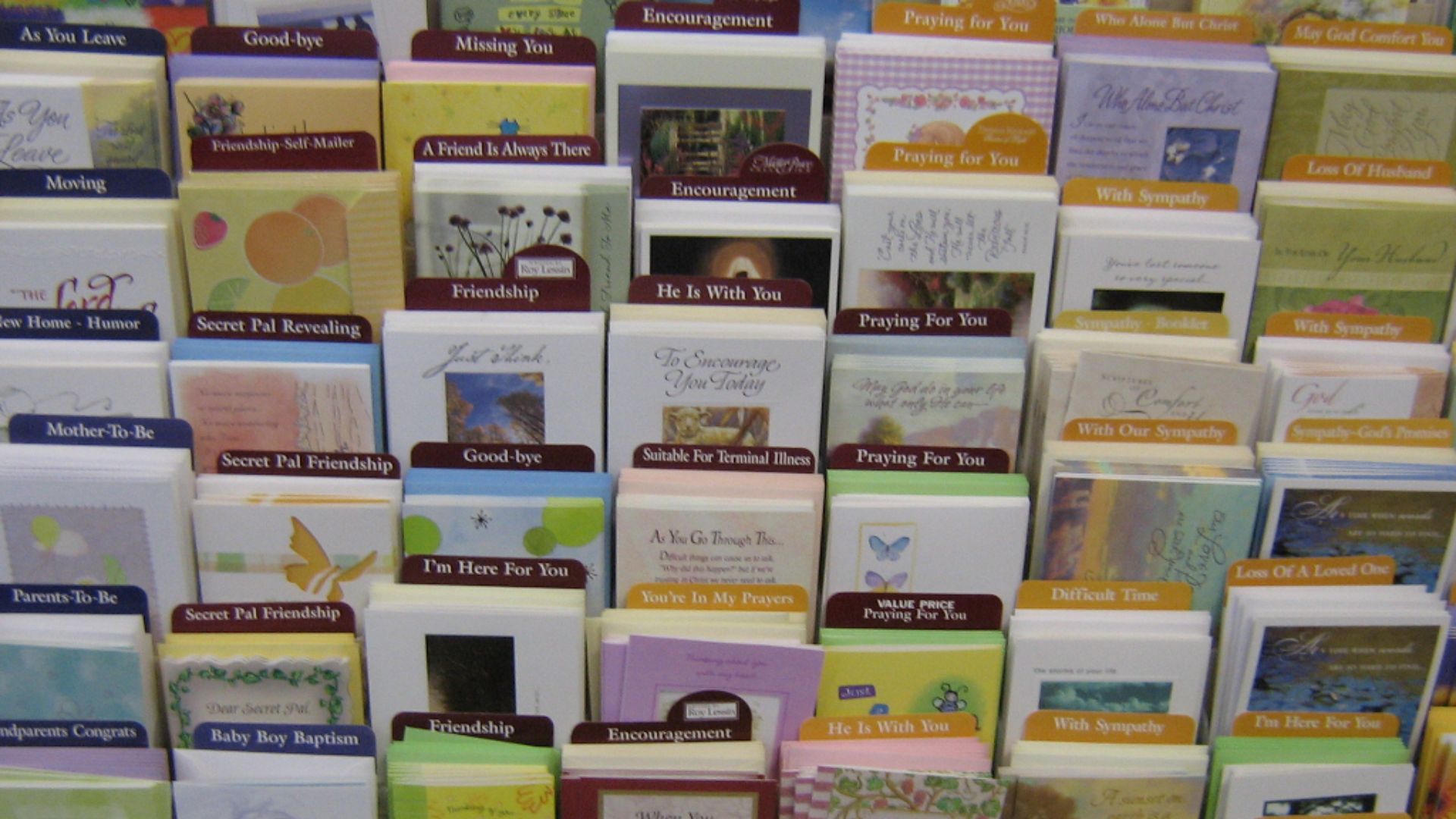
Greeting Cards
There was a time when buying a birthday card barely registered as an expense. Today, many greeting cards cost $6, $7, or even more before you've written a single word inside. Somehow, a folded piece of cardboard with eight printed words on it now costs almost as much as lunch.
 The original uploader was Ardenn at English Wikipedia., Wikimedia Commons
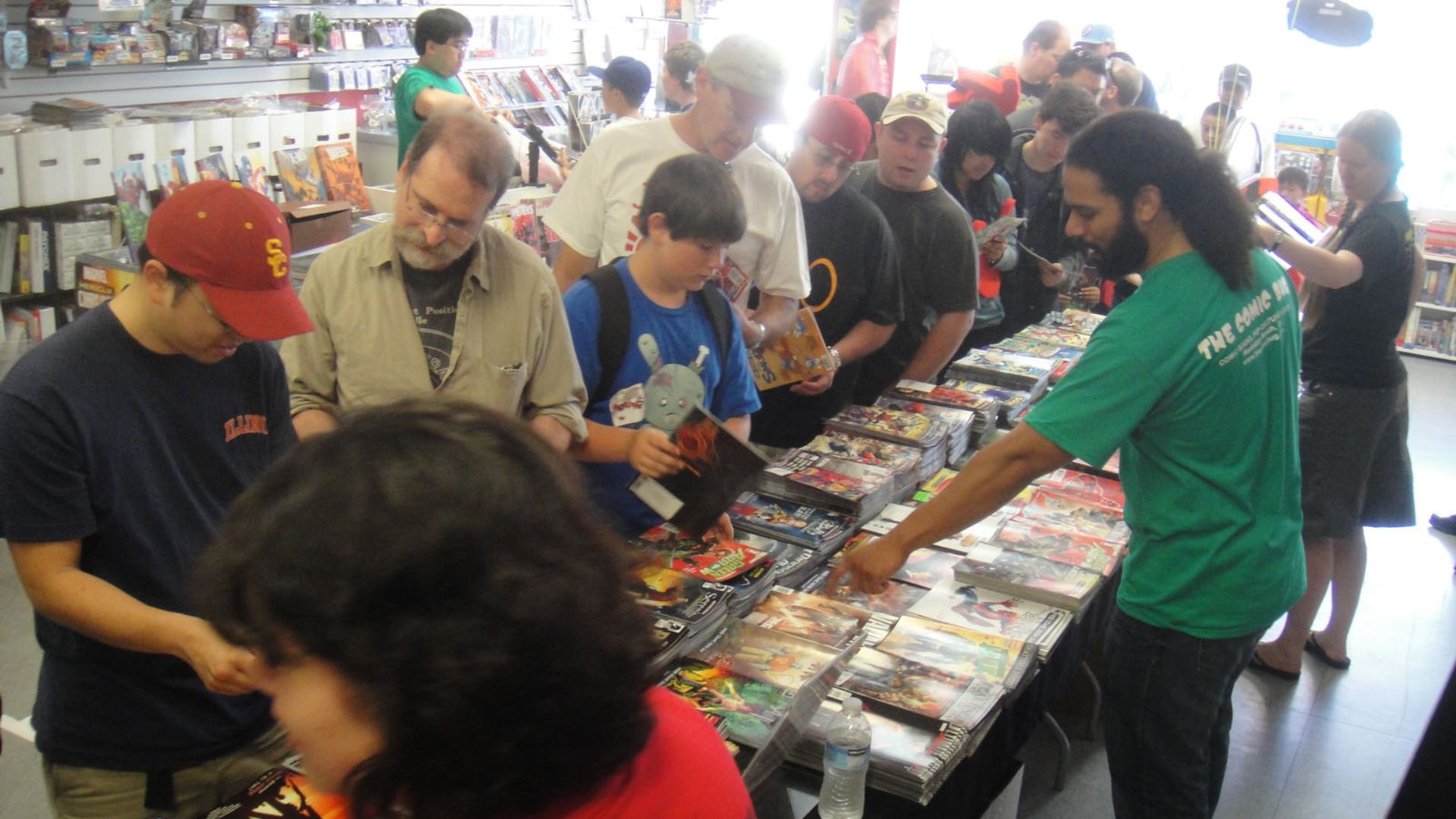
Comic Books
Comic books once sold for pocket change, with many costing well under a dollar throughout the decade. Even buying several rarely added up to ten dollars. Today, a brand-new comic commonly costs around $5, and special editions can be considerably more.
 The Conmunity - Pop Culture Geek from Los Angeles, CA, USA, Wikimedia Commons
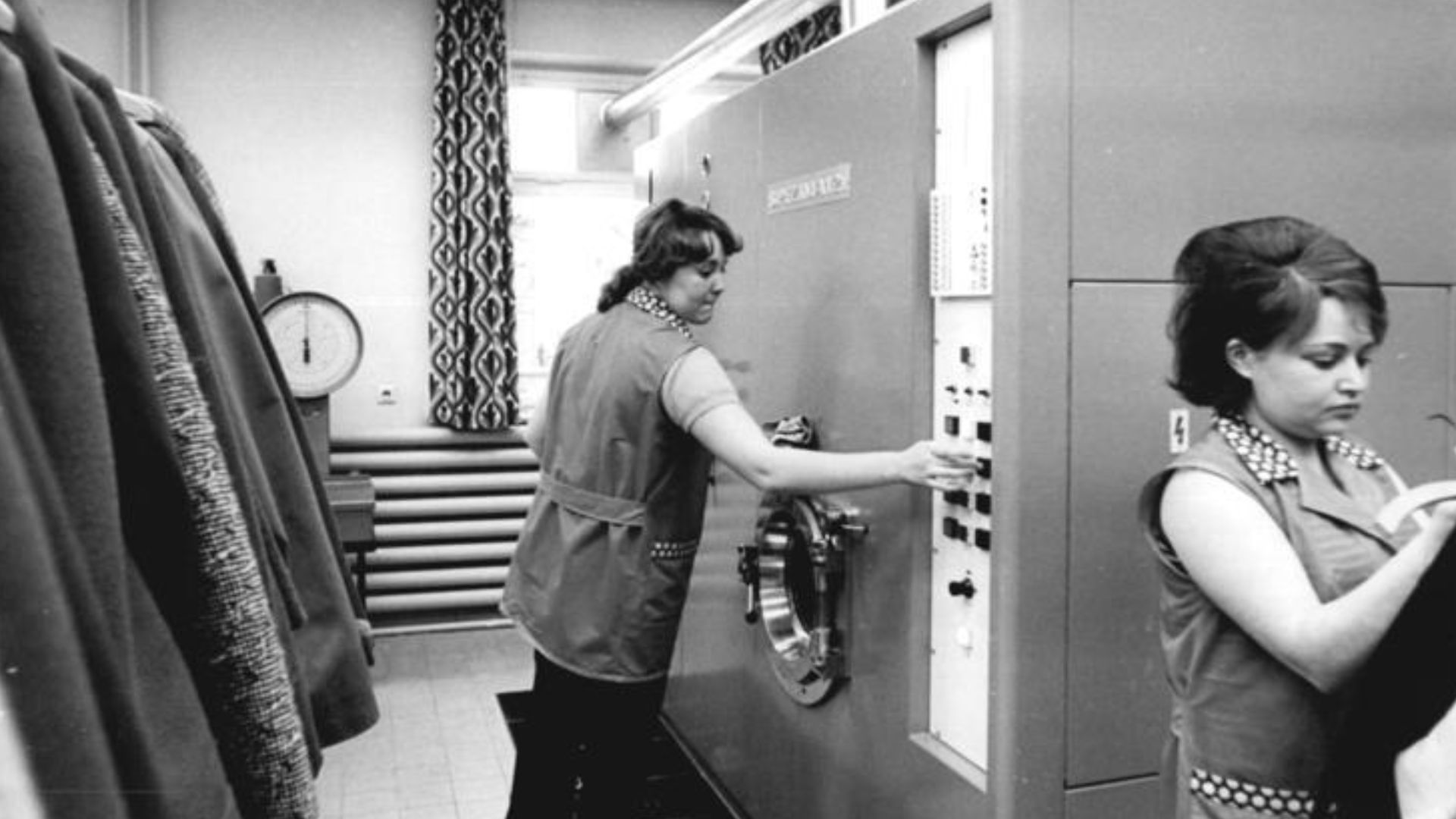
Dry Cleaning
Having a suit or dress professionally cleaned used to be surprisingly affordable. Many cleaners charged just a few dollars per garment. Today, cleaning a single suit can easily cost several times what Boomers once paid.
 Friedrich Gahlbeck, Wikimedia Commons
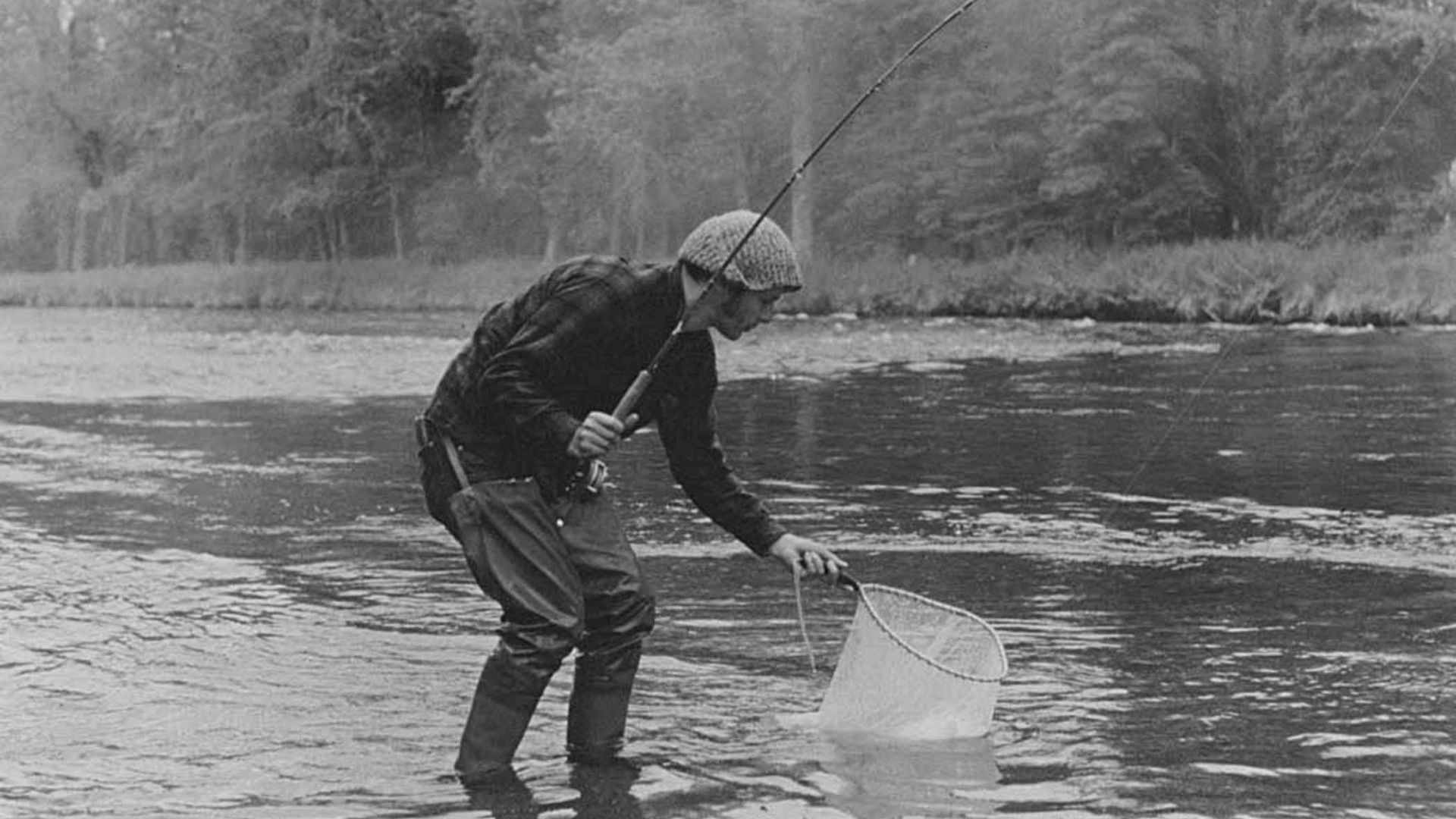
Fishing Licenses
Heading out for a weekend of fishing didn't require much money before you even reached the lake. Many annual fishing licenses cost under $10 in the 70s. Today, fees vary by state or province, but they're often several times higher.
 U.S. Fish and Wildlife Service, Wikimedia Commons
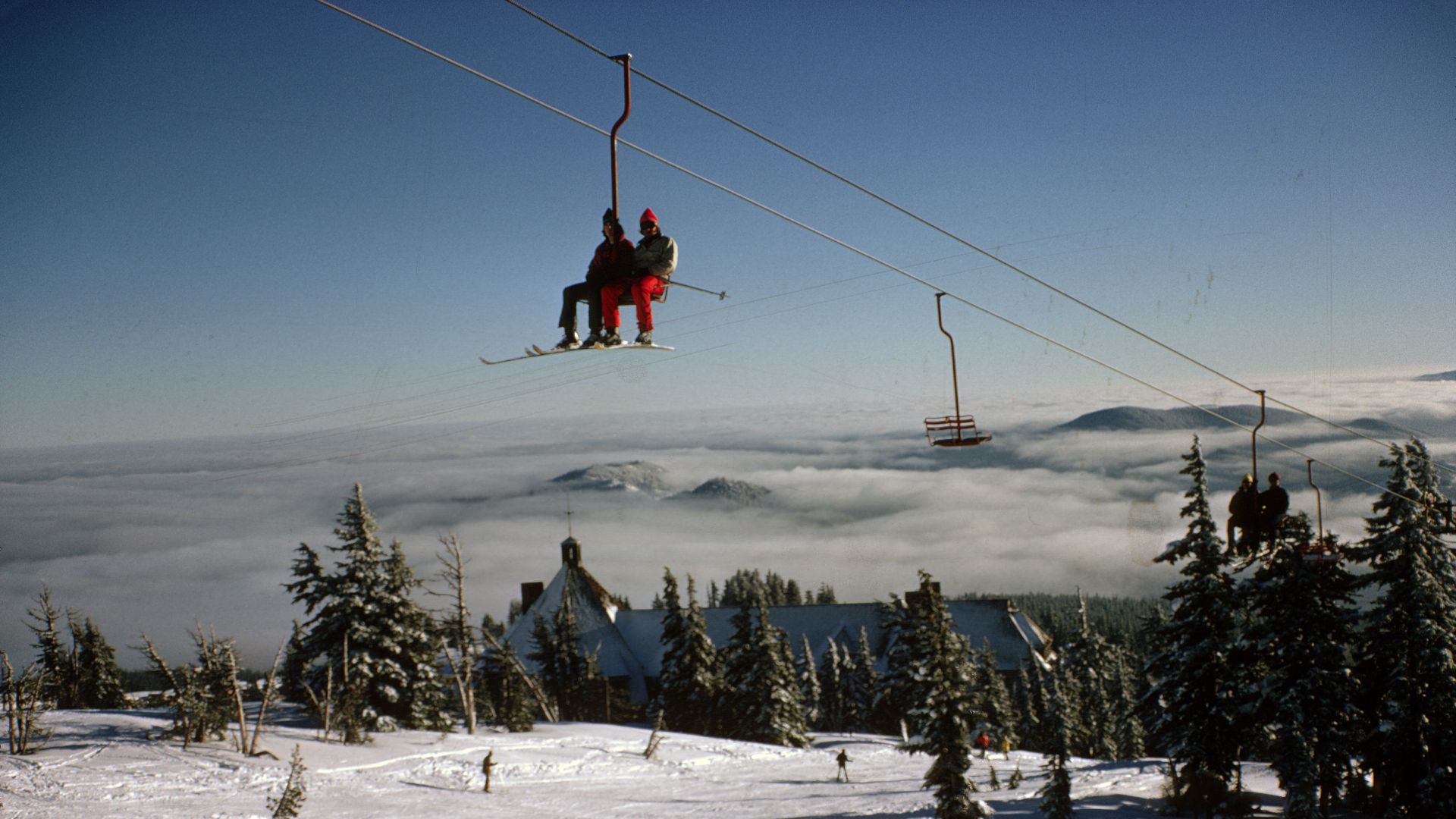
Ski Lift Tickets
Skiing wasn't exactly cheap in the 70s, but lift tickets at many resorts still cost under $10. Today, spending well over $100 for a single day on the slopes has become common at many major destinations.
 U.S. Forest Service- Pacific Northwest Region, Wikimedia Commons
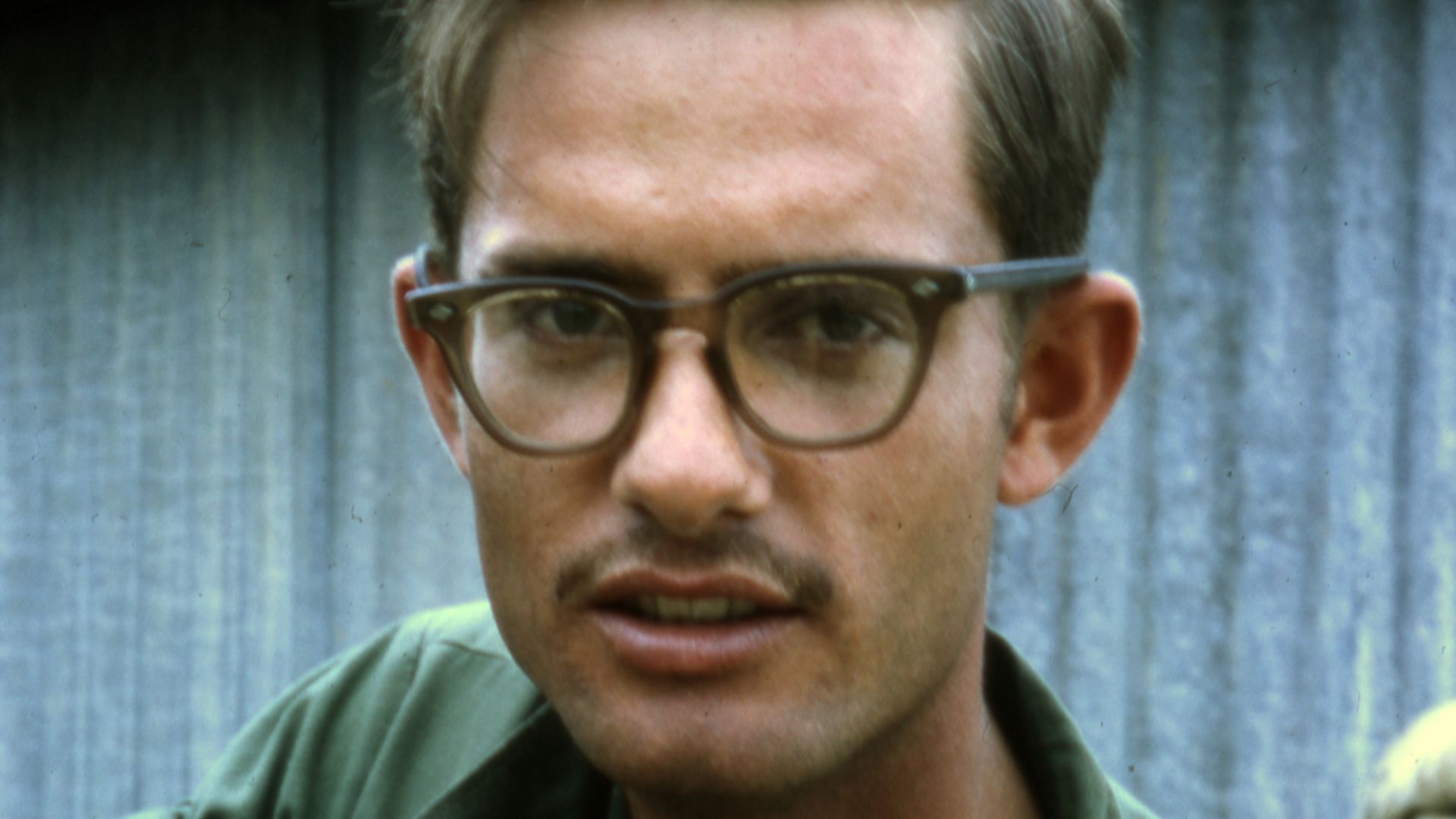
Prescription Eyeglasses
Basic prescription glasses could sometimes be found for under $10 in the early 70s, especially through discount optical shops. Today, it's not unusual for a new pair to cost well over $100 unless insurance helps cover the bill.
 Tennessee State Library and Archives, Wikimedia Commons
College Textbooks
College has never been inexpensive, but textbooks certainly weren't the financial gut punch they've become. Many required college textbooks still sold for under $10 in the early 70s, although specialized books often cost more. Today, a single required book can easily cost over $100, making the bookstore one of the most expensive stops on campus.
 Eli Francis elifrancis, Wikimedia Commons
You Might Also Like:
How The Rule Of 114 Can Triple Your Investments
Marriage rates have shockingly declined in recent years. Is it just too expensive to tie the knot?