The Heyday: Sears’ Mid-Century Dominance
In its heyday, Sears was America’s largest retailer. The company’s success came from its mastery of catalog distribution, private‑label brands, suburban expansion, and strong customer trust. It was a company that defined modern retail. Its catalog reached millions, its stores anchored malls nationwide, and its product lines created loyalty few others could match. But as the decades went by, the Sears success story began to unravel.
New Competition
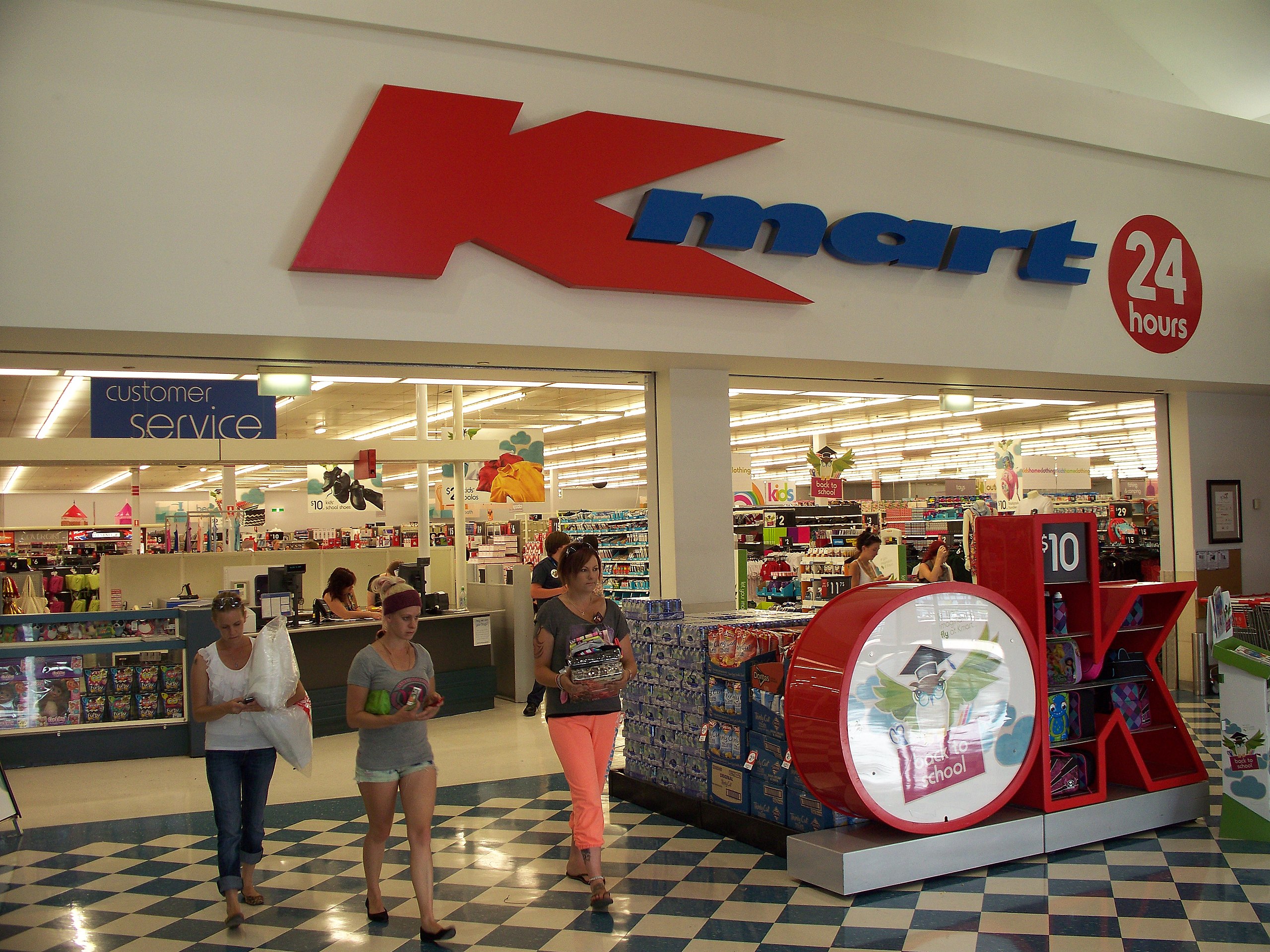
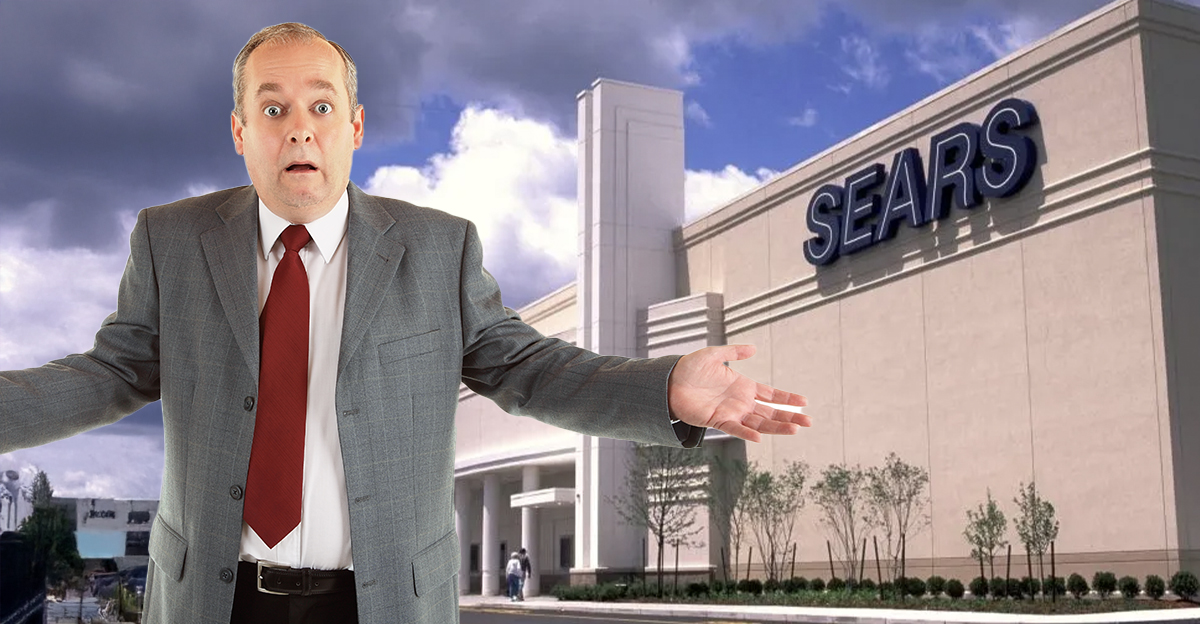
Sears was riding high in the 60s and 70s, but that was when new competitors appeared. Discount stores like K-Mart and Woolco started springing up all over the country. To make matters worse, specialty stores were beginning to gain traction like Toys R Us and Radio Shack. These stores competed directly against one department in Sears and ate into their sales.
Diversification Away From Core Retail
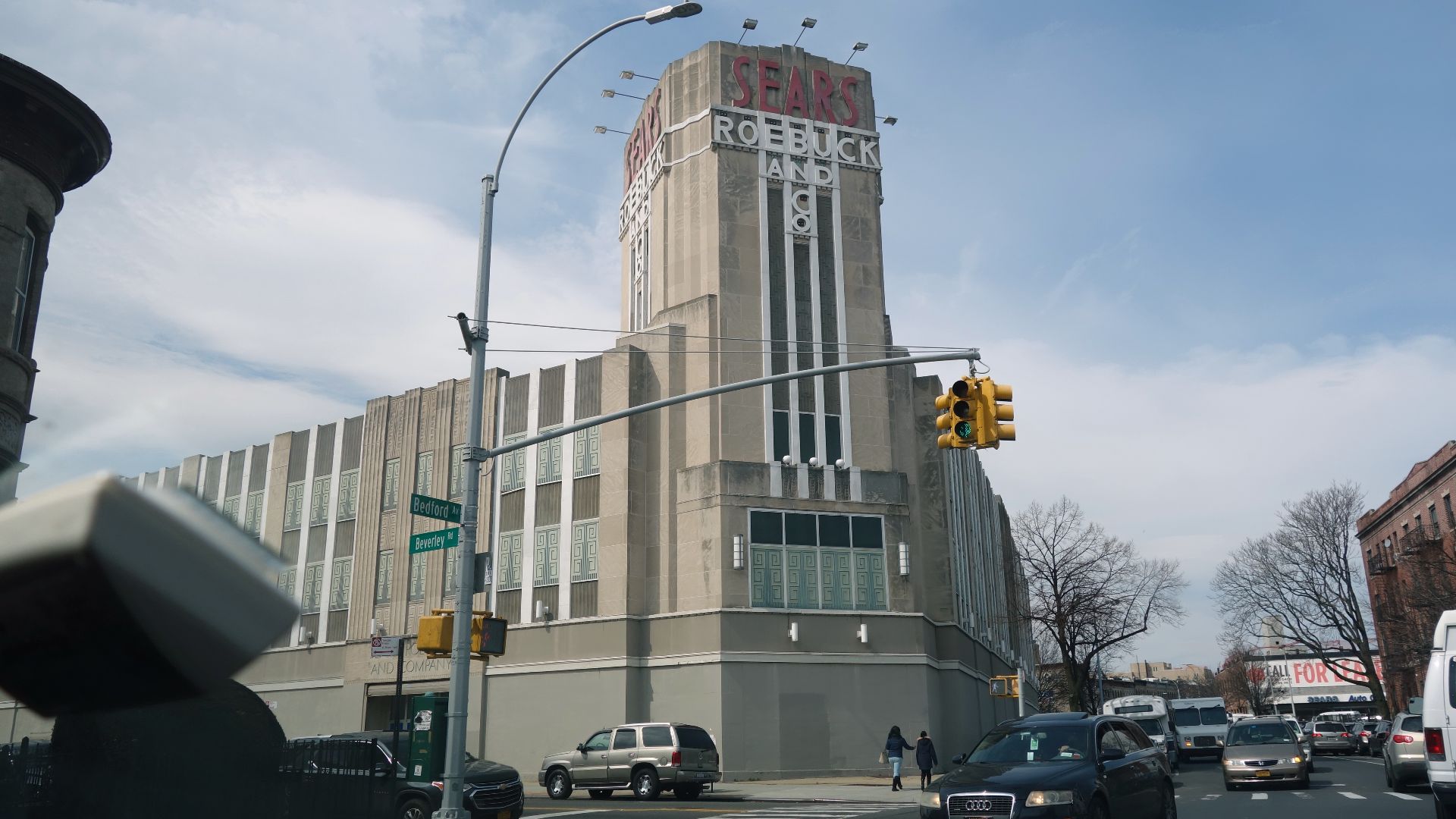
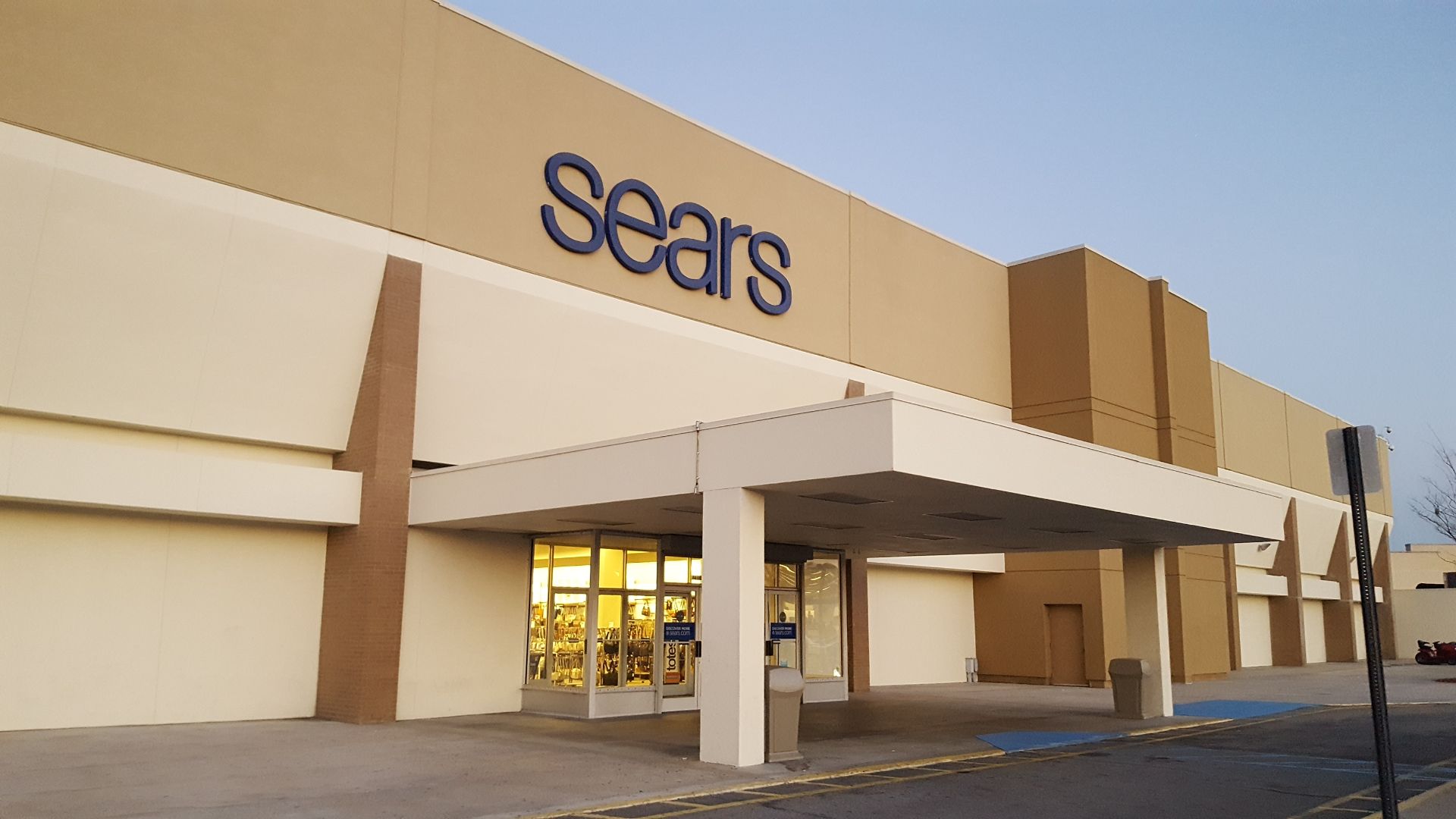
Instead of tackling the new competition head-on, Sears gradually moved away from its core strengths in retail, tools, appliances, and catalog merchandising. An ambitious expansion into financial services like the Dean Witter brokerage house, credit cards, and insurance diluted its focus. Capital and management shifted away from what had made the brand great, leaving stores underfunded and the retail identity weakened.
 Mike Kalasnik from Jersey City, USA, Wikimedia Commons
1990s: No Longer On Top
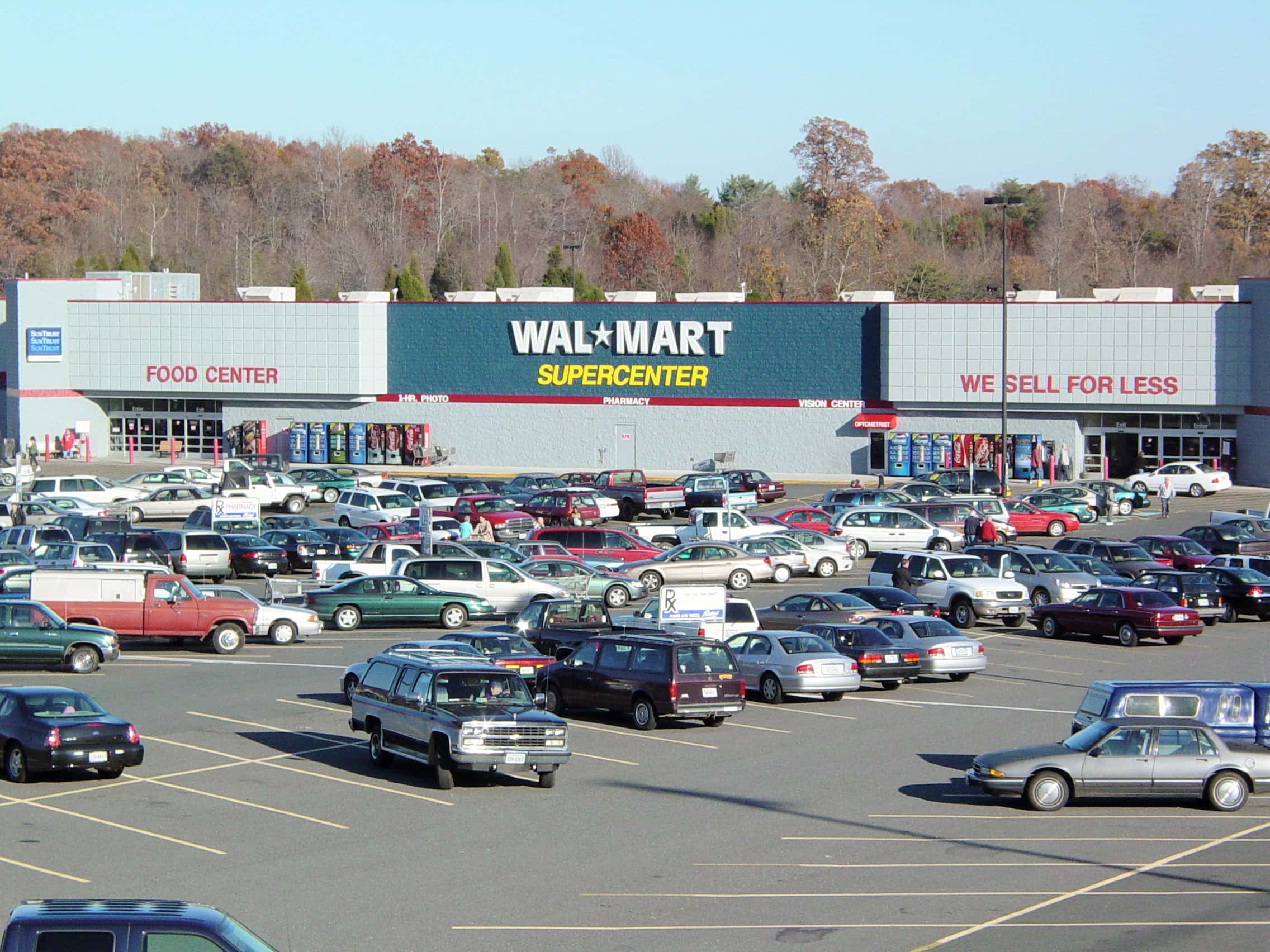
The 90s was a decade of change in the retail world. The biggest discount store of them all, Walmart, passed Sears in retail sales for the first time in 1991. In an effort to simplify operations Sears sold their insurance and brokerage divisions in the mid-90s. But by the end of the 90s, 60% of Sears revenue was coming from financing. Selling products to the public had now clearly taken a back seat.
 Ben Schumin, Wikimedia Commons
1992: The End Of An Era
It was one of the most puzzling decisions in the Sears saga. With all the company’s history of mail order sales, and their catalog that was well established in the public consciousness, the company decided to stop the catalog altogether, right when the internet was about to revolutionize mail-order shopping. Instead of being poised to take over online sales, Sears threw away one of their biggest winners. It was a total head-scratcher.
 Michael Rivera, Wikimedia Commons
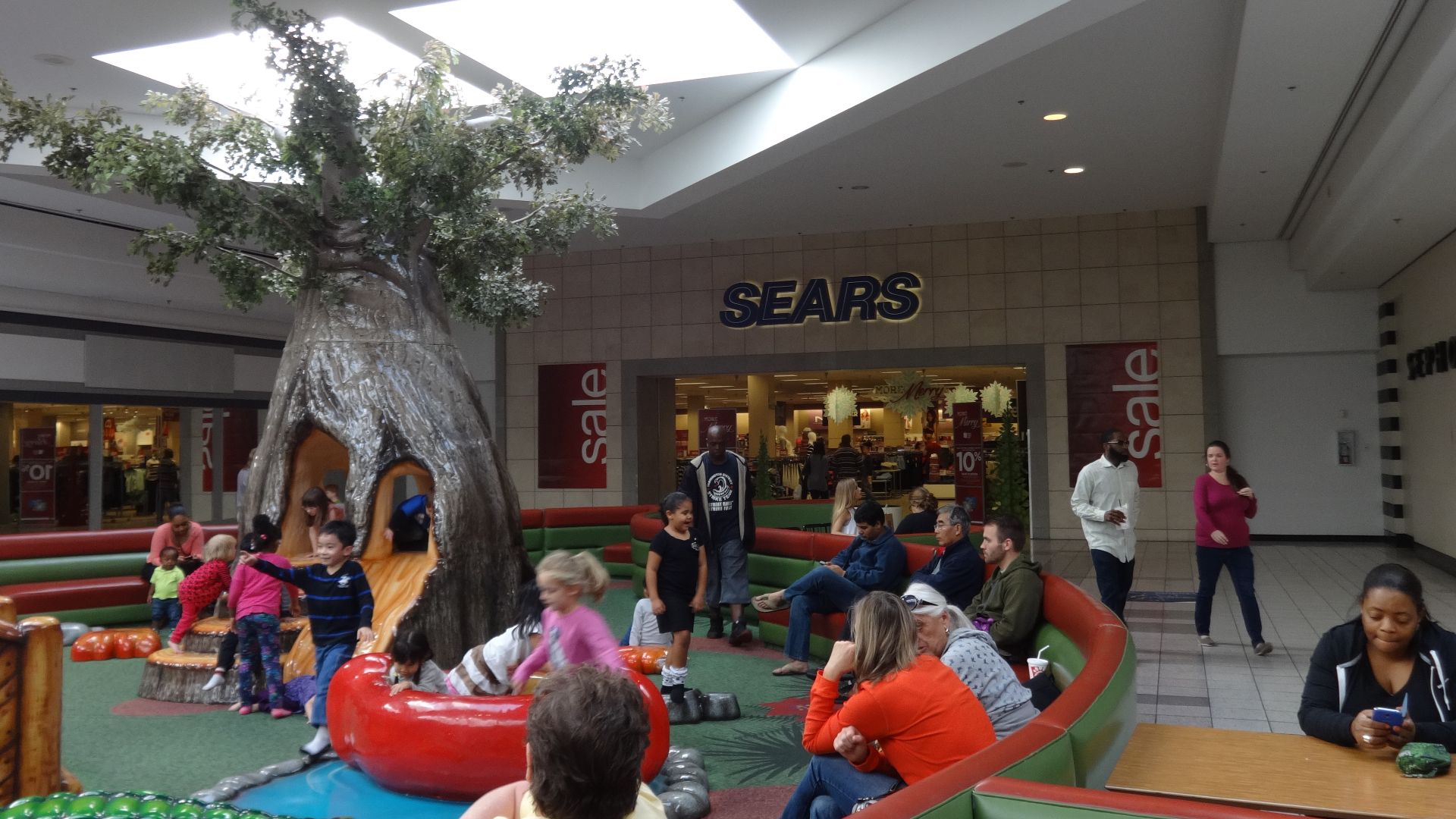
Under-Investment In Stores And Customer Experience
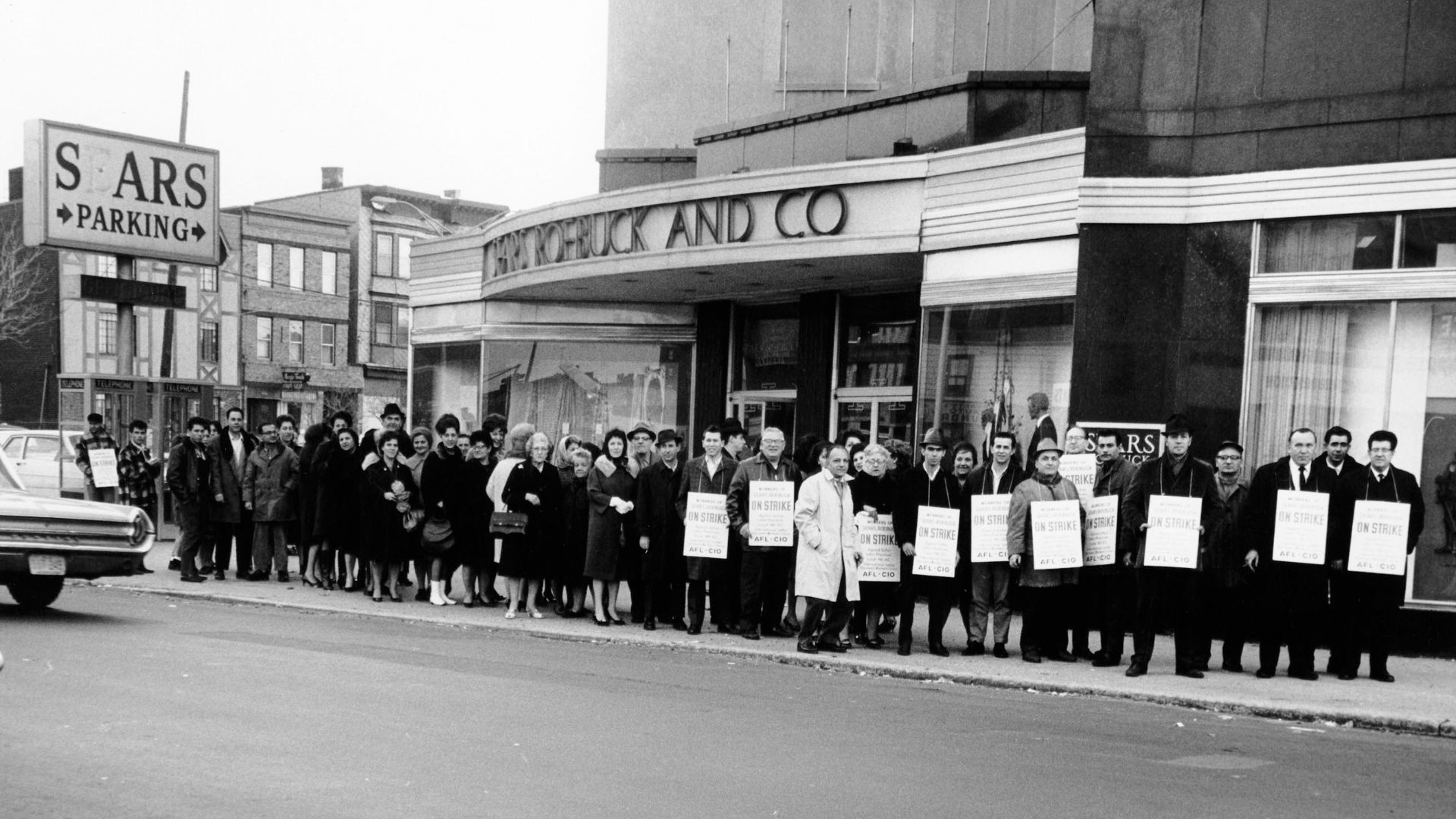
By the early 2000s, a lot of Sears stores around the country were showing outdated interiors, aging fixtures, and reduced staffing. Years of cost-cutting for other parts of the business left the physical retail locations neglected. Once the customer experience started to deteriorate, shoppers could sense the decline long before financial markets fully recognized it.
 Kheel Center, Wikimedia Commons
Slow Response To Big-Box And E-Commerce Competitors
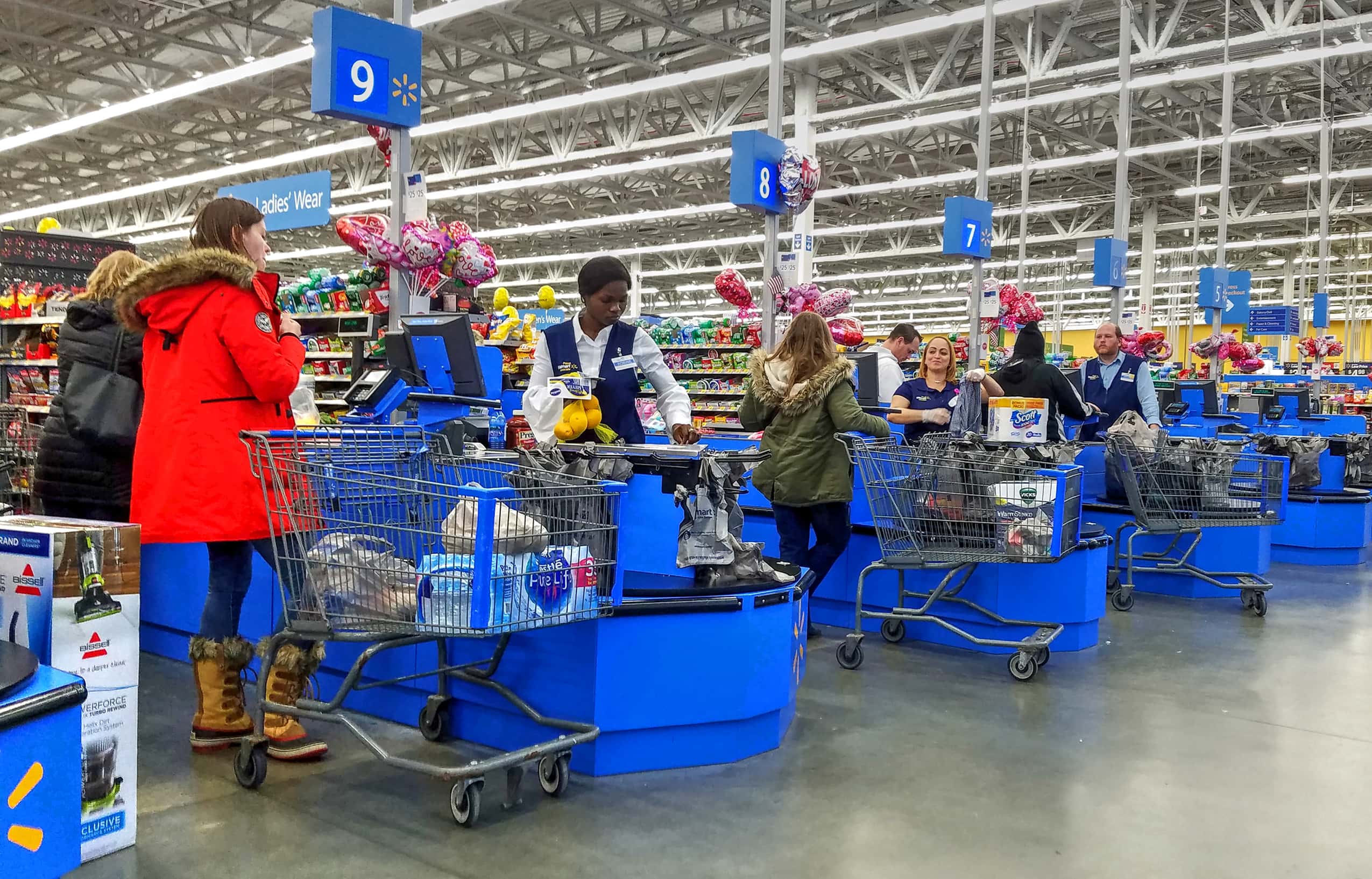
As the retail behemoth that is Walmart reshaped discount retail and Amazon transformed the online shopping experience, Sears struggled to modernize their logistics, pricing, and digital infrastructure for the 21st-century reality. Its slow adaptation allowed competitors to capture a sizable chunk of its core customer base. A once-dominant retail innovator became a slow follower.
Riding To The Rescue
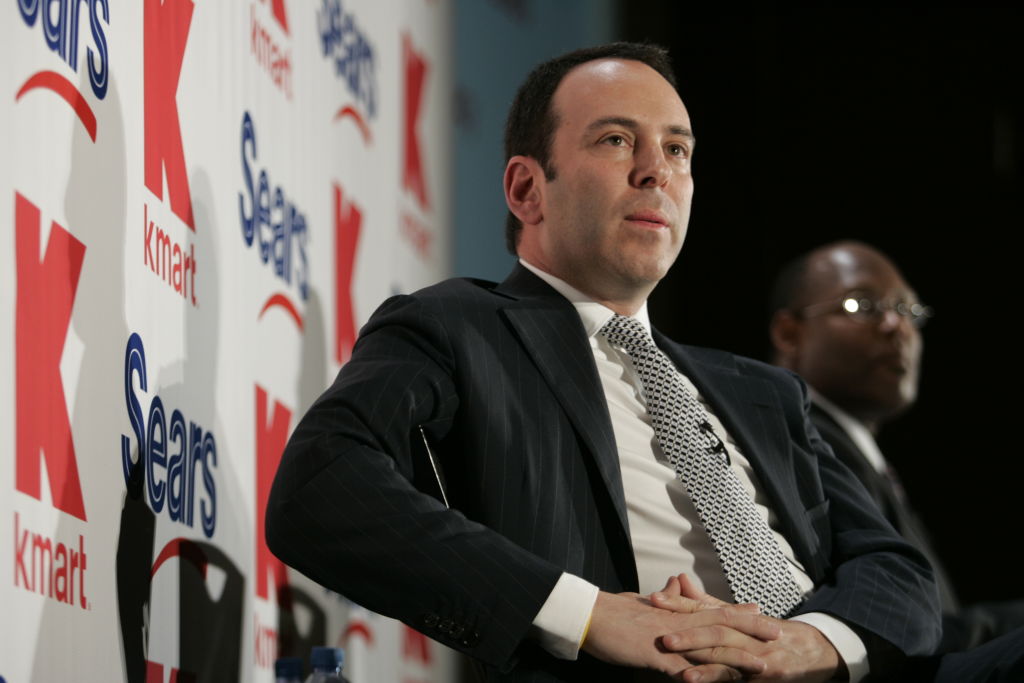
While Sears’ struggles continued into the mid-2000s, help arrived in the form of billionaire investment banker Eddie Lampert, manager of the hedge fund ESL Holdings. He orchestrated the purchase of Sears by K-Mart in an $11 billion deal. The problem was that K-Mart had just emerged from bankruptcy in 2003 and wasn’t in much better shape than Sears was.
The Kmart Merger And Strategic Confusion
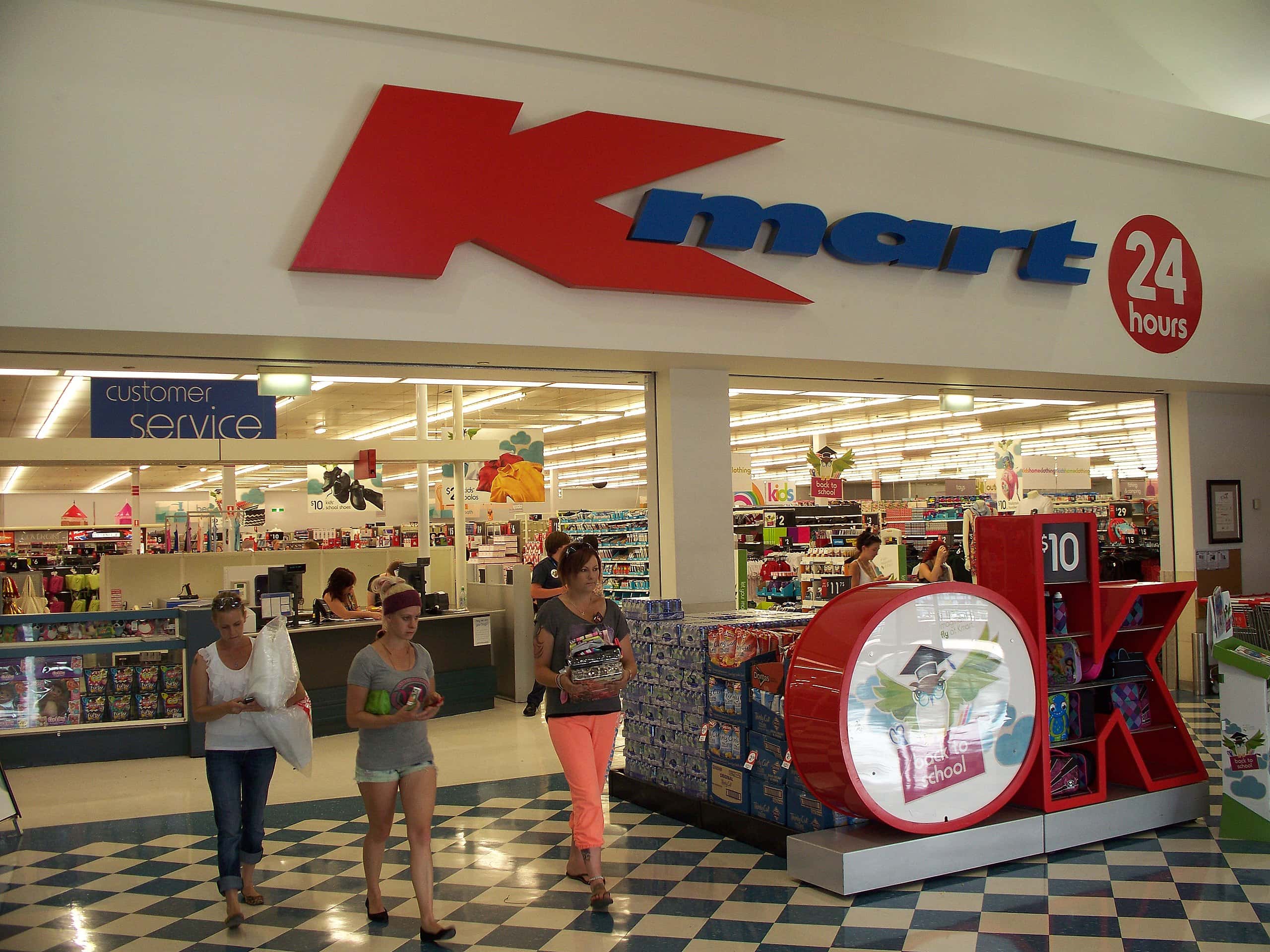
In 2005, Sears merged with Kmart. Now two struggling retail chains were joined together, weakening both rather than strengthening either one. Instead of a desperately needed synergy, the merger added operational complexity and extensive real-estate burdens. The downscale nature of Kmart did little to boost the Sears brand. The new controlling entity, Sears Holdings, now had twice as many problems along with limited momentum.
Real-Estate Monetization Over Retail Improvement
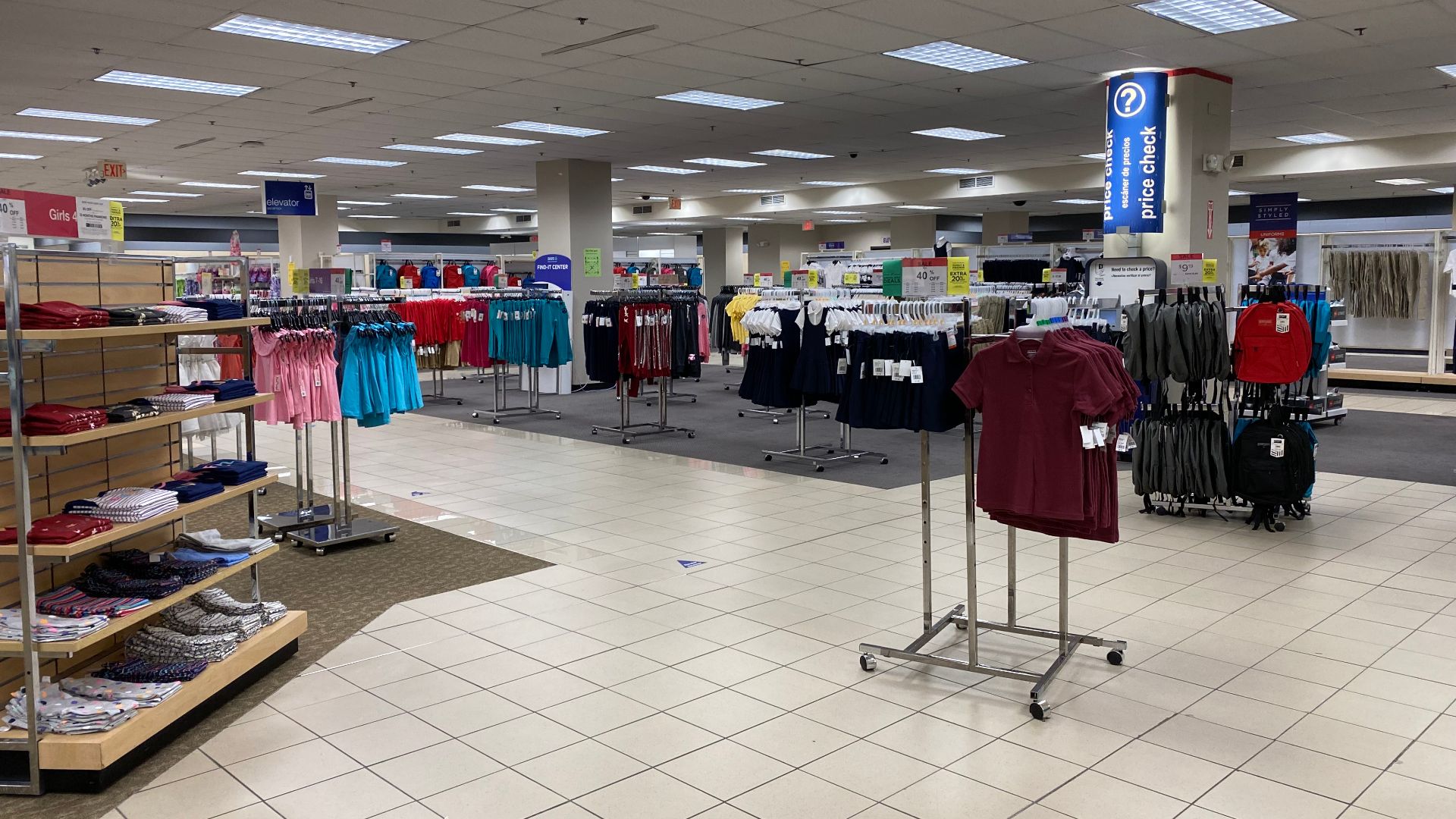
In an echo of what happened back in the 70s and 80s, leadership placed heavy emphasis on monetizing real-estate assets through sales, spin-offs, and REIT structures rather than revamping the retail business. Short-term cash infusions came at the cost of long-term viability. Stores went further downhill while financial manipulations started to eclipse the basic operational strategy of increasing sales.
 Phillip Pessar, Wikimedia Commons
Erosion Of Private-Label Brands
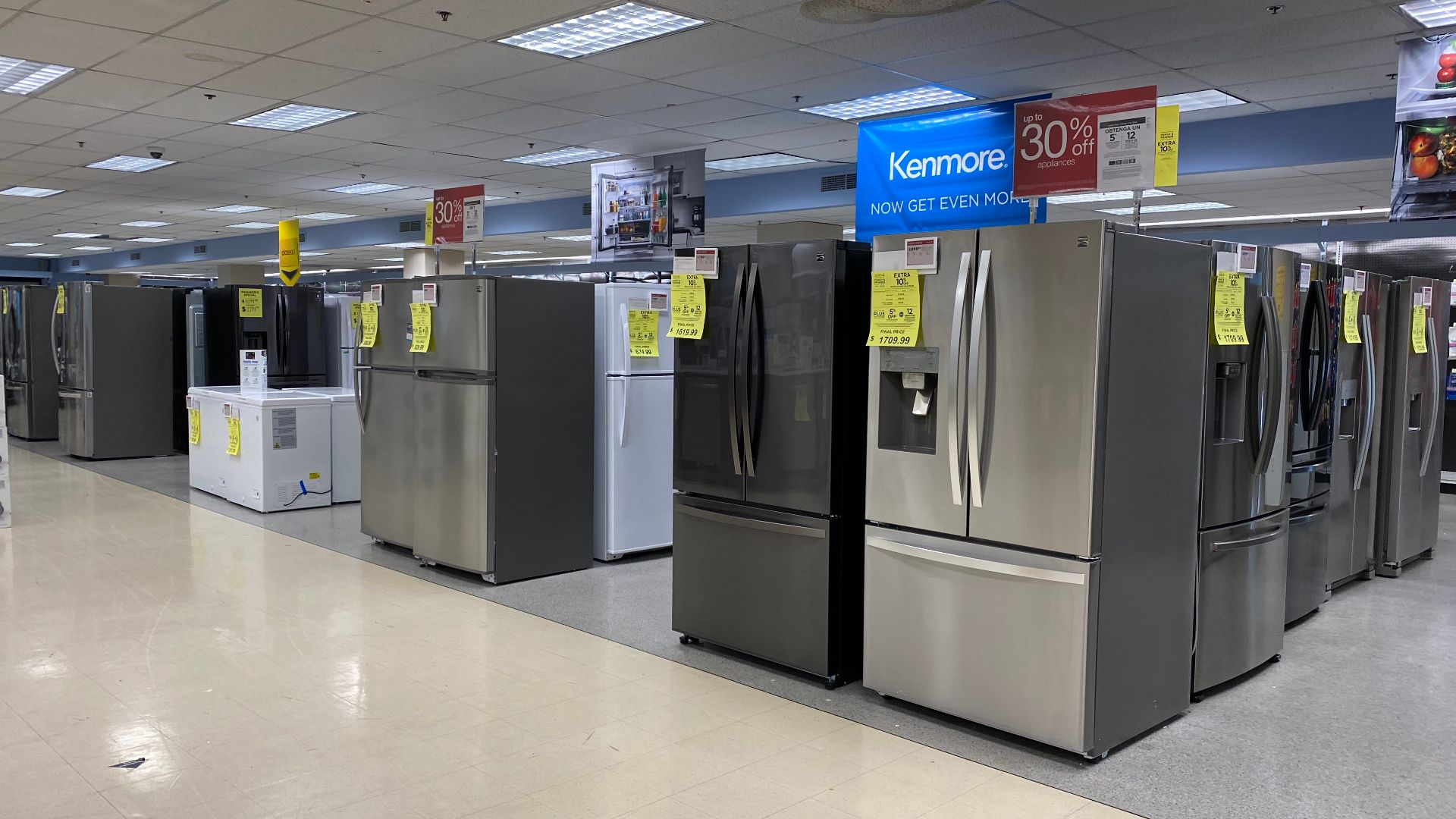
Kenmore, Craftsman, and DieHard had once been pillars of the Sears identity, but these were gradually sold or licensed. Losing control of these proprietary brands badly weakened the company’s distinctiveness. Without these assets, Sears lost competitive differentiation and hard-won customer loyalty that had been built over generations.
 Phillip Pessar, Wikimedia Commons
Shifting And Confusing Store Strategies
Sears management continued to test new ideas and store formats such as Sears Essentials, Sears Grand, and standalone appliance stores. But instead of clarifying the brand, these experiments only caused confusion. Inconsistent brand identity left a lot of consumers scratching their heads about what Sears was supposed to represent in the modern retail landscape.
 Phillip Pessar, Wikimedia Commons
Weak Execution Of Omnichannel And Online Retail
As the retail world moved toward integrated digital-and-physical shopping, Sears lagged behind. Its online platform remained outdated, order fulfillment inefficient, and digital strategy underexplored. The company failed to deliver the convenience that was increasingly taken for granted by modern shoppers.

Financial Maneuvers Over Operational Focus
Rather than investing in stores, merchandise, and service, Sears relied more and more on financial transactions, including asset sales, loans, and corporate restructurings to generate earnings. The emphasis on financial wheeling and dealing over operational health accelerated the company’s decline.

Share Buyback
As Sears sales figures continued to flounder, Sears Holdings started buying back its own shares to keep its investors happy amid the adversity, which was not helped by the 2008 Financial Crisis. The buyback for 2005–2010 reached almost $6 billion, exceeding profits in almost every one of those years. By the early 2010s Sears was nearly broke and the share price had lost 70% of its value.
 Phillip Pessar, Wikimedia Commons
Declining In-Store Experience And Service Quality
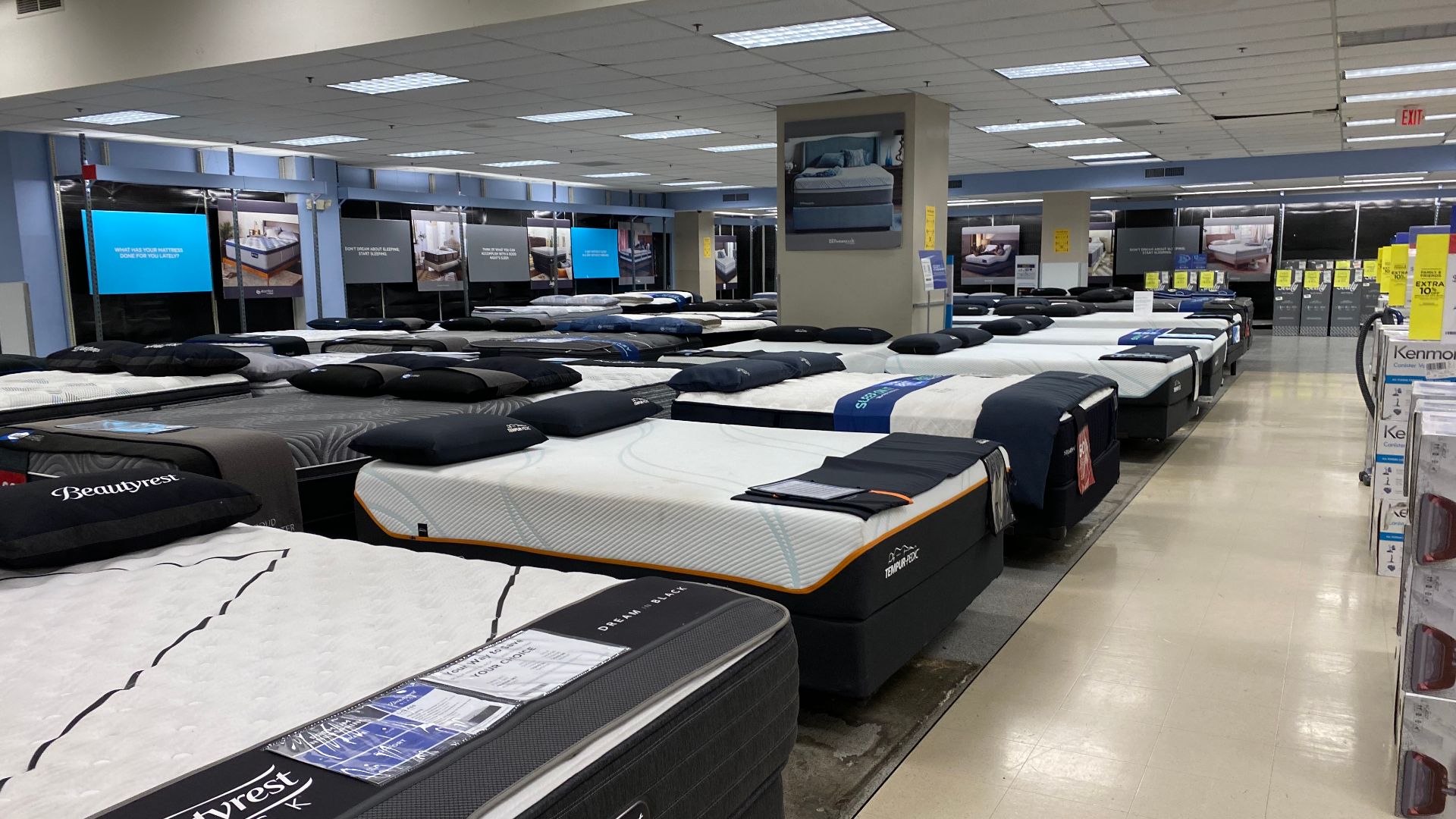
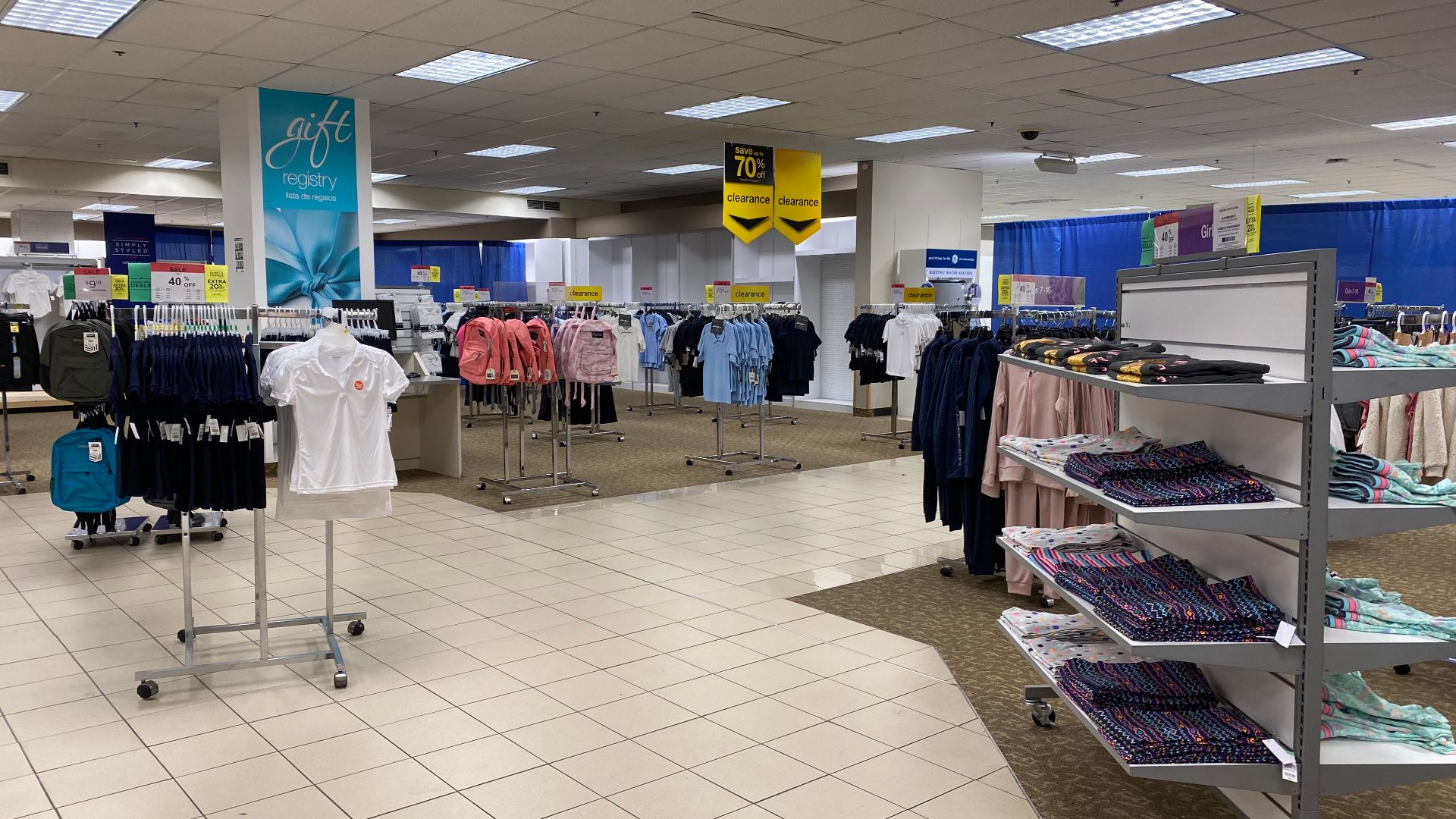
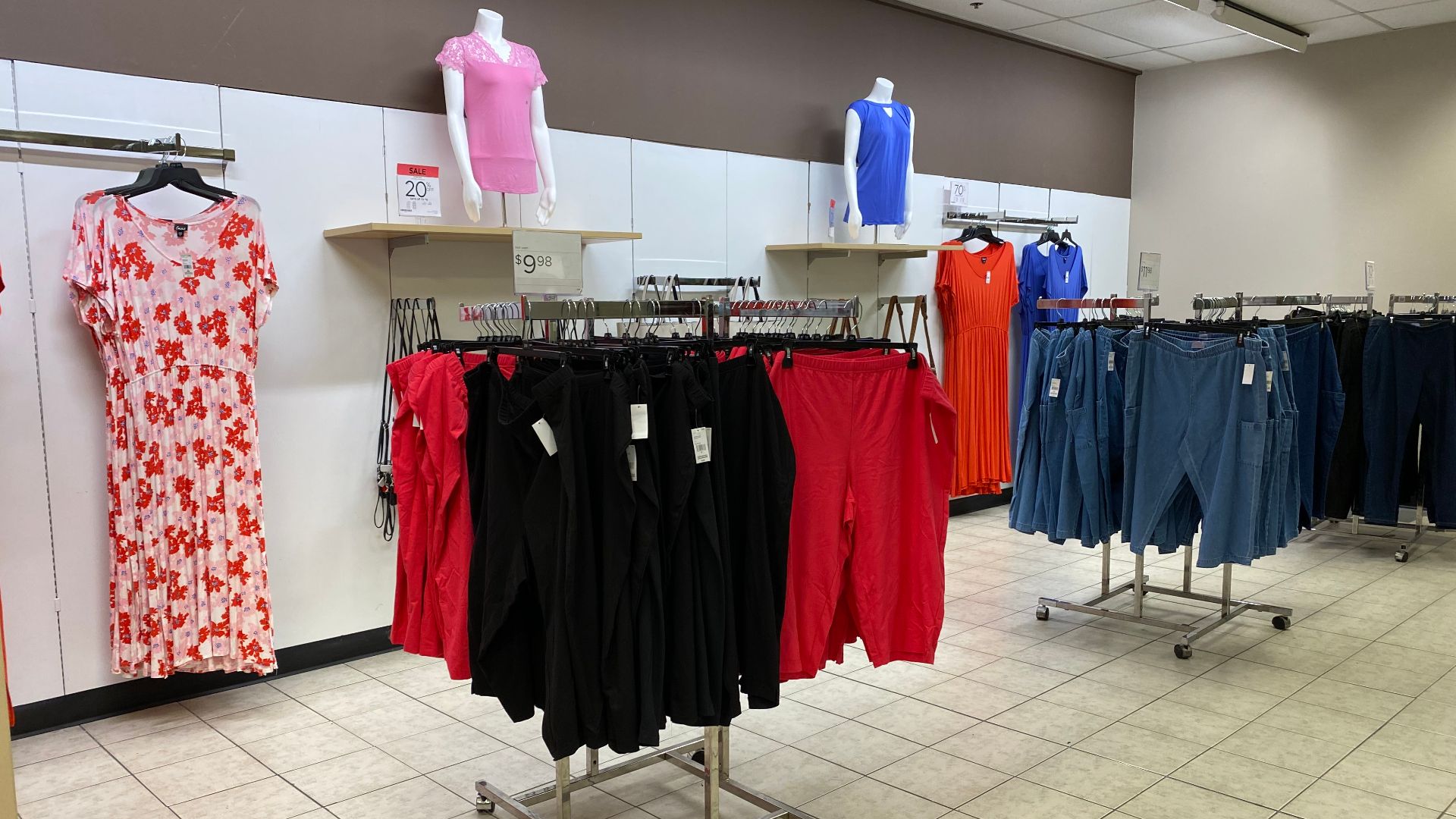
In its later years, a growing number of Sears stores featured empty shelves, outdated décor, and limited staff with little knowledge about the products on offer . Declining store standards ate away at customer loyalty. As competitors enhanced service and presentation, Sears fell further behind, losing shoppers who once viewed the brand as dependable. Younger generations of consumers viewed Sears as irrelevant.
Internal Competition Instead Of Coordination
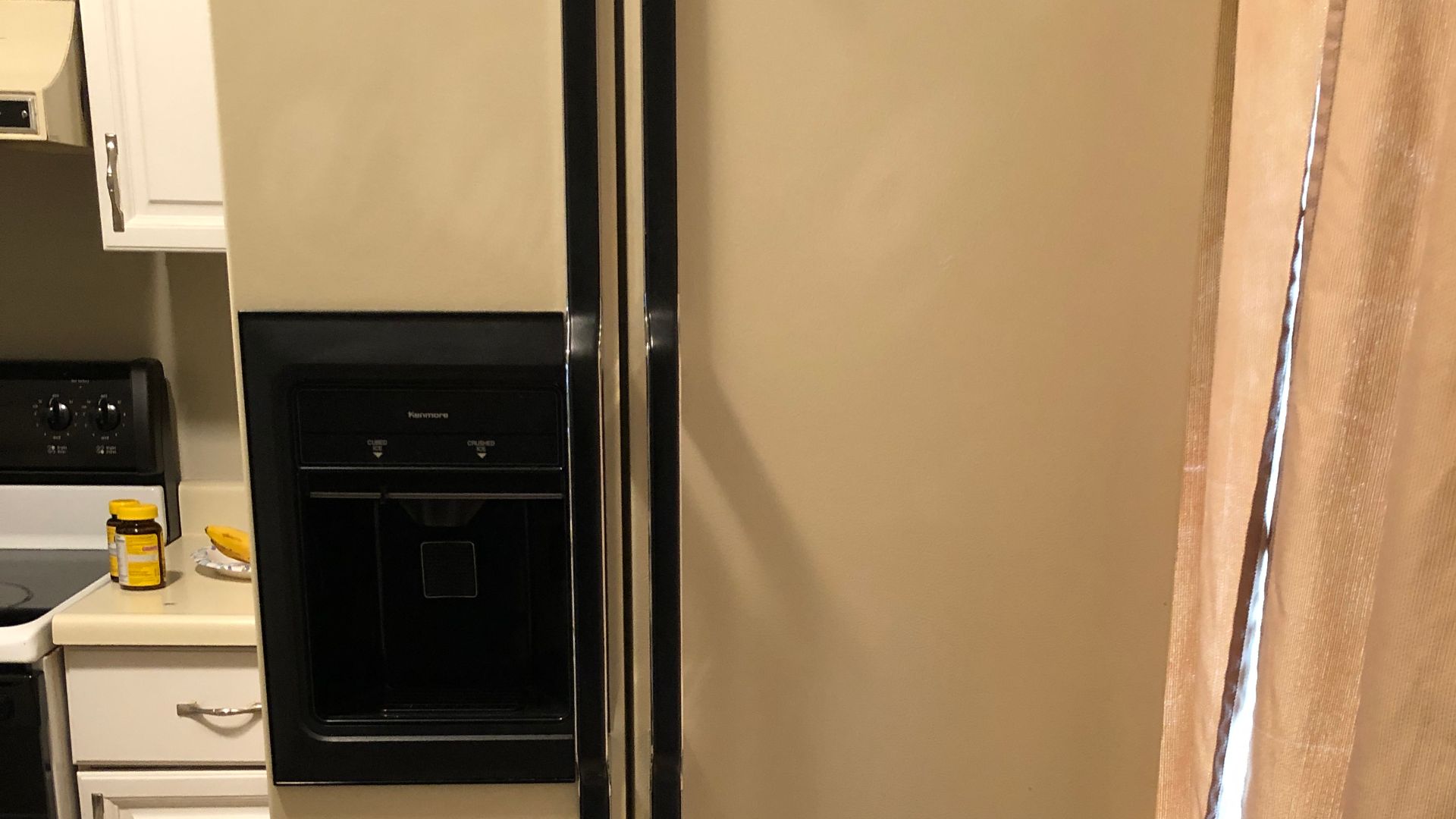
Leadership reorganized Sears into profit-centered business units that competed internally rather than collaborating. One crazy example that illustrates this is that one division of Sears refused to sell Kenmore refrigerators at an affordable price to another division. The second division then decided to stop selling Kenmore (Sears' own brand!) and sold LG fridges instead. This fragmentation couldn't help but weaken sales performance. Internal rivalry wasted valuable resources and undermined unity.
Heavy Legacy Footprint And Unprofitable Stores
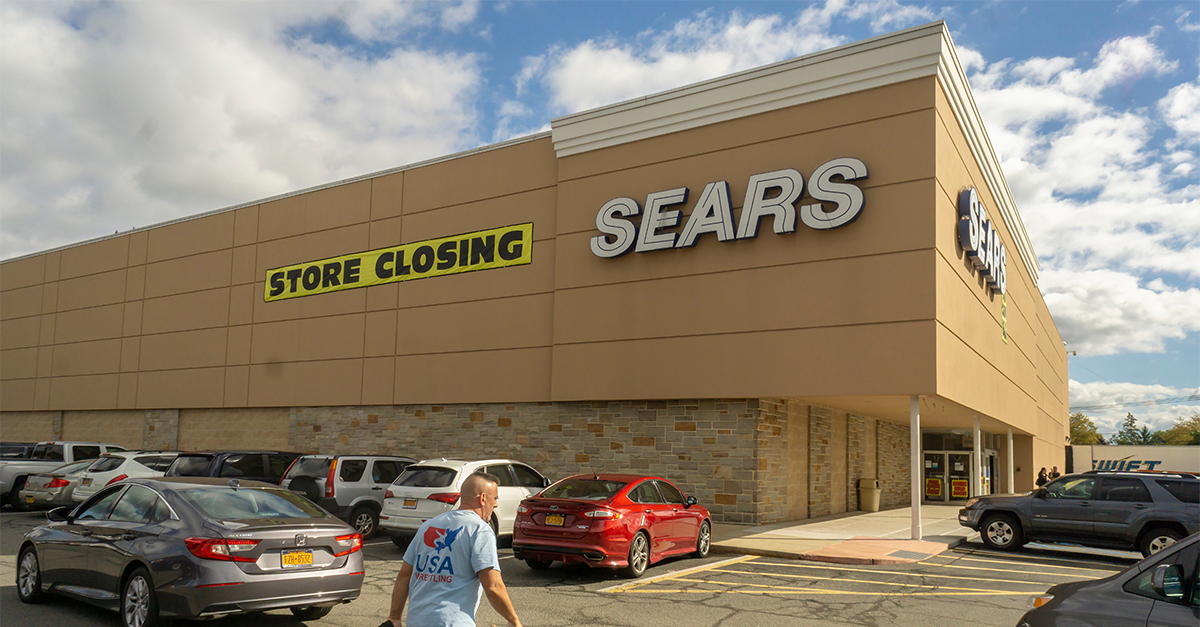
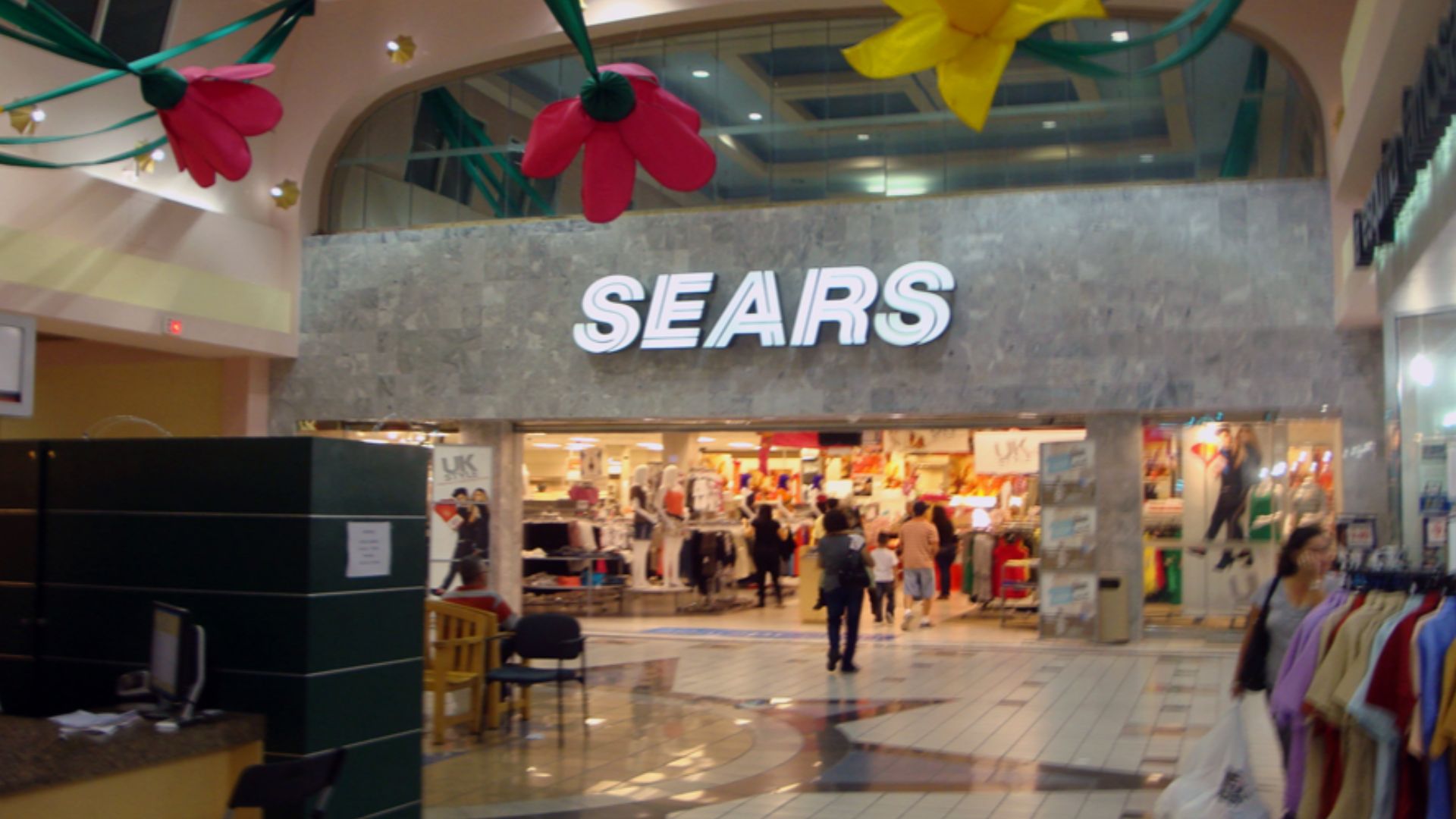
Sears stubbornly insisted on maintaining large numbers of underperforming mall-based stores long after foot traffic had declined. Keeping these unprofitable locations going drained resources badly needed for modernization. Delays in closing failing stores only prolonged financial losses during a period of rapid retail transformation.
Supply-Chain Inefficiencies And Pricing Disadvantages
Competitors invested early in automation, logistics optimization, and advanced inventory systems. Sears lagged behind this trend, which resulted in higher operational costs, slower turnover, and outdated stock. This inefficiency eroded pricing flexibility and reduced competitiveness in essential product categories.
 Phillip Pessar, Wikimedia Commons
Delayed Store Closures And Strategic Paralysis
Sears kept putting off difficult restructuring decisions, while keeping failing stores open for years. This hesitation only made the financial pressure worse and accelerated brand erosion. By the time closures became unavoidable, the company had already lost a lot of relevance among consumers of all ages, not just younger ones.
Leadership Failures And Strategic Misalignment
Turmoil in the management suite plagued Sears for years. A focus on stripping assets for investor benefit rather than retail innovation prevented any coherent long-term strategy from coming together. The company being run by financiers rather than businessmen was a key part of its downfall. Weak governance and internal confusion made meaningful turnaround efforts nearly impossible.

Failure To Adapt To Changing Consumer Behavior
Consumers increasingly embraced e-commerce, specialty retail, and convenience-driven shopping. Through all this, Sears kept clinging to an outdated department-store model and failed to get with the times. Ignoring shifting consumer expectations proved to be a fatal mistake, even for a brand with more than a century of history behind them.

Loss Of Brand Identity And Market Position
Once associated with reliability in appliances, tools, and home goods, Sears gradually lost its brand identity. Neglected stores, inconsistent strategy, and diluted messaging all wore down the already declining public perception. As the brand lost clarity, it also lost its place in the consciousness of American shoppers.
 Phillip Pessar, Wikimedia Commons
Dependence On Asset Sales For Survival
As retail operations went downhill, Sears increasingly relied on selling assets, including real estate and proprietary brands, to stay afloat. This dependence marked the business’s ominous transition from retailer into liquidation cycle. Long-term prospects dried up as core operations failed to bring in any sustainable amount of revenue.

The Current Company And Future Prospects
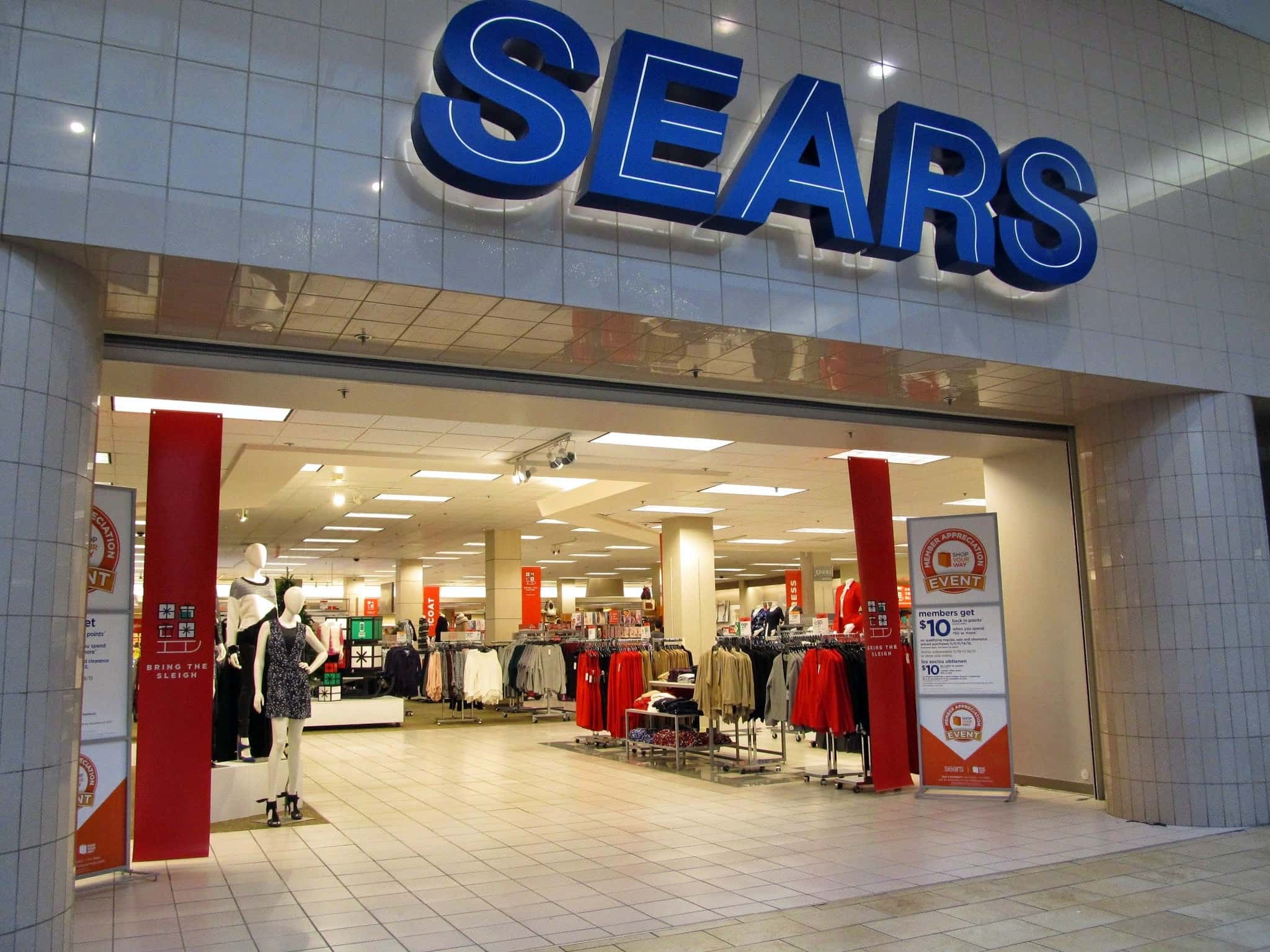
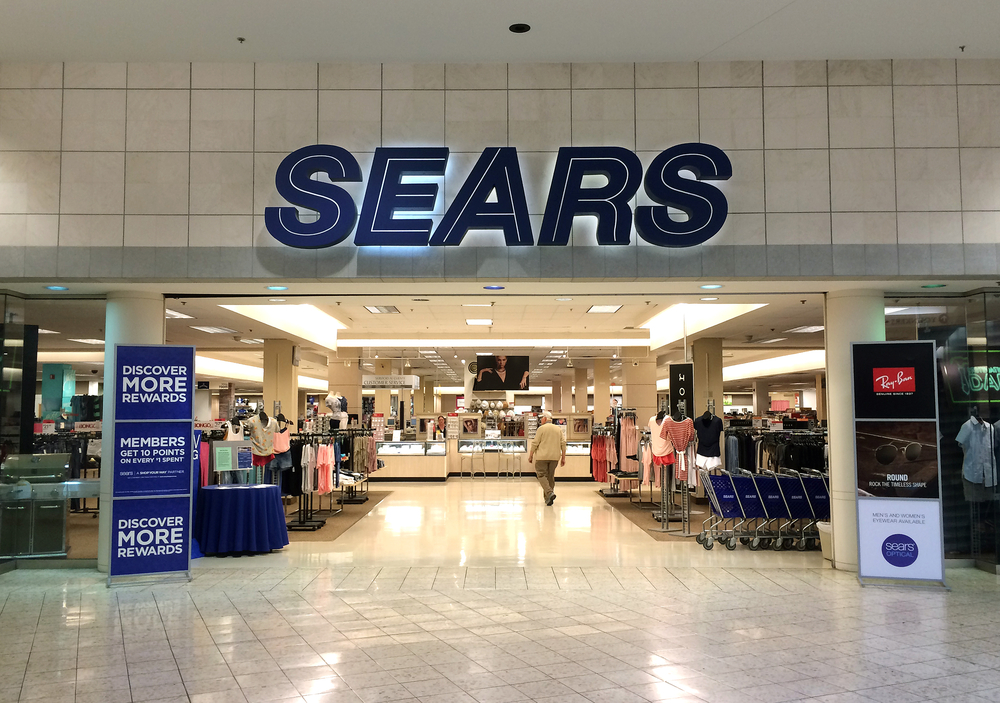
Sears has just emerged from bankruptcy and remains a drastically reduced entity under Transformco, with only a small number of stores operating in limited formats. The company’s future depends on whether it can reinvent itself as a niche retailer or service provider. Without some major changes, the company’s prospects for the future continue to be uncertain.
 digitalreflections, Shutterstock
You May Also Like:
Enron: The Anatomy Of A Fiasco
Popular Items People Assume Are Cheaper At Walmart, But Aren't