Go To The Mattresses
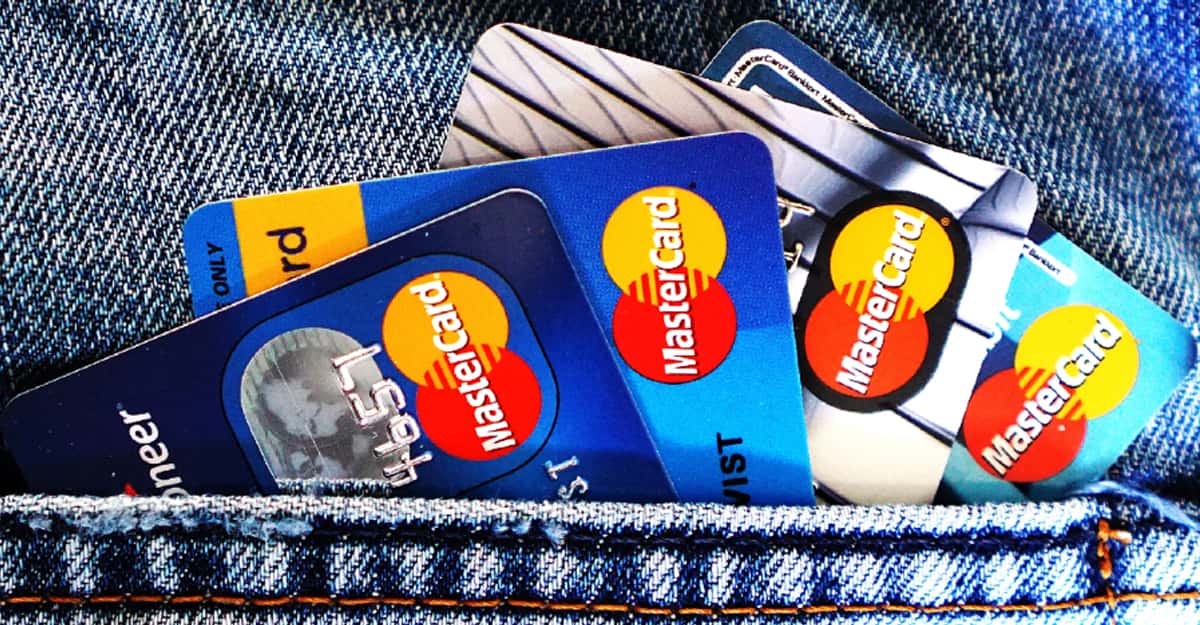
Everyone has that one relative with strong financial opinions. Maybe it’s an aunt who insists credit cards are evil—or an uncle who swears the safest place for money is under the mattress. His reasoning might be simple: banks fail, systems crash, and cash you can physically see always feels secure. But before you start turning your bed into a savings account, it’s worth asking whether that strategy actually holds up.

Your Uncle Isn’t Totally Alone
It might sound unusual, but plenty of people keep cash at home. In fact, surveys suggest most Americans keep at least some physical cash in their homes, even if it’s just for emergencies. The difference is that most people are storing a small amount—not their entire savings.

Most People Only Keep Small Amounts
When researchers asked Americans how much cash they actually keep at home, the numbers were pretty modest. About 36% keep $100 or less, while another 30% keep between $100 and $500. Only around 10% report keeping more than $1,000 in cash at home, according to consumer finance surveys.
Why Cash Feels Safe To Some People
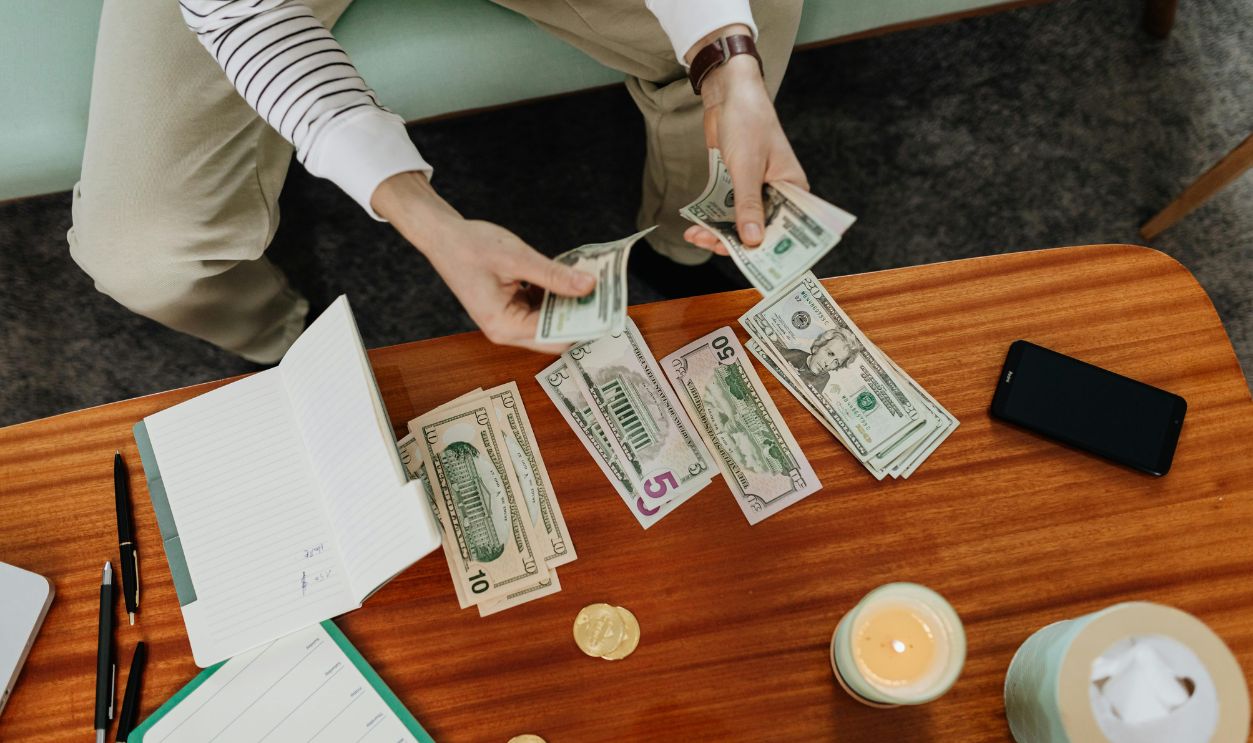
One reason people like physical money is psychological. You can see it, count it, and know exactly how much you have. There are no passwords, apps, or institutions involved. For people who distrust banks or simply prefer simplicity, that feeling of control is very appealing. The idea also has historical roots. During the Great Depression, thousands of U.S. banks collapsed and many people lost their savings, which led some families to distrust financial institutions for decades.

But Modern Banking Is Very Different
Today’s banking system has far more protections. For example, deposits in U.S. banks are typically insured by the Federal Deposit Insurance Corporation (FDIC) for up to $250,000 per depositor, per bank. If an insured bank fails, depositors are reimbursed up to that limit.

Cash At Home Has No Protection
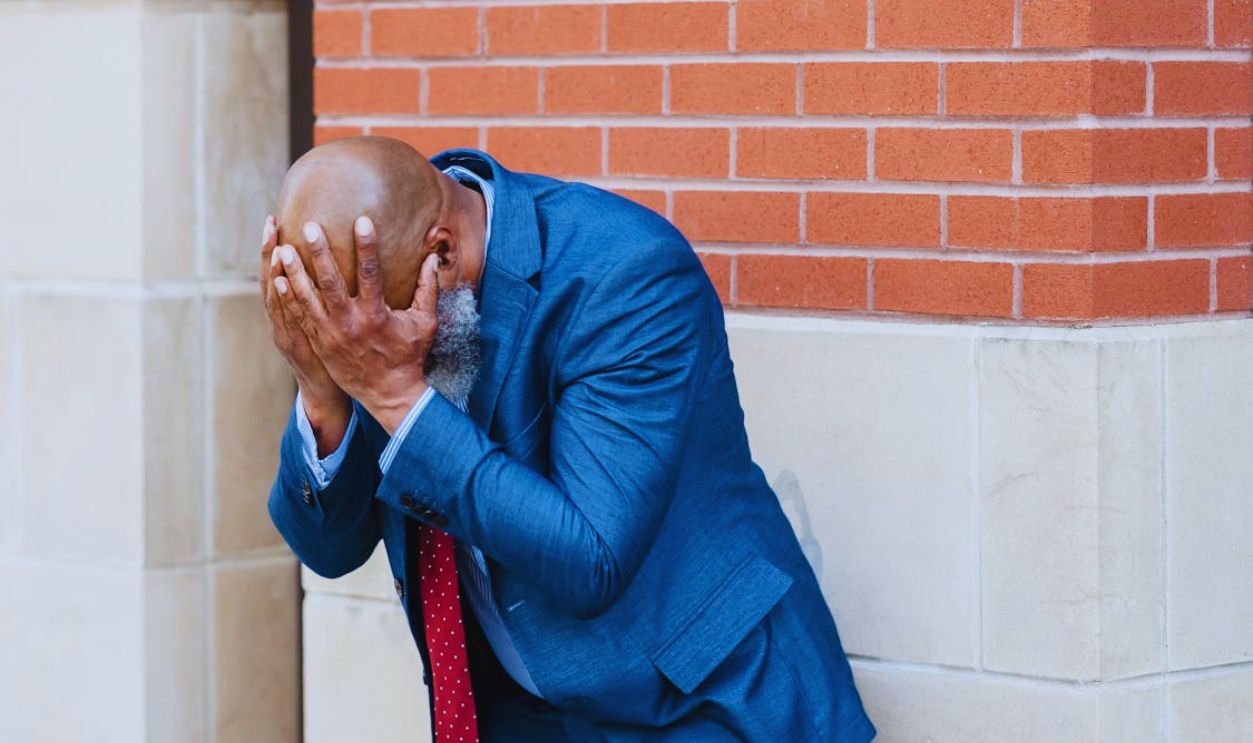
Money stored in your house doesn’t have any of those safeguards. If it’s stolen, burned, lost, or thrown out by mistake, there’s no institution that replaces it. That’s a major difference between keeping cash at home and storing it in a regulated financial institution.

Theft Is The Obvious Risk
Cash is one of the easiest things for thieves to steal. It’s small, portable, and impossible to track. Unlike electronics or jewelry, it doesn’t even need to be resold. Once someone walks away with it, the chances of getting it back are extremely low.
Sometimes It Disappears In Simpler Ways
Not every loss involves a dramatic break-in. Contractors, cleaning crews, house guests, or even curious kids might stumble onto a hidden stash. Sometimes money simply gets misplaced or accidentally thrown away during a move or cleaning spree. Cash has a way of disappearing quietly.
Fire Can Destroy It Fast
Paper currency burns easily. If your savings are hidden in a mattress, drawer, or closet, a house fire could wipe them out within minutes. Even small fires can destroy large amounts of paper currency. And unlike bank deposits, there’s no insurance replacing that loss.

Water Damage Can Ruin Cash Too
Flooding, burst pipes, or roof leaks can also destroy physical cash. Wet bills often stick together, tear, or grow mold if they remain damp. While the U.S. Treasury can sometimes replace severely damaged currency, the process can be complicated and not always successful.
Your Money Doesn’t Earn Anything
Another problem with mattress banking is that your money sits completely idle. Savings accounts and certificates of deposit earn interest. Investments can potentially grow even more over time. Cash hidden at home earns exactly zero.

Inflation Slowly Eats Away At Cash
Even if nothing happens to the money, its value still changes. Inflation causes prices to rise over time, meaning the same pile of cash buys less every year. Over a decade, that decline in purchasing power can be significant. Your money slowly shrinks without moving an inch.
Compounding Is One Of Money’s Superpowers
One reason banks and investments matter is compounding. When money earns interest and that interest begins earning interest too, savings can grow surprisingly quickly over time. Cash sitting under a mattress never benefits from that effect.
Everyday Finances Become Harder
Modern financial life runs largely on electronic payments. Rent, mortgages, utilities, and taxes are usually paid digitally. If your savings exist only as cash, you’ll constantly need to deposit it or convert it just to handle basic bills. That adds unnecessary hassle.

Big Purchases Can Get Complicated
Showing up with a large stack of cash can also raise eyebrows. Many businesses prefer electronic transfers or verified payments for expensive purchases. In some situations, cash transactions over $10,000 must be reported to the IRS, which can add additional paperwork.

There’s No Financial Record
Banks automatically track deposits and balances. Those records can be extremely useful when applying for loans, renting an apartment, or proving financial stability. A pile of cash under your mattress doesn’t create any kind of financial history.

Access To Money Is Already Easy
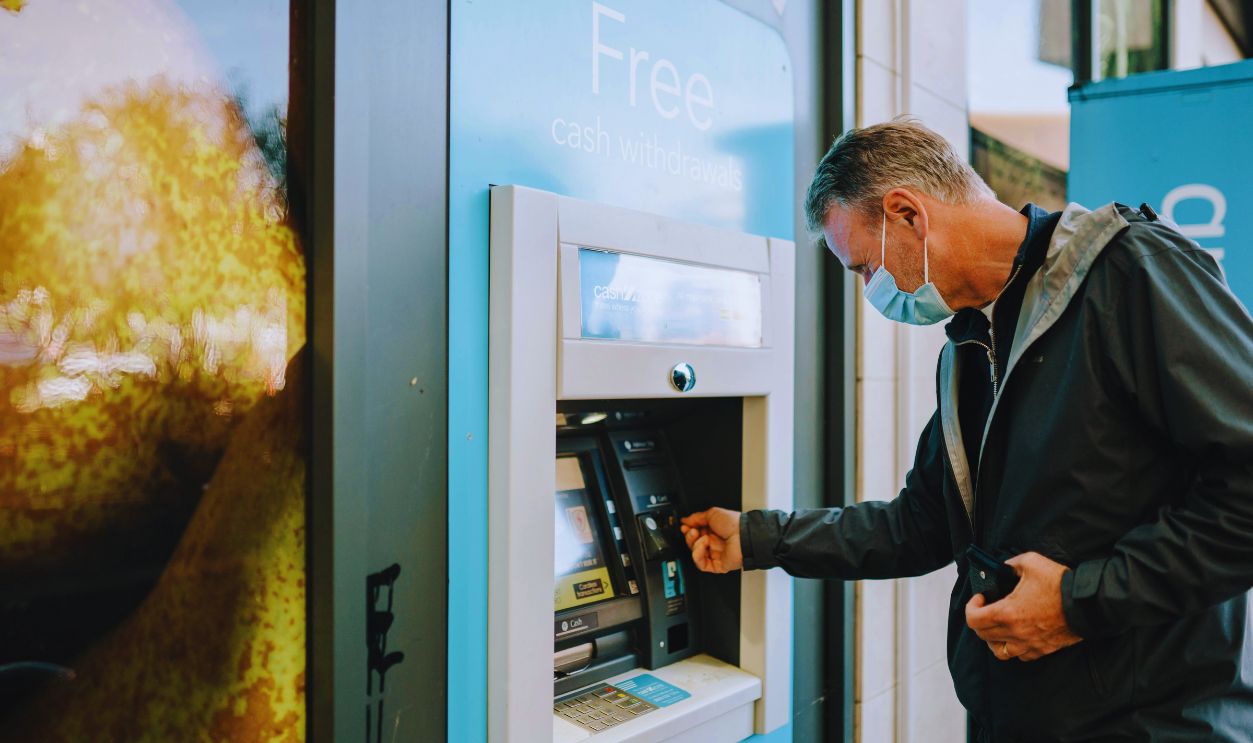
Some people keep cash at home because they worry about accessing their money quickly. But today’s banking tools—ATMs, debit cards, online transfers, and mobile apps—make funds accessible almost instantly. For most people, banks actually make money easier to reach.
 Centre for Ageing Better, Pexels
People Still Use Cash More Than You Think
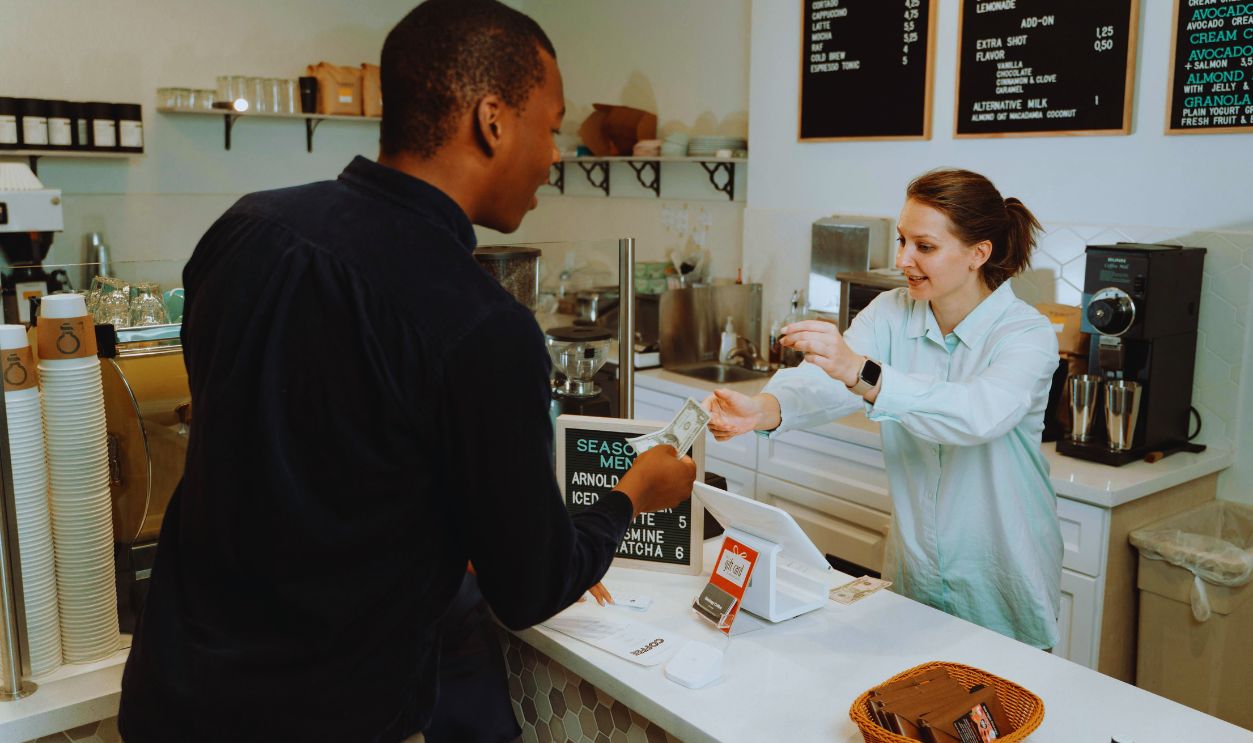
Even in a digital world, cash hasn’t disappeared. Federal Reserve research shows cash still accounts for roughly 16–18% of consumer payments in the United States. Most of those transactions are small everyday purchases like coffee, tips, or convenience-store items.
Keeping A Little Cash Isn’t A Bad Idea
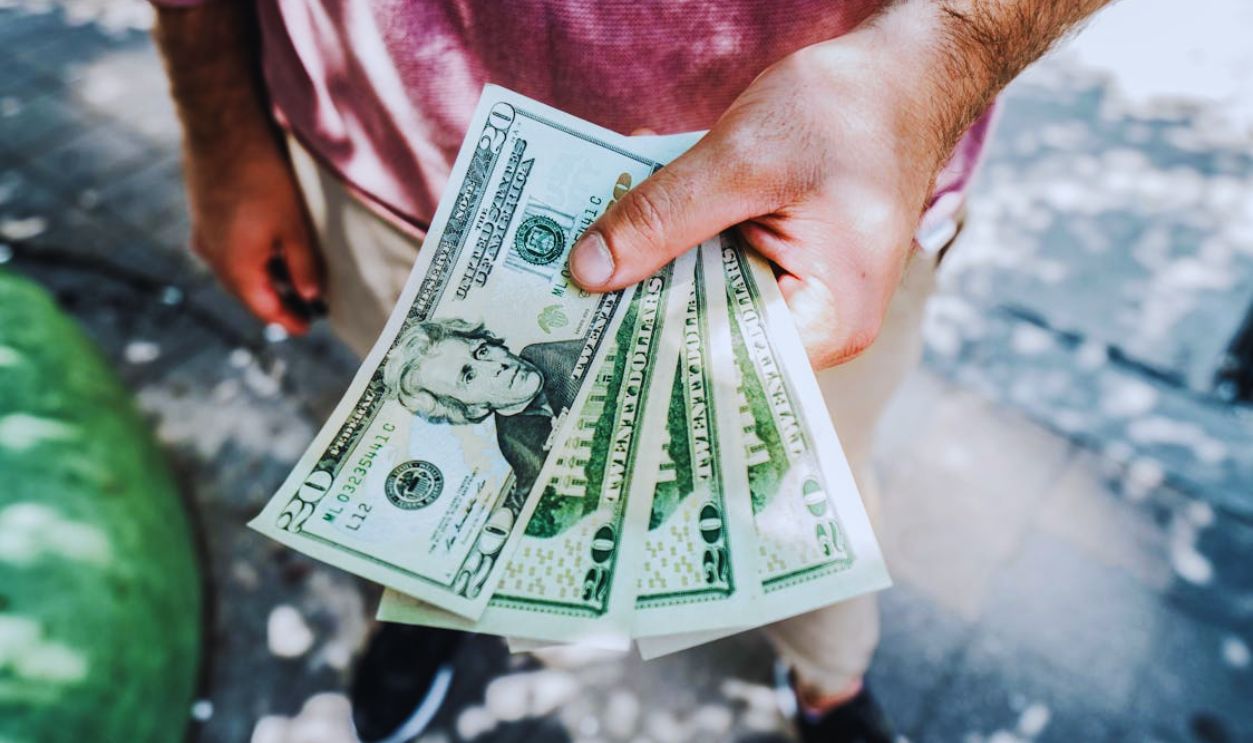
That said, keeping a small emergency stash at home can be practical. Power outages, natural disasters, or temporary payment system failures can make electronic payments difficult. Having some physical cash available can help in those situations.
The Key Word Is Small
Financial planners often recommend keeping a modest amount of emergency cash, not your entire savings. Think enough for a few days of groceries, gas, or essentials—not tens of thousands of dollars under the mattress.

The Bottom Line
Your uncle’s strategy comes from a long tradition of financial caution. But in today’s world, storing all your money under a mattress creates more risks than benefits. You lose insurance protection, miss out on growth, and expose your savings to theft and disasters. Your mattress is great for sleeping—but it’s not a very good bank vault.

You Might Also Like: