
Breaking Up the Deposit
You had cash. Maybe from selling a car, side work, or just years of saving. Someone told you, “Don’t deposit more than $10,000 at once or the bank will report you.” So you split it up. Now you’re wondering: did trying to avoid trouble actually create it? And the honest answer is, yes...maybe.

What Is the $10,000 Rule, Anyway?
Banks are required to report cash transactions over $10,000 to the federal government. It’s called a Currency Transaction Report (CTR), and it goes to the Financial Crimes Enforcement Network (FinCEN). The rule also applies to multiple cash transactions that add up to more than $10,000 in a single day.

The Bank Secrecy Act Explained
Under the Bank Secrecy Act of 1970, financial institutions are required to file these reports. Recent federal data shows roughly 20 million Currency Transaction Reports are filed annually. Most are routine and never investigated further.

A Report Isn’t an Automatic Investigation
When a bank files a CTR, it doesn’t mean you’re accused of a crime. It simply creates a paper trail. Millions of these reports are filed every year for ordinary people—small business owners, people selling property, or anyone depositing legitimate cash. Most reports go nowhere.
Why the $10,000 Myth Persists
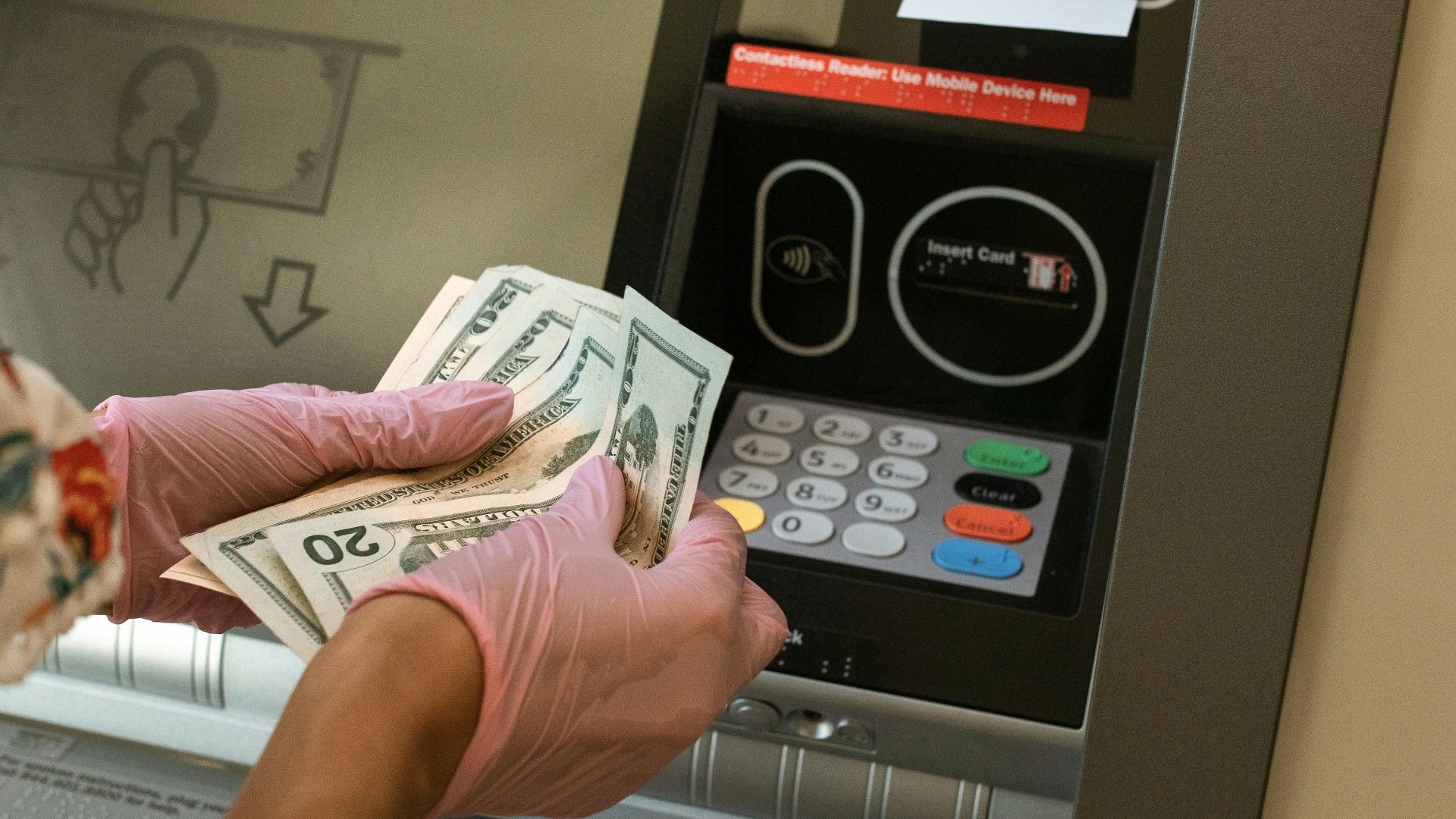
There’s a long-standing rumor that depositing over $10,000 triggers taxes, audits, or automatic investigations. That’s not how it works. The IRS doesn’t tax deposits just because they’re large. What matters is whether the income was legally earned and properly reported.

What Actually Raises Red Flags
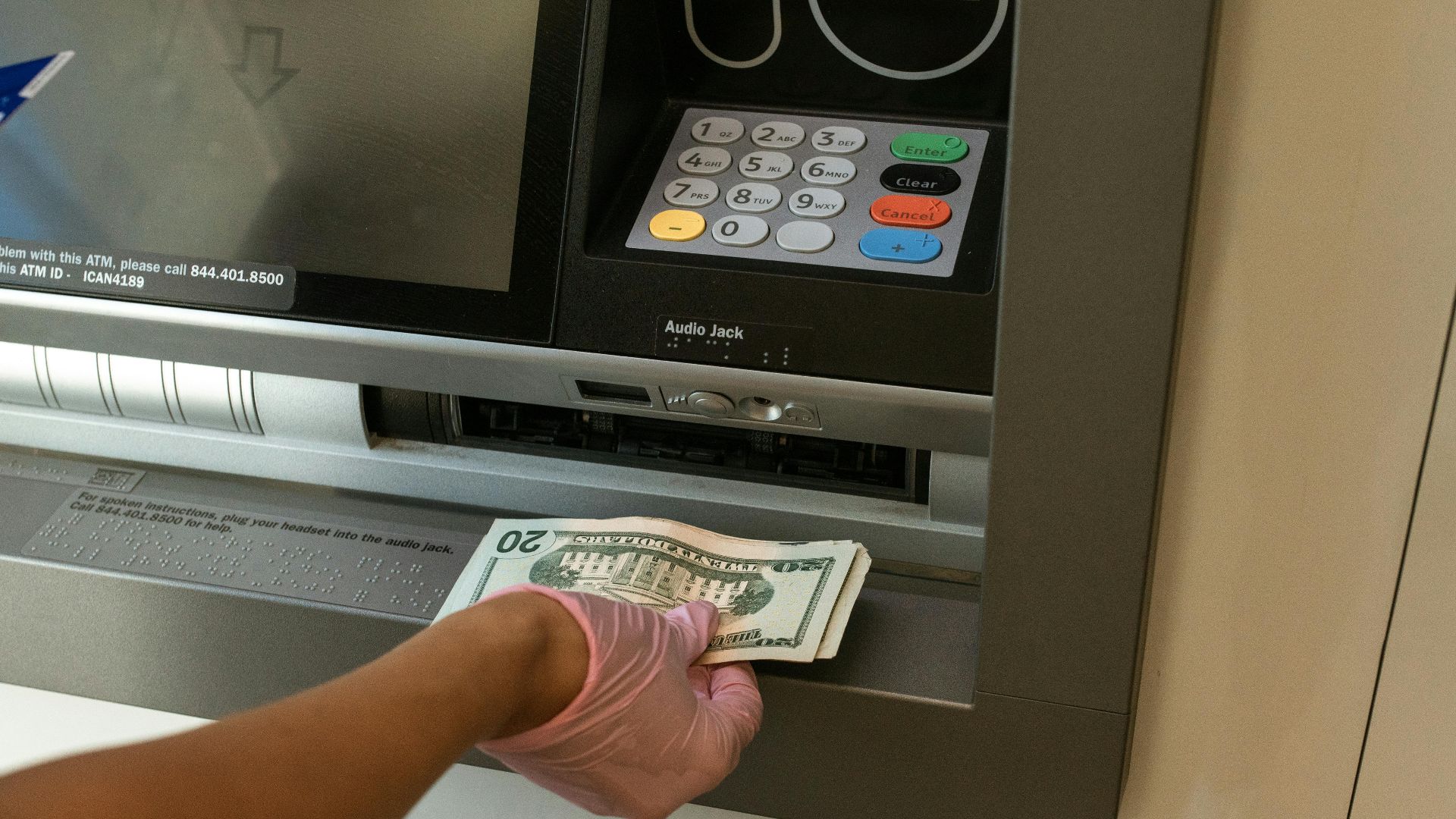
Deliberately breaking up deposits to stay under $10,000 can raise concerns. That behavior is called structuring—intentionally splitting transactions to avoid triggering a reporting requirement. And yes, structuring itself can be illegal.
Wait—Even If the Money Is Legal?
Even if your money came from completely legal sources, intentionally trying to avoid the reporting requirement can still violate federal law. The issue isn’t the cash—it’s the attempt to dodge the system.

Intent matters.
Structuring is specifically prohibited under federal law (31 U.S.C. § 5324), part of the Bank Secrecy Act. The law focuses on the deliberate attempt to avoid reporting—not just the amount of money involved.

How Banks Spot Structuring
Banks use software to monitor patterns. Repeated sub-$10,000 cash deposits—especially close together—can trigger review. It doesn’t have to be identical amounts to get attention.
 AgnosticPreachersKid, Wikimedia Commons
The Bank May File a Suspicious Activity Report (SAR)
Financial institutions file millions of SARs each year—recently around 4.6 million annually. Most are simply logged into a federal database and never lead to charges—but patterns matter.

What Is a Suspicious Activity Report?
A SAR is different from a CTR. A CTR is automatic for cash over $10,000 (including same-day aggregated transactions). A SAR is filed when a bank believes something may be intentionally suspicious—like structuring. Banks are generally prohibited from telling you if one was filed.

Did You Make Things Worse?
Not necessarily—but potentially. If you broke up deposits because someone casually warned you about the $10,000 rule, that’s common. A one-time situation is very different from a clear, ongoing pattern of avoidance.

What Happens After a SAR Is Filed?
In most cases, nothing dramatic happens. SARs are reviewed by regulators and law enforcement, but only a small fraction lead to further investigation. Authorities look for larger criminal patterns.

Could Your Money Be Seized?
Asset seizure in structuring cases has happened, typically in extreme or repeated cases involving large sums. After public backlash in the early 2010s, federal policies were revised to limit forfeitures when funds appear to come from legal sources.

Does This Automatically Trigger an IRS Audit?
No. A CTR or SAR does not automatically trigger an IRS audit. For most individual filers, IRS audit rates have been well under 1% in recent years. A bank report alone does not move you to the front of the audit line.
What If the Cash Came From Side Work?
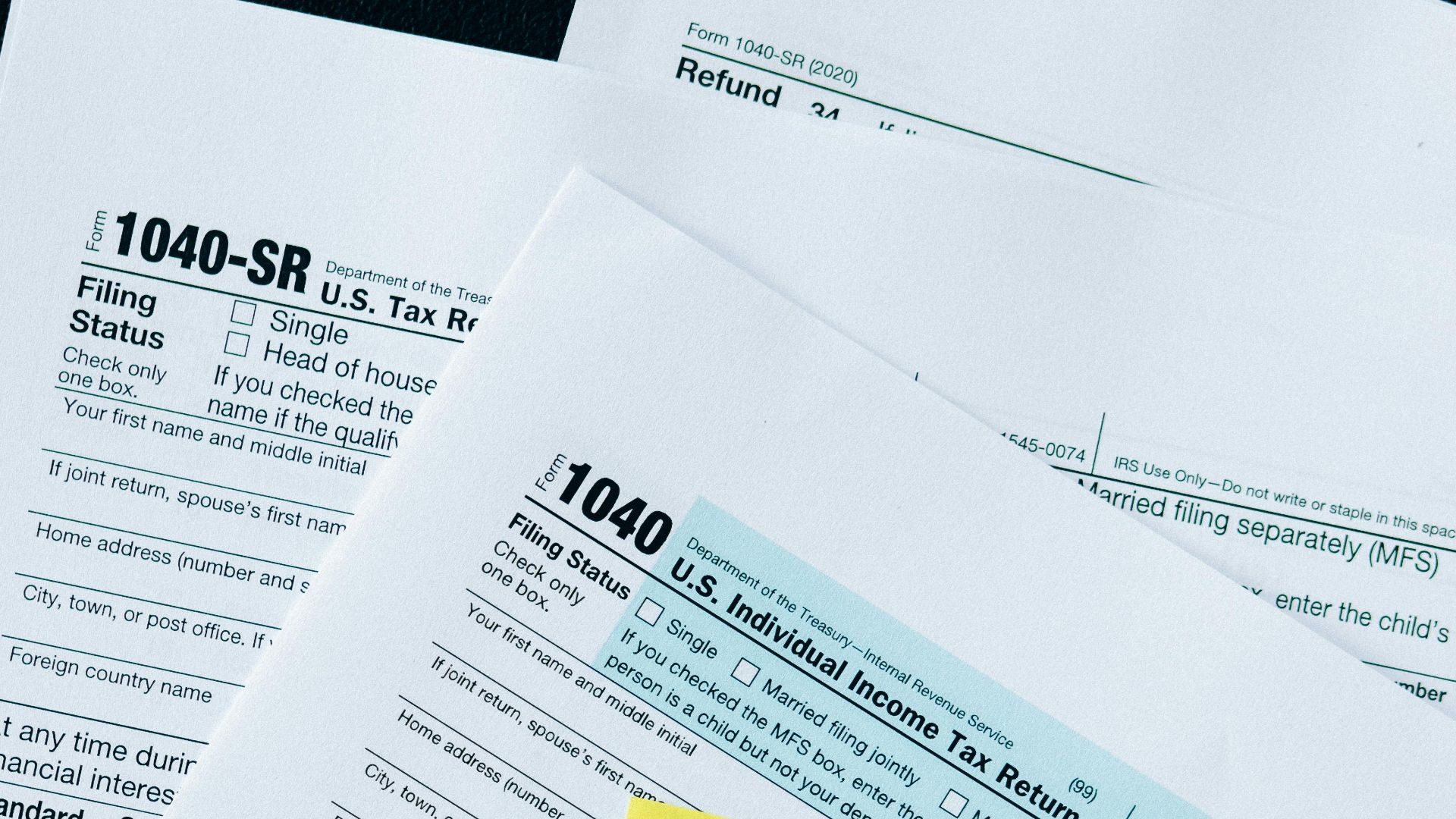
If you earned the money legally but didn’t report it, that’s a separate issue. The deposit itself isn’t the tax problem—the unreported income is. A tax professional can help correct past filings if needed.
 Photo By: Kaboompics.com, Pexels
Should You Stop Depositing the Rest?
Avoid panic. Suddenly changing your behavior can look just as odd as continuing. If you still have cash to deposit, consistency and transparency are usually better than trying to maneuver around the rules.

Can You Just Deposit It All at Once Now?
Yes. Depositing more than $10,000 in cash is legal. The bank will file a CTR. That’s documentation—not punishment. Trying to outsmart the rule is usually riskier than following it.

Should You Talk to Your Bank?
You can ask your bank about reporting requirements in general terms. They cannot confirm or deny a SAR, but they can explain how the process works.

When Should You Call a Lawyer?
If you receive official communication from law enforcement or your account is restricted, consult an attorney. If nothing has happened and your funds are legitimate, escalation may not be necessary.

The Calm Reality Check
If your money is legal, your taxes are in order, and you’re not running a criminal enterprise, the odds are overwhelmingly in your favor. Most people who deposit cash—even awkwardly—never hear a word about it.

So…Did You Make Things Worse?
Maybe a little—but probably not dramatically. The safest move going forward is simple: stop trying to game the threshold. Deposit your money normally, keep good records, and report your income properly.

You Might Also Like:
The $2 Bill Is Legal Currency—But Using It Still Makes Cashiers Nervous