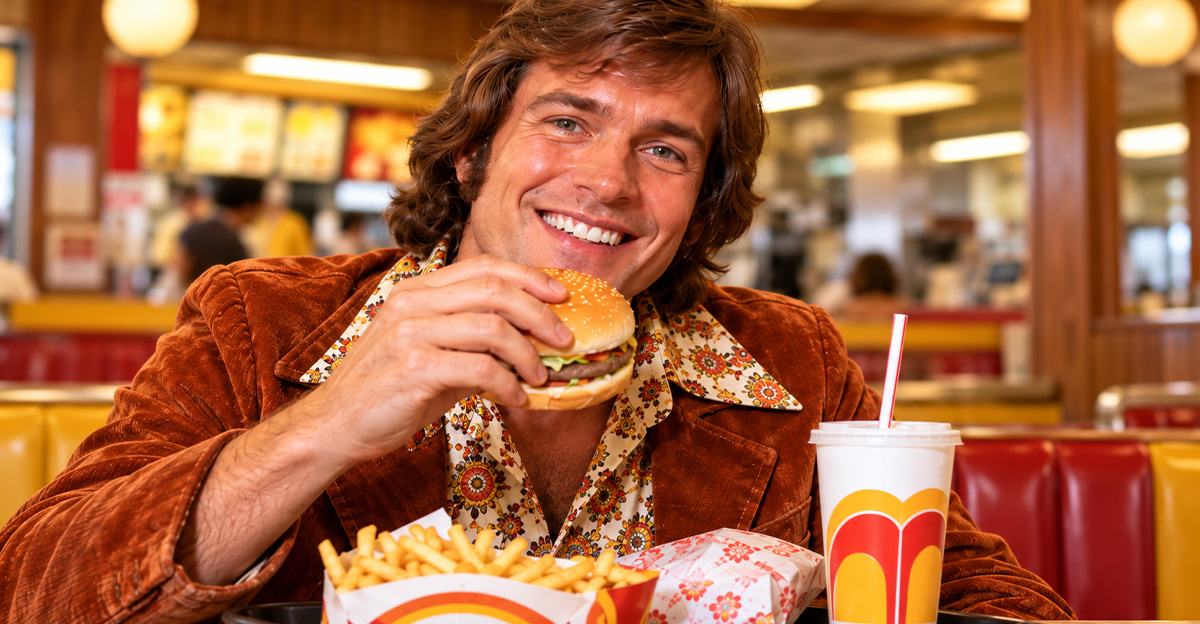
When A Dollar Could Buy You Dinner
Remember when spending two dollars at a fast-food restaurant felt like treating yourself to something special? Back in the 1970s, a Big Mac, fries, and a milkshake could leave you with change jingling in your pocket. Some menu items seemed downright expensive to budget-conscious Americans. Today, their original prices are almost unbelievable.
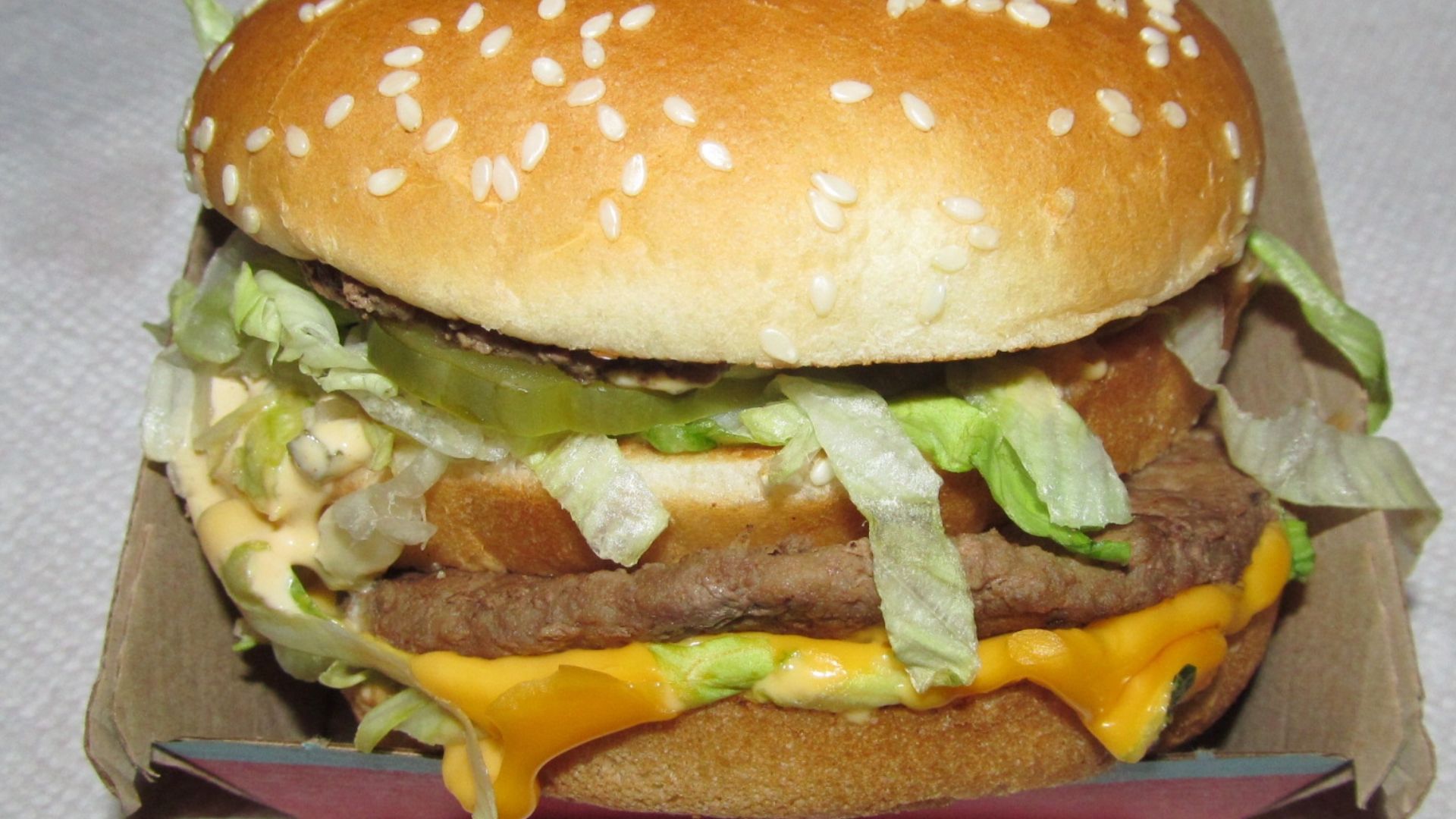
McDonald's Big Mac: 65 Cents
In the mid-1970s, ordering a Big Mac was practically a declaration that you were hungry. A vintage American menu believed to date from 1974 lists the famous double-decker burger at just 65 cents. That was more than twice the price of a basic hamburger, making it something of a splurge for customers watching their pennies.
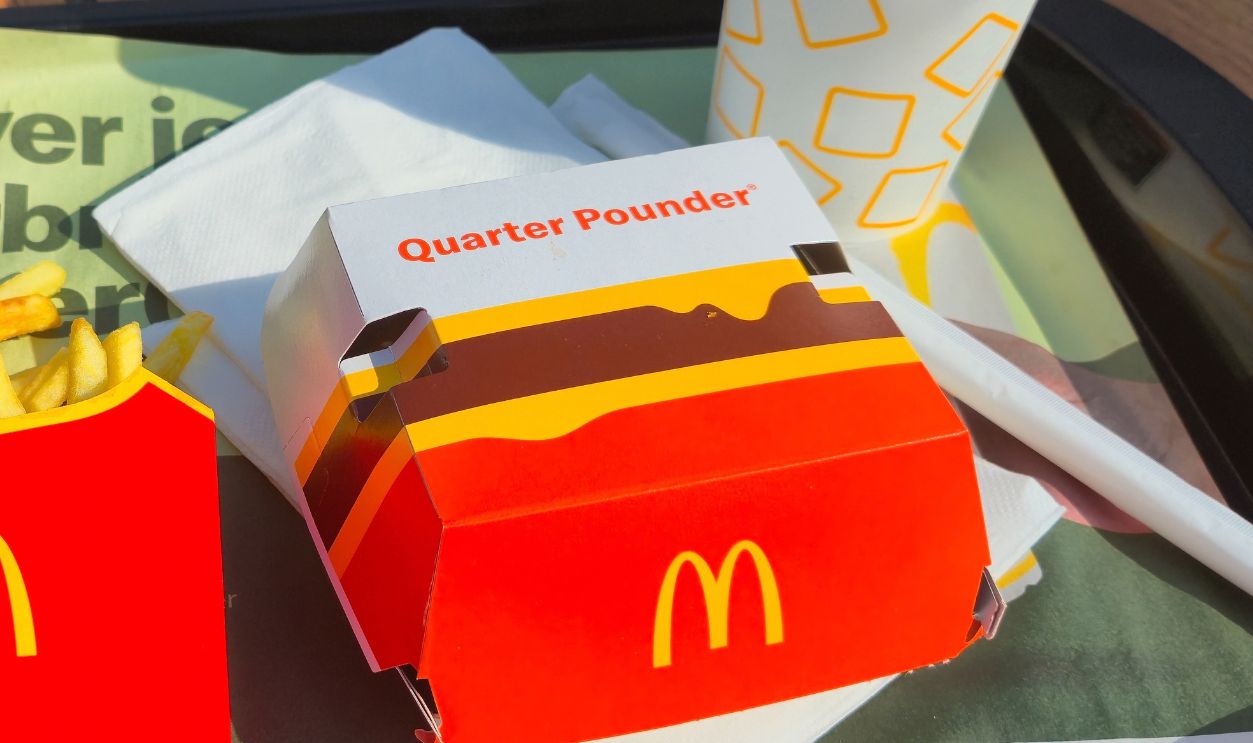
McDonald's Quarter Pounder: 60 Cents
When McDonald's introduced its Quarter Pounder in 1971, it gave serious burger lovers something to celebrate. By 1972, the sandwich was priced at 55 cents in a documented newspaper report. A menu believed to date from 1974 lists it at 60 cents. That heavier helping of beef certainly wasn't the cheapest lunch available.
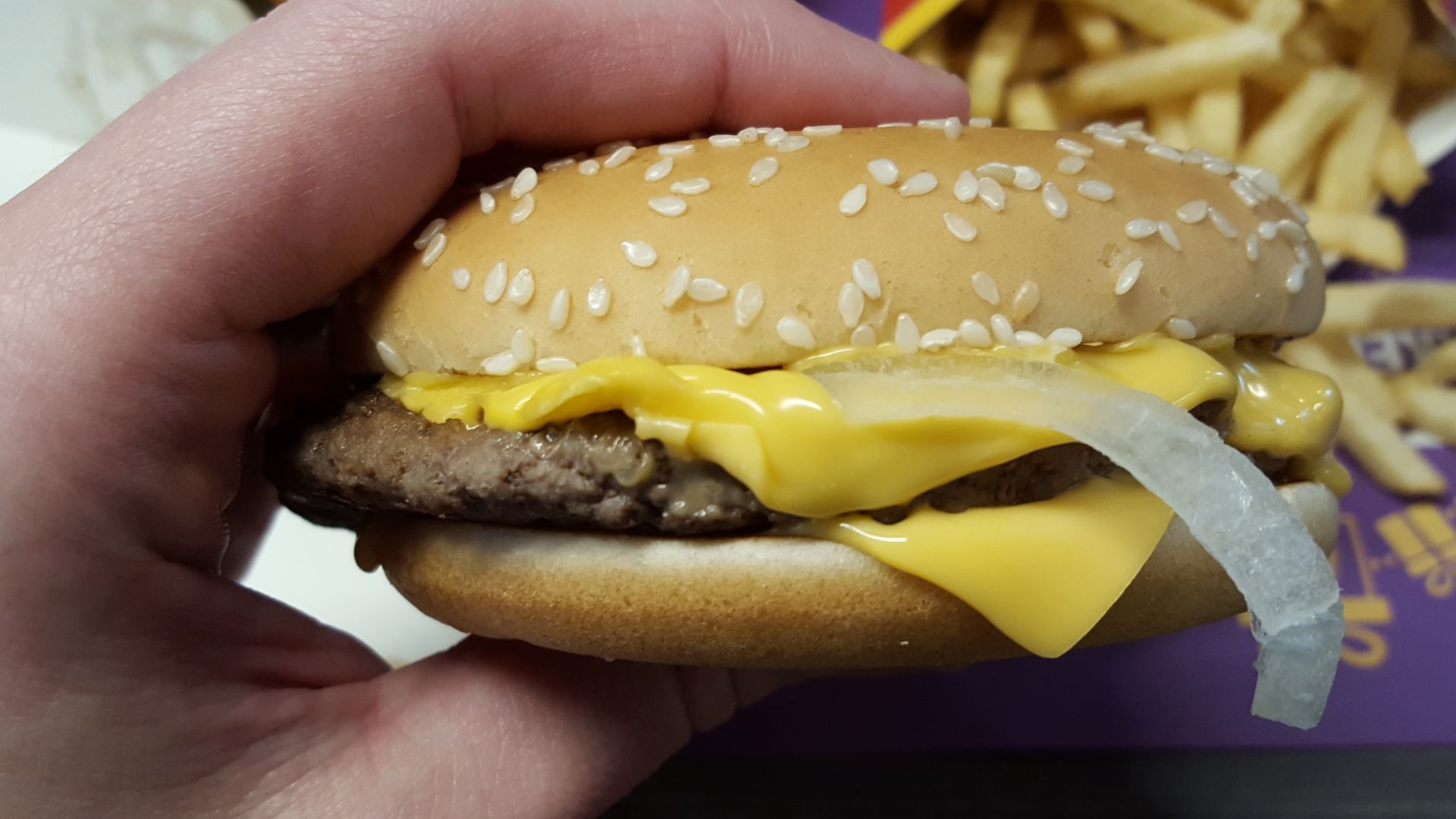
Quarter Pounder With Cheese: 70 Cents
Adding cheese to your Quarter Pounder was once a genuine financial decision. A vintage McDonald's menu lists the cheesy version at 70 cents, compared with 60 cents without cheese. Ten cents might sound ridiculous today, but careful shoppers noticed every nickel and dime back then. Of course, most cheese lovers paid the difference anyway.
 www.snack-nieuws.nl, Wikimedia Commons
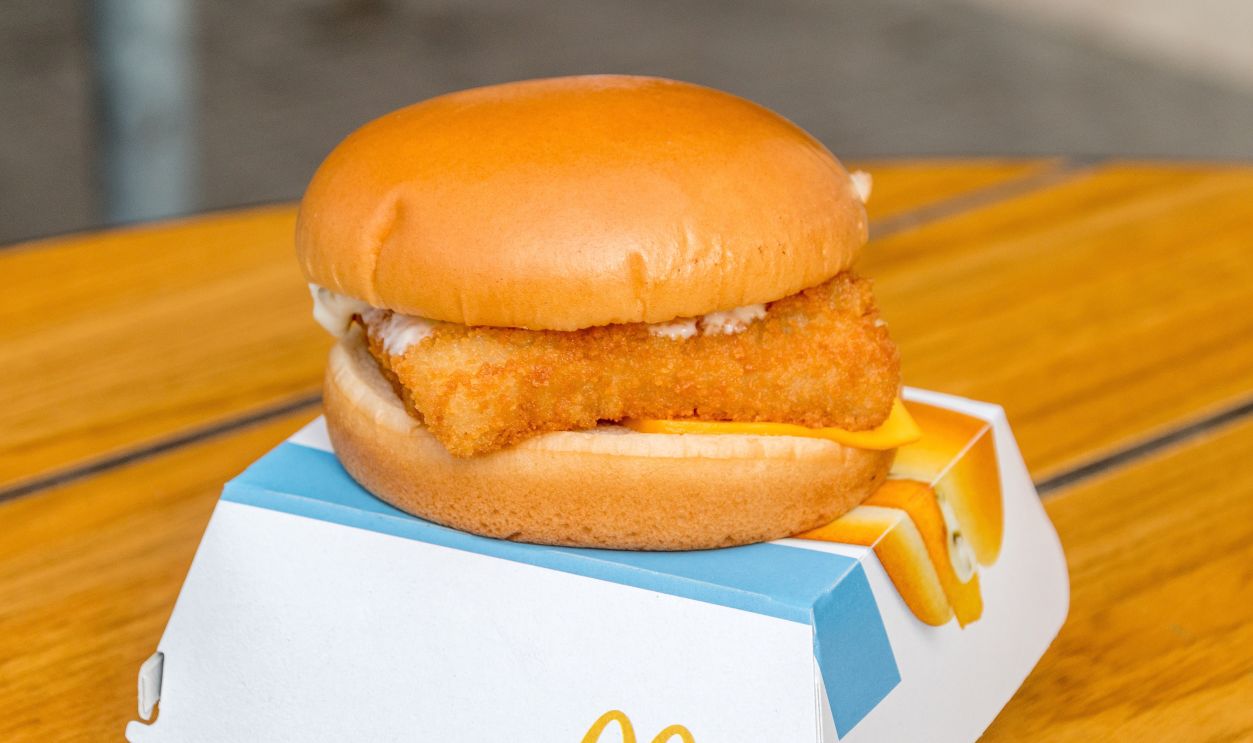
McDonald's Filet-O-Fish: 48 Cents
Fish on a fast-food menu was once an unusual proposition, but McDonald's Filet-O-Fish proved enormously popular. A menu believed to be from 1974 advertised the sandwich for 48 cents. Customers wanting something different from the usual hamburger could enjoy fish, tartar sauce, and cheese without reaching for a dollar bill.
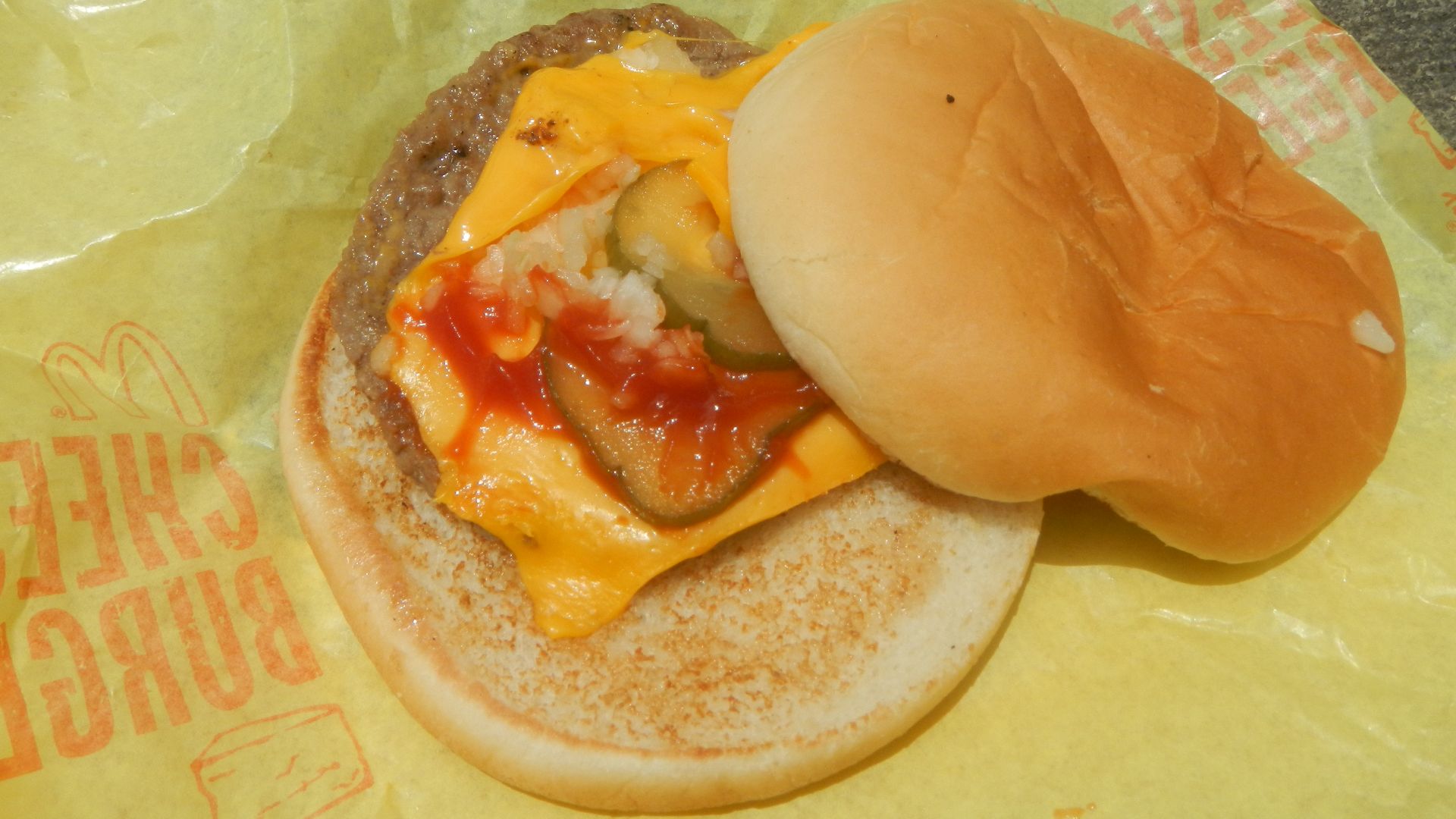
McDonald's Cheeseburger: 33 Cents
Before towering burgers became fashionable, the humble cheeseburger was more than enough for plenty of customers. That same vintage McDonald's menu lists one at 33 cents. For teenagers spending their allowance or workers grabbing a quick lunch, it was a small luxury that didn't require much financial planning.
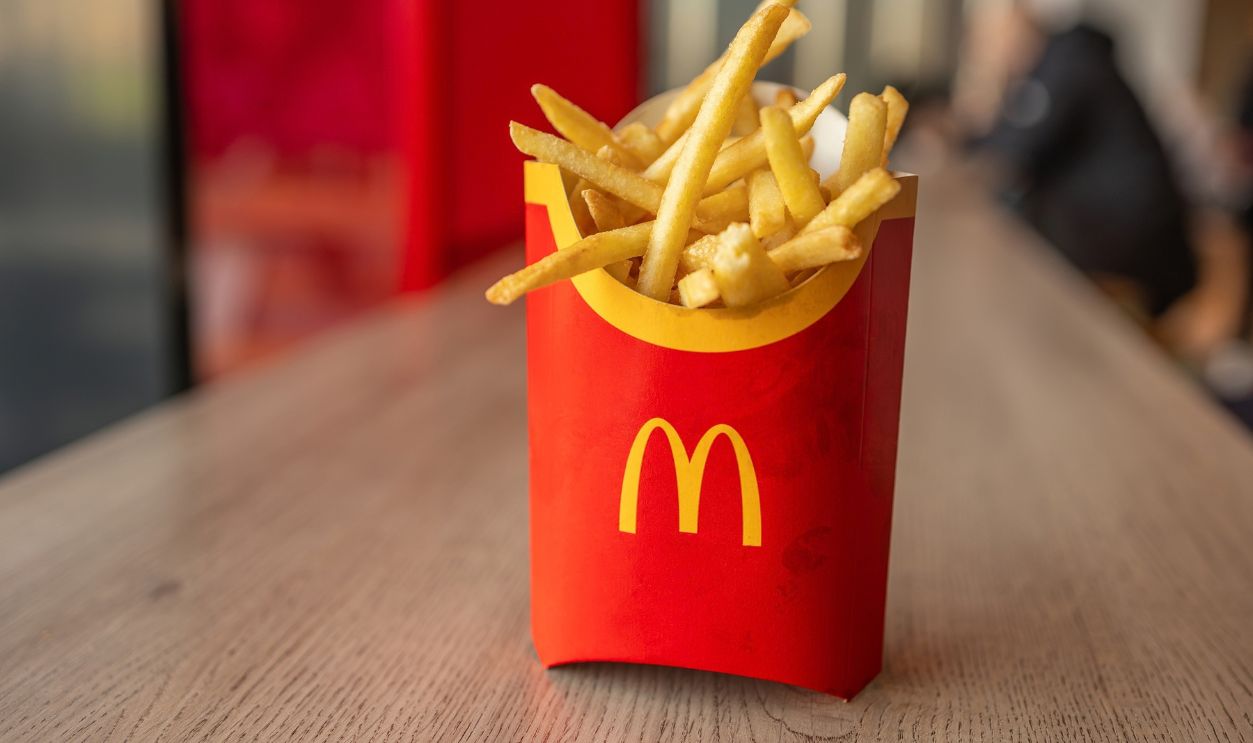
McDonald's French Fries: 15 Cents
Few things say 1970s fast food quite like a paper bag of hot, salty French fries. The vintage McDonald's menu believed to date from 1974 lists a serving for 15 cents. Today, that amount would barely register as loose change. Back then, fries were an affordable little indulgence that made any hamburger taste better.
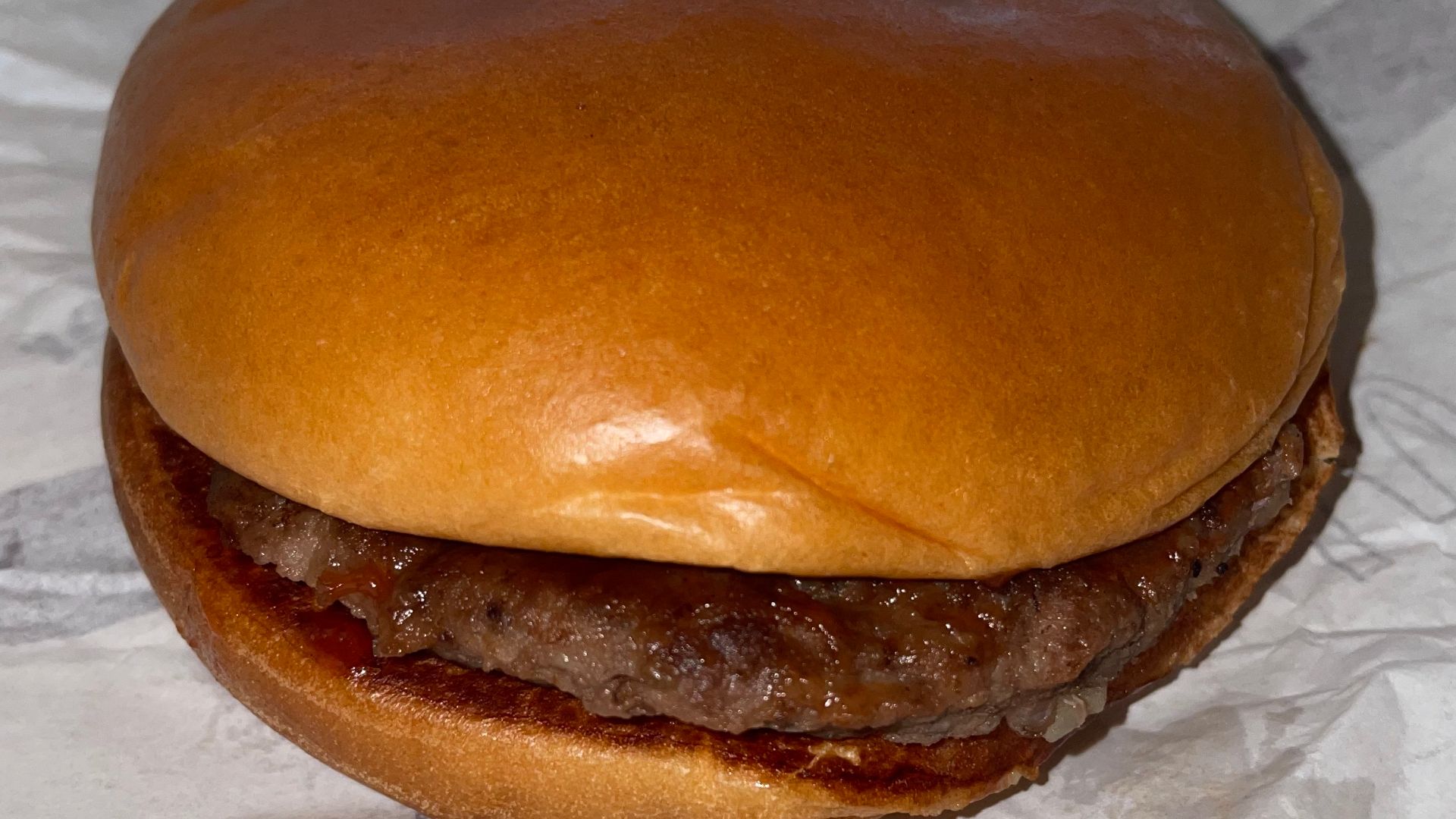
McDonald's Hamburger: 30 Cents
In 1975, a regular McDonald's hamburger cost 30 cents at American locations cited in contemporary newspaper reporting. That was a considerable increase over the chain's original 15-cent price. In fact, McDonald's celebrated its twentieth anniversary by temporarily bringing back 15-cent hamburgers. For nostalgic customers, that was one delicious trip down memory lane.
 Filippos Fragkogiannis, Wikimedia Commons
The 15-Cent Birthday Hamburger
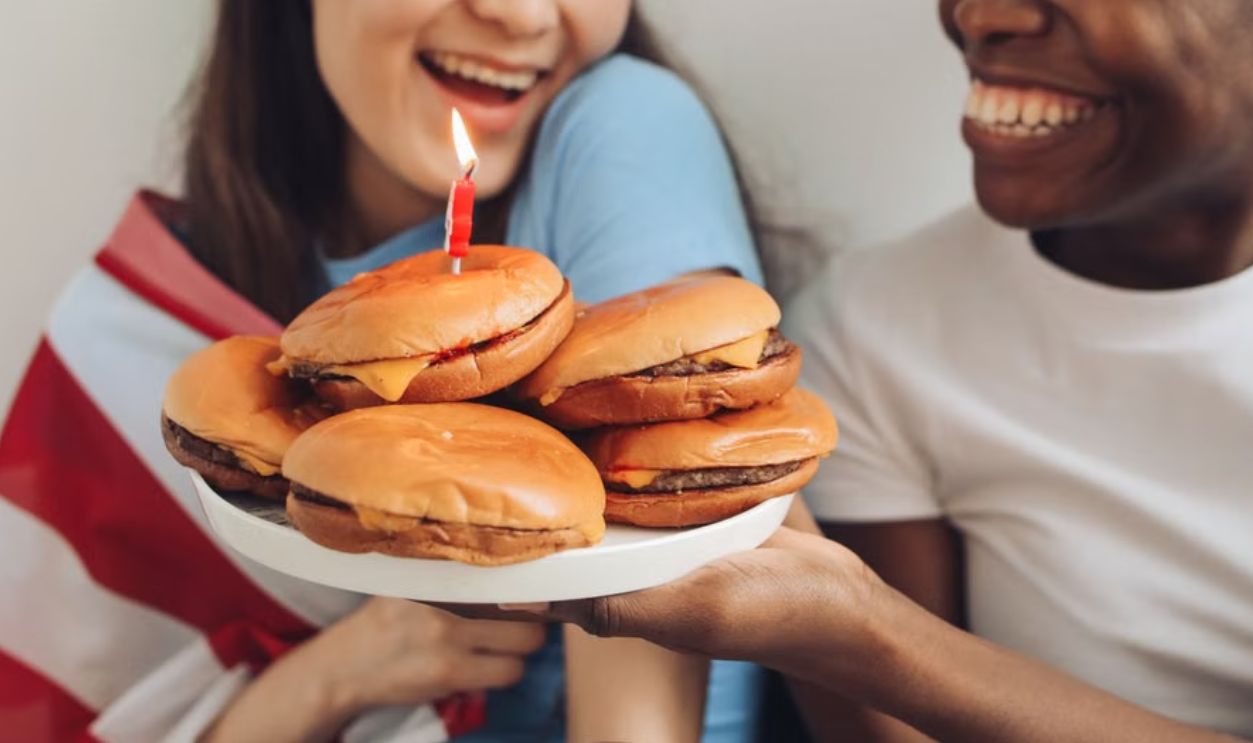
Imagine McDonald's announcing that hamburgers were returning to their original price for a special celebration. That's precisely what happened in April 1975, when participating restaurants marked the company's twentieth anniversary with 15-cent hamburgers. It was a promotional price, not the everyday rate, but customers who remembered earlier decades had every reason to smile.
Burger King's Whopper: 80 Cents
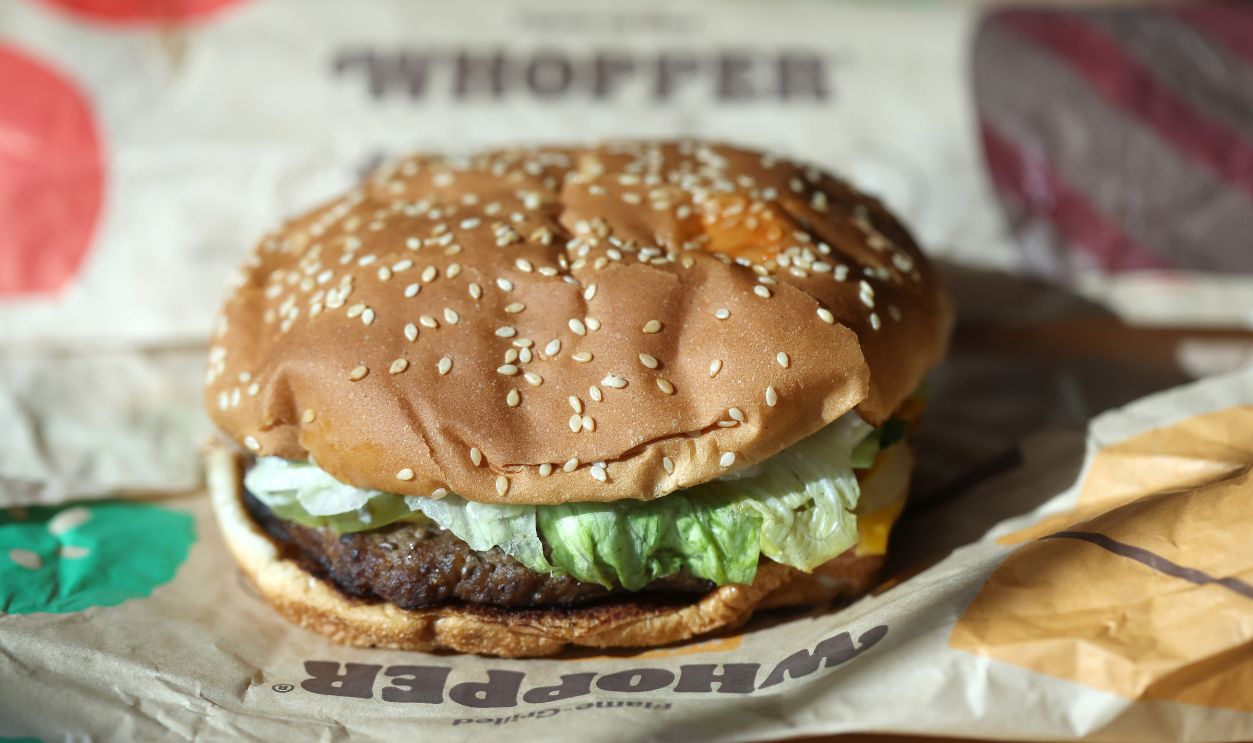
Burger King customers looking for something substantial could order a Whopper for approximately 80 cents in 1976. With its flame-broiled beef, lettuce, tomatoes, onions, and generous bun, it seemed like a serious meal. Spending nearly a dollar on one sandwich wasn't always an easy decision when the family's weekly grocery budget mattered.
Burger King's Whopper With Cheese: 90 Cents
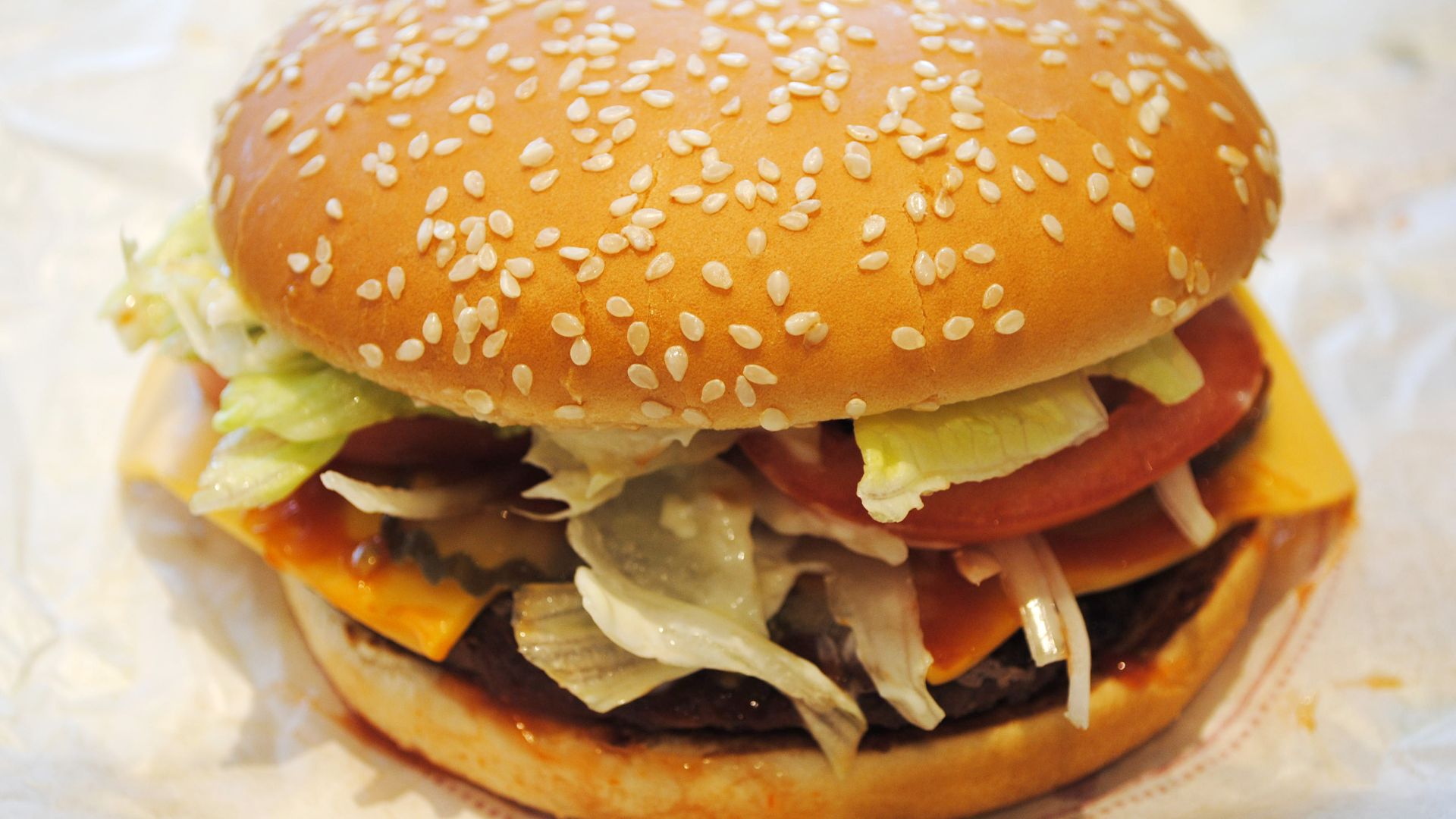
The Whopper was already a substantial burger, but adding cheese brought its price to approximately 90 cents on a 1970s menu cited in a retrospective price comparison. That was getting dangerously close to the psychological one-dollar barrier. For customers accustomed to inexpensive hamburgers, ordering one felt like a special occasion.
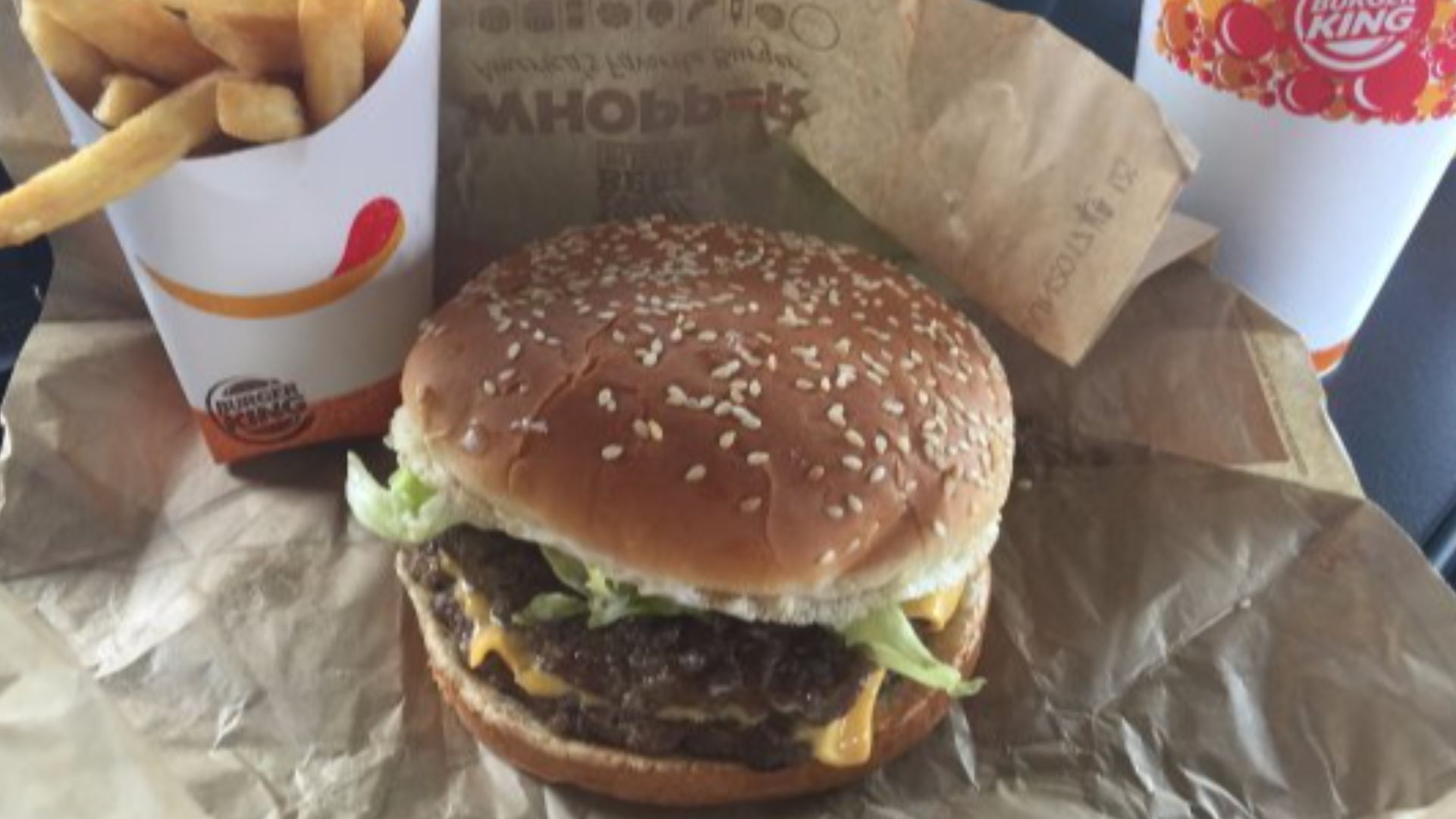
Burger King's Double Whopper: $1.30
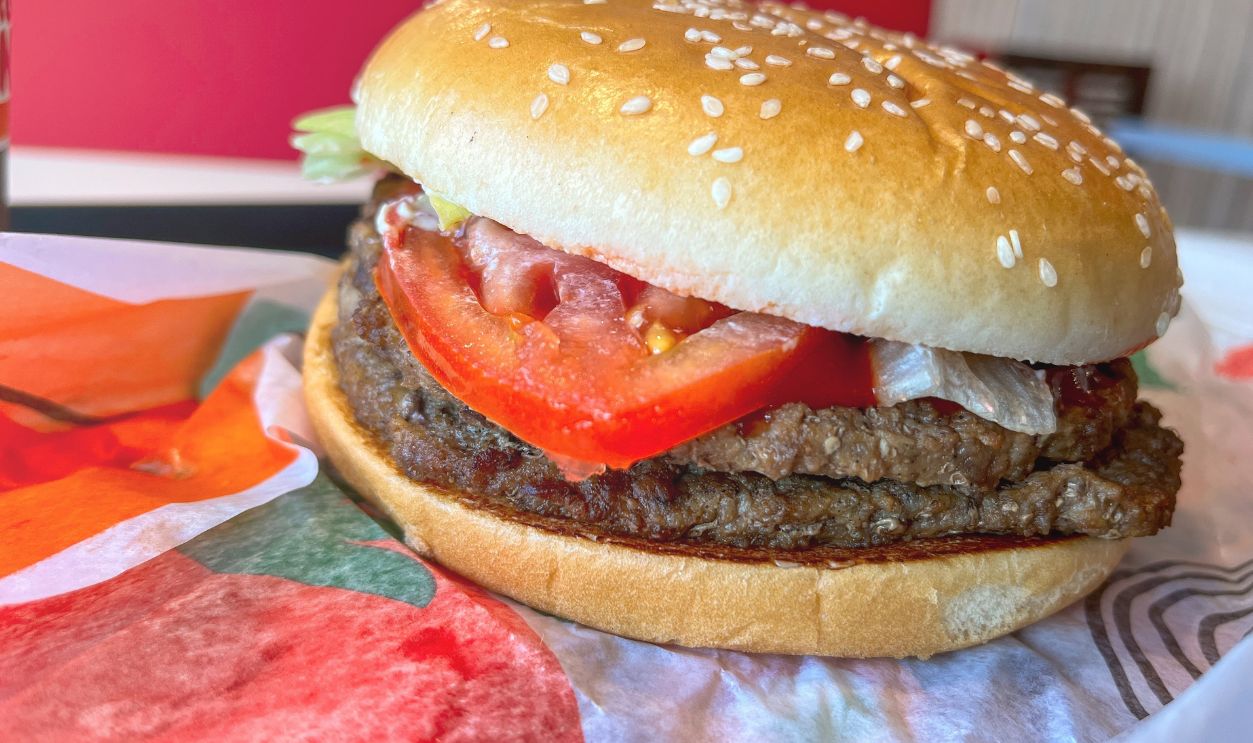
Now we're talking serious money, at least by 1976 standards. Burger King advertised its Double Whopper for around $1.30, giving customers two beef patties in one enormous sandwich. That was quite a commitment when a regular Whopper cost about 80 cents. Anyone ordering the double version certainly wasn't pretending to be on a diet.
Burger King's Double Whopper With Cheese: $1.40
For those who believed a single beef patty was merely an appetizer, Burger King offered another temptation. The Double Whopper cost approximately $1.30 in 1976, and adding cheese increased the price by 10 cents. That meant $1.40 for a fully dressed, double-meat burger. Your appetite might have celebrated, but your wallet certainly noticed.
 Rio Carvalho, Wikimedia Commons
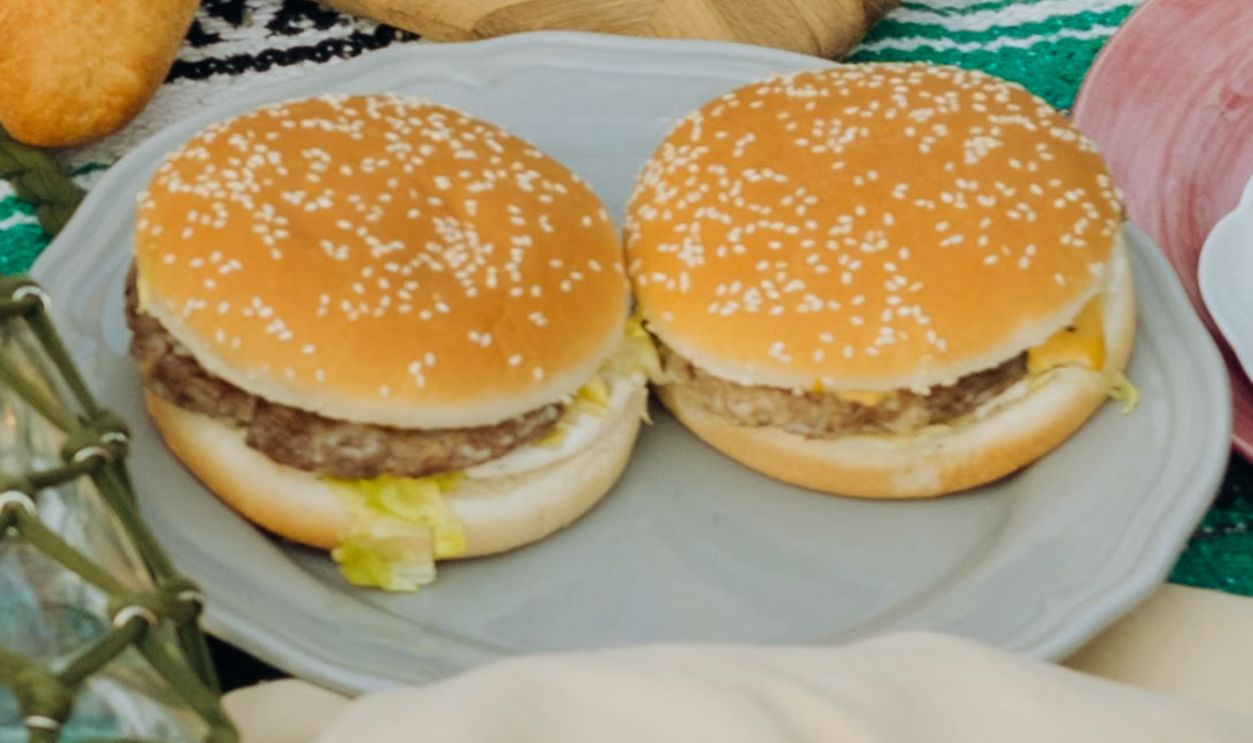
Burger King's Big Plain: 90 Cents
One of Burger King's strangest experiments arrived in 1973. The Big Plain was a quarter-pound hamburger served without toppings, yet it reportedly cost 90 cents. Even more confusing, customers could buy a dressed-up Whopper for roughly 85 cents around the same period. Paying more for less wasn't particularly appealing, and the Big Plain quickly disappeared.
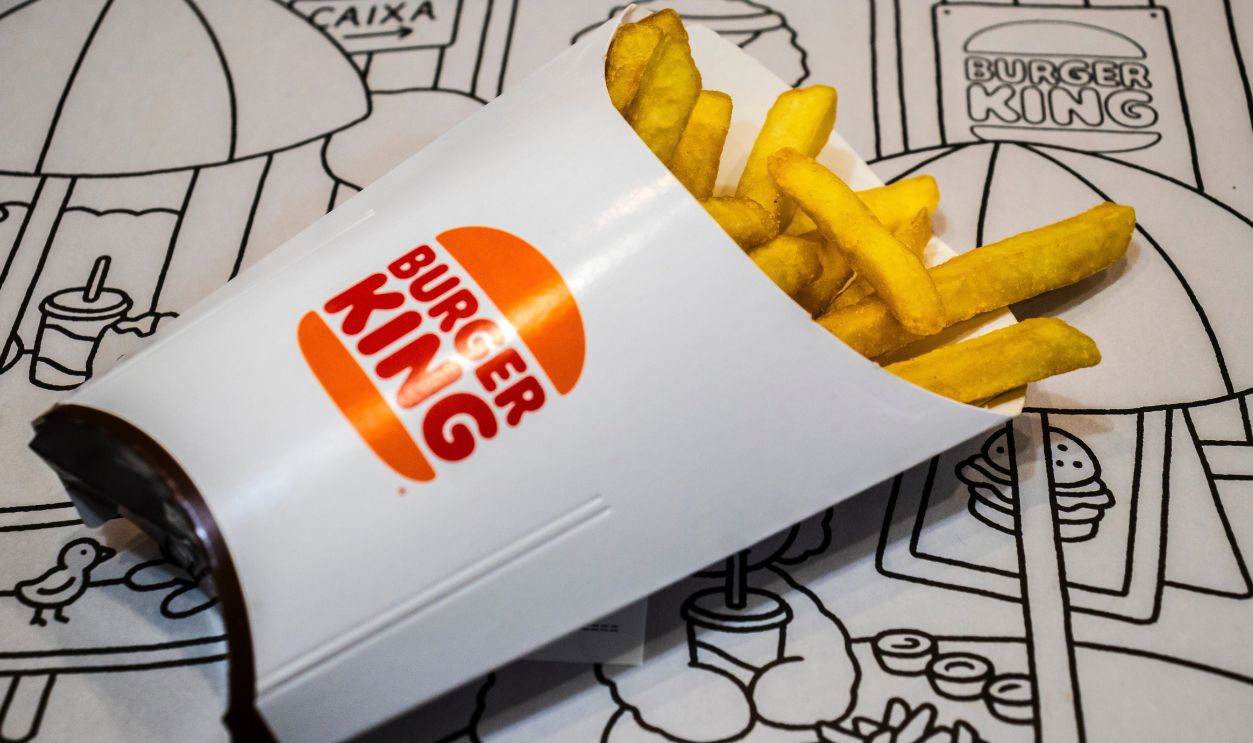
Burger King's Large Fries: 43 Cents
A large order of Burger King fries cost approximately 43 cents in one 1970s price comparison. Paired with a Whopper, that meant spending well over a dollar before adding a drink. Back then, customers were accustomed to keeping track of these little extras, particularly when buying dinner for several hungry children.
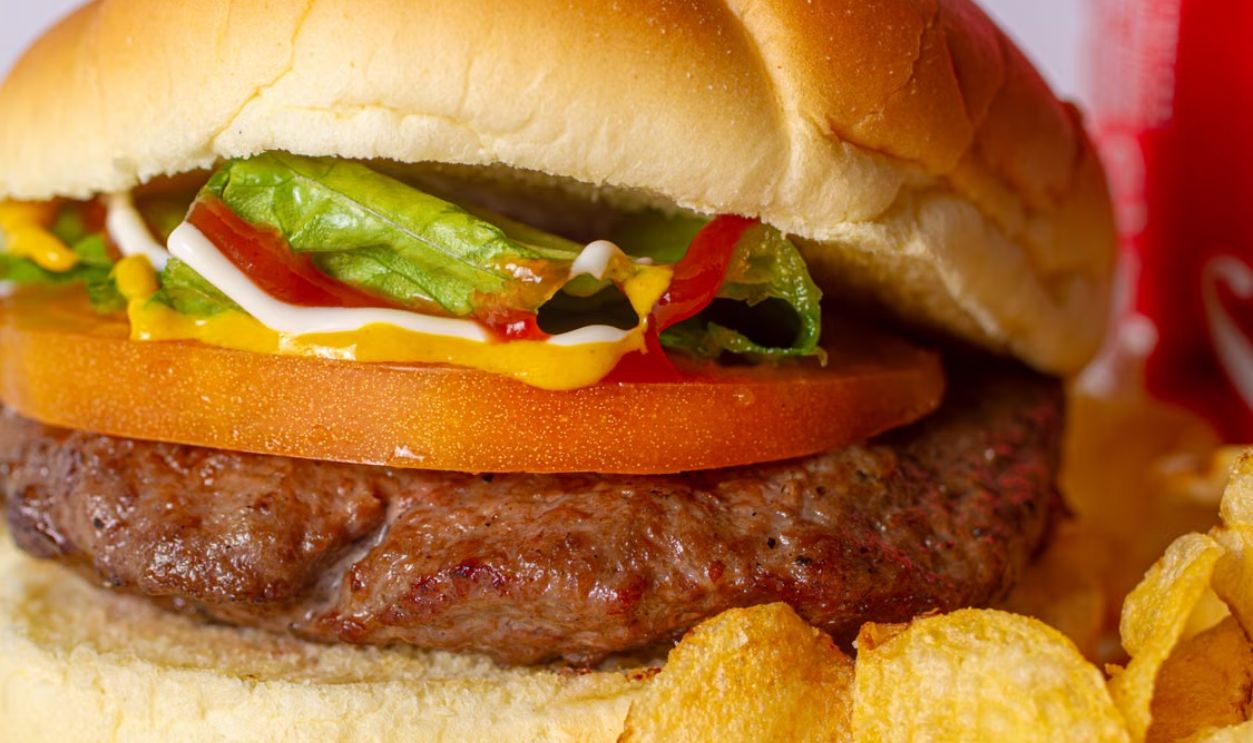
Burger King's Mustard Whopper: Around 80 Cents
Long before fast-food customization became commonplace, Burger King let customers change their Whoppers. The Mustard Whopper offered the familiar flame-broiled burger with mustard replacing the usual mayonnaise, at the same price as a regular Whopper. At around 80 cents in 1976, it was a straightforward way to get your preferred sandwich without paying extra.
Taco Bell's Famous Taco: 29 Cents
Taco Bell was already winning over Americans who wanted something different from hamburgers and fries. During the 1970s, a regular taco could cost just 29 cents. That meant a customer could order three for 87 cents before tax. These days, the idea of getting several freshly prepared tacos for pocket change sounds almost imaginary.
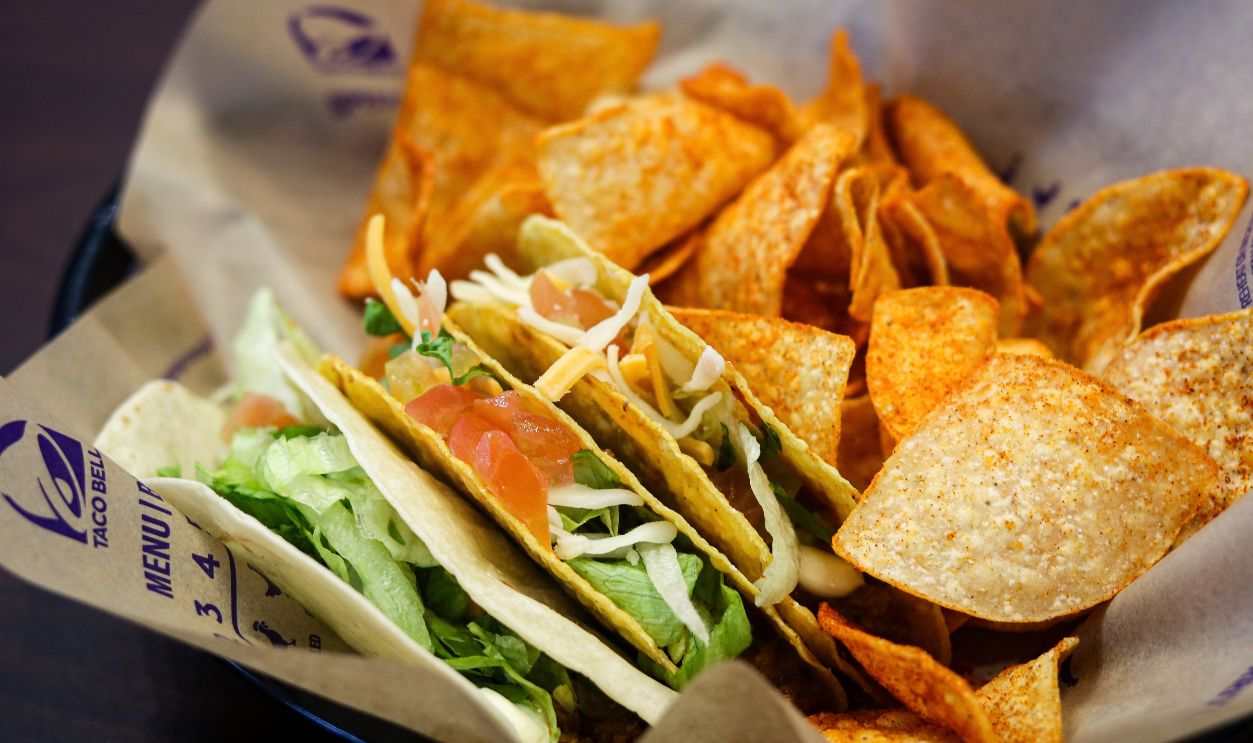
Taco Bell's Bean Burrito: 29 Cents
A bean burrito was once one of the simplest and most satisfying bargains around. Taco Bell offered burritos for approximately 29 cents during the 1970s. Filled with beans and familiar Tex-Mex flavors, they were especially popular with budget-conscious diners. Even someone counting every penny could enjoy a reasonably filling meal without spending much.
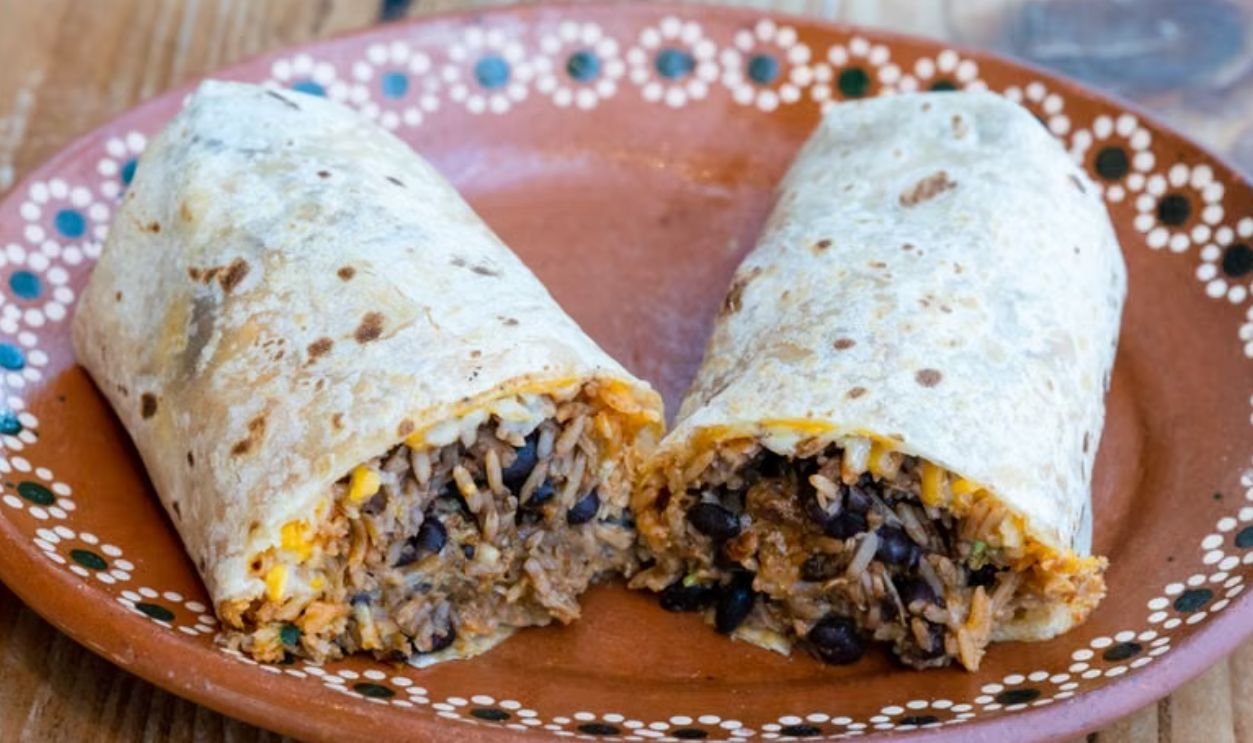
Taco Bell's Tostada: 29 Cents
Remember Taco Bell's original tostadas? During the 1970s, customers could buy one for around 29 cents. With a crisp corn tortilla, beans, lettuce, cheese, and sauce, it offered something entirely different from the usual burger joint. For less than the price of some competing sandwiches, customers could enjoy a surprisingly satisfying treat.
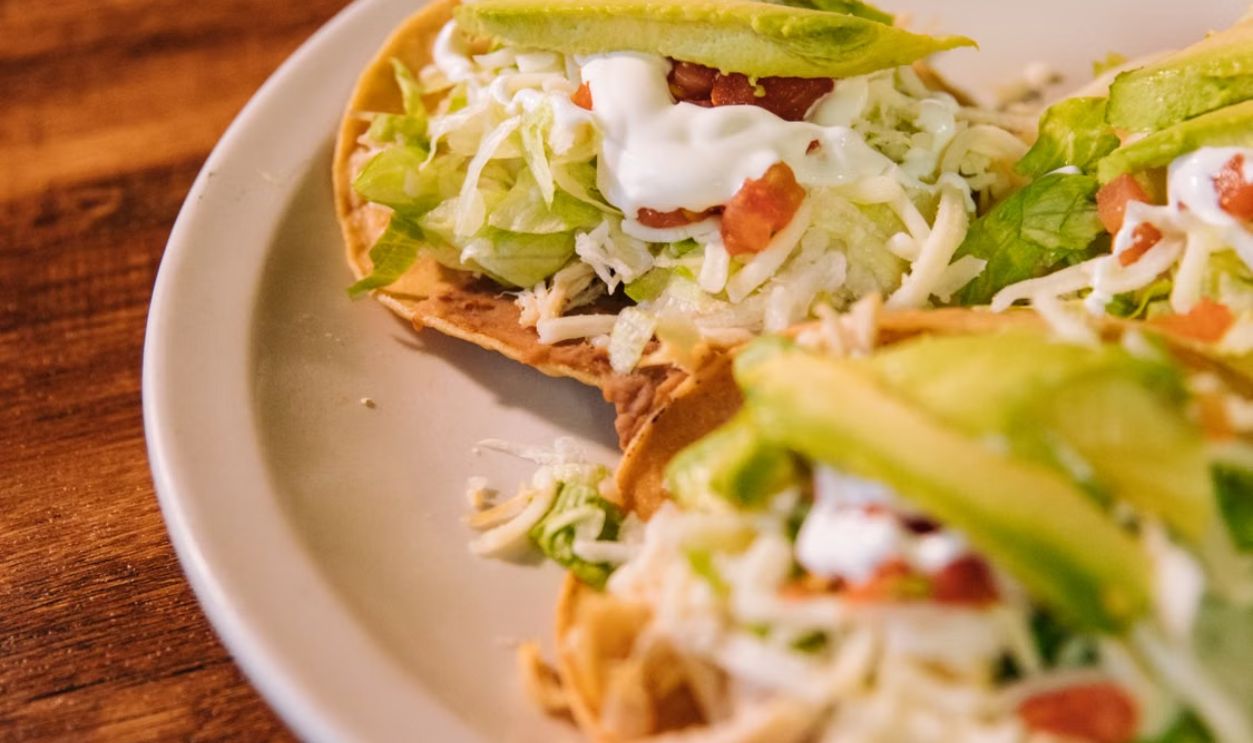
Taco Bell's Enchirito: 59 Cents
Taco Bell's Enchirito combined the appeal of a burrito and an enchilada into one memorable creation. Stuffed with seasoned beef, beans, and onions, then covered in sauce and cheese, it cost approximately 59 cents in the 1970s. That was twice the price of a basic taco, making it a treat worth saving a few extra coins for.
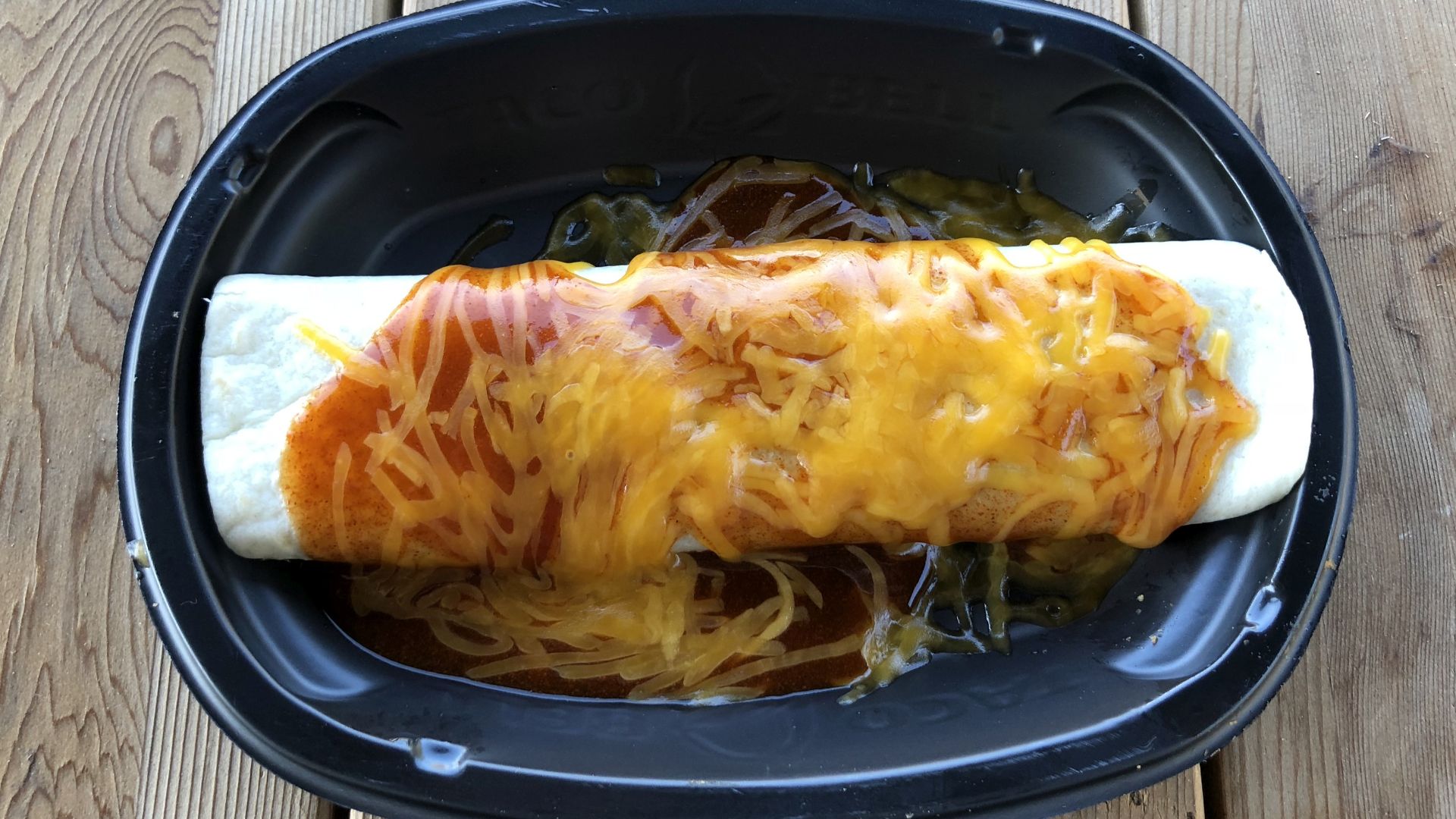
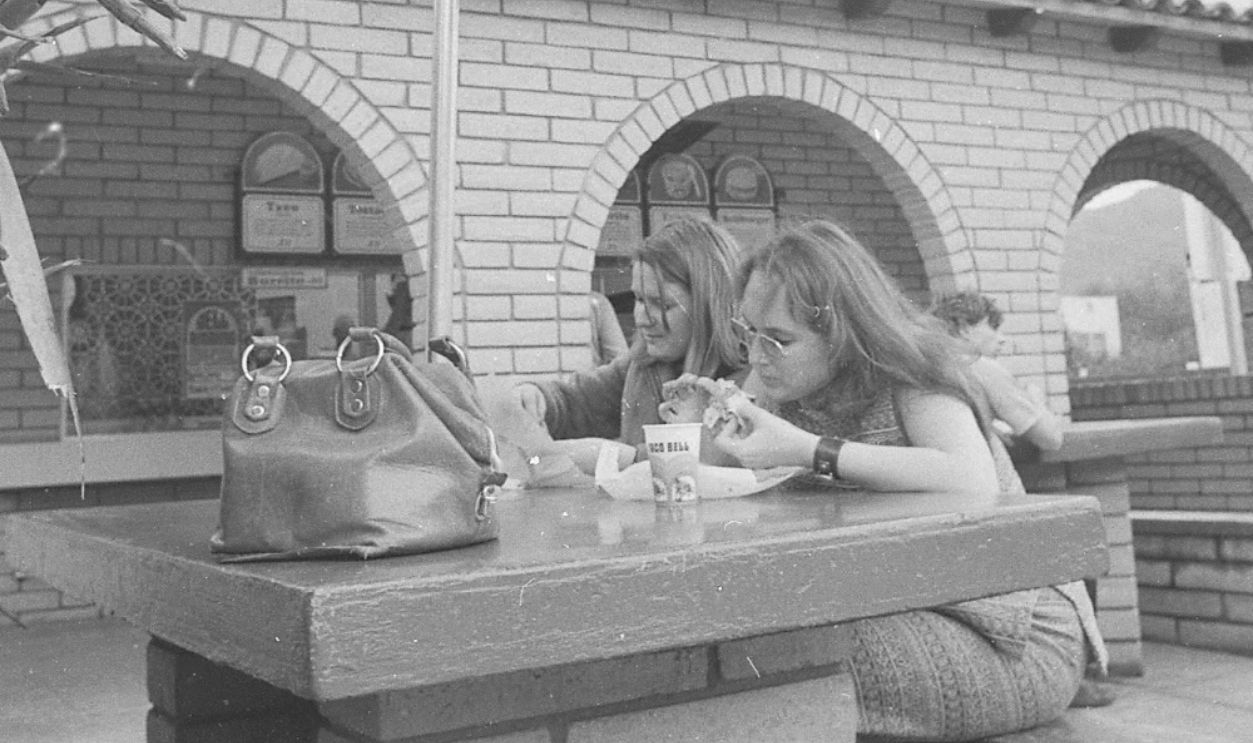
Taco Bell's Bellringing Special: 59 Cents
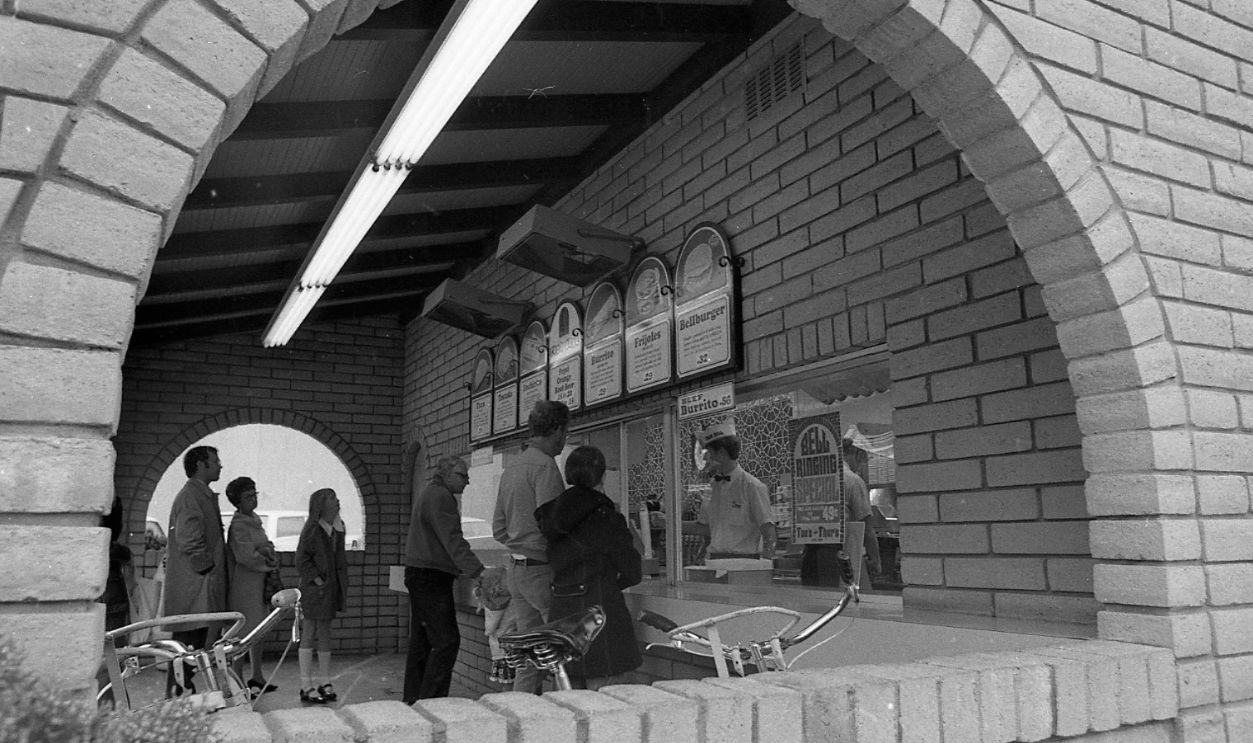
One 1970s Taco Bell advertisement, dated to approximately 1973, offered a remarkable bargain called the Bellringing Special. Customers received a tostada, bean burrito, and large drink for just 59 cents. Even by the standards of the decade, that was an excellent deal. Try putting together a comparable restaurant meal today for less than a dollar.
 San Francisco Chronicle/Hearst Newspapers, Getty Images
Taco Bell's Three-Item Lunch: Less Than A Dollar
The Bellringing Special also demonstrated how cleverly fast-food restaurants marketed value. Rather than selling customers one substantial sandwich, Taco Bell bundled a crispy tostada, a soft burrito, and a beverage for 59 cents. It felt like a complete lunch rather than a snack. That combination helped make Mexican-inspired fast food attractive to shoppers watching their spending.
 San Francisco Chronicle/Hearst Newspapers, Getty Images
Hardee's Huskee Burger: 89 Cents
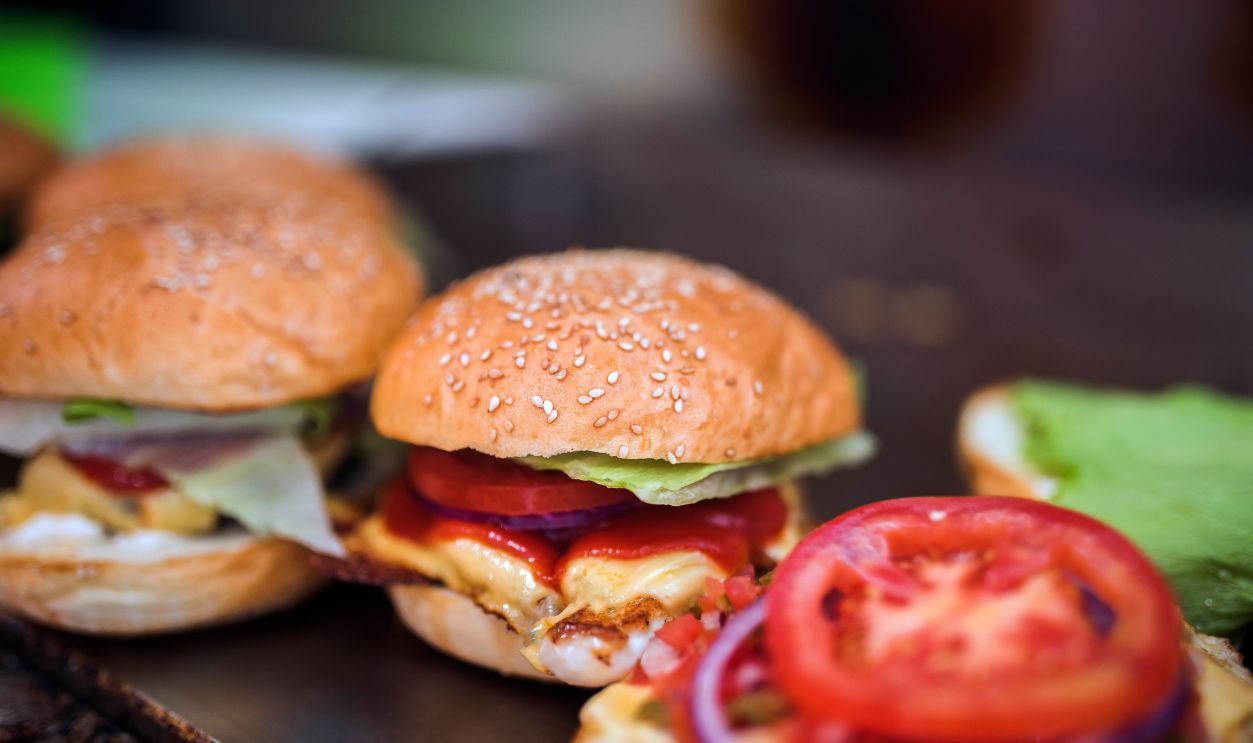
Hardee's fans might remember the Huskee, a hearty specialty hamburger that commanded a higher price than the chain's basic offerings. A 1977 Racine, Wisconsin, high-school yearbook photograph reportedly showed the Huskee priced at 89 cents, compared with 34 cents for a regular hamburger. It was definitely a step up for anyone accustomed to ordering the cheapest thing available.
Hardee's Roast Beef Sandwich: 95 Cents
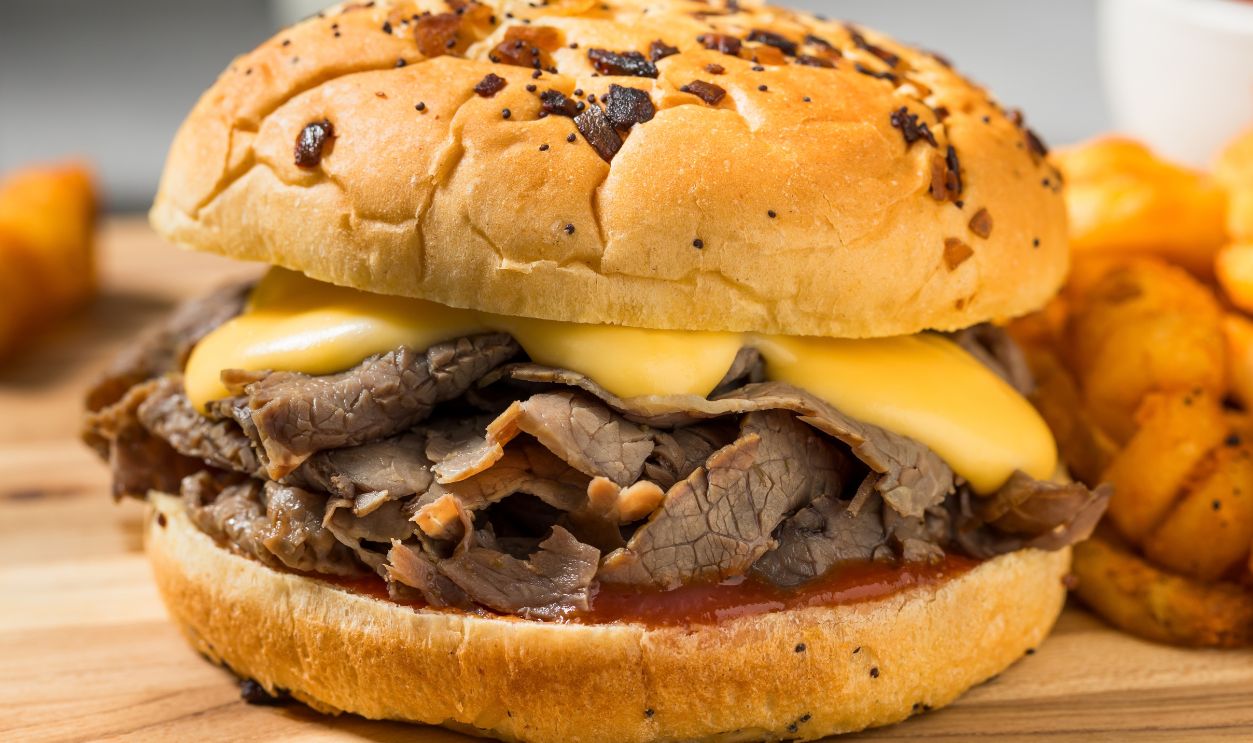
Hardee's wasn't just competing with other burger restaurants during the 1970s. It also sold roast beef sandwiches, and a photographed 1977 menu board from Racine reportedly listed the regular version at 95 cents. That made it the most expensive sandwich on the board. For diners who wanted something a little fancier than a hamburger, it was worth the extra expense.
Hardee's Big Roast Beef: $1.55
By 1979, Hardee's was offering an even more substantial roast beef sandwich. A contemporary menu board photographed for a Wisconsin high-school yearbook reportedly advertised the Big Roast Beef, featuring twice the meat, for $1.55. That was serious fast-food spending for the era. Anyone ordering one was clearly treating lunchtime as the main event.
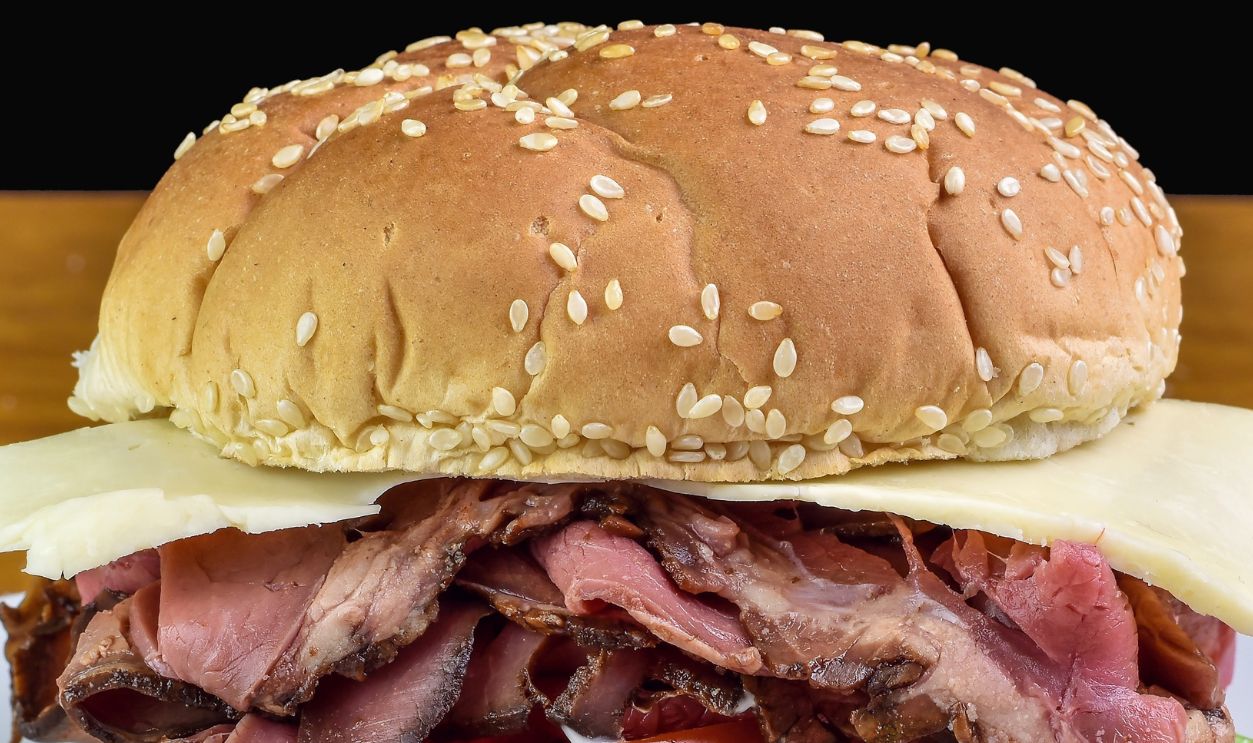
Arby's Roast Beef Meal: 99 Cents
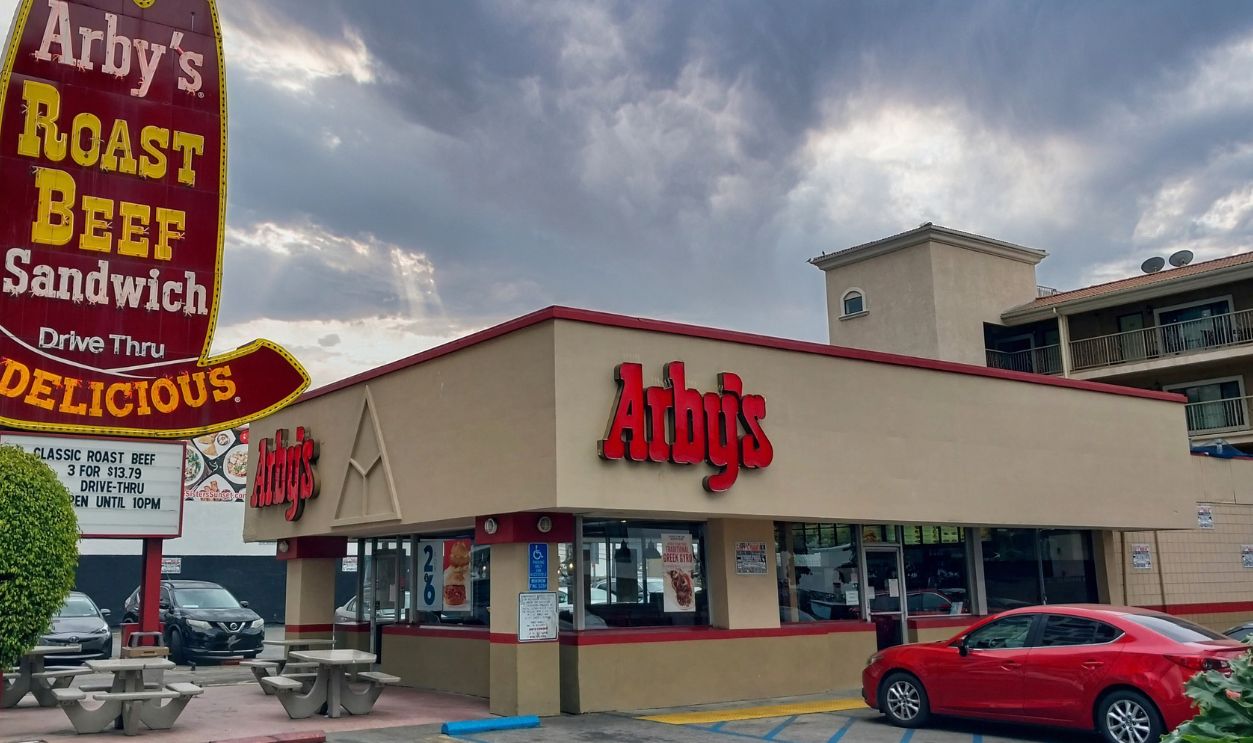
Arby's proved that even a restaurant specializing in roast beef could offer impressive bargains. A preserved 1975 newspaper advertisement from Charlotte, North Carolina, promoted an Arby's meal for just 99 cents. The fact that an entire advertised meal could be sold for less than a dollar illustrates just how much fast-food pricing has changed over the decades.
 Elliott Cowand Jr, Shutterstock
When Fast Food Really Felt Affordable
Looking back at these 1970s prices, it's tempting to wish for a time machine and a pocketful of quarters. Of course, American wages were considerably lower then, and inflation explains much of the difference. Still, seeing a 65-cent Big Mac or a 59-cent Taco Bell meal brings back memories of simpler menus, family outings, and affordable little treats. Sometimes nostalgia really does come with a price tag.
You May Also Like:
Retail Chains From The 1980s That Took Every Teenager's Paycheck
A fake rental listing used my home address, and strangers keep showing up. Could this cost me money?