When The Mall Was The Center Of The Universe
Remember when getting paid on Friday meant heading straight to the shopping mall on Saturday? During the 1980s, teenagers practically lived in these stores, spending their hard-earned money on everything from cassette tapes to acid-washed jeans. These unforgettable retail chains knew exactly how to separate young shoppers from their paychecks.
Chess King Was Where Teenage Boys Found Their Style
If you were a teenage boy in the 1980s, Chess King was practically a required stop. The store specialized in bold shirts, flashy jackets, and pants that seemed designed to attract attention. With hundreds of locations nationwide, Chess King helped an entire generation dress like they belonged in a music video.
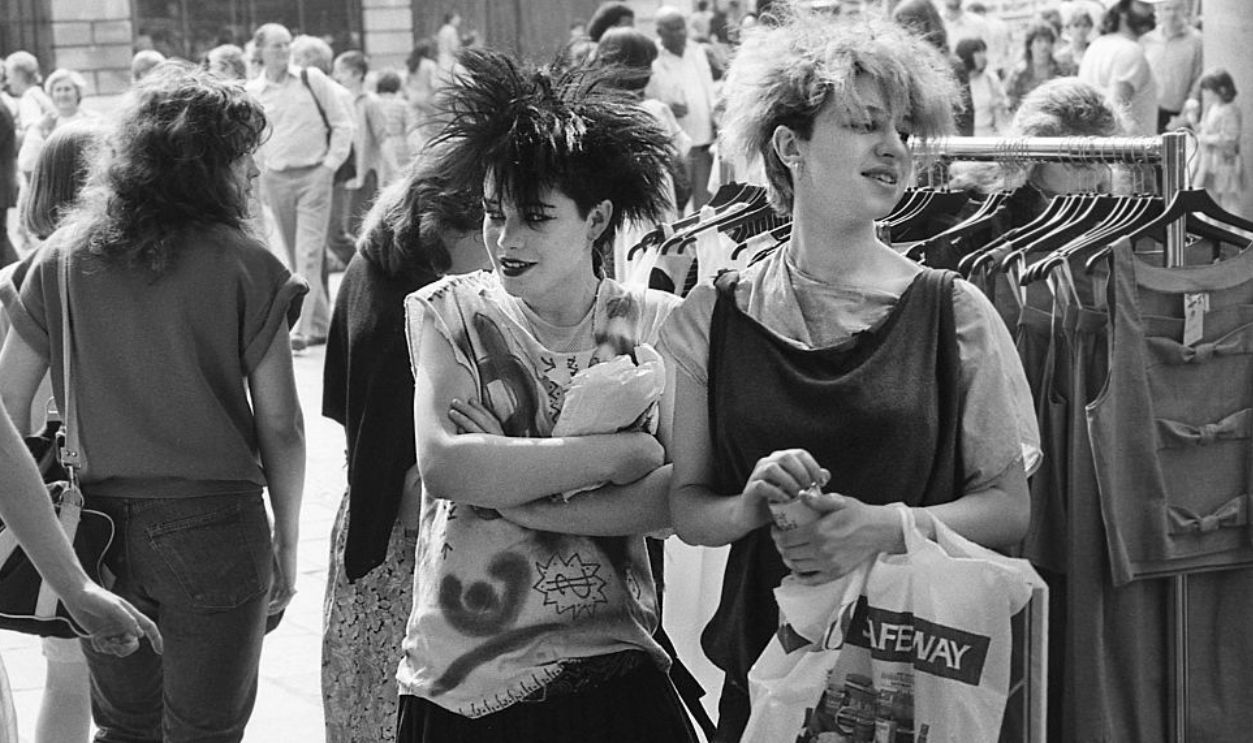
Contempo Casuals Made Every Girl Feel Fashionable
For teenage girls looking to copy Madonna or their favorite movie stars, Contempo Casuals was shopping heaven. The stores carried trendy dresses, colorful tops, and accessories that practically screamed 1980s fashion. One visit could wipe out an entire babysitting paycheck, but looking fabulous at school on Monday was worth it.
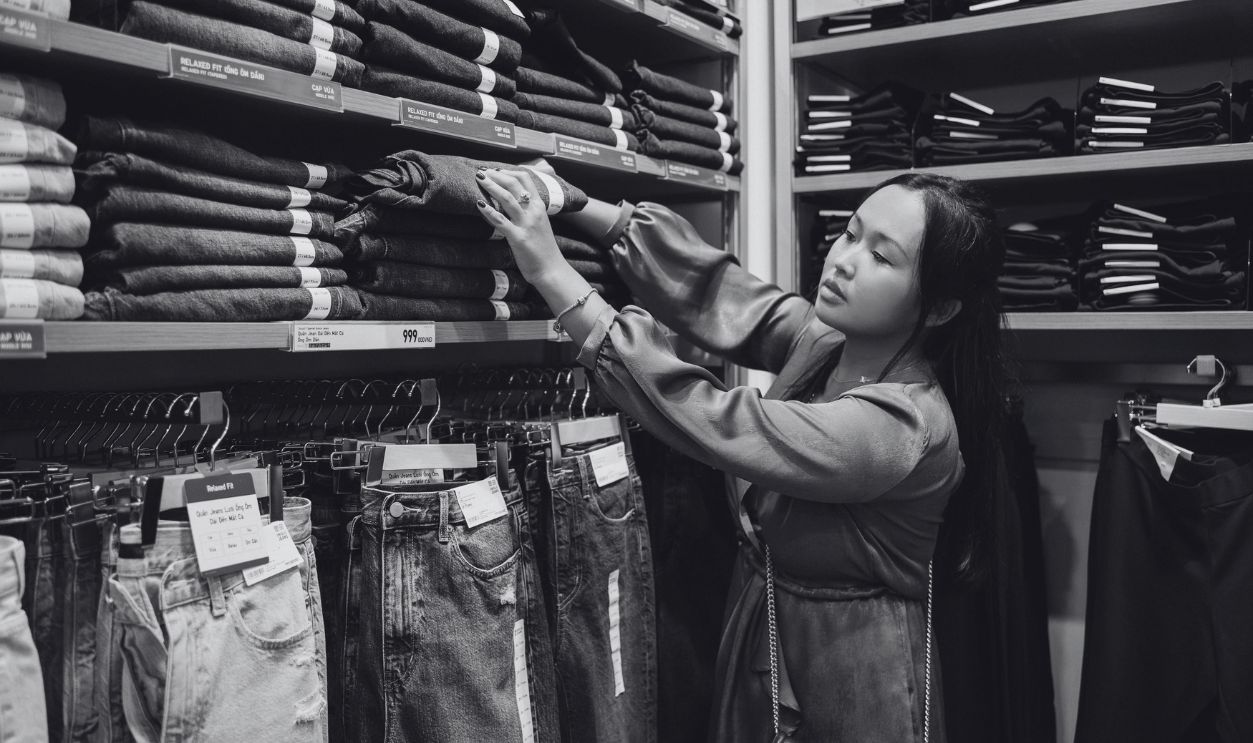
Sam Goody Was A Music Lover's Paradise
Before streaming services, owning your favorite music meant buying it. Sam Goody sold mountains of cassette tapes, vinyl records, and eventually CDs. Teenagers could spend hours browsing albums, debating which artists deserved their money. Buying the latest Michael Jackson or Bon Jovi release felt like a major personal investment.
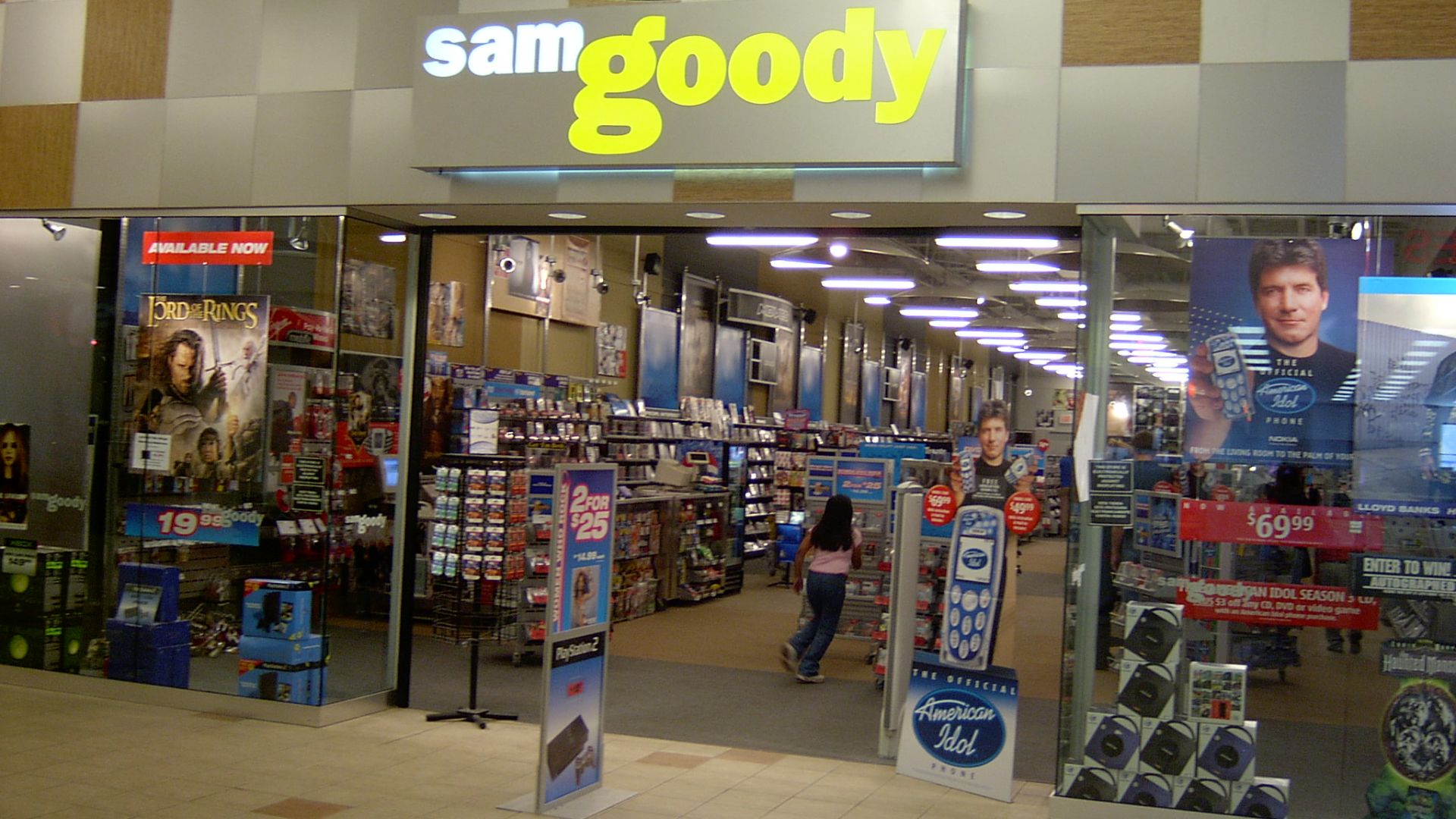 Punkrawker4783, Wikimedia Commons
Merry-Go-Round Turned Fashion Into An Obsession
Few stores captured the wild fashion trends of the 1980s quite like Merry-Go-Round. From colorful sweaters to outrageous pants, the chain made sure teenagers looked fashionable. The trouble was that trends changed constantly, meaning yesterday's expensive outfit could suddenly feel hopelessly outdated. Naturally, another shopping trip usually followed.
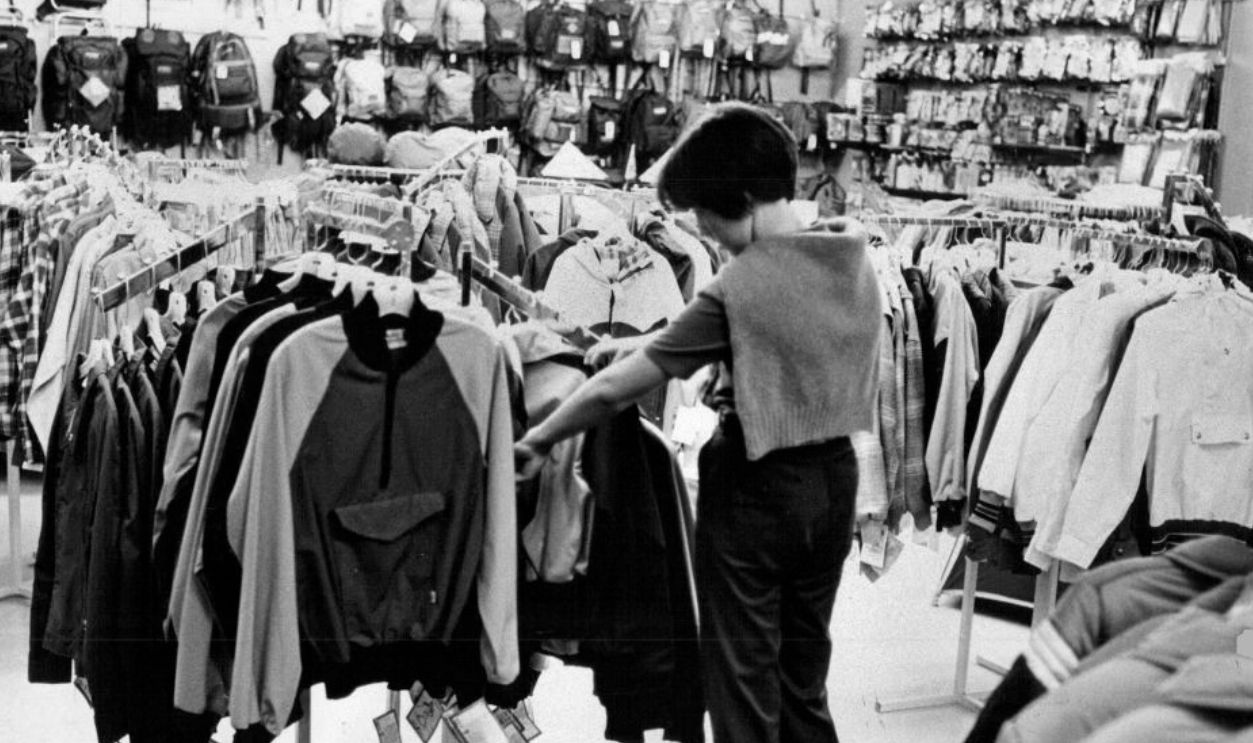
The Limited Made Teenagers Feel Grown-Up
The Limited offered something slightly different from the flashier mall stores. Its fashionable separates, coordinated outfits, and stylish accessories appealed to teenage girls who wanted a more sophisticated look. Getting dressed for a first job, special occasion, or important date suddenly seemed much easier, provided you had enough allowance money saved.
Musicland Was Another Mandatory Record Store Stop
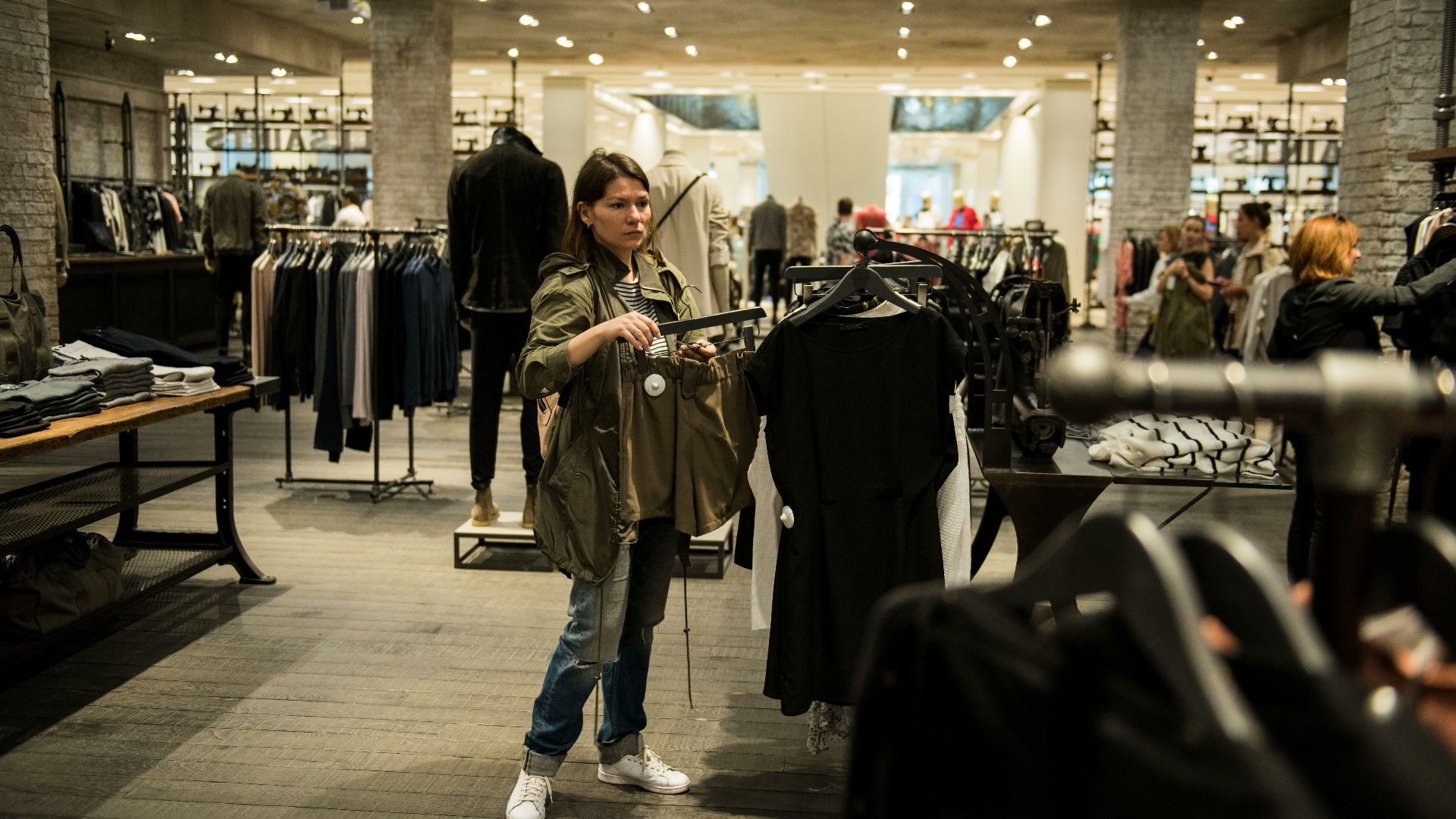
Sam Goody wasn't the only chain competing for teenage music budgets. Musicland offered the same irresistible combination of popular albums, cassette singles, and exciting new releases. Teenagers wandered through the aisles comparing prices and studying album covers. Sometimes the hardest decision was choosing between two bands you absolutely loved.
Spencer Gifts Sold Everything Your Parents Hated
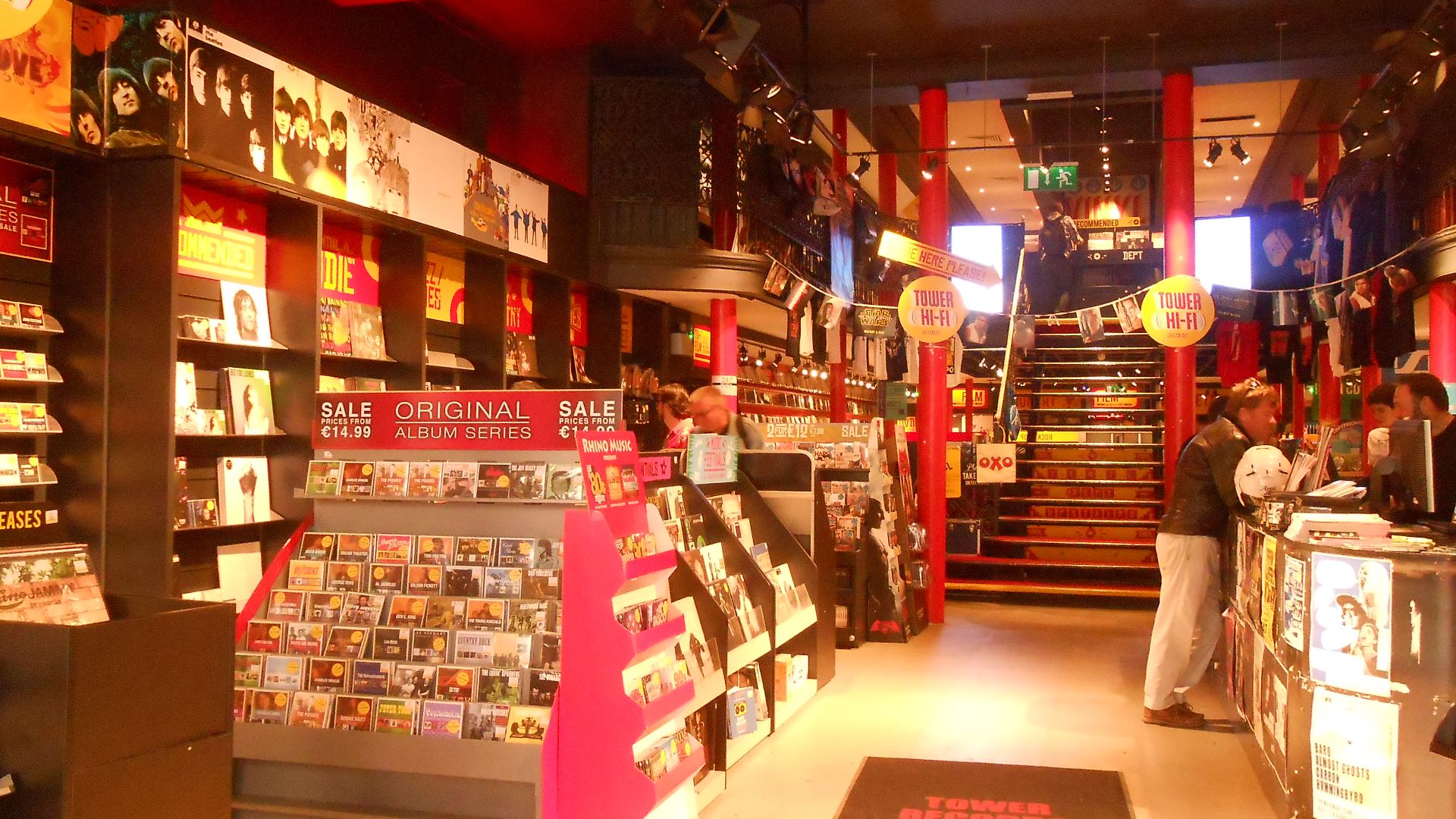
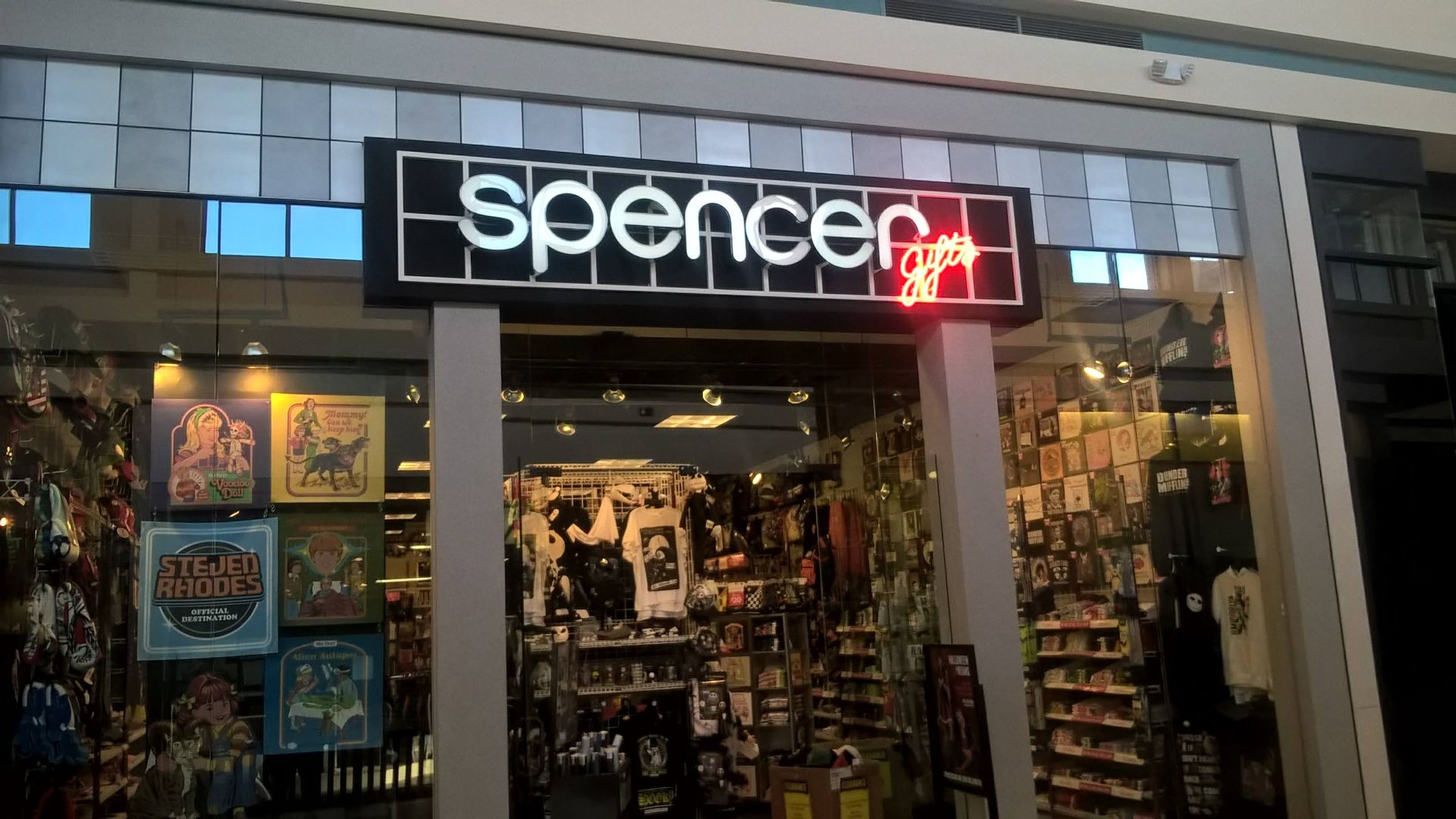
Walking into Spencer Gifts felt like entering a completely different world. Black lights, lava lamps, novelty posters, and ridiculous gag gifts filled the shelves. Teenagers loved the slightly rebellious atmosphere, even if they weren't buying anything. Of course, somebody usually left with a strange poster or an object that served absolutely no practical purpose.
 Keith C from Palm Bay, FL, United States, Wikimedia Commons
Foot Locker Made Sneakers A Status Symbol
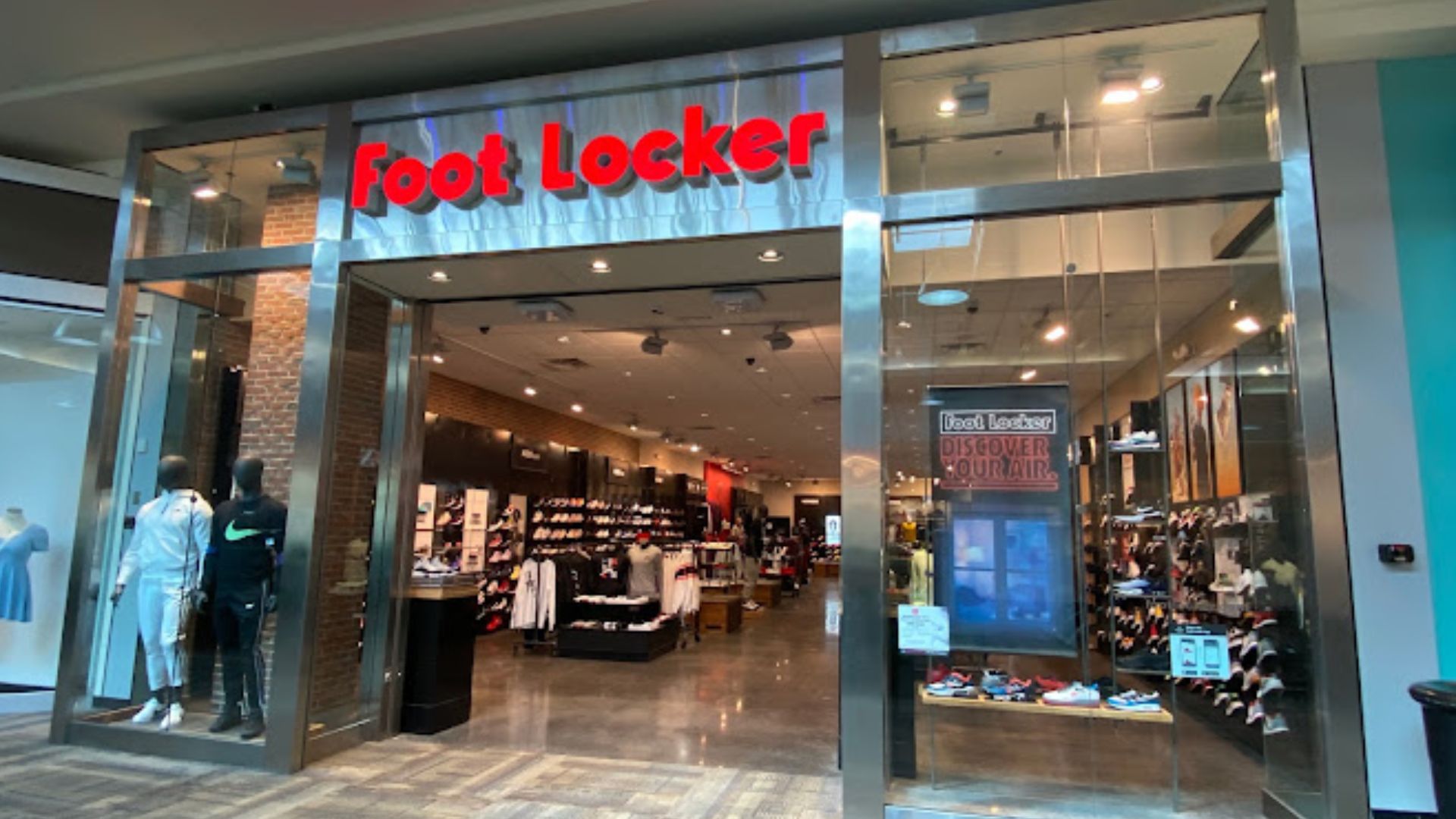
Long before sneaker collecting became a serious business, Foot Locker was already helping teenagers spend ridiculous amounts of money on shoes. Basketball-inspired sneakers and famous athletic brands filled the walls. Getting the right pair could make you feel like the coolest kid in school, at least until somebody arrived wearing something newer.
 Larry Hachucka, Wikimedia Commons
Camelot Music Made Record Shopping Feel Magical
Camelot Music was another beloved destination for teenagers who couldn't get enough of their favorite bands. Its racks of albums and cassette tapes offered endless temptation. You might enter planning to buy one record and leave with several. The only problem was explaining how your entire weekend budget had disappeared before lunchtime.
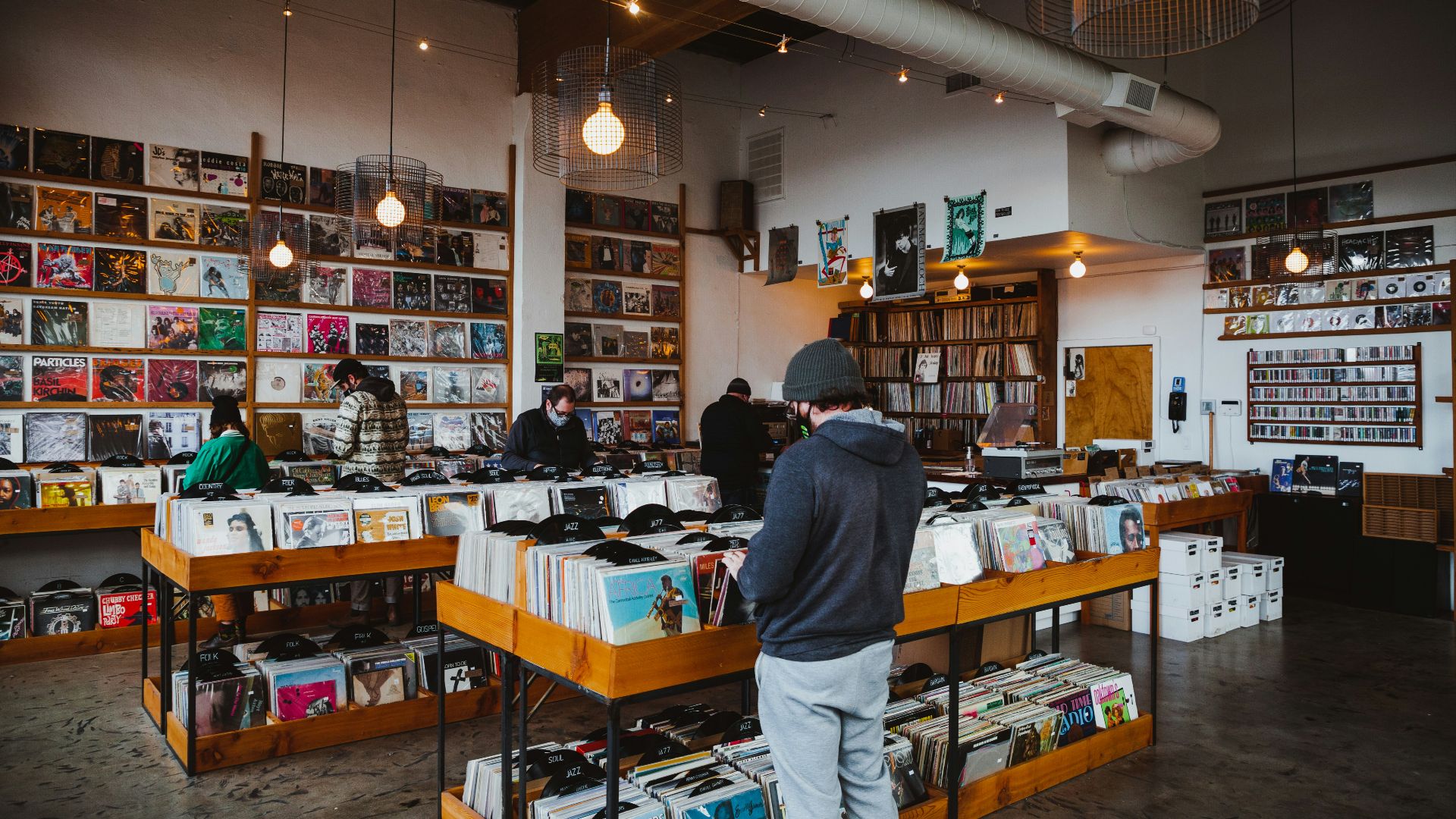
Deb Shops Made School Dances Even More Expensive
Deb Shops was a favorite destination for young women hunting for fashionable clothes without department-store prices. Colorful dresses, trendy tops, and special-occasion outfits filled its racks. If a school dance was approaching, chances were somebody was heading to Deb. Unfortunately, finding the perfect dress often meant discovering the perfect shoes weren't included.
 Mike Mozart from Funny YouTube, USA, Wikimedia Commons
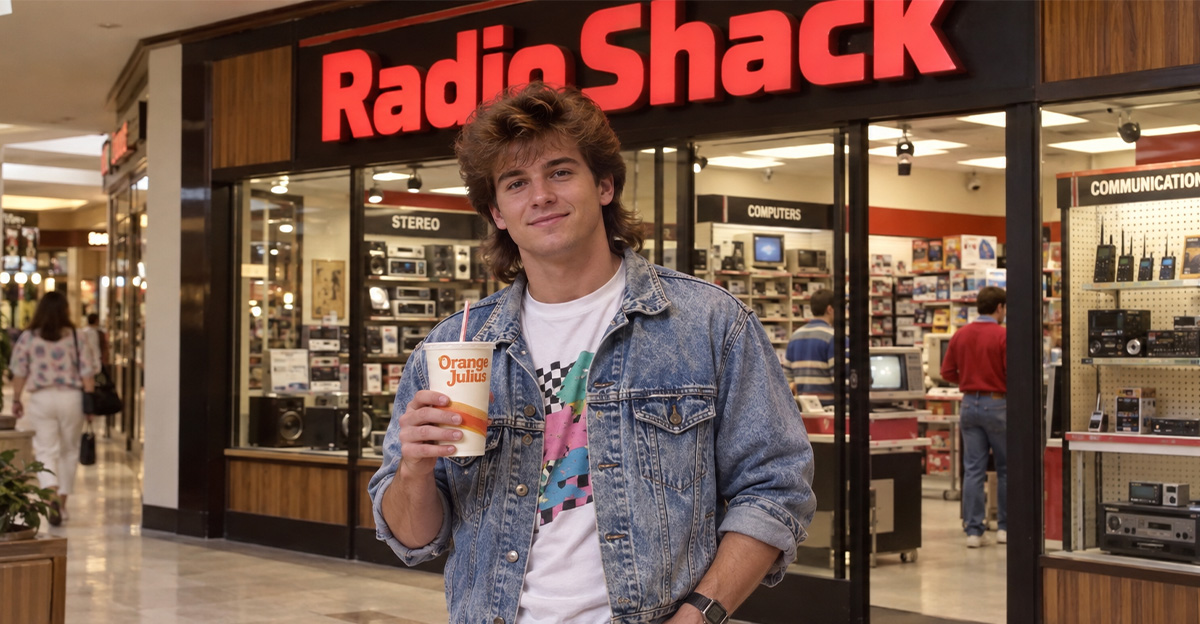
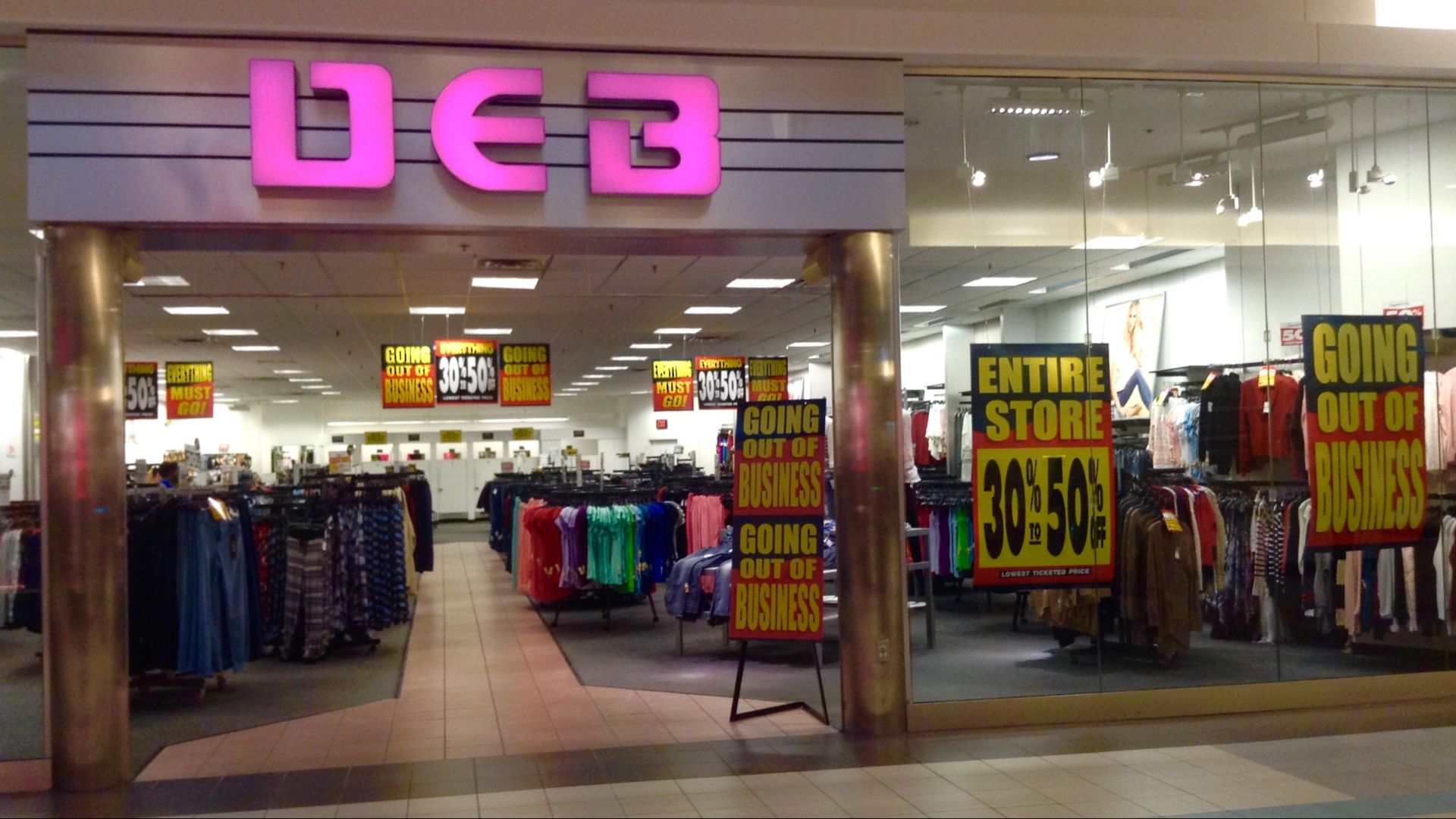
RadioShack Was A Teenage Tech Lover's Dream
For teenagers interested in electronics, RadioShack was almost impossible to resist. The shelves were packed with radios, calculators, electronic games, and countless mysterious gadgets. You didn't necessarily understand what everything did, but that hardly mattered. The excitement of buying some futuristic-looking device could easily justify spending weeks of saved allowance money.
 Phillip Pessar, Wikimedia Commons
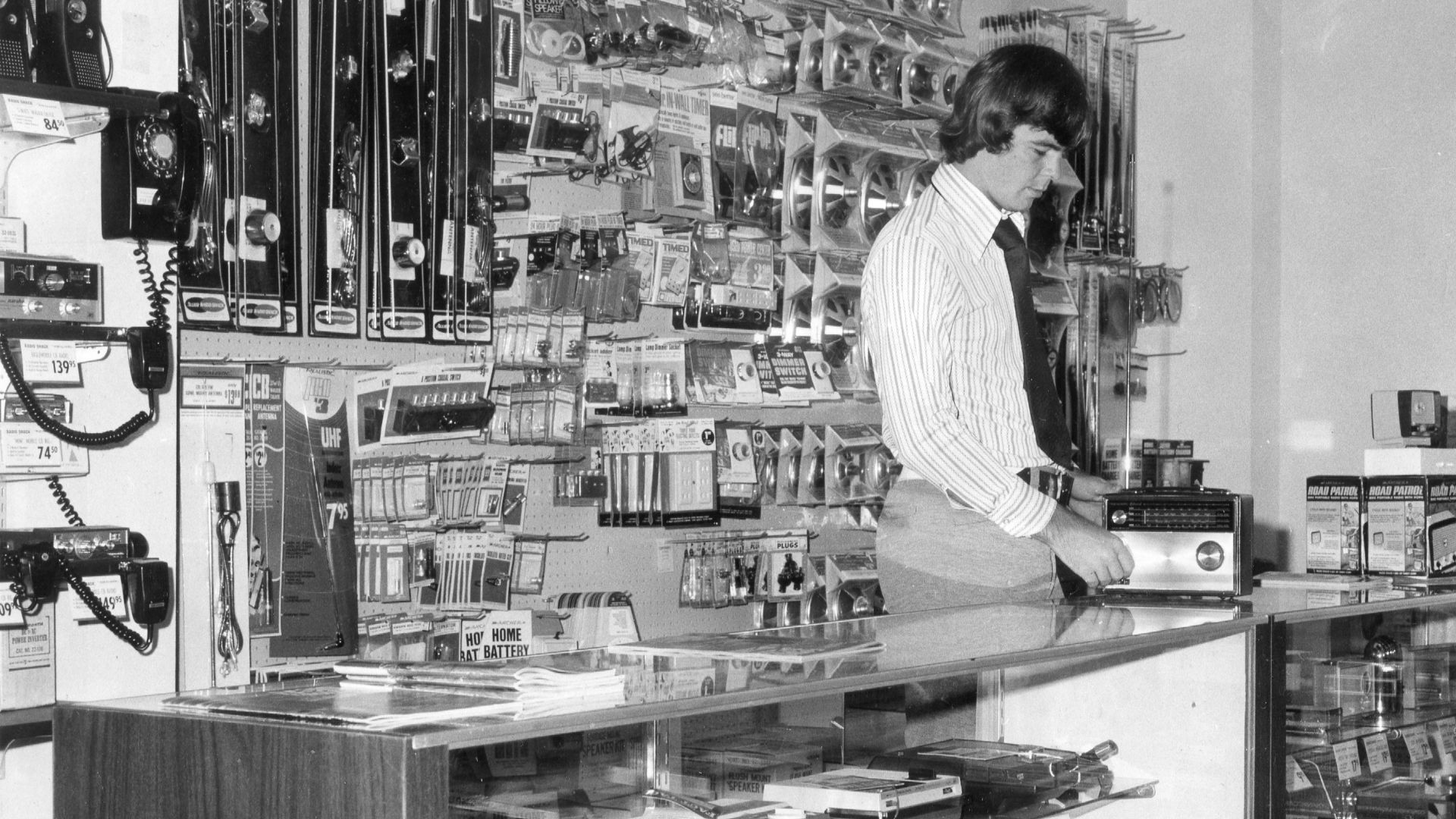
The Gap Made Casual Clothes Cool
The Gap became a destination for teenagers who preferred a simpler look. Jeans, T-shirts, khakis, and casual basics offered an alternative to the decade's more outrageous fashion trends. The clothes might have appeared ordinary, but having the right jeans still mattered enormously when school hallways doubled as fashion runways.
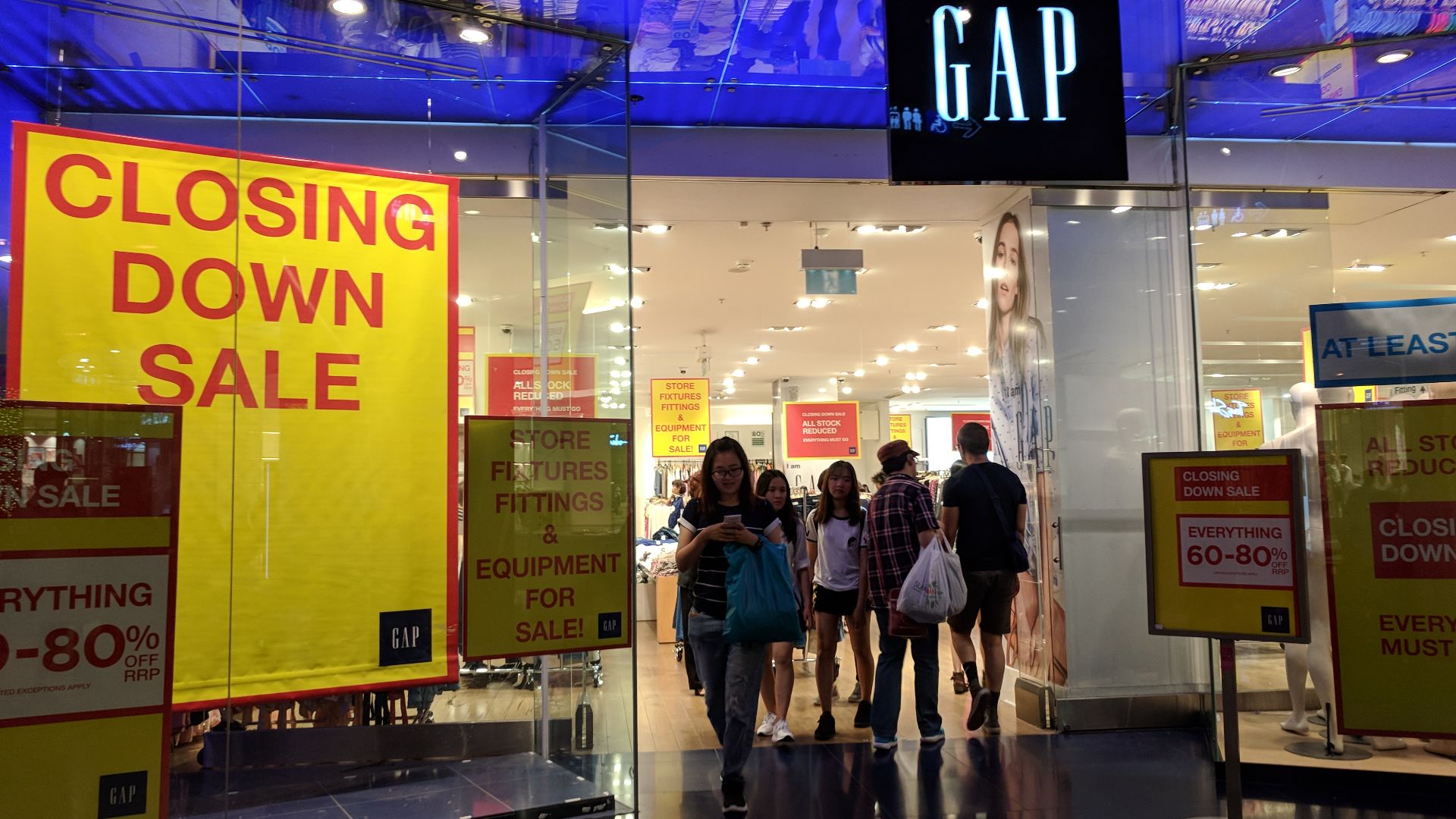
Waldenbooks Took Money From Teenage Bookworms
Not every teenager spent their paycheck on clothes and music. Waldenbooks attracted young readers who couldn't resist another paperback. Science fiction, fantasy, horror, and popular novels filled the shelves. Fans of Stephen King could lose an entire afternoon browsing. Buying three books when you intended to purchase one was practically a tradition.
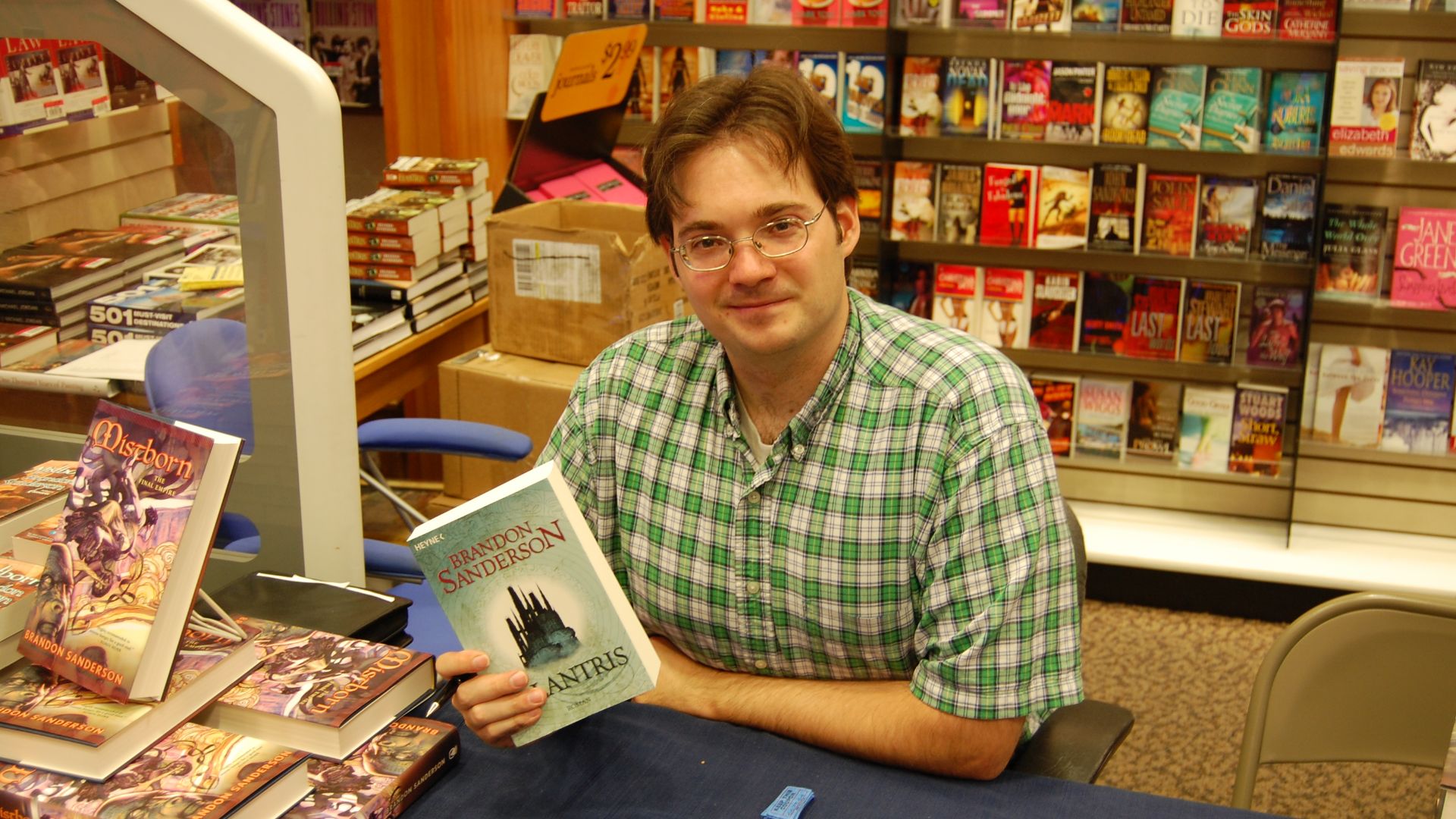
Kinney Shoes Helped Complete Every Outfit
Finding the perfect outfit was only half the battle. Kinney Shoes offered affordable footwear for teenagers determined to look fashionable without spending their entire savings. Whether you wanted casual sneakers or something dressier, there were plenty of choices. Naturally, whatever shoes you purchased would probably be considered unfashionable by the following semester.
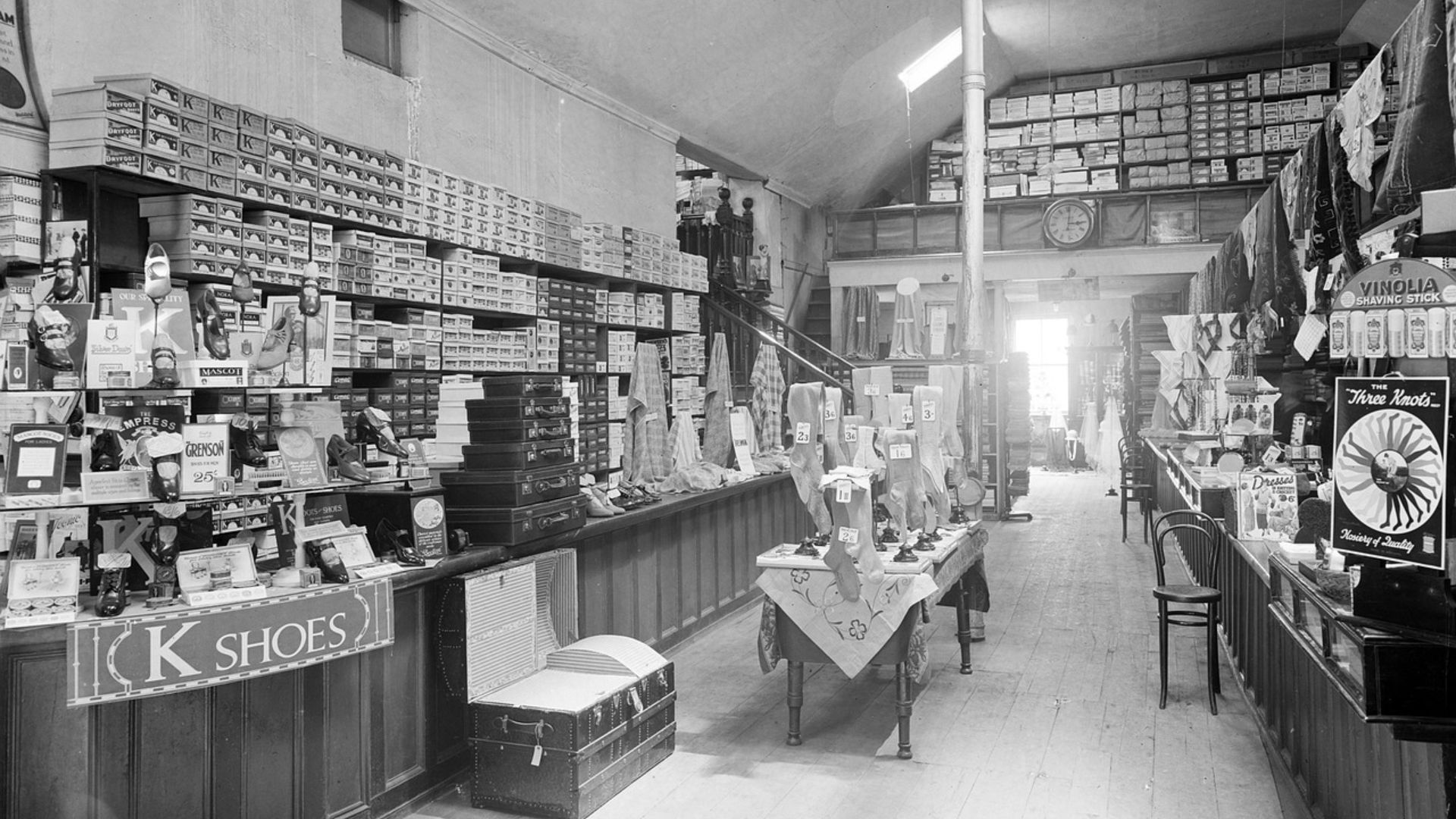
County Seat Was Denim Headquarters
During the 1980s, the right pair of jeans could make or break your social standing. County Seat specialized in denim and casual clothing, attracting teenagers desperate for fashionable jeans. Stonewashed looks and popular denim styles were especially tempting. Parents might have questioned the prices, but teenagers insisted certain jeans were absolutely essential.
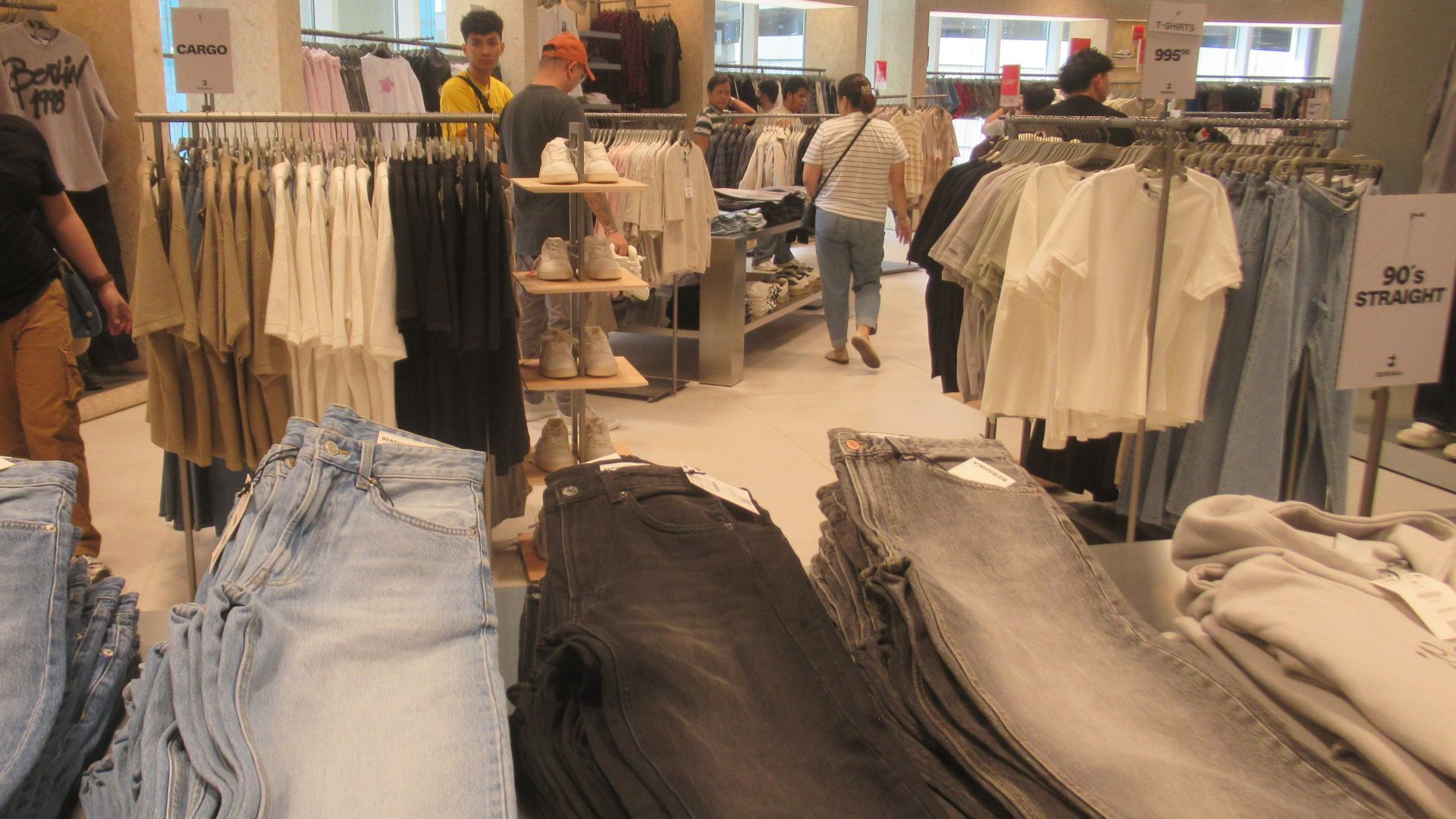 Valenzuela400, Wikimedia Commons
B. Dalton Bookseller Was Worth Every Penny
B. Dalton Bookseller competed with Waldenbooks for the attention of teenage readers. Its mall locations offered everything from bestselling novels to popular young-adult fiction. Browsing the shelves was almost as enjoyable as reading the books themselves. Unfortunately, once you discovered a favorite author, purchasing their entire collection could become an expensive habit.
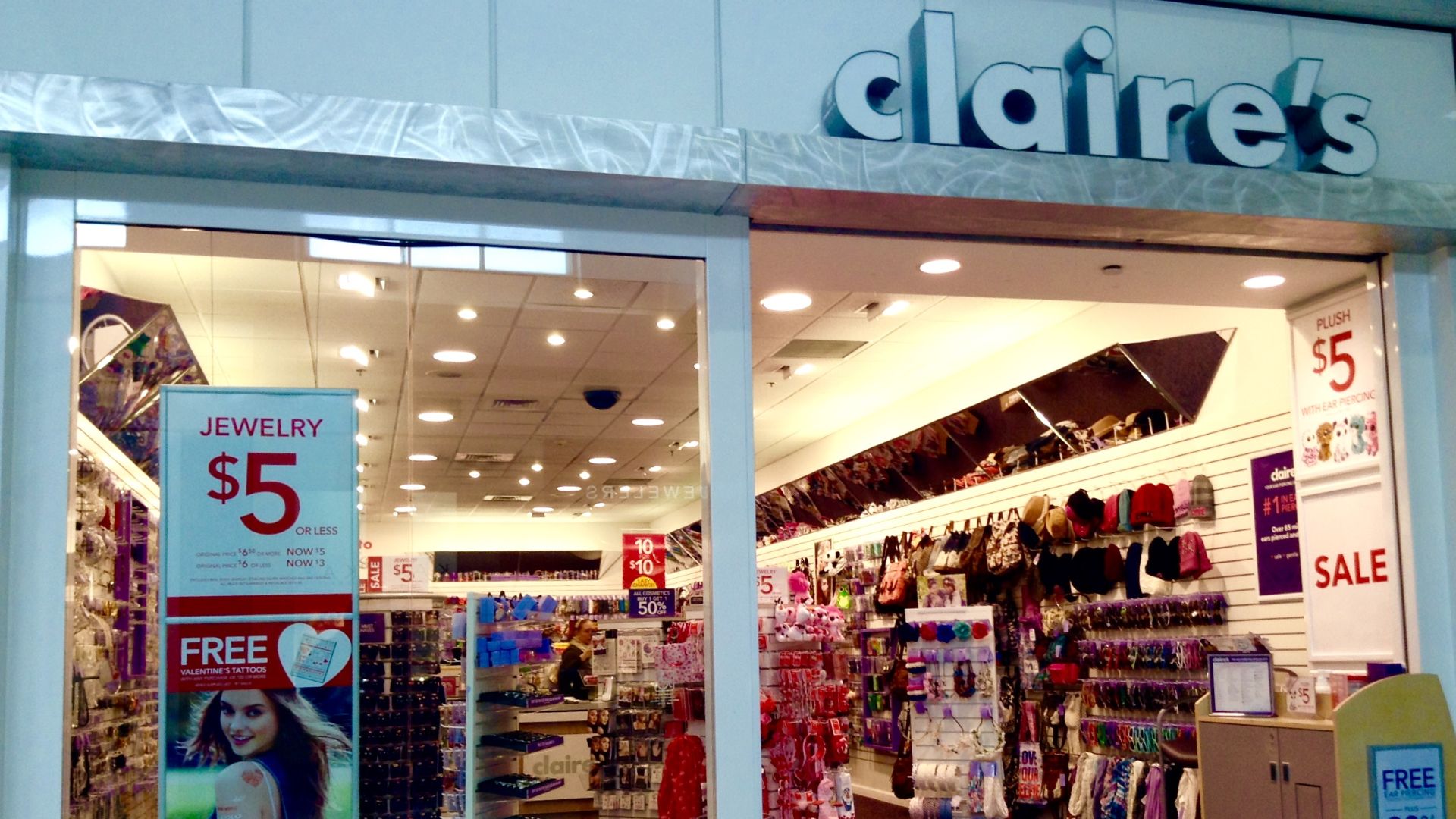
Claire's Made Accessories An Everyday Purchase
For teenage girls, Claire's offered an almost endless supply of inexpensive temptations. Earrings, bracelets, hair clips, and colorful accessories filled the displays. Individually, the items didn't seem particularly expensive. But buying several little things every weekend could drain a babysitting paycheck surprisingly quickly. Those oversized earrings weren't going to purchase themselves.
 Mike Mozart from Funny YouTube, USA, Wikimedia Commons
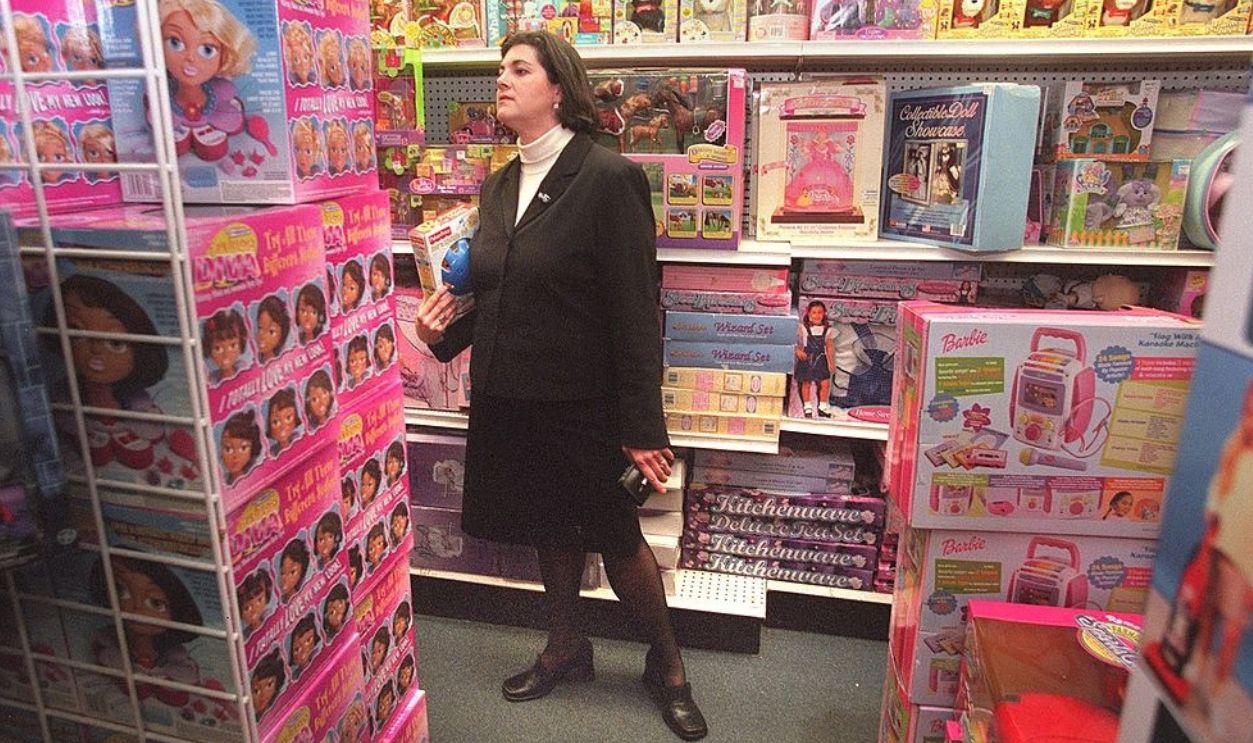
Kay-Bee Toys Proved Teenagers Never Really Grew Up
Although Kay-Bee Toys catered primarily to children, plenty of teenagers still found reasons to wander inside. Video games, action figures, electronic toys, and collectibles were difficult to ignore. Its crowded mall stores were packed with temptation. Sometimes growing up simply meant spending your own money on the toys your parents once refused to buy.
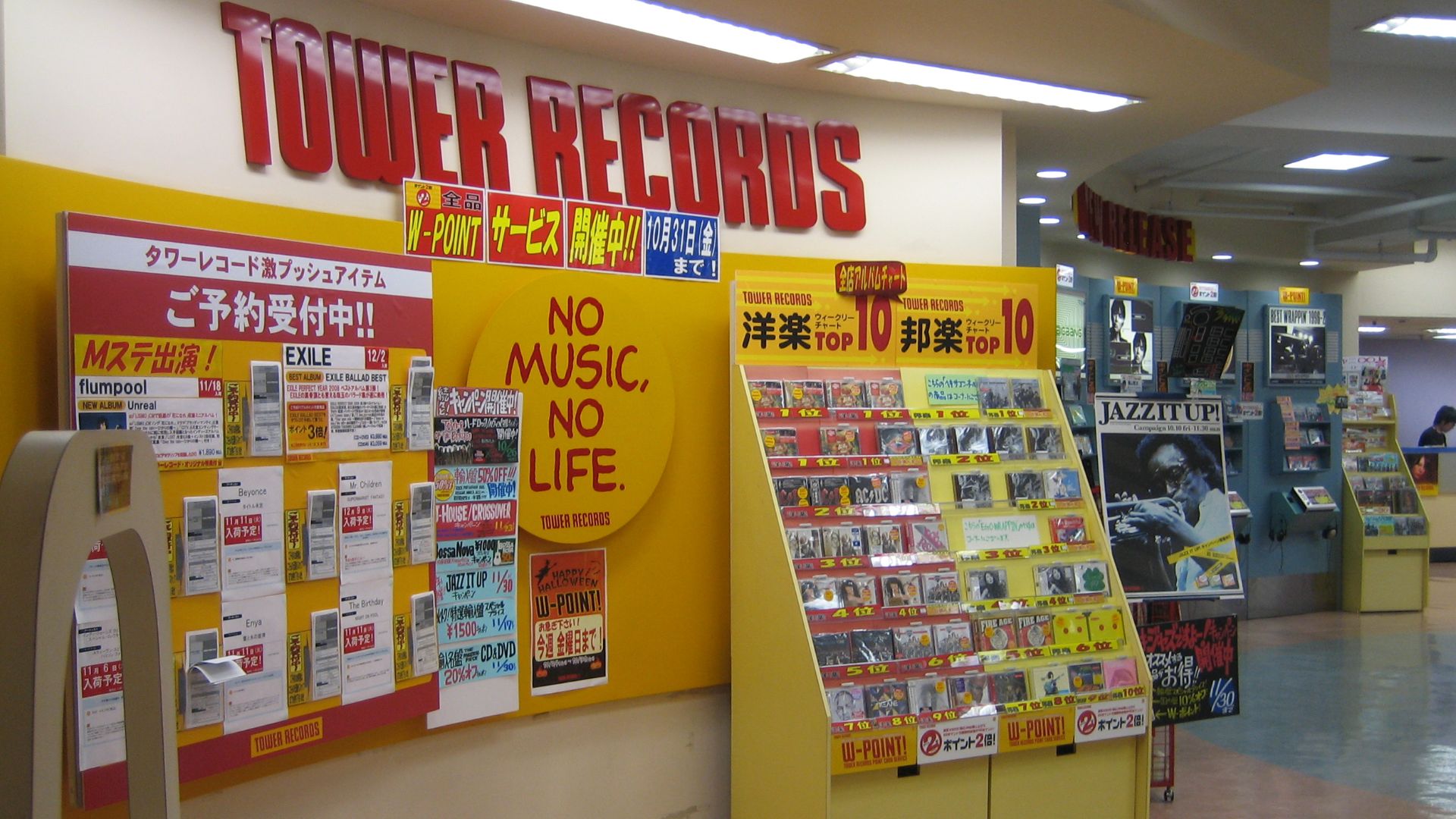
Tower Records Was Where Serious Music Fans Went
For teenagers who considered themselves serious music enthusiasts, Tower Records was a dream destination. The chain's large stores offered impressive selections of records, cassettes, and CDs. You could spend hours discovering unfamiliar artists or hunting for a particular album. Walking out with a bag of music felt like a genuine accomplishment.
 Corpse Reviver, Wikimedia Commons
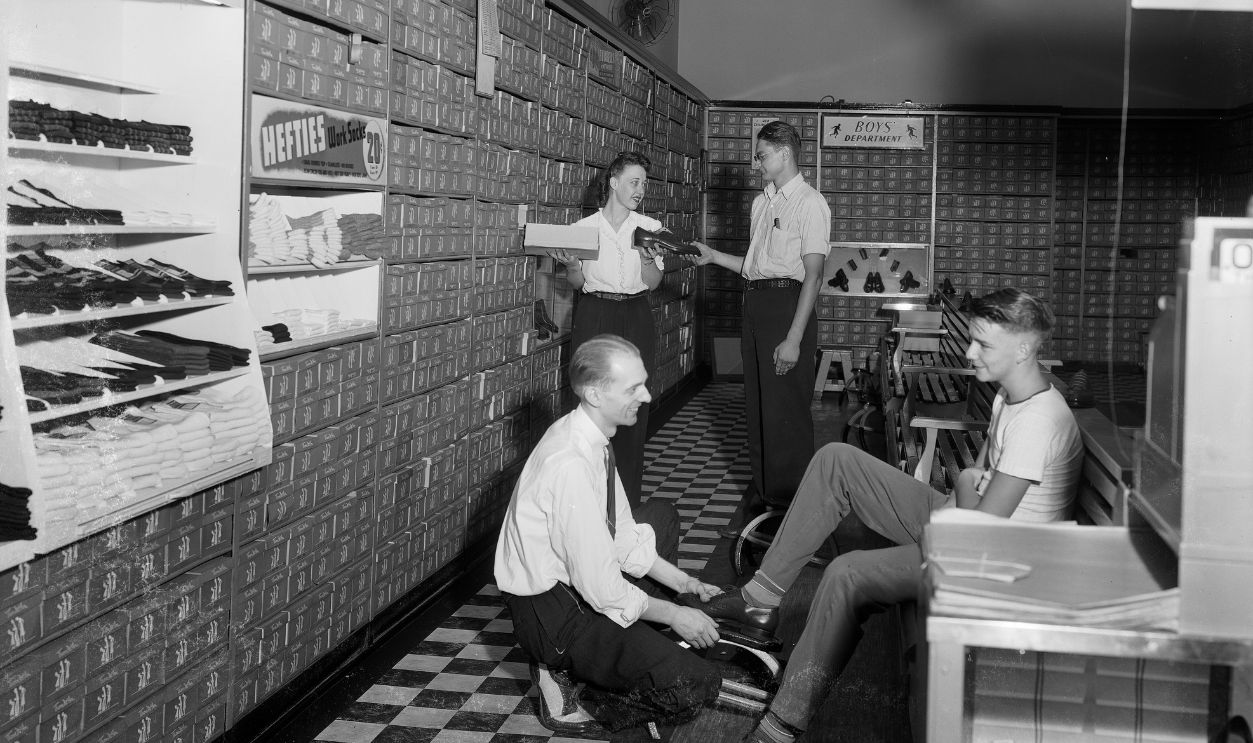
Thom McAn Kept Teenagers Looking Sharp
Thom McAn was one of those familiar footwear chains found in shopping centers across America. Teenagers visited for everything from everyday shoes to dressier styles needed for school events. The chain wasn't necessarily the trendiest destination, but it remained a recognizable part of growing up when buying new shoes required an actual shopping expedition.
 Wisconsin Historical Society, Getty Images
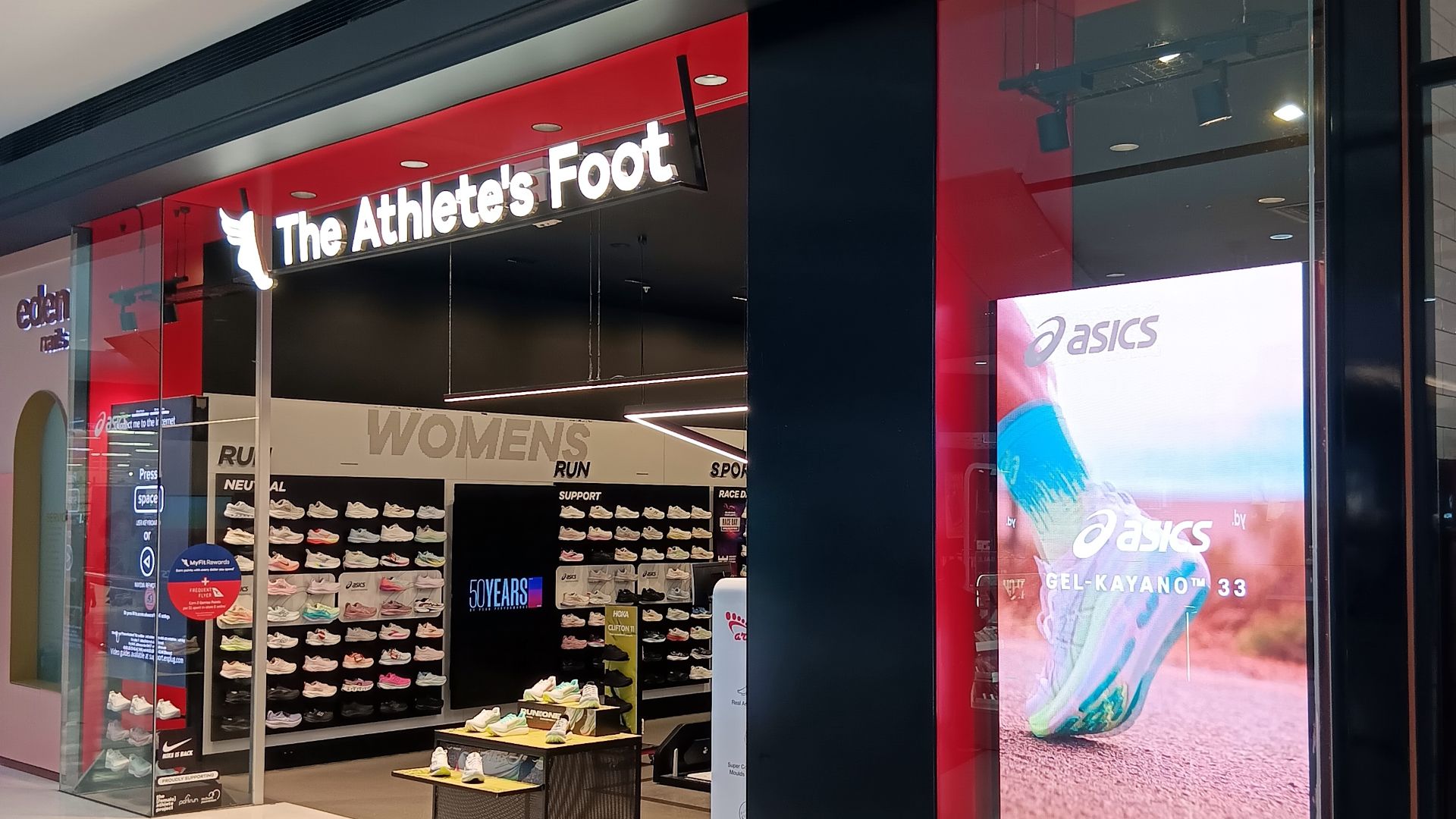
The Athlete's Foot Was A Sneaker Fan's Favorite
The Athlete's Foot gave teenagers another place to browse the latest athletic footwear. Running shoes, basketball sneakers, and recognizable sporting brands offered plenty of ways to spend money. Even teenagers who rarely played sports wanted fashionable sneakers. Looking athletic, it turned out, was considerably easier than actually becoming athletic.
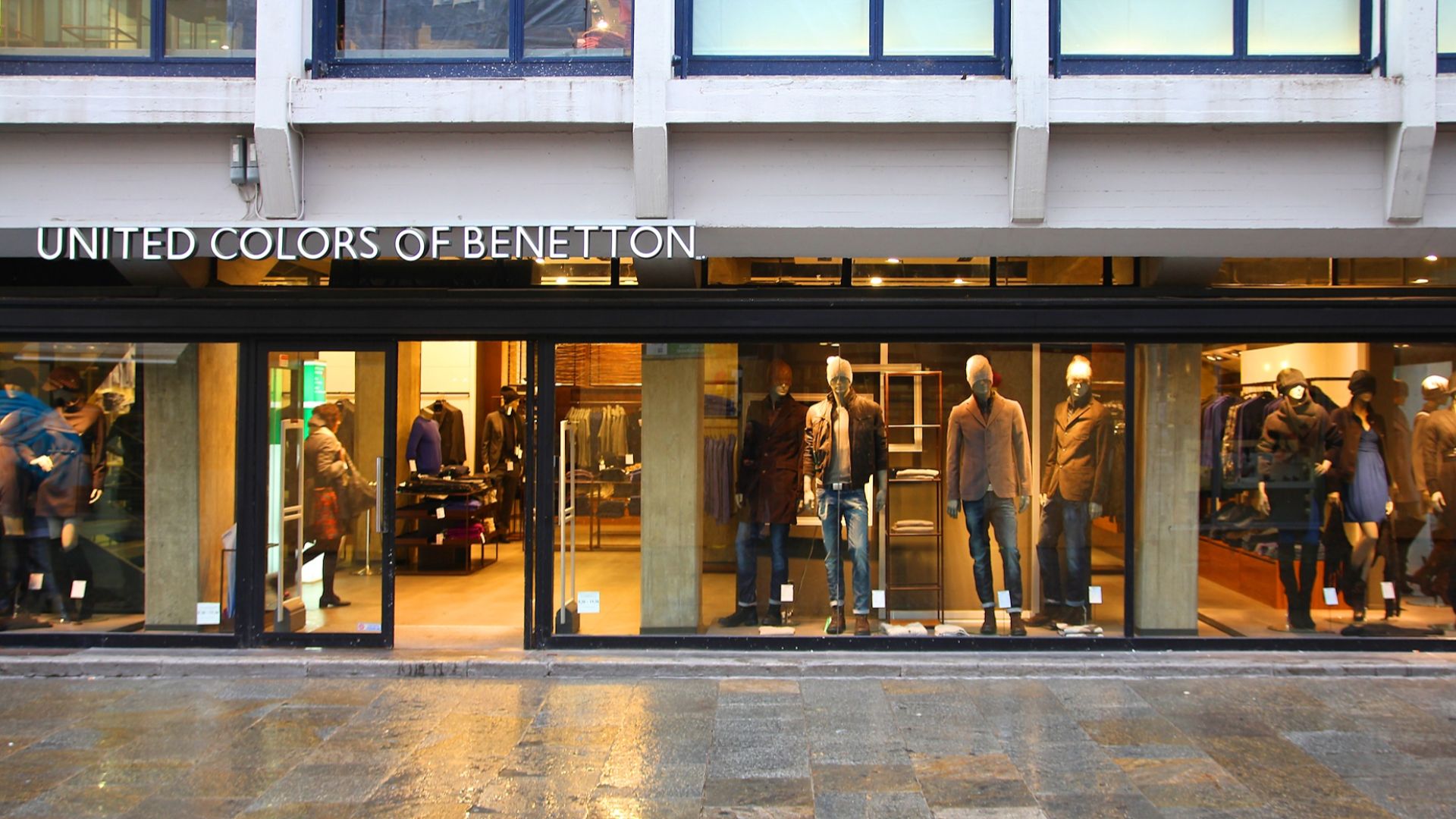
Benetton Made Colorful Clothes A Fashion Statement
United Colors of Benetton stood out with its bright sweaters, colorful clothing, and distinctive international image. For fashion-conscious teenagers, its stores offered something a little different from ordinary mall clothing. The prices weren't always easy on a teenage budget, but wearing a colorful Benetton sweater could feel like announcing that you understood fashion.
 Marek Ślusarczyk (Tupungato) Photo gallery, Wikimedia Commons
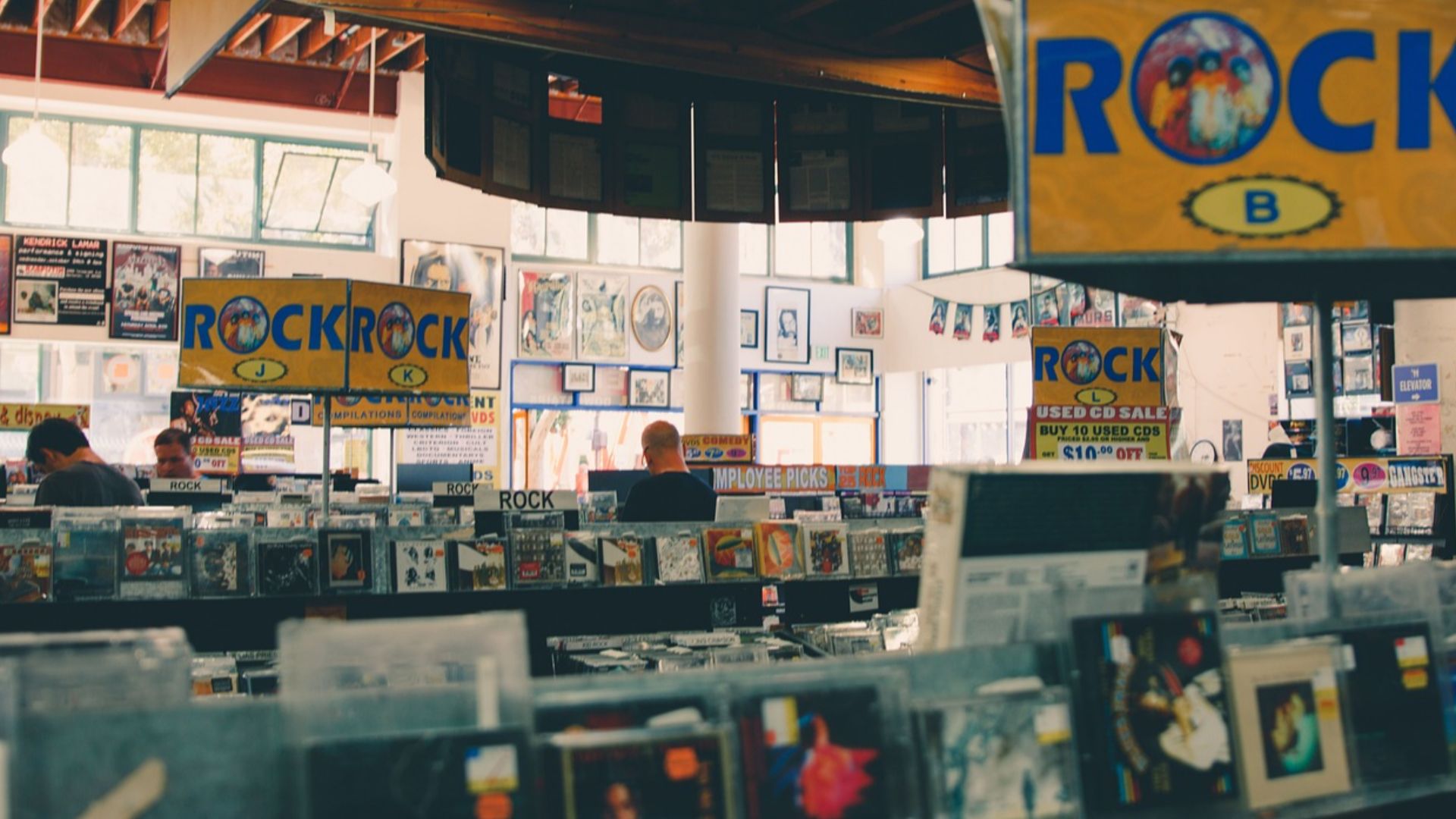
Record Bar Kept The Music Obsession Going
Record Bar was another familiar music retailer, particularly for shoppers in the South and other regions where it operated. Teenagers flocked to its stores for the latest albums and cassette releases. During the 1980s, competition among record chains was fierce, but young music fans rarely complained about having more places to spend money.
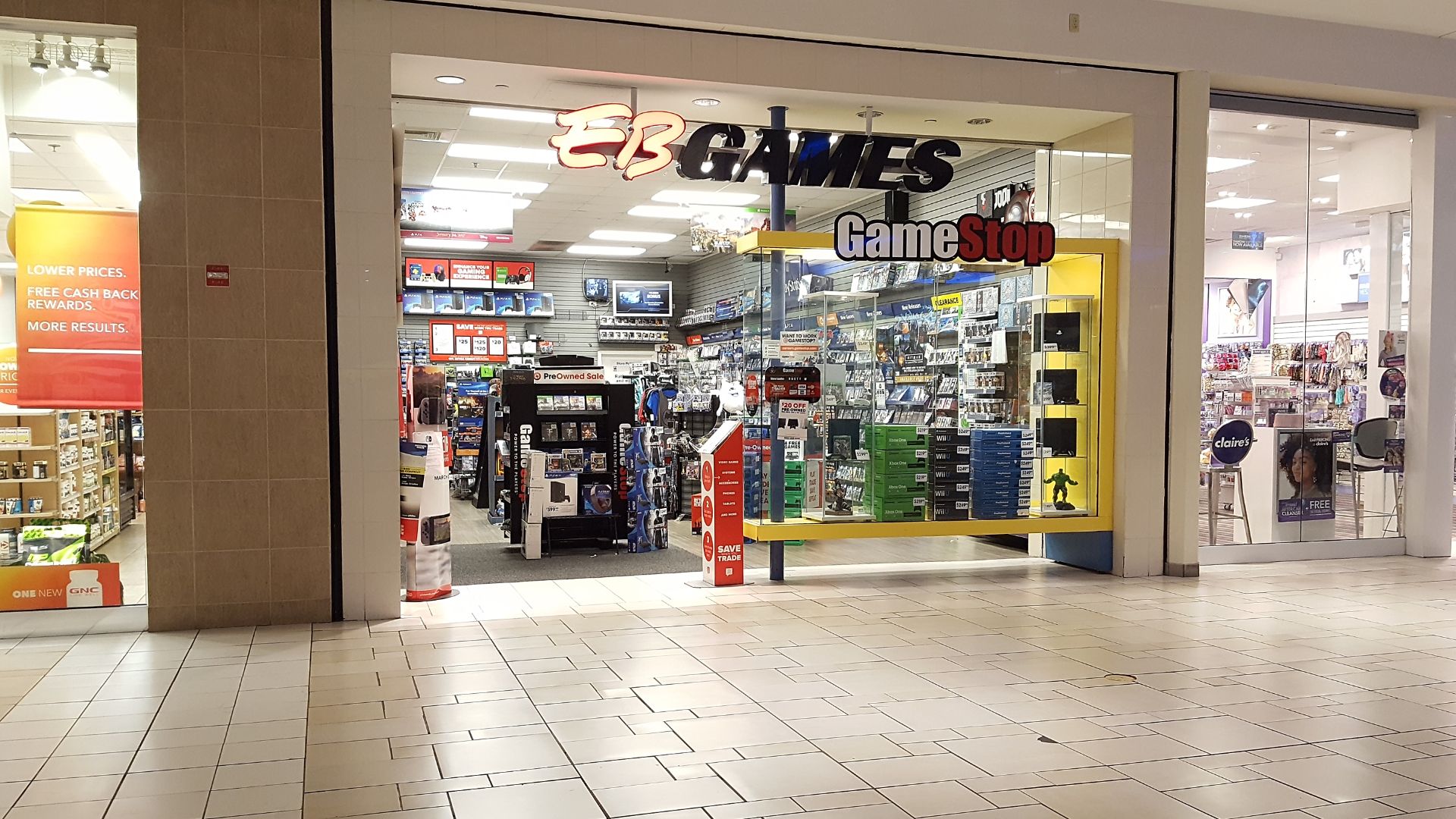
Electronics Boutique Turned Gaming Into An Expensive Hobby
Before modern gaming stores became widespread, Electronics Boutique gave young technology enthusiasts a place to browse computer software and electronic entertainment. As home computers and video games became increasingly popular, teenagers discovered another expensive obsession. Saving for a new game could take weeks, especially when the latest release looked impossible to resist.
 Mike Kalasnik, Wikimedia Commons
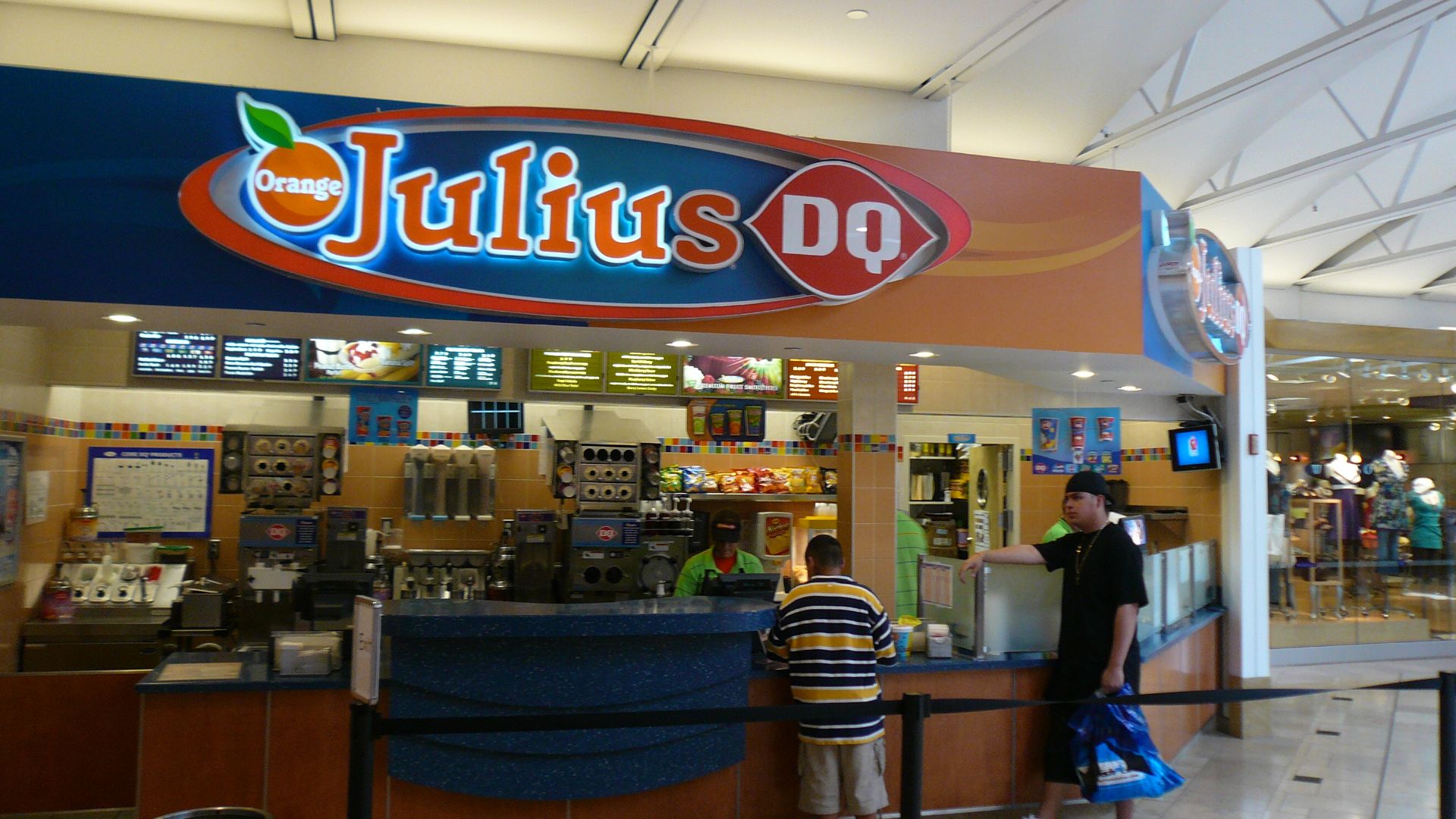
Orange Julius Was Where The Last Few Dollars Went
After exhausting their money on clothes, records, and shoes, teenagers still needed somewhere to meet their friends. Orange Julius was a familiar mall stop, famous for its frothy fruit drinks and snacks. A visit wasn't complete without something refreshing. Even the last few dollars of your paycheck weren't necessarily safe.
 Rex Roof from Ann Arbor, MI, USA, Wikimedia Commons
Those Paychecks Bought More Than Merchandise
Looking back, the shopping malls of the 1980s represented much more than retail businesses. They were places where friendships grew, first dates happened, and teenagers discovered their personal styles. Most of these chains have disappeared or changed beyond recognition, but their memories remain. And somehow, spending your entire paycheck felt completely worthwhile.
You May Also Like:
A fake rental listing used my home address, and strangers keep showing up. Could this cost me money?
Restaurant Chains From The 1960s That Were Once Big Business, Then Times Changed