When Your Own Address Becomes The Scam
This is unsettling fast. A fake rental ad can turn an innocent homeowner into the public face of somebody else’s fraud, and the financial consequences depend on what the scammer actually did with your property information.
This Is A Recognized Rental Scam
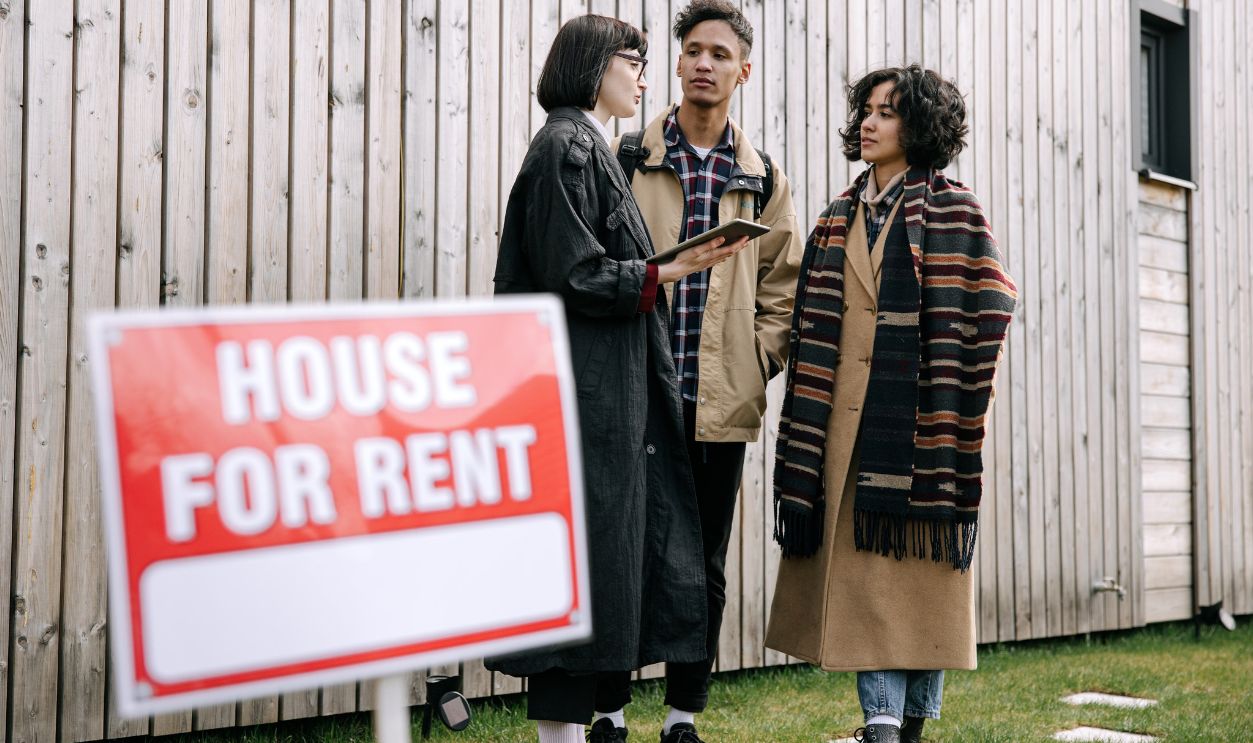
Scammers regularly advertise homes they do not own or that are not actually available for rent. They may copy photographs and descriptions from legitimate real-estate listings, replace the contact information, and demand application fees, deposits, or first-month rent. Your real address can therefore appear in a convincing scam even when you have had no contact with the fraudster.

Rental Scams Are Costing People Millions
The Federal Trade Commission reported nearly 65,000 rental-scam reports since 2020 involving about $65 million in reported losses through 2025. Those figures likely understate the problem because many scams never reach a government agency. The homeowner whose address is being misused may not lose the deposit, but the people arriving at the door could have lost hundreds or thousands of dollars.

The Address Alone Usually Does Not Make You The Landlord
A scammer cannot normally create a rental agreement between you and a stranger merely by typing your address into an advertisement. Contract formation generally requires agreement between the actual parties, including an offer and acceptance. If you never advertised the house, communicated with the renter, accepted money, or agreed to rent it, that distinction matters enormously.
You Usually Do Not Owe Their Deposit
Suppose a stranger transferred $2,000 to somebody pretending to own your home. That does not mean you received the money or agreed to return it. The victim should pursue the scammer and the payment provider rather than expecting the innocent homeowner to reimburse funds the homeowner never received.

But The Scam Can Still Cost You Indirectly
The absence of an automatic refund obligation does not make the incident financially harmless. You may lose work time dealing with visitors, listing platforms, police reports, and security concerns, and you might decide to spend money on cameras, locks, or legal advice. The goal is to shut the scam down early so those secondary costs do not keep growing.

Save Evidence Before The Listing Vanishes
Take screenshots of the entire advertisement before reporting it. Capture the URL, advertised rent, photographs, description, supposed landlord's name, phone number, email address, and payment instructions. Fraudulent posts can disappear quickly, and evidence becomes much harder to reconstruct afterward.

Ask Visitors Where They Found It
You do not need to interrogate people who arrive at your property, but one simple question can be extremely useful. Ask which website, app, or social-media group contained the listing and, if they are comfortable doing so, ask them to send you the link. Several visitors may reveal that the scammer posted the same property on multiple platforms.

Search Your Address Yourself
Enter your complete street address into several major search engines. The FTC recommends searching rental addresses when checking whether listings are legitimate because duplicate advertisements with different landlords can reveal fraud. For a homeowner, the same search can uncover copies of the fake listing you did not yet know existed.

Look For Stolen Real-Estate Photos
Scammers often build fake listings by copying legitimate photographs and descriptions. Check whether your home's photos remain online from an old sale, previous rental listing, or real-estate website. Knowing where the material came from can help explain why the fake advertisement looks convincing.

Report Every Fake Listing
The FTC advises reporting rental scams to the website where the advertisement appeared. Do this separately for every copy you locate rather than assuming one platform will notify the others. Save confirmation emails or report numbers showing when you requested removal.

Report It To The FTC
File a report through the Federal Trade Commission's ReportFraud system. Include the fake listing, contact details used by the scammer, platforms involved, and any information provided by people who arrived at your property. FTC reports help authorities identify patterns even when the agency does not resolve each individual incident.

Tell Local Law Enforcement
The FTC also recommends reporting rental scams to local law enforcement. Explain that your real residence has been falsely advertised and that strangers are physically coming to the property. A police report creates documentation that you identified yourself as a victim rather than the person offering the fraudulent rental.

An FBI Report May Also Be Appropriate
The FBI's Internet Crime Complaint Center accepts reports of cyber-enabled fraud and scams. IC3 says people should file even when they are unsure whether their particular complaint qualifies. An online rental advertisement involving electronic messages or payments fits naturally within the type of information investigators use to track broader fraud operations.

Treat Unexpected Visitors As A Safety Issue
Someone who paid a large deposit may arrive confused, frightened, or angry because they believe they were promised your home. Keep the conversation calm and avoid escalating an already emotional situation. If anyone threatens you or creates an immediate danger, the FBI advises contacting 911 or local police.
 https://kaboompics.com/, Pexels
Do Not Let Prospective Renters Inside
You do not need to prove the property exists by inviting strangers into your home. Explain that the property is not for rent and that the advertisement is fraudulent. Directing them toward official reporting and payment-recovery resources is safer than trying to resolve the scam inside your residence.
Use The Same Simple Explanation Every Time
Prepare a short statement for unexpected visitors: the property is not for rent, you did not post the advertisement, and you did not receive their payment. Give them the fake listing's platform name if you know it and suggest that they report the transaction immediately. Consistency also reduces the chance that something you say will be misunderstood later.

Do Not Promise To Repay Anyone
A victim may understandably ask you for their deposit back because your address appeared in the advertisement. Do not agree to reimburse money you did not receive simply to make an uncomfortable conversation end. If somebody claims you are legally responsible, ask them to put the claim in writing and consider local legal advice before paying anything.

A Formal Demand Changes The Calculation
Most people who discover the fraud will understand once you explain what happened. If somebody sends a demand letter, files a lawsuit, or alleges that you participated in the transaction, preserve everything and speak with an attorney familiar with your state's law. Paying for a short legal consultation can be cheaper than improvising a response to a serious claim.
 https://kaboompics.com/, Pexels
Check Whether The Scammer Used Your Name Too
Using your street address is one problem. Pretending to be you personally is more concerning because the scammer may also have copied your name, photograph, email address, or other identifying information. Compare the fake advertisement and messages from victims with your actual identity details.

An Address Does Not Automatically Mean Identity Theft
Do not assume that the appearance of your home address means somebody has opened financial accounts in your name. The FTC's identity-theft guidance becomes especially relevant when scammers have obtained or misused sensitive information such as Social Security numbers, account credentials, or identifying documents. The correct response should match the information that was actually exposed.

Check Your Credit If Personal Details Were Used
If the scammer appears to be impersonating you beyond the address, review your credit reports for unfamiliar accounts or inquiries. AnnualCreditReport.com is the federally authorized source for free reports from Equifax, Experian, and TransUnion. Free reports are currently available weekly.

A Credit Freeze Is Free Protection
If you are concerned that enough personal information has been compromised to open accounts, consider freezing your credit. The FTC says freezes are free, do not affect your credit score, and remain until you lift them. You must contact Equifax, Experian, and TransUnion separately to freeze all three reports.

A Fraud Alert Is Another Option
An initial fraud alert tells businesses to verify your identity before granting new credit. The FTC says the alert lasts one year and can be placed by contacting just one of the three nationwide credit bureaus, which must notify the other two. This can be useful when you suspect identity theft but do not necessarily want a full credit freeze.

Lock Down Any Compromised Accounts
If the fake listing came from a real account you control, treat that as an account-security problem. Change the password, avoid reusing that password elsewhere, and enable two-factor authentication where available. The FTC recommends those steps when scammers have obtained account credentials.

Tell Your Real Estate Professional
If your house is currently or recently was listed for sale, contact the legitimate real-estate agent or brokerage. They may recognize exactly which photos and description were copied and can clarify publicly that the property is not a rental. Removing stale or unauthorized versions of the listing can also make the scam less convincing.

Keep Neighbors Informed
A trusted neighbor, building manager, concierge, or homeowners association can help spot people approaching the property when you are away. Tell them briefly that a fraudulent rental advertisement is circulating and that the home is not available for rent. This is particularly useful if visitors continue arriving after the listing has supposedly been removed.

Do Not Pay A “Recovery Specialist”
A second scam sometimes follows the first. IC3 specifically warns that criminals may impersonate law firms, cryptocurrency services, or even IC3 itself and claim they can recover stolen money. The FBI says IC3 does not charge victims or partner with private recovery services to retrieve lost funds.
Point Actual Victims Toward Their Payment Provider
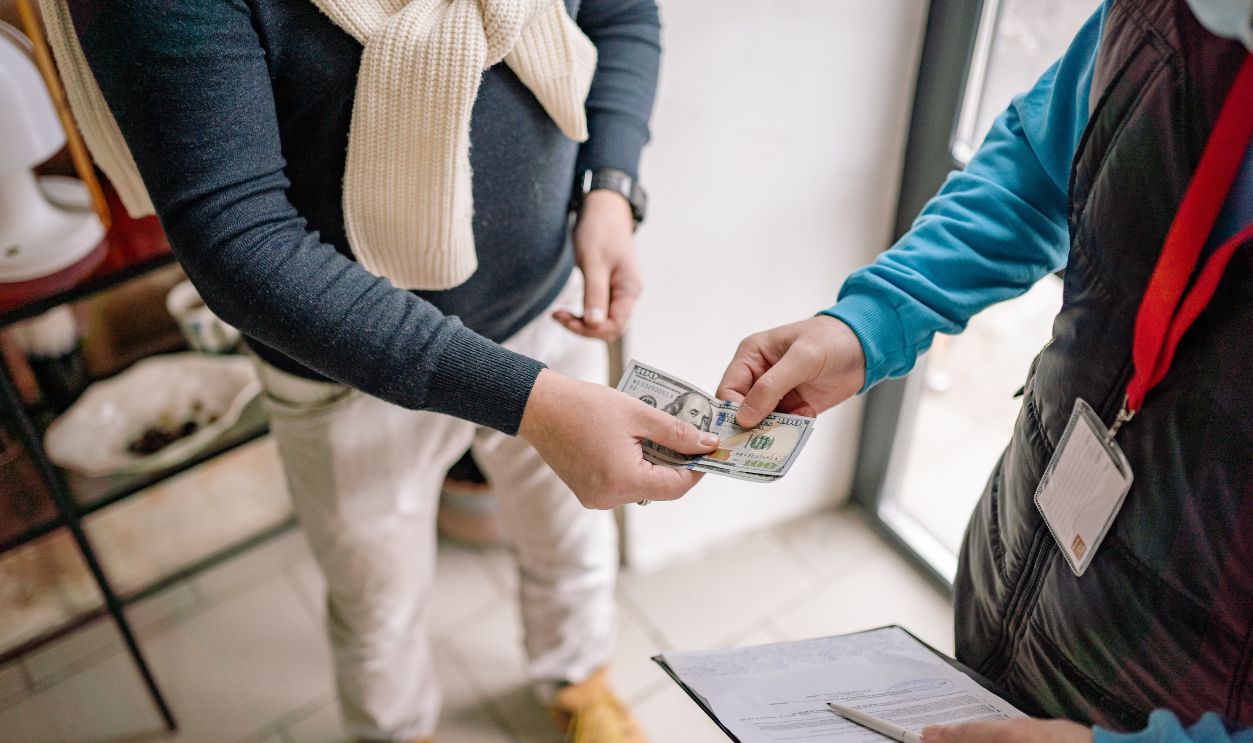
Someone who paid the fake landlord needs to act quickly. The FTC recommends immediately contacting the bank, card issuer, payment app, wire-transfer company, gift-card issuer, or cryptocurrency provider used for the payment and asking whether the transaction can be reversed. Recovery is not guaranteed, but speed can matter.

Keep A Record Of Your Own Costs
Create a folder containing scam reports, screenshots, police documentation, correspondence, and receipts for any expenses you incur. Also track dates and time spent dealing with the problem. Even if you never seek reimbursement, organized records make it easier to explain the incident to an attorney, insurer, law-enforcement officer, or platform.

Make Repeat Scams Harder
Continue searching your address periodically for several weeks after the first listing disappears. Scammers can repost copied material on another site or under another account. Reporting each version quickly reduces the number of prospective renters who may arrive at your door.

The Biggest Financial Risk Is Usually Containment
A stranger using your address does not automatically make you responsible for the money another person paid to the scammer. The more important financial risks are allowing the fraud to continue, ignoring possible identity misuse, or paying unnecessary demands simply because your home was used as bait. Document the scam, get the listings removed, report it, protect your identity if necessary, and obtain local legal help if anyone formally tries to hold you responsible.

You May Also Like:
Most people make these mistakes with their money.
A Guide To Building Your Emergency Fund