
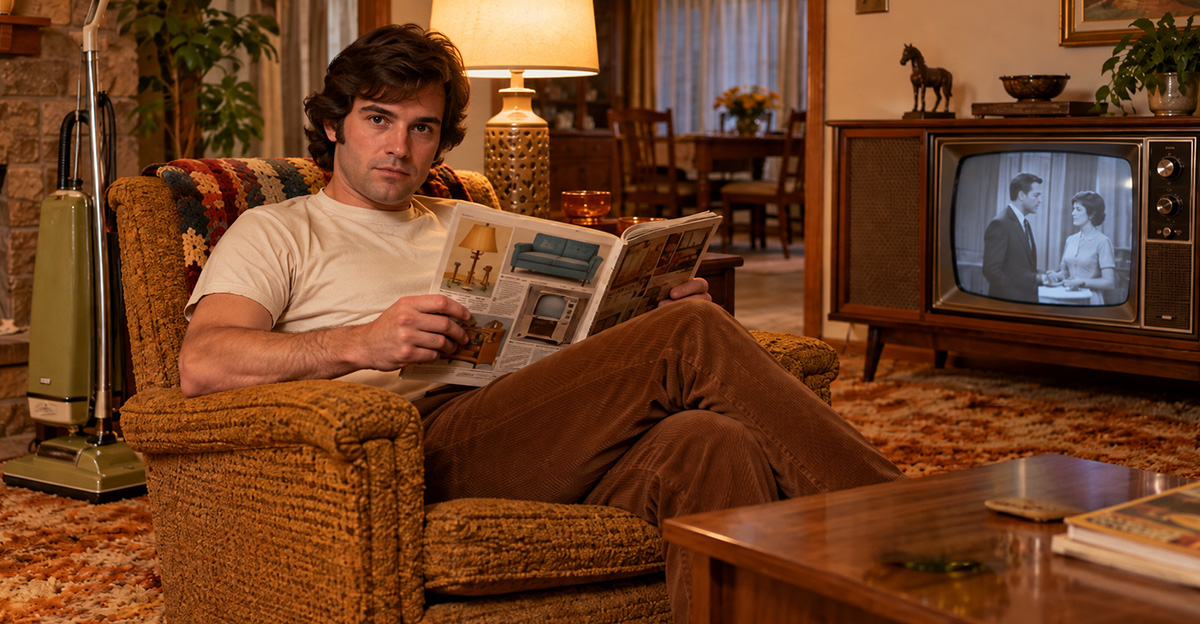
When A Brand Name Felt Like A Promise
There was a time when Americans did not spend twenty minutes reading online reviews before buying a toaster, television, or washing machine. They trusted names their parents trusted. Certain brands seemed almost permanent, appearing in kitchens, garages, shopping centers, and family photo albums for decades. Today, many of those once-mighty names barely register with younger shoppers.
Sears Was Practically Part Of The Family
For generations, Sears was more than a department store. Families bought refrigerators, clothes, tools, tires, Christmas presents, and even prefabricated houses through Sears. By the 1950s, its stores were fixtures of American shopping, while the famous catalog had already served rural families for decades.
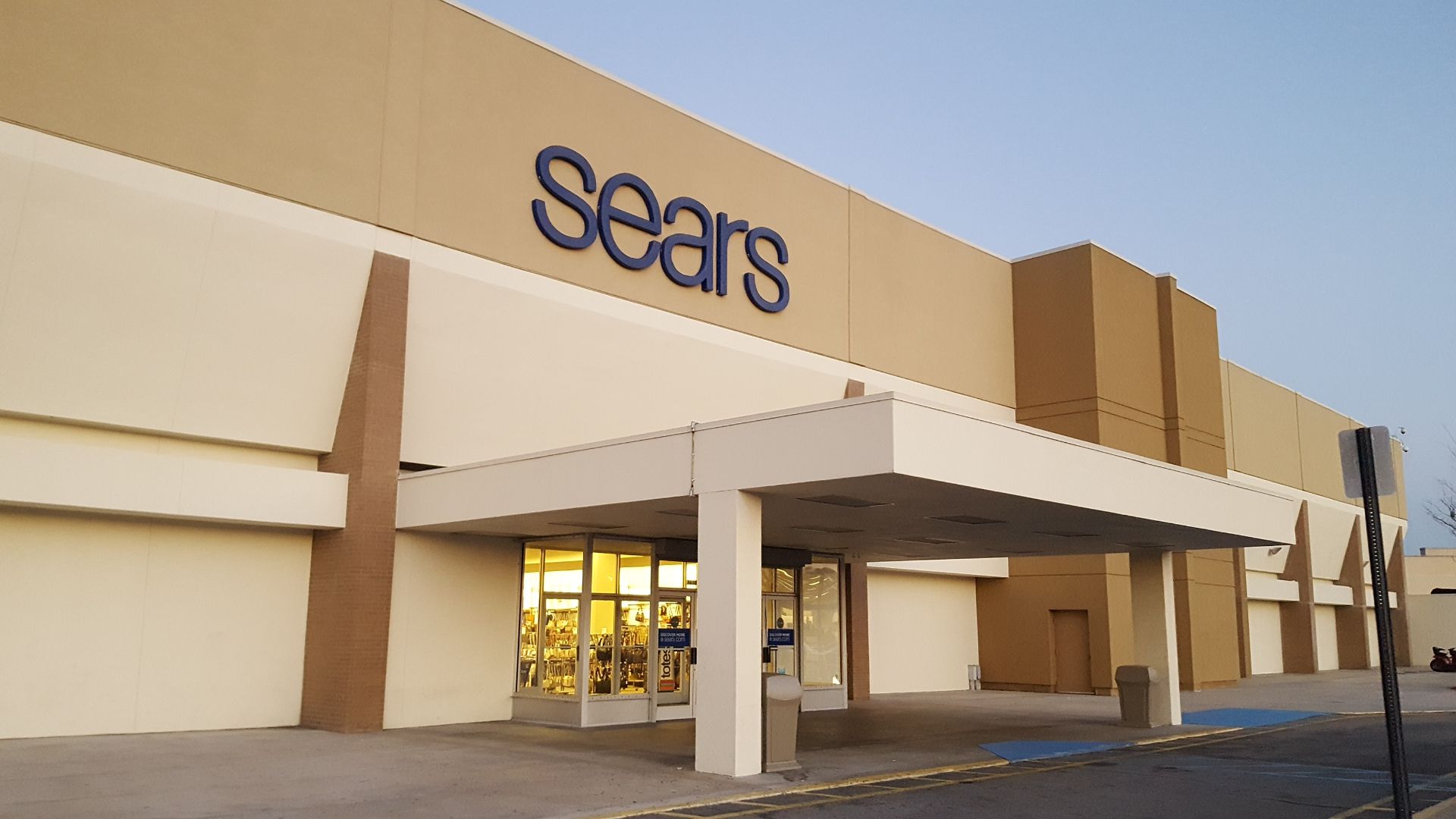 Mike Kalasnik from Jersey City, USA, Wikimedia Commons
Montgomery Ward Could Deliver Almost Anything
Before online shopping, Montgomery Ward proved Americans would happily buy expensive goods without seeing them first. Its catalogs offered everything from clothing and farm equipment to complete houses, backed by a famous satisfaction guarantee. By the early 1930s, Ward operated more than 500 stores nationwide.
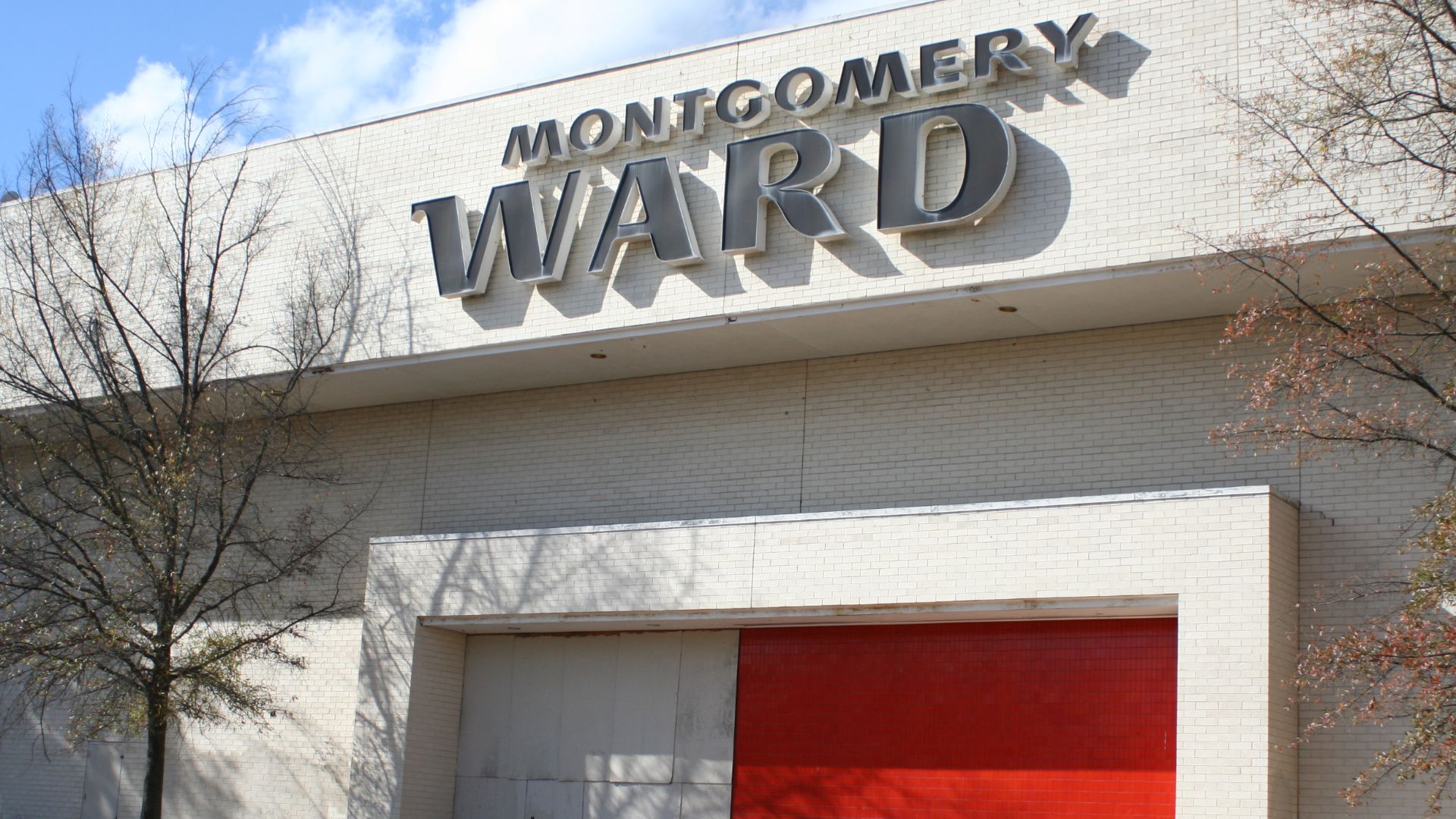 Mike Kalasnik from Fort Mill, USA, Wikimedia Commons
Woolworth’s Made A Few Coins Feel Powerful
The neighborhood five-and-dime was once an American institution, and Woolworth’s became its biggest symbol. Shoppers could wander counters filled with inexpensive household goods, toys, notions, and treats without wrecking the family budget. Frank Woolworth's five-and-ten-cent pricing concept helped transform American retailing.
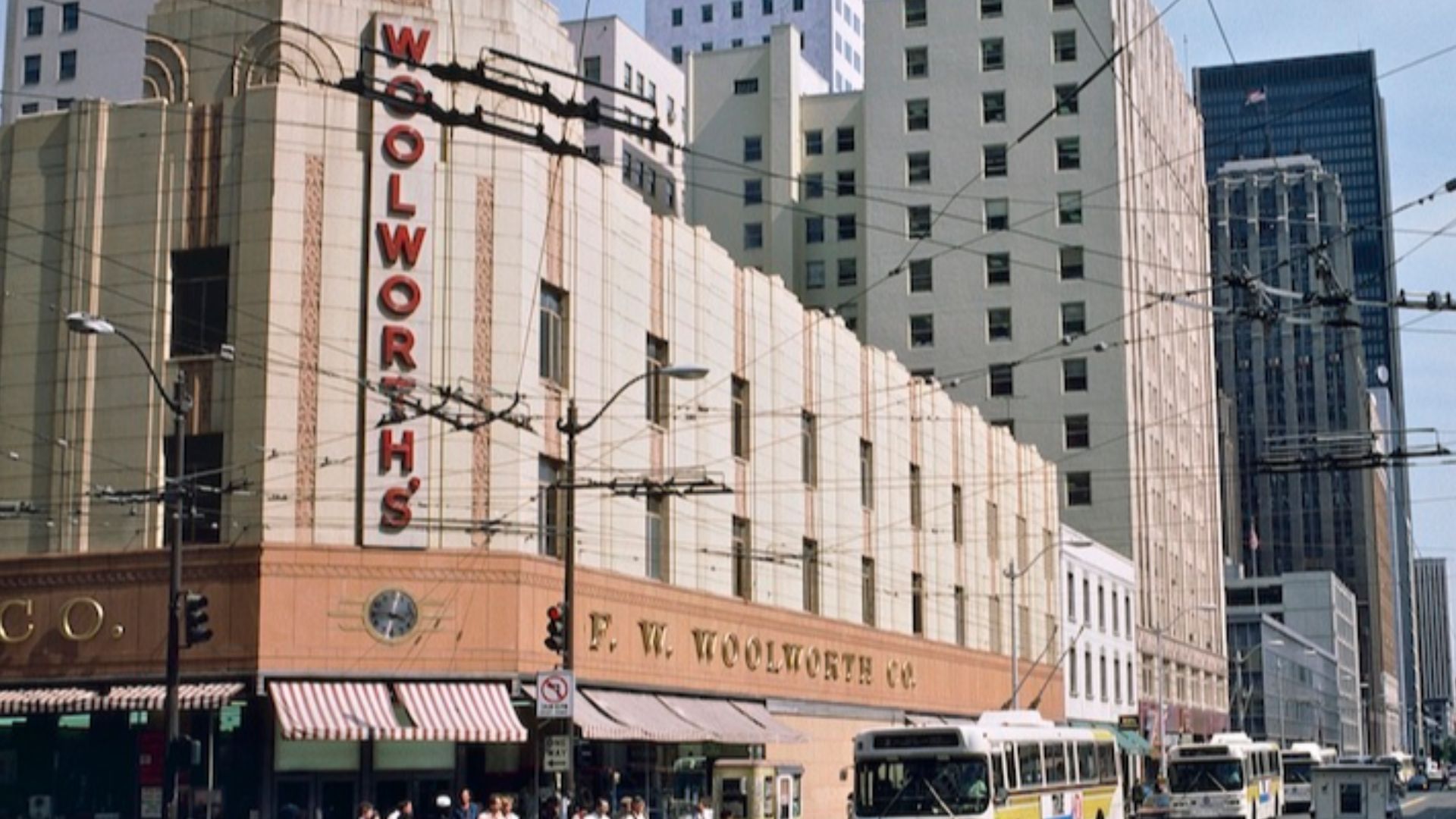 Steve Morgan, Wikimedia Commons
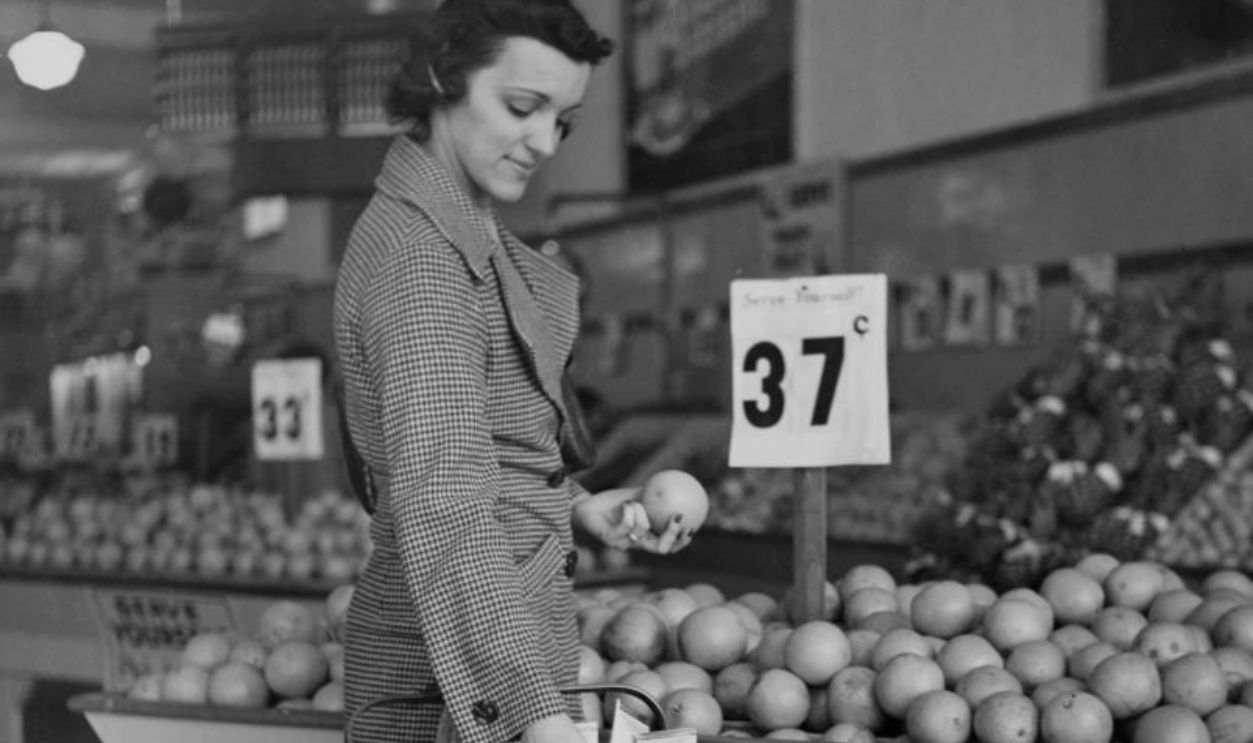
A&P Once Ruled The Grocery Aisles
The Great Atlantic & Pacific Tea Company, better known as A&P, was once such a powerful grocery name that Americans simply assumed it would always be around. It grew from a tea business into a supermarket giant and pioneered ideas including private-label products and large food-production operations.
S&H Green Stamps Made Shopping Feel Rewarding
Long before loyalty apps started buzzing on smartphones, families carefully pasted S&H Green Stamps into little books. Filled books could be exchanged for household merchandise at redemption centers. At their 1960s peak, Green Stamps were handed out by more than 100,000 participating American businesses.
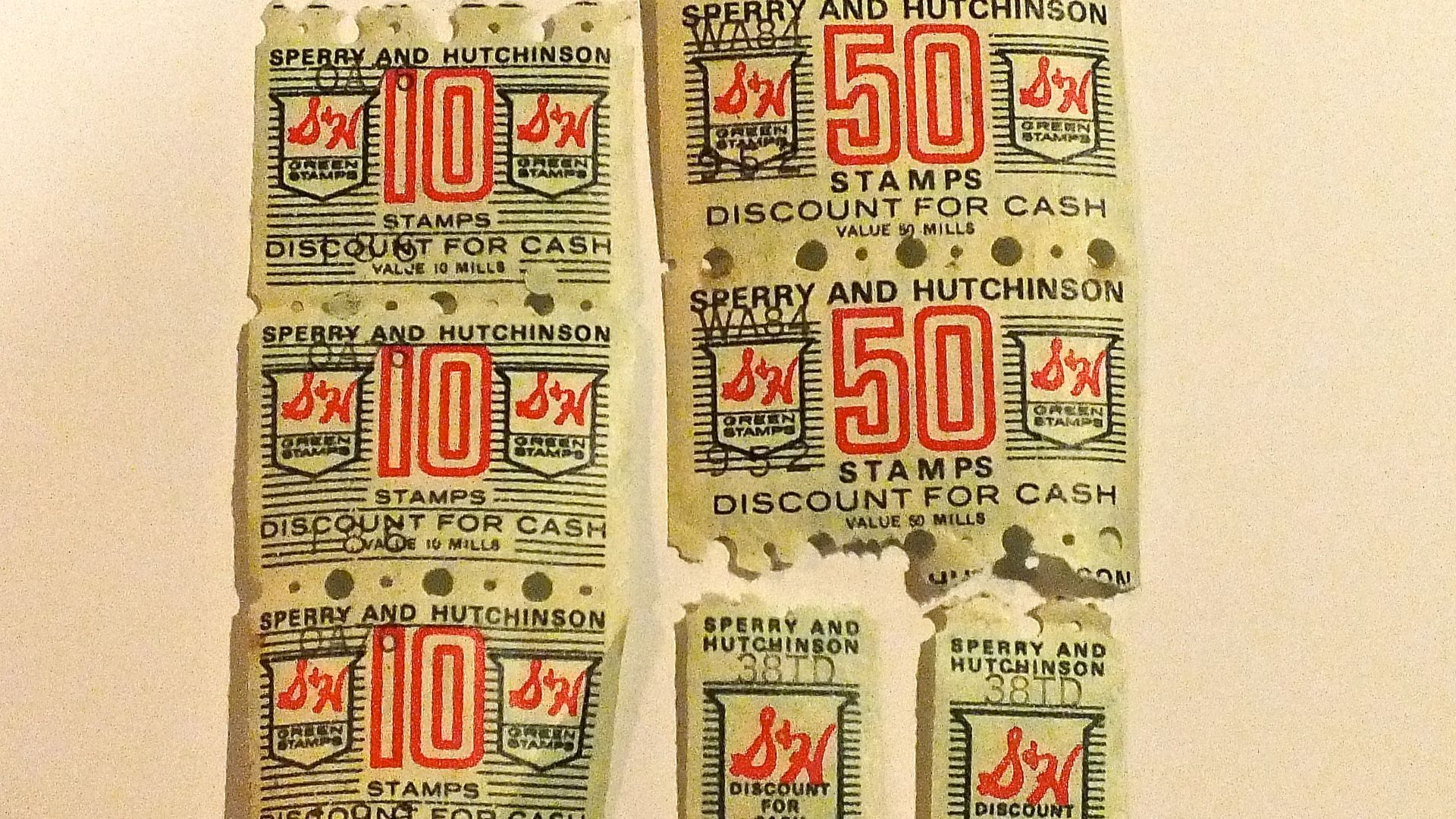 Cayobo from Key West, The Conch Republic, Wikimedia Commons
RadioShack Was Where You Went For Answers
Need a cable, fuse, battery, transistor, antenna, or some mysterious little electronic part? Someone at RadioShack probably knew what it was. The chain eventually grew to thousands of locations, becoming a familiar destination for hobbyists, early computer owners, and anyone attempting a Saturday-afternoon repair.
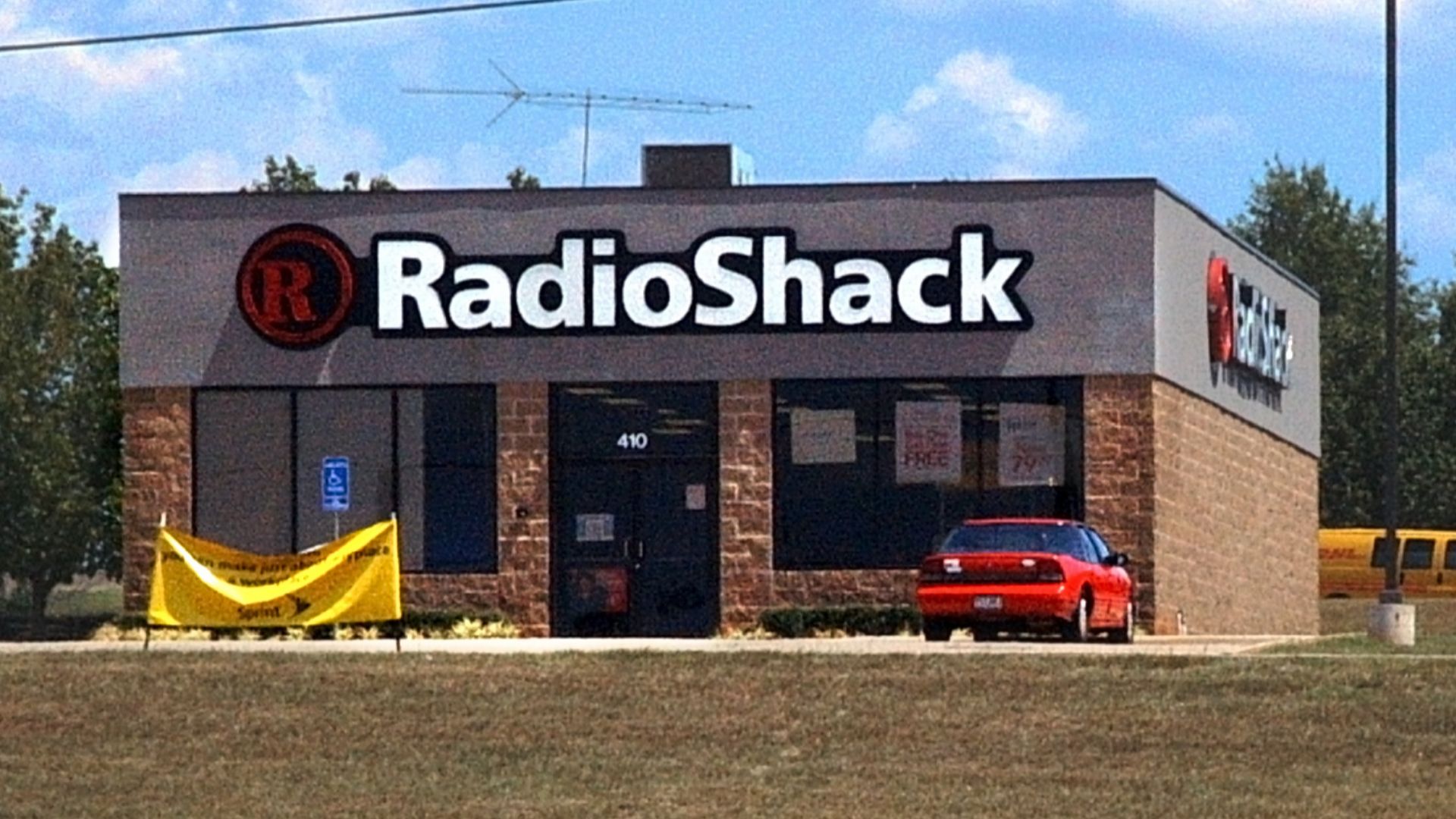 RadioShack_exterior.jpg: en:user:freakofnurture derivative work: Ubcule (talk), Wikimedia Commons
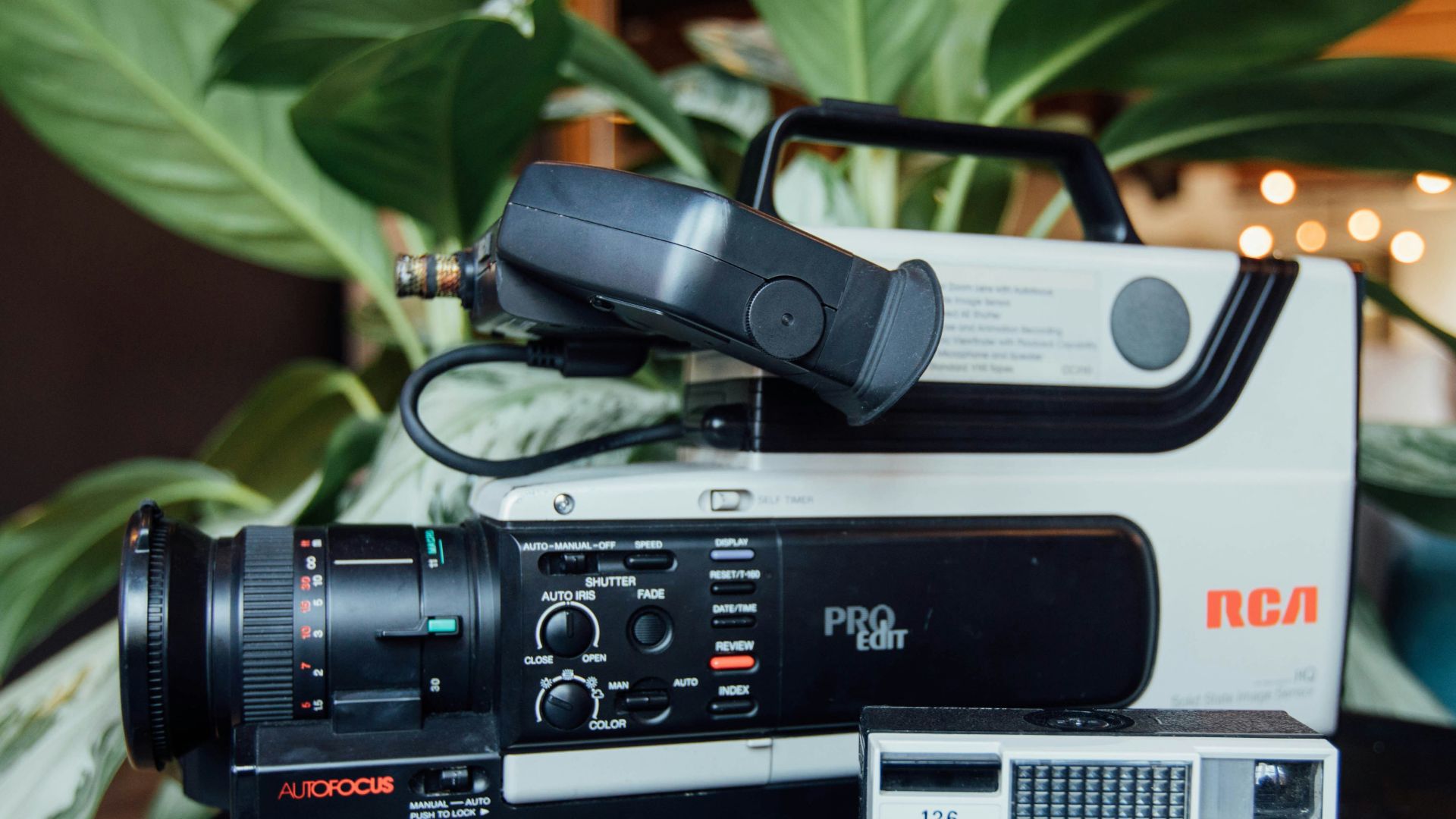
RCA Helped Bring The World Into The Living Room
That familiar RCA name once appeared on radios, televisions, records, and countless pieces of home electronics. Founded as the Radio Corporation of America in 1919, RCA became deeply intertwined with American broadcasting and entertainment, including the creation of NBC and the RCA Victor recording business.
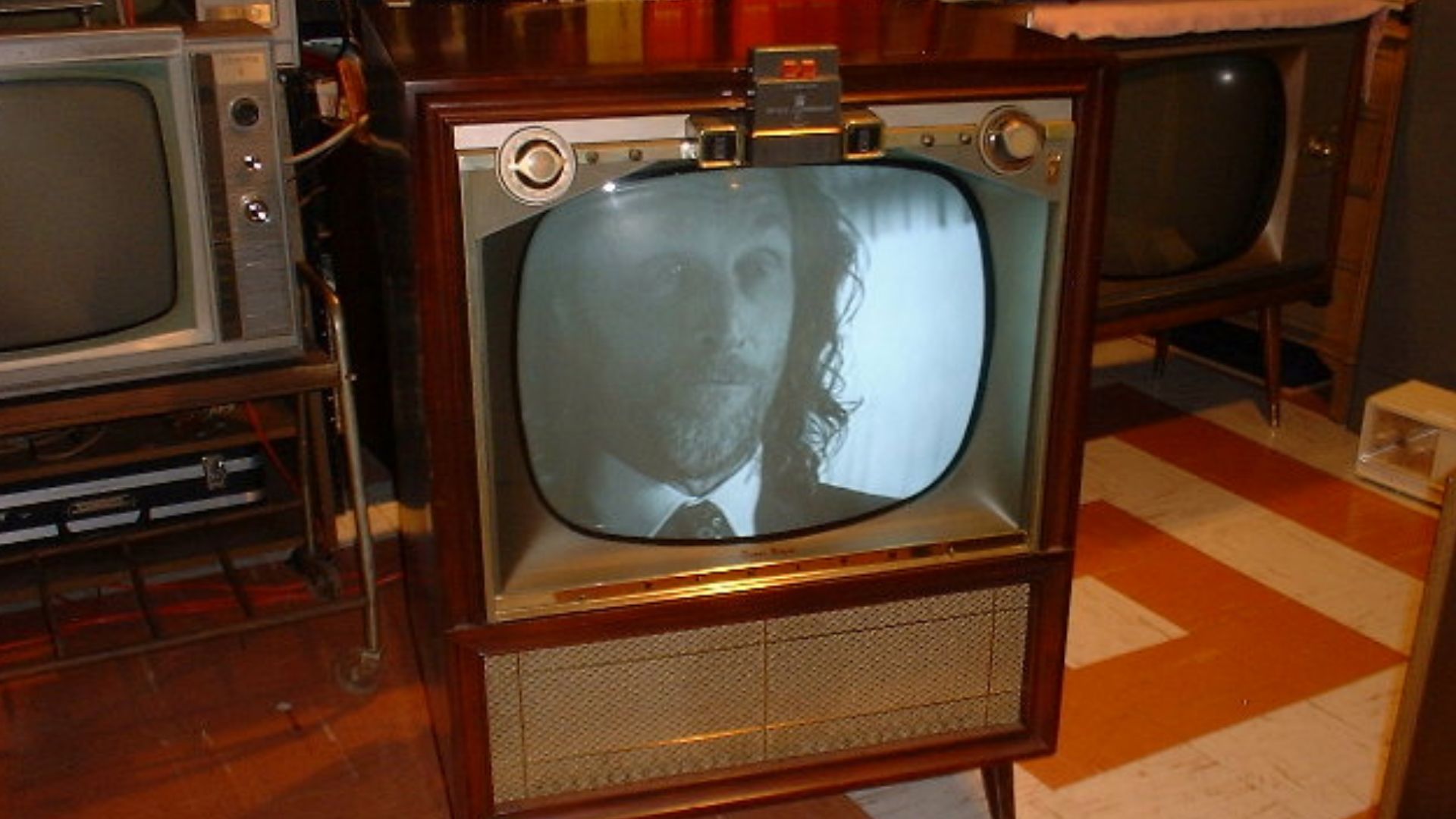
Zenith Was The Television You Kept For Years
“Zenith” once suggested a television built to stay in the family room for a very long time. The company became a major force in American TV manufacturing and introduced notable innovations, including early wireless remote controls. Zenith became an LG Electronics subsidiary in 1999.
Admiral Was Another Living-Room Giant
Younger shoppers might associate televisions with Samsung or LG, but older Americans remember names like Admiral. Founded in Chicago in the 1930s, Admiral became a large producer of radios, televisions, and household appliances, with its name appearing in homes across postwar America.
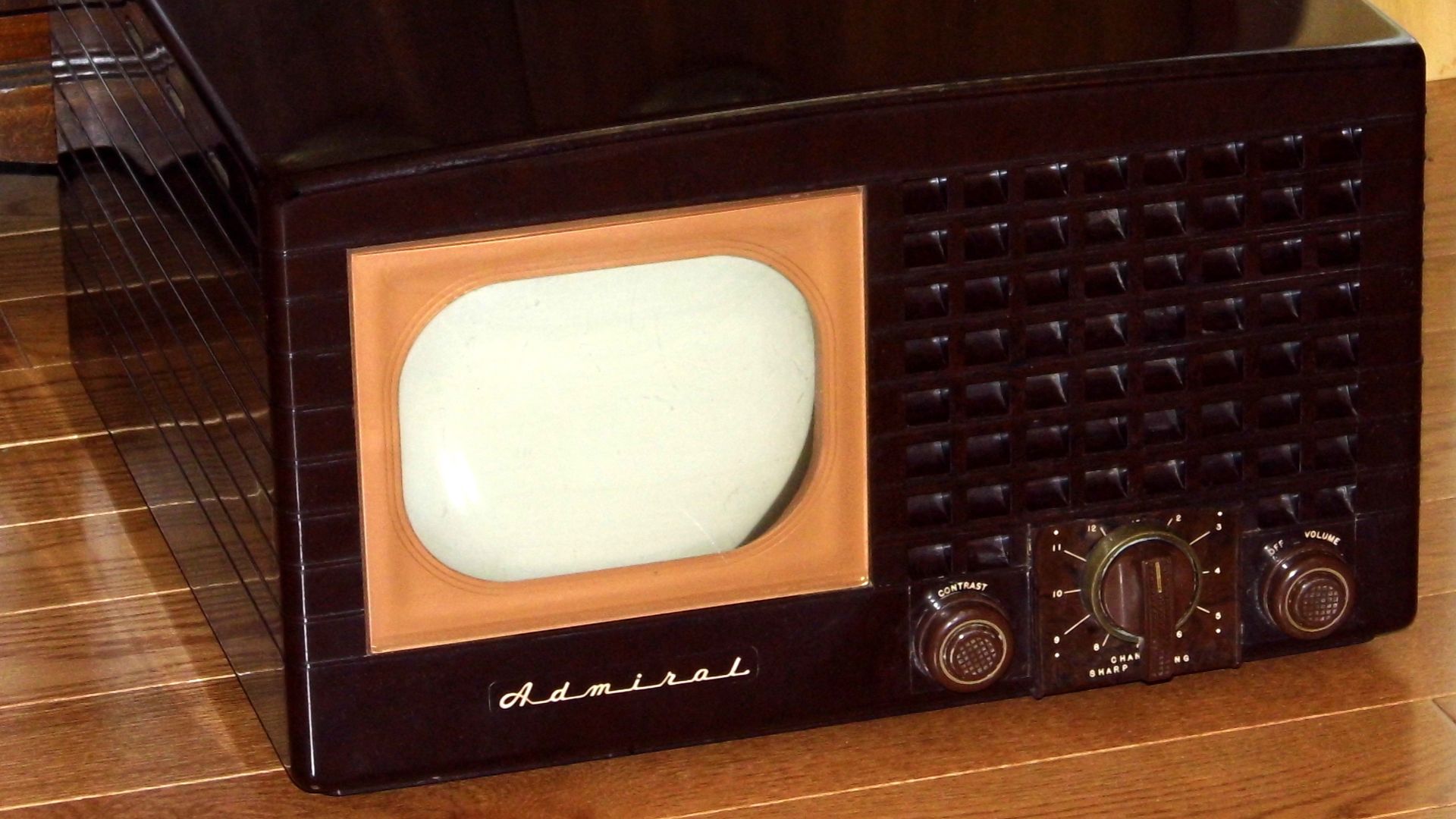 Joe Haupt from USA, Wikimedia Commons
Kenmore Was Good Enough For Mom
For countless families, buying a major appliance meant walking into Sears and looking for the Kenmore badge. Sears introduced Kenmore washing machines in 1927 and steadily expanded the brand into refrigerators, freezers, vacuums, and other appliances. A dependable Kenmore could seemingly remain in the basement forever.
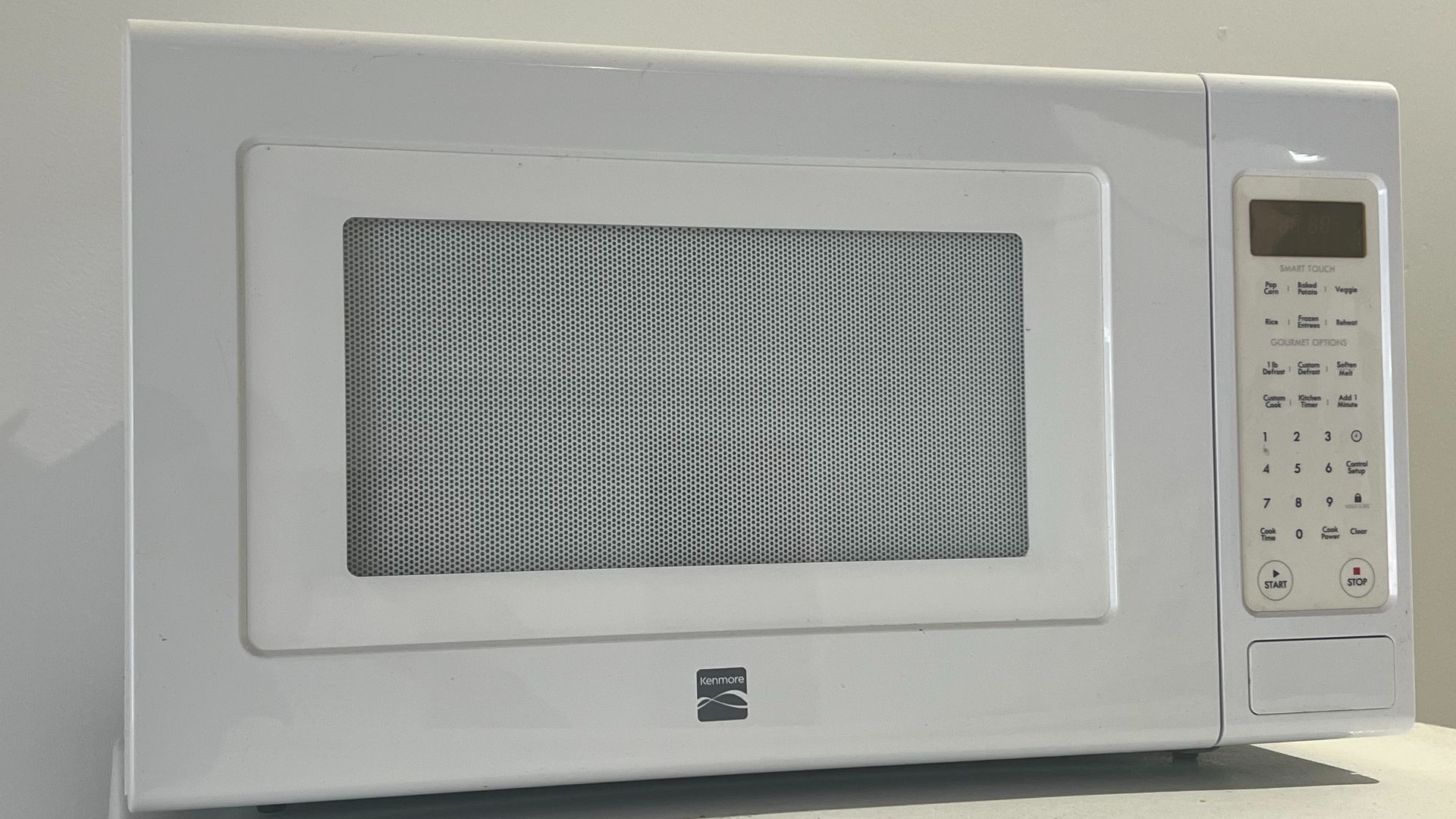 TaurusEmerald, Wikimedia Commons
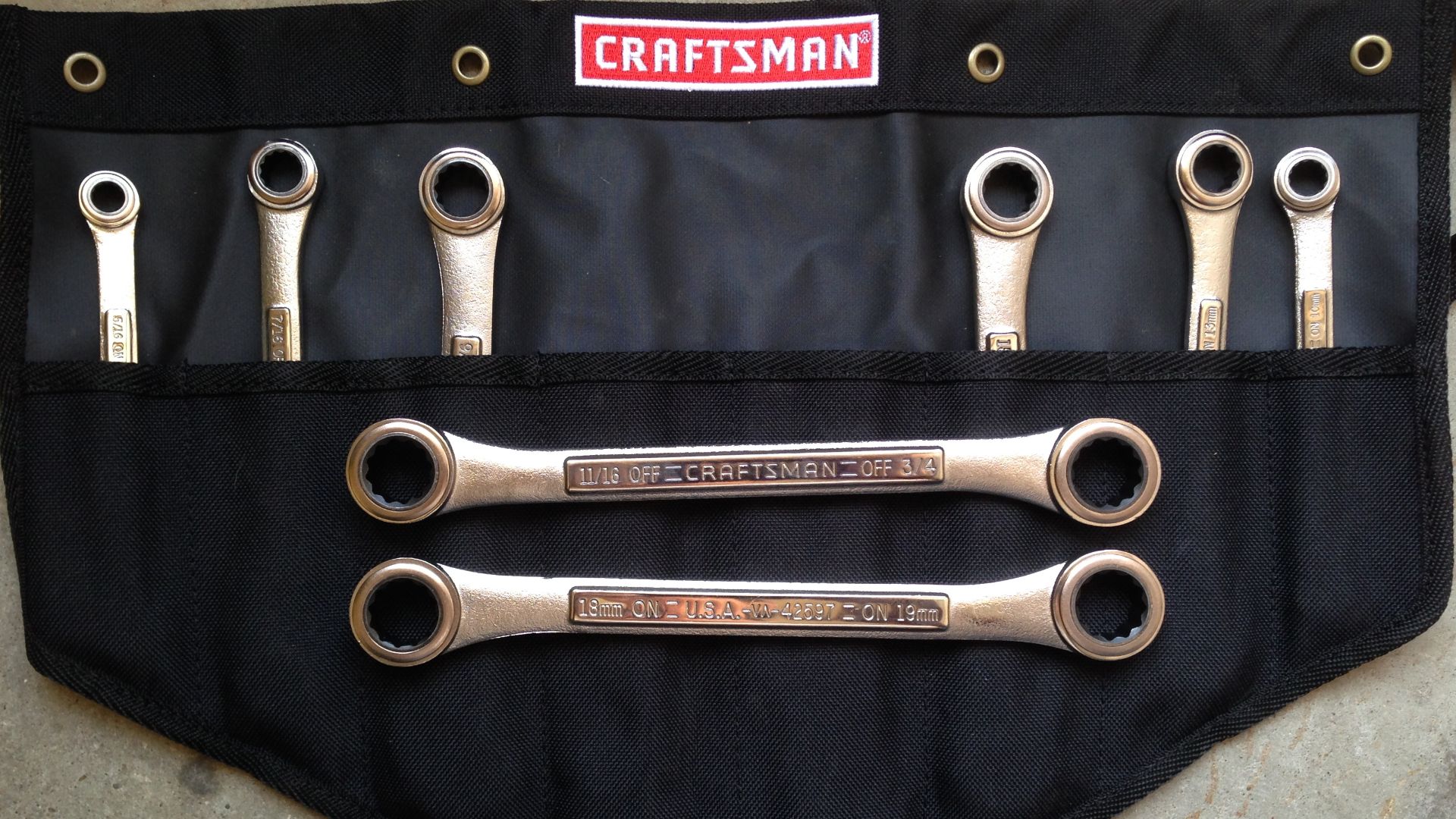
Craftsman Was The Garage Standard
A Craftsman wrench carried a special sort of credibility. Sears introduced the brand in 1927, and generations of Americans filled toolboxes with Craftsman sockets, screwdrivers, power tools, and lawn equipment. Many Boomers still own pieces bought by their fathers decades ago, which says plenty about the reputation.
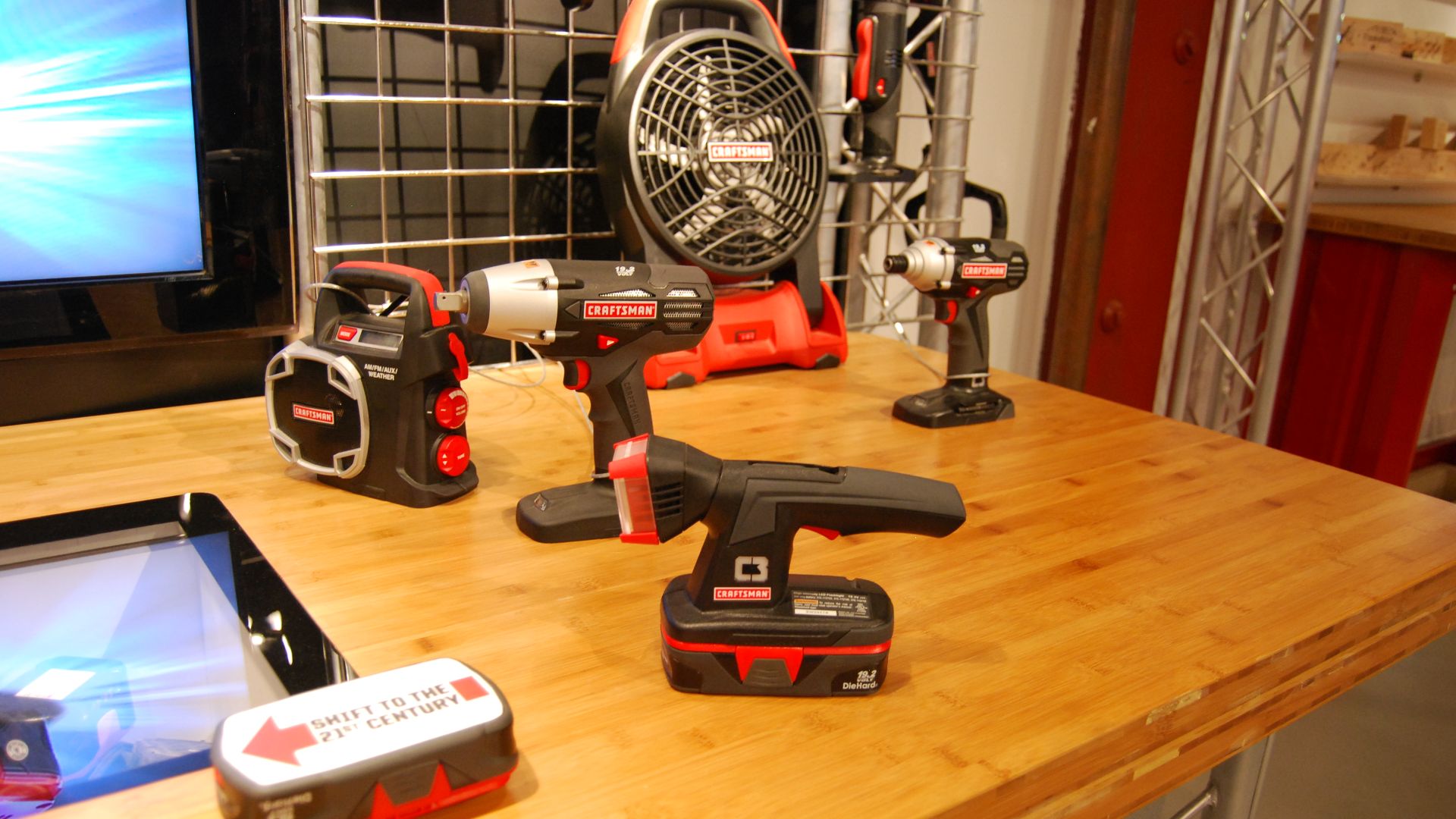 Charles & Hudson, Wikimedia Commons
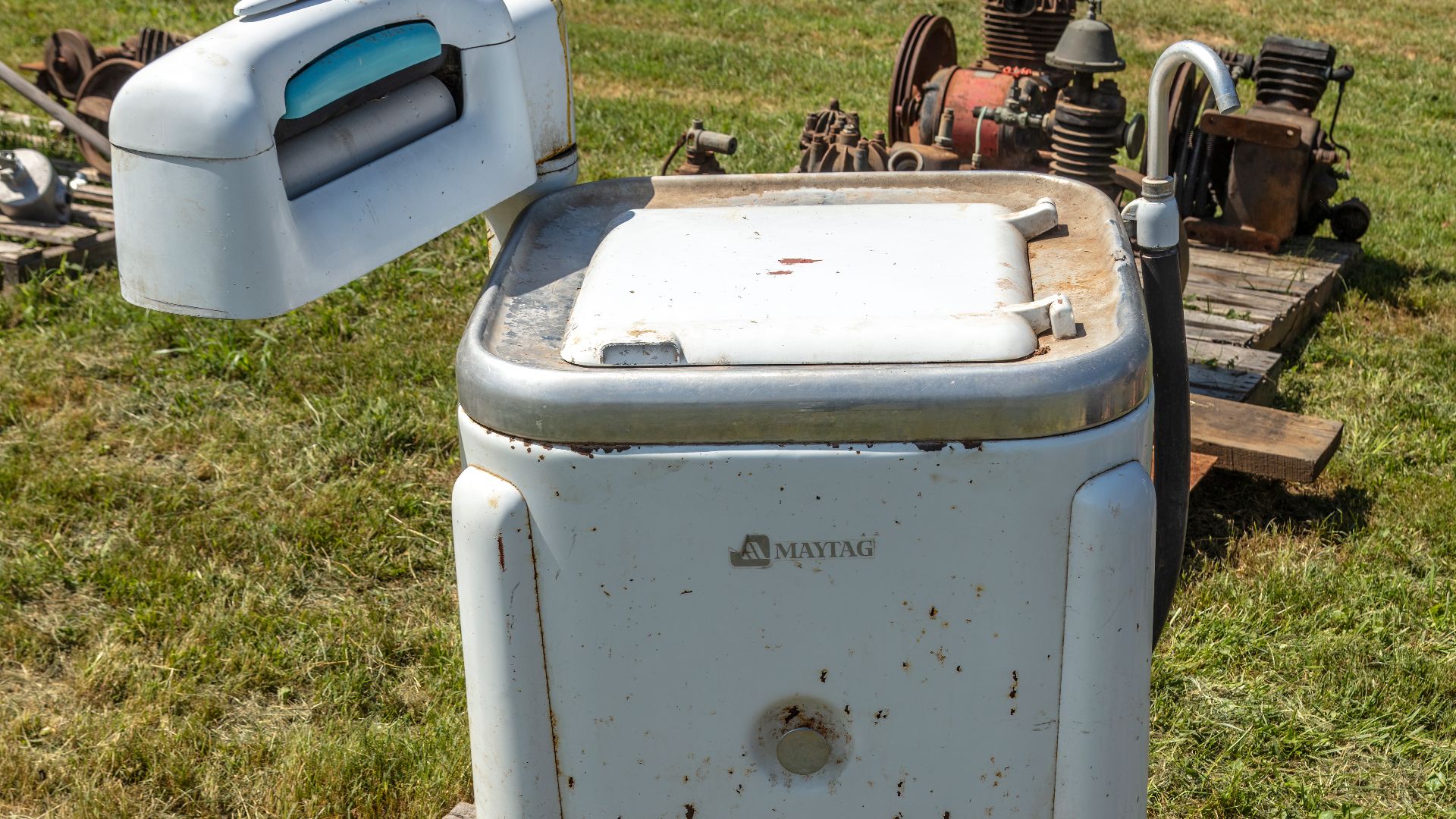
Maytag Became Shorthand For Dependability
Maytag built such a strong durability reputation that its famously lonely repairman became one of advertising's most memorable characters. Founded in Newton, Iowa, in 1893, the company became particularly associated with washing machines and dryers. Whirlpool acquired Maytag in 2006, but the old reputation remains powerful.
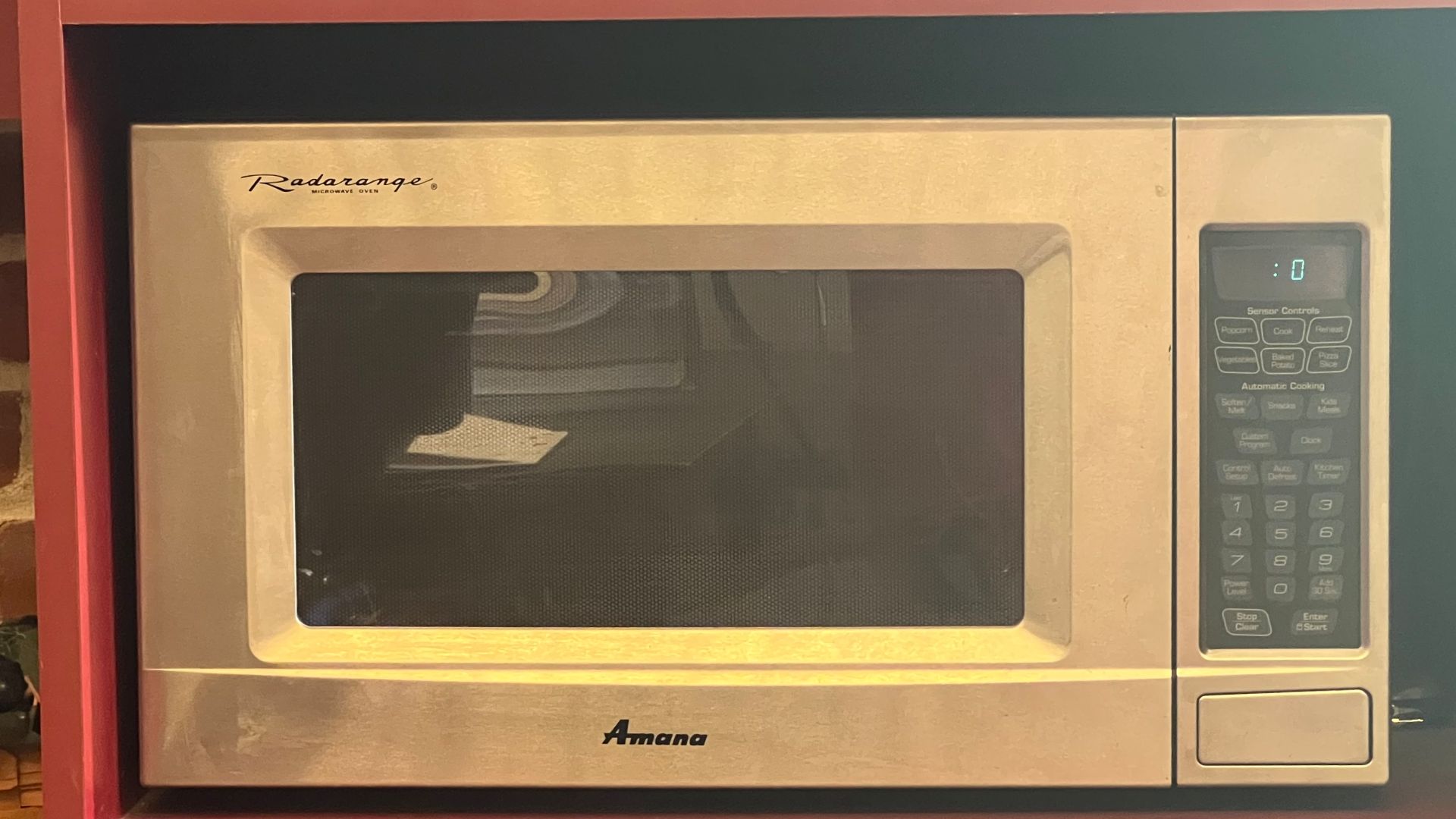
Amana Sounded Like Modern Living
For mid-century homeowners, Amana appliances represented the exciting future arriving right in the kitchen. Founded in Iowa in 1934, the company introduced innovations including an early side-by-side refrigerator and, in 1967, the consumer Radarange microwave, helping make a once-exotic technology practical for ordinary homes.
 TaurusEmerald, Wikimedia Commons
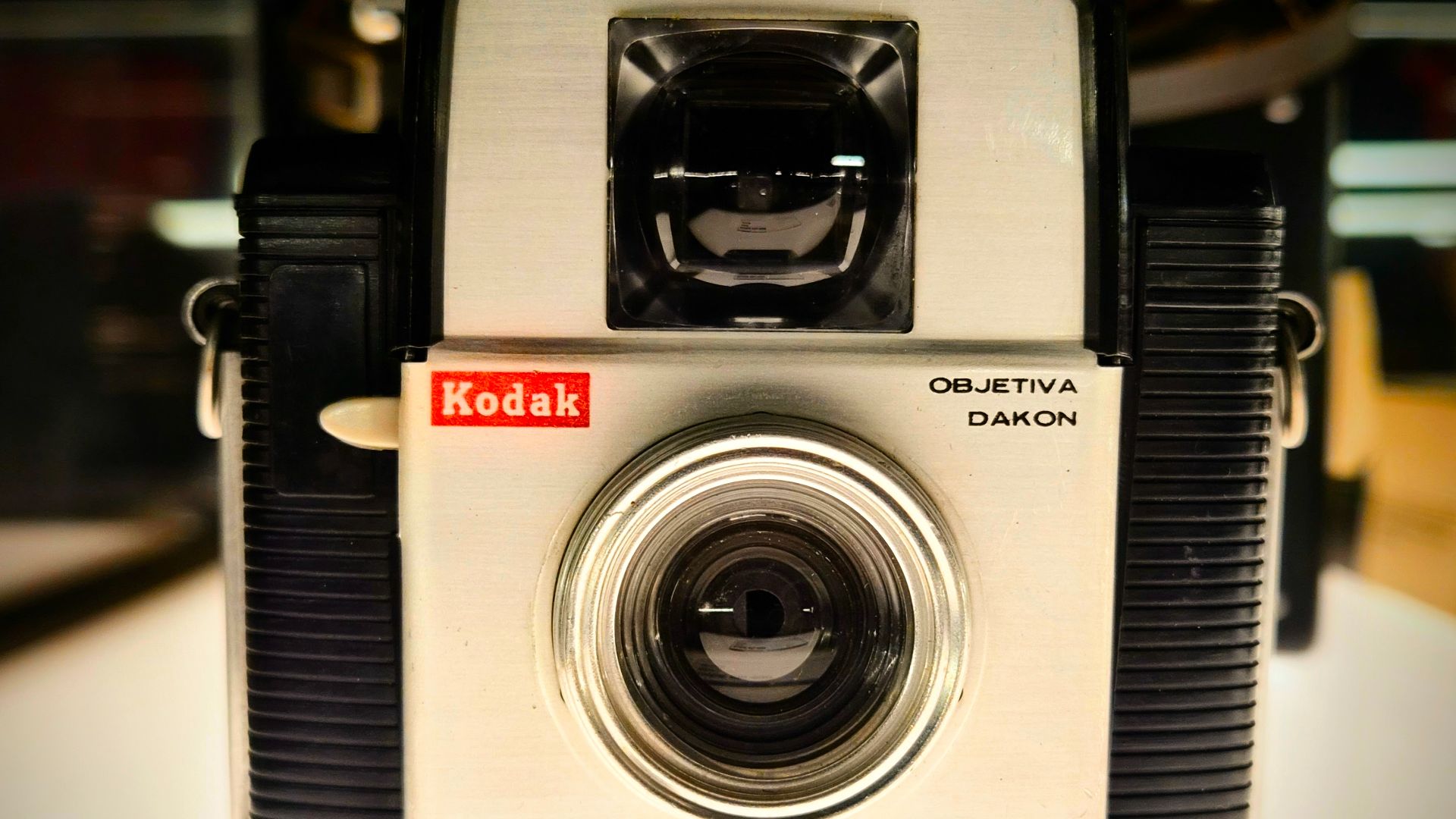
Kodak Meant The Pictures Would Turn Out
Vacations, birthdays, graduations, weddings, and backyard cookouts were all “Kodak moments” long before anyone carried a camera phone. George Eastman's company helped make amateur photography affordable and simple, beginning with easy-to-use cameras and roll film that brought picture-taking into ordinary American life.
 Boaventuravinicius, Wikimedia Commons
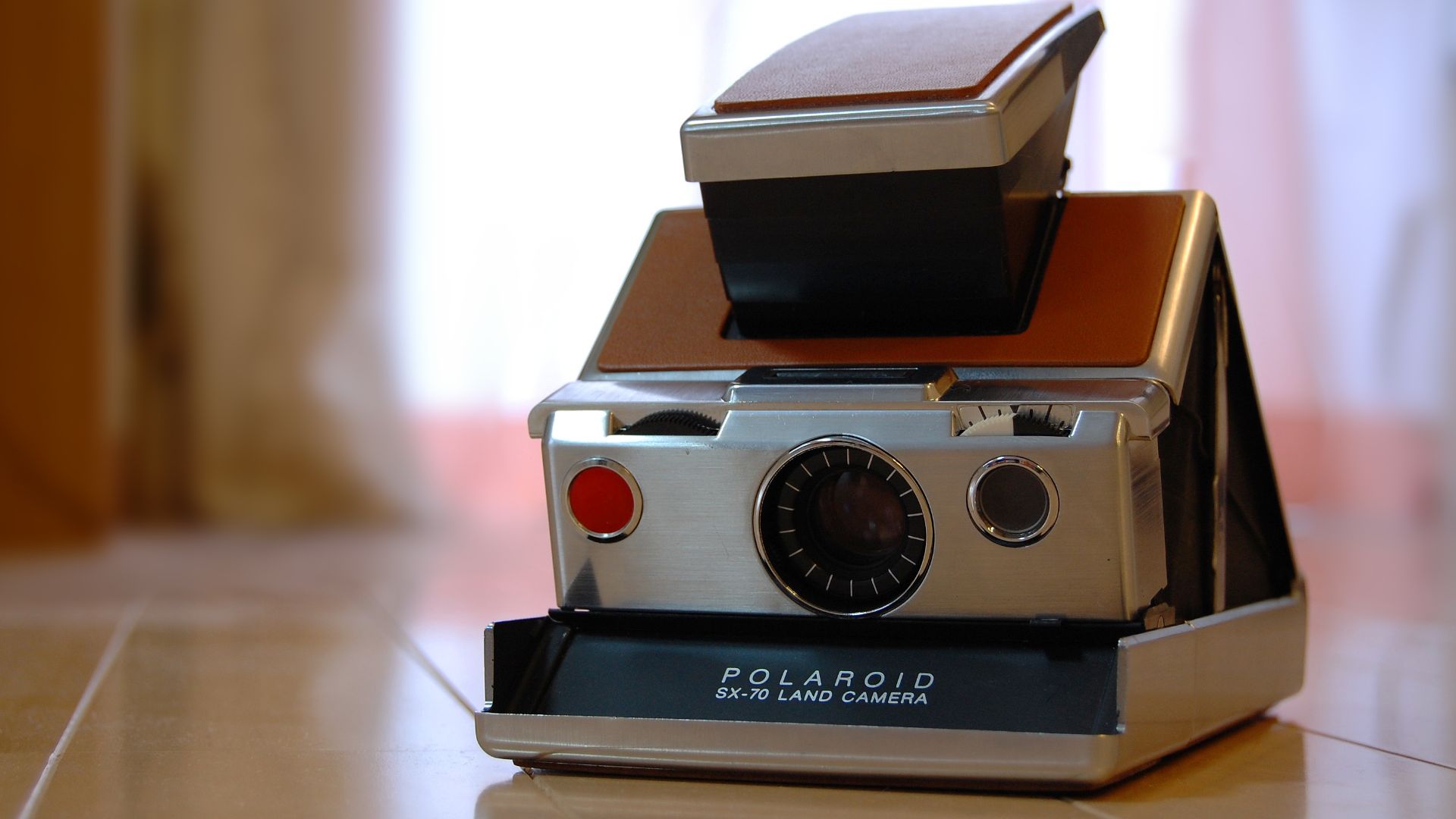
Polaroid Made Waiting Seem Outdated
Watching a photograph slowly appear in your hand felt like magic. Polaroid, founded by Edwin Land in 1937, turned instant photography into a cultural phenomenon. Its cameras became fixtures at family gatherings because nobody had to finish a roll of film and wait days for processing.
 Fabian Reus from Tokyo, Japan, Wikimedia Commons
Tupperware Could Survive Almost Anything
There was Tupperware in almost every kitchen, and chances were somebody's mother could identify the correct lid from twenty paces. Its airtight containers became symbols of postwar American domestic life, while Brownie Wise's famous home-party selling system helped turn the unusual plastic containers into household staples.
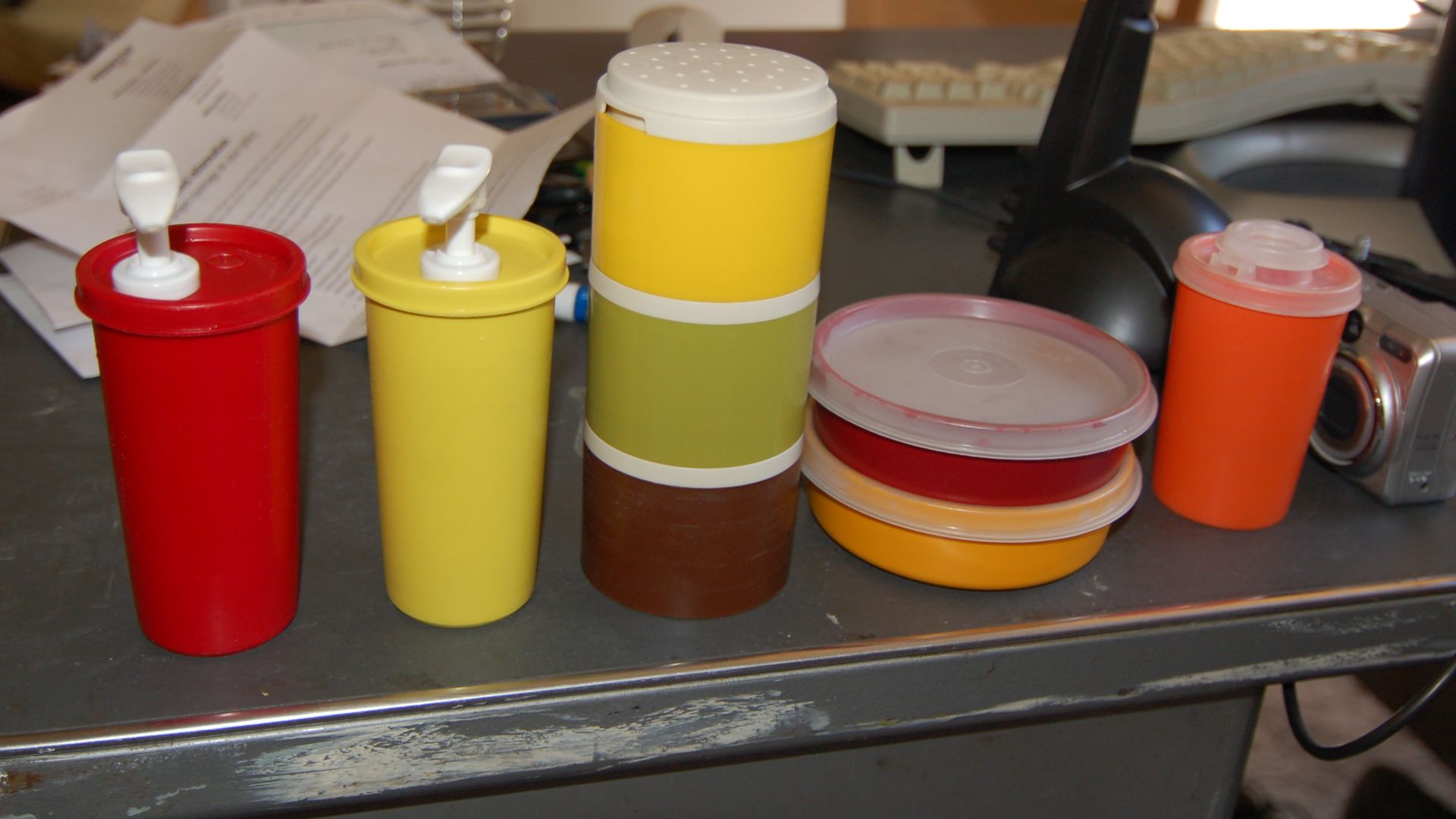 Jacob Davies, Wikimedia Commons
Fuller Brush Came Right To The Door
The Fuller Brush Man was once familiar enough to become part of American popular culture. Founded by Alfred Fuller in 1906, the company built its reputation through door-to-door sales of durable brushes and household products. Salespeople demonstrated merchandise personally, making the salesman himself part of the brand's promise.
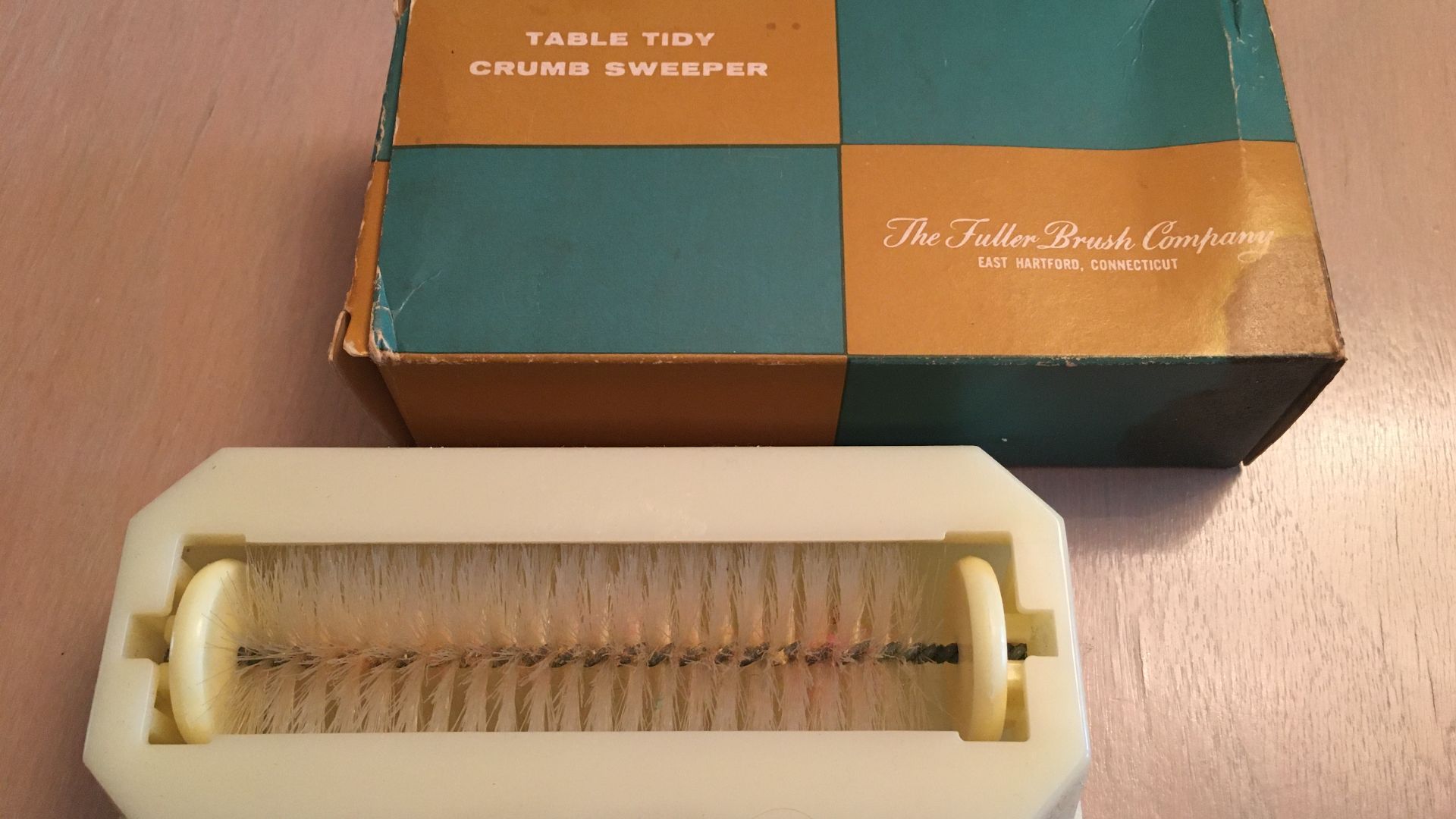 Jonathan Schilling, Wikimedia Commons
Schwinn Was The Bicycle To Have
For generations of American children, seeing Schwinn on the frame made a bicycle seem special. The company was founded in Chicago in 1895 and went on to produce some of America's most memorable bicycles. For many Boomers, a Schwinn represented independence long before the first driver's license arrived.
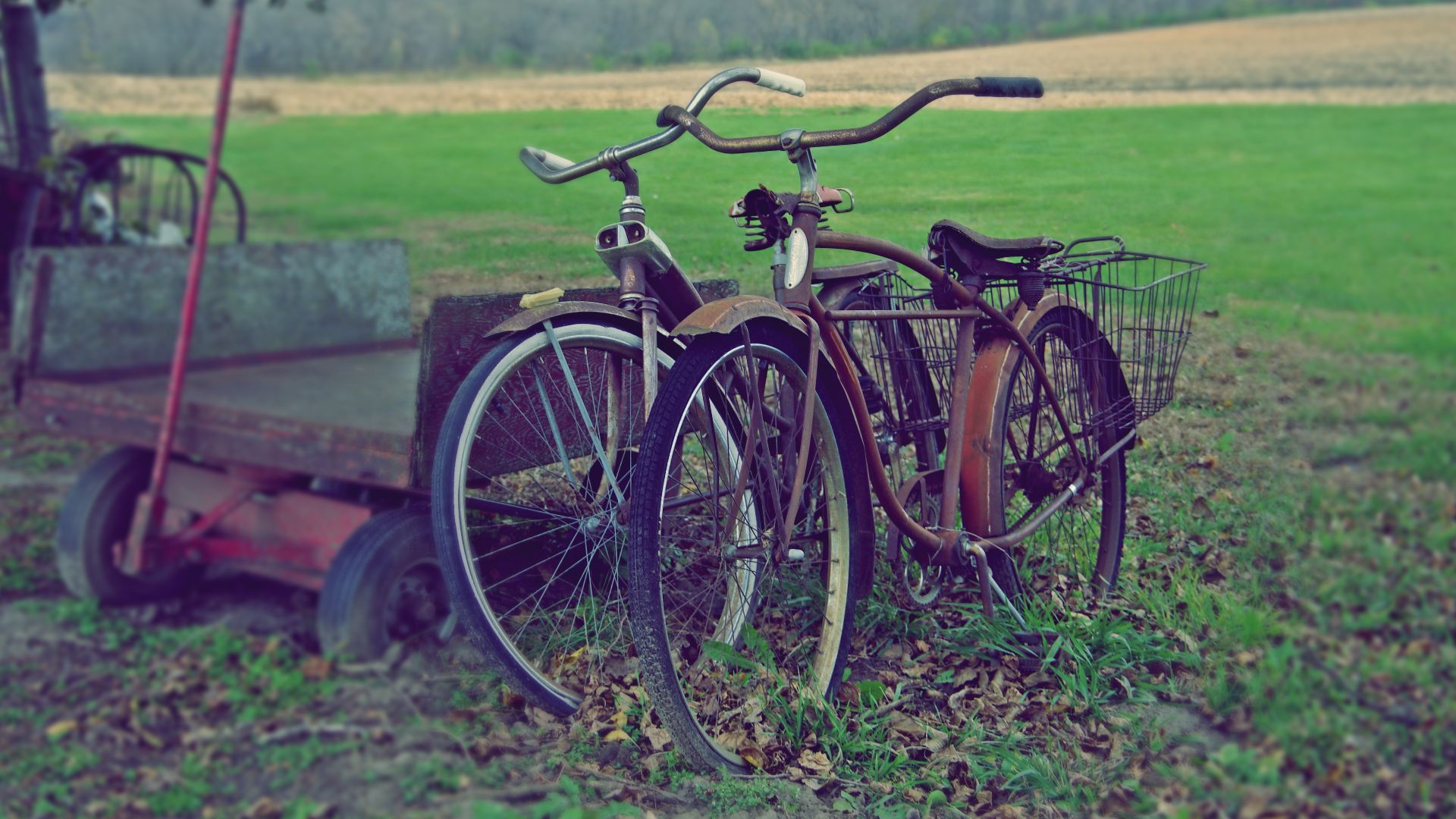 Wayne Wilkinson, Wikimedia Commons
Hush Puppies Meant Comfort Before Comfort Was Cool
Hush Puppies arrived in 1958 and became closely associated with casual, comfortable American footwear. Their famous basset hound was everywhere, and the shoes became staples for adults who valued practicality over flash. Younger shoppers have endless sneaker choices today, but Boomers remember when comfort had one very recognizable mascot.
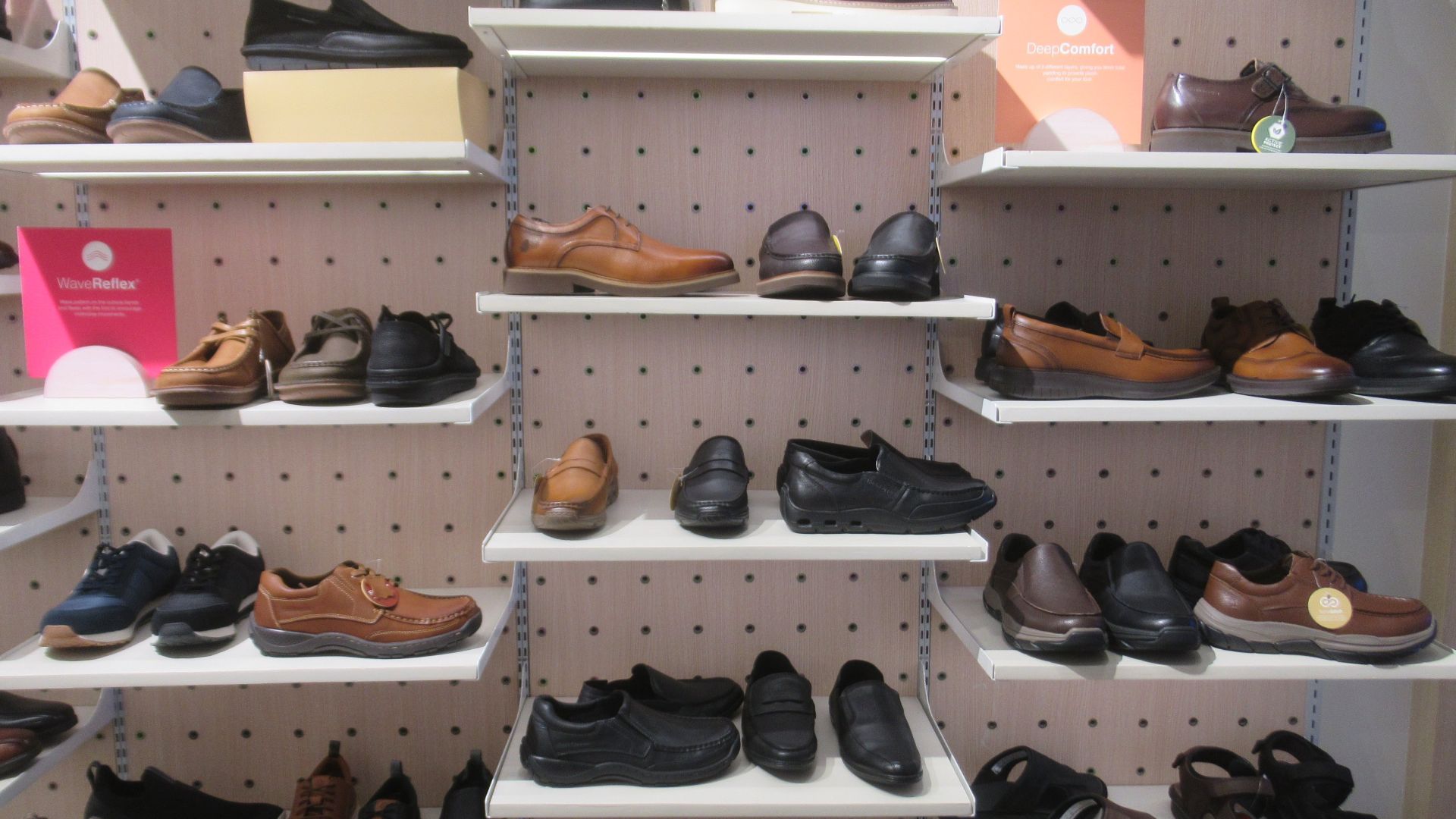 Valenzuela400, Wikimedia Commons
The Bell System Was Simply “The Phone Company”
Before Americans shopped around for wireless plans, the telephone often meant Bell. The Bell Telephone Company was formed in 1877, while AT&T followed in 1885 and eventually presided over a vast telecommunications system. The old Bell System was broken apart in 1984, ending an extraordinary era.
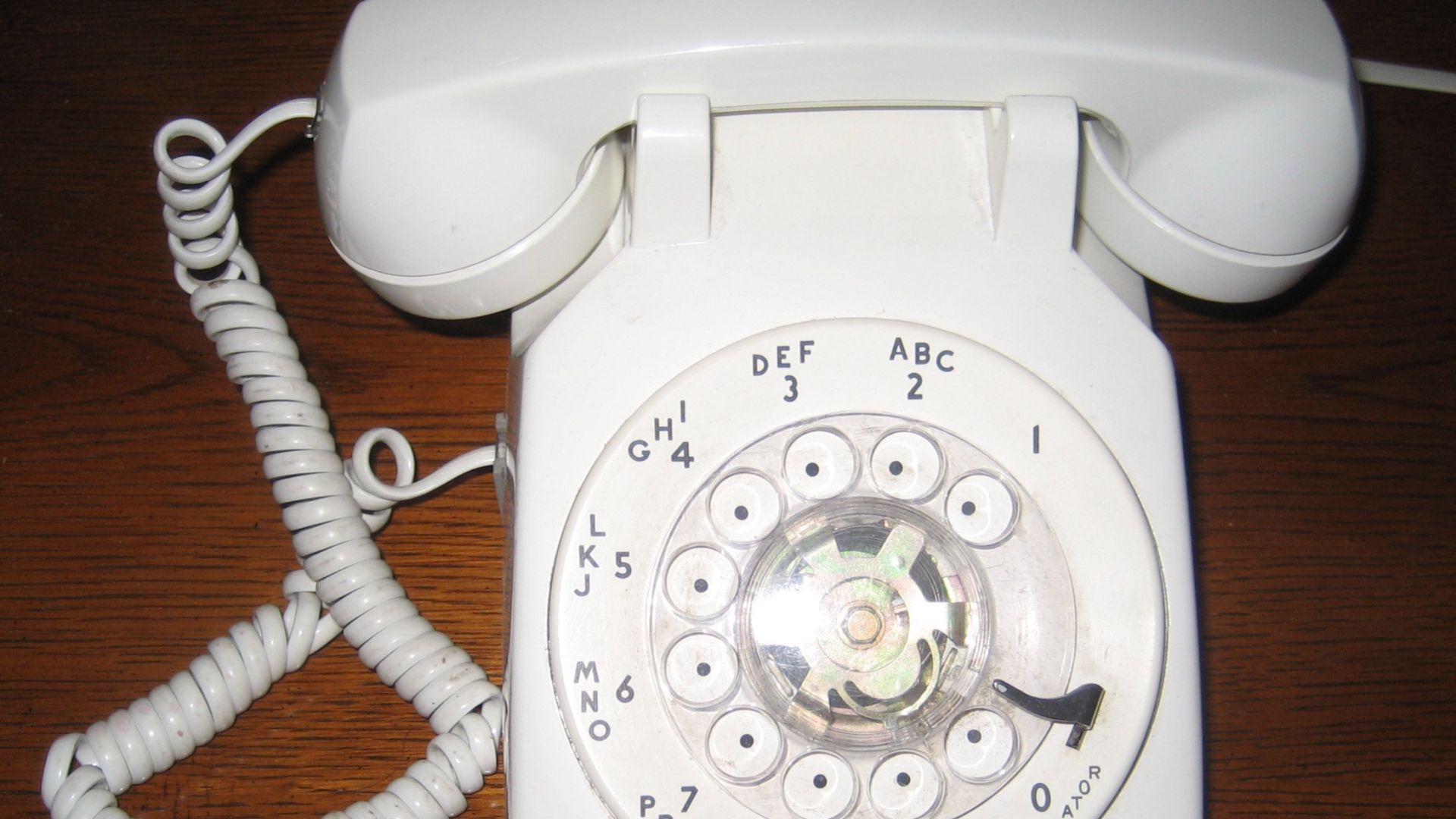 Infrogmation of New Orleans, Wikimedia Commons
Pan Am Made Flying Feel Important
That blue globe once represented international travel at its most glamorous. Pan American Airways pioneered routes across oceans, helped introduce major advances in international aviation, and became synonymous with jet-age travel. Pan Am stopped flying in 1991, leaving younger travelers with mostly movies, photographs, and vintage luggage tags.
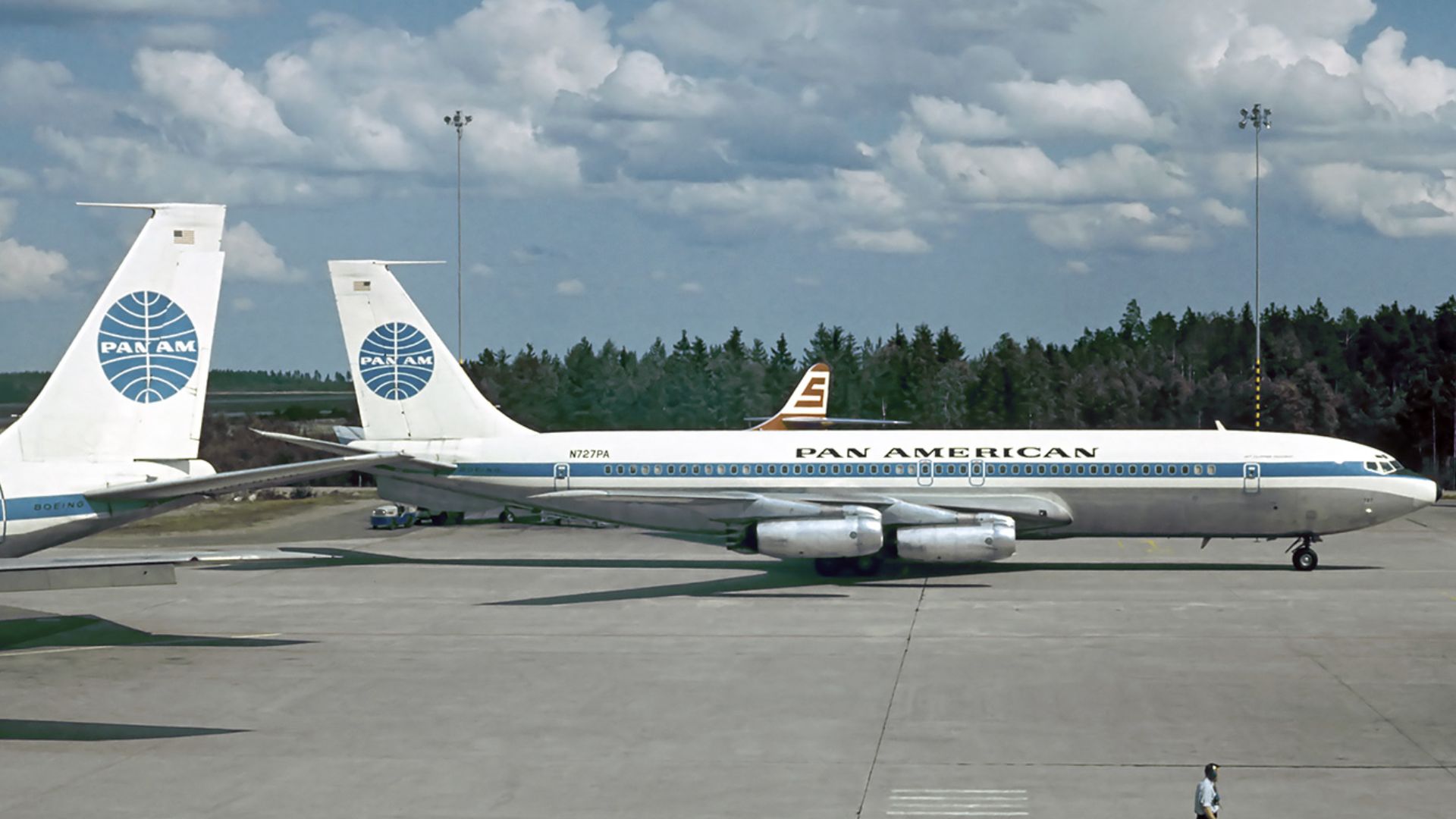 Lars Soderstrom, Wikimedia Commons
Howard Johnson’s Was A Road-Trip Promise
Spotting that bright orange roof from the family station wagon meant everyone knew what was coming. Howard Johnson's expanded alongside America's highway culture, offering familiar restaurants and later motor lodges to travelers. By the 1960s, the company had become a nationwide roadside fixture.
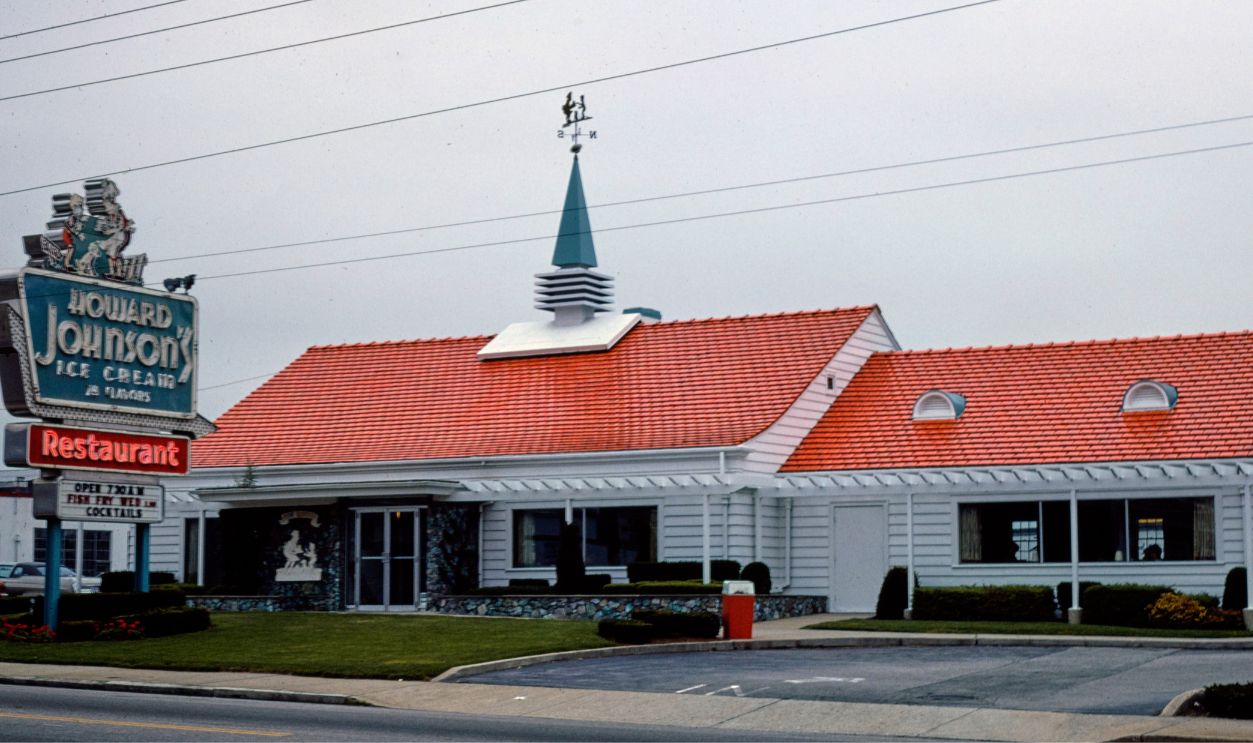
Mercury Occupied The Perfect Middle Ground
Mercury gave buyers something a little fancier than a Ford without requiring Lincoln money. Created by Edsel Ford in the late 1930s, the brand produced familiar names such as Monterey, Cougar, and Grand Marquis. Mercury disappeared after 2010, making that once-common badge increasingly unfamiliar to younger drivers.
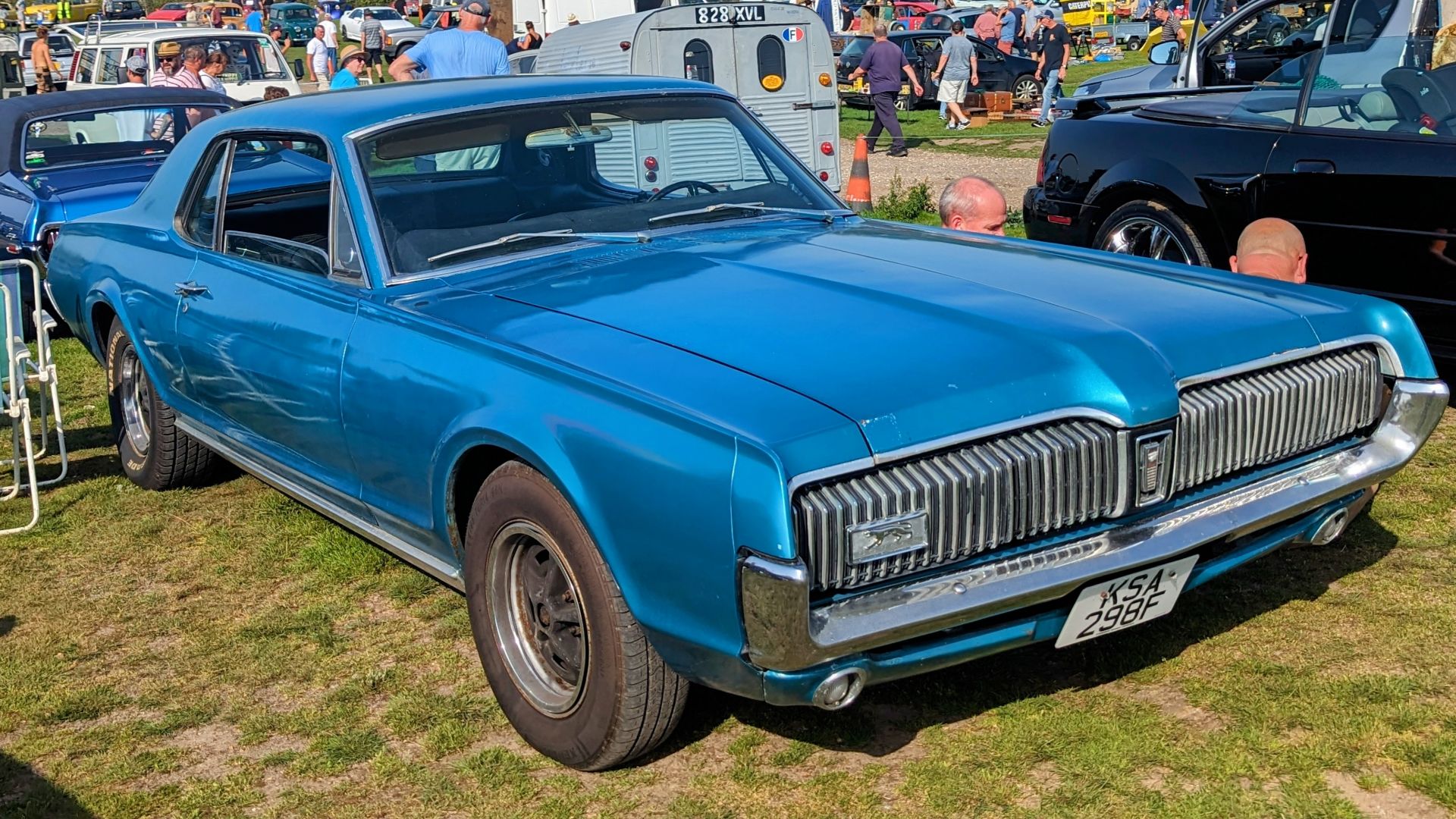
Oldsmobile Was Once Anything But Old
It may be difficult for younger drivers to appreciate just how important Oldsmobile once was. Founded in 1897, the marque became one of General Motors' longest-running divisions and produced millions of American family cars. GM ended Oldsmobile production in 2004 after more than a century.
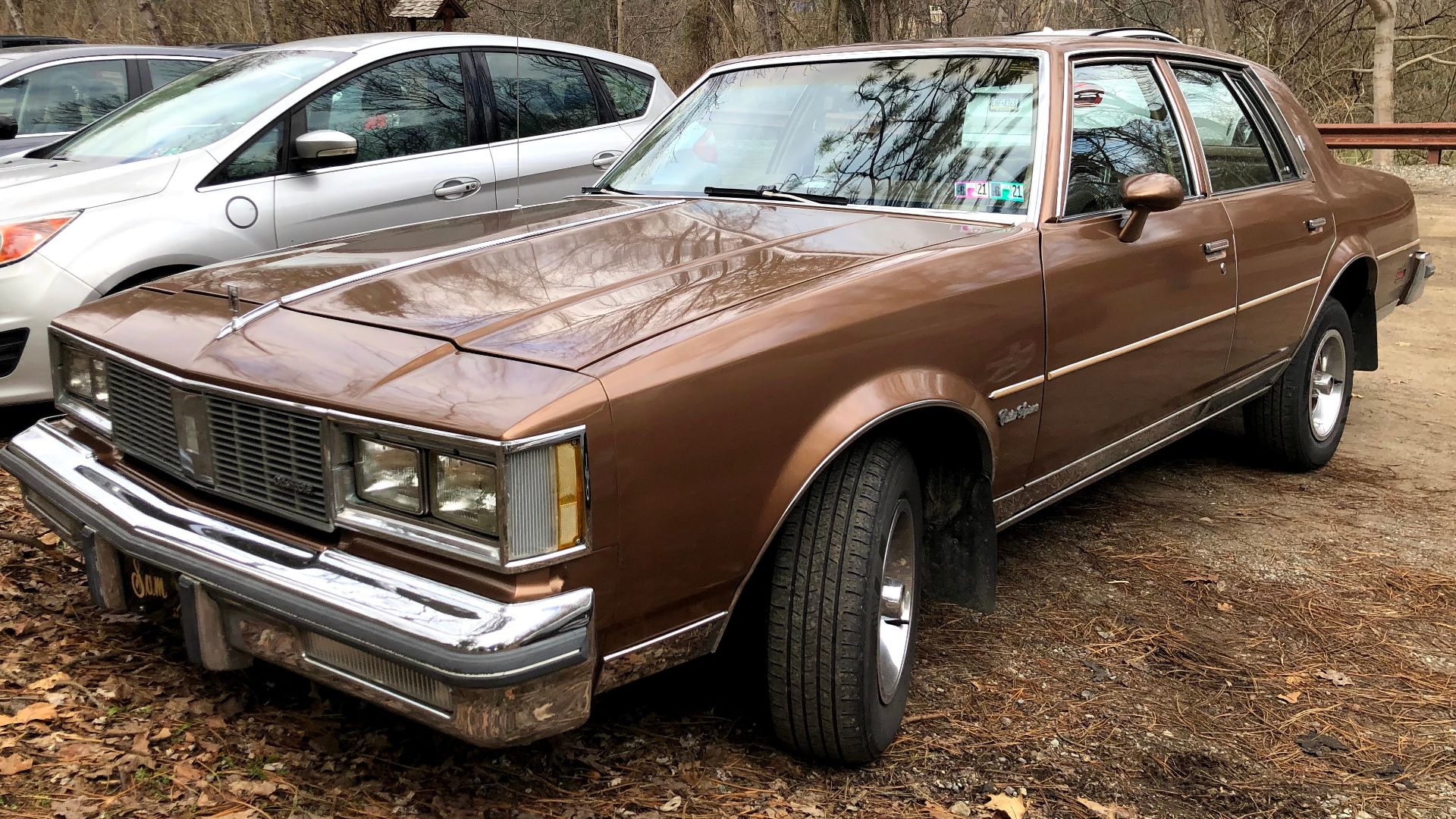 BlueCrabRedCrab, Wikimedia Commons
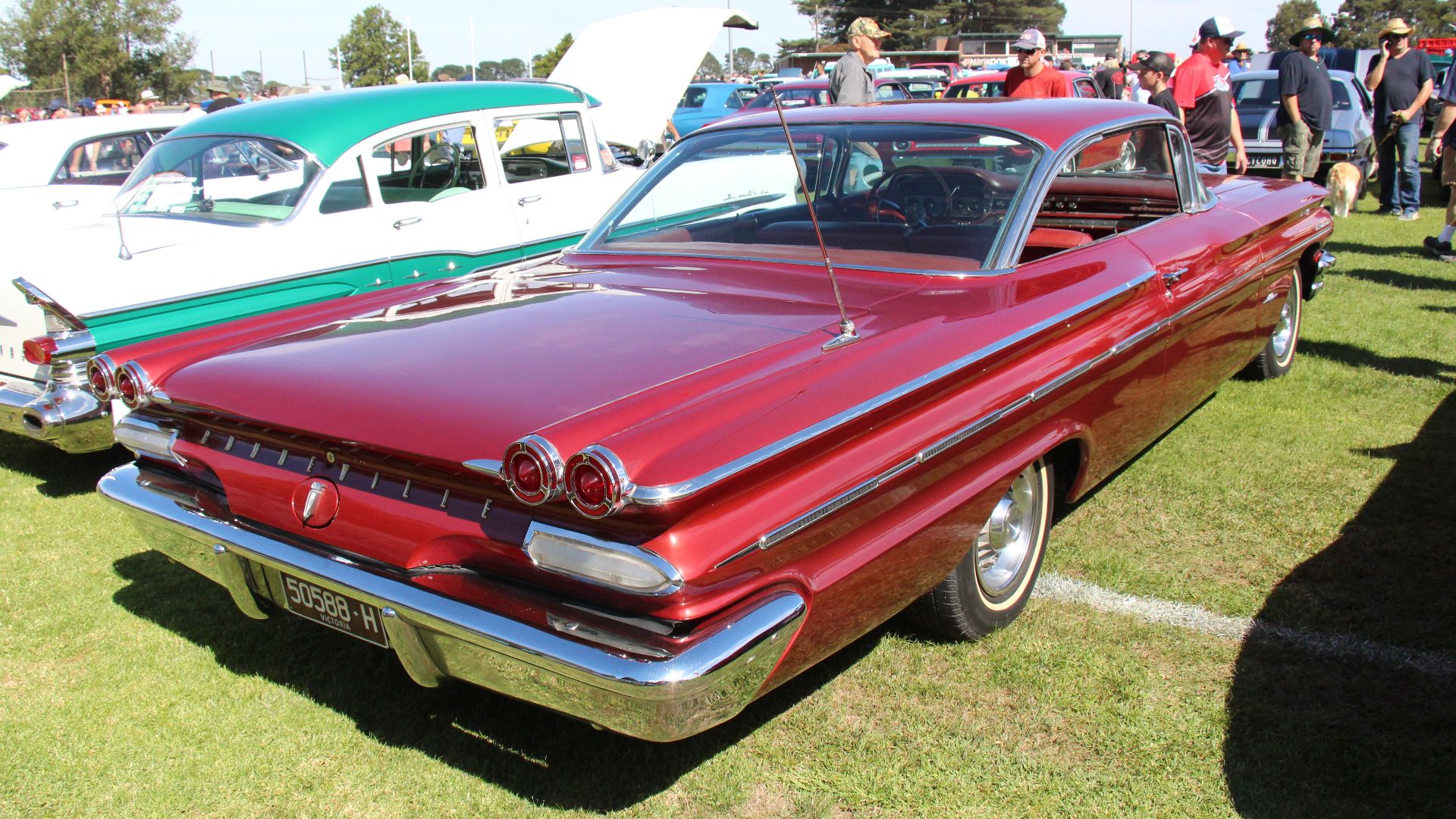
Pontiac Meant A Little Excitement In The Driveway
For Boomers, Pontiac could mean a GTO, Firebird, Bonneville, or Grand Prix parked proudly out front. General Motors introduced Pontiac in 1926, and it eventually developed its own performance-minded identity. GM discontinued the division in 2010, turning that familiar red arrowhead into automotive history.
The Names May Fade, But The Trust Remains
Some of these companies disappeared. Others survive as smaller businesses, licensed names, or shadows of what they once were. Yet their real legacy is the confidence Americans placed in them. When Dad bought Craftsman or Mom chose Kenmore, there often wasn't much debate. The name itself was the recommendation.
 J.C. Fields (Talk) (Uploads), Wikimedia Commons
You May Also Like:
Wellness Tips That Save You Money in the Long Run
5 Creative Ways To Save Money With Little Effort





.jpg)