The Snack Aisle Became A Laboratory
Before smartphones, every kid in America wanted to watching TV all day, and at least half that TV time was spent watching commercials for two things: toys and snacks. But unlike toys, kids would actually see the snacks at the grocery store—and maybe their parents would even buy them.
Did you ever want one of these short-lived 2000s snacks? Did you ever have to buy one for your kid?
Youth Marketing Was Serious Money
This was not a minor advertising niche. The FTC found that 44 major food and beverage marketers spent $1.6 billion reaching children and adolescents in 2006. Television alone accounted for $745 million, making it the largest single youth-marketing channel measured in the study.
The Commercial Followed Shoppers Into Stores
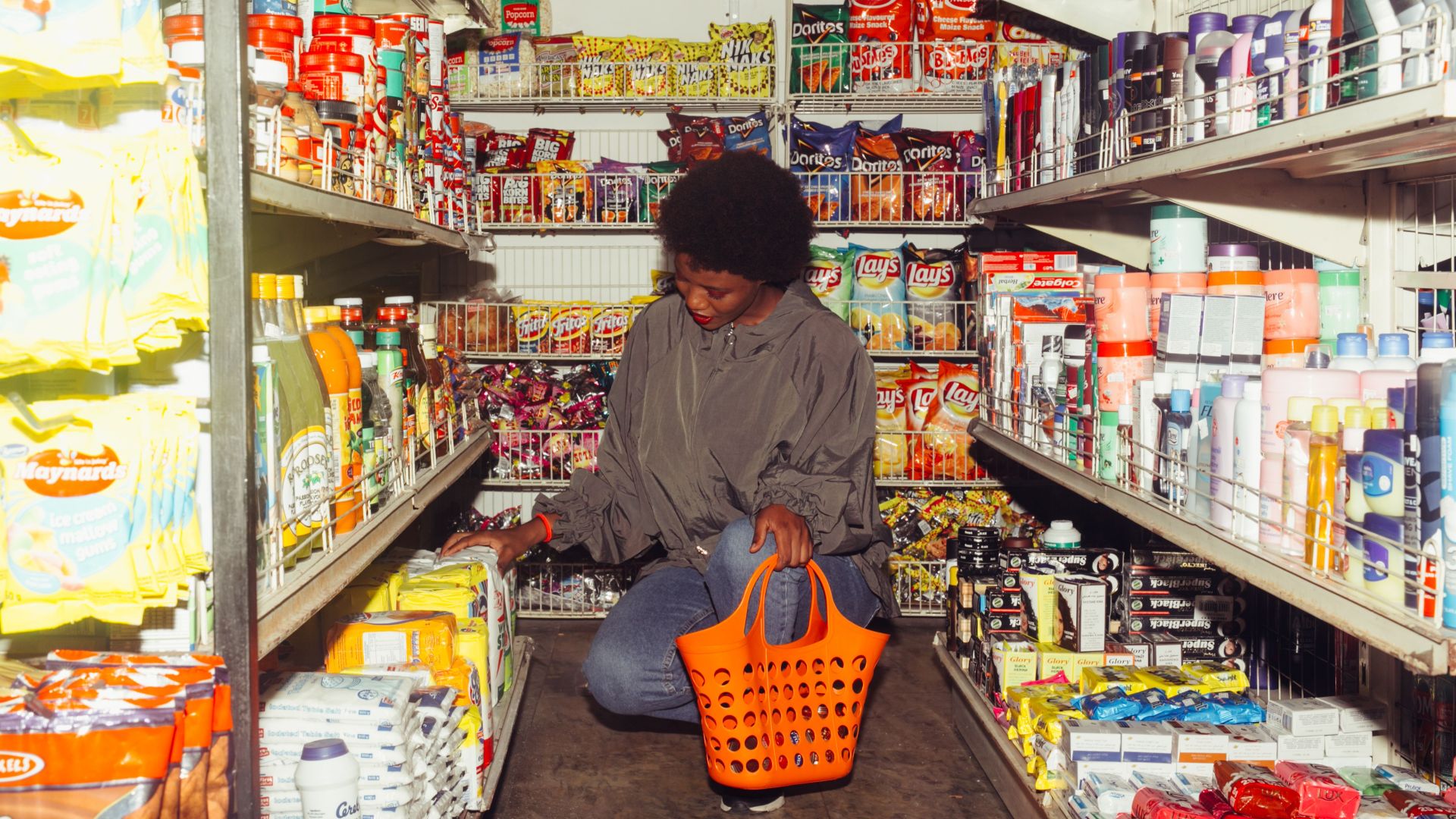
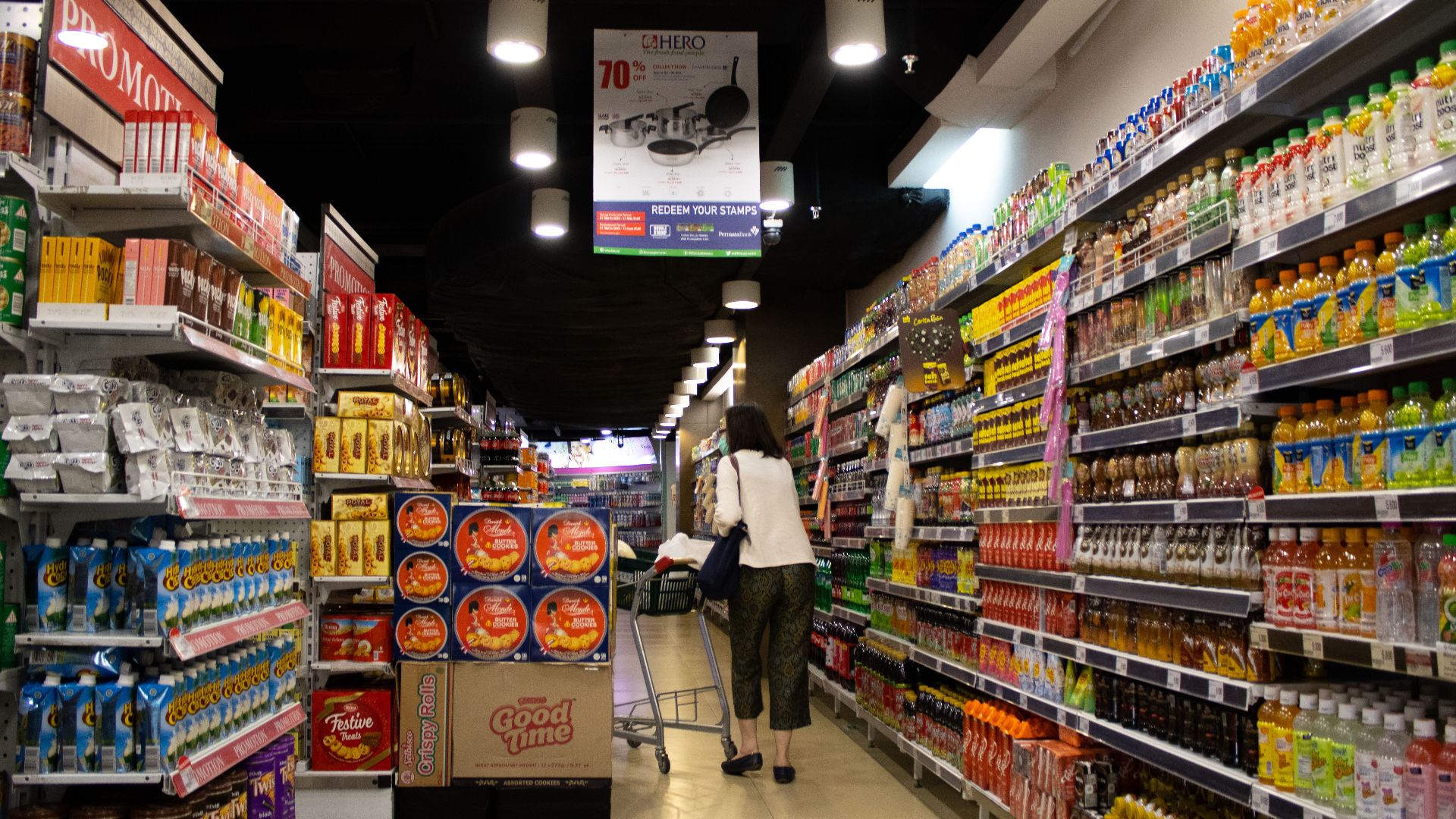
The FTC found that television campaigns were reinforced by packaging, in-store displays, sweepstakes, websites, and other promotions. A snack could move from a cartoon break straight into the supermarket aisle. Companies were buying repeated exposure, hoping recognition would convert into an impulse purchase.
Heinz EZ Squirt Turned Ketchup Neon
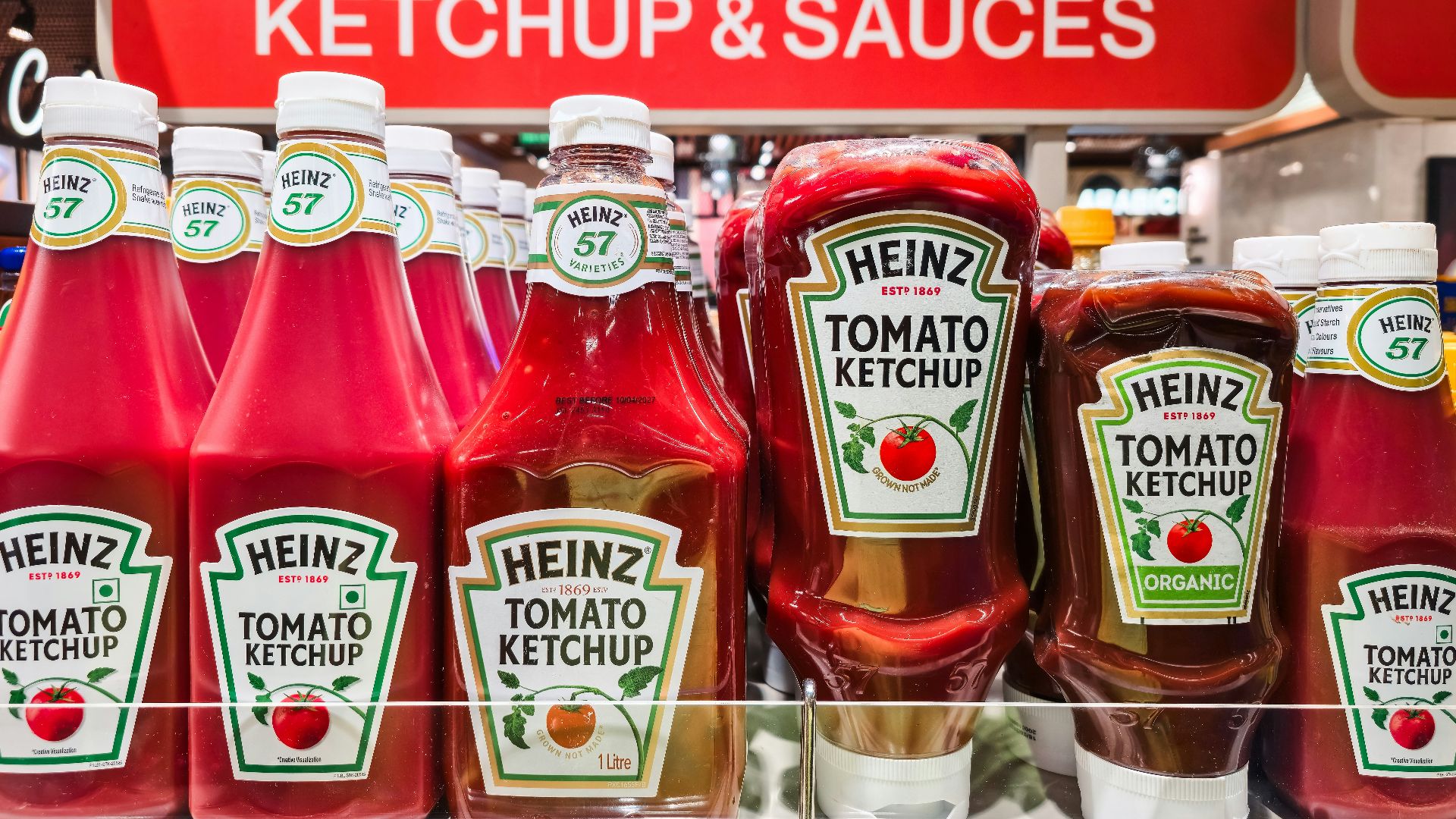
Heinz launched green EZ Squirt ketchup in 2000 with children firmly in mind. The company forecast $25 million to $40 million in annual sales, and the gamble initially worked. By September 2001, reports said Heinz had sold 10 million bottles of Blastin’ Green in seven months.
Pepsi Blue Bet On Teenagers
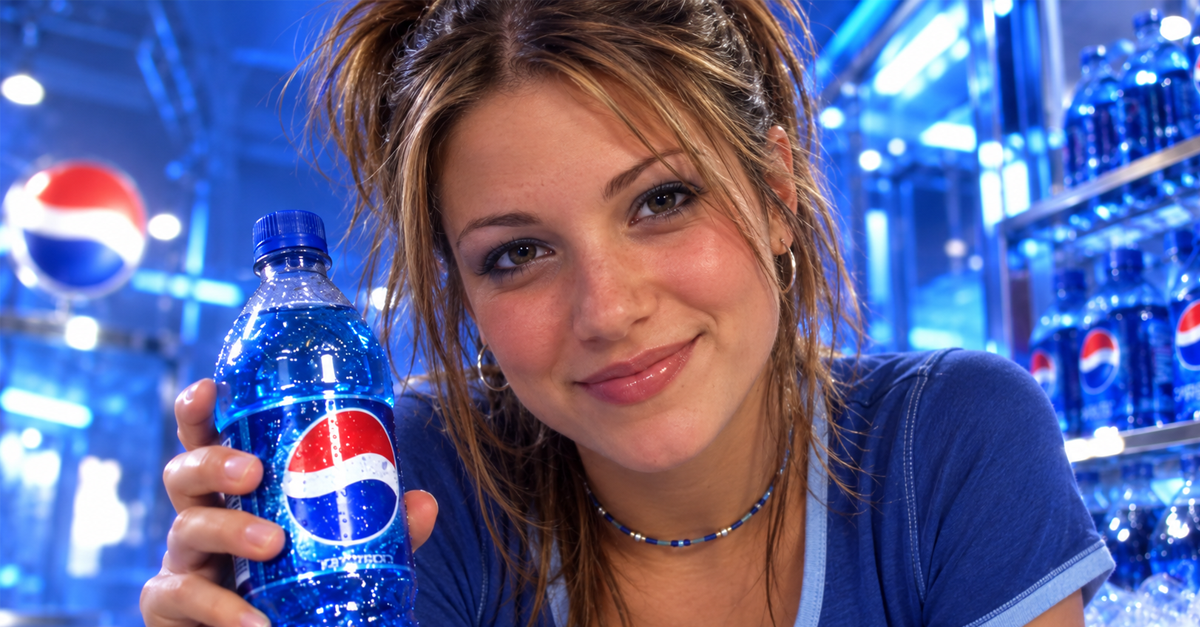
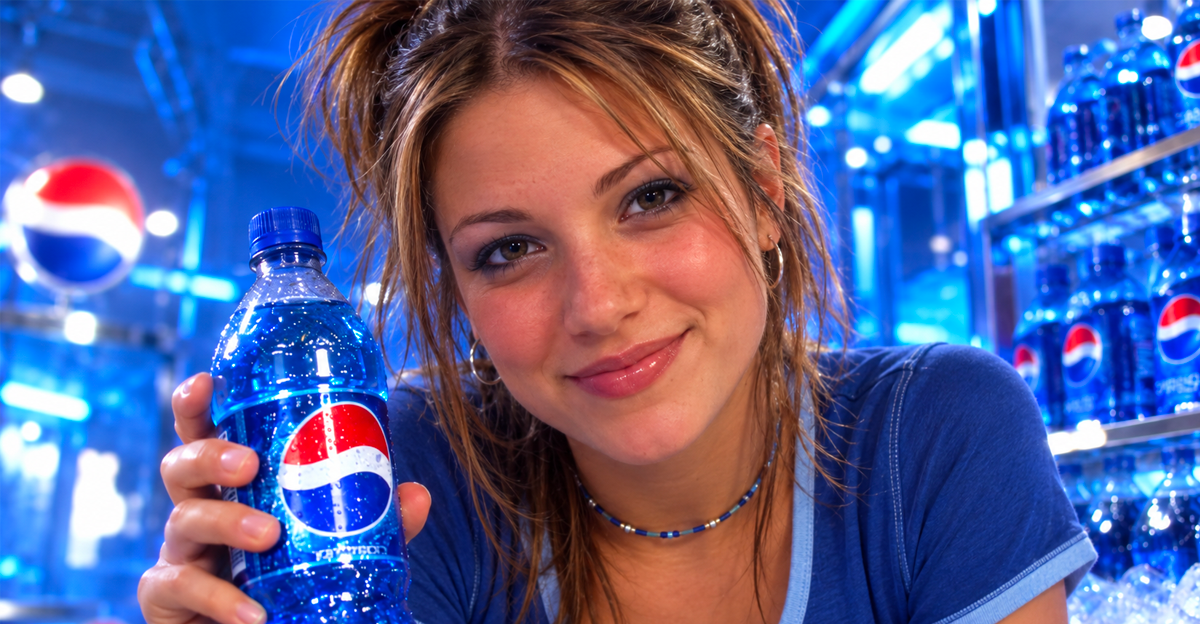
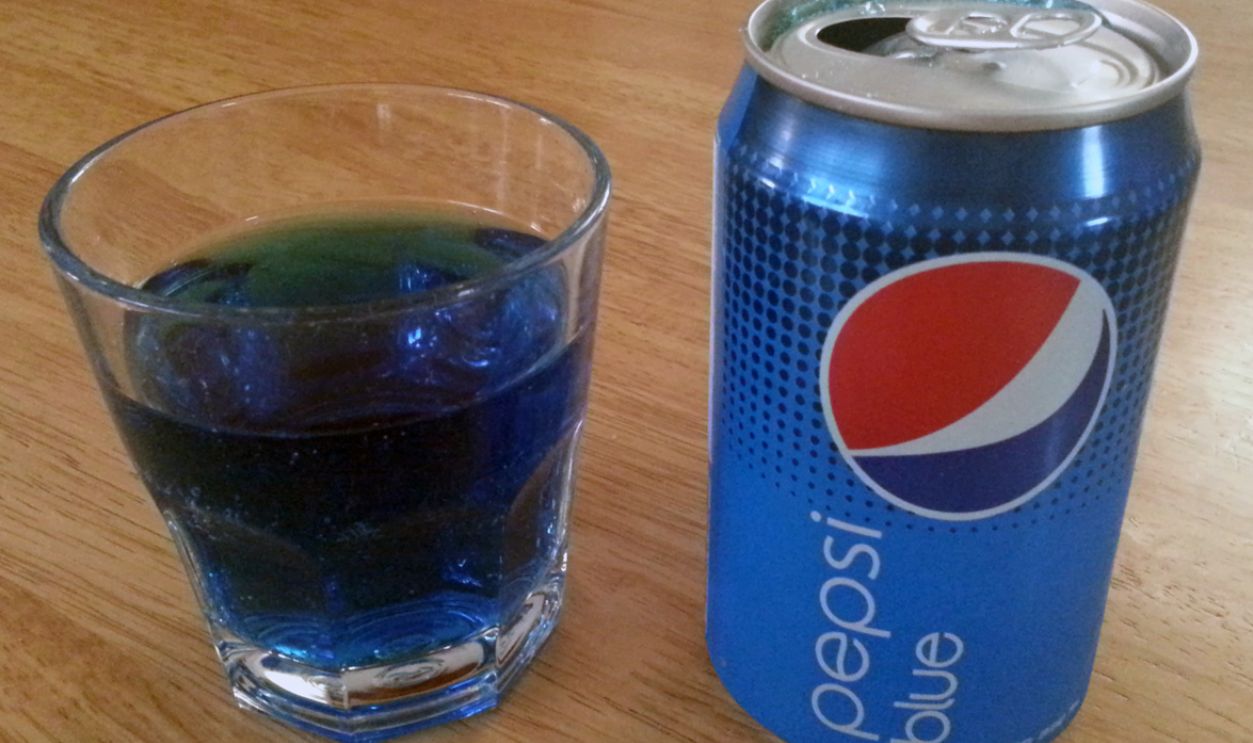
Pepsi Blue arrived in 2002 as a berry-flavored cola explicitly targeted at teenagers. Pepsi was trying to energize sluggish cola sales with a colorful extension of its flagship brand. The strategy was classic 2000s marketing: borrow an enormous brand name, then add novelty and urgency.
 Fieldafar, CC BY-SA 3.0, Wikimedia Commons
Lunchables Started Selling The Activity
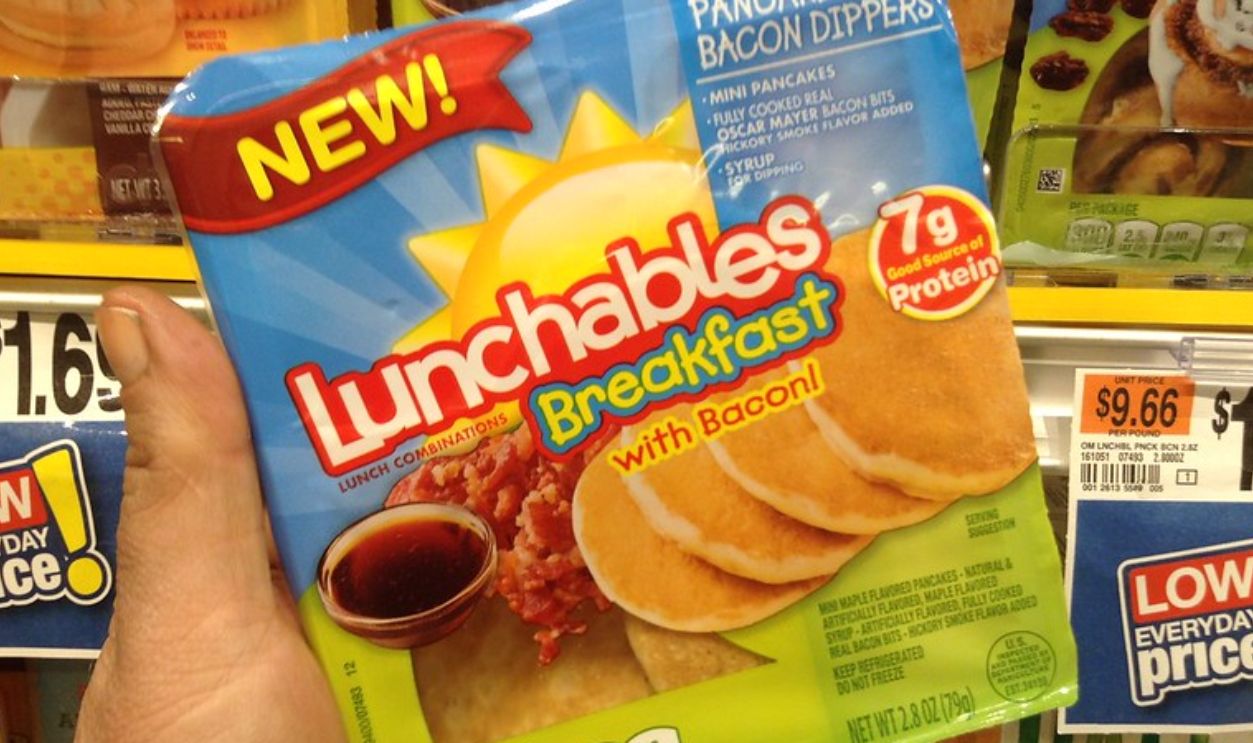
Kraft pushed Lunchables beyond meat and crackers with Lunchables Fun Snacks in 2001. Research on child-targeted food packaging cites a $25 million launch for kits children could frost and decorate themselves. The snack was not only food. The preparation became part of the entertainment value.
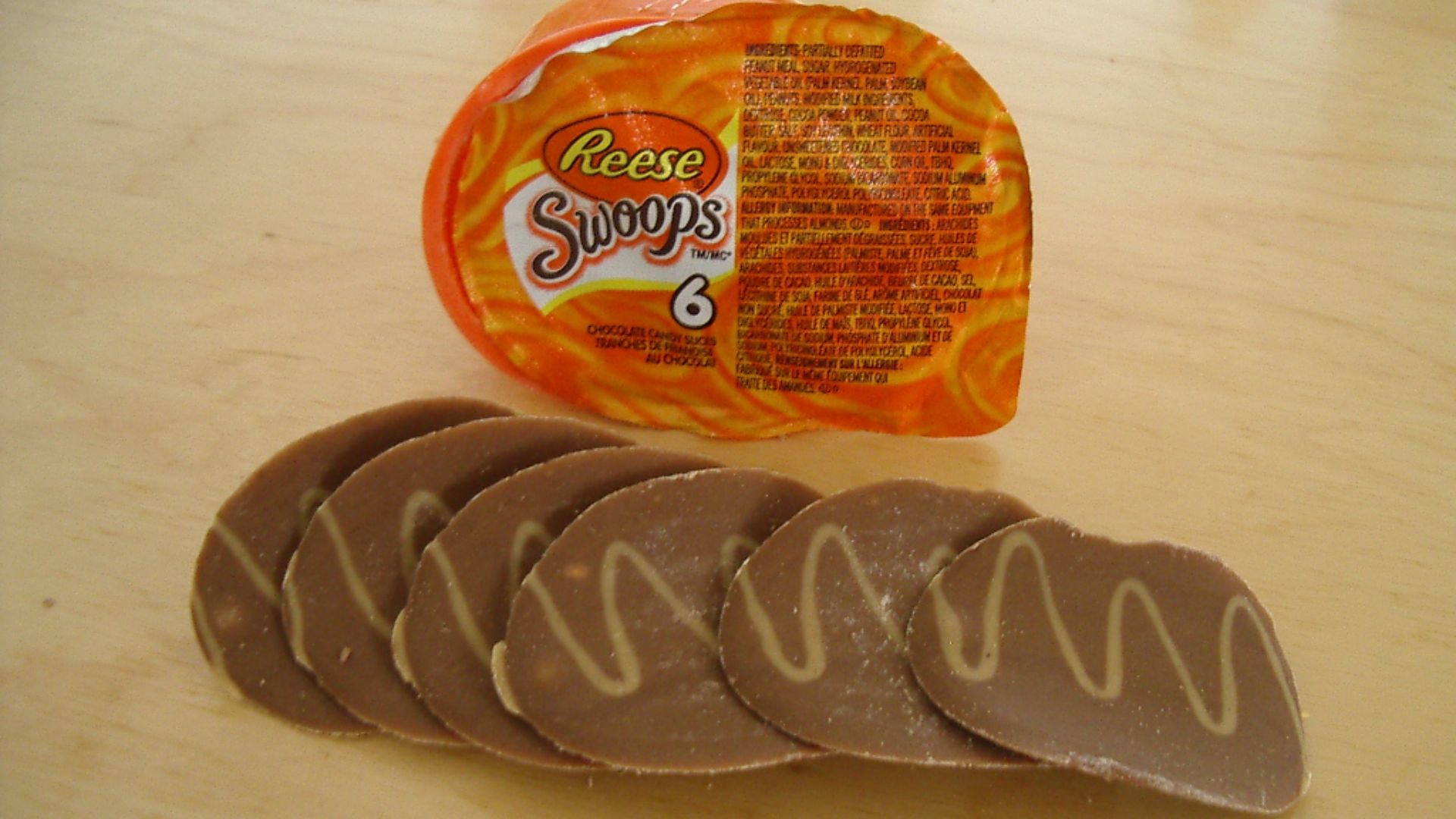
Swoops Tried To Reinvent Chocolate
Hershey launched Swoops in 2003, reshaping familiar chocolate into curved slices packaged for portability. Trade coverage said the product would be marketed primarily to 18-to-24-year-olds. Hershey later credited Swoops with helping fourth-quarter sales, showing how a strange format could briefly create real financial momentum.
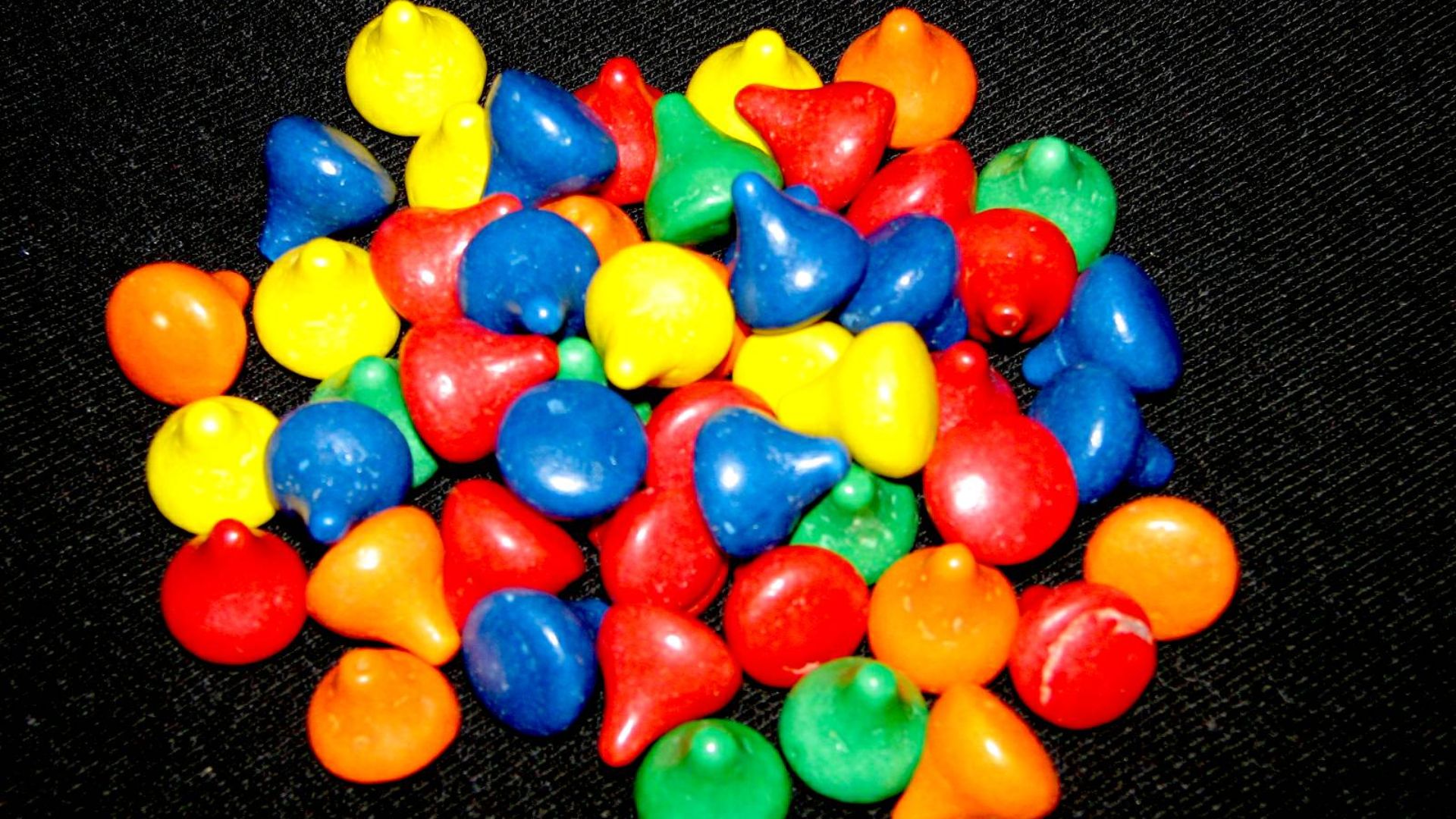
Kissables Stretched A Famous Shape
Hershey introduced Kissables in 2005, wrapping tiny Kiss-shaped chocolates in colorful candy shells. In its annual filing, Hershey listed Kissables among the new products contributing to sales gains that year. The company’s broader strategy explicitly relied on innovation, limited editions, promotion, and merchandising around major brands.
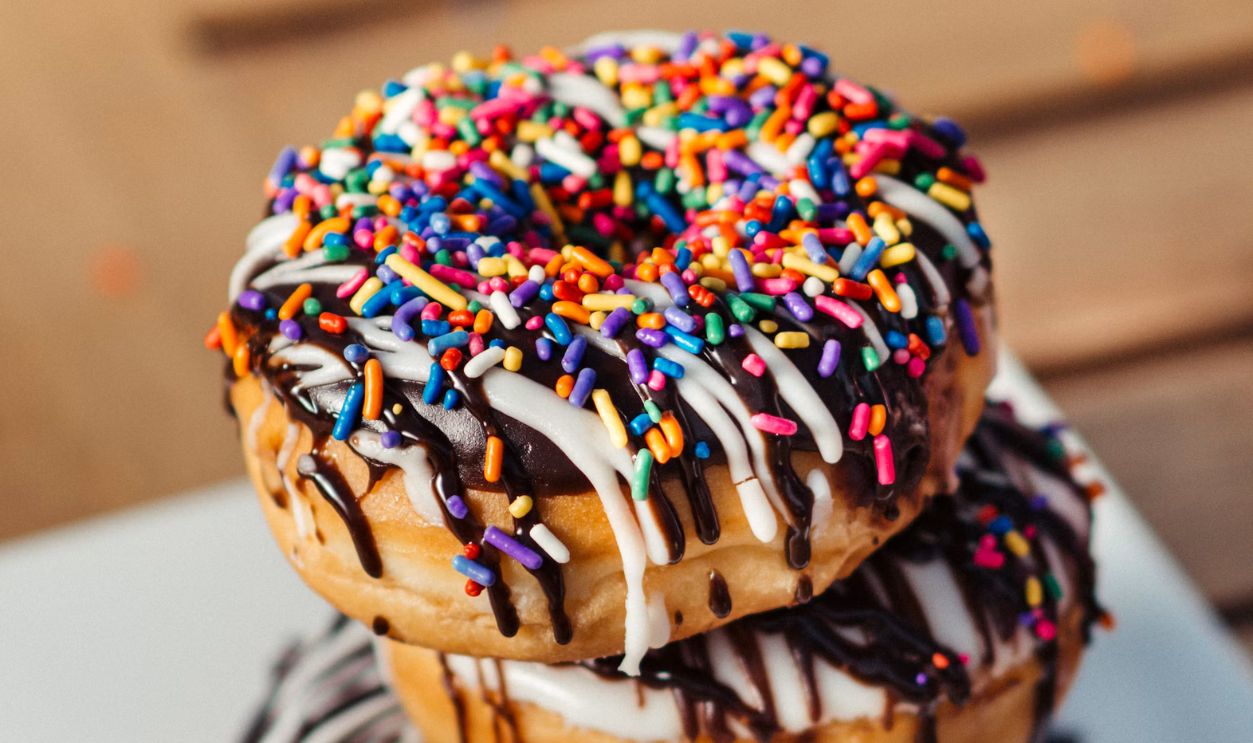
Wonka Donutz Turned A Movie Into Shelf Space
Nestlé launched Wonka Donutz in 2005 alongside Charlie and the Chocolate Factory. The campaign included television, print, on-pack promotion, a sweepstakes, displays, and a branded touring vehicle. It was a textbook attempt to convert movie attention into grocery sales while the cultural moment was still hot.
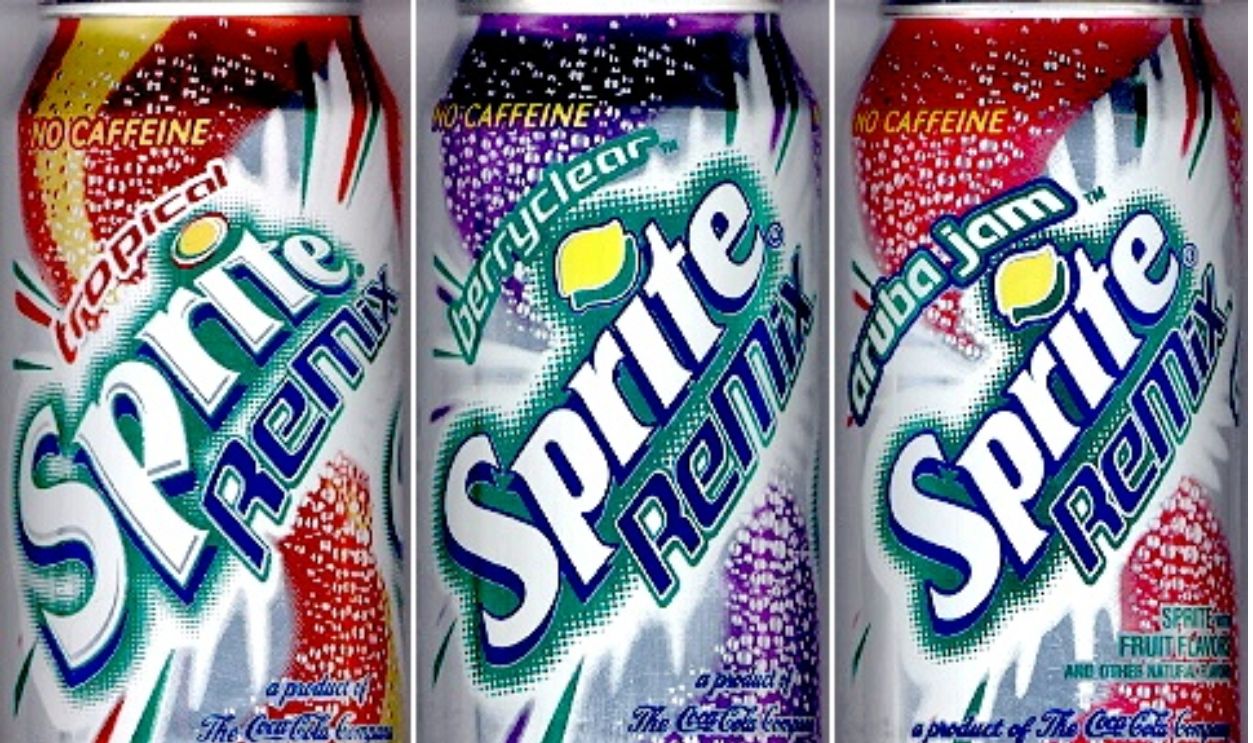
Sprite Remix Gave A Familiar Soda A Makeover
Coca-Cola rolled Sprite Remix across the United States in 2003. The company later reported that Tropical Sprite Remix helped increase North American retail sales volume for Sprite-branded beverages by 7% that year. Novelty was not always a flop. Sometimes a temporary extension strengthened the parent brand.
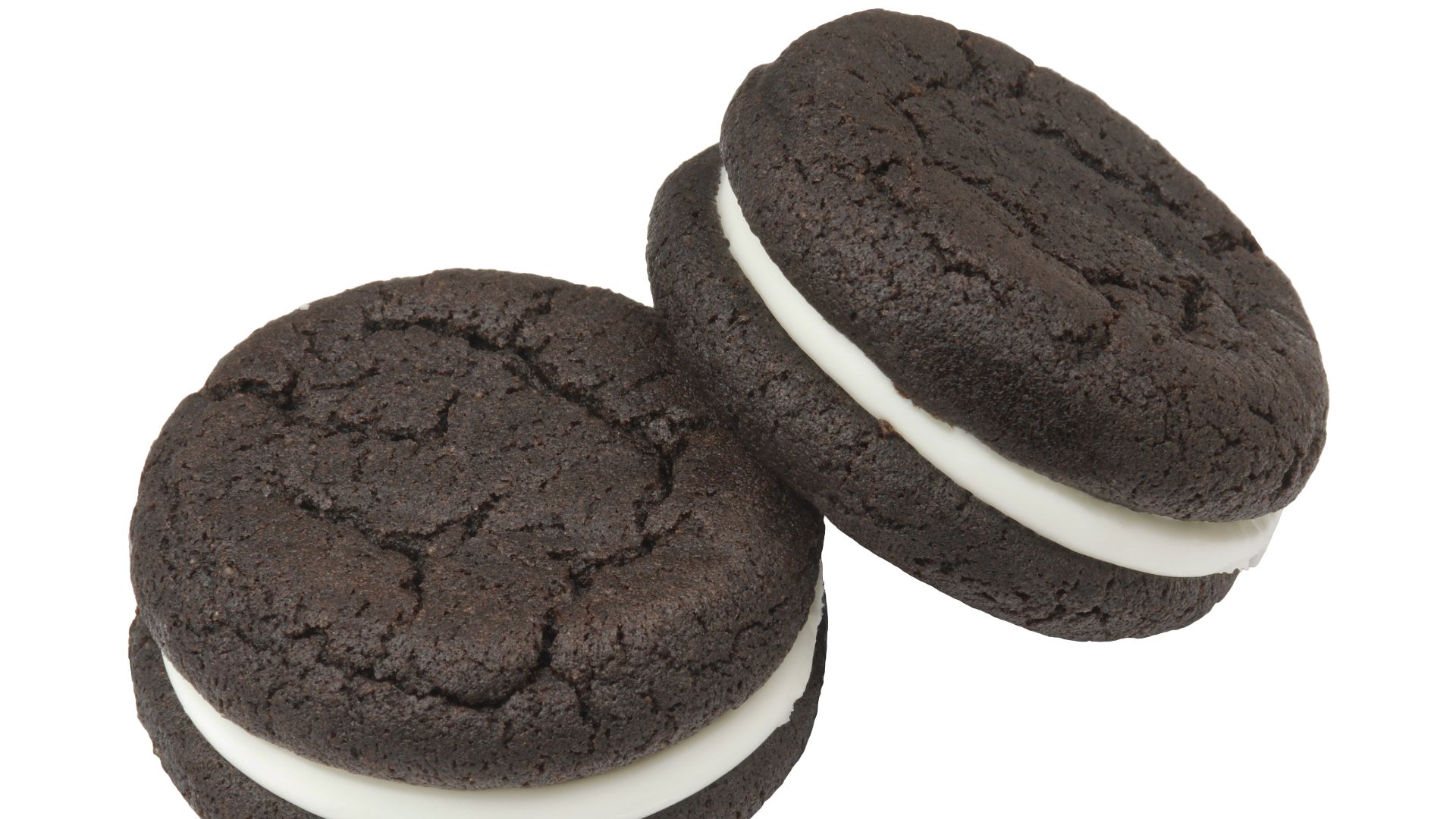
Oreo Cakesters Made A Cookie Soft
Oreo Cakesters debuted in 2007 as a soft snack-cake interpretation of Oreo. They disappeared in 2012, but Mondelez brought them back a decade later. That revival reveals an overlooked asset created by discontinued products: nostalgia can preserve brand awareness long after the original manufacturing run ends.
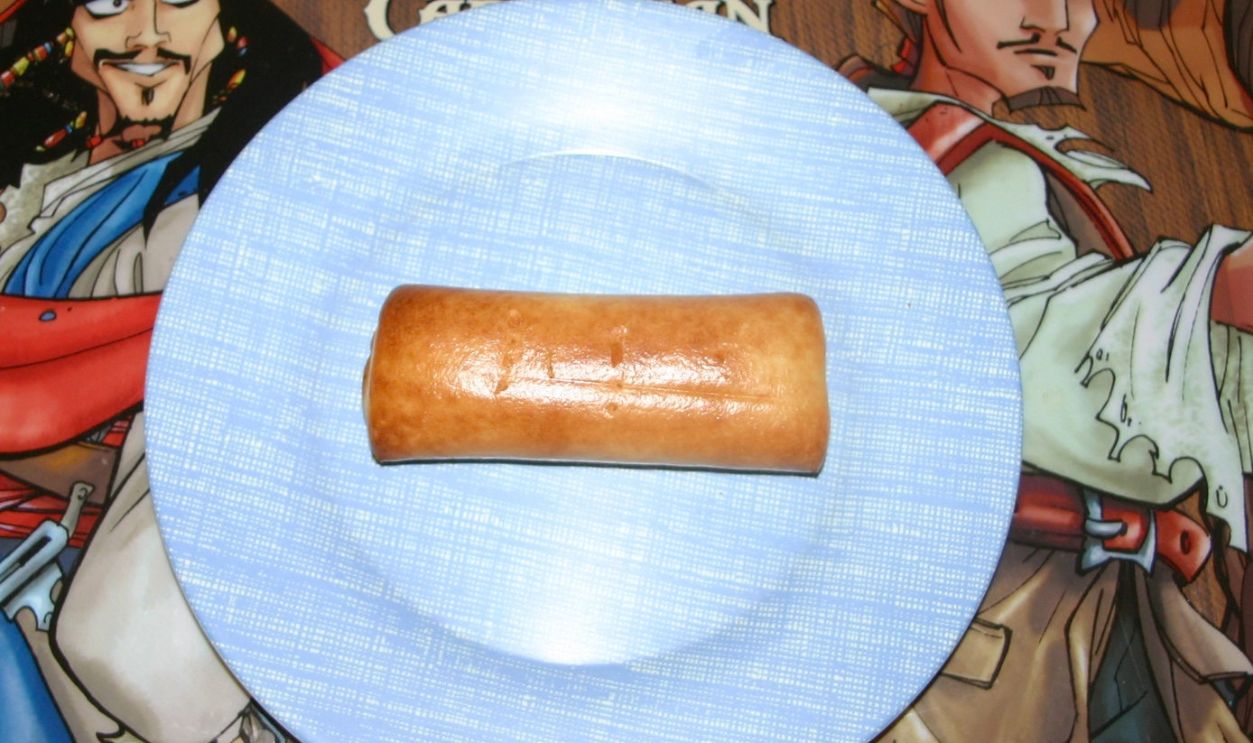
Bagel-fuls Sold Convenience By The Stick
Kraft introduced Bagel-fuls in 2008 as frozen bagel sticks filled with Philadelphia cream cheese. The launch received national TV support, a Times Square event, public relations, in-store promotions, and a multi-city sampling tour. Kraft was using an established dairy brand to capture a new portable breakfast occasion.
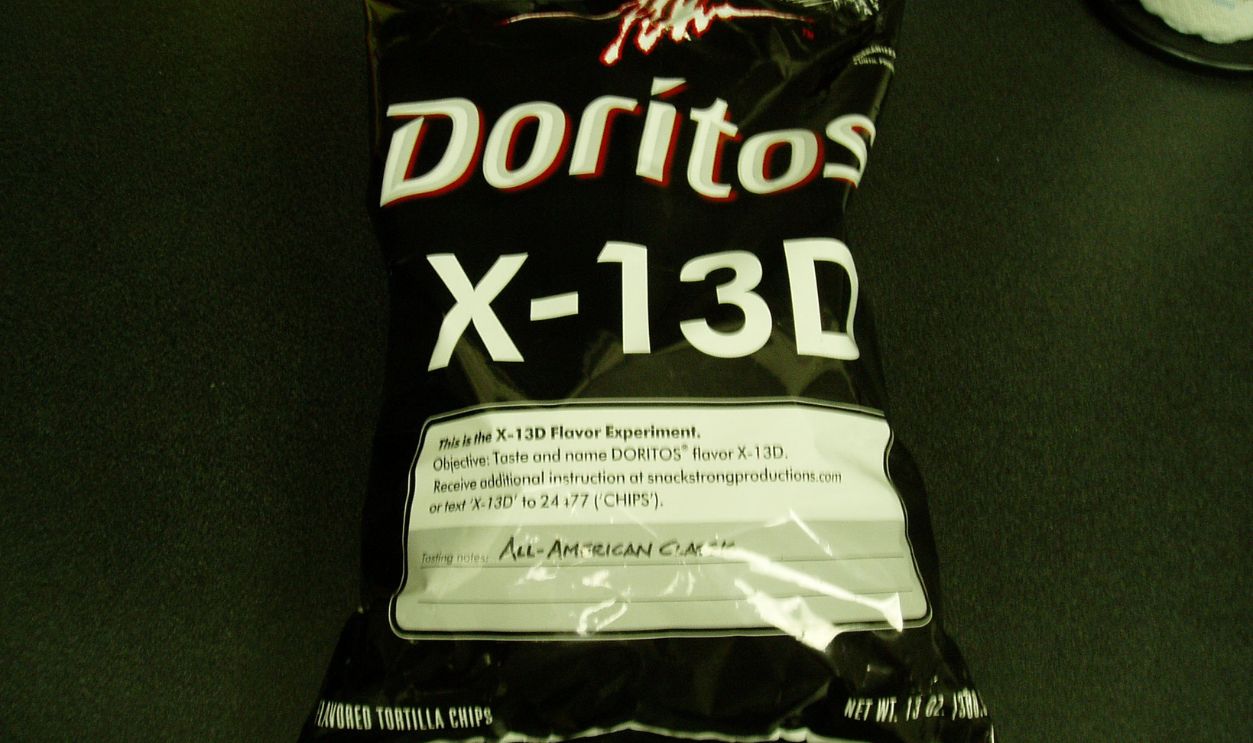
Doritos X-13D Made Consumers Do The Marketing
Doritos X-13D arrived in 2007 as a mystery-flavor experiment that asked consumers to name the product. PepsiCo connected it to a wider digital platform and Xbox promotions. Participation turned advertising into entertainment, while giving Frito-Lay a reason to keep consumers discussing the brand after the commercial ended.
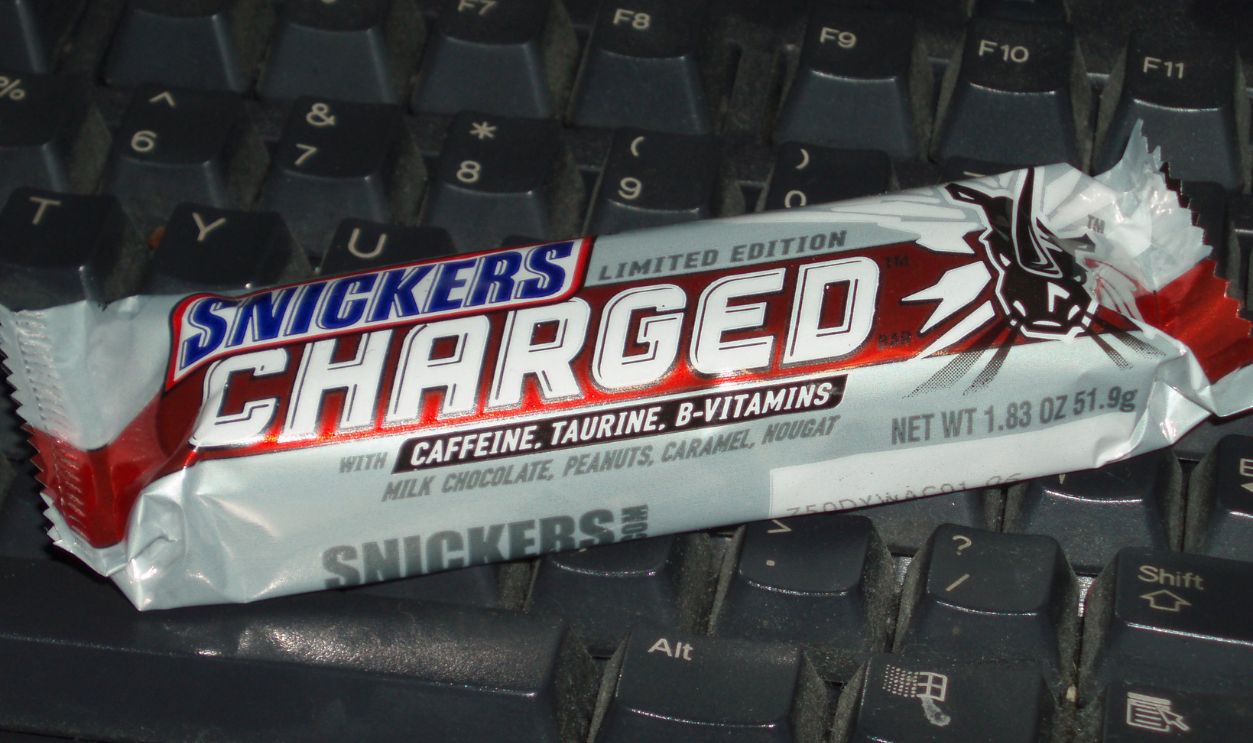
Snickers Charged Chased The Energy Boom
Mars released Snickers Charged in 2008 with 60 milligrams of caffeine, plus taurine and B vitamins. The limited-edition bar was positioned as an afternoon energy boost and sold for about 65 cents. Mars was borrowing demand from energy drinks without abandoning the enormous recognition of Snickers.
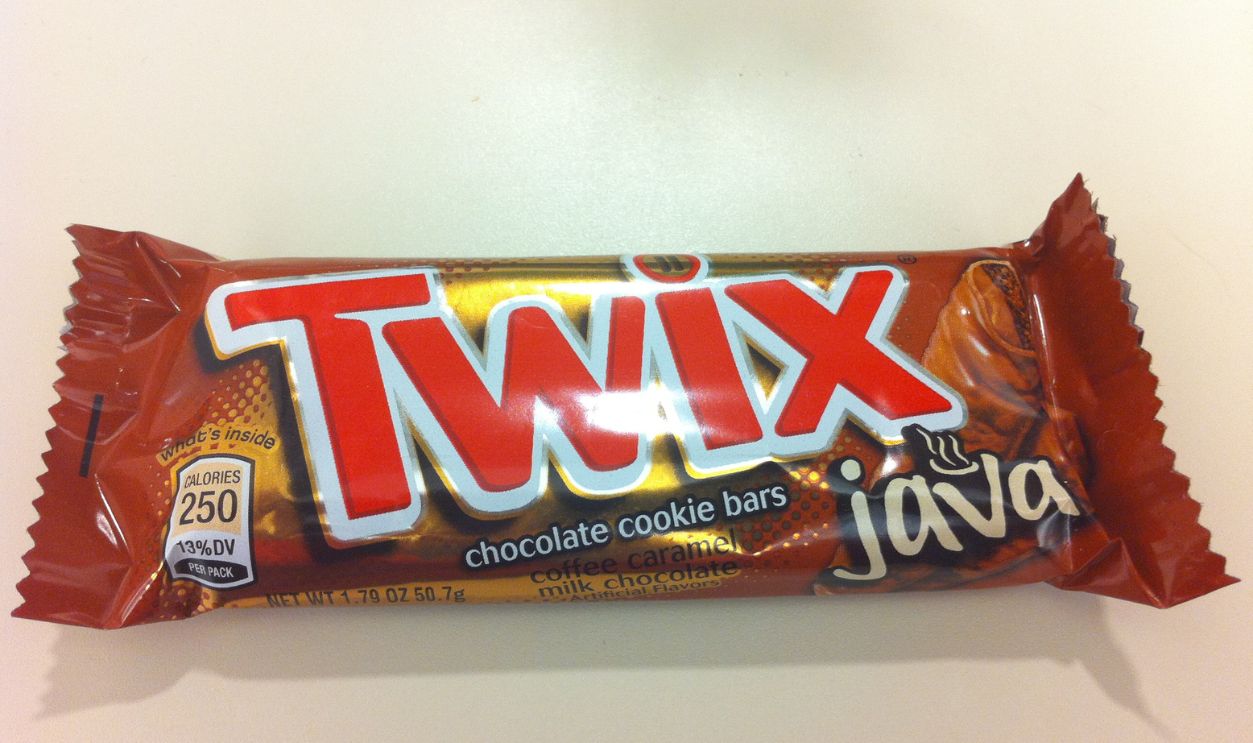
Twix Java Put Coffee In The Candy Bar
Mars also released Twix Java in 2008, combining coffee-flavored caramel and espresso pieces with the familiar Twix format. It was sold as a limited edition through February. Financially, that made the experiment contained: Mars could test coffee culture inside an established brand without committing permanently.
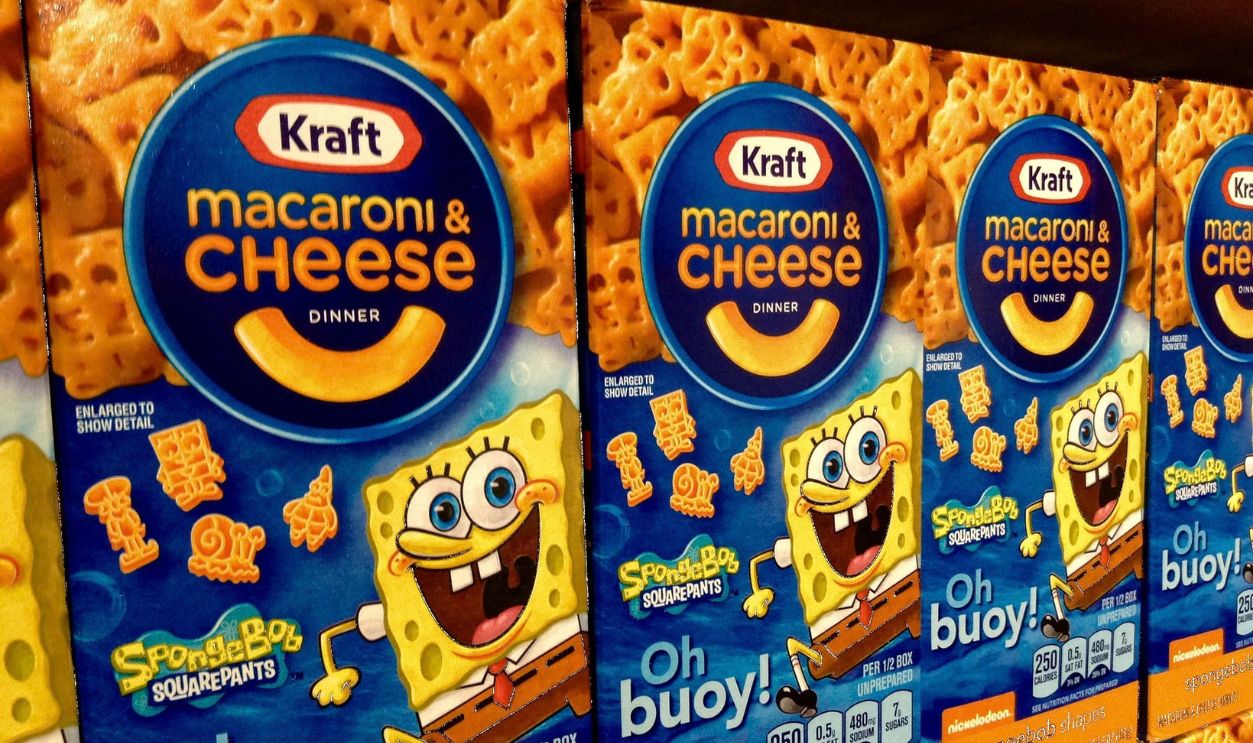
Kraft Mac And Cheese Became Crackers
In 2008, Kraft extended its macaroni-and-cheese identity into baked, macaroni-shaped crackers. The line came in multiple cheddar varieties and carried a suggested retail price of $2.99. The logic was pure brand extension: move a household name into another aisle and create a new snacking occasion.
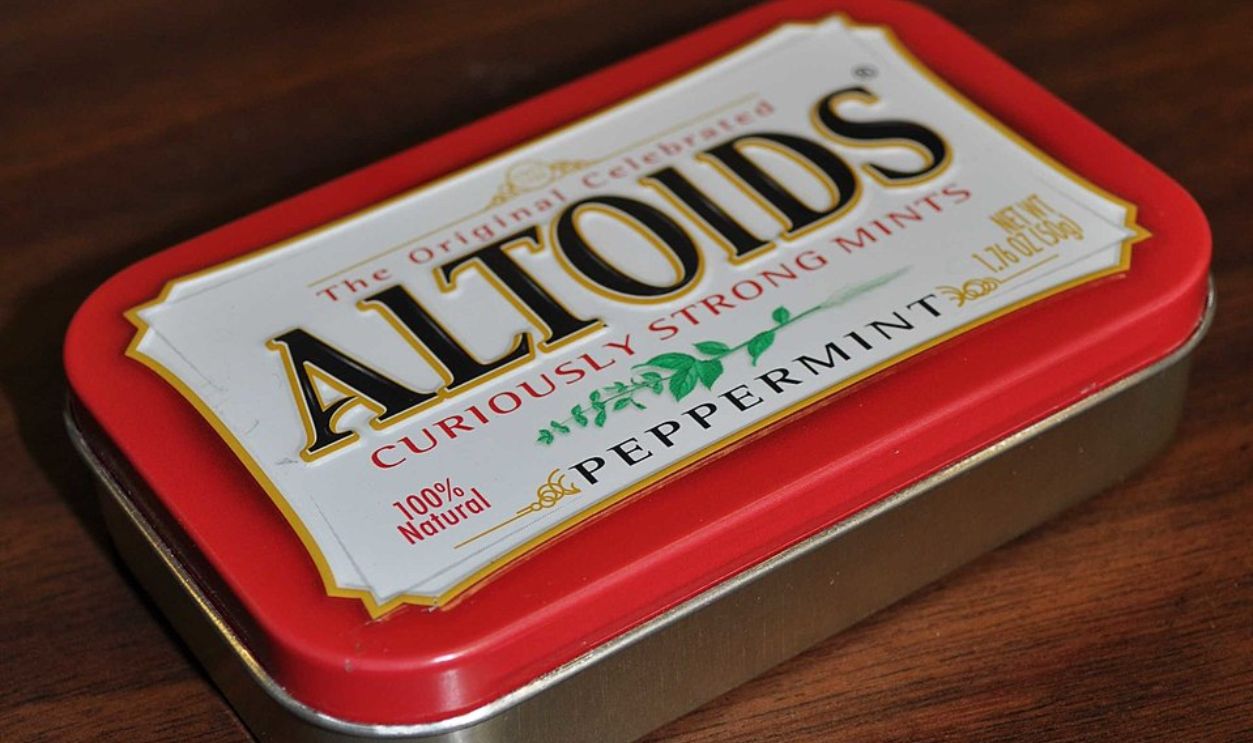
Altoids Sours Proved Cult Love Was Not Enough
Altoids Sours built an unusually devoted following, but Mars eventually discontinued them in 2010. A Mars representative later said low national demand was the reason. That is grocery economics in miniature: passionate fans matter, but a product still needs enough repeat volume across a large retail network.
 Schyler, CC BY-SA 3.0, Wikimedia Commons
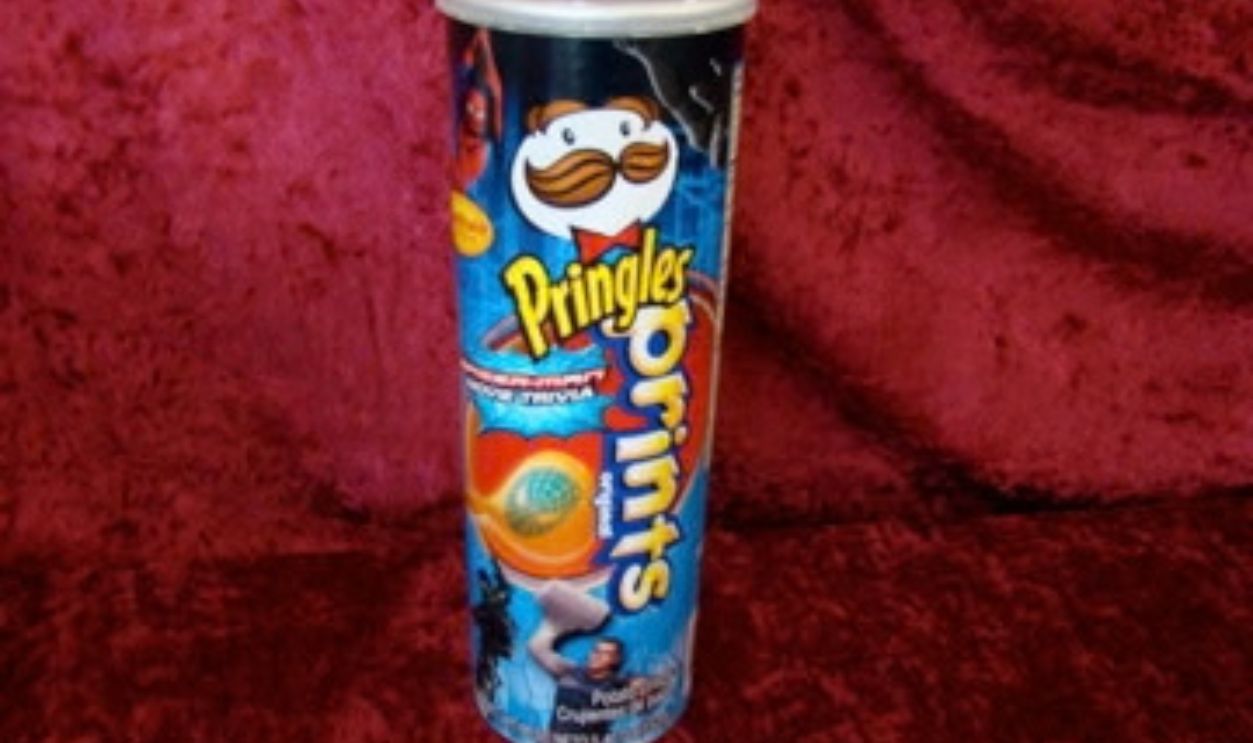
Pringles Prints Put The Promotion On The Chip
Procter & Gamble introduced Pringles Prints in 2004 with trivia printed directly onto the crisps. The launch used Trivial Pursuit Junior content and a multimillion-dollar marketing campaign that included television. Instead of merely changing flavor, P&G changed the physical product into advertising, entertainment, and snack at once.
Froot Loops Cereal Straws Made Milk Interactive
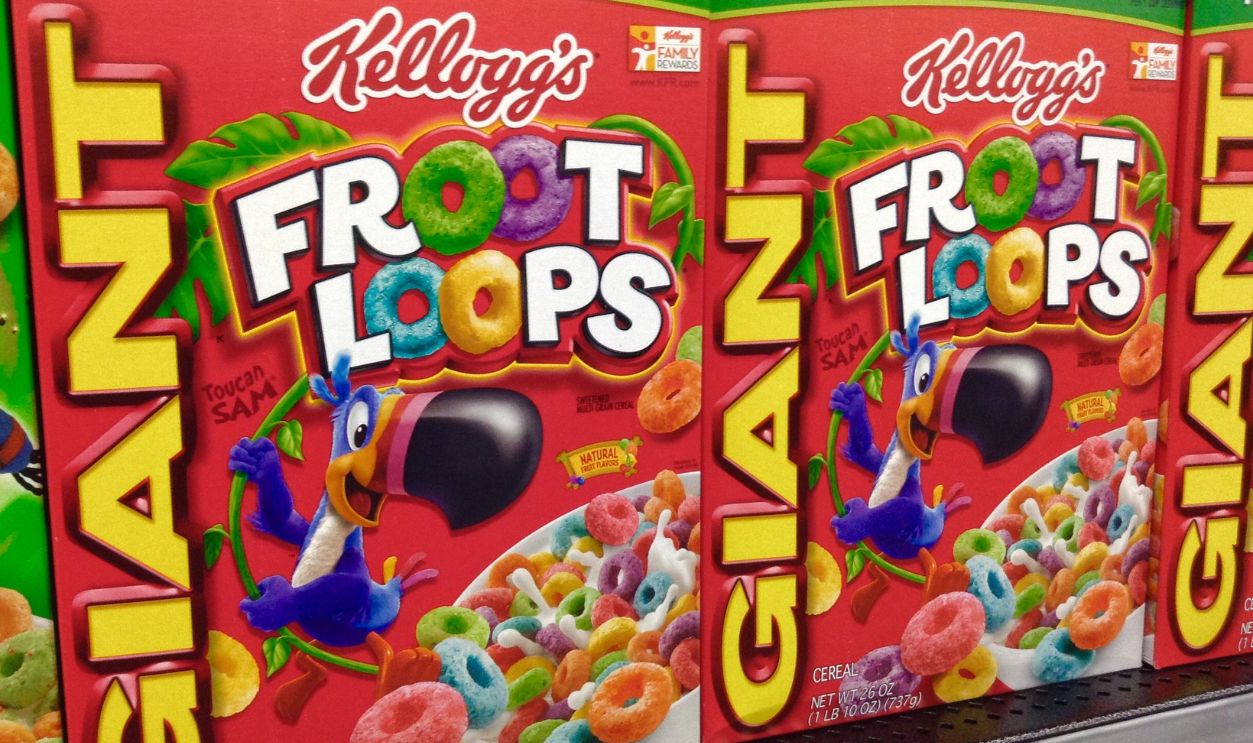
Kellogg brought Froot Loops Cereal Straws to the United States in 2007 after launching the concept in Europe. The edible tubes could be used to drink milk and then eaten. It was the decade’s product philosophy distilled perfectly: make an ordinary eating routine feel like an activity.
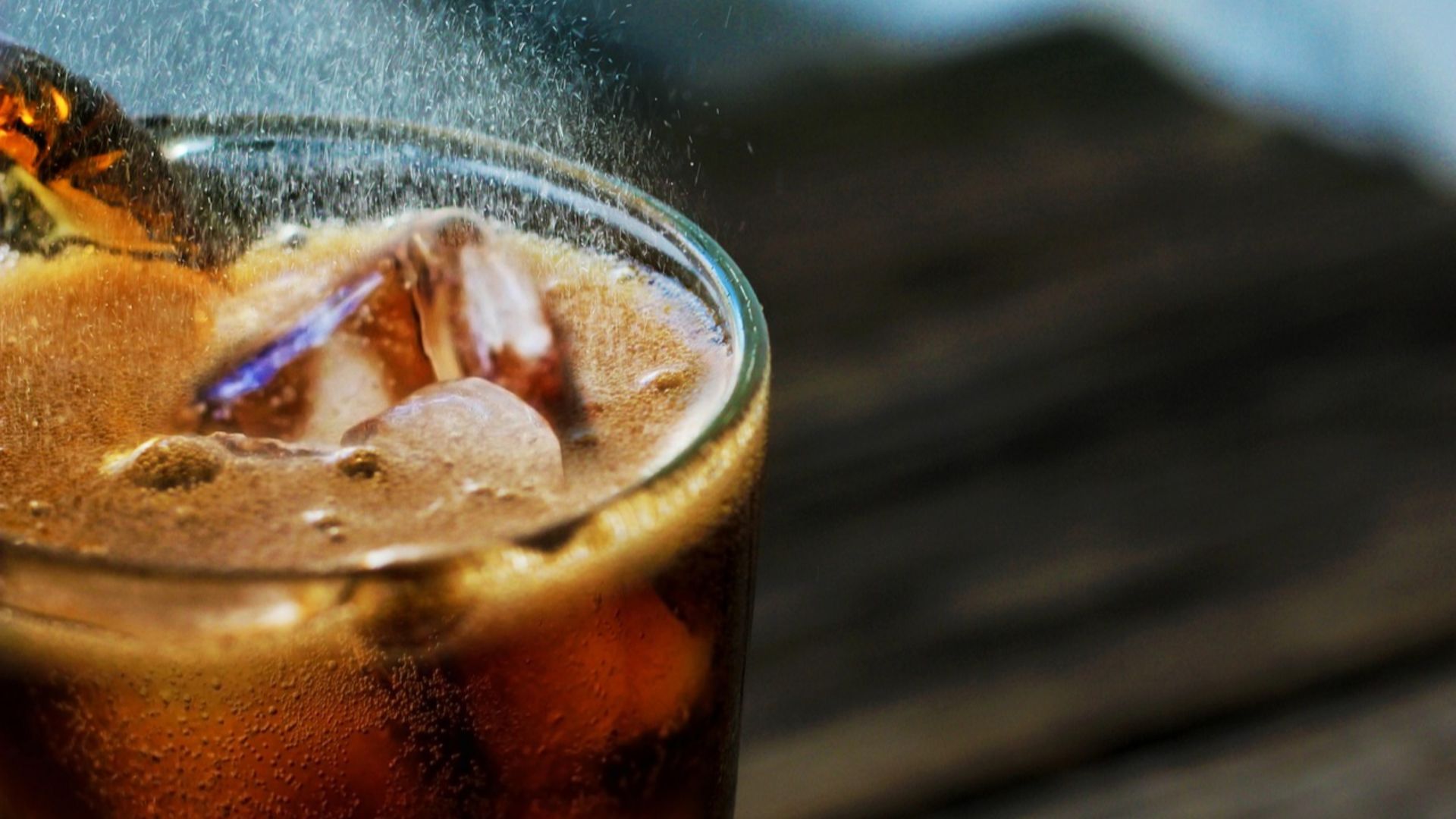
Pepsi Holiday Spice Made Scarcity Part Of The Pitch
Pepsi Holiday Spice hit stores in 2004 as a limited seasonal cola with holiday spice flavors. It was available only through the holiday period, making scarcity part of the proposition. Limited runs helped beverage companies generate trial without promising that every strange idea deserved permanent shelf space.
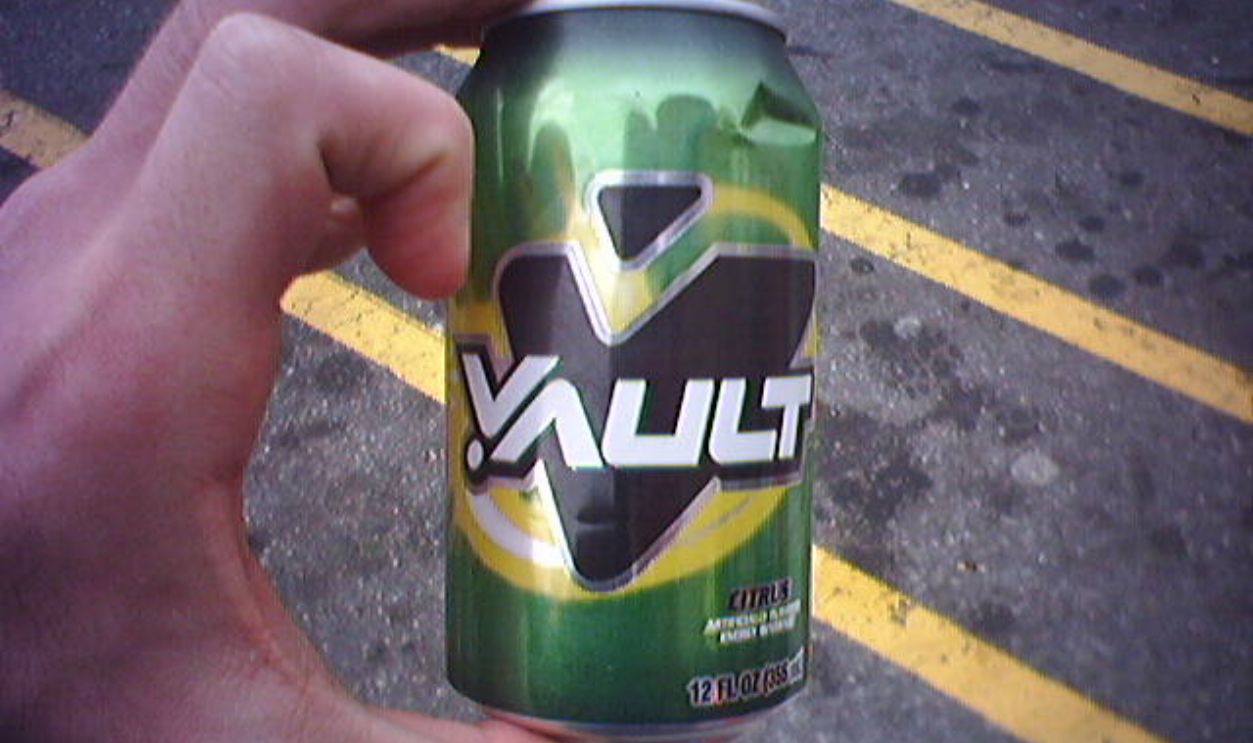
Vault Tried To Merge Soda With Energy Drinks
Coca-Cola launched Vault nationally in 2006 after regional tests, pitching it as an energy soda aimed at young adults. The company backed it with television, radio, outdoor, print, point-of-sale advertising, and sampling. Coca-Cola later said the brand’s early performance exceeded expectations and drove profitable growth.
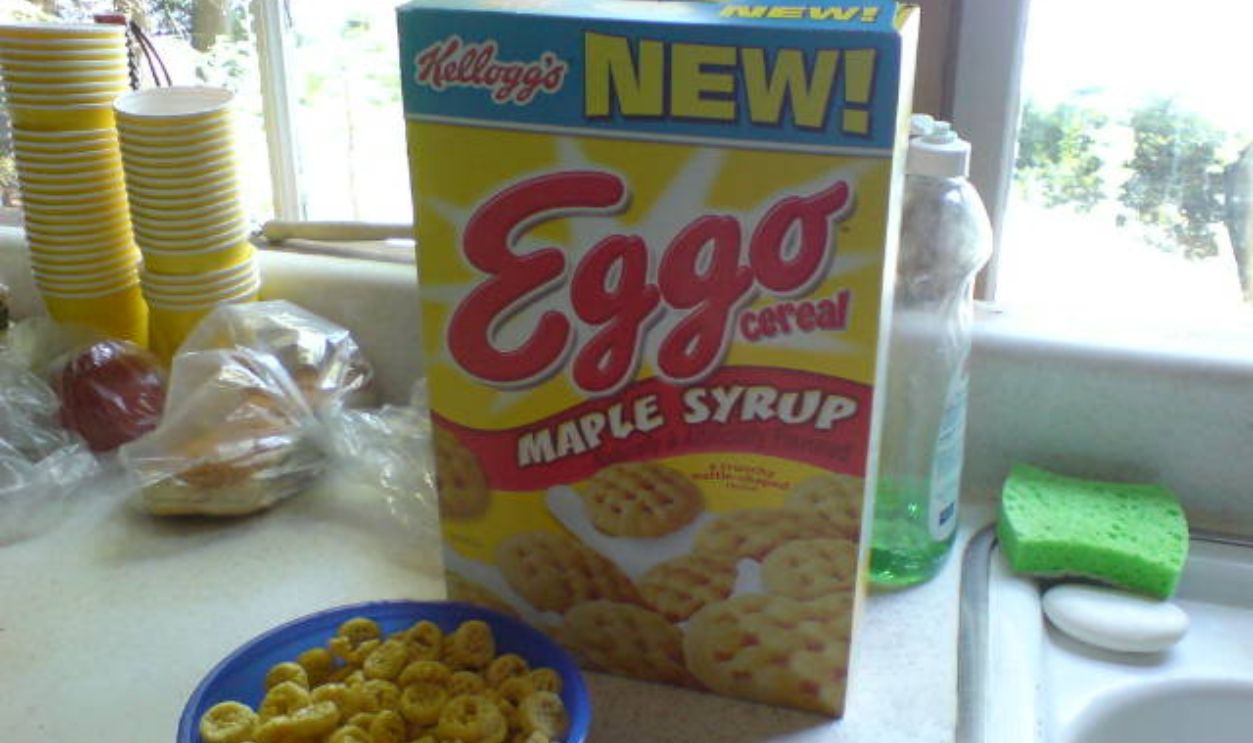
Eggo Cereal Eventually Became A Nostalgia Play
Kellogg sold Eggo cereal from 2006 through 2012, turning its frozen-waffle identity into a breakfast-cereal extension. In 2019, a social-media challenge helped bring it back. The revival showed how a discontinued 2000s experiment could acquire fresh commercial value simply because consumers remembered it fondly.
Brand Extensions Made Weird Ideas Cheaper To Test
Many of these products borrowed names shoppers already knew: Oreo, Snickers, Sprite, Heinz, Eggo, Doritos, and Pringles. That reduced one of the hardest costs in packaged goods, creating awareness from zero. A familiar logo could make an unfamiliar product feel less risky on first purchase.

The Shelf Was A Ruthless Scoreboard
Novelty could earn attention quickly, but attention did not guarantee survival. Products still had to justify manufacturing complexity, advertising support, retailer space, and repeat demand. Altoids Sours is a clear example: a cult following could coexist with national sales too weak to keep production going.
Television Still Took The Biggest Check
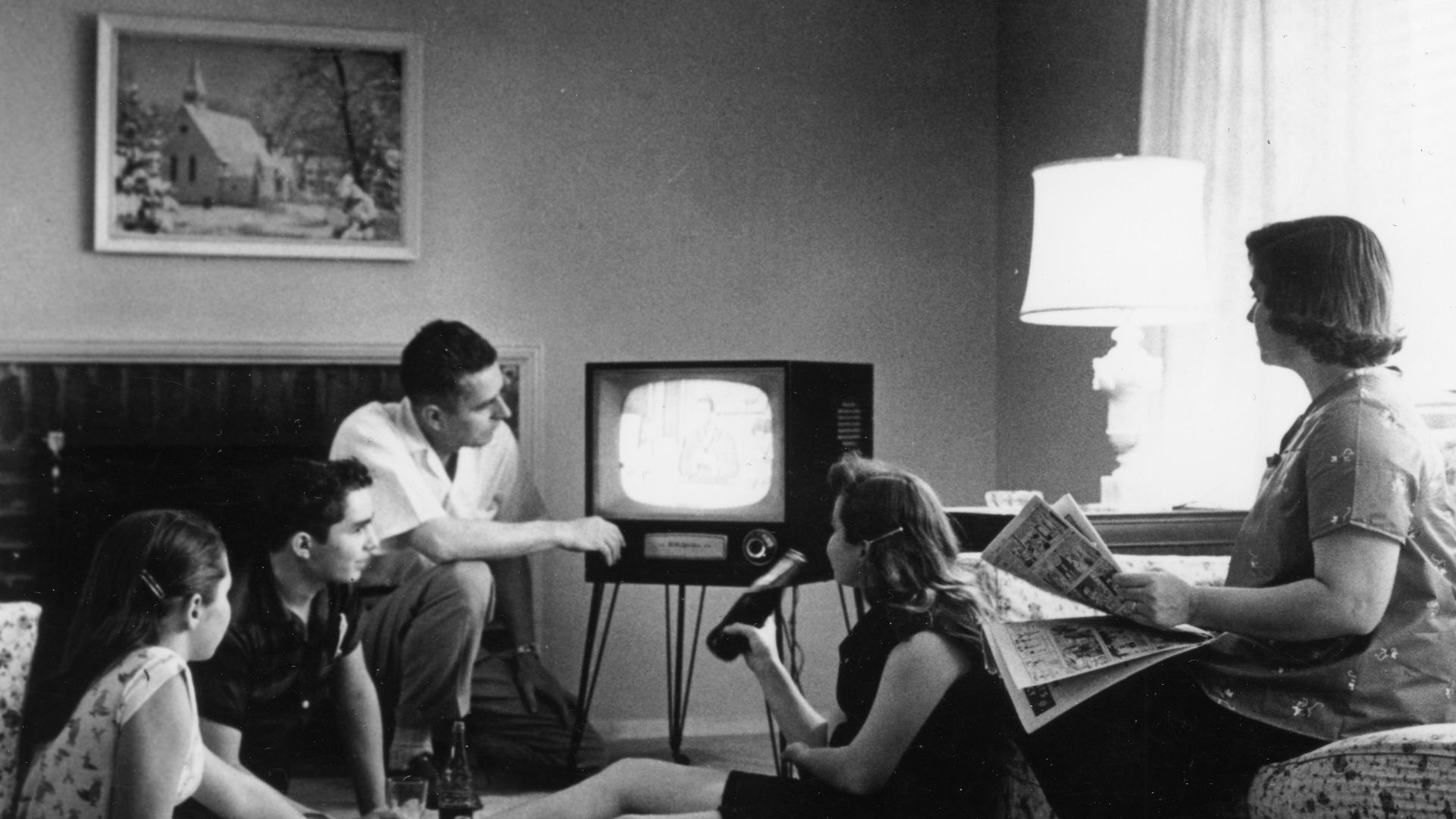
For all the excitement around early internet marketing, television remained the largest youth-marketing expense in the FTC’s 2006 study. Food and beverage companies spent $745 million on it. That helps explain why many forgotten snacks remain attached to half-remembered commercials decades after the products vanished.
 Evert F. Baumgardner, Wikimedia Commons
But Digital Marketing Was Already Taking Over
By 2009, youth food-marketing spending had fallen overall, while spending on online, mobile, and viral marketing increased by 50% from 2006. The industry was learning to stretch campaigns beyond television. Doritos’ gaming projects showed how brands could turn audiences into participants, creators, and promoters.

Movie Tie-Ins Were A Major Business
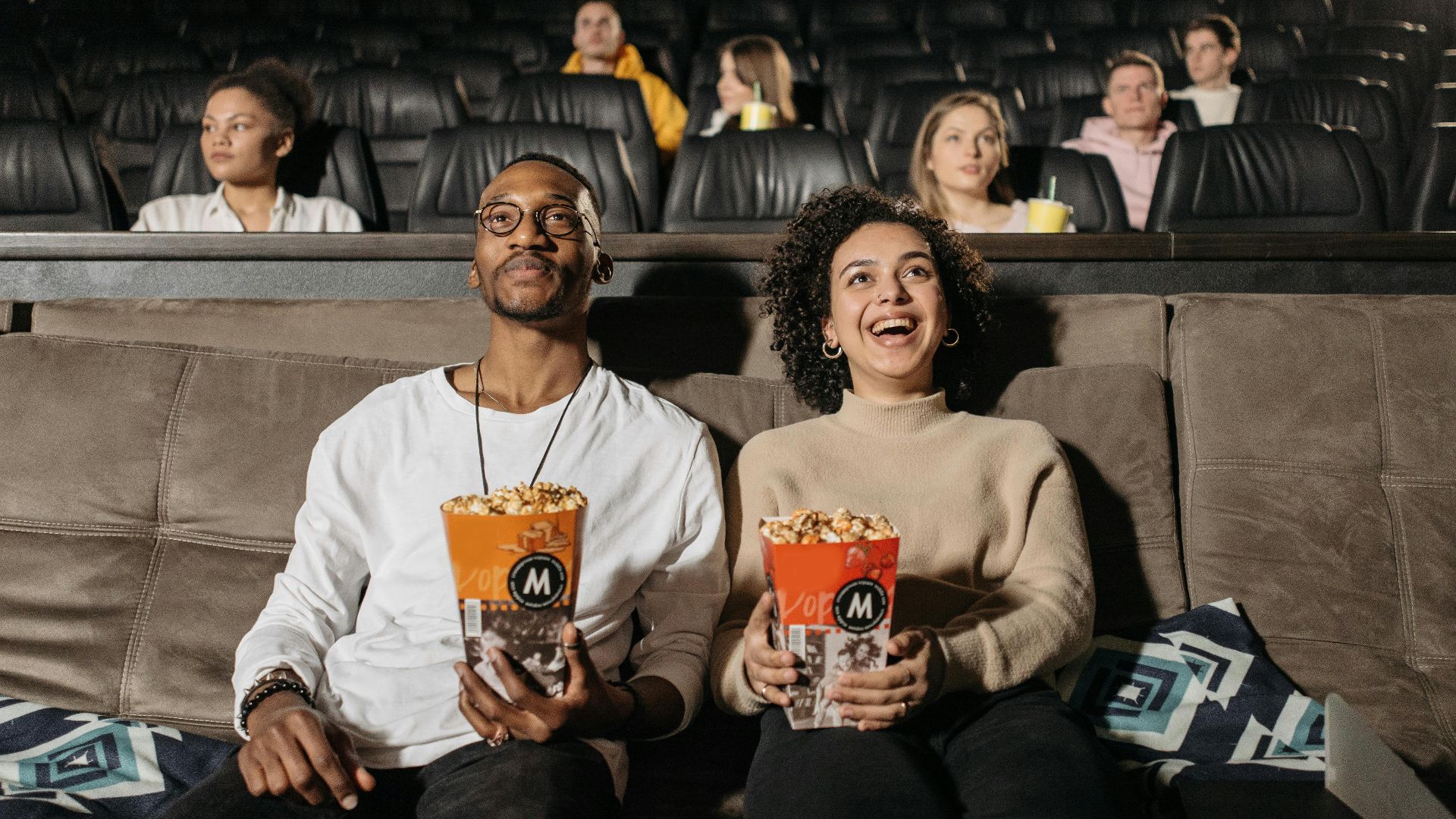
Cross-promotion across pop culture was another big piece of the machine. The FTC found more than $208 million in youth-directed cross-promotional spending in 2006, connecting food and beverages to roughly 80 movies, television shows, and animated characters. Maybe it's time for this partnership to make a comeback?
Nostalgia Became An Asset Companies Could Resell
Some discontinued products gained value after leaving shelves. Oreo Cakesters returned after a decade, while Eggo cereal came back after consumers rallied online. The financial lesson is surprisingly modern: a failed or retired product can leave behind awareness that lowers the cost of trying again later.
The Real Product Was Attention
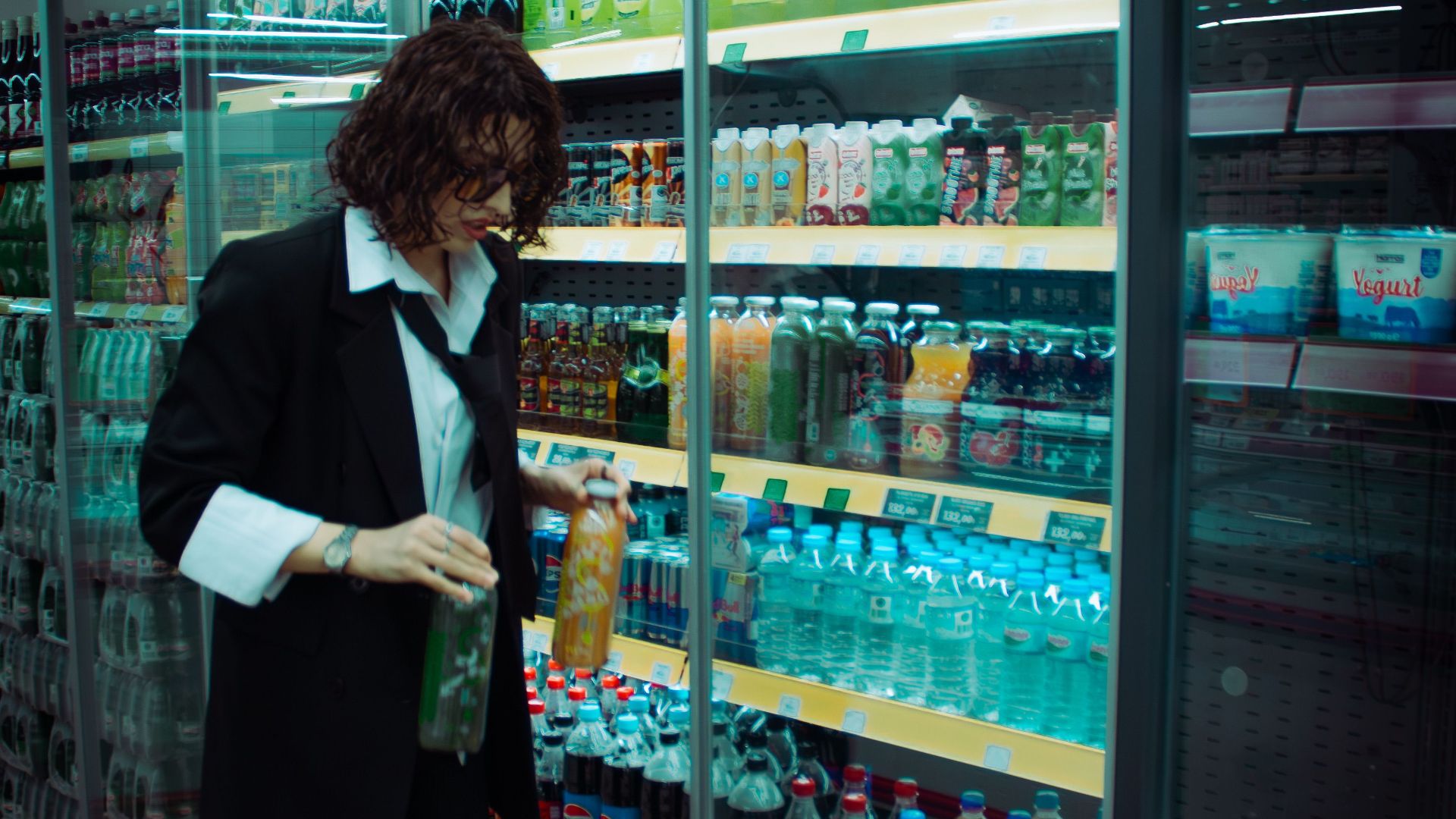
The wildest 2000s grocery launches were ultimately experiments in attention economics. Companies stretched famous brands, bought television exposure, created participation, and watched whether novelty became repeat purchasing. The survivors became ordinary products. The failures became nostalgia, and sometimes nostalgia became marketable all over again.
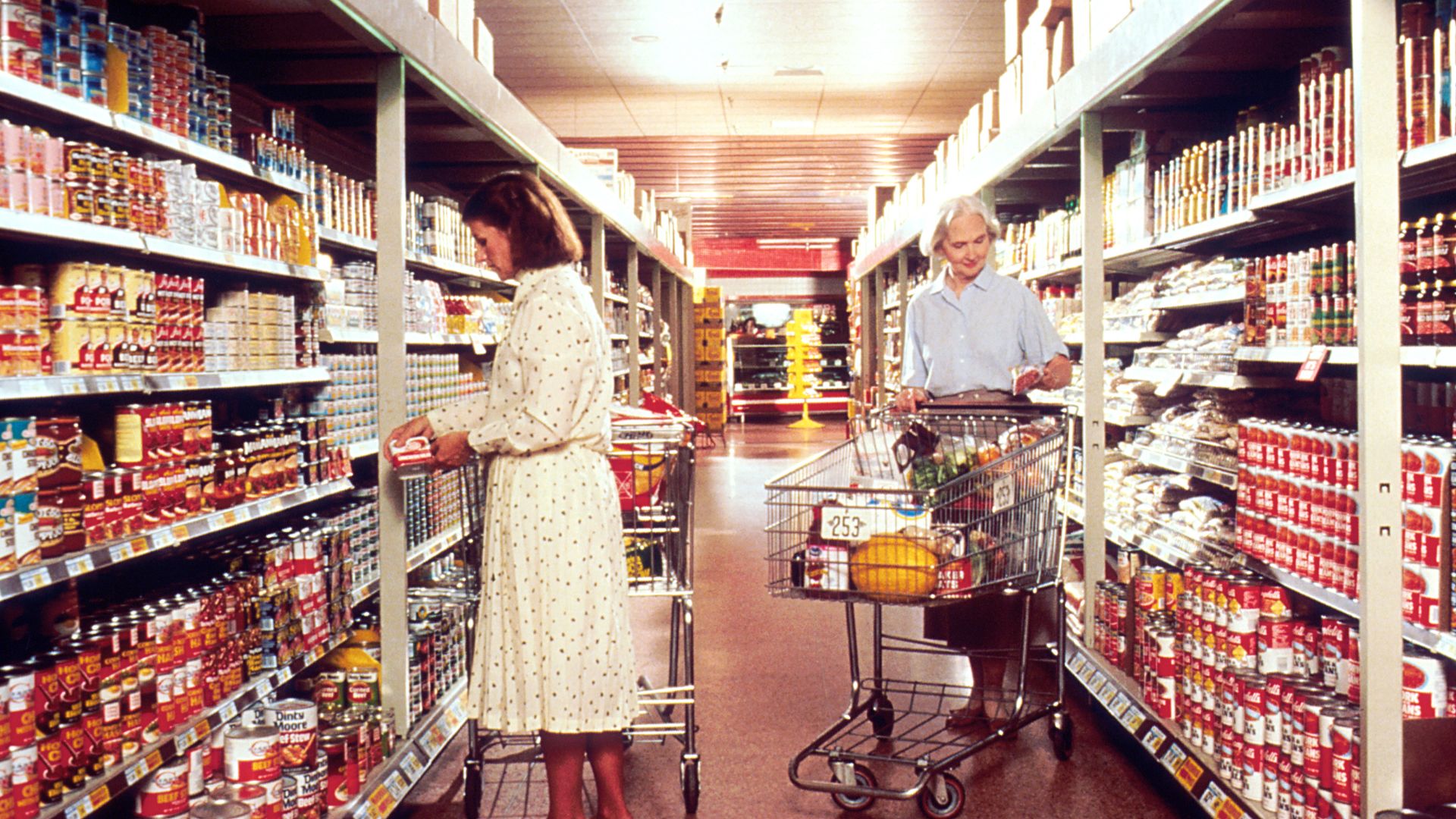 Bill Branson (Photographer), Wikimedia Commons
Sources: 1, 2, 3, 4, 5, 6, 7, 8, 9, 10, 11, 12, 13, 14, 15, 16, 17, 18, 19, 20, 21, 22, 23