Marlon Wright articles

Washington sets the pace while 19 states move to boost minimum pay.

Washington leads the nation as 19 states suddenly boosted minimum wage.

Remember when asking for fifteen bucks an hour seemed impossible? That battle changed everything. Now we're watching the biggest coordinated wage boost in modern history play out in real time across the nation.
January 15, 2026 Marlon Wright
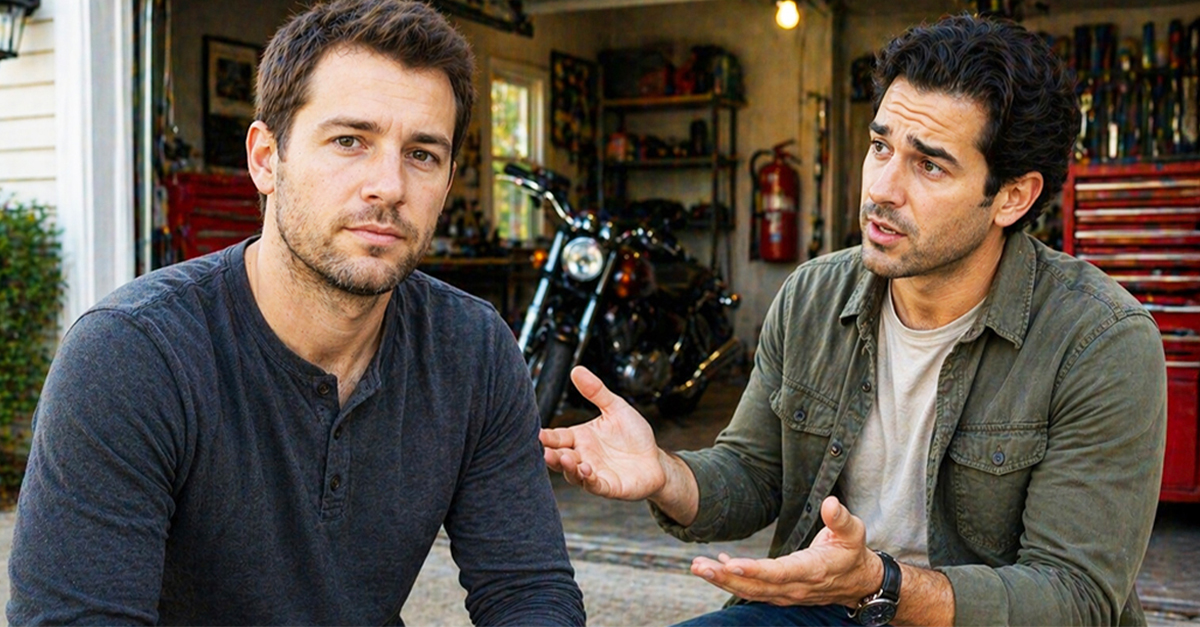
Trapped by cosigning

My cousin convinced me to cosign a car loan. He immediately stopped paying. Now the lender’s suing me. What are my options?

One phone call usually lands without warning, and a sharp voice on the other end mentions missed payments, a lawsuit, and a car loan that you don’t remember applying for. Cosigning often starts as a favor wrapped in trust and a promise that “it’ll be fine”. Then the payments stop. Lenders don't chase excuses or family dynamics, but they follow signatures. For many adults, this moment hits hard because it threatens long-term savings, credit built over decades, retirement plans, and reputations. Understanding what the signature actually did and what can still be done changes panic into strategy.
January 15, 2026 Marlon Wright
Card Privilege Abused

My friend borrowed my credit card “just for gas." Now she bought plane tickets. How do I stop her from ruining my credit?

You gave your friend your credit card for gas. They bought plane tickets. What now?
January 14, 2026 Marlon Wright
Debt After Death - Fb

Everyone should know what debts will be forgiven when they die—and which ones still need to be paid.

Many people assume death marks a clean financial slate, yet the reality is far more complicated. Some debts quietly follow estates through probate to impact what families inherit and what creditors can still claim.
January 14, 2026 Marlon Wright
Documents To Shred - Fb

Don't Just Throw Them Away—Important Documents That Everyone Should Remember To Shred

Your trash might tell more about you than your social media. A single tossed document can quietly expose personal details, giving scammers just enough information to cause damage long before you realize anything has gone wrong.
January 13, 2026 Marlon Wright
UnjustEnrichment

My brother crashed my car, promised to fix it, and then used my insurance payout to buy himself a new one. Can I sue him?

Trusting a family member with your car can feel like a safe decision until the unexpected happens. A brother crashes the vehicle, promises to take care of the repairs, and then uses the insurance payout to buy himself a new car. The situation quickly shifts from frustrating to complicated, both financially and legally. Many people assume that insurance claims follow a simple path, but if someone else takes control of the money, especially without being the policyholder or owner, things become less clear. When trust is broken in this way, questions of ownership and legal responsibility come into sharp focus.
January 13, 2026 Marlon Wright

A private equity firm bought my company two months ago. Now management is giving me a 30% pay cut. Can they do this?

New company ownership is implementing deep pay cuts for employees. We look at what you need to know.
January 13, 2026 Marlon Wright
Retail Shopping - Fb

A $900 Burberry swimsuit sparked a viral debate about "financial profiling" in American retail stores.

Financial profiling sounds like something banks do. Actually, it happens every day in luxury retail stores. A sales associate makes promises, a manager breaks them, and suddenly you're holding a swimsuit nobody will take back.
January 12, 2026 Marlon Wright
Online Scams - Fb

I paid $1,200 for a "verified" online certification. Turns out the company doesn't exist. Can I get justice?

Online certification scams have exploded as remote learning became the norm. Fraudsters build polished websites with professional logos, fake accreditation badges, and glowing testimonials that look completely legitimate. They target job seekers desperate for credentials to advance their careers or break into new industries. The trap works because these sites mirror real educational platforms so convincingly that even careful buyers get fooled. Victims hand over hundreds or thousands of dollars, complete their coursework, and receive official-looking certificates. The truth only surfaces when they try to use these credentials. Employers reject them immediately, or worse, a background check reveals the issuing organization never existed. Beyond the financial hit, there's the embarrassment of listing fake credentials and the time wasted on worthless training. Getting money back from phantom companies feels impossible, but several recovery paths exist depending on how fast someone acts and how they paid.
January 9, 2026 Marlon Wright