Banking Laws Explained
Getting turned away from your own bank for a small withdrawal feels absurd. We've all been there, and it threatens to bring out the Karen in even the meekest customer. But the reason behind it isn't laziness or policy stubbornness. It goes back decades, and the rules are stricter than most people realize.

Your Bank Is Just Following The Law
Banks don't check your ID out of habit or bureaucratic caution. They are legally required to do it. The law that started all of this is the Bank Secrecy Act, passed by the U.S. Congress in 1970 and signed by President Richard Nixon. It made financial record-keeping a federal obligation.
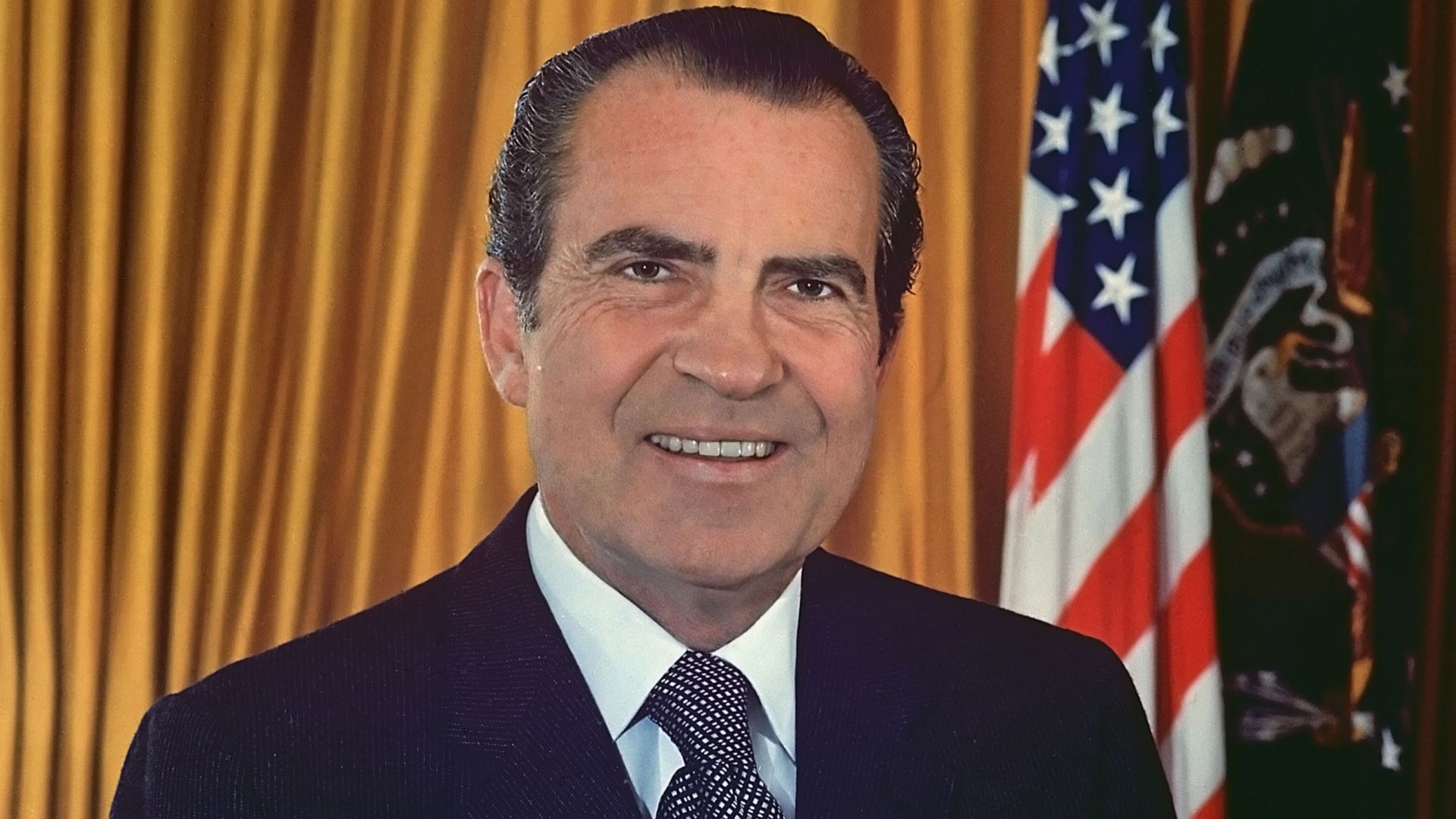 White House Photo Office, Wikimedia Commons
It Started Because Criminals Were Hiding Cash In Plain Sight
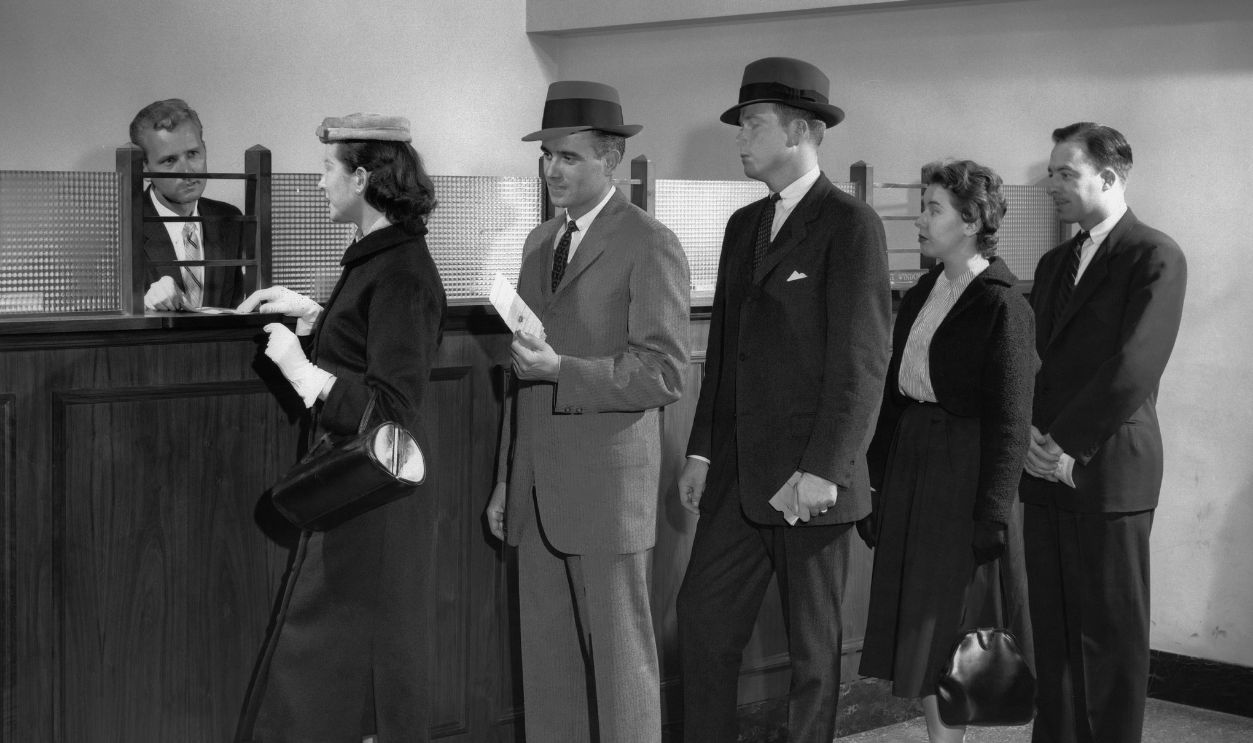
By the mid-1960s, money laundering had grown significantly in the U.S. Criminals were walking bags of suspicious cash into banks, depositing it, and moving it through the system cleanly. Congress passed the Bank Secrecy Act specifically to stop banks from being used as easy laundering tools for organised crime.
Then 9/11 Changed Everything
The attacks of September 11, 2001, pushed the rules into a completely different category. Within weeks, President George W. Bush signed the USA PATRIOT Act into law. Title III of that Act forced every financial institution to build a formal Customer Identification Program—what we now commonly call KYC.
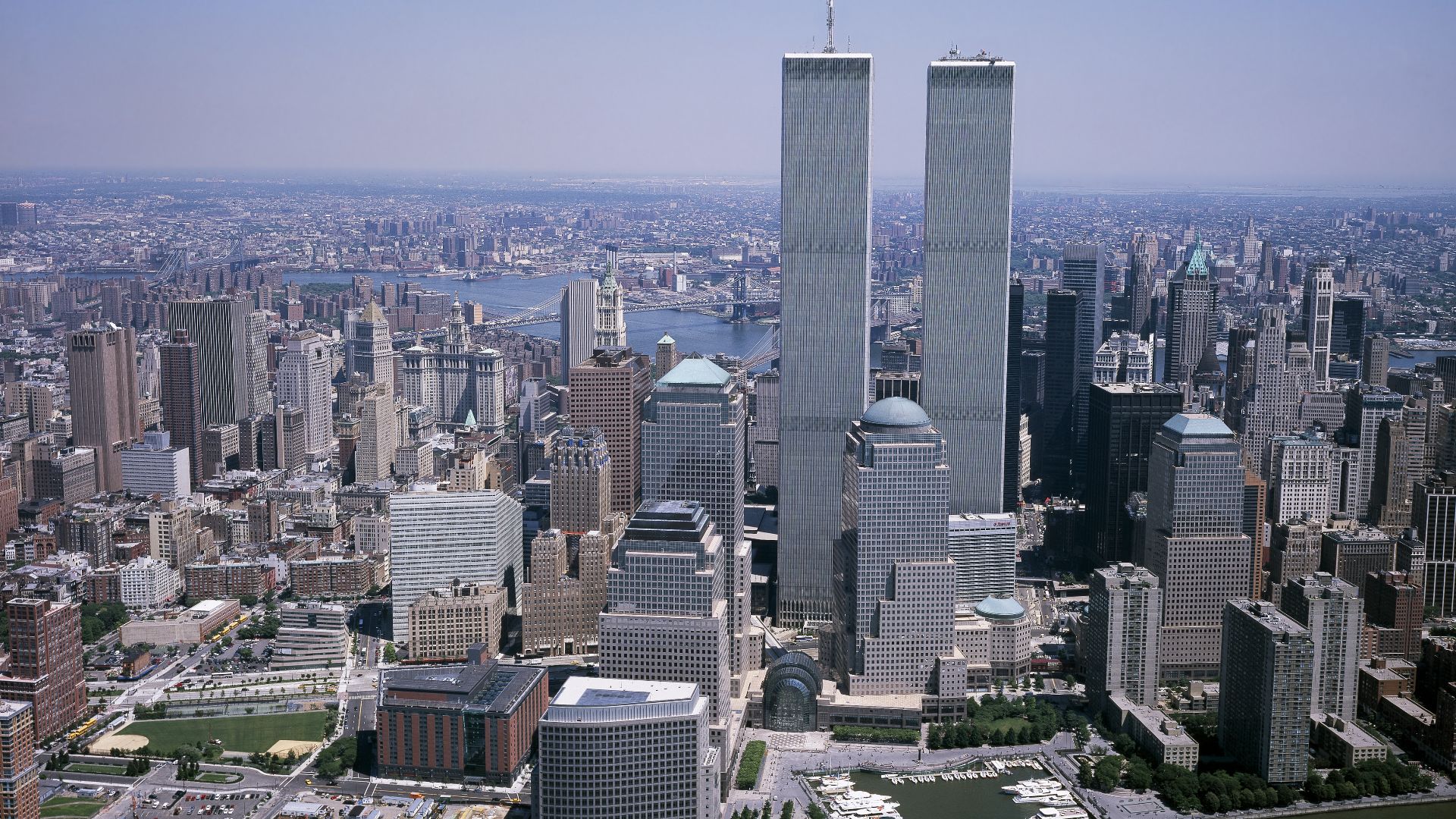 Carol M. Highsmith, Wikimedia Commons
Serious Legal Weight Of KYC
Three words, Know Your Customer, determine how every bank in the country operates. Under KYC rules, a bank must verify that you are exactly who you claim to be. It isn't optional for the teller. It isn't a suggestion from management. It is a federal requirement.
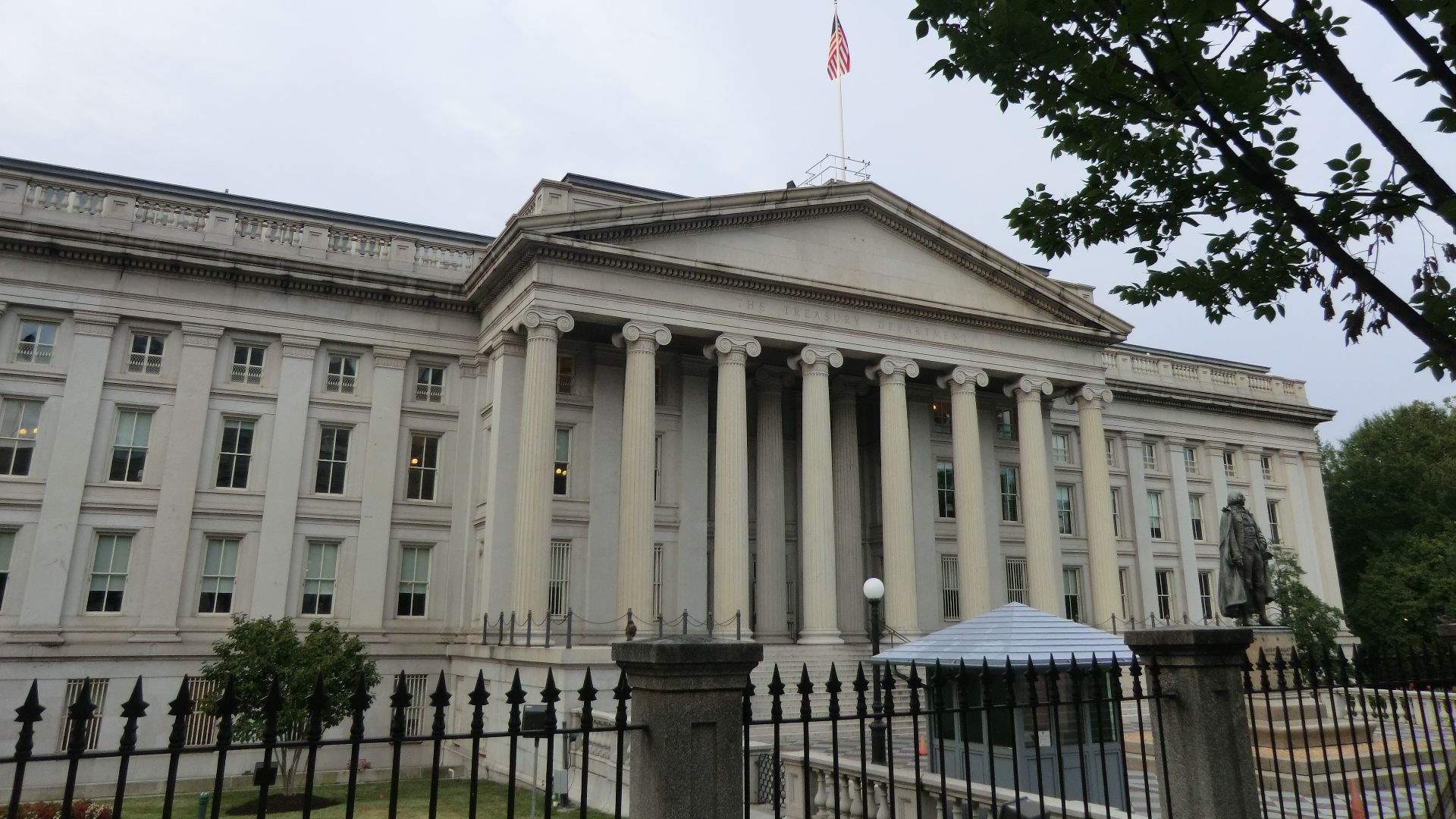 Benoît Prieur, Wikimedia Commons
The Teller Who Turned You Away Had No Choice
Bank tellers don't write these policies; regulators do. If a teller skips an ID check and something goes wrong, the bank faces serious consequences. Non-compliance with KYC and anti-money laundering rules has resulted in banks paying billions in fines.

Banks That Get It Wrong Pay Heavily
In March 2010, Wachovia admitted to serious violations of the Bank Secrecy Act after laundering 378 billion dollars for drug cartels between 2004 and 2007. At that point, it was the largest AML violation by dollar amount on record. Cases like that are exactly why regulators demand strict compliance from every branch employee.
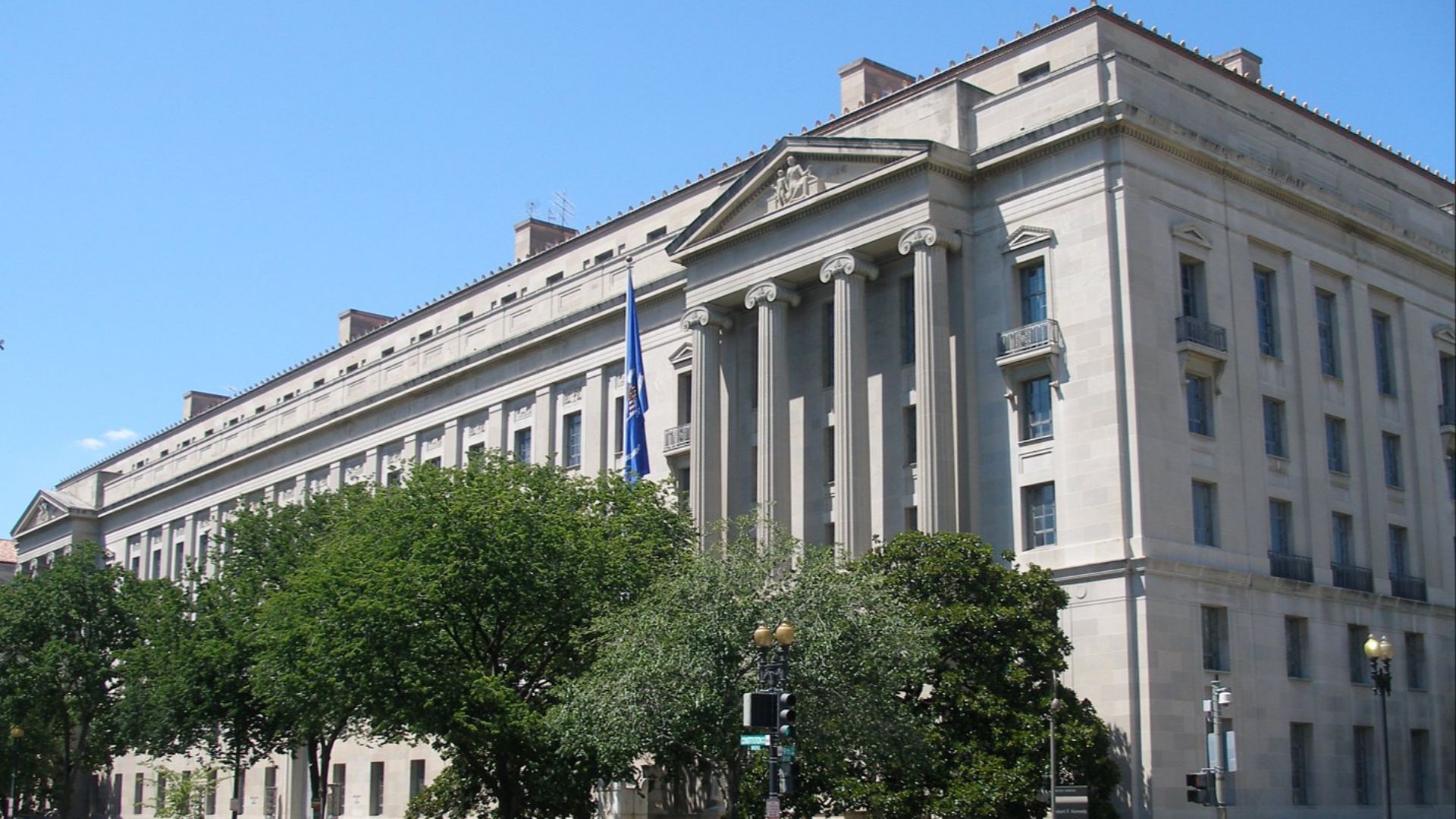
"Small" Withdrawals Don't Get A Pass
You might think small withdrawals escape scrutiny, but compliance rules don’t exempt them. Legally, identity verification obligations are not tied to transaction size. However, banks often calibrate ID checks based on risk, transaction type, and thresholds, so routine small withdrawals by established customers may proceed without additional ID.

Someone Could Be Pretending To Be You
This is the core fear behind every ID check. Account takeover fraud—where someone impersonates you to access your money—is a documented and growing problem. A bank teller who processes a transaction without confirming identity is essentially opening the door for any well-informed stranger to walk out with your savings.
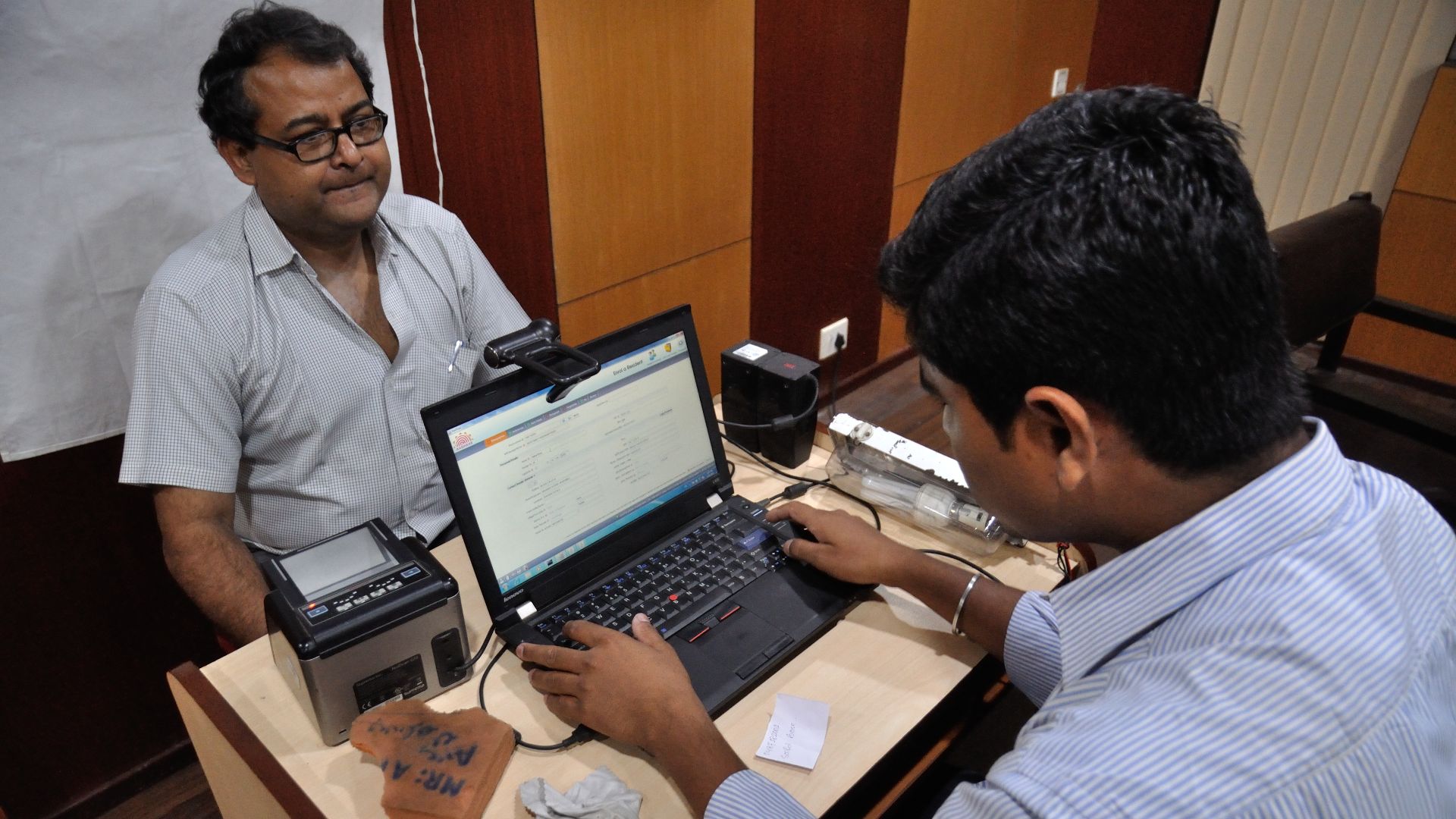 Biswarup Ganguly, Wikimedia Commons
Impersonation Fraud Is More Common Than People Think
In 2025, the Office of the Comptroller of the Currency barred former TD Bank employee Brian Hernandez in Queens, New York. He had made unauthorized ATM withdrawals totaling at least $187,000 from two elderly customers’ accounts. The case highlights why ID verification at counters is crucial to preventing such fraud.

Banks Are Legally Responsible If They Get It Wrong
Under U.S. federal law, specifically 18 U.S.C. § 1344, bank fraud carries penalties of up to 30 years in prison and fines up to one million dollars. That teller asking for your ID is the first line of a legal protection chain.
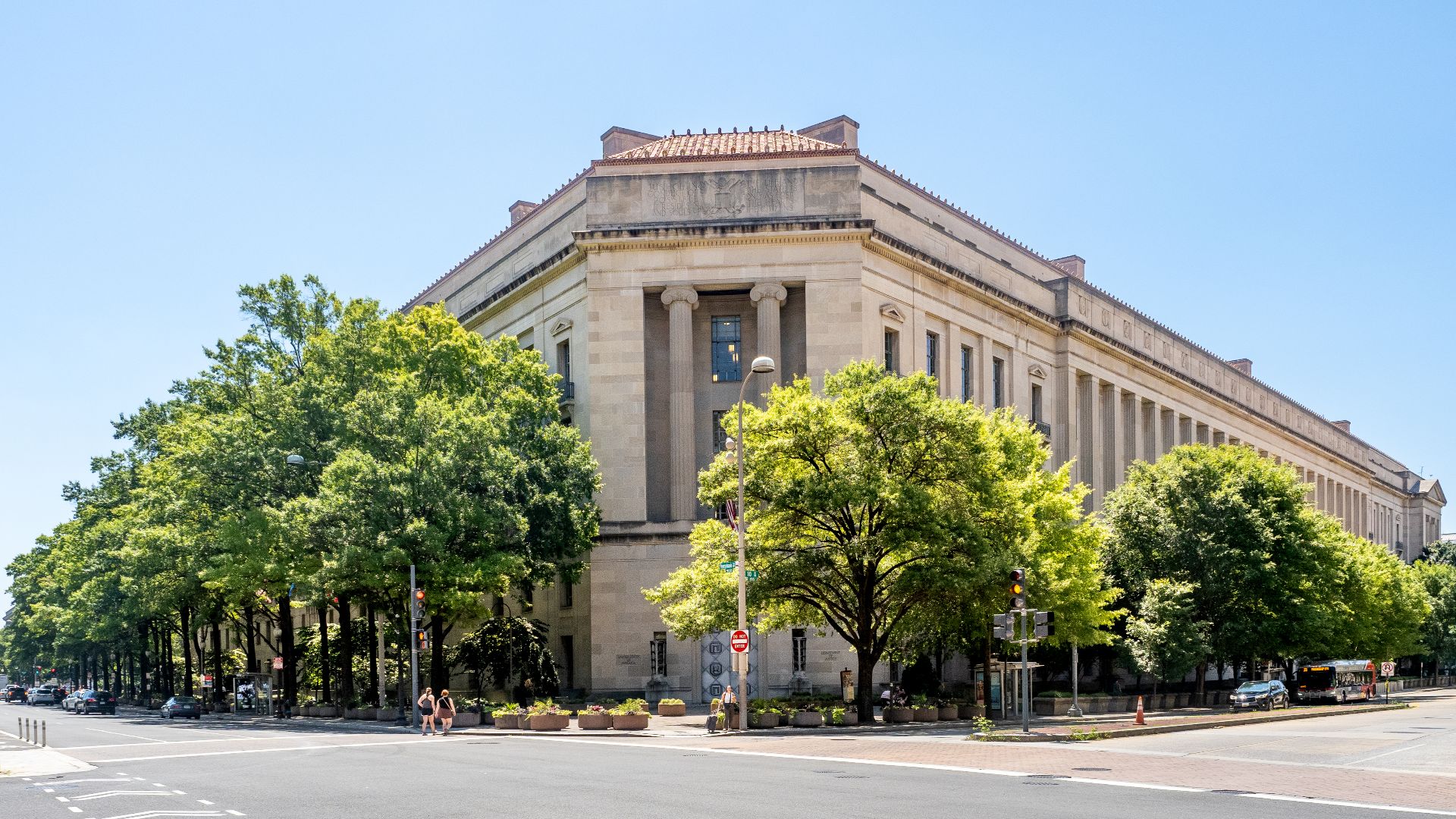 ajay_suresh, Wikimedia Commons
The Government Tracks Suspicious Financial Behaviour Continuously
Banks file what's called a Suspicious Activity Report, or SAR, whenever a transaction looks unusual. These reports go to FinCEN, the Financial Crimes Enforcement Network, a bureau of the U.S. Department of the Treasury.
 U.S. Government, Wikimedia Commons
The Government Tracks Suspicious Financial Behaviour Continuously (Cont.)
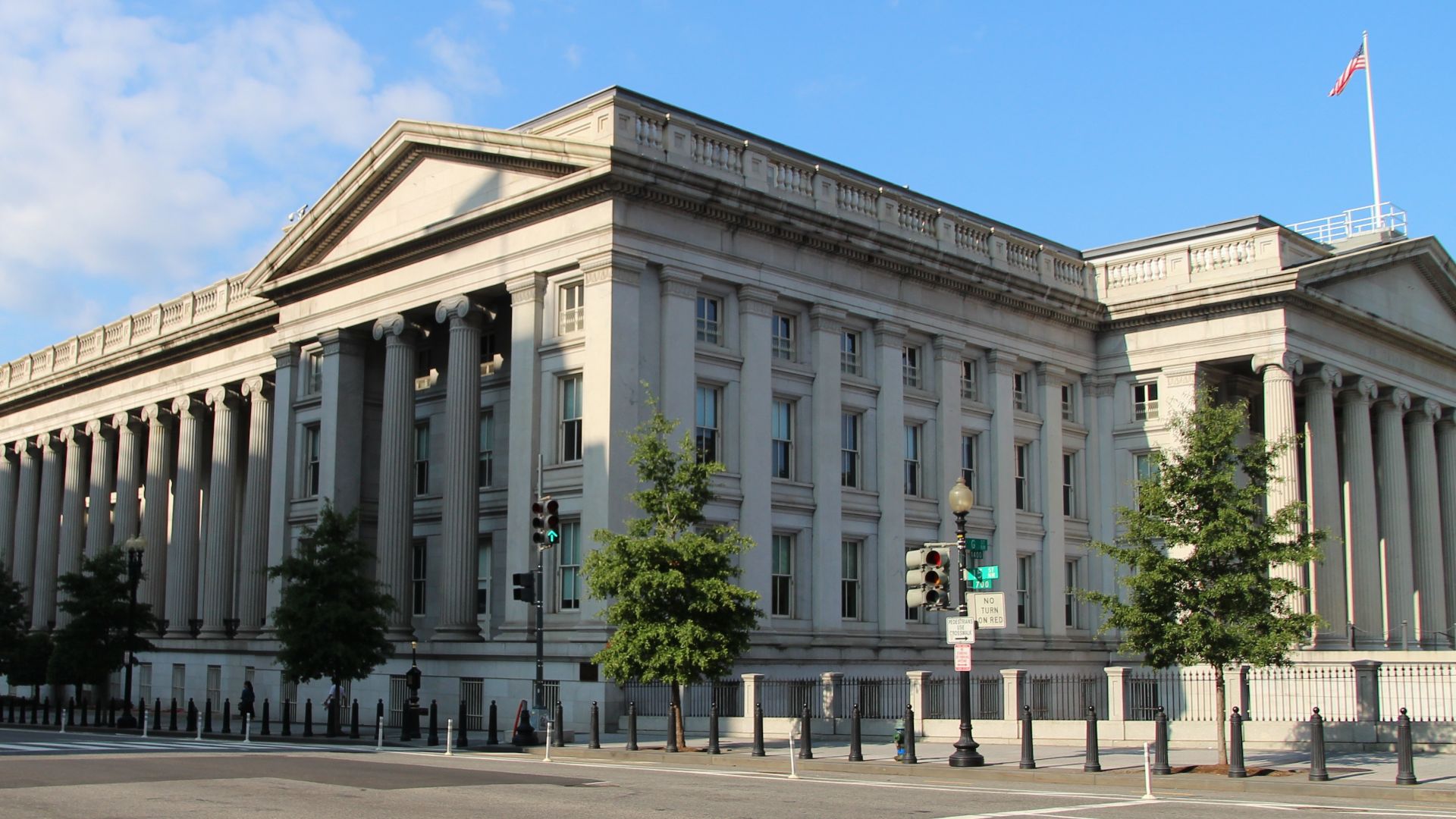
FinCEN has the authority to investigate, fine, and restrict any financial institution that fails to meet its obligations. It works alongside the FDIC, the Federal Reserve's Board of Governors, and the Office of the Comptroller of the Currency. Banks know they are watched, which is why their staff enforce ID checks even for small amounts.
Cash Over $10,000 Gets Reported Automatically
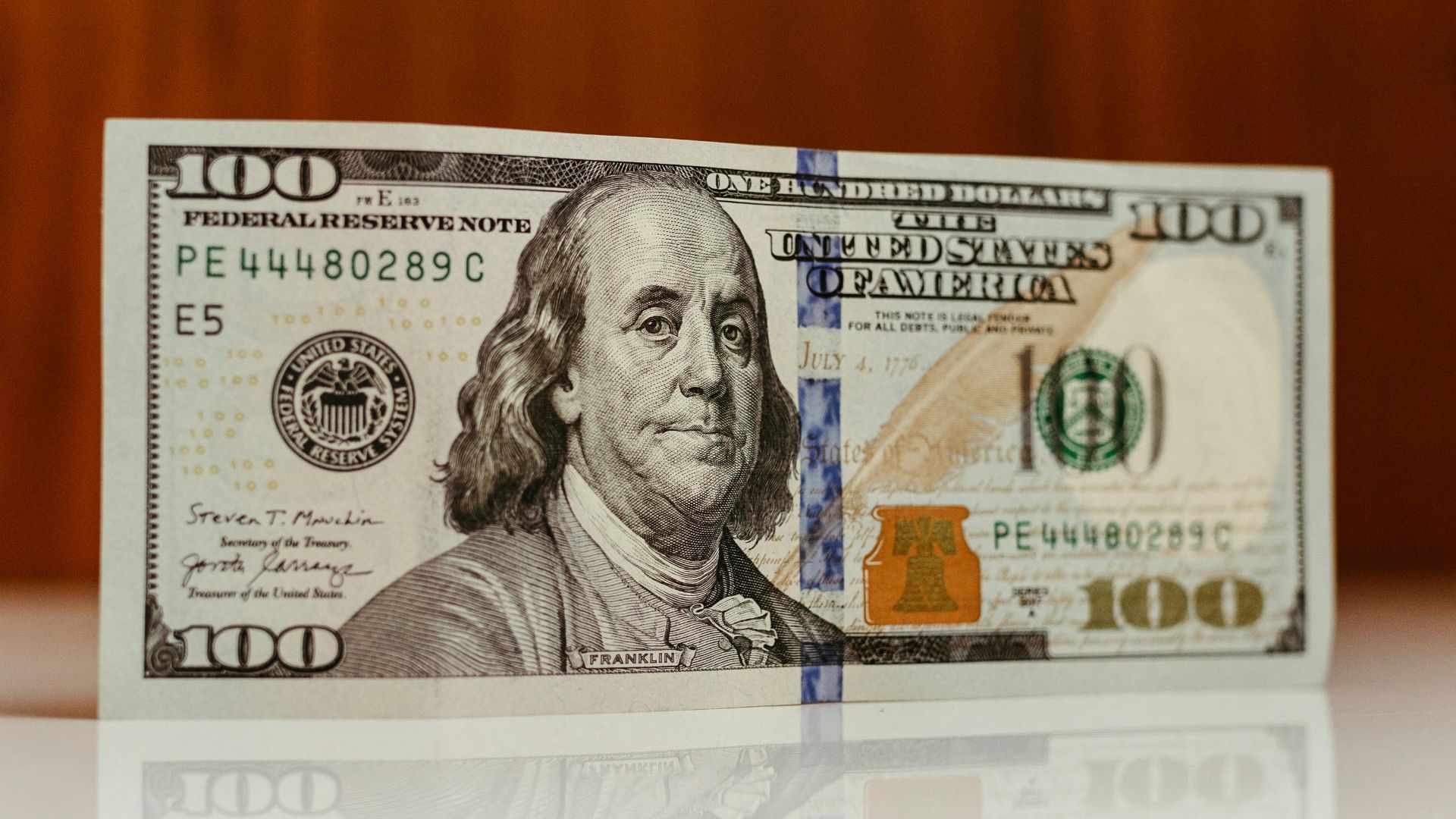
Most people don't know this, but any cash transaction above $10,000 triggers a mandatory Currency Transaction Report, filed directly with FinCEN. It doesn't matter how legitimate the reason is. Smaller transactions that appear designed to dodge this threshold, a tactic called structuring, are also flagged and reported.
The Rules Apply Globally
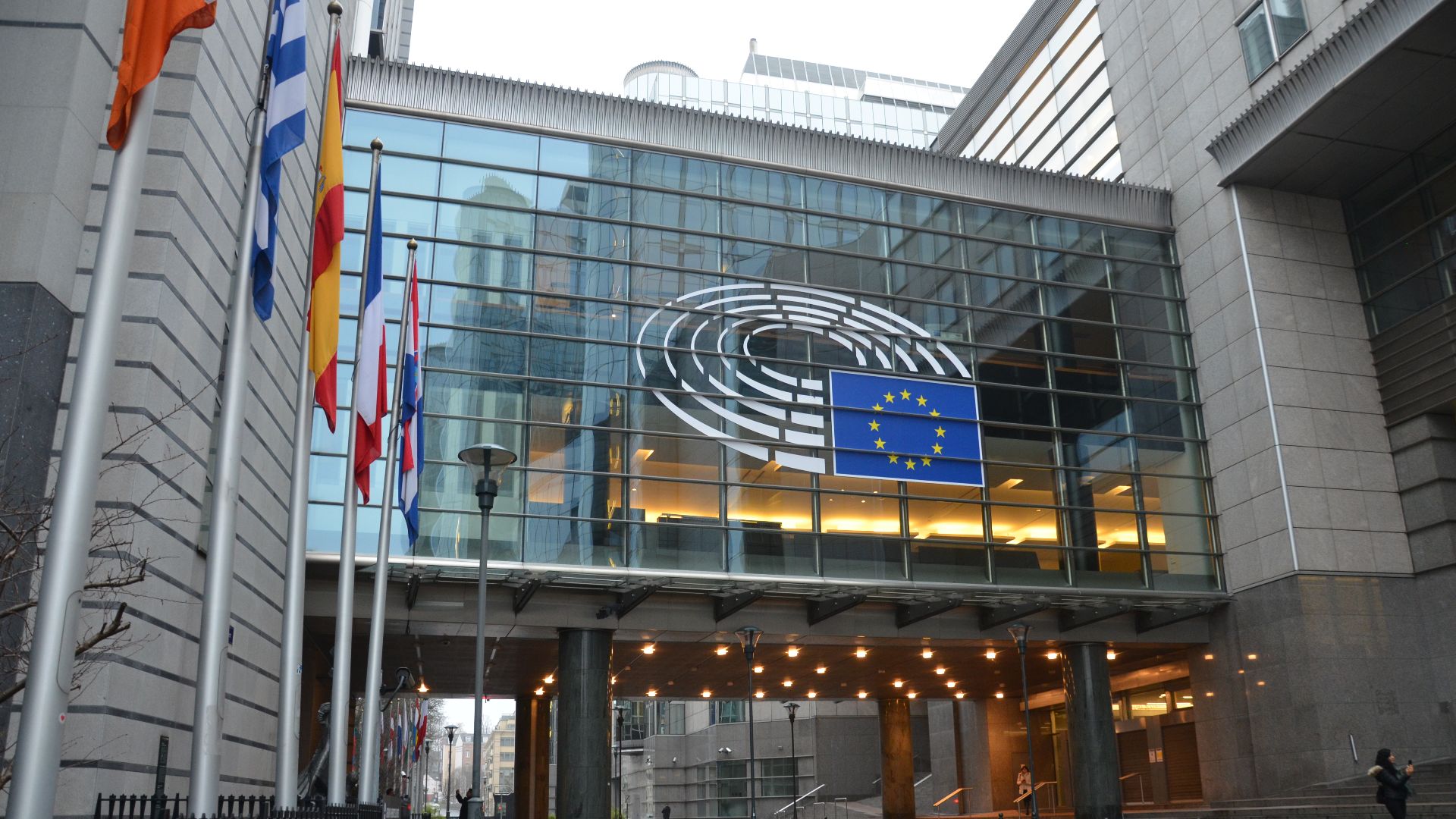
Every developed country has its own version of these identity requirements. The European Union operates under a series of Anti-Money Laundering Directives. Australia's AUSTRAC, established in 1989, monitors transactions under similar rules. This is a worldwide framework, not a quirk of American banking.
Each Bank Designs Its Own ID Process Within The Rules
The law sets the floor, and individual banks decide how to build on top of it. Some require a passport. Others accept a driver's licence. Some ask for two forms of ID for larger withdrawals. That means one bank's process might feel stricter than another's, even though both are responding to the same legal obligation.

The Account Being Yours Doesn't Automatically Prove You're You
Knowing your account number, your balance, or even your PIN isn't considered sufficient identity verification at a teller counter. Those details can be stolen. A government-issued photo ID is treated as a more reliable confirmation because it links a face to a name in a way that digits on a screen cannot.
Banks Can Freeze Accounts For Non-Compliance Too
It isn't just about being turned away once. If a customer repeatedly fails to complete identity verification when requested, banks are legally permitted to freeze accounts until the process is completed. This isn't punitive; it's a compliance measure built into how regulated institutions are allowed to operate.

Regulators Don't Distinguish Between Big Banks And Small Ones
The same rules apply whether you bank with a major national institution or a local credit union. In 2025, the OCC issued a Cease and Desist Order against Bank of America related to Bank Secrecy Act compliance failures. If regulators hold the largest banks accountable, there's no version of events where smaller institutions get a pass.

Some Banks Use Biometric Or Digital Verification Now
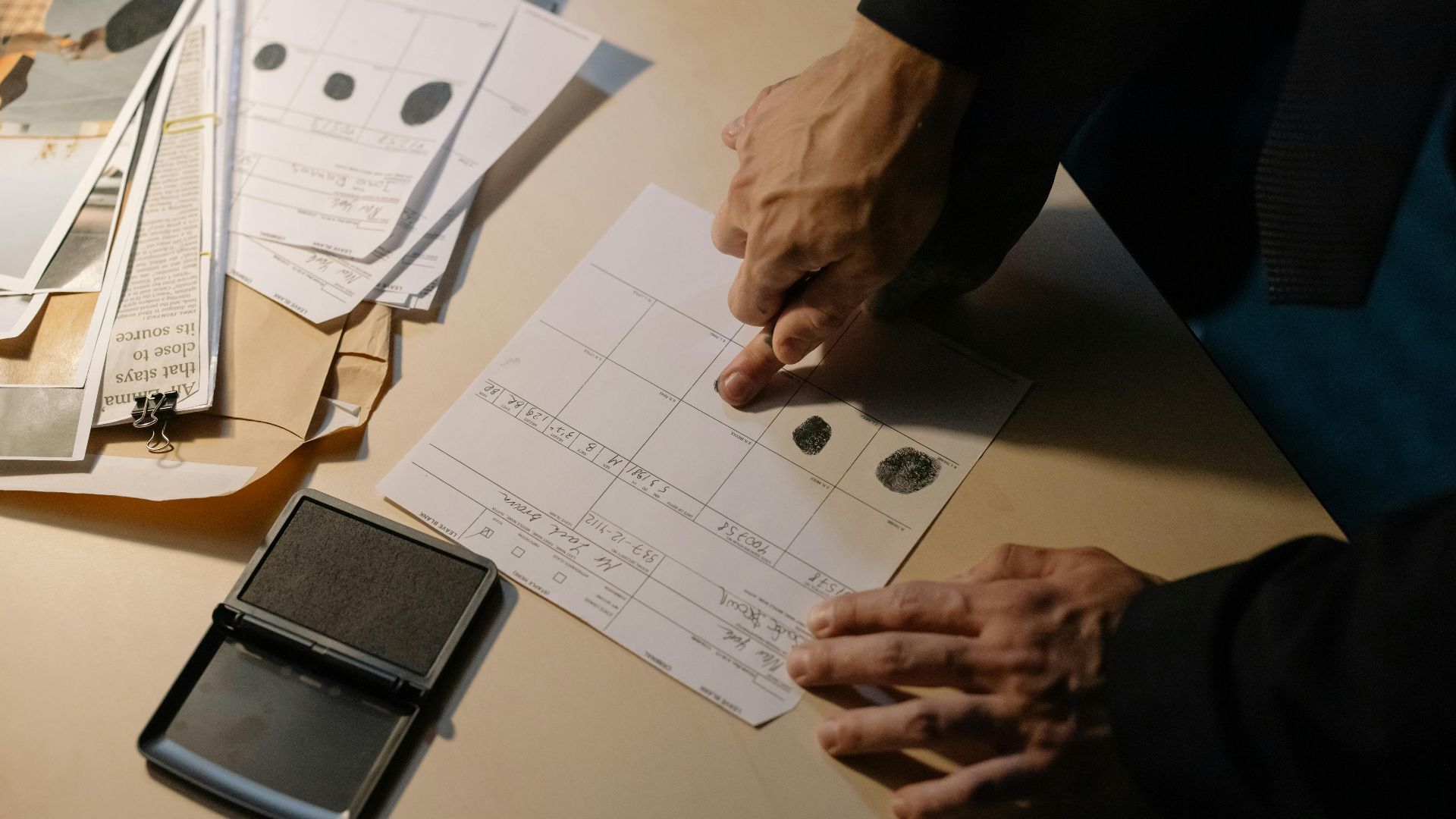
Technology has shifted what "showing ID" looks like in some institutions. Many banks now use biometric tools—like fingerprints or facial recognition—to confirm identity during teller transactions or app‑based withdrawals. But the underlying obligation is identical.

Forgery Makes The Teller's Job Complicated
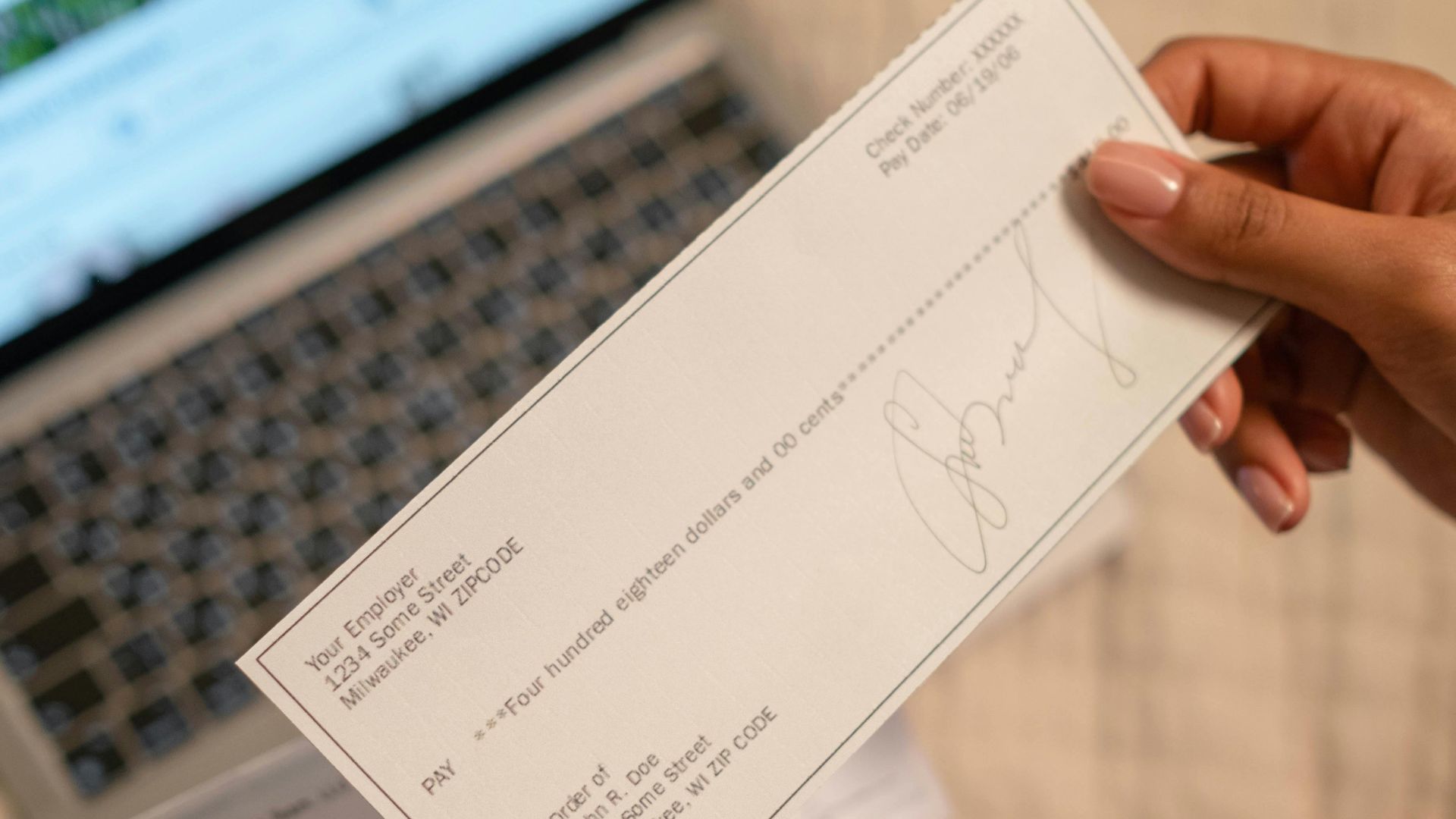
Check forgery, altered documents, and counterfeit IDs are all documented methods of bank fraud. Someone can alter a cheque to change the payable amount or forge a signature to access another person's account. Tellers are trained to treat ID verification as genuine security because fraudulent documents do get presented at bank counters.
The Panama Papers Made Things Even Stricter
In 2016, the Panama Papers revealed enormous gaps in how financial institutions tracked beneficial ownership of business accounts. FinCEN responded by issuing the Customer Due Diligence Final Rule, which added even more precise identity requirements on top of the existing framework.

The Anti-Money Laundering Act
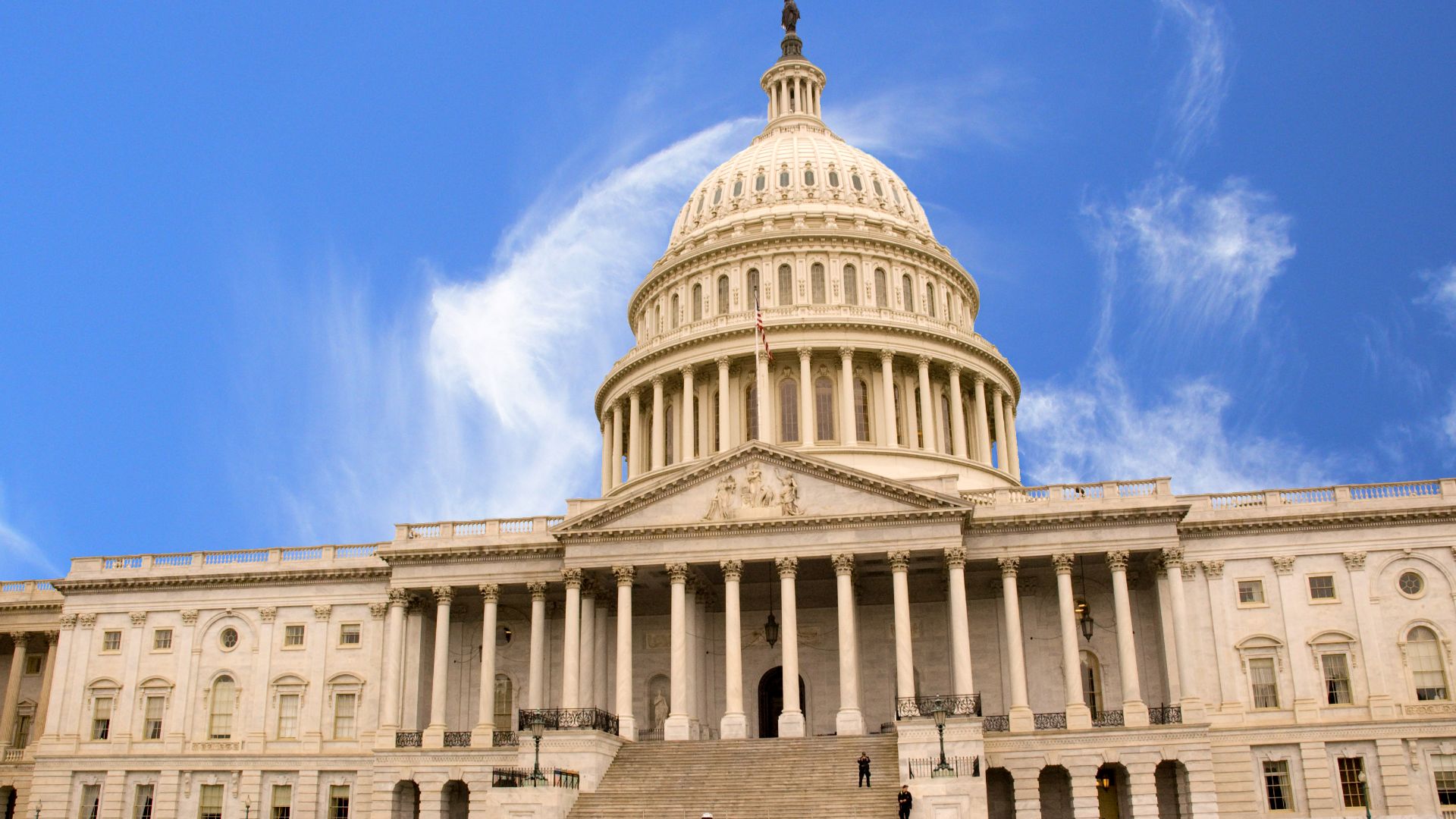
The Anti-Money Laundering Act came into force as part of the National Defense Authorization Act on January 1, 2021. It was the most significant update to the Bank Secrecy Act framework in decades. It expanded beneficial ownership disclosure requirements and broadened the scope of who gets monitored.
 David Maiolo, Wikimedia Commons
What You Can Actually Do About It
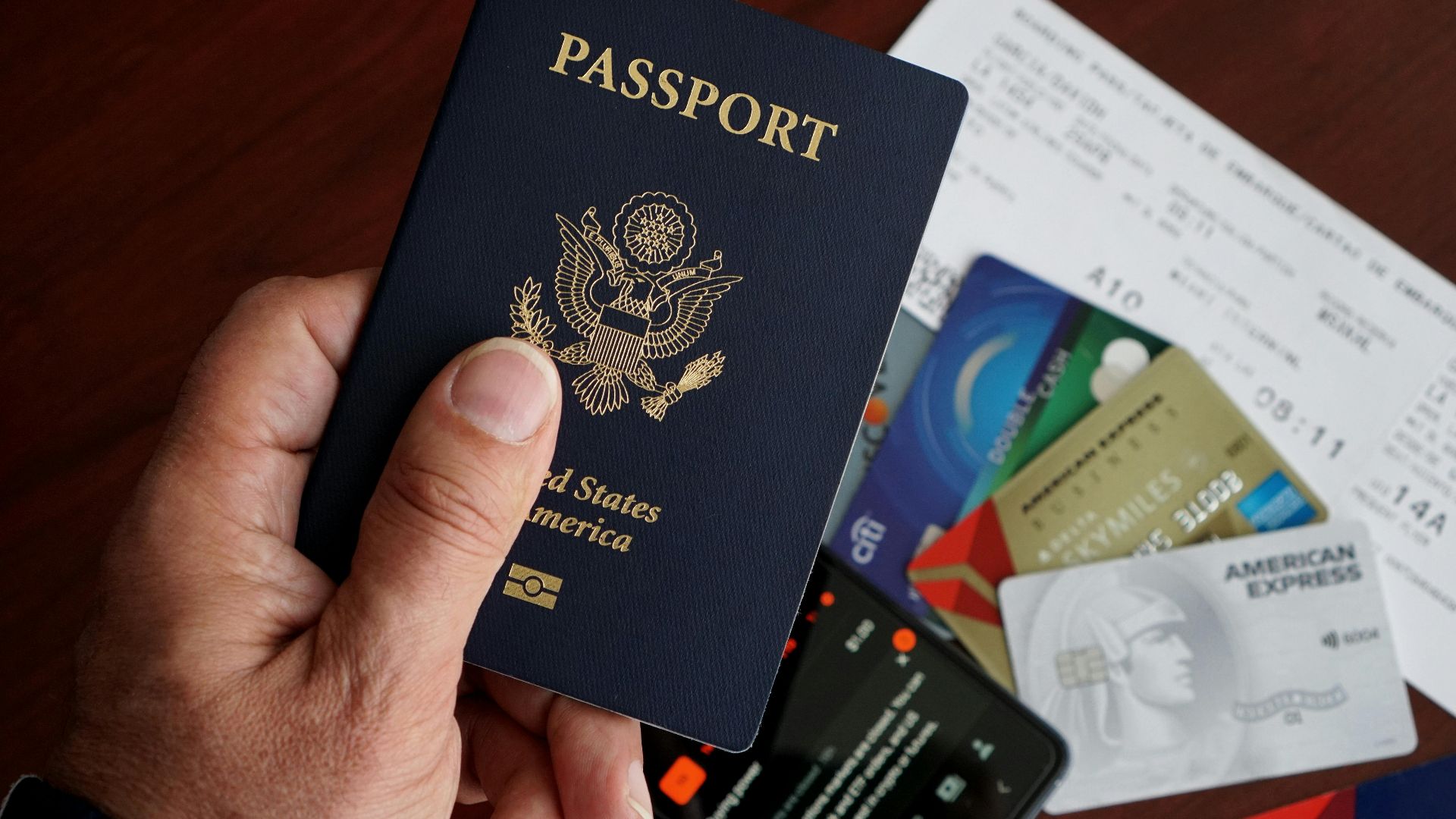
The most straightforward solution is to keep a form of government-issued photo ID with you whenever you visit a bank branch. Alternatively, most banks now offer mobile apps and ATMs where smaller withdrawals don't require the same in-person verification.
Plan Ahead To Save Time
If you know you’ll need cash or a teller service, prepare in advance. Many banks let you schedule withdrawals, set alerts, or request larger amounts ahead of time. Planning reduces delays at the counter and ensures smoother transactions, especially when ID verification or extra checks are required.