
Tax Break Alert
Not every tax season brings good news for retirees. This one does. A new deduction landed in the 2025 tax code that puts real money back into seniors' pockets, and it's claimable right now. How does $6,000 sound?

The Big News
Filing season is open, and older Americans have something genuinely new in their corner this year. Since January 26, 2026, the IRS has been accepting returns, and built right into the 2025 tax year is a brand-new $6,000 senior bonus deduction.

Why Now?
Inflation didn't spare seniors. Between rising healthcare premiums, shrinking retirement account values, and grocery bills that refuse to budge, the financial pressure on older Americans has been relentless. This deduction is Washington's direct response to that reality.

The Law's Origin
This benefit traces back to July 4, 2025, when President Trump signed the One Big Beautiful Bill Act into law, officially Public Law 119–21. Among its wide-ranging tax provisions was this senior bonus deduction, a headline measure targeting retirees.
 The White House, Wikimedia Commons
Who's Eligible?
Three things determine your eligibility right now. First, you must have turned 65 by December 31, 2025. Second, you need a valid Social Security number. Third, your filing status must be single, head of household, surviving spouse, or married filing jointly.

The Age Rule
December 31 is the IRS's magic date—not when you file, but when you turned 65. If your 65th birthday fell on the very last day of 2025, you still qualify for the full deduction across the entire tax year. There's no proration, no partial credit.

The Income Limit
The deduction is generous but not unconditional. Single filers with a Modified Adjusted Gross Income exceeding $75,000 begin losing the benefit gradually. It disappears entirely at $175,000. For joint filers, the phaseout starts at $150,000 and ends at $250,000.

The Phaseout Math
The reduction works at roughly 6 cents for every dollar earned over your income threshold. A single filer with an $80,000 MAGI, just $5,000 above the limit, loses only $300, keeping $5,700 of the deduction intact.

Filing Status Counts
Surviving spouses receive the same treatment as married couples filing jointly. This is a deliberate protection for recently widowed seniors navigating their first solo tax return. Head-of-household filers also qualify fully. The only hard exclusion is married filing separately, a status that disqualifies both spouses entirely.

Couples Benefit More
When both spouses turned 65 by December 31, 2025, each claimed their own $6,000, bringing the household bonus to $12,000. Layer that onto the existing $3,200 additional standard deduction for joint senior filers, and some couples are reducing their taxable income by more than $15,000 combined.

The Old Deduction
Long before this bonus existed, the tax code already gave seniors an extra standard deduction. $2,000 for individual filers and $3,200 for joint filers was available to those 65-plus and the visually impaired. That benefit is still fully intact in 2026.

Deductions That Stack
Here's where 2025 becomes genuinely powerful for seniors. The $6,000 bonus sits on top of the standard deduction, which for 2025 is $15,750 for single filers. Add the existing $2,000 senior deduction, and an individual filer aged 65-plus could reduce their taxable income by $23,750.

Itemizers Welcome Too
Most new deductions come with a catch, usually forcing you to choose between itemizing and taking the standard deduction. This one doesn't. The $6,000 senior bonus applies whether you itemize or take the standard deduction. That makes it genuinely rare in the tax code.

Your $6,000 Explained
The $6,000 figure is a deduction, not a credit. A deduction reduces your taxable income, while a credit reduces your actual tax bill dollar for dollar. So the real savings depend on your tax bracket. A senior in the 22% bracket saves $1,320.

How Much Back?
A 72-year-old single filer earning $70,000 claiming the standard deduction gets $15,750, plus the $2,000 existing senior deduction, plus the new $6,000 bonus. Total deductions: $23,750. Taxable income drops to $46,250.

By The Numbers
Married couples see the most dramatic impact. Two spouses both aged 65-plus, filing jointly with a $140,000 MAGI, claim a $31,500 standard deduction, a $3,200 existing senior deduction, and the full $12,000 bonus. Their taxable income drops to $93,300. Without the bonus, it would have been $105,300.

Paperwork You Need
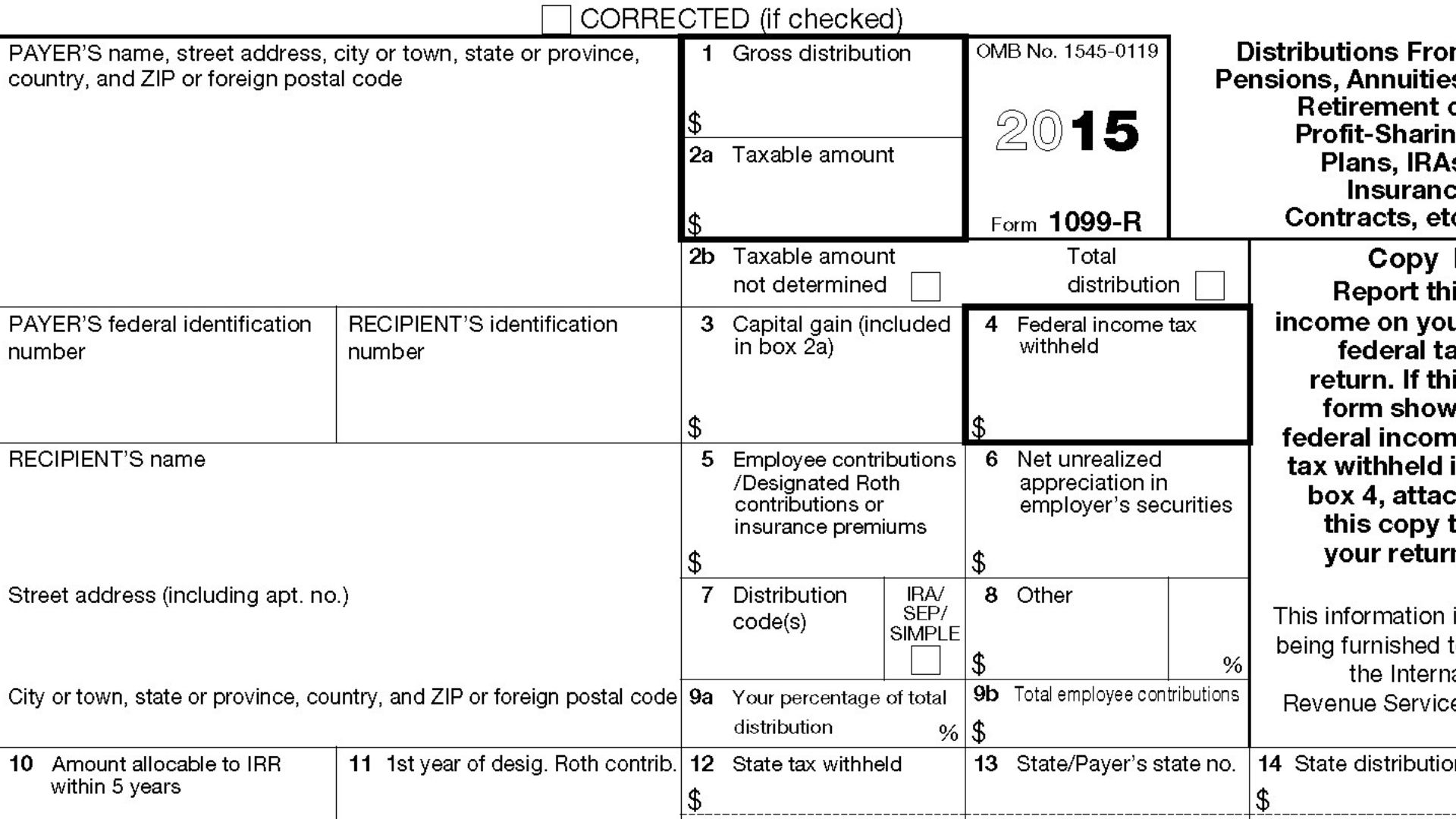
Before you sit down to file, gather these specific documents. You'll need proof of age (your birth certificate or passport works), your Social Security card, all 1099 forms covering retirement distributions, Social Security benefit statements, brokerage account summaries, and any documentation of Roth conversions.
 United States Internal Revenue Service, Wikimedia Commons
The Correct Forms
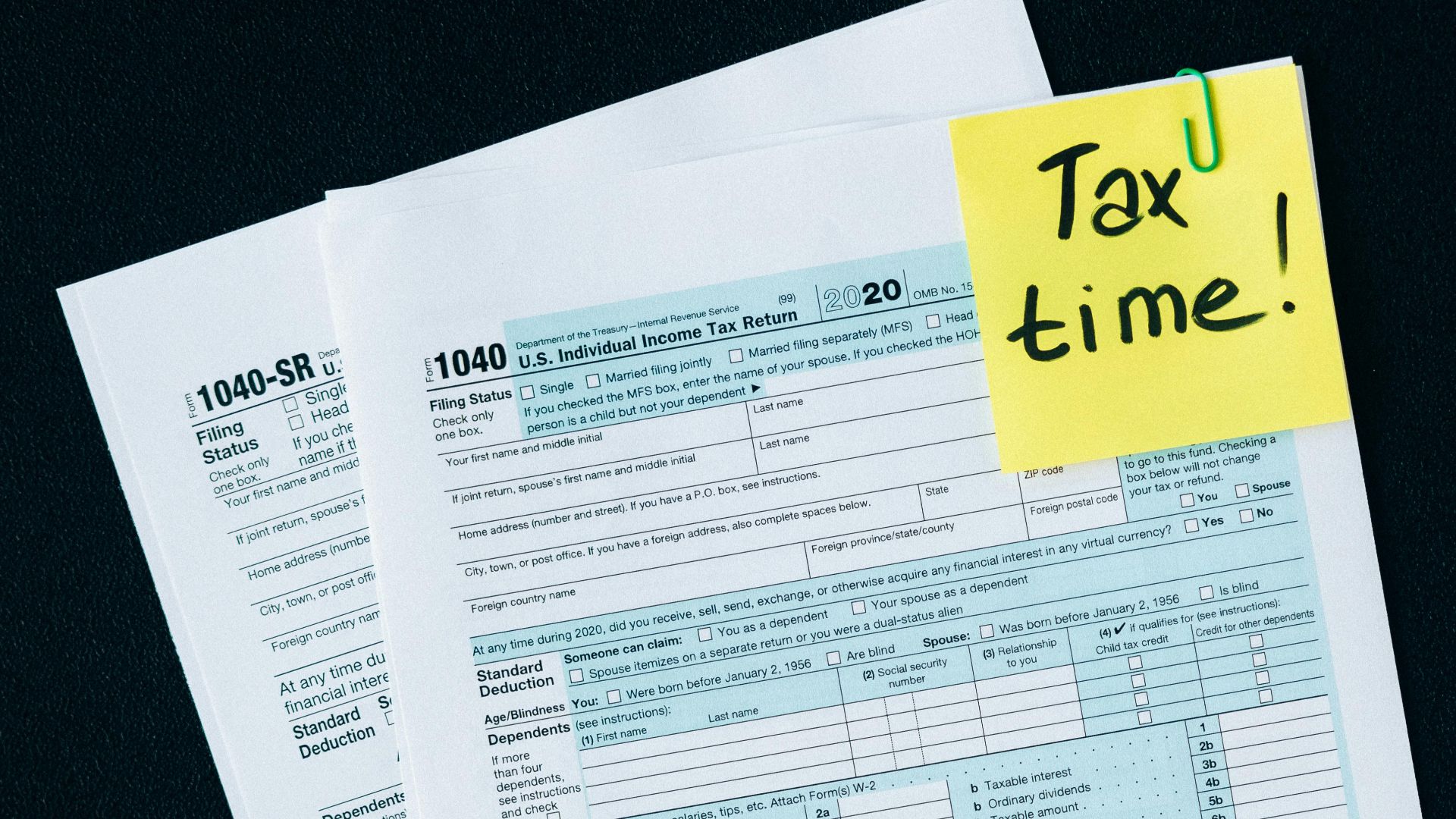
The bonus is claimed on Form 1040 or Form 1040-SR, the version designed specifically for seniors with larger print and a more senior-friendly layout. Critically, you must also complete the new Schedule 1-A, introduced specifically for One Big Beautiful Bill Act adjustments.
Step-By-Step Claiming
Start with Form 1040 or 1040-SR and confirm your date of birth is entered correctly, as the IRS uses it to verify age eligibility. Then complete Schedule 1-A, entering your MAGI to determine your exact deduction amount after any phaseout reduction. Attach Schedule 1-A to your return before filing.

The Social Security Angle
This deduction doesn't eliminate taxes on Social Security benefits, but it meaningfully softens them. Up to 85% of Social Security income remains taxable under IRC §86, depending on overall income. However, the $6,000 bonus reduces your total taxable income.
Mistakes Cost Money
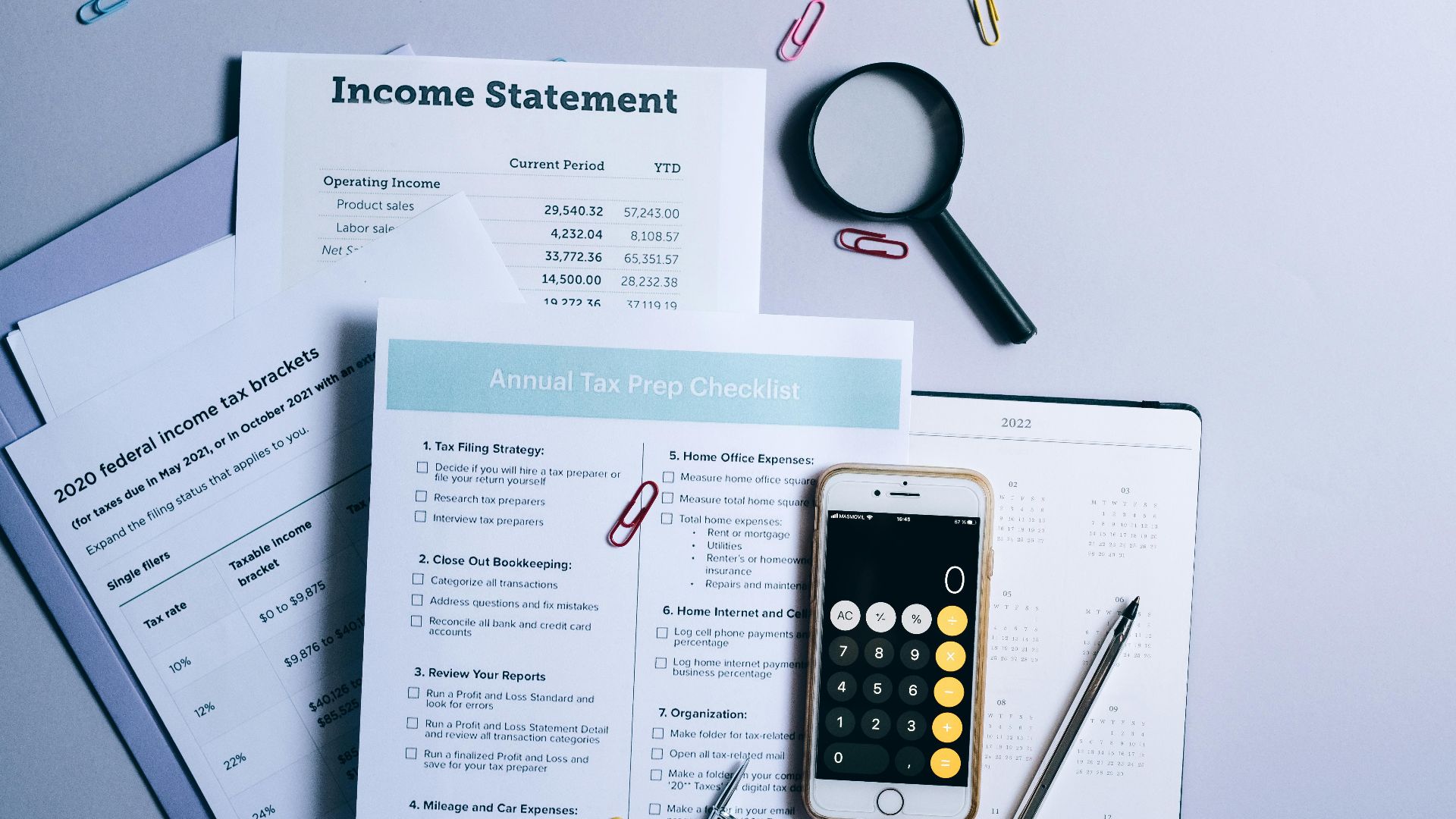
The most common errors this filing season involve Schedule 1-A, either skipping it entirely or miscalculating MAGI. Some filers are also incorrectly entering birth dates, disqualifying themselves accidentally. Others assume the bonus applies automatically without the schedule attached. It doesn't.

DIY Vs Professional
Tax software updated for 2025 will prompt you through Schedule 1-A automatically, making the bonus relatively straightforward to claim independently. However, if your income sits near the $75,000 or $150,000 phaseout thresholds, a tax professional can model exactly how much you retain after reduction.

The Expiry Clock
Right now, as you file your 2025 return, the clock is already running. The senior bonus deduction is authorized for tax years 2025, 2026, 2027, and 2028 only. That means four filing seasons total, this one included. After 2028, without Congressional action, the benefit disappears entirely from the tax code.

Built-In Sunset Clause
Congress made the deduction expire deliberately to comply with Senate reconciliation rules, which restrict how much new legislation can add to the federal deficit. A permanent deduction would have failed those constraints. The four-year window was the political compromise that got the provision passed.

Claim It Now
The April 15, 2026, deadline is closer than it feels in February. With Schedule 1-A required, documents to gather, and MAGI calculations to verify, waiting until mid-April creates real risk. File early, claim the full bonus you're entitled to, and if both spouses qualify, confirm both are listed correctly.