When Eating Out Felt Like An Event
Long before every highway exit seemed to have the same handful of restaurants, America was packed with colorful regional and national chains. Some had giant signs, some had carhops, and some served burgers for pocket change. If you grew up in the 1960s, these names might bring back a few hungry memories.
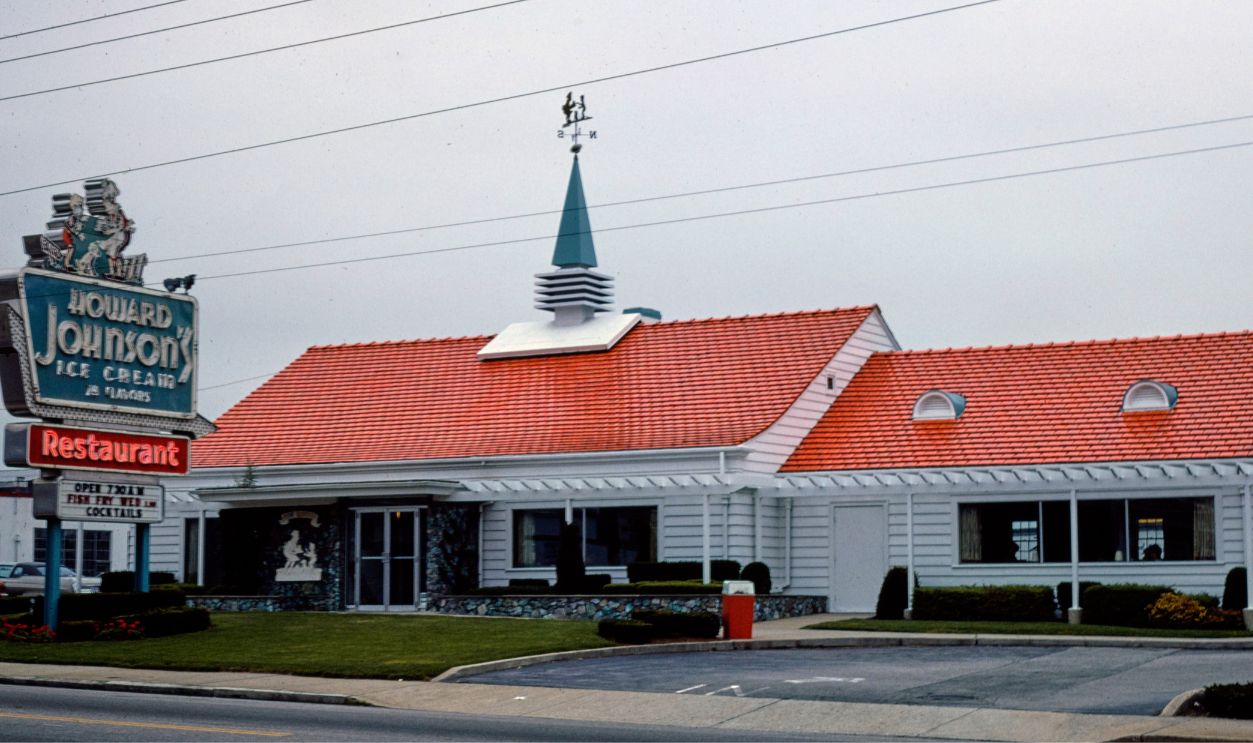
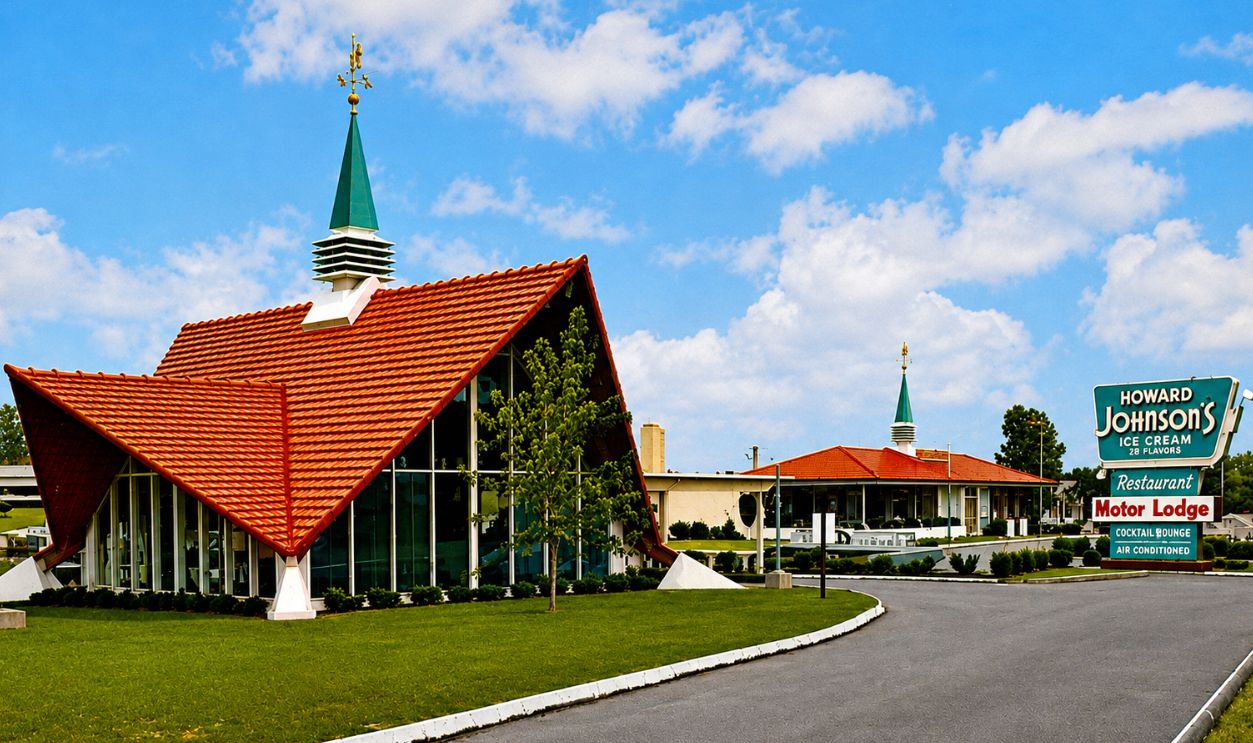
Howard Johnson’s
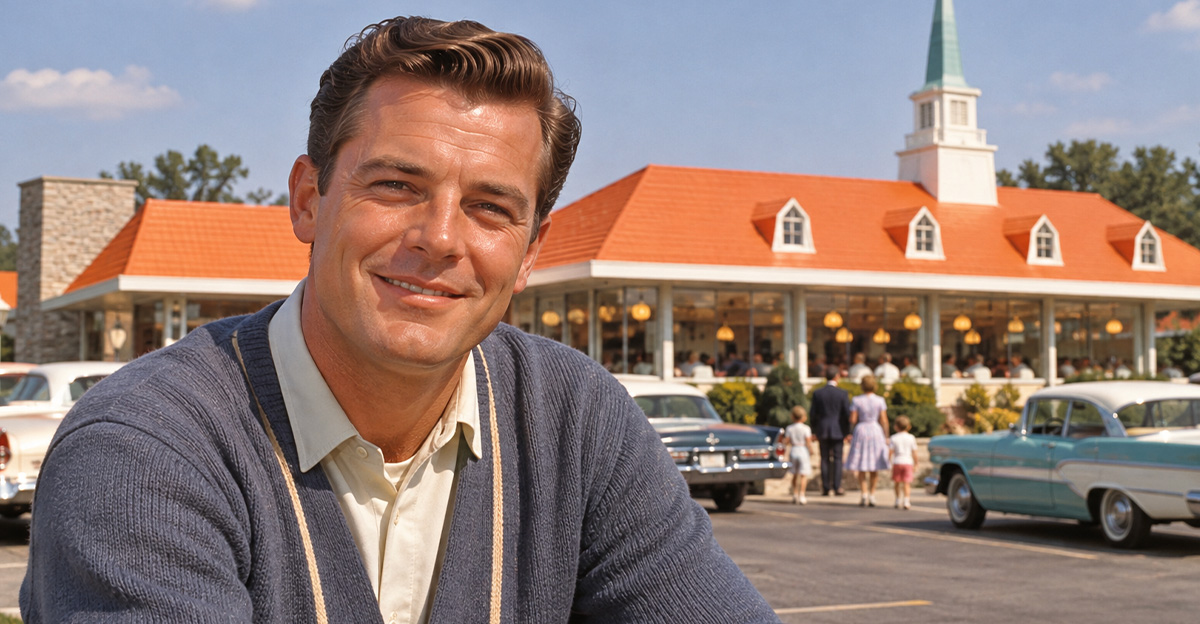
That orange roof was once practically a highway landmark. By the mid-1960s, Howard Johnson’s had become the largest restaurant organization in America, serving travelers everything from fried clams to ice cream. For countless families, spotting a HoJo’s sign meant the road-trip meal was officially decided.
A&W
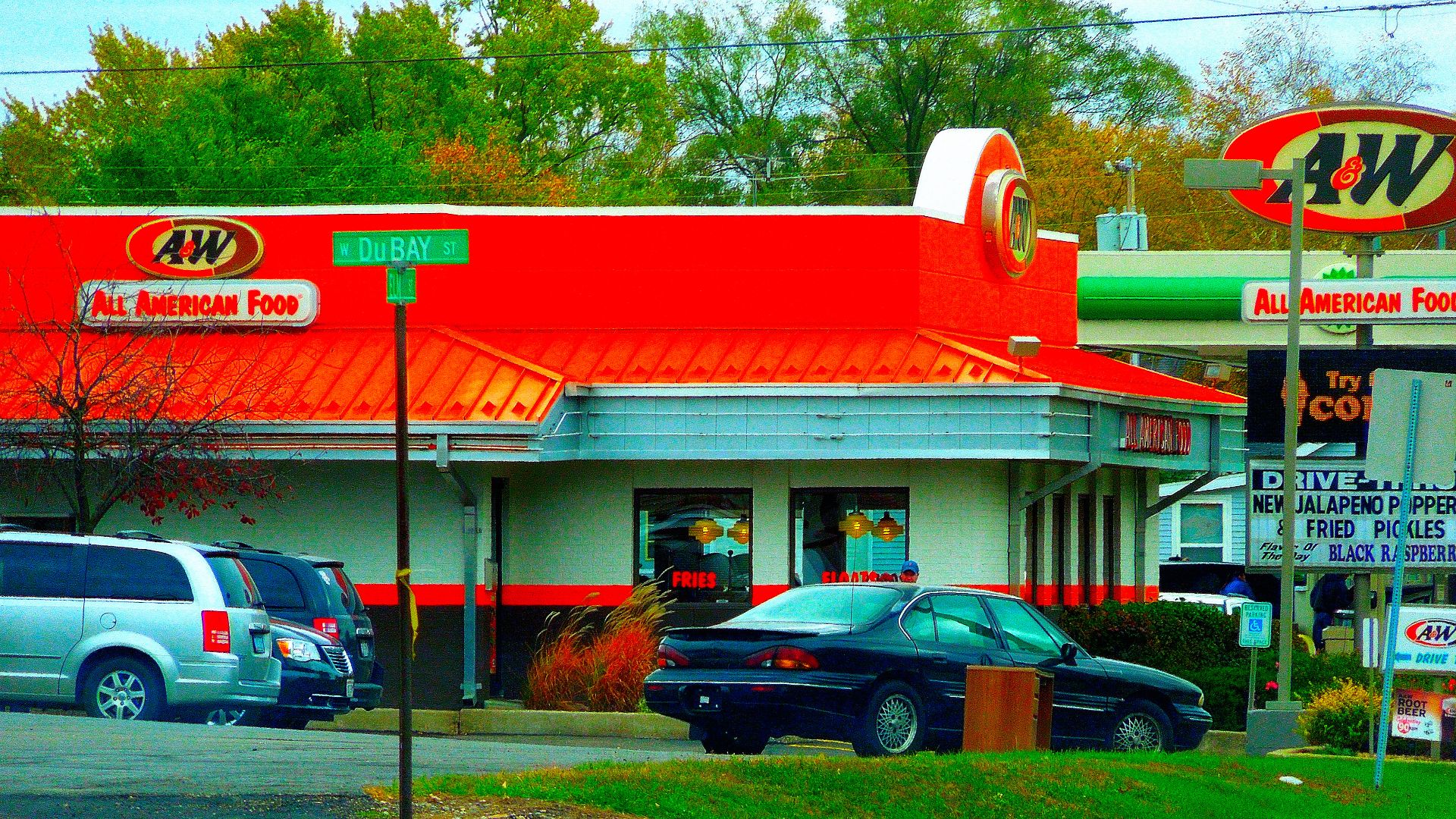
Few things said summer quite like pulling into an A&W and getting root beer in a frosty mug. The chain had roughly 2,000 restaurants by 1960, making it one of the biggest names in American roadside dining. Burgers, hot dogs, carhops, and root beer made the formula hard to resist.
 Corey Coyle, Wikimedia Commons
Big Boy
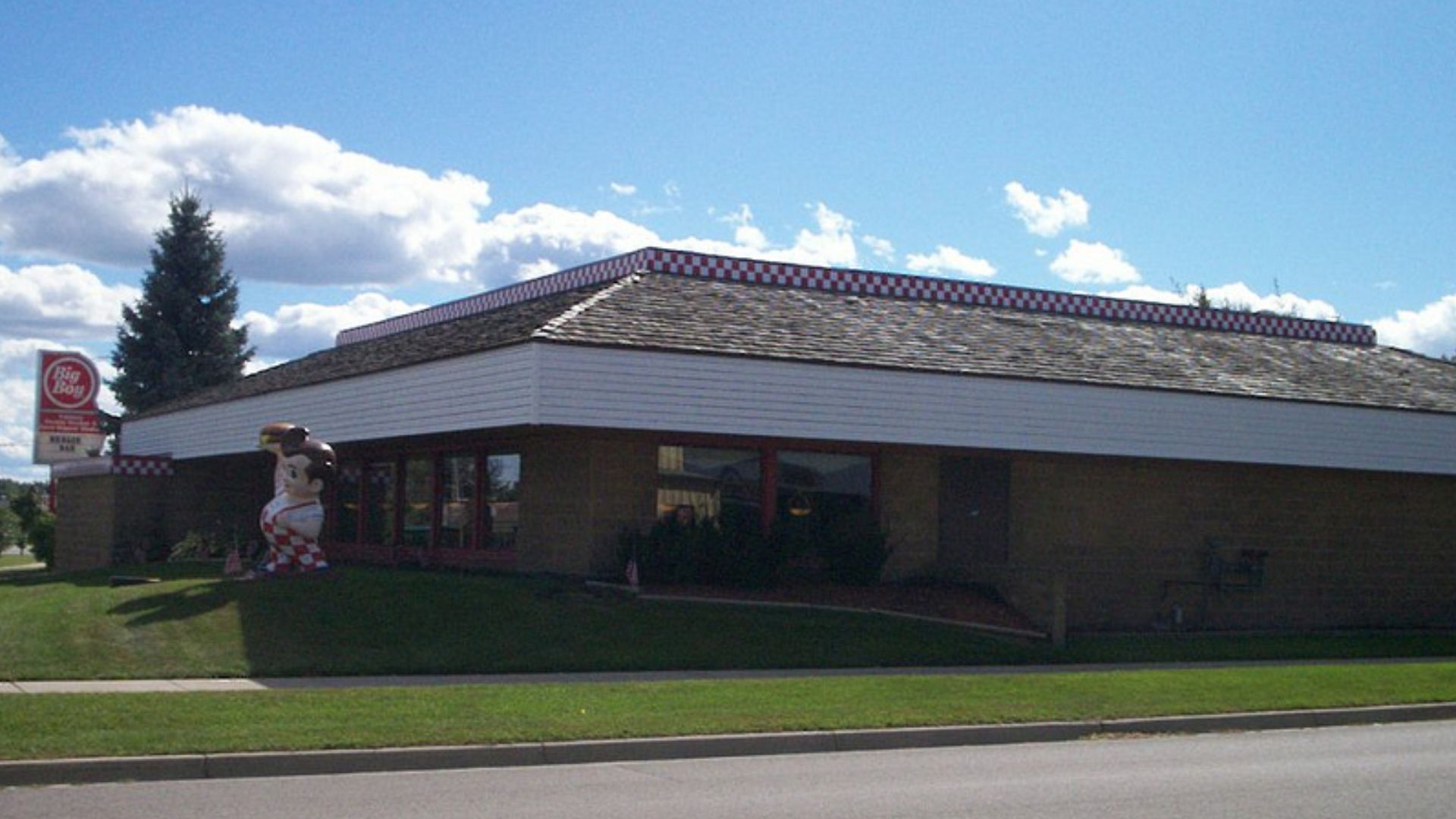
That smiling kid in the checkered overalls seemed to be everywhere. Big Boy operated through numerous regional franchise names, making it feel both local and national at the same time. By 1964, the Elias Brothers operation alone had 100 restaurants in Michigan and Ohio.
 TenPoundHammer (wachovia_138 on Flickr), Wikimedia Commons
Kentucky Fried Chicken
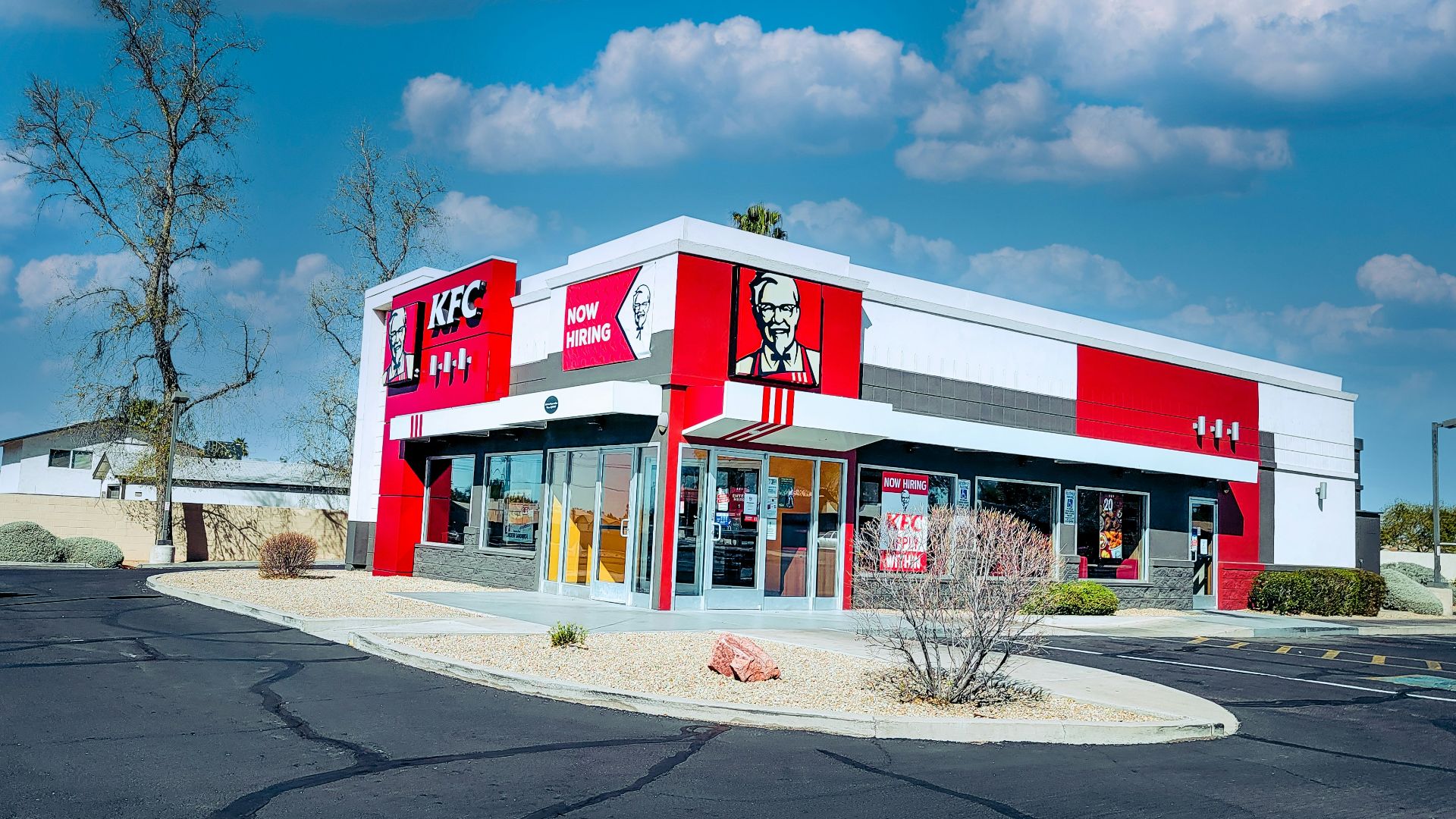
Colonel Sanders became one of the most recognizable faces in America during the 1960s. KFC grew from roughly 200 franchised restaurants in 1960 to more than 600 by 1963. Suddenly, families could bring home a bucket of chicken instead of spending Sunday afternoon standing over the stove.
Burger Chef
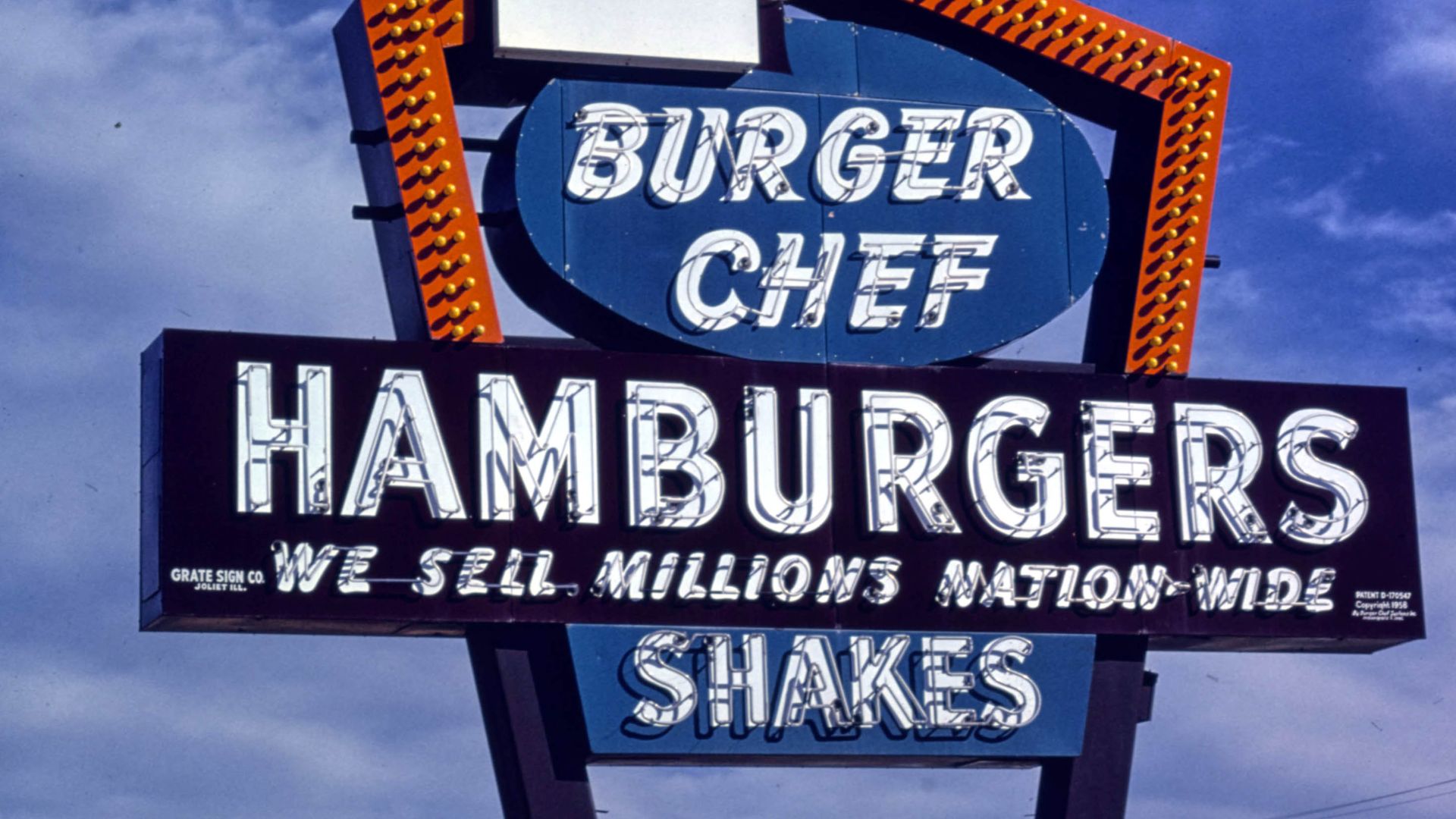
Before Burger King and McDonald’s completely dominated the burger wars, Burger Chef was a serious contender. Founded in Indianapolis in 1954, it expanded aggressively during the 1960s and eventually topped 1,000 locations. Plenty of Boomers still remember the Big Shef, fries, and those unmistakable roadside signs.
 John Margolies, Wikimedia Commons
Chicken Delight
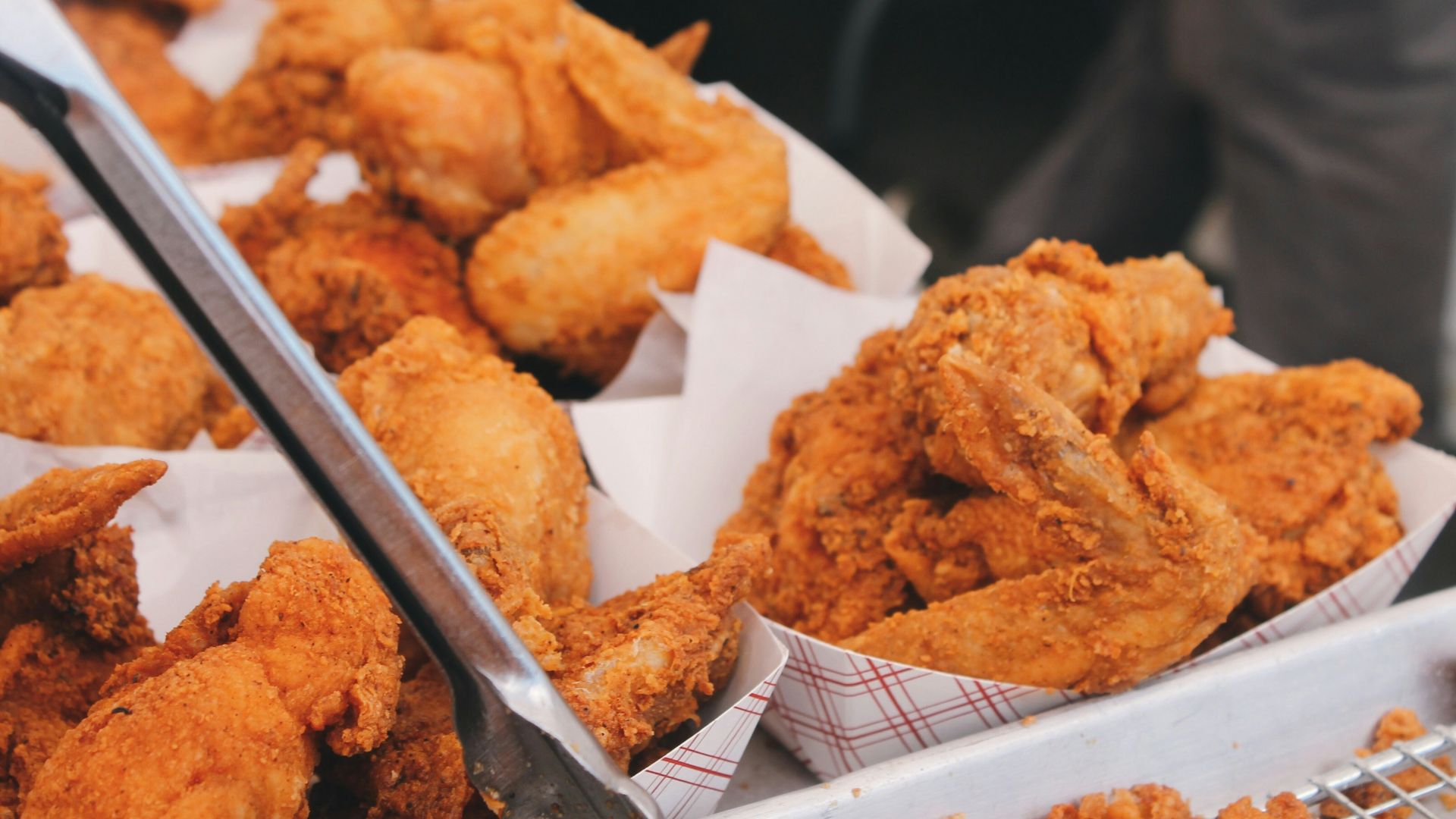
“Don’t cook tonight, call Chicken Delight” was an advertising slogan you could actually sing along with. Founded in 1952, the delivery-and-takeout chain exploded during the following decade and grew to more than 1,000 outlets. For busy households, having fried chicken delivered felt downright futuristic.
Shakey’s Pizza
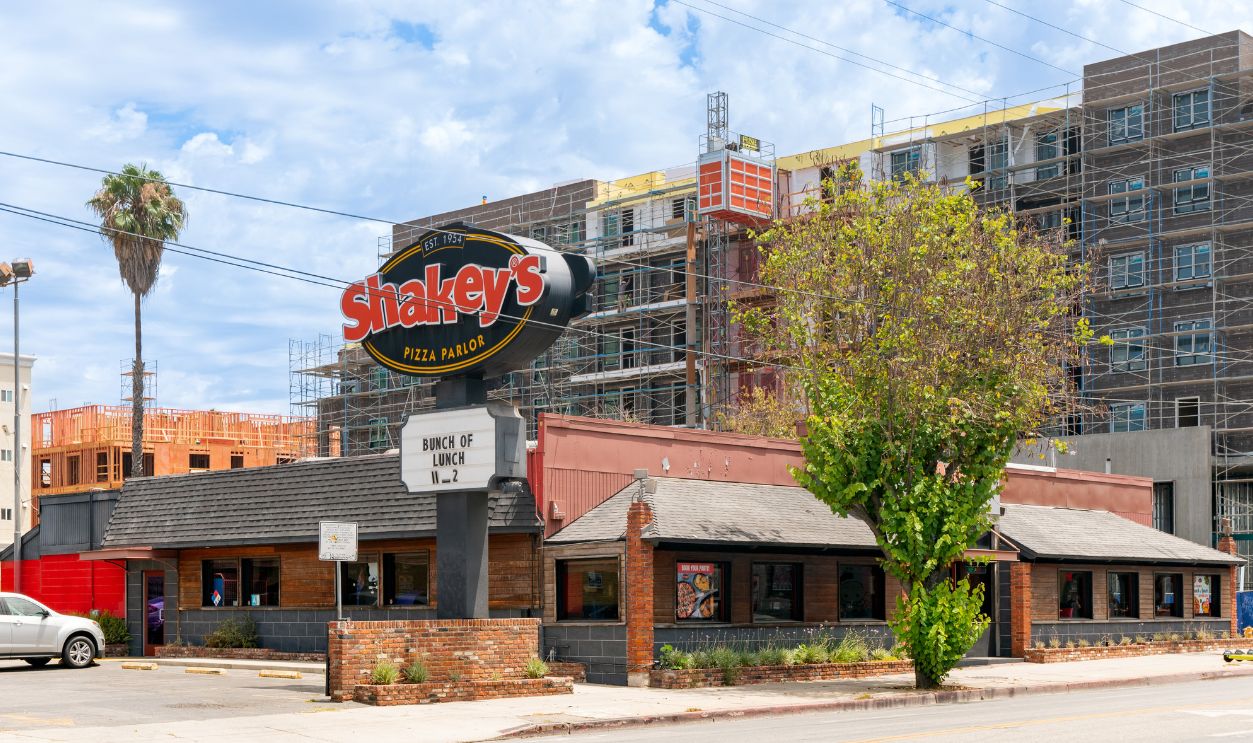
Before pizza chains became ordinary, Shakey’s made pizza night feel like entertainment. Founded in Sacramento in 1954, it became America’s first franchised pizza chain and had 342 locations by 1968. Many restaurants combined pizza with live music and a lively atmosphere that made dinner feel like a night out.
 AaronP/Bauer-Griffin, Getty Images
Hot Shoppes
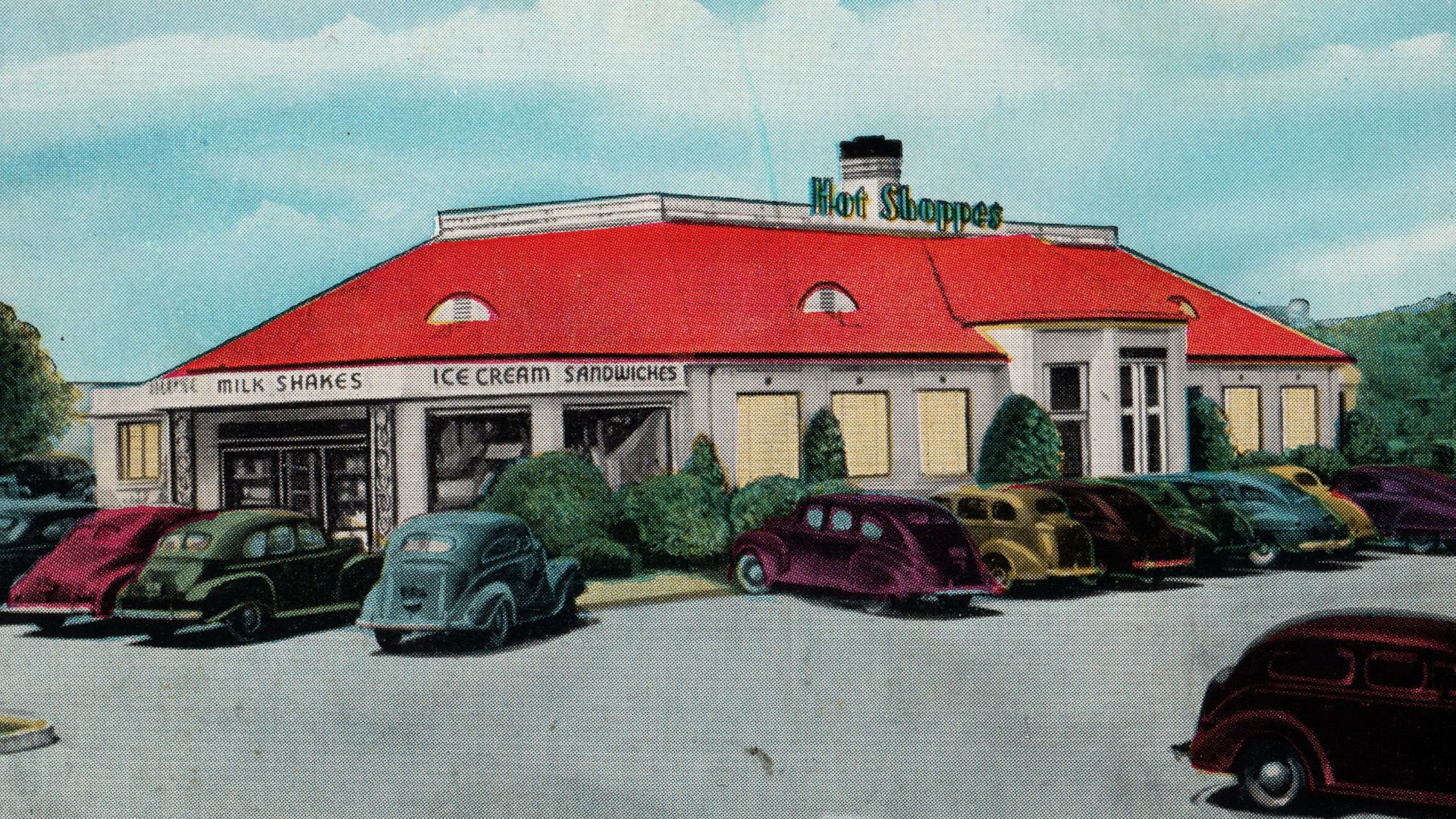
If you lived around Washington, D.C., Hot Shoppes was difficult to miss. The Marriott family’s restaurant business had more than 70 restaurants, cafeterias, and turnpike locations by 1964. Hot Shoppes Jr. arrived soon afterward, giving the company a faster burger-and-chicken format aimed squarely at the growing fast-food crowd.
 Unknown authorUnknown author, Wikimedia Commons
Red Barn
You certainly knew where you were eating when the restaurant was shaped like a barn. Founded in 1961, Red Barn eventually grew to roughly 300 to 400 locations. Its Big Barney burger, fried chicken, and distinctive buildings made the chain one of the more memorable roadside sights of its era.
Lum’s
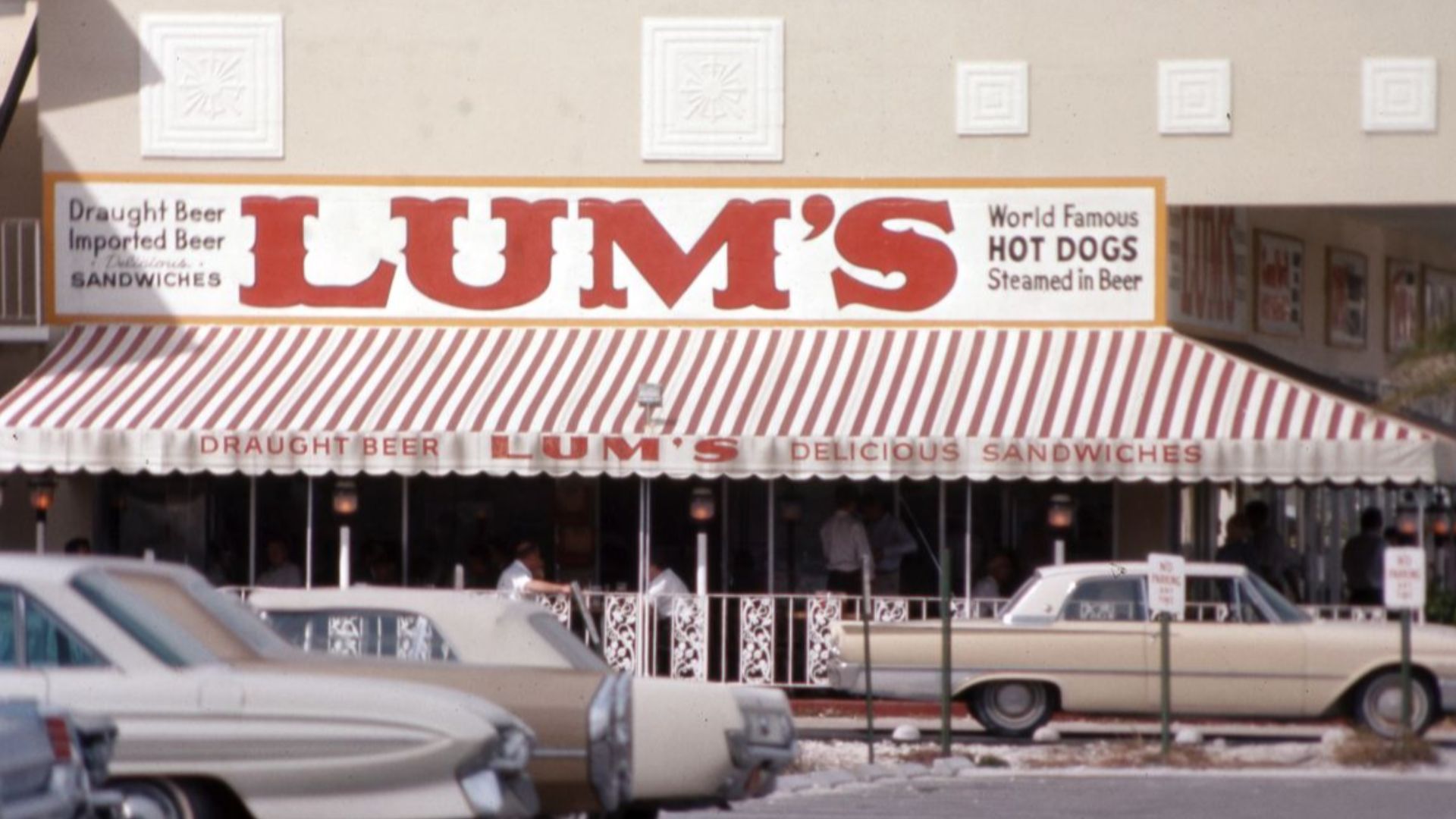
Lum’s started as a little Miami Beach hot dog stand and became a genuine restaurant empire. Its signature hot dogs were famously steamed in beer, and by the early 1970s the company had around 400 locations. The business became so ambitious that its corporate parent even purchased Caesars Palace in 1969.
 Florida Memory, Wikimedia Commons
Sandy’s
If Sandy’s looked suspiciously like an early McDonald’s, there was a reason. Its founders had initially been McDonald’s franchisees before creating their own chain. Sandy’s expanded from seven restaurants in 1959 to 121 by 1966, becoming a familiar hamburger stop across large portions of the Midwest.
Carrols
No, we are not talking about Carroll’s house down the street. Carrols was once a major Northeastern fast-food name. The company began expanding in 1960 and became particularly strong in New York. Eventually, many Carrols restaurants disappeared for a simple reason: they were converted into Burger Kings.
Royal Castle
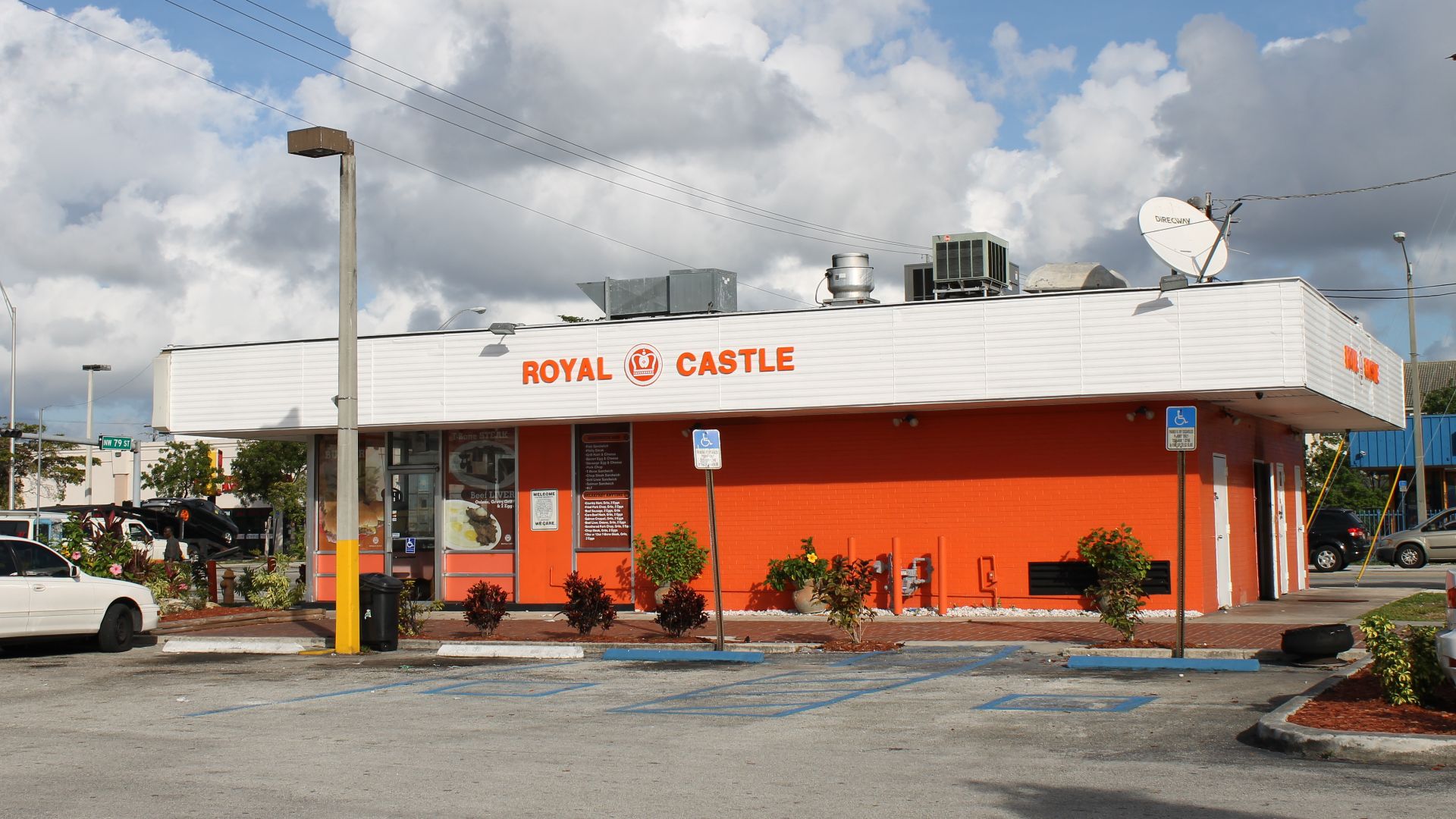
Royal Castle was especially beloved across Florida and the Southeast. Its tiny hamburgers, breakfast plates, and birch beer attracted generations of customers. By 1960, it was reportedly the third-largest short-order restaurant chain in America, and the company eventually operated more than 200 locations.
 Phillip Pessar, Wikimedia Commons
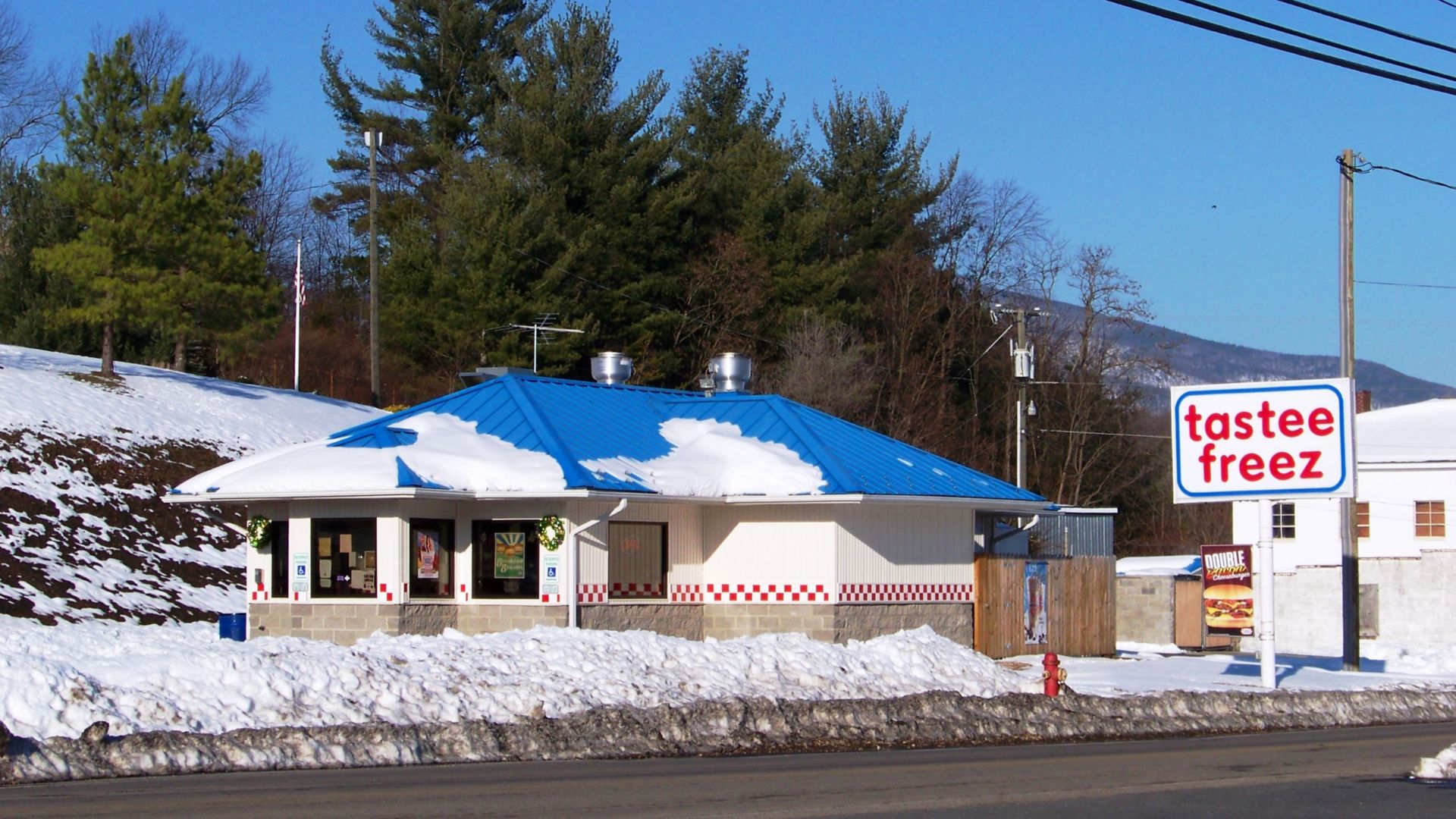
Tastee-Freez
For many kids, Tastee-Freez was less a restaurant than a destination. Those soft-serve cones could make an ordinary summer evening feel special. The chain had already grown enormously during the 1950s, and during the 1960s it increasingly added hot dogs, hamburgers, and other fast-food choices to its menu.
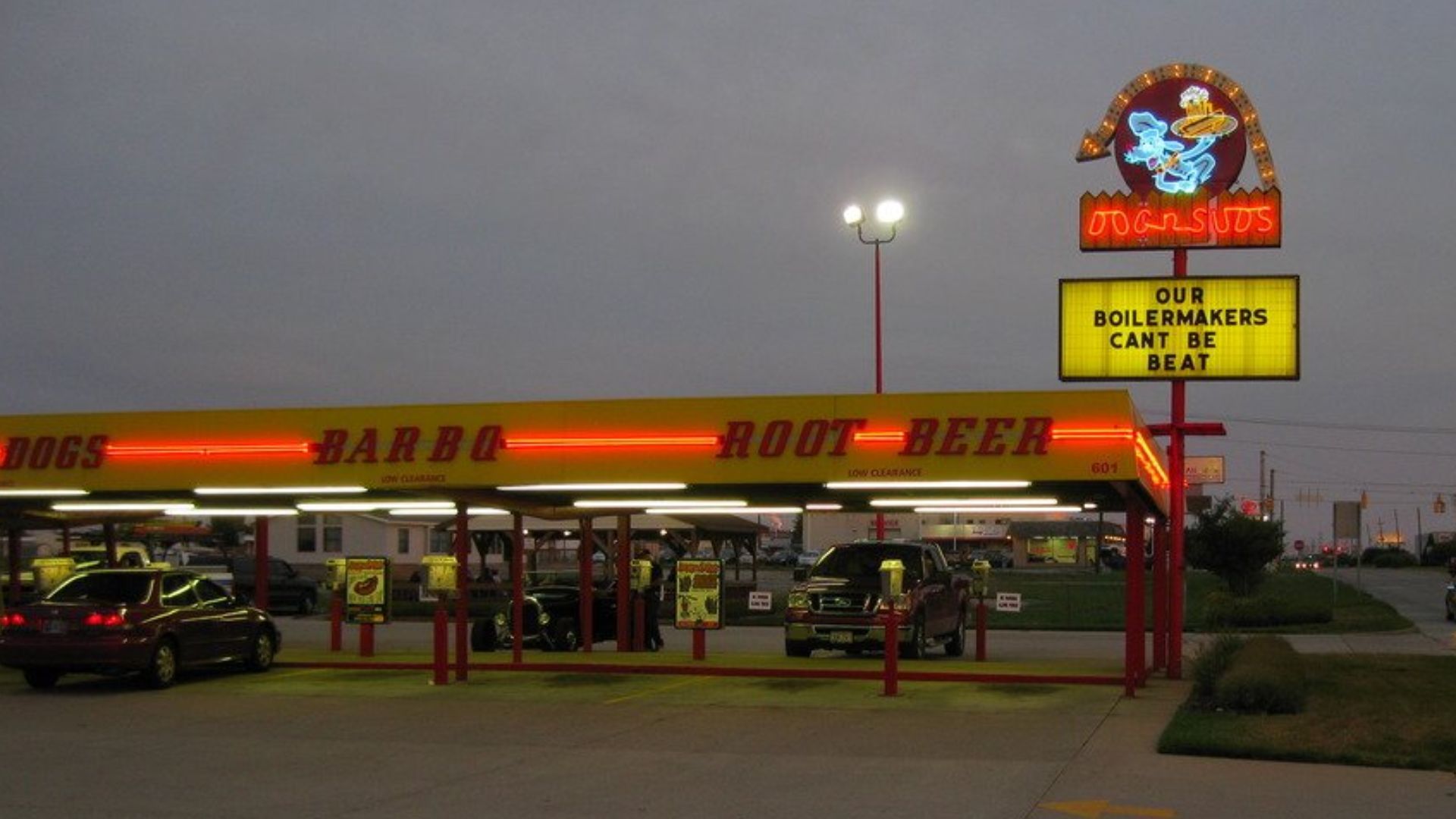
Dog N Suds
Pull in, park the car, order a Coney dog, and wait for someone to bring dinner to your window. That was the magic of Dog n Suds. Beginning in Illinois in 1953, the drive-in chain expanded dramatically through the 1960s and eventually reached hundreds of restaurants nationwide.
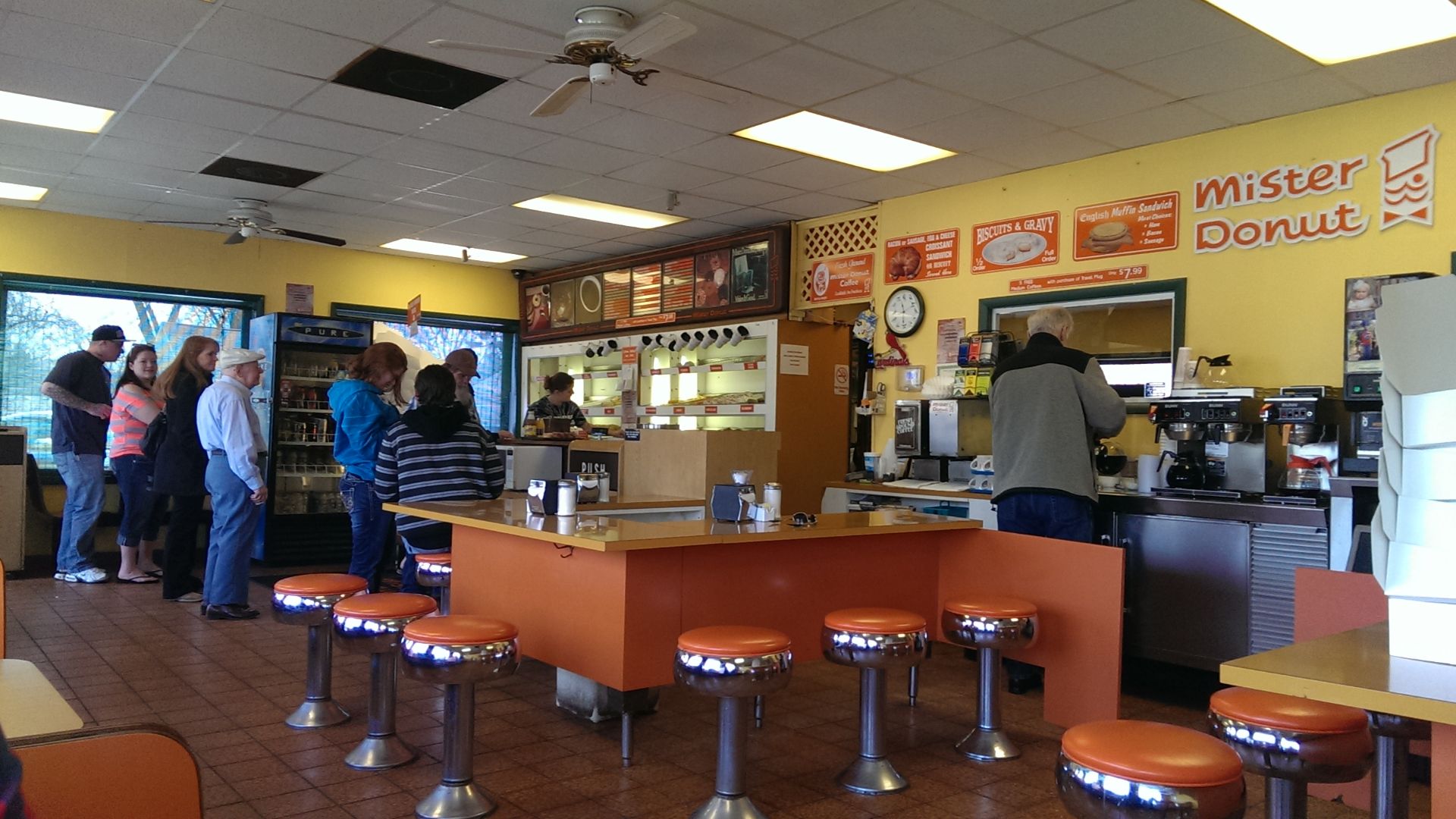
Mister Donut
There was a time when Dunkin’ wasn’t the only big doughnut name in town. Mister Donut was founded by Harry Winokur after he split professionally from his brother-in-law, Dunkin’ founder William Rosenberg. The competing chain expanded to 275 stores across the United States and Canada before changing hands in 1970.
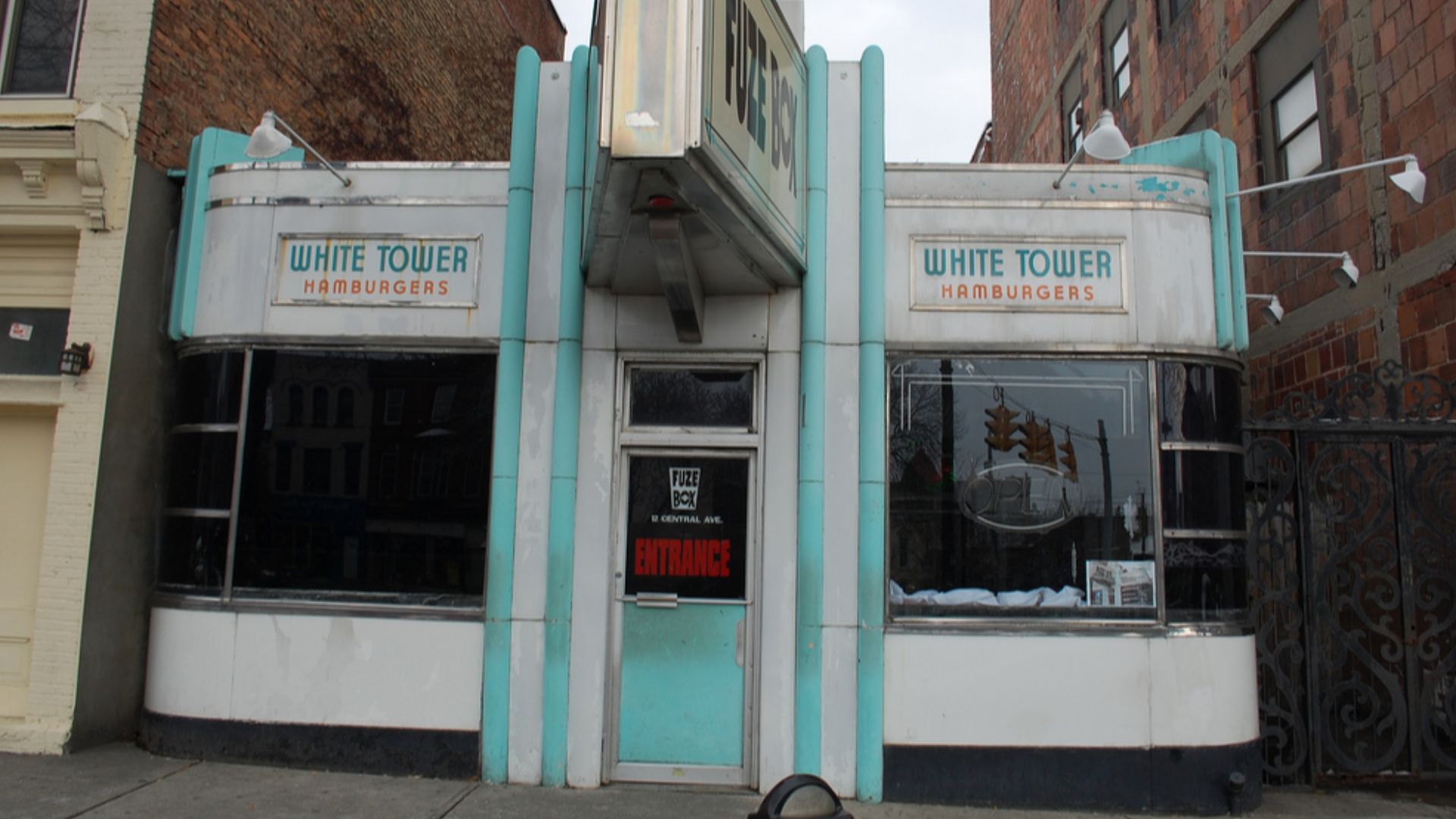
White Tower
Those little white buildings were already old-fashioned by the 1960s, but White Tower still had plenty of devoted customers. The hamburger chain had peaked at around 230 locations in the 1950s. Its inexpensive little burgers and counter-service restaurants remained fixtures in numerous American cities well into the following decade.
Toddle House
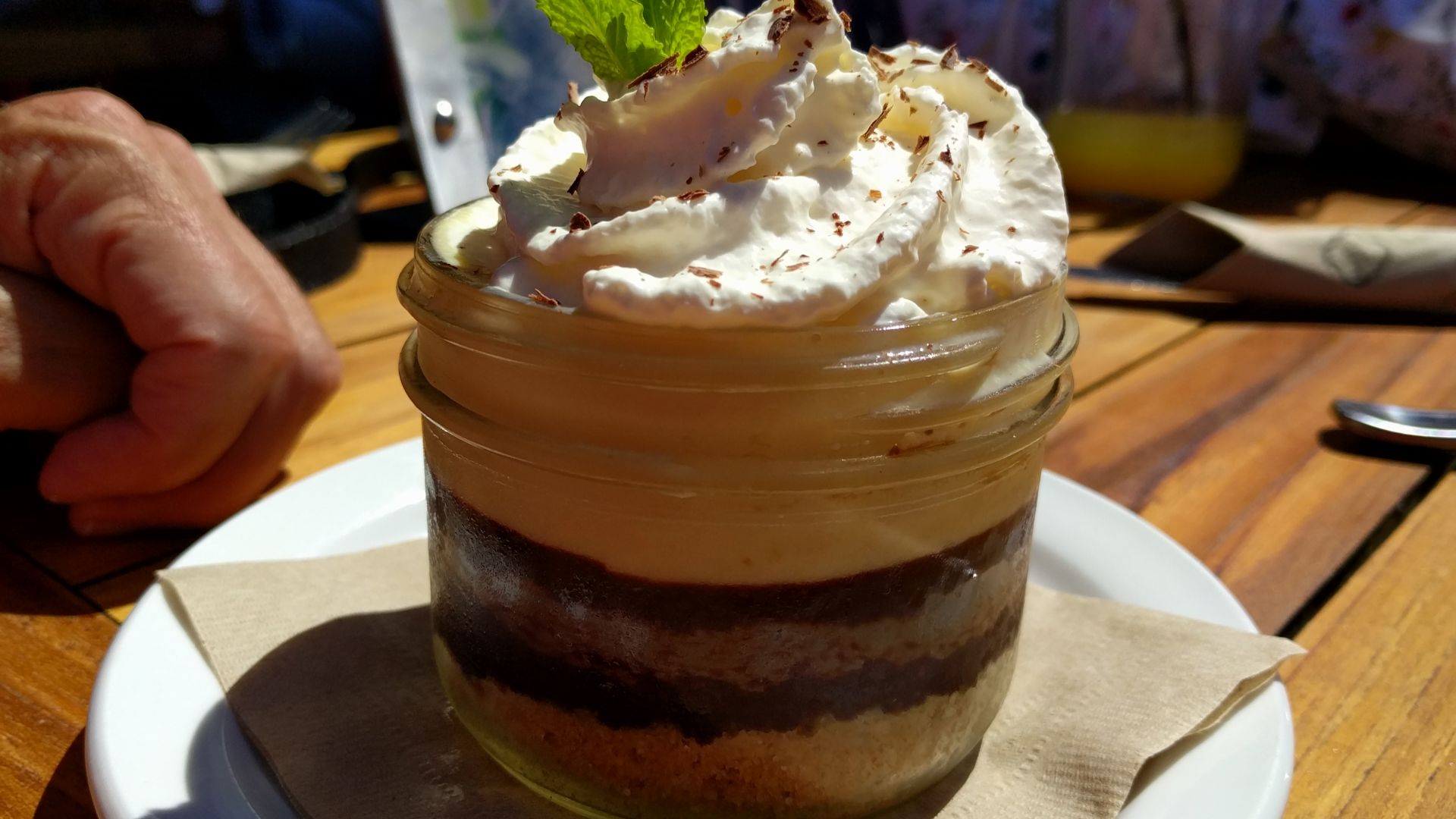
Toddle House was the sort of place where you could sit at a counter, order breakfast, and watch the cook work. The chain had more than 200 locations by the 1950s and remained a familiar name entering the 1960s before being acquired by Dobbs Houses in 1962.
 Ruth Hartnub, Wikimedia Commons
Sambo’s
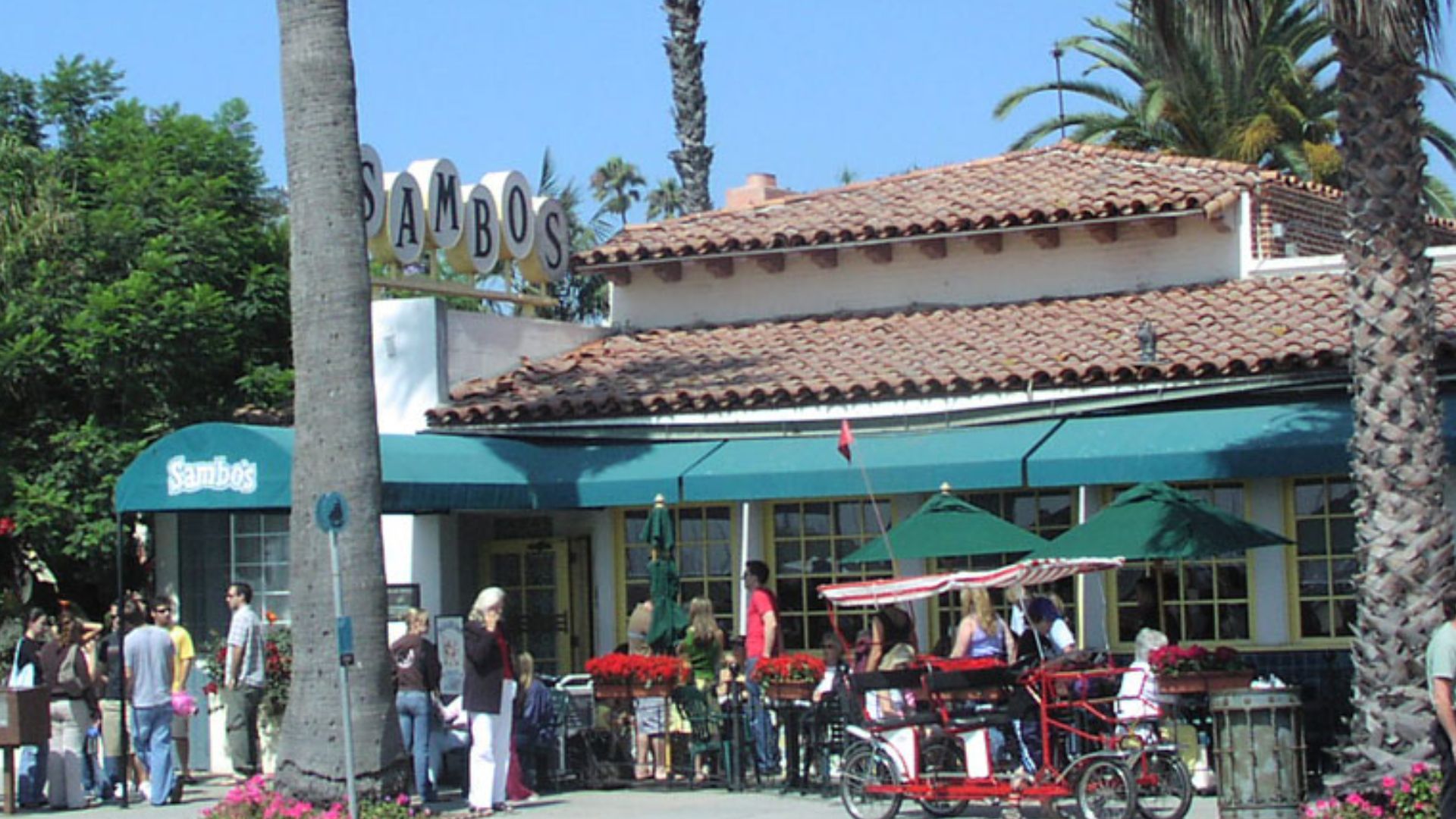
Sambo’s began in Santa Barbara in 1957 and had grown to 98 locations by 1969 before its massive 1970s expansion. The restaurants were once popular family breakfast stops, although the brand’s name and imagery later faced deserved criticism over their racist associations. The final location abandoned the name in 2020.
 Taken by Antandrus, Wikimedia Commons
Gino’s Hamburgers
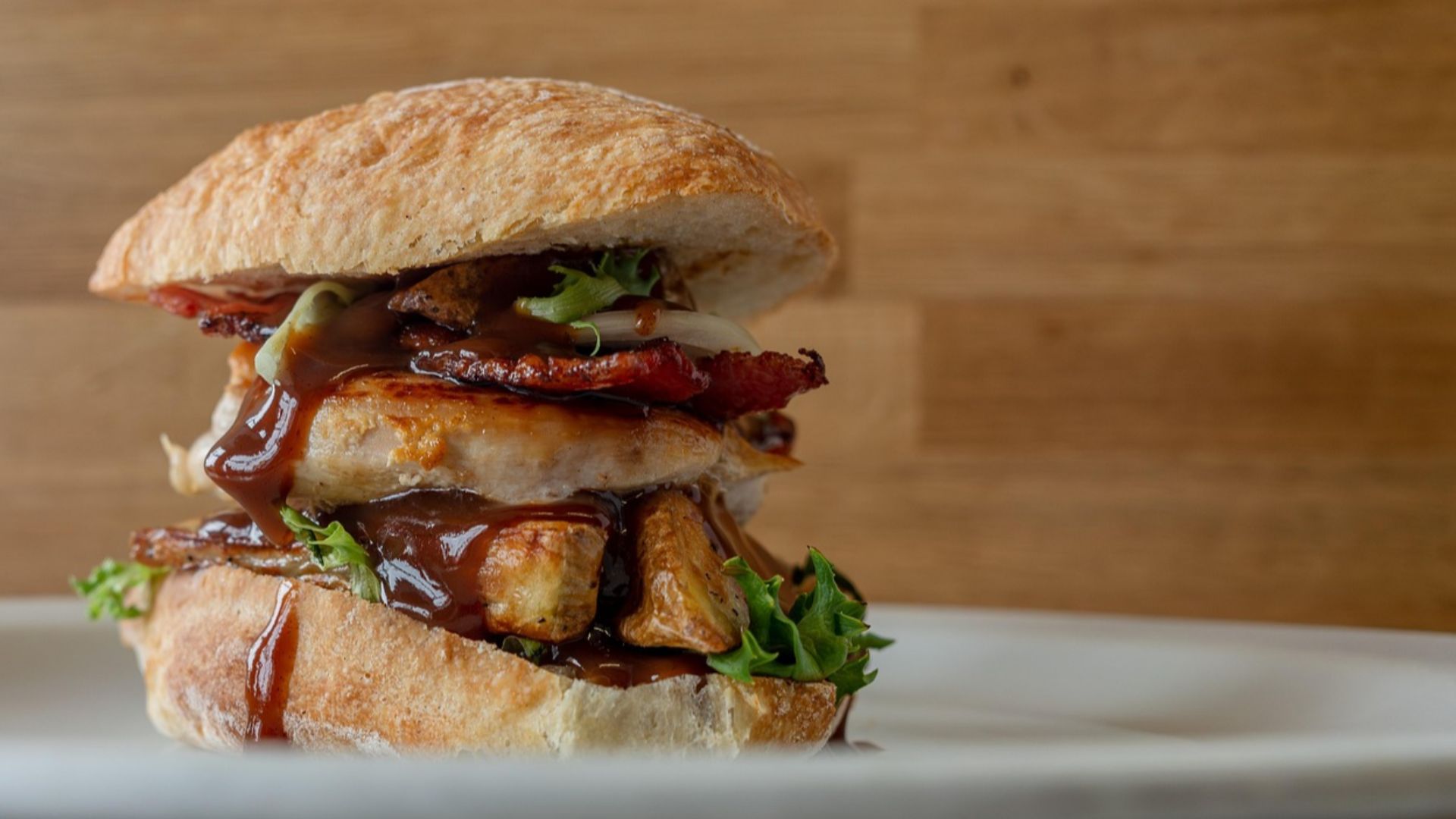
Football fans around Baltimore probably remember this one. Gino’s took its name from Baltimore Colts star Gino Marchetti, who became a partner in the company. The chain grew across the Mid-Atlantic during the 1960s and expanded further after merging with the 18-location Tops Drive Inn chain in 1967.
Steak And Ale
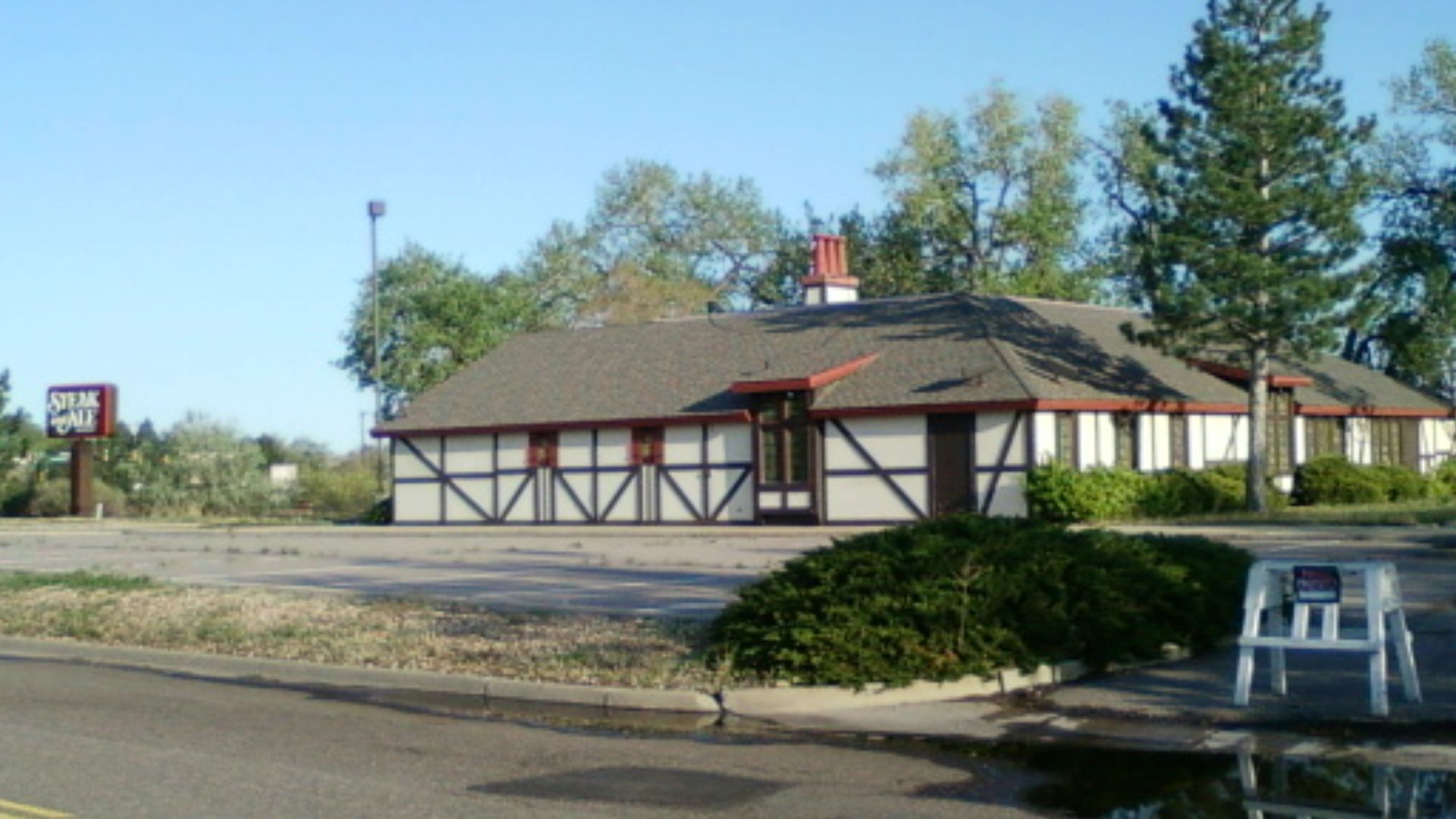
Steak and Ale arrived in Dallas in 1966 with a clever idea: give ordinary families the atmosphere of an upscale steakhouse without the intimidating price tag. Its dark dining rooms, steaks, salad bar, and English-inspired décor helped establish a formula that would eventually become known as casual dining.
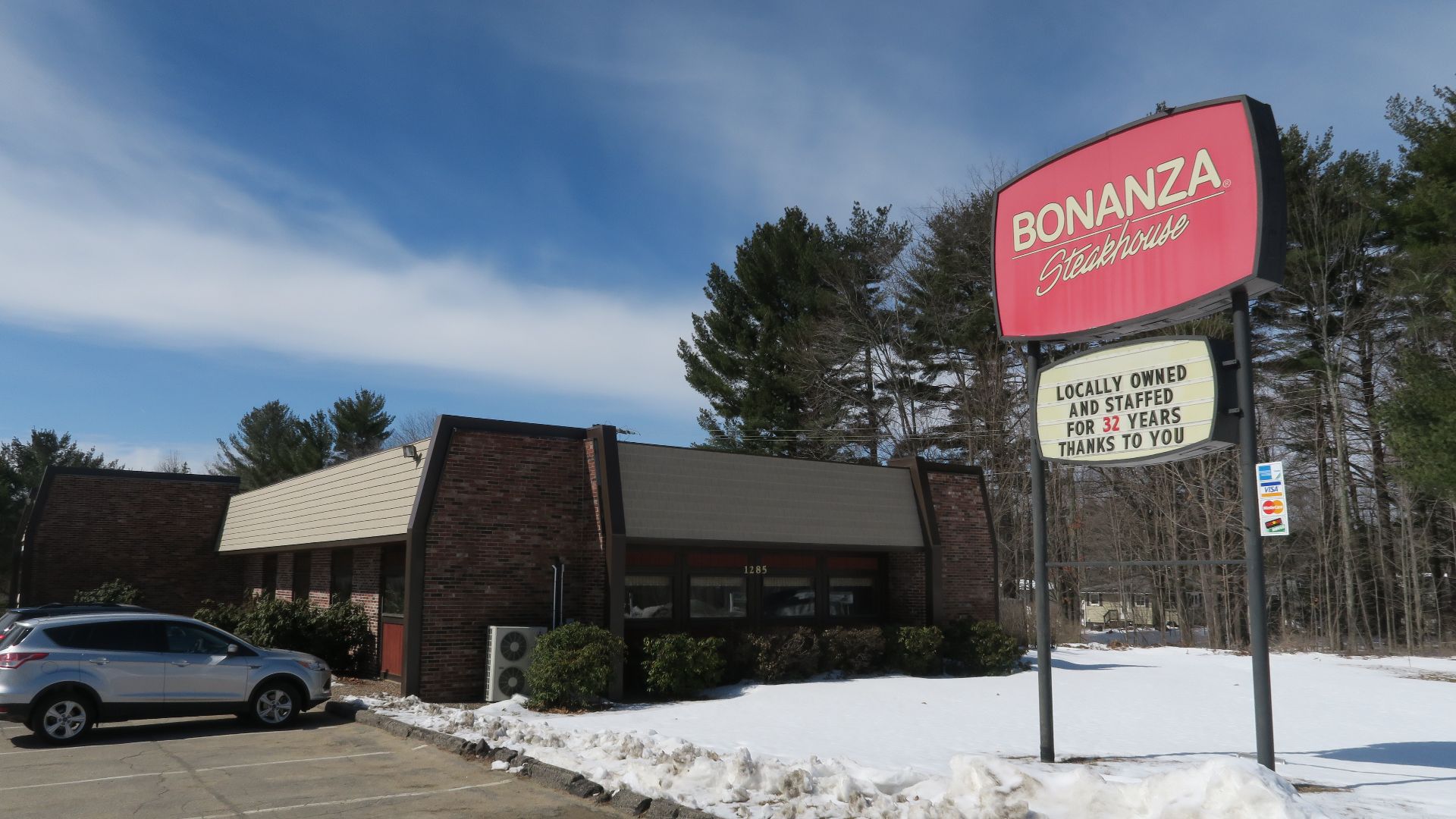
Bonanza Steakhouse
Any fan of Bonanza probably understood the appeal immediately. Actor Dan Blocker, better known as Hoss Cartwright, helped launch Bonanza Steakhouse in 1963. Affordable steaks and Western branding proved a winning combination, and the chain eventually grew to hundreds of restaurants under later ownership.
 John Phelan, Wikimedia Commons
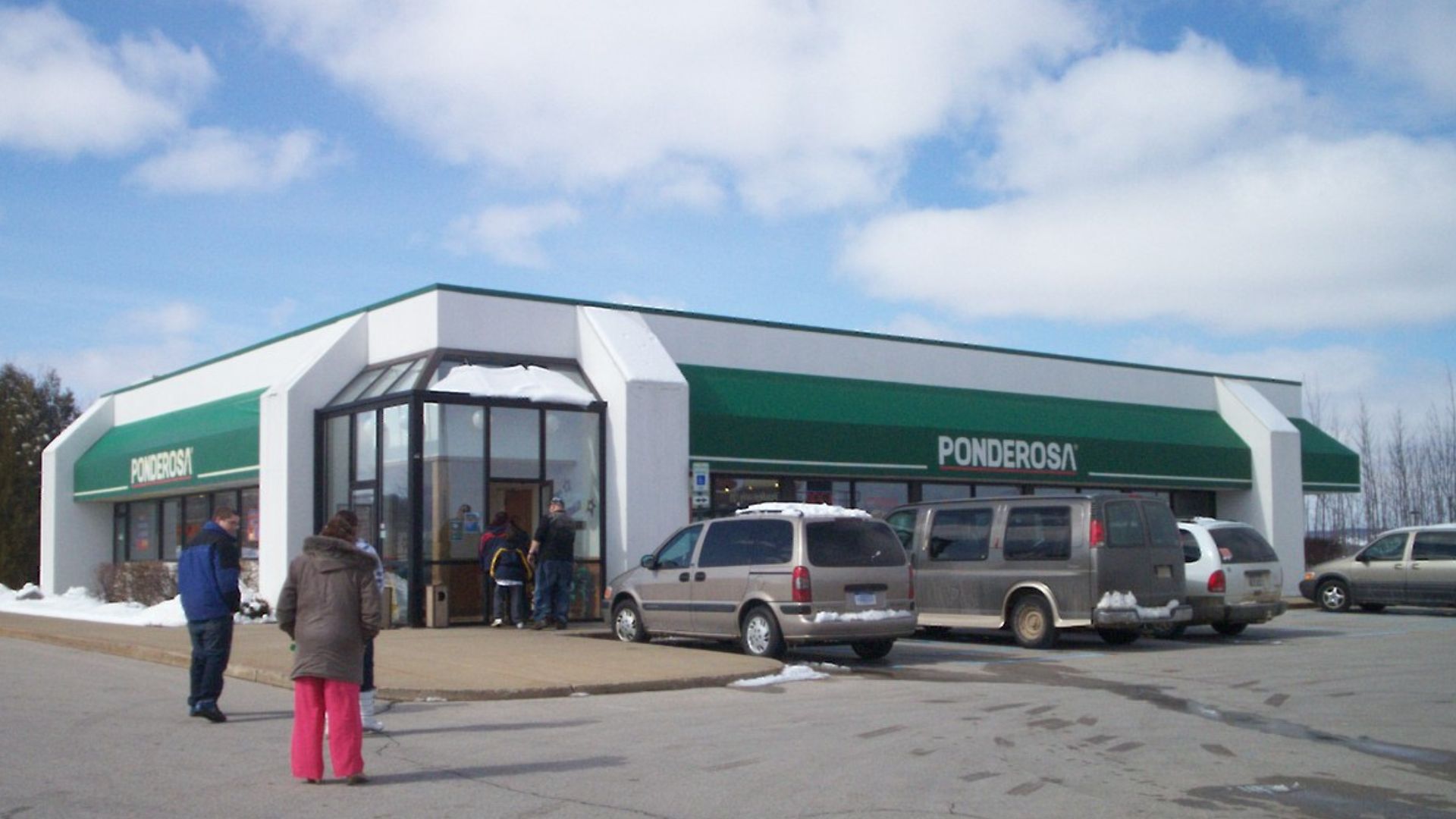
Ponderosa Steakhouse
Not to be outdone in the Western-name department, Ponderosa opened in Kokomo, Indiana, in 1965. The concept combined reasonably priced steaks with a relaxed family atmosphere. It later became a major competitor to Bonanza, and eventually the two once-rival brands wound up under the same corporate umbrella.
 TenPoundHammer, Wikimedia Commons
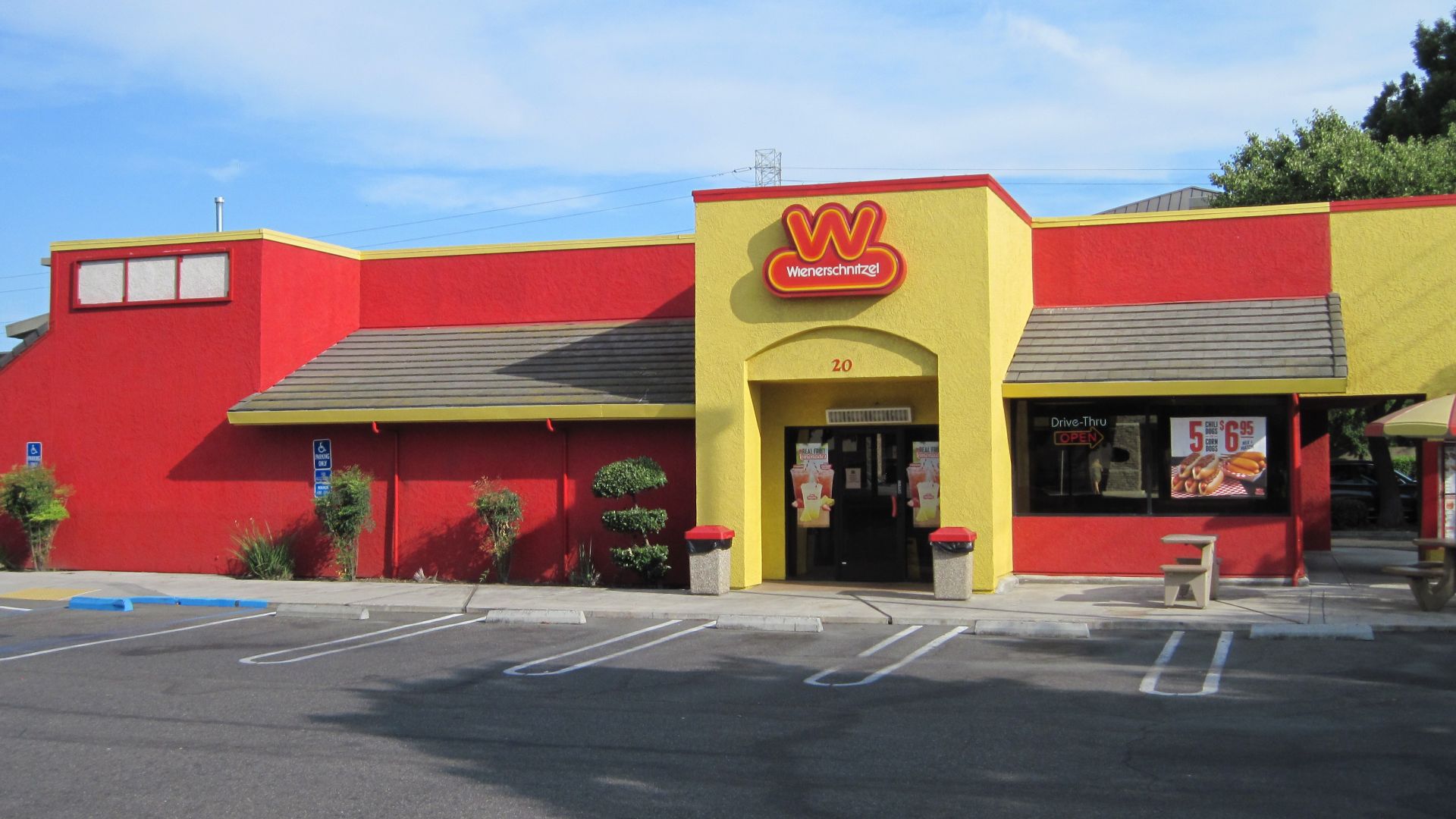
Wienerschnitzel
Beginning with one Southern California restaurant in 1961, Wienerschnitzel built its reputation on hot dogs, chili dogs, and inexpensive fast food. Its distinctive buildings became part of the scenery in Western states. Unlike many names on this list, the chain survived and remains very much in business today.
 TaurusEmerald, Wikimedia Commons
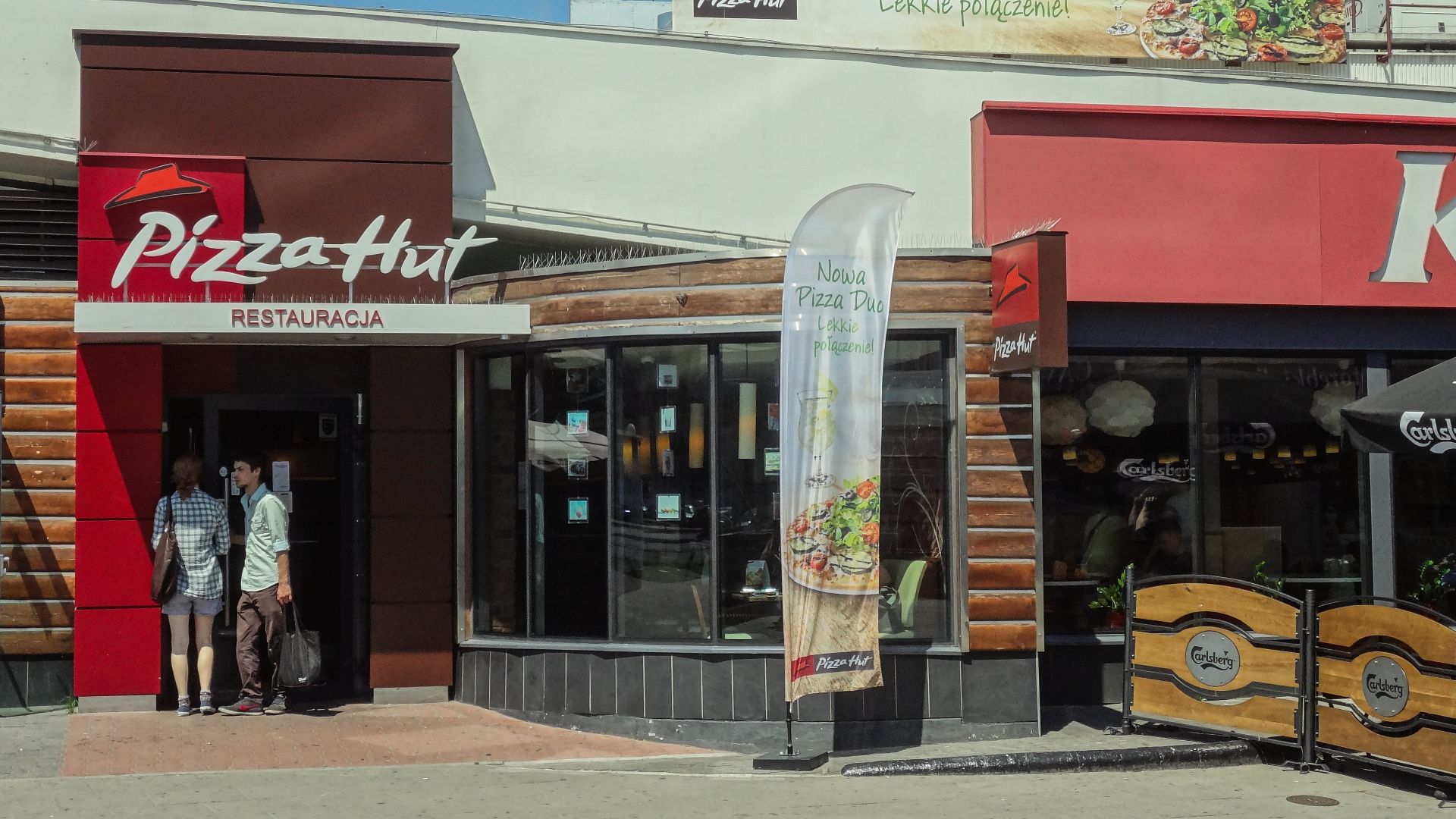
Pizza Hut
In the early 1960s, pizza was still unfamiliar territory for plenty of American families. Pizza Hut helped change that. The Wichita-born business had grown to 145 restaurants by 1966 and nearly 300 by 1968, helping turn pizza night from something exotic into an American family tradition.
 Paul Sableman from St. Louis, MO, Wikimedia Commons
How Many Did You Eat At?
Some of these restaurants vanished decades ago, while others changed so much that visiting one today barely feels the same. Yet mention Howard Johnson’s orange roof, an A&W mug, or the Big Boy statue to someone who remembers the 1960s, and the memories come rushing back. So, how many were on your family’s regular rotation?
 tichnor bros. lusterchrome, Wikimedia Commons, enhanced
You May Also Like: