Remember These?
Coke and Pepsi weren’t the only sodas people were drinking in the 70s. There were plenty of other brands Baby Boomers reached for to quench their thirsts.
How many of these do you remember? Or, even better, how many did you actually drink?
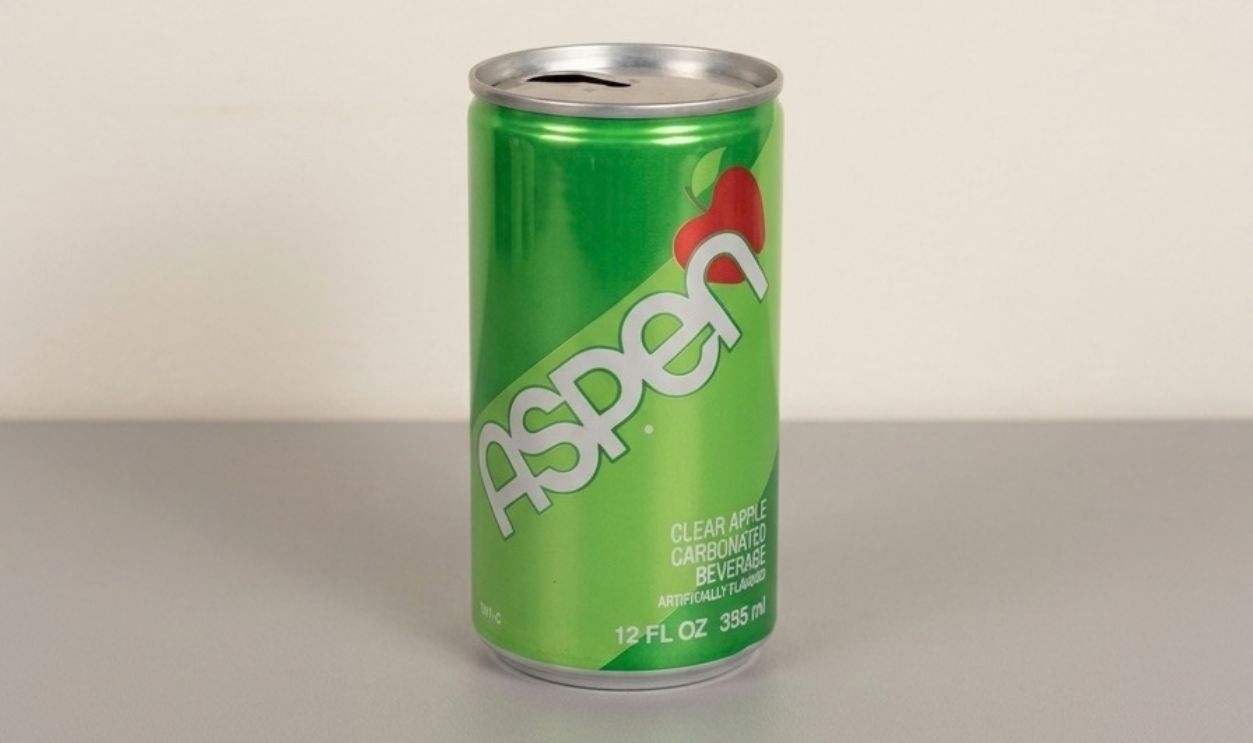
Aspen
Pepsi introduced Aspen in 1978, and this one wasn’t another cola. It was a clear, apple-flavored soda with a lighter fizz. If that sounds like something you’d try, you missed a pretty small window: Aspen disappeared in 1982, after just four years on the market.
 Retail_247, CC BY-SA 3.0, Wikimedia Commons, Enhanced
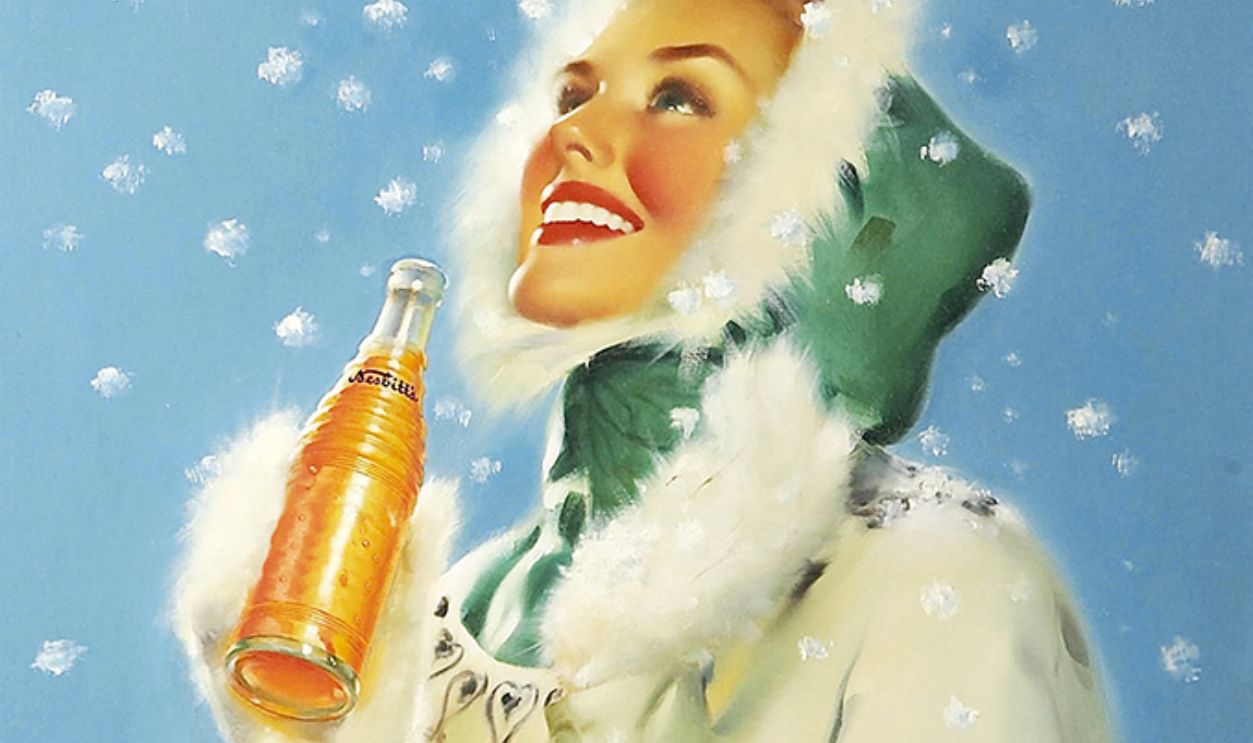
Nesbitt’s
For plenty of Boomers, orange soda meant Nesbitt’s. Clorox bought the Los Angeles company in 1972, then sold its bottling franchise business to Moxie Industries in 1975. Yes, that Clorox. Its American availability has changed considerably, but Monarch still markets the brand in Central America.
Teem
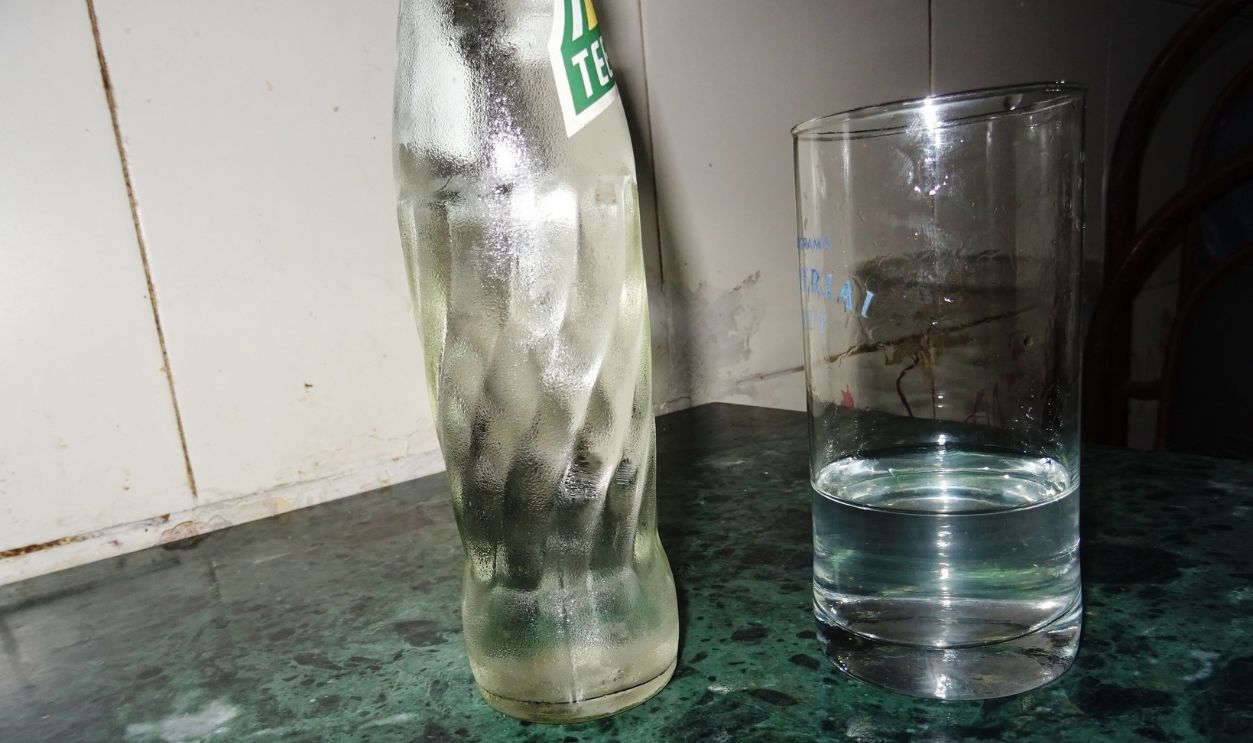
Before Slice or Sierra Mist, Pepsi had Teem. This lemon-lime soda was around by the late 50s and carried on through the 70s. Slice replaced it in the U.S. retail market in 1984, although Teem Lime is now available again in glass bottles. Apparently, some soda names deserve another round.
Dr. Nut
An almond-flavored soda with a squirrel mascot? That was Dr. Nut, a regional brand that started in New Orleans. Several disappearances and revivals followed, including a late-70s comeback with a low-calorie version. Unfortunately, that return didn’t last. By the end of the decade, the brand had faded away again.
Bubble Up
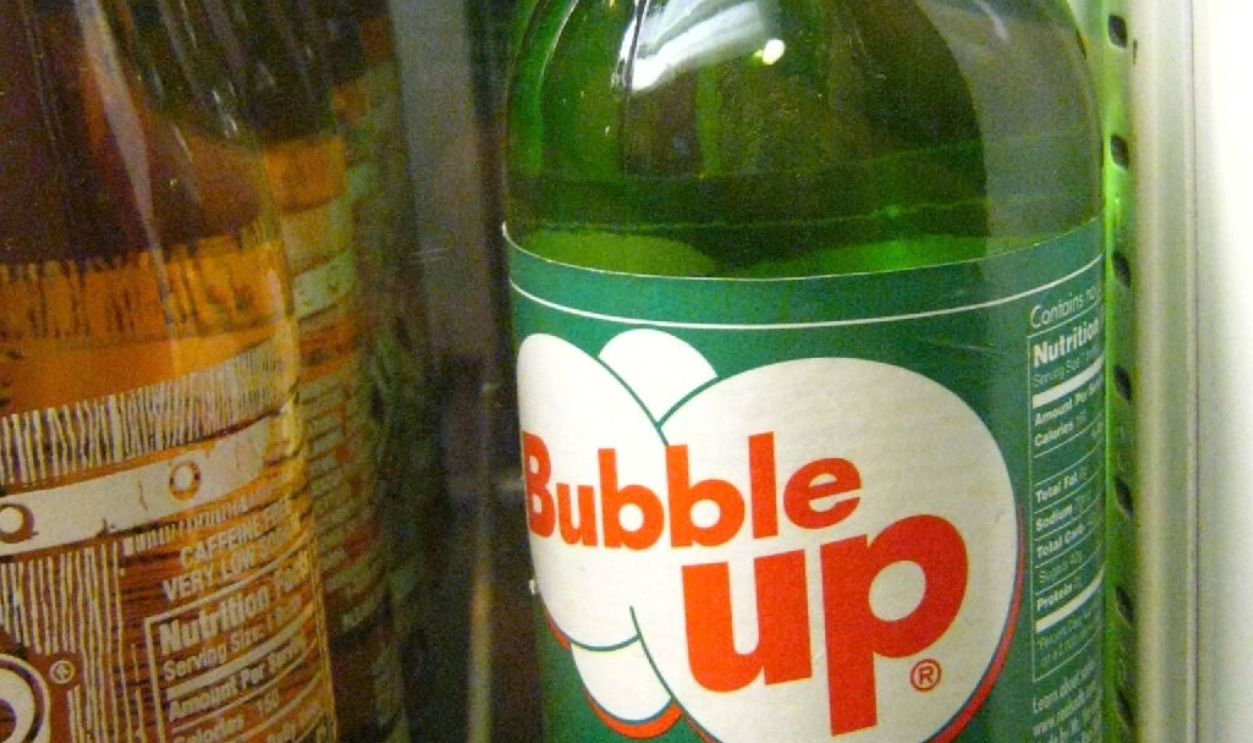
Bubble Up offered lemon-lime refreshment long before Sprite existed. Its slogan promised “A kiss of Lemon, A kiss of Lime,” which sounds considerably gentler than most soda advertising. Monarch bought the brand in 1978. It survived later ownership changes, so this is one old favorite you can still track down.
Rondo
Rondo arrived in 1978 calling itself “The Thirst Crusher.” Its commercials leaned into that name, with people crushing cans rather than politely putting them in the recycling. The citrus soda was lightly carbonated and sold in limited American markets. Its original run was brief, but those ads gave people something to remember.
Frank’s
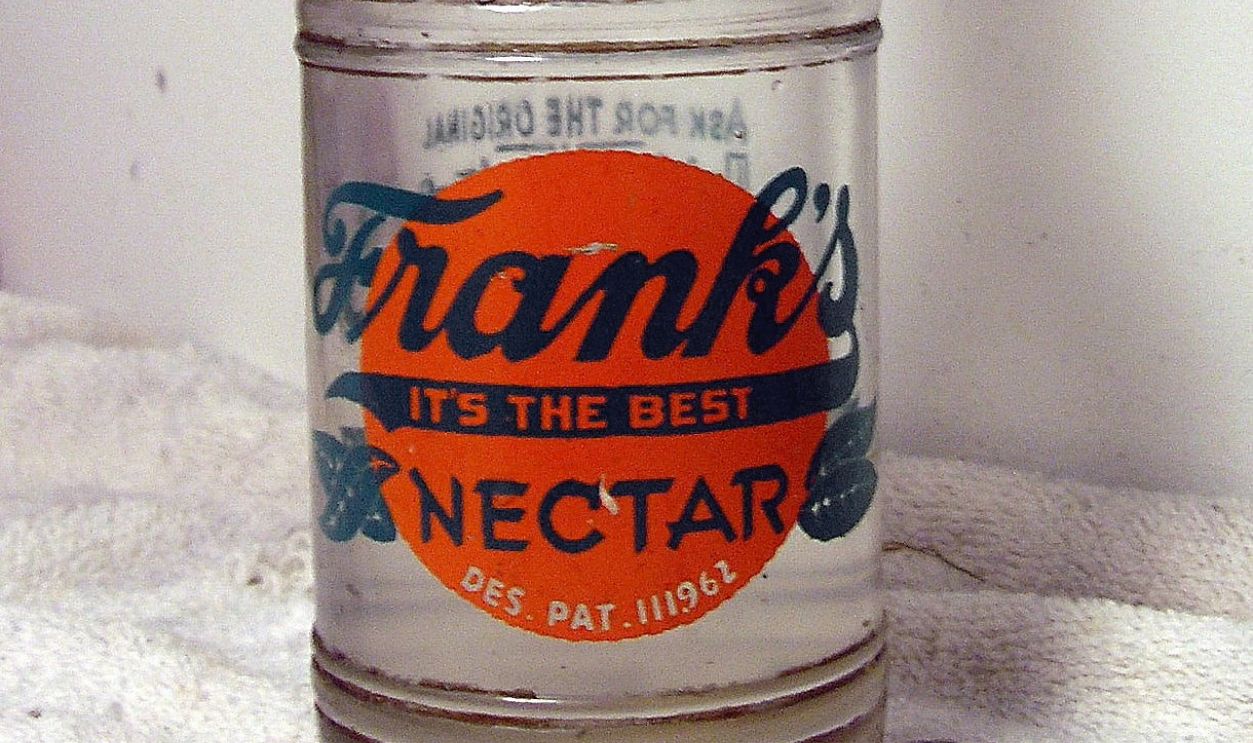
If you grew up around Philadelphia, Frank’s Black Cherry Wishniak might bring back memories immediately. C&C bought the family business in 1990, but the brand struggled to get supermarket shelf space beyond Philadelphia. The wider lineup faded, although Black Cherry Wishniak later made a comeback. Apparently, Philly wasn’t ready to let that one go.
Sun Crest
Sun Crest was another orange soda competing for attention when Crush and Fanta weren’t the only names people recognized. Introduced in 1938, it entered the 70s under the Moxie company’s ownership. It later changed hands again, eventually joining Dad’s, Bubble Up, and Dr. Wells in a 2007 brand purchase.
Tab
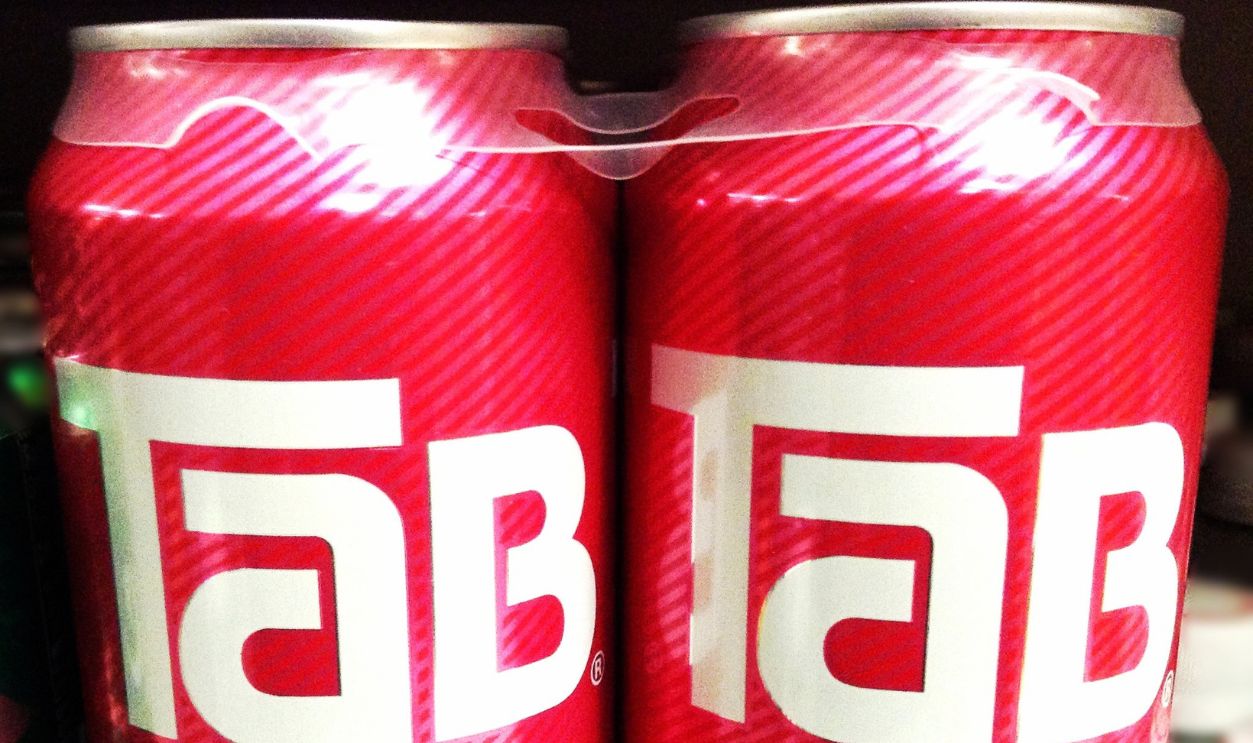
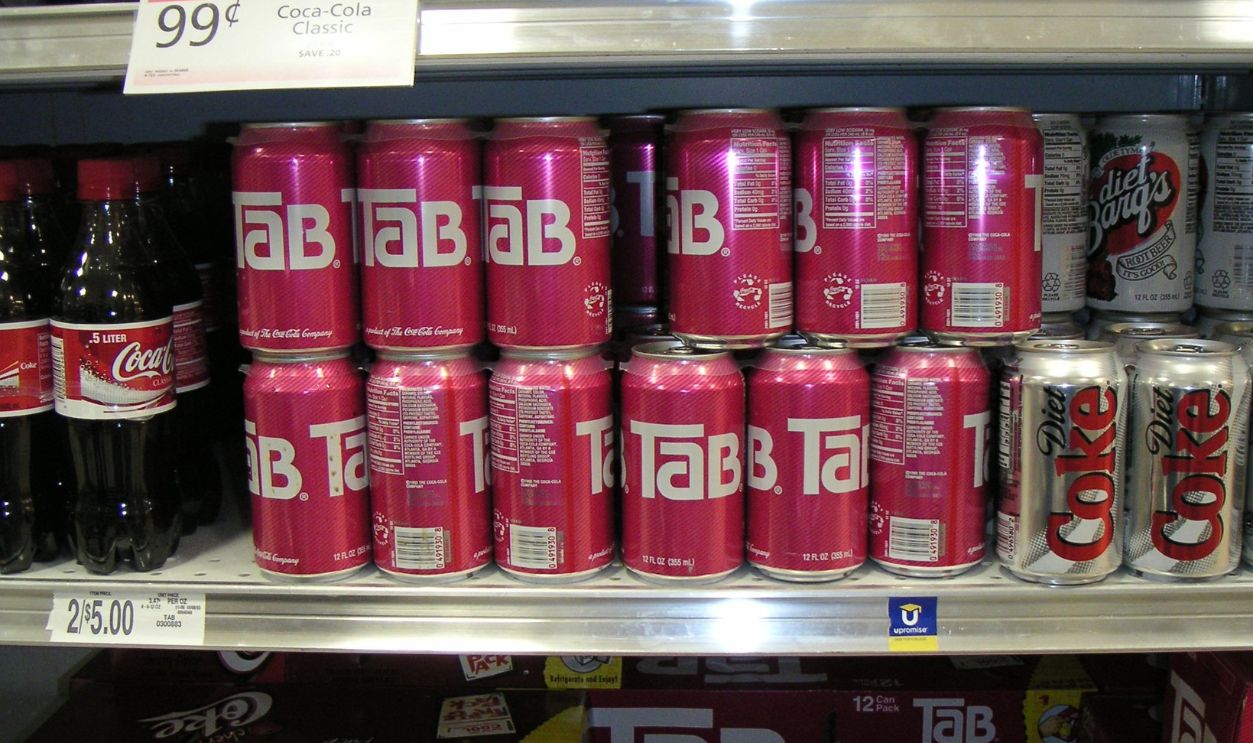
That pink can was hard to miss. Coca-Cola introduced Tab in 1963, and it became a familiar diet soda during the 70s. Diet Coke’s arrival in 1982 pushed it into the background, but loyal fans kept it going for decades. Coca-Cola finally retired it in 2020 while trimming underperforming products.
Upper 10
Royal Crown had its own lemon-lime soda, and it came with a name that sounds more like a club than a drink. Upper 10 belonged to the same company family as RC Cola and Nehi. Did you ever pick it over a 7Up or Sprite?
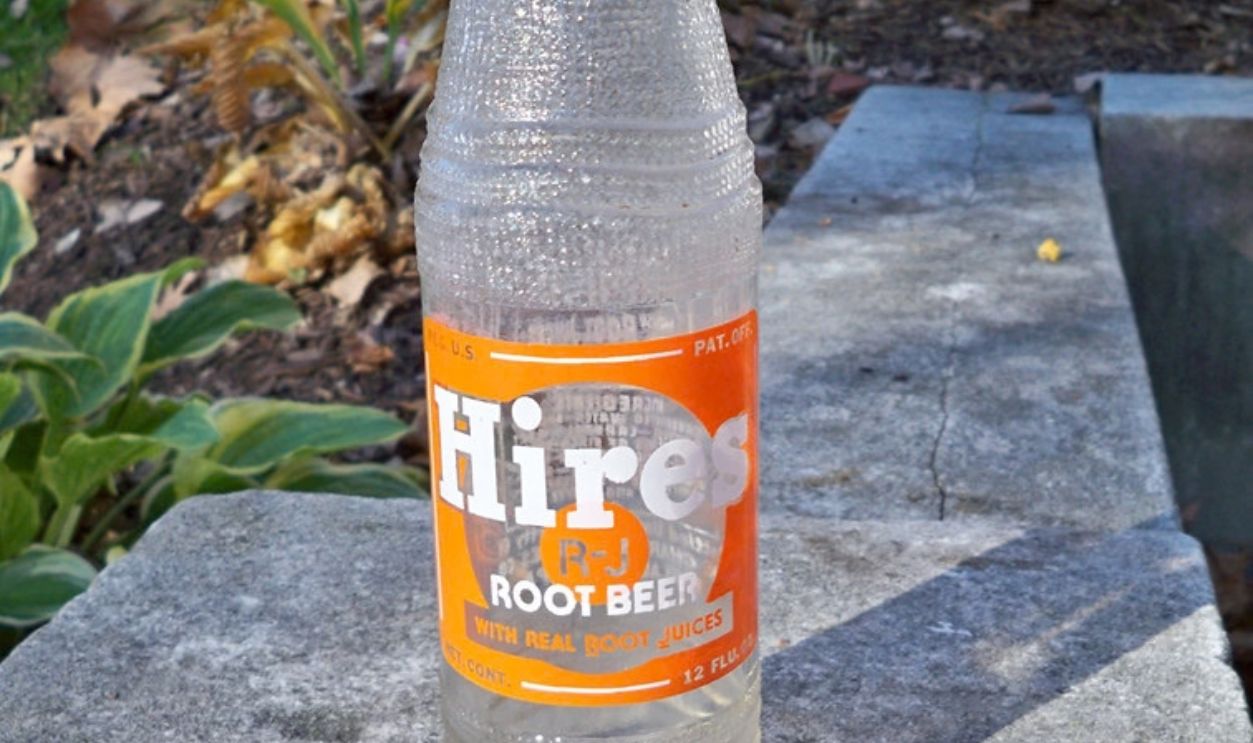
Hires
Hires was already an old name when Boomers were drinking it in the 70s. Charles Hires promoted his root beer at Philadelphia’s Centennial Exposition in 1876. That gave the brand nearly a century’s head start on this particular nostalgia trip. Remember when its name was a perfectly normal answer to “Which root beer?”
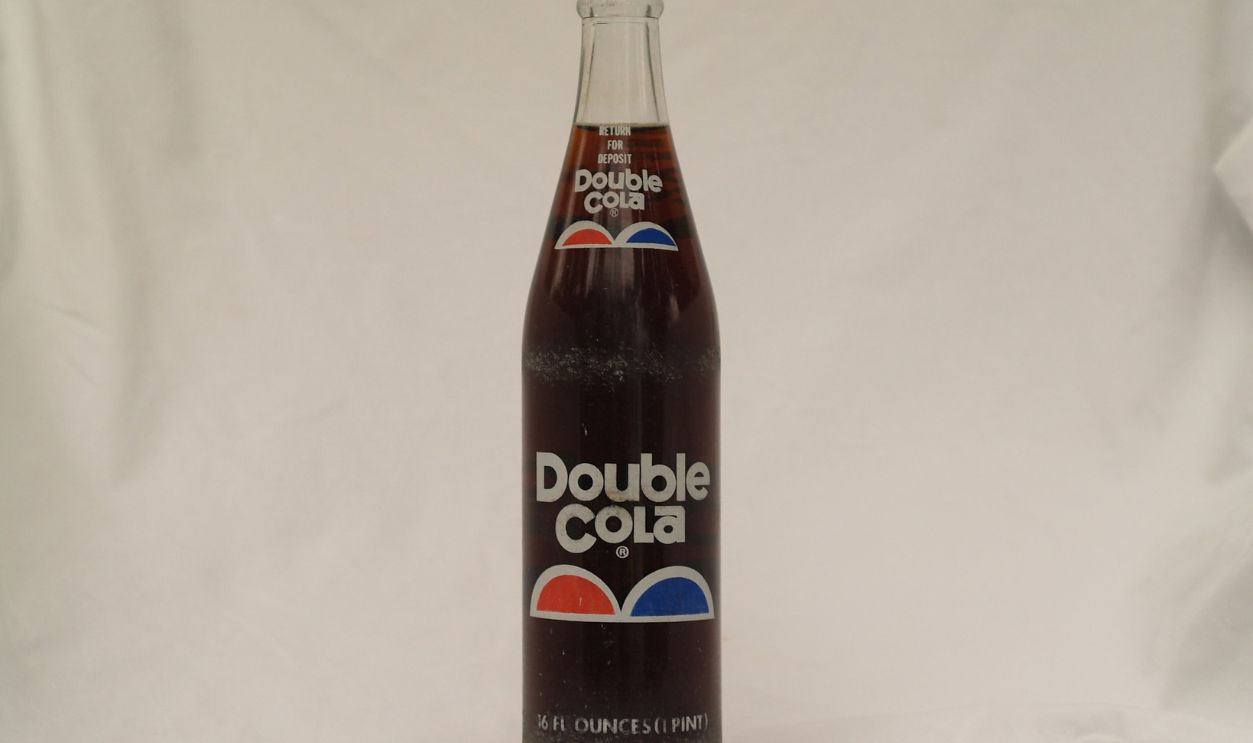
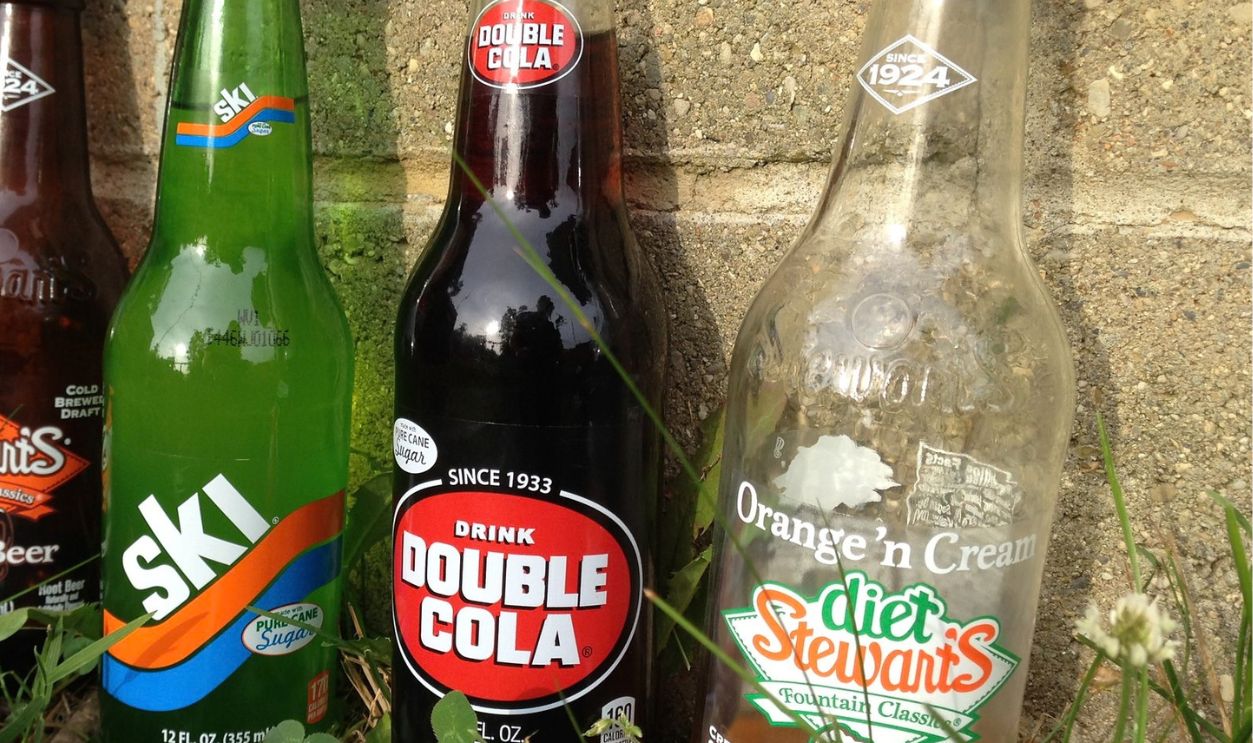
Double-Cola
Double-Cola’s name originally highlighted its generous 12-ounce bottle, twice the size of the standard six-ounce serving. The Chattanooga brand was still competing in the 70s, despite several ownership changes. It remains in business today, although plenty of Americans could walk past the name without realizing how far back it goes.
Wink
Canada Dry wasn’t just selling ginger ale. It introduced Wink in 1965, giving shoppers a grapefruit-based soda with other citrus flavors mixed in. That put it on the shelf before the 70s even started. If someone offered you a Wink today, would you remember the drink or wonder what they were talking about?
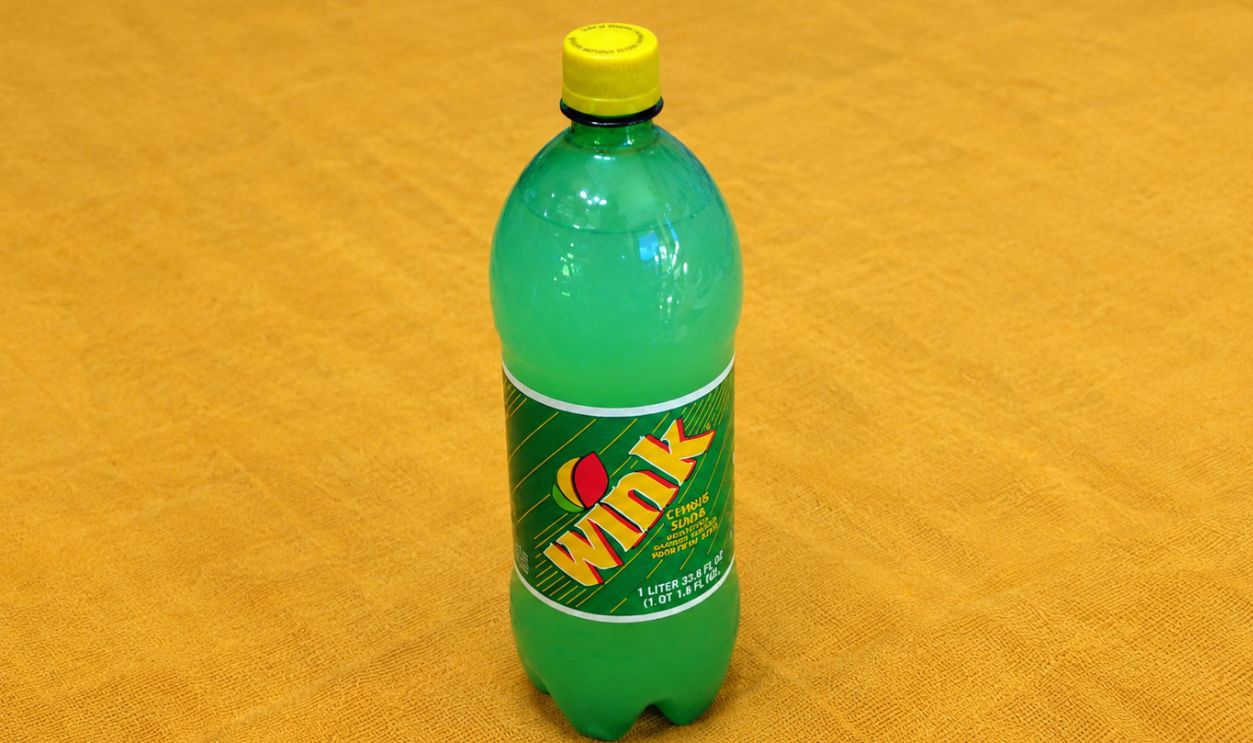 Andrew Filer, Wikimedia Commons, Enhanced
Canfield’s
Chicago’s Canfield’s sold everything from its grapefruit-lime 50/50 to Diet Chocolate Fudge Soda, which reached the Midwest in 1972. The chocolate drink stayed relatively quiet until a newspaper column triggered a buying frenzy in 1985. Sales reportedly jumped from about 60,000 cases a year to 20,000 a day. That’s quite an endorsement.
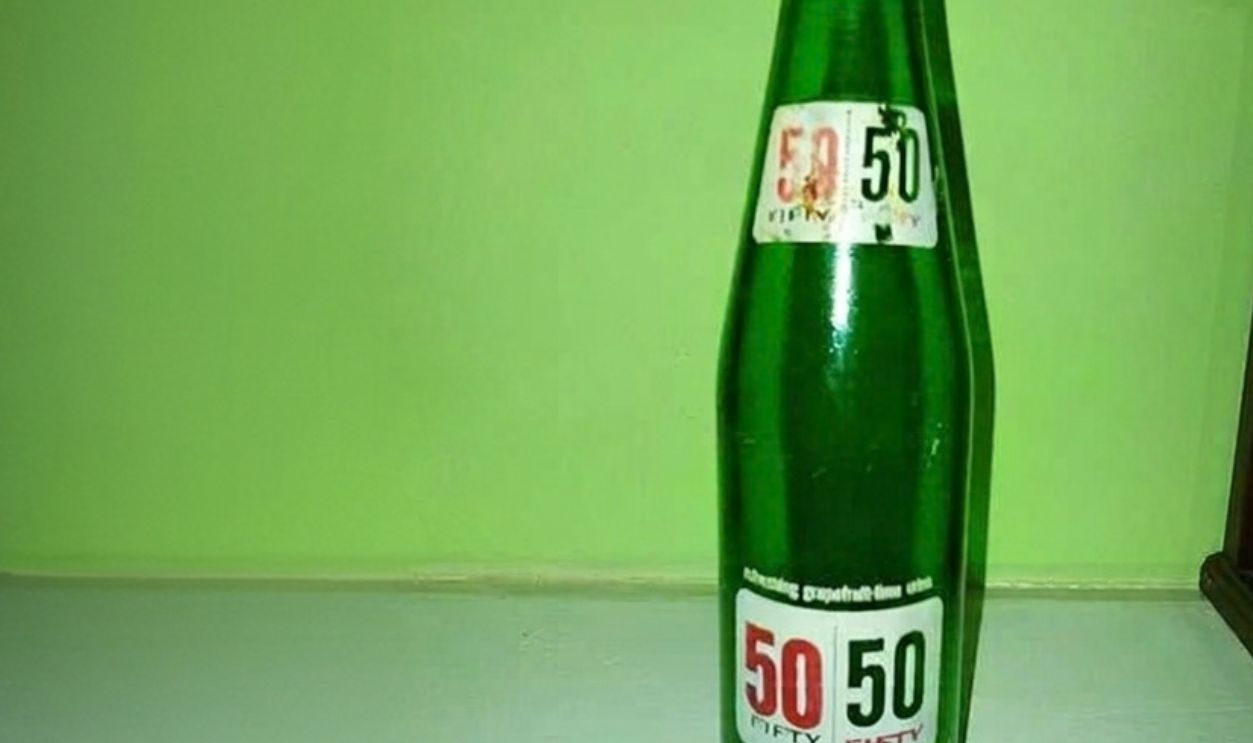 User:Doughbgpa, CC BY-SA 3.0, Wikimedia Commons, Enhanced
Frostie
Frostie’s smiling, bearded mascot gave this root beer a look you could recognize before reading the label. The Maryland brand was around well before the 70s and later expanded into other flavors. It still exists through specialty soda production, giving longtime fans a chance to revisit something they might have assumed was gone.
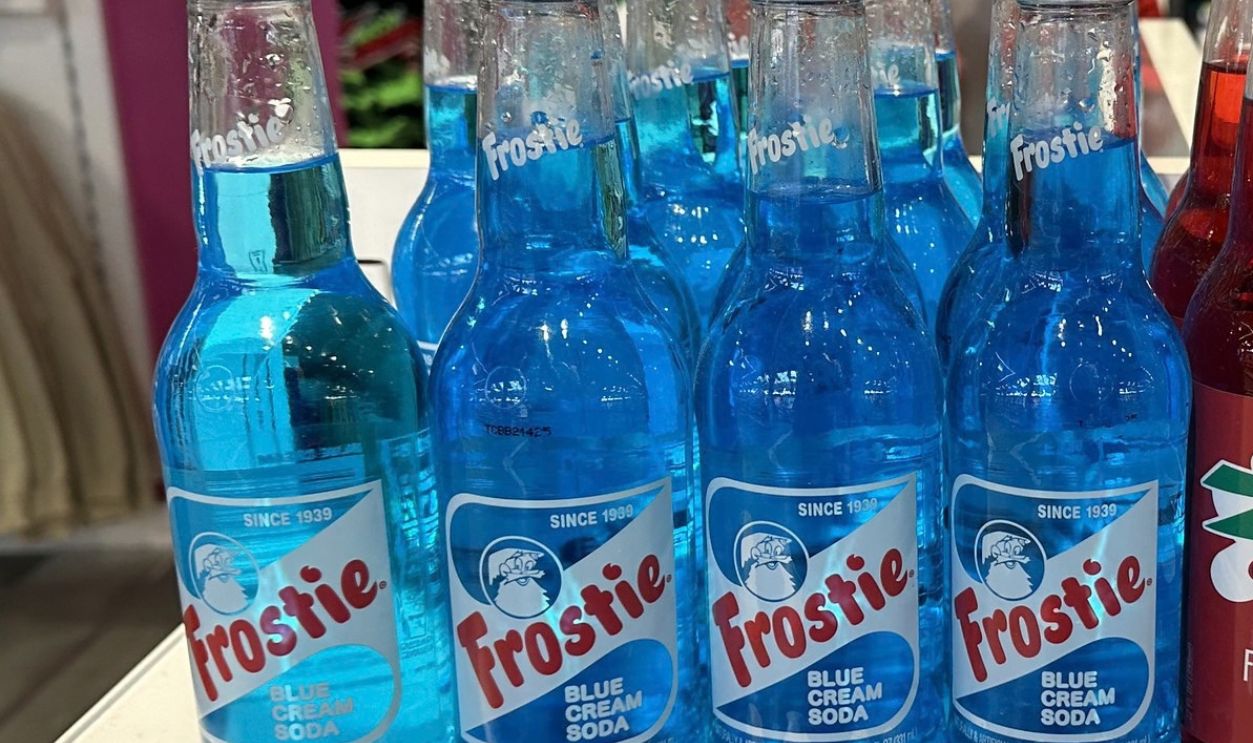
Cott
Cott sold a whole lineup of sodas, including orange, grape, and black cherry. Its American roots stretched back to 1923, while a related Canadian business developed its own following. That Canadian company eventually grew into a major producer of store-brand drinks. The business became much bigger than the name on those old bottles.
Simba
Long before “The Lion King,” Coca-Cola introduced its own Simba in 1969. Unfortunately, this lemon-flavored citrus soda never became king of the soda aisle. Sales fell short of expectations, and the company withdrew it in 1972. This Simba didn’t even get a sequel.
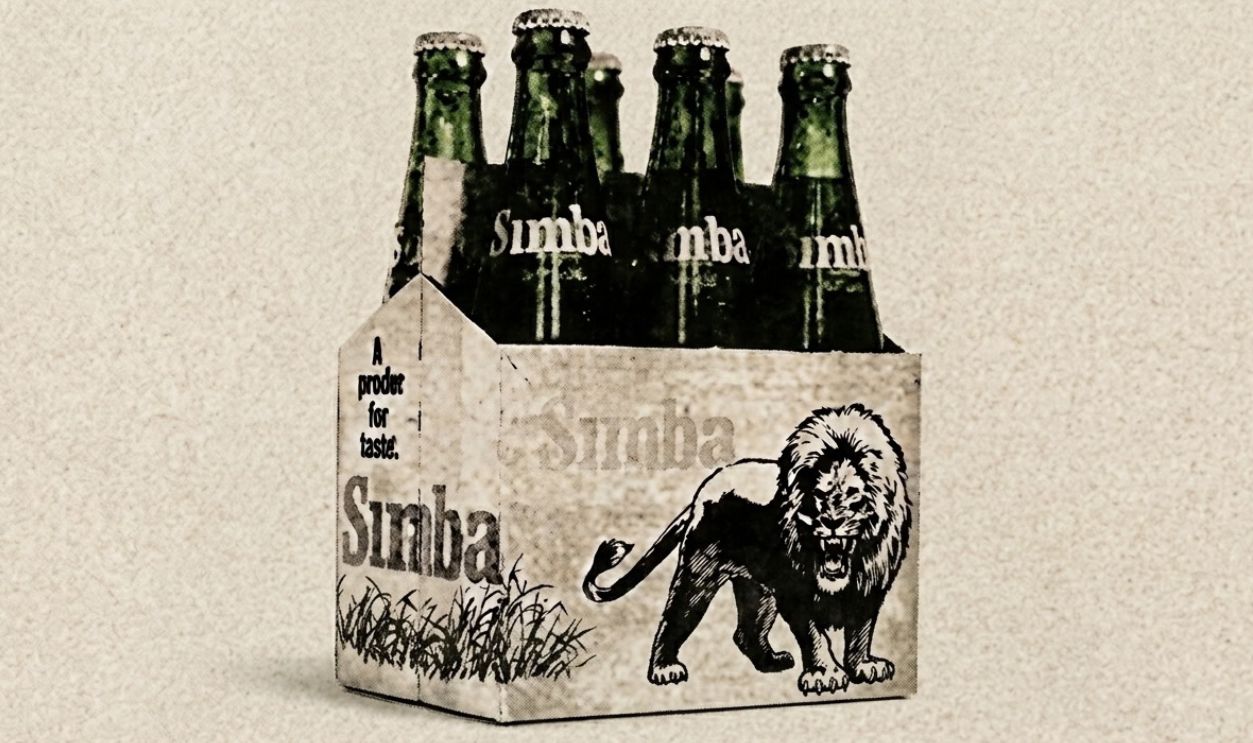 WmArbaugh, CC BY-SA 4.0, Wikimedia Commons, Enhanced
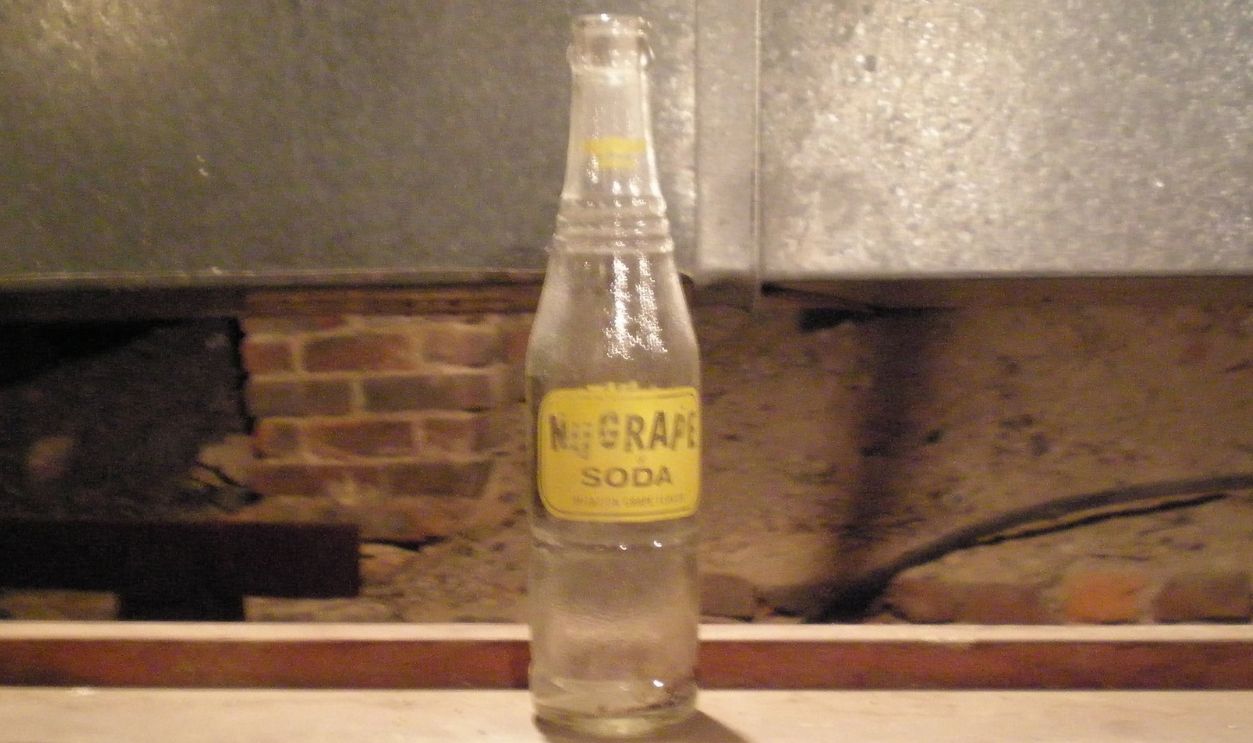
NuGrape
NuGrape’s name didn’t leave much guessing about what was in the bottle. The grape soda joined the Moxie company’s portfolio in 1968, alongside Sun Crest, and carried on through the 70s. Later ownership changes didn’t erase it completely. Bottled versions have remained part of the specialty soda market.
Dr. Wells
Dr Pepper wasn’t the only soda with a doctor in its name. Introduced in 1935, Dr. Wells was another “pepper-style” drink that carried on into the 70s and beyond. Monarch bought it in 1987. It eventually joined the Dad’s Root Beer company’s lineup, where the name continues to survive.
 Alheding, CC BY-SA 3.0, Wikimedia Commons
Ski
Ski was the citrus soda you knew if you lived in the right place. Introduced in 1956 by the Double-Cola company, it developed a following that carried into the 70s. The brand still sells today. Its name came from a water-skiing trip, which is a surprisingly straightforward explanation for a soda name.
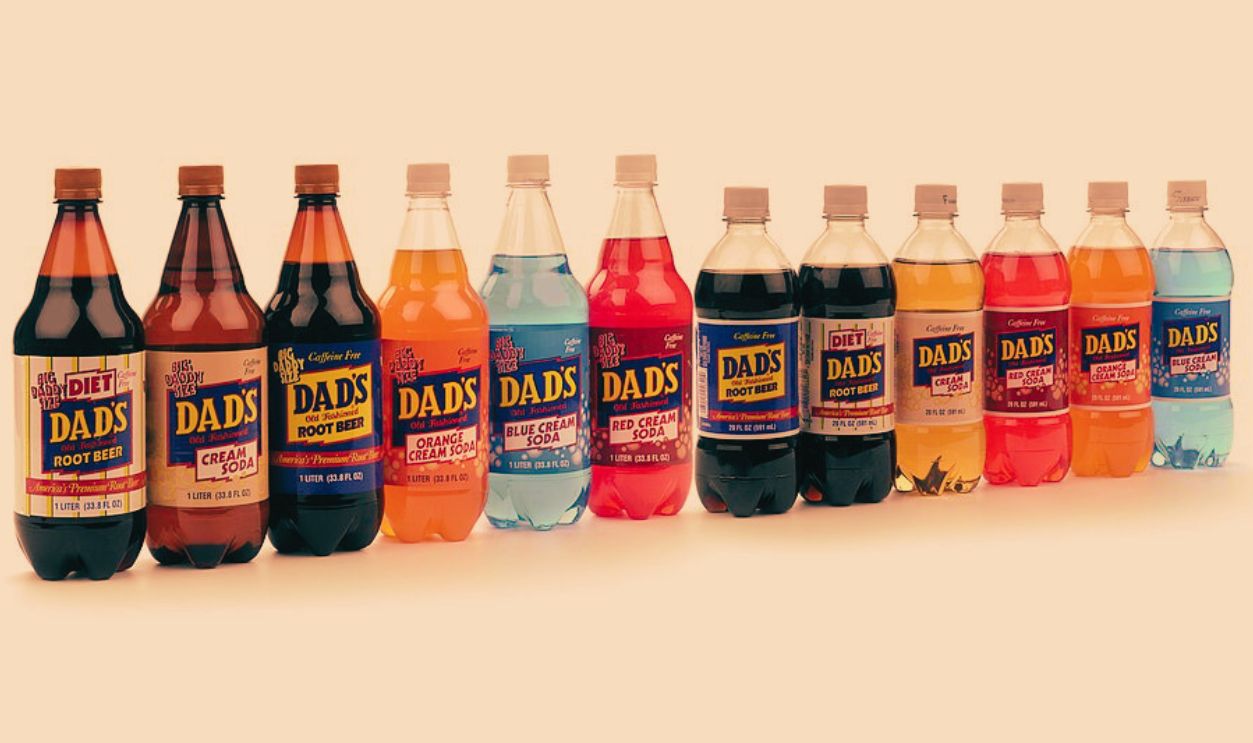
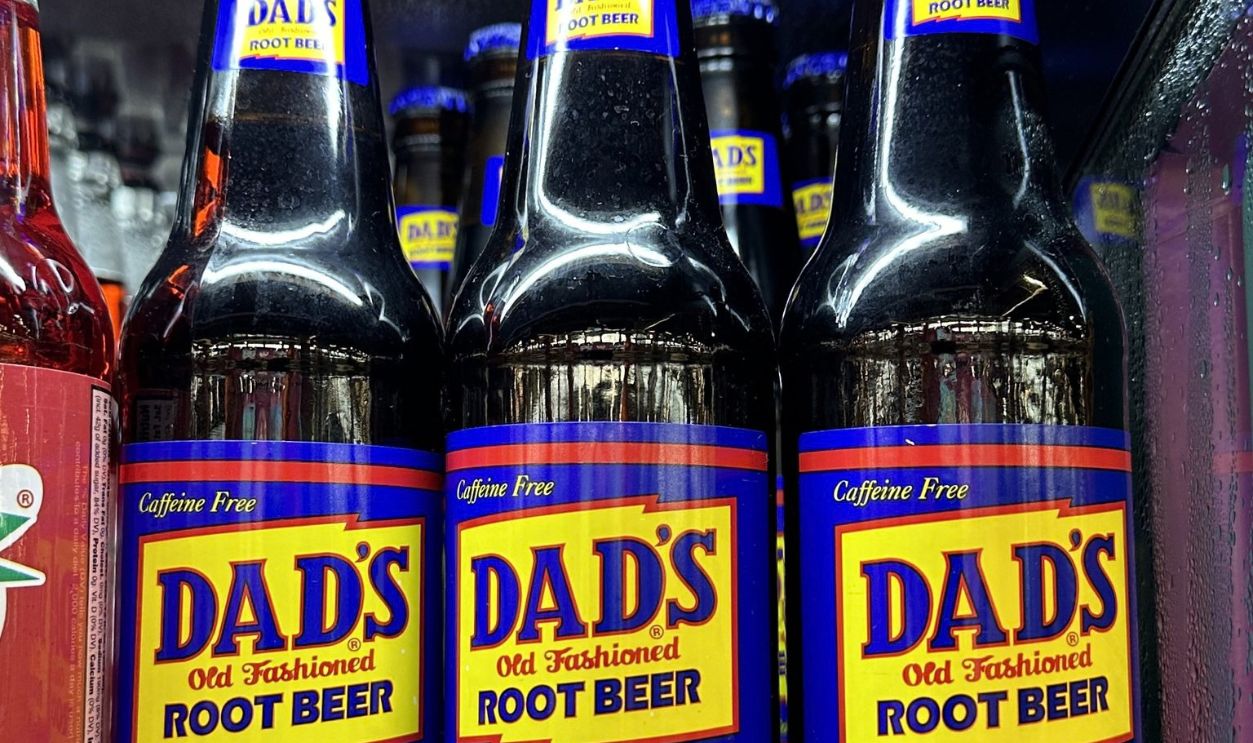
Dad’s Root Beer
Dad’s was already an established Chicago brand by the 70s, when its founding families sold the rights to IC Industries in 1971. More ownership changes followed, but the root beer survived. If you remember drinking it decades ago, there’s good news: this particular trip down memory lane doesn’t require an unopened vintage bottle.
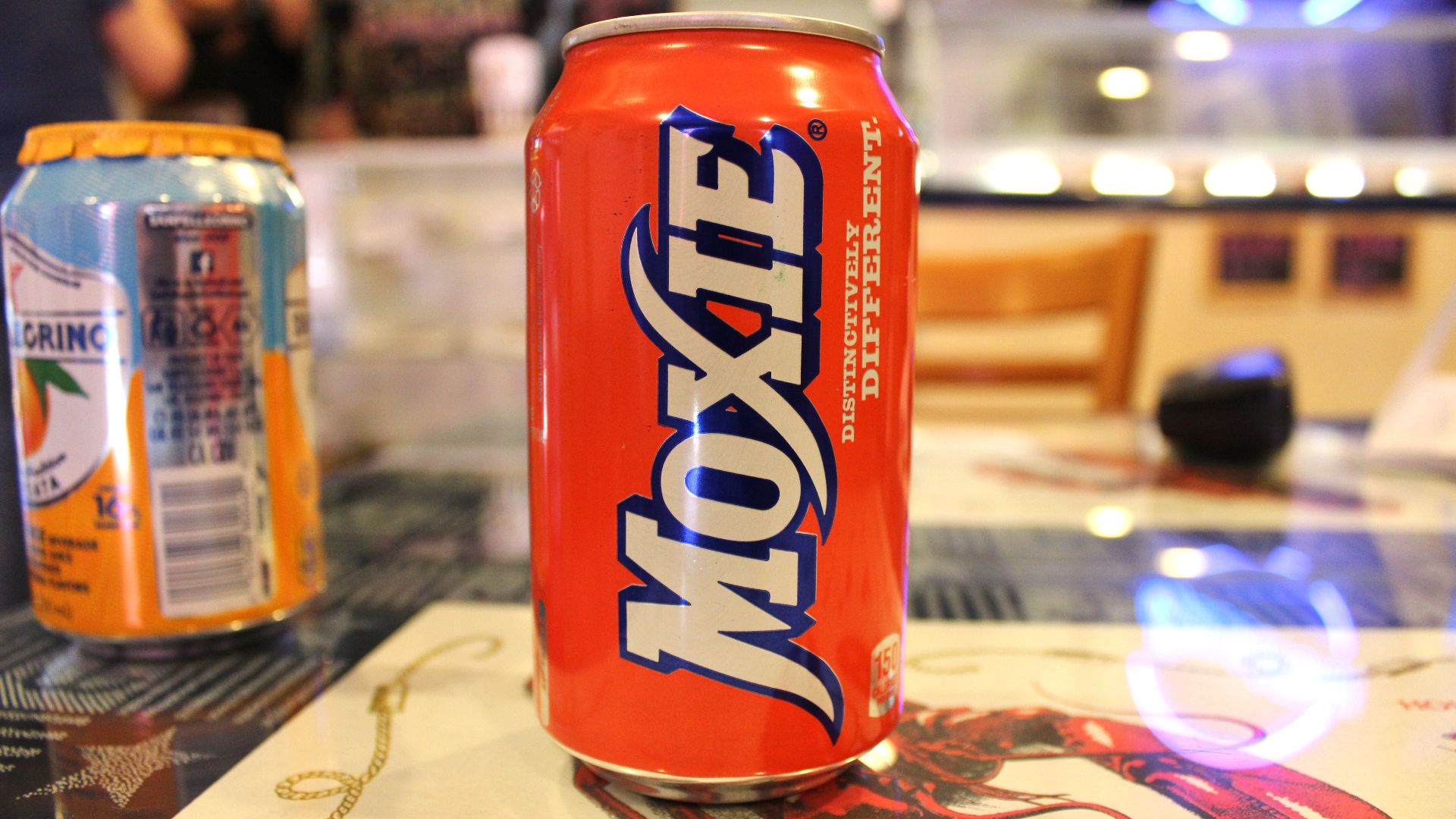
Moxie
Moxie’s distinctive, bitter flavor wasn’t for everyone, but its New England fans weren’t interested in everyone’s opinion. It remained a regional favorite long after its early national success. Maine made it the official state soft drink in 2005, and Coca-Cola acquired the brand in 2018. That’s some staying power for an acquired taste.
 Scottb211 from Gaylord, Michigan, U.S.A., Wikimedia Commons
Which One Would You Bring Back?
Some of these names probably took you straight back to the corner store. Others might have you wondering whether you missed an entire section of the soda aisle. If you could bring any one of these back to stores…which would it be?
You Might Also Like:
Old Grocery Brands That Lost Shelf Space When Families Started Cutting Costs