The Grocery Aisle Started Looking Different
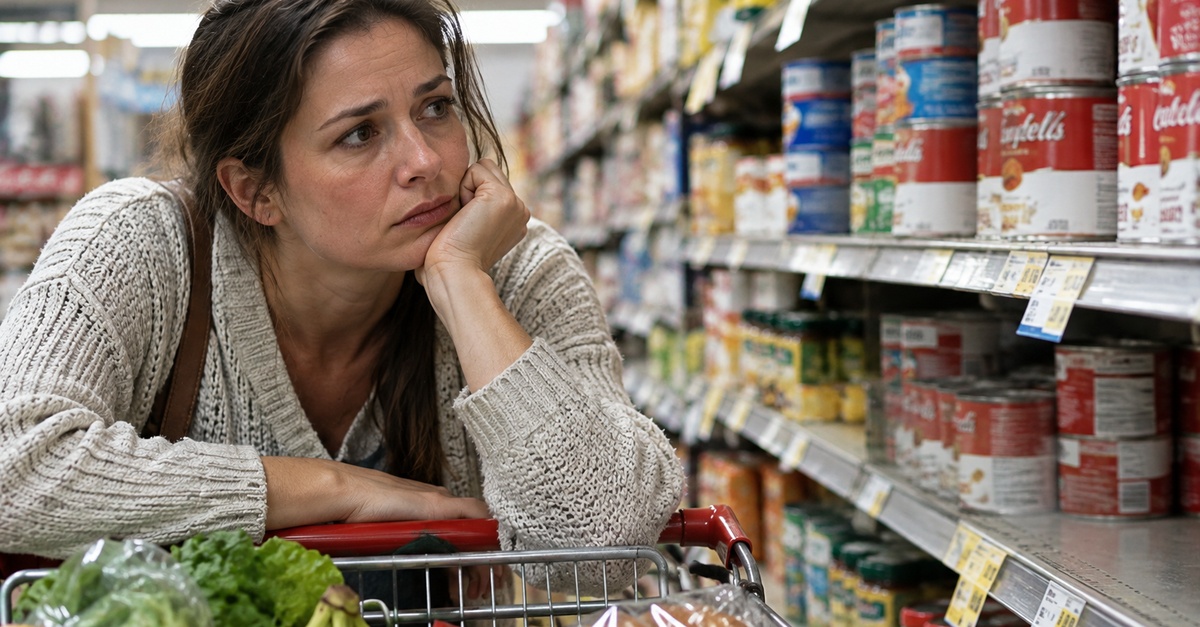
For decades, familiar national brands could count on recognition to keep shoppers coming back. That advantage weakened as food prices climbed and households became more willing to compare a famous label with a cheaper store brand. Grocery industry surveys in 2022 found widespread evidence of shoppers trading down, and that pressure has continued as retailers expand their own labels.
Store Brands Stopped Looking Cheap
Private-label groceries were once associated with plain packaging and basic products, but retailers steadily upgraded their store brands. Grocery Dive reported that inflation encouraged consumers across income groups to put greater emphasis on price than brand name. By 2024, private-label sales were growing faster than national brands, giving grocers another reason to devote valuable space to their own products.
Shelf Space Became A Bigger Battle
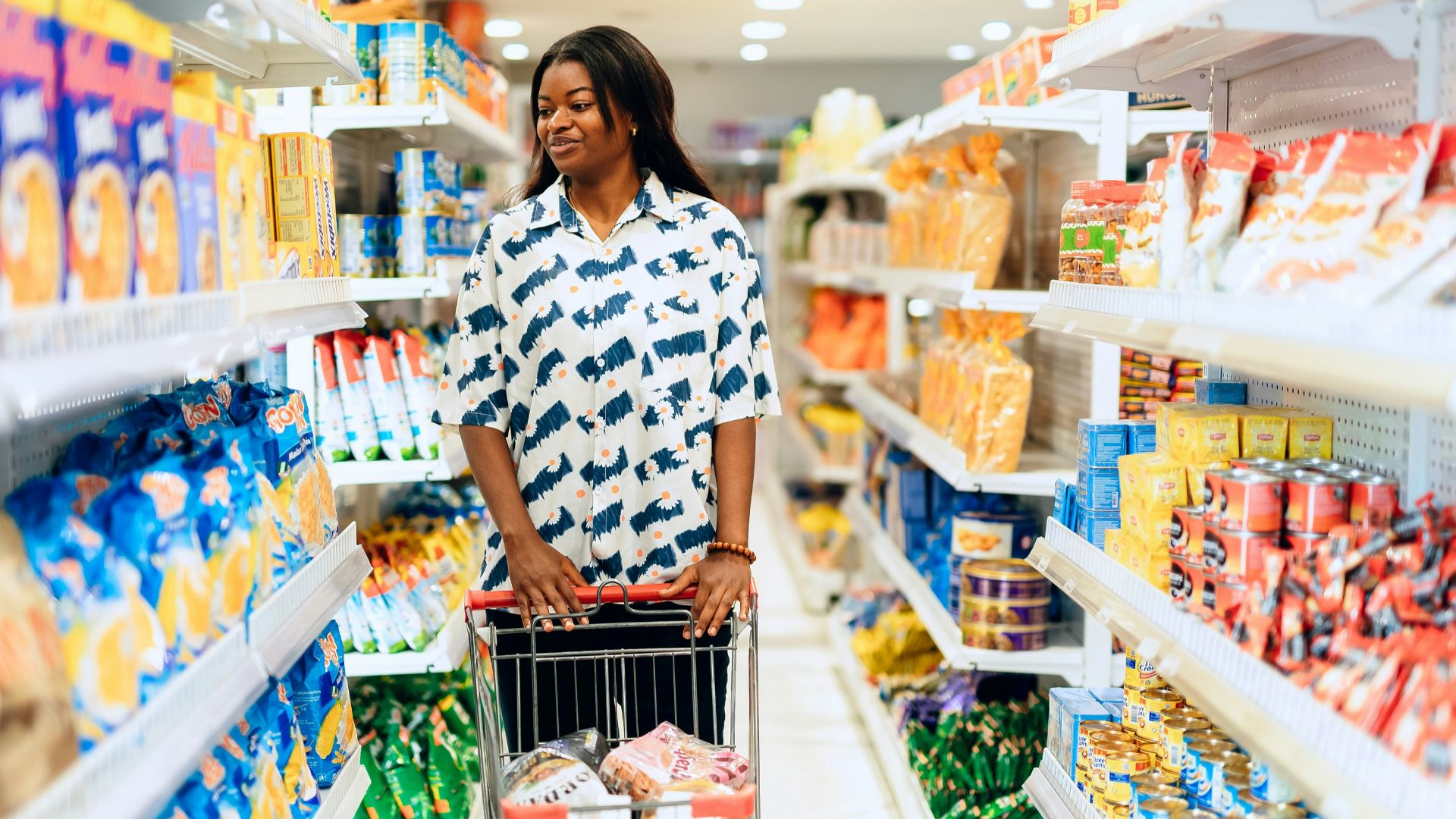
A supermarket cannot stock every flavor, package size, and brand that manufacturers would like to sell. Retailers watch how quickly products move, and poorly performing items can be removed in favor of products generating stronger margins or sales. Private labels can also deliver retailers better margins than some national brands, which makes an underperforming legacy product particularly vulnerable.
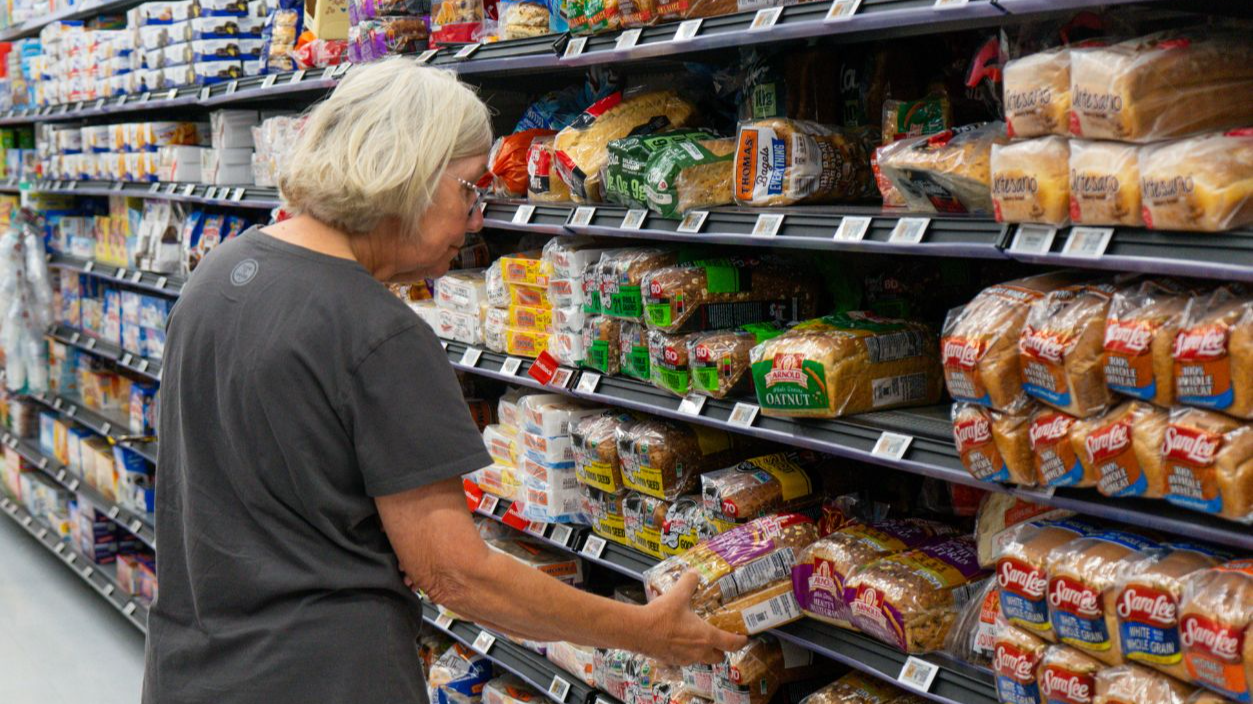
Campbell’s Felt The Value Squeeze
Few packaged-food names are older or more recognizable than Campbell's. Yet the company has faced growing competition from cheaper store brands as budget-conscious consumers become more selective about packaged meals and snacks. In March 2026, Campbell's lowered its annual outlook as consumers increasingly chose lower-priced alternatives.
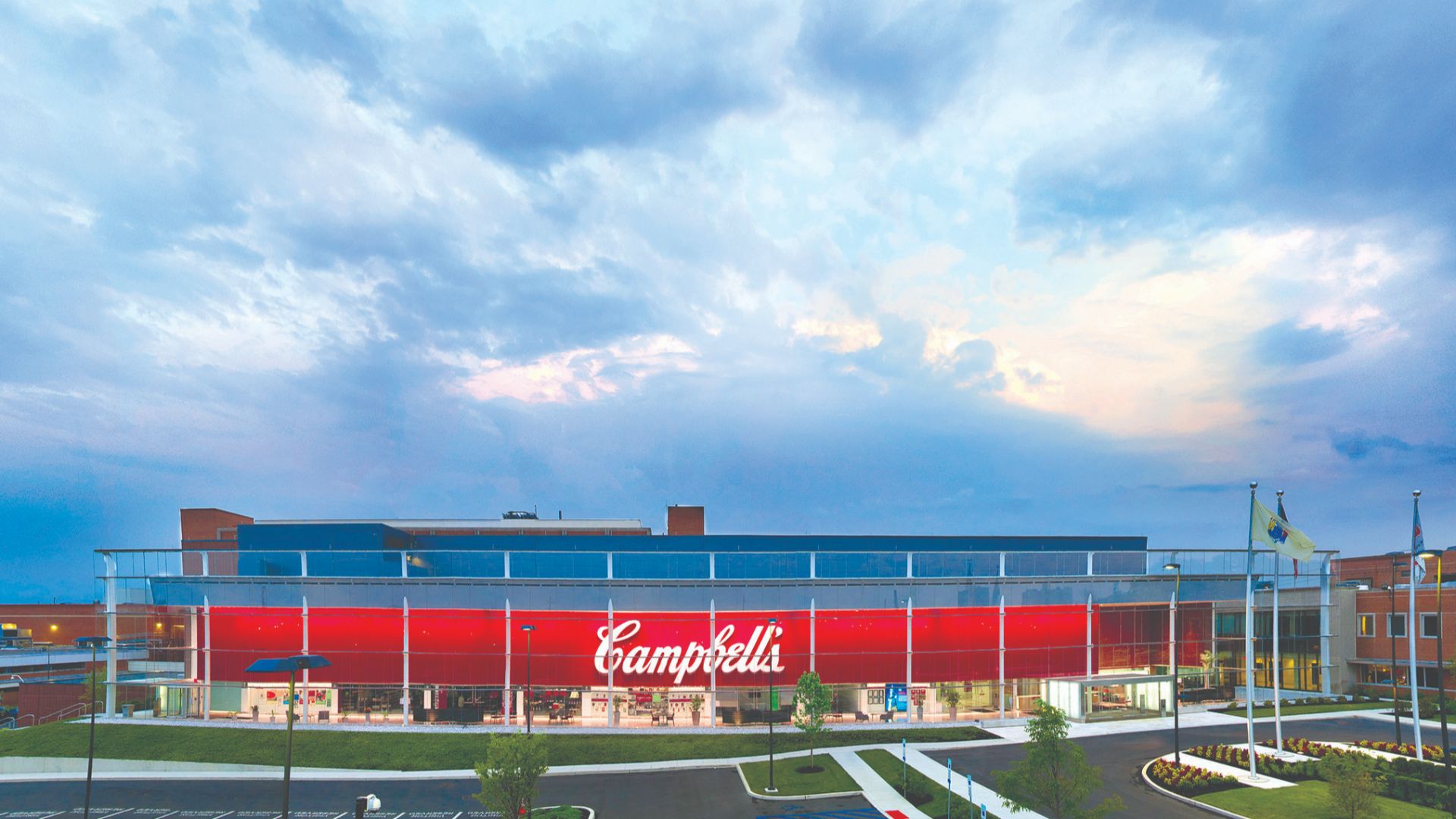
The Famous Soup Can Had More Competition
Campbell's has not disappeared from supermarkets, but soup can no longer carry the company by itself. When the business dropped "Soup" from its corporate name in 2024, executives emphasized other brands such as Goldfish, V8, and Prego. The strategy reflected a broader reality in which the classic soup business must compete for shoppers who have more private-label and value choices than previous generations did.
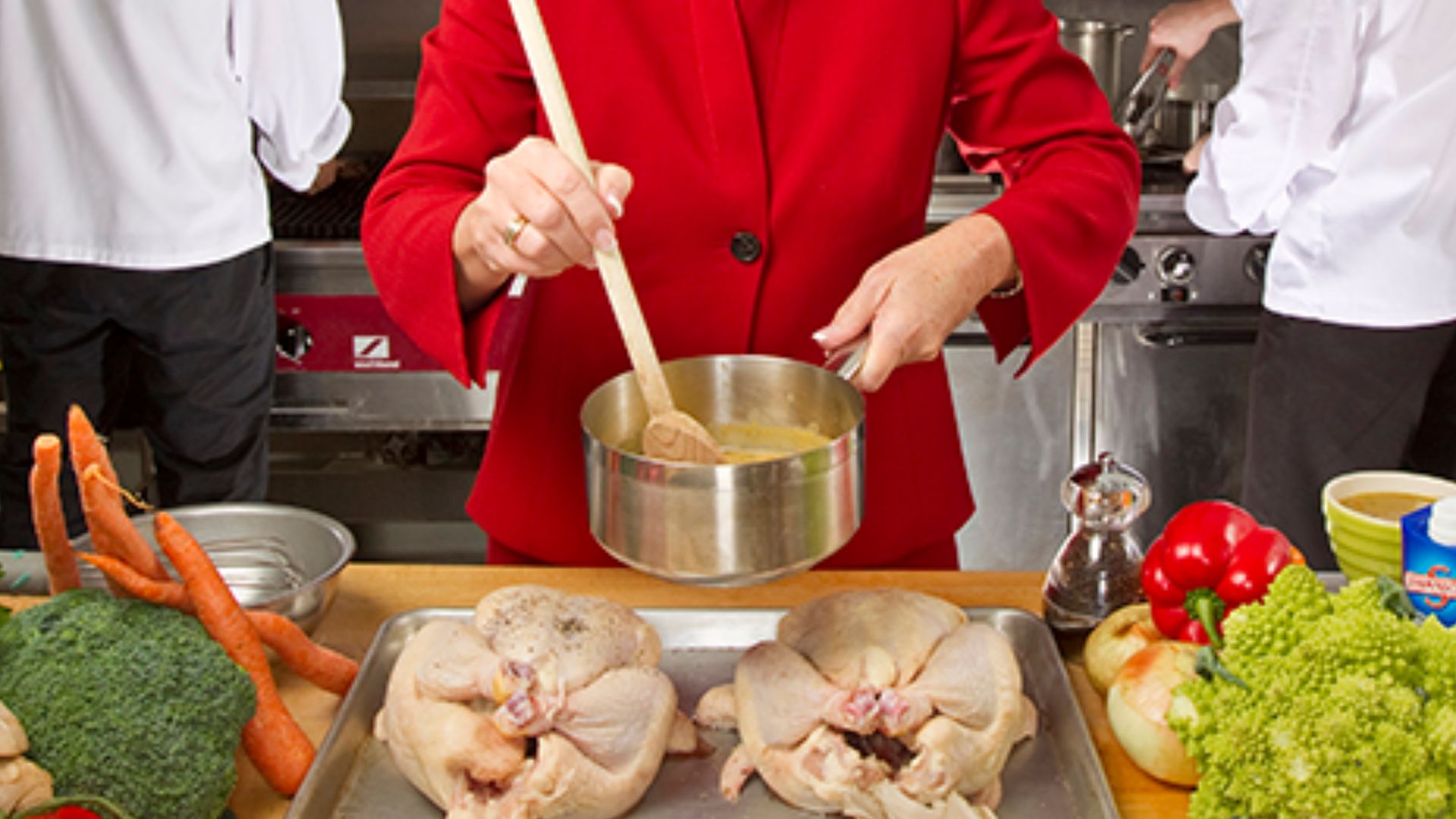
Cheerios Faced A More Price-Conscious Shopper
Cheerios remains one of America's best-known cereal names, but even General Mills has encountered softer demand. Reuters reported in 2025 that economic uncertainty and higher consumer prices were pushing shoppers toward cheaper private-label products. General Mills later reduced its fiscal outlook in 2026 as value remained a major concern for households.
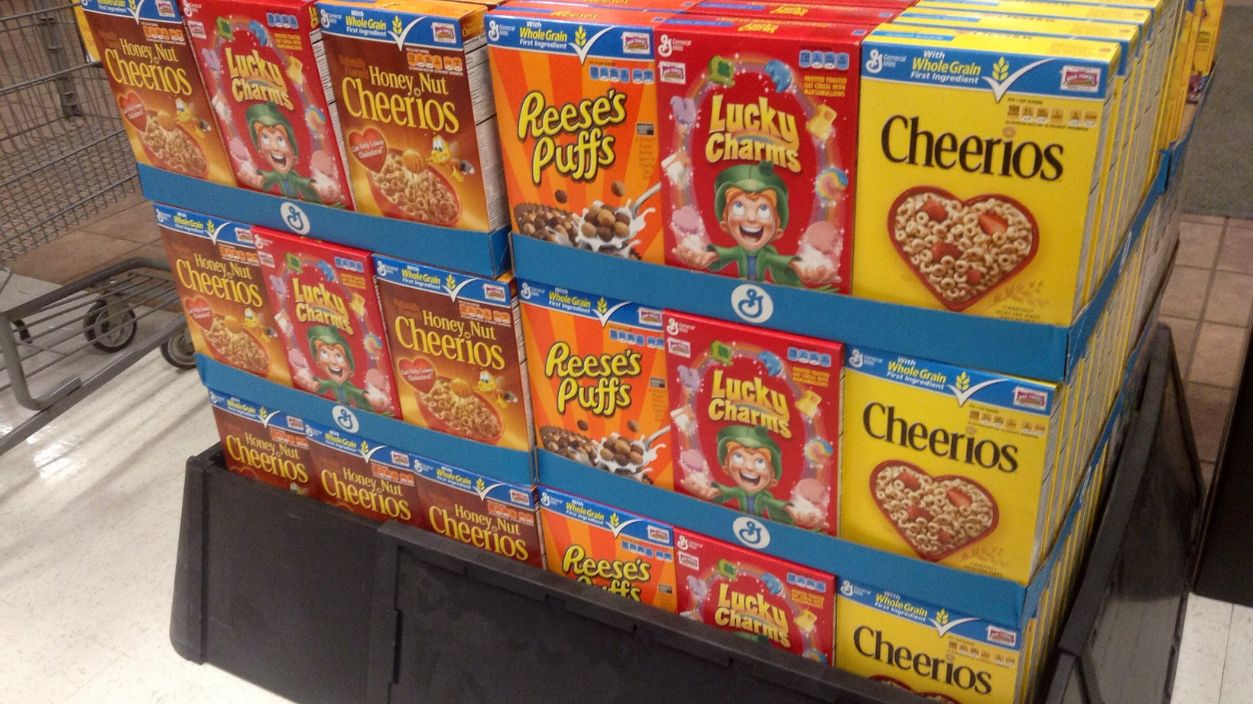
Pillsbury Was Not Immune Either
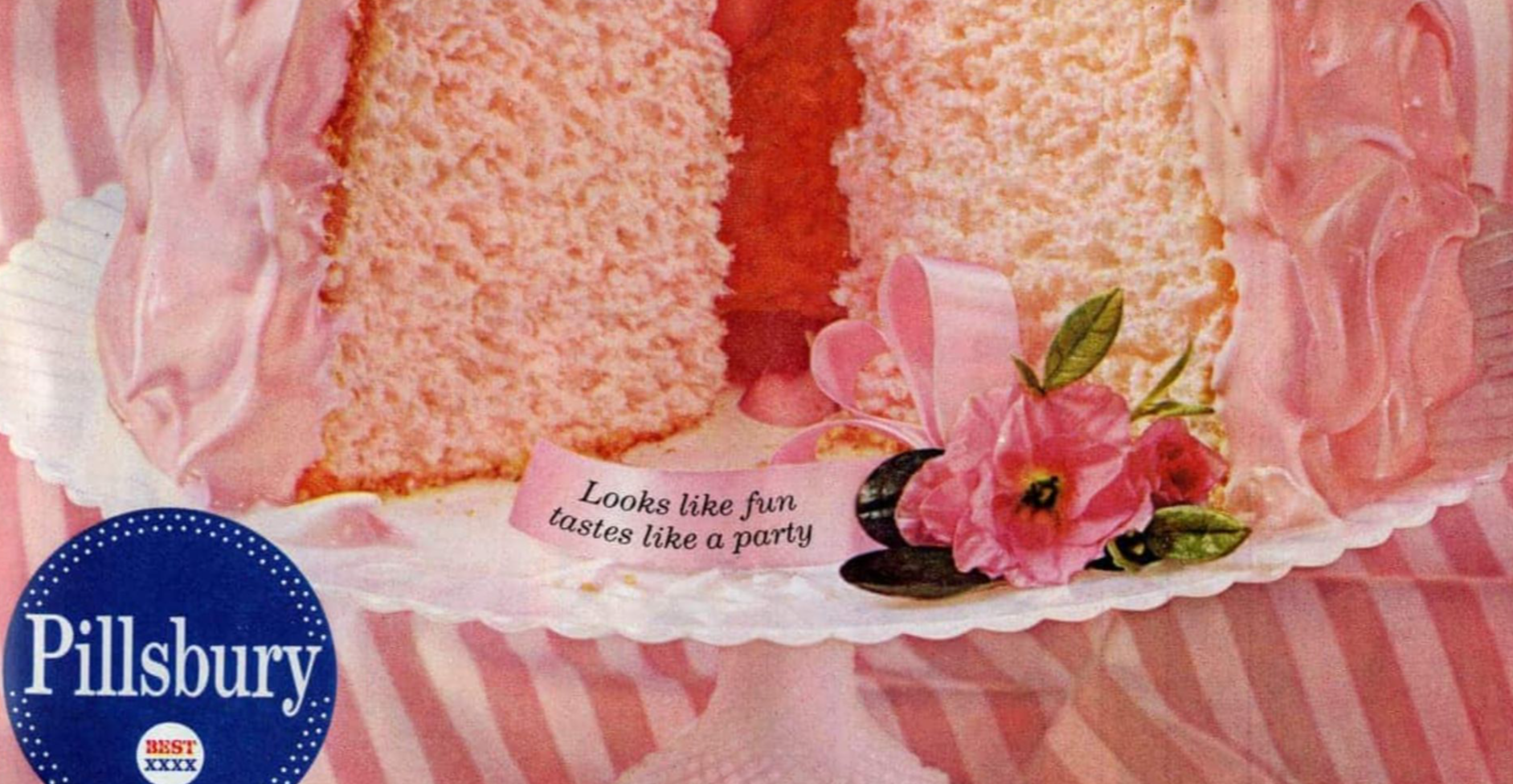
General Mills owns far more than cereal, including the long-established Pillsbury brand. The company said challenging consumer spending and competition from private labels were weighing on its North American business in 2025. That does not mean Pillsbury vanished, but it does mean old-fashioned brand recognition has had to compete more aggressively with price.
Breakfast Cereal Lost Some Of Its Old Power
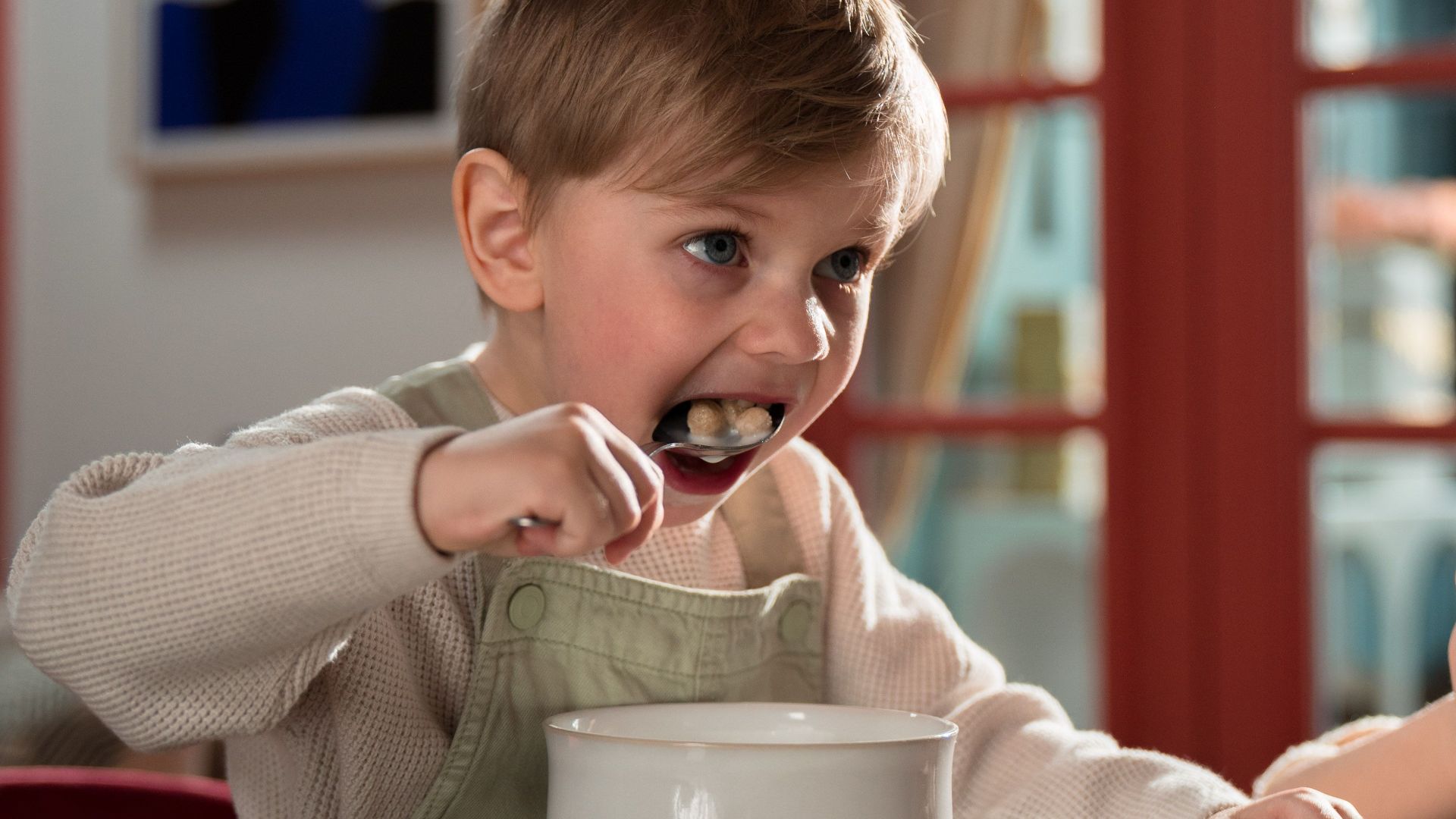
The issue extends beyond any single cereal box. Post Holdings reported that cereal and granola sales fell 4% in its 2025 fiscal year, primarily because of lower volumes and category declines. When an entire category is shrinking, grocers have even more incentive to concentrate space on the products and price points that move fastest.
Jell-O Faced The Same Packaged-Food Pressure
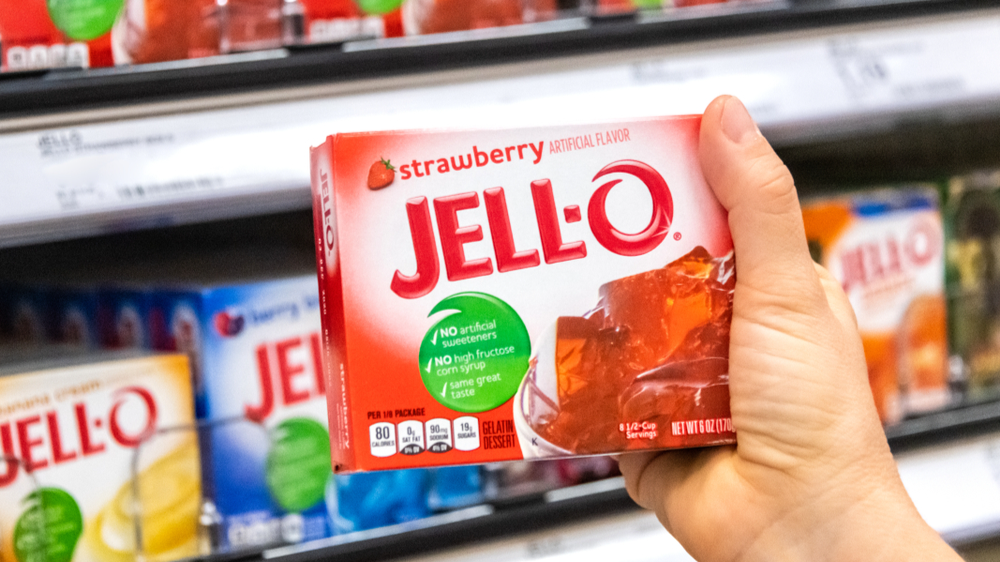
Jell-O remains a household name, but its owner, Kraft Heinz, has faced the same resistance affecting many older packaged-food companies. Reuters reported that Kraft Heinz cut its 2024 organic sales forecast as customers pushed back following substantial price increases. The pressure was particularly noticeable among lower-income consumers, exactly the shoppers most likely to scrutinize the price difference between a national brand and a store alternative.
Lunchables Lost Some Of Their Easy Momentum
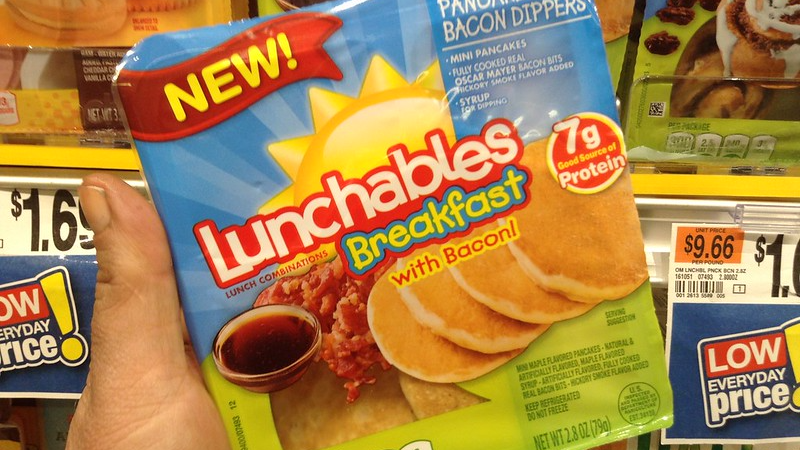
Lunchables became a lunchbox fixture because convenience and familiarity mattered to parents and children alike. By 2024, however, Kraft Heinz was reporting subdued demand for the meal kits along with other branded products. Higher prices made convenience products easier for budget-conscious households to reconsider when cheaper alternatives could fill the same lunchbox.
McCormick Spices Met Cheaper Lookalikes
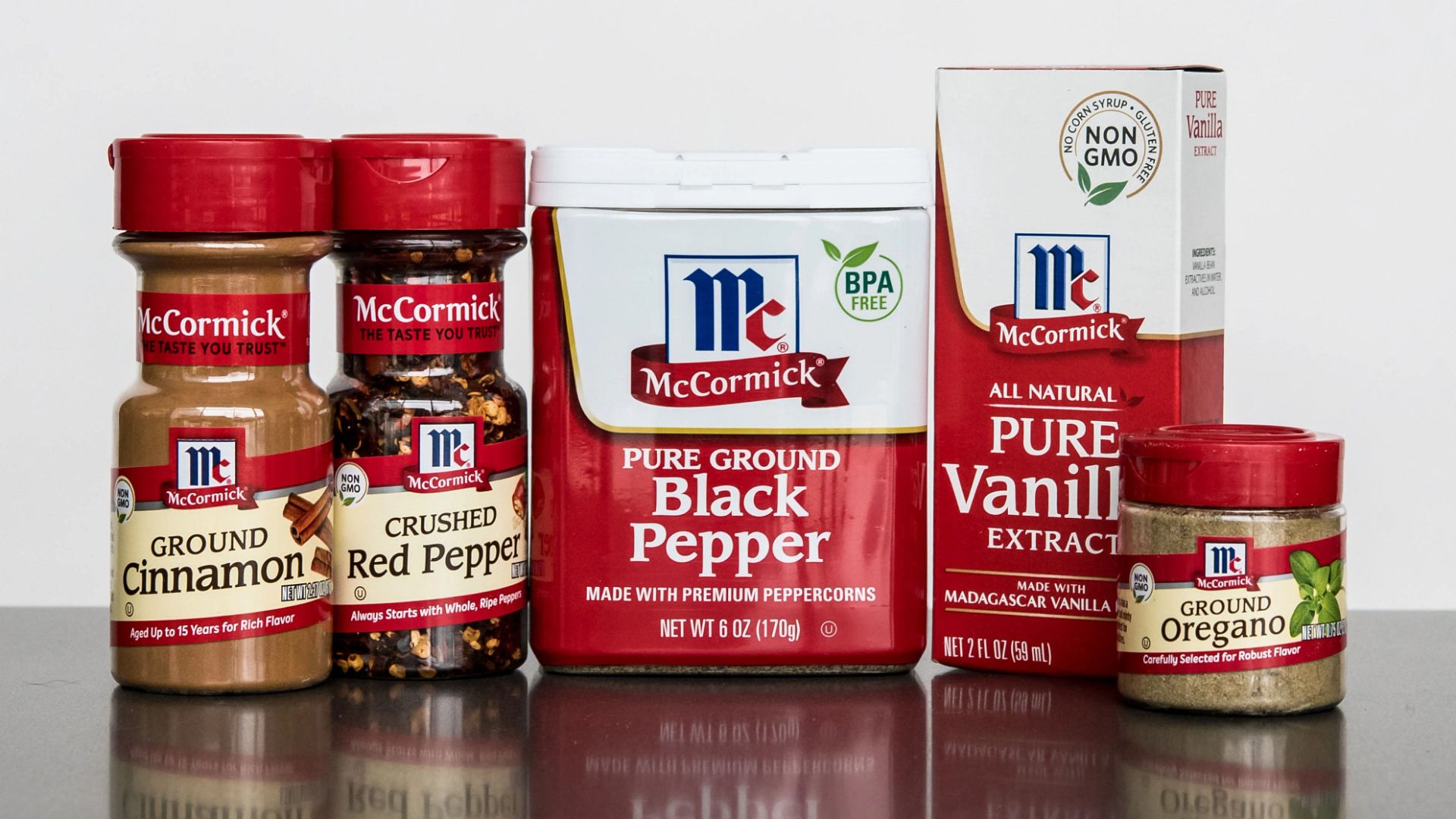
The spice aisle is particularly vulnerable to price comparisons because shoppers can often see store-brand bottles sitting beside the national brand. Reuters reported in 2024 that McCormick's sales volumes were hurt as consumers traded down to cheaper private-label seasonings. The company cited pressure on familiar brands including French's, Frank's RedHot, and Zatarain's after significant price increases.
 Cinnamonspice241, Wikimedia Commons
French’s Had To Defend More Than Mustard
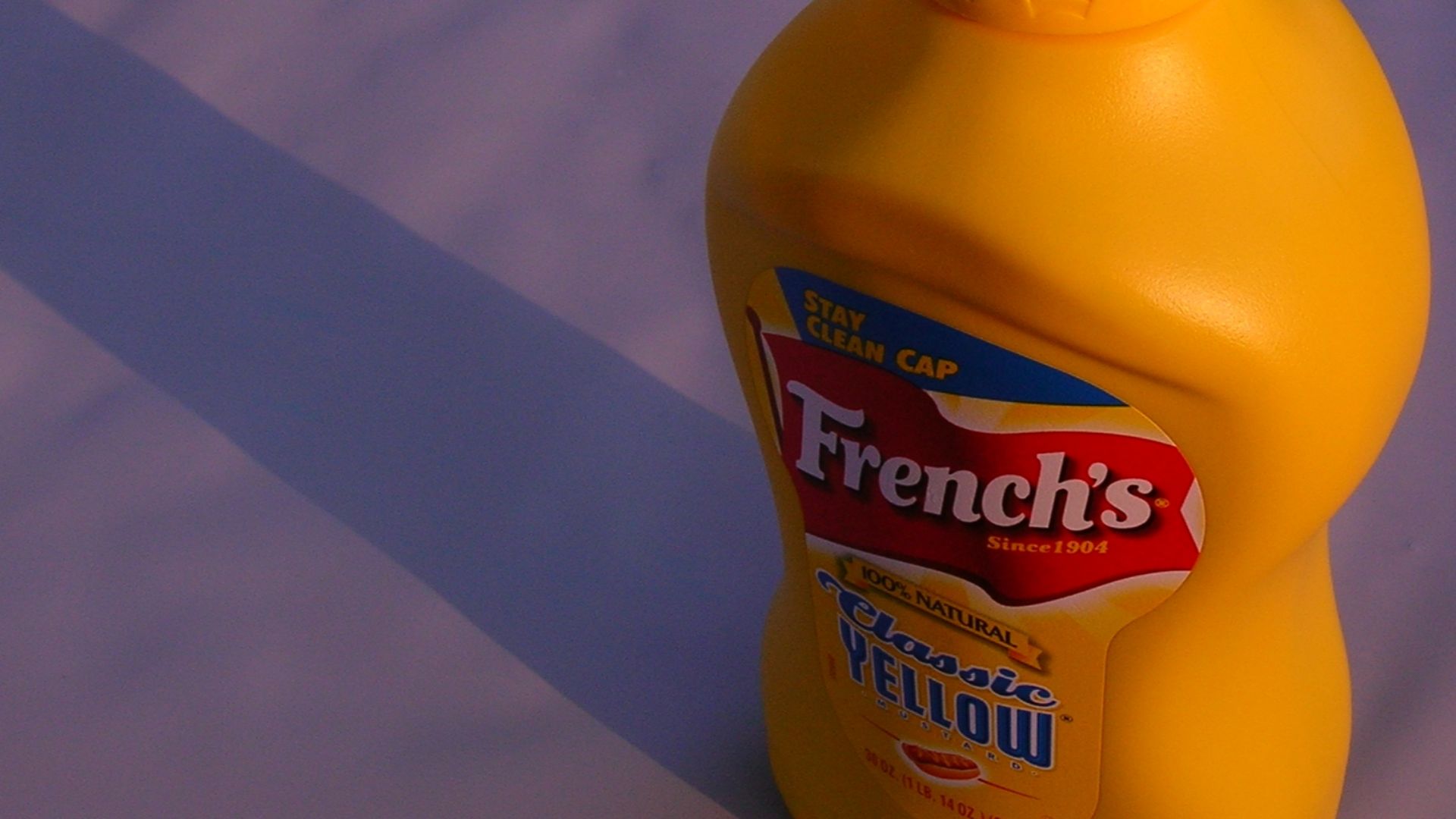
French's has a history stretching back more than a century, but longevity does not protect a brand from modern grocery economics. McCormick identified weaker consumer response across several of its brands as households became increasingly careful with spending. A recognizable yellow mustard bottle still has power, but retailers also know that many shoppers will choose the cheaper bottle beside it.
 User:Aeæ~commonswiki, Wikimedia Commons
Frank’s RedHot Entered The Value Fight
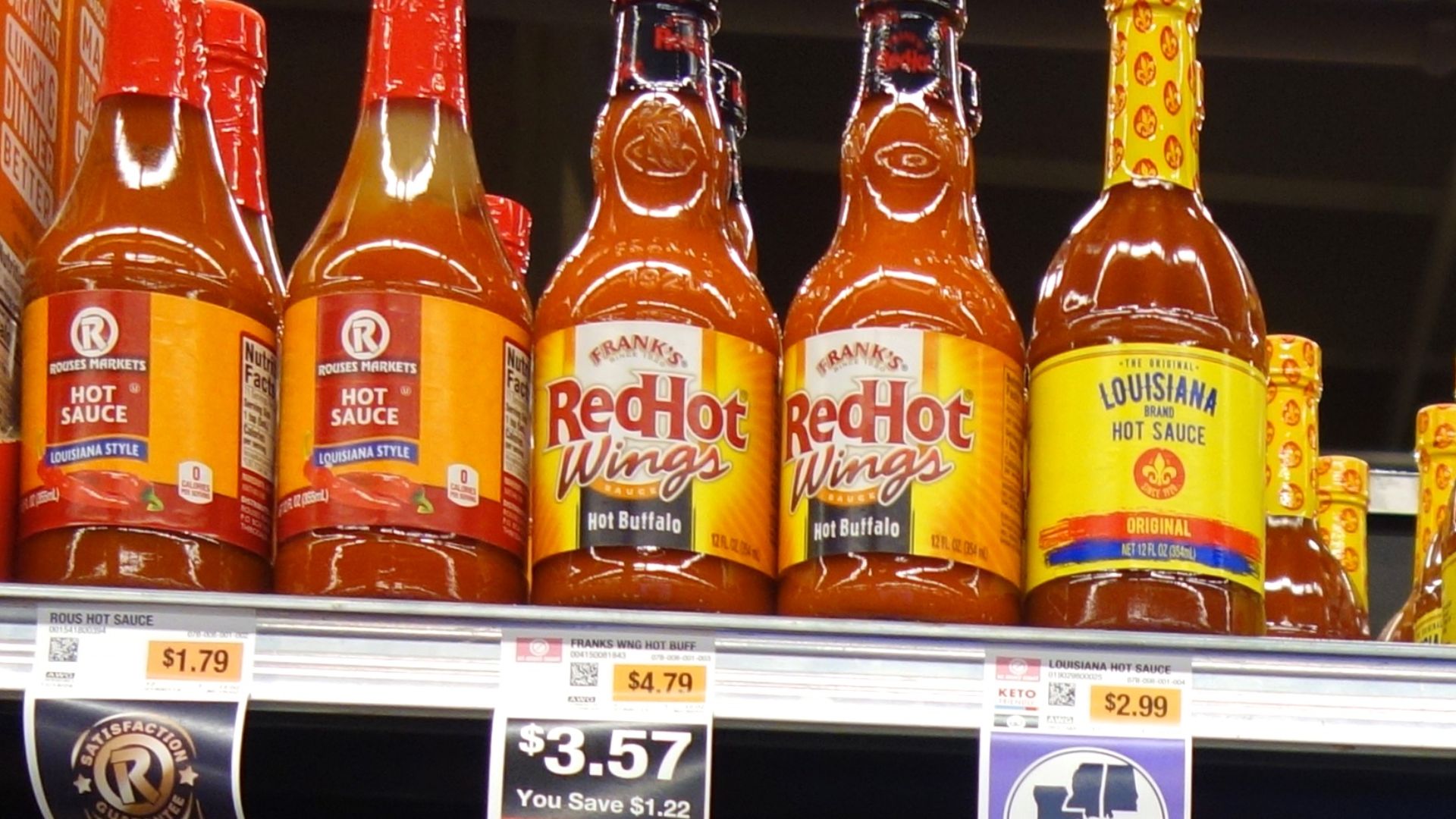
Frank's RedHot benefited from the growth of hot sauces and bold flavors, yet its parent company still experienced declining overall volumes. Reuters reported that shoppers were sticking more closely to budgets and shifting toward private-label alternatives in spices and seasonings. That kind of behavior makes every inch of condiment and seasoning space more competitive.
Zatarain’s Could Not Escape Trade-Down Shopping
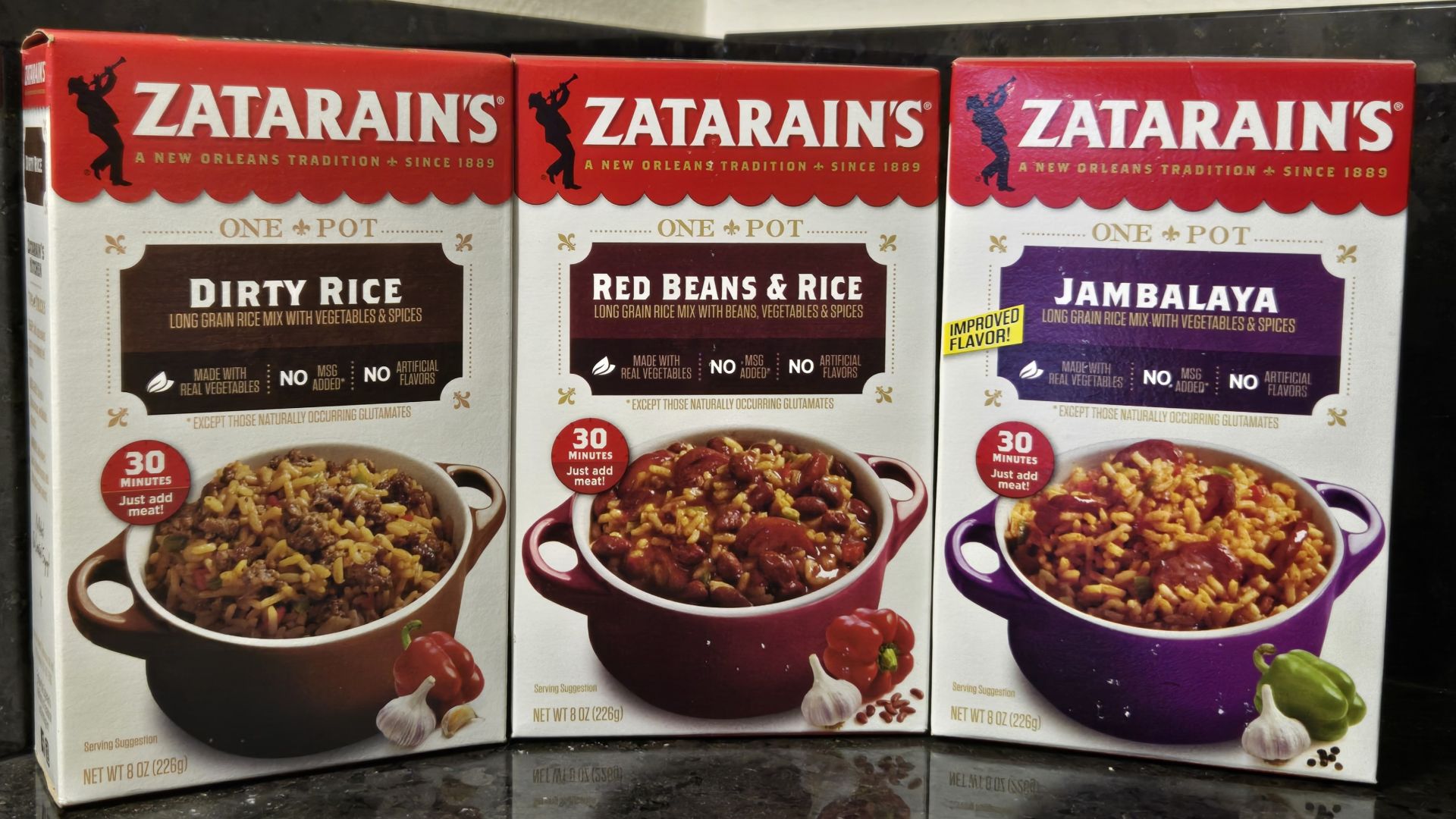
Zatarain's built its identity around New Orleans-style rice mixes, seasonings, and convenient meals. McCormick specifically included the brand among products affected when aggressive price increases weakened consumer demand. For a shopper trying to reduce a grocery total, a familiar regional name can suddenly be compared with a basic store-brand rice or seasoning mix costing less.
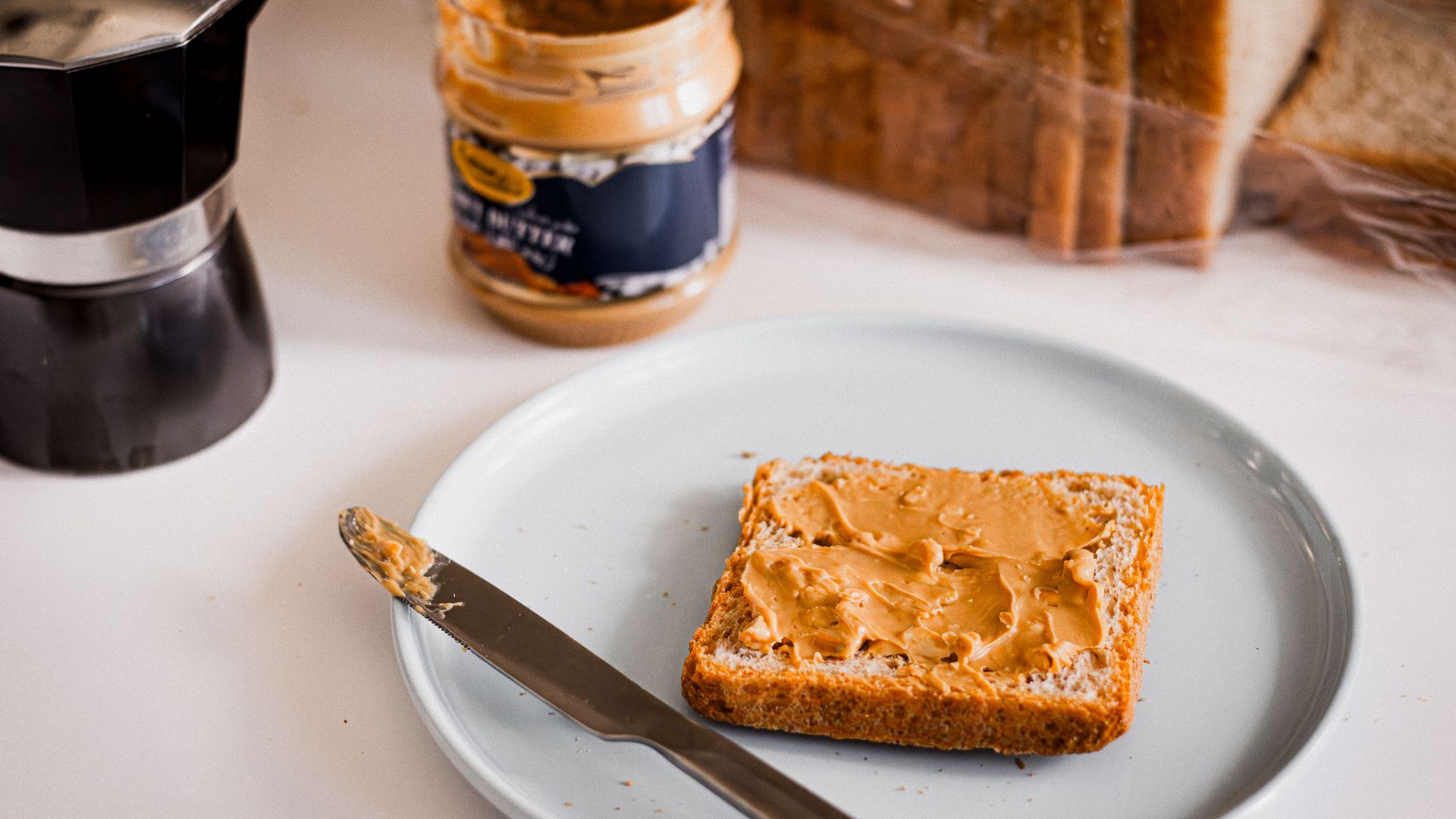
Skippy Faced Cheaper Peanut Butter
Peanut butter is another aisle where national brands compete directly with lower-priced alternatives. Hormel Foods, the owner of Skippy, reported weaker retail demand in early 2026 as consumers shifted toward cheaper options amid economic uncertainty. Retail segment volume fell, showing how difficult it has become for traditional packaged-food companies to rely on brand loyalty alone.
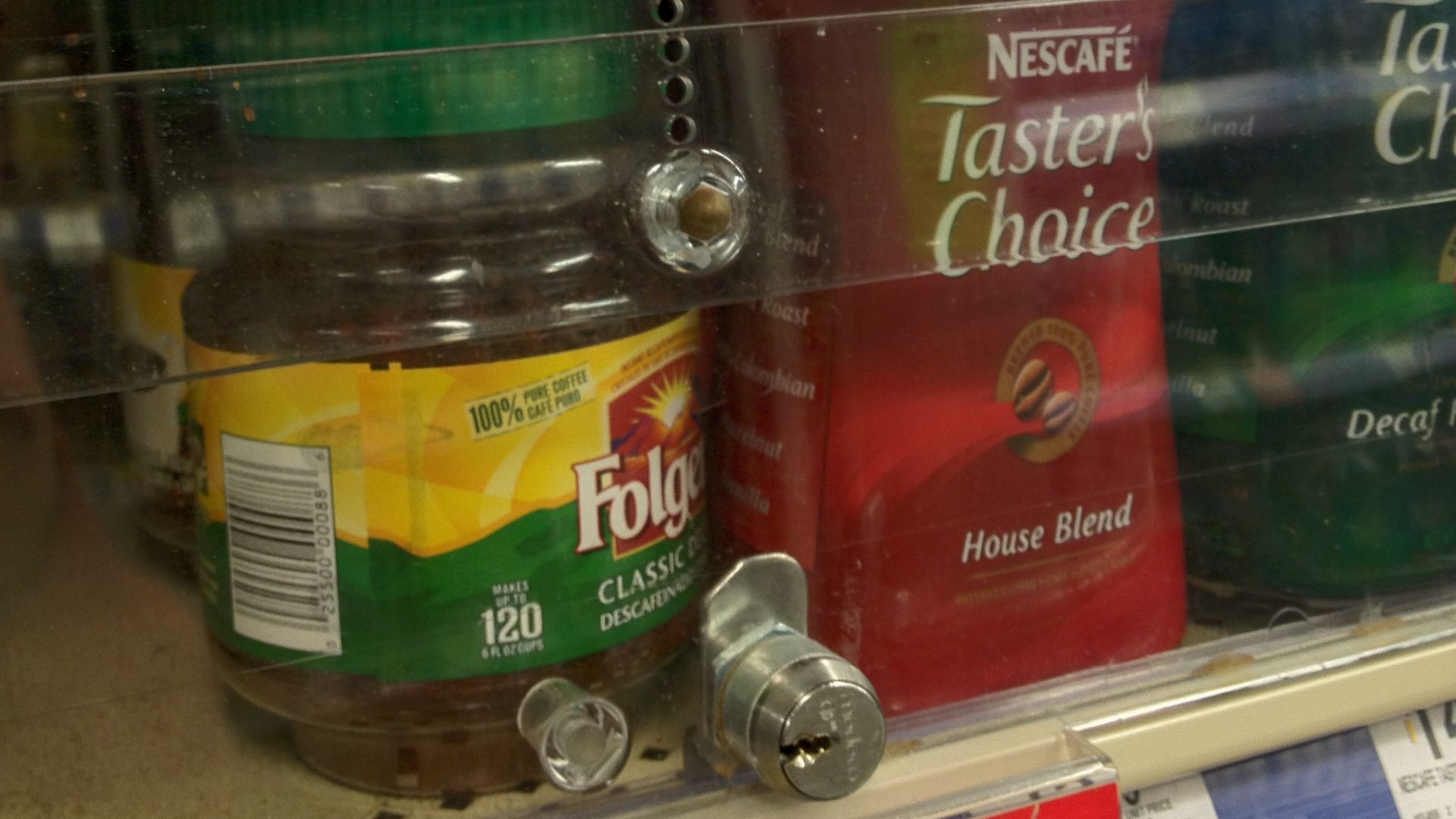
Folgers Learned That Coffee Loyalty Has Limits
Folgers has been part of American kitchens for generations, but soaring coffee costs forced its owner to navigate unusually sharp pricing pressure. In late 2025, J.M. Smucker reported declining coffee volume while Reuters noted that inflation-hit consumers were increasingly choosing cheaper private-label goods. The brand later benefited as coffee prices eased, showing how quickly value can reshape shopping behavior.
 Tony Webster, Wikimedia Commons
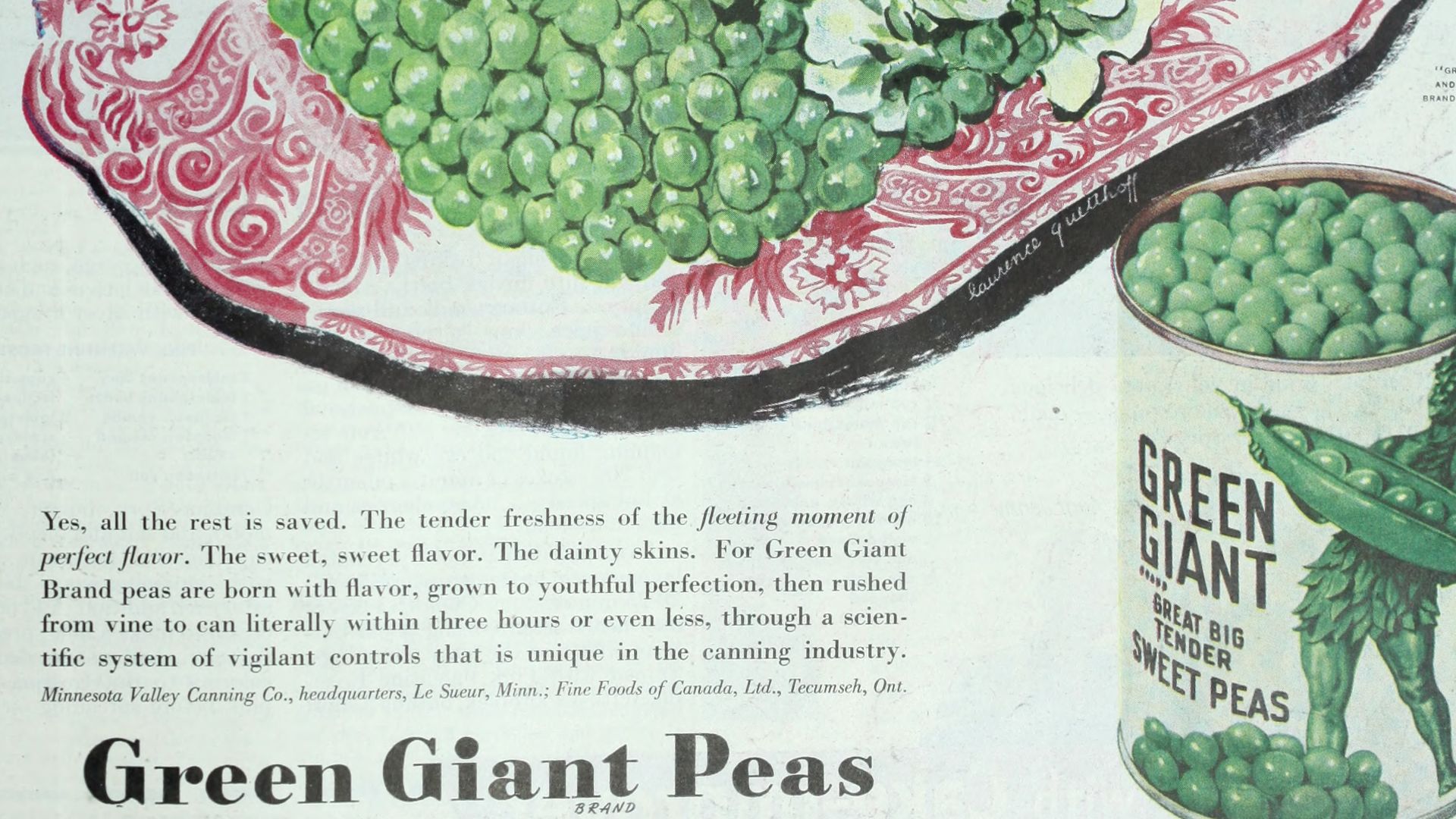
Green Giant Went Through A Major Retreat
Green Giant once seemed inseparable from the canned and frozen vegetable aisle. B&G Foods sold the brand's U.S. shelf-stable business to Seneca Foods in 2023, then sold the U.S. frozen business in March 2026. B&G had also recorded significant impairment charges after projecting lower sales and margins in frozen and shelf-stable vegetables.
 Internet Archive Book Images, Wikimedia Commons
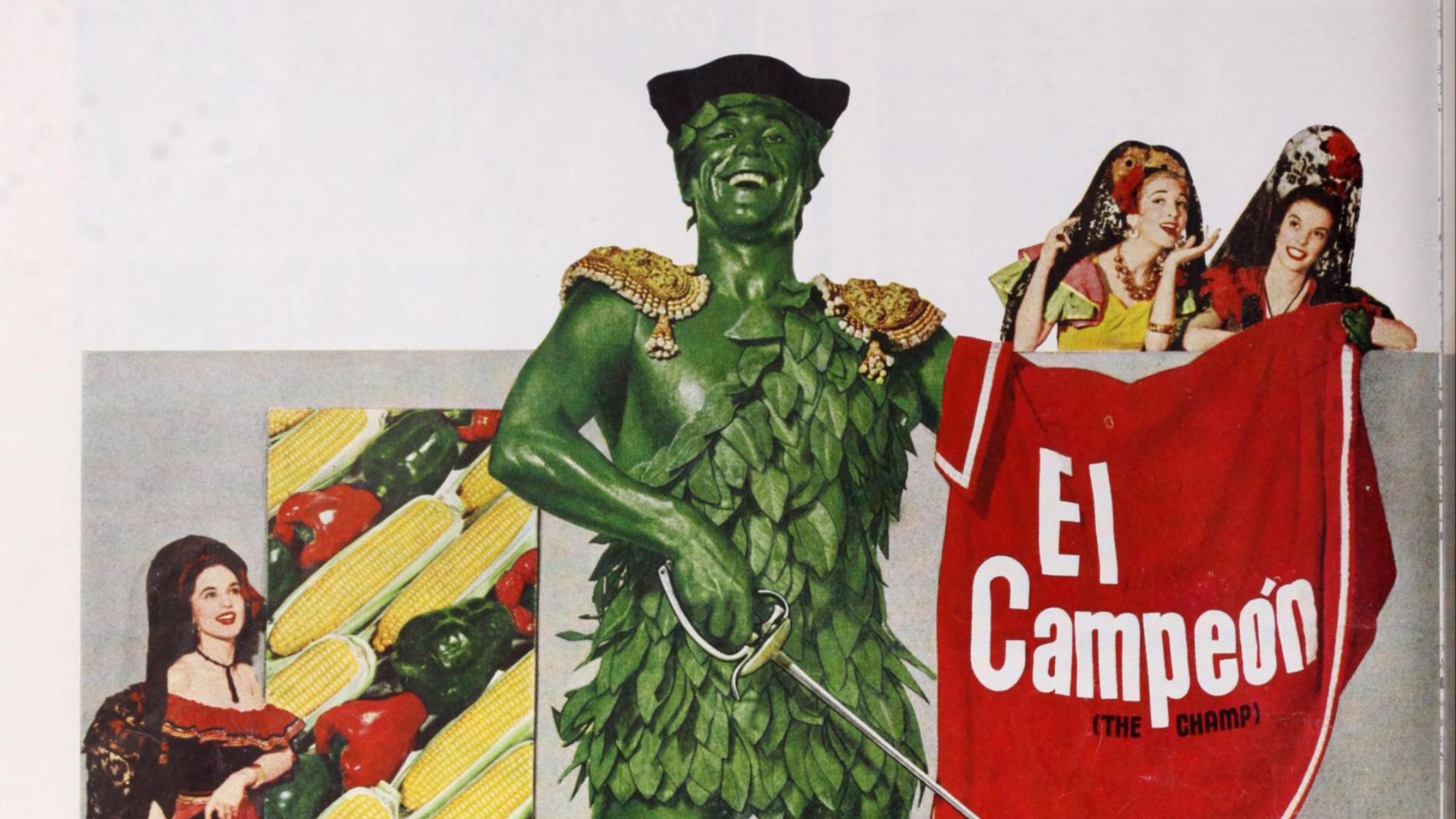
Green Giant’s Sales Were Already Slipping
The restructuring was not occurring in a vacuum. B&G Foods reported Green Giant-related net sales of about $287 million for fiscal 2025, down from roughly $308 million the prior year. The company cited declining consumer demand and cost pressure within frozen and shelf-stable vegetables when discussing impairment of the brand.
 Green Giant, Wikimedia Commons
Le Sueur Changed Hands Too
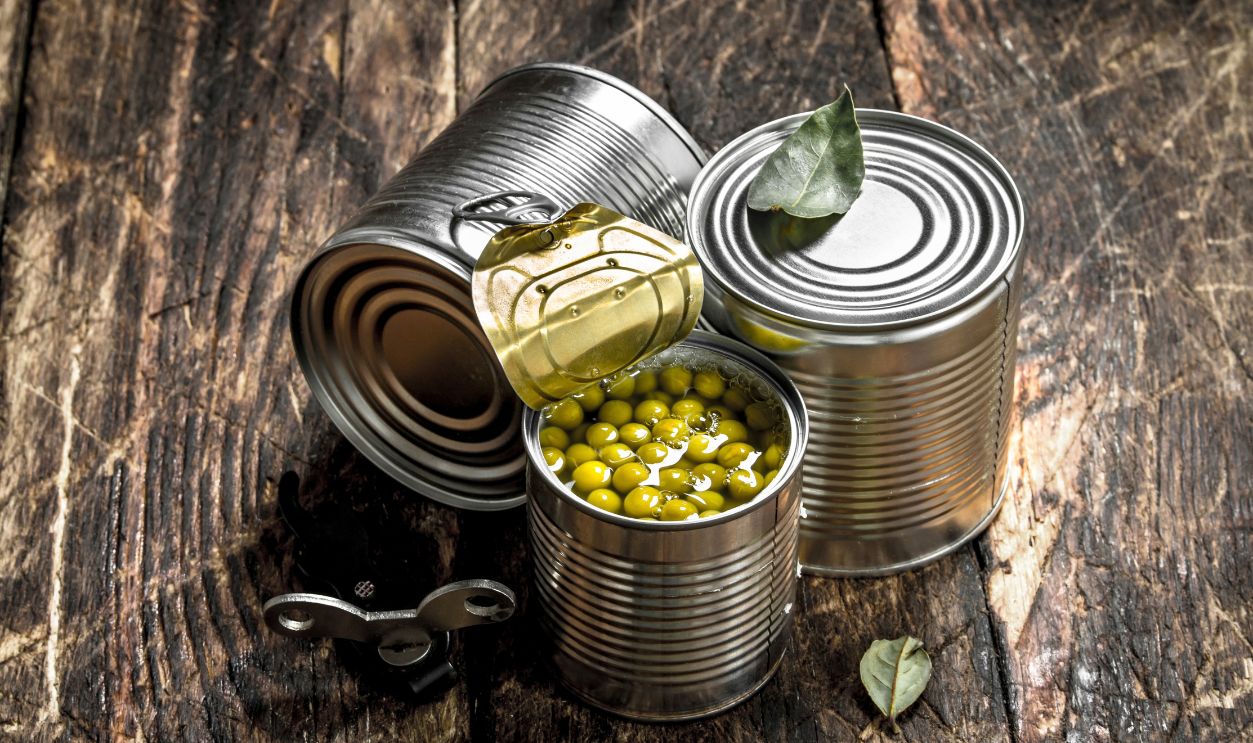
Le Sueur's distinctive silver cans made the pea brand easy to recognize for generations. B&G Foods sold the U.S. shelf-stable Le Sueur business in August 2025 as it continued reshaping its portfolio. In Canada, Le Sueur and Green Giant were also part of a proposed transaction that attracted scrutiny from Canada's Competition Bureau because branded and private-label vegetable suppliers compete directly for grocery shelf space.
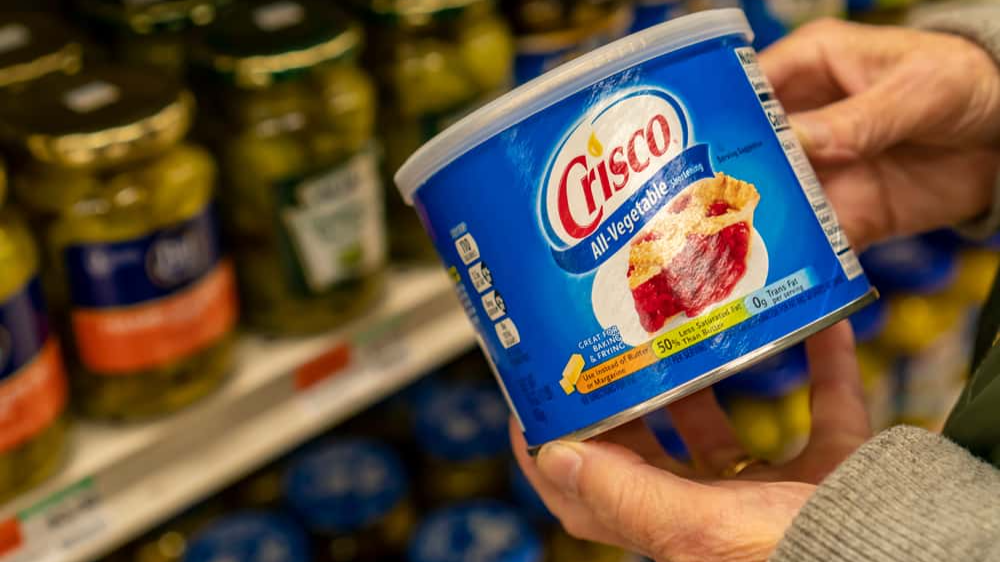
Crisco Saw Sales Move Backward
Crisco is one of the classic names of the baking aisle, but even pantry staples are exposed when consumers focus intensely on price. B&G Foods reported Crisco net sales of about $279 million in fiscal 2025, compared with roughly $303 million the previous year. Some of that difference reflected lower oil pricing, but the numbers still illustrate the changing economics surrounding a brand that once occupied an almost automatic place in American kitchens.
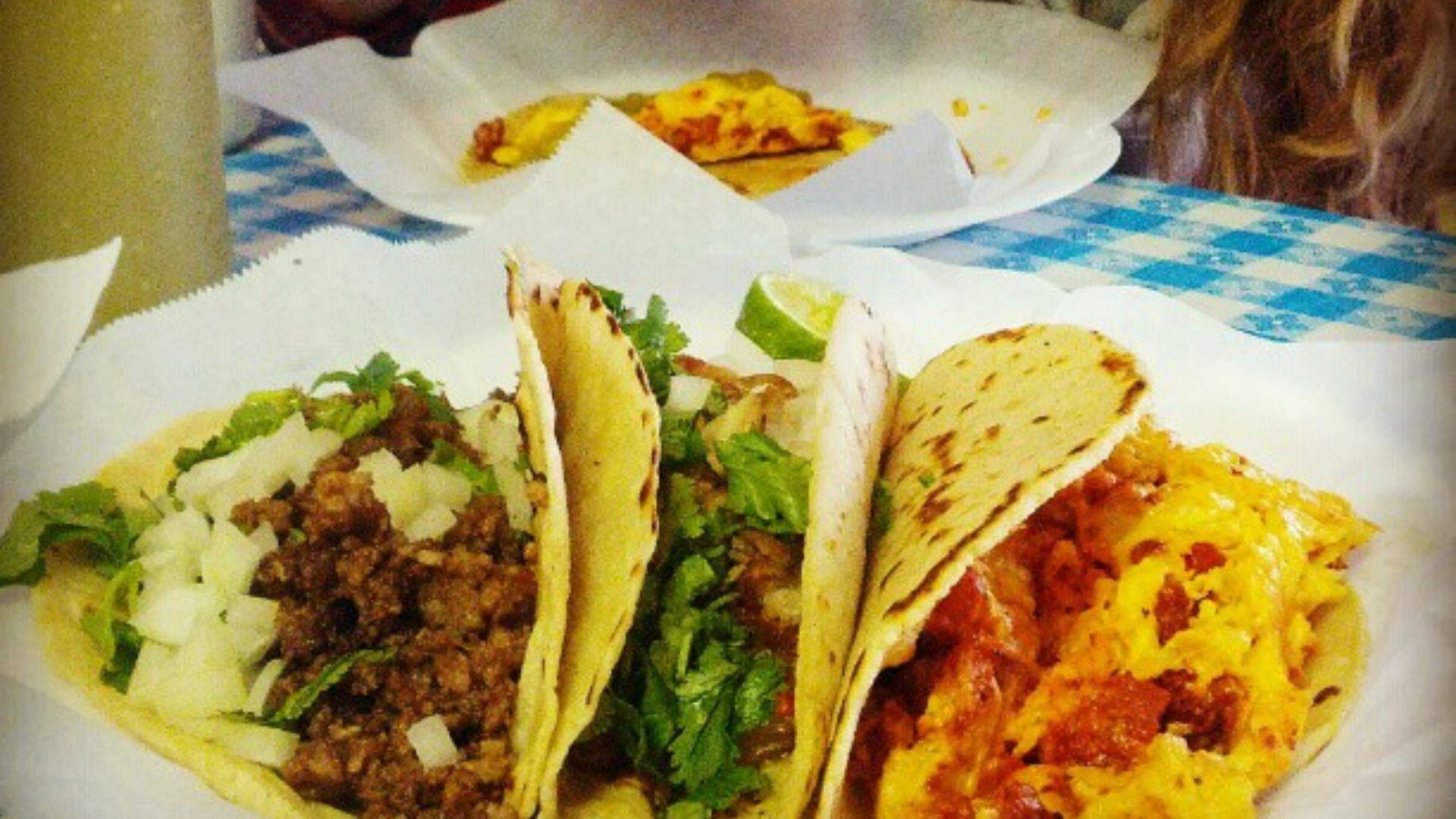
Ortega Had To Compete For Taco Night
Ortega has been selling Mexican-style meal products in the United States for decades. B&G Foods reported that the brand generated about $132 million in fiscal 2025 sales, down from approximately $138 million the year before. As households compare taco shells, sauces, and seasonings against store-brand equivalents, Ortega faces the same price-versus-familiarity calculation seen across center-store aisles.
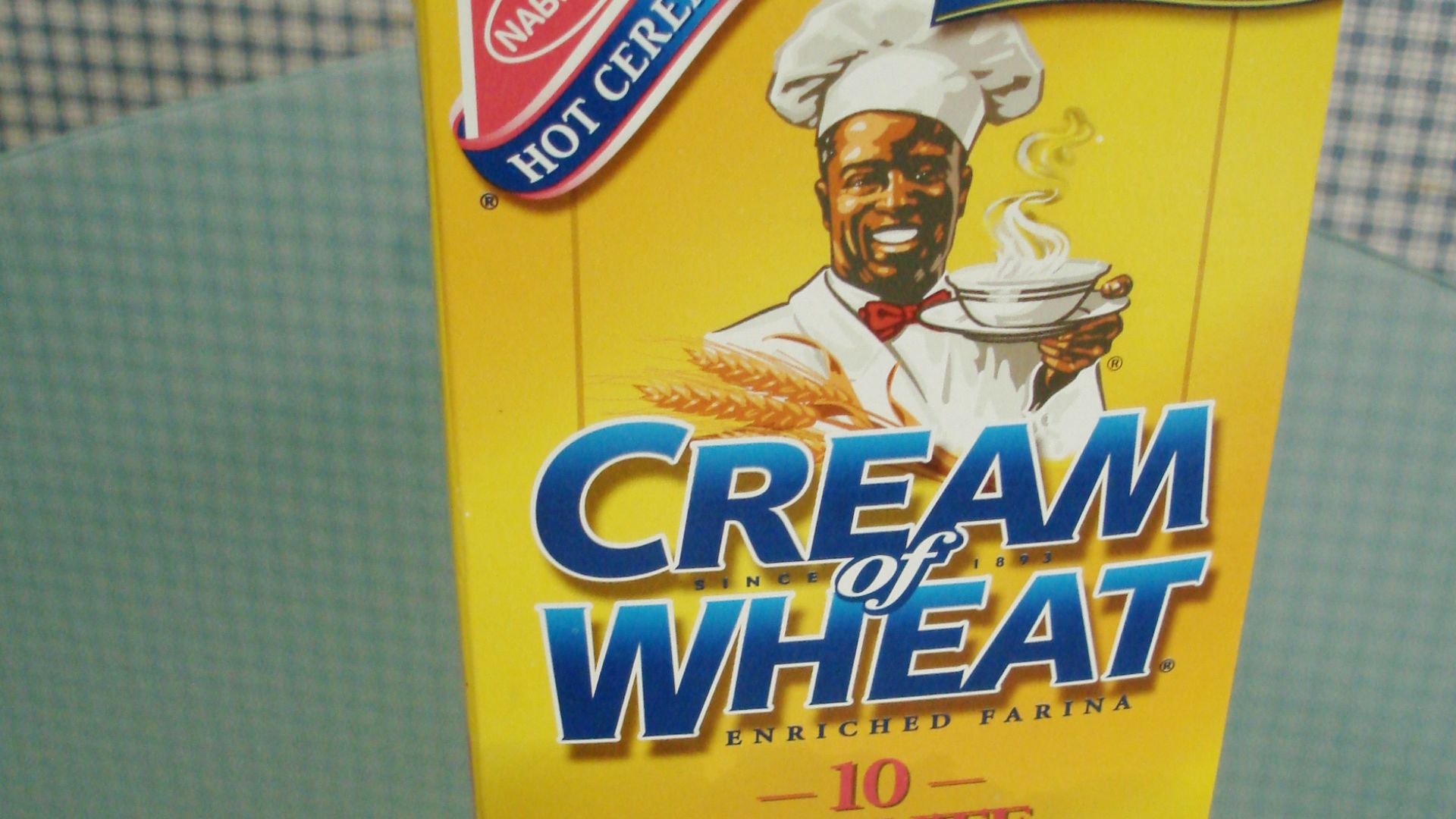
Cream Of Wheat Lost Some Breakfast Ground
Cream of Wheat dates to 1893 and remains one of the best-known hot cereal brands in the country. B&G Foods reported fiscal 2025 sales of roughly $75 million, down from approximately $78 million a year earlier. The decline came during a period when B&G said packaged-food consumers were continuing to adjust their buying patterns following years of elevated inflation.
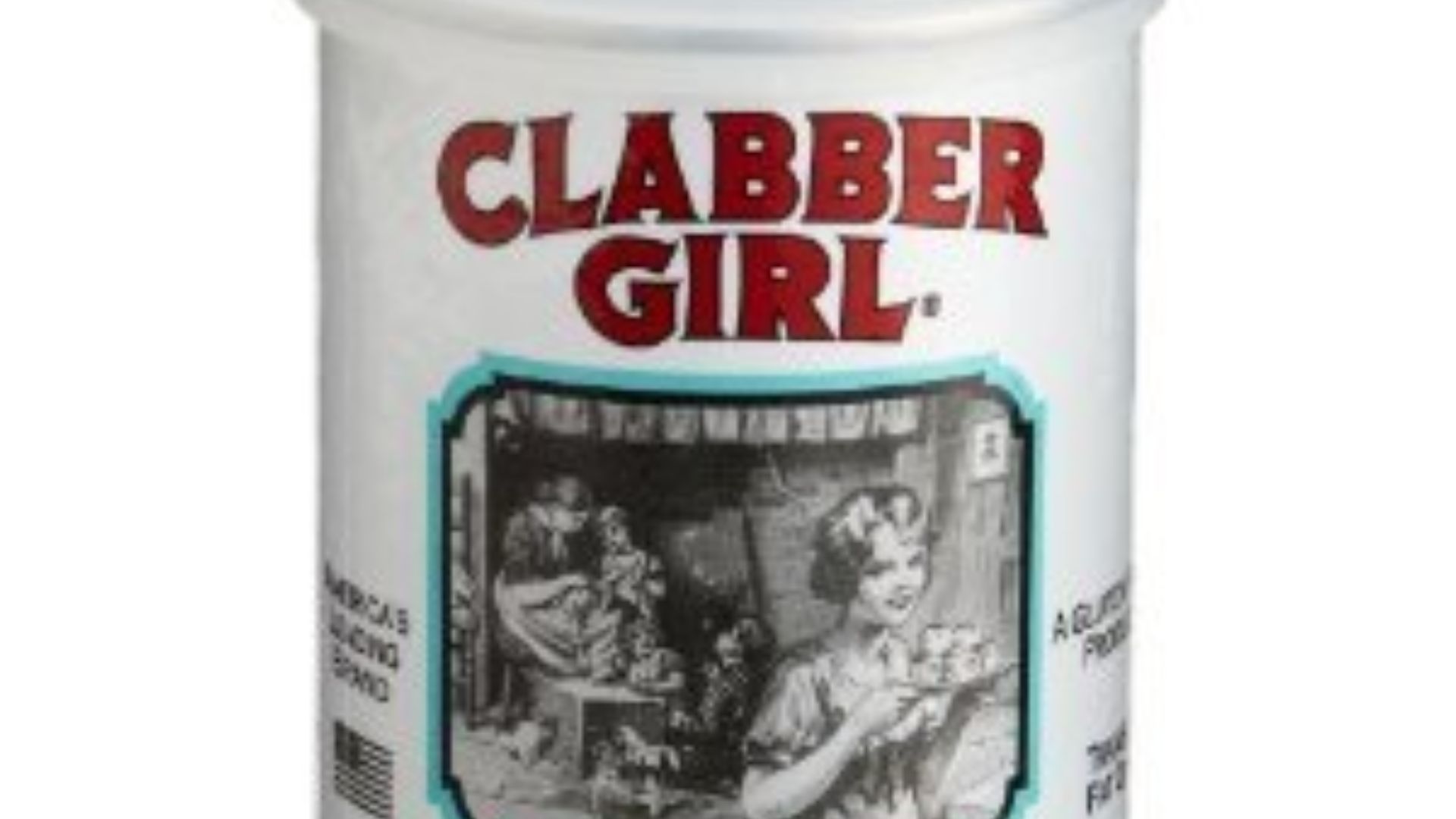
Clabber Girl Faced A Crowded Baking Aisle
Clabber Girl is another old pantry brand still widely sold rather than a vanished product. Its owner reported roughly $120 million in fiscal 2025 sales for the group that includes Clabber Girl and related baking brands, compared with about $122 million the prior year. Small differences matter in mature categories where retailer brands can offer nearly identical pantry basics at lower prices.
 Jonnyhabenero, Wikimedia Commons
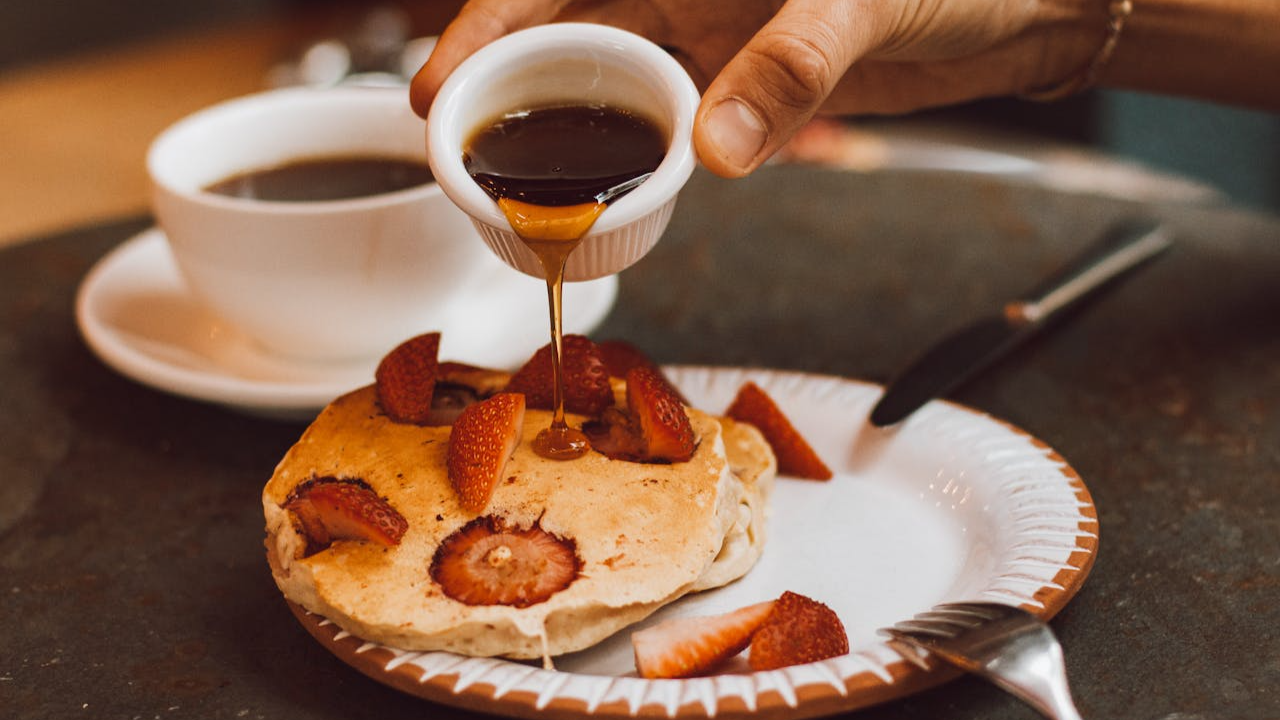
Maple Grove Farms Slipped Slightly
Maple Grove Farms traces its history to 1915 and remains a recognizable syrup and pancake brand. B&G Foods reported approximately $83.5 million in fiscal 2025 sales, below the roughly $85.5 million recorded the previous year. Syrup has long been a price-sensitive category, and historical industry filings have shown private labels taking a substantial share of sales.
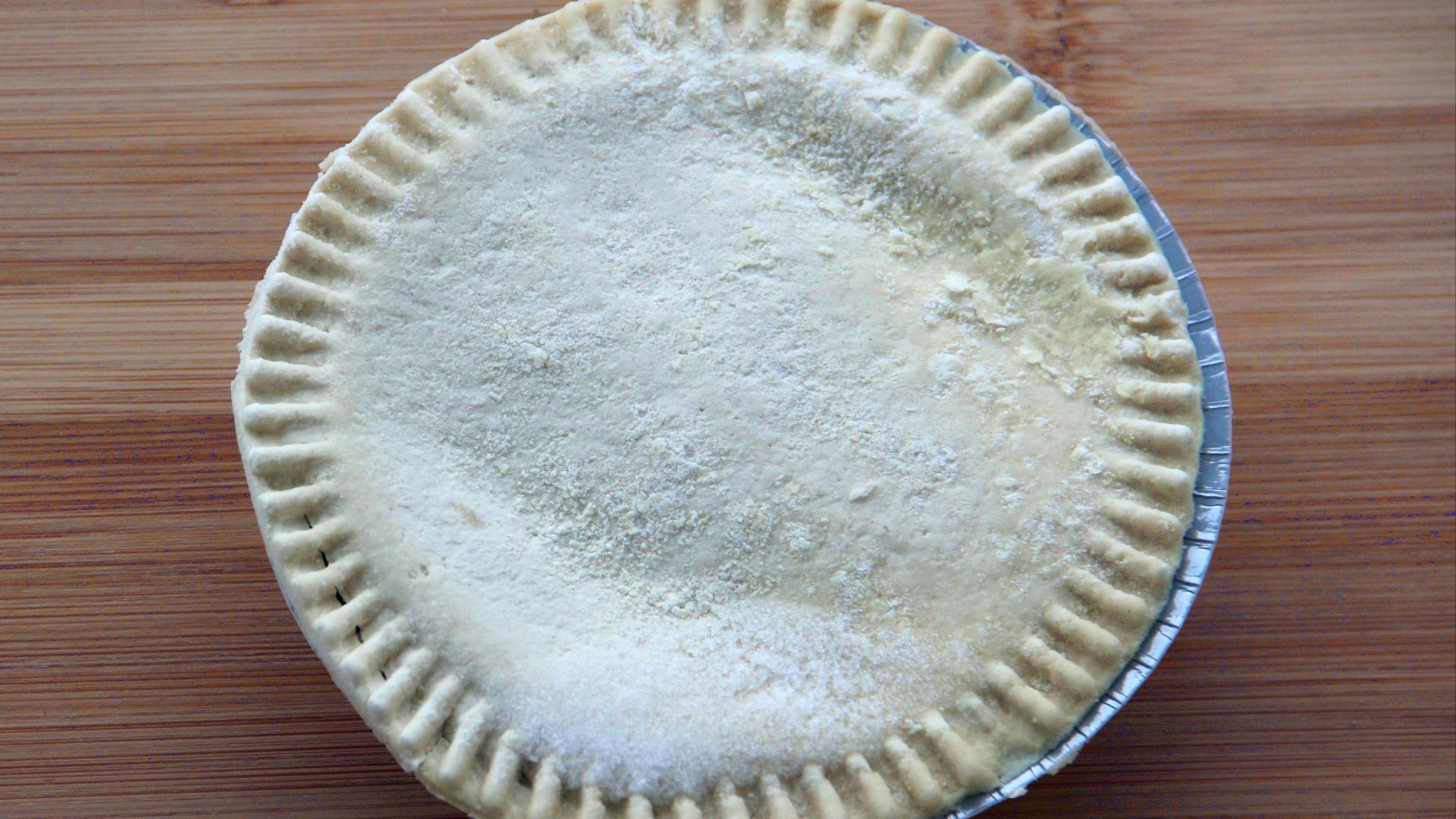
Banquet Had Already Seen What Discount Dependence Could Do
Conagra's Banquet brand has spent generations promising inexpensive frozen meals, yet low pricing does not eliminate competitive pressure. Years before the latest inflation wave, Conagra acknowledged sales declines at Banquet while reducing its reliance on deep promotional discounts. More recently, the company has said consumers are doing more hands-on cooking and cutting discretionary convenience purchases to stretch household budgets.
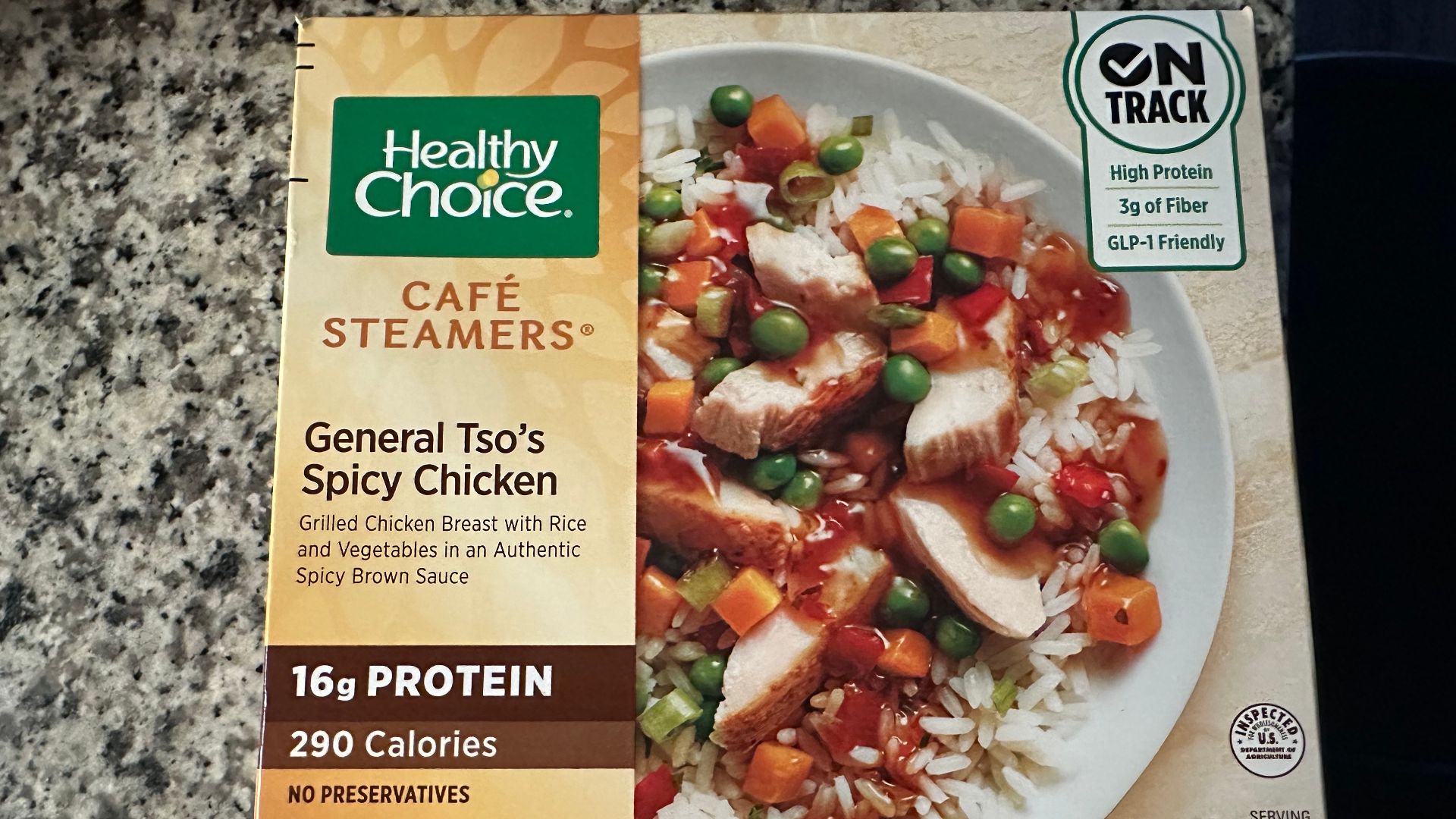
Healthy Choice Also Faced Changing Habits
Healthy Choice was another Conagra brand that experienced sales declines during earlier portfolio restructuring. More recently, frozen foods have faced pressure as shoppers look for additional value and prepare more meals themselves. Conagra reported that its frozen business was hit particularly hard when consumers changed purchasing habits to make household budgets work.
 Gatorfan252525, Wikimedia Commons
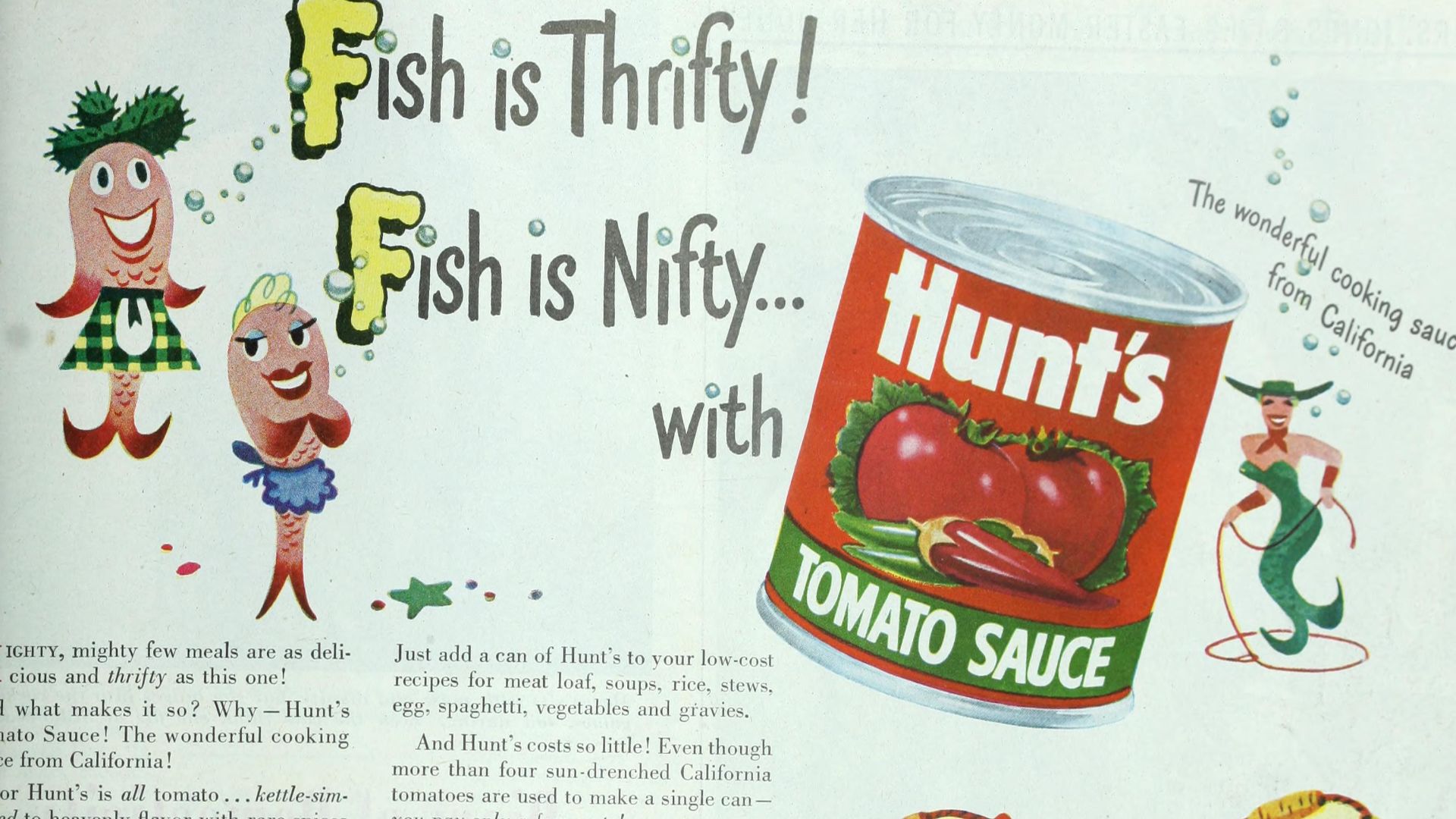
Hunt’s Learned Ketchup Is Not Automatically Safe
Hunt's competes in categories where consumers can easily switch between famous labels and less expensive alternatives. Conagra reported Hunt's among brands experiencing declines during an earlier period of SKU rationalization and reduced promotional dependence. Historical market data has also shown private labels holding a meaningful share of the wider sauces and condiments market, reinforcing the long-running pressure on secondary national brands.
 Internet Archive Book Images, Wikimedia Commons
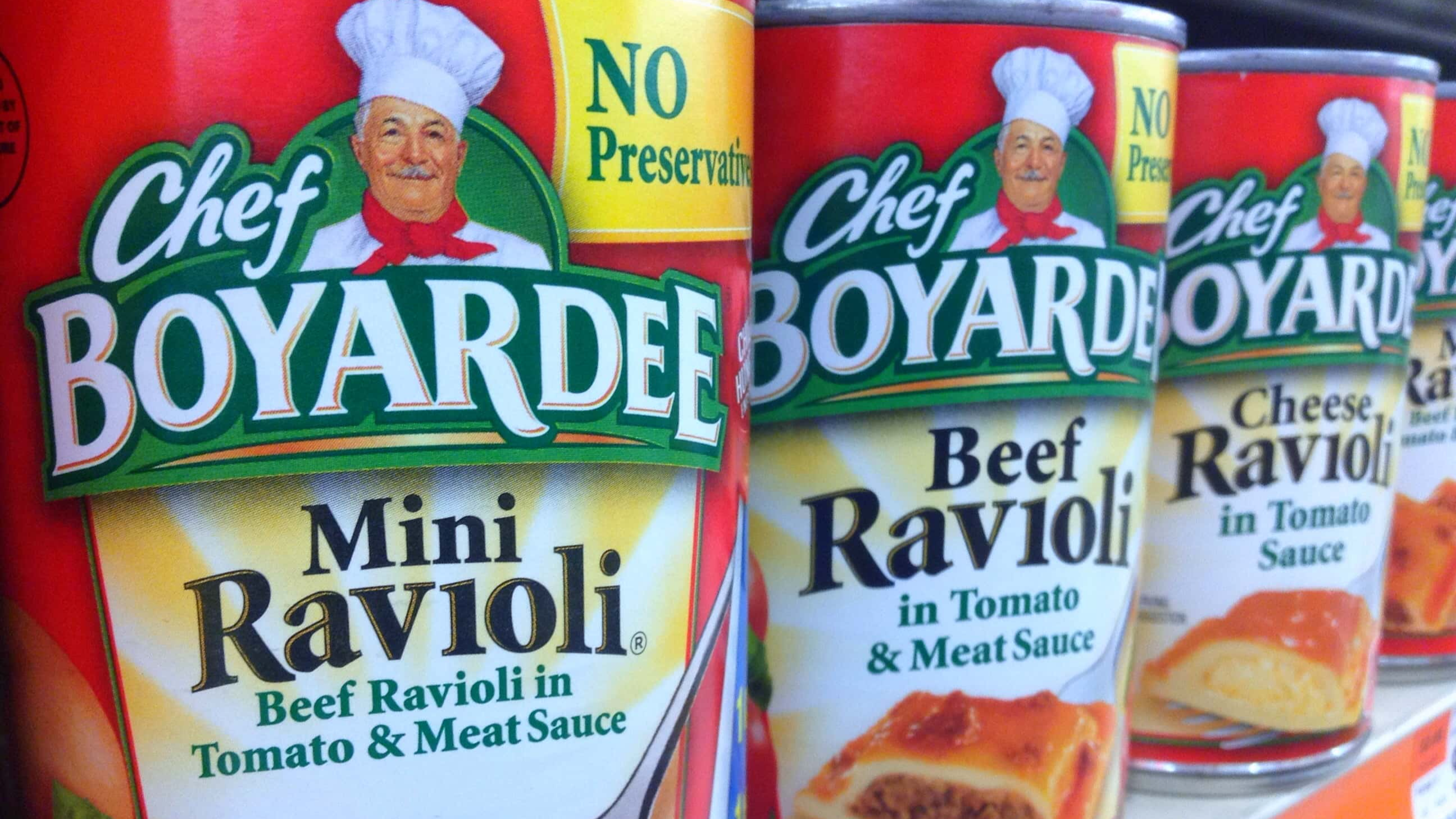
Chef Boyardee Changed Owners After Generations On Shelves
Chef Boyardee survived decades of changing tastes, but Conagra decided in 2025 that the shelf-stable pasta business no longer needed to remain in its portfolio. The company sold the brand to Hometown Food Company, including its dedicated Pennsylvania manufacturing facility and shelf-stable operations. The products involved had contributed about $450 million to Conagra's fiscal 2024 sales, so this was a significant old brand changing hands rather than simply a forgotten product quietly disappearing.
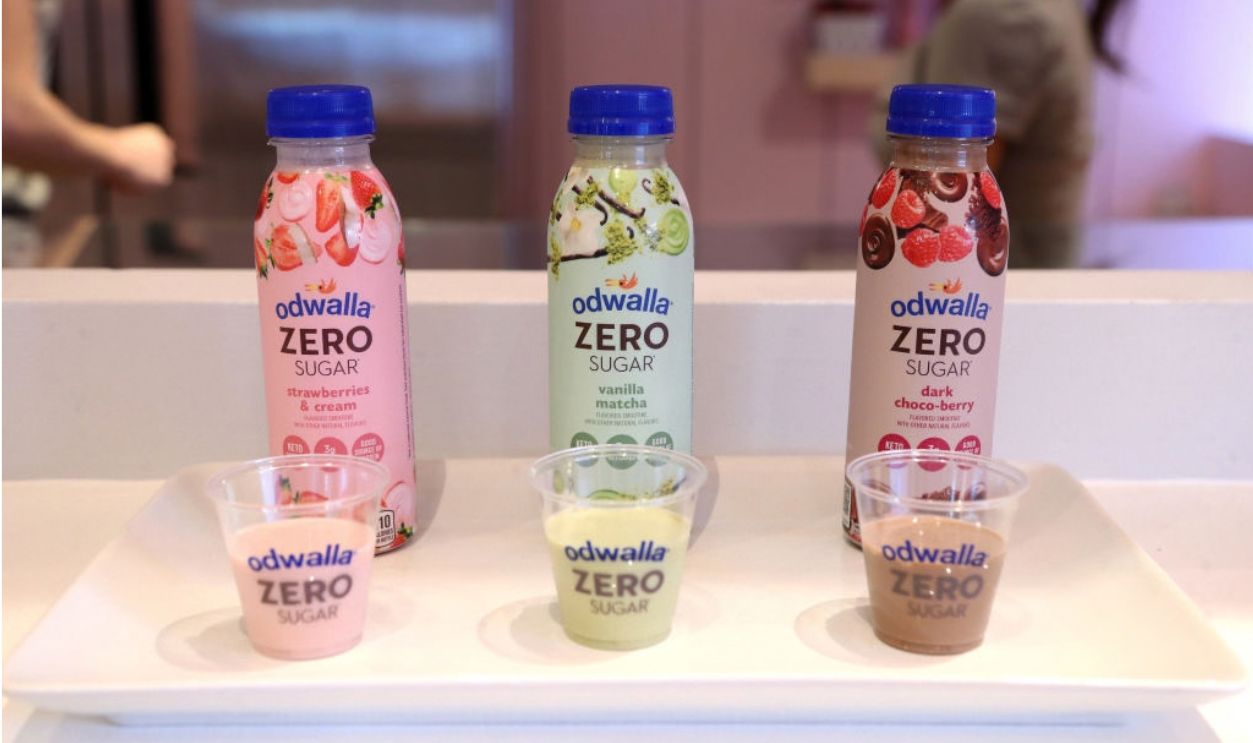
Odwalla Disappeared Completely
Some legacy brands did more than lose a little space. Coca-Cola discontinued Odwalla in 2020 after determining that the juice business no longer fit its plans in a rapidly changing marketplace. The company's financial filings recorded charges associated with shutting down the business, bringing an end to a brand that had begun in California in 1980.
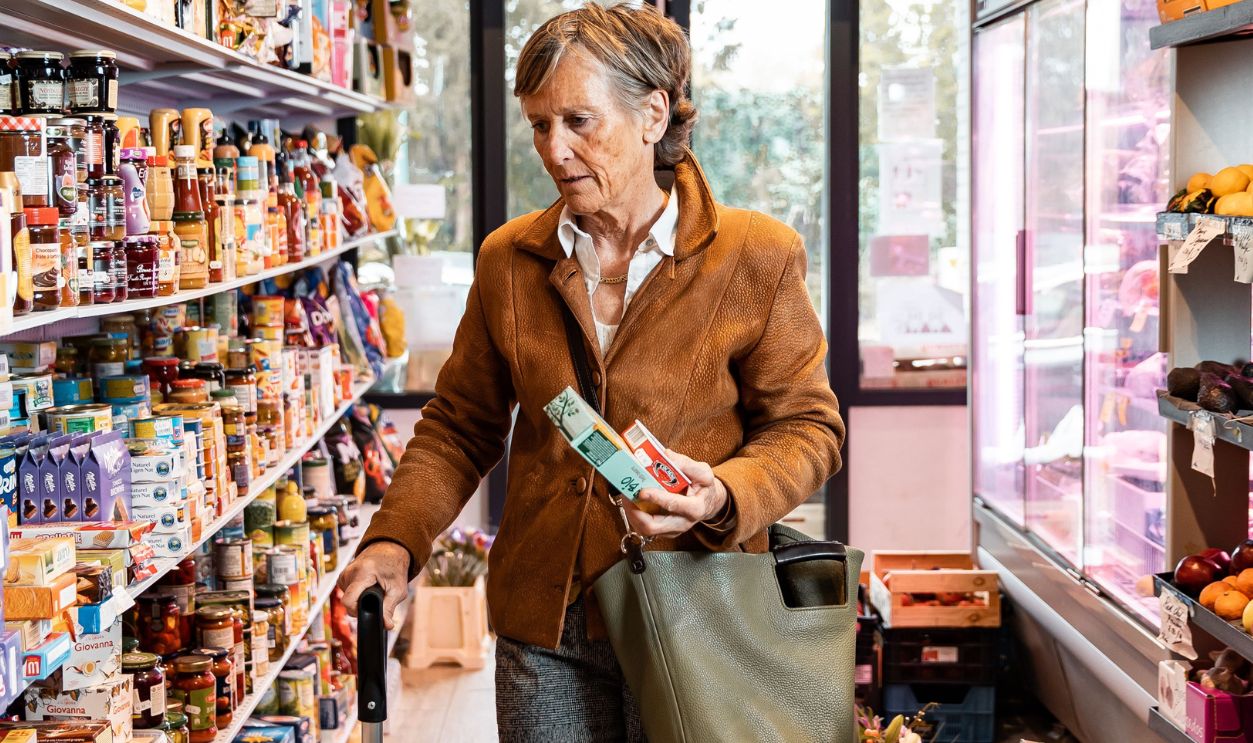
The Shelf Now Rewards Value More Aggressively
The biggest lesson is not that every familiar grocery brand is headed for extinction. It is that the automatic advantage once enjoyed by a famous name has weakened as retailers improve their own products and shoppers focus more closely on price. For older brands, keeping shelf space increasingly requires proving that consumers will still pay extra for the name on the package.
You May Also Like:
I Tried To Return Spoiled Groceries, But The Store Said Fresh Food Is Final Sale. Is That Normal?