The Short Answer Is Maybe
A fresh food final sale policy can be normal. It is not the same as saying spoiled food is acceptable. Store policy, local law, and proof of purchase can all affect what happens next. The best response is calm, documented, and specific.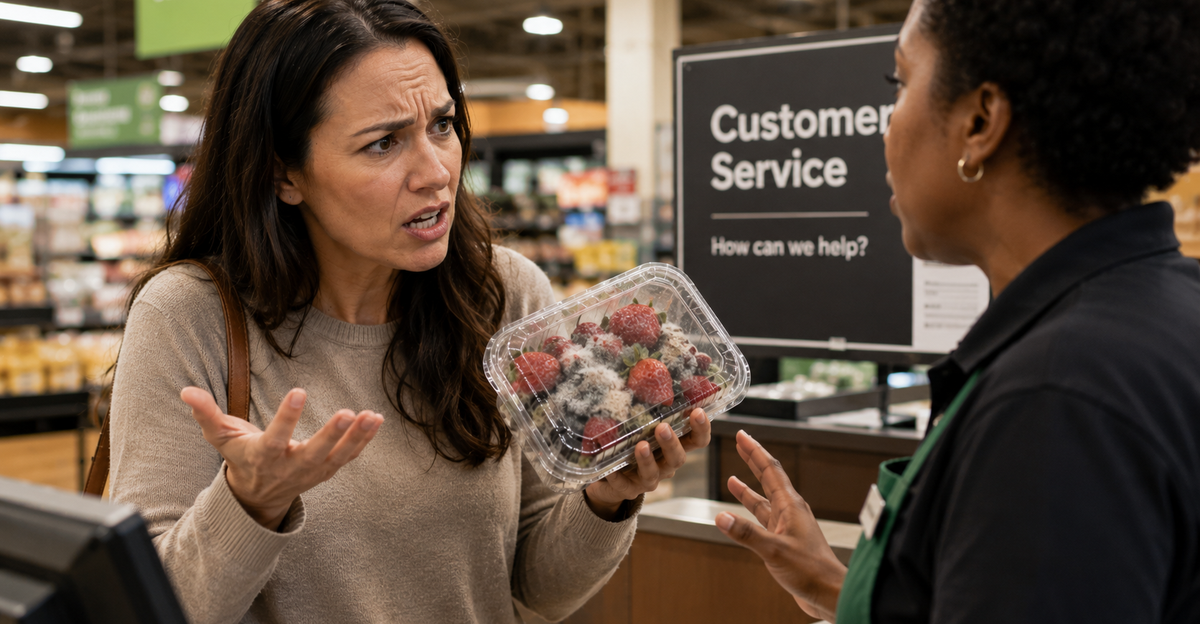 Factinate Ltd
Fresh Food Is Treated Differently
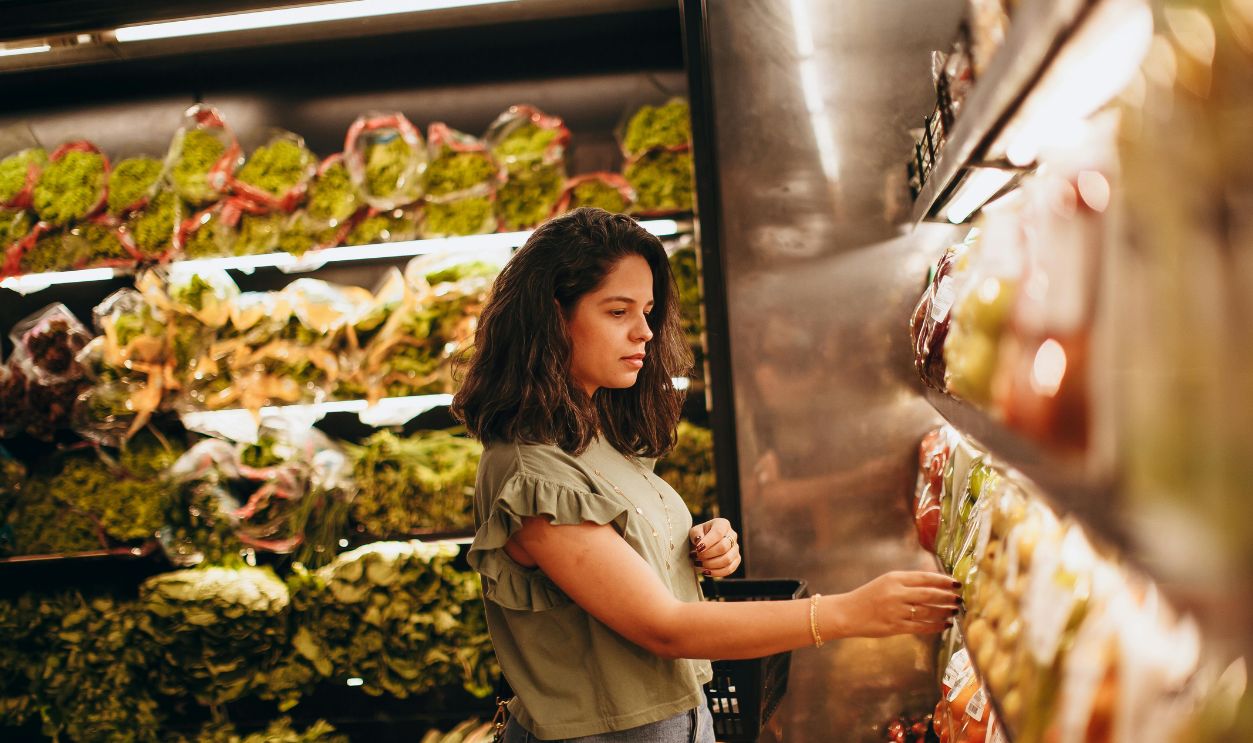
Fresh groceries are different from shoes, cookware, or other nonperishable goods. Stores often cannot verify how refrigerated food was handled after purchase. That creates both food safety and inventory concerns. This is one reason retailers may have stricter rules for perishable products.
Final Sale Usually Means No Regrets Returns
Final sale policies commonly limit a shopper's ability to return an unwanted product. Similar restrictions can apply to clearance, seasonal, or perishable items. That does not necessarily settle a dispute involving food that was already spoiled when purchased. Spoilage raises a product quality or safety issue rather than a simple change of mind.

Spoiled At Purchase Is The Key Question
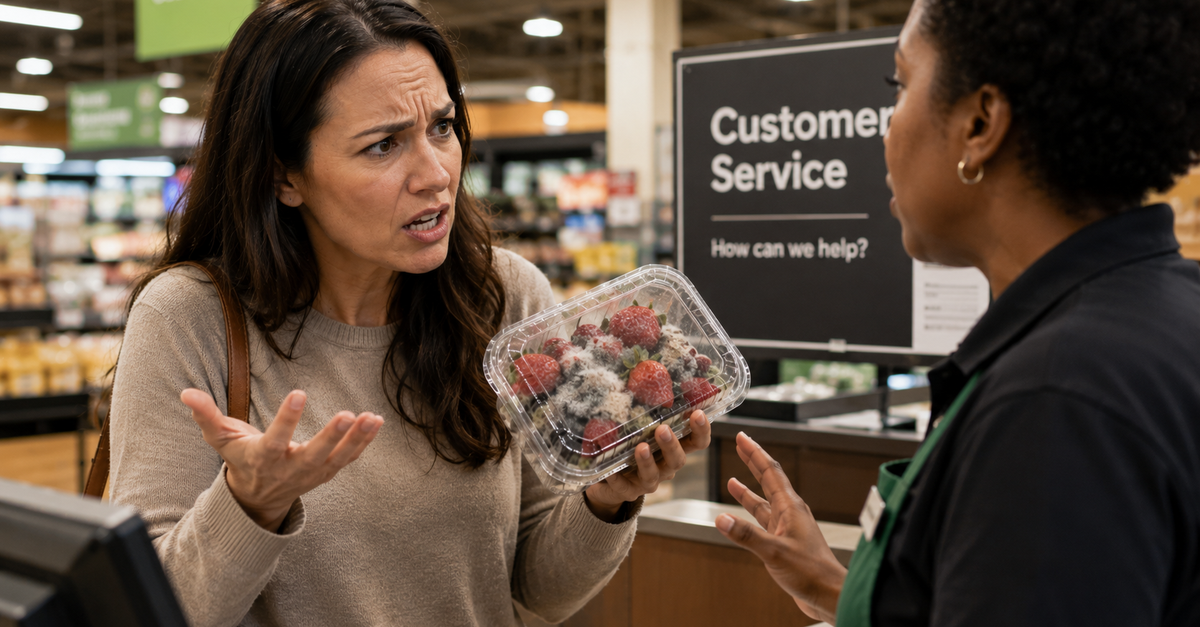
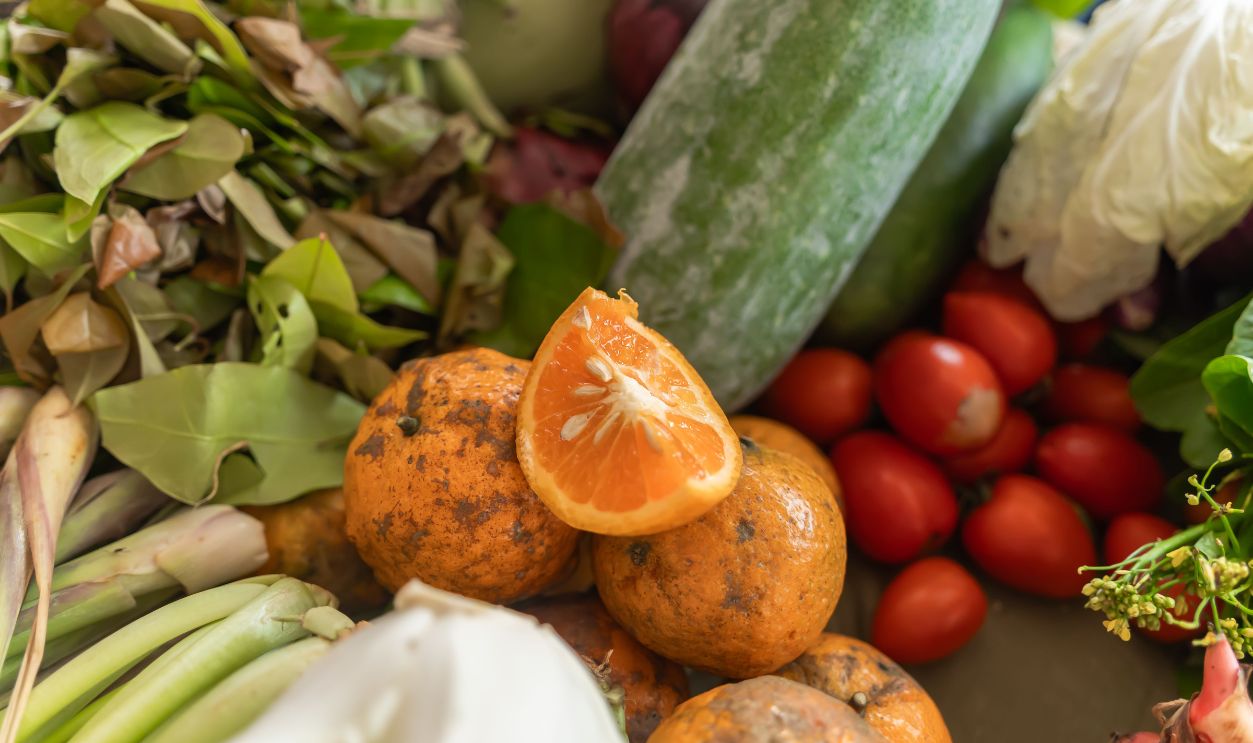
The strongest complaint is generally that the food was already spoiled when it was sold. Signs might include mold, an unusual odor, leaking packaging, or other obvious deterioration. The retailer may still ask for evidence connecting the product to the purchase. A receipt, package label, and photographs can help document what happened.
Retailer Policies Can Vary Widely
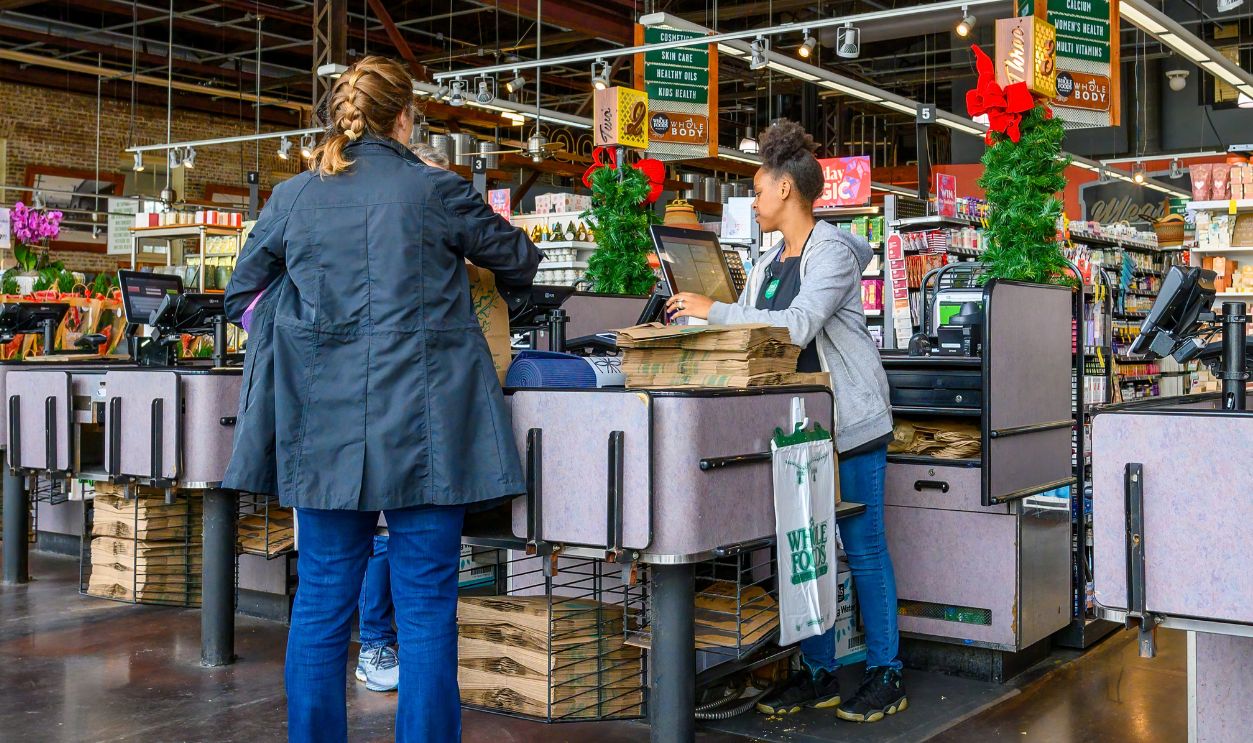
Return and satisfaction policies differ considerably among grocery retailers. Some retailers publish guarantees covering product quality or customer satisfaction, while others impose tighter restrictions on perishables. Exceptions and proof-of-purchase requirements may also apply. This variation is why one store's response can differ significantly from another's.
 William A. Morgan, Shutterstock
Some Policies Are More Flexible Than Others
A retailer may offer a refund, exchange, or store credit even when another retailer would reject the same request. Published return policies often contain different rules depending on the product and reason for the return. Perishable food can receive special treatment because it cannot necessarily be resold safely. Checking the retailer's written policy can clarify what options are available.
 Zamrznuti tonovi, Shutterstock
Food Safety Explains The Caution
Returned food may have spent time outside a safe temperature range. The U.S. Department of Agriculture says bacteria grow rapidly between 40 and 140 degrees Fahrenheit. It also advises against leaving perishable foods unrefrigerated for more than two hours, or one hour when temperatures exceed 90 degrees Fahrenheit. Those safety concerns help explain why stores may refuse to put returned fresh food back into inventory.

Do Not Eat Food That Seems Unsafe
A refund dispute is less important than avoiding foodborne illness. The U.S. Food and Drug Administration provides safety guidance for handling meat, poultry, seafood, eggs, produce, and other foods. Food that appears spoiled or otherwise unsafe should not be tasted simply to determine whether it is still edible. Keep useful packaging and photograph the problem instead.

Date Labels Can Be Confusing
A date printed on a package does not always mean the food automatically becomes unsafe after that day. Federal food safety guidance explains that many date labels relate primarily to product quality rather than food safety. Infant formula is an important exception because federal regulations require a use-by date. Proper storage and the actual condition of the food remain important considerations.

Receipts Make The Conversation Easier
The Federal Trade Commission recommends gathering receipts and other relevant documents when trying to resolve a problem with a business. A receipt can establish where and when the food was purchased. A digital order record or other proof of purchase may also be useful. Without documentation, a retailer may have more difficulty verifying the complaint.

Photos Can Save The Day
Taking spoiled food back to a store can sometimes create an unnecessary mess or sanitation problem. Photographs can capture mold, damaged packaging, date information, lot codes, and other useful details. Photographing the receipt alongside the product can provide additional context. These records may also be useful if the issue later needs to be reported to a food safety authority.

Ask For A Manager Calmly
The employee at the first service counter may simply be following the retailer's standard return rule. A manager may have greater authority to approve a refund, exchange, or store credit. Explain clearly that the complaint concerns spoilage rather than a product you simply decided you did not want. Keeping the conversation factual can make the issue easier to evaluate.

Use The Store's Own Policy
Check the retailer's website or written return policy before escalating the complaint. If the company publishes a freshness, quality, or satisfaction guarantee, refer to that language when explaining the problem. Doing so keeps the discussion focused on the retailer's stated commitments. It can also help distinguish a defective product complaint from an ordinary return.

Store Credit May Be A Practical Compromise
A retailer might decline a cash refund but offer an exchange or store credit. That solution may not be ideal when the original food was spoiled. It can nevertheless resolve a relatively small dispute quickly. Whether to accept it depends on the amount involved and the alternatives available.

Local Law Can Change The Answer
Consumer protection rules differ by jurisdiction. For example, Quebec's consumer protection authority explains that legal warranties can require goods to be suitable for their normal purpose and to last for a reasonable period under normal use. Rules elsewhere may provide different protections or procedures. Consumers should therefore check the laws and official guidance that apply where they made the purchase.

In Canada, Food Complaints Have A Separate Path
The Canadian Food Inspection Agency provides information on where consumers can report food-related concerns. The agency notes that responsibility can vary depending on the nature of the complaint. Certain problems involving retail food establishments may fall under provincial, regional, or municipal authorities. A food safety complaint is separate from simply asking a retailer for a refund.
 MediaNews Group, Reading Eagle, Getty Images
In The United States, The Agency Depends On The Food
Different federal agencies oversee complaints involving different categories of food. The FDA accepts complaints involving many products under its jurisdiction, while the USDA's Food Safety and Inspection Service handles complaints involving meat, poultry, and processed egg products. The Centers for Disease Control and Prevention also advises people who think they have food poisoning to report their illness to their local or state health department. Receipts, labels, and other product information can be useful during an investigation.

Recalls Are Different From Regular Returns
A food recall is more serious than an ordinary disagreement about a store return. Recall notices may instruct consumers to discard a product, return it, or stop using it. Product names, lot numbers, dates, and packaging information can help determine whether an item is affected. Official recall instructions should take priority over a retailer's routine return process.
Do Not Bring Leaking Food Loose
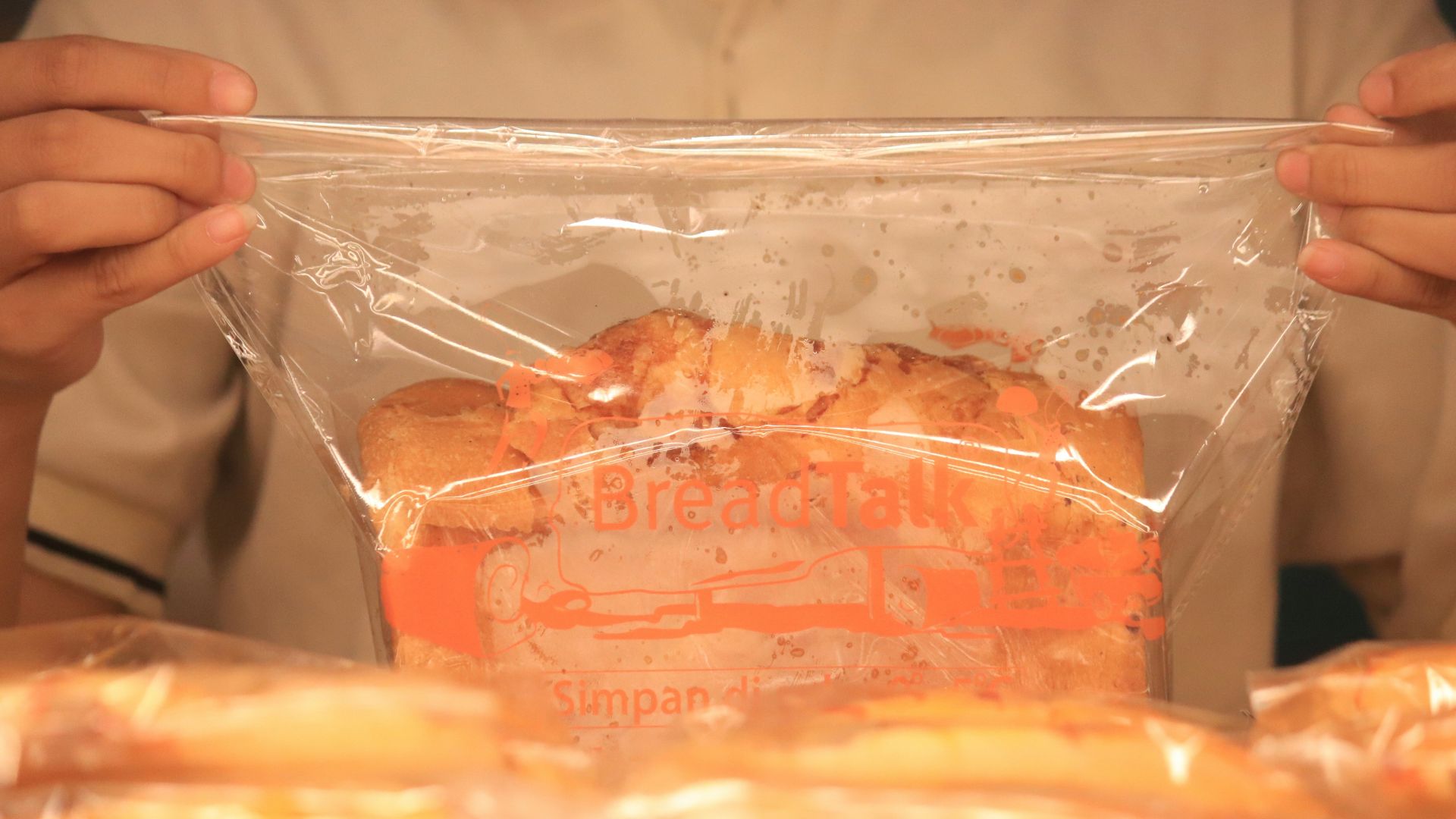
Spoiled or leaking food should be handled carefully if it must be transported. Putting the original package inside another sealed container or bag can help prevent contamination. Keep leaking raw products away from ready-to-eat foods and other surfaces. It can also be worth asking the retailer whether photographs and the receipt are sufficient instead of bringing a badly spoiled item inside.
Speed Helps Your Case
Report suspected spoilage soon after discovering it. Waiting can make it more difficult to establish whether the food was already defective when purchased. Perishable products can deteriorate quickly when storage temperatures are inadequate. Promptly documenting and reporting the problem gives the retailer more useful information to investigate.

Delivery Orders Need Extra Details
Grocery delivery adds additional stages between the store and the customer's refrigerator. A problem could potentially arise during picking, packing, transportation, or the period before the order is brought indoors. Save the order confirmation, delivery information, and photographs of the affected product. For a digital purchase, the retailer's online customer service process may be the easiest place to start.
 Dmytro Zinkevych, Shutterstock
Be Specific About The Remedy
Tell the retailer exactly what resolution you are requesting. That could be a refund, replacement, or store credit. Explaining that the product appeared spoiled when it was opened provides useful context for the complaint. Specific facts make it easier for an employee to determine which policy applies.
Escalate Without Getting Dramatic
If the store refuses the request, ask to see the relevant written policy. You can then contact the retailer's customer service department and provide the receipt, photographs, product information, and store location. The FTC recommends documenting problems and using a company's customer service channels when trying to resolve a dispute. Keeping a written record can be helpful if the matter continues.
 Frame Stock Footage, Shutterstock
A Card Dispute Is Not Step One
Payment card protections may offer another route in certain disputes. It generally makes sense to try resolving the issue directly with the retailer first. Documentation showing what happened and what steps were taken can be useful if the dispute later reaches a card issuer. Save receipts, photographs, correspondence, and information about the retailer's response.

When Health Is Involved, Report It
If someone becomes ill after eating the food, the situation goes beyond a normal return request. The CDC recommends writing down what was eaten in the week before becoming sick because identifying the responsible food can be difficult. Reporting suspected foodborne illness to public health authorities can help officials identify outbreaks. Getting a refund should be secondary when the product could pose a broader health risk.
 https://kaboompics.com/, Pexels
So Is It Normal
Yes, it is possible for a retailer to have a strict policy covering returns of fresh or perishable food. That policy does not mean consumers should simply accept food that was already spoiled or unsafe when sold. Documenting the condition, checking the written policy, and requesting an appropriate remedy are sensible first steps. Serious food safety concerns can also be reported to the appropriate government authority.

The Takeaway For Next Time
Keep your receipt until you have checked fresh groceries at home. Photograph packaging, dates, and visible spoilage before disposing of a problematic item. Review the retailer's return or quality policy so you know what it actually promises. When food appears unsafe, prioritize food safety over recovering the purchase price.
 Hryshchyshen Serhii, Shutterstock
You May Also Like: