
Groceries Are Getting Expensive, But Is There A Better Way?
At 65, watching your grocery bill climb every week can be downright discouraging, especially when you're living on a fixed income. Your son thinks meal-kit subscriptions could save you money. It's a thoughtful suggestion, but before swapping the supermarket for doorstep deliveries, there are a few things worth knowing.
Your Son Might Be Onto Something
Meal-kit companies promise convenient dinners, pre-measured ingredients, and fewer trips to the supermarket. Some even advertise meals costing less than $5 per serving. That sounds pretty appealing when your usual grocery bill keeps climbing, doesn't it? Unfortunately, there's a catch.
Those Advertised Prices Don't Tell The Whole Story
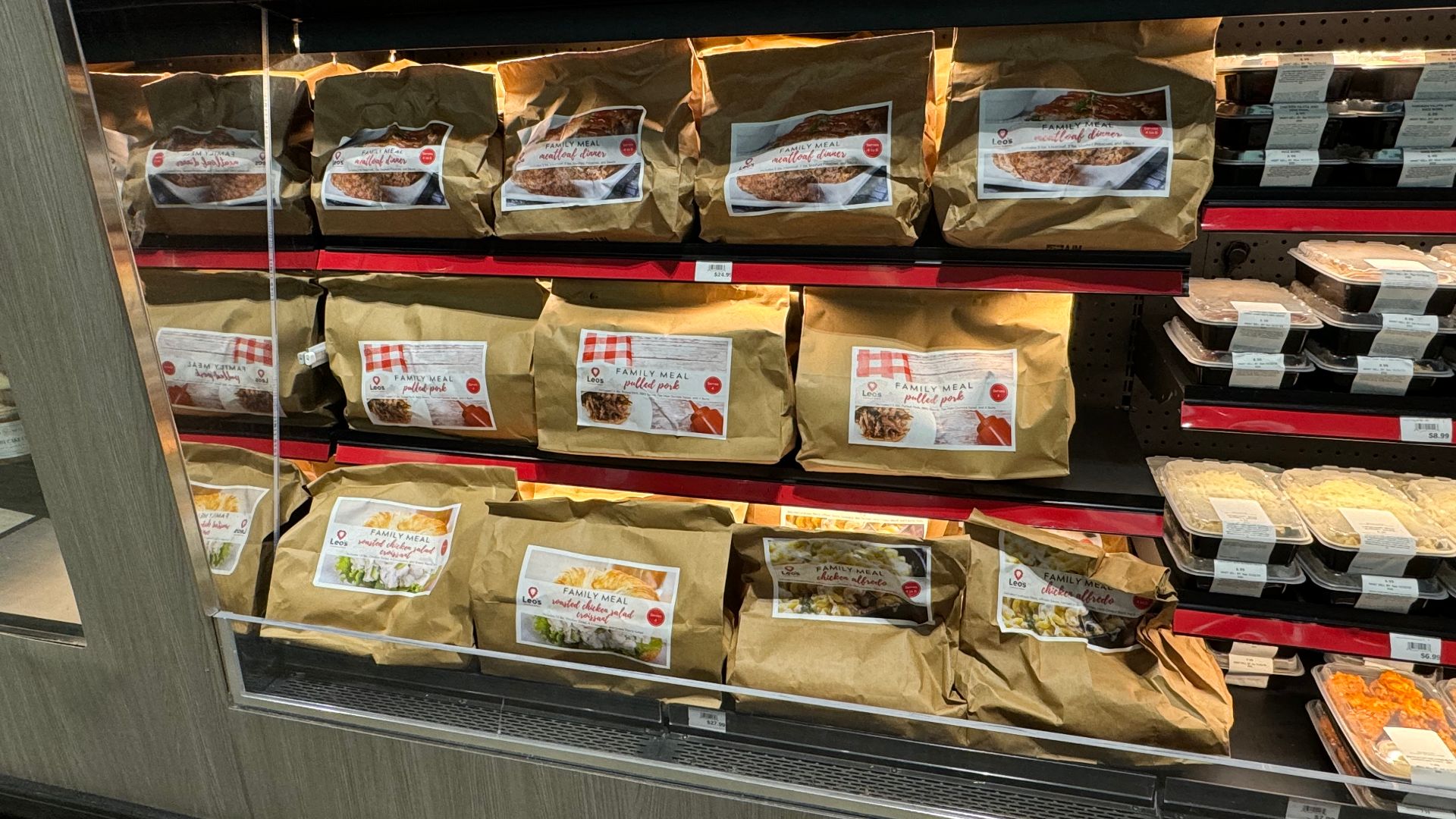
Meal-kit companies love advertising impressive introductory discounts. You might see offers promising dramatically reduced prices on your first few deliveries. However, those deals usually expire, leaving you paying the regular subscription price. That's where the savings can disappear rather quickly.

Let's Look At What Meal Kits Actually Cost
Budget service EveryPlate has advertised regular prices starting around $5 to $6 per serving, plus delivery fees. Other services can cost $10 or more per serving. Those differences matter considerably when you're watching every dollar, particularly if you're ordering several meals each week.

The Delivery Fee Can Change Everything
Suppose you order six servings at $5.99 each, with a $10.99 delivery charge. Your total comes to $46.93, or approximately $7.82 per serving. Suddenly, those inexpensive-looking dinners aren't quite the bargain they appeared to be. Always calculate the delivered price.

Don't Forget You're Still Buying Groceries
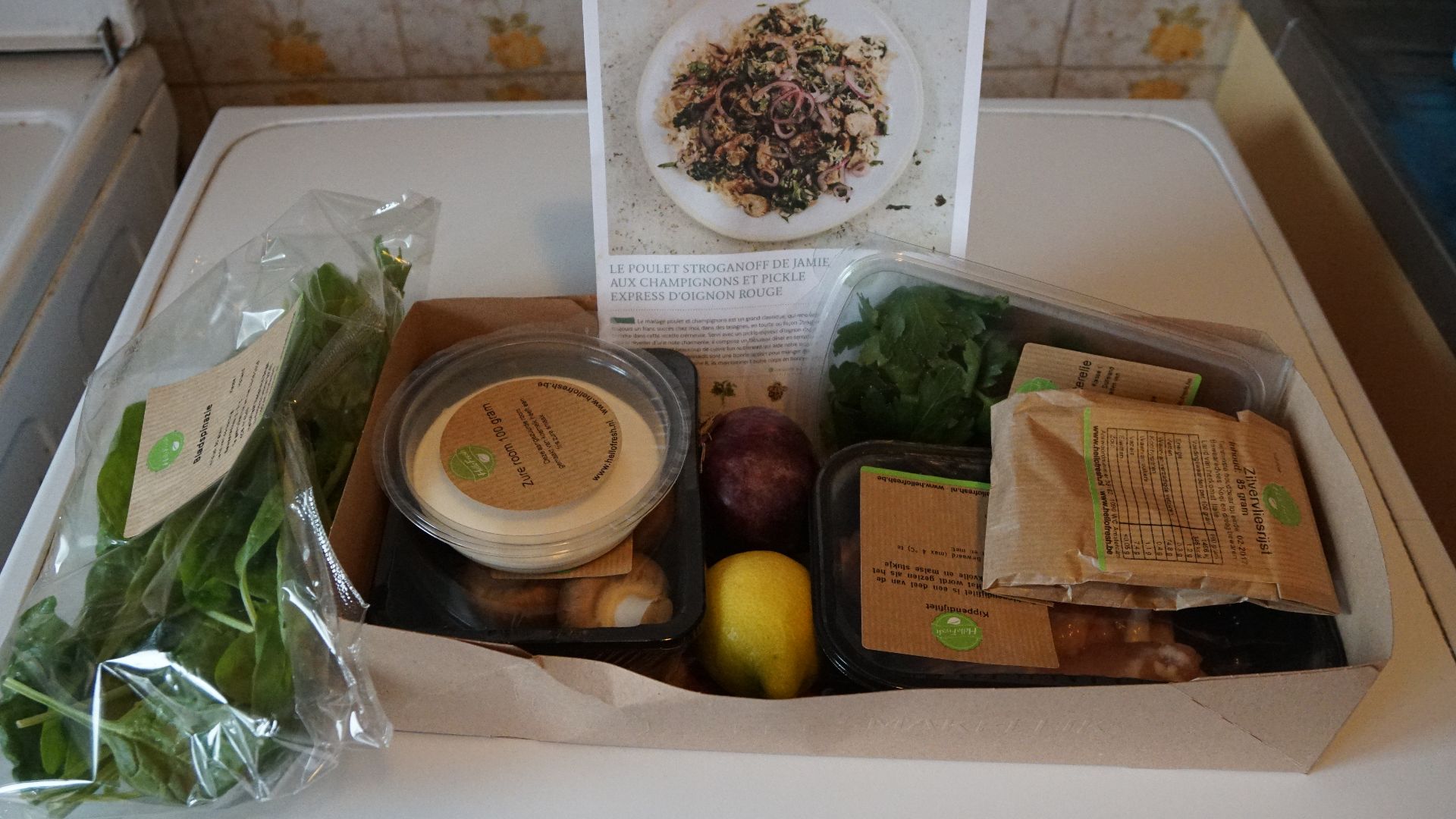
Here's something subscription advertisements don't always emphasize: Most meal kits cover just a handful of dinners. You'll still need breakfast, lunch, snacks, milk, coffee, and other essentials. That means your regular grocery spending doesn't disappear simply because dinner arrives in a cardboard box.
 Miguel Discart, Wikimedia Commons
Cooking For One Makes Things Complicated
If you're living alone, meal-kit subscriptions can present another challenge. Many companies base their pricing on meals for two or more people. You might find yourself ordering twice as much food as you need, although refrigerated leftovers can certainly make tomorrow's lunch easier.

But There's One Area Where Meal Kits Shine
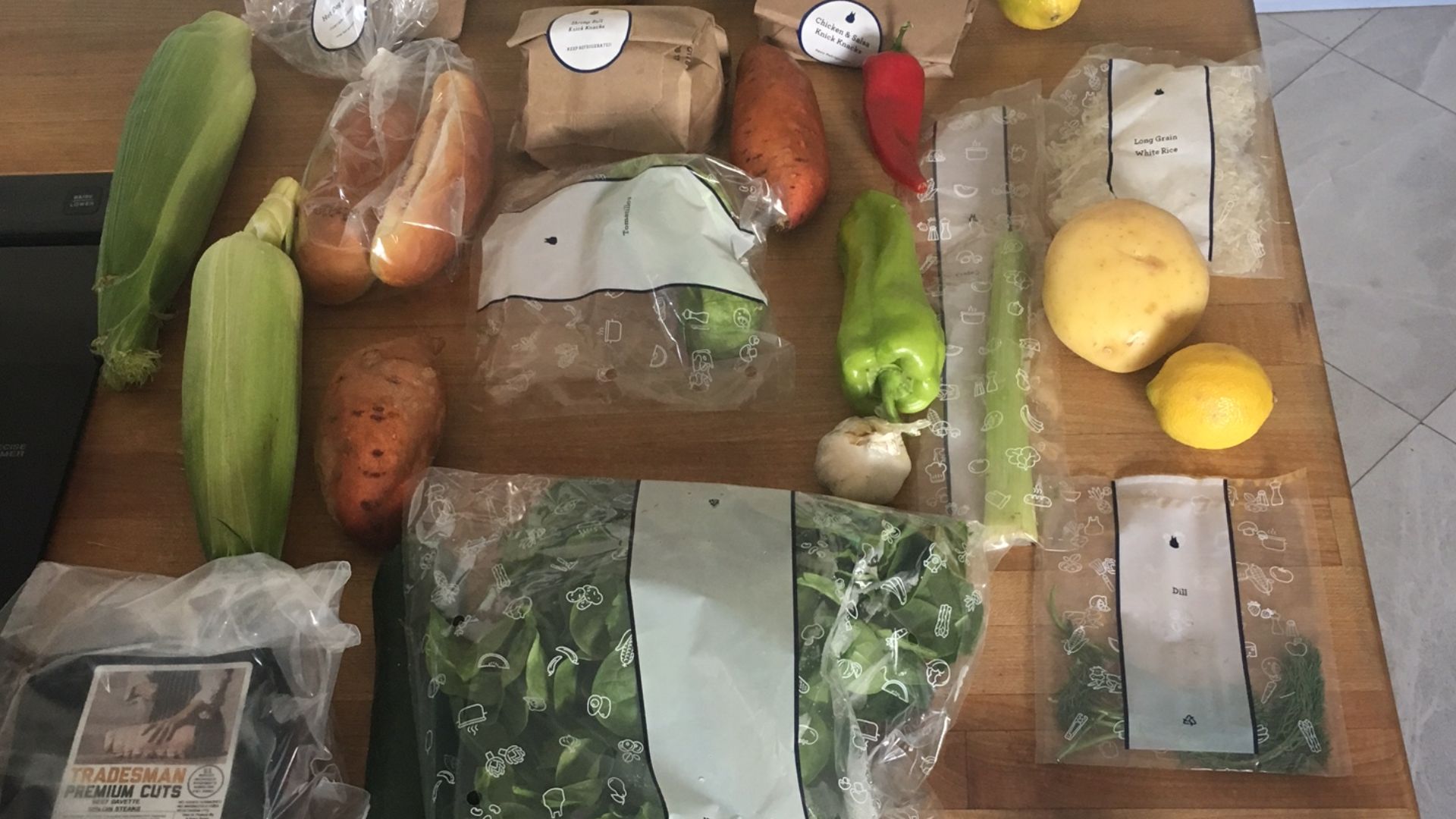
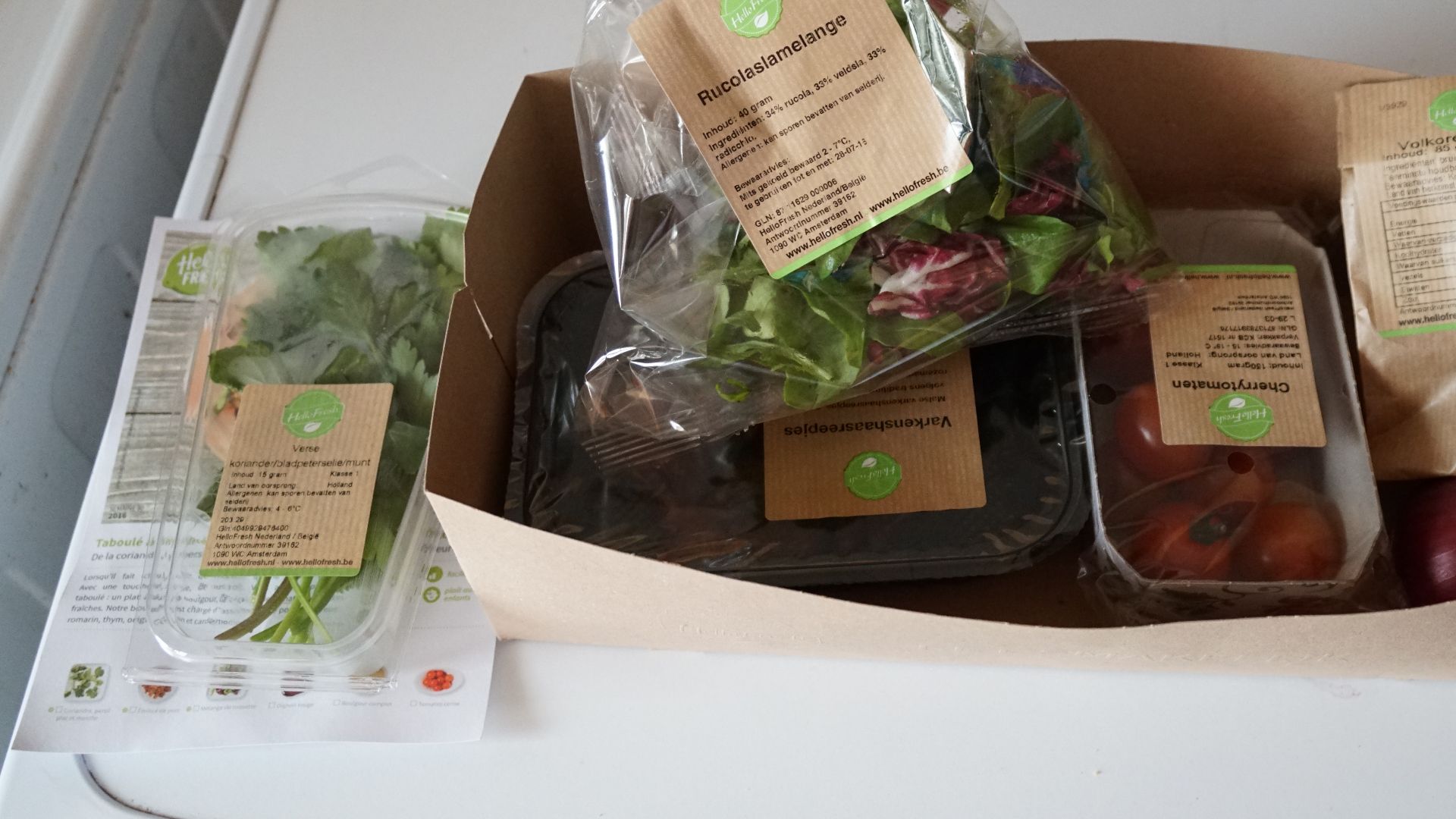
Remember buying a bunch of fresh parsley for one recipe, only to throw most of it away? Meal kits often provide measured ingredients, potentially reducing that kind of waste. If you're regularly discarding unused groceries, this convenience might genuinely save you money.
 Timtempleton, Wikimedia Commons
Food Waste Is More Expensive Than You Think
Throwing away spoiled vegetables, forgotten leftovers, or expired ingredients means throwing away money. If meal kits help you use nearly everything delivered, their higher purchase price might be partly offset. However, careful grocery planning can accomplish much the same thing without subscription fees.

Compare The Cost Of An Actual Dinner
Rather than comparing advertisements, choose a meal you genuinely enjoy. Perhaps it's chicken with roasted potatoes and vegetables. Price the supermarket ingredients, calculate how many servings they'll produce, then compare that figure with a similar meal kit, including delivery charges.

Your Grocery Store Has One Big Advantage
When you shop for yourself, you're free to choose cheaper ingredients, store brands, discounted produce, and whatever happens to be on sale. Meal-kit companies determine much of what goes into your box. That convenience comes at the expense of some valuable flexibility.

Store Brands Can Make A Real Difference
There's no reason to pay extra for a recognizable label when a supermarket's own brand offers similar quality. Rice, pasta, canned tomatoes, oatmeal, and frozen vegetables are excellent places to start. Switching brands could reduce your grocery spending without changing what you eat.

Remember The Old Weekly Grocery Circular?
There was a time when planning dinner around supermarket specials was practically an American tradition. That approach still works. Check weekly advertisements before deciding what to cook, then build your shopping list around discounted ingredients instead of buying everything at regular prices.
 Centre for Ageing Better, Pexels
The Freezer Might Be Your Best Money-Saving Tool
Buying a larger package of chicken or ground beef on sale can be economical if you divide it into smaller portions and freeze them promptly. Frozen vegetables are another dependable choice, allowing you to use exactly what you need without worrying about the rest spoiling.

Cooking Once And Eating Twice Still Works
You don't need to spend every evening preparing a completely different dinner. A pot of vegetable soup, chili, or stew can provide several meals. Refrigerate what you'll eat soon and freeze additional portions. It's an old-fashioned habit that remains wonderfully practical.

Consider What The USDA Says About Grocery Budgets
The USDA publishes monthly estimates for nutritious home-prepared food budgets. In October 2026, its Thrifty Food Plan estimated approximately $237 monthly for women aged 51–70 and $282 for men, before the adjustment for one-person households. These are planning benchmarks, not guarantees of what you'll spend.

You're Paying For Convenience, Not Just Ingredients
A meal-kit subscription doesn't simply deliver groceries. You're also paying for recipe development, ingredient portioning, packaging, and transportation. Those services have value, particularly if shopping is physically demanding. But convenience isn't necessarily the same thing as saving money.
 Miguel Discart, Wikimedia Commons
Time And Energy Deserve Consideration, Too
At 65, you might still love cooking, or perhaps you'd rather spend less time preparing dinner. If grocery shopping, carrying bags, or planning meals has become exhausting, paying a little extra for convenience might be reasonable. Your budget isn't the only consideration.

Watch Out For Those Automatic Renewals
Many meal-kit services operate through recurring subscriptions. Unless you skip deliveries or cancel before the company's deadline, another box may be scheduled automatically. For someone carefully managing a monthly retirement income, an unexpected delivery charge can create an unwelcome financial headache.

What About Those Tempting First-Time Discounts?
Introductory promotions can be worthwhile if you understand their conditions. Just remember that getting several inexpensive meals today doesn't guarantee affordable dinners next month. Before signing up, find the full regular price and check exactly when your promotional discount expires.

Try A One-Week Experiment Before Committing
Ask your son to help compare two weekly dinner plans. One uses supermarket ingredients; the other uses meal-kit pricing without introductory discounts. Calculate the total costs, account for leftovers, and see which provides better value. You might both learn something surprising.

You Could Also Try A Hybrid Approach
There's no rule saying you must choose between traditional groceries and meal kits. You could order an occasional box during a particularly busy week while preparing inexpensive homemade meals the rest of the time. Just make sure you can pause deliveries without penalties.

Could Your Son Help In Another Way?
Your son clearly wants to make things easier. Perhaps he'd be willing to help compare supermarket prices online, organize a weekly shopping list, or split larger grocery packages with you. Those practical contributions might stretch your budget further than a recurring subscription.

Don't Overlook Grocery Assistance Programs
If your retirement income is limited, check whether you qualify for the Supplemental Nutrition Assistance Program, commonly called SNAP. Americans aged 60 and older may benefit from special eligibility rules. Depending on your circumstances, food assistance could make a much bigger difference than switching grocery services.

Community Programs Might Help Even More
Local food pantries, senior centers, and community meal programs can provide valuable assistance. Some older adults may qualify for home-delivered meals or subsidized congregate meals. Contact your local Area Agency on Aging or call 211 to investigate available services in your community.

So, Is Your Son Actually Right?
He's right that meal kits might help reduce wasted ingredients and make cooking easier. But if his argument is that they're automatically cheaper than grocery shopping, the evidence doesn't support that. Careful supermarket shopping generally offers more opportunities to control food costs.

The Best Solution Is The One That Fits Your Budget
Before committing to a subscription, take a close look at what you're spending, what you're wasting, and what you actually enjoy eating. Your son means well, but you don't necessarily need a new subscription. Sometimes, a shopping list, a freezer, and a few familiar recipes are still the smartest financial tools around.

You May Also Like:
I took a loan from my 401(k), then lost my job. How much tax trouble am I in?
Sources: 1, 2, 3