When Getting Hired Meant Showing Up
Remember when looking for a job meant actually leaving the house? Back in the 1960s, Baby Boomers didn't have online applications or job-search websites. Instead, they relied on a little confidence, a friendly smile, and the courage to introduce themselves.
Walking Right Through The Front Door
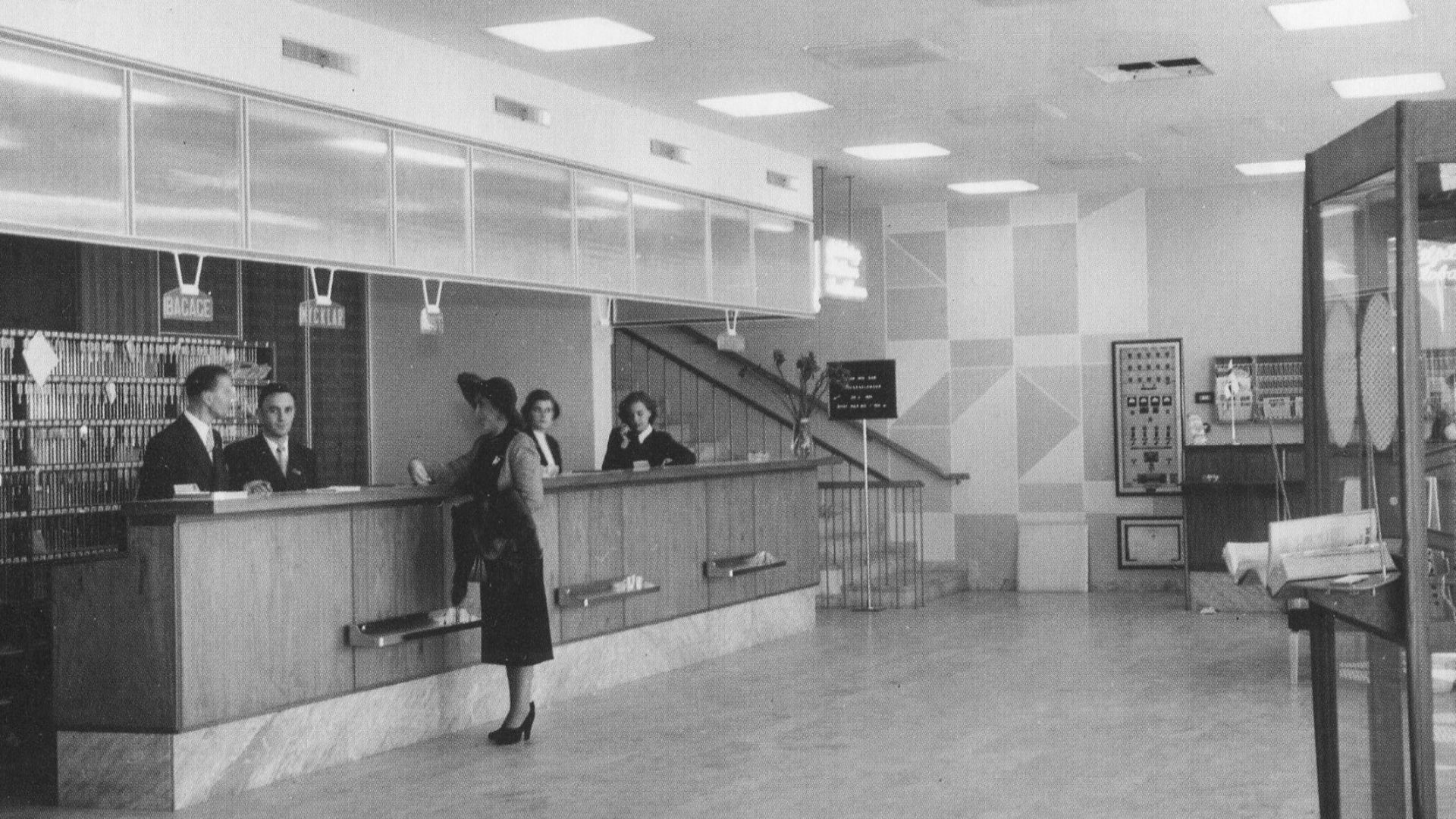
Believe it or not, you could walk straight into a business and ask if they were hiring. Stores, restaurants, and smaller companies sometimes welcomed applicants off the street. No online forms, no passwords, just a quick conversation with whoever was available.
 Unknown authorUnknown author, Wikimedia Commons
Asking To Speak With The Manager
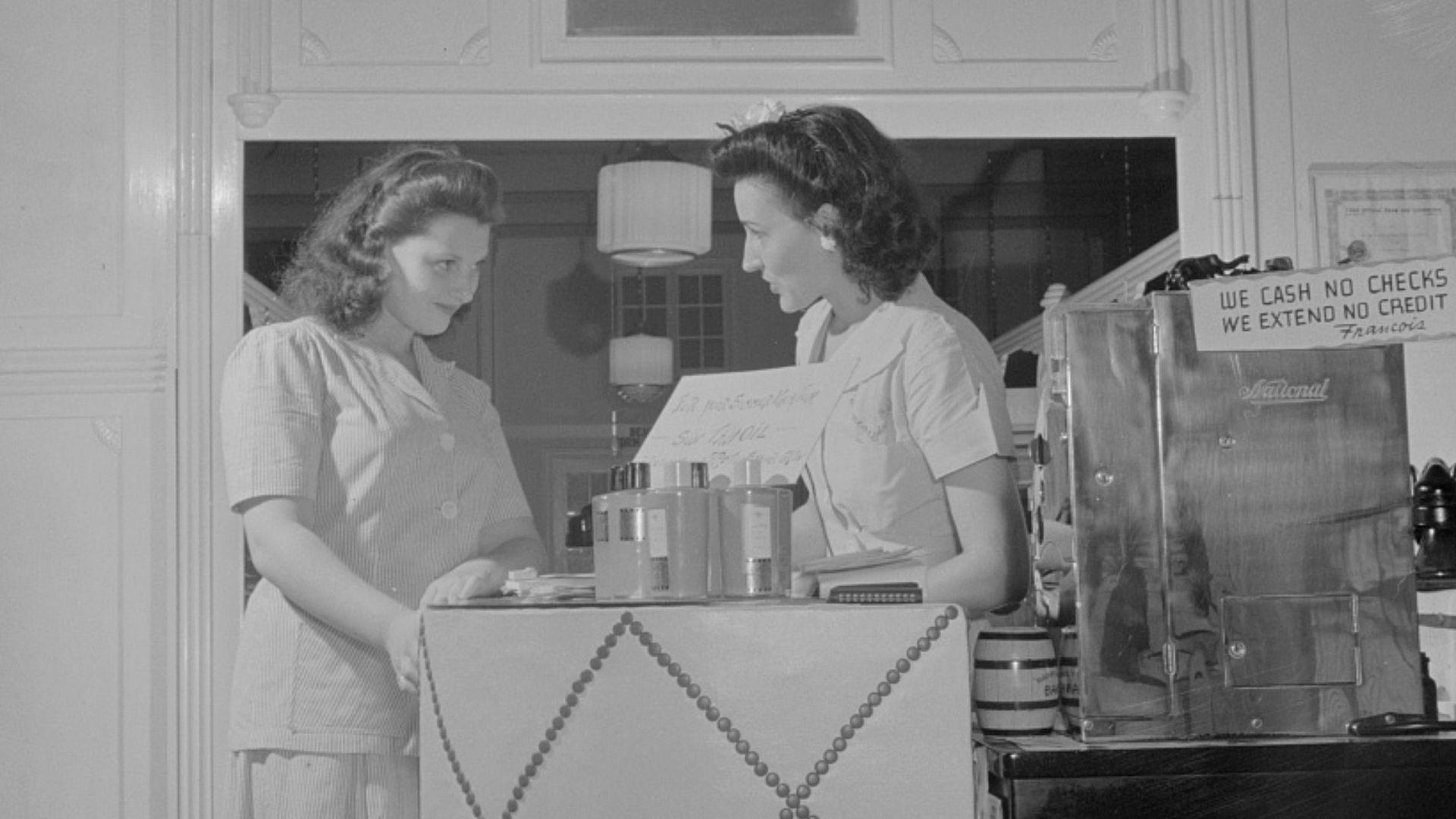
Here's something you don't see much anymore. Job seekers would walk into a store and ask to speak with the manager. If the boss wasn't busy, you might even get an interview on the spot. Not a bad afternoon's work!
 Marjory Collins, Wikimedia Commons
Dressing Like You Already Had The Job
Showing up in jeans and sneakers? Not if you wanted to impress the boss! Men often wore jackets and ties, while women were expected to dress conservatively. Looking the part was considered half the battle, even before anyone asked about your qualifications.
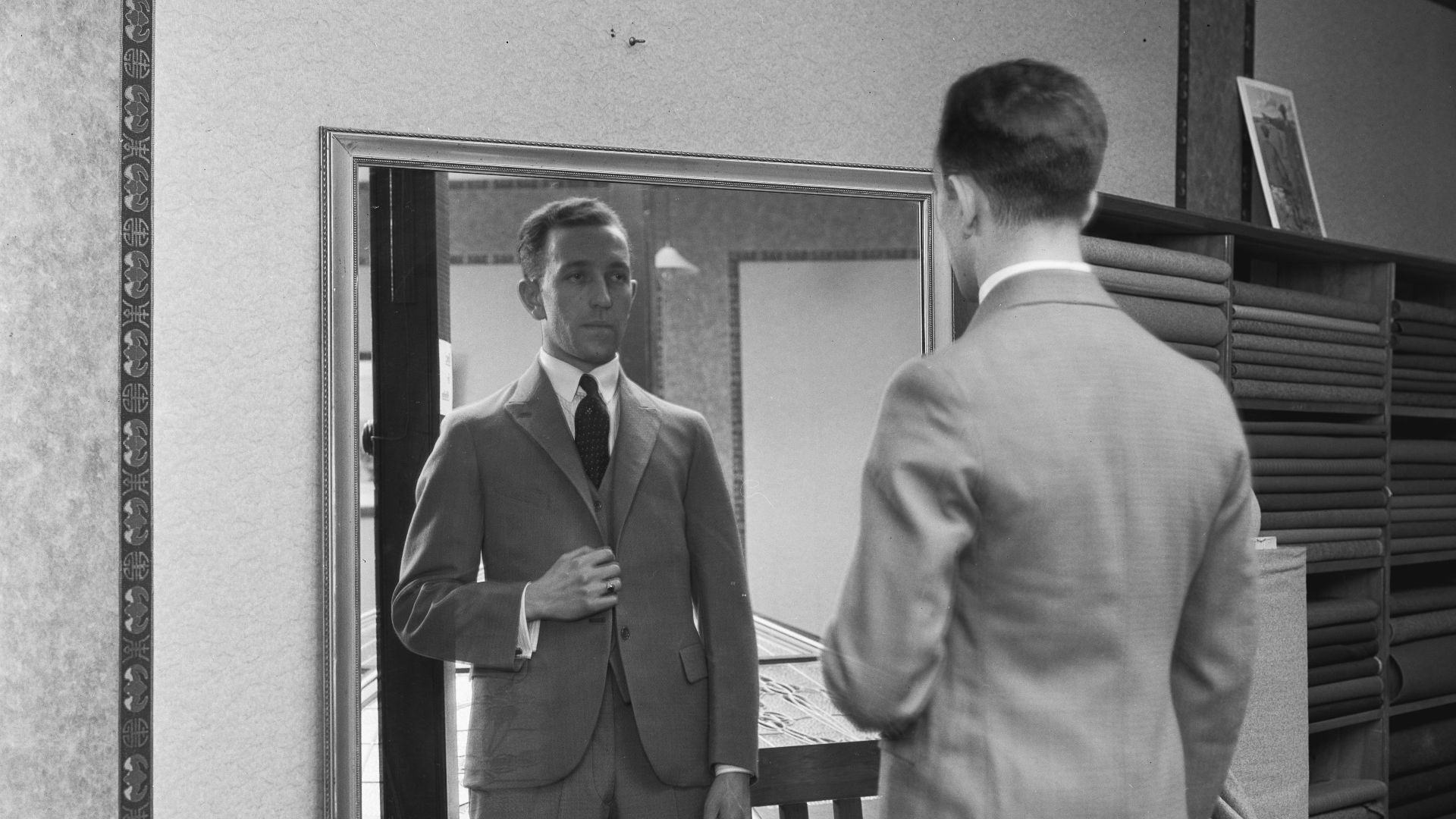 Museum of New Zealand Te Papa Tongarewa, Unsplash
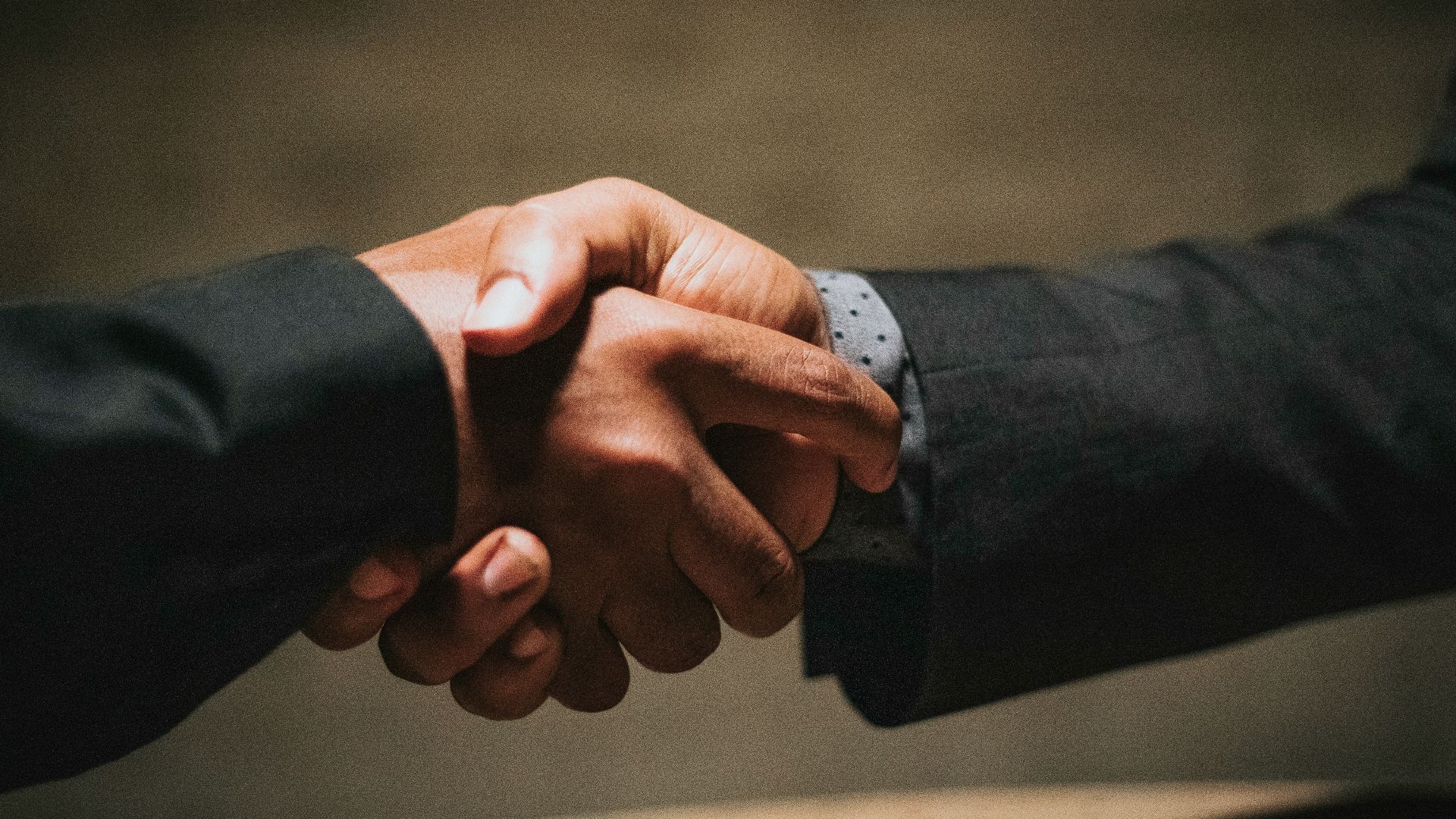
Giving A Proper Handshake
Your father might have told you that a good handshake could open doors. And back then, employers certainly paid attention. A firm grip, a little eye contact, and a confident hello were all part of making a proper first impression.
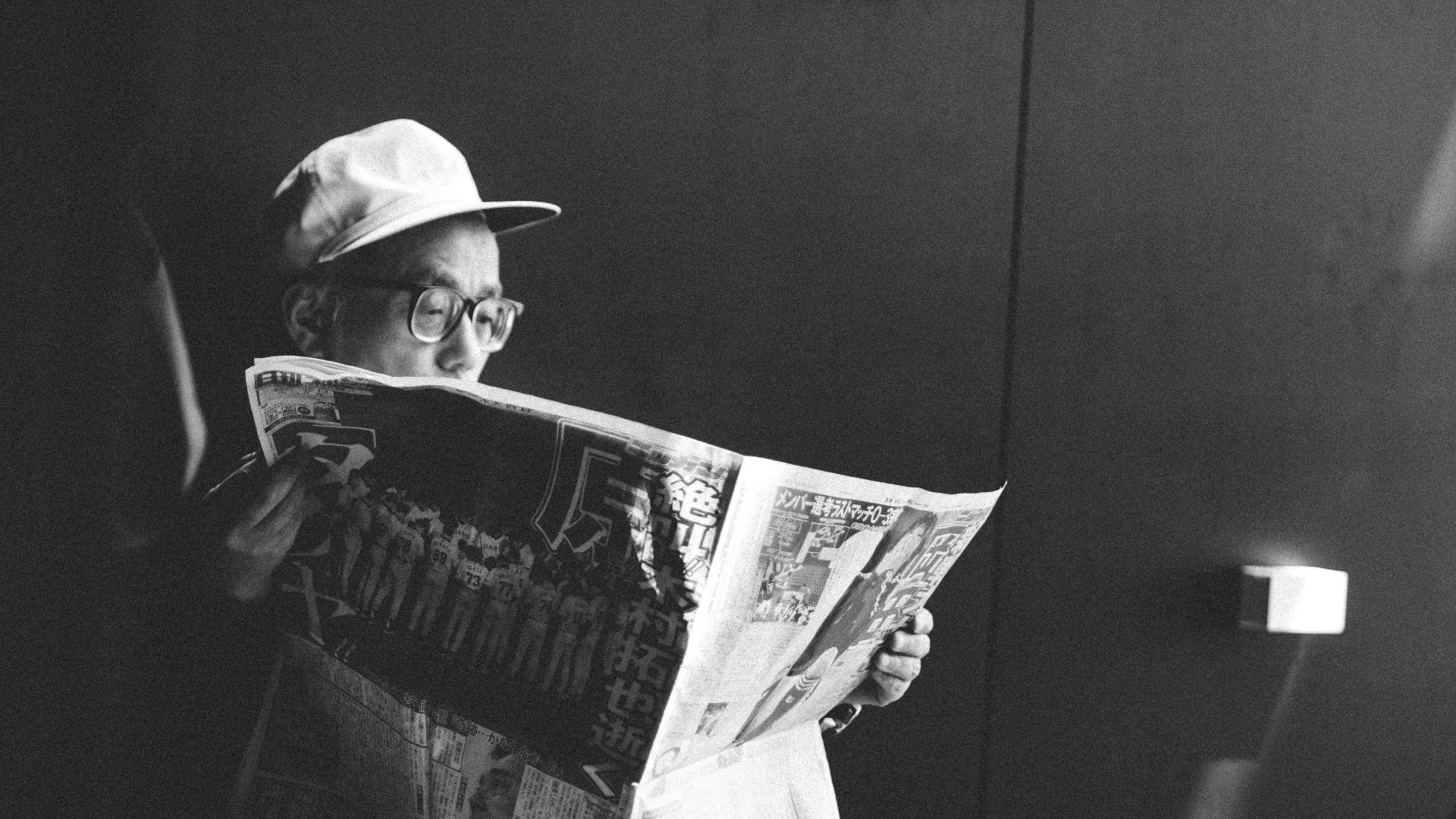
Checking The Newspaper Before Breakfast
Remember spreading the newspaper across the kitchen table and circling the Help Wanted ads? That was job hunting before the internet. If something looked promising, you'd grab the telephone and call before somebody else beat you to it.
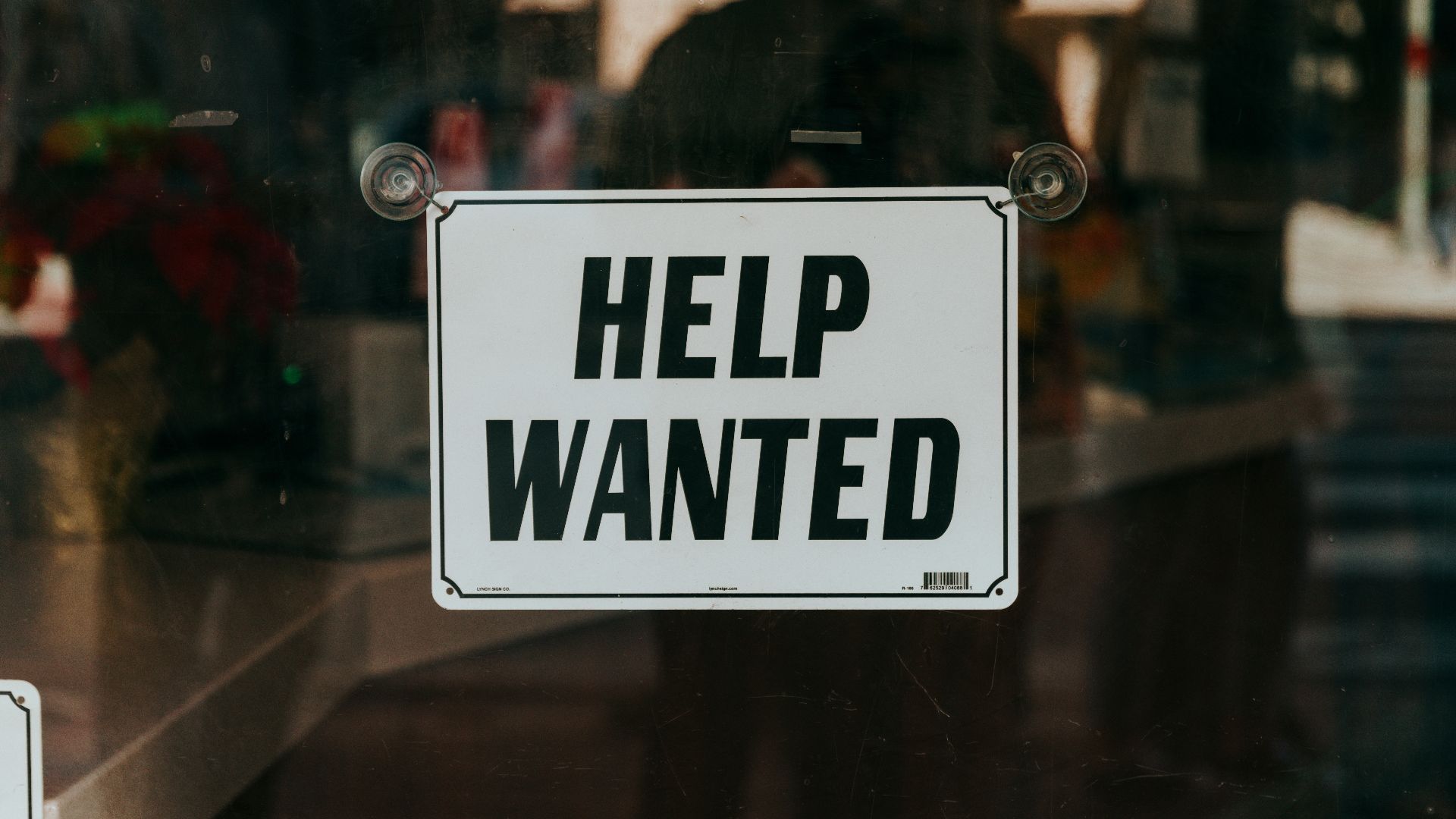
Answering A Help Wanted Sign
Those little Help Wanted signs in shop windows weren't just decorations. They were invitations to come inside and ask about work. Sometimes, you could walk in looking for a job and walk out knowing when your first shift would start.
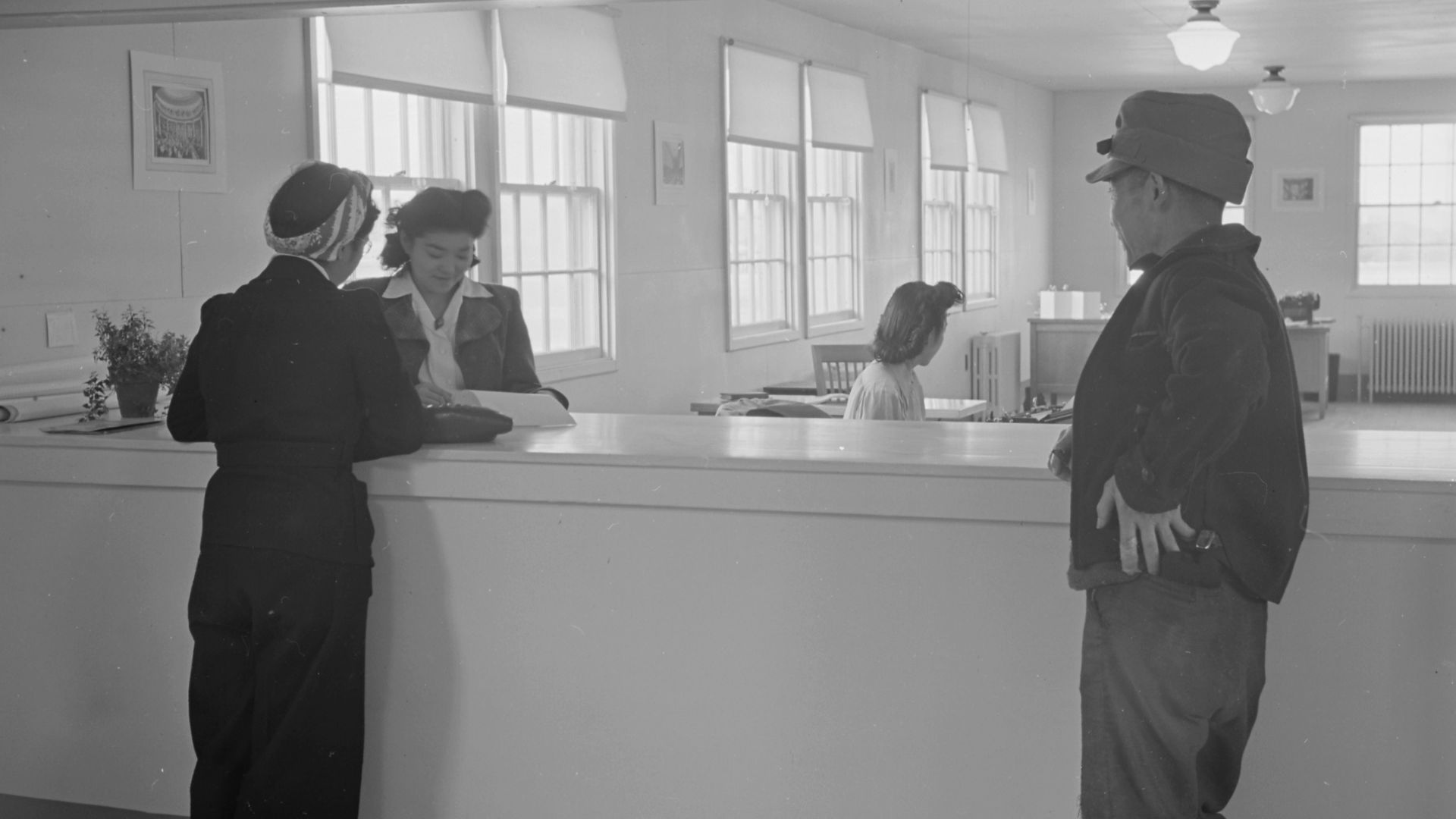
Having A Résumé Ready To Hand Over
Writing a résumé wasn't nearly as simple as it is today. One typing mistake could mean reaching for the correction fluid. But showing up with a neatly typed copy told an employer you'd taken the trouble to prepare.
 Francis Stewart, Wikimedia Commons
Carrying References From Trusted People
Didn't have much work experience? A good reference could help. Maybe your old teacher thought highly of you, or your previous boss was happy to recommend you. Having someone willing to put in a good word certainly didn't hurt.
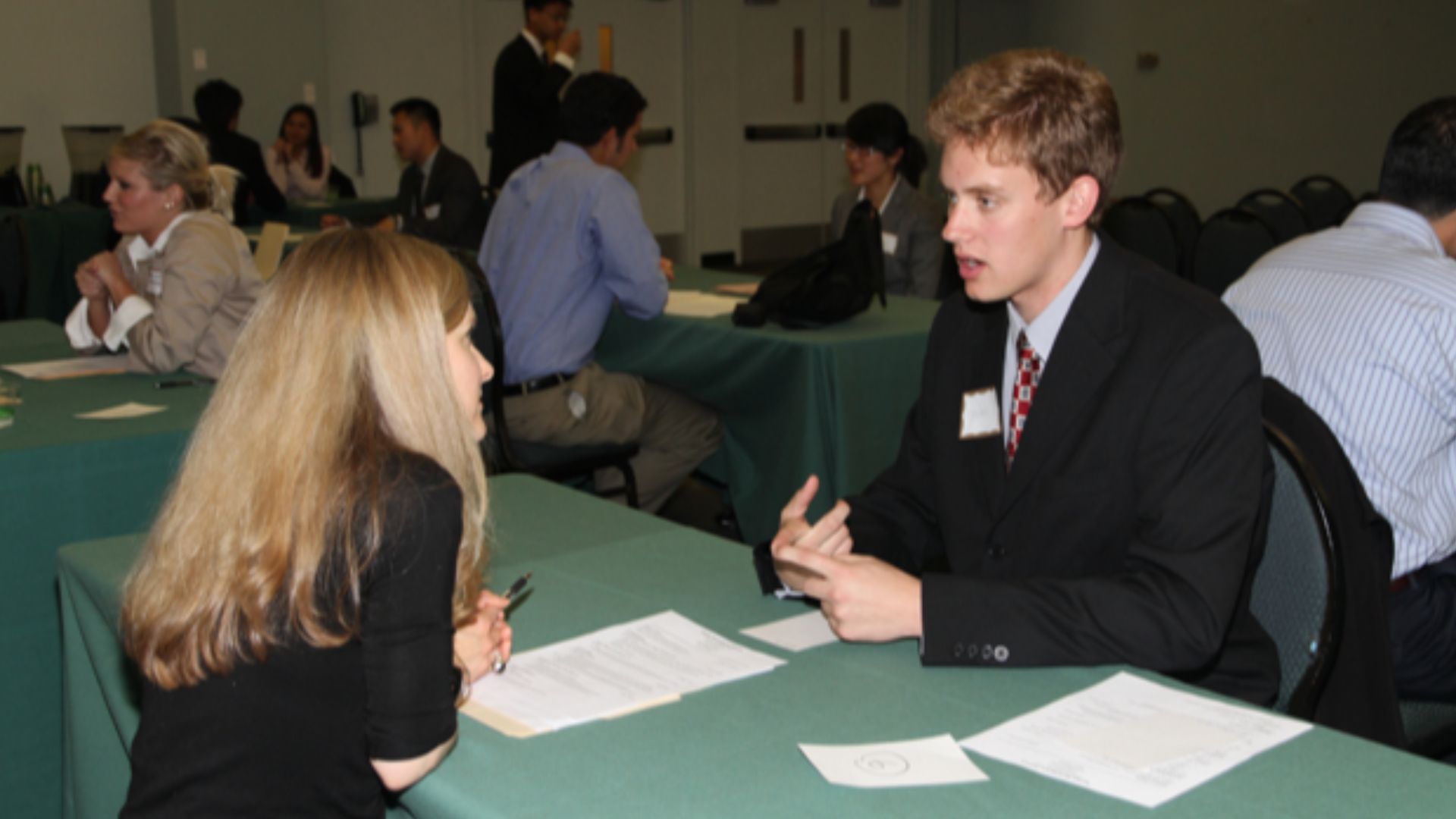
Making Friends With The Receptionist
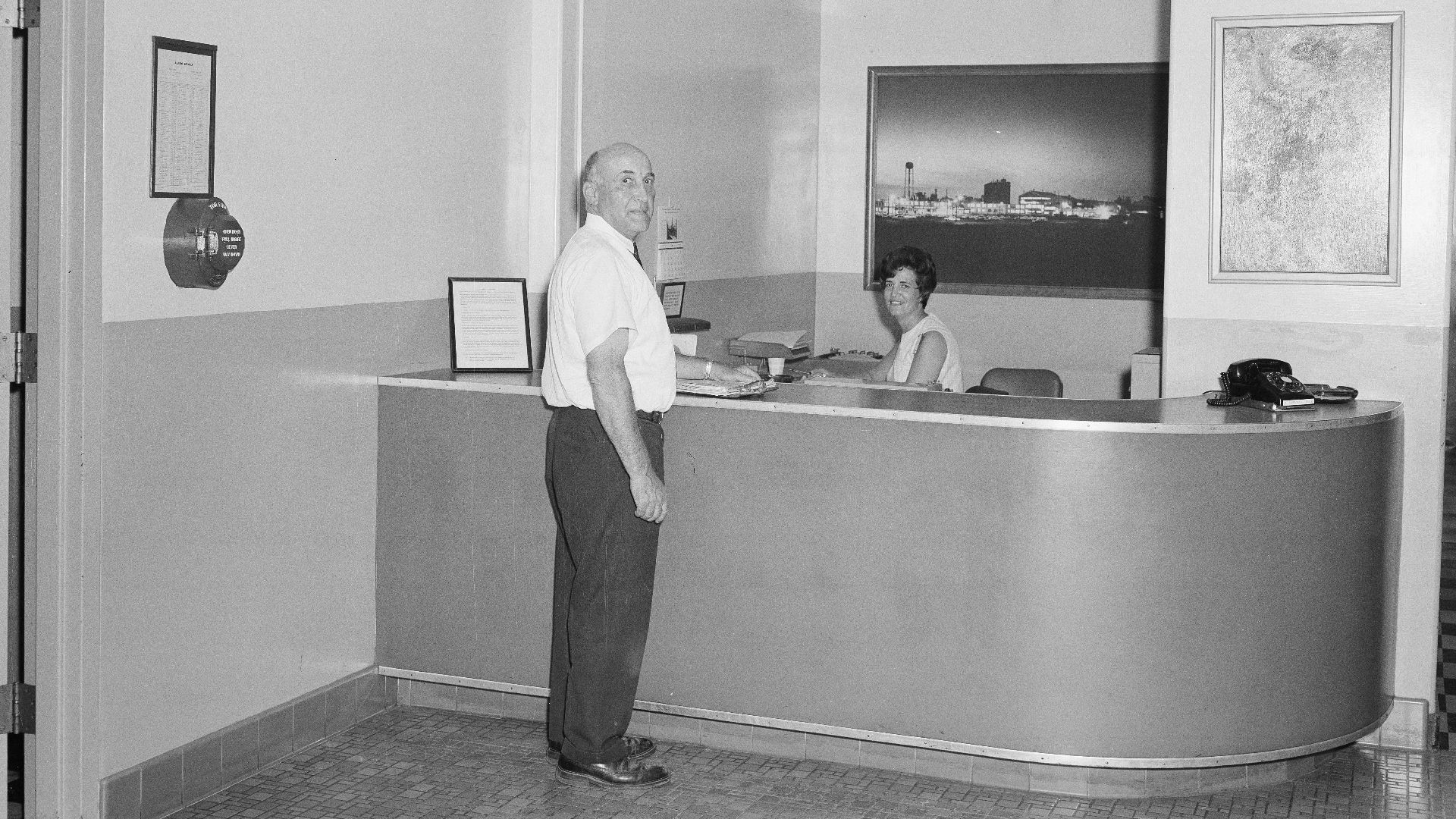
Here's something experienced job seekers understood: Be nice to the receptionist! They might not have hired anyone themselves, but they usually knew who did. A little politeness could make your visit go much more smoothly.
 U.S. Department of Energy from United States, Wikimedia Commons
Calling The Employer Directly
Found an interesting job in the newspaper? Time to pick up the telephone. You'd dial the number, introduce yourself, and hope someone friendly answered. There was no hiding behind a computer screen when you wanted to make an impression.
 Bill Branson (Photographer), Wikimedia Commons
Practicing A Telephone Introduction
Ever rehearse what you were going to say before making an important call? Plenty of job seekers did. You wanted to sound confident, polite, and interested. After all, that first telephone conversation might be your only chance to impress someone.
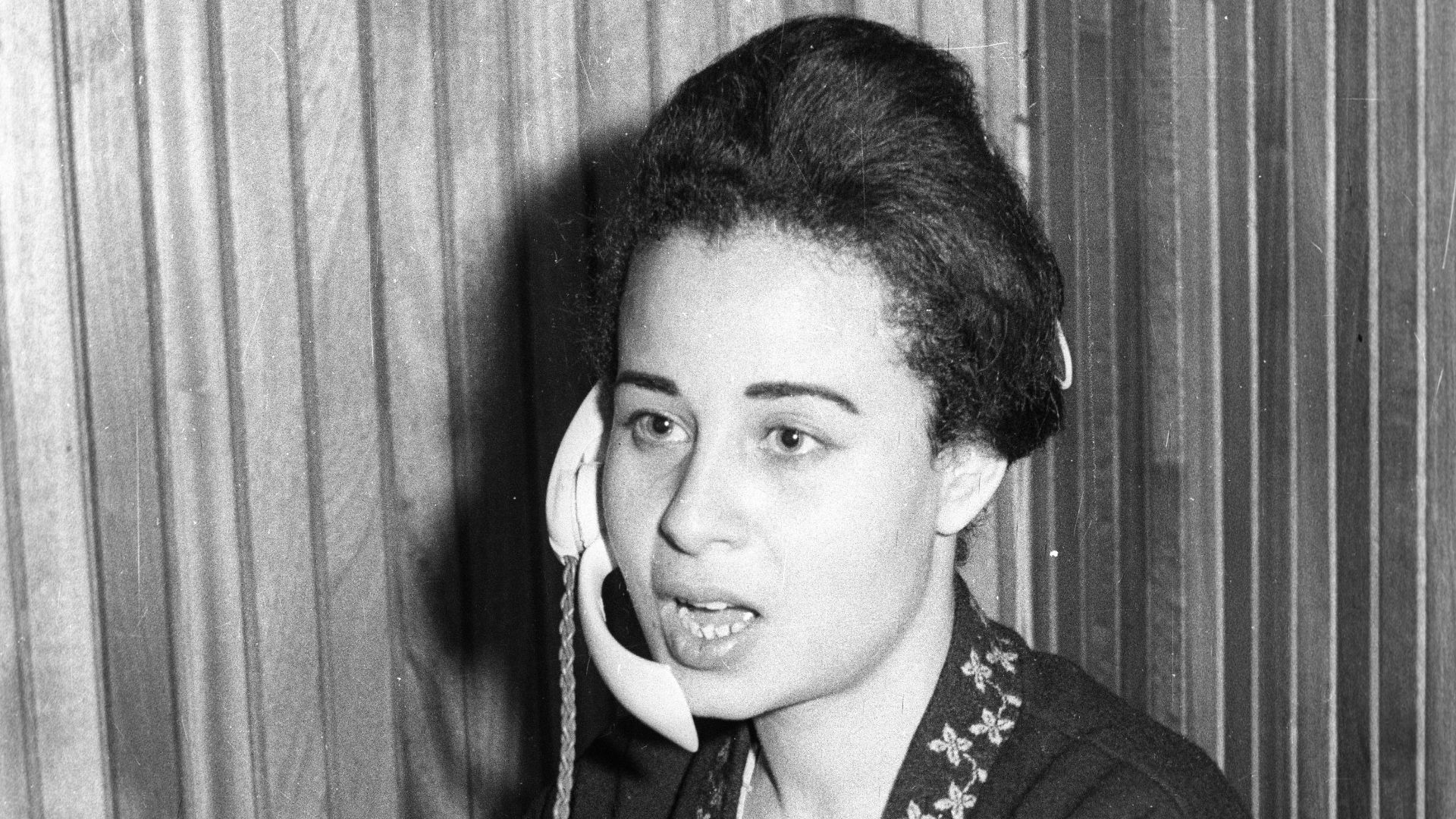 FOTO:Fortepan — ID 93223: Adományozó/Donor: Inkey Tibor., Wikimedia Commons
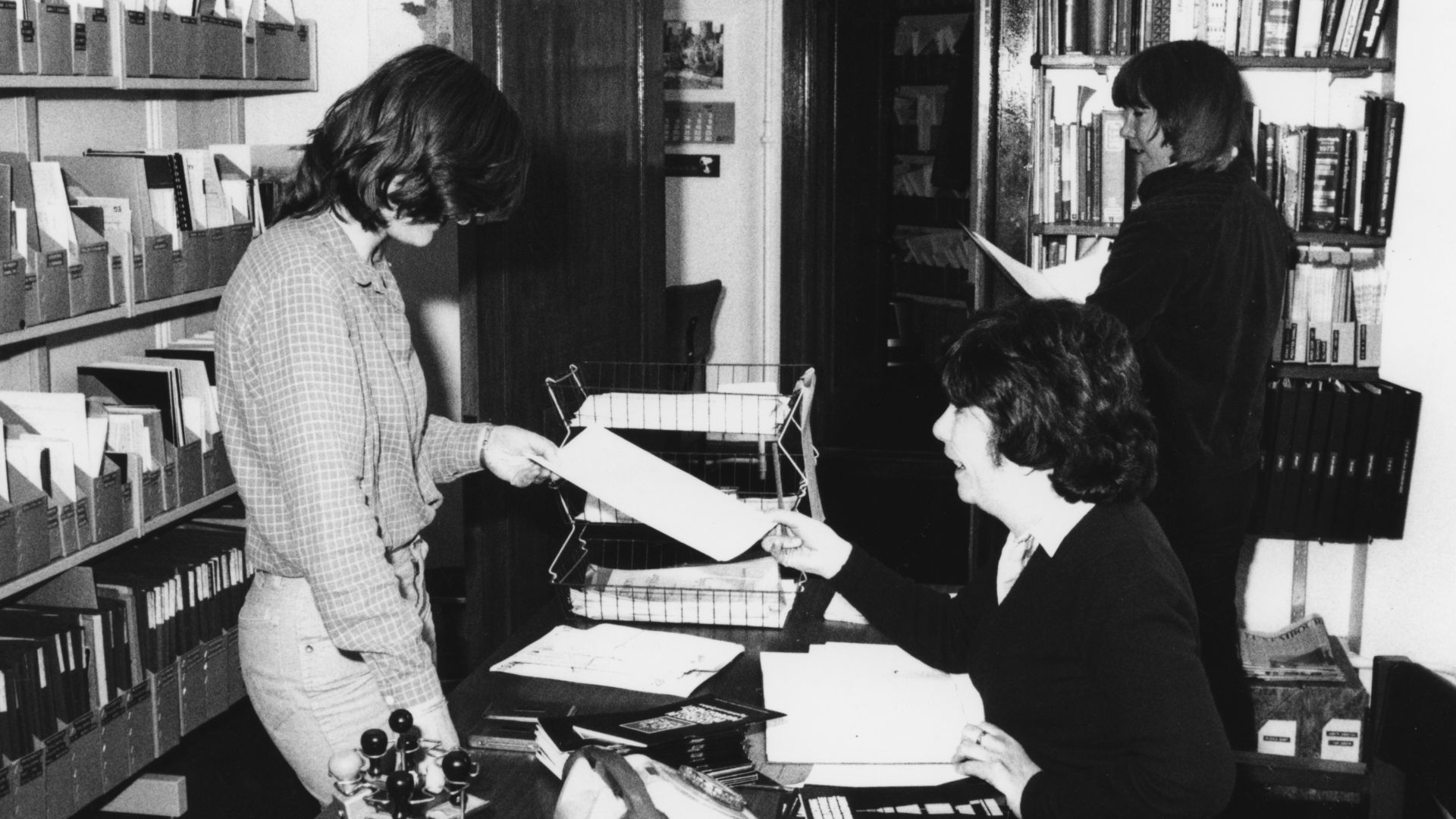
Visiting The Local Employment Office
Not sure where to look for work? The local employment office was worth a visit. Staff could help you find openings and sometimes offer career guidance. It was a useful option when the newspaper advertisements weren't turning up much.
 ArthurWilliamJack, Wikimedia Commons
Letting Friends Know You Needed Work
Sometimes, finding a job was as simple as telling the right person you were looking. Maybe your neighbor knew a factory manager, or your cousin heard about an opening downtown. A little word of mouth could go a surprisingly long way.
 Savva Uspenskiy, Wikimedia Commons
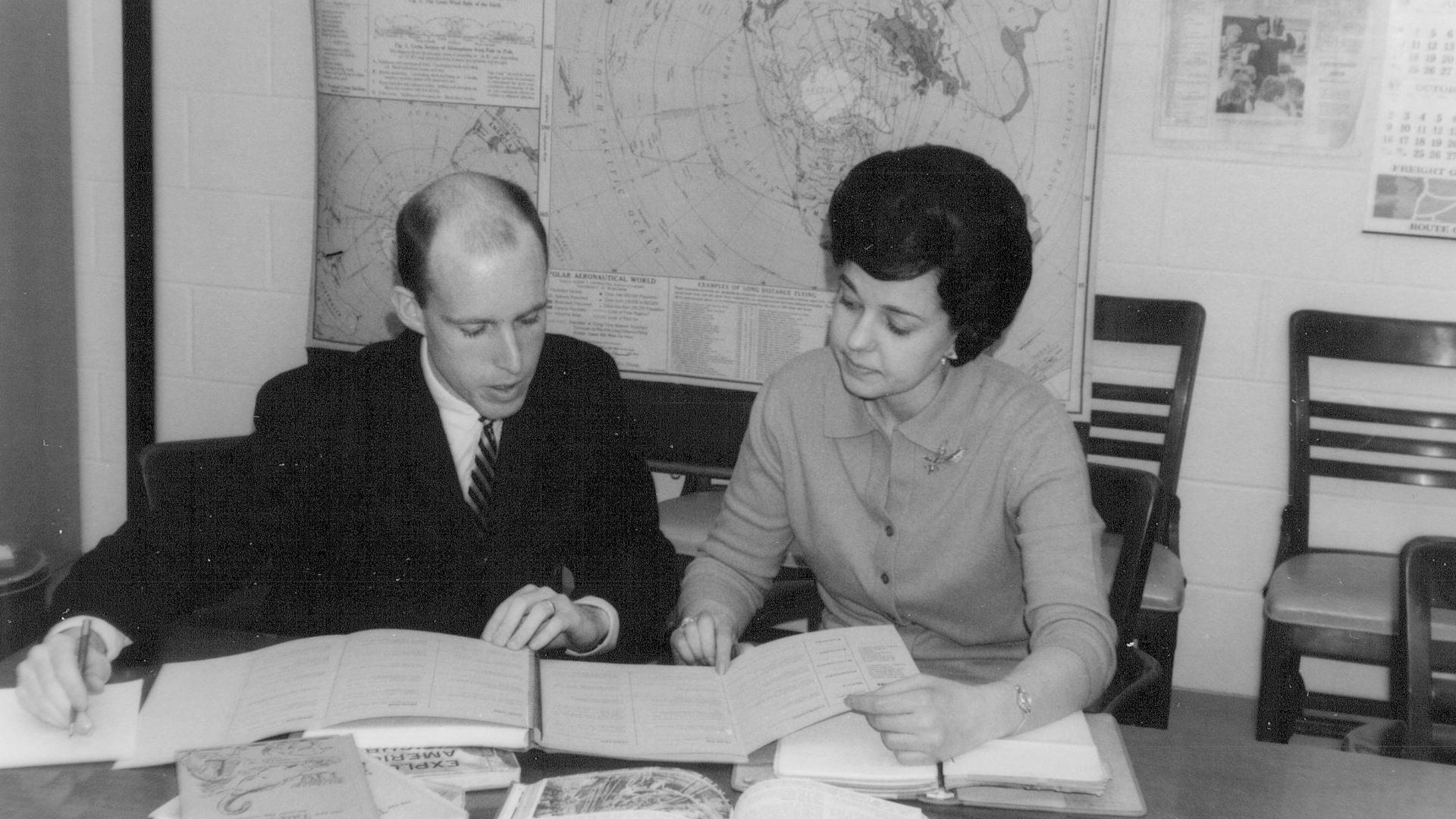
Asking Former Teachers For Recommendations
For young Baby Boomers just leaving school, a favorite teacher could be a lifesaver. Some teachers knew local employers or were happy to provide a reference. When you had little experience, having someone speak well of you meant plenty.
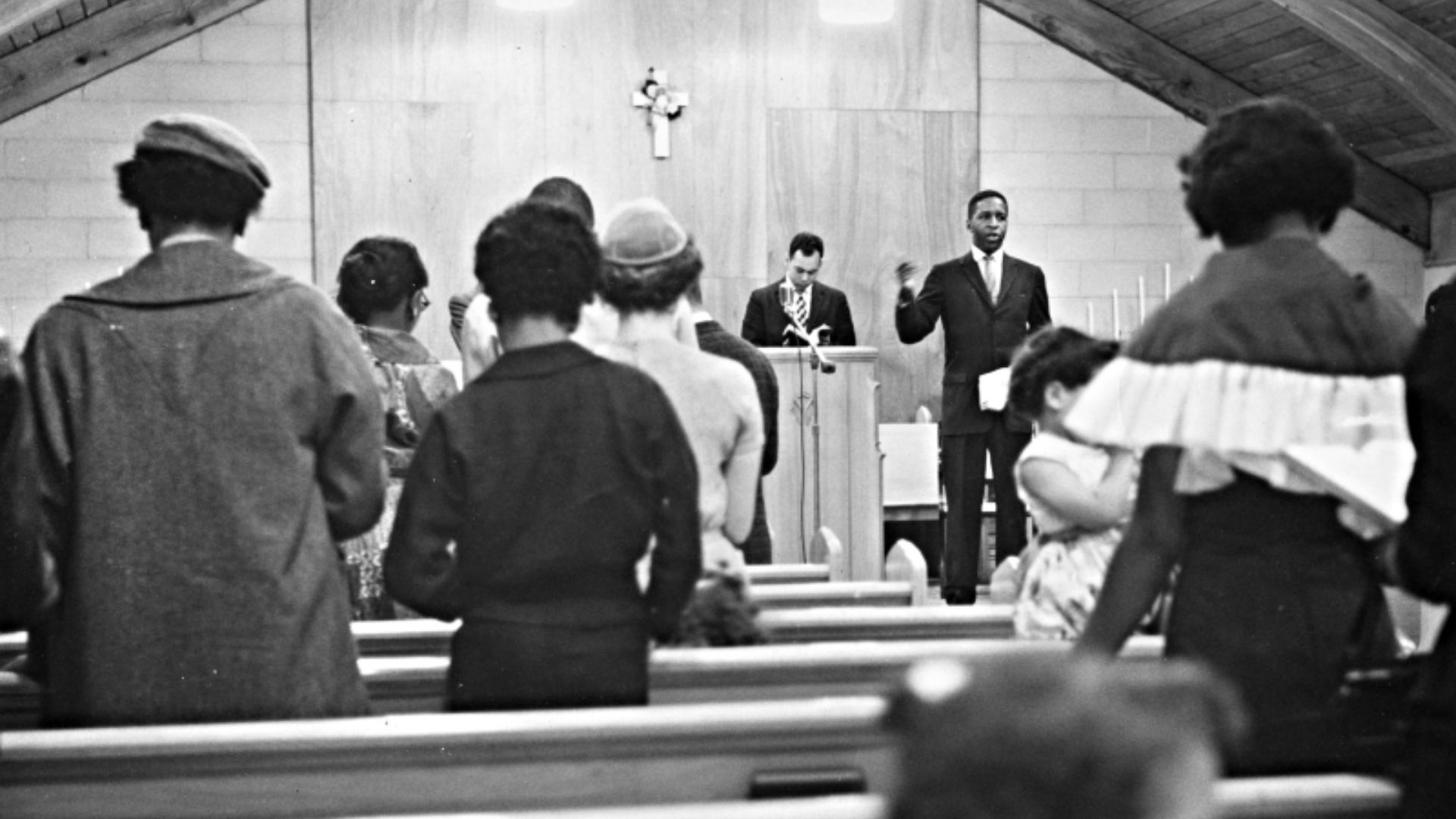
Using Church And Community Connections
Your church, local club, or neighborhood association could be more than somewhere to spend an evening. People talked, and job openings were often part of the conversation. Sometimes, knowing someone who knew the boss was enough to get an introduction.
 Mennonite Church USA Archives, Wikimedia Commons
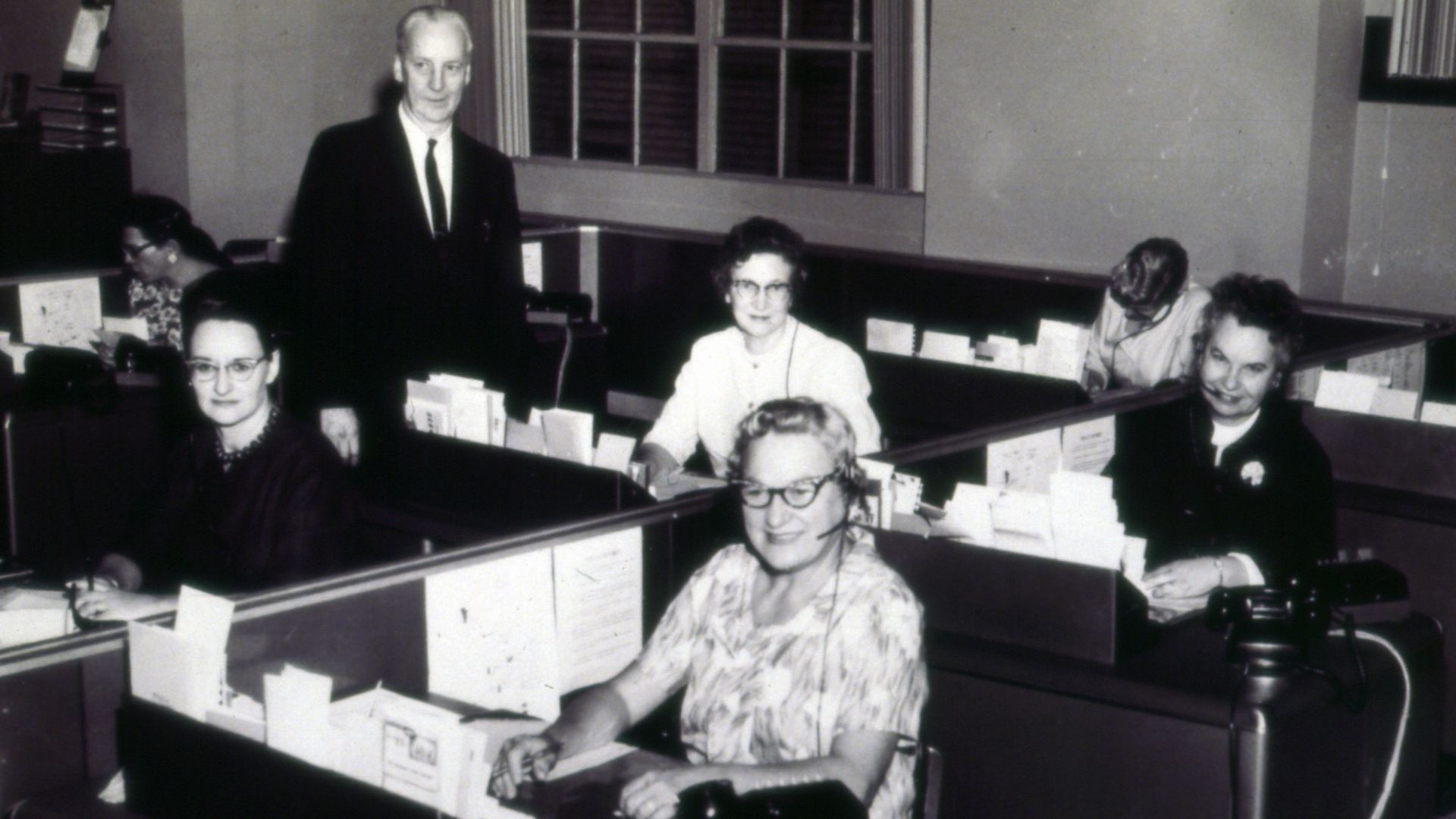
Taking A Temporary Job To Prove Yourself
Couldn't find permanent work? Taking a temporary position was another option. Staffing agencies placed people in offices that needed extra help. Do a good job, make a few connections, and you might find yourself with another opportunity.
 Seattle Municipal Archives from Seattle, WA, Wikimedia Commons
Attending A Job Interview With A Notebook
A notebook and pen might not sound impressive today, but they were useful things to bring to an interview. You could jot down names, instructions, and important details. It showed you were listening, which was always a good start.
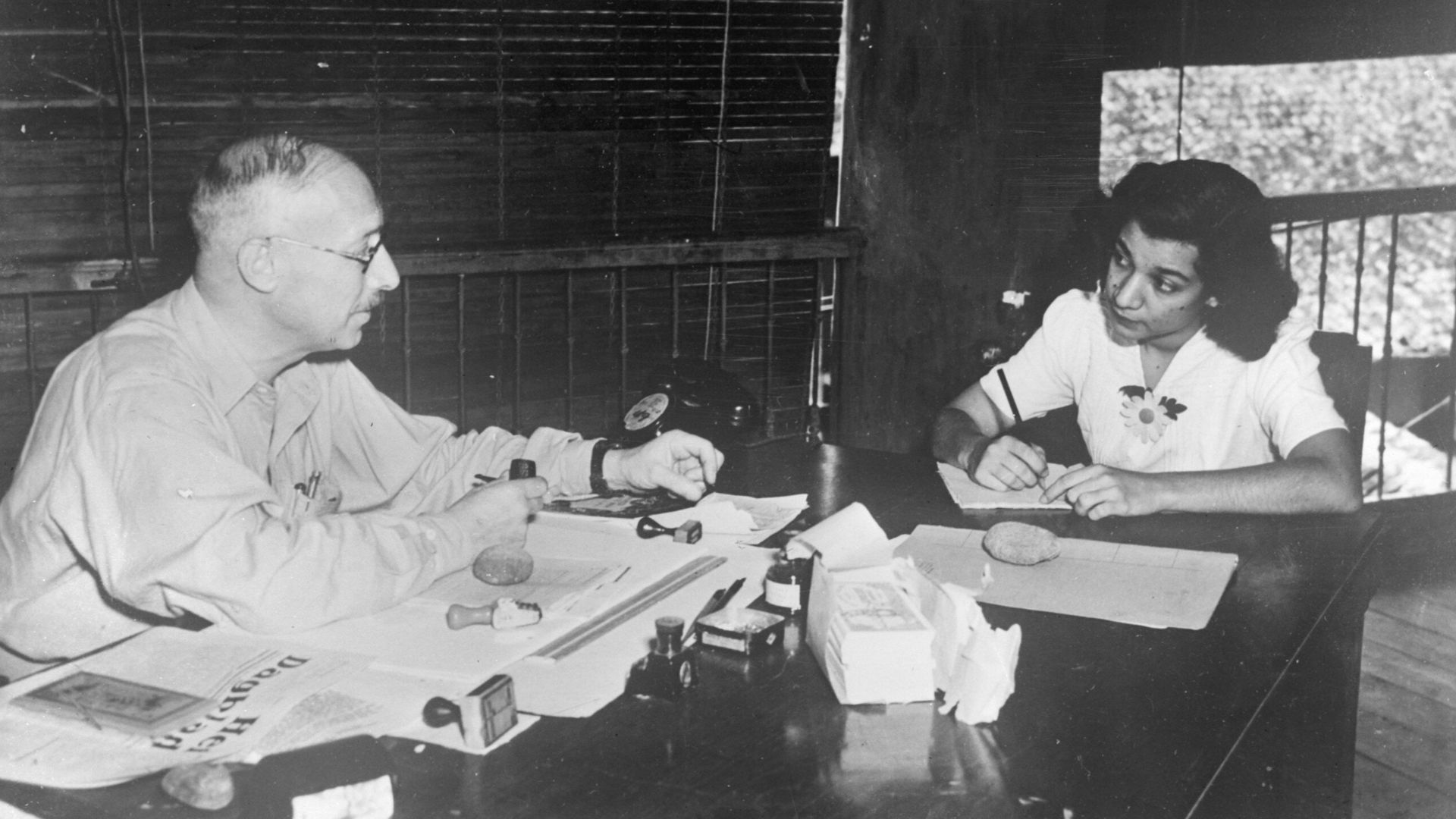
Knowing Something About The Company
Nobody expected you to know everything about a company, but turning up completely clueless wasn't ideal. Reading about the business or asking around beforehand showed some initiative. Employers generally appreciated applicants who'd made an effort to learn a little.
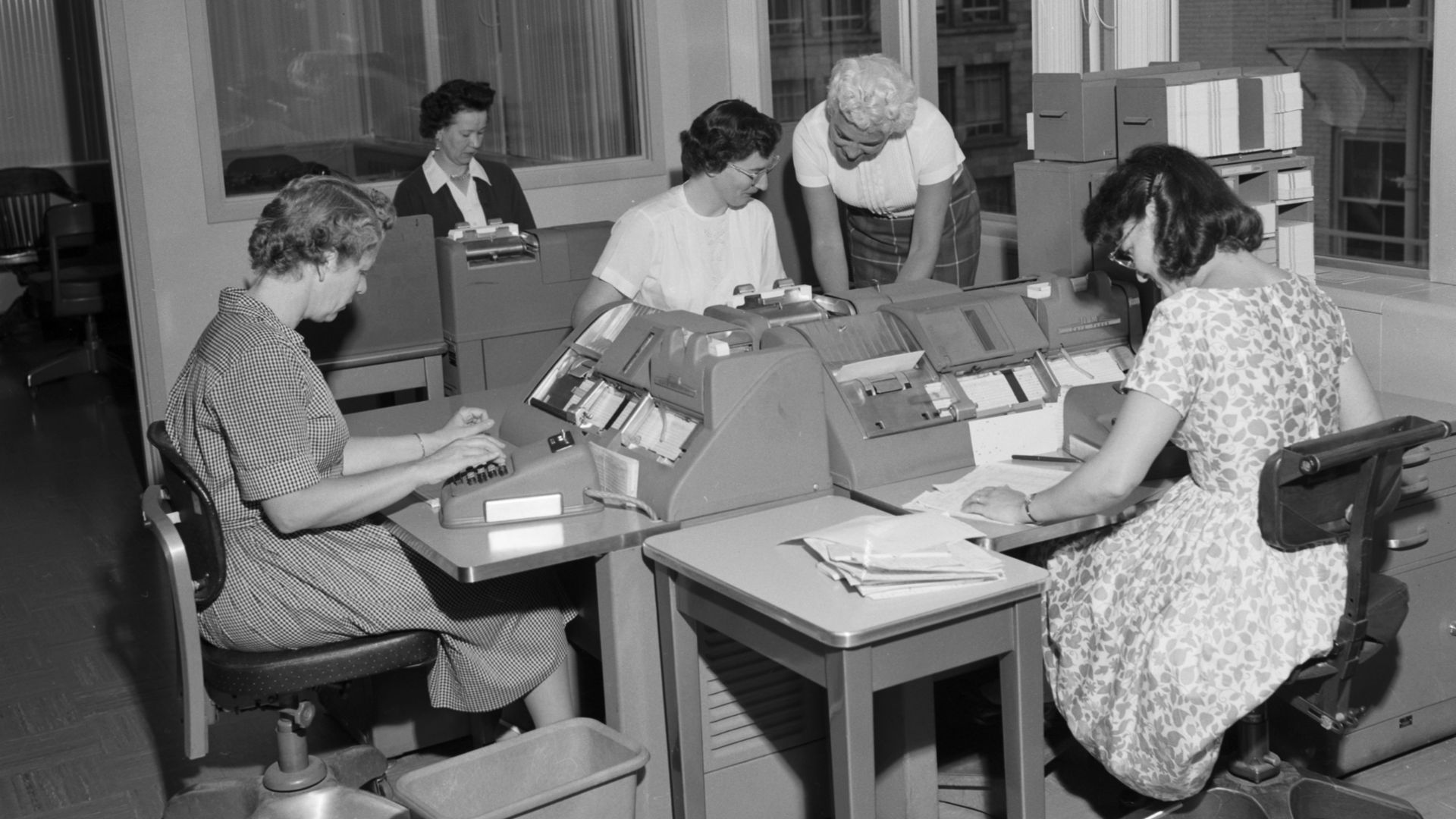 Seattle Municipal Archives from Seattle, WA, Wikimedia Commons
Speaking Confidently About Your Abilities
Back then, you couldn't just point someone toward your online profile. You had to explain what you could do. Whether you were handy with engines or quick on a typewriter, being able to talk about your skills made a difference.
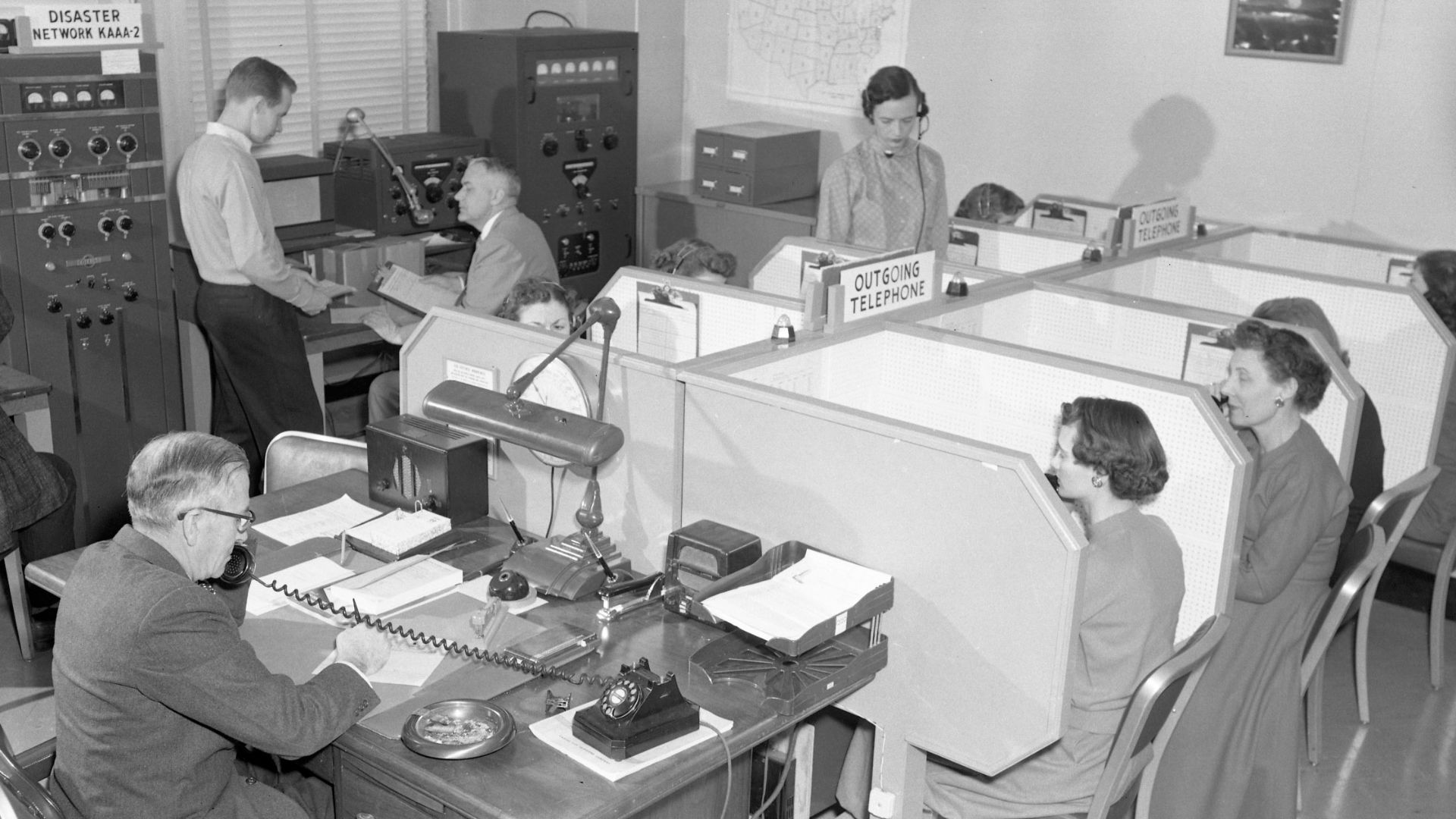 Missouri State Archives, Wikimedia Commons
Bringing Samples Of Your Work
Sometimes, it helped to bring proof. Writers carried published articles, artists brought portfolios, and photographers showed off their pictures. Rather than simply telling an employer you were talented, you could put your work right in front of them.
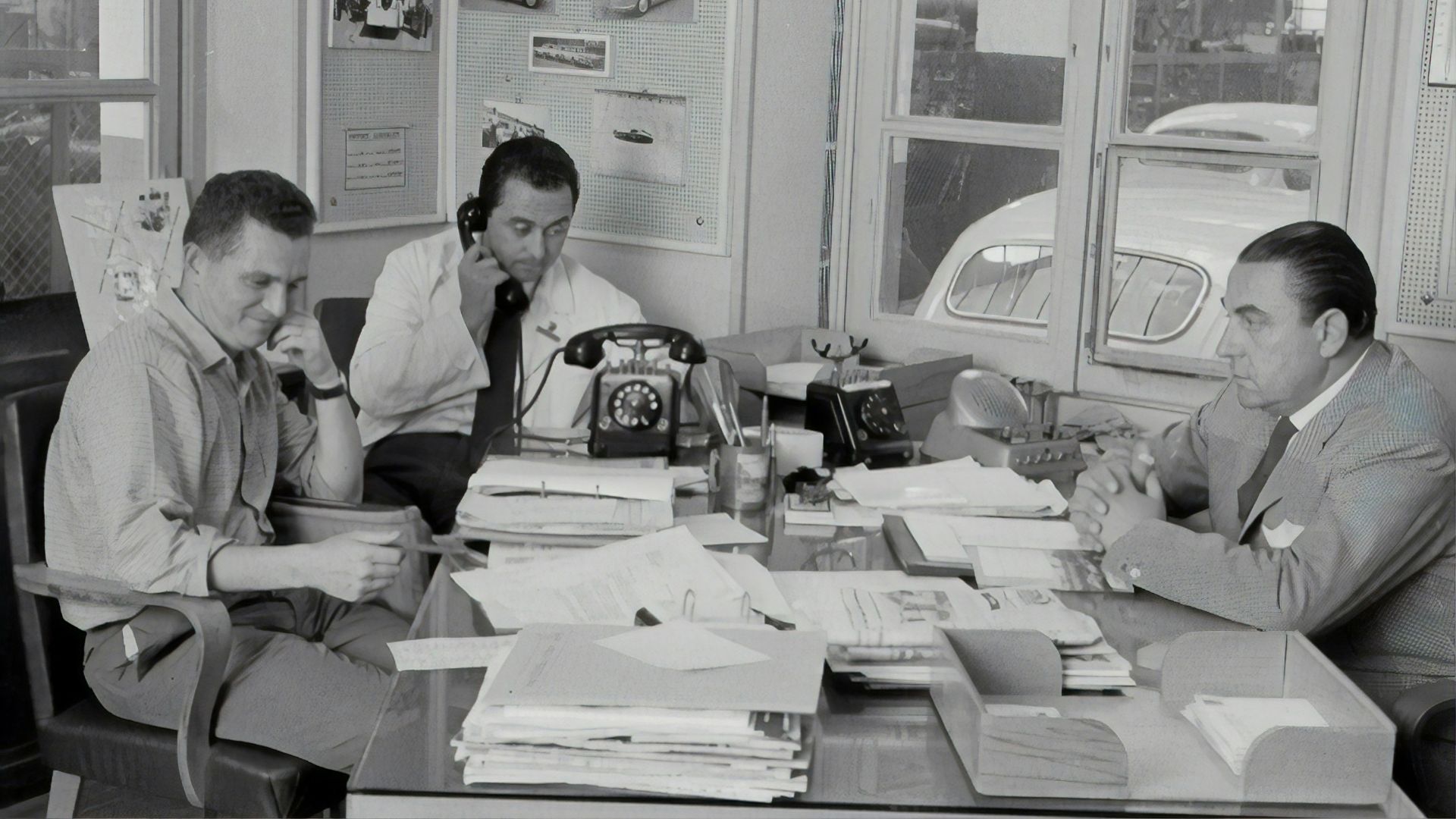 Austrian National Library, Unsplash
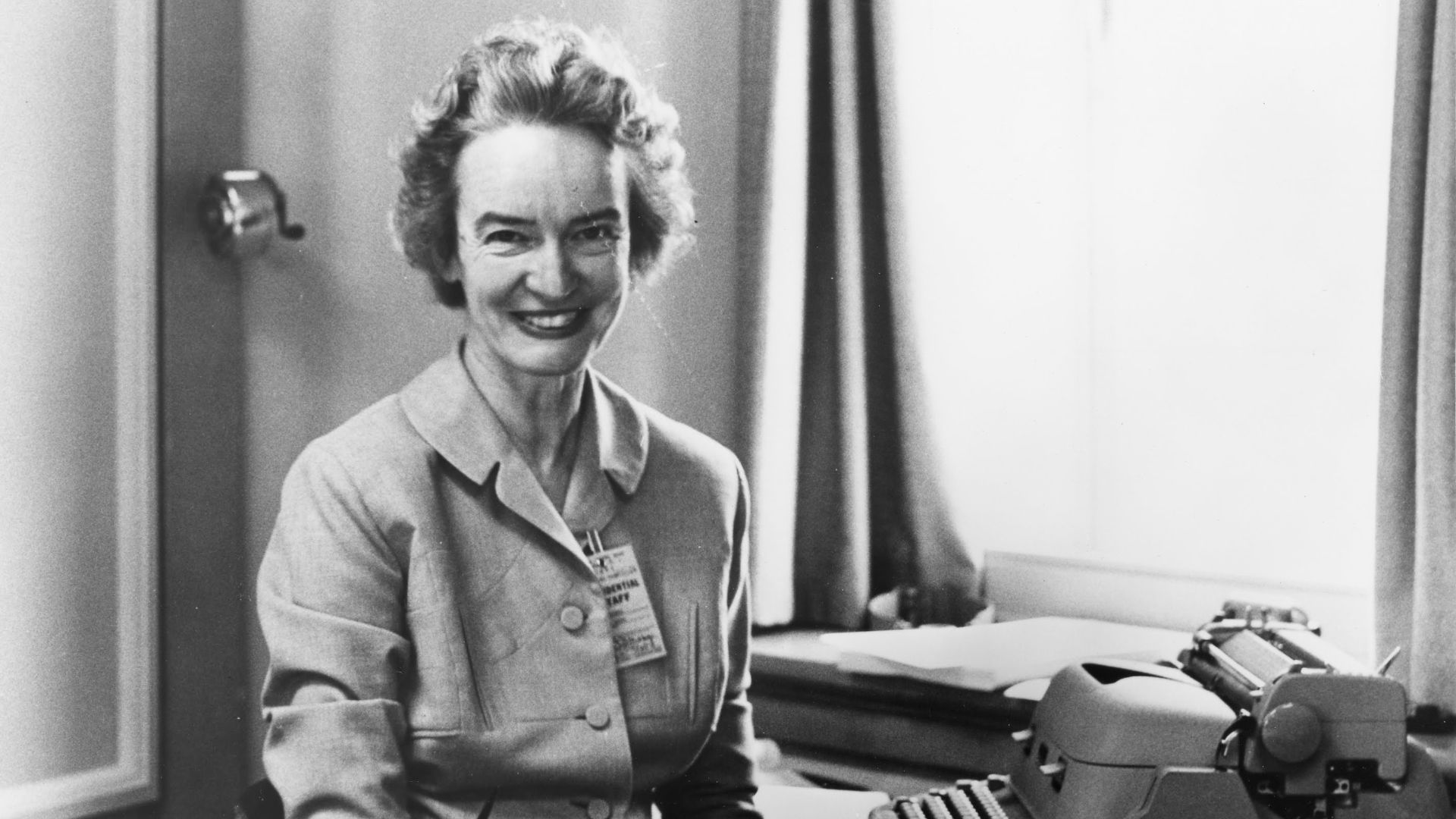
Knowing How To Type
If you wanted an office job, knowing your way around a typewriter was a big advantage. Employers sometimes tested applicants on their speed and accuracy. A strong typing score could be just the thing that got you noticed.
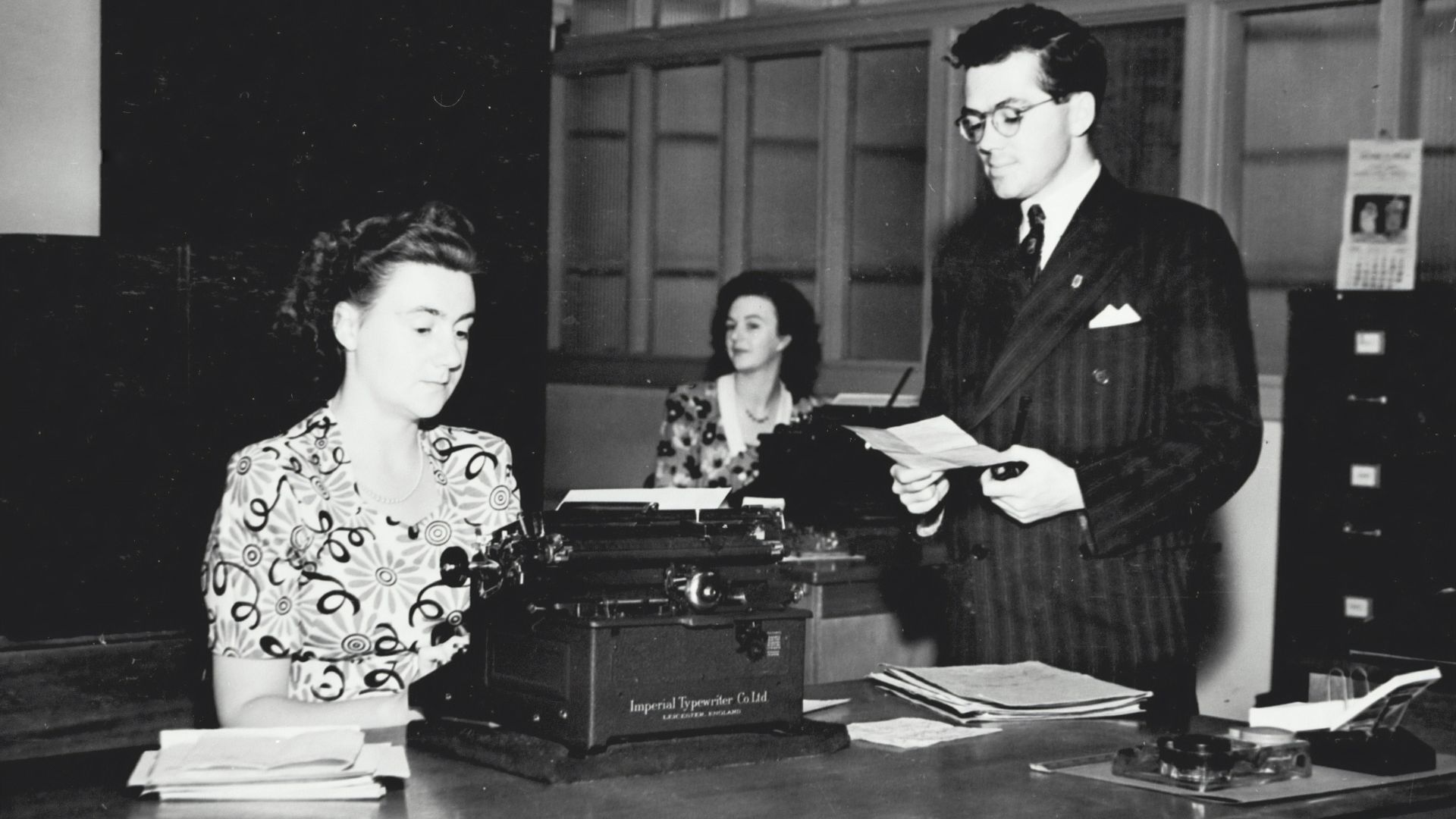
Following Up With A Thank-You Letter
Remember when people actually wrote thank-you notes? Some job seekers sent one after an interview, thanking the employer for their time. It was a small gesture, but a thoughtful letter might help your name stick in someone's mind.
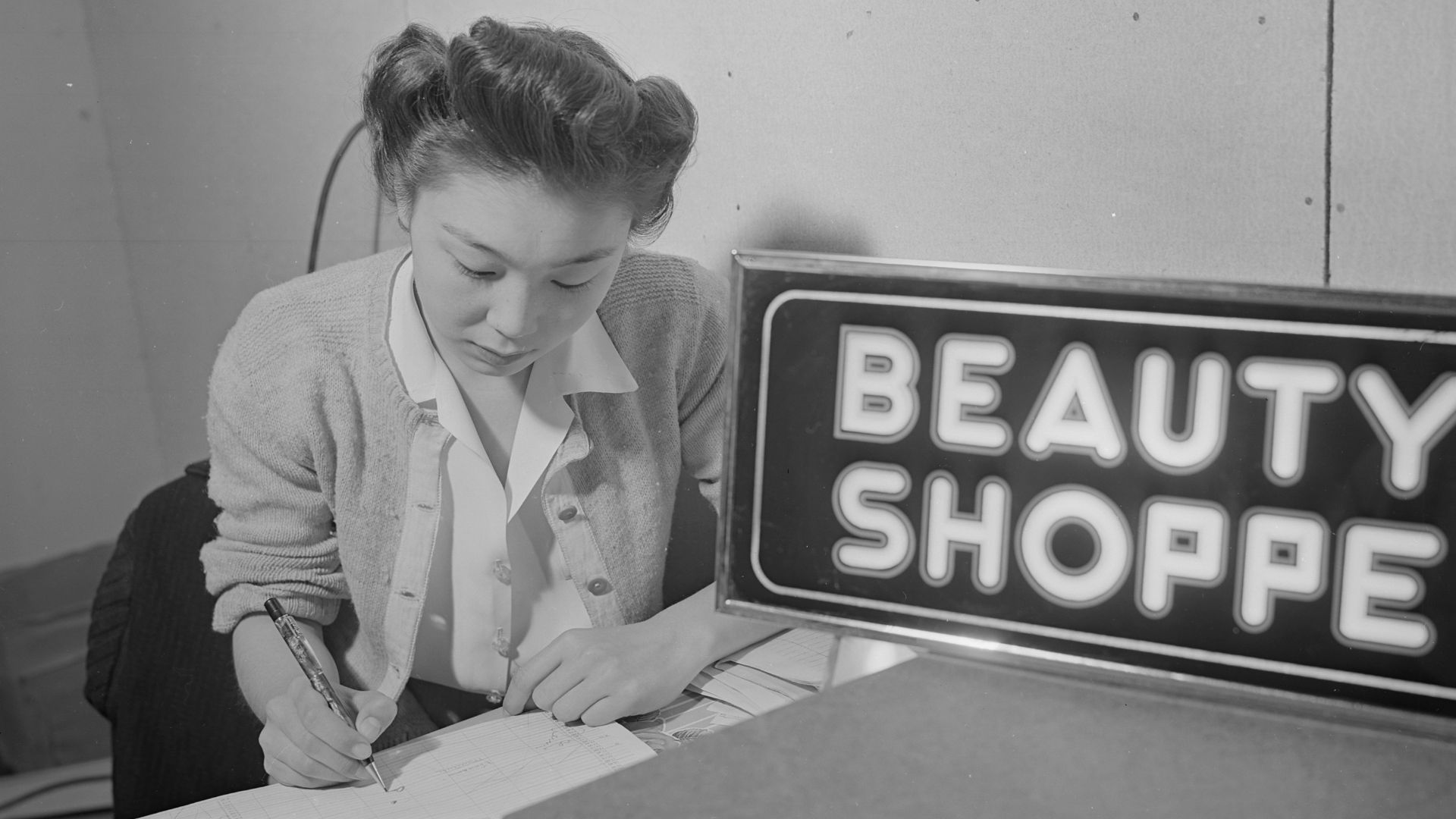 Francis Stewart, Wikimedia Commons
Following Up Without Being Pushy
Waiting to hear about a job could drive anyone crazy. With no email updates, you might make a polite telephone call to check in. Just don't overdo it. Even in the 1960s, nobody appreciated being pestered.
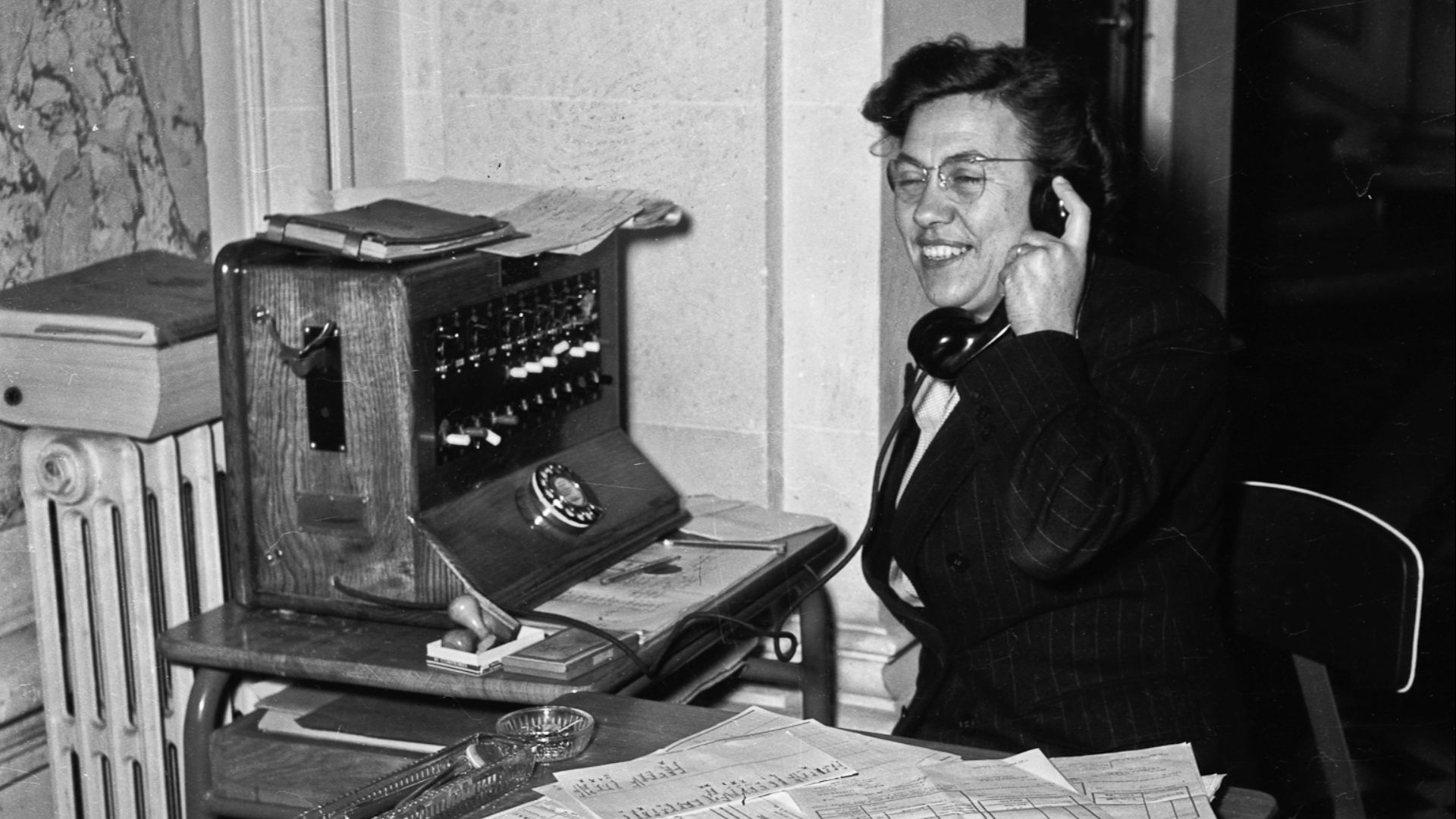 Jean-Joseph Weber, Wikimedia Commons
Being Willing To Start At The Bottom
Your first job probably wasn't glamorous. Maybe you stocked shelves, delivered packages, or filed paperwork all day. But plenty of young Boomers were happy to get started somewhere. Proving you could be counted on was often the first step.
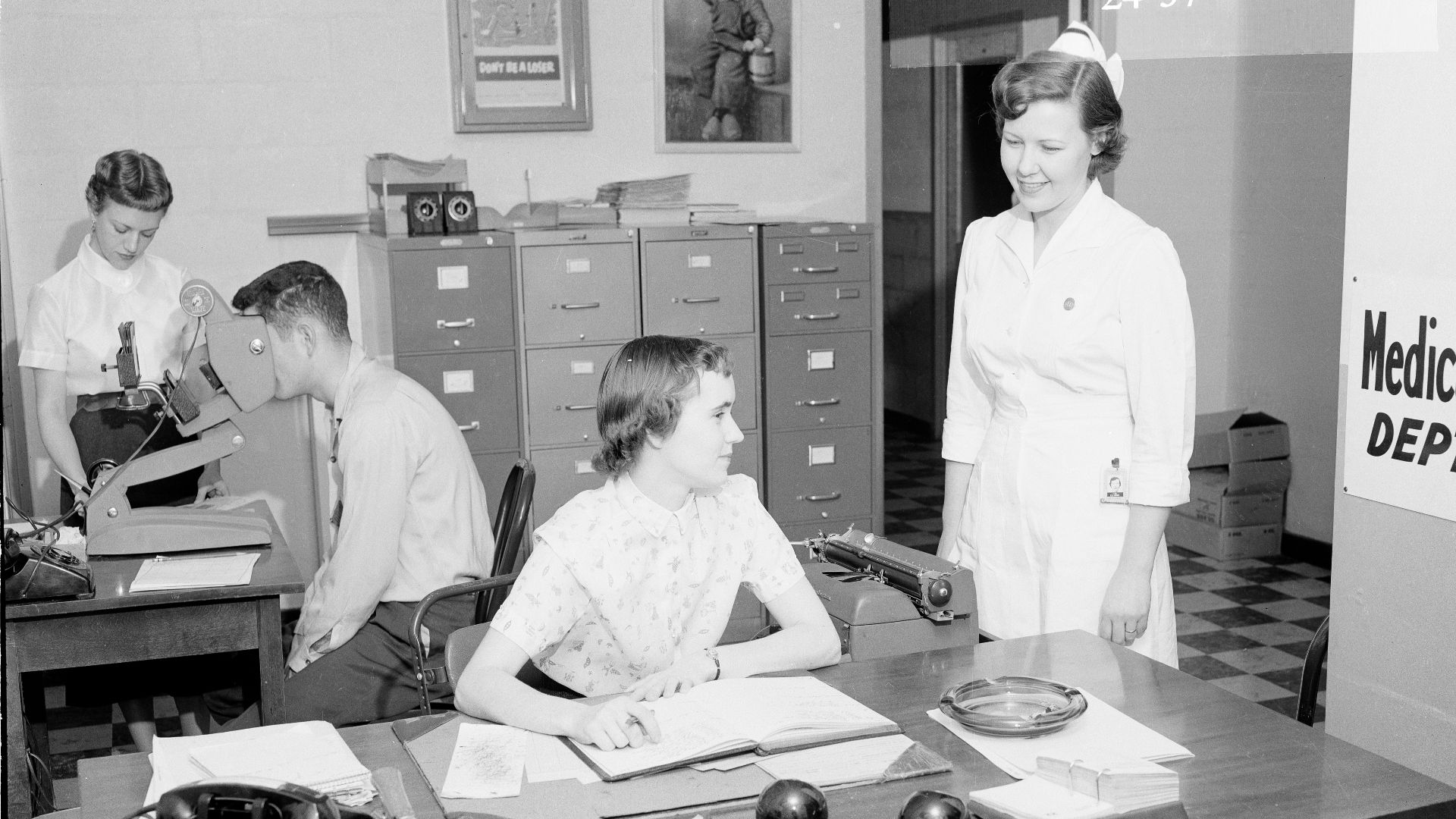
Arriving Early For Every Appointment
Running late for an interview? That wasn't the impression you wanted to make. Without GPS or smartphones, you had to figure out your route beforehand. Showing up a few minutes early told the boss you respected their time.

The First Impression Still Matters
Of course, job hunting in the 1960s had its problems, especially the discrimination that kept many qualified people from getting a fair chance. But there's something worth remembering about those personal introductions and face-to-face conversations. Technology has changed how we apply for jobs, but being prepared, polite, and genuinely interested still goes a long way.
You May Also Like:
The History Of Postal Savings Accounts And Why The Federal Government Stopped Offering Them
How Credit Card Promotional Rates Can Turn A Deferred-Interest Purchase Into An Expensive Loan